Buying gifts is always a challenge, but one way to find the ideal gift for a special person in your life is to focus on a niche that you know is of interest to them. So if you know someone who loves gardening, you’ll be glad to learn there are lots of gifts that are ideally suited to people who love to garden. We’re going to look at the best of the bunch today, so keep reading to find out all about them.
The great thing about birdbaths is that they’re not just about adding something functional to the garden. They also act as great ornamental pieces, so if you’re looking for something to give that brings a visual impact, an attractively designed birdbath could be exactly what you’re looking for. There’s no shortage of designs and options out there to choose from these days either.
Gardening Gloves
If you want to make the process of gardening a little more comfortable for a special person in your life, a pair of high-quality garden gloves can make the perfect gift. Again, there are lots of styles and designs out there, just make sure you choose a pair that fits well. It’s a good and affordable gift option so it should definitely be considered.
A Seed Subscription
Right now, subscription services are all the rage. There’s a subscription service for just about everything, so you might not be surprised to learn that there’s also a subscription available for seeds. That means you can get different seeds sent to your door each month, so this could be a great gift idea. You could pay for their seed subscription for a year, for example.
The Latest Top Books
There’s a range of great gardening books released each and every year. They might be guide books, general advice, or even photo books. There’s something for just about every garden lover on the shelves of your local book store, so it’s an avenue you should definitely explore. This article is A Review Of The Best Gardening Books in 2020, so it might give you some interesting ideas for which you might want to buy.
Solar-Powered Outdoor Lanterns
You don’t have to choose something that’s focused on the task of gardening; it might be a good idea to choose a gift that adds something new and fun to the garden and has a social dimension. Some solar-powered outdoor lanterns allow you to light up the garden at night and carry on the party into the evening. It’s a good gift idea and they’re also eco-friendly as the battery can charge up during the night and be put to use during the day.
If you’re looking for gifts for the gardener in your life, the ideas above should provide you with the inspiration you need. Find a gift they’re guaranteed to love and help them get even more out of their love of gardening with the kinds of gift options we’ve discussed here.
According to a Johns Hopkins research team, 250,000 deaths in the United States are caused by medical error each year. This makes medical error the third-leading cause of deaths in the country.
Fact: Sloths have more neck bones than giraffes
Despite physical length, there are more bones in the neck of a sloth than a giraffe. There are seven vertebrae in the neck of giraffes, and in most mammals, but there are ten in a sloth. Still, giraffes are among 23 of the world’s biggest living animals.
Fact: Bees can fly higher than Mount Everest
Bees can fly higher than 29,525 feet above sea level, according to National Geographic. That’s higher than Mount Everest, the tallest mountain in the world.
Fact: Ancient Egyptians used dead mice to ease toothaches
Pig bladders were used in the 19th century to store an artist’s paint. The bladder would be sealed with a string and then pricked to get the paint out. This option wasn’t the best because it would often break open. American painter John G. Rand was the innovator who made paint tubes from tin and screw cap in the 19th century.
Fact: Humans have jumped further than horses in the Olympics
The Olympic world record for the longest human long jump is greater than the world record for longest horse long jump. Mike Powell set the record in 1991 by jumping 8.95 meters, and the horse Extra Dry set the record in 1900 by jumping 6.10 meters. Don’t miss 13 more Olympic moments that changed history.
Fact: The Terminator script was sold for $1
James Cameron is the award-winning director of movies like Titanic, Avatar, and The Terminator. In order to get his big break with The Terminator, he sold the script for $1 and a promise that he’d be able to direct.
Fact: Pigeon poop is the property of the British Crown
In the 18th century, pigeon poop was used to make gunpowder, so King George I confirmed the droppings to be property of the crown.
Fact: Onions were found in the eyes of an Egyptian mummy
Pharaoh Ramses IV of Ancient Egypt had his eyes replaced with small onions when he was mummified. The rings and layers of onions were worshipped because people thought they represented eternal life. This aligns with the reason for mummification: to allow the pharaoh’s body to live forever. Let’s hope these interesting facts don’t all apply to practices used today.
Fact: Abraham Lincoln was a bartender
You know that the 16th president of the United States fought for the freedom of slaves and the Union, but what you didn’t know is that he was a licensed bartender. Lincoln’s liquor license was discovered in 1930 and displayed in a Springfield liquor store. Wayne C. Temple, a Lincoln expert, told the Southeast Missourian newspaper that in 1863 Congress wanted to fire Ulysses S. Grant because he drank a lot and Lincoln’s response was to send Grant a supply of whiskey.
So glad you are enjoying these posts, I love hearing your hilarious comments. Have a great weekend.
I’ve been stable for about three years and it was a long journey during that depressive period. After being stable for several years I spiraled into a dark depression, getting numb and darker by the day. I tried four different drugs before finding the drug I’m on. It has worked like a miracle.
That’s how my life has gone since I was 19 years old. Stable or depressed or hypo or manic or dark depression or unable to function. It’s been a difficult journey and one that I almost didn’t make several times. The first time I tried to kill myself was at nine years old, that should have been a sign that something was wrong with me.
I have been hospitalized several times sometimes for up to a month a time and have had 21 Electro Convulsive Treatments. The journey has been very dark at times and I’m so thankful that I had family and a husband who fought hard when I wouldn’t.
The only thing I can say to anyone who is suffering from Mental Illness or a Mental Health challenge, it can and often will pass. I’m not going to sugar coat it, there are some Mental Illnesses that reaching stable is as well as you will get, that’s a huge achievement.
I have Bipolar Disorder and for the past 25 years have been on the depressive side. For the prior 20 years, I lived in a blissful Hypo Manic state. It was blissful until I fell off that cloud and crashed so hard I almost didn’t make it up.
One key to my success is having a Psychopharmacologist as my main doctor and seeing a therapist regularly. I know Psychopharmacologists are more expensive and harder to find but they know the brain in detail and how medications work so they can connect the dots with what symptoms you’re having with the medication you need. I’ve seen my doctor for 30 years and it scares me he is about to retire and I don’t know who is going to take his practice.
I believe strongly that for ongoing challenges with Mental Health/Mental Illness medication is required for some period of time. For me, it’s a lifetime, for others it’s until they’re stable.
I also believe strongly that seeing a Therapist on regular basis is as critical as medication. Sometimes we sabotage ourself and a Therapist can help us thru negative self-talk. The key to remember is what each doctor or Therapist does as a specialty. If you’re seeing a Psychiatrist/Psychopharmacologist you are only going to get medication, you are not going to get any therapy. There are also different types of Therapists so you need to make sure you are getting a referral for the right type. I am not skilled enough to tell you what type you need but your Psychiatrist can.
I’m almost 58 years old and at times I didn’t think I’d ever see 30 years old. It takes everything you have and more to deal with your Mental Illness or Mental Health and it’s worth the effort.
What goes up must come down again!
If you’d like to read more about my journey with Bipolar Disorder, check out my archives.
Moving home can be a stressful time for anyone. There is so much involved when it comes to moving out of one place and into a new one, and it can be easy to forget just what has been completed and what hasn’t. But, it’s important that you try to stay organized as much as possible, or you could find yourself in a sticky situation when moving time comes along. As such, if you’re thinking about moving home, then the advice in this article was written with you in mind. We’re going to take a look at some of the things that you don’t want to forget to do! Keep reading if you want to find out more.
You shouldn’t move just anywhere because this is a huge waste of time. If you are going to move, then it has to be somewhere that you love, and if you can’t find somewhere you love, there should at least be a reason behind this. Whether you need to move quickly for a job offer, or simply because you want to be closer to family, these are both acceptable reasons to find a house that you could potentially grow to love, rather than one that you love right now. It can take quite a bit of time to find a place that you love enough to want to call home, but we suggest you take this time if you can.
When you move, it might be hard to say goodbye to your old home, and the moving process might not seem worth it if you’re not moving somewhere that you adore. When you walk through the front door, you want to feel the excitement, and like this is the place you belong, not that you’ve had to move here even though you didn’t really want to. Look online, visit estate agents, and be sure to look around to find the best place for you if you’ve got the time to do this.
Another thing that you’re going to have to do is consider all of your finances. You can use a site like MortgageCalculator.org to work out what kind of mortgage you’re going to be able to afford before you start looking. This just means that you will have a better idea as to what price range you should be looking at if you’re not going to be buying outright. But, of course, there is more than just a mortgage to consider when you’re moving home. You’ve also got to think about whether you need to sell your old home first or whether you can move without this help.
Then, there are the costs of actually moving. So, you are going to need an attorney or conveyor, someone to value your current home for when you put it on the market, you’re going to need the help of services to actually get you out of one home and into the new, etc. There is so much to think about, and we want you to consider all of this before you start the process. You don’t want to get halfway through only to realize that it is costing you a lot more than you originally planned for.
Make Your Home Marketable
The home that you’ve got now is likely going to go on the market, which means you’ve got to make it an attractive prospect. This means that if you’re not going to be selling it as a fixer-upper, you’re going to need to make all the repairs. Or, you’re going to have to lower the asking price if you know there is something that needs to be fixed. This is also a good solution if you need to sell the home fast because a good deal is something that people are always looking for.
When you’re preparing your home for sale, remember that potential buyers are looking for somewhere that they can see themselves living. They don’t want to see your family pictures all over the walls or anything like this, they want a blank canvas that they can imagine their own items being in. Paint the walls white to give this effect and make sure that it’s more like a showhome than the place in which you live.
Another thing that you should do is consider the state of the market right now. It might not be the best time to buy, and if this is the case and you can afford to wait, it will be in your best interest. There is nothing worse than selling your home at a lower price and then paying a higher one for the new property. So, it’s important that you consider what kind of state the market is in at the time. If you don’t understand how this works, then you need to speak to someone who does so that they can tell you whether now is a good time or not.
Speak To An Agent
Finally, we highly recommend that you speak to an estate agent because they have access to more properties than the ones listed. More often than not, there are at least one or two properties that haven’t been listed online or in the window just yet, but if they think it’s right for you, they will show you before anyone else gets a chance to see it. You also might be able to get a better deal on the home you want to move to if you use an estate agent as they know the market. We know that this costs money you might not really want to spend, but it’s the best way to ensure that you get what you’re looking for!
We hope that you have found this article helpful and now have a better idea about some of the things that you don’t want to forget to do if you’re going to be moving home. Good luck, and we hope that you end up exactly where you want to be without it being too much of a nightmare!
One of the most exciting things that can happen in life is searching for and buying your new home. Finding that dream location or home takes time and you need to be meticulous about it. You want to make sure that you move into a home that you have chosen and in an area in which you are happy to live. There are a lot of ways to hunt down the perfect home for you so that you can make the moving day one of pure excitement.
Searching for your new home doesn’t have to take forever, whether you are looking for luxury homes for sale or you are looking at building companies to help you to build your first home, you can live exactly where you want to live. With this in mind, here are five great tips for finding your ideal home.
What does your ideal home look like in your head? Where is it located? Do you build it or buy it? When you make a list of what you want, you can ensure that you write down the things that are most important to you. Know what you would be willing to sacrifice and what you are looking for the most, and you can bet you’ll learn what’s important for you very quickly.
Know Your Budget
You can’t buy a new house – or build one – without knowing what you can afford. Speaking to a mortgage broker or a lender at the bank can give you a better understanding of what you can afford going forward. Knowing exactly what you can afford each month will help you to work out where you should live.
Location, Location, Location
The world is your oyster – literally. Wherever you want to go, you can go there, all it takes is some research and some savings to get it right. Have a look at the different areas in the world that appeal to you, and you can make some choices for your new home based on those areas.
Conduct Your Search
Bringing on a mortgage broker or a personal real estate agent to help you to find your new home is smart. You can search for the ideal home more efficiently when you have the right resources on your side. You can even ask family and friends to help you if you are looking in specific areas. Find success with your search when you have more help on your side!
Dig Deeper
Once you find your ideal home, think about what you need in the future. Can you afford the long-term costs of living in a new house? The fixes you may need to make if the house settles incorrectly and cracks? These are costs that you have to consider on top of all of the other costs of a mortgage and owning/running a house. You should dig into the costs and know that you have the right salary and monthly paycheck to cover all of these costs.
A few weeks ago I participated in a collaborative post for Fibro Directory and I wanted to share the complete post. I’ve also included some additional posts from other great bloggers who posted their Fibromyalgia tips.
What is Fibromyalgia? It’s a difficult question and even more difficult to diagnose. If you feel you have Fibromyalgia and have been told no by a doctor after doctor you’re not alone. If you’ve told it’s all in your head you’re not alone! Push forward until you get answers, it’s sad to say how many years it takes some people to get a proper diagnosis.
Here are few posts from great bloggers who also share their Fibromyalgia Tips.
“It feels so good to feel like a real person again.” I was feeling emotional as we were leaving the park and heading to our local bookstore to continue our Saturday morning excursion. We had only been downtown for breakfast and to the park. Now we were headed to to the bookstore before we went […]
Jane from D’Amore Mental Health contacted me and asked if I would include their organization on my resources page. With May being Mental Health Awareness Month, I can’t think of a better time to add a new Mental Health resource.
Mental Health Disorders affect every aspect of your wellbeing. That’s why D’Amore Mental Health’s approach to addiction and mental health treatment is holistic and personalized, providing care for the mind, body and spirit.
D’Amore challenges the idea of inevitable hospitalization for mental illnesses and specializes in preventive treatment by creating an environment that reduces the shame cycle. Our Build Me Up Program fosters behavioral and cognitive change through positive reinforcement.
If you or someone you know is having challenges with their Mental Health please share with this website information and the other resources listed on my Organizations Who Can Help page.
Fibromyalgia isn’t about me, it’s not me and it’s not a pity party.
I am a whole person who has an illness or several but has many other aspects to my life that have to be met.
There’s a saying, you become what you think about. that works for the positive and the negative. If all you think about, read about, talk, and WRITE about is Fibromyalgia you become Fibromyalgia. You control your internal language.
I am grateful for the simplest of things, if the ice doesn’t spill over into the floor I’m grateful. If I cook dinner or even participate in cooking dinner, I’m grateful. I have to give myself some grace. There are many times when these things aren’t possible but if I’m not grateful for what I have then what do I have?
Our Mental Health is as important as our physical health if not more important. We can’t function fully in life with poor mental health. If I need to take a nap or sleep several days in a row, I don’t beat myself up over it. I don’t make Fibromyalgia personal, it’s an illness, not me. Again that’s where grace comes in. Work hard to take think about the positives vs the negatives.
Fibromyalgia is one of many invisible illnesses and it can be difficult for those who love us and those around us to understand. You owe no one an explanation for your illness, by that I mean, if a person doesn’t believe or continually ask but doesn’t understand, it’s not on you to change their mind or educate them. If someone cares enough about you they will look the information up and educate themselves in an effort to better communicate and support you.
Doctors can be our greatest allies or nightmare! That’s a fact we have to accept, it sucks but it’s reality. We aren’t going to change it and we can’t keep asking why. What we can do is stay the course. Take excellent notes, use a journal or a wellness guide, be specific with symptoms or the best you can. Sometimes there aren’t words for what we are feeling, give an analogy or something to help them understand what you are experiencing. Be optimistic, go into each appointment with high expectations but know that it may not find the answer. You stay the course and find another doctor, each one will get you closer to the answer. Don’t give up.
I’ve updated my page Organizations Who Can Help to include the following Headache/Migraine Resources. Photo by Sora Shimazaki on Pexels.com Theraspecs The Conversation MRF eMedicine Migraine Trust CDC WHO BMC Neurology Huffington Post Science Daily Migraine Trust Research Gate AMF Mayo Clinic Migraine Again Statista NCBI Headache Australia MCZ Migraine.com Very Well Health Excedrin Springer Migraine […]
Whether it’s the slow drifting apart from a childhood friend, the sudden, sharp distance created by a disagreement, or one of the many relationships that have quietly fallen away during the pandemic, losing someone that you thought would always be in your life is profoundly jarring.
But friendship breakups will happen over the course of our lives, and we need to start learning how to deal with them in healthy ways, says friendship coach Danielle Bayard Jackson.
The most significant thing we need to do, says Jackson, is normalize the fact that sometimes friendships do end and that can actually be healthy.However, we haven’t been taught to carry this expectation into our friend relationships.
“We’re not looking at our friends through a lens of ‘Gosh, I hope this works out’, but we’ll do that with a romantic partner for sure,” says Jackson. “With a partner, we wonder if they’re going to be the one. But with friends, we assume they’re the one from the minute we establish that we like each other.”
And because we don’t view the loss of a friendship as a normal occurrence, it feels like a personal failing when it happens and something we should be ashamed of. Or, as Jackson puts it, “If friendship is supposed to be easy and yours ended, what did you do wrong?”
But that isn’t the case.
Friendships, like any relationship, sometimes aren’t meant to be — and even if they are, maintaining them takes real work. Kristen Newton has been interested in this work for years and founded HEARTConvos, which aims to help people who feel stuck in unsatisfying friendships have the kind of open and honest communication that keeps a friendship healthy.
“[Otherwise] I think we feel blindsided because we belittle the value and significance of our social connections and friendship. Yet we recognize the weight that they carry when they don’t work out, and we experience that hurt and disappointment,” she says. Here, she and Jackson share their advice.
How do you get over a friendship that has ended?
1. Give yourself space to grieve the loss
This is the most important place to start. Be honest with other people in your life about what you’re going through, and try using the same language and self-care that you would during a breakup with a partner.
“Definitely get the ice cream!” says Jackson. “I think some of us try to be tough, and it feels a little juvenile — maybe a little vulnerable — to say ‘My feelings are hurt and I am sad over a friendship’. Feel the feelings the same way you would grieve over a romantic breakup.”
Newton agrees. “To the brain, a breakup is a breakup,” she says. “Sometimes people are wrestling through stages of grief. Then you start asking yourself: ‘Was I unhealthily attached to this person in a romantic way?’ [Because] I’ve only ever associated this type of pain in a romantic connection or with an egregious hurt in my family.”
But friendships are just as important and the feelings tied up in them just as profound — more even, because we expect them to last much longer.When Jackson posted a TikTok about this emotional significance of friendship early in 2021, the comments took an unexpected turn. “I was surprised by how much pain there was surrounding lost friendships. That wasn’t even what the video was about, but that’s where the conversation went. So I think a lot of us are still hurt by those things and looking for a space to process how to move on.”
With a romantic partner, there’s usually a breakup conversation and you know that you’re either in the relationship or you’re not, says Jackson. “But the very blurry nature of starting and ending friendships makes it hard to navigate to the end — because when is it the end?”
Newton recommends “diagnosing” what has gotten you to where you are — this means asking yourself a lot of questions. What exactly happened? How is it affecting me? No, how is it really affecting me?
Then, you can do your best to get clarity from your friend at this stage. “You can think about why everything is settling the way that it is. That is not in an effort to change the other person’s mind, but just so that you have a sense of closure as you’re going into that loss,” Newton says.
If a friendship has ended badly, this may mean accepting that you won’t get to have a final conversation with them, says Jackson. “Try your best to stop replaying and rehearsing what you should have said. But if a part of your healing process might be to say your piece, or to apologize if you are the one who did something wrong, then you need to apologize whether they write you back or not.”
3. Identify what you need to do to move on
“Once you have a proper diagnosis of the impact of the breakup on your life and on your mental and emotional state, then you can treat it properly,” says Newton.
This might mean talking through things with someone you trust, creating space for yourself to grieve some more, or removing things from your life that trigger memories you’re not quite ready to process yet.
Jackson recommends moving towards using the language of gratitude.“Once you can start to put the relationship in the language of the past tense and say, ‘You know what, I’m so thankful they were in my life during this season,’ you can have gratitude for it and not feel bitter.”
4. Assess the health and boundaries of your other friendships
One of the biggest worries that comes with a friendship breakup can be how it will impact your wider group of friends. Trust these other connections, says Newton, and don’t try to hide what’s happening. “If I cut off my hand, the rest of the body is going to notice that I don’t have a hand anymore. But when friend groups don’t have healthy boundaries as a part of their friend culture, if one person falls out with another person within the group, the whole group is going to fall away.”
Great, you’re thinking — even more loss! But if that’s what ends up happening, it means those friendships weren’t healthy to begin with, and they are not well set up to support you. A huge part of maintaining healthy boundaries, says Newton, is realizing that it’s OK to have different levels of connection with each other within a group. You can feel very close to some people; others only enter your life because they are friends with your friends.
Make it a habit to take the pulse of your most important friendships regularly. “Be in the habit of debriefing your relationships, keeping tabs on one another and saying ‘Hey, how are we doing?’,” says Newton.
It’s easy to assume our friends will always be there, but close relationships require maintenance. This involves having very real conversations, and regularly checking in with each other in a meaningful way that can flag problems before they become problems.
5. Remember that you still deserve friendship
It’s not always easy to meet new people, especially once you get past your 20s, but it’s important not to let the loss of one friend make you feel unworthy.
“I see it become a barrier sometimes to making new friends,” says Jackson, “because we find so much of our identity in our friends. So when a friendship is over, what does that mean for me and who I am?” Losing that sense of belonging and acceptance is hard and all the more reason to work on developing an unconditional sense of self-worth that is innate and can support you through difficult times.
Lastly, Newton says, it is important to understand that “the overwhelming sense of emotion that we feel amidst a breakup sometimes can feel paralyzing.” It can be very difficult to cope with. “Give yourself the freedom and permission to feel what you feel, remind yourself of what is true, and act on what you believe.”
ABOUT THE AUTHOR
Mary Halton is Assistant Ideas Editor at TED, and a science journalist based in the Pacific Northwest.
I can’t think of any other time in my life where thanking nurses is so important. Nurses have given so much, some even their lives to help save COVID patients. They have long been the unsung heroes but with COVID we’ve seen stories on the news every day about the toll COVID has taken on their mental health. That’s not something I would normally think about but when you consider over 500,000 people have died in the United States alone, that’s a lot of death to deal with. I can only imagine how thankful families are for the nurses who spent hours every day giving their all to keep their loved ones alive.
Personally, I’m preparing to have a knee replacement in June and was so relieved to find out I get to go back to the same hospital. I’ve received some of the best care in my life there. When you are totally dependent on another person for everything but blinking you really appreciate every little step they take.
When I had my right knee replaced several years ago it was quite a shake as to what you would go thru after surgery. I was in the hospital for three days and could not get out of bed by myself. There were times I wished my bladder weren’t so active when I would have to use the call button again. When you really understand the care you’re getting is when you get out of bed. You are strapped with support to the nurse who helps you walk to the bathroom. They patiently wait outside time after time, maybe that’s the best time of day in which they get to sit down. I don’t know but I wouldn’t find that a good part of my day. They were so prompt with my pain meds, right on the dot every four hours, not once did I have to ask for medicine.
It was after Amy Kartheiser, an interior designer based in Chicago, lost her brother to suicide in 2014 that she realized others in her community were impacted by a similar loss. She cofounded Under the Same Sky, which works with American Foundation for Suicide Prevention, to both help those struggling and to push open the door to meaningful discussions about mental health. “One of the biggest goals of Under the Same Sky, outside of raising funds to support those who have lost a loved one to suicide, is getting people to talk about suicide and mental health in general,” she tells AD PRO. “We truly believe that we must open the conversation to make a significant change for those struggling with mental health and for those who have lost a loved one to suicide. It’s the driving force of our mission.”
Amy Kartheiser Vibe Tribe Creative
Alexis O’Brien, public relations director at American Foundation for Suicide Prevention, elaborates on the importance of such dialogue. “Amy found that people seemed to be afraid to talk to her and that they didn’t know how to approach the subject. This can be a common experience for suicide loss survivors, which leads to feelings of loneliness and isolation,” she says.
Kartheiser’s Under the Same Sky organization helps fund the American Foundation for Suicide Prevention’s Healing Conversations program. “All volunteers for the program have themselves lost someone to suicide,” O’Brien explains. “Healing Conversations welcomes survivors of suicide loss as they are, wherever they are in their grief. While our volunteers won’t have all the answers, they are able to point those who are grieving to places they might find ongoing comfort, such as a local support group.”
In honor of Mental Health Awareness Month, observed in May, Kartheiser shares some impactful ways that the design community can get help for that journey—and get involved in the conversation.
Amy Kartheiser: The idea of “talk” is going to be threaded throughout all programming that we push out on my Instagram page, @AmyKartheiserDesign, and in tandem with Under the Same Sky’s content. We’re kicking off our very first “walk and talk” social media challenge for designers and interested participants, not only to spark conversation around the topic, but also to raise vital funds in support of our partner, American Foundation for Suicide Prevention—specifically AFSP’s Healing Conversation program.
The #WalkandTalkChallenge idea was sparked because I use my daily walks to keep me sane, and to spiritually connect with my brother, Mark. I literally walk and talk to him out loud. (I try to check over my shoulder for passersby before starting to chat to him, but sometimes I am that woman.) It’s been so therapeutic in healing and processing, so I wanted to encourage people to get out there, get some fresh air, move their bodies—it does wonders for the mind!—and talk.
We hope this challenge will not only bring awareness to the mission of Under the Same Sky, but will also push the design community to bring mental health conversations to the forefront of all that we do. It is such a high-demand industry, and one that is focused on beautiful things and the smallest of details, but real life is messy. I’m hopeful that by sharing my own journey grappling with the aftermath of suicide following Mark’s death, I can encourage fellow designers and the A+D community at large to do their part in bringing to light these conversations.
Lastly, we have our next pop-up taking place virtually at utsscharity.org from May 13 through June 13, where all purchase proceeds will go to AFSP. I personally source products from makers around the globe for these shops, and we also have some amazing donated pieces from artists and designers that have found UTSS and were inspired to support our mission. It’s a fun way to shop—or source—for a good cause!
How do you choose which designers and artisans to spotlight in the shop? How can designers get involved?
I chose pieces that capture my heart. Every single item featured in the shop has been handcrafted by a true artisan; their stories and processes are what compel me to spotlight their products.
When I’m on my travels, for both personal and sourcing trips, if something or someone catches my eye, I stop to learn and experience—whether it’s Egyptian vases that have been crafted the same way for hundreds of years, intricate paper artworks with imperfections and unevenness, or caftans and pajamas hand-sewn by a husband and wife right there in the market in front of me. These are incredibly skilled craftspeople that have learned and honed their work from generation to generation.
Combined with the fact that I can easily envision any of the items I select in one of my client projects, I think the collection is a wonderfully unique place for other designers to source pieces for their own projects.
In a bigger way, donations—both donated goods for the shop or monetary gifts—are most certainly a welcome way for the design community to make the largest impact in support of our mission, and to do their part in working towards the much broader mission of ending the suicide epidemic.
What are some of the moments that have been particularly meaningful for you as you’ve grown the nonprofit?
One of the first things that stuck out to me following our launch was the response that I received from a Chicago Tribune article that featured UTSS. The outpouring of support and notes from readers from around the world took me by surprise, and that was the first time I really paused and thought, Wow, we are actually changing lives!
Also just as meaningful has been the amazing design connections we’ve made along the way. We had an incredible studio—Ark Papers out of Cape Town—reach out to us on Instagram about collaborating and supporting our mission. To think our charity has found its way to South Africa kind of blows my mind.
I’ve been so overwhelmed by the designers and showrooms that have asked to donate products and floor samples, or who have inquired about making products specifically for the shop. I’ll never really be able to express how cool that is for me—to turn something so devastating and disorienting into this beautiful thing that people want to be a part of, and all within the industry that I love.
The “Frozen” star struggled to manage her anxiety and depression as the ongoing COVID-19 pandemic began to unfold.
Like many Americans, Kristen Bell found herself glued to the TV as the ongoing COVID-19 pandemic began to unfold in 2020.
“I have trouble distinguishing between my emotions and someone else’s emotions, and that’s not a compliment to myself. That’s a very dangerous thing to toy with,” Bell told Self in a story published on Monday.
The news cycle took Bell, 40, to such a dark place, that her husband, Dax Shepard, had to intervene. Shepard, 46, was concerned about how Bell’s mental health was affecting their daughters, Lincoln, 8, and Delta, 6.
Kristen Bell recalls Dax Shepard confronting her about her mental health
The “Frozen” star struggled to manage her anxiety and depression as the ongoing COVID-19 pandemic began to unfold.May 3, 2021, 11:53 AM CDT / Source: TODAYBy Rachel Paula Abrahamson
Like many Americans, Kristen Bell found herself glued to the TV as the ongoing COVID-19 pandemic began to unfold in 2020.
“I have trouble distinguishing between my emotions and someone else’s emotions, and that’s not a compliment to myself. That’s a very dangerous thing to toy with,” Bell told Self in a story published on Monday.
The news cycle took Bell, 40, to such a dark place, that her husband, Dax Shepard, had to intervene. Shepard, 46, was concerned about how Bell’s mental health was affecting their daughters, Lincoln, 8, and Delta, 6.
“‘Hey, real quick, are you helping anyone right now by sitting and crying in your bed, or are you just being self-indulgent?’” Bell remembered Shepard saying. “Either get up and donate money or donate your time or do something to help, or take that story in, give it some love, and come out here and be a good mom and a good wife and a good friend and live your life in honor of the suffering that happens in the world.’”
Initially, the “Frozen” star was outraged. Then, she realized Shepard had a point.
Bell, a longtime mental health advocate, first started taking medication to deal with her anxiety and depression while studying at New York University’s Tisch School of the Arts.
“I wasn’t suicidal…. It was just a generalized dark cloud over me. I felt like my real personality was in a tiny cage inside my body,” she revealed.
Kristen Bell recalls Dax Shepard confronting her about her mental health
The “Frozen” star struggled to manage her anxiety and depression as the ongoing COVID-19 pandemic began to unfold.May 3, 2021, 11:53 AM CDT / Source: TODAYBy Rachel Paula Abrahamson
Like many Americans, Kristen Bell found herself glued to the TV as the ongoing COVID-19 pandemic began to unfold in 2020.
“I have trouble distinguishing between my emotions and someone else’s emotions, and that’s not a compliment to myself. That’s a very dangerous thing to toy with,” Bell told Self in a story published on Monday.
The news cycle took Bell, 40, to such a dark place, that her husband, Dax Shepard, had to intervene. Shepard, 46, was concerned about how Bell’s mental health was affecting their daughters, Lincoln, 8, and Delta, 6.
“‘Hey, real quick, are you helping anyone right now by sitting and crying in your bed, or are you just being self-indulgent?’” Bell remembered Shepard saying. “Either get up and donate money or donate your time or do something to help, or take that story in, give it some love, and come out here and be a good mom and a good wife and a good friend and live your life in honor of the suffering that happens in the world.’”
Initially, the “Frozen” star was outraged. Then, she realized Shepard had a point.
Bell, a longtime mental health advocate, first started taking medication to deal with her anxiety and depression while studying at New York University’s Tisch School of the Arts.
In addition to a daily selective serotonin inhibitor (SSRI), Bell uses exercise to boost her endorphins. Earlier this year, she shared a photo of herself after completing a cardio workout.
“I’ve been struggling the last 2 weeks, for who-knows-why-slash-ALL-the-reasons,” Bell wrote at the time. “Today I finally got back on the treadmill, figuratively and literally. And I’m proud. To anyone who’s been feeling the same, you can do it.”
Bell has also found that knitting and working on jigsaw puzzles help to clear her mind and keep her off her phone.
“I know that I present someone who is very bubbly and happy all the time, and a lot of the time I am, because I have really good tools,” she explained while speaking with Self. “But there are definitely days when the alarm goes off and I go, ‘No, I’m staying right here. Nothing’s worth it… I’m just going to stay in this cocoon because I need to be; because I feel very, very, very vulnerable.”
“It occurred to me that I was showing this very bubbly, bright persona, and that it was unauthentic. Because it wasn’t telling the whole story,” Bell told TODAY Parents in 2018. “I had a pit in my stomach for almost feeling ashamed that I had hidden it for so long, because it could’ve helped people before if I had talked about it.”
Jessica Owen from Cherish Editions kindly gifted me a copy of Rachel Townsend’s memoir Finding Frank for an honest review.
Rachel covers several difficult subjects, such as domestic violence, depression, child abuse, alcoholism, and drug addiction. She is raw and honest with the accounts of her life and I can relate on several fronts. I was rooting for her the whole way.
Finding Frank reels you in fast, so find a comfy spot because once you start reading, you will keep turning the pages to see how her life takes the next turn.
About the author
Rachel is a counselor and holistic therapist, now based in Cornwall in the UK, having a globetrotter for much of her life. As a counselor, motivated by her life experiences, she specializes in helping with trauma and recovery, and relationship problems. Outside of her profession, her personal experiences shape her prose.
About Finding Frank
How do you find love when all you’ve known as a child is violence and abuse?
How do you find your way back from the clutches of drug addiction and stop yourself from sinking deeper and deeper into a dark and debilitating depression? How do you carry on when you finally open your heart and then lose the one you love in the most tragic of circumstances?
Rachel’s story is a tale of triumph over adversity. Set in a tropical island paradise in the West Indies, Rachel’s journey takes her away to boarding school in England and on to the Middle East for the school holidays, where she first sets eyes on Frank.
Remarkably, Rachel not only finds a way to make peace with the terrible traumas of her past, but she manages to turn her life around completely and along the way, she finds love… a love she once believed was lost to her forever.
My Thought
“Finding Frank is a riveting memoir from Rachel Townsend who has overcome insurmountable odds to rise above trauma and blossom into a whole, loving person and respected author. She’s an inspiration for us all. Rachel comes from a background of violence and child abuse, she was abandoned by her mother as a child and uprooted from her island home to find herself in a boarding school in the Middle East. Rachel was guided by the love of her father and made new friends which helped her gain self-confidence. As a young woman, Rachel finds herself spiraling into a dark depression without the tools to cope, the darkness seems to have no end in sight. Rachel wanted love in her life but felt that true love would not come around a second time. Finding Frank is not your typical love story and that’s one of the reasons I love it. Life isn’t like the movies, it’s hard and painful at times. Rachel shows us no matter how hard and painful, you can overcome the past and build a solid future of your dreams. Finding Frank is a must-read, you may find yourself sharing with friends and family too.”
Cherish Editions
Cherish Editions is the self-publishing division of Trigger Publishing, the UK’s leading independent mental health and wellbeing publisher.
We are experienced in creating and selling positive, responsible, important and inspirational books, which work to de-stigmatise the issues around mental health, as well as helping people who read them to maintain and improve their mental health and wellbeing. By choosing to publish through Cherish Editions, you will get the expertise of the dedicated Trigger Team at every step of the process.
We are proud of what we do, and passionate about the books that we publish. We want to do the very best for you and your book, holding your hand every step of the way.
Carrying trauma from your childhood is so draining and it has far-reaching effects on your physical and mental health. Many people experience flashbacks and PTSD symptoms after surviving sexual abuse as a child, but often, the impact is less direct. Even those that do not think about the abuse itself that much and assume that they are not affected by the trauma that much may experience a range of mental and physical health issues. Survivors of childhood sexual abuse do not always connect the dots and they don’t realize that the issues they experience are related to their trauma.
Understanding what potential issues can be caused in adulthood can help survivors recognize when their trauma is affecting them. These are some of the most common physical and mental health issues caused by childhood sexual abuse.
Depression
Depression is one of the most common mental health issues we face right now and there are a lot of reasons why people develop it in the first place. However, studies show that there is a strong correlation between people that experienced abuse as a child and people that suffer from serious depressive disorders. As an adult, attending depression counseling can help manage the symptoms and you may even be able to start unpacking some of that trauma.
However, research suggests that early intervention to support children is the key to avoiding this issue in later life.
Substance Abuse And Eating Disorders
Dangerous behaviors like substance abuse and eating disorders are also more prevalent in survivors of childhood sexual abuse. The symptoms of trauma are often difficult to manage, especially if the survivor does not have the support that they need. Many sexual abuse survivors also suffer from other mental health issues and it’s common for them to self medicate with alcohol or drugs. Eating disorders are often a way of gaining control over one aspect of their life because a person feels so out of control in other areas.
Sexual Confusion
Sexual confusion is incredibly common in male survivors of childhood sexual assault. Boys that are abused by older men when they are too young to understand sexuality will be confused about whether they are homosexual or not. This confusion remains as they grow older and it can make it incredibly difficult for them to form meaningful relationships.
Obesity
We think of obesity as a fairly straightforward problem; if you eat too much, you gain weight. But it’s far more complicated than that and childhood sexual abuse often has a role to play. During a weight loss study, it was discovered that many of the participants that struggled to stop overeating had been abused as children. Further research in the area has shown that there is a direct correlation between obesity and childhood sexual abuse.
If we are ever to deal with the issue of childhood sexual abuse and help survivors regain power over their lives, it is important that we understand just how much impact it has in adulthood. These are some of the most common ways that sexual abuse manifests in adulthood, but there are countless other health issues that it can cause.
We like to believe that we live in a generally safe world where our quality of life isn’t continually on the line. If we didn’t, we’d struggle to leave the house in the morning.
But the truth is that we don’t live on a perfectly safe planet. In fact, there are dangers everywhere.
Every minute of the day, for instance, somebody is injured in a crash, and many of the victims have life-changing disabilities that stay with them for the rest of their lives.
You can’t really understand disability until you’ve experienced it. Suddenly, you find out that you can’t do all the things you used to be able to do, and it creates a whirlwind of emotions. Life just isn’t the same afterward, either mentally or physically.
For many people, the first response is anger. If their disability was their fault, they feel a kind of rage against themselves. Why did they put themselves in danger?
If their disability was somebody else’s fault, they feel a sense of violation against the person who did it to them, even if it was unintentional. There are often long court battles as people attempt to get compensation from another party.
The anger, however, eventually becomes a cost if it lingers. The longer it goes on, the more it taxes the individuals. Eventually, it can harm their health further, leading to forms of depression and chronic disease.
Losing your abilities is a little bit like losing somebody you love. If you can no longer walk, for instance, you go through a process of grieving over that loss. Instinctively, you know that the ability isn’t going to come back. And so you have to psychologically and emotionally deal with that fact before you can move on.
That kind of mentality is quite destructive, but also commonplace in people who’ve been injured or develop a chronic condition. The trick, of course, is to recognize that life does go on and that there are plenty of things you can do to enjoy your existence.
In some situations, disability can also breed loneliness. Some people find that they are more isolated from their friends and family because of the fact that they can no longer get around as well as they used to.
Loneliness can also occur at an emotional level. When you have a disability, you feel somewhat alienated from the people around you. Unlike you, they don’t know what it is like to be housebound or bedbound. And so they can’t really understand what life is like for a person in your situation.
The solution here is to join a group of people who do understand what you’re going through so that you can voice your feelings and make them known.
Home hunting can be a stressful thing, right? It can take ages, and you might never find the house you really want, and you might have family on the way that makes it even harder to go from property to property, or maybe the house hunting is just getting in the way of the honeymoon period. No matter what the reason is, you’re dreading the thought of trying to find a new place to live.
And that’s where we can help. We’ve got some ideas for stress-busting the process below, so be sure to keep them in mind if you’re about to hit the market and secure a property that could become yours forever home.
Whoever you’re buying with, and whatever reasons you’re buying for, you all need to be on the same page. Most new home buyers are couples, either newlywed or with a young, growing family, and while both groups have a lot in common, you and your partner need to be in the agreement above all else.
We don’t want any arguments here, or to delay the house-hunting process by any number of weeks, which will really help with keeping the stress off of your shoulders. So, you need to both be looking for the same thing – sit down together, and don’t stop workshopping until you have the same list on your minds. Only then should you get in touch with an estate agent.
Work with an Agent
You’re also going to want to work with an agent, to allow them to do all of the hard work for you, such as scouting out properties and negotiating the price with the seller. Because when you’ve got someone knowledgeable and professional on your side, such as PropertiesMiami, you have a much better chance of scoring a smooth and budget buying process.
Plus, an estate agent will help you to decide what it is you’re looking for, or need if you’re struggling to come up with these features yourself. They can help you to come to an agreement, or even reach a compromise together.
Have Compromises Ready
Finally, there’s a good chance you’re not going to score the home of your dreams here (but it’s not impossible!), and you’ll need to have some compromises ready in advance. What are you willing to negotiate with your partner on? What features aren’t quite a must-have, and you’re willing to live without and/or renovate in at a later date?
You can swap out many things to bring your dream home to life, like the light fixtures, flooring, and even windows. Keep an open mind and imagine what it will look like with a change in mirrors, installing a bay window, or maybe adding a chandelier. The cost to get a window replacement company or electrician in to bring your idea to life might be cheaper than hunting down the home that already has the fixture installed. Is the kitchen boring you to sleep? Take off the cupboard doors and add your touch to them with a lick of paint and new knobs. If your taste is a bit more expensive than your current budget, don’t write off the house just yet. Instead, start saving for the changes you love.
For example, maybe you want a breakfast nook, but none of the houses you like have one? Decide if this really matters or not, and then buy the house that could become a proper family home, and still has room for that breakfast nook when you’ve got the cash later on…
Stress is at an all-time high when house hunting and moving, so try to eliminate it from the start. You’ve got some great tools on your side to do so!
In an age where everyone is constantly connected, and false pretenses are the norm, it can be hard to stay positive about life and yourself. Many teens have attested how social media has made them feel more insecure about how they look. This may be because filters and editing tools can make a person look entirely different from actual reality, creating false and unrealistic standards today’s generation of girls feel they need to live up to.
Plastic surgeons have even come up with a new term called “Snapchat Dysmorphia,” which is a condition doctors have found mostly in adolescent women who try to get plastic surgery in order to look more like what they look like on Snapchat or Instagram with all the added filters. Looking after yourself has never been more vital, especially when living in a world that is constantly trying to convince you of what is acceptable and considered beautiful. That said, here are some tips on what you can do to look after your mental health in a digital age.
It may sound like a childish approach at first, but limiting the amount of time you spend on your phone, and especially online, can do wonders for your mental well-being. The more time to spend online, the less time you spend in the real world, being productive and practicing other healthy habits. Social media is helpful in a long list of ways. Whether it is to gain exposure for your business, staying in touch with friends and family, or learning more about what’s going on in the world around you, anything you do excessively will ultimately lead to an imbalance of some sort in your life. Moderation is key, which is why setting boundaries to the amount of time you spend on social media can open up loads of time for other important things like work, family time, getting in some exercise, or even just relaxing. You’ve probably found yourself hopping on Instagram for a quick catch-up, only to find yourself an hour later, still scrolling, each post just as interesting as the one before it. This is why it’s essential to set a limit because, whether you notice it or not, it happens more than you think.
Protect Yourself
One of the less glamorous things about social media is the fact that we can’t always control what pops up. Suggested posts are brought to your feed, and before you know it, you stumble upon something that may offend or really bother you. This isn’t necessarily social media’s fault; even though they try to keep a tight rein on what’s posted on their platform, there are billions of people posting each and every minute, making it almost impossible for them to regulate content thoroughly. They have, however, given you a small amount of authority and have taken your power of free will online by giving you an unfollow, block, and report button. These buttons aren’t just there to look pretty; they cause real action once implemented and can lead to the platform taking a closer look at the relevant content and disposing of the post (or the entire account if necessary) in order to make your experience better. Have a look at https://backlightblog.com/how-to-block-unblock-on-instagram to learn more about how to use some of these helpful tools.
Tech Cleanse
Many celebrities have taken some time off from their social media accounts with millions of followers for a bit of a break-away. These public figures have realized how stressful and pressurizing the online world can be and have learned that taking some personal time can only benefit one’s mental health. Allowing yourself a tech cleanse from time to time will lift your spirits and make you feel like an entirely new person – this means taking a period of time and detaching yourself from the online world. No, you don’t have to lock away your phone in a drawer and throw away the key, just take a breather from the hustle and bustle of social media and do some self-reflecting, pamper yourself a bit, maybe even take up a new hobby or learn a new skill. The online world isn’t going anywhere soon and will definitely still be there by the time you get back!
Your number one priority should always be you at the end of the day, whether it be physically, emotionally, mentally, or spiritually. Take some time, give yourself some space, and do whatever you need to do to ensure you stay happy and healthy, inside and out.
I asked Aila Health to provide an introduction about their service offerings for my autoimmune disease and other chronic illness readers. I found their concept interesting and wanted to share it with you. The idea of tapping into a community of like-minded people is interesting and finding a place that offers one on one coaching from people who understand chronic illnesses is rare.
—–
Aila Health | Newsletter Content
Welcome to Aila Health!
Precision health for chronic illness
Who We Are
Article by Rory Stanton, CEO
Hi guys! Rory here. I’m the founder ofAila Health, a company I’m building to bring compassionate, accessible care to people living with autoimmune diseases and other chronic illnesses. I wanted to let you know why I created Aila Health and tell you about the app we just released for chronic illness warriors. After watching my cousin spend years visiting dozens of specialists to help diagnose and manage her chronic illness, I thought there had to be a better way.
The Problem
I talked with hundreds of patients and specialists to try to figure out how to solve this problem. I learned that your care is siloed and your doctors can’t always see a full picture of your health. They see a couple of your symptoms at random intervals but don’t always see all of the other symptoms or factors that cause flare ups.
Not Invisible
The Aila Health app allows you to sync all of your health data in one place and identify what is triggering your flare ups. Because your health information is centralized in one place, you can better share your trends with your doctors. Your doctors can then see “invisible” symptoms like chronic pain, fatigue, insomnia with the data, even if your lab tests keep coming back “normal.”
The Community
Once you download the app, you can also connect with other chronic illness warriors in the Aila community to share insights and get support. We’d love to invite members of the Looking for the Light community to the Aila Health app.
Download the app for free to consolidate your health information and track your flare ups in one place
Personalized Coaching
If you want additional help with personalized nutrition, mindfulness and stress management training and 1:1 holistic health coaching, you can subscribe to the health coaching program. We’re offering Looking for the Light members 25 % OFF your first month.
Just enter code Light25 at checkout.
As part of building community, we’re hosting a 3-month webinar series, kicking off Thursday, May 13th. First up in the series, we’ll hear real stories from real people about living with autoimmune disease. These powerful, amazing, and inspiring individuals will share about their health journeys. Register to attend here and we’ll keep you posted on additional webinars too! https://ailahealth.com/webinar
Aila Health solutions are available to the chronic illness community with a tap of the finger. It’s one place for your one on one coaching needs, an information database, and a support system with other chronic illness warriors.
This post is part of TED’s “How to Be a Better Human” series, each of which contains a piece of helpful advice from people in the TED community; browse through all the posts here.
The problem of misinformation isn’t going away.
Internet platforms like Facebook and Twitter have taken some steps to curb its spread and say they are working on doing more. But no method yet introduced has been completely successful at removing all misleading content from social media. The best defense, then, is self-defense.
Misleading or outright false information — broadly called “misinformation” — can come from websites pretending to be news outlets, political propaganda or “pseudo-profound” reports that seem meaningful but are not. Disinformation is a type of misinformation that is deliberately generated to maliciously mislead people. Disinformation is intentionally shared, knowing it is false, but misinformation can be shared by people who don’t know it’s not true, especially because people often share links online without thinking.
Emerging psychology research has revealed some tactics that can help protect our society from misinformation. Here are seven strategies you can use to avoid being misled, and to prevent yourself – and others – from spreading inaccuracies.
The lesson is to be particularly critical of information from groups or people with whom you agree or find yourself aligned – whether politically, religiously, or by ethnicity or nationality. Remind yourself to look for other points of view, and other sources with information on the same topic.
You can play an online game called “Fakey” to see how susceptible you are to different ways news is presented online.
When consuming news, make sure you know how trustworthy the source is or whether it’s not trustworthy at all. Double-check stories from other sources with low biases and high fact ratings to find out who — and what — you can actually trust, rather than just what your gut tells you.
Also, be aware that some disinformation agents make fake sites that look like real news sources – so make sure you’re conscious of which site you are actually visiting. Engaging in this level of thinking about your own thinkinghas been shown to improve your ability to tell fact from fiction.
Thinking “is what I am sharing true?” can help you stop the spread of misinformation and will encourage you to look beyond the headline and potentially fact-check before sharing.
Even if you don’t think specifically about accuracy, just taking a pause before sharing can give you a chance for your mind to catch up with your emotions. Ask yourself whether you really want to share it, and if so, why. Think about what the potential consequences of sharing it might be.
Research shows that most misinformation is shared quickly and without much thought. The impulse to share without thinking can even be more powerful than partisan sharing tendencies. Take your time. There is no hurry. You are not a breaking-news organization upon whom thousands depend for immediate information.
5. Be aware of your emotions
People often share things because of their gut reactions, rather than the conclusions of critical thinking. In a recent study, researchers found that people who viewed their social media feed while in an emotional mindset were significantly more likely to share misinformation than those who went in with a more rational state of mind.
Anger and anxiety, in particular, make people more vulnerable to falling for misinformation.
6. If you see something, say something
Stand up to misinformation publicly. It may feel uncomfortable to challenge your friends online, especially if you fear conflict. The person to whom you respond with a link to a Snopes post or other fact-checking site may not appreciate being called out.
An additional benefit is that public debunking notifies other viewers that they may want to look more closely before choosing to share it themselves. So even if you don’t discourage the original poster, you are discouraging others.
7. If you see someone else stand up, stand with them
If you see someone else has posted that a story is false, don’t say “well, they beat me to it so I don’t need to.” When more people chime in on a post as being false, it signals that sharing misinformation is frowned upon by the group more generally.
Stand with those who stand up. If you don’t and something gets shared over and over, that reinforces people’s beliefs that it is OK to share misinformation — because everyone else is doing it, and only a few, if any, are objecting.
Allowing misinformation to spread also makes it more likely that even more people will start to believe it — because people come to believe things they hear repeatedly, even if they know at first they’re not true.
There is no perfect solution. Some misinformation is harder to counter than others, and some countering tactics are more effective at different times or for different people. But you can go a long way toward protecting yourself and those in your social networks from confusion, deception and falsehood.
This article is republished from The Conversation under a Creative Commons license.
H. Colleen Sinclair PhD is an Associate Professor of Social Psychology at Mississippi State University. Her research focuses on interpersonal relationships, social influence and misinformation.
According to a 2019 survey from the Centers for Disease Control, approximately one in five youths reported they’d seriously considered attempting suicide within the last year, while one in six had actually made a suicide plan, and one in 11 had made an attempt. Since the pandemic began, things have only gotten worse. In 2020 Mental Health America reported an uptick in severe major depression and suicidal ideation among youth. It noted in September 2020 that more than half of 11- to 17-year-olds reported they had experienced frequent thoughts of suicide or self-harm in the last two weeks. Other statistics are equally alarming.
Simply put, this pandemic has pushed stress levels of many youth to the breaking point. There are many contributing factors, such as isolation from peers, concern about loved ones getting sick, family financial issues such as job losses, and stress from navigating distance learning.
Then there are the situations in which child abuse and exploitation occur. During the early months of the pandemic, for example, child abuse complaints dropped, sometimes by as much as 50 percent. That’s not because abuse and exploitation issues were down. Just the opposite–the abuse was unreported because it wasn’t being seen by those who would typically catch it.
Teachers and school staff are often a first line of defense to report abuse and identify and support students who are dealing with stress and anxiety, because they are with the student all week and often see the telltale signs of a problem. For instance, is the student suddenly withdrawn from friends? Have they stopped eating at lunch? Are they suddenly lacking proper hygiene? But during the pandemic, in many cases teachers aren’t seeing the students as often, if at all, in person. This makes it more difficult for them to detect potential problems, but it doesn’t make it impossible.
Increasingly withdrawn behavior. Has a student who typically participates a lot in class suddenly stopped? If so, this could be a sign that there is something more going on.
Increased attention-seeking behavior. A student who typically is very respectful of the rules of an online environment is increasingly engaging in behavior that requires the teacher’s attention. It might be as simple as clicking their mute button on and off during a lesson or dressing inappropriately when on camera.
Significant changes in attendance, or suddenly wanting to keep their video off when they previously had it on.
To support students, teachers can schedule one-on-one virtual check-ins to see how students are doing. They can also provide their contact information and make sure students know they can reach out if they need to talk. Some schools use technology that allows staff to monitor students’ online activity and teachers to report concerns. A free tool called back:drop lets teachers track and record wellbeing information and concerns. Teachers can take advantage of tools like this if they’re available to keep tabs on potential issues and intervene if needed. Mental Health America also has a toolkit with tips to support students’ mental health.
The long-term impact of the pandemic in terms of students’ mental health is yet to be seen. In the short term however, teachers and school staff can help students weather the storm by keeping an eye on how students are behaving online, and by taking advantage of the resources mentioned above. These tools and practices can help teachers continue to be that first line of defense.
Justin Reilly is a former teacher and education leader with 20 years of experience leading EdTech businesses to success. With an early career teaching mathematics and information and communications technologies in UK secondary schools, Reilly understands firsthand the challenges associated with digital learning. He currently serves as CEO of Impero Software, a leader in student safety software. He has also served as the CEO of Mwabu Group, one of Africa’s leading EdTech businesses, serving schools and ministries of education in some of the most remote and unstable regions and as vice president of technology delivery and strategic partnerships at Pearson Education and CEO of Fronter AS, a provider of learning management systems. He works at Impero’s UK office in Nottingham.
The study examined nearly 400,000 female veterans, of which nearly one-third suffered from PTSD. The results of that study reflected that female veterans suffering from PTSD were 44% more likely to have the debilitating heart disease than their fellow veterans who did not have PTSD.
A similar study done in 2017 found that male veterans suffering from PTSD were 18% more likely to suffer from heart disease than their fellow veterans who did not have PTSD.
PTSD can affect women and men in different ways. Women with PTSD are more likely to feel depressed and anxious, while men with PTSD are more likely to have problems with alcohol or drugs. However, while both women and men who experience PTSD may develop physical health problems, the severity and preponderance of those symptoms also differ between the sexes.
According to the American Heart Association, ischemic heart disease refers to problems caused by narrowing of the arteries. That results in less blood and oxygen reaching the heart muscle and ultimately can lead to a heart attack.
As with men, the most common symptom of a heart attack in women is chest pain or discomfort. But women are somewhat more likely than men to experience some of the other common symptoms, particularly shortness of breath, nausea/vomiting and back or jaw pain.
Ischemic heart disease is also known as coronary artery disease or coronary heart disease.
Often, ischemic heart disease has no symptoms and can lead to a heart attack with no prior warning.
Despite advances in prevention and treatment, cardiovascular disease remains the leading cause of death worldwide. In the U.S., one in four deaths is caused by heart disease.
The study further found that female veterans who suffered from PTSD at relatively young ages, especially those under 40 years old, were at greater risk for heart disease.
The authors of the study recommend that physicians closely monitor patients with PTSD for coronary and related diseases as a result of their findings.
An inability to stop what you are doing or are about to do can cause considerable distress. Until recently, uncontrolled eating or binge eating, an eating disorder, has been linked to reduced self-regulation under stress, or deficits in brain regions responsible for inhibitory control. But this popular theory of impulsivity-induced binge eating has no direct evidence.
A new study led by scientists at the University of Cambridge examined how experimentally induced stress affects self-regulation in normal individuals and women with anorexia and bulimia. Functional magnetic resonance imaging (FMRI) neuroimaging of participants under stressful and neutral conditions showed that stress-induced lack of self-control is too simplistic and inadequate in explaining the cause of binge eating.
Earlier neuroimaging studies in patients with bulimia nervosa (BN) reported reduced activity in frontostriatal regions that are important in self-control, resulting in the popular theory that posits binge eating results from a failure of self-regulation under stress. However, there has been no direct evidence that stress impairs self-regulation in binge-eating disorders.
The researchers determined the effect of acute stress on self-control in 85 women, including 33 women with BN, 22 women with anorexia nervosa and bingeing or purging (AN-BP), and 30 normal women.
The authors performed a validated method of measuring proactive (anticipation of stopping) and reactive (outright stopping) inhibition called the stop-signal anticipation task, on all participants coupled with repeated FMRI scans for two consecutive days. The stop-signal anticipation task entailed pushing a button to stop a moving bar when it reached a specific point on the screen. On some trials, the bar stopped early, and the participants had to stop themselves from pushing the button.
The results showed women with BN showed reduced proactive inhibition while prefrontal responses were increased in women with both AN-BP and BN, whereas reactive inhibition remained intact in both diagnostic groups. Both AN-BP and BN groups showed distinct, stress-induced changes in inferior and superior frontal activity during both proactive and reactive inhibition tasks, but task performance was unaffected by stress.
These findings provide novel evidence of reduced proactive inhibition in BN, yet these inhibitory control deficits did not generalize to women with AN-BP. The results show that stress alters brain activity associated with inhibitory control in both groups of women with eating disorders but had no effect on their ability to stop their actions. These results demonstrate that self-inhibition is intact in the face of stress and the underlying neural mechanism behind binge eating is more complex than previously thought.
“Our findings identify intriguing alterations of stress responses and inhibitory function associated with binge eating, but they counsel against stress-induced failures of inhibitory control as a comprehensive explanation for loss-of-control eating,” the authors noted.
Chronic depression is a mental illness that millions of people experience to some degree each year. All types of things can trigger depression in anyone, such as trauma, grief, getting laid off, and money worries. The chances are high that you know someone with depression.
Did you know some depression triggers aren’t as common as the examples listed above? In fact, some causes of depression are pretty surprising. The following are six triggers that you probably wouldn’t have realized cause depression in most people:
Seasonal Affective Disorder, or SAD for short, is a mood disorder that can cause some people to experience symptoms of depression but only at certain times of the year. Most people with SAD experience symptoms during the winter months.
However, SAD can also strike in the summer. In those cases, the reason is that the body finds it difficult to adjust to new seasons.
2. Quitting Smoking
If a person used to be a heavy smoker and decided to quit the habit, they will likely experience symptoms of depression. Smoking can obviously be addictive, and when a person gives up such a long-term habit, they start to get withdrawal symptoms.
Nicotine, one of the common elements in cigarettes, creates high levels of the neurotransmitters dopamine and serotonin. When a person gives up smoking, they have significantly lower levels, resulting in feelings of depression.
3. Chronic Pain
Have you ever noticed that people with chronic (i.e., continuous) physical pain often seem unhappy? They might take medication to ease the pain, yet they still appear sad. That’s because chronic pain can also cause depression symptoms.
It makes sense to couple medication with other forms of pain relief like therapy sessions with a chiropractor in such circumstances. Doing so can help some people have less severe symptoms of depression.
4. Poor Quality of Sleep
It’s no secret that people who regularly have a poor quality of sleep end up feeling irritable and generally not very pleasant to be around. However, some of those individuals could have a high risk of developing chronic depression.
If you experience a poor quality of sleep, you should take immediate steps to diagnose and resolve the reasons why that’s the case. For example, the issue might be down to an unsuitable bed or pillow, or your sleeping partner’s snoring could disturb your sleep.
5. Internet Addiction
Most people spend at least one or two hours each day surfing the Web and catching up on their social media feeds. If you spend significantly more time online each and every day, your Internet addiction could result in you developing depression.
6. Your Environment
It’s a well-known fact that people who live in abusive home environments are highly likely to develop depression. But, what you might not know is that something as simple as the area where you live can trigger depression symptoms.
That’s because people who live in densely populated areas typically have higher levels of stress, and that can trigger feelings of depression in those individuals.
The basics of human nutrition are much the same for everyone. The practicalities of achieving good nutrition can, however, vary widely according to your age and lifestyle. With that in mind, here are some tips to help you understand nutrition for older adults.
Food is basically fuel for your body. From babyhood through puberty, your body needs food for mental and physical development. As an adult in your prime, you need food to fuel your lifestyle. This is likely to be at least moderately active.
As a senior, however, your activity levels are going to be lower than they were. Even if you keep yourself super-fit for your age, you’re still not going to be able to take the sort of vigorous exercise you could when you were younger. Your appetite will probably drop to reflect this.
The key point to take away is that the less food you eat, the more important it is that what you do eat delivers maximum nourishment. Of course, you can still have the occasional treat. For the most part, however, you really need to focus on nutrient-rich food.
Your food needs to have more of an impact
Your ability to perceive color, texture, and scent can decrease as you age. Medications can also interfere with it. This can negatively impact your ability to taste food. In the past, dental issues could make it more difficult to chew or swallow. Modern dental care means that this is much less of an issue. It can, however, still be a consideration.
This means that meals for seniors generally need to be full of contrast, strong textures, and lively scents. Older people often enjoy food with plenty of herbs and spices. This may come as a surprise if you hated them when you were younger.
Making all this happen while maintaining nutritional value can be very challenging. It’s likely to be particularly difficult if you live alone. This can lead to older people skipping meals, which can bring all kinds of problems. Batch cooking is one potential solution to this issue. It may, however, be more convenient to use DeliverLean CARE.
You need to be careful with salt and sugar
Adding salt and sugar can be a quick way to pep up a meal. Unfortunately, neither is a particularly healthy approach even when you’re a younger adult. The impact on seniors can be even worse. Salt can impair your kidney function. Sugar is empty calories and can lead to dental issues.
You must get plenty of fiber
Fiber plays a huge role in keeping your digestive system healthy. It’s important for everyone and particularly important for seniors. In simple terms, if your digestive system gets out of sorts, it will almost certainly impact your whole body. This can create a downward spiral and that can be especially dangerous for older adults.
Calcium and protein help keep you strong
Calcium is the building material for bones, teeth, and nails. Protein is the building material for muscle. You need to make sure to get plenty of both to maintain your strength and vigor in your later years.
These days, more and more people want to live their lives in a way that’s green and sustainable. With everything that’s going on in the world, green living is the aim for many, but it can also be a major source of stress. Rather than feeling pressure and getting overwhelmed by the need to make changes, it’s better to take things slowly and move in a more sustainable way. That way, you’ll start living green without overwhelming yourself too much. Find out more about that below.
Adding a more minimalist mindset to your home life is something that’s really important. When you have a more minimalist how and approach to designing your home, you’ll find that you’ll spend less and waste fewer resources. That’s exactly the way it should be when you’re trying to live in a greener way and be more sustainable in general.
Consider Carpooling or Active Transport Options
The way in which you get around will have a big impact on just how sustainable you are and the impact you have on the planet. Carpooling is a really good way to cut down on your carbon emissions. Trying to reduce your driving, in general, should be one of your top aims. So do what you can to reduce the car journeys you make and consider more active travel if you can.
Slowly and Gradually Reduce Your Meat Consumption
This can be a controversial one for some people, but there’s no doubting the impact the meat industry has on the planet. So if you’re not quite ready to go vegetarian but you do want to do your bit for the planet, you should definitely think about slowly and gradually reducing your meat consumption, even if it’s only by a relatively small amount.
There are lots of sensible people out there who know what they’re talking about when it comes to green living and sustainable lifestyles. It’s up to you to find those people and educate yourself continually. People like Stephen Troese Jr can teach you a lot, and the better informed you are, the better the decisions you’ll make with regards to your lifestyle and living green.
Change Your Approach to Fashion
Finally, you should think about how you buy clothes and whether your current approach to fashion is one that’s going to be sustainable for the planet. Buying more used clothes and not supporting the fast fashion industry and mentality are both things you can do for the planet. They’ll have a big impact because the modern fashion industry isn’t particularly green.
Leading a green lifestyle is really important these days. But it can also put a lot of pressure on your shoulders and cause you to feel a little stressed about the whole thing. That’s not how it should be, so use the tips above and take it slowly and gradually without overwhelming yourself at all.
Anyone who experiences chronic pain will tell you that pain management is in their thoughts daily. There are so many ways to manage chronic pain, and it usually takes a person a long time to find the perfect balance for their pain levels.
While it is easy to judge others and insist that your way is the best way, at the end of the day, a person’s experience of pain is unique, and can’t be controlled or judged by others. The debate between using natural remedies or prescription medications is ongoing, and in this blog, we will take a look at the benefits of each choice.
Let’s get started in answering the question: are natural remedies or medicine better for chronic pain treatment?
The term “natural remedies” constitutes many different types of pain management. These include:
Physical movement, such as stretching, yoga, walking, weight lifting, pilates, swimming, and any other movement treatments.
Natural herbs and medicines, such as CBD, herbal teas, specific diets such as veganism and homeopathy.
Non-medicinal physical treatment, such as acupuncture, physiotherapy, massage, cupping, talking therapy, CBT, hypnosis, and spiritual practices.
While some people scoff at the use of natural remedies for chronic pain, others swear by its powers.
If you want to avoid harsh medicines that can’t be used long-term, it might be helpful to try out different holistic practices such as the ones listed above. It can’t hurt to measure their effects, and you never know what could work for you! Many of these methods have been used for thousands of years, and have been instrumental in the development of modern medicines and practices.
CBD and hemp oil tinctures, for example, are relatively new products that are totally legal in most countries. These can be administered in cream, oil, or tablet form, and have been said to alleviate chronic pain for many users.
Medicine For Chronic Pain
Of course, medicinal pain management is very common for those who experience chronic pain. If you experience severe pain on a daily basis, there may be no other option for the management of your pain, other than to take prescription medication.
If you see a doctor regularly to discuss your pain management, they may suggest different pain medications for you to try. Pain management is a unique experience, and it can be quite frustrating when you are trying to find the right medicine for you.
Most prescribed medications are safe for use, but unfortunately, some pain medications can be addictive. That is why it is helpful to try other methods, such as natural remedies, that can supplement your pain management.
Conclusion: which is better for chronic pain, natural remedies, or medicine?
At the end of the day, most people with chronic pain would suggest that a mixture of natural remedies, such as movement, natural medicines and treatments, and prescribed medicine, will help with chronic pain.
While some people who experience chronic pain say that only one or the other works for them, the majority of people would argue that both can be helpful in their own way.
Energy efficiency is a bit of a buzzword of late, right? But what does it really mean for us and for our homes? When you are more energy-efficient you can save yourself a lot of money, which makes sense for anyone. So if you are wondering what you can do to be more energy-efficient, then here are some things to think about and what an energy-efficient home actually means.
Heat rises, as the science goes, so if you have heat in your home, where do you think it is going to leave from? It is going to leave from the walls and the ceiling, which is why having loft insulation can really make a difference to how energy-efficient the home is. If your home loses heat quickly, then you will keep spending more and more money on your heating bill to keep the home at a temperature that you like. So check your wall and loft insulation and see if there needs to be an update.
Consider solar panels
Natural and renewable sources of energy are the way forward, but can they be used in the home? The answer is quite simply, yes! One of the most commonly used is solar panels on the roof of people’s homes. This often means a massive cut in electricity bills, even being able to sell some of the power back to the grid. If you’re not too sure about the upfront costs of getting solar panels, then looking at a site like ChooseSolar could be a good idea. The idea there is that homes are connected to solar farms in the local community and can use the power of those solar panels, rather than needing their own.
Windows
Much like loft spaces and walls, heating can also be lost through your windows. If there are even the smallest of gaps, they can let in a lot of air and if it is cold, can mean that you have to keep your heating on for longer, as it will not keep the warm air in the home. If you have single-glazed windows, which can be present in a lot of older homes, then they need to be replaced. This can have quite large upfront costs, but you will quickly see the benefit when it comes to the energy efficiency of the home, not to mention the noise reduction that you will experience when inside the home too.
Switch your energy provider
If you want to pay less on your energy bills, then think about how long you have been with your current energy provider. Are you on an acceptable tariff with them and do they offer the use of renewable energy? When you move to a different provider that does offer such terms, then you can save money and know that you are using better sources of energy that are natural and renewable.
It would be great to hear what you think. How do you make sure that your home is energy-efficient?
What The April Writing Prompts are About & How to Participate
The linkups are a monthly get-together for anyone with a chronic illness, mental disorder, or disability. It’s an opportunity to share, to listen, and to learn from one another through shared writing prompts. I also think it’s a great way to provide insight into life with chronic illness from many different points of view.
All you have to do is write using at least three of the writing prompts listed below, and publish it on your blog, or to a free writing platform like Medium. Then click on the blue ‘Add Link’ button to add your blog post to this page. Voilà, you’re now part of the linkup party!
April Writing Prompts!
Springing
Luxuriating
Sustaining
Daunting
Grounding
We are springing into Spring and Summer around our house. The lilies have popped up and survived the winter storm. I’ve planted basil, cilantro, marigolds in orange and yellow, a red dahlia, two Gerber daisies, one orange, and one in pink. I also have one pick geranium and six tomato plants. Last year we had so many birds dive-bombing the tomatoes we put up shiny green flower spinners this year. They are so fun to watch. Keeps you from getting bored looking in the back of the yard. I planted fewer flowers this year knowing that there’s a chance it would be too much to keep up with during the hot summer days. I’ll write about it in the next paragraph but so glad I planted less because I’ve now scheduled knee replacement surgery for June. Looks like I’ll be having lots of help watering this summer.
I’m enjoying my time before the medical appointments start running back to back. My knee replacement surgery is scheduled for June, it’s been a long time coming. I have yet to start my Plasma Infusion treatments. I’m so frustrated with insurance for taking so long to approve the treatments. I was told last week that insurance turns most around in two days and I’ve been waiting over a week and still no answers. Today they were so busy I couldn’t even get an insurance person in the Infusion office on the phone. I’ve been preparing for my treatments. You spend three to four hours in a lounge chair much like you do while having Chemotherapy but I’ll be having Blood Plasma dripped into the veins. I have a warm blanket, a small travel pillow, downloaded several books to review on the iPad, a new book to start if I need to turn pages, a new mask that has a slot for filters, and of course lots of hand sanitizers. I’ve also bought a new sweater since I think it’s going to be very cold in the room. I had Antibiotic Infusion treatments when I was so sick with Lyme and imagine it will be like that only I had most of my treatments at home. The side effects last three to four days and are all over the place, I have more reading to do on that subject.
I don’t write about my husband very often but he does sustain me, for 20 years now he has sustained me. He never makes me feel pressured or guilty for what I do or don’t accomplish during the day. If I sleep in or need a nap it’s never a problem or the evil eye. We cook together so the burden doesn’t fall all on me and on weekends he usually does all the cooking. He does all his own laundry and has for years, I don’t even remember when that started. One thing that is important to us is to work hard to watch at least one television show together and have time to talk before I go to bed. As I’ve mentioned in several of my Fibromyalgia posts, I go to bed long before he does. It’s my unwind and rest time. I know that whatever comes my way, he’s going to be there, working hard to make everything ok and take the burden off of me.
Are you enjoying the monthly prompt post? Are you learning anything or able to pass anything on to someone who might need the information?










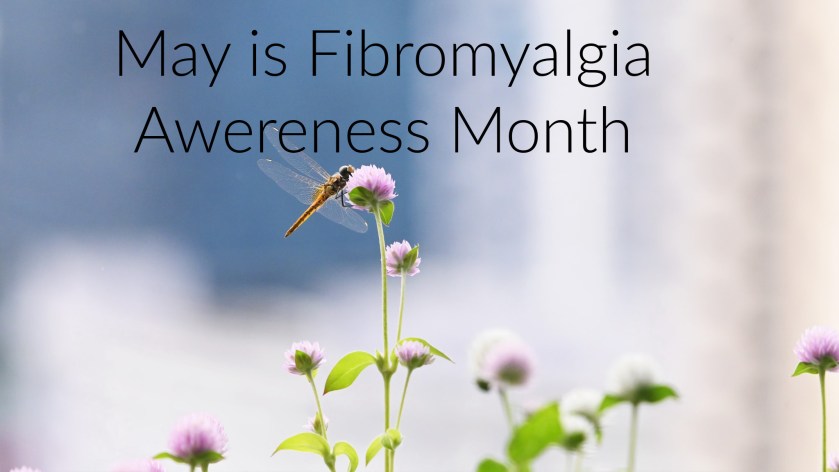


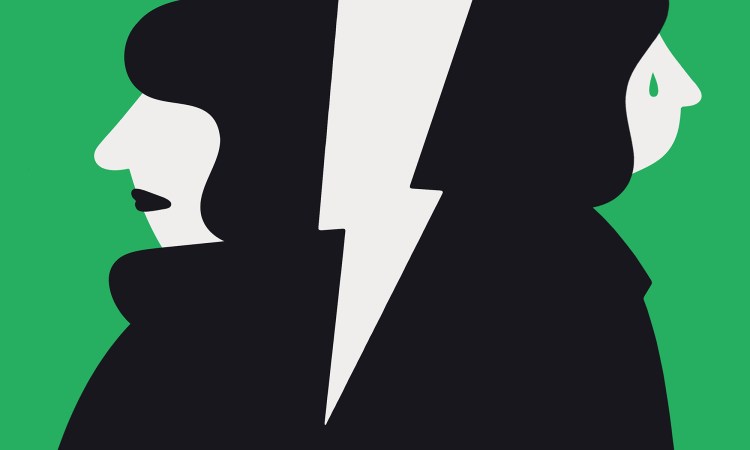
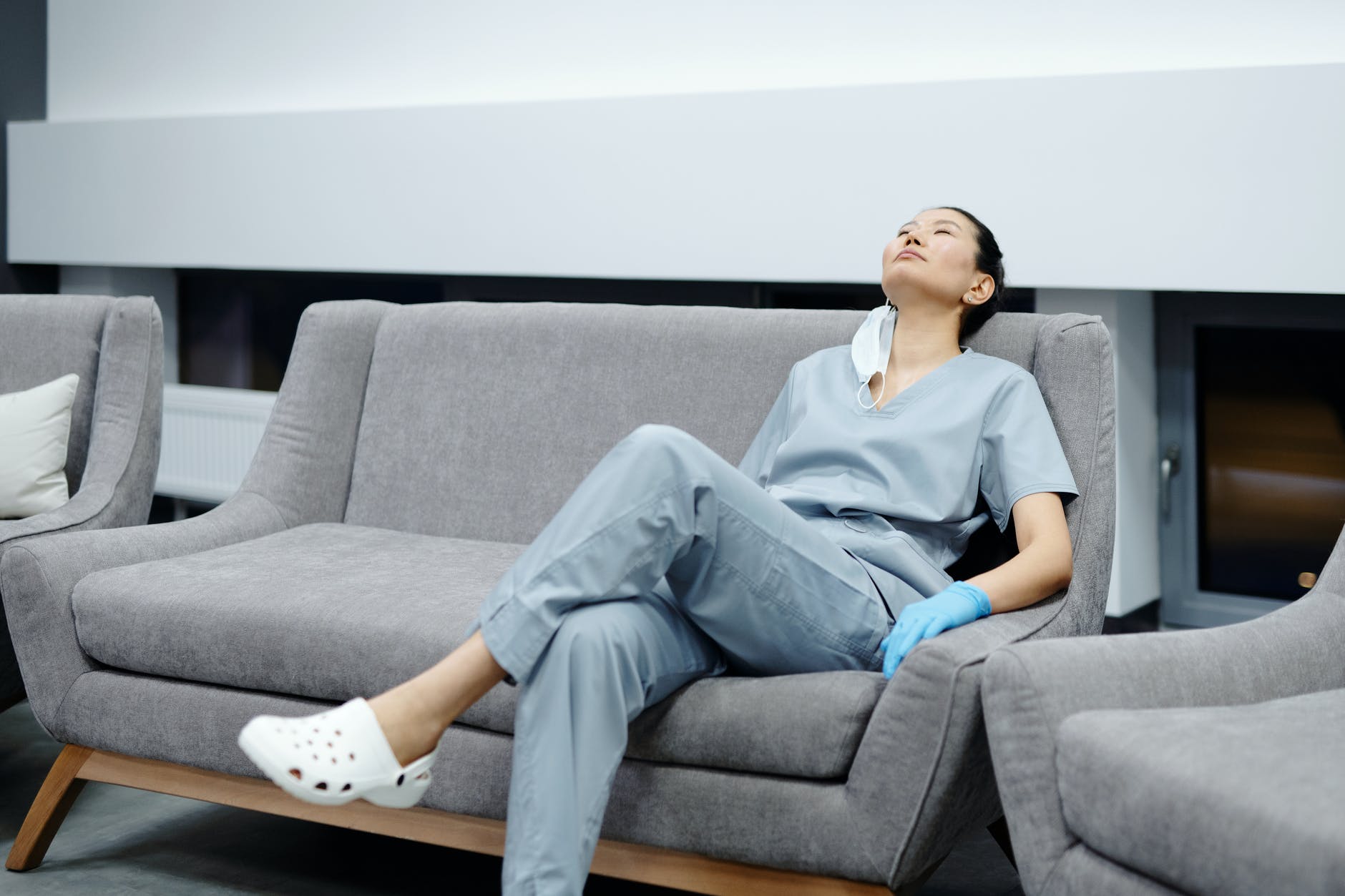
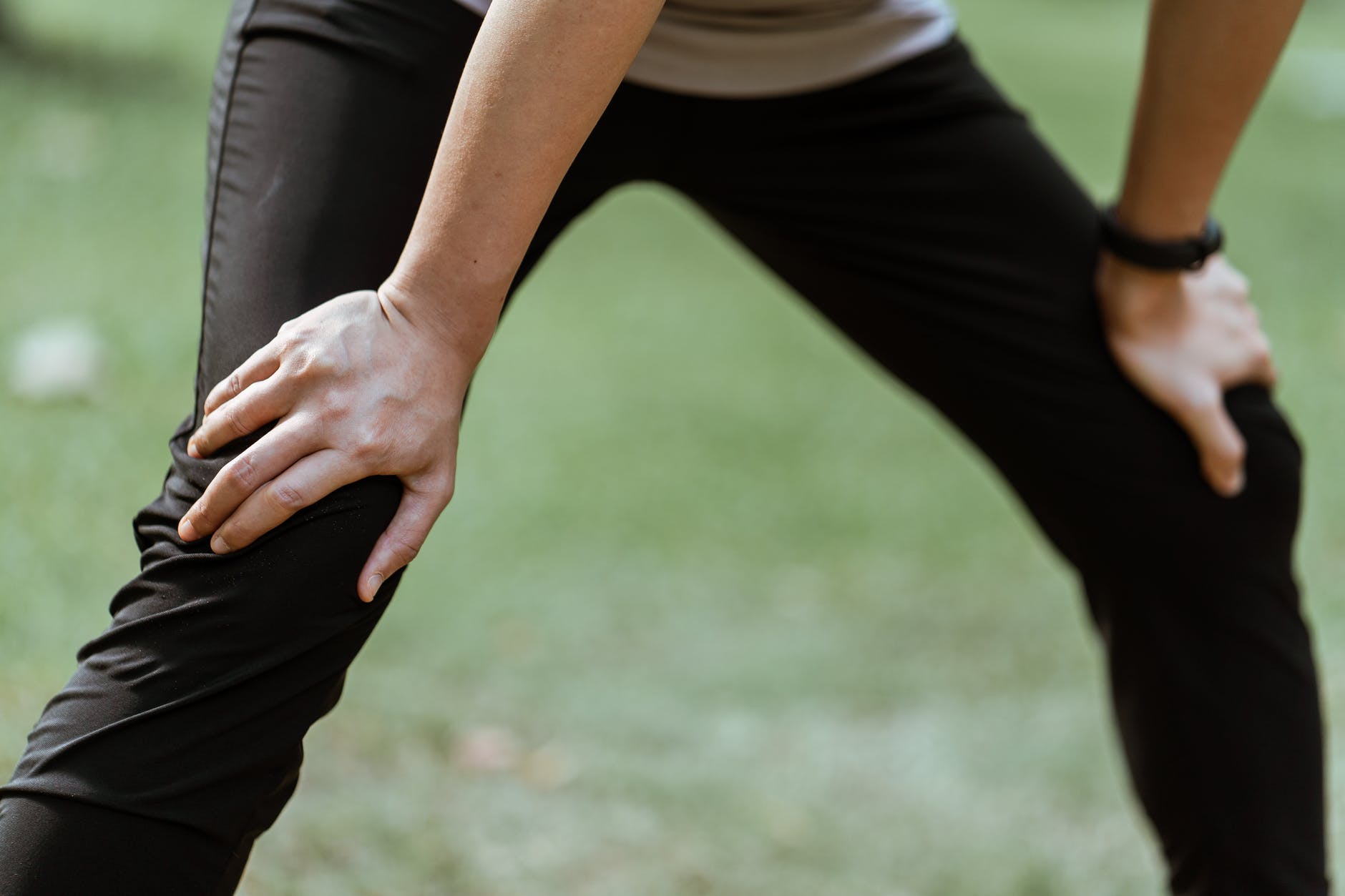

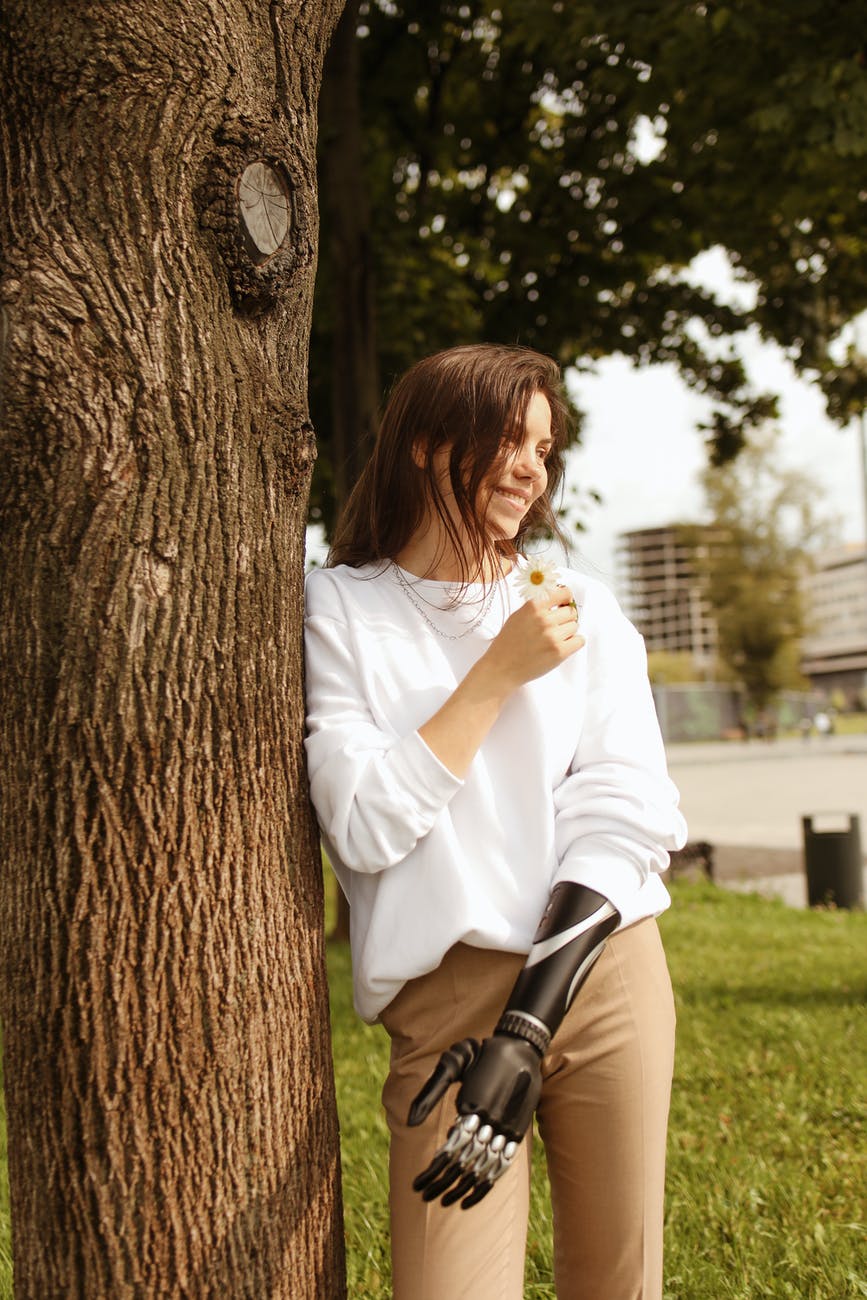
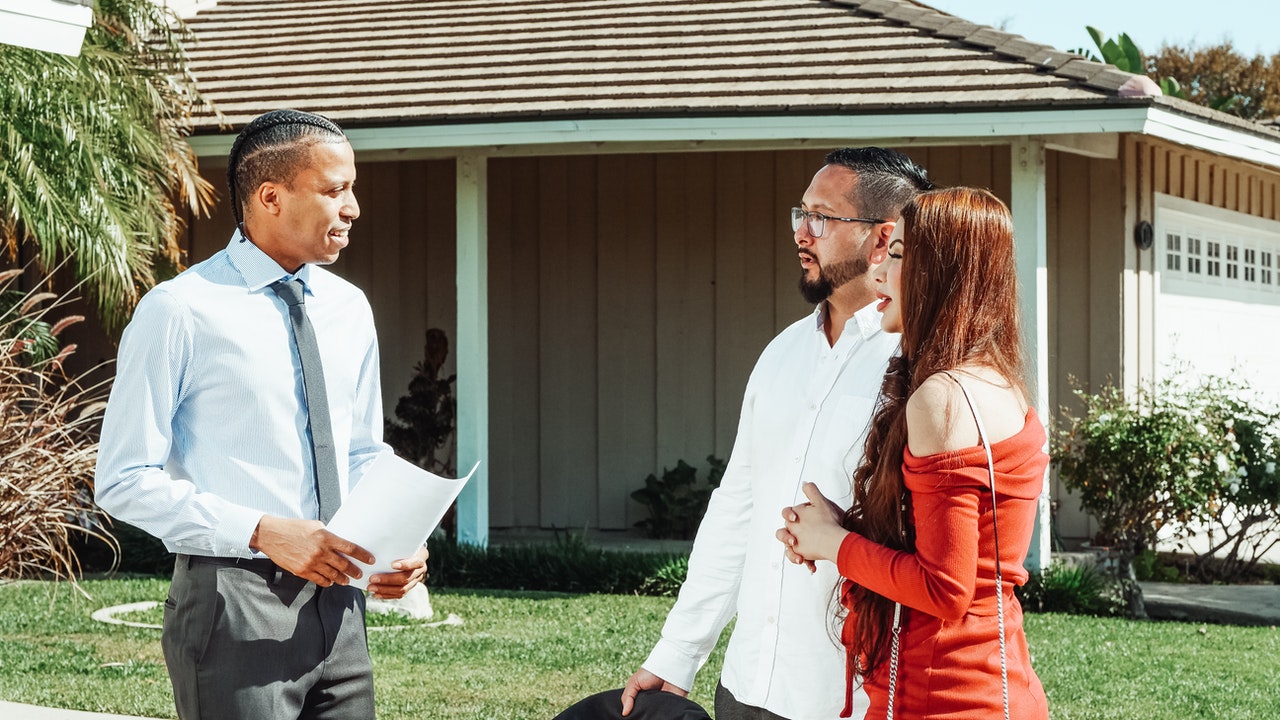
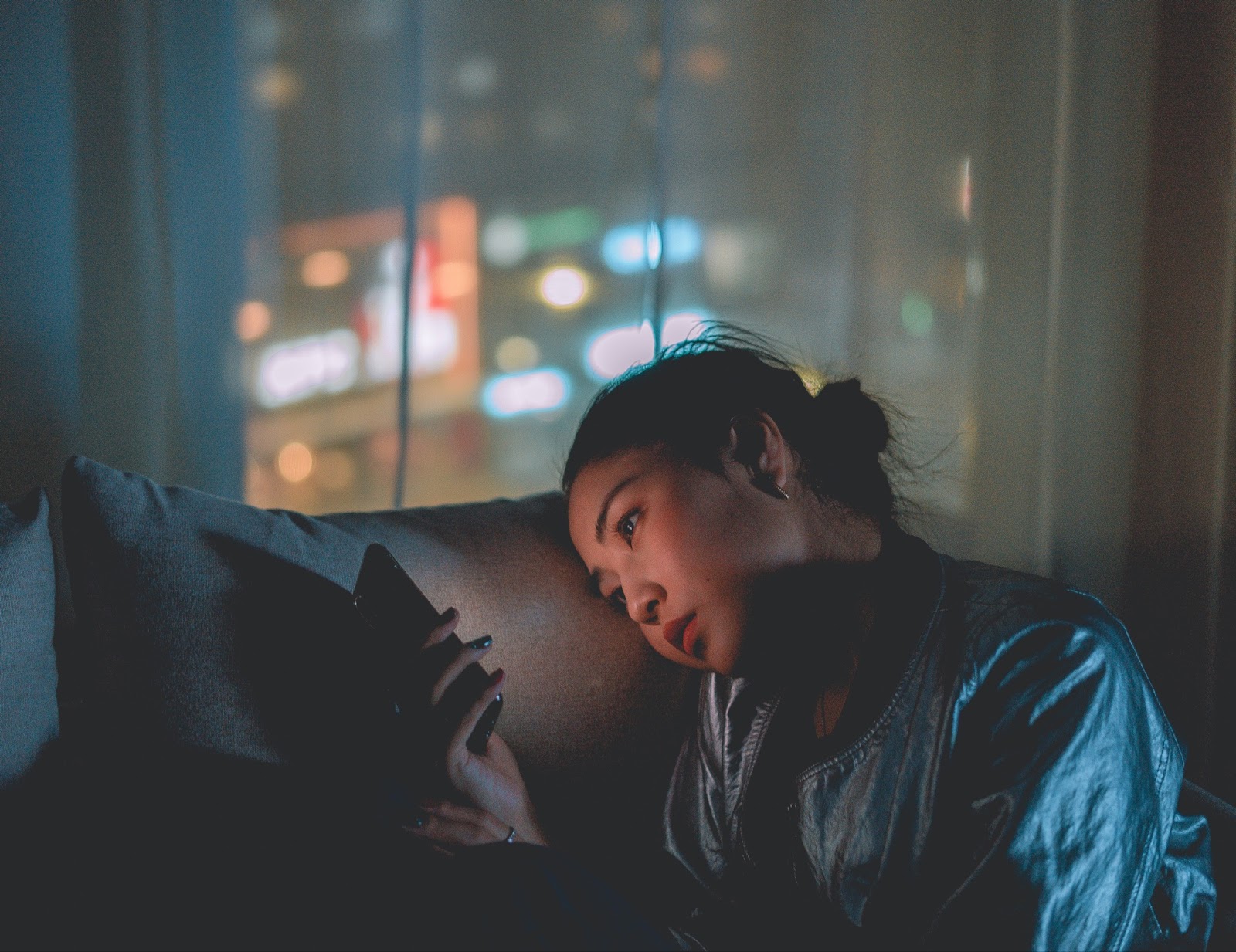
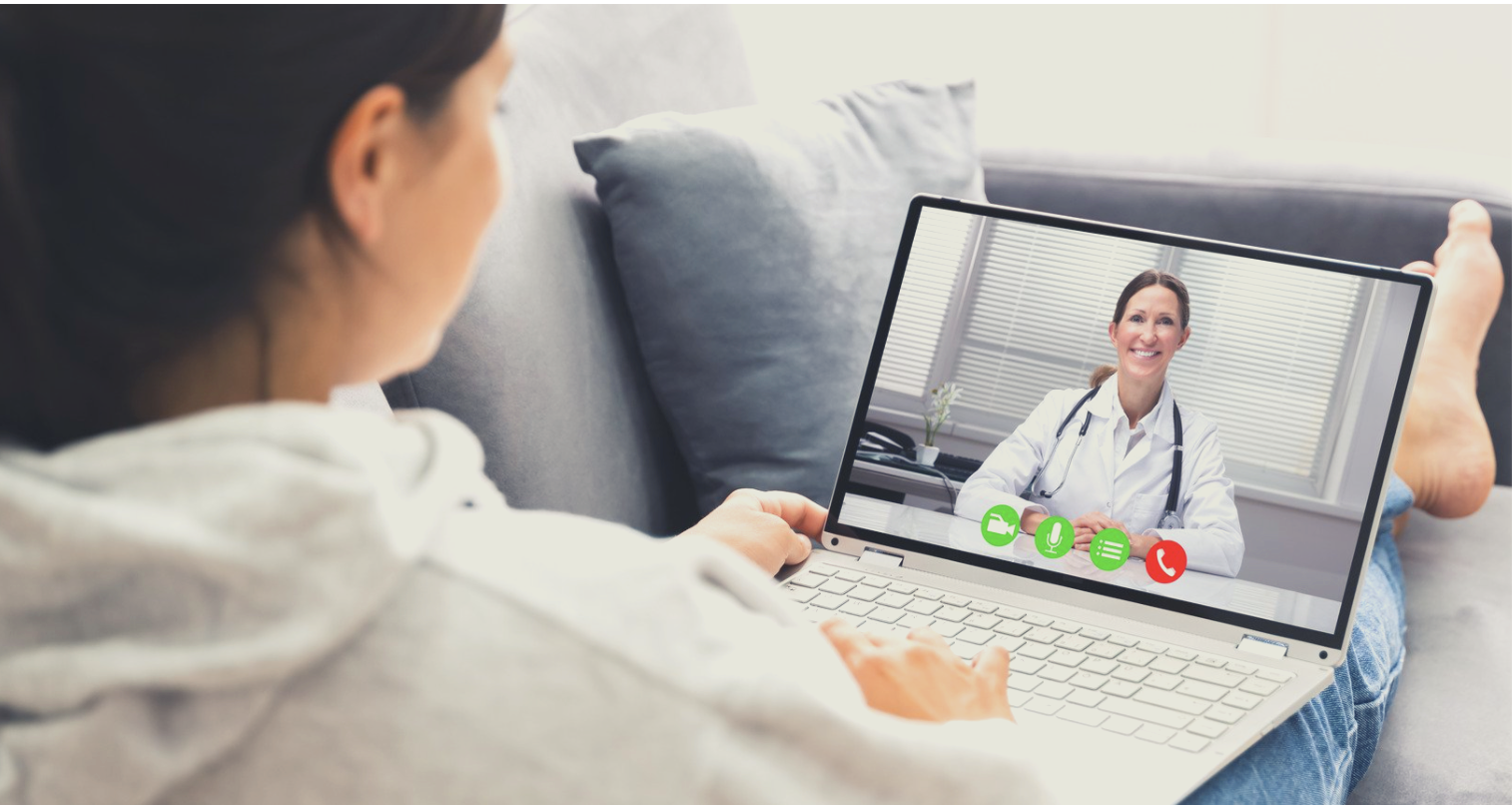







 lookingforthelight.blog