What Is Love? “Love is friendship that has caught fire. It is quiet understanding, mutual confidence, sharing, and forgiving. Through good and bad times, it is loyalty. It settles for less than perfection and makes allowances for human weaknesses.” Ann Landers. “Whatever our souls are made of, his and mine are the same.” Emily Bronte. […]
‘Laughter is timeless. Imagination has no age. And dreams are forever’ – Walt Disney Do you ever wish you were younger? Or older? It seems that wherever we are in life we’d quite like to be somewhere else! In our teenage years we often wish we were older, maybe so we can get into that […]
I believe mental health and physical health are interrelated, you can’t have one without the other. You can be the healthiest person physically but if your mental state is in disrepair it will impact your physical health at some point.
I’m off balance right now and it spills over, causing me to eat emotionally and body shaming. It’s a vicious cycle. My focus is on rewarding the right behavior and not being too hard on myself when I fall.
“Mental health is “a state of well-being in which the individual realizes his or her own abilities, can cope with the normal stresses of life, can work productively and fruitfully, and is able to make a contribution to his or her community”, according to the World Health Organization (WHO).[1] Mental health includes subjective well-being, perceived self-efficacy, autonomy, competence, intergenerational dependence, and self-actualization of one’s intellectual and emotional potential, among others.[2] From the perspectives of positive psychology or holism, mental health may include an individual’s ability to enjoy life and to create a balance between life activities and efforts to achieve psychological resilience.[3] Cultural differences, subjective assessments, and competing professional theories all affect how one defines “mental health.”
To live our best life we have to live a whole life and that requires tending to all of our health needs. Our mental health may seem a challenge for some because they haven’t learned simple ways to support their mental health. Something as simple as spending 10 minutes clearing your mind can help your clarity and relieve stress.
Taking care of our mental health is an ongoing daily function just as important as eating and physical health. You have to keep feeding the brain in order for it to flourish.
Simple ways to support your mental health are:
Talking to someone about what’s stressing you out
Take a nap
A hot bath or foot soak
Use a diffuser with essential oils to help relax you
There are thousands of things we can do for our mental health, the biggest problem is we don’t take the time. We don’t put enough emphasis on the importance of daily habits. Our mind needs to be nurtured every day just as a body does.
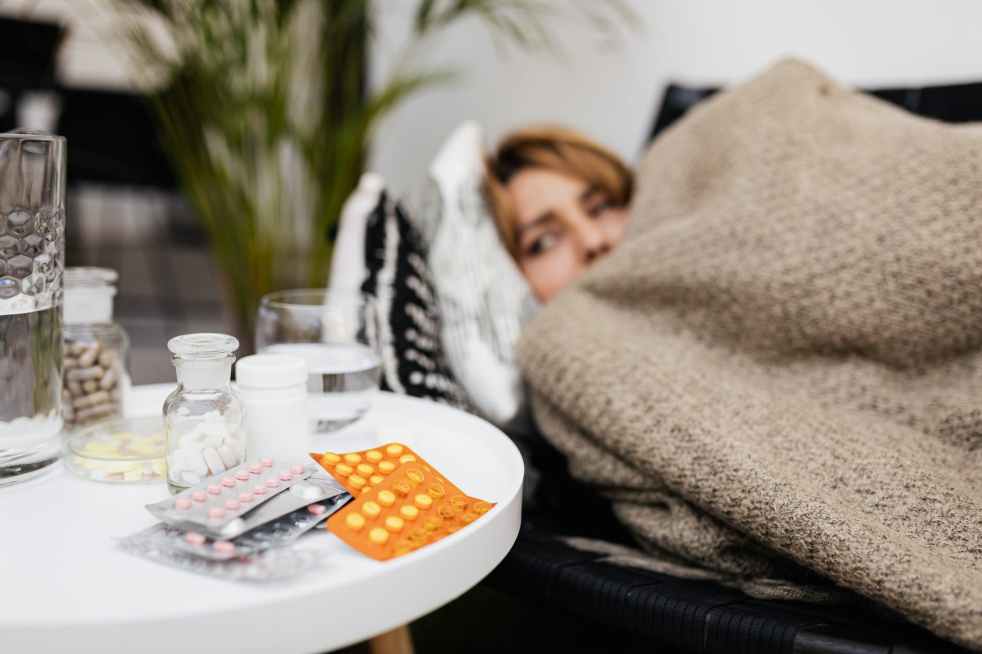
I sit around some days and wonder if any of my medication actually works. After all, why am I still depressed when I am on anti-depressants? Anti means opposed to or against; therefore, my medication should be fighting against depression. I try to fight the idea that maybe I just need to try another medicine […]
I remember when as a child my mother would buy a box of Valentine’s cards and we would give them to the kids in our class. In high school, you could buy a card or send a rose to a friend and that was so much fun!
Anxiety is a feeling of unease, worry, or fear that can be mild or severe. For some people, anxiety is so frequent and intense that it disrupts their daily lives. If you’re one of those people, don’t worry – you’re not alone. In this blog post, we will discuss some ways to cope with anxiety when it strikes.
This may be difficult, but it’s important to try to identify what is causing you to feel anxious. For example, is it a specific event or situation? A person? Or is your anxiety more general, such as feeling constantly worried and uneasy? Once you have identified the cause, you can begin to address it.
If your anxiety is caused by a specific situation or person, try to avoid that thing or spend less time around that person. However, if your anxiety is more general, there are still things you can do to help manage it. For example, some people find journaling helpful for identifying the source of their anxiety. Other people find relaxation techniques like yoga or meditation helpful in managing their anxiety symptoms.
Talk to a friend or family member about your anxiety
Sometimes, just talking about what’s bothering you can make it easier to deal with those feelings. If you don’t feel comfortable speaking to someone close to you, there are many resources available for people with mental health issues like anxiety and depression.
Your GP is usually the best place to start if you’re looking for professional help; they will be able to refer you if necessary. In some cases, talking therapies such as counseling may be helpful in managing symptoms of anxiety and other mental health conditions like depression or stress-related disorders (like post-traumatic stress disorder).
Take some time for yourself
This may seem like an impossible task when you’re feeling anxious, but it’s essential to find some time each day to relax and focus on yourself. This could be something as simple as taking a hot bath, reading your favorite book, or spending time in nature.
If you’re finding it difficult to take time for yourself, consider setting aside a specific block of time each day that is just for you. During this time, try not to stress about work or other commitments; simply relax and enjoy whatever activity you have chosen. You could also consider a recovery center if you feel like you need to get away for a while and just focus on yourself and your mental wellbeing.
Avoid caffeine, alcohol, and other stimulants
Caffeine, alcohol, and other stimulants can make symptoms of anxiety worse. So if you’re feeling anxious, try to avoid these things. If you find it challenging to cut out caffeine or alcohol completely, try to reduce your intake at least. This will help to minimize the effects that these substances have on your anxiety levels. Managing anxiety can be difficult, but it is possible. By using some of the techniques we’ve discussed in this blog post, you can begin to take control of your anxiety and start living a happier, more productive life.
In conclusion, there are many ways to cope with anxiety when it strikes. Some people choose not to deal with their anxiety at all, while others prefer specific techniques like breathing exercises or mindfulness meditation. Whatever approach you take, remember that the most important thing is finding what works best for you and your unique situation.
Sleep and I have a bizarre relationship. It takes me forever to fall asleep most days because I simply cannot turn my mind off. Either it’s filled with anxiety-ridden worry-thoughts like Are you SURE you turned off the stove? Or a slew of self-defeating thoughts like What if you aren’t good enough? I would stay […]
It takes more than eating right and taking medication to stay healthy and be our best selves physically and mentally. Alternative Medicine has been used for thousands of years and if truth be told, since the beginning of time.
It’s complementary to Traditional Medicine which we are most familiar with. The two can work hand in hand to provide a total health solution. Some forms are Homeopathy, Acupressure, Acupuncture, Natural Medicine, Naturopathy, Ayurveda, Biofield therapy, Bioelectromagnetic therapy, Chiropractic and Reiki.
I don’t buy into all the methods of Alternative Medicine but believe in those I’ve seen results for or studies results. These are my favorite Alternative Medicine hacks to help augment Traditional Medicine which I rely heavily on.
Being a trauma survivor myself, mindfulness has always been integrated into my treatment. Recently I was enrolled into a mindfulness based CBT group where I’ve met like minded people who are struggling with trauma and struggling staying present. So, what is trauma and why is mindfulness so important in regards to it? According to the […]
‘Walking is a man’s best medicine’ – Hippocrates You’ve no doubt heard that we should all be aiming to walk 10,000 steps every day. But did you know that this figure actually came about from a Japanese advertising slogan, rather than being based on medical science? Honestly – google it!! The important thing is that […]
It’s hard to believe that two centuries ago, most people didn’t have access to a garden. The best they could hope for was a park. Today, though, things are different. The majority of people have a garden at the back of their home where they can feel a little closer to nature.
For some people, just watching seeds they’ve planted grow into full-grown plants can be an extremely edifying experience. You’re doing something that is allowing life to flourish – and that can make you feel great. Spending time in nature to better your mental health is ideal and recommended, which is evident from the Second Nature Utah Reviews. Going to an outdoor therapy retreat can be incredible for your well-being and mental health, which is something you might wish to try if you want to work on yourself.
Do you remember lounging around in summerhouses while you were young, reading a book without a care in the world? If so, you’ll know all about the incredible calming powers of gardens.
Just spending a couple of hours in the garden can be enough to allow the stress to drain from your body. The person who steps back into the house after lounging in the sun is not the one who stepped out of it two hours before.
They Encourage Exercise
Because you have more space, you’re much freer to move your body in the garden than you are in the house. In turn, this helps to elevate your mood. Your brain releases a host of feel-good hormones that circulate around your body, changing how you feel.
As modern humans, we’ve largely lost our connection to nature. We’ve forgotten that we’re not just strange aliens who arrived on Earth out of the blue but instead products of this planet. As such, we’re at our best when we’re in nature, enjoying its surroundings.
Sometimes, though, we forget this, particularly if we live in giant modern cities. Our built environment does not resemble nature and can leave us feeling alienated and lost, without really knowing why.
Having a garden helps to reverse this by putting you back in touch with your roots, if only in a small way. Many people report feeling sensations of biophilia when out in nature — the profound sense that “this is where I should be.” This alone can be enough to transform your mental health, reminding you that nature is bigger than it appears on the television screen.
Wrapping Up
Of course, even gardening comes with risks. Make sure that you don’t spend too long out in the sun to avoid skin damage. Drink plenty of water when outside.
Gardening can lead to a host of bacterial and insect-borne illnesses. These include:
Tick bites can lead to serious conditions, such as Lyme disease
Legionnaires disease from bacteria in the soil or compost
Tetanus and sepsis infections that result from dirt entering open wounds
Itching, blistering, or rashes from poisonous plants
So long as you protect yourself, you should be safe in the garden. Simply spending more time outdoors can work wonders for your mental health, particularly if your job requires you to be in the office all week.
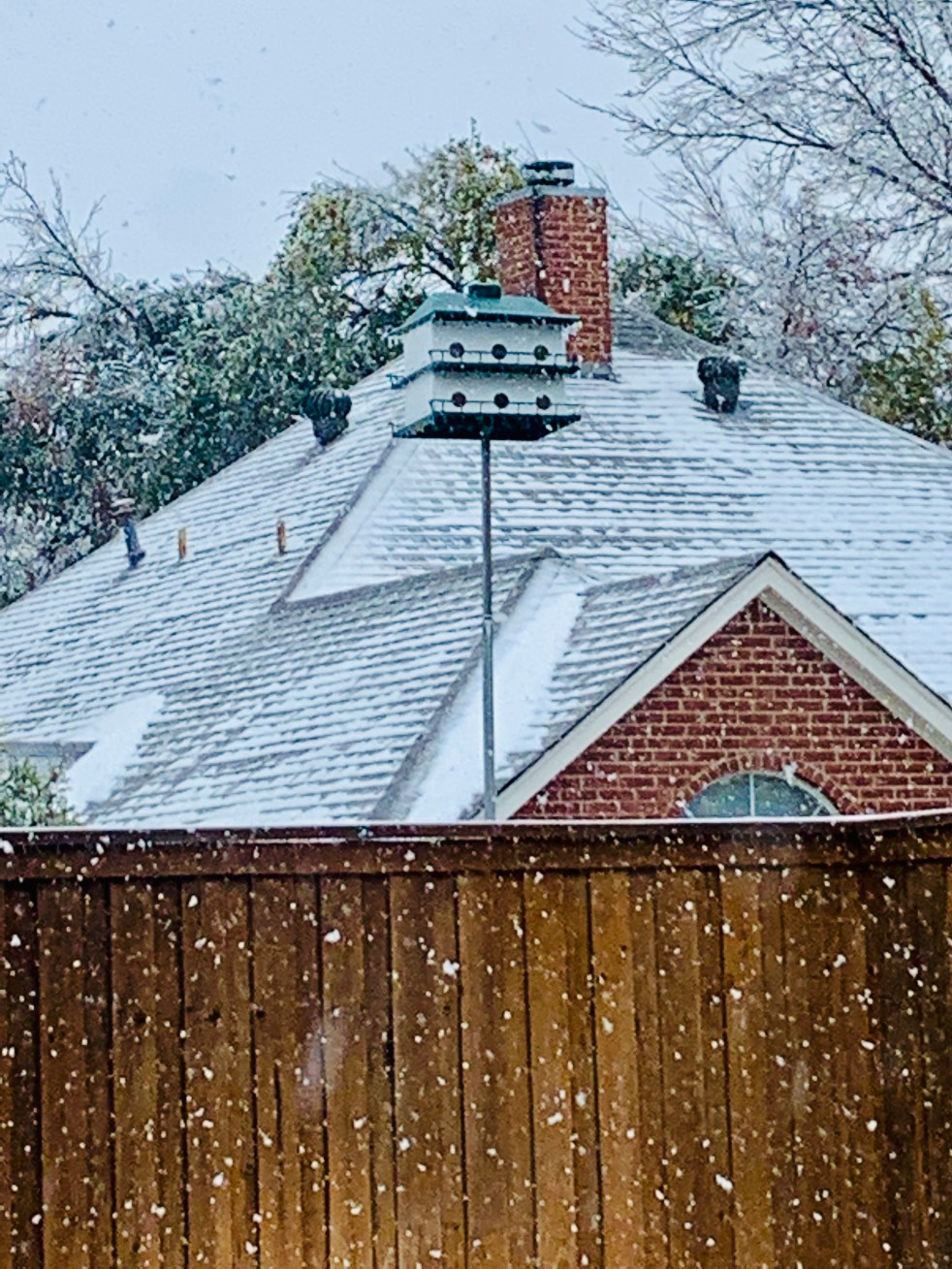
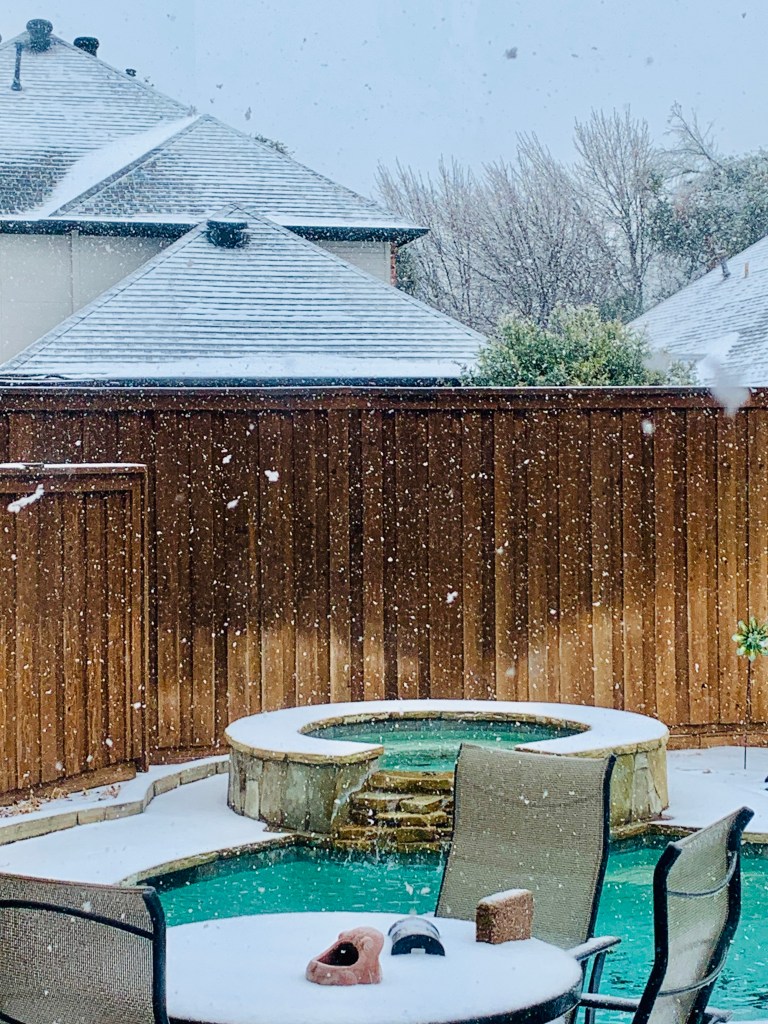
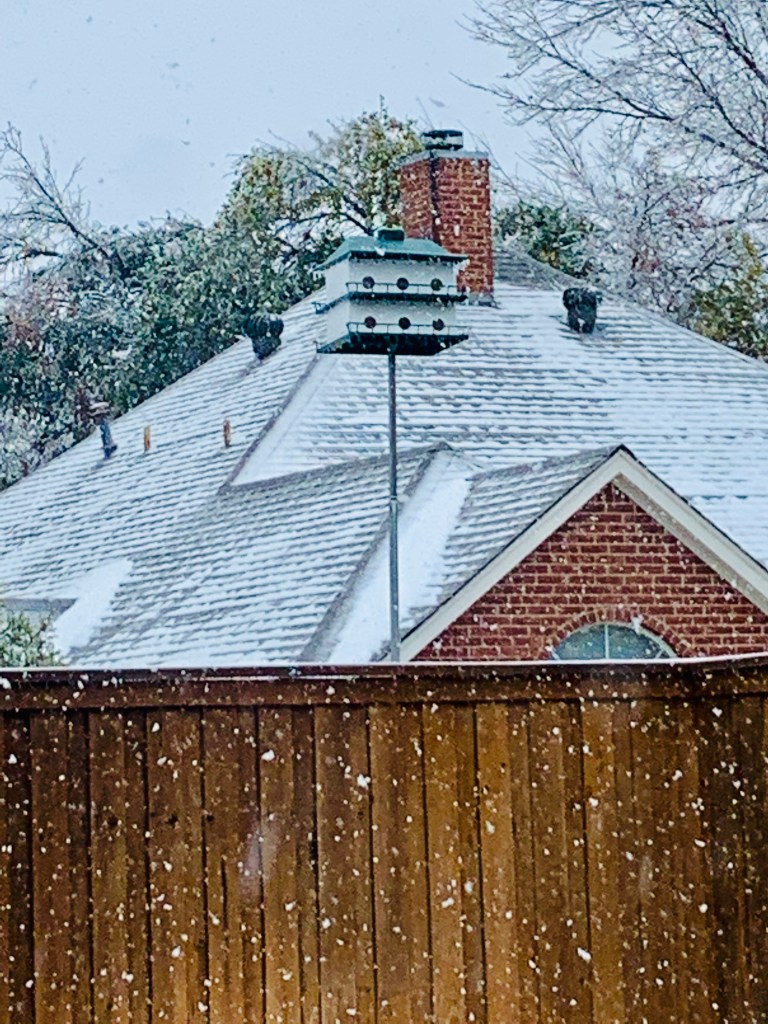
We have one tree out front that lost several limbs due to ice. My husband had to go on the house and pull one larger limb off the roof. It’s beautiful outside of course that’s from the inside in the warmth. Tonight the roads are re-freezing and will be another morning with hundreds of accidents since people won’t stay off the roads.
Addiction whether it be to alcohol, drugs, gambling, sex, spending money or food, to name a few, is ultimately a maladaptive behaviour that has emerged in response to an inability to manage deeply rooted fears and anxiety and low self-worth. Unfortunately what starts as a way to soothe our anxiety, numb our pain, make us […]
Most of us will react to things going wrong in our lives with shame and self-criticism. We ask ourselves what our problem is and why can’t we cope. This just creates further emotional distress and we seem to dig ourselves a hole that gets bigger and bigger with more emotions such as anger, despair, confusion, […]
When you get married you commit to for better or worse and in sickness and in health. You don’t think those two things will happen early in your marriage if you think about them at all. Marriage is full of ups and downs, good and bad, and is very hard at times. When you add a chronic illness to the mix it can get complicated. Not every person is ready for the better or worse, or in sickness and in health.
Sacrifices are essential to living with someone with a Chronic Illness. There were years where my husband had to fill my medicine case each week, cook every meal, do all the laundry, help me shower, get me dressed, help me in and out of the car, walk me up and down the stairs, the list goes on and on. I haven’t seen the inside of a grocery store in years.
He gave up several hobbies he loved to make sure there was always time to take care of my medical and mental health needs. It comes at a cost to the partner’s mental health. I encouraged him to seek counseling which he did and it helped a great deal.
My husband has been caring for me and my health since we first married. Long before Lyme Disease, an Immune Deficiency Disorder, and Fibromyalgia, there was my Mental Illness to care for. I have Bipolar Disorder, which is a serious Mental Illness that requires constant monitoring and several medications to stay well.
From the very beginning, he had to keep an eye out for signs and symptoms. Ask gently if I had taken my medication and help me deal with my depression when the Black Dog moved in.
One of the things I asked from the very beginning was for him to sit in on my appointments with my Psychiatrist. I wanted him to understand how sick I was and hear it from the doctor, to hear me talk to the doctor. This would prove immensely helpful in the years to come.
I had to trust him with the darkest part of myself, my Bipolar Disorder and it was difficult at first but I knew it was needed if our marriage was going to work. I had to trust that he would listen and learn but not take over my healthcare unless I was a harm to myself.
One critical step my husband took is put my health before his career, it was a huge guilt trip for me. He passed up promotions and great opportunities to travel so that I would not be home alone. Just last week his boss asked all of the VP’s to lunch and he had to decline due to the rising cases of Omacrom. Ouch, that burns sometimes!
The truth is I don’t know what I would have done over the past 20 years without his sacrifices. If you have a chronic illness make sure you are transparent in the struggle and what may be required of them. If a dating relationship can’t withstand that challenge then a marriage certainly won’t.
This is a tricky topic. But I will share my own experience in this area because it is all that I truly know. Coming into recovery I was taught by those who went before me that to be clean means I cannot take any mind or mood altering substances. IF they are prescribed for me […]
I have written about anxiety before. I have even written about some of the things below. I am writing about it again because I know someone out there has been through it or knows someone that has. Someone out there needs to know they are not alone. The Strange Feeling In My Head Many years […]
I learned to make this dish during my travels. It was at a hostel in Moab, Utah, where I first had a Thai curry so tasty that I decided I had to learn to make it myself. It took me several attempts, but I managed to create one that hit all the right notes. My […]
“There are losses that rearrange the world. Deaths that change the way you see everything. Grief that tears everything down. Pain that transports you to an entirely different universe, even while everyone else thinks nothing has really changed.” – Megan Devine
Grief and loss come in a multitude of forms. It may be the death of a person you have loved. The end of a meaningful relationship, for you. The loss of a job or the end of a career. A tragic accident or receiving shocking news.
Whatever kind of loss you are grieving for right now, it can help to be real and to process how you feel.
The questions below might help you with this:
1. What losses am I grieving? Who am I grieving for?
2. What is the most difficult time of day, for me?
“No one has the right to judge you, because no one really knows what you’ve been through. They didn’t feel what you felt in your heart.” Keep these words in mind the next time you feel that someone has some view, or opinion about you. – No one has the right to judge you. Absolutely […] […]




























 Looking for the Light