Health and Wellbeing · Men & Womens Health · Mental Health

Creating Change Can Be Restorative

Change is constant and although many people feel resistant to it, change can actually be very beneficial. As the saying goes a change can be as good as a rest and there are many reasons for this. Change can bring a number of opportunities and give you a new perspective on life. A fresh start can also be a positive thing and learning to adapt to change is a useful skill for many situations. Whether it’s moving to a different place or embarking on a new career, there are several reasons a change can be positive.

Photo by Pixabay on Pexels.com

New beginnings

If you’re looking for a fresh start, something as challenging as moving house could even lead to many positive things. Moving doesn’t need to be as stressful as it sounds and there are ways to sell my home fast. Many companies offer help to those who need to sell their home quickly and even offer cash in exchange for real estate. New beginnings mean you can start with a clean slate and get out of the rut that you might be in.

More opportunities

A change at work could lead to plenty of exciting business opportunities. If you’re ready for a career change this could bring many new possibilities for you to earn more money and learn new skills in the future. Employers also favor candidates who are able to show an ability to adapt to change and an eagerness to progress in different areas. 

Personal development

Doing a bit of soul searching is also a great way to learn about yourself and focus on personal development. It’s a good idea to make a list of priorities as these can change as you get older. This will help you with professional development as well and to figure out what kind of lifestyle you would like in the future. You will be able to decide what’s important to you workwise and where you would like to live a few years down the line.

A different perspective

There are many reasons why you should look at things from a different perspective from time to time. It helps you to reinforce your values and learn from others. Trying to see something from someone else’s point of view will help you think more objectively and become more open-minded. You’ll even be able to be more self-aware as a person and this could have a positive impact on your personal and professional relationships.

Gain strength

The strength you need in order to face change will benefit you in the future. You’ll be stronger in the face of adversity and be more capable of finding a new solution to different problems. Change allows many people to become stronger over time. The ability to adapt to change is a good skill to develop and it can help you in both your professional career and personal life. There are many ways in which leaving your comfort zone once in a while can be beneficial. A change of scenery is a great way to gain perspective.

This is a collaborative post.

Melinda

Health and Wellbeing · Men & Womens Health · Mental Health

Tips For Recovering From Trauma

Recovering from the trauma of any sort – be that emotional or physical – is a long road. It can be difficult and lonely, but that doesn’t mean you can’t heal and survive. If you feel overwhelmed by the path ahead of you. 

Photo by Marius Venter on Pexels.com

Start talking

Traumas of any kind can cause huge emotional destabilization, and so to mitigate the risk of this impacting your life even more than the event itself, it’s time to start talking. You can share your feelings, experiences, and thoughts with a friend or a loved one, or just someone you trust. Equally, some people find it easier to speak to someone they don’t know – and thanks to online therapy, it’s easier than ever. Ensuring you aren’t isolated and you are receiving some support is an important part of your healing journey. 

Get moving 

An effective way of handling trauma is to move your body. Studies have shown that it can help reduce stress and promote emotional healing after a trauma. If you’re well and able, gentle movement is great for the body and soul. It doesn’t have to be exhausting – simply going for a daily walk or heading to the local pool for a swim. If you find the idea of getting out too much for you right now, you could relax with some calming yoga on YouTube.

Foster good habits 

It can be easy to sink into bad habits when you’re recovering from trauma – that could be not leaving the house, sleeping all day, drinking too much, or not eating well. While these can be understandable reactions to something that has happened, they will not help your recovery. If you feel able, try and build more positive habits in your day. These habits will depend on you and your needs, but they could be to wake up at the same time every morning, shower once a day, and get outside for at least five minutes of fresh air. Whatever these habits are, keep them up and praise yourself when you stick to them. 

Self-care 

Self-care is an incredibly personal thing, so it’s important to consider what constitutes self-care for you. Do you enjoy a candlelit bath? Or have you discovered that mindfulness and meditation help you to feel good? Whatever things make you feel cared for, write them down on a list, so that when you do need to practice self-care, you don’t have to think about what will make you feel better, you just need to refer to the list! 

Call in the professionals 

In your recovery, there may be a moment when you realize you need more than just the help of a friend or a meditation, and that is a powerful realization. For some, the help of a professional could mean a psychiatrist or therapist, whereas for others that could mean seeking alcohol treatment in a center or with a group. Whatever your need is, it’s a strong moment when you learn to take care of yourself. 

This is a collaborative post.

Melinda

Health and Wellbeing · Men & Womens Health

Company Cars: Are They Worth The Investment?

Being able to provide your employees with the luxury of a business car provides a number of advantages, including the ability to rely on your team’s availability, advertising, and quick site visits as needed. However, having business cars isn’t as simple as it may appear, and there are a few things to consider before making the investment.

Photo by Pixabay on Pexels.com

You need to have trust in your employees

Of course, you have faith in your staff, but how much do you trust them? You’re still responsible for the car’s upkeep if you provide them a company car to use to execute their work to the highest standard. If you want your staff to use their car just for business purposes, you’ll need to be able to trust them completely, especially when it comes to reclaiming VAT (see below).

Reclaiming VAT

If you’re a business owner, you’ll be able to reclaim the VAT you paid on corporate cars if they’re solely used for business. You’ll have to show that it’s only used for business. It’s also worth mentioning that driving from work to home is considered a regular commute, which means you won’t be able to reclaim the VAT you paid.

Can you afford the insurance every month?

Even if you aren’t driving the car, you are still responsible for the insurance of the vehicle(s) you own. Protect your vehicle with auto insurance built specifically for business owners and commercial vehicles. You should Get a Business Auto Insurance Quote from Cowell James Forge to get an idea of the amount you’ll be paying. That way, if an accident occurs, you, your employee, and the vehicle will all be protected.

Do you lease, finance, or buy outright?

You might be asking how to access company cars. Do you want to lease, finance, or buy outright? We’re in the midst of a pandemic, and many businesses have had to make expense cuts to stay afloat. Consider all factors before making a decision so that, if the need arises, you can save as much money as possible. Consider the advantages of each alternative as well. For example, financing a car allows you to pay for it over time and eventually own it, whereas leasing requires you to return it at the conclusion of the lease.

Mileage allowances and overtime

If you’re supplying your employees with a corporate car to use on long-distance business travels, you’ll need to consider mileage allowances and any overtime they’ll be doing. You’ll have to reimburse them for their time and a portion of the fuel expenditures if they’re forced to meet with a possible client for the firm who is 200 miles away and outside of their working hours.

As a result, owning company vehicles is dependent on what you do as a business. Get a company car if you feel you need to provide a distribution service for your company. If you want your employees to be able to safely and conveniently go to customer sites or huge meetings but you don’t have a lot of money, sit down and write down the advantages and disadvantages.

This is a collaborative post,

Melinda

Health and Wellbeing · Men & Womens Health · Mental Health

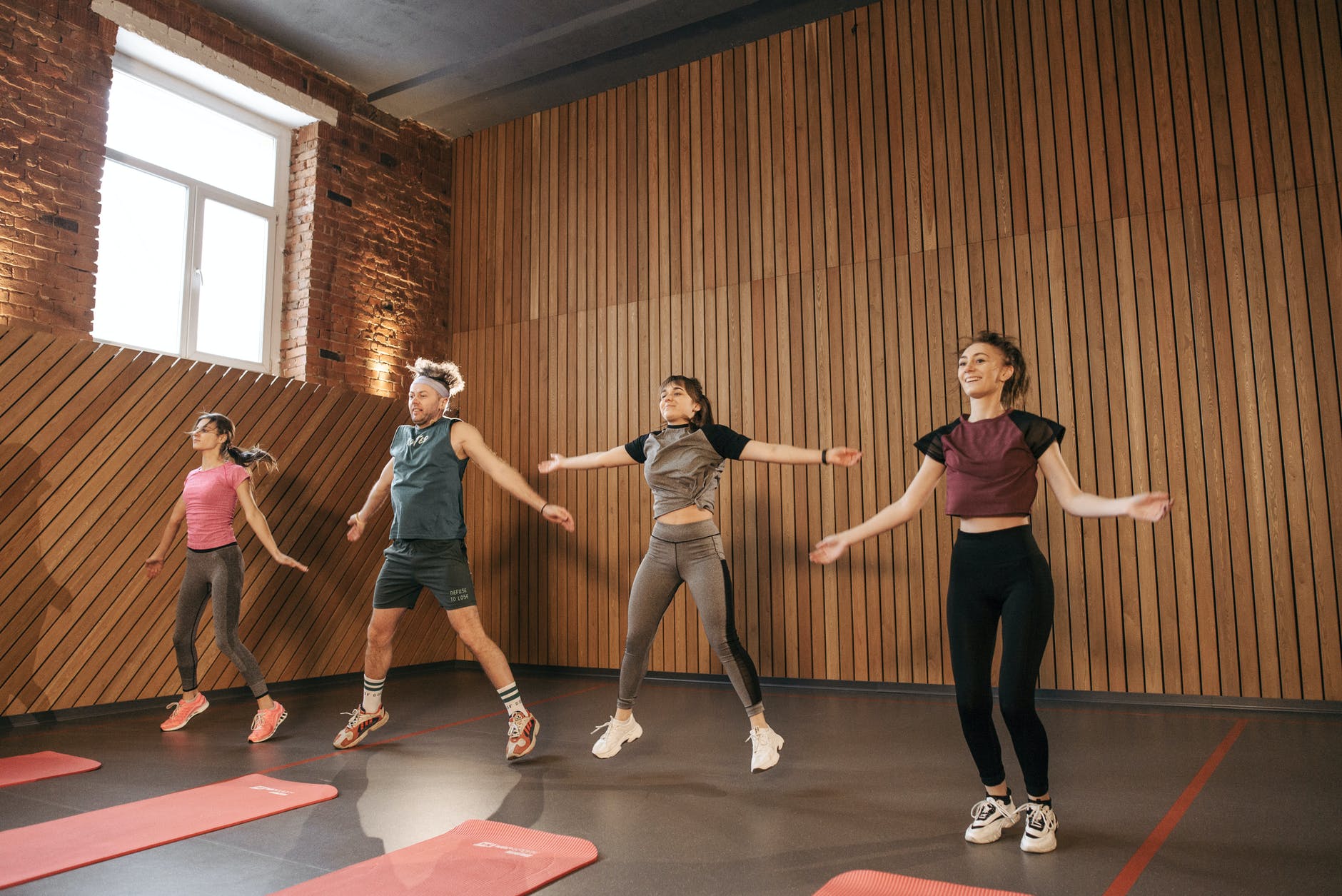
Regain Confidence To Exercise After A Setback

Getting into a fitness routine, pushing yourself, and reaching your goals takes a lot of time and energy, as well as a big commitment to yourself and your health. So when your health suffers, either through an injury or an illness, it can really set you back and put you right back at square one.

Feeling like you’ve got to start over with your fitness is a common feeling, and it can really affect your confidence. Whether you feel like you can’t do it or that things are harder than they used to be, it’s important to get back on that horse. Exercise will help improve your physical health and boost your mental health, and it can be a welcome part of your routine once you’ve found your feet again.

Here is some advice to help you regain the confidence to work out when you’ve suffered a setback.

Photo by Pavel Danilyuk on Pexels.com

Set yourself some manageable goals

While it’s understandable that you’ll want to be back where your fitness used to be, it isn’t going to happen overnight. If you try to move too quickly, you could end up injured or losing further confidence from not getting the same results as you once did.

Start by setting yourself some manageable fitness goals, aims you can work towards slowly, helping you to regain technique and basic fitness first. From increasing the times of your workouts to making it to the gym a certain number of times a week, start with goals that are realistic before building up to bigger ones.

Choose workout clothes that help your performance 

The workout clothes you wear can help you feel more confident about working out. You should choose items that are comfortable, supportive, and can help keep you cool too. Treating yourself to some new outfits will help you feel in a better mindset for working out. Brands are more attune to the different needs of people now, so you can find great selections for curvier shapes, as well as amputee leggings and other items that can help give you a boost. Always make sure you have the right type of shoes for your workout to make sure you’re better protected against injury.

Ease yourself in, and consider working with someone else

Fitness is something that needs to be built up over time. So if you’re getting back into things after a long period away, ease yourself in gently. Walking and swimming can be gentle, effective exercises to start until you’re feeling fitter and stronger. Take a look at fitness plans from others in your position to see how they’ve eased themselves back into exercise.

It can also help if you work out with someone else, such as a friend or personal trainer who can help make sure you’ve got the right form to prevent injury, as well as help you train as needed. 

If, for any reason, you feel pain – stop! Consult your doctor or take a rest to stop yourself from overdoing things.

Exercise is something that can help you begin to feel a semblance of normality, helping you form a routine and get back into activities that you once enjoyed. Take it slow, put your health first, and soon you’ll see your confidence creeping back up as you start to reach your goals once more.

This is a collaborative post.

Melinda

Celebrate Life · Health and Wellbeing · Men & Womens Health

3 Lifestyle Changes to Live a Healthier Life

It’s no surprise that living a healthier life is associated with better self-esteem and less stress. But how do you get started on the journey to lead a more healthy lifestyle? The first step, like any other goal worth pursuing, is to set achievable goals for yourself. This blog post will introduce three changes in your daily habits that are guaranteed to help you live a healthier life!

Photo by Marcus Aurelius on Pexels.com

Drink More Water 

It’s no surprise that drinking water instead of soda will lead to a healthier lifestyle! When you drink sugary drinks like pop, your body gets an energy high followed by an inevitable crash. Consuming too many sugar-filled pops can also cause tooth decay and weight gain, which are both sure ways not to live healthily! Drinking more water is a much better idea – it has none of the unhealthy sugars or calories found in sugary drinks like pop. And as always, if you’re thirsty, try reaching for some H20 before any other beverage even crosses your lips!

In addition, water helps your body digest food better, so the more water you drink regularly, the fewer digestive problems will be present. Lastly, drinking too many sodas can increase blood pressure and risk of kidney stones – which are two things no one wants!

Eat Nutrient Food 

You eat well when you’re not hungry! So the first lifestyle change we want to discuss is the idea of eating nutritious food. Eating nutrient-rich foods will provide your body with all the vitamins and minerals it needs for good health, as well as energy – more here. But what does that mean? Foods are considered “nutrient-rich” if they contain essential nutrients such as calcium, potassium, or zinc- a lot of fruits and vegetables fit this category!

So what are some nutrient-rich foods? Foods that contain a lot of calcium include broccoli, spinach, or milk. Potassium-rich food includes apricots, avocados, and bananas. And zinc-rich foods include oysters, meat, or beans – So when you’re starting to feel hungry at night, instead of reaching for the chips, try eating a banana or an apricot.

Exercise Regularly 

The last change in lifestyle we want to discuss is the idea of exercising. Your body needs movement, and your muscles need exercise! The benefits are clear- physical activity can help you lose weight, improve mood, decrease pain or feel better about yourself. It may seem daunting at first, but once you make it a habit, there’s no going back – here’s why:

Exercising regularly will keep you healthy now and as you age- which is worth working for! Regular workouts strengthen your muscles (helping with posture) and increase muscle mass, boost levels of anti-aging hormones such as testosterone, and lessen depression symptoms because regular activities release endorphins that promote feelings of well-being.

We hope this article has helped explain the benefits of leading a healthier lifestyle. The changes outlined here are small, achievable goals that can have such an enormous impact on your day-to-day happiness – so what better reason do you need to start living healthier today?

This is a collaborative post.

Melinda

Health and Wellbeing · Men & Womens Health

How To Get Rid Of A Car You Can’t Sell

Getting rid of an old car can be quite a hassle. Most people will consider selling it, but that mostly means spending more money to make the old car ‘buyable’ at least. That includes things like changing minor repairs, deep cleaning, changing the oil, body spray, etc., and even these do not guarantee a ready buyer. So, what is the best way to get rid of a car you cannot sell? Here are a few options available to you. 

Photo by Mike on Pexels.com

Contact a junk removal service 

Contacting a junk removal company is one of the best decisions you can make to get rid of your old car more efficiently. There is also the potential of an added benefit of cash for scrap car pick up. Companies that are ready to pay you for your junk typically end up selling the car parts or whole for scrap metal. You might be tempted to sell it as junk yourself, but this can be time-consuming, and you might not even make something close to what you’ll get if you call a junk removal company. 

Try recycling it

You should also consider recycling the car, especially if it is no longer drivable. Instead of dumping it at the car scrap where it might remain for years (and adversely affect the environment), you can opt for a more eco-friendly solution and recycle it. You can take the time to find out if you have such recycling programs or options where you live. Oh, and you may be able to walk away with a few bucks with this option too. 

Selling your junk yourself

This option is time-consuming, but it can be risky if you do not know the proper steps. First, you should decide on a fair price. Remember, the higher the price, the less chance of finding a buyer. To determine the right price, you need to evaluate the state of the vehicle. If you don’t know how to go about it, you can always seek the assistance of an experienced mechanic. Next, get the correct paperwork to sell your junk car, from the title and bill of sale to the record of maintenance. Finally, take pictures of the vehicle and create an online listing to attract potential buyers. 

Another thing you might want to consider is trading in your car for another one instead of selling it -that is, if you want a new car. Depending on where you live, you should find some vehicle dealers ready to open negotiations with you.

Donate your car to charity

Maybe you want a new car or don’t need the extra bucks. Perhaps, you’re finding it difficult to find a recycling plant. Then perhaps you might want to consider donating your junk to charity. Before you start thinking there’s no value in your car to consider donating it, think about how it will contribute to society. You will receive a tax receipt from the charity organization, which you can use when preparing your income taxes the following year. 

This is a collaborative post.

Melinda

Health and Wellbeing · Men & Womens Health

Are You Ready For Homeownership?

Applying for a mortgage is a dream many Americans hold. Being able to live your life or raise a family in your home offers security and stability in a way that renting can’t always offer you.

Image credit

While there are many pros and cons to homeownership, especially with demand currently outstripping supply in the US right now, knowing when you are ready to purchase in more ways than just financially can help you make that next step.

How do you know you are ready to buy your own home?

Your Finances Are In Order

Your credit score is the key that can open the door to homeownership or keep it firmly locked for now. Ideally, your credit score should be over 800 for the best rates and terms, so make sure your finances are in order, you have paid down your debt, and make the most of the credit available to you.

Look at the Mortgage Lending Products available for you to make an informed choice of your options and what your repayment schedule will likely be once you have been accepted for your mortgage.

You Can Afford The Downpayment

Saving for a downpayment can greatly increase your chances of being accepted for a mortgage. The more you can put down, the more favorable you will look to the lenders. 

You Can Afford The Fees

There are many different types of fees and payments associated with buying a house, and when you close on a sale, you will be required to pay predetermined fees such as survey fees, closing costs, arrangement fees, insurance, and so on.

You Can Afford Home Owner Fees

While your mortgage payments may be comparable to what you are currently paying in rent, the mortgage repayments aren’t the only payments you need to make when buying a house.

Fees include;

  • Property taxes
  • Insurance
  • HOA (homeowner’s association) fees
  • City assessments
  • Water, sewer, and/or garbage
  • Other utilities your landlord may currently cover in your rental payment

You Are Ready to Settle Down

Unlike renting, where you can move once your lease is up when you buy a home, you need to sell your home to move. Renting affords people the option not to be committed to property or giving in the same area for a long time. If you are ready to stop and settle down and put some thought into your future, then it can be a good indicator that you are ready for the responsibility of buying your own home.

You Can Afford The Upkeep

One of the massive benefits of renting your home is that major repairs are someone else’s problem. Hole in the roof? All the landlord’s problems. Damp and mold in your rooms? Landlords problem and so on. When you own a home, all of these issues you might not have considered before are now your problem. 

Replacing kitchens, bathrooms, remodeling if required, or even ripping out flooring and rearranging the layout are all costs you will need to pay should you undertake this type of work.

If you have the income to put towards the upkeep of your home and keep it in good condition, then you are well placed on the responsibilities of owning your home.

This is a collaborative post.

Melinda

Health and Wellbeing · Men & Womens Health · Mental Health

How to drop the ball in your life without letting anyone down (including you)

IDEAS.TED.COM

Aug 2, 2021 / Tiffany Dufu

I used to be a person who was terrified of ever dropping the ball. 

In the US, the term “drop the ball” has very negative connotations. It means you’ve failed to take action or failed to do something you were supposed to do. And by dropping the ball, you often end up disappointing the other people in your life.

I used to feel it was very important to keep all of my balls constantly in the air, whether those balls were my job, my family or the responsibilities in the rest of my life. Plus, as a Black woman, I felt like my dropping the ball had bigger implications especially at work. I worried, “If I mess this up, they’re never going to hire another Black person again.”

What happened to me was I came to a life-changing moment where I wasn’t able to keep all of my balls in the air and I wasn’t able to do everything beautifully and perfectly. For me, it was the birth of my first child, but for other people, it could be almost anything else — a diagnosis; you finally get the promotion of your dreams and realize it’s harder to be the boss than you thought; or a pandemic that’s hit the entire globe.

No one called to tell me they didn’t love me anymore, I didn’t lose my job, and no one came to arrest me because I had unpaid parking tickets.

After I dropped my balls, I had an epiphany.

Which was this: Even though my balls were rolling all over the floor, the world didn’t end. No one called to tell me they didn’t love me anymore, I didn’t lose my job, and no one came to arrest me because I had unpaid parking tickets.

So I started to question why so many of us feel so much pressure to deliver constantly and at a very high level all of the time. Maybe what we really need to do is drop the unrealistic expectations about how we always need to have it all together.

I decided to reappropriate the term “dropping the ball” and now it means “doing less and achieving more”.

Dropping the ball in this way involves three steps:
1. Getting clear about what matters most to you;
2. Figuring out what you hope to achieve and how your highest and best use can help you get there;
3. Engaging other people in your journey.

Let me break them down for you.

At your funeral, what would you want a friend, a family member or a coworker to say about you?

The first and most effective step requires you to get clear about what matters most to you and your life. One of the most powerful exercises I like to do was made popular by Stephen Covey in his book The Seven Habits of Highly Effective People. For the exercise, you imagine the end of your life and your eulogy. I know this seems sad or depressing, but given that a lot of people around the globe are losing their lives to this virus, it’s actually a prescient thing to do.

So at your funeral, what would you want a friend, a family member or a coworker to say about you? You probably wouldn’t want them to stand up and say: “She got a lot of things done on her to-do list every day.” Instead, you probably want them to say something about the impact you had on the world.

Ask 10 people to tell you about a time when they’ve experienced you at your best, what are the things you do well with little effort, and what are the things that only you can do.

The second step involves focusing on what you hope to achieve in the important areas of your life — and how your highest and best use can help you get there. While my career is important to me, what really matters in that sphere is that I’m working to advance women and girls in the world. My marriage is important, but what really matters is that I’m nurturing a healthy partnership. My kids are obviously important, but what really matters is that I’m raising conscious global citizens.

After that, you can move on to what you should be doing and how you put your particular abilities and skills — what I call your highest and best use — to work to accomplish those goals. If you’re thinking “I don’t know what my highest and best use is”, one great exercise to identify it is to talk to the people in your life.

Ask 10 people who’ve known you in different parts of your time on this planet to tell you about a time when they’ve experienced you at your best, what are the things you do well with little effort, and what are the things that only you can do. Then listen to what they say. If you can transcribe their responses — amazing! After you have them down on paper, circle words, phrases and themes that keep coming up or that really resonate for you.

You can’t just drop the ball and not let anyone know — I’ve tried this and it doesn’t work.

The third step involves enlisting other people in your journey. You need to get the people in your life on board with you dropping the ball. You can’t just drop the ball and not let anyone know — I’ve tried this and it doesn’t work.

Let’s start with your boss, because that’s usually the person for which people push back and tell me, “There’s no way I can drop the ball with her.” But you can.

When you talk to her, use a strategy that I call “leading with the forest and then getting into the trees”. This means appealing to what really matters to someone else. For bosses, what matters most are usually the outcomes and results that they want their team members to achieve in a given period of time.

When you consciously drop the ball at home, I think you’ll discover that the expectations you hold for yourself are so much higher than those held by the people who love you.

Let’s say you’ve decided your highest use in your career is establishing meaningful collaborations and you want to spend more time doing this. You could frame your request to your boss by saying something like “I feel like if I spent more time with the clients and a little bit less time on the administrative side, I could get our company to its strategic goal. Are you open to a conversation about how I might be able to reprioritize things and potentially give some opportunities to someone else on the team so we can hit the mark?”

Then if a colleague is going to feel the impact of you deciding to drop the ball, you need to be proactive and go to them and say, “Hey, I just want to let you know I’m playing with an idea. I know it sounds scary, but I actually think it’s going to increase my productivity and the productivity of the team. I want to tell you in advance about what I’m going to be doing, so we can have a conversation about how it might impact you and make sure you’re not feeling any negative effects.” Proactive communication like this is critical.

In terms of dropping the ball at home, what’s really important is to come to any family conversations with grace and humility. Admit what they’ve already experienced — they’ve probably had to deal with you being overwhelmed and you being stressed and the repercussions of this pressure.

A conversation with your kids might go like this: “I know this seems like a strange conversation I’m having with you, but I really want to be a good mom. I’ve been feeling extremely overwhelmed and stressed, and I feel like there’s all these things I have on my list I need to do to be a good mom. Because I can’t do them, it’s making me have a short temper. Sometimes I know I yell at you guys when I don’t mean to. I feel like it would be better if I could focus on what you feel is most important for me to be a good mom. Could we talk about what those top three things are? I was also hoping I might be able to engage you guys to do a couple of things around the house — this would really help me be my best self.”

Every time you stop doing the things that don’t align with your highest purpose, you’re modeling this behavior — and humility and vulnerability — for others.

Those of us who are perfectionists will want to continue doing everything to the best of our abilities — even when it makes us crazy or exhausted. But when you consciously drop the ball at home, I think you’ll discover that the expectations you hold for yourself are so much higher than those held by the people who love you and are around you. You can minimize your to-do list simply by asking your loved ones what’s most important to them.

Keep this in mind: When you drop the ball openly and thoughtfully in the different areas of your life, you won’t only be benefiting yourself. You’ll be helping everyone around you too. Every time you show your limitations, focus on using your unique gifts and stop doing the things that don’t align with your highest purpose, you’re modeling this behavior — and humility and vulnerability — for others. And that’s something we need more of in this world.

This post was adapted from a recent LinkedIn Live conversation with Tiffany Dufu, founder and CEO of The Cru, a peer coaching platform aimed at diverse, mid-career women. Apply to join now and receive one month free from an annual membership when you mention LinkedIn as a referral. To learn more, email contact@thecru.com

Health and Wellbeing · Men & Womens Health

Natural Skincare Ingredients For Your At Home Apothecary

Sunflower Oil

Loaded with nourishing fatty acids, vitamin A, C, and E. Helps regenerate cells for clearer and firmer skin. Softens and absorbs without clogging pores.

Photo by Designecologist on Pexels.com

Lavender

Helps to calm, soothe, and hydrate dry, cracked skin. Can help to unclog pores naturally and relax nerves, promoting deeper sleep. Great for all skin types.

Kaolin Clay

Naturally stimulates circulation, allowing toxins to be cleaned from pores. Gently sloughs away dead skin, absorbs impurities from pores, and leaves skin feeling clearer and softer without overdrying.

Turmeric

Naturally restores and calms sensitive skin. High in antioxidants, it is anti-inflammatory, antibacterial, and antiseptic, helping greatly with skins conditions like eczema and dermatitis.

Colloidal Oatmeal

Relieves itchiness and irritation of extremely dry skin. It helps heal delicate skin and forms a protective barrier to lock in moisture. Ideal for eczema, psoriasis, and inflamed acne.

Seaweed

Naturally tones and detoxifies skin. High in antioxidants. Renews skin cells, increases elasticity, and restores smoothness. Reduces redness and irritation in hypersensitive skin.

Propolis

Packed with antioxidants and bacteria-fighting agents, can help with acne and aging. Smooths and soothes red, irritated skin as it speeds up cell growth, promoting plumper, firmer skin.

Evening Primrose Oil

Highly moisturizing and repairing, helps smooth aging skin and promote elasticity. Protects skin from environmental stressors.

Courtesy of All True Quarterly Magazine

Melinda


Health and Wellbeing · Men & Womens Health · Mental Health

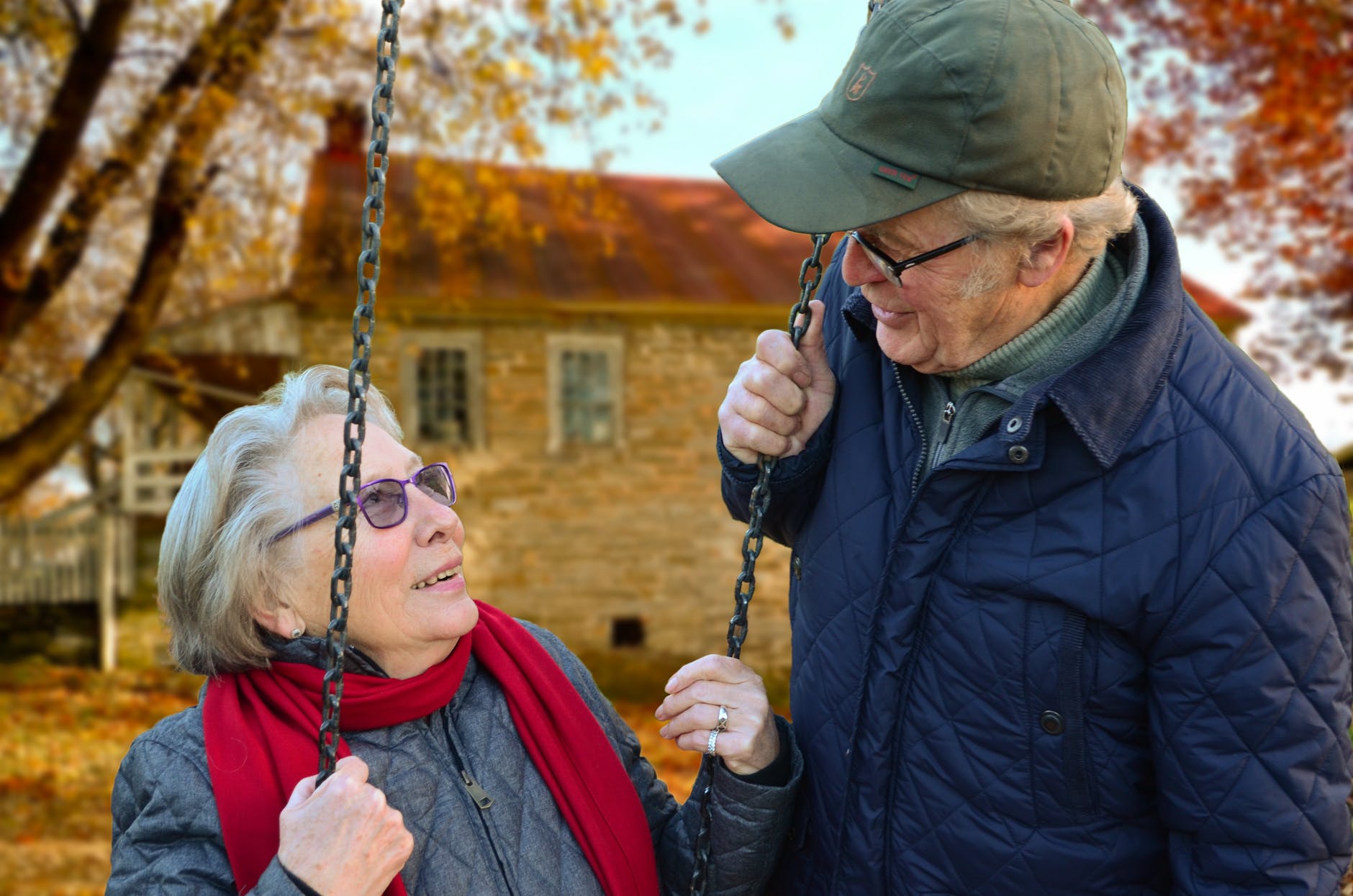
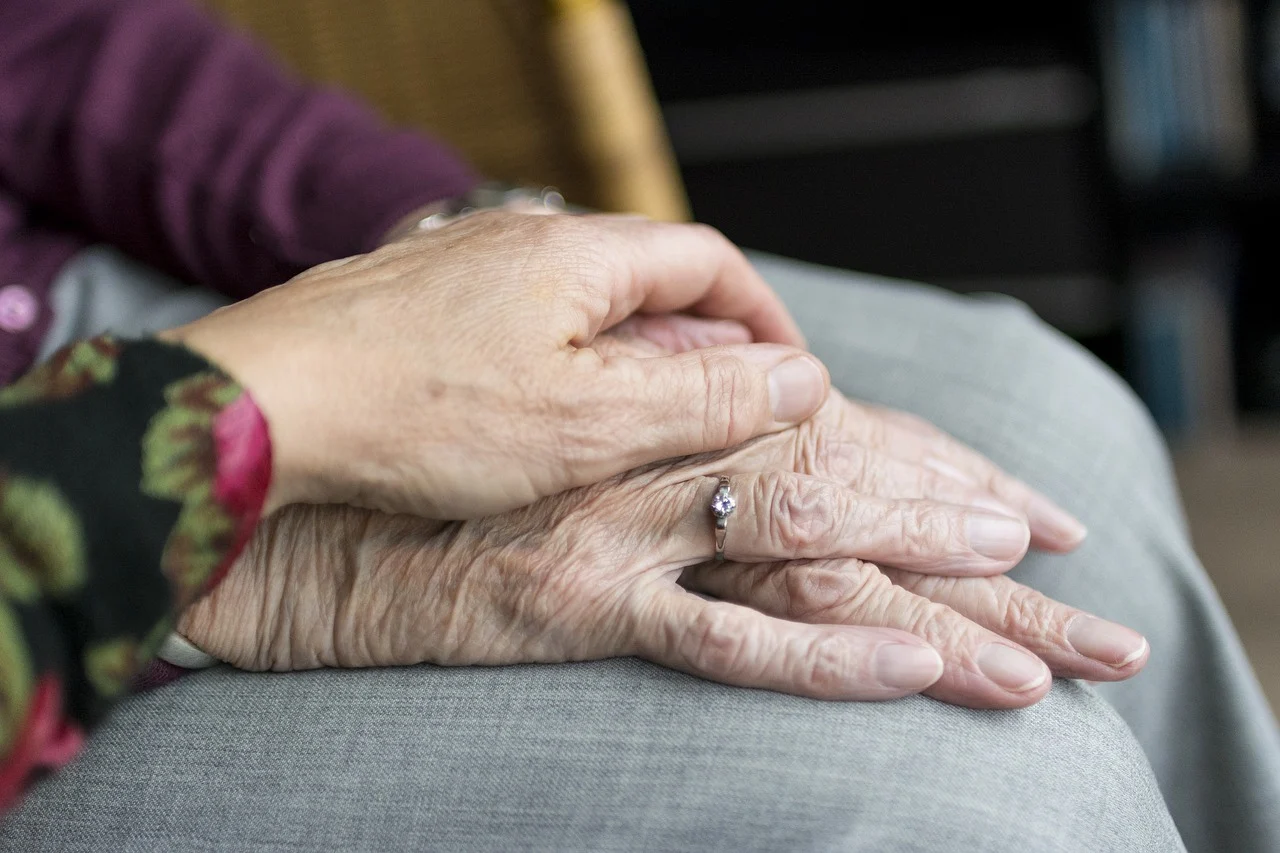
Critical Things To Consider When Caring For An Elderly Relative

As we age, everything that was once taken for granted will become more difficult. Often, friends and family will need to step in and care for you. 

If a loved one of yours needs to be looked after, then it may seem like the right thing to do to take care of them. But before you do decide to take care of someone in this way, it is important that you consider everything that is involved in caring for elderly relatives. Elder-care is more than a full-time job, and it will be both emotionally and physically challenging. 

Here is everything you should think about when taking care of an elderly relative. 

Photo by Pixabay on Pexels.com

Keeping Medication Organized

One of the most important aspects of caring for an elderly relative is that you’ll need to make sure that they are taking any medication that they are on when they need to. They may be on several different medications for a variety of different conditions. Make sure you know about their medical conditions and understand what the medication is for. In addition, you should get to know more about the medication, including: 

  • When the medication needs to be taken
  • What dosage do they require
  • When you can order repeat prescriptions 

You may be required to administer their medication or to check each day to ensure it has been taken. 

Carrying Out Housework

If the elderly relative that you are caring for has limited mobility, then you may need to help them with their housework. While this may mean carrying out major tasks such as cleaning the whole house, it may also involve smaller tasks such as washing the dishes. 

Assisting With Mobility 

Since mobility is a problem for many older people, there are risk factors that you should be aware of. You may need to supervise or provide mobility aids to help them get about their day without having any slips, trips, or falls. 

Make sure that the home environment is safe for them. This could involve making sure that the house is free from clutter, that the walkways are clear, that there are handrails throughout the home, that there is a stairlift in place, that walkers or wheelchairs are available as needed. 

This wheelchair guide will talk you through finding the right wheelchair for the relative that you are caring for. 

You should go through the house and identify any potential risks and make the necessary changes. 

You’ll Need a Bathing Routine

Personal hygiene and health go hand-in-hand. Wherever possible, you should ensure that the relative that you’re caring for has some sense of independence when it comes to bathing and washing. To achieve this, you could provide handrails in the bathroom, along with baths and showers that are easily accessible. 

When someone is unable to clean themselves, you will need to help them. Creating a bathing and washing routine is essential. This will ensure your loved one will stay clean all of the time. This will be even more important if your relative is either bed-bound or incontinent, as sores may form if you don’t keep proper hygiene.

You’ll Need to Cook for Your Relative

Unless your elderly relative is able to cook themselves, you will very likely to do this on their behalf every day. Make sure that you provide a healthy balanced diet that is not only varied, but that is also interesting. Make sure that mealtimes are something to look forward to. 

If you want to save yourself some time, you may want to batch cook some meals so that these can be quickly reheated another day. 

You May Need To Lift Your Relative

If the person that you are caring for has mobility issues, then it will be essential that you help them to get around. To do this, you may need to lift them up. If this is something that you need to do, ensure you do it safely and consider your own body. Make sure that you are not putting yourself at risk at all. 

There may be lifting equipment that you can buy that will help you to lift your loved one safely. There may also be courses that you can take that teach you safe lifting and handling. 

You’ll Need To Help Your Relative To Exercise 

It is essential that you help keep your elderly relative as active as possible. Even if your elderly relative has mobility problems, there will be some exercises that they can do. This may just mean doing simple movements with their arms and feet. Find some basic routines that they can complete. Join in with the exercises with them to make them feel more at ease while they’re doing them. 

You Will Need To Run Errands

There will often be errands that need to be run. If your elderly relative is unable to do them, you will need to do them on their behalf. This may mean going to the shop, paying bills for them, returning their library books, and much more. Try to maintain a routine so that you can easily keep up with the required errands. 

There May Be Hospital Procedures 

If your relative needs to go into the hospital for a procedure, you’ll need to be there to help them out with their aftercare. Make sure that you’re there to speak with the doctor and find out what you’ll need to do in terms of caring for them after the procedure. You will also need to ensure they are able to attend any follow-up appointments. 

Providing End of Life Care

One of the hardest things that you’ll need to deal with is the end of life care. It will be important that you know exactly when you should call a hospice. 

With all the best intentions, there will be times when caring for someone that you are close to will get to be too much for you. Make sure that you take a break whenever possible, and build a support network around yourself. 

This is a collaborative post.

Melinda

Men & Womens Health

Can You Prepare For These Horrific Home Nightmares?

Your home should be a haven for you and your family. But we think you’ll agree this isn’t always the case. Indeed, it’s possible and in some cases even common to encounter numerous issues with your home. You need to be prepared for these possibilities with the right solutions and that’s where this article is going to help you a great deal. 

An Infestation 

One of the nightmares that you could experience is an infestation of some sort. These are actually extremely common, and you want to try and avoid letting it get any worse, as soon as you notice a problem you’ve got to call a professional like Mosquito Authority, of course depending on what the pest is. If you notice one bug, this isn’t really a cause for concern, but if you notice the same bug over and over again, you know there’s probably an issue. You can try to find the source yourself, but this could take you a long time and you still might never find it. At least if you hire a professional, you know that the problem will be dealt with quickly and efficiently. 

But can you take precautions to prevent it? Sadly, the answer is not really. In some cases, if you keep your home clean as much as possible you’re less likely to experience this problem, but that isn’t the case with all pests. Some will come no matter what the state or your home, so it’s not a foolproof plan. 

Photo by Sharath G. on Pexels.com

Problems With The Roof

It’s absolutely vital that you fix a problem with the roof as soon as you notice an issue. Usually, an issue with the roof will be a small yet significant hole. This could be small enough that it only lets in water or large enough that insects and pests can break through. Regardless, it could cause major headaches and health issues for you. Water leaking into your home can bring the issue of damp and potentially even flooding. As well as costing you thousands in repairs, it might also make it impossible to sell your property until the problem is resolved. Problems with the roof are why you should always check your roof after a storm or a period of bad weather. You can use a professional team to complete this task for you and ensure that there aren’t any problems that need to be addressed. 

Of course, one of the easiest ways to check for issues is to head up into the attic and try to see if there is any natural light creeping through where it shouldn’t be. 

Flooding 

Since we already mentioned water dripping through the roof, it’s also worth exploring the problem of flooding. Usually, an issue with flooding will start in the basement and it could be because water is building up outside your home, pressing on the foundations. When this occurs, the water begins to seep into the property. If it is left alone it will lead to a problem with flooding. You can take preventive action here by speaking to a landscaper. They will be able

to alter the permeability of the ground around your home. Alternatively, they can change the level of the ground to ensure that water drains away from your home rather than towards it. 

It’s perhaps worth noting that a sump pump is the best way to handle water once it is inside your home. You do need to make sure that you have a working sump pump on your property. Be aware that most insurance companies won’t even cover your home if there isn’t a sump pump that is functional. 

Photo by Jack Gittoes on Pexels.com

Pexels Source CCO License

Mold

Finally, mold is a problem that is often overlooked by homeowners who assume it’s not a massive issue. But it can be a nightmare because of the health issues that it could cause. This is particularly true if you have young children. Research has shown that mold can lead to breathing difficulties and similar problems. This is due to the spores that are released into the air. Luckily, it’s easier to deal with mold than other issues. You just need a dehumidifier to keep the moisture levels in your home at the right point. 

We hope this helps you understand some of the nightmares that you can encounter around your home and the right way to deal with them. Remember, sometimes, the best option is going to be taking preventative action. With the right steps, you will be able to guarantee that these problems never plague your property. 

This is a collaborative post.

Melinda

Health and Wellbeing · Men & Womens Health

The Care For The Elderly Is Evolving

Not all, but a lot of the older people in our lives are going to need some kind of help in getting the care they need. This has always been a concern of younger generations, but now there are more elderly than ever, so we need to take a closer look at the options available to us, their shortcomings, their benefits, and which are most likely for us. Here, we’re going to look at three primary options for the care of your elderly loved one, how to choose the option that best fits your needs, and how to make it work for you.

Photo by Marcus Aurelius on Pexels.com

Credit – Pixabay License

Do it yourself

It’s an option that is becoming more common as fewer people can afford the kind of care they might need for a loved one. However, providing that care yourself is a big risk factor. Carer burnout is a real risk for those who don’t research how to provide adequate care for their loved ones. Respite care services can help you get a little break here and there so you have time to focus on your own needs, too. Don’t neglect to look at what kind of financial aid there is available for carers, either.

Care in the home

Perhaps the most widely sought-after option of all is to get a carer that can either spend time in the home with your loved one or even live with them on a full-time basis. This is the most financially demanding option, but it’s also one that should be chosen with care. It’s important to look for a home nurse that not only provides all of the physical assistance that your loved one needs, but also provides companionship and conversation as best as possible. Isolation is one of the greatest health risks to the elderly, putting them more at risk of anxiety, dementia, and even premature death. As such, it’s important to choose services that offer them the company that they need, not just the practical needs.

Finding the right community

One of the options that probably sparks the most concern or at least second thoughts, is the notion of having your loved one live in a nursing home. However, there are plenty of different types of assisted living communities out there, including ones that offer access to holistic health care, such as art therapy, field trips, and the like. It is important to do research into the kind of community that your older loved one is joining and to be aware of the risks of neglect, doing your research into the care standards, and any past trouble of the operations that you might be taking a look at.

Most important of all is that, if you’re entrusting the care of your loved one to professionals, you still need to be present in their lives. First of all, they need someone who can provide contact and companionship on a more personal level. Second of all, they’re more vulnerable, so they need someone watching out for their interests.

This is a collaborative post.

Melinda

Health and Wellbeing · Men & Womens Health

Typical Aging In Place Mistakes And How To Avoid Them

Today, the idea of aging in place (also known as aging at home) is gaining a lot of significance, especially among the older population. According to the National Council on Aging, nine out of ten senior citizens prefer to continue living in their own homes over the next five to ten years. Many such seniors based their reason on their need to be among people they already know. This makes a case for aging in place relatively easy. However, there are a lot of challenges and necessary changes that should be taken care of. 

If you are concerned about what difficulties you or your loved ones might face, or the mistakes that might be made when aging in place, this article will help you deal with them in advance.

Photo by Anastasia Shuraeva on Pexels.com

Image Credit

Not having an early discussion with loved ones about your preferences

Many adults wait until it is a little too late to have a conversation with their loved ones about their future needs and preferences- creating a lack of planning. Planning helps keep track of your preferences and needs while ensuring they are met. It is better to discuss your living arrangement preferences ahead of time so that your loved ones can help you live the comfortable life you want in your old age. 

The unfortunate truth is that, as you grow older, your body is no longer able to do certain things it used to – making the option to live independently in your old age inadvisable. Some people try to cope by turning down any form of help offered to them, whether in tools or services. For many adults, the mere thought of any kind of senior care makes them feel embarrassed and helpless – which should not be the case. Rather than being fixed on your preference of aging in place, accept your lifestyle challenges, and seek other options that would be beneficial to you.

Not making preparations for various possibilities

Almost nothing is certain in life, and disasters may strike at any time. Unfortunately, many adults fail to plan and make preparations for different possible scenarios. This lack of planning can bring more stress due to knee-jerk reactions to unexpected situations. 

Take time to write down all the possible ‘what ifs.’  Doing this should cover possibilities such as who will take care of you if you lose your ability to decide for yourself or lose mobility. Next, create a plan of action for all those possibilities with the help of your loved ones.

Not having financial plans

Studies show that many American adults do not have any financial plan in place for old age. This makes the issue of money more complicated when they need their finances the most. Many also fail to create a will or have a power of attorney in place. It is best to seek a financial planner’s advice concerning how to handle money to be financially stable during old age. Fortunately, making such plans is now easier than ever, thanks to the digital age. Alternatively, you can also sit down with your loved ones to go through what your options are.

Not being proactive with in-home security

We have already mentioned how disaster can strike at any time without warning. Unfortunately, most adults have not put any proactive measures in place for accidents at home. For example, as we grow older, our bodies can no longer handle falls and other accidents at home very well. It is essential to take proactive steps when it comes to your safety at home. For example, you should take the time to identify any form of potential hazard and provide solutions. Ensure that you have the right tools at home, you’re always well clothed, and can move about in your home with ease.


Photo by Nashua Volquez-Young on Pexels.com

Relying on just one person

This is why it is essential to try to be as self-sufficient as you can be, even when you have someone around to give you a helping hand. While this will take a lot of effort, it will also help you build the knowledge and skills required to live alone in your home. Where possible, also have some family members or friends around to help you.

This is a collaborative post.

Melinda

Health and Wellbeing · Men & Womens Health

Wuhan Style

This video is for a serious cause bought to you by International Pain Foundation  (iPain). 

Go For Wuhan Style – Dr. Li – Coronavirus Hero – Dr. Li Wenliang was a Chinese ophthalmologist at the Wuhan Central hospital. He was the first to share warnings of the COVID-19 Coronavirus on December 30th, 2019. He was detained by police for “making false comments on the Internet” but was later released and went back to caring for his patients, which led to himself contracting the virus. Dr. Li died of the disease on February 7th, 2020. He showed true care and love for his patients, suffering with them at the cost of his own life.


Photo by Markus Spiske on Pexels.com

This video is from Dr. Lin who died from complications of the COVID 19 virus. Serious topic in a dance-friendly video. Must watch. 

https://youtu.be/O2CuKCPSyXg

Melinda
Health and Wellbeing · Men & Womens Health · Mental Health

DetoxRehabs.Net Added to My Organizations Who Can Help Page

August 31st is Overdose Awareness Day and I can’t think of a better resource to add to the growing list on my Organizations Who Can Help Page.

Photo by Pixabay on Pexels.com

At DetoxRehabs.net, we provide expert information for individuals and families struggling to find recovery by vetting and researching rehab centers. Our site makes it easy to find the top five centers in your home state or out of state. We also provide information for different community needs, such as help for our veterans, LGBTQ+ friendly programs, free or Medicaid accepting treatment, and pet-friendly facilities. 

We recognize the importance of educating yourself during your recovery journey, and so we pride ourselves in providing free educational guides that answer questions such as:

  • Can Marijuana Treat Postnatal Depression?
  • Telltale Symptoms of Children Using Drugs
  • How to Identify the Early Signs of Mental Health Issues

Katherine Clarke
Community Outreach
DetoxRehabs.net

Please check them out or any of the other organizations that may be able to help with what you or a loved one is struggling with.

Melinda

Health and Wellbeing · Men & Womens Health · Mental Health

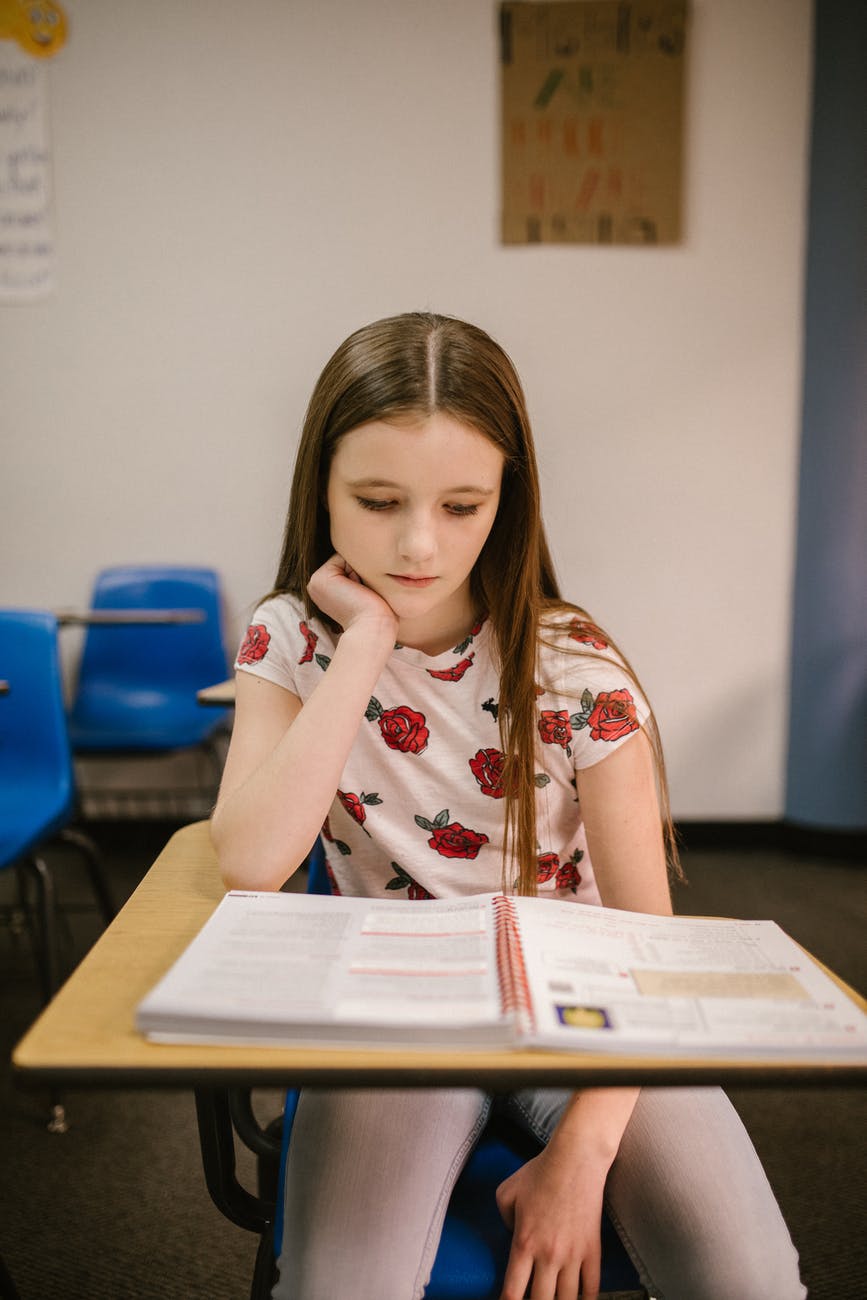
Warning Signs of Child Abuse and Neglect to Look Out for

Child abuse and neglect is a heartbreaking reality that affects many people. Unfortunately, it can be tough to spot the signs of child abuse or neglect. 

The list below contains some warning signs that you should watch out for if you suspect someone might be abusing their child. The blog post discusses all the different types of warning signs of child abuse and neglect to look out for.

Children can get abused due to various reasons. For instance, a child living with a foster family is more likely to be in this situation. Besides, inheritance disputes among families on what children should inherit can often lead to abuse. If this happens, ensure you consult with an estate lawyer for the way forward regarding property allocation. 

Photo by RODNAE Productions on Pexels.com

Anger and Hostility 

Suppose a parent is very hostile or angry with the child and this behavior occurs relatively often. In that case, it may indicate that something more serious could also be happening, like physical abuse of their children. The frequency of explosive anger episodes can increase over time and become worse if not appropriately addressed by family members or professionals.

School Absenteeism 

Another way to see this is when a student misses school frequently or starts skipping class. This could happen for various reasons. Such include bullying at school, homesickness while away from their parents, and being embarrassed to go in front of the whole classroom because they are struggling with an assignment. 

The key here is to pay attention and be aware of changes in a student’s attendance which may indicate that something else is going on in their life.

Depression and Anxiety 

Children getting abused or neglected often experience depression and anxiety, which can manifest in many ways, including problems with concentration, withdrawal from social situations, nightmares after the incident, and difficulty sleeping. 

They might also seem unusually fearful when going to bed at night or seem overly compliant with adults. The child’s anxiety around specific activities or objects may be a sign they recall past abuse.

Eating More Than Usual at a Meal 

This is a sign of self-neglect. When people are experiencing emotional or physical abuse, they may feel that their needs don’t matter and stop taking care of themselves. It can also happen when someone in the family has an eating disorder (such as bingeing). 

It’s essential to be aware when one child eats more than the others or eats more than usual. This could be a sign of child abuse and neglect!

Fear in Their Eyes

The fear in a child’s eyes is something that every parent or caregiver should watch out for. If you notice the eyes looking at you with terror, it may be time to have someone else look into what is going on behind closed doors.

Parenting is a difficult job, but many resources can help take some of the weight off. For example, the use of an online resource like Childline may be able to provide valuable information about abuse and neglect in your community. You might also want to consider speaking with someone at your local school or preschool. Additionally, it would help if you considered asking the child directly about their well-being.

This is a collaborative post.

Melinda


Health and Wellbeing · Men & Womens Health · Mental Health

Introducing Lin Health, A New Way Forward In Pain Management

I’m excited to introduce you to Lin Health. They are a Pain Management platform like no other. This is not your average app, Lin Health offers you one-on-one support with a trained Health Coach who you talk with on a regular basis. She is intimately familiar with your health and medical background thru their support systems and groundbreaking questionaries. They are also HIPPA compliant.

Lin Health has a great introductory offer for just $10.00 for your first month, see below for all the details.

How does Lin Health help you manage and improve your pain levels and in turn improve your life?

  • Virtual Meetings with a trained Pain Management Physician
  • A Personal coach
  • Customized recommendations based on the information garnered thru the process
  • Streamline Processes, best in class remote solutions
  • A partnership with SteadyMD for Telehealth

There is hope

70% of Lin members improved their ability to reduce their pain when it arises. And within three months of joining Lin, 66% of users report that pain now interferes less in their lives.*

What’s on the platform?

  • Personal coaching for pain management
  • Care coordination
  • Personal care plan
  • Dedicated primary care MD
  • Specialty care consultation
  • Digital health tools
  • Proven pain relief devices
  • Medications
  • Physical therapy
  • Sleep, Depression, Anxiety, and PTSD tools

                                       Terri Leitchy Lead Coach

I signed up with Lin Health to better understand the platform and the service commitment made by the company. The process was thorough and they asked detailed questions to truly understand not only your pain and chronic health conditions but you as an individual.

After signing up and completing a few steps I received a text from Terri the Health Coach welcoming me to the platform and she encouraged me to schedule my face-to-face meeting with her. After your face-to-face meeting, you check back in on a regular basis to discuss questions and the next steps.

Lin health is a one-stop platform for all of your Chronic Pain needs, including medical support via Telehealth, prescriptions, personalized coaching, and a wealth of online tools to help you reach your best self.

Here are a few quotes from people who are using Lin Health.

“Lin has saved my life over this past month”

“I’m learning to rename my pain, and it is taking some of the fear out of it. I worry less about it escalating or that it will turn into something bad”

“Not having a migraine is pretty cool, because I’ve had those all my life… I haven’t had one in 2 weeks! For me, that’s a great improvement”

Current Special

Join now for just $10 for your first month and see what all Lin Health has to offer, then it’s only $49.00 a month. The benefits of joining are limitless and you can cancel at any time.

I highly recommend anyone with Chronic Pain conditions to visit the Lin Health website to see what they can offer you. I know you will be impressed and glad you joined the Lin Health family.

Melinda

Celebrate Life · Fun · Men & Womens Health

Friday Quote

I love this quote, if we just see for ourselves we might not only find greatness but fulfillment in life.


Have a great weekend!

So glad you stopped by today and look forward to hearing your comments.

Melinda

Health and Wellbeing · Men & Womens Health

Happy 81st Birthday Daddy

Before I was nine years old there were good memories and those are the ones I chose to hang onto.

We would go to the local store and buy RC Cola’s and drink in the parking lot singing to the radio, belting out Charlie Pride Kiss An Angel Good Morning, then taking our bottles back in for our 10 cent deposit.

You taught me how to ride my bike at four years old. I remember looking back with pride right before running into the telephone pole.

You would play Hank Williams Sr. and Elvis Presley on the record player and we would dance the night away.

You worked extra jobs when I was little and you would come home very late from the grocery store with sacks of dented can goods. I would help you put them away in the pantry.

I’m sure there are other memories that have been lost in time, or I hope there are.

The rest of the memories get very dark as you fall deeper and deeper into Mental Illness and took your life by suicide at age 52.

I hope you are at peace. 

Melinda

Health and Wellbeing · Men & Womens Health

4 Alternatives To A Residential Care Home You Might Want To Consider

Are you thinking about moving to a residential care facility? You could even be considering this choice for a loved one. If so, then there are a few alternatives that you might want to think about first. 

Pexels Source CCO License

Downsizing 

When you consider long-term care, it’s important to understand why you might need this option. For a lot of people, it’s going to be tied to the fact that they are no longer in a position where they can easily manage and maintain their homes. That’s understandable as maintaining a home – particularly a larger one – will require a high level of mobility and motor control. You might not be in this type of position anymore. But rather than moving to long-term care, you could downsize. You can move to a home that is smaller and is more comfortable for you. 

Retirement Community

Or, you might want to consider going to a retirement community. Heading to a retirement community will provide a lot of the same benefits as long-term care. But, they will offer more independence than the typical care facilities can provide. A retirement community might have healthcare assistance and support on-site, but the main focus will always be on providing a safe and friendly place where you can grow old. A key benefit will be that you will be around people your age. This is going to make it easier to socialize on your terms. 

Care At Home

Instead of heading to a residential care home, you could also think about options for care at home. In-home care is useful if you are not ready to say goodbye to the home where you raised your family just yet. It can provide you with a way to stay in familiar surroundings while getting the full support that you need. With in-home care options, you can guarantee that you can have someone around who can help you complete maintenance tasks and ensure that you have the resources you need to socialize with people outside the property too. 

Living With Family

Or finally, you might want to consider moving in with a family member. This will usually be your son or daughter and their family. It can be great if you are close with your kids and want to spend more time with your extended family like your grandchildren. Some children will be more than happy to rearrange their homes to fit your needs. However, you do need to be aware that you will be putting your family under pressure. Particularly, if you require specific care needs that they will then need to provide. This is often combined with an in-home support choice. 

We hope this helps you understand some of the key alternatives to a residential care home that you might want to keep in mind whether you are choosing the right option for you or your loved one. If you make the right decision here, you will be able to make the most out of your twilight years. 

This is a collaborative post.

Melinda

Health and Wellbeing · Men & Womens Health

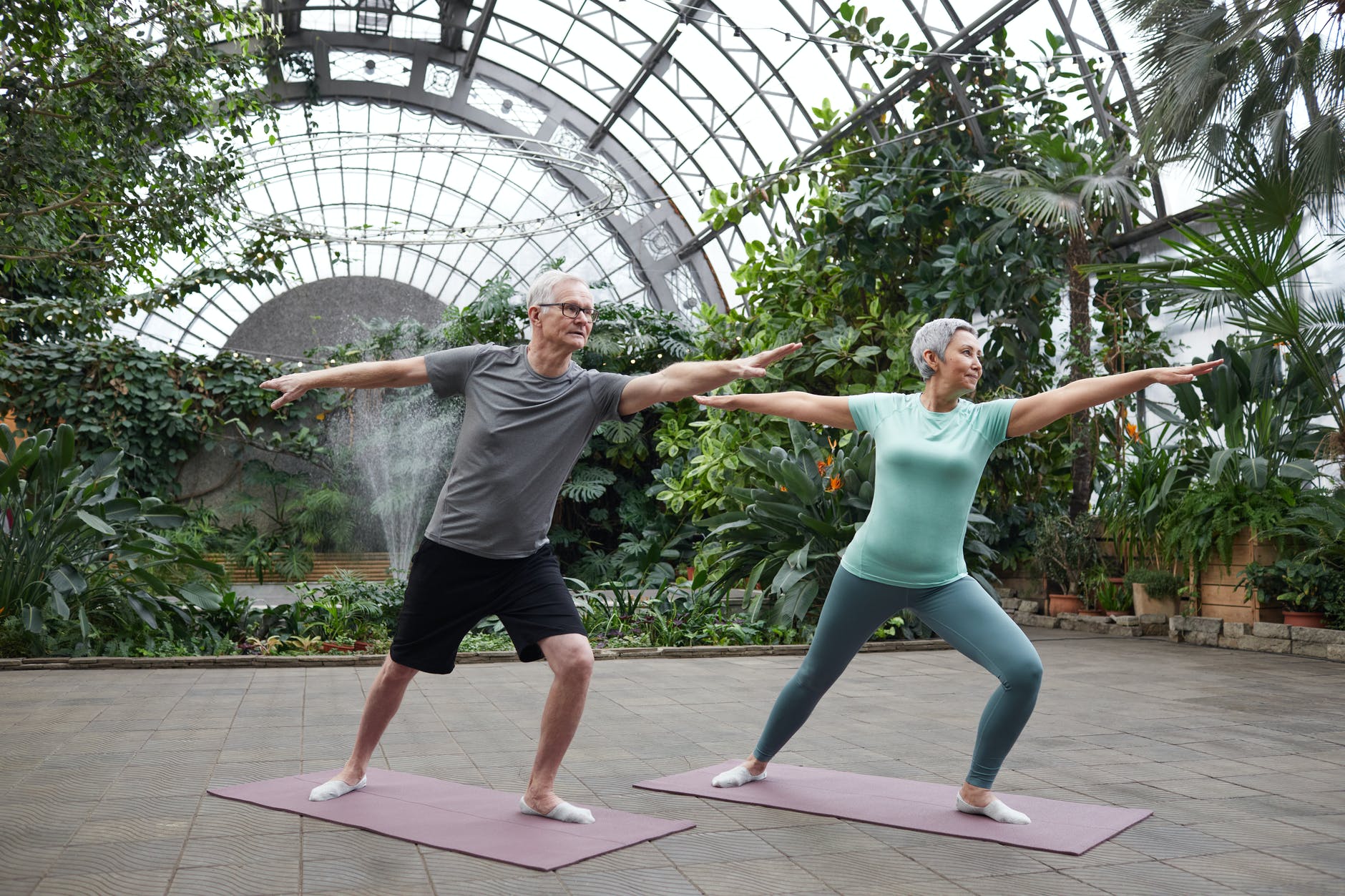
You’ve Adapted Your Home For Retirement, What Next?

Retirement is supposed to be one of the best times of your life, but that can only happen when the right preparations are in place. Adapting your home to meet changing mobility needs is the perfect starting point. However, you still need to do more.

Use the following checklist and you won’t go wrong. Likewise, if you’re looking out for an elderly loved one, the tips below should provide guidance.

Photo by Christa Grover on Pexels.com

Find Ways To Retain Your Independence

One of the main reasons for wanting to stay in your home is to keep your independence. It’s not a luxury afforded to everyone as we all have unique needs. Those that do should not be confined to their property. It will create a very sad existence. 

There are several ways to promote increased independence. Ensuring that chronic conditions won’t stop you from driving is a great feature. Meanwhile, joining social clubs or taking up a new hobby like golf can have a massive influence on your future.

Feeling in control of your life, particularly the social activities, will enhance your golden years. Frankly, it’s the very least that you deserve.

Ask For Help

Staying independent is great, but trying to do too much could be harmful. We all need a helping hand from time to time. If you require a little support around the home or in daily activities, it’s vital that you reach out for it.

The help could take many forms. Perhaps you need assisted living with a couple of visits per week. Whether it’s to complete cleaning duties, help prepare meals, or maintain the garden doesn’t matter. Gaining the right help for you is all that matters.

Alternatively, you may find that you can benefit from seeing a mental health expert or having visits for companionship. Independence should never mean that you have to be lonely. 

Pixabay CC0 License

Manage Your Finances

Financial worries are among the most common problems experienced by seniors. First and foremost, you must learn to manage your pension and any other revenue. Likewise, outgoing must be tracked. Trimming the fat where possible is key.
Keeping your short-term finances in good health will impact your quality of life. However, you also want to think about loved ones and when you’re no longer here.

A probate attorney will help you get these issues under control. If nothing else, it’ll bring peace of mind

Money isn’t the most important thing in the world but you mustn’t overlook its impact on your life. Respect it, but don’t let it rule your life.

Find A Routine

There’s nothing worse than feeling as though your golden years are wasting away. Therefore, it’s important to ensure that your life has a sense of routine and structure. Without it, you will always run the risk of feeling unfulfilled. 

Daily, weekly, and monthly routines are great. However, you should also think about other goals. This is the perfect time to renew your bucket list and plan the things you want to do. From trying new activities to seeing new places, the benefits can be huge.

As humans, we all have a desire to achieve things. When your lifestyle is built around continued progress, your retirement will be far happier.

This is a collaborative post.

Melinda

Celebrate Life · Health and Wellbeing · Men & Womens Health · Mental Health

The Keys to Long-Term Contentment

No one’s quite sure what the meaning of life is, but the pursuit of happiness seems to be as good a guess as any other. The issue is that while finding happiness on a short-term basis is possible, finding it on a long-term basis can be pretty elusive. It is not, however, impossible. Perhaps a good place to look for it is in contentment. If you’re content with yourself and the universe, then the happiness question will cease to be relevant. In this blog, we’re going to look at some key elements that’ll contribute to a content state of mind. Give them a try!

Pexels – CC0 Licence

Feed the Good Wolf

We all know that we’re a mixture of good and bad seeds. The one that your water will be the one that you become. So make sure you feed the good wolf that lies within you! To do this, you just need to let go of the things that give you that warm fuzzy feeling and say goodbye to the ones that bring you down. This is tough for the first few weeks, but after that, your new way of being will just be who you are. And from there, you never know what it’ll lead to.

Planning Ahead

You’ll find it difficult to be at peace if you have loads of anxieties and worries. While you may never be able to get rid of those worries completely, you can blunt their influence. The best way to do that is to think of what problems could materialize in the future and then take steps to reduce or eliminate the likelihood of them happening. If you’re worried about what your future might look like because of financial matters related to your health, for instance, then you can work with a Medicaid planning law firm. They’ll help to put together a crisis plan that protects you in the coming years.

Making Connections

If you’ve ever seen the movie Into The Wild, then you’ll be familiar with the phrase “happiness is only real when shared.” And there’s every chance that this is the case. People can be annoying from time to time, sure, but life would be a lot more difficult without them in your life. So as you go through life, look at making connections and being there for others. It’ll give you a purpose in life, and studies have shown that having a purpose is something that leads to fulfillment. You can make connections on a simple friend basis, or you can make your commitment to others more formal by working with charitable organizations

Moments of Joy 

Life can be difficult, sure. But it’s important not to lose sight of all the joy in the world. It’s everywhere if you just look for it! All too often, people become cynical when they enter their later years. But there’s little value in taking that route. Instead, keep your fun spirit, have a good time, and don’t become jaded — it’ll be a tough battle, but one worth fighting. 

This is a collaborative post.

Melinda

Health and Wellbeing · Men & Womens Health · Mental Health

Mind The Gap: What Parenting Looks Like Through The Haze Of Mental Illness

For many parents, conversations surrounding a teen’s mental health aren’t unusual, and there’s luckily now plenty of advice around how to deal with this increasingly common problem. Yet, when you do a blanket search on the internet, it becomes painfully obvious that there’s almost no advice of the same kind about parenting when you yourself are struggling with mental health issues.

Photo by cottonbro on Pexels.com

This is an especially worrying omission when you consider that approximately 68% of women and 57% of men who experience mental illness also have children, while 15-23% of children have parents who are experiencing some kind of mental illness. Worse, representation of this issue in the media tends to be poorly portrayed and even suggests that mentally unwell parents can do real damage. As well as being drastically misplaced, this blame can worsen an already difficult situation, and it’s something we hope to help you overcome by considering a few healthy coping mechanisms to prevent your mental illness from ever becoming an issue for the wellbeing of your family. 

Make a plan

Mental illnesses including depression, anxiety, and schizophrenia can accumulate in a kind of ‘brain fog’ that makes concentration and daily tasks a challenge. This is a significant concern for parents who are worried about forgetting key aspects of parental care. To remove that pressure, many parents working through mental health find it useful to make a plan. Obviously, this plan should make way for large-scale things first, like estate planning with a family attorney not long after the birth, or even putting the wheels in motion for a home purchase, etc. Daily, planning things like meals, school pickup times, and even outfit choices can make it far easier to reassure yourself that you’re meeting your child’s needs, and to keep things on a steady level for your children no matter how bad you’re feeling. 

Picture Credit: CC0 License

Open communication at all times

The silence surrounding mental health is an increasingly worrying problem and never is that more the case than when parenting is concerned. Certainly, parents who worry about overwhelming their children avoid talking about their own mental health altogether, thus creating an ongoing cycle of silence. By speaking out about your struggles, not only do you ensure that your children are more likely to speak out if they experience the same, but also that they always understand what’s happening and why. 

Embrace outside support

Outside support is also essential when things get difficult. Support groups and therapy sessions can prove invaluable for this purpose, providing a professional setting that your child can trust, but outside support networks including family and friend units can also provide a safe haven that’s going to make a huge difference to how your child is able to cope with different situations.

Mental illness makes life undeniably difficult, and parenting can certainly fall under that umbrella, but there’s nothing to say that a parent experiencing mental illness can’t still ensure a thriving, supportive, and even happy family environment by simply approaching the matter with these pointers in mind. 

This is a collaborative post.

Melinda

Health and Wellbeing · Men & Womens Health

Poof – And They’re Gone! How To Deal With Money Worries

At some point in your life, you will likely encounter money worries. All sorts of things can trigger them, from losing your job to moving on from a relationship. 

Photo by Pixabay on Pexels.com

Money worries, however, shouldn’t be something that brings you down. It turns out that there are many ways to put yourself back in control, both by adjusting your thoughts and actions. Here’s what you need to do: 

Focus On The Positive Aspects Of Your Finances

Many people are in the habit of only focusing on the negative aspects of their finances, without looking at the positives as well. It turns out, though, that there is usually something good or constructive to say about your money situation, even if there are problems in other areas. 

Focusing on your positives could mean making the simple observation that you have a great job or that you have plenty of money in your savings account. Or you could have a nice big emergency fund that you can dip into at any time. 

Get Rid Of Your Financial Shame

Many people have troubled financial histories. But that’s okay. There is no need to feel ashamed or embarrassed. What’s happened is water under the bridge. Now, all you need to do is focus on moving your life forward. 

If you still feel shame, then you can educate yourself on how to properly manage money. Learn as much as you can to find out where you are going wrong. Sometimes, small changes can make a big difference over a long time period. 

Cover Yourself

People often get into financial difficulties when they fail to cover themselves from risks that they face, according to Cars Protection Plus. For instance, they don’t take out the warranties that they need to protect themselves if a product doesn’t work out the way they imagined. 

The most important warranties are on cars. So if you buy a second-hand vehicle, make sure that you can take it back to the dealer if there are problems. Don’t ever make a large purchase unprotected. If you do, you could find yourself spending a fortune on service costs. 

Create An Emergency Fund

Some people go through life living paycheck to paycheck. But this approach leads to nothing but pain and anxiety. Having no money in the bank means that every small thing that goes wrong really is a disaster. 

Around 41 percent of people don’t have enough money to meet a $1,000 unexpected bill. But, unfortunately, bills of this size crop up all the time. Usually, there are workarounds. But, ideally, you would prefer to solve problems as they arise, instead of desperately looking for emergency solutions (or borrowing money). 

Don’t Compare Yourself To Others Financially

Many of us are in a bad habit of comparing ourselves to others financially. We think that we need to have the same amount of wealth as social media influencers continually posting pictures of their sports cars and mansions on their accounts. 

However, what other people have is irrelevant to your life. And, usually, you’re not seeing the full picture. (Many influencers have debt or simply borrow cars and homes to look wealthy, even when they are not).

This is a collaborative post.

Melinda

Celebrate Life · Fun · Health and Wellbeing · Men & Womens Health · Mental Health

Enjoy National Relaxation Day

This is a day I can get into any day! I hope you can take time yourself to enjoy some relaxing time by yourself or with family and friends.

Here are some great photos I found of relaxing to give you some ideas.

Photo by Mateusz Dach on Pexels.com
Photo by Pixabay on Pexels.com
Photo by Engin Akyurt on Pexels.com
Photo by cottonbro on Pexels.com

Enjoy your day!

Melinda

Health and Wellbeing · Men & Womens Health · Mental Health

Book Review of Heal Yourself with Colour by Walaa AIMuhaiteeb

A special thank you to Maggie Dunne-Kirby and Welbeck Publishing Group for an advanced copy of Heal Yourself with Colour by Chromatologist Walaa AIMuhaiteeb.


Available at Trigger Hub

RECOMMENDED
 

About the Author 

I’m a colour therapist and colour specialist – but just consider me your super-wise mentor and bestie who wants to help you get back in balance, find confidence and stop living on auto-pilot.

Does it seem like you can’t pick yourself up no matter what you do? You want to learn how to love and appreciate yourself, be able to deal with demanding situations and find joy and happiness again, but right now, you’re finding that challenging. Your energy has depleted, you can’t seem to overcome the difficult situations that you’re faced with and happiness has dangerously drained you.

I work with women who want to distance themselves from toxic relationships and the baggage they come with, open their heart to new love, feel refuelled, refreshed and calm, and appreciate themselves and everything that life has to offer.

As we work together throughout this book, I’ll encourage you to spiritually and emotionally evolve, give you as much support as you need to move beyond fear, and help you get out of those toxic relationships and live a magical life. By the time our work is done you’ll find a calm inside yourself that you never knew existed; you’ll learn the importance of self-love and have a fuller appreciation for life.

Blurb

Based on the unique Colour Ways system, that combines numerology with colour therapy, author and creator Walaa will show you how to use this powerful technique to bring abundance, clarity, confidence and balance into your life.

Highly practical and interactive, you will learn:

  • What colour personality you are, what each colour means and which chakra it is associated with.
  • Why you are attracted to certain colours and how you can use them to create positive change in your life 
  • What colour numerology is and how to use it 
  • How to use the energy of colour to improve how you feel and think
Alongside daily and weekly rituals and techniques for using colour, including visualisation, numerology, meditation, mantras and mudras and body and home treatments, you can bring abundance, clarity and healing into your life.

My Thoughts

One of the first things that hit me was where Walla was born, in Kuwait. I knew this would be an interesting book from a perspective completely different from my own. Heal yourself with Colour is part Transcendental thinking and a Self-Help book. She writes beautifully and is so passionate about life.   

The history of colour is represented in her book, it’s fascinating. I found that many cultures dating back to the Egyptians were interested in colour and today several cultures use colours to represent religion. 

Walla has all the exercises you need to get in touch with your inner self, walks you thru each colour and its meaning and helps you find your personal colour or colours. My colours are red and gold.

She makes Colour Numerology easy to understand which could be a difficult subject. The book is a fast read but you have to be committed to taking each step which includes journaling and meditation.   

If you want to better understand your inner self and find answers to how to improve your life, this is the book for you. 

Welbeck Publishing Group Limited 

Welbeck Publishing Group is an exciting, fast-growing independent publisher based in London, dedicated to publishing only the very best and most commercial books spanning a number of genres and categories, from leading authors and well-known brands to debut talent. We live for books that entertain, excite and enhance the lives of readers around the world.

From building our boutique fiction and narrative non-fiction lists to shaping our world-renowned illustrated reference, gift and children’s titles, our aim is to be a market-leader in every category in which we publish.  Our books and products come to life for adults, children, and families in 30 languages in more than 60 countries around the world, selling through a variety of traditional and non-traditional channels. We are constantly looking for new ways to deliver our exceptional content and new ideas to inspire readers and listeners everywhere.

www.welbeckpublishing.com

Melinda

Celebrate Life · Health and Wellbeing · Men & Womens Health · Moving Forward

The planet clearly needs help, so what can you do? Demand change

If the true urgency of climate change was not clear to Americans before, it should be clear by now. The mind-bending heat, drought, fire and floods sweeping the US are both nightmares and wake-up calls to the reality fossil fuels created. For over 40 years, our most powerful people and institutions collectively ignored climate scientists, and now the deadly consequences have arrived at all our doorsteps.

People wade through floodwater during the monsoon rains in Lahore. Pakistan is the fifth most climate-vulnerable country in the world and already experiencing weather extremes. Alamy

“I have witnessed people suffering and dying since I was a child,” the 18-year-old from Pakistan told me over the phone. Her hometown, located in the mountainous Hunza Valley, is surrounded by towering Himalayan glaciers that have been melting at an astonishing rate since before Baig was born. These climate-fueled melts have formed more than 3,000 glacial lakes, which now regularly break their banks and rush through surrounding villages, taking everything — and everyone — in their path with them. More than 7 million people in the region are at risk from these floods, according to UNDP.

Baig now lives in the southern city of Karachi, but friends and family still live in Hunza. Eventually, they’ll face a difficult choice: Move south willingly, or let the mountain do it for them. Even if the world meets its most ambitious climate targets, one-third of the Himalayan glaciers will melt by the end of the century, a 2019 International Centre for Integrated Mountain Development report found. And even the south won’t provide much respite; the heat and monsoon rains there are some of the most punishing in the world. The average daily temperature in Karachi this past week was 104 degrees*. Stepping outside “feels like you’re going to die.”

After 18 years of life in the world’s fifth-most climate-vulnerable nation, Baig sees her family’s predicament for what it is — not just tragedy but profound injustice. Pakistan contributes less than 1 percent of the world’s carbon emissions, and yet has been forced to bear the brunt of the world’s carbon crisis. “I’m angry about it. I’m sad about it. I don’t know how people have the audacity to prioritize money over humanity,” she said. And she can’t help but wonder if this would have happened if America—which has put more carbon into the atmosphere than any other nation—had felt these impacts first.

“I should be in university,” she said. But her life’s work is activism. “I have no choice,” she said, her voice breaking on the phone. Each day, Baig said, she’s fighting to secure the world’s future. And she wants to know, in this critical moment: are you doing anything to help secure hers?

In more than a dozen interviews over the last two weeks, activists from across the climate movement have issued a common call to arms: If you have ever thought of becoming more involved in the fight for climate justice, it’s time to stop thinking — and start doing.

“This is pretty much the biggest moment in climate politics in over a dozen years,” said Jamal Raad, the executive director of Evergreen Action, a progressive climate group focused on federal legislation. “If anyone was considering climate activism at any level, from contacting their member of Congress to volunteering with an organization to attending a protest, now’s the time.”

The scientific case for urgency has never been clearer. Last month, a draft of the latest UN IPCC report — the gold standard summation of modern climate science — was leaked to Agence France-Presse in hopes it might serve as a wake-up call before the next round of international climate talks in November. The report warned that the dire impacts of global heating were materializing faster than most scientists expected. Several “tipping points” — major, rapid changes in climate conditions that once reached are near-impossible to reverse — are now likely to come sooner rather than later, and many impacts are already locked in. Significant and rapid decarbonization can still prevent further pain and suffering, but the longer we wait, the worse things will become. “Life on Earth can recover from a drastic climate shift by evolving into new species and creating new ecosystems,” it warned. “Humans cannot.”

The costs of inaction are also already playing out in American life. More than 100 people were killed by the oppressive heat in Oregon last month, part of a larger record-breaking heat dome event that cumulatively caused more than 800 deaths across the Pacific Northwest. Farmers and ranchers are suffering under historic drought conditions in the West, where states are already limiting water supply while fighting out-of-control wildfiresRecord rainfall in Michigan is overwhelming Detroit’s aging sewage systems, part of the growing pandemic of poop-filled floodwaters. And on the East Coast, tropical storm Elsa signaled a powerful start to yet another destructive hurricane season, expected to be “above average” in activity for the sixth year in a row.

Fortunately, scientists are also more confident than ever about how to improve the situation. In May, the influential and notoriously conservative International Energy Administration (IEA) released a “bombshell” report outlining how the world could still achieve the Paris Agreement’s goal of preventing a 1.5°C rise in global average temperatures. “As the major source of global emissions, the energy sector holds the key to responding to the world’s climate challenge,” the report read. That sector must fully decarbonize by 2050, which requires not just a massive acceleration to renewables, electric vehicles, and energy-efficient building retrofits, but “a huge decline in the use of fossil fuels,” it said. “There is no need for investment in new fossil fuel supply in our net-zero pathway.”

The dire need to significantly decrease fossil fuel use, however, has still not sunk into the minds of the world’s biggest polluters. Take the United States. The Biden administration has taken some meaningful steps toward reducing carbon pollution, including suspending oil and gas leasing on federal land, canceling the Keystone XL pipeline, and reinstating several EPA climate regulations. But the US Justice Department is also currently defending at least three massive new fossil fuel projects — the Willow drilling project in Alaska, the Line 3 tar sands pipeline in Minnesota, and millions of acres of oil and gas leasing in Wyoming.

The massive infrastructure bill making its way through Congress is also a big opportunity to ensure meaningful climate investments in the energy sector — and may in fact be the last chance to pass meaningful climate legislation during Biden’s presidency. But the latest version was recently stripped of most of its significant climate provisions, including a Clean Energy Standard, tax credits for renewable energy and a new civilian climate corps.

The draft IPCC report places the blame for such inaction directly on the fossil fuel industry. Specifically, “think tanks, foundations, trade associations and other third-party groups that represent fossil fuel companies for promoting ‘contrarian’ science that misleads the public and disrupts efforts to implement climate policies needed to address the rising threats,” Politico reported. “Rhetoric on climate change and the undermining of science have contributed to misperceptions of the scientific consensus, uncertainty, unduly discounted risk and urgency, dissent and, most importantly, polarized public support delaying mitigation and adaptation action, particularly in the US.”

The fossil fuel industry is indeed fighting very hard to undo and prevent further climate action in the US. But others are helping them, too.GOP states are using taxpayer dollars to file lawsuits on their behalf. Advertising and marketing firms are creating sophisticated PR campaigns to help them convince the public they’re green. News outlets, many of which routinely ignore the climate crisis, are running those ad campaigns and making a profit. Social media companies like Facebook and Twitter are doing the same.

In other words, there’s a lot to do — and the IEA, which wrote the blueprint for effective action, says the key is people power. 

“A transition of the scale and speed described by the net-zero pathway cannot be achieved without sustained support and participation from citizens,” the blueprint said. That means more than just saying you’re for a healthy planet. It means taking a stand against the reason it’s sick.

The ability to participate in activism is a privilege. Many simply do not have the time, money or emotional bandwidth to take on a global cause. Climate activism also has an unfortunate history of regressive finger-wagging, blaming relatively powerless individuals for not making “better” environmental choices.

The climate activism that is needed today is not that type of activism — especially since, according to the IEA, individual “behavior” changes will only account for around four percent of cumulative emissions reductions in the path to net-zero. What’s needed today is sustained outrage at the powerful, by those with the time and resources to express it.

For 18-year-old Jaweria Baig in Pakistan, this means pushing for big changes at powerful corporations. 

Her latest campaign, launched with youth activists from climate-vulnerable counties across the world, targets Microsoft. She’s asking the tech giant to significantly decrease its emissions from corporate flights and use its own video conference platform “Teams” instead, as it did during the pandemic-induced lockdown. Microsoft is currently “one of the world’s top buyers” of flights, the Just Use Teams campaign says, its emissions comparable to some small countries.

Microsoft — which markets itself as a leader in the fight for climate justice — has so far declined to respond to Baig’s campaign. A spokesperson for the tech giant sent me only a link to its corporate sustainability and aviation plans in response to the group’s complaints. 

So in the meantime, Baig is asking for people power. She wants Microsoft staff to leave anonymous Glassdoor reviews telling their bosses to use Teams instead of airplanes and wants Microsoft customers to tweet their support.

If Microsoft’s flights don’t inspire you, though, there are plenty of other campaigns in need of voices, resources, signatures, or bodies. Is the bipartisan infrastructure deal your thing? Perhaps you’d like No Climate No Deal, a campaign launched by Evergreen Action and the youth-led Sunrise Movement. The campaign is pressuring Democratic members of Congress to reject any infrastructure legislation lacking “transformational investments in climate and environmental justice solutions.” They’ve already secured pledges from 14 Democratic Senators. They’re seeking support in the form of a petition, calls to Senators and tweets.

Or maybe you’re really pissed at advertising agencies, marketing firms and social media giants for helping promote fossil fuel company propaganda. If that’s the case, you might like Clean Creatives. Despite only launching less than a year ago, it has gotten 92 advertising agencies to sign a pledge against working with fossil fuel companies. It’s now spreading a petition to get social media platforms like Twitter and Facebook to ban fossil fuel ads. (Duncan Meisel, one of the group’s cofounders, said in an interview that the HEATED newsletter — which is where this post was first published — was part of the inspiration for forming the group. So maybe you could also start a newsletter, if that’s your thing.)

Indigenous groups also need help opposing fossil fuel projects across the country. Most have action hubs with a range of potential ways to help, like this one for the Line 3 pipeline. Environmental justice groups like We Act and the Climate Justice Alliance also need voices and resources. Perhaps Vice’s list of 12 environmental justice organizations to donate time and money to would be of interest.

If straight-up activism isn’t your thing, maybe you’d like to support climate science education or communications projects like Climate Central or the Alliance for Climate Education. If you believe in the power of journalism, maybe you want to support accountability projects like Floodlight and Drilled News or regional publications like Southerly Mag

Maybe you’re into culture and want to donate to a place like the Climate Museum. Maybe there’s a state climate policy you want to get involved with; a local office you want to run for; or an opportunity to make a difference at the company you already work at. Maybe you just want to troll fossil fuel companies all day.

The opportunities to get involved in the climate fight are endless, and that can be overwhelming. But the beauty of people power is that you don’t have to do everything. “You don’t need to quit your job and become a climate activist,” said Genevieve Gunther, founder of the media-focused group End Climate Silence. “With enough people, one little thing every week, even a tweet, can make a huge difference.”

Some people may read this and believe it is pointless. That we are too late. That none of it matters. The fossil fuel industry knows this is not true. Their fear of a determined, pissed-off public is why they promoted campaigns of climate denial and “individual responsibility” in the first place. They knew if people were unsure about the problem, they’d waste time fighting about it instead of mobilizing to fix it. They knew if people were confused about the solution, they’d waste time trying to change themselves and each other instead of the system.

However worse the climate crisis gets now depends on how quickly society transforms. And how quickly society transforms depends on how many people demand it. The most harmful lie being spread about climate change today is not that it is fake. It’s that nothing you can do can help save the world.

This story originally appeared in HEATEDEmily Atkin‘s weekly newsletter that is dedicated to original accountability reporting and analysis on the climate crisis. Subscribe here


The US sewage system is long overdue for an update — and here’s why you should never, ever jump in puddles after a rainstorm. Watch  Emily Atkin’s TEDxShinnecockHills Talk now: 

Melinda

Reference:

Emily Atkin is the author and founder of HEATED, a weekly newsletter dedicated to original accountability reporting and analysis on the climate crisis. Find her at http://www.emilyatkin.com and subscribe to the newsletter at heated.world. 

Health and Wellbeing · Men & Womens Health

Here’s Some Ways To Help Alleviate Your Anxieties

Anxiety, chronic pain, and depression are among some of the most common issues in the world and a lot of medicines do not fully assist with these symptoms. That is why there are plenty of alternatives that can assist, such as CBD. There are plenty of different types of CBD and they work in different ways. They can also be ingested in many forms. Why not take a look at CBD Living Gelcaps to see the benefits. Taken as supplements may be just the boost your health needs.
Photo by Noelle Otto on Pexels.com

CBD has proven benefits on the body and they are renowned as an essential supplement that supports a healthy immune system, which can benefit your body and boost your natural defenses.  Vitamin C supports all aspects of immune function needed for optimal antibody production, whilst Vitamin D is important for improved resistance, and Bilberry is packed with antioxidants that are beneficial to improving the overall immune system. By keeping your immune system healthy, you are keeping your body healthy as the immune system is key to keeping our bodies working healthily. Anxiety and depression often come hand in hand and you can look at some of the ways in which they can affect daily life.

  1. Rapid heart rate
  2. Palpitations
  3. Chest pain or tight chest
  4. Headaches
  5. Sweats
  6. Fear
  7. Mental symptoms such as entrapment, doom, or fear.

You should always talk to your doctor if you have any of these symptoms as there are plenty of ways in which you can help yourself to overcome the symptoms. They are certainly not pleasant and can affect daily activities, including work, which is why taking supplements and also maintaining a healthy lifestyle can really help. Distraction is a huge key for people with anxiety and depression. Focusing on other things and looking at the benefits of new tasks and new adventures. When you don’t have access to your doctor or therapist, then there are some little things that you can add to your life just to give yourself that little boost when you need it.

  1. Listen to music that is upbeat and inspires you.
  2. Have a real laugh! (With friends if possible)
  3. Take a walk around the park or the streets. 
  4. Declutter things, keep things simple in the house. 
  5. Give someone a hug and start smiling more, it helps reset the brain. 
  6. Think about the good things that you have and when things went well.
  7. Allow yourself time to talk things through.

Talking through problems is so important because a problem shared is a problem halved and without this mentality, you will block things in your mind and keep yourself from progressing further. You need to be open to talking and to appreciate that mental health issues are common and you are never alone. With the help of CBD supplements and a great network, you are on the way to recovery. If you feel you have nobody to talk to then be sure to look at places online to help you where you can join online groups and forums.  

 This is a collaborative post.

Melinda