Seeking an Emotional Support Animal (ESA)’s companionship and friendship can be liberating and therapeutic. However, choosing the right one to suit your specific needs could be challenging. Since the year 2016, the number of ESAs in the US shot up from 500,000 to over a million. Furthermore, deciding on particular character traits of the ESA you intend to choose is extremely important. If you’re in need of a perfect ESA pet, then this article throws light on important things you should consider beforehand.
Are you looking for a young or fully matured pet? This is a crucial question you need to answer before getting an emotional support pet. The average life expectancy of household pets ranges from twelve to fifteen years. Furthermore, animals of varied ages require specific needs, which should be a factor when deciding. Ideally, younger pets are easier to handle and train, but they tend to be very energetic, noisy, and overly curious. As they are still young, you may have your work cut out for you. To ease the burden, particularly with regards to their waste disposal, consider using a professional service. For example, if you have puppies that are not yet fully potty trained, you could hire a dog pooper scooper service to handle your pup’s waste. If your objective is to enjoy a calm and peaceful life with an ESA, a young pet may not be ideal for you. An older or mature pet may be more suitable, but they are harder to train.
Consider legal protections for ESAs and owners
Two significant laws protect emotional support pets in the United States; the Fair Housing Act (FHA) and the Air Carriers Access Act (ACAA). FHA provides the freedom to live with an emotional support pet in a rented home or in places where pets, in general, are prohibited. That includes the retirement home, campus accommodation, and hotels. The ACAA allows the ESA and its owner to board commercial flights without problems. The law also applies to flights that strictly forbid the presence of animals during a trip. For both laws, it is of utmost importance that your emotional support pet is sufficiently trained to avoid pooping in public.
Consider character traits in the pet
Just as humans have individual character traits, so do pets. For example, a Labrador that works well with a teenager is not full proof that the same species will do well with another person. Animals exhibit a wide-character variety in areas such as calmness and reaction to a strange item. For this reason, a skittish animal may not be ideal for an injured soldier looking for emotional support in a pet. It is necessary to consider the tolerance level of the animal you choose for emotional support. For example, if you already have a cat and are considering bringing in a dog as your emotional support, both should be able to live in harmony.
Consider your expenses
Naturally, some pets or breeds are more expensive to keep than others, and this should be considered when deciding on getting an ESA. For example, can your lifestyle accommodate monthly visits to the veterinary? Can you handle the bills that come with pet medications and care? In addition to these, some pets require regular grooming to improve their overall wellbeing. This will require a professional with years of experience in animal grooming, and they certainly do not come cheap. Suppose your ESA is a bird or a rabbit; keeping them healthy and active requires more money. These animals are easily prone to infections and over time, may begin to burn a hole in your wallet. Besides the initial financial value of your pet, you must consider other additional costs like pet food.
Consider establishing an emotional connection with the ESA
Perhaps, this is the most critical consideration of all. After all, the purpose of an emotional support pet is indicated in its general description. You may be lucky to establish an instant bond with the pet you choose, whereas it takes time and effort for others. Indeed, without an ESA, the animal you choose may turn out to be an ordinary pet.
ESA’s make life bearable for their owners who need them to go through life. Each ESA provides comfort, companionship, and a bond that lasts for as long as they are with their owners. Therefore, before you decide on choosing one, remember the considerations listed here.
This post is part of TED’s “How to Be a Better Human” series, each of which contains a piece of helpful advice from people in the TED community; browse through all the posts here.
I have struggled with feelings of unworthiness for as long as I can remember.
From the outside, my life looked pretty perfect when I was growing up. My parents had a happy marriage, they were supportive and they earned enough for us to be more than comfortable. I was mostly happy, but I also had a deep sense that something was wrong with me.
My most painful moments were at parties. When I went to Black parties, my friends made fun of me because I was rhythmically challenged and I couldn’t get my awkward middle-school body to mimic the latest dance moves.
Then, as the only Black girl at parties associated with my predominantly white school, I was never chosen to dance. I was never the object of anyone’s attention. I felt like I didn’t belong.
So, at around the age of 12, I decided that the way to cure these feelings of unworthiness was perfection. Simple, right? If I was just perfect, then I would fit in. I would be chosen. I would really be happy.
I threw myself into formal dance classes, worked hard in school and tried to be a supportive and selfless friend. My self-esteem was high when I got good grades and felt included — but it crashed when I didn’t do well academically or was left out.
I held on to the hope that if I could just find someone to love me, then I would finally feel worthy.
In college, busyness became my key strategy for trying to feel worthy. I juggled classes and tutoring with the Black Student Union, student government, gospel choir, step team … I barely gave myself time to breathe, to think, to be.
After college, my attention turned to trying to find a relationship to feel the void. The anxiety and ups and downs I experienced in this quest were exhausting. I remember going out to bars and clubs, and just like in junior high, I was rarely the one chosen to dance. I began to question my attractiveness with my brown skin and kinky hair and whether I’d ever be accepted by a potential partner. I held on to the hope that if I could just find someone to love me, then I would finally feel worthy.
I’ll let you in on a secret: None of it worked!
Not the perfectionism, the busyness, the relationships — well, maybe some of it did for a moment. Right after starting a new relationship or getting a good grade, I felt worthy. But soon enough, my feelings of self-worth slipped away and I was onto pursuing the next thing. As soon as I reached the bar I had set for my worth, it was raised yet again.
Have you ever experienced that?
After several years of therapy, spiritual growth and a PhD in clinical psychology, I’ve finally begun to cultivate an unconditional self-worth and shed the belief that “I’m not good enough”. I’m embracing myself — quirks and all — and this new path is liberating, enlivening and life-giving.
Let me share what I’ve learned with you. But before I do, you might be wondering if this is just more advice about self-esteem.
Unconditional self-worth is the sense that you deserve to be alive, to be loved and cared for to take up space.
I just want to clarify: Self-worth is not the same as self-esteem.
Our self-esteem is derived from our abilities, accomplishments, social positions and things we believe and we can achieve. We can bolster our self-esteem by improving our skills or performance, and our self-esteem goes up and down depending on how we’re doing in various aspects of our lives.
In contrast, unconditional self-worth is distinct from our abilities and accomplishments. It’s not about comparing ourselves to others; it’s not something that we can have more or less of. Unconditional self-worth is the sense that you deserve to be alive, to be loved and cared for. To take up space.
I have sat with hundreds of students at one of the top universities in the country and when we explore their concerns and dig to the root, we often find that they’re struggling with a deep sense of unworthiness. I believe there are many factors that cause us to feel this way.
Ads tell us that we need to buy things to be loved, accepted or to succeed. Our educational system teaches us that our worthiness as students is based on our grades or test scores. Our parents may have implied they’d love us more if we made the honor roll or the varsity team. Those of us who’ve experienced abuse, sexual assault and trauma may question our personhood and very right to exist. And, as social media pervades our lives, we have also begun to feel that our worthiness is based on the number of followers we have and likes we get.
Whatever the cause, for many of us our self-worth is tied to our accomplishments and possessions. As soon as we fail or lose approval, we experience low self-worth.
Unconditional self-worth is the antidote to low self-worth. It is a way out of self-criticism, shame and unhealthy behavior. It is a way out of depression, anxiety and substance abuse. It is time for us to base our worth on the fact that we are human to cultivate a worth that persists even when life does not go as we hoped.
So what keeps so many of us from cultivating unconditional self-worth?
Some people might fear that if they get too satisfied with themselves, they won’t be motivated to grow and change. Others could feel that accepting themselves as worthy would be arrogant. And some may simply believe that feeling worthy is just not possible.
I often wonder:
What the world would look like if we all cultivated unconditional self-worth?
What would you find the courage to do if you knew you were worthy?
What would you dare to dream if your self-worth wasn’t at stake?
What would you stop doing if you knew you were already worthy?
I believe people would resolve conflicts without violence and that more people would dare to do amazing things. I believe that if our self-worth wasn’t on the line, the world would look a lot better and more peaceful for all of us.
So how do we make this vision real?
See if you can let go of the thoughts you have about how the way you think, feel or look should be different. Instead, focus on the things you like about yourself.
Cultivating unconditional self-worth is an ongoing practice. Here are four ways you can begin to feel more worthy starting right here, right now:
1. Forgive yourself
Many of us struggle to feel worthy, because we are angry with ourselves about past mistakes. Forgiveness involves acknowledging and accepting what has happened. Acceptance releases us from blaming ourselves and others and allows us to move forward.
To forgive yourself, reflect on the circumstances that led to past mistakes, acknowledge the pain you experienced and identify what you learned from the situation. Then say to yourself “I forgive you” — in an honest and kind way.
2. Practice self-acceptance
I think many of us struggle with low self-worth because we think there’s something wrong with us and we refuse to accept ourselves the way we are. We receive so many messages that we are not OK the way we are. We’re told that we need to change our bodies, our clothes, our jobs or even our personalities to be acceptable.
See if you can let go of the thoughts you have about how the way you think, feel or look should be different. Instead, focus on the things you like about yourself. Over time, begin to embrace your quirks — your awkward laugh, your crooked smile, your unusual way of thinking about things. Through this acceptance, you’re acknowledging that you are worthy just the way you are.
Knowing that we are not alone in our struggles and pain reminds us that challenges don’t make us unworthy.
3. Be there for yourself
When life gets rough, many of us abandon ourselves during times of challenge. We engage in harsh self-criticism — which only leaves us feeling worse. What we need most when we are going through a difficult time is for someone to say “I see you. I see how badly you’re hurting. I’m here.”
We can do this for ourselves.
The next time you experience emotional pain, acknowledge how you were feeling and offer yourself some comfort. Place your hand on your chest, give yourself a hug or say something kind and soothing to yourself.
4. Connect to supportive people
Low self-worth can leave us feeling isolated and alone. When we think there’s something wrong with us, we tend to pull away from our relationships, and this isolation only exacerbates our feelings of unworthiness. Knowing that we are not alone in our struggles and pain reminds us that challenges don’t make us unworthy. Connecting to people who are supportive helps us to get in touch with our humanity and our sense of worth.
One last thing: The journey to unconditional self-worth is not always easy.The path is not straight or smooth, and you’ll face setbacks along the way — I certainly have.
It takes courage to free yourself from the conditions you’ve placed on your worth. The process of forgiveness can be messy, it can be scary to accept ourselves as we are, being there for ourselves can put us face to face with emotional pain, and connecting to others can make us feel vulnerable.
But I’m here to tell you that this journey is also beautiful and worth taking.On it, you’ll find strength, become grounded in your humanity and know that you are worthy. So I challenge you to embrace yourselves and begin living from a place of worthiness to find your own metaphorical dance floor and move freely.
Yes, I said dance floor.
I felt free, I felt exuberant, I felt full of life, I felt worthy.
On my journey, I found myself returning to the dance floor because that’s where my own struggles with unworthiness began.
It turns out, I’ve learned a few new moves since junior high.
A few summers ago, I went to a jazz festival by myself. As I sat there watching people dancing to the live music, I longed to get up and join them. But all of my old insecurities about my dance moves and not being chosen showed up.
Luckily, an elderly man invited me to dance, and after a song or two with him, I began dancing on my own. And as the notes of Latin jazz filled the air and I moved my body to the rhythm, I felt free, I felt exuberant, I felt full of life, I felt worthy.
Adia Gooden PhD is a licensed clinical psychologist and a dynamic speaker and trainer. She is passionate about helping others cultivate unconditional self-worth, and she received her bachelor’s degree from Stanford University and earned her PhD in Clinical Community Psychology from DePaul University.
The following tips can help your mental health: Daydream – Close your eyes and imagine yourself in a dream location. Breathe slowly and deeply. Whether it’s a beach, a mountaintop, a hushed forest or a favourite room from your past, let the comforting environment wrap you in a sensation of peace and tranquility. “Collect” positive […]
Nightware’s app uses a proprietary algorithm to generate a personalized sleep profile for each user to detect a nightmare by recording when the biometric data breaks from the norm. (Getty Images)
The FDA has cleared an app for the Apple Watch to help people suffering from nightmares or post-traumatic stress disorder (PTSD) get a better night’s sleep.
Dubbed Nightware, the prescription app monitors the wearer’s heart rate and movement while they sleep—and, if they’re having a nightmare, gently prods them out of the dream without aiming to wake them up completely, using the smartwatch’s vibrations.
The agency designated the app a breakthrough device in May 2019 for its promise to help adults with PTSD, and it has now granted the program a de novo clearance.
A randomized clinical trial showed that the ability to intervene in a nightmare led to improvements in sleep scores after 30 days, when compared to a sham device that provided no vibrations, according to the FDA.
“Sleep is an essential part of a person’s daily routine. However, certain adults who have a nightmare disorder or who experience nightmares from PTSD are not able to get the rest they need,” said Carlos Pena, director of the FDA’s Office of Neurological and Physical Medicine Devices. “Today’s authorization offers a new, low-risk treatment option that uses digital technology in an effort to provide temporary relief from sleep disturbance related to nightmares.”
The program uses a proprietary algorithm to generate a personalized sleep profile for each user to detect when they are having a nightmare by recording when the biometric data breaks from the norm.
Nightware estimates that nearly 5 million people in the U.S. suffer from nightmare disorders related to PTSD. The app is not meant to act as a standalone therapy for PTSD, and it should be used alongside any prescribed medications and other therapies.
From about eight weeks old, Angie Kent couldn’t have breast milk. As she grew older, she realised lactose products were “ruining her whole day”, so she listened to her body and made adjustments.
There are so many lactose-free dairy options out there now. But when Angie Kent was growing up, not so much. There wasn’t even much information about lactose intolerance, which she now realises was the reason she couldn’t take breast milk after about the age of eight weeks and why, after noticing how eating regular dairy products brought on discomfort and pain, she made a “conscious effort” to research her symptoms and seek medical advice.
Body+Soul: You’ve spoken often about your journey with being a coeliac, but not of your lactose intolerance – why is that?
Angie Kent: Coeliac disease can be a life-threatening disease for many people and I felt it was important to bring attention to how serious this intolerance is. By comparison, for most people, lactose intolerance symptoms can often be managed.
How does drinking/eating lactose make you feel? What are the major symptoms for you?
Eating and drinking lactose gives me overall discomfort. I feel as if my digestive issues have the power to ruin my whole day. I don’t feel my best, and I don’t feel like I can be relaxed or active due to my physical pain from bloating, toilet troubles, and skin breakouts.
When did you first learn of your intolerance, and how did you get diagnosed?
I was a colicky baby and was not able to have breast milk from eight weeks old. As a child, there wasn’t much education around being lactose intolerant and as I got older I could no longer deal with the pain and needed to do something about it.
I started noticing a pattern after eating dairy and experiencing consistent symptoms, so I made a conscious effort to listen to my body, researched my symptoms, and learnt more about lactose intolerance, and then sought medical professional advice.
How did avoiding lactose affect your social life/general diet/ability to eat what you wanted/mood?
I find catering to my dietary restrictions these days is much easier with the increased number of alternative milk and lactose-free options, as well as the amazing vegan products that are now on the market.
Being lactose intolerant has just made me more conscious of what I am putting in my body, but I don’t feel like I have to make major sacrifices in my life.
How has knowing about your intolerance improved or changed your general wellbeing?
My overall well-being improved when I got a handle on my symptoms and felt more myself again. I certainly know when something my body doesn’t agree with has snuck into my food, because all hell breaks loose with all different types of symptoms. I’m a sensitive soul.
What is the worst thing possible for you to eat/drink for your lactose intolerance?
I don’t consume any dairy milk, yoghurts or creams because of my intolerances but I am a sucker for cheeses! With so many lactose-free dairy products out there, I can now enjoy lactose-free cheese without all the stress on my body physically and mentally. If you’re feeding your gut something it can’t process or handle, your mental health suffers too. It’s important to know your gut is your second brain. Why do you think people say ‘trust your gut’ so often?!
What non-dairy and dairy alternatives are you able to eat with your lactose intolerance?
So many dairy products have lactose free options nowadays that I don’t necessarily have to seek dairy alternatives, my favourite brand is Liddells. But knowing that most coffee shops always have a range of reliable dairy-free alternatives always makes things really easy for me.
What does your average day on a plate look like now?
I am mainly veggie-based so I will make myself a smoothie in the morning with my herbs, supplements powders, dairy-free yoghurt, bananas, blueberries, and almond milk.
For lunch I try to have a salad with lots of greens and maybe some kind of seafood. Dinner I love to make myself a veggie dish or fish curry! The options are endless.
For snacks, I can now snack on some lactose-free cheese singles, avocado, and tomato with rice crackers. I am mad about it! Plus lots and lots of herbal teas.
It’s really important to be self-aware; and it can also be fun to get to know yourself better. The following questions can help you with this: 1. If you could change one aspect of your life or personality, what would it be? 2. Are you ‘your own person’ or are you defined, and pushed around, […]
You don’t have to like Madonna to like the message of this song. We’re living in very unusual times and if we could just take a one day to celebrate life, maybe we could all find some peace of mind.
Take time for yourself today, your mental health needs you.
This post is part of TED’s “How to Be a Better Human” series, each of which contains a piece of helpful advice from people in the TED community; browse through all the posts here.
Meetings can crush your soul.
My personal experience — and the prevailing wisdom of management and psychology research — is that meetings default to patterns like these:
• Whoever speaks first is likely to set the direction of the conversation.
• The higher-power, more extroverted, majority-demographic people are more likely to take up disproportionate airtime, receive credit, be given the benefit of the doubt and interrupt others.
• The larger the group, the less meaningful the conversation — and the less likely we are to break out into more meaningful, smaller group discussions because doing so is time- and space-consuming in the physical world.
• Key information is less likely to be shared when it is already known by others; lesser-known but important information tends to not be shared broadly.
• Whatever we did in the last meeting, we are likely to do again in the next meeting.
The result is predictable: A sub-optimal, sub-inclusive meeting.
I believe we can do better.
Whether you are running the meeting or just participating in it, there are ways to make it better and more inclusive. And, believe it or not, in some ways that’s easier to do on virtual platforms. So while many of us are stuck on our screens, let’s make the most of it and use some of the unique features offered by virtual platforms for better inclusion.
Here are 15 ways to make your virtual meetings better and more inclusive:
1. Have a facilitator
Too many in-person meetings flounder because there is no one at the wheel. The result is airtime hogging and groupthink, which are inclusion crushers. In virtual platforms, there is a clearly designated host.
Use this clarity as a nudge towards having a clearly designated facilitator who will balance airtime and bring out a range of perspectives.
2. Bring in more perspectives
Speaking of more perspectives, why talk about customers, when you can have an actual customer zoom in to your meeting? Why guess what employees in the field would think, when you can have actual field employees share their thoughts?
Take advantage of the virtual format to break out of the homogeneous networks that define our workplaces, levels on the org chart, communities, and social circles so that you can hear a broader array of perspectives.
3. Put names with faces
In many online platforms, such as Zoom, each participant’s name is visible. This creates a better opportunity to learn people’s names if you are meeting people for the first time (or like me, can’t remember names of people you have met in the past). You can also grab a screenshot which you can use as a reference for future interactions.
4. Clarify nicknames and preferred names
Platforms like Zoom allow the participant to edit their name as it appears on screen. Rather than always trying to guess which Rajiv goes by Raj and which goes by Rajiv, it will be visible to all.
We can then take ownership for referring to people as they wish, not in whatever way is most convenient or memorable for us (which will inevitably favor the majority group).
5. Learn how to pronounce people’s names
Have everyone share the phonetic spelling / pronunciation of their name in the chat box. For example, I might type in “Dolly = dah-LEE which rhymes with golly + Chugh = ‘u’ sounds like oo in ‘good’ and ‘gh’ is a hard g.”
Each participant should do this, not just those with “hard” names. Taking shared ownership of learning how to say people’s names is one step towards reversing the heartbreaking benefits which diversity and inclusion researcher Sonia K. Kang and her coauthors find for anglicizing one’s name (and “whitening” one’s resume) in the workplace.
And, speaking for my embarrassed self, I am less likely to avoid interacting with someone — which is the opposite of inclusive — when I have confidence that I am saying their name correctly.
6. Share pronouns
Many of us grew up at a time when preferred pronouns were not commonly shared so we have some catching up to do about gender identity. One best practice is to include preferred pronouns with one’s name to guide others.
Again, using the option to edit your name allows for this, or it can also be done in a chat function. So, my name might read “Dolly Chugh, she/her.” Again, it’s ideal if everyone does this, not just a subset of participants.
7. Read the room
Many platforms offer you a way to take the pulse of the room. Break up groupthink with a poll, which can be anonymous or not. This allows you to read the room and allows participants to take less popular stands without having to verbally navigate through those offering the majority opinion. Sharing the result of a poll can shift the group norm in an instant, by revealing a previously invisible perspective.
8. Elicit more ideas at once
In a virtual meeting, you can bring out many thoughts simultaneously by asking a question to which people can respond in the chat function. Then, the facilitator can call on people to discuss.
Keep in mind that many people find it difficult to process both auditory and text inputs at the same time, so it’s ideal to allow time for people to type in their responses. Also keep in mind that people using text readers will end up with the chat and the verbal discussion talking over each other, so it’s important to either space things out or know your audience on this one.
9. Make recordings and transcripts available
Consider recording as a way to support those who would benefit from listening at another time or with the option to pause. For example, people with pandemic parenting/caregiving responsibilities — who are disproportionately women — may need to multitask during the meeting.
The recording allows them to listen later and stay in the loop without burdening others. Of course, recording may make some uncomfortable or be problematic for other reasons so feel this out and be sure to have permission before recording.
10. Offer closed captioning
Some platforms offer automatic closed captioning, which can be useful in a wide variety of circumstances, such as when someone has hearing impairments, when some participants are engaging in a non-native language and when individuals are trying to block out background noise while listening.
This feature may need to be enabled so do some research into what your version of the platform offers. And, it’s rarely fully accurate so realize its limitations and edit afterwards.
11. Pivot in and out of smaller discussions
Breakout discussions are an excellent way to improve meeting performance and team relations. In the virtual world, it can be done in a click. Randomly assigning groups or pre-assigning diverse groups are both good modalities which can build relationships across all kinds of differences and boundaries.
The key to a good breakout is clear instructions about timing, purpose, and deliverables (if any). No need to endure default big group discussions.
12. Practice reading non-verbals
Use virtual meetings to sharpen your non-verbal reading skills. In virtual meetings, I’ve been stunned to witness what non-verbal researchers have knownall along: Words are just a slice of what we communicate. In the real world, it’s not polite to stare at people while trying to read their non-verbal reactions; in the virtual world, bring it on.
Stay in gallery view to watch the group or pin a particular video to be visible throughout the meeting — I call it “zoom-watching.” Send someone a private chat and watch them read it. Tell a joke and watch how people react. Listen to an argument and watch people cringe. Observe the impact that code-switching demands place on colleagues who hold marginalized identities.
Then, use what you notice to step in as an ally. Important: Be curious, not creepy, in your staring.
13. Assume accessibility is part of your job
I am embarrassed at how new I am to learning about accessibility and accommodations for a wide range of disabilities. I am learning so much from accessibility and inclusion expert Courtney Craven (in this guide and this guide).
I have been reactive in the past, compliantly doing what is suggested in a legal-y sounding email from an office whose job is to ensure accommodations are made, or a student specifically requests, and that’s it. If I get a document saying a student needs extra time on an exam, I grant it, without asking the student what is helpful to their learning outside of the exam, for example.
Honestly, it never crossed my mind to think about it. I want to — and can — do better. Join me in the realization that this is not someone else’s job.
14. Ask about accessibility needs
One thing I am learning is that often people experience backlash and bureaucracy when they try to advocate for their needs in schools and organizations, leading them to silence their needs. That’s what makes my passive and reactive approach the wrong approach.
I am going to be proactively asking my colleagues and students, “Are there ways in which the technology we are using can be made more accessible? Are there practices we are using in our meetings that are not working for you?” My new understanding is that I need to ask everyone this question, not just people who have identified themselves as needing an accommodation.
15. Check in and relaunch
You’ve never had more freedom to say “Let’s have a do-over” than 2020. More than ever, we are all learning as we go. So, proactively ask people what challenges they are having staying engaged, offering input and earning respect in virtual meetings.
In fact, Tsedal Neeley, Harvard Business School professor and author of the forthcoming book Remote Work Revolution, has sage advice — she proposes that we “relaunch” our remote teams as a way to help everyone orient to new realities. Think of these 15 tips for more inclusive virtual meetings as one step in that relaunch.
No doubt, much has been lost in this new virtual world — so much. I miss three people telling a funny story in unison. I yearn for accidental eye contact, however awkward it sometimes is. I barely remember what it’s like to see people’s footwear.
Still, much can also be gained in the virtual world. There are ways to foster inclusion in a virtual gathering that are not available in person. Try one or two of these ideas in your next virtual meeting. More inclusive meetings are better meetings.
This piece was originally published in Dolly Chugh’s Dear Good People newsletter, a five-minute monthly read containing timely, evidence-based, actionable advice. Sign up for it here.
ABOUT THE AUTHOR
Dolly Chugh is a Harvard-educated, award-winning social psychologist at the NYU Stern School of Business, where she is an expert in the unconscious biases and unethical behavior of ordinary, good people.
You don’t. And you’re also steering the focus away from someone who probably just wants to be heard. Here’s how to be a more considerate conversation partner, says radio host and writer Celeste Headlee.
A good friend of mine lost her dad some years back. I found her sitting alone outside our workplace, just staring at the horizon. She was absolutely distraught, and I didn’t know what to say to her. It’s so easy to say the wrong thing to someone who is grieving and vulnerable.
So I started talking about how I grew up without a father. I told her my dad had drowned in a submarine when I was only nine months old and I’d always mourned his loss, even though I’d never known him. I wanted her to realize that she wasn’t alone, that I’d been through something similar and I could understand how she felt.
But after I related this story, my friend snapped, “Okay, Celeste, you win. You never had a dad and I at least got to spend 30 years with mine. You had it worse. I guess I shouldn’t be so upset that my dad just died.”
I was stunned and mortified. “No, no, no,” I said, “that’s not what I’m saying at all. I just meant I know how you feel.”
And she answered, “No, Celeste, you don’t. You have no idea how I feel.”
Often subtle and unconscious, conversational narcissism is the desire to do most of the talking and to turn the focus of the exchange to yourself.
She walked away and I stood there feeling like a jerk. I had wanted to comfort her and, instead, I’d made her feel worse. When she began to share her raw emotions, I felt uncomfortable so I defaulted to a subject with which I was comfortable: myself. She wanted to talk about her father, to tell me about the kind of man he was. She wanted to share her cherished memories. Instead, I asked her to listen to my story.
From that day forward, I started to notice how often I responded to stories of loss and struggle with stories of my own experiences. My son would tell me about clashing with a kid in Boy Scouts, and I would talk about a girl I fell out with in college. When a coworker got laid off, I told her about how much I struggled to find a job after I had been laid off years earlier. But when I began to pay more attention, I realized the effect of sharing my experiences was never as I intended. What all of these people needed was for me to hear them and acknowledge what they were going through. Instead, I forced them to listen to me.
Sociologist Charles Derber describes this tendency as “conversational narcissism.” Often subtle and unconscious, it’s the desire to take over a conversation, to do most of the talking, and to turn the focus of the exchange to yourself. Derber writes that it “is the key manifestation of the dominant attention-getting psychology in America.”
We can craftily disguise our attempts to shift focus — we might start a sentence with a supportive remark and then follow up with a comment about ourselves.
The game of catch is often used as a metaphor for conversation. In an actual game of catch, you’re forced to take turns. But in conversation, we often find ways to resist giving someone else a turn. Sometimes, we use passive means to subtly grab control of the exchange.
This tug-of-war over attention is not always easy to track. We can very craftily disguise our attempts to shift focus. We might start a sentence with a supportive comment, and then follow up with a comment about ourselves. For instance, if a friend tells us they just got a promotion, we might respond by saying, “That’s great! Congratulations. I’m going to ask my boss for a promotion, too. I hope I get it.”
Such a response could be fine, as long as we allow the focus to shift back to the other person again. However, the healthy balance is lost when we repeatedly shine the attention back on ourselves.
While reciprocity is an important part of any meaningful conversation, the truth is shifting the attention to our own experiences is completely natural. Modern humans are hardwired to talk about themselves more than any other topic. One study found that “most social conversation time is devoted to statements about the speaker’s own emotional experiences and/or relationships, or those of third parties not present.”
The insula, an area of the brain deep inside the cerebral cortex, takes in the information that people tell us and then tries to find a relevant experience in our memory banks that can give context to the information. It’s mostly helpful: the brain is trying to make sense of what we hear and see. Subconsciously, we find similar experiences and add them to what’s happening at the moment, and then the whole package of information is sent to the limbic regions, the part of the brain just below the cerebrum. That’s where some trouble can arise — instead of helping us better understand someone else’s experience, our own experiences can distort our perceptions of what the other person is saying or experiencing.
The more comfortable you are, the more difficult it is to empathize with the suffering of another.
A study from the Max Planck Institute for Human Cognitive and Brain Sciences suggests that our egos distort our perception of our empathy. When participants watched a video of maggots in a group setting, they could understand that other people might be repulsed by it. But if one person was shown pictures of puppies while the others were shown the maggot video, the puppy viewer generally underestimated the rest of the group’s negative reaction to the maggots.
Study author Dr. Tania Singer observed, “The participants who were feeling good themselves assessed their partners’ negative experiences as less severe than they actually were. In contrast, those who had just had an unpleasant experience assessed their partners’ good experience less positively.” In other words, we tend to use our own feelings to determine how others feel.
Here’s how that translates to your daily conversations: Let’s say you and a friend are both laid off at the same time by the same company. In that case, using your feelings as a measure of your friend’s feelings may be fairly accurate because you’re experiencing the same event. But what if you’re having a great day andyou meet a friend who was just laid off? Without knowing it, you might judge how your friend is feeling against your good mood. She’ll say, “This is awful. I’m so worried that I feel sick to my stomach.” You’d respond, “Don’t worry, you’ll be okay. I was laid off six years ago and everything turned out fine.” The more comfortable you are, the more difficult it is to empathize with the suffering of another.
It took me years to realize I was much better at the game of catch than I was at its conversational equivalent. Now I try to be more aware of my instinct to share stories and talk about myself. I try to ask questions that encourage the other person to continue. I’ve also made a conscious effort to listen more and talk less.
Recently, I had a long conversation with a friend who was going through a divorce. We spent almost 40 minutes on the phone, and I barely said a word. At the end of our call, she said, “Thank you for your advice. You’ve really helped me work some things out.”
The truth is, I hadn’t offered any advice. Most of what I said was a version of “That sounds tough. I’m sorry this is happening to you.” She didn’t need advice or stories from me. She just needed to be heard.
Celeste Headlee is an award-winning journalist, the bestselling author of We Need to Talk: How to Have Conversations That Matter, and cohost of the series Retro Report on PBS. Headlee serves as an advisory board member for Procon and the Listen First Project. In her 20-year career in public radio, she has been the executive producer of On Second Thought at Georgia Public Radio and has anchored programs including, Tell Me More, Talk of the Nation, All Things Considered and Weekend Edition. She also cohosted the national morning news show The Takeaway for PRI and WNYC, anchored World Channel’s presidential coverage in 2012, and received the 2019 Media Changemaker Award.
Despite having Chronic Lyme Disease, Fibromyalgia, Hypogammaglobulinemia, and Dementia, I’ve been relatively healthy for the past six months. I count my blessings and chalk it up to some big lifestyle changes.
I believe self-care is the things we do every day to stay healthy, not just the special moments we spend taking care of ourselves. I’m learning more every day about the importance mental health plays on physical health, they are intertwined.
Below are the simple but important steps I work to accomplish every day, there may be a day or two where I don’t get outside or go to Starbucks but as a general rule the outline is my daily schedule.
We go to the Starbucks drive-thru for a coffee. We have a huge container of Clorox wipes and have a routine we go thru before leaving the drive-thru to ensure we don’t get the virus.
Taking all of my medications is critical to my physical and mental health.
Women’s over 50 Multi-Vitamin with Calcium.
Biotin for healthy hair.
Calcium 1200mg.
Vitamin D with K-5000 IU of D3 and 180 Mcg of K2 MK7
Probiotics 100 Billion CFU
Nicotinamide 300mg-Recommended by my Lyme doctor to help improve the immune system at the cellular level.
Reduce stress by meditating several times a day for at least 5 minutes.
Only watch one hour of news, 30 minutes local, and 30 minutes national.
Light an aromatherapy candle, placed somewhere I won’t forget it’s burning.
In spite of COVID, I still schedule critical doctor’s appointments and lab work.
Getting outside for fresh air even for 10 minutes. Just hearing a bird call can change the outlook on my day.
There are several bird feeders and a birdbath at my kitchen window that my husband takes care of for me. I can not tell you the enjoyment I get out of seeing the birds, woodpeckers, and squirrels every day.
Spend multiple times a day with my dogs, one on one attention and training. it’s rewarding to watch them grow and learn. The love I get is unconditional.
Bedtime Routine:
Go to bed 2 hours before bedtime. In those 2 hours, there is no sound, no computer, no phone, nothing. I lather up with my CBD creams and favorite hand lotion and a touch of aromatherapy oil. Sometimes I’ll turn on the diffuser.
Those 2 hours give my mind time to wind down, get all the ramblings out, and let my mind completely calm down. At bedtime, I take my sleeping meds and another round of CBD cream. I’m now ready. Rarely do I have trouble going to sleep.
There’s no one size fits all to have the best healthy life but we all can take steps every day to push ourselves forward. What small steps have you taken each day to improve your physical and mental health?
NEW HAVEN, Conn. – According to the National Institutes of Health, the numbers of kids and adolescents struggling with anxiety, depression, and other mental health conditions have been steadily on the rise. Cognitive-behavioral therapy, which teaches the child coping skills, and medication may help. But for some kids and their families, there is little relief. Now, researchers are studying a new method that helps parents help their children.
Bedtime for some families can become a struggle. But when the goodnight routine for Nicole Murphy’s son began to stretch for up to three hours, she knew she needed help with his separation anxiety.
“His little mind was always racing nonstop. So, it was kind of hard for him to shut that off, I think,” Nicole explained.
Eli Lebowitz, Ph.D., Psychologist, Yale School of Medicine Child Study Center, and his colleagues, developed a method of training parents to support anxious children. It’s called SPACE, or supportive parenting for anxious childhood emotions. Parents go through training to help their child face anxiety. Lebowitz says the first step is to show support and not downplay what their child is feeling.
“I get it. This is really hard, but I know you can handle it,” shared Dr. Lebowitz.
Lebowitz said parents also learn to help their children by not accommodating them. For example, a parent who would limit visitors for a child who gets anxious around strangers, or speaks for a child who gets nervous speaking, learns not to take those steps. In a study of 124 kids and their parents, the Yale researchers examined whether SPACE intervention was effective in treating children’s anxiety.
“Even though the children never met directly with the therapist and all the work was done through the parents, we found that SPACE was just as effective as CBT in treating childhood anxiety disorders,” stated Dr. Lebowitz.
The Murphy’s used the techniques learned through SPACE to coach their son through bedtime. Within a few weeks, he was falling asleep in 30 minutes.
“For us, it was like life-changing, honestly,” smiled Nicolle.
1. Remind yourself that you are not your feelings. 2. Don’t sweat the small stuff; choose to focus on what matters. Ignore or overlook the petty slights and grievances. 3. Feel the power as you learn to take control of your reactions. You’re not just a puppet where someone pulls your strings. 4. Don’t agree […]
“To be honest, I think in the past, when I was younger, I wasn’t very educated on the voting process,” Selena admitted. “The past four years, I’ve experienced a lot and I feel my vote counts more than ever. As a citizen, as someone who truly cares about their country, not voting is just not an option.”
Senator Harris then brought up lupus, an autoimmune disease Selena has been open about suffering from. Harris pointed out that the disease, “disproportionately affects people of color” and her sister has it.
“There’s so many women of color who have lupus and are still, you know, struggling to get the kind of attention and treatment that they deserve,” Harris said. “And that’s one of the things that Joe [Biden] and I are fighting for, which is to hold on to the Affordable Care Act and expand it.”
Harris explained that she believes health care isn’t just necessary for issues affecting the body, but also mental health issues. “You know, the way I think about it is that we have to understand healthcare, you can’t just think that the body starts from the neck down,” she said. “We also need health care from the neck up.”
Selena, who has been very outspoken about struggling with her mental health agreed. “I’ve had so many dreams about creating places that people could go to,” she said. “I think there’s a part of me that wishes we had some sort of place that felt like, OK, maybe you just need to get help. You know it should be something that people can understand and breakdown, because I truly know that this is something that’s important and important to me.”
“It’s really encouraging to see more and more young people come together for it because we are the ones that are going to trail blaze and we are going to be the next wave of people that truly are going to decide our future and I plan on doing everything that I can to help and to just also encourage people to vote.”
Harris ended the chat by encouraging anyone who has questions about voting to head to IWillVote.com.
CAROLYN TWERSKY Assistant EditorCarolyn Twersky is an assistant editor for Seventeen covering celebrities, entertainment, politics, fashion, beauty, and health. This content is created and maintained by a third party, and imported onto this page to help users provide their email addresses. You may be able to find more information about this and similar content at piano.io
Throughout the journey of our lives, we encounter several kinds of trauma, and store conscious and unconscious pain in our emotional backpack. Art can ease this pain, and through any forms of art, we can weave a path that leads to liberation from the anguish of traumatic experiences.
The word “create” has been derived from the Latin word creare and this word is also etymologically associated with “growing.” To create something is to do; to do is to produce and this production bears both cognitive and social benefits for the subject involved in the task. The link between unconsciousness and art is a fascinating one and art therapy can be very useful for patients suffering from severe mental health issues such as depression, dementia, anxiety, and even post-traumatic stress disorder.
Experts have defined art therapy as a form of expressive therapy that uses the creative process of making art to improve a person’s physical, mental, and emotional well-being. Mental illness and art are two different fields and yet, they are very intimately connected. Art is the manifestation of our innermost emotions and therapists have been using this link to explore art as an alternative to help those who are suffering from different psychological distresses. Well-renowned psychoanalyst Otto Rank has proposed that art can be a way to overcome distress and Melanie Klein has suggested art as a means of recognising the structure of the mind. Various psychoanalysts have recently begun to establish that art is a sort of vehicle that facilitates mobilisation. By mobilisation, the experts are referring to the anguish experienced by an individual and art can be a creative way of transforming or reshaping traumatic experiences.
This powerful medium has become quite popular in the field of medical sciences. There are all sorts of therapies that involve different forms of art such as music, painting, writing, photography, etc. People usually do better when they are part of a creative process, for example, people suffering from terminal cancer benefit from the humorous situation in the performing arts and for this purpose, in some hospitals, there is a therapy known as clown therapy. One does not always have to see a therapist to experience the therapeutic benefits of artistic expression. However, visiting a licensed professional has its advantages, as the therapist can tailor each activity to that individual’s needs.
Writing is equally a very effective medium to release emotional pain. Words always communicate our emotions and actions; and anyone can reach a state of calmness through putting their thoughts into words. Hence, journaling has been recommended by many experts. Again, studies show that creating art stimulates the release of dopamine, and this chemical is released when we do something pleasurable — this gives us a sense of accomplishment. It is very crucial to remember that no one needs to be an expert in creating art or to try art therapy. The simple steps are to brainstorm and write down the preferred ideas. It is important to listen to yourself and lovingly accept all your emotions and thoughts.
The greatest benefit of art therapy is that it gives an individual a healthy outlet for expressing and releasing all their feelings and fears. Though the concept of art therapy is a very recent one, it is a very powerful medium to fight stress, anxiety, or any other emotional trauma. Every form of art helps us to heal as it allows an individual to be compassionate and empathetic. Anyone can choose the materials as well as the type of art they like and transform their emotional wounds into something beautiful and meaningful. During the process of art creation, people take themselves to the path of self-discovery, and it certainly aids them to eliminate emotional roadblocks and connect with themselves as well as others.
Anyone can experience depression whether it’s situational, like the COVID crisis, chronic pain or illness or having a mental illness. I have Bipolar Disorder I, which means although my moods can swing from highs to lows, most of the time I’m depressed. I was first diagnosed at 19 years old and sought advanced treatment at 28 years old after my father committed suicide. Below are a few examples of what depression has looked like for me.
Your family sends someone over to check on you since they haven’t heard from you in days/weeks
Sleep for 22 hours a day
Don’t shower for weeks
Can’t remember when you ate
Your mailbox is so full the postman stops delivering mail
Emotional eating or buying
Feel deep guilt over lying to family and friends for years trying to hide your depression
You are numb, empty inside
It’s been eight months and five new prescriptions and still no improvement
The doctor tells you if you cancel another appointment he will fire you and you almost drive off the freeway on the way home
To depressed to take your medication no matter how bad you want to
Fall so low that death must feel good
Don’t know what day it is
Drink to much
Have a detailed plan on how you will commit suicide
The normal mood is depressed, your taking medication just to get you above the line to normal happy
Taken over 50 medications or combinations of medicines
Had 21 Electro Shock Treatments
Spent multiple weeks, multiple times in Psychiatric hospital
Divorced because husband didn’t believe you were depressed
Cut off contact with everyone in an effort not to have to explain what’s going on or where you were
Lose your job on the third day because you can’t get out of bed
Don’t fill your prescriptions because you can’t drive one mile
These are a few examples of the struggles I’ve had with Bipolar Disorder for almost 40 years. The blessing is I have an exceptional Psychopharmacologist and Therapist who I’ve been seeing for over 30 years. My doctor has been tough on me, never allowed me to make excuses, and taught me how to explain my feelings in an effort to prescribe the right type of medication. He strongly recommended I seek out therapy which I did and have never looked back.
Therapy doesn’t help control my depression but allows me to process the anxiety, guilt, and emotions I have from being depressed. I also process my traumatic background with her which helps me clear any unresolved childhood events.
There is light at the end of the tunnel, sometimes you can’t even see a glimmer but there’s always light at the other end.
Please don’t try to deal with your depression alone, even if it’s situational depression, like a death or divorce, everyone needs emotional support. Go talk to someone.
Keep a log of your feelings by day the best you can in order to share those raw emotions with a Psychiatrist or Therapist. Raw feelings will help get to the root of any issue much quicker than going to an appointment saying I’m depressed without clear examples.
If your general physician is prescribing your medication and you are still experiencing depression please seek out a professional with specialized training. A general doctor doesn’t have the in-depth knowledge of medications or about ongoing depression to get you to the other side.
I believe self-care is something we can do every day, it doesn’t have to be big steps but simple small steps that add joy /relieve stress throughout the day. Here are a few of the small ideas to make your week better.
There may be affiliate links in this post for which I make a small commission. They do not cost you extra to use and help to supply my coffee habit.
FAMILIFE Manicure Set, Professional Manicure Kit Nail Clippers Set 13pcs Stainless Steel Pedicure Tools Kit Grooming Kit with Portable Brown Leather Travel…
As many of us are finding ourselves at home for work at the moment, it can feel a little disorientating having to go back and forth in the same space. With that being said, there’s a lot that you can do in order to make working from home a more enjoyable experience. Remote working might be something that’s even more common in the future and so it’s worth exploring what you can do to make it a healthy environment for yourself. Here are some tips to stay healthy whilst working from home.
A separate workspace is something that you want to try and incorporate as best as you can. Even if you’re setting up a temporary wall in your living or dining room area so that it can feel like you’re stepping into an office. If you have a study room, then you certainly want to take advantage of this as this can provide the workspace you need in order to thrive. When you’re working from home, the last thing you want to do is to be sharing the communal spaces or using space like the living room or your bedroom and blurring those lines. If you’ve had a hard day at work and you’ve been doing it in the living room, you’ll probably want to avoid that space from then on. It can end up hindering your home space, and so it’s worth finding a set up that can work in the home but is not going to encroach on the space where you relax at the end of the day.
Take Advantage Of Lighting Features On Your Devices
When it comes to your electronic devices, whether that be your laptop or your phone, it’s worth tweaking the lighting. This is when you need to adjust it during early morning starts or late nights. The light from our phones and computers can be quite harsh on our eyes and so knowing how to go into dark mode here can be beneficial. It’s always good to know what the dangers are when it comes to spending too much time in front of a computer screen. It’s important to find options that can help reduce the impact of screen time, and it may be worth you getting some glasses that can block blue light. This can be helpful in your eyes and to give them a rest from the harsh lights that come from our screens.
Make Sure Regular Breaks Are Taken
It’s important to focus on your break times when it comes to working from home. You want to ensure you’re still getting those breaks to help you reset your batteries and to give yourself a break from the workload that you have on. When it comes to regular breaks, make sure you’re stepping away from your desk and stretching your body. It’s crucial that you’re not sat down in a seat for hours on end. You should be getting up and going for regular walks around the home in order to help keep your body moving. Be sure to take a proper lunch break as well and practice eating away from your desk if you tend to eat at the desk typically.
Schedule Your Day
Scheduling your day is important because it’s going to help keep you motivated to do the work you’ve set out to do. Try to incorporate the breaks into your schedule so you know when you have some free time coming up and that it won’t interrupt anything you’re doing that might break your productivity. Some people like to schedule their day hour by hour, whereas others will like to do it morning and afternoon. Others might find that they just have a to-do list that’s in order of when they do it. It’s good to find and practice what works for you so that you’re getting the most out of your day.
You might want to buy yourself a physical planner or perhaps look at online platforms that you can use to set out your tasks. Explore what’s possible and what works well for your productivity levels. We’re all different so we’ll all need to work a little differently!
Your working hours should be the same as they are if you were in the office. So if you’re starting at 9am, start at 9am. Be strict with yourself and your employer because for some, they may try and take advantage of the fact you no longer have the commuting time to factor in. It’s still important that you’re doing the hours that you’re paid to do and that you’re not overworking yourself. That’s not something that’s going to be helpful for you, and we’re all only capable of doing so many hours of creative work before we burn out. Your working hours might not be exactly the timings you usually do but try and get as close to them as possible.
Continue To Eat Healthily
In order to stay healthy, it’s important to continue to eat healthy when working from home. When working at home, there can be a lot of temptation within your kitchen cupboards, and if you’re doing more hours from home, then you may do your weekly shop accordingly. This might be that you have more food than you would while in your workplace. Try to be strict with your food intake and be sure to not eat too much throughout the day that it’s going to leave you feeling lethargic, especially if you’re not doing much exercise. Try to keep yourself fit and healthy both in body and mind, which a lot of it can be influenced by the food we eat.
Staying healthy while working from home can prove to be a challenge, but it’s something that’s important to do. Use these tips to help stay healthy during these remote working occasions.
ARLINGTON, TEXAS – OCTOBER 06: Dak Prescott #4 of the Dallas Cowboys greets Aaron Rodgers #12 of the Green Bay Packers after the Packers’ 34-24 win at AT&T Stadium on October 06, 2019 in Arlington, Texas. (Photo by Richard Rodriguez/Getty Images)
Ahead of the NFL season, Dallas Cowboys quarterback Dak Prescott opened up about his struggled with mental health earlier during lockdown, around the time that his brother tragically took his own life. While he faced some pretty despicable criticism from FS1’s Skip Bayless, most have been extremely supportive of Prescott, including Green Bay Packers quarterback Aaron Rodgers.
During Wednesday’s press conference, The Athletic’s Matt Schneidman asked the Packers quarterback about Prescott’s admission, as well the value of high-profile athletes and stars talking about their own battles with depression and other mental health struggles. Rodgers agrees that it is extremely helpful in building a connection to the public and destigmatizing the issues, which long went under-addressed in society. He also took a pretty thinly veiled shot at Bayless in the process.
“I think it’s great, I saw what Dak said and I applaud him,” Rodgers said. “I think it’s phenomenal, him speaking out, because that’s true courage and that’s true strength. It’s not a weakness at all. And anybody who attacks it… other people’s opinions of ourselves have really nothing to do with us. And other people’s opinions of Dak have nothing to do with him. That’s their own insecurities to deal with their own s–t, probably.”
“I think it’s a beautiful thing when people start talking about it, because at the bare minimum it makes you more relatable to people. That we have the same struggles, and the same issues, and the same desires to grow and change and see things in a better, positive light that so many people out there do. And I think the more that we can connect with people, especially with conversations like this, the better our society can be moving forward as a connected society built around love and positivity.”
“Thought I’d ask Aaron Rodgers today about mental health, specifically what he thinks the value of people like him and Dak Prescott talking about their headspace, happiness and mental well-being has in destigmatizing talking about that stuff.”
Rodgers also discussed how others, like Cleveland Cavaliers forward Kevin Love, may have gotten slightly different treatment when they opened up about depression years ago. The bright side of it is that it does seem like public sentiments are shifting in a big way.
“There’s a weird stigma around it… to either ask for help or admit you’re struggling with things, or admit negative thoughts about yourself. I think the strength is taking care of yourself and taking care of your mind and understanding how important your thoughts are because they become things, and understanding how important positivity is, and your attitude, and waking up each day with the right focus and the right mindset.”
As Aaron Rodgers acknowledges, it is good for guys like him and Dak Prescott to discuss these things openly, because it can encourage others who need help to do the same, before things take a bad turn.
Kudos to all of the star athletes and other celebrities who do so.
The human race is having a hard time at the moment, but there are behaviours we can adopt to help support us in times of stress and lay the foundation for a more long-term, self-supported way of living.
1. We’re all told to treat others as we’d like to be treated, but it is actually really important to treat ourselves as we expect to be treated by others. If you don’t respect yourself enough to champion yourself and create boundaries which protect you, why should anyone else?
This goes from the smallest acts such as making sure you sleep and eat well, to larger behaviours such as protecting your boundaries by not allowing yourself to be persuaded by others that principles you hold dear are not worth adhering to. Others will take their cue from your own attitude to yourself.
2. You need to treat others with respect and compassion and where possible put yourself into their shoes and try and see situations from their point of view. If you like certain behaviours exhibited towards yourself, you can bet others like them shown towards them.
3. Remember you don’t need to have all the answers. It is okay not to know things and to say so, because this is how we learn. You can’t know things you haven’t been taught or come across before, and that goes for everyone. Even a physics genius may not know how to milk a goat! We all know something that someone else doesn’t. Learning from others is fundamental to growing as a human.
4. If you’re struggling, the brave thing is to ask for help. This is braver than suffering in silence, which can often make things worse and is much less retrievable. There’s a lot of help out there for all sorts of situations—just ask.
5. Embrace your differences and those of others; these are our strengths. Being different is good. We can bring a fresh perspective to tired views, a different way of tackling problems, or just a different way of being. Uniqueness is usually a selling point!
6. Look after your body. It’s got to last you the whole of your life and you don’t want to find yourself with 20 years of making do with a clapped out model when a little bit of care could see you almost to the finish line with very little need for intervention. So move—humans are designed to do just that. Eat in ways that support your health. We all know the drill—plenty of fresh fruit and vegetables, good sources of protein, and forget the sugar hits. Sugar has been associated with inflammatory conditions, anxiety, and mood disorders (Anika Knuppel, UCL)
7. Anxiety is like a muscle—the more you exercise it the stronger it becomes. If you can learn to divert yourself from over-anxious ruminating thoughts, you will benefit by breaking the cycle. Gentle, supported exposure to anxious situations will lessen their impact over time. Go for a walk, take a bath, phone a friend, practice yoga and meditation—all of these have been proven to lower anxiety and improve mood.
8. Pay attention to your feelings. After all, we have them for a reason. This does not mean you have to dwell on them and ruminate about them (see above) but you do need to acknowledge how you feel and which of your actions contribute to these feelings. In this way, you can repeat the actions that bring happiness, relaxation, and well-being and drop the habits that don’t. If you’re not sure which are which, keep a diary of what you do, who you see, what you eat, how much sleep you get, and so on. Soon you will begin to see patterns that will inform your understanding of how external behaviours impact you internally.
9. Spend time in nature. There is enough research now to know that wildlife and a rural landscape impact us positively. Even something as small as a window box or plant can make a difference to your well-being. This has been admirably demonstrated during this lock-down year when many people have reported how birdsong and glimpses of butterflies have helped them get through gloomy days full of bad news. Taking a walk every day, playing football in the park, even in a city landscape, can get you in touch with trees, sunshine, and air—all for free and all mood-boosting.
10. Kindness is the most important trait we can display, both towards ourselves and others. Small acts of kindness can make a huge difference in how we feel about ourselves and others; both performing them and receiving them. A friendly wave or smile might be the only contact a neighbour regularly receives. A genuine compliment is always well received and a nice thing to give to others. Helping out when it’s of little cost to yourself may make someone else’s day. Our view of the world starts small, in our own communities so if we can make that positive, then as we go out into the world we take that attitude with us and spread it around.
11. Don’t be afraid of things going wrong. If you never try, you’ll never learn. Don’t give up for every time you fail you learn something to take forward for the next attempt. All of life is a learning process and many successful people had catastrophic failures on their way up. The key? They didn’t stop trying.
12. And remember how powerful the mind is. “If you think you can and if you think you can’t, you’re right.”
References
Anika Knuppel, Martin J Shipley, Eric J Brunner: Scientific Reports 7, Article 6287, 27 July 2017
2020 has been a year unlike any other. While it has certainly had its downs, there have also been a fair amount of happy moments, memorable moments, and things we have learned and taken away. No matter what situation you are in now, it is important to remember to keep positive, look forward and treat everything as a learning curve and something you can look back on and see how it made you grow. Here are three things that 2020 has taught us.
Never take anyone for granted
2020 saw us plunge into a lockdown where we could no longer see our loved ones that didn’t live with us. It taught us all a valuable lesson in just how much our friends and family mean to us. As the saying goes, “you don’t know what you’ve got until it’s gone.” Without the privilege of being able to pop to a grandparent’s for a cup of tea, to head to a bar for a catch up with friends, or out for a working lunch with your colleagues, we all realized how much it meant to us. With this new realization, it is important to remember it once we can mix and socialize again. If there are external factors still meaning you can’t see your loved ones, such as a custody battle, it is important to meet professionals such as Eric Palacios & Associates Law Firm and get this sorted as soon as you can.
Never take anything for granted
Back in the deepest of lockdown, there were so many things we wanted to do that we couldn’t, and this taught us to never take anything for granted. Whether it was a simple picnic in the park, being able to go for a wander to the shops or to hop on the train and explore a different city or town for a weekend break, we all missed what used to be the normality. Having all of this taken away just went to show how much we can take for granted and that we should stop, slow down, and appreciate all the small things in life that bit more.
Life’s too short to do things that don’t make you happy
With so much time to sit and think, or with having to make extra effort to work from home and keep the motivation going, this year taught us about doing what makes us happy. It gave a lot of us time to evaluate our life and career choices and to see if they were actually what we wanted to do. Many people decided to give running their own business a go, and it has worked out well for many and has been a learning curve for others. It’s important for your mental health to take care of yourself and do what makes you happy every day.
This has been an unprecedented year and one unlike any other. It is important not to focus too much on the negatives and instead look back and see what it has taught you. This way, you can grow as a person and better yourself for the future.
No matter how painful the relationship was, we may mourn its end.
Sometimes, the people closest to us cause the most pain and lose the right to be part of our lives.In these cases, ending a relationship, be it an unhappy marriage, a one-sided friendship, or a toxic family relationship is the healthiest choice. But the decision to end a relationship and the process of extricating ourselves can bring up all kinds of difficult feelings.
What Happens When We End a Relationship
When we decide to end a relationship, we may feel doubt and dismay. We may feel like we are abandoning or deserting the relationship. We may worry that we failed to “save” it—maybe we should have “just tried harder” to fix it. It may feel like the time invested in that relationship was wasted, even if it held a meaningful place in your life for months, years, or even decades. The vacuum left by the relationship can bring loneliness, even if you already felt lonely in the relationship. It may feel devastating to realize the relationship is over, even if the relationship had felt challenging and draining for years.
These feelings, symptoms of a grief response, can feel confusing. Shouldn’t the fact that it was our choice to end a relationship mean it shouldn’t hurt so much? Unfortunately, no.
When we end a relationship, even a difficult, toxic, exhausting, frustrating one, we will likely grieve. Why? Well, at one time, the relationship likely felt mutual, and we grieve the loss of that mutuality. We may mourn the way a long-term relationship can sour. The relationship may never have been a good one, so we grieve for what could have been or should have been or even what we had put up with for so long. We may grieve the loss of how it felt to be in a relationship with that person—perhaps we felt more worthy or prestigious or glamorous or wanted. We may also grieve for the lost future we imagined building together. And so we grieve what was, we grieve what never was, we grieve what is no more, and we grieve what cannot be.
Making room for this grief means deciding that it is both OK to feel all of these feelings and still feel confident that moving on was the right choice. The two can coexist.
When Isolation Compounds Grief
Sometimes, others may compound the grief by expressing happiness at the relationship ending. Well-meaning family members may cheer or breathe a sigh of relief when an unhappy romantic relationship ends. Friends may congratulate you for cutting off your toxic uncle. A romantic partner may rant about that childhood friend that always left you feeling anxious.
But these gestures may leave you feeling more alone or ashamed of your sadness. To keep space for moving through the pain, we need room not only to feel angry at the person we left behind, but also sad that the relationship has ended. For that, we need loved ones willing to listen and validate the sadness. What can it sound like to support somebody who just ended an important relationship?
“Wow, that must have been a really hard decision. How are you doing?”
“That can’t have been easy. I’m here if you want to talk about it.”
“How are you feeling about it?”
“What do you need right now?”
What We Can Offer Ourselves and Others
As we mourn, we can offer ourselves compassion and grace to feel whatever it is we’re feeling. We can remind ourselves that we can feel anger toward the person we’ve ended a relationship with and grateful for what was and sad that it won’t carry into the future. And when others come to us about their own loss, we can offer them the same gift by not assuming they’re delighted and instead checking in with them. We can let them know that it is ok to feel sad and that we are there for them through it.
I believe self-care is something we can do every day, it doesn’t have to be big steps but simple small steps that add joy throughout the day. Here are a few of the small steps I take during the week.
There may be affiliate links in this post for which I make a small commission. They do not cost you extra to use and help to supply my coffee habit.
Plants
Plants are a great way to take your mind off the stressors of the day and if you buy the right type and don’t have too many it’s easy to keep up with them. I don’t have a green thumb and only have seven plants. I like taking a break to check to see which ones need water and looking for new sprouts. There are plants for every level of light including a large selection of low light plants.
Naps
I could not survive without being able to take a nap. It’s not an everyday treat, although at one time it was necessary. If my day is not going well and the opportunity presents itself, I grab a quick nap. Maybe 30 minutes to an hour. I’ve learned to ask my husband for help so I can break away. It took me a long time to get there but now I don’t hesitate to say I need to get a nap.
Willow & Sage is a quarterly magazine that is more like a book. I’ve been saving mine for years, they are great to read again. The magazine is all things hand-made bath and body oftentimes with items you have at home or are easily available to buy or order. You’ve seen my post on homemade Pink Peony Sugar Scrub and others from their recipes.
Keurig K-Elite Coffee Maker, Single Serve K-Cup Pod Coffee Brewer, With Iced Coffee Capability, Brushed Slate
There’s nothing like a fresh cup of coffee or glass of tea made with a Keurig. It’s a single-serve pod system so everyone can drink what they like and there is no carafe to clean. This is a newer model than ours, we’ve had ours for almost five years now and have not had one problem. We use spring water in it instead of tap and that way you don’t get the build-up you do which causes your machine to clog up. The cleaning process is simple, when there are too many grounds built up it will tell you when to do maintenance and it takes about a minute to complete. I can’t say enough about this machine!
Fresh Sugar Advanced Therapy Lip Treatment Translucent 0.15 oz
Nothing works as well as Fresh Lip Therapy! My lips are dry year-round, I use this lip treatment instead of regular chapstick. What a difference it makes. It’s more expensive but one tube lasts a long time and it’s my self-care splurge. It’s something I can do several times a day for myself to make me feel better.
I’m a huge fan of Aromalief’s Lavender Pain Cream and now am using the Energizing Orange Ginger scent for during the day. The smell is great, a light orange ginger menthol. The menthol is barely noticeable. It has 1000 MG of Hemp with no THC, is PETA certified, vegan, and is a women-owned business. Heres’ my review of Aromalief’s Lavender Pain Cream.
We can do so much for our self-care that isn’t time-consuming and will brighten our mood. What are some of your self-care tips?
We all have our quirks, it’s who we are and when I thought about a few of mine today, I had to laugh.
I have to sleep on the side of the bed closest to the door.
Sleep with a heating pad all year.
Always sit with my back to the wall.
All of the clocks in the house are set 15 minutes fast, I’ve done this since I was a teen.
I can eat a fruit smoothie everyday for lunch, my last blender broke.
I only speak English but know couple of words in Spanish, Cyrillic, and French. I took lessons in Spanish, French and Cyrillic to no avail.
I can’t read music even though I’ve made an effort since I was a child. I’ve taken lessons for clarinet, piano, guitar, twice. I accept that if I can read music or learn by ear, playing a instrument is not for me. I recently thought about learming the harmonica for which my Gramps played but then realized learning is no different.
I like my things in it’s place and only that place unless I move it. There’s comfort in organization.
Do not adjust my office chair, that’s my privilege.
I eat with a half of a paper towel, as an adult how often do we use the entire paper towel?
I save all extra water and ice to use on my houseplants, why waste water?
No doubt there are many quirky things who make up the sum of me and I’m proud.
Let’s have some fun!!!! Tell me what some of your quirks are.
Change is constant and although many people feel resistant to it, change can actually be very beneficial. As the saying goes a change can be as good as a rest and there are many reasons for this. Change can bring a number of opportunities and give you a new perspective on life. A fresh start can also be a positive thing and learning to adapt to change is a useful skill for many situations. Whether it’s moving to a different place or embarking on a new career, there are several reasons a change can be positive.
New beginnings
If you’re looking for a fresh start, something as challenging as moving house could even lead to many positive things. Moving doesn’t need to be as stressful as it sounds and there are ways to sell my home fast. Many companies offer help to those who need to sell their home quickly and even offer cash in exchange for real estate. New beginnings mean you can start with a clean slate and get out of the rut that you might be in.
More opportunities
A change at work could lead to plenty of exciting business opportunities. If you’re ready for a career change this could bring many new possibilities for you to earn more money and learn new skills in the future. Employers also favor candidates who able to show an ability to adapt to change and an eagerness to progress in different areas.
Personal development
Doing a bit of soul searchingis also a great way to learn about yourself and focus on personal development. It’s a good idea to make a list of priorities as these can change as you get older. This will help you with professional development as well and to figure out what kind of lifestyle you would like in the future. You will be able to decide what’s important to you workwise and where you would like to live a few years down the line.
A different perspective
There are many reasons why you should look at things from a different perspective from time to time. It helps you to reinforce your values and learn from others. Trying to see something from someone else’s point of view will help you think more objectively and become more open-minded. You’ll even be able to be more self-aware as a person and this could have a positive impact on your personal and professional relationships.
Gain strength
The strength you need in order to face change will benefit you in the future. You’ll be stronger in the face of adversity and be more capable of finding a new solution to different problems. Change allows many people to become stronger over time. The ability to adapt to change is a good skill to develop and it can help you in both your professional career and personal life. There are many ways in which leaving your comfort zone once in a while can beneficial. A change of scenery is a great way to gain perspective.
I believe self-care is something we can do every day, it doesn’t have to be big steps but can be small steps to add joy throughout the day. Here are some of the small steps I take every day for my self-care and mental health.There are affiliate links in this post for which I make a small commission. They do not cost you extra to use and they help supply my coffee habit. Compangie de Provence Savon Liquide Marseille NourrissantCompagnie de Provence Savon de Marseille Extra Pure Liquid Soap – Karite Shea Butter – 16.7 Fl Oz Glass Pump Bottle.This hand soap is so luxurious, it has a light scent and leaves hands so soft. It’s pricey but a little goes a long way so it lasts a long time. This soap is so nurturing to my hands I have to use lotion fewer times a day.Dead Sea Salt 5 lbs Raw Dead SEA Salt Not Cleaned, Still Contains All Dead sea Minerals Including Dead sea Mud, Fine Medium Grain Large resealable Bulk Pack,This is a great way to get the benefits of the Dead Sea without traveling. I like this brand because it has plenty of mud and all the properties of the Dead Sea. I use it for a quick foot soak or a hot relaxing bath. The salts remove toxins from your body and leave everything nice and exfoliated.Things I’m Loving Self-Care Made EasyD&L Co Candle
40 hours of illumination
Soy wax blend
An intoxicating blend of rich oak, warm spices, caramel, and honey
I love D&L Co candles and have tried so many of their fragrances. This has a comfy, sitting around the library feel to it. It burns clean and for a long time. Just be sure to trim as recommended.
Miroco Light Therapy LampFull Spectrum Light: The light therapy lamp delivers bright light at up to 10,000 lux to provide you with your daily boost of sunshineI purchased the lamp for myself and my father-in-law and have used it every day for at least thirty minutes. The days are getting shorter and I wanted to make sure my mood was not affected by having less light during the day.Mrs. Meyers Liquid Dish, Hand Soap, and Spray CleanerMrs. Meyer’s Clean Day Kitchen Basics Set, Includes: Multi-Surface Cleaner, Hand Soap, Dish Soap, Lemon Verbena Scent, 3 Count PackUsing Mrs. Meyer’s products is the simplest self-care I do for myself all day long. Their products smell great, are good for the environment, and last a long time. Just a squirt of dish or hand soap is all you need. These are my kitchen staples.Compagnie de Provence Shea Butter Hand CreamCompagnie de Provence Shea Butter – Karite – Hand Cream 3.4 Fl Oz Tube ✓ Contains 100% pure and natural, fair trade Shea Butter and Coconut Oil; NATURAL ✓ Free of coloring agents and animal fats.For the ultimate in daily hand care, this lotion complements the hand soap I use in my bathroom. It absorbs nicely and doesn’t leave a greasy feeling. It has a very light scent.Gold Bond Ultimate Foot CreamGold Bond Ultimate Softening Foot Cream with Shea Butter, 4 Ounce, Leaves Rough, Dry, Calloused Feet, Heels, and Soles Feeling Smoother and Softer.This cream makes your feet feel great and look even better. No more cracked heels.These are a few of my favorites and will share more with you in another post. There is so much you can do for your self-care that isn’t time-consuming and will brighten your day. What are some of your easy self-care tips? Do you take time out every day for self-care or only special occasions? Thank you for all the wonderful comments about my post on Subscription Boxes last week, I’m so glad you enjoyed the post. Some of you have signed up and I can’t wait to hear about your fist box.In Health, Melinda
I have a mental illness called Treatment-Resistant Bipolar Disorder Type 1, which means I am depressed more often than I am manic or hypo-manic. There’s no cure for mental illness and I manage day to day by taking a combination of medications, regular visits to my therapist, and most importantly my Psycophamracologist.
Why is a Psychopharmacologist?
Psychopharmacologists are critical for your mental health if you have a severe mental illness that requires a combination of medications or a complex disorder. I have both. Psychopharmacologists know how each drug affects the brain which allows them to be very specific in the type of medication they prescribe and the amount.
I would not be alive without my doctor, no question about that. It’s quite frightening that he is about to retire after seeing him for over 25 years and he still has no recommendation on who will take his practice over. There are only a few Psychopharmacologist in my area. You may have difficulty finding one or insurance may cap what they pay since they are more expensive than Psychiatrists. In my case, he doesn’t take insurance. I have to pay upfront and file myself. It’s worth every extra penny and ounce of effort.
Why are they so hard to find? My understanding is the curriculum is more specialized than a medical doctor or Psychiatrist. It’s basically a Psychiatrist with a degree in Pharmacology. Dr. T says that most doctors today want to keep their studies wide open and not narrow down their field of practice. It’s a loss to all of us who have a mental illness.
A psychopharmacologist is someone who studies the effects of drugs on behavior. The field of psychopharmacology includes both psychiatric drugs used to manage mental disorders and psychotropic drugs utilized recreationally. Psychopharmacologists study psychology, psychiatry, and pharmacology, integrating knowledge about human behavior and mental disorders into their study of drug development. A related field, neuropharmacology, focuses on drugs which cause functional changes in the nervous system.
World Mental Health Day is an international day for global mental health education, awareness, and advocacy against social stigma. It was first celebrated in 1992 at the initiative of the World Federation for Mental Health, a global mental health organization with members and contacts in more than 150 countries.
This day, each October, thousands of supporters come to celebrate this annual awareness program to bring attention to mental illness and its major effects on peoples’ lives worldwide.
Seasonal Affective Disorder (SAD) is an older term for Major Depressive Disorder (MDD) with a seasonal pattern. It’s a psychological condition that results in depression which is normally provoked by seasonal change. The condition most often occurs in women, adolescents, and young adults.
Many times people will start to see a pattern to their depression as the seasons change. This is common in the winter months and in areas where it is darker more than there is light outside. SAD is more common the countries like Alaska and Canada than in South America.
SAD is classified into two types, one in the Summertime and the other in the Wintertime. The symptoms are markedly different.
Summertime symptoms are:
agitation
difficulty sleeping
increased restlessness
lack of appetite
weight loss
Wintertime symptoms are:
daytime fatigue
difficulty concentrating
feelings of hopelessness
increased irritability
lack of interest in social activities
lethargy
reduced sexual interest
unhappiness
weight gain
How do you know if you have Seasonal Affective Disorder?
If you notice these symptoms you should talk with your doctor right away and it would help if you kept a journal as to when the depression started. This will help the doctor make a correct diagnosis especially if you notice the changes appear to be seasonal. The more information you can provide the doctor more accurately they can diagnosis your depression.
How do you treat Seasonal Affective Disorder?
Your doctor can determine the best treatment and in severe cases, may prescribe medication or a combination of treatments. One treatment known to help is Light Box Therapy or a Lamp because they are specially designed to put out a minimum of 10,000 Lux full-spectrum light.
It is the season to be gloomy. Gray clouds in the sky and puddles on the path! For a lot of people, autumnal and wintry weather can affect your mood dramatically. Did you know that rain and clouds could be a potent source of stress in your life?
This year, especially, creates new stressful events that affect all of us. Nobody can ignore how much the COVID-19 pandemic has been a challenge for our mental health. Yet, the pandemic fear isn’t the only thing that can lead to stress during the last quarter of the year.
SAD symptoms get worse
You are probably familiar with Seasonal Affective Disorder, especially if you’ve been consciously self-isolated this year. SAD, for short, is a type of depressive disorder that is linked to seasonal light exposures. Typically, it occurs when days get shorter and nights longer, as you receive less direct sunlight. As the summer has come to an end, you may find your mood sinking again. SAD can develop into severe depression, so it’s not a disorder you should ignore. Thankfully, a lot of individuals with SAD can experience significant improvements with light therapy. Did you know that something as simple as buying a lamp for SAD may help to create the feel-good serotonin that affects your brain’s needs?
Floodings everywhere
After the sunny summer comes the autumn rain. Unfortunately, some areas are more likely to get flooded during the colder months because the soil can’t absorb the rainwater. Unfortunately, depending on where you live, seasonal floods may be a frequent occurrence. Even if your home is safe from significant damages, you could still get affected when you drive on the road. It’s not uncommon to come across deep puddles in winter that could damage your engines. Ideally, countryside dwellers need vehicles that can survive heavy floods, such as the reliable high-chassis Land Rover Discovery – You may want to head to your local Land Rover dealerships to find a vehicle that can drive through deep water.
Only 2 months before Christmas
It is soon the season to be jolly! Except that Christmas can also drive your stress levels to the maximum. A lot of people are already experiencing pre-Christmas stress when they think of the cost of preparation, shopping for presents, and the pressure to deal with family expectations. With a little over 2 months to get ready, it’s likely that you may be feeling overwhelmed already. It’s been an odd sort of year, and time has seemed to fly away from us.
The feeling that the year has gone by too quickly
How can it already be October? The last time you checked, it was March and the news of a pandemic was just hitting the media. What happened to 2020? While everyone has had to put their lives on hold for the past 6 months, it’s hard to get to grips with the reality of the situation. It feels like a wasted year where you haven’t been able to enjoy much of it. For the time being, we have to learn patience to stay safe.
In conclusion, feeling stressed or depressed by the rainy season is the most natural thing in the world. Thankfully, there are more than one ways to handle the situation. Whether you need to consider light therapy or organize your Christmas events early, stress is a response to a problem. Yet, most problems can be solved once you’ve identified your triggers!



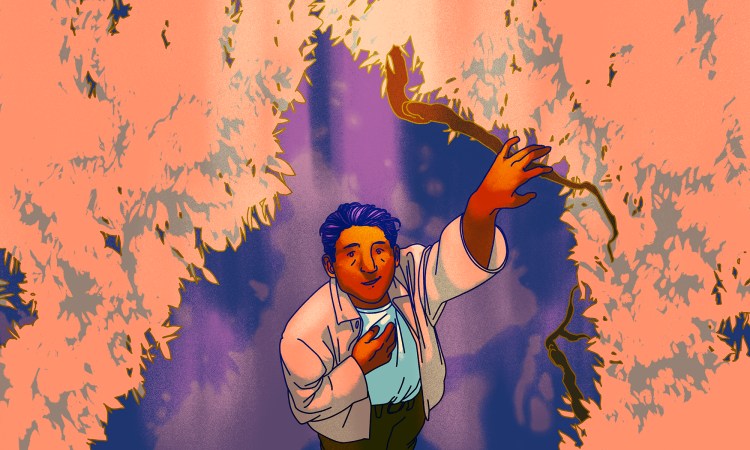


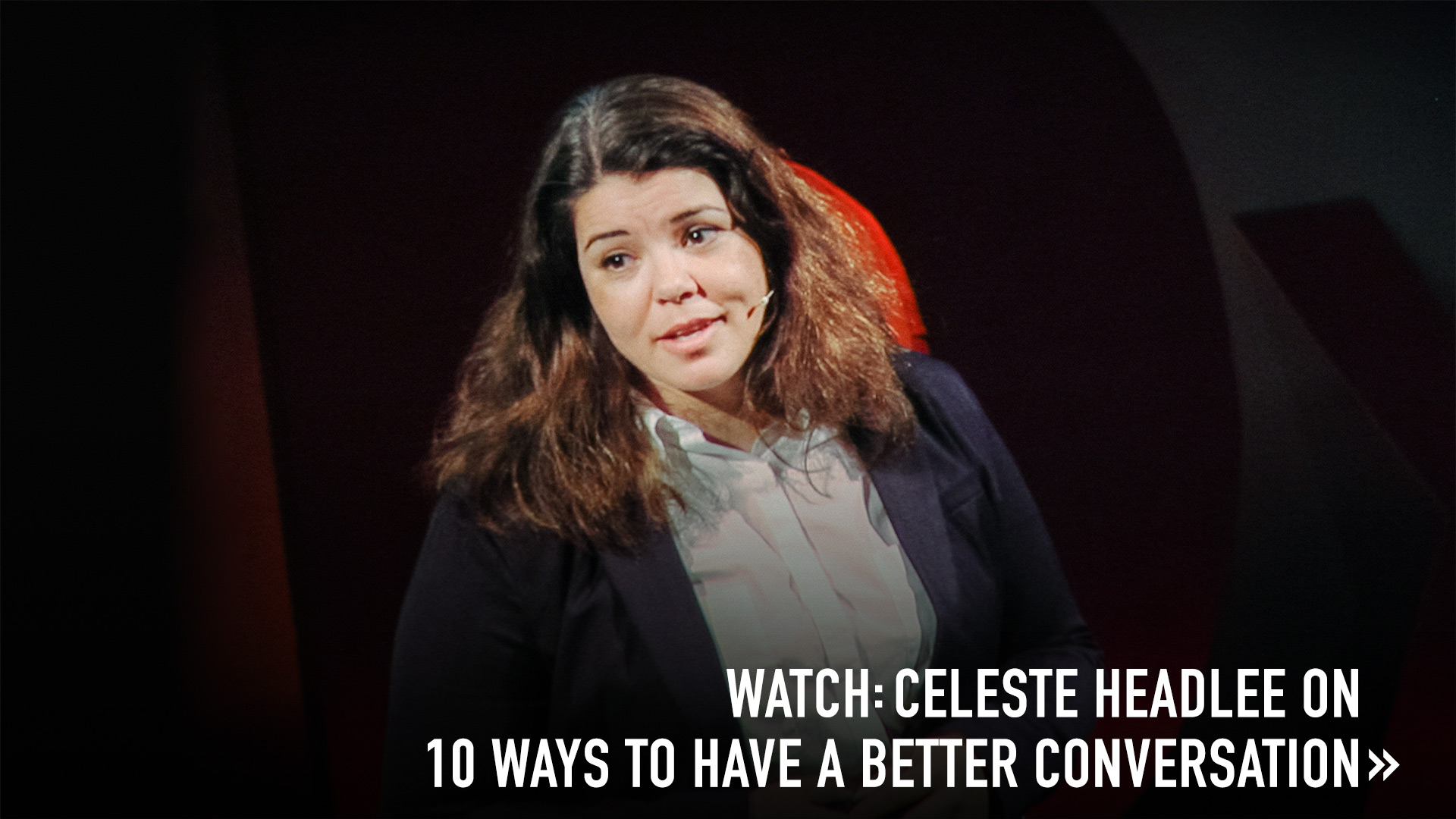





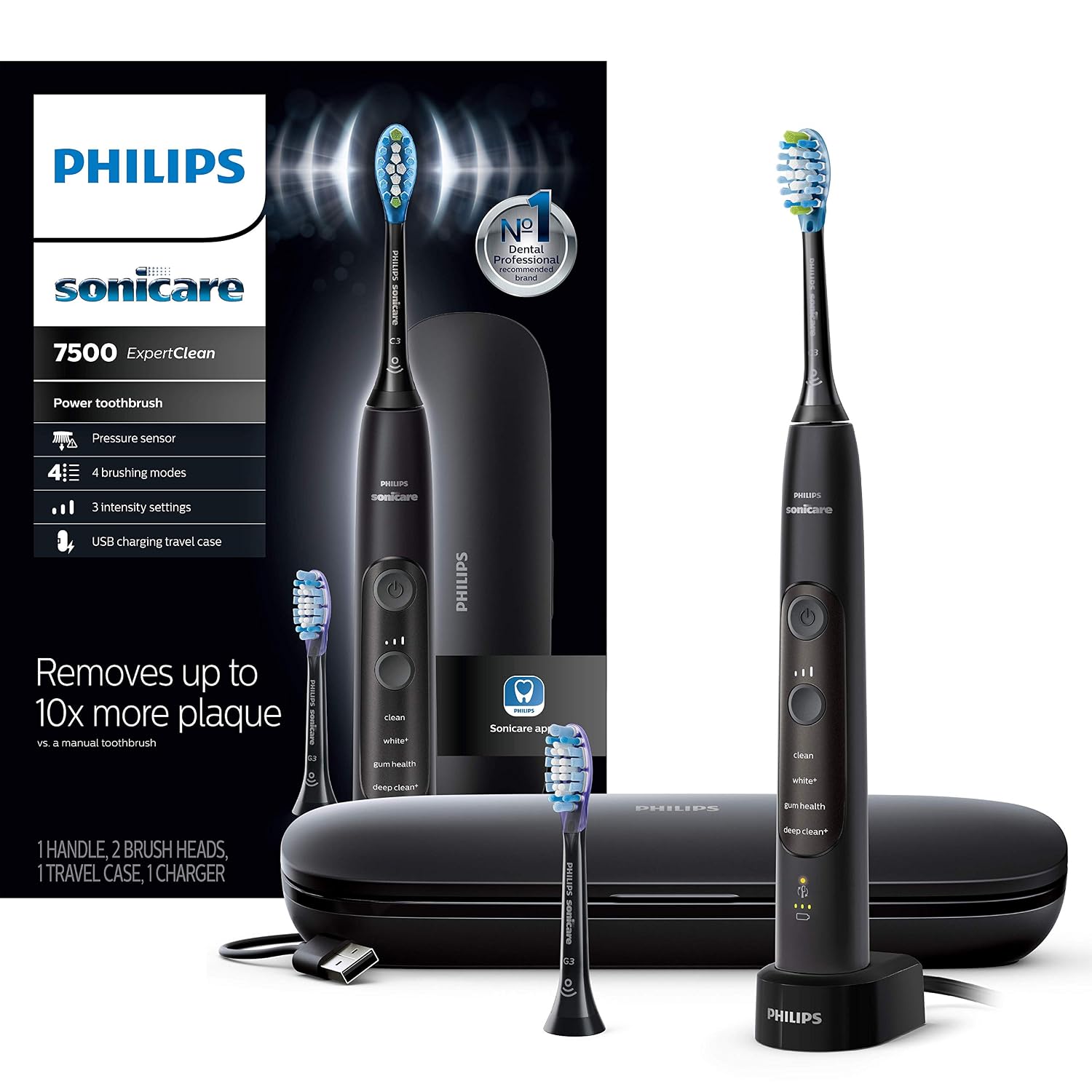
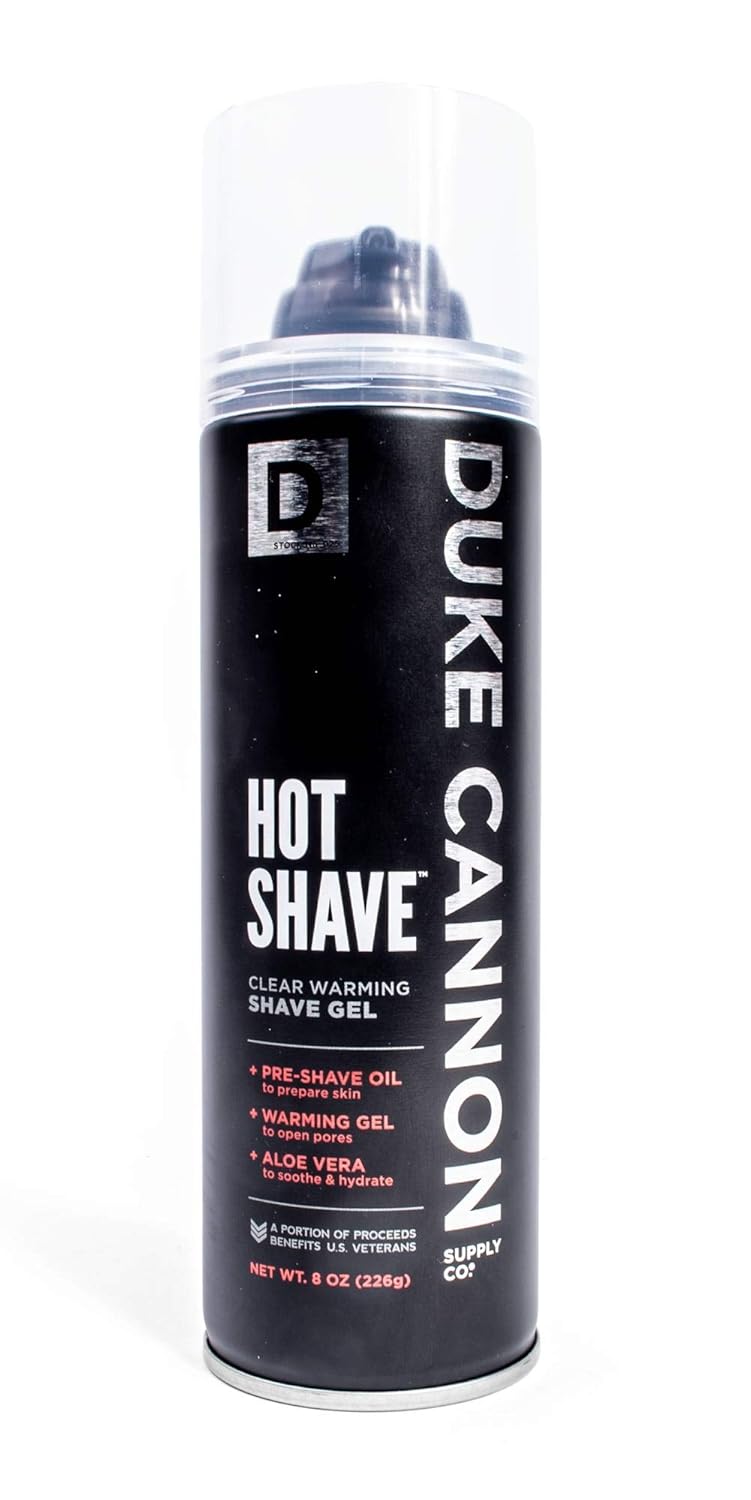
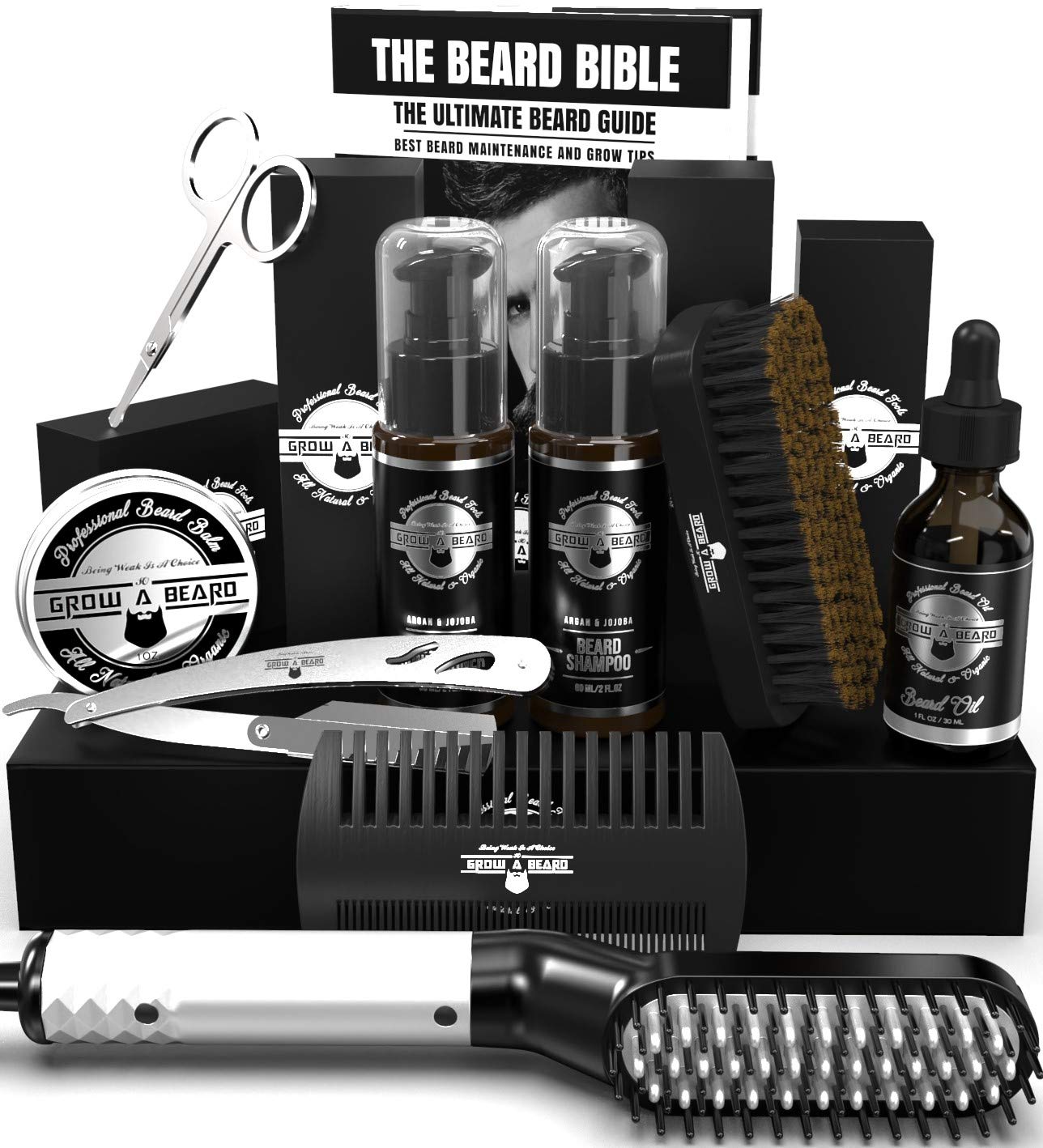

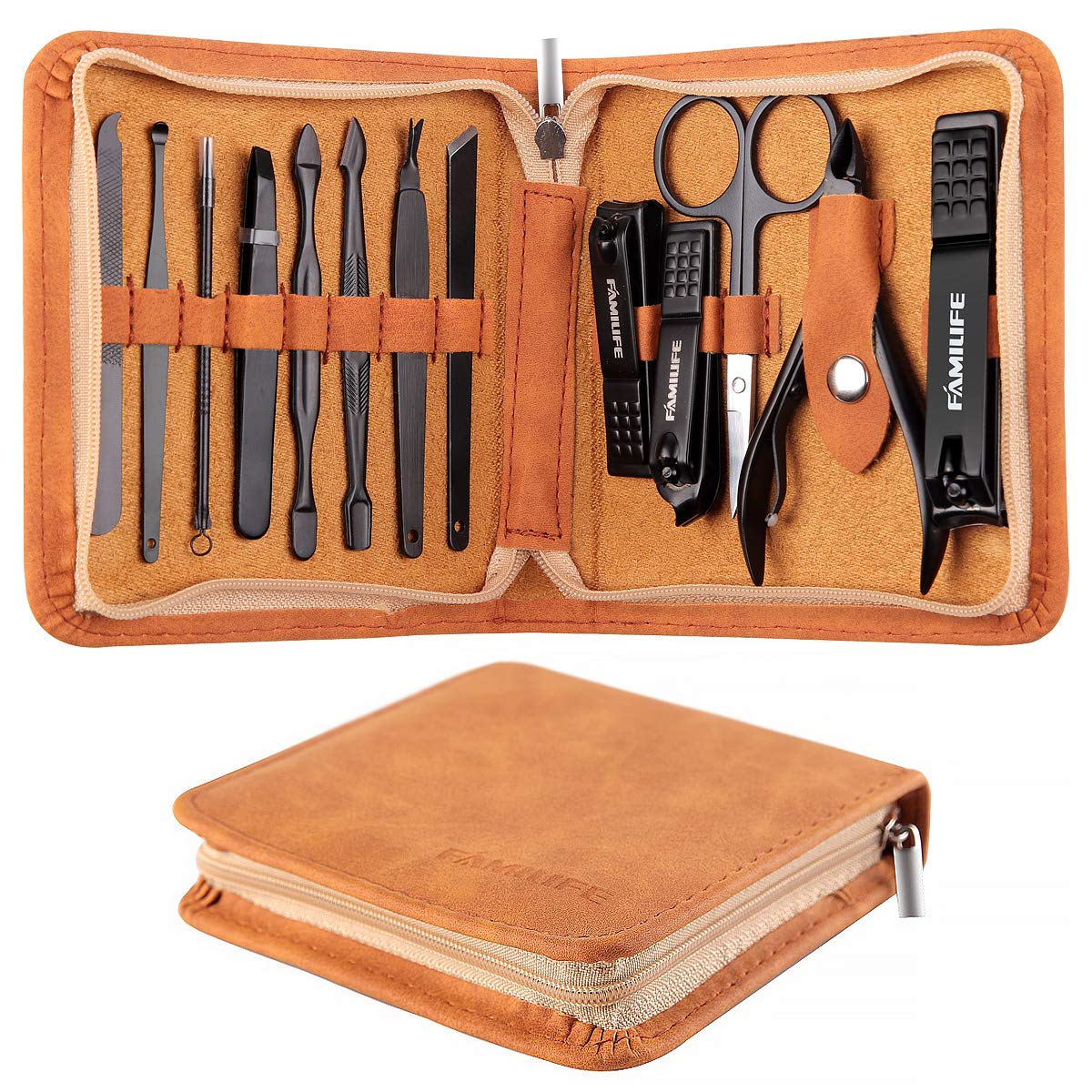










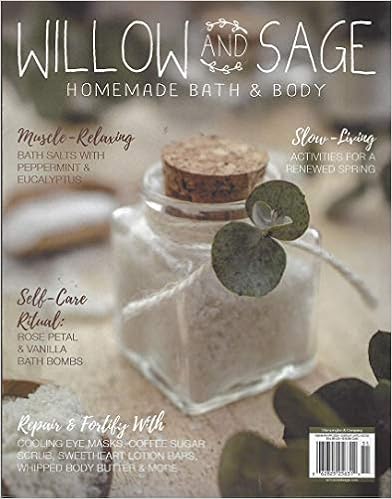
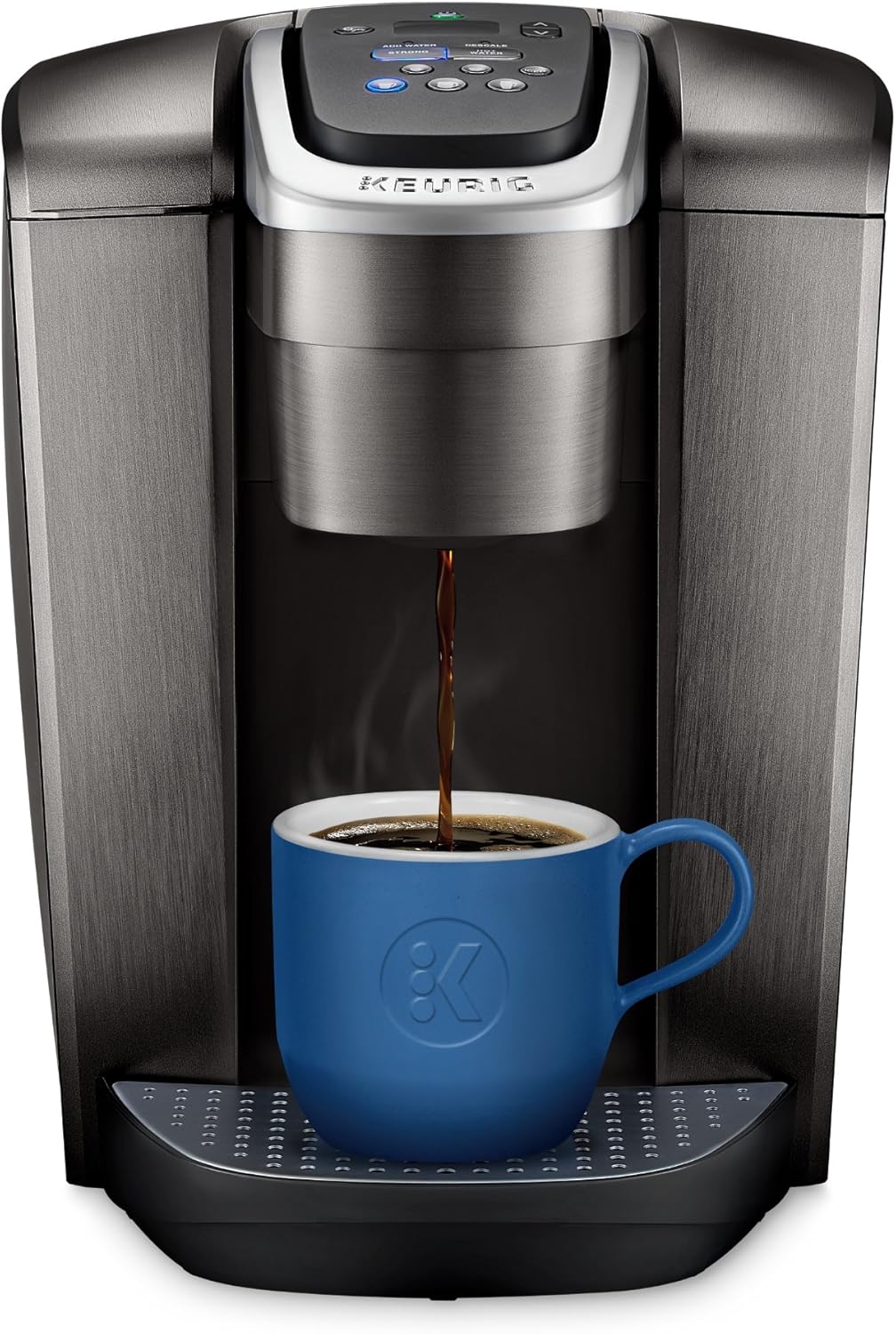











 lookingforthelight.blog