Health and Wellbeing · Men & Womens Health · Moving Forward · Survivor · Trauma

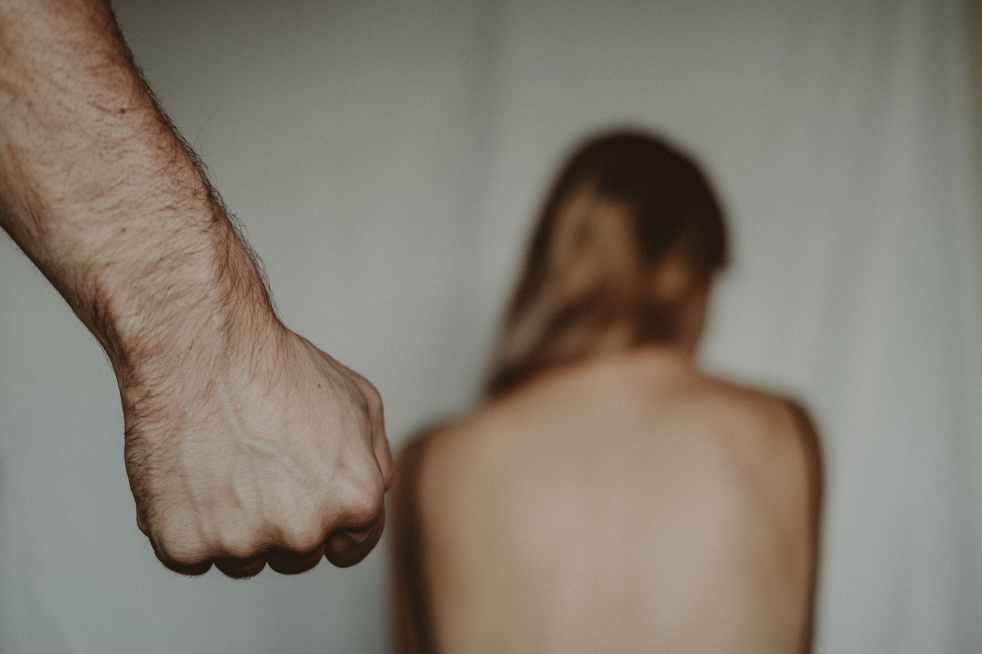
Domestic Violence Awareness Month

Join me and No More in the ongoing fight against Domestic Violence. Domestic Violence is everyone’s business and you could save a life. Make the call to 911 if you hear or see anything, it could save a life. 

I grew up in a Domestic Violence household and the traumatic experience was painful and harrowing at times. I watched my step-father put a knife to my mother’s throat when I was nine years old, the image never left me.

“TOGETHER, WE CAN HELP FREE THOSE HARMED BY DOMESTIC AND SEXUAL VIOLENCE.” No More

NO MORE is dedicated to ending domestic violence and sexual assault by increasing awareness, inspiring action and fueling culture change.

OUR  STORY 

 If you need help, help is there for you! All you have to do is reach out.

Melinda

Health and Wellbeing · Men & Womens Health · Mental Health · Moving Forward · Survivor

Grieving After Suicide

As a part of Suicide Awareness Month, I want to talk about those left behind. Those left to grieve. 

Grieving after suicide is complex and gutwrenching. Everyone grieves differently and heals in their own time but the process can be a difficult one. This is my story. 

Health and Wellbeing · Men & Womens Health · Survivor

My Father’s Suicide

I was 28 years old when my father committed suicide. I received a call around 10:30 on a Sunday night from my gramps saying my dad had done away with himself. I was in disbelief and called right back, was he dead or on the way to the hospital? He was dead. Shotgun thru the mouth.

My dad had been telling me for almost six months he was going to kill himself, trust me when I say you can’t talk to someone out of suicide who has made up their mind, I tried every time while crying with tears. My dad was delusional on our phone calls, saying someone was recording his phone conversations and was out to get him.

He was so mentally unstable he had not been able to work and was running out of money, I found this out later. But he did say he was having money problems so I paid all his bills but things didn’t change.

He would call yelling, hysterical that he didn’t want to live and was going to take his life. There aren’t any Red Gun laws in our state so I could not call the police to go take any guns away from him. I didn’t know for sure he had any.

This delusional talk went on for months until the night he made good on his word. I wasn’t surprised but you still don’t want to believe.

I rushed to my grandparent’s house, they had already been notified by the police. My dad clearly stated in his note to go to the house personally to tell them. He knew my granny would be broken into pieces and she was inconsolable. Her only child was dead. Because of my overwhelming guilt, I told everyone daddy told me he was going to kill himself, I needed them to know. Nobody said anything.

I was given a copy of his note saying that I had to take care of everything including a couple of people to call. He said he couldn’t live on this earth any longer, he was in too much pain. the truth is my father had Bipolar Disorder and had a mental breakdown. It had the number of the Suicide Hotline number at the top of the page but they couldn’t tell me if he called. 

Going to his house the next day was shocking! It was in total disarray, dishes in the sick, no food in the fridge, papers strung out all over the living room. He had his bible out turned to Job with tear stains and my parent’s divorce papers by his lockbox. In his lockbox was every card I had ever given him since I was a child.

His bedroom was more organized except beside his bed. There were seven boxes of cassette tapes on the floor. I knew these were recordings he had made of what he thought were people tracking his calls. I listened to every one of those tapes, tears rolling down my face, only hearing my dad talking and background noise. He heard nothing, it was in his head.

The bathroom door was shut, no doubt covered in blood from floor to ceiling. I wanted to go in to confirm he was dead but my granny said if I went she would too and I could not let her see that.

My gramps and one of his friends cleaned the bathroom the following day. We didn’t know there were companies you could call who would clean for you. I don’t know how my gramps did it, how he was able to clean the blood of his step-son after his death. He is the strongest man I know.

You can’t imagine how hard it is to have a closed casket service. You can’t process they are truly dead and it haunts you.

My granny was never the same, she was numb for years but even after her grieving, she was lost without her son.

You are never the same after a loved one commits suicide even if had a troubled relationship which we did. We basically stopped talking except for the holidays after I moved out of his house. There is much more to the story of living there that I have not talked about. I will say he was one of my abusers.

I forgave my father. It didn’t make things right, he was mentally ill. I haven’t forgotten but have forgiven him.

I’m not saying don’t try to talk someone out of suicide, please do! Many people don’t really want to and are crying out for help, you can give or get that for them. If they do carry out their plan to end their life, please try not to carry the guilt too long, talk to a therapist. 

I’m here if you need to talk. 

Melinda

Celebrate Life · Survivor · Travel

Blog Tour Interview With Gosia Nealon Author Of The Last Sketch

Today I had the privilege to talk with Gosia Nealon about her debut novel The Last Sketch. Be sure to check out the details below on how to win a copy of her book. 

About the Author

While Gosia Nealon is a proud New Yorker, she was born and raised in Poland. Her journey to the Big Apple revealed a wealth of cultural differences, but also the values that connect us all. Like the fierce desire to protect family, find love, and ultimately, discover who we are and why we’re here. Gosia’s award-winning short stories have always delved into life’s biggest questions, but it was the drama, sacrifice, and tragedy of WWII that led her to pen her debut novel, “The Last Sketch.” Growing up in Poland, Gosia heard many firsthand accounts of the war, told from a perspective rarely captured in mainstream literature. She was compelled to breathe life into Wanda and Finn, two young people falling in love in the midst of the most terrifying conflict of our time.
 

The Last Sketch

They both hold tight to a terrible secret. When they cross paths in war-torn Europe, will their destinies lead to ruin… or victory over evil?

Poland, 1944. Wanda Odwaga will never stop resisting. As the Nazis occupy her beloved homeland, the twenty-three-year-old artist vows to do whatever it takes to help the underground movement mobilize against Hitler’s forces. But she’s devastated when the Gestapo storms her house in search of rebel leaders, killing her heroic father and leaving the face of his murderer forever etched in her mind.

New York. Finn Keller longs to balance the scales. Having escaped Germany with his mother as a teen, he’s disgusted his estranged twin brother has become a ruthless Nazi henchman with a vicious reputation. So when a covert government agency approaches him with a dangerous undercover mission, Finn willingly risks his life to play his part in turning the tide of war.

Still grieving her unforgivable loss, Wanda’s thirst for revenge takes an unexpected leap forward when she once again encounters her father’s killer. And as Finn dives deeply into the role of impersonating his cold-hearted sibling, he’s captivated by the beautiful Polish woman frozen in front of him… her eyes blazing with the promise of murder.

Can these two players in a deadly game survive the ravages of a sadistic conflict? ————-

Tell me about winning the Genre Short Story Category at the 89th Annual Writer’s Digest Writing competition? 

My short story was awarded Fourth Place in the Genre Short Story category. Thanks to that, I started believing in my writing, and shortly after, my other stories came.

Being born in Poland, how much of the book is based on stories told about people’s personal experiences? 

Growing up in Poland, I learned a lot about World War II, but my storyline and characters are all fictional.

How do you form your storylines?

I do prolonged research, outline the entire story, and then write the first draft. Later I do many corrections.

How long did the writing process take?

18 months.

What do you want your readers to come away thinking after reading your book? 

That true love can survive the worst.

“The Last Sketch” is your first novel, what’s next for you? 

I’m already working on my second World War II novel.

Writers are often avid readers. What type of books do you read for pleasure?

I like historical fiction with romantic elements.

What are some of your other personal leisure activities?

I love spending time with my family.

How do you want fans to contact you? 

My website: www.gosianealon.com

Find on Amazon 

Enter here to win a copy of The Last Sketch

It was a true pleasure talking with Gosia today and I encourage you to check out this fascinating, and heartwarming book.

Happy Reading

Melinda

@lookinglight


The Book Review Crew

Health and Wellbeing · Men & Womens Health · Mental Health · Survivor

My Addiction Story for Overdose Awareness Day

These are stories I’ve never discussed before on WordPress and only share for Overdose Awareness Day because they are important for parents to realize how young kids are exposed to and take drugs. Most kids, luckily won’t have my upbringing but they do get exposed every day at school or social gatherings. 

I took drugs for the first time at 9 years old, a Black Molly, or speed as they called it. This started a habit that culminated in becoming an addict at 12 years old.

My parents were divorced and I visited my father every other weekend, he would take me clubbing with him and would ask these two women friends to keep an eye on me. They sure did. The very first time I met them I was offered a Black Molly or a Quaalude, Molly’s sounded better so that was my choice. I later tried Qualudes but they were too much of a downer for me, I liked to feel high. This pattern continued until I was almost 13 years old. 

It wasn’t long before I was smoking pot, no big deal, right? After doing hard drugs, how bad was pot?

In sixth grade with rage was huffing paint to get high, it had to be silver or gold paint, I don’t recall why. I remember going across the street from school and huffing before the bell. If my memory serves me right, it didn’t do much for me, mostly a headache. Then it was huffing deodorant, that didn’t do anything except leaving you to explain why you had an extra washcloth at P.E. class. 

I went to live with my dad when I was 12 years old, and my life took a serious turn for the worse. Not only were we going to clubs on a weekly basis, but we also went to parties where everything was on the table.

My father would buy me pot to keep me home and off the streets. That only worked for so long. 

He introduced me to a crowd of kids/young adults who hung out at the 7-11 store. They became my new crowd. I met a guy much older than me and we started dating, as it turned out he was a drug dealer. So every week I had my choice of extra special drugs on top of the pot he bought. I sometimes chose Acid. Let’s just say Acid is great until you have a bad trip, and I did. Acid can last up to 12 hours and can be a total nightmare if tripping.  Most of the time I chose speed, that was my go-to drug of choice. 

Every week he would buy a kilo of pot and we would sit on the living room floor of his apartment with newspaper spread out, baggies, a mister, and scale. Back then you could buy a four-finger bag for just $10. Imagine that! We would separate all the seeds, then be sure to add some back in each bag for extra weight. Then it was off to selling, mostly to the crowd, and of course, you keep your stash. 

Mind you, I’m 12 years old. 

My addiction grew and now I was taking speed every day on top of the other drugs I was doing. This went on for 10 months. In that time I skipped school for 34 days and spent three days in a Juvenile Detention Center. I spent a night in jail for being in a car with a friend who was pulled over and caught with stolen credit cards. My father wouldn’t answer the phone so I spent a night in a jail cell. 

I was put on probation for carrying a gun and had to see a Probation Officer once a month. For seven months I never spoke one word to her. She said the state was looking for a camp for girls who can’t be reformed to send me to.  Her name was Ruth, she was so committed. She kept telling me I had potential and that I could be reformed. 

On the eight-month, I said okay, find me a place that’s not a camp and I’ll go. The state took custody of me and I spent the next year in a boarding school for bad girls at a convent. I was forced to go cold turkey with my addiction, with only the help of God. 

This isn’t an overdose story but it could have easily been. I write about my overdose/suicide attempt for Suicide Prevention Month later this week. 

 I hope someone will benefit from this story, it is one I don’t share lightly.

Melinda

Celebrate Life · Health and Wellbeing · Men & Womens Health · Survivor

New About Me Page

I wrote my last About Me page in 2014 and it’s was time for a major overhaul. Well, here it is. I’d love to hear feedback or any questions you have. Does this profile give you enough information about me to want to read my blog and follow me or do I need to expand?

Looking for the Light is a Health and Lifestyle blog started in 2005 under the name Defining Memories. I spent my early years blogging about my grandparent’s death, sharing the grieving process and caregiving tips, I openly talked about being sexually assaulted, growing up in the house of domestic violence, alcoholism, emotional, physical, and sexual abuse. I went thru the grieving process of losing my father to suicide in 1992. When it comes to baggage, I have it multiples.
In 2014 I needed a new direction, there wasn’t light at the end of my tunnel, as they say, I went to look for it and hoped to share my life lessons with others who may not be in the same place and Looking for the Light was born.
Today I’m a happy, mostly healthy, pretty adjusted woman who is working hard to lift others up at the same time I expand my horizons.


Looking for the Light

A portion of my post is dedicated to subjects on Chronic Illnesses, for which I have a few. Lyme Disease, and Immune Deficiency Disorder, Fibromyalgia, and Bipolar Disorder. I call myself an armchair advocate, but that I try to educate and share what I know and learn thru my blog not thru a charity or an agency. Due to my ongoing health issues, I’m not able to volunteer at this time.
I have a wide range of interests from Travel, World History, Ancestry, Education for Children, Global Warming, Animal Abuse, Reading, and above Writing is Photography.
You can follow me on Twitter
I would love to hear from you. You can leave your comments below in the comment section below.
So glad you took the time to read my About Me page, I’ve updated it on 8/28/21.
Melinda
Mental Health · Survivor

Domestic Violence Thru The Eyes Of A Child

Growing up in a household of Domestic Violence is traumatic, lonely, and heartbreaking and forever changes the person you are and who you become. I was also emotionally and physically abused by my mother and stepfather which added to my train wreck of a life.

It took years of Therapy and medications to clearly see I was not to blame and even longer to grieve for the little girl whose childhood was ripped away.

Watch the video, and look for the nuances of violence or controlling behavior. At the end of the video, the physical abuse becomes crystal clear. Thank God someone was there to help her getaway.

If you’re in a Domestic relationship that is violent, have a plan for when the day comes when you need to leave.

XX

Tears started my day, who knows what triggered the thought of this post and song.  

Original post 4/26/2015

young sick looking me
I feel the pain but know I have to smile.

I witnessed my mother beat emotionally and physically every day, it created chaos in my young mind. A tornado burned a hole in my heart. I couldn’t understand the feelings of pain when abused and watching abuse. Child abuse leaves a deep scar in my heart. During a conversation, a friend expressed fear over how the high-conflict divorce was impacting the kids. A volcano erupted in me, I survived Domestic Violence and had no idea. I thank the Army of Angels for being a friend. My eyes were opened during our conversation. The video is heartbreaking, beautiful, and hopeful. 

XO  Warrior

Health and Wellbeing · Survivor

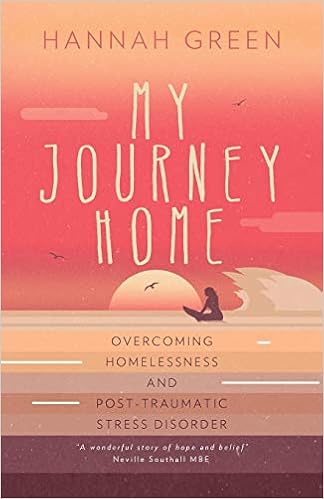
Book Review for My Journey Home by Hannah Green

Jessica Owen’s at Cherish Editions and division of Trigger Publishing gifted me a copy of Hannah Green’s book My Journey Home for an honest review. Thank you for the opportunity to read Hannah’s remarkable story. 

Buy My Journey Home at Amazon Here

Blurb

For years Hannah Green ran from the truth, but after being sexually assaulted and then finding herself with nowhere to live, she was forced to confront the sexual abuse she endured as a child. She experienced homelessness for over a year and was moved from place to place after being let down by multiple different services. She turned to drugs and alcohol until she was introduced to Surfing. It was then that everything changed.

Besides being a fun and active sport, surfing is thought to significantly help those suffering from PTSD by altering the way the brain works. It has been suggested that the activity strengthens the hippocampus’ ability to inhibit the fight-or-flight response, which can improve mood (Frontiers for Young Minds). In taking up this sport and finding her passion, Hannah was slowly able to confront the sexual abuse she had endured as a child and overcome her PTSD.

Hannah says that ‘When you’re in the water, you don’t have the time to think about anything else. It gives you focus, a sense of mindfulness, and something to aim towards. Surf therapy changed my life.’

One Review

If you’re going to read one book this year, make it this one. A beautiful tale of  hope, belief, determination and pure spirit’ – Neville Southall MBE

My Thoughts

“My Journey Home is a heartbreaking story of a rape victim who is determined to become a survivor by working hard to put the past behind her and build a better life. After suffering many setbacks including homelessness, depression, and PTSD, she seeks out a therapist to help get her life back on track. Right at the time she starts therapy, her story takes a turn for the worse when during EMDR Treatments for the rape she uncovers forgotten memories of child abuse that took place at her parent’s house. It takes an insurmountable amount of strength to open up to her parents about the abuse and to continue to work on resolving her inner pain with the help of her parents and friends. Hannah’s book tackles serious issues and uncovers deficiencies surrounding sexual assault laws. Hannah is one special woman and her story will inspire all.” 

About Cherish Editions

Cherish Editions is the self-publishing division of Trigger Publishing, the UK’s leading independent mental health and wellbeing publisher.

We are experienced in creating and selling positive, responsible, important and inspirational books, which work to de-stigmatise the issues around mental health, as well as helping people who read them to maintain and improve their mental health and wellbeing. By choosing to publish through Cherish Editions, you will get the expertise of the dedicated Trigger Team at every step of the process.

Go buy Hannah’s book, My Journey Home today at Amazon

Happy Reading!

Melinda Sandor

Men & Womens Health · Survivor

No More Week March 7-13 2021


NO MORE WEEK 2021 IS AROUND THE CORNER!

NO MORE’s eighth annual NO MORE Week is March 7-13, 2021. Our goal is to inspire everyone to make change to help create a culture of safety, equality, and respect in our communities. Stay tuned for more updates, events, and information.

Friend, 

Today is the first day of #NOMOREWeek. Each year, we’re proud to join our community of chapters, allies, businesses, survivors, and individuals around the world and say NO MORE to domestic and sexual violence.

The past year hasn’t been easy. COVID-19 disrupted every aspect of our lives, and cases of domestic and sexual violence increased across the globe. During NO MORE Week 2021, we want to increase awareness of the problem while bringing people around the world together to find and fuel real solutions.

This year, there are more ways than ever to get involved. From the NO MORE Virtual 5k Walk/Run, to the KNOW MORE Global Dialogue series, to the release of some important new research on the impact of COVID-19 on domestic and sexual violence organizations—this promises to be one of our most exciting NO MORE Weeks yet.

So, join us! Sign up for the 5k, join a KNOW MORE virtual session, show us your #NOMOREWeek sign, and follow along using the hashtag #NOMOREWeek on social media.

We’ll be in touch throughout the week with more information and updates. As always, we are grateful for the opportunity to commemorate NO MORE Week with you!
Learn More
Health and Wellbeing · Men & Womens Health · Mental Health · Survivor

Sunday Thoughts, I Was A Child

I was a child, six months old. You left me in the bathtub while you answered the door. Did you want me to drown?

I was a child, a baby, running a high fever in the middle of winter. You pushed my highchair in front of an open window to cool me down. Did your mother teach you that?

I was a child, a toddler, You dug your nails into my underarms so none would see the bruises. Granny didn’t understand why I cried so hard when you grabbed me by the arm.

I was a child, a teenager. You slapped me for the last time, I fought back. One swing and your husband punches me in the mouth with his fist. Were you glad he came to your rescue?

I was a child, a teenager. You told Child Protective Services I was mentally ill and you were trying to get me admitted to the state hospital. Crazy, who me?

I became an adult, no longer a child, and realized the manipulation and pain you caused and severed all ties. Why do you still send my Birthday and Christmas cards?

I was a child…..

Melinda

Men & Womens Health · Survivor

The Dark Truth about Gaslighting, Cheating & Emotional Abuse

The Elephant

September 8, 2020

Raven Hughes  |  Contribution: 975

Raven Hughes is Chicago born and LA living, this songwriter/poet/writer keeps her words grounded, yet romantic. She is full of reflection and wisdom and typically writes about… Read full bio

Got gaslighting on your mind? Check these out next: 
What it Really means if You’ve Been Ghosted, Dumped, Unfriended, or Blocked.
I was Gaslighted (& it was the Best thing to Ever Happen to Me).

I was numb.

Since the #metoo movement started, I’ve begun remembering so many instances when I was played that I didn’t even register at the time.

My chest burns, like when you have acid reflux. One of you talked about being manipulated, gaslighted, cheated on, and lied to. My own past stories began echoing through all the veins in my body until the whole house shook. One of you checked in with me because you had seen him out; he reminded you of me; I can’t seem to escape him.

I have always been the type to call someone a friend. Even if we’d only met a couple of times, they were a friend if I liked them. I am different now.

Being a victim can really make you wonder what you did wrong sometimes. I know now that I love too much—for too long.

Isn’t that what we all do? We all love them too much. We fall for the handsome black hole dangling a carrot in front of our face. We go toward it with wonder and shock as we realize every step is atop eggshells. These emotionally manipulative people have a way of being so convincing.

They show their best face as much as possible so that when they are busted with their double life, you can’t even believe it. They always have a good explanation for everything. The dark side is so secretive most of their closest friends don’t even see it. But, if you leave them or call them out, they will act like they don’t know what happened (or worse, say crazy stuff about you).

Then I think about how bad some of these #metoo stories are, and I try to minimize my pain. Push it back down, I beg myself. These feelings aren’t allowed. I know, from childhood, I am only loved when I am happy. Push it down.

We believe because we trust and love. And maybe behind every narcissist is an optimistic person with a dream of curing their abandonment issues. But, without fail, when you look on their phone, this is the kind of person who has voicemails, texts, and emails from about 10 other people.

Or maybe they will randomly message (to check-in and see how we’re doing in quarantine). Or a mutual coworker will catch them on Tinder, and they’ll say it was deleted years before; it must be trapped in the system. And we will believe it.

My hurt is so deep and so vast and expansive—it is coming up. It’s coming up so fast, that bitter acid in my chest. The feeling of an elephant standing on my stomach and the pressure exploding behind my eyes in my head. So many women are coming forward about their abusers, and the men are being forced to see the pain they have caused. But the emotional abuser, the cheater, is probably just fine—they’re living their best life.

We have been hurt so badly, but we would still be the one forgiving them and saying, “Hi,” when we run into one another. How can we stay mad at someone who is so “nice” on the exterior? And then we are left wondering, “How can one man juggle so much?”

The truth is that they will most likely get away with this forever. They are unassuming and nonthreatening.

The tears won’t stop. They will continue to explode from our eyes—hard and fast with all the pressure of our pain beneath them.

Personally, my tears are for all of us; we all know this type of man, the one who never tells the truth—not even once. My tears are for the sad truth that our only thought on the abuse and betrayal is, “At least he didn’t rape me.”

Men & Womens Health · Moving Forward · Survivor

RAINN Talks With Leilani About Her College Sexual Assualt

 Dear Melinda,


Leilani is an Indigenous CHamoru* and Kānaka Maoli woman, an activist, a life-long writer, and a survivor of sexual violence. On her second day of college, she was sexually assaulted by her dorm neighbor. The sexual violence continued in the form of an abusive relationship over the course of the next year. 

“He was my neighbor. I couldn’t get away from him. No one would listen to me when I told them what was happening. I was horrified.” 

Though she was able to leave the abusive relationship, the perpetrator stalked her for the next two years.

She began her journey of speaking out by reporting the abuse to the school. At the time, she was working in the community safety department on campus, so the person she was supposed to report the abuse to was her boss. 

“He ignored a lot of my questions about the reporting process and made me feel like I was hysterical and crazy.” 

After a first investigation into the case, the Title IX process took another two years. 

“I lost my entire time at college to these procedures.”

Even though she provided witnesses and photos for evidence, campus administration repeatedly told her that they did not believe her.

“After two years of being told that I made this all up, it became difficult to continue to believe in myself. I began to feel like maybe it was all my fault.” 

She found it healing to surround herself with a community of other Indigenous women who supported her and helped her contextualize what she was feeling within the history of sexual violence toward Indigenous women. Leilani says that she would not have been able to get through what happened without connecting with her identity as an Indigenous woman.

“Indigenous women face rates of sexual violence well above the national average, and you don’t hear many people talking about the missing and murdered Indigenous women epidemic….This community of women understood my experience so deeply and personally. ”

Activism has been another crucial part of Leilani’s healing process. For the last several years, she has worked on drafting laws and collaborated with congressional representatives about how best to support campus sexual assault survivors and prevent these crimes from happening on campuses. Leilani wants to ensure that others don’t have to go through what she did.

I felt powerless for so long, and by fighting for others, I reclaim my power.

Leilani has also found a lot of healing in connecting with support specialists on RAINN’s hotline—especially when she knows she has an urgent need and nowhere else to turn.
 Thank you,

Team RAINN💙As many students prepare to go back to college this fall—whether in person or online—let’s follow Leilani’s example and work to ensure that they can do so safely. RAINN has produced some tips on how students can return to campus safely. Please take a moment to share them with your networks on Instagram and Facebook today.DONATE TO SUPPORT SURVIVORS
 
 
    1220 L Street NW, Suite 500, Washington D.C. 20005
Update preferences | Unsubscribe | Privacy Policy    
Celebrate Life · Health and Wellbeing · Men & Womens Health · Survivor

Survivors Blog Here Celebrates Six Anniversary With Open House! Stop By For Refreshments — Survivors Blog Here

Survivors Blog Here is celebrating our six anniversary with a big celebration! Come by, say hello, browse and read a few posts while enjoying the refreshments. We could not have made this journey without the thousands of guests on our site. I want to thank each of you and let you know you’ve made an […]

Survivors Blog Here Celebrates Six Anniversary With Open House! Stop By For Refreshments — Survivors Blog Here
Celebrate Life · Men & Womens Health · Mental Health · Moving Forward · Survivor

You Matter — Guest Blogger Don’t Lose Hope

There’s a grave in Dozenhem military cemetery where the inscription on the headstone reads: “G. Blacker. Somerset light Infantry. 9th August 1917. Age 39”. This man existed, and he mattered. This man was a member of our family. He died for his country in World War 1. And like the others who are buried there […]

You Matter — Don’t Lose Hope
Celebrate Life · Health and Wellbeing · Men & Womens Health · Survivor

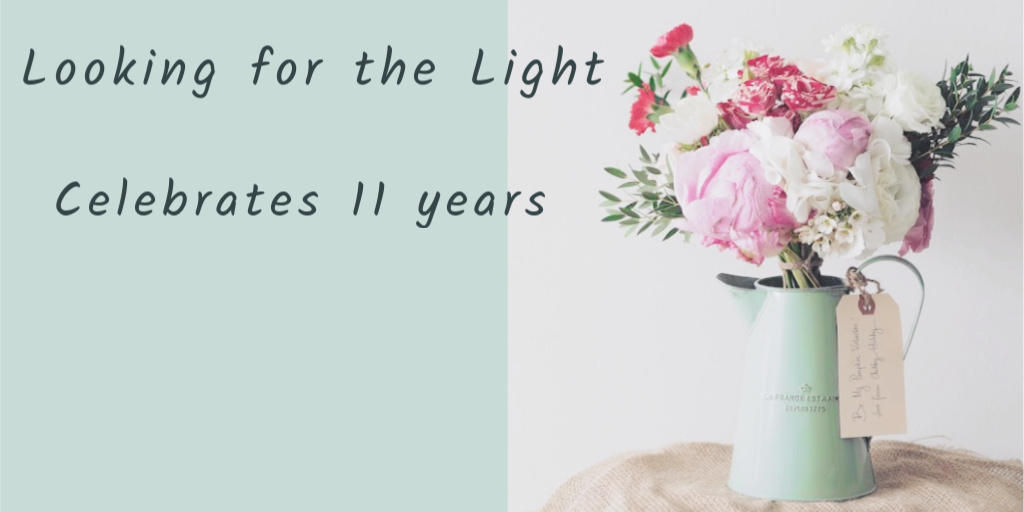
Looking for the Light Celebrates 11 Years On WordPress

11 Year Anniversary Achievement

Happy Anniversary with WordPress.com! You registered on WordPress.com 11 years ago. Thanks for flying with us. Keep up the good blogging.

There are days when it feels like yesterday when I started blogging back in 2005, my blog was called Defining Memories. My blog was a personal diary of the grieving process after my Granny died. After a couple of years, my post started to turn towards other memories, many not so good, but ones that needed to be dealt with. I also started openly talking about my mental illness and my life long journey to reach stability.

I realized a name change was in order, my journey was more of a search, sharing my struggles, my wins, and losses. So Looking for the Light was born. I had no idea of the wonderful journey ahead of me. Although sharing the most intimate details of child abuse, sexual assault, and mental illness wasn’t easy, it opened a door to people like me who were on a similar journey. We were at different points in the journey but talked a language each understood.

I’ve grown and the blog is a reflection of my growth towards a healthier relationship with myself, my past, and how I advocate for chronic illnesses including my mental health and living a healthier lifestyle. I’m in a good place. I turn 57 in a few weeks and feel like I’m on level footing.

Photo by Giftpundits.com on Pexels.com

This year I was nominated for several categories in The WEGO Health Awards which is a huge honor. It affirms I’ve reached someone and that’s why I share. All of your comments and feedback are so important to my growth and understanding. Needless to say, Looking for the Light wouldn’t be where it is today without you.

If I’ve touched your life in some way, I’m so glad we’ve crossed paths. I grow from every conversation and relationship I make.

Looking for the Light will continue to evolve as I grow, gain knowledge, and look for betters ways to share the information as I learn. You are most important to me and shape the growth of the blog. Your responses or lack of let me know what you’re interested in. Please know, I’m always open to suggestions or ideas, use the comment section to share your thoughts and feedback. I read every comment.

I’m going to close with one of my favorite quotes.

“If you are always trying to be normal, you will never know how amazing you can be.”  

Maya Angelo

Re-generate, Re-energize & Work towards Wellness

Melinda


Health and Wellbeing · Men & Womens Health · Survivor

Glass Half Full: How Resilient People Cope

Psych Central

with Jessica Loftus, Ph.D.

Glass Half Full: How Resilient People Cope

By Jessica Loftus
Last updated: 6 Apr 2020~ 2 MIN READ

A psychologist offers tips she learned from her clients to cope with the threats posed by the COVID-19 pandemic.

During my 20 years as a psychologist and career counselor, I truly believe that I often learned more from my clients than they learned from me. During this global pandemic, I continue to be inspired by the courage shown by people who come to me for the treatment of their mental health disorders.

When the governor of my state issued a stay-at-home order, I stopped seeing clients at my office and offered counseling sessions via a simple telehealth platform. Providing services at no charge for those in need, I reached out to everyone on my caseload by email or phone per their contact agreements.

I beamed with pride to learn that my clients faced this crisis with amazing resilience and resourcefulness. Yes, they all were appropriately anxious. Yes, they exhibited more symptoms of OCD. Yes, they struggled more with sleep and overeating. And Yes, they all wished this too shall pass soon. But they all reported healthy ways to cope. Here I summarize them in a poem.

How to Cope Instead

Say things unsaid

Bake wholesome bread

Clear well your head

Savor books unread

Rest plenty in bed

Tend the homestead

Hear talks by Ted  

Cry tears unshed

Let creativity spread

Laugh till you’re red  

Play with Mr. Potato Head

On gratitude be fed

Through God be led

 Say Things Unsaid

Many people held essential conversations with loved ones, often about unresolved issues that smoldered for years. Many clients made breakthroughs they once thought unimaginable, seemingly miraculously.

Bake Wholesome Bread

People who loved to cook, never had to cook, struggled to cook tried new recipes. Several created a few of their own. They felt empowered to nourish their families and themselves.

Clear Well Your Head

Having plenty of spare time, many folks finally tried some of the stress-management tips that I provided them over the months and years. The Five-minute rule, deep breathing, aromatherapy and guided-imagery practices led the list in popularity.

Savor Books Unread

Avid readers rediscovered treasures on their bookshelves. Others ordered books online. Still, others asked me to suggest books. A personal favorite is the Chicken Soup for the Soul series.

Rest Plenty in Bed

No other event in our lifetime allowed people so much time to get plenty of rest. I often reminded everyone to stick to a consistent sleep schedule.

Tend the Homestead

I can’t count how many closets were cleaned, shelves were dusted, garages were de-cluttered and basements were transformed. Since home became the primary place to spend time, it needed to be as pleasant as possible.

Hear Talks by Ted

Ted TalksPsychCentral.com and many informative websites allowed many to learn new things and keep their minds sharp.

Cry Tears Unshed

Left with far fewer distractions, several people faced their grief over recent and remote losses. They allowed themselves to cry and express their grief with rituals at home.

Let Creativity Spread

They write, they draw, they journal, they tell stories, they sing, they knit, they dance, they sew, they make crafts – all in pursuit of creative pastimes.

Laugh till You’re Red

Comedy shows, sitcoms, reruns and movies provide plenty of amusing diversions.

Play with Mr. Potato Head

Card games, board games, video games, word games, question games, trivia games fill many hours with fun. Vintage toys like Mr. Potato Head inspires fond nostalgic memories.

On Gratitude be Fed

No question, simple blessings become more critical. For example, I was thrilled merely because my husband bought two rolls of toilet paper at a local drug store.

Through God be Led

Most people deepened their relationship with God. Many joined in worldwide prayers, worshipped in online services, read devotional books and heard daily scripture readings. Such practices encourage the positive virtues of humility, simplicity, generosity, forgiveness, faith, hope and love.

During these trying times, live life to the fullest by utilizing effective strategies to cope. This, too, shall pass.

Image is under license from Shutterstock.com26435

Jessica Loftus

Jessica Loftus has worked as a licensed clinical psychologist and national certified career counselor for more than 20 years. She currently offers counseling sessions via telehealth in the state of Illinois. Her website easywaystoeasestres.com outlines details. See her retired blog, “Pet Ways to Ease Stress” on PsychCentral.com.

Celebrate Life · Survivor

The Beauty Of Being A Misfit

This woman is talking to me, maybe you. She talked about her shame in away I’m unable to articulate, she can see her failures in a light when I’m in the dark. Please watch the video, maybe she will touch your life too. Melinda

Men & Womens Health · Moving Forward · Survivor

The hidden abuse that can hurt your mental health: Gaslighting

Nearly half the women and men in the U.S. say they’ve endured psychological aggression from intimate partners.

OCT. 4, 201903:45Oct. 4, 2019, 6:22 AM CDTBy Bianca Seidman

Domestic abuse is a leading problem in American homes and it can take many different forms. When the abuse leaves no physical marks, outsiders may not recognize when all is not well and the abused person can find it challenging to translate what’s happening.

“Gaslighting” — a term that became popular after the 1944 movie “Gaslight,” in which a husband slowly makes his wife think she’s going crazy through a long game of deceptions — is an insidious form of psychological abuse. It’s an intricate web of lies woven to break down one partner’s sense of self-worth and perception of what is real.

“When you’re black and blue, you can point to the bruises and you can say ‘This happened to me,’” Dr. Robin Stern, associate director of the Yale Center for Emotional Intelligence, told TODAY. “But when somebody is undermining your reality and you simply have this feeling that there’s something wrong … women moreso than men, but men too, tend to point their fingers at themselves and say, ‘I did something wrong.’”

Nearly half of all women and men in the U.S. said they’ve been subjected to psychological aggression by an intimate partner, according to the Centers for Disease Control and Prevention.

How couples can spot warning signs of domestic abuse

OCT. 3, 201906:42

For the person trying to control the partner through psychological tricks, the goal is often to make that partner feel completely dependent. By instigating this deep self-doubt and playing the role of the only one who knows what’s right, abusers can wear down their partners and gain control.

“People become hopeless, they give up on themselves,” said Stern, who wrote the book “The Gaslight Effect: How to Spot and Survive the Hidden Manipulation Others Use to Control Your Life.”

“They’re so busy defending themselves over time, and then they’re so busy agreeing with the gaslighter, that they begin to think, ‘He’s right.’”

At its more extreme, gaslighting can be a carefully calculated plan to slowly isolate the person and erode trust in anyone else. The perpetrator may sow seeds of suspicion about close friends and family and plant the idea that the partner doesn’t know how to do anything right.

Recommended

Stern believes women are more often the victims of gaslighting because they learn to focus on others and see things from their points of view, as well as prioritize other people’s feelings over their own.

Not all gaslighting is intentional abuse, however; sometimes it’s learned behavior. But it is always manipulative. More subtle forms or isolated incidents can happen when people want to sway situations in their favor. When one person expresses concern over an issue or a desire to change something, the partner who wants to control that moment might brush it off and respond with something like, “You don’t really mean what you’re saying.”

“People are not born gaslighters … it’s social learning,” Stern said. “[Maybe] you grew up in an environment where the people around you used gaslighting or psychological manipulation to control the moment … or somebody treated you like that or you somehow stumbled on it and it worked.”

The National Domestic Violence Hotline describes gaslighting as a form of domestic abuse that can build up over time.

“The abusive partner’s actions may seem like just a harmless misunderstanding at first,” the organization said on their site. “Over time, however, these abusive behaviors continue, and a victim can become confused, anxious, isolated and depressed.”

The typical signs of gaslighting, according to the hotline, are when the abusive partner:

  • Refuses to listen or pretends not to understand
  • Challenges the partner’s memory or accuses them of being wrong
  • Changes the subject or suggests the partner is imagining things
  • Trivializes the feelings of the partner
  • Pretends to forget what happened or denies that anything happened at all

Related

ALLDAY

Ways to support victims of domestic violence

Victims of gaslighting should remember there are ways out of these situations and, when it’s not long-term abuse, options to improve the relationship, Stern said. Try these steps to start turning things around:

  • Write down incidents that felt manipulative
  • Talk to the person doing the gaslighting, staying aware of the tactics
  • Know the emotional triggers the partner uses
  • Assess whether the relationship can be saved, if the person stops gaslighting

“Another way to free yourself of gaslighting is to begin to move from negative self-talk to positive self-talk,” Stern added, “and make yourself do it, because it won’t come naturally.”

Bianca Seidman

Bianca Seidman is Senior Editor with TODAY.com.  She is a multimedia journalist, writer and video producer with specialties in health, science and culture.by TaboolaSponsored StoriesESQUIREThe 50 Best Crowd Photos of Woodstock 1969GOOD HOUSEKEEPING50 of the Best Celebrity Halloween Costumes

Survivor

Domestic Violence thru the eyes of a Child

Tears started my day, who knows what triggered the thought of this post and song.  M

Original post 4/26/2015

young sick looking me
I feel the pain but know I have to smile.

I witnessed my mother beat emotionally and physically everyday, it created chaos in my young mind. A tornado burned a hole in my heart. I couldn’t understand the feelings of pain when abused and watching abuse. Child abuse leaves a deep scar in my heart. During a conversation, a friend expressed fear over how the high conflict divorce was impacting the kids. A volcano erupted in me, I survived Domestic Violence and had no idea. I thank Army of Angels for being a friend. My eyes were opened during our conversation. The video is heartbreaking, beautiful and hopeful. 

XO  Warrior

Health and Wellbeing · Men & Womens Health · Survivor

PTSD is a Mental Injury, not a Mental Illness

This is a repost I thought you would find interesting.

Psychology Today

Tracy S. Hutchinson, Ph.D.

New research suggests that PTSD is a normal response to common life events.

According to the National Institute of Mental Health, 7.7 million adults suffer from Post-Traumatic Stress Disorder (PTSD). Along with a surge of awareness regarding PTSD, there are also many misconceptions. For example, some believe it is only associated with war veterans, events such as 9/11, or natural disasters.

Although this diagnosis has historically been associated with military veterans who undergo multiple deployments, there are many other events that can trigger symptoms of PTSD. For example, prolonged exposure to emotional and psychological abuse (e.g., verbally abusive relationships, alcoholism, or stressful childhoods) are risk factors for developing symptoms. Some of these lingering misconceptions may be due to the fact that development and recognition of the disorder is relatively recent and has really only blossomed in the last three decades.

History

In 1980, the American Psychiatric Association (APA) formally recognized PTSD as an actual mental health diagnosis. Historically, it had been formally recognized as “shell shock” and was thought only to occur in military war veterans. Further, PTSD had historically been thought of as something that someone “gets over” over time. This may be true for some, but it isn’t for others.

Researchers continue to discover risk factors that can cause PTSD symptoms. This includes emerging research on the study of what happens in childhood and how it affects adults in their lifetime (van Der Kolk, 2014). For example, some of my clients may have grown up with “tough love” and were disciplined with physical violence by a family member or a teacher. As adults, they may suffer from trauma-related symptoms but not realize the origin of their suffering.

Many who suffer from PTSD symptoms may have behavioral consequences such as binge eating, or they may self-medicate with alcohol, drugs, gambling, or other compulsive behaviors. Equally as important as identifying PTSD symptoms is understanding that they are a natural response to overwhelming events.

Pexels

PTSD symptoms are an injury.      Source: Pexels

PTSD is a Mental Injury, Not a Mental Illness

Researchers argue that it is important to view PTSD symptoms as a mental injury, versus a mental illness or something pathological (Zimbardo et al., 2012). This is because PTSD symptoms are a natural reaction to a distressing event where one may have felt overwhelmed, afraid, or helpless. Historically, mental illness is pathologized as something that is “wrong” with the person, versus simply a manifestation of how most people would respond.

For example. if a person falls and cuts their leg, that would be an injury. Bleeding could occur, which would be a symptom of the injury; the amount of bleeding would be based on the severity of the wound, previous injuries, etc. Similarly, PTSD symptoms may manifest into problems with concentration, angry outbursts, sleep disturbance, sadness, anxiety, and even nightmares. These are natural responses to overwhelming circumstances, whether they are obviously traumatic to most (war, natural disasters) or less obvious to most people.

Obvious vs. Less Obvious Trauma

Researchers state that forms of trauma can be categorized into obvious and less obvious trauma. Obvious traumas include war, childhood abuse and neglect, sexual assault, rape, and natural disasters such as hurricanes. However, there are also less obvious forms of trauma that include:

  • Parental divorce, child abandonment, or betrayal
  • Toxic relationships with emotional and psychological violence (name-calling, verbal abuse)
  • Narcissistic parent(s) or caregivers with mental health issues
  • Bullying, cyberbullying
  • Witnessing violence in the home
  • Alcoholism or addiction during childhood
  • Invasive medical procedures; higher risk if performed on children who may have been restrained or had chronic issues.
  • Falls and accidents, particularly in children or the elderly
  • Natural disasters like hurricanes, fires, or earthquakes
  • Being left alone as infants or children
  • Automobile accidents or whiplash

A mental health professional can formally diagnose and treat PTSD. However, some people have symptoms but do not meet the full criteria.

It may be irrelevant whether a person meets the full criteria—what matters is if symptoms are causing problems in their life. Symptoms include feelings of irritability, angry outbursts, issues with concentration and sleep, feelings of detachment from others, and nightmares of the event.

A mental health professional can formally diagnose and treat PTSD. However, some people have symptoms but do not meet the full criteria.

It may be irrelevant whether a person meets the full criteria—what matters is if symptoms are causing problems in their life. Symptoms include feelings of irritability, angry outbursts, issues with concentration and sleep, feelings of detachment from others, and nightmares of the event.

‘There is an increasing number of books on evolutionary psychology that are available on the market focused on outcomes rather than ticking off boxes. When it comes to PTSD there is no doubt that while all survivors don’t fit into the same boxes, what really matters is that they can be helped back to a place of health from where they can move forward.’

There are several treatment recommendations for PTSD, including Eye Movement Desensitization and Reprocessing (EMDR). This is a highly effective treatment used by the U.S. Department of Defense to help veterans with PTSD.

Originally published on www.drtracyhutchinson.com

Men & Womens Health · Moving Forward · Survivor

We Don’t Talk Much About Debt and Depression. This Blogger Is Changing That

Melanie Lockert remembers checking the traffic for her blog, Dear Debt, and feeling shocked at the results.

Someone had found her site by searching, “I want to kill myself because of debt.”

Lockert started Dear Debt in January 2013 after spending the previous year feeling depressed about her student loans. She posted monthly updates about her efforts to pay off $81,000 while working temporary hourly gigs before she landed a role running communications and planning events for a nonprofit. Along the way, she was open about her mental health struggles and how they were tied to her debt.

She had created her blog as a way to stay positive while she paid off the debt. But looking at the search terms that brought readers to her site made her recognize that her accountability stretched far beyond herself.

“It gave me an instant sense of purpose,” Lockert said.

She had attended counseling the previous year, after negotiating with a graduate student clinic to pay $5 per session while she was underemployed. She knew how much her debt affected her outlook.

She read up on the link between debt and depression. She saw she was far from alone.

“I found out that people who die by suicide are eight times more likely to have debt,” Lockert said. “From the emails I get, I know that debt is really affecting families and their mental health and their ability to find joy.”

People with debt are three times more likely to suffer from depression, according to a 2013 study published in the Clinical Psychology Review.

Lockert wrote a short post for people with debt who were feeling hopeless.

“You are not alone,” she declared. “You are not a loan.”

Still thinking about those search terms, she wrote another post.

“I want to jump through my computer and give you a hug,” she wrote. “Shake you and say your life is worth so much more.”

Then, she started getting emails from people who were desperate and afraid.

What Happened When She Wrote a Letter to Her Debt

A few months into blogging, Lockert wrote her first breakup letter to her debt.

“Dear Debt,” the letter reads. “You do not define me. My worth is more important than the value of your number. Love, M.”

After writing her own breakup letter with debt, Lockert then published an estimated 100 breakup letters with debt from her readers. Photo courtesy of Melanie Lockert
Survivor

RAINN Stands with LGBTQ Survivors

RAINN Newsletter

JUN 03, 2019


Each June, communities and individuals around the world recognize pride month—a joyful celebration of all genders and sexualities as well as a solemn reminder of the difficulties many lesbian, gay, bisexual, transgender, and queer (LGBTQ) people continue to face.

Sexual violence is an issue that affects all people, regardless of gender or sexual orientation. LGBTQ survivors often encounter many of the same challenges other survivors face, but might also have additional obstacles in accessing legal, medical, and law enforcement resources due to discrimination or lack of understanding.

For LGBTQ survivors who don’t feel comfortable talking about their sexual orientation with friends or family, it can be especially hard to disclose sexual violence.

“The reaction of the first person you tell is extremely important, and can often hinder or facilitate a survivors pathway to healing” says Keeli Sorensen, vice president of victim services, “If someone discloses to you, whether they are LGBTQ or not, the best thing to do is listen, believe them, and don’t judge.”

Read these stories to learn more about how these individuals’ experiences as LGBTQ survivors present many unique challenges—and many shared with other survivors:

  • Hear from Johnathon about healing from drug-facilitated sexual assault as a queer, gender-nonconforming person. “I’ve been told my entire life that it was impossible for this kind of thing to happen to me.” 
  • Learn from Ethan about his experience as a trans-man who experienced intimate partner violence“I truly believe it is possible to call out and prioritize sexual violence against women while also acknowledging that sexual violence affects people of all genders.” 
  • Read more from Eileen about child sexual abuse and delayed trauma as a queer woman. “One thing I struggled with around my eating disorder was feeling ashamed. The fact that I was fixated on my physical appearance made me feel that I was betraying the body positivity in the queer community.” 
  • Read KiloMarie’s story of experiencing a hate crime veiled as “corrective rape.” “I did not realize until much later that these rapes were acts of hate-based violence.” 

RAINN’s National Sexual Assault Hotline is free, confidential, and available 24/7 for all survivors at 800-656-HOPE and online.rainn.org, y en español: rainn.org/es.

Moving Forward · Survivor

Survivor & So Much More *First Posted 4/21/2014*

I am alive, happy, productive and helping other Survivors. I’m very blessed.

My childhood and teenage years were so difficult I truly believed suicide was the only answer. My first attempt was at 9 years old, I took all the pills in my dad’s medicine cabinet. I got a buzz then my stomach pumped. Suicide was always on my mind since the abuse was every day. If it wasn’t physical abuse, it was constant mental abuse by my mother. At the same time, I saw my mother physically and emotionally abused by my alcoholic stepfather.

At 13 years old I left my abusive life behind. It sounds great but you are so wounded you don’t want to look anyone in the eye, they may hit you or call you names. My mind stripped down and filled with trash, my mother took every drop of confidence I had. Over time my confidence grew and I started building who I am today. I did get called names and had a couple good fights. Sounds like any teenager trying to spread their wings.

I have many unresolved emotions, responses, and fears. Who doesn’t? What I can say for sure, I’m a survivor and so much more. Survivors have to dig really deep after being kicked down. It took years for me to discover what I liked and longer to get over my fear of failure.

My mother told me I was stupid all the time. I know better when I look at the books I’ve read. I do research on the internet and find internal Medical presentations. Last week was a 155 page presentation by the FDA on ECT to the medical community. I didn’t just find it, I understood entirely and told my husband about it. I’m not stupid.

I love art, music, photography, interior design, ancient history, and archeology.  At the height of my career, I earned over 300K a year, on the sales force.  I can grow beautiful roses, collect antique cameras. I love to travel and went to Russia by myself. I’m not stupid.

I’ve had over 20 ECT Treatments while battling the Black Dog, married three times and started drinking at 9  years old.  I’ve made plenty of mistakes while building the person I am today at 50 years old. I’m a survivor and so much more.

Warrior

Survivor

For school shooting survivors, trauma has no time limit

Associated Press April 18, 2019

By TERRY SPENCER, KELLI KENNEDY and COLLEEN SLEVIN

PARKLAND, Fla. (AP) — Alex Rozenblat can still hear the cries of a wounded boy calling for help as she hid from the gunfire that killed 17 people at Marjory Stoneman Douglas High School last year.

Talking to therapists at the school in Parkland, Florida, didn’t help. Each session had a different counselor, and she found herself rehashing traumas she had already expressed. She would rather turn to her friends, who understand what she went through.

“There is slight pressure to get better as quickly as you can, and since it’s been a year, everyone thinks that you are better,” the 16-year-old said.

The mental health resources after a school shooting range from therapy dogs and grief counselors at school to support groups, art therapy and in-home counseling. But there is no blueprint for dealing with the trauma because each tragedy, survivor and community is different. Many survivors don’t get counseling right away — sometimes waiting years — making it difficult to understand the full impact.

The struggle is getting them to seek help in the first place. In the two decades since the Columbine High School massacre, a network of survivors has emerged, reaching out to the newest victims to offer support that many say they prefer to traditional therapy.

As the anguish festers, the danger grows, illustrated by the recent suicides of two Marjory Stoneman Douglas survivors and a father whose young child died in the shooting at Sandy Hook Elementary in Newtown, Connecticut.

“It changes the community,” said psychologist Robin Gurwitch, a trauma specialist at Duke University Medical Center.

Grief, troubling memories and emotions can bubble up any time for survivors and even community members who didn’t see the bullets fly, she said. They can hit on anniversaries of the tragedy, birthdays of victims, graduations and new mass shootings, Gurwitch said. The trauma can even rush back with a song, favorite meal, video game or fire alarms.

“There’s never a time limit. We don’t get ‘over it.’ We hope we learn to get through it and cope,” Gurwitch said.

Survivors of the Columbine attack, which killed 12 Colorado students and a teacher on April 20, 1999, started The Rebels Project, which is part of a loose nationwide network of survivors of mass attacks.

The groups reach out after each shooting. They held a packed meeting for survivors and parents in Parkland this month, describing how they have learned to cope over the years through therapy, exercise and hobbies and assuring the Florida community that their pain is normal.

Survivor

Johnathon’s Story

RAINN

“I’ve been told my entire life that it was impossible for this kind of thing to happen to me.” 

Johnathon Cassidy was sexually assaulted by a stranger he met while at a local bar. The perpetrator put a date-rape drug in Johnathon’s drink, sexually assaulted him in a car, stole his personal belongings, and left him unconscious at a bus stop.

“When I was raped I was 6’4” and 220 lbs. I truly believed that I could go anywhere I wanted and no one would bother me—I’m part Samoan, I’m hefty, I wear cowboy boots that make me even taller—I was the defender. Everyone always said ‘Go with Johnny, you’ll be safe with him.’ I’ve been told my entire life that it was impossible for this kind of thing to happen to me.”

A week after the assault, Johnathon told his best friend at the time what had happened. He reacted in an unsupportive way, making it seem like the assault was an inconvenience because it happened at their favorite bar. He told Johnathon that he wanted to go back to the bar and pressured him into returning. “I was too ashamed to say I was afraid to go and I didn’t want to make my friend feel awkward. So I went back. It was a horrible experience, and to this day he doesn’t realize the impact his response had on me.”

Meet Johnathon

5 words that describe me:

  • Creative
  • Adventurous
  • Determined
  • Sarcastic
  • Optimistic

Sexual assault can happen to anyone:

“My parents would always tell my sisters that if Johnny is with you, you’ll be safe. It became part of my identity. I truly believed that I could go anywhere I wanted and no one would bother me.” 

On STIs after sexual assault:

“I was so upset when I found out I had an STI. I felt like this guy was still inside me and I couldn’t get him out. My body still wasn’t my own.” 

Because of this first negative experience telling someone about the assault, he didn’t feel that there was a point to sharing his story with others. The fact that his friends and family did not know about it made him feel even more isolated and distant. “All I wanted to do was scream, to tell them ‘Your son, your brother, your friend was raped’ so they would know what I was going through. But I couldn’t; I just gave up.” 

He later shared his story with his roommate, who reacted in a supported and caring way and helped him get access to testing when he developed symptoms of a sexually transmitted infection (STI) from the assault. “She was the supportive person I needed. She was the angel who helped me begin my recovery.” 

When he went in for testing he had to retell his story multiple times to the medical staff—making him relive the trauma each time. The staff did not react in a supportive way, and they continued to ask repeatedly if Johnathon wanted to report to law enforcement even after he said no multiple times. “The doctors made me feel so uncomfortable and insignificant. And what was there to report? I couldn’t imagine how they would help me besides just make me retell my story again. I was just so embarrassed.” 

Johnathon said that what he felt was most lacking in his medical experience after the assault was compassion and continued resources. “I told them I was raped and they gave me no resources or advice on what I could do next. I had to go home and google ‘what to do if you are raped’ and RAINN came up.” 

Johnathon had intense feelings of anger, sadness, shame, self-blame, isolation, and alienation after the assault. “I punched a giant hole in my wall then broke down crying. I was just so sad. I wanted it to be over.” He experienced anxiety attacksPTSDdepressiontrouble eating, and loss of relationships in his life. “I didn’t want to end my life, but I thought all the time about how nice it would be to just not be, to not feel. All I wanted to do was sleep because then I would have to live less of the day and not feel anymore.” 

Before the assault, Johnathon found an immense amount of fulfillment and purpose in his job as a hair and makeup artist. “I loved my job so much; it was transformative. I had the ability with my hands to make someone feel great, to bring their inner beauty out.” But after the assault, he quit his job. “I could no longer help myself or make myself feel better, so how could I do that for others?” 

Keeping a list of self-care activities that made him feel happy and grounded and has been important in Johnathon’s healing process. When he felt lost and alone, he would refer back to the list and make himself do one thing he loved. “I started really focusing on my own recovery and what was going to make me happy, and I had to cut some people out of my life who weren’t supportive of that.” Though it was difficult for Johnathon to lose these people, it helped him eventually form new friendships with others who were understanding and caring in the way he needed. 

Jonathan has noticed that in the year since the assault happened he feels afraid to go anywhere alone or to receive attention from others, and as a result he has started dressing and presenting himself to the world very differently. “I would say that I am gender nonconforming. Before the assault I used to have long hair and wear makeup or a dress sometimes. I stopped doing that completely. Now I try to look as much like a cis, straight guy as possible because I feel like it will protect me. I don’t feel like myself anymore, but I don’t want anyone to notice me or bother me. I want to be invisible.” For Johnathon, it’s important to let other survivors know that every survivor’s healing is individual and there is no one way it should look. “It’s still so fresh for me, I’m still focused on my initial recovery and am not at the stage like some survivors are of being able to go out there and advocate for others. I know that it will get better, but I’m still very much in that process.” Currently, Johnathon is finding healing and joy in his hobby of knitting and crocheting, and he loves to donate the hats he makes to those in need. “Knitting is meditation for me. I’ll start knitting when I feel an anxiety attack starting, and it soothes and focuses me.” He is also happy to report that he is restarting his career as a hair and makeup artist. 

“You don’t need to rush it. Healing is a marathon, not a sprint. Go slowly and be patient with yourself.”

Celebrate Life · Health and Wellbeing · Men & Womens Health · Mental Health · Moving Forward · Survivor

The messy, complicated truth about grief

IDEAS TED TALKS

May 1, 2019 / Nora McInerny

Mourning the loss of a loved one isn’t efficient, compact or logical, and it changes us forever, says writer Nora McInerny. She explains why.

I quit my job shortly after my husband Aaron died in 2014 following three years with brain cancer. It made sense in the moment, but I needed money to keep my son and myself alive so I went to a networking event to hopefully make connections. I was introduced to a successful woman in her early 70s who everyone referred to as a “legend.” She wanted to meet me for coffee and I thought, “What could she possibly see in me?”

What she saw in me was herself. She had been 16 when her boyfriend died. He was her first love and they were teenagers in a different era, when it was perfectly plausible that you would be married after high school. Instead, he went to the hospital one day and never came back. She learned later that he’d died of cancer, which his parents had kept secret from him and from his friends. They didn’t know how to talk about it, and they didn’t want him or his friends to worry.

This boy had died decades ago. She was married, a mother and a grandmother. And she told me about his death as if it had happened weeks ago, as if she were still 16, still shocked and confused that her beloved was gone and she’d not had a chance to say goodbye. Her grief felt fresher than mine did, because I didn’t feel anything yet.

The only guarantee about grief is that however you feel right now, you will not always feel this way.

Time is irrelevant to grief. I cannot tell you that it will feel better or worse as time goes by; I can just tell you that it feels better and worse as time goes by. The only guarantee is that however you feel right now, you will not always feel this way.

There are days when Aaron’s death feels so fresh that I cannot believe it. How can he be gone? How can it be that he will forever be 35 years old? Likewise, there are days when his death feels like such a fact of my life I can hardly believe that he was ever not dead. I thought I would be able to control the faucets of my emotions — that certain days (his birthday, his deathiversary) would be drenched in meaning, and most days would not.

I wish that were the case; I wish we could relegate all our heaviest grieving to specific days of the year. It would certainly be more efficient. Instead, I know that I have some friends who will understand perfectly when I call them to say that the entire world feels heavy, that I’ve been crying for reasons I can’t quite explain other than that I am alive and Aaron is not, and the reality of that happened to hit me in the deodorant aisle, when I spotted Aaron’s favorite antiperspirant. I bought a stick for myself, so that my armpits and his armpits would be forever connected.

In 2017, Lady Gaga released her Joanne album, named for an aunt who died before she was even born. The titular song is 100 percent guaranteed to make you cry, and it’s written about someone Lady Gaga never even met. In her Netflix documentary, Gaga: Five Foot Two, she plays the song for her grandmother and bawls uncontrollably. Her grandmother listens to the song, watches Gaga weep, and thanks her for the song. She does not shed a tear. Their grief — even for the same person — is different. The roots of grief are boundless. They can reach back through generations. They are undeterred by time, space or any other law you try to apply to them.

The woman I met had lived far more of her life without that boyfriend than with him. Time had not healed that wound, and it never will.

A common adage is “time heals all wounds.” It is true physically, which I am grateful for because I am typing this while hoping the tip of my thumb fuses back together after an unfortunate kitchen accident involving me attempting to cook a potato. But it is not true mentally or emotionally. Time is cruel. Time reminds me of how long Aaron has been gone, which isn’t a comfort to me.

The woman I met for coffee had lived far more of her life without that boyfriend than she had with him. Her grandchildren were now the same age she’d been when she lost him. Time had not healed that wound, and it never will. If you’re still sad, that’s because it’s still real. They are still real. Time can change you, and it will. But it can’t change them, and it won’t.

And here’s some advice for the grief adjacent. For you, time marches on, steadily and reliably. A year is just a year. A day is just a day. You are not aware of the number of days it’s been since they took their last breath or said their last word. You’re not mentally calculating when the scales of time tip, and more of your life has been lived without them than was lived with them.

We do not move on from the dead people we love or the difficult situations we’ve lived through. We move forward, but we carry it all with us.

You may be tempted to tell the grieving to move on. After all, it’s been weeks. Years. Decades. Surely this cannot still be the topic of conversation. Surely, at this point, they must have moved on? Nope.

But, you may be thinking, “This person has gotten married again or had another baby! They have so many good things in their life, this one awful thing can’t possibly still be relevant … can it?”

We do not move on from the dead people we love or the difficult situations we’ve lived through. We move forward, but we carry it all with us. Some of it gets easier to bear, some of it will always feel Sisyphean. We live on, but we are not the same as we once were. This is not macabre or depressing or abnormal. We are shaped by the people we love, and we are shaped by their loss.

“Why are they still sad?” you may think. Because this is a sad thing, and always will be.

Excerpted from the new book The Hot Young Widows Club: Lessons on Survival from the Front Lines of Grief by Nora McInerny. Reprinted with permission from TED Books/Simon & Schuster. © 2019 Nora McInerny.

ABOUT THE AUTHOR

Nora McInerny has a lot of jobs. She is the reluctant cofounder of the Hot Young Widows Club (a program of her nonprofit, Still Kickin), the bestselling author of the memoirs “It’s Okay To Laugh”, “Crying Is Cool Too”, and “No Happy Endings” and the host of the award-winning podcast “Terrible, Thanks for Asking.” McInerny is a master storyteller known for her dedication to bringing heart and levity to the difficult and uncomfortable conversations most of us try to avoid, and also for being very tall. 


Survivor

Update from MaleSurvivor Board of Directors

Dear Friends,
I want to thank you on behalf of MaleSurvivor, our Board of Directors, our staff, our members, and the thousands of survivors who visit our website and frequent our Discussion Forum and Chat Room.
Your stalwart support as an Advisory Board member facilitates our ongoing efforts
to remain the premier place of learning, sharing and healing for male survivors across the country and abroad.
The Board of Directors has several new faces, and the new leadership is committed to investing in our members. This includes enhancing existing services and developing new ones:
  • We are completing the re-launch of the Discussion Forum and Chat Room on a new, user-friendly platform
  • We’re building an engaging new website that makes access to healing resources even easier
  • We have revitalized our collaboration with the Weekend of Recovery program and MenHealing to open more doors for our members
  • We will soon be offering a webinar series for survivor education and professional training
  • We have restored our Dare to Dream program of healing day events in various locations nation-wide
  • We are organizing a roundtable-style colloquium with representatives from diffuse service providers and programs to develop a unified network of resources for addressing male sexual abuse in its many contexts
  • We would like to develop a national 24/7 hotline specifically for male survivors
  • With your support we will be hosting a major conference, as we have in many years passed, for survivors and professionals, with late 2020 as our target and New York City as the site.
 In light of these exciting developments, I am reminding you to please make your donation now, either as a recurring monthly donation, or by giving a one-time annual donation. Every dollar you contribute allows us to go further and do even more to help male survivors find the strength to reclaim their lives.
Your contributions and continuing support are invaluable to the work we do at MaleSurvivor on behalf of our members, and your generosity is immensely appreciated.
In sincere gratitude,
Murray David Schane, M.D.
President, MaleSurvivor Board of Directors
You can also mail your donation to:
MaleSurvivor
PO Box 276
Long Valley, NJ 07853
Health and Wellbeing · Men & Womens Health · Survivor

The Healing Power of Telling Your Trauma Story

Psychology Today  March 6, 2019

Seth J. Gillihan Ph.D.

Think, Act, Be

When we’ve survived an extremely upsetting event, it can be painful to revisit the memory. Many of us would prefer not to talk about it, whether it was a car accident, fire, assault, medical emergency, or something else.

However, our trauma memoriescan continue to haunt us, even — or especially — if we try to avoid them. The more we push away the memory, the more the thoughts tend to intrude on our minds, as many research studies have shown.

If and how we decide to share our trauma memories is a very personal choice, and we have to choose carefully those we entrust with this part of ourselves. When we do choose to tell our story to someone we trust, the following benefits may await. (Please note that additional considerations are often necessary for those with severe and prolonged experiences of trauma or abuse, as noted below.)

1. Feelings of shame subside. 

Keeping trauma a secret can reinforce the feeling that there’s something shameful about what happened — or even about oneself on a more fundamental level. We might believe that others will think less of us if we tell them about our traumatic experience.

When we tell our story and find support instead of shame or criticism, we discover we having nothing to hide. You might even notice a shift in your posture over time — that thinking about or describing your trauma no longer makes you feel like cowering physically and emotionally. Instead, you can hold your head high, both literally and figuratively.

2. Unhelpful beliefs about the event are corrected.

Many people experience shifts in their beliefs about themselves, other people, and the world following a traumatic event. For example, a person might think they’re weak because of what happened, or that other people can never be trusted. When we keep the story inside, we tend to focus on the parts that are most frightening or that make us feel self-critical.

I’ve often been struck during my work with trauma survivors by the power of simply telling one’s story to shift these unhelpful beliefs. These shifts typically don’t require heavy lifting by the therapist to help the trauma survivor recognize the distorted beliefs. Instead, there’s something about opening the book of one’s trauma memory and reading it aloud, “from cover to cover,” that exposes false beliefs.

For example, a person who was assaulted might believe they were targeted, because they look like easy prey; through recounting what actually happened, they may come to see that it was due to situational factors (“wrong place, wrong time”), rather than something personal and enduring about themselves.

Telling the trauma story to a supportive therapist is one of the key components of Cognitive Behavioral Therapy (CBT), which is one of the most effective treatments for post-traumatic stress disorder (PTSD). I recently explored the latest findings on PTSD treatment research with psychologist Dr. Mark Powers, Director of Trauma Research at Baylor Scott and White Health. As we discussed, effective CBT typically doesn’t require an intensive examination of the survivor’s beliefs and evidence for those beliefs, as is often done in CBT for other conditions. Instead, insights about the truth of what happened emerge just through talking about what happened and what it means.

3. The memory becomes less triggering. 

Revisiting a trauma memory can be very upsetting, triggering strong emotional and physical reactions and even flashbacks to the event. Those reactions can stay in place for years if we have unprocessed trauma memories, especially when we’re trying to avoid thinking about the trauma.

Through retelling the story of what happened, we find that our distress about it goes down. The first time, it’s likely to be very upsetting, even overwhelming, and we might think we’ll never be able to tolerate the memory. With repeated retelling to people who love and care about us, though, we find the opposite — that the memory no longer grips us. As Dr. Powers noted, we find that the memory no longer controls us. It will never be a pleasant memory, of course, but it won’t have the same raw intensity that it once had.

4. You find a sense of mastery.

As we talk about our trauma, we find that we’re not broken. In fact, as Dr. Powers pointed out, we can come to see that our reactions to trauma actually make sense. For example, it’s understandable that our nervous systems are on high alert, since they’re working to protect us from similar danger in the future.

Many trauma survivors I’ve worked with described the strength they found as they faced their trauma and told their story. They said they felt like they could face anything, as they saw their fear lessen and found greater freedom in their lives. It takes courage to tell your story, and witnessing your own courage shows you that you’re not only strong, but also whole.  

5. The trauma memory becomes more organized.

Trauma memories tends to be somewhat disorganized compared to other types of memories. They’re often stored in fragments, disconnected from a clear narrative and a broader context. Existing research suggests that these differences are detectable in the brain, with unprocessed trauma memories showing less involvement of areas like the hippocampus that provide context to our experience.

Recounting the trauma begins to organize the memory into a story of what happened. We can see that it has a beginning, a middle, and an end, and that it happened at a specific place and a specific time. We can better understand the events that led up to it, and our own reactions at the time and in the aftermath. By putting a narrative frame around it, the memory can become more manageable and less threatening.

6. You begin to make sense of the trauma.

The biggest benefit from sharing our trauma stories may come from starting to make sense of a senseless event. “As humans we gravitate toward processing and trying to make sense of our experience,” Dr. Powers said, and that need is especially pronounced following a trauma. “That’s why treatment is often geared toward finding a sense of meaning.”

While PTSD treatment shares elements with the treatment of anxiety, such as phobias, Dr. Powers pointed out that it focuses more on meaning than does treatment for anxiety. “We don’t see the same type of drive to make sense of one’s fear in panic disorder or spider phobia,” he said. “The person doesn’t tend to say, ‘I really need to understand my fear of spiders.’ But that does seem to happen in PTSD, that our brains need to process what happened.”

Accordingly, effective therapy for PTSD includes not only revisiting the trauma memory, but also exploring its possible meanings. The meaning doesn’t come “off the shelf,” of course, but can only be arrived at by each individual. According to Dr. Powers, “At best we can help guide them through that discovery process.”

Important Considerations

It probably goes without saying that not everyone is the ideal person to share your trauma with. Some people may have a hard time hearing it based on their own trauma history. Others might respond with blame or criticism, or other non-validating responses. Choose carefully so that the person is likely to meet your story with understanding and compassion.

Timing is also important. It may take time before you’re at the point where you’re able to put the trauma into words. Be patient with yourself, recognizing that “not now” doesn’t have to mean “never.” Again, you get to decide when, where, and how you tell your story, which is a crucial part of owning the events of your life.

A Note About Complex PTSD

As noted above, the points raised here are based for the most part on work with discrete types of trauma — for example, a one-time car accident or violent assault. Other considerations may be necessary for those experiencing more complex forms of PTSD, such as those with a history of severe childhood maltreatment. The National Center for PTSD provides additional information on complex PTSD.

 

Men & Womens Health · Survivor

1 in 6 Special Message From Anthony Edwards

Dear 1in6 Family,

I wanted to take a moment and send a personal note to share a powerful and moving experience from this past week.

On Wednesday, I had the incredible honor of joining an audience of survivors of sexual abuse, as well as others whose lives have been impacted, for a special screening of the two-part documentary “Leaving Neverland,” which will premiere this Sunday, March 3rd and Monday the 4th on HBO. The documentary introduces two incredible men, both survivors of sexual abuse, Wade Robson and James Safechuck.

As a leading national organization helping male-identifying survivors of sexual abuse and assault, 1in6 both provided feedback to HBO on the effect of airing this powerful documentary, and recommended resources for survivors. Through this relationship, 1in6 was invited to participate in the taping of a television special, “Oprah Winfrey Presents: After Neverland,” immediately following the screening.

As many television specials do, it all came together in a matter of days. Matthew Ennis, 1in6 President & Chief Executive Officer, reached out and asked if I would briefly share my story with Oprah and the audience. A short time later, Matthew and I joined over 150 fellow survivors and their guests in a theatre near New York’s Times Square for the taping. The cavernous room was filled with a positive energy I will not soon forget.

Oprah, who has been a lifelong supporter of survivors and the complexities of their stories, brought us all together for an honest and probing discussion of abuse.  The honesty and vulnerability shared by Wade Robson and James Safechuck reinforced in me the importance of the work being done by 1in6.

I believe it is essential to acknowledge that, although he is mentioned throughout, this documentary and the Oprah special is not about Michael Jackson. This is a story of two men whose young spirits were betrayed in the name of love, and their personal journeys of healing.

I want to invite you to join us in watching the two-part documentary “Leaving Neverland,” beginning this evening and continuing tomorrow at 8:00 p.m. ET on HBO. The special, “Oprah Winfrey Presents: After Neverland” will premiere immediately following the documentary, simultaneously on HBO and the Oprah Winfrey Network, on Monday at 10:00 p.m. ET.

Please remember to practice self-care before, during, and after watching the documentary. If you would like to talk with a trained advocate, visit 1in6.org on your computer or mobile device and navigate to our free and anonymous 24/7 helpline chat. You may also find additional resources at www.1in6.org and www.hbo.com/documentaries/leaving-neverland/resources.

I write you this note with soaring pride in the work of 1in6, and the hope that we will all continue to contribute to helping men heal.

With gratitude for all that you do in support of the vital work of 1in6.

My best,

Anthony Edwards
Vice Chair, Board of Directors
1in6

Oprah Winfrey Presents: After Neverland