

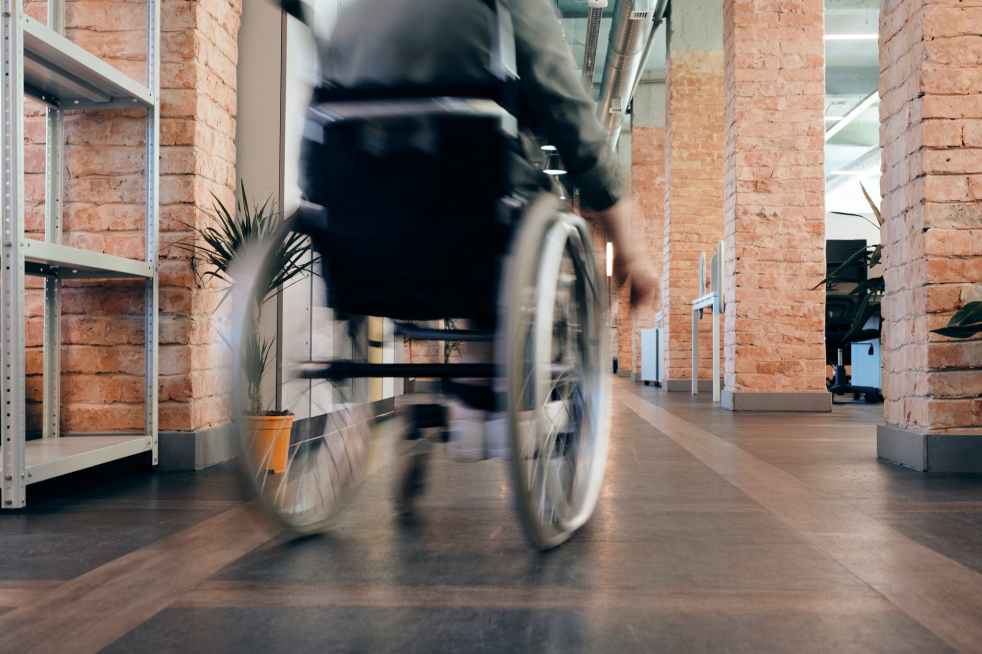
Disability Assistance — Guest Blogger Walking the Rails

With few exceptions, most AMN guys that I have met carry a solid work ethic, regardless of their disability. Which is a good thing, since such characteristics are viewed favorably by our society. While some adaptions may be in order, it seems that most of us get in our 40 hours. We are the lucky […]
Disability Assistance — Walking the Rails
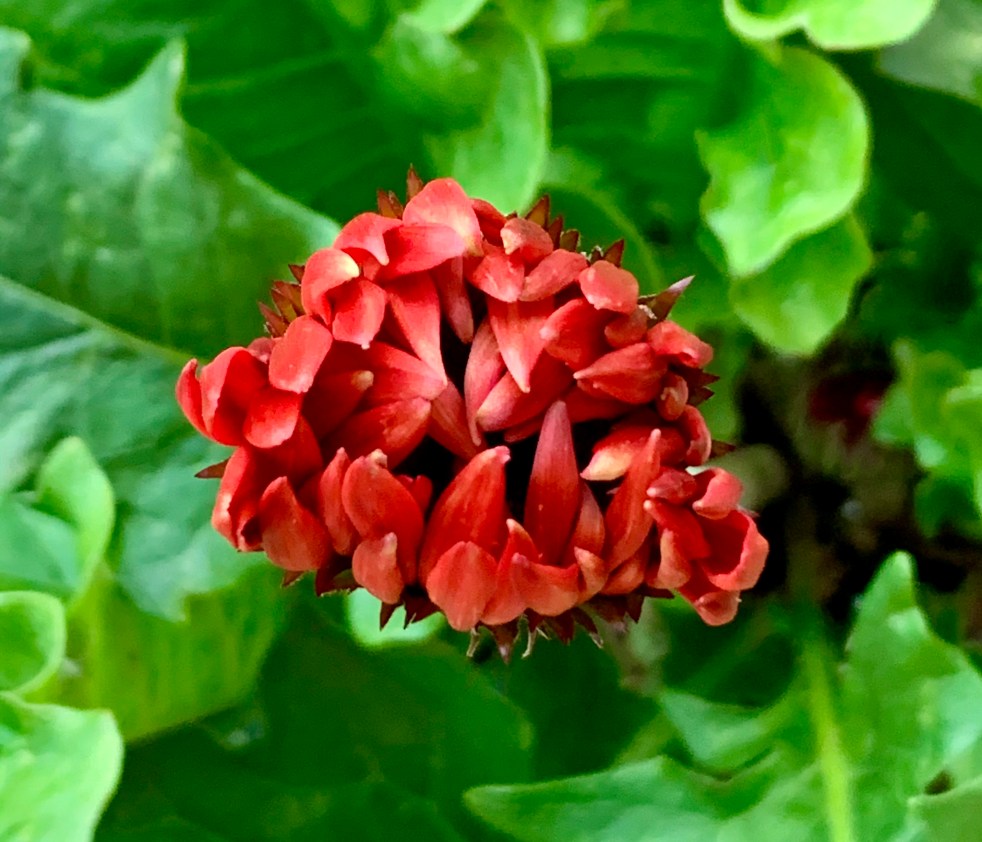
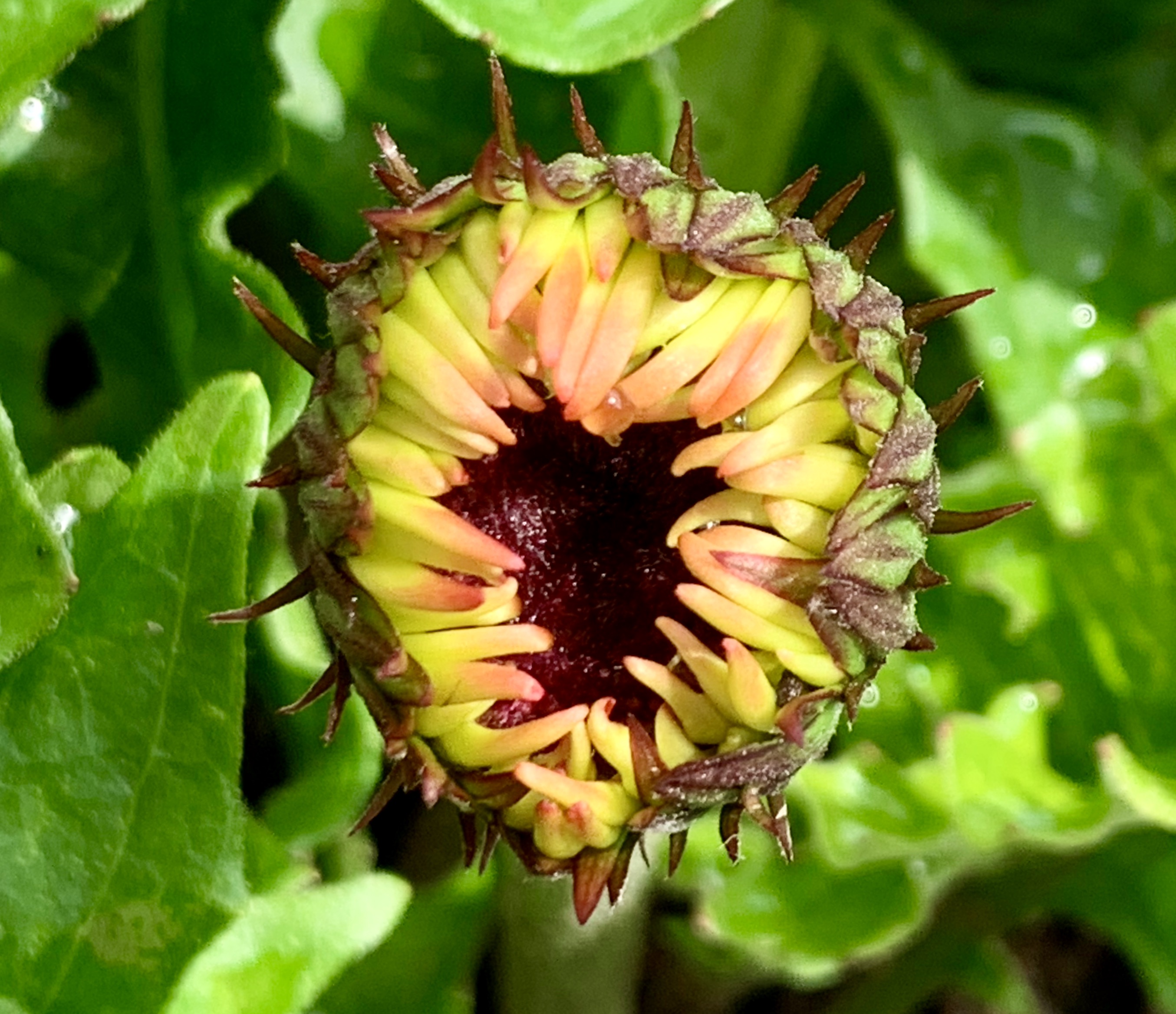
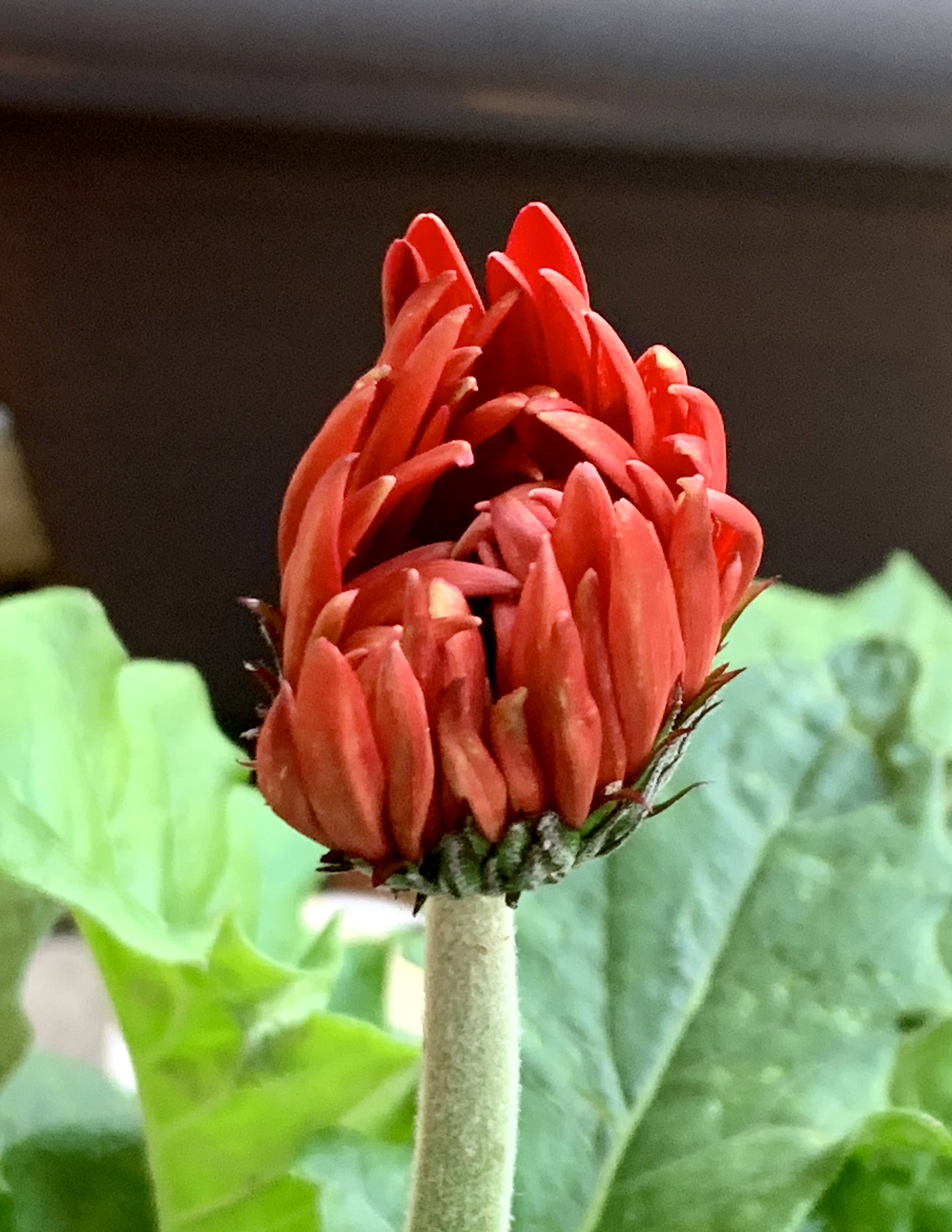
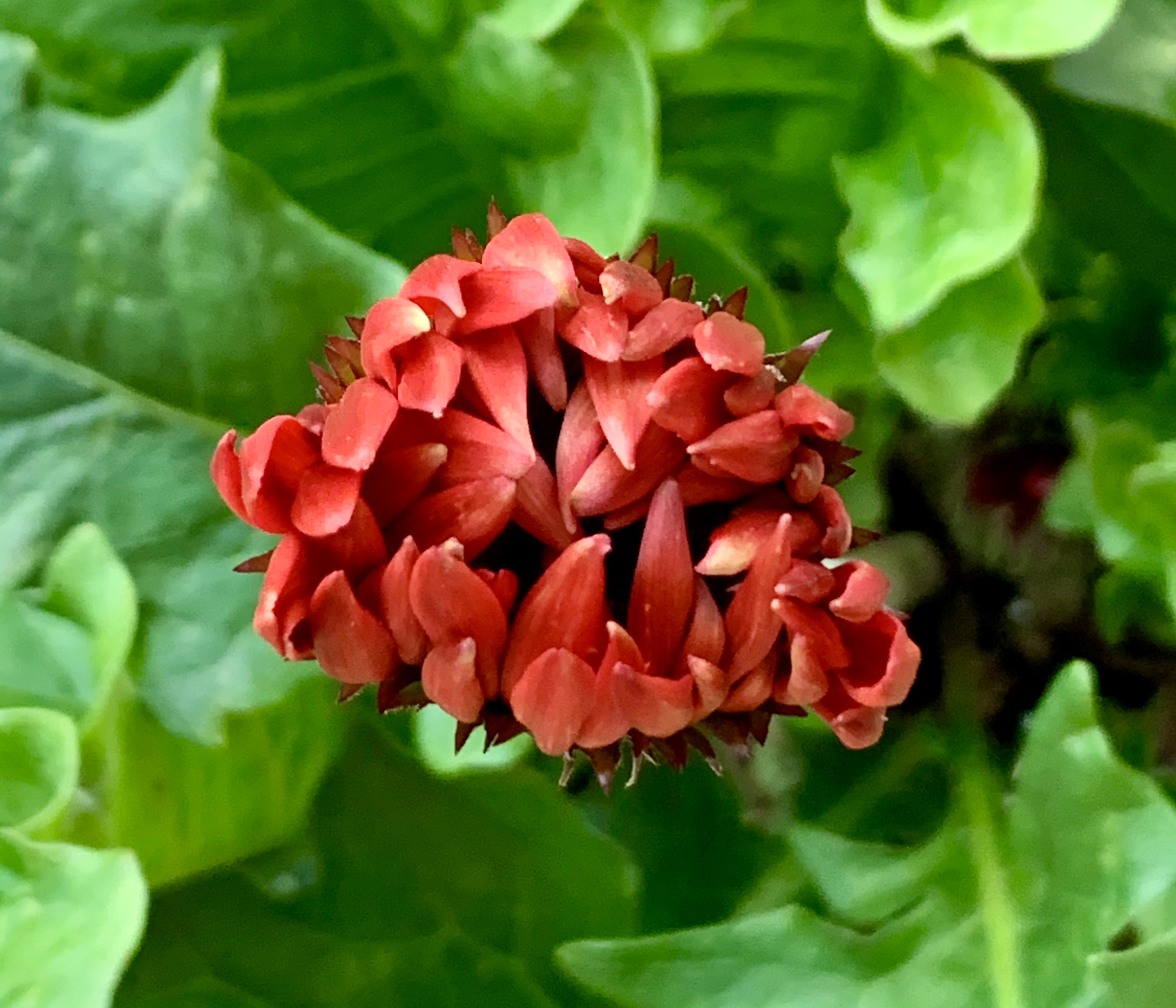
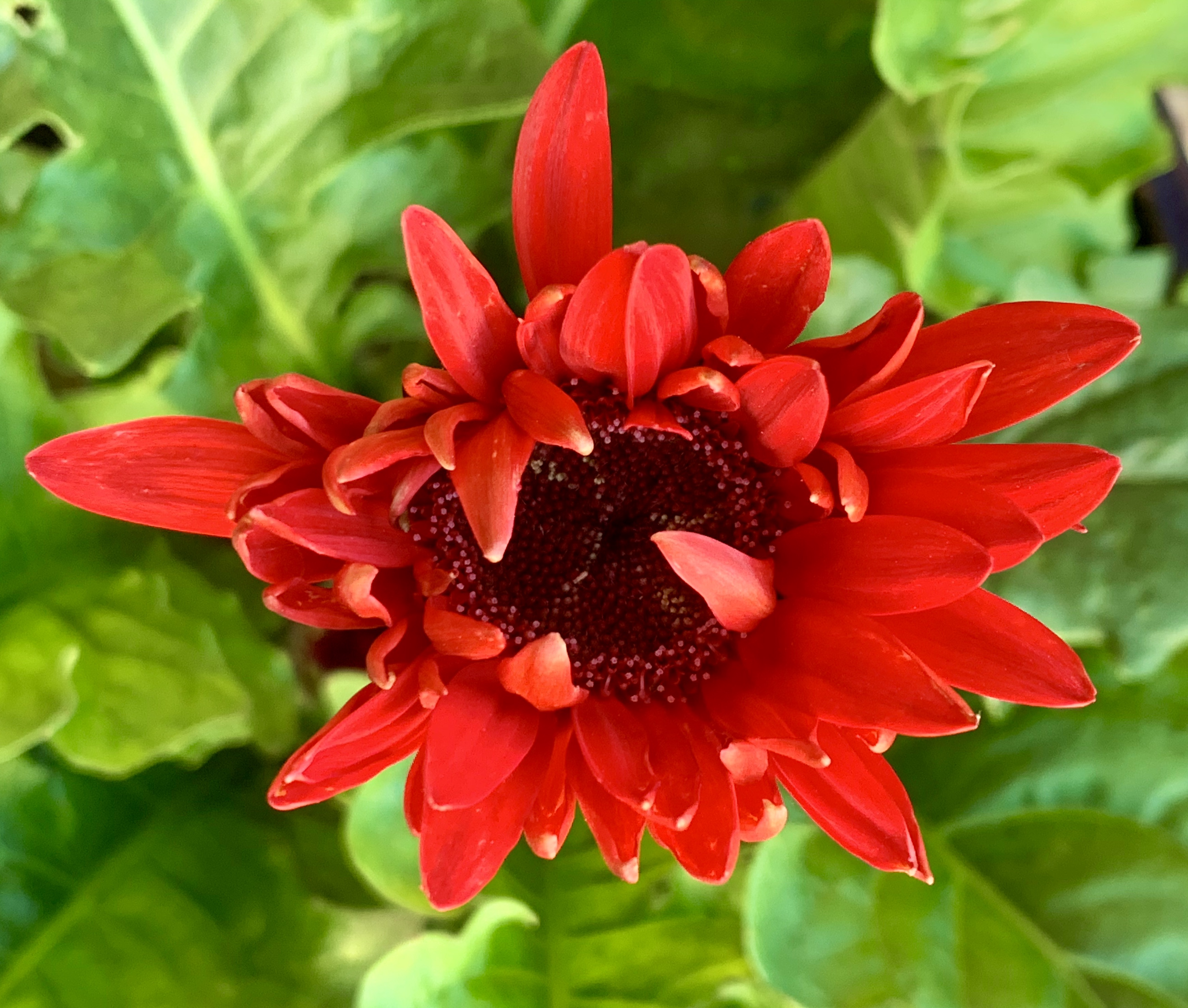
Wordless Wednesday*Life of a Flower
So glad you’re here, you make me smile and feel good inside. Keep the comments coming.
I love these photos, they remind me of Spring and the way we come into the world as humans.

Melinda

4 Critical Steps To Take After A Car Accident
Whether it’s a severe head-on collision or a slight fender bender, you should not take car accidents lightly. According to data gathered in Nevada, in 2019, there were 284 reported fatalities from car accidents. Out of the 284 reported fatalities, Las Vegas contributed a total of 185 deaths, breaking it down to one accident every day. However, the events after a car accident are equally important. Here are a few key steps to remember after you’ve been in a road accident.

Find out if anyone is hurt
When you are involved in an accident, the first thing to do is to check for safety—making safety a priority can save your and someone else’s life. After your accident, you may be a bit shaken. It is important to calm yourself down and then address your surroundings. Once you are mobile and have minor injuries, turn your attention to the passengers in your vehicles. You can call out to them to see if they are well. If your car is still working, try and drive it out of traffic to a safe distance on the sideway to properly check if anyone is hurt and evaluate the severity of any injuries. Be sure to stay aware of other potential hazards, such as leaking gas, while you wait for the ambulance, emergency response team, or the police to arrive.
Call 911 and report the accident
Once you have checked for safety and no one’s life is in immediate danger, you can proceed to call the police and emergency services. Although it may seem that no one is critically hurt, paramedics need to evaluate each victim. This is because some harm caused by an accident may not be visible or identifiable without medical training.
According to Rob Luna, group manager of auto claims at the American Automobile Association in Costa Mesa, California, most police departments are moving to online reporting of cases. They may not deploy resources to the accident scene if it is a minor incident.
Collect important information
Another step you need to take after a road accident is to exchange vital information with the party in the accident and any witnesses. It is also advisable to take pictures of the accident scene, the number plate of the cars involved, and the driver’s license. If the driver’s license doesn’t match the details registered with the vehicle, you can find out the relationship the driver has with the vehicle owner.
You may also note the type of car, the insurance documents, the color, and other relevant information about the vehicle. It is advisable for motorists involved in an accident to take the insurance company’s details and the insurance policy. Most drivers may not report the incident.
Call your lawyer
Most car accidents lead to loads of legal issues after the dust settles. You need to call your lawyer after the police and the emergency response team have restored calm at the scene. Accidents involving trucks with big rigs at a low speed can result in severe injuries. You will need the services of a semi-truck accidents lawyer to protect your rights and put you back on track.
This is a collaborative post.
Melinda
Book Review: How to Help Someone with Anxiety by Dr. Rachel Allan


Blurb
This book is full of insight, compassion, and hope, an essential guide for anyone supporting a loved one with their mental health.
Watching someone you love become overwhelmed by anxiety is tough. And it’s not always clear how best to help – it often feels impossible to get through to someone who seems consumed by anxious thoughts.
Counselling Psychologist Dr. Rachel M Allan provides evidence-based advice on the cyclical nature of anxiety, helping you understand how anxiety works and how your loved one might be feeling. You will discover how you can best help someone stuck in a negative thought pattern, how to start a helpful conversation and the importance of listening.
Through the advice in this book, you’ll learn how to best support and empower your loved one day to day, without compromising your own emotional wellbeing.
My Thoughts
The best way to describe the book How To Help Someone With Anxiety by Dr. Rachel Allan is to say it’s a Tool Kit. Everyone would love to have a Tool Kit to help them thru life’s difficult times and Rachel gives us just that. She takes her years of experience and breaks out how Anxiety affects the person. Rachel can and does walk you thru each step of how to deal in situations with real-life solutions.
If someone you care about is suffering from anxiety it can be a slippery slope when it comes to helping them. Communication is key, communication is everything and Dr. Allan gives you the tools you need to have an open conversation of substance that can affect change.
The book is a great reference to keep on hand for years to come, it’s easy to go to specific information without reading the entire book again.
Welbeck Publishing Group Limited
Welbeck Publishing Group is an exciting, fast-growing independent publisher based in London, dedicated to publishing only the very best and most commercial books spanning a number of genres and categories, from leading authors and well-known brands to debut talent. We live for books that entertain, excite and enhance the lives of readers around the world.
From building our boutique fiction and narrative non-fiction lists to shaping our world-renowned illustrated reference, gift and children’s titles, our aim is to be a market-leader in every category in which we publish. Our books and products come to life for adults, children, and families in 30 languages in more than 60 countries around the world, selling through a variety of traditional and non-traditional channels. We are constantly looking for new ways to deliver our exceptional content and new ideas to inspire readers and listeners everywhere.
www.welbeckpublishing.com

Essential Questions To Ask Your Future Self

What’s Your Happiness Score?

Why Rain & Clouds Are Stressful
This is a helpful re-post that is very appropriate for today’s weather around the world.
Melinda
This year, especially, creates new stressful events that affect all of us. Nobody can ignore how much the COVID-19 pandemic has been a challenge for our mental health. Yet, the pandemic fear isn’t the only thing that can lead to stress during the last quarter of the year.

SAD symptoms get worse
You are probably familiar with Seasonal Affective Disorder, especially if you’ve been consciously self-isolated this year. SAD, for short, is a type of depressive disorder that is linked to seasonal light exposures. Typically, it occurs when days get shorter and nights longer, as you receive less direct sunlight. As the summer has come to an end, you may find your mood sinking again. SAD can develop into severe depression, so it’s not a disorder you should ignore. Thankfully, a lot of individuals with SAD can experience significant improvements with light therapy. Did you know that something as simple as buying a lamp for SAD may help to create the feel-good serotonin that affects your brain’s needs?
Floodings everywhere
After the sunny summer comes the autumn rain. Unfortunately, some areas are more likely to get flooded during the colder months because the soil can’t absorb the rainwater. Unfortunately, depending on where you live, seasonal floods may be a frequent occurrence. Even if your home is safe from significant damages, you could still get affected when you drive on the road. It’s not uncommon to come across deep puddles in winter that could damage your engines. Ideally, countryside dwellers need vehicles that can survive heavy floods, such as the reliable high-chassis Land Rover Discovery – You may want to head to your local Land Rover dealerships to find a vehicle that can drive through deep water.

Only 2 months before Christmas
It is soon the season to be jolly! Except that Christmas can also drive your stress levels to the maximum. A lot of people are already experiencing pre-Christmas stress when they think of the cost of preparation, shopping for presents, and the pressure to deal with family expectations. With a little over 2 months to get ready, it’s likely that you may be feeling overwhelmed already. It’s been an odd sort of year, and time has seemed to fly away from us.
The feeling that the year has gone by too quickly
How can it already be October? The last time you checked, it was March and the news of a pandemic was just hitting the media. What happened to 2020? While everyone has had to put their lives on hold for the past 6 months, it’s hard to get to grips with the reality of the situation. It feels like a wasted year where you haven’t been able to enjoy much of it. For the time being, we have to learn patience to stay safe.
In conclusion, feeling stressed or depressed by the rainy season is the most natural thing in the world. Thankfully, there are more than one ways to handle the situation. Whether you need to consider light therapy or organize your Christmas events early, stress is a response to a problem. Yet, most problems can be solved once you’ve identified your triggers!
This is a collaborative post.
Melinda
This and That About Me

Your most favorite travel story?
It would have to be traveling to St. Petersburg, Russia alone two weeks after the 911 bombing. Not only was it my dream trip since I was a teen but as a woman traveling alone in a foreign country you stand out as an American. The world knew what had happened and people from every background and country came up to me with hugs and words of sadness. It was so surreal. I could never recreate that trip of a lifetime. I count the days I can return to St. Petersburg! The people are beautiful and the city is breathtaking. I have to add the Restaurant Manager gave me a private sampling and lesson on Caviar and it was an eye-opener. I left Russia with cans of the best caviar.
Favorite bands or singers from your adolescence?
Donny Osmond
What’s the best meal you’ve ever had?
On the last night on my trip to Russia, the Manager asked to make me a special meal. It was salmon with loads of the best caviar on top. It was so savory it was out of this world. It came with a side of traditional Pelmeni and of course a bucket of Vodka.
Worst first date story?
It was my first date, my gramps made the guy give him his driver’s license number, tag plate, parent’s name, address, and phone number. I was so humiliated. I told my granny that if this would happen on every date I would not date again.
What’s your favorite sandwich?
Peanut Butter and Raspberry Jelly with a touch of butter on each slice.
Where did you go grow up and how did it shape who you are?
I was born in Texas in a poor area of town. We lived in a housing project for some time after I was born. What shaped me the most growing up was knowing I could make my own way and not repeat the mistakes of my parents and the way I grew up. Texas is a headstrong state.
What are your biggest pet peeves?
Passive Aggressive behavior.
What’s one thing you can’t travel without?
Lip balm and hand wipes, long before COVID.
Tell me some of yours!
Melinda
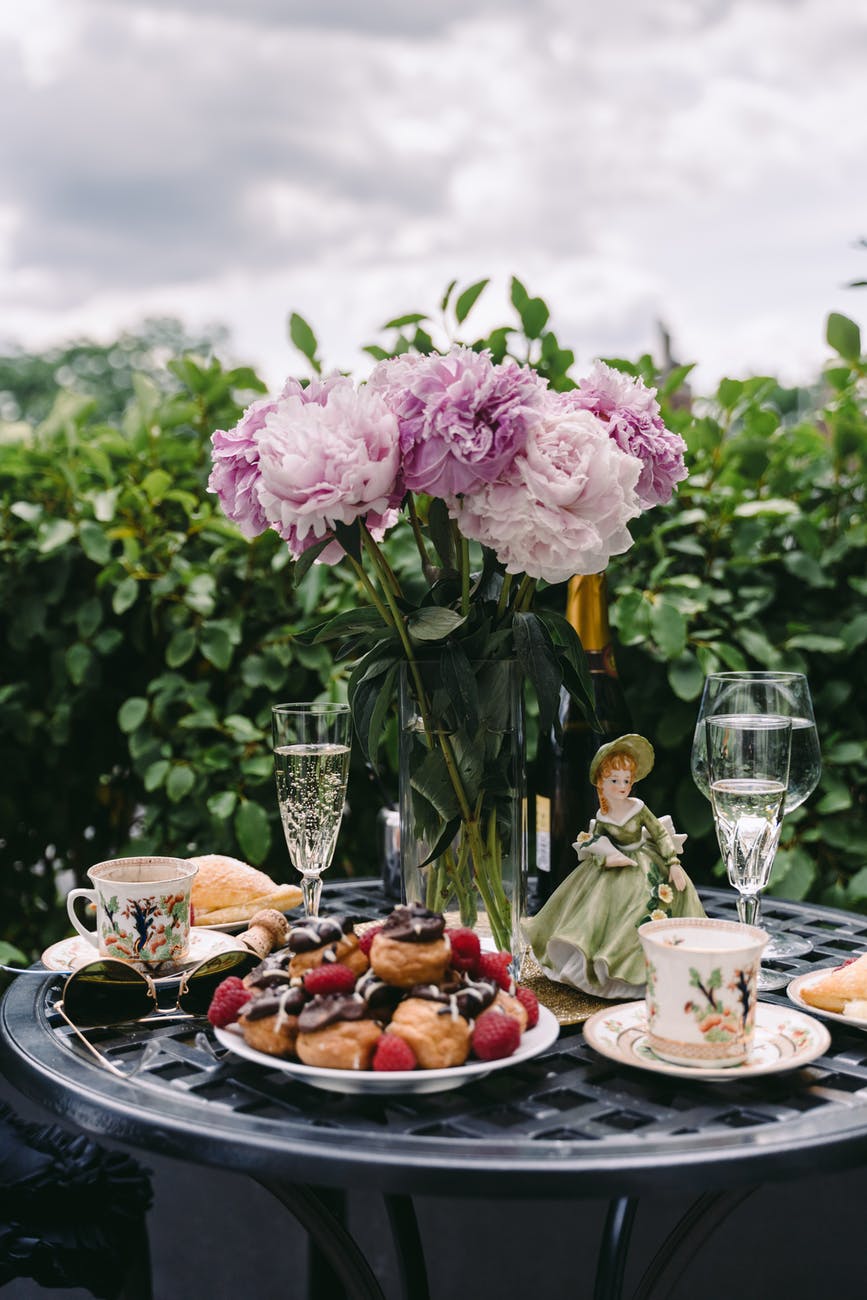
Monday Motivation — Guest Blogger Popsicle Society

Always is better to be yourself, because an original is worth more than a copy.
Monday Motivation — Popsicle Society
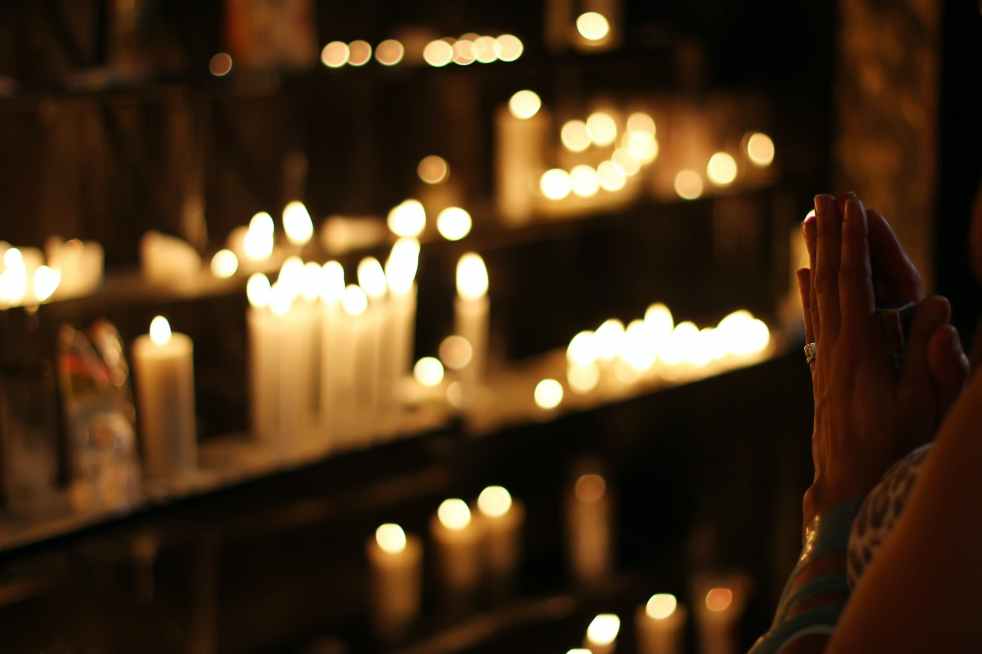
Monday Prayer
This prayer read my mind and I wanted to share it with you in case it could help in some way. To me, it doesn’t matter who we pray to, all that matters is the content. We all have our flaws and need help. This one hit one of my flaws and one I work on often.
| A Prayer for Today |
| “Father, thank You for all the people You’ve put in my life and how You use everyone for Your purposes. Help me to be humble and not judge others by the outside or limit whom I will listen to. Don’t let my pride get in the way of Your miracles. In Jesus’ Name, Amen.” |
Joel Osteen
Melinda

Spending Time In The Garden Boosts Mental Health
Spending time in the garden makes a massive difference in your overall wellbeing and longevity according to research by the Royal Horticultural Society – a UK-based based charity. Investigators studied more than 8,000 people between 2009 and 2016 following their daily gardening habits. They found that those who spent more time in the garden had better overall psychological and physical wellbeing.
The findings were dramatic. The research indicates that the difference in health outcomes between the people who spent the most time in their gardens compared to the least was the same size as the difference of living in a wealthy area compared to a poor one.
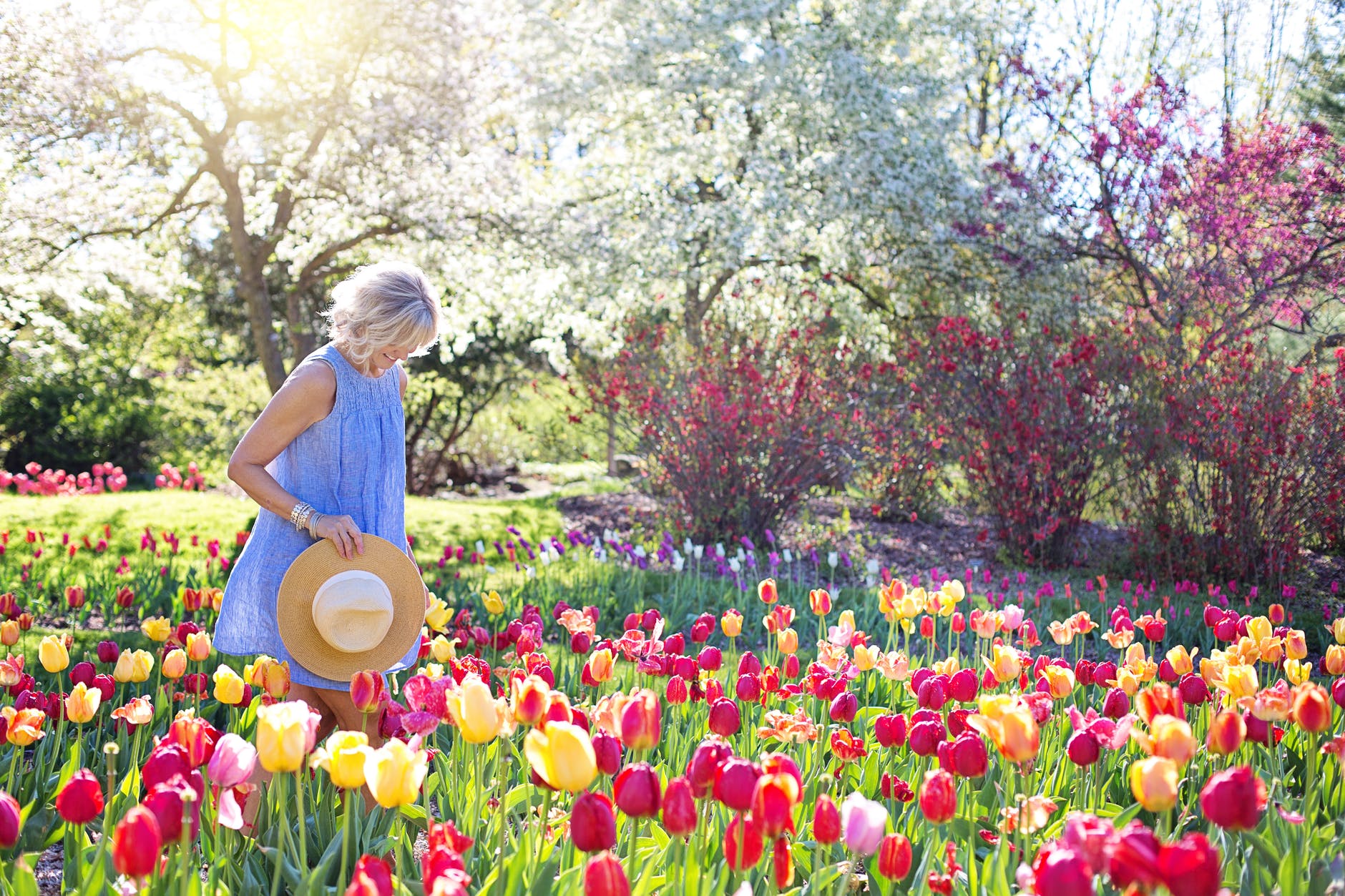
The findings suggest, therefore, that we should all be looking for ways to open up our gardens and spend more time in them. We should view our outdoor spaces as both beautiful places to spend time and tools for improving our mental health. Like exercise, the areas around our homes are places that can potentially alter our neurochemistry and change the way that we feel.
People With Access To Private Gardens More Likely To Report Psychological Wellbeing
The study also found that even people with access to private gardens were much more likely to be in good psychological health. Those who could have a yard or private space to themselves reported feeling much happier to the researchers.
What’s more, the evidence suggests that merely having a garden is often sufficient to confer the benefits, not the process of gardening itself. Thus, people with an outdoor space beside their home were much more likely to experience the health and wellbeing benefits compared to those who didn’t.
The lead researcher on the project suggested that the findings were indicative of the fact that people need to feel close to nature to have a sense of contentment. Gardens might have a crucial role to play in issues of public health she said.
How To Spend More Time In The Garden
So, while this research is interesting, it doesn’t answer the practical question of how to spend more time in the garden. We’d all like to be outside as much as possible, but often, it’s not possible. So what can we do?
Let’s take a look.
Purchase A Laptop
If you can work from home, purchasing a laptop can be one of the best things you do to increase the amount of time that you spend in the garden. You can connect to the internet, take it out to the garden, and then spend all day among the flowers and the birds, weather permitting.
Install Decking
Getting deck builders to install decking is another way to make your garden spaces more practical. Having somewhere off the grass to place garden furniture can encourage you to use your garden as an entertainment space.
Build A Garden Room
A garden room is simply a room in your home that connects the garden to your indoor space, encouraging you to use both.
Most modern garden rooms have sliding doors that act as a kind of interface between your indoor and outdoor spaces. But you can do it in other ways, such as bi-folding doors.
Install A Summer House
In certain parts of the world, it’s not warm enough to spend time outdoors year-round. Spending time on your patio isn’t fun when it’s freezing cold.
The obvious solution to this problem is a summer house – a strange name for something you’ll use in the colder months of the year. And because it provides shelter, you can place indoor furniture inside, making sitting in it more comfortable.
Get A Vegetable Patch
Vegetable patches offer two advantages. First, they let you grow tasty organic food. And secondly, they force you to get out into the garden and take care of them.
Your onions and leeks can become a real source of focus that takes your mind off other things. When you’re digging up soil and planting bulbs, you’re not thinking about all the things that affect your wellbeing. It’s a healthy physical activity that takes your mind off things and allows you to thrive.
Subscribe To A Gardening Magazine
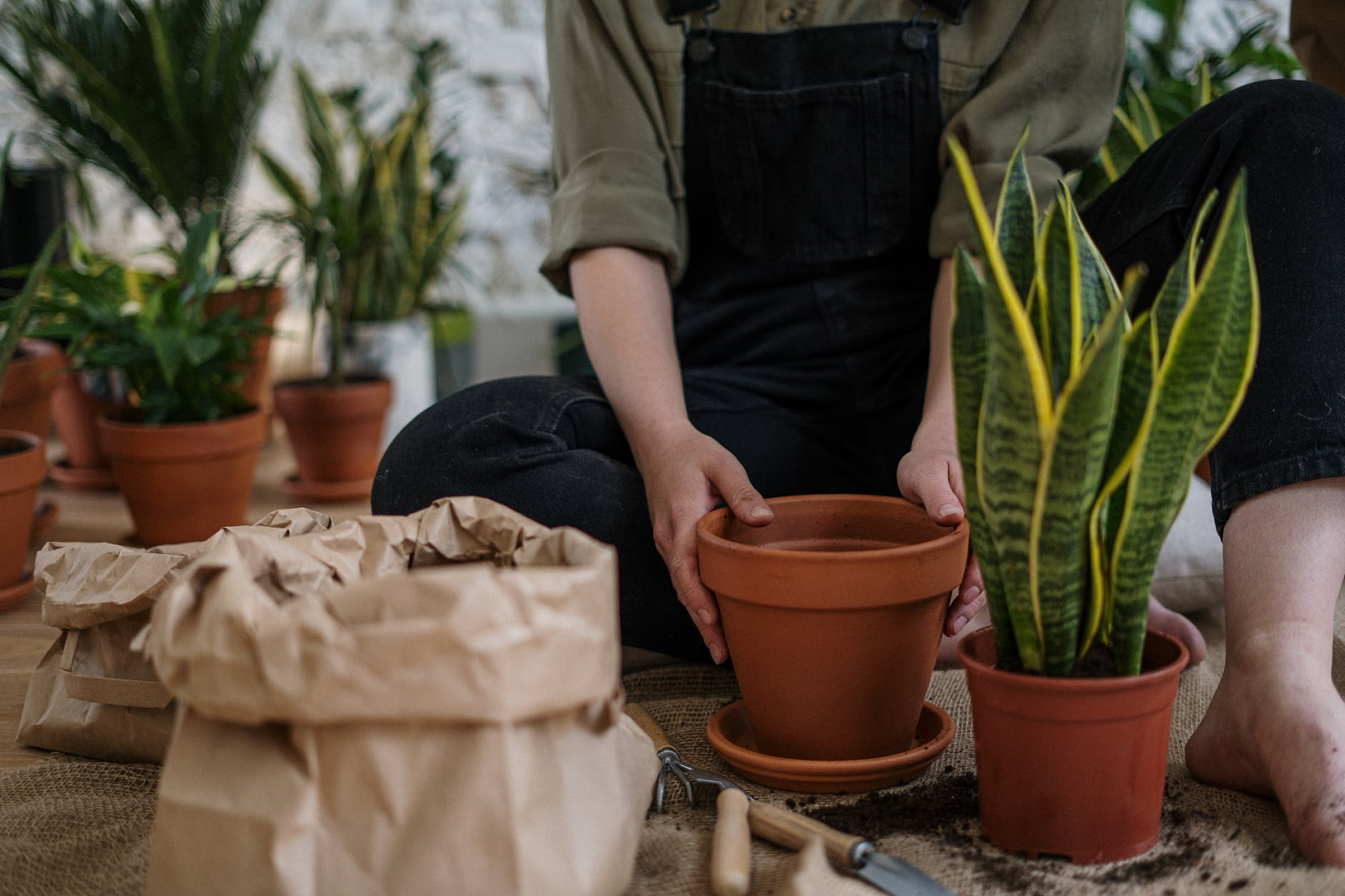
Finally, subscribing to a gardening magazine is something that can inspire you to get out into the garden and create something beautiful. Editors introduce you to essential concepts, such as when you should plant bulbs and how you should arrange your beds. You’ll also learn practical things, such as how to weed and the tools you’ll need to keep your yard looking good all year long.
This is a collaborative post.
In Health,
Melinda

Today in History
Welcome to the weekend edition of Today in History. Thanks for all the great feedback. I’m so glad your enjoying the post. Have an awesome weekend.

1943
Operation Tidal Wave: U.S. forces attempt risky air raid on Axis oil refineries
On August 1, 1943, 177 B-24 bombers take off from an Allied base in Libya, bound for the oil-producing city Ploiești, Romania, nicknamed “Hitler’s gas station.” The daring raid, known as Operation Tidal Wave, resulted in five men being awarded the Medal of Honor—three of them posthumously—but failed to strike the fatal blow its planners had intended.
1944
Anne Frank writes her last diary entry
Anne Frank, the young Jewish girl hiding out in Nazi-occupied Holland whose diary came to serve as a symbol of the Holocaust, writes her final entry three days before she and her family are arrested and placed in concentration camps. Frank, 15 at the time, received the diary on …read more
1996
George R.R. Martin’s Game of Thrones debuts
On August 1, 1996, “A Game of Thrones,” an epic fantasy novel by George R.R. Martin, is released. The book was the first in Martin’s “A Song of Ice and Fire” series, about feuding medieval noble families on an imaginary continent called Westeros. Although not initially a …read more
1498
Columbus lands in South America
Explorer Christopher Columbus sets foot on the American mainland for the first time, at the Paria Peninsula in present-day Venezuela. Thinking it an island, he christened it Isla Santa and claimed it for Spain. Columbus was born in Genoa, Italy, in 1451. Little is known of his …read more
1981
MTV launches
On August 1, 1981, MTV: Music Television goes on the air for the first time ever, with the words (spoken by one of MTV’s creators, John Lack): “Ladies and gentlemen, rock and roll.” The Buggles’ “Video Killed the Radio Star” was the first music video to air on the new cable …read more
Melinda

Sunday Thoughts
40 years ago today I married my high school sweetheart, I was 18 years old.
I had the perfect dress.
My father walked me down the aisle.
His parents paid for cases and cases of champagne, two uncles got drunk!
I passed out twice during the Catholic ceremony due to the Texas August heat.
His parents paid the Preist to turn on the air early and he forgot.
The first time I stepped away from the kneeler my gramps thought I was backing out and came towards the front of the church.
We played house for a year and were divorced one year later.
It’s interesting to look back at our learning experiences.
My current husband and I have been together 20 years and married for 19.
Life has a way of working itself out!
Melinda

Melinda
You Can Grow New Brain Cells. Here’s How

What’s a nursing home combined with a childcare center? A hopeful model for the future of aging
IDEAS.TED.COM
Mar 14, 2019 / Marc Freedman
iStock
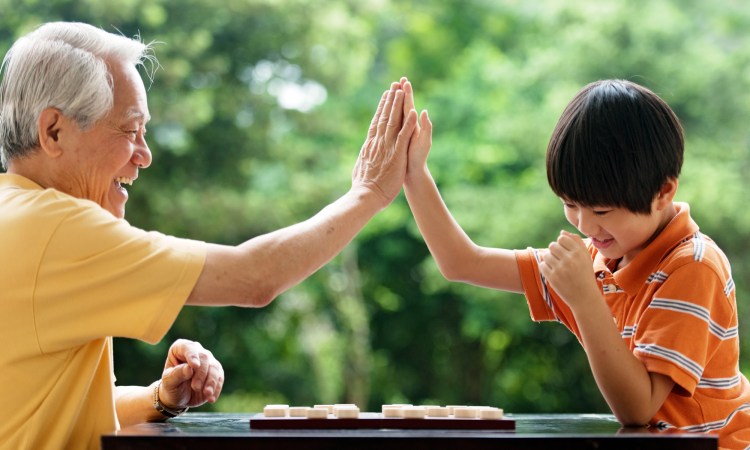
Imagine a place for the elderly that’s also filled with the sounds of kids playing. Marc Freedman goes to Singapore to investigate a new model for intergenerational living.
Sister Geraldine Tan, an energetic woman in her 60s, speaks rapidly and is given to sweeping gestures. She wears the flowing white robes of the Canossian Daughters of Charity, and they threaten to engulf her small frame. But Sister Geraldine — trained in the hospice movement in the UK and now the executive director of the St. Joseph’s Home for the Aged and Hospice in Singapore — is not easily overwhelmed.
St. Joseph’s is not your typical nursing home. It’s striking, with tropical flora, open pavilions and airy rooms, and large, accommodating some 400 older people. Natural light and trade winds flow through its floors.
But the people it serves aren’t all elderly. The facility includes a childcare center for about 50 children, ages two months to six years. At the center of St. Joseph’s courtyard is an intergenerational playground, home to spontaneous interactions between the older people at the nursing home and the little ones at the childcare center.
Singapore’s leaders see the generations growing apart. They’re eager to bring them back together, to find new ways to do old things.
The neighborhood isn’t typical, either. St. Joseph’s is in Jurong West, an industrial area gone high tech. Google Singapore is next door; on the other side is the Boys’ Home, which houses young people who have been in trouble with the authorities. Across the street is a primary school. The massive Supply Chain City building — a facility “that serves as Asia’s supply-chain nerve center” — is less than 100 yards away. St. Joseph’s sits in the middle, a bastion of humanity.
While many residents share a strong cultural respect for their elders, Singapore’s leaders see the generations growing apart. They’re eager to bring them back together, to find new ways to do old things. This fits Sister Geraldine’s vision. She is determined to create an environment that encompasses the full “circle of life,” as she puts it, with children at its center. “They remind us of the purpose of life and of the importance of play and simplicity,” she says.
“There is birth and there is death,” says Sister Geraldine. “At both ends, we all need someone to tend to us.”
Today, one in eight people in Singapore is aged 65 and older. By 2030, it will be one in four.
Just as the childcare center aims to foster bonds that benefit young and old, students at the primary school visit regularly, and some of them are being mentored by the seniors. Boys’ Home residents operate a coffee cart in the courtyard, delivering drinks to the older people at St. Joseph’s — another way Sister Geraldine is instigating meaningful, cross-generational relationships.
Sister Geraldine and St. Joseph’s are all part of Singapore’s scheme to deal with their aging population. The wealthy city-state has put forth a national plan to invest $3 billion Singapore ($2.1 billion in USD) and become the envy of other aging societies. It’s a staggering investment given Singapore’s population size: just under four million permanent residents, about the size of Chicago.
Like many countries in Asia and the rest of the world, Singapore is aging fast. In 1970, one in 31 Singaporeans was 65 or older; today, it’s one in eight. By 2030, it will be one in four, or from about 440,000 people over 65 to more than 900,000 by 2030. “Aging is really the single most important demographic shift that will affect the future of Singapore,” says Amy Khor, the government’s senior minister of state for health.
Singapore officials are promoting “3Gen flats” to help older people, younger people, and those in the middle live in close proximity.
As in much of the world, the change is caused by increasing longevity and decreasing birth rates. In February 2016, Khor announced the Action Plan for Successful Ageing, an ambitious collection of some 70 initiatives covering a wide array of issues, including health care, volunteerism, employment, housing, transportation and protection for vulnerable elders. A leitmotif is engaging older people to support the next generation behind them.
To bring the generations together, Singapore is launching programs to help older people retool for second acts, to recruit young people to teach technology and social media skills to older folks, and to help community organizations better use senior volunteers. Officials are promoting “3Gen flats” to help older people, younger people, and those in the middle live in close proximity. One of the Plan’s most striking features is the creation of a “Kampong for All Ages.” Kampong is the Malay word for village, and it envisions a future Singapore built around a cherished element of the past: the multigenerational village.
The Plan also funds a $200 million Singapore ($140 million in USD) National Innovation Challenge, toward research on promising models and incentives to encourage more ideas for a multigenerational society.
The idea is to use community design to re-create natural opportunities for cross-generational support — to move from program to proximity, from concept to reality.
I sat down with two young architects at the CDB, the ministry that oversees land use in Singapore, where space is at an absolute premium. They showed me plans for the Admiralty Kampong, a development created to encourage connection between the generations. It will contain a ground-floor plaza with a grocery store and eateries, a daycare center, assisted-living services, a day center for elders with more extensive needs, and lots of opportunities for socializing.
The idea is to use community design to re-create natural opportunities for cross-generational support — to move from program to proximity, from concept to reality. The conscious effort is all the more striking in an Asian society where interaction and care between young and old, especially in families, occurred naturally for much of its history. But in our fast-paced, highly mobile, globally-oriented 21st-century world, there’s a need to find new ways to cultivate these time-honored values.
I admit being taken with Singapore’s plan, but my burning question on arrival and throughout my visit was: Is it real or a mirage? Some experiences were underwhelming. At one point, I visited the nation’s oldest center that brings together children, adolescents and older adults. The program’s diversity was impressive, mixing many different ethnic backgrounds, as well as ages. Yet the contact between generations was mostly superficial — there was a patina of closeness without much in the way of genuine interaction.
Scarcity of space could have led to conflict; instead, it’s prompting creative thinking about how to wring the most social value from limited square footage.
Still, those experiences were the exception for me. In Singapore, for the most part, I witnessed a sense of common purpose among people to realize the plan’s goals, a shared vision that was more significant in some ways than the sums being spent (although I can’t get over my envy of the money).
Two lessons stood out for me from my trip. First, not having much land can be a powerful impetus for change. Scarcity of space could have led to conflict; instead, it’s prompting creative thinking about how to combine institutional purposes to wring the most social value from limited square footage. Second, I found the instinct to combine old and new — a new-way-to-do-old-things approach — everywhere.
On my final day, I visited a church initiative that was a faith-based bookend to the St. Joseph’s experience that started my trip. St. John’s–St. Margaret’s is a well-established Anglican congregation near the National University of Singapore. The church is in the midst of creating a large senior living facility and early childhood center, having broken ground on it in mid-2017.
When complete, the project may be even more impressive than St. Joseph’s. This redesign was prompted by the expiration of the church’s lease on government-owned land. In order to stay on its prized plot, St. John’s–St. Margaret’s was required to “intensify” its use of the land — to do more social good. The congregation decided not only to build a nursing home and senior programs but also to find ways to simultaneously support young children. I love the notion of intensifying the land; it’s another way of saying every dollar should be spent (at least) twice.
When complete, St. John’s-St. Margaret’s will contain a nursing home, a senior center, and an early childhood center. Its name? Project Spring-Winter.
For insights, the St. John’s–St. Margaret’s team headed to the US and visited facilities that bring the generations together for mutual benefit, including the Providence Mount St. Vincent Intergenerational Learning Center in Seattle (the subject of the 2017 documentary The Growing Season). Another source of inspiration was a passage from Zechariah 8:4–5 that describes the renewed city of Jerusalem as a cross-generational paradise: “Old men and old women shall again sit in the streets of Jerusalem, each with staff in hand because of great age. And … the city shall be full of boys and girls playing in its streets.”
When open in 2021, St. John’s–St. Margaret’s will consist of a 273-person nursing-home facility, a senior center for 100 older people, and an early childhood center for 200 children. The name for the initiative? Project Spring-Winter.
When I visited the congregation members leading this effort, they told me of an unanticipated side benefit. While working on the plans, they realized the church itself had become age-segregated — for example, there were children’s services and adult services, often held at the same time in separate rooms. Prompted by the research that’s gone into Project Spring-Winter, they’re thinking how best to age-integrate the congregation.
Congregant Sherlyn Lee, one of the Project Spring-Winter leaders, told me that she hopes this new effort will restore a sense of the “circle of life” — both at the church and in Singapore. I was struck by the symmetry: Sister Geraldine and Sherlyn opened and closed my trip with the same beautiful phrase.
Excerpted from the new book How to Live Forever: The Enduring Power of Connecting the Generations by Marc Freedman. Published by PublicAffairs, an imprint of Hachette Book Group. Copyright © 2018 Marc Freedman.
ABOUT THE AUTHOR
Marc Freedman is CEO and president of Encore.org, a nonprofit that aims to harness the abilities and experiences of people aged 50 and over. Originator of the encore career idea linking second acts to the greater good, Freedman cofounded Experience Corps to mobilize people over fifty to improve the school performance and prospects of low-income elementary school students in more than 20 US cities. He also spearheaded the creation of the Encore Fellowships program, which helps individuals translate their midlife skills into second acts focused on social impact, and the Purpose Prize, an annual prize for social entrepreneurs in the second half of life. (AARP now runs Experience Corps and the Purpose Prize.)

Celebrate International Friendship Day
I think this is the greatest idea because where would be in life without friends? I was pretty much a loner growing up but did always have one or two close friends I could talk with and share my problems and dreams with.
We have more contact via the Internet and social media today which is very different than the old days but can still give us a place to lay our fears and dreams.

Here’s where it all started.
Friendship Day is a day in several countries for celebrating friendship. It was initially promoted by the greeting cards’ industry, evidence from social networking sites shows a revival of interest in the holiday that may have grown with the spread of the Internet, particularly in India, Bangladesh, and Malaysia. Mobile phones, digital communication and social media have contributed to popularize the custom.
Enjoy the day and let your friends know how much you appreciate them today.
Melinda

#Weekend Music Share *The One and Only Roy Orbison in Pretty Woman

It’s the weekend!!!!!!
I’m so glad you’ve joined me this week for another edition of Weekend Music Share.

Welcome back to Weekend Music Share; the place where everyone can share their favorite music.
Feel free to use the ‘Weekend Music Share‘ banner in your post, and don’t forget to use the hashtag #WeekendMusicShare on social media so other participants can find your post.
Melinda
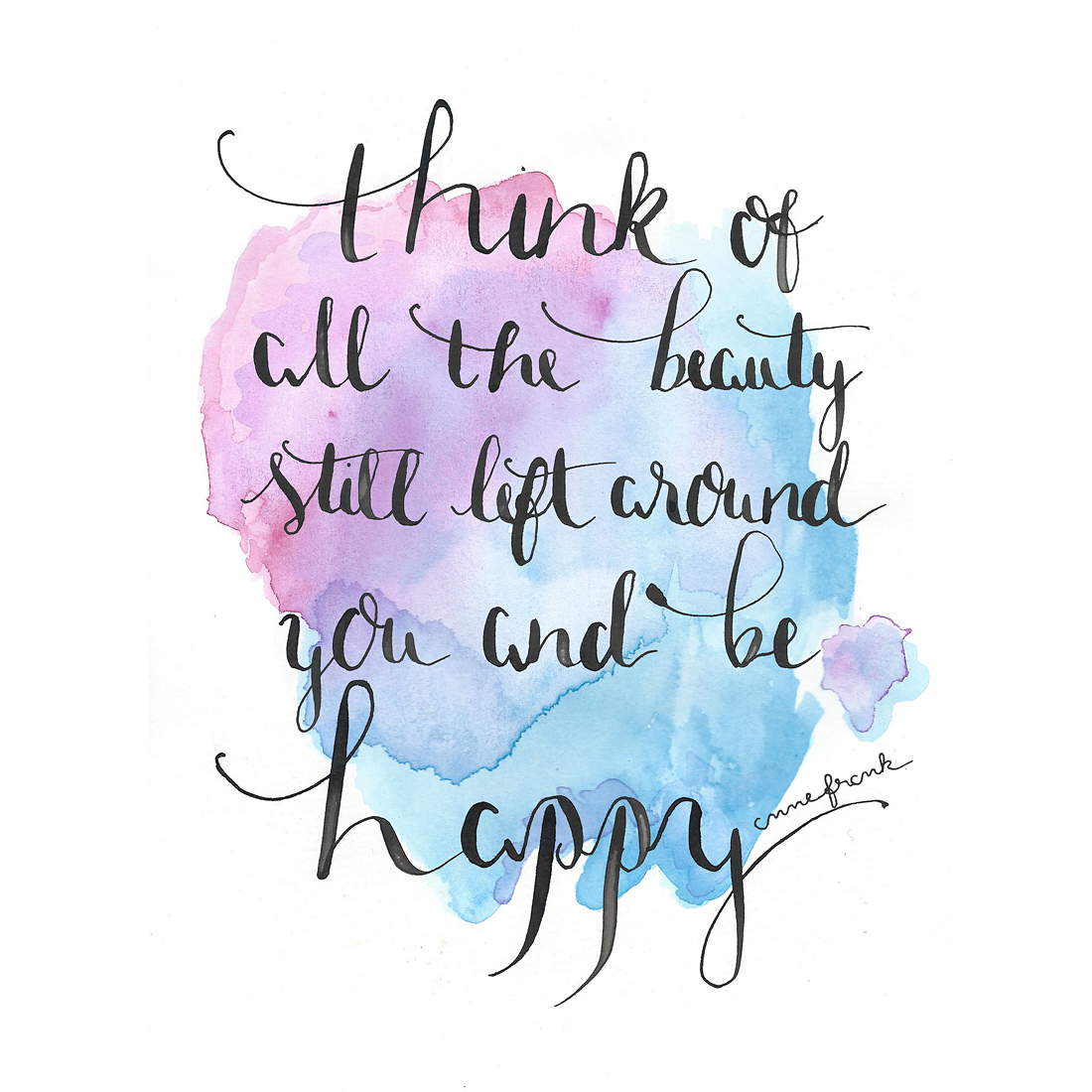
Friday Quote

Have a great weekend!
So glad you stopped by today and look forward to hearing your comments.
Melinda
Five Ways To Make New Friends
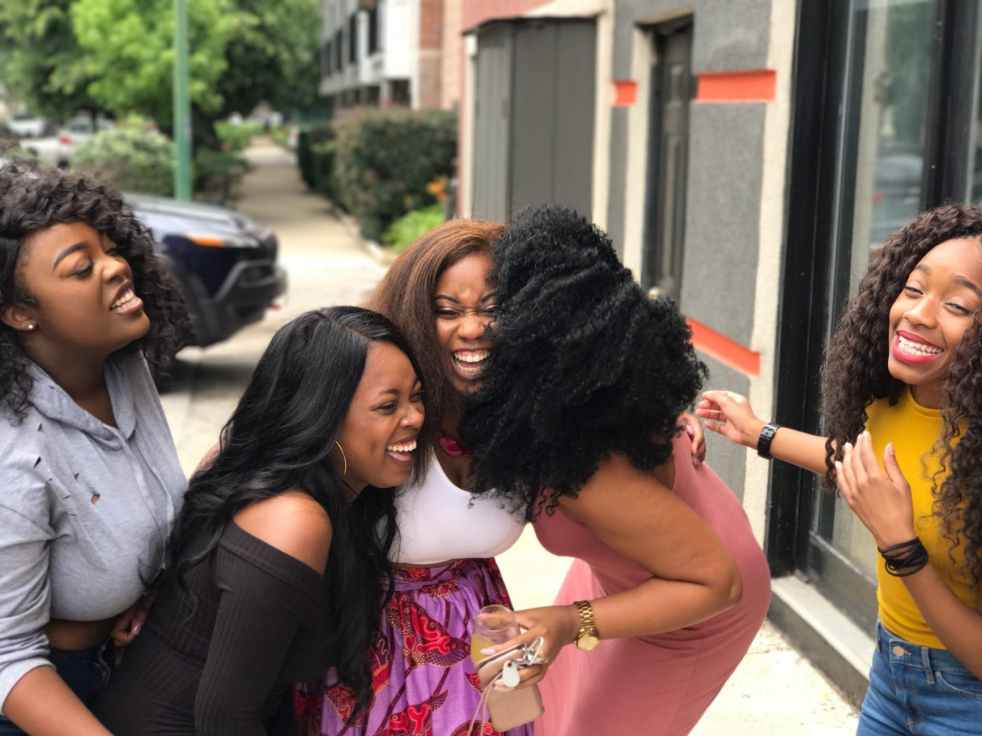
There is nothing scarier as an adult than making friends. It’s not that you’re unable to do it, it’s that it’s far easier to be five years old, pick a buddy and go and play. As an adult, making friends feels like dating. You want to find people with the same ideals as you, and that’s not always easy! You want to set boundaries and make sure that you are around people you consider to be similar to you.
Speaking to new people isn’t easy for most people – especially the introverts out there who often need a little more support when it comes to talking to new people. The good news is that whether you join a class or start to write an inmate or two, there are ways to make friends out there that make sense for you. You don’t have to talk to people you don’t want to talk to, but there are ways that you can find your circle. Below, here are some tips to make new friends.
Stat Small. You can start socializing easily with people by starting small with people that you know. Hanging out with your existing friends and their friends can help you to expand your circle. You can also reach out to acquaintances past and get to know them a little more. If there are people out there in parenting groups or workgroups that you can resonate with, you’ll be able to ensure that you get to know new people.
This is a collaborative post.
Melinda

4 Tasks That Can Put Your Head Into A More Positive, Productive Space
In life, we have lots thrown at us. Some of it can be handled, and some of it can take a real toll on us. When things get us down, it can be difficult to pick ourselves up again. Sure, if we have the motivation of looking after a healthy family, then getting out of bed in the morning can come quite naturally. When we lack motivation and willpower, life can really stop us from being productive and positive.

Fortunately enough, there are plenty of things we can all do in order to put ourselves in a more positive and productive headspace. There is an endless list of tasks that can get us out of a funk and put us on the road to recovery. It may take a little while, but consistency will ensure that things get better over time. Here are a few ideas:
Write Down Your Goals In Life
When we have goals in life, we become more proactive. When we have a reason to get up in the morning, we suddenly find the energy. If you feel as though you have literally no light at the end of your tunnel, then you’re going to struggle to find the purpose in your life. If you create goals and write them down, you bring them to reality – they’re no longer ideas in your head.
Make It Your Mission To Always Improve Your Life
This is easy to talk about and difficult to actually pull off without the right attitude. Your life should be a continuing journey of moving up ladders. Try to be a better human being and a more accomplished person than you were the year before. Look at quick move-in homes, find jobs that make you happy, look to bring in more money than you did the year before – all of these are great examples of moving up in the world. Just give it a go and you’ll naturally be happier as you’ll subconsciously become more advanced.
Talk To Someone About Your Next Moves
Staying silent and keeping things bottled up never helps. If you let someone know about your problems, the chances are that they’ll be able to help. If they can’t, then the practice of opening up will, at least, make you feel better. Talking about your next moves in life will also be a good step and you can learn something new and find out about the kinds of opportunities available.
Don’t Sit Around For Too Long
When you sit around for too long, your brain can begin to play tricks on you. While the brain is amazing and creative, it can be counterproductive as you can begin to think about pretty negative instances. The best thing to do in life is to keep productive whenever you can. When you need to rest, do it. When you have things to do, get up and do them.
This is a collaborative post.
Melinda
July Chronic Illness Group Writing Prompt UPDATED

It’s the time of the month again! Time for Chronic Illness Group Writing Prompts hosted by A Chronic Voice. Be sure and check out Sherly’s site, it’s full of wisdom, medical knowledge and she’s a great host. I’ve been negligent the past couple of months but hope to get back on track starting this month. These are great to participate in and I learn so much from other Chronic Illness bloggers.
This month prompts are:
Transforming
Aging
Suffering
Visualizing
Navigating
I’ve chosen all five this month, each prompt hit exactly where I was at in life. They are not in order.

Speaking of Immunologists, insurance is refusing to pay for my Plasma Infusion treatments and I’m not paying for them myself. Insurance didn’t cover my Lyme Infusion treatments and we had to take out a second loan on the house, I will not do that again. I don’t feel that sick, and that is the problem. It’s not that I’m sick, it’s that my body doesn’t have the ability to fight anything off so once I resume so type of life outside of the house I’m at risk for everything. Until I am “sicker” than I am, insurance won’t pay. As I mentioned in one post, you need 23 players on your team, I have 11. Apparently, that’s still too many players on the field for insurance to cover my Immune Deficiency Disorder.
I had knee surgery on June 8th and am well into recovery. I do my own Physical Therapy because I’m not driving just to have someone show me what to do. I live in a two-story house and know one of the best ways for Physical Therapy is to walk the stairs. I’m so much further along with this knee than my right knee in 2018. Today my doctor told me I was a month ahead of his other patients. Guess the stairs work fine.
My knee surgery caused a problem with my hip and now I met with another new doctor, which means more paperwork to fill out. He says it’s common for issues to arise after knee surgery so he’s scheduled me for a CT scan of the hips and back. He says it’s possible I have a pinched nerve. That would certainly explain the pain when walking and the limp.


I turned another year older this month, it’s just a number, my body and brain are a different age. I look at my life sometimes a compare it to my granny’s in her 70’s and I’m only in my 50’s. My granny was blind in one eye which prevented her from driving and doing much on her own. I very much relate to her in ways I never dreamed of when she was alive.
I haven’t had a haircut in four years unless you count the cut last summer when I made a ponytail and told my husband to cut it off. I just pull my hair back in a ponytail and it makes me feel like an old maid but I haven’t taken any action until now. It’s one of my priorities because I do care how I look to myself and my husband.
My life is very small, no friends, or errands, not much really, even when health doesn’t put up these walls.
Haven’t driven outside of my comfort area in four years, the first two were spent dealing with acrophobia-like issues but the past two years are mostly desire, need, and pandemic.

I’m visualizing a bigger life for myself this year. The psychological issues that were keeping me from driving have passed, I’m vaccinated and will continue my COVID process while out. I want my life to reflect my goals and dreams.
My car is two years old and has less than 200 miles on it, I want to be able to get in my car and not find a dead battery. I will start driving myself more to appointments and for pleasure the remainder of this year. Who knows maybe even a trip to the mall.
I’m counting the days to a new haircut, about four inches off all over and it will feel so light and new. I’m tired of the ponytail look.
I haven’t eaten out by myself in ages, not even a quick lunch. The pandemic had a huge impact on recent times but even before then I had quit getting out. I want to go to my fav little lunch spot and order my Plum Smoothie, even if’s it’s for taking out, that’s a huge step.
Learning how to use my new camera that is already a year old, I want to go to nature park once it cools off and enjoy our mild winters to get some great outdoor shots.
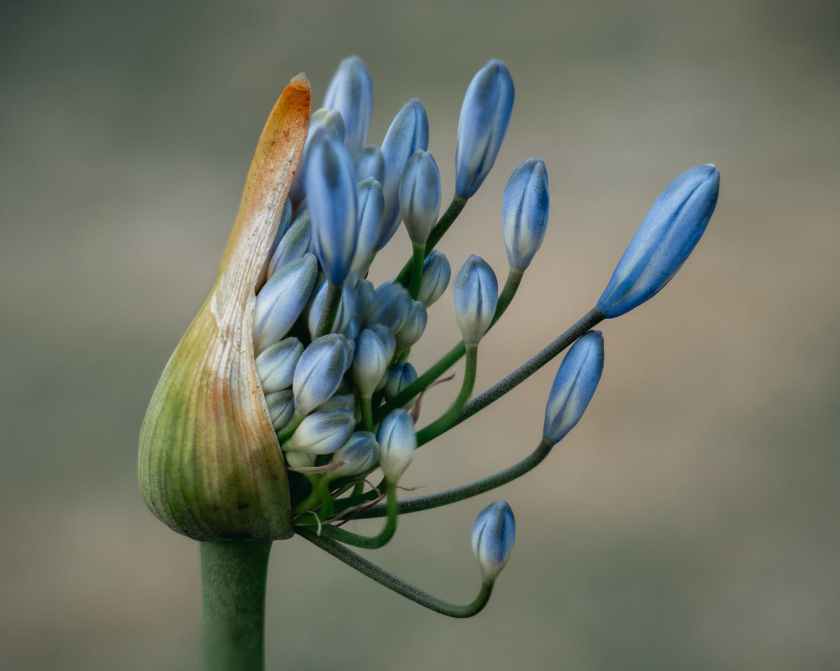
I live in Texas where it gets very hot in the Summer, which is great for some of my ailments but trying to get outside and take care of my flowers and garden has been difficult not only due to heat but my knee surgery. Luckily my husband is doing most of the watering right now. My flowers brighten my day and are great for my mental health.
Thank you for reading, I hope you enjoyed the prompts and of course the writing. I look forward to reading your feedback.
Melinda

How Every Child Can Thrive By Five

My First Post In 2005 – Dementia Induced Thought’s Of Suicide
I looked back at my very first post written as a blogger, the site was different, it was called Defining Memories then but I have published on Look for the Light before. I started Defining Memories to help me mourn my granny. It was a very dark time for me and writing was the perfect outlet.
I hope the writing is as cathartic for you as it has been for me, the subject matter has changed over time but the feeling and release it gives me is the same.
Thank you so much for reading and following me on my journey.
Being a caregiver to a dying loved one can leave you drained of emotion, exhausted, and frustrated. All perfectly normal feelings. I felt a quilt mixed in my bowl of emotions. I grew up knowing my grandparents wanted to die at home. I would grant the wish if possible. They inspired me, saved me from parental abuse, and blessed me with unconditional love.
Helping my gramps when making difficult life decisions, while working hard to remember she is my Granny. There were uncomfortable conversations, articulate to doctors how she is progressing and butt heads with family members. I ran a tight ship and had no problem telling people it was time to leave, and not allowing people over every day. God blessed me with the ability to turn my depression down and step up to the next level. Love for my Granny drove my decision to give her an extra morphine stick. She died in my hands while I kissed her goodbye.
As our population ages, the number of caregivers increases. It can seem overwhelming at times. If you don’t have a blog I would suggest checking out, it gave me an outlet. Caregivers choose to open their hearts to emotional and physical challenges.
Dementia-Induced Thoughts Of Suicide
Today I used one of four “in case of emergency” pills to keep my Granny from hurting herself during a dementia-related meltdown brought on by my Gramps going to the grocery store. She’s had many of these episodes since her stroke almost two years ago. Today I saw the beginning of the end in her face. As I look at the three pills in the bottle, I try to accept that we will need to “ease” the trauma more times before her memory is gone.
Her stroke caused dementia, and at 84 she continues to slide downhill. The meds do a good job of controlling the anger and aggression but on days like today, nothing short of a miracle works. I had to reach for “the emergency” stash and this sank in as I watched her doze off from the effects.
Today she did not recognize her own home and thought my Gramps abandoned her in somebody else’s house while going to the grocery store. She became enraged and very self-destructive by hitting herself in the head while saying that she would rather be dead than be left “here” by herself. I tried to calm her as I always do but today nothing worked. I tried to get her to focus on what I was saying but it was too late, she was lost in her painful reality. It was a very hard choice but a drug-induced calm over self-inflicted harm is the right thing to do.
While waiting for the drug to work I showed her photos of her and my grandfather from 24 years ago, a photo of my father on a pony when he was a child, and many others I took off the walls to see if she could connect to anything. She recognized my dad but several other family members were a blur. It was so painful to watch her lose touch, it ripped my heart out.
Those four pills were the “holy grail” and they took me back to the night of her stroke when Gramps went home to try to nap and she got upset that he was not there. It took six of us to hold down an 82-year-old who barely weighed 100 lbs. Her aggression reached a point where she needed restraining. Her arms were tied to the bed yet she managed to fight. I used all of my weight to hold her down to the bed, yelling at the nurse where the hell was a shot to knock her out. The nurse did not articulate to the doctor the urgency of the situation so he did not approve a sedative. I told her if she could not articulate the need, pass the phone to me. I would get the message across. The doctor ordered a sedative.
Watching her lose touch with reality is like seeing your child get hit by a car in slow motion and not being able to get a word out. I’m thankful for the time we spent together no matter how painful. I focus on the good moments and do not hold on to difficult days like this.
M
New About Me Page
I wrote my last About Me page in 2014 and it’s was time for a major overhaul. Well, here it is. I’d love to hear feedback or any questions you have. Does this profile give you enough information about me to want to read my blog and follow me or do I need to expand?

Looking for the Light is a Health and Lifestyle blog started in 2005 under the name Defining Memories. I spent my early years blogging about my grandparent’s death, sharing the grieving process and caregiving tips, I openly talked about being sexually assaulted, growing up in the house of domestic violence, alcoholism, emotional, physical, and sexual abuse. I went thru the grieving process of losing my father to suicide in 1992. When it comes to baggage, I have it multiples.
In 2014 I needed a new direction, there wasn’t light at the end of my tunnel, as they say, I went to look for it and hoped to share my life lessons with others who may not be in the same place and Looking for the Light was born.
Today I’m a happy, mostly healthy, pretty adjusted woman who is working hard to lift others up at the same time I expand my horizons.

Looking for the Light
A portion of my post is dedicated to subjects on Chronic Illnesses, for which I have a few. Lyme Disease, and Immune Deficiency Disorder, Fibromyalgia, and Bipolar Disorder. I call myself an armchair advocate, but that I try to educate and share what I know and learn thru my blog not thru a charity or an agency. Due to my ongoing health issues, I’m not able to volunteer at this time.
I have a wide range of interests from Travel, World History, Ancestry, Education for Children, Global Warming, Animal Abuse, Reading, and above Writing is Photography.
You can follow me on Twitter
I would love to hear from you. You can leave your comments below in the comment section below.
So glad you took the time to read my About Me page, I’ve updated it on 8/28/21.
Melinda

34 Best Chronic Illness Blogs [+16 New Entries For 2021]
This is the newest post form Get Blogged on the Best Chronic Illness Blogs for 2021. I’m honored to be listed for the second year and have you to thank for the recognition.
Please take a look thru each and expand your knowledge and who knows what else, maybe a few new to follow, maybe even a new online friend.
A special thanks to Ruth Gray at Get Blogged for her work with the Chronic Illness community.
Each and every day here at Get Blogged, we work with a massively varied selection of bloggers who are consistently publishing the best content, inspiring their audiences, and making waves in their respective fields.
When it comes to websites that really make a difference to the lives of their readers, there’s arguably no niche that rivals that of chronic illness bloggers.
Today, we’re going to share some of the top blogs tackling this subject, to make your blogger outreach easier and more effective and to help you to secure coverage from some of the best sites in the field.
What is a chronic illness blog?
Before we dive into the best chronic illness blogs, let’s take a step back to consider what a chronic illness blog actually is.
A chronic illness blog is one which covers topics such as disabilities, chronic conditions, and mental health issues. Some of the conditions discussed may include, but are not limited to, ME, fibromyalgia, IBD, IBS, cancer, and lupus.
These blogs often share the journeys of their owners and the lessons they’ve learned and challenges they’ve overcome along the way, as well as seeking to provide support and solace to those who are battling their own illnesses.
The writers tend to be strongly patient centric, being the voice of the communities that they represent online. Chronic illness blogs are a lifeline for so many, and the communities built around them are positive spaces where readers can be heard, informed, and inspired.
With such strong relationships with their audience, these creators have the power to ensure your brand is introduced to the people who really need it the most.
There are so many excellent blogs in the niche, and we’ve curated this list of popular, successful blogs that are creating seriously quality content…
1. Melissa Vs Fibromyalgia
Melissa Reynolds writes at Melissa Vs Fibromyalgia about managing fibromyalgia alongside motherhood. She’s been blogging since she was pregnant with her first child back in 2013 and discovered that specialists struggled to give her the help or information she needed. She shares the lessons she’s learned along the way, with a strong focus on how yoga has transformed the way she manages her illness.
2. A Balanced Belly
Seasoned blogger and freelancer journalist Jenna Farmer runs A Balanced Belly, and shares everything related to gut health and digestive issues. From dairy free breakfast ideas, to honest reviews of supermarket finds, her blog is a must-read for anyone living with a digestive health condition. Jenna’s work has been featured in The Guardian, Metro, Mail Online, and more.
3. Despite Pain
Written by Elizabeth Sirrell, Despite Pain shares coping mechanisms for living with constant pain, and explores ways in which sufferers can continue to lead a happy, fulfilling life. Elizabeth has explored fascinating topics such as how breathing techniques can relieve symptoms, how to improve the quality of your sleep, and how mobility aids can allow you to enjoy the great outdoors.
4. Spooky Mrs Green
Catherine Green writes at Spooky Mrs Green about mindful parenting and modern pagan lifestyle, and often shares how her mindfulness practice helps her to cope with a rare eye disease. Catherine also regularly explores the complexities of mental illness and depression, and is an accomplished author with several series of novels under her belt.
5. Brain Lesion & Me
Rhiann Johns writes honestly and openly about living with Functional Neurological Disorder, chronic pain, and disability at Brain Lesion & Me. Some of her recent posts have covered the parallels between chronic illness and living through a pandemic, finding pride in disability, and how CBD oil can be used to manage pain.
6. Painfully Living
Katie Clark was forced to retire earlier than expected from a 32-year teaching career, which left her figuring out what to do at this new juncture of life. She now writes at Painfully Living about living fully despite living with pain from fibromyalgia, interstitial cystitis, IBS, and GERD. Katie particularly enjoys writing about self care, wellness, and finding your purpose, and backs up her experiences with careful research and supporting resources.
7. Looking For The Light
Mel Sandor writes at Looking For The Light about life with multiple illnesses, and talks openly and honestly about her journey. Some of the recent topics she’s tackled include creative projects to help focus the mind, bringing life to your relationships, and how sleep can improve your immunity.
8. Chronically Jenni
Jenni Pettican blogs at Chronically Jenni, and also runs a successful YouTube channel. She writes about all aspects of life with EDS and POTS and her main goal is helping others feel less alone. Jenni share lots of tips, tricks, and hacks that she’s learnt over the years to help with her conditions.
9. Life of Pippa
Pippa Stacey blogs at Life of Pippa about theatre, books, and living your best life with a chronic illness. She has a particular interest in inclusive education and employment, and covers health-related issues with authenticity and humour.
10. Carrie-Ann Lightley
Carrie-Ann Lightley blogs about accessible travel for disabled people, sharing accessibility reviews, disability travel guides, and wheelchair travel tips. The blog aims to encourage and inspire disabled people to travel to, explore, and discover new places.
11. Tales of a Natural Spoonie
Laura Doherty writes at Tales of a Natural Spoonie, and covers trying to live a connected, conscious, and sustainable life with a chronic illness. The blog features a mix of reviews, eco guides, health tips and personal pieces documenting her experiences of living with a chronic illness.
12. The Spoonie Mummy
Natalie Gardner blogs at The Spoonie Mummy about life and parenting with chronic illnesses. She has rheumatoid arthritis, Crohn’s Disease and an ileostomy among other things, and also writes about her big passion – mental health in the chronically ill. Natalie runs a series called Mental Health Mondays, which talks about all different mental health topics and how they can relate if you are chronically ill.
13. The Sickly Mama
The Sickly Mama is created by Mairead Claydon, and is about life as a new mum with chronic illnesses including pituitary tumor, hyperthyroidism, hypermobility spectrum disorder, post-partum thyroiditis. She covers everything from tips for other parents with chronic illness, to baby and child development, reviews, recipes, and sometimes just plain silliness!
14. My Migraine Life
My Migraine Life is written by Sarah, and is about life with migraine through being a mom, a teacher, and more. Sarah loves to travel, dogs, products reviews, beauty ,and nutrition. The blog shares her personal stories of living life through migraine while fundraising and walking for a migraine non-profit, bringing community together and being honest about the ups and downs of treatment, symptoms and triggers.
15. My Rockin’ Disabled Life
Sarah Lynn writes at My Rockin’ Disabled Life about life with Spina Bifida, chronic migraines, and chronic pain, helping disabled people cope by giving them easy simple hacks that will make their life easier.
16. Trend-ABLE
Trend-ABLE is a fashion & lifestyle website for people who wear leg braces and have other invisible physical disabilities. It’s owned by Lainie, a social worker, blogger, & highly regarded speaker with over 25 years of experience empowering adolescents and adults to embrace their imperfections, effectively communicate with others, and live confident and happy lives.
17. Toplady Talks
Toplady Talks is all about Lynley Gregory’s coming to terms with becoming disabled at 47 after a spinal fracture. She’s part time wheelchair user and has severe chronic pain, and uses her blog to chart her progress. Lynley is an ex-teacher who loves writing, and uses it to reach out to others in the same place. She writes about disabled travelling, medication, her bad days and her good ones. She says, “It gives me purpose and also gives me a focus, it’s been a tough journey but there is hope and a good life still in front of us all”.
18. The ME/CFS Self-Help Guru
Sharing self-help ideas for those suffering from energy limiting illnesses such as ME, CFS, fibromyalgia, and Lyme disease, Julie Holliday runs The ME/CFS Self-Help Guruwith the aim of helping people to lead healthier and happier lives.
19. Anomaly/Anomaly
Olivia O’Sullivan blogs at Anomaly/Anomaly about chronic respiratory and airway conditions, and shares more broadly about life with a rare chronic illness and patient experience. She started blogging to process some of her diagnoses and to find community, bust myths and explore rare respiratory conditions.
20. Lights, Camera, Crohn’s
Natalie Hayden writes at Lights, Camera, Crohn’s about living life with IBD fully and not allowing your disease to rob you of your dreams. From handling the diagnosis, to following your career aspirations, to finding love and family planning…as an IBD mom of 2 who has battled Crohn’s for 15+ years, Natalie shares fresh content every Monday in hopes of being the voice she’s needed to hear along the way.
21. Live Well Worry Less
At Live Well Worry Less, Rachel Giffin Boulous blogs about how to find hope when you are hurting. She shares the challenges of living with physical/mental illness, and how her faith impacts both. Rachel started the blog when she was diagnosed with an autoimmune disease, PTSD, and IBS. Her goal is to help readers feel validated and learn how to manage their challenges so that they will experience personal healing and life change.
22. Crohnie Mommy
Suzy Burnett writes at Crohnie Mommy about motherhood and Crohn’s disease. It’s a safe place to share stories, connect with others and offer a message of positivity.
23. Megan Elizabeth Lifestyle
Megan Harrison writes at Megan Elizabeth Lifestyle about wellbeing and sustainability, and features her own experience with Crohn’s whilst helping others with chronic illness/mental health struggles to find wellbeing and discover how to live more sustainably.
24. Life in a Breakdown
Life in a Breakdown is the work of Sarah Bailey, and covers both mental and physical health issues, BPD, and trying to break the stigma, alongside raising awareness of keratoconus, ME, and fibromyalgia. Sarah originally started her blog as a way to try and remember the good moments when she was in the midst of a breakdown after yet another diagnosis.
25. Nyxie’s Nook
Chloe Nyx Faulkner writes at Nyxie’s Nook about mental health and wellness, with a particular focus on eating disorders. She’s recently covered subjects such as how mental health can impact gut health, how to unlock creativity as an adult, and how to cope with menstrual cramps.
26. Brainless Blogger
Nikki Albert writes at Brainless Blogger about fibromyalgia and chronic migraine, as well as more general chronic illness and chronic pain topics. She started blogging over a decade ago to just have connection with people. Now, Nikki shares her story, coping strategies, information and anything she think may help others on their journey.
27. At The Heart Of Wellness
Jill DeMasi writes the self care blog At The Heart Of Wellness about managing stress, pain, and mental health. Jill is a massage therapist and certified wellness coach with fibromyalgia, Lyme, and anxiety.
28. dSavannah Rambles
Written by DS George-Jones, dSavannah Rambles is focused on chronic illness, mostly Myalgic Encephalomyelitis, and also advocacy. It attempts to shine a light into the dark places so they no longer have power over us.
29. Invisibly Me
Invisibly Me is written by Caz Homer, covering all things health and lifestyle to empower people to live a visible life, whatever their health. Caz’s blog is her way of connecting with others, raising awareness, providing a little encouragement and helping others feel a little less alone. Her experience of numerous stoma surgeries, chronic pain and various chronic illnesses have made her hugely appreciative of the online community and the support and friendship that she’s found.
30. Chronic Heather
Heather blogs at Chronic Heather about chronic illnesses and disability, her struggles, and raising awareness for health, disability and chronic illness issues.
31. Fed Up With Fatigue
Donna Gregory Burch writes at Fed Up With Fatigue about fibromyalgia, Lyme and chronic fatigue. Her work focuses on the latest research, treatments and tools to help people live better with these conditions.
32. Thriving While Disabled
Thriving While Disabled is the work of Alison Hayes. She writes about creating and living your best possible life while disabled, focusing on making your way through the US social welfare system, managing your medical care (with a focus on communicating with your doctors), and mindset management. Expect to find concrete and useful advice so you can keep your life moving in a healthier direction!
33. Accessible Rach
When she was diagnosed with primary progressive multiple sclerosis at 51, Rachael Tomlinson could have hidden away. Instead, she took the opportunity to fulfil her ambition of becoming a writer and founded Accessible Rach. Rachael writes insightful blog posts on multiple sclerosis, disability, accessibility, chronic illness, domestic abuse, plus size fashion, and beauty.
34. A Unique Life
Casey Noaz Stanley started her blog A Unique Life as she was coming to terms with her own condition and illness. It then evolved into trying to help others come to terms with their illness. Casey now focuses on fibromyalgia but has a passion for raising awareness of all chronic illnesses.
Working with chronic illness bloggers
This curated list of the best chronic illness bloggers is sure to make your blogger outreach easier and more effective – don’t forget to download your free resource that shares an additional 16 creators making waves in the field in 2021.
Want to get in touch with these bloggers and discuss the possibility of having your brand showcased on their sites?
We can help with that.
Simply create a listing in our Marketplace, and you’ll soon be receiving pitches from the chronic illness bloggers who want to work with you.
Recent Posts
- 34 Best Chronic Illness Blogs [+16 New Entries For 2021]
- 99 Top UK Lifestyle Blogs [+ 51 New Entries For 2021]
- Blogger of the Month: A Year Of Amazing Bloggers
- Blogger of the Month: Jenny in Neverland
- The Ultimate Pitching Guide!
- Blogger of the Month: Jo, Girl Eats World
- Blogger of the Month: Emma, Bee Money Savvy
- Blogger of the Month: Kelly Jackson & It’s More Fun In Your 30’s
- Blogger Of The Month: Ana De-Jesus & Faded Spring
- 12 Red Flags To Beware Of When Selecting Sites For Link Building
- Blogger Of The Month: Sophie’s Plus Size Wonderland
- Blogger Of The Month: Georgie xoxo
- Blogger Of The Month: Sunshine Sarah
- **Applications Closed** Get Blogged Career Opportunity: PR (SEO) Marketing Assistant
- How To Accelerate Your Blog Traffic: Key Takeaways From The Live Event
I hope you will check out these great Chronic Illness Bloggers, they are great people and have so much to offer with their experience.
Melinda

Wordless Wednesday*Scorching Hot
So glad you’re here, you make me smile and feel good inside. Keep the comments coming.
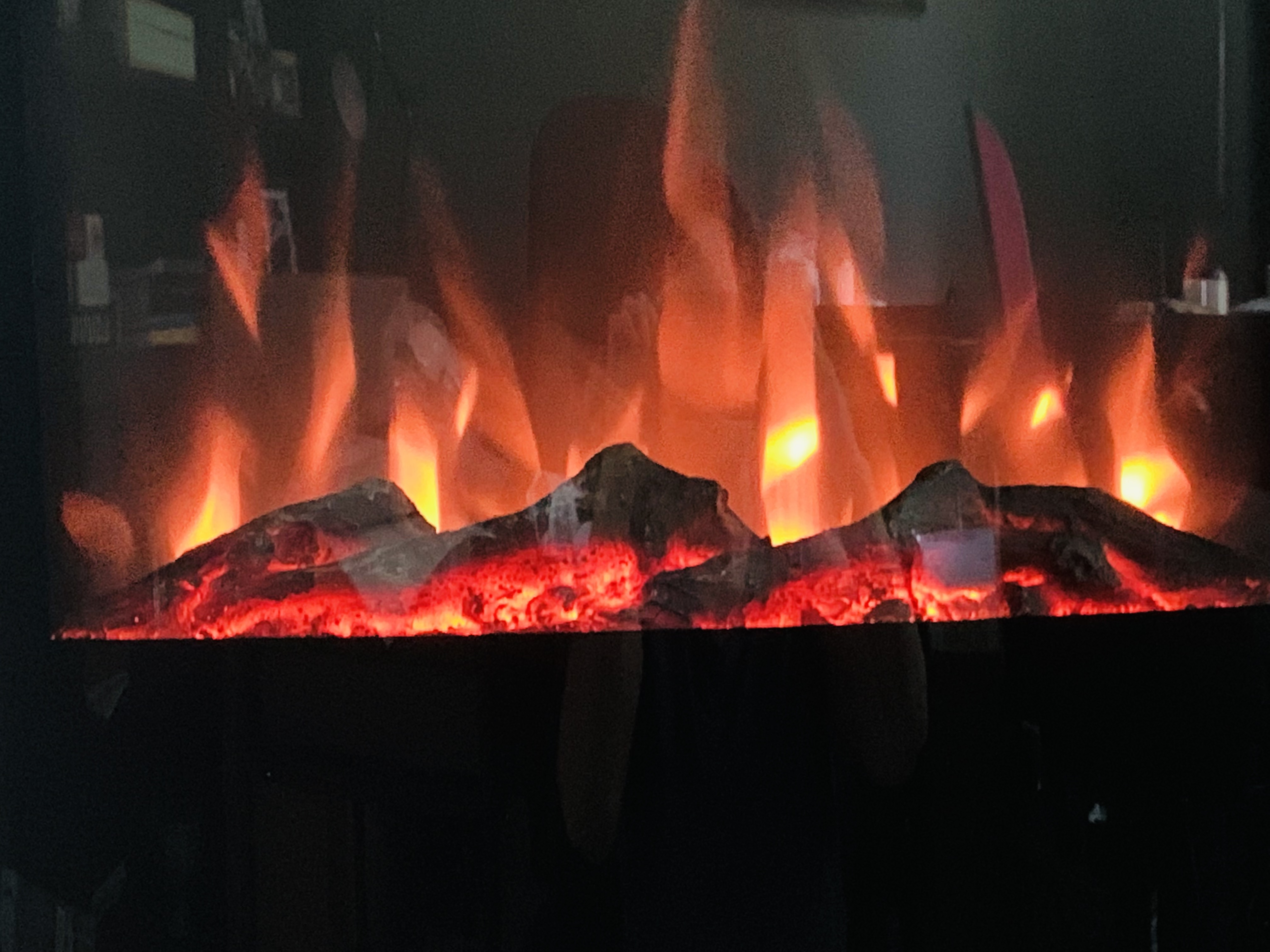
In Texas, the temperatures hit triple digits for the first time on Sunday and will continue for the next two weeks according to the weatherman. We are in the Dog Days of Summer. This is a photo of the fireplace my husband bought for my birthday for my office. It’s only 25″ and it’s a beauty, I look forward to cooler temps this winter.
Melinda
10 Ways To Make Sure The Whole Family Is Healthy
As a parent, there will be very little in life that is more important to you than your family. And because of this, you will want to be sure that they are happy and live good lives. However, that can sometimes be hard to work out. Maybe you’re not sure what you need to do to make that happen? It can seem more complex than it needs to be. Because one sure-fire way to make sure that they live a good life is to keep them healthy. Let’s take a look at ten different ways that you can make sure that your whole family stays as healthy as possible.

Make It A Priority
For starters, you will want to make sure that this is a priority for you. It’s easy to just let things slip by the wayside or for you to think that this is going to need way more time and attention than it does. In fact, being healthy can just become a natural part of your lifestyle and routine. But for that to happen, you have to proactively make it a conscious priority.
Educate Yourself
It’s also a great idea to make sure that you’re educated on health issues. There will always be concerns that you might want to be aware of. Sometimes, you won’t always know when something is wrong and being aware of what could be is a great idea. You might not recognize adult cradle cap or food allergies, but if you’re staying in the loop you’ll know more and what to look out for. Even just reading up on nutrition and health, in general, can put you in a great position.

Get Regular Check-Ups
Then, you might want to be sure that you’re seeing your doctor and dentist as much as possible. Staying on top of your visits is just a quick and simple way to make sure that you’re all healthy. It’s a great way to avoid any issues and catch anything before it’s bad too.
Focus On Nutrition
One of the greatest ways to stay healthy is to make sure that you’re all ticking off the proper nutrition that you all need. This doesn’t mean you have to eat super crazy healthily, but looking to get as much fruit and vegetables into your diets as much as possible can make such a difference to your health.
Limit Toxins
Whether you know it or not, there are so many toxins in life that we can all be exposed to on a regular basis. And so, it’s important for us to make sure that we’re doing what we can to limit that. Minimizing toxins can be such a small way to make sure that you have a huge impact on your family’s health for years to come.
Find A Balance
It’s never too good of an idea to live a life of extremes. Of course, you don’t want your children to be unhealthy. But at the same time, you’re definitely not going to want them to go to extremes and be on the other end of the scale. Because being uber strict with healthy eating can also lead to issues. So, as with anything, you will want to find a good balance. Do this with food, exercise, and your attitude to health and life in general.
Make Exercise Fun
Then, when it comes to the exercise you want your family to do, it’s a great idea to try and make it fun. If you’re a drill sergeant with workouts, it can be quite tough. So try to mix things up and have fun with it. Think about different sports you can try out or games you can play. Even rollerblading or hiking or different things out in the wild can be a great way to work out and stay fit as a family.
Create A Relaxed Environment
If your home is a stressful place to be, it’s going to make your family feel stressed out. That’s never going to be an ideal situation for anyone. So, instead, it’s a good idea to make sure that you’re creating a relaxing space instead. You can manipulate the environment in so many ways and it can be a great idea for you to allow everyone to feel relaxed and able to rest in your family home.
Make Communication Important
It’s also a great idea to make sure that you can all communicate well as a family. This isn’t something that all families make a priority, but it definitely should be. If you can have better communication as a family, it can bring you closer together. It can also mean that you feel happier together and that you’re able to talk and air issues – whether with each other or in general. A close happy family can be so much healthier. It can make a much bigger impact than you’d think.
Care About Health Holistically
Finally, you should make sure that you’re looking at health holistically and not just on the surface. Sure, seeing your doctor is important – and so is what you eat and how much you move. But the mind is also vital too. Mental health should be made a priority. Making sure that you’re all happy and looking after your minds is key. Encourage rest and self-care. Make sure everyone knows it’s okay not to be okay. Because you can make life great together and get through it all together.
It’s always going to be important for you to make sure that your family is happy and healthy. But approaching that may not look the way that you think it should. Instead, you can approach this in so many different ways that can go on and make such a huge collective difference. So take action today, enjoy the process, and know that you’re doing your best to keep your entire family happy and healthy.
This is a collaborative post.
Melinda
No Regrets — Guest Blogger Don’t Lose Hope

There’s a good chance you’ve heard of Bonnie Ware’s book: The Top Five Regrets of the Dying. This was based on her work in palliative care. The fact is, we all make choices everyday which affect the trajectory of our lives. These often feel unconscious and insignificant. And yet, over time, they become significant. They […]
No Regrets — Don’t Lose Hope

Everyday Essentials to Help Your Pregnancy — Guest Blogger Dr. Lori Gore-Green

Dr. Lori Gore-Green discusses a few everyday essentials that can make your pregnancy a little easier.
Everyday Essentials to Help Your Pregnancy — Dr. Lori Gore-Green
 Looking for the Light