Health and Wellbeing · Men & Womens Health

My Disease No Longer Controls Me

At 16 years old I had no idea that I would be battling chronic pain for more than 10 years. At that point, my migraine headaches were just annoying and bothered me when I wanted to have fun. Little did I know I was in for a battle of a lifetime with my pain and mental health. I spent years fighting the idea of the disease rather than treating it. The stereotype of a sick person was stuck in my head and ruled my life for so long.

I vividly remember my doctor explaining to me what chronic migraine is. At this appointment, she showed me pictures and explained neural pathways and symptoms. All those things did not matter to me because when she looked in my eyes and said, “Chronic migraine is a disease, and it affects your entire body.”  I was taken back, I never considered it a disease and I did not think others did either. The word “disease” stuck with me for years, it played in my head like a broken record. Constantly reminded myself that I had a disease, and something was wrong with me.

I longed for pain-free days where I could spend time with friends and not have to explain my absence from work. I was embarrassed by my body’s inability to manage pain so I kept my diagnosis to myself. Letting it fester in my mind hurt me more than the actual pain. I spent years trying medications and treatments, desperately searching for a cure. I wanted the pain to subside, but I was more concerned with leaving the label of disease behind me. What I did not realize was I put the label on myself and let it affect how I saw the world. No medication could fix the way I viewed myself or my chronic migraine. When I found myself having to visit the emergency room for anxiety, I knew something had to change but I did not know what.

I was confused about how I got to this point in my life. I was afraid to be alone and constantly worried about my pain. Every minute of the day I thought, what if it is more than just migraine. I was no longer myself, and I did not know how to get me back. I missed the person who wrote poetry and enjoyed a night out. At a 6-month checkup, I decided to share all the worries I was having about my pain. I was crying my eyes out, terrified that all my worst fears were coming true. After what seemed like the longest doctor appointment of my life, I left with an MRI referral and a therapy referral.

The MRI came back normal, so I decided to add therapy, meditation, and exercise into my treatment plan. In addition to my medications, these things have aided me in relieving the anxiety and depression that came with my chronic pain. I started to learn that my body is not against me, nor is it as fragile as I once believed. The exercise shows me that my body is strong and can accomplish many things. Meditation allows me to put my mind at ease and my therapy allows me to express my fears without judgment. Having chronic migraine no longer lays heavy on my mind, because I learned to trust my body.

I never wanted to say the words, “I have chronic migraine disease,” out loud. Partially because it made it too real and partially out of embarrassment. Today, I pick my kids up from school with a red Botox face and talk about my treatment. Now that I see having chronic pain does not control who I am as a person. I am able to accept my diagnosis. This new acceptance has freed me from the mental anguish I put myself through trying to hide my pain and fears. I allow myself to take time when I need it, but I also push myself to be more than migraine.


Brandy Garcia has lived with chronic migraine for over 10 years, but she doesn’t let that stop her. While raising three children, Brandy is pursuing a degree in psychology and writing poetry. She became a U.S. Pain ambassador to help others who have lived in pain, like her. She believes that people in pain can live a fulfilled and joyful life.

Chronic Illness · Chronic Pain · Health and Wellbeing · Men & Womens Health · Self-Care

12 Ways You Can Help Yourself Manage Chronic Pain

Chronic pain–defined as ongoing pain that continues for longer than six months–is a common complaint of patients with persistent Lyme disease.

The CDC estimates that 20% of Americans currently live with chronic pain. Estimates range from 10% to 36% of Lyme patients who are diagnosed and treated early are left with chronic symptoms.

For the past 40 years, the medical definition of chronic pain was more narrowly defined, including only those patients with actual or potential tissue damage.

Recently, with the help of researchers at Johns Hopkins Medicine, the International Association for the Study of Pain (IASP) has made a subtle but important change to the medical definition of pain.

The new definition, “An unpleasant sensory and emotional experience associated with, or resembling that associated with, actual or potential tissue damages,” is important as it includes the pain caused by an overstimulated nervous system, commonly associated with chronic pain.

This new more inclusive definition, if adopted by insurance providers, could have a positive impact on access to health care for disempowered and neglected populations.

Defining chronic pain

If you suffer from chronic pain, you have likely been asked to rate your pain on a scale of 1-10.  As much as you may dislike rating your pain, this information helps your medical provider gauge whether you are making progress with the current treatment plan, or not.

Having worked as a physical therapist for years, I found the Visual Analog Scale (VAS) works better than telling someone to simply “rate your pain on a scale of 0-10,” especially with children.
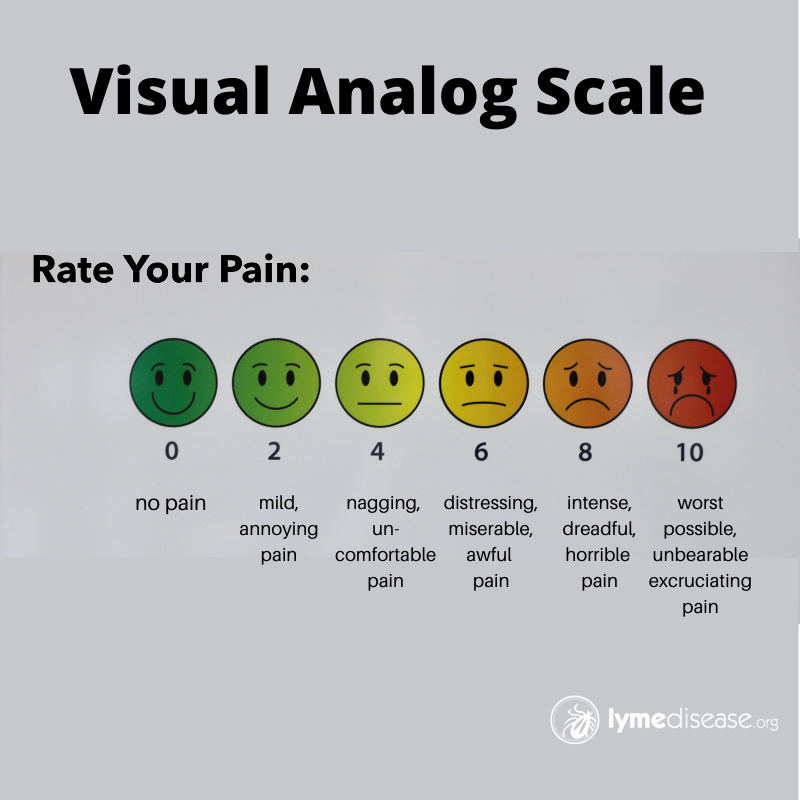
Visual analog scale


Because Lyme disease can affect every organ and system of the body, every patient may have a different set of complaints. While neck, joint and muscle pain are very common in early Lyme disease, there are many other types of pain when the disease becomes chronic.

For instance, allodynia is a type of pain that is caused by something that shouldn’t normally cause pain (eg. wind or light touch may feel like sandpaper or a burn.) Menstrual pain, bladder pain, testicular pain, bone pain, and widespread nerve pain are common in chronic Lyme patients.

The “cup theory”

When I explain pain to patients, I use the cup theory. Depending on your age, your brain, and your body, everyone has a different size cup—or a different capacity—for pain. We are each only capable of handling a certain amount of pain. Once your cup is full, you are essentially at a 10 out of 10 on your individual pain scale.

You may have a constant headache filling your cup 1/2 way (or 5:10 on your pain scale), and then your knee starts hurting pushing you up to a 7:10, and then your lower back spasms, and BOOM–your cup is full!

What I’ve found is that if we can help chronic pain patients empty their cup just a little, we can start to make progress. When my daughter was at her worst, I couldn’t get rid of her pain completely. However, if I could help lower her pain even a little bit, she was able to function. Here is some of what I learned along the way.

Self-treatment

For six years, my daughter lived with chronic debilitating pain. Early symptoms included fever, neck stiffness and a migraine that would not subside. Two months later, she developed knee pain and swelling along with back and bone pain. Later, she said soles of her feet felt like she was walking on nails. Periodically, she suffered excruciating abdominal pain and nausea. And the list goes on…

The first year, she was too sick to leave the house, except for doctor and hospital visits. Luckily, as a Physical Therapist (PT), I could provide pain management treatment and modalities at home. Once she began to gain strength, after starting treatment for her infections, she started seeing an outpatient PT, who brought a whole new set of skills to the table. This also relieved me of my dual role as caretaker and healthcare provider—something I don’t recommend.

In the beginning, she was so weak I had to do everything for her. I would wheel her to the bathroom, bring her all her meals, help her get dressed–everything. The treatment I provided was limited to positioning for comfort, passive range of motion, gentle massage, hot/cold, taping/bracing, acupressure and craniosacral therapy. As she got stronger, she learned self-treatment techniques that she continues to use today.

Self-treatment approaches are generally low-cost and low-risk. You can do them on your own schedule in the comfort of your own home. It does require a commitment to changing your daily habits, but they can offer significant improvements in reducing pain and improving your quality of life.

Here are 12 things you can discuss as treatment options with your healthcare provider.

Diet

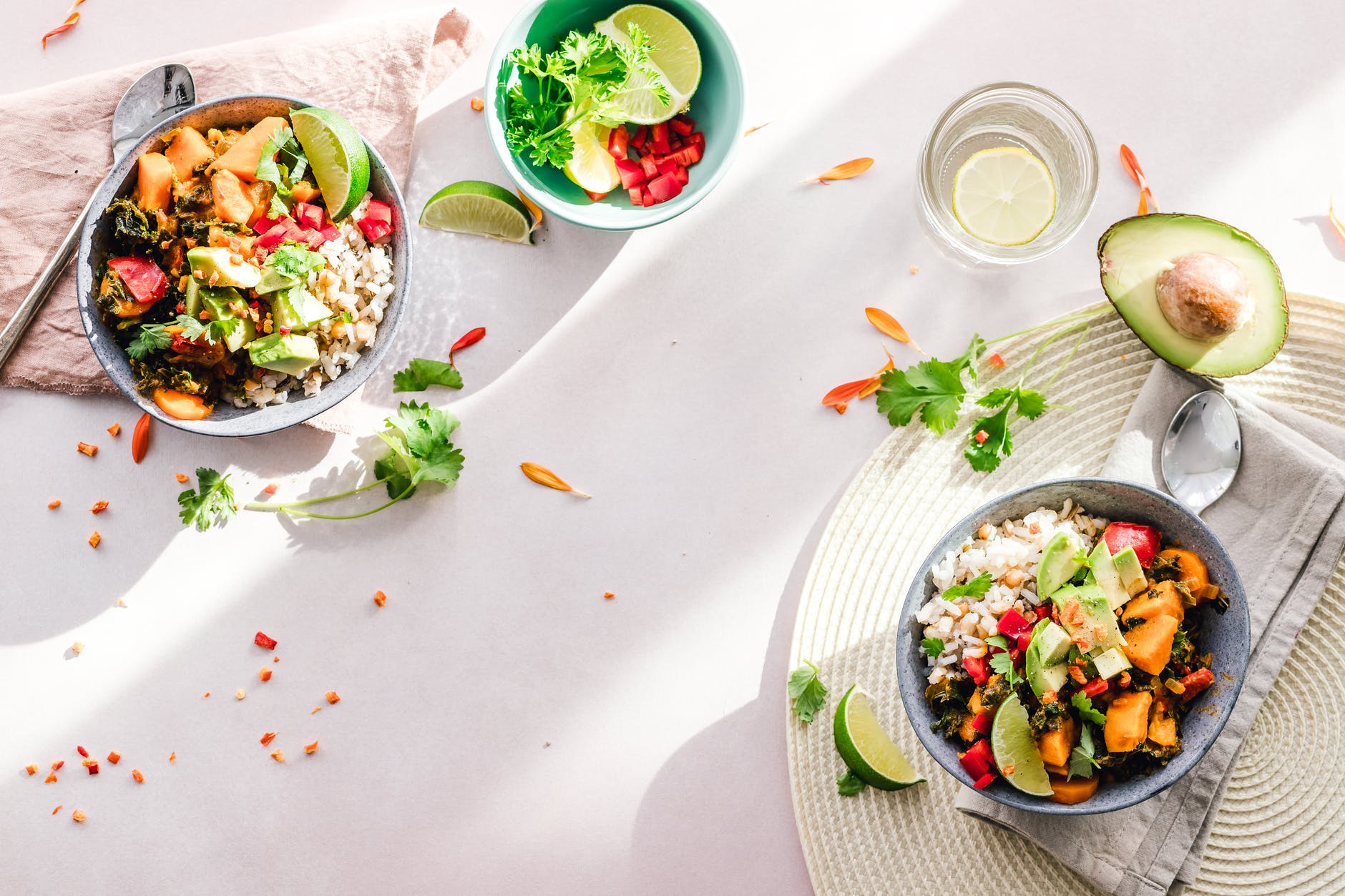
Most of the immune system originates in the gut. Literally, everything you put into your body is part of the healing process. Or not. You want to support the immune system without feeding inflammation. Fast food, artificial/processed foods, carbs, sugar, gluten, dairy and alcohol are common inflammatory triggers. In my mast cell activation syndrome (MCAS) series, I wrote about low histamine diets that help reduce the inflammation associated with MCAS.

Positioning

When you’re in pain, it can be difficult to find a comfortable position. When my daughter was at her worst, she found it difficult to breath when she was lying flat. We added 4-inch wooden blocks under the feet at the head of her bed, and a large wedge pillow to elevate her head. When her back was hurting, it also helped to  put a pillow under her knees.

You can get really creative with pillows. For instance, body pillows or “hug” pillows work well if you are a side sleeper.

While you are sitting, you may want to try out different size pillows or towel rolls for comfort. Putting a pillow on your lap to support your arms or one behind the small of your back may help. As a rule, you want to change positions every 30-60 minutes. This helps prevent pressure sores and muscle stiffness.

Some people find it worth their while to rent a hospital-type bed, where the head and/or feet can be elevated.

Assistive devices

Wheelchairs, walkers, canes, bath/shower chairs, long-handled reachers (sometimes called grabbers) are all good examples of assistive devices. Items like tray tables, lap tables, bath caddies, tote bags or tinted reading glasses can also make life easier.

Other things designed for reducing pain may include ace bandage wraps, shoulder sling, wrist, knee or ankle braces and shoe orthotics. You may also find over-the-counter topical pain relievers or CBD oil to be helpful. There are stronger topical pain relievers available by prescription.

Pacing

When you are sick you must be very conservative with energy expenditure. Modifying or changing your activities so they do not aggravate your symptoms is extremely important. Restricting, reducing, or spacing out your activities can help reduce pain and fatigue.

The key is to know your limits and stay within them. Pacing is similar to the concept of the “Spoon Theory” where you are only given a small supply of spoons to use each day—so use them wisely. When you are sick is not the time to try to push past the pain. In our house, we found sticking to a schedule that we affectionately call “Groundhog Day” helps to keep the pace.

Active range of motion (ROM) is a simple activity that almost anyone can do, whether lying down, sitting or standing. It helps to bring blood flow to the extremities and maintain or increase flexibility. The idea is to move every joint in the body through its full range. One example is to fully spread your fingers open, then fully close your fist. I recommend starting with the neck and working your way down to shoulders, elbows, wrists, torso, hips, knees, then feet.

If you are extremely de-conditioned, getting in/out of the shower and washing your hair may count as your active range of motion for that day. However, some people may be too weak or in too much pain to move at all. For these people, someone else must assist them with moving the extremities. We call this passive range of motion. While motion is important, the main goal is to make the pain better not worse.

Gentle exercise

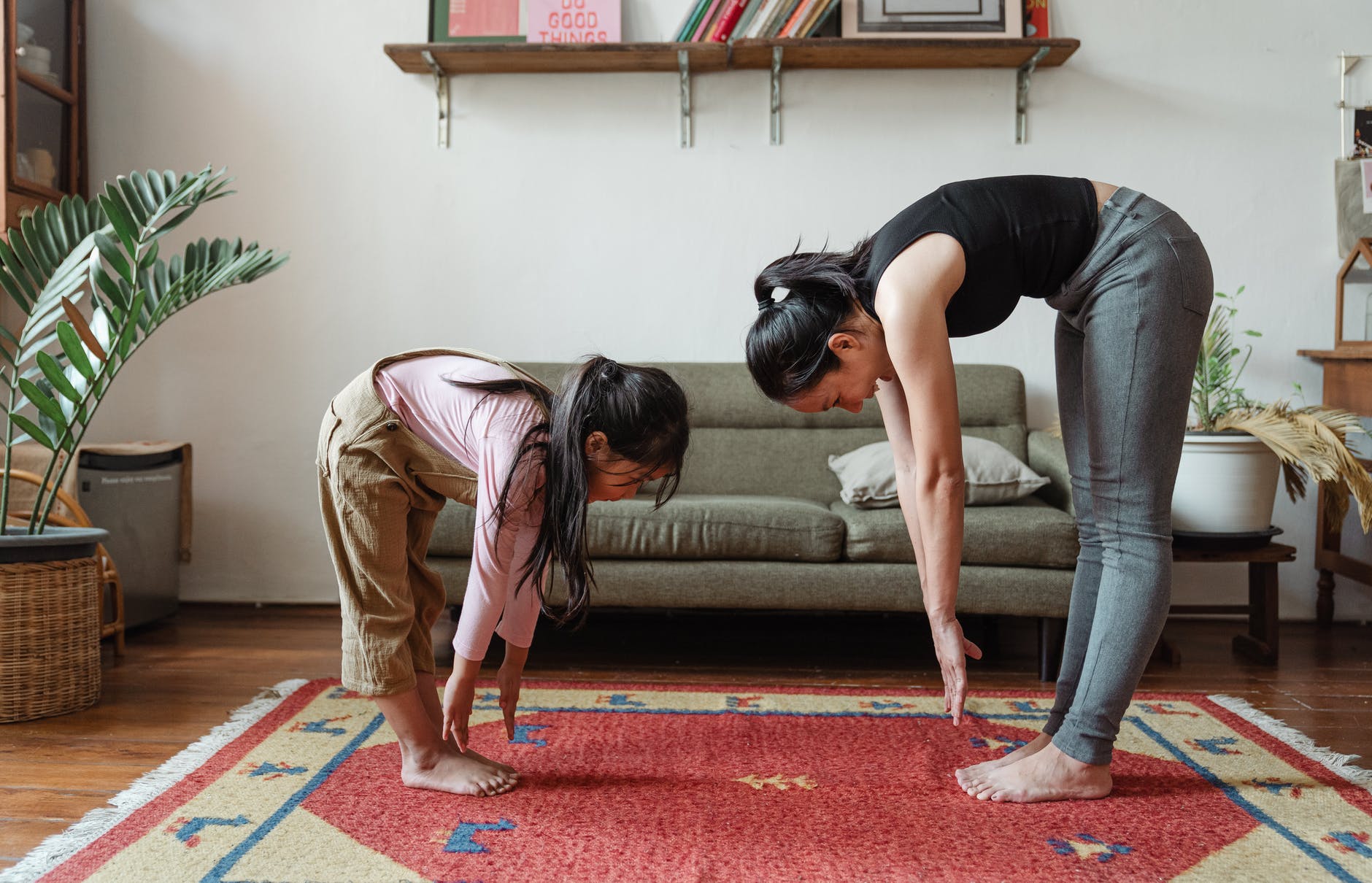
Activity in any form can help improve mobility which may help reduce pain. Too much (or the wrong) activity can also make things worse. Once you are able, gentle exercise programs like, walking, stretching, yoga, tai chi, Pilates, and pool therapy can be a great benefit. To begin with, I recommend adding light weights (1-3 lb household items like broom handles or cans of soup work fine) to your ROM stretches.

Sunlight Chair Yoga” is a type of adaptive yoga you may want to look at.

Meditation and mindfulness

Yoga stresses the value of deep breathing. Deep breathing involves the diaphragm, a dome-shaped muscle that forms the floor to the lungs. Such breathing is also essential to meditation and mindfulness.

The key to diaphragmatic breathing is to focus on deep relaxation and making the exhale portion of your breath twice as long as the inhale.

Meditation and mindfulness can help reduce stress and physiological responses to stress, which in turn, can help reduce pain. I suggest starting with something like Jyothi meditation, which involves simply gazing at a candle.

Stress reduction

Creating art, journaling, gardening, reading a good book, even just sitting outdoors and listening to the sounds of nature can help distract from pain. Research has shown that music helps the brain release dopamine our “feel-good” hormone. The important thing is to find something that, gives you hope, brings you joy or something you are grateful for each day.

Hot/cold therapy

For this I recommend getting a “moist” heating pad and ice pack from your local pharmacy and use as directed. Heat can help relax muscle tightness and improve circulation. Cold can reduce inflammation and numb an area of localized pain.

I usually recommend 10-20 min of moist heat for stiffness, and 10-15 min of cold for pain. Certain types of pain may respond better to one than the other, or you may find alternating hot/cold works best. (Note: If you have problems with blood clotting, bleeding or impaired circulation, you should check with your medical provider before using hot/cold.)

Epsom salt

Epsom salt is a combination of magnesium, sulfur and oxygen ions known as magnesium sulfate. Most of the benefits of Epsom salt come from the magnesium, one of the most important minerals in the human body. A magnesium deficiency will create an electrolyte imbalance and can also lead to calcium and/or potassium deficiencies. Among other things, magnesium helps your body produce melatonin and certain neurotransmitters needed for sleep.

I suggest purchasing Epsom salt from your local pharmacy or other reputable supplier to ensure the highest quality and use as directed. Add the salt to a warm bathtub or foot bath. In as little as 15 minutes, it can help relax muscles, improve circulation, loosen joint stiffness, relieve pain and promote calm.

I like to add a few drops of lavender or use a diffuser for additional aroma therapy during bath time. If you don’t have access to a bath or don’t tolerate heat, magnesium can be purchased in gel form and rubbed on your skin.

Getting enough sleep

If you’ve had or have Lyme, you are likely no stranger to insomnia. During the first year of my daughter’s illness, her symptoms would peak after midnight, making it impossible for her to fall asleep until around 6 a.m. Essentially, her days and nights were reversed.

I can tell you from experience, there are a lot of standard techniques for improving sleep hygiene that simply DO NOT work for Lyme patients. So, while you are trying to turn things around, my advice is to sleep when you are tired and nap whenever possible. Even if you can’t sleep, it’s important to lie down. You need at minimum 8 hours of rest every day. Also talk to your doctor about adding a low dose of melatonin.

Other Integrative and Restorative therapies

Modalities to help improve strength, mobility, and flexibility can help to relieve pain temporarily. Over time, improved function may help reduce the underlying cause of the pain. I am a big fan of hands-on treatment by a trained professional.

The following is a partial list of therapies you might consider.:

  • Acupuncture
  • Acupressure
  • Aquatic therapy
  • Biofeedback or neurofeedback
  • Bowen therapy
  • Chiropractic
  • Cognitive behavior therapy
  • Craniosacral therapy
  • Dry needling
  • Feldenkrais method
  • Injections or nerve blocks
  • Kinesiology taping
  • Lymphatic drainage massage
  • Massage therapy
  • Medications (as prescribed by your physician)
  • Neuromuscular electrical stimulation
  • Nutritional counseling
  • Occupational therapy
  • Osteopathic medicine
  • Physical therapy
  • Pilates
  • Postural training
  • Psychotherapy
  • Qi gong
  • Reflexology
  • Reiki
  • Support groups
  • Traction
  • Transcutaneous electrical nerve stimulation (TENS)
  • Ultrasound therapy
  • Vagus nerve stimulation

Laughter is the best medicine

Last but not least I do believe the key to happiness is laughter. Laughter reduces stress hormones like cortisol and releases endorphins, the body’s natural pain reliever. My simple advice is to avoid things that cause you stress, fear or anger.

Watch comedy or movies with happy endings. Stay connected with someone you can be honest with, one who listens and can make you laugh. Above all else, never give up hope.

LymeSci is written by Lonnie Marcum, a Licensed Physical Therapist and mother of a daughter with Lyme. In 2019-2020, she served on a subcommittee of the federal Tick-Borne Disease Working Group. Follow her on Twitter: @LonnieRhea  Email her at: lmarcum@lymedisease.org .

Melinda

References:

Dahlhamer J, Lucas J, Zelaya, C, et al. (2016) Prevalence of Chronic Pain and High-Impact Chronic Pain Among Adults — United States. MMWR Morb Mortal Wkly Rep 2018;67:1001–1006. DOI: http://dx.doi.org/10.15585/mmwr.mm6736a2

Aucott JN, Rebman AW, Crowder LA, Kortte KB. (2013) Post-treatment Lyme disease syndrome symptomatology and the impact on life functioning: is there something here? Qual Life Res. 22(1):75-84. doi: 10.1007/s11136-012-0126-6.

Raja, Srinivasa N.a,*; Carr, Daniel B.b; Cohen, Miltonc; Finnerup, Nanna B.d,e; Flor, Hertaf; Gibson, Stepheng; Keefe, Francis J.h; Mogil, Jeffrey S.i; Ringkamp, Matthiasj; Sluka, Kathleen A.k; Song, Xue-Junl; Stevens, Bonniem; Sullivan, Mark D.n; Tutelman, Perri R.o; Ushida, Takahirop; Vader, Kyleq (2020) The revised International Association for the Study of Pain definition of pain: concepts, challenges, and compromises, PAIN 16(1):1976-1982 doi: 10.1097/j.pain.0000000000001939

Health and Wellbeing · Men & Womens Health · Mental Health

Things I’m Loving *Self Care Made Easy

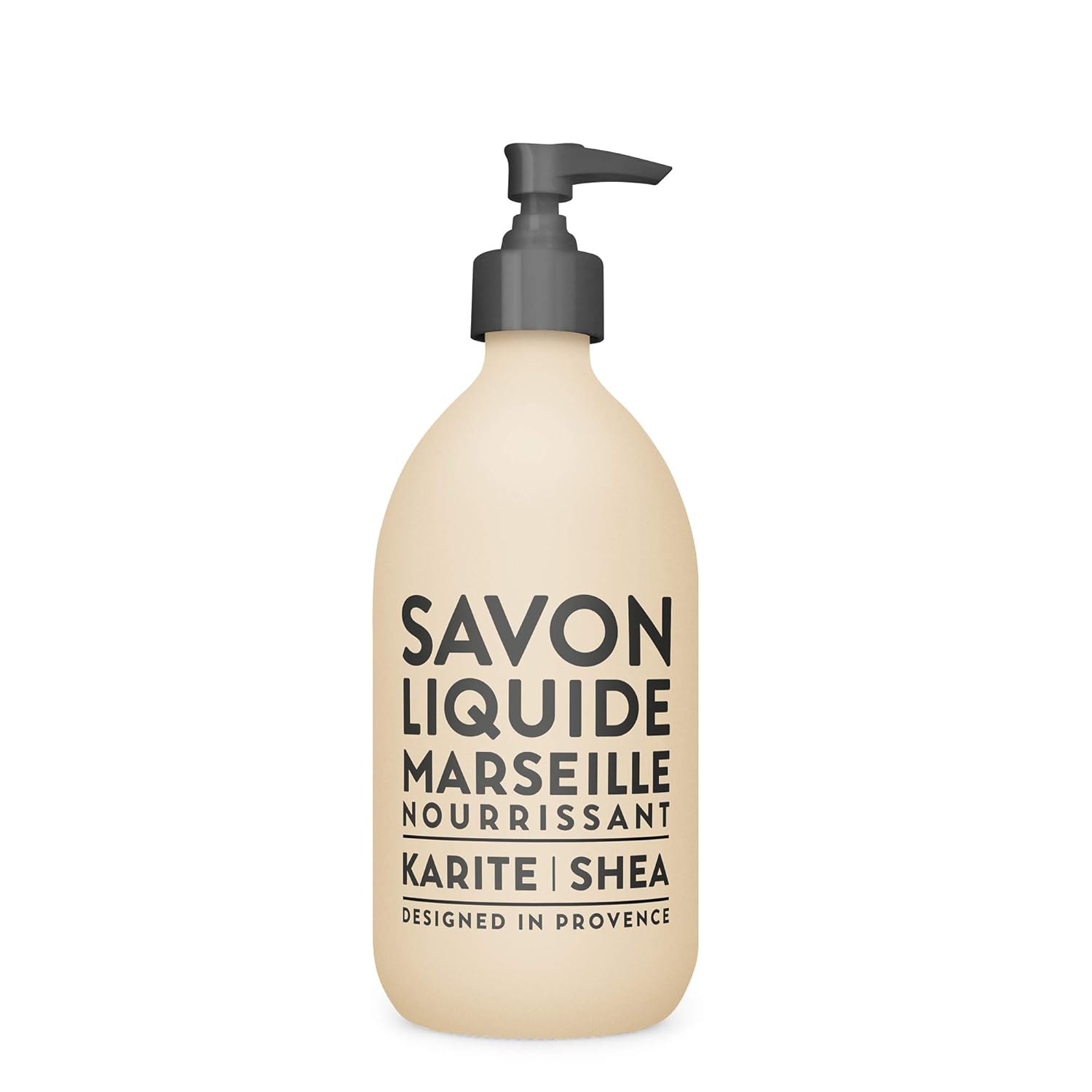
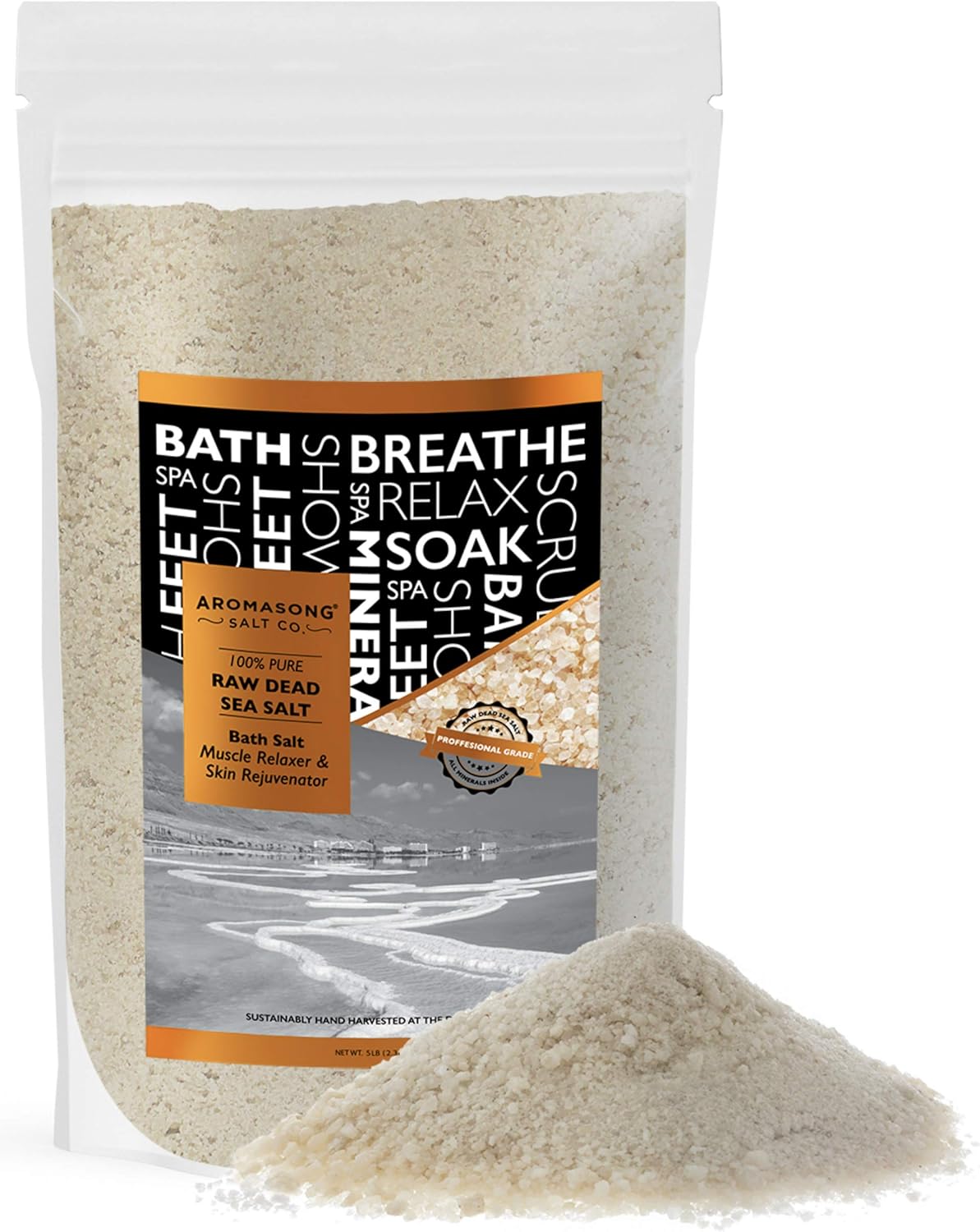
I believe self-care is something we can do every day, it doesn’t have to be big steps but can be small steps to add joy throughout the day. Here are some of the small steps I take every day for my self-care and mental health. There are affiliate links in this post for which I make a small commission. They do not cost you extra to use and they help supply my coffee habit.  Compangie de Provence Savon Liquide Marseille Nourrissant Compagnie de Provence Savon de Marseille Extra Pure Liquid Soap – Karite Shea Butter – 16.7 Fl Oz Glass Pump Bottle. This hand soap is so luxurious, it has a light scent and leaves hands so soft. It’s pricey but a little goes a long way so it lasts a long time. This soap is so nurturing to my hands I have to use lotion fewer times a day. Dead Sea Salt  5 lbs Raw Dead SEA Salt Not Cleaned, Still Contains All Dead sea Minerals Including Dead sea Mud, Fine Medium Grain Large resealable Bulk Pack, This is a great way to get the benefits of the Dead Sea without traveling. I like this brand because it has plenty of mud and all the properties of the Dead Sea. I use it for a quick foot soak or a hot relaxing bath. The salts remove toxins from your body and leave everything nice and exfoliated. Things I’m Loving Self-Care Made Easy D&L Co Candle
  • 40 hours of illumination
  • Soy wax blend
  • An intoxicating blend of rich oak, warm spices, caramel, and honey
I love D&L Co candles and have tried so many of their fragrances. This has a comfy, sitting around the library feel to it. It burns clean and for a long time. Just be sure to trim as recommended.
black withered tree surounded by body of water
Photo by Kyle Roxas on Pexels.com
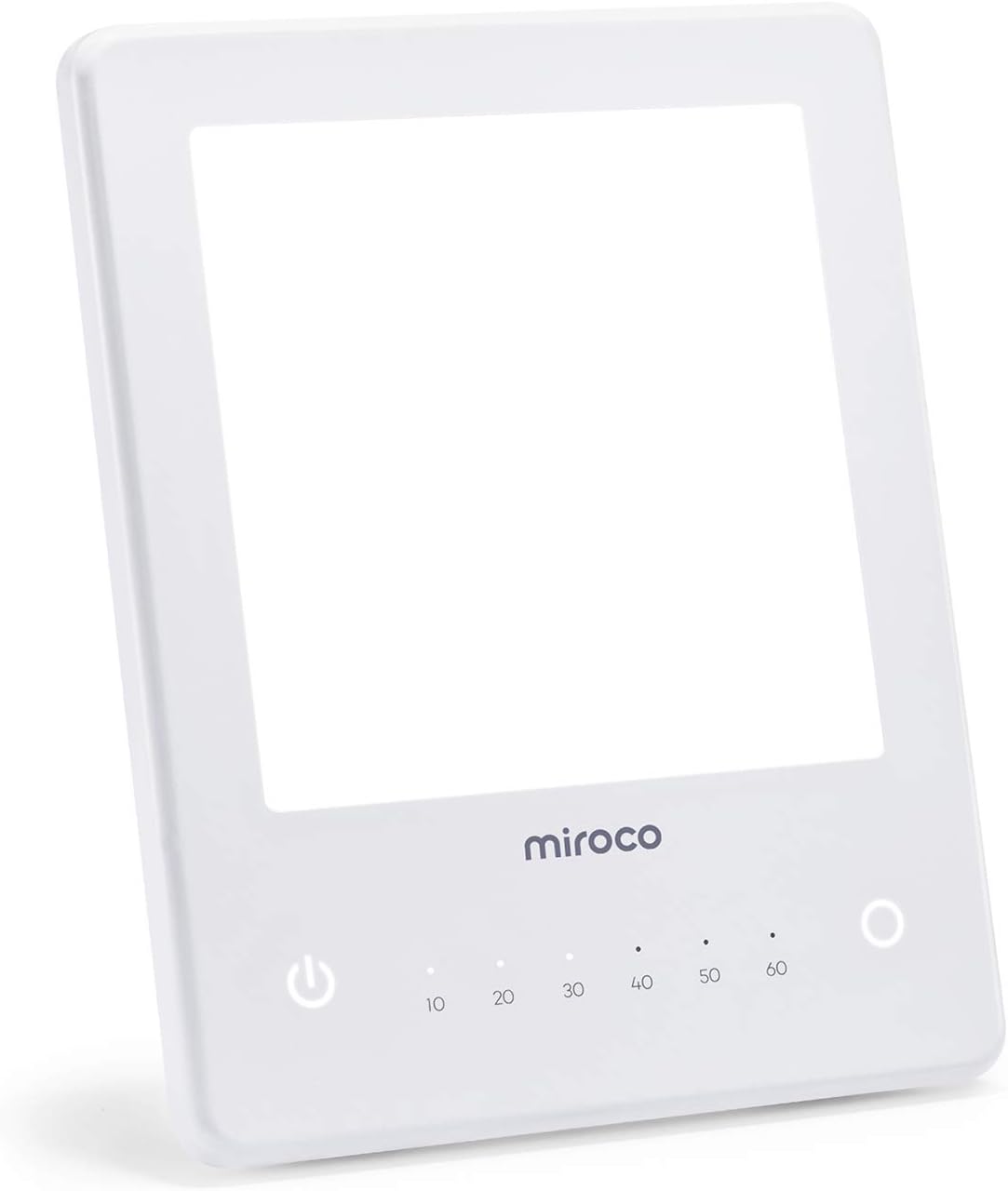
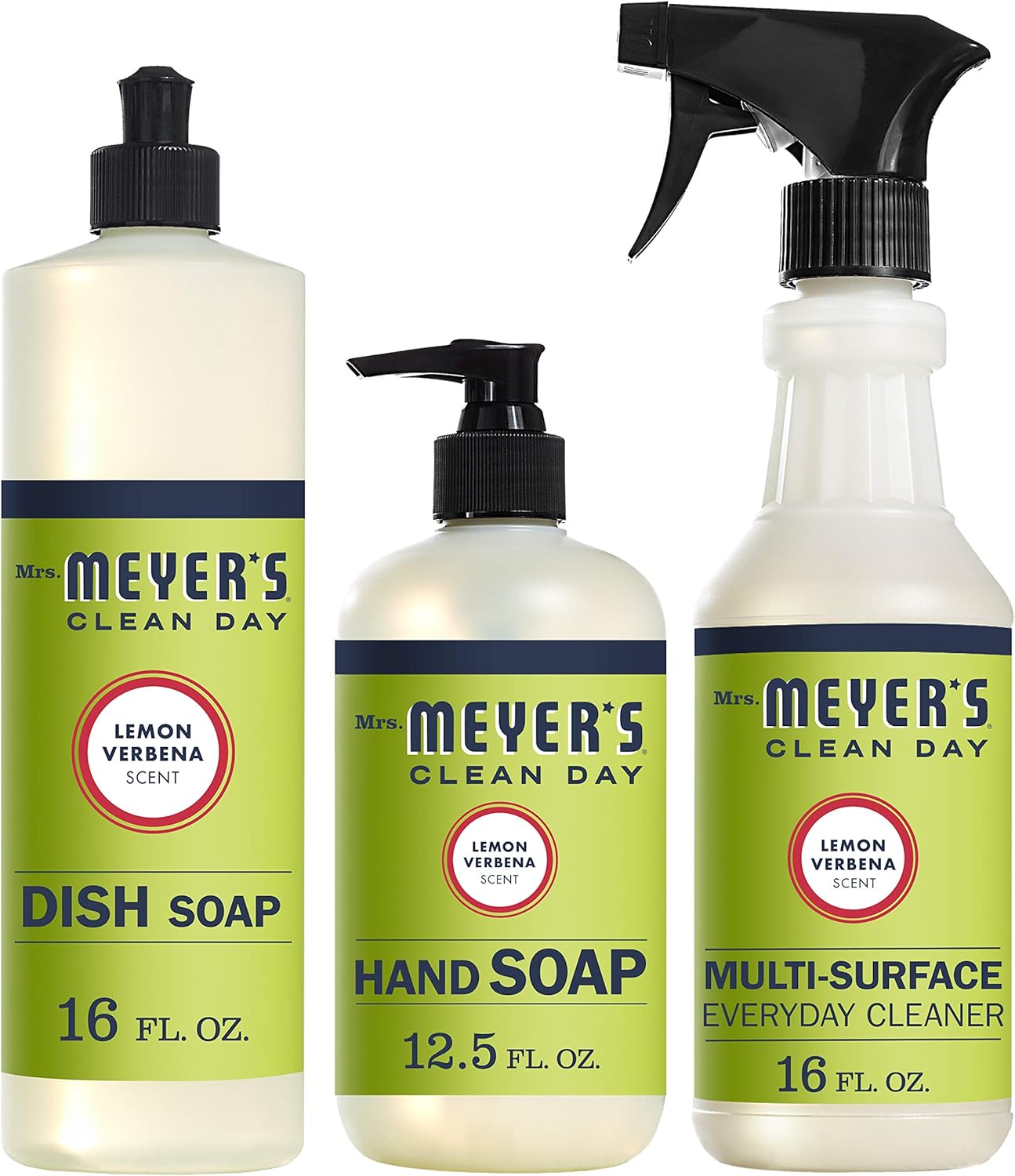
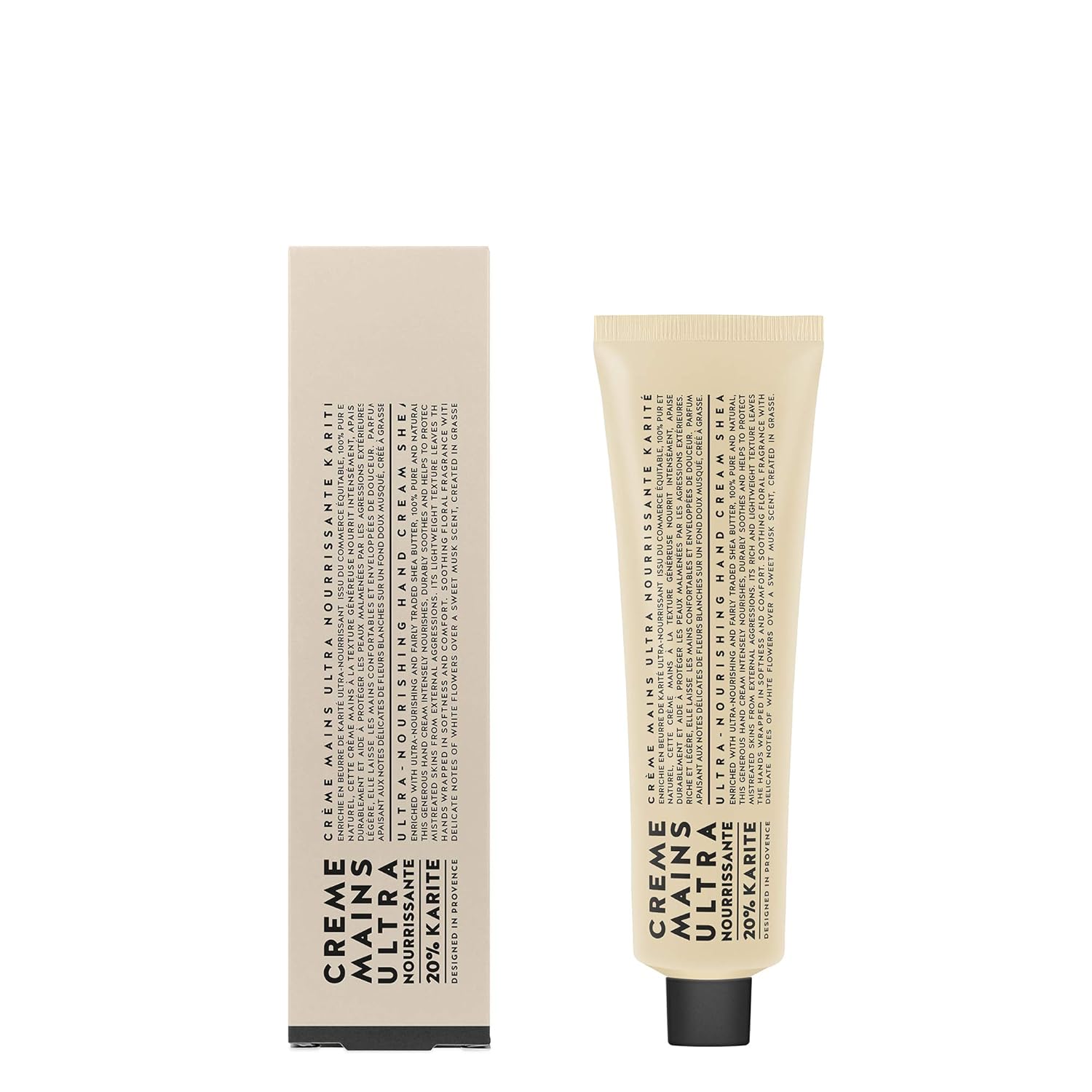
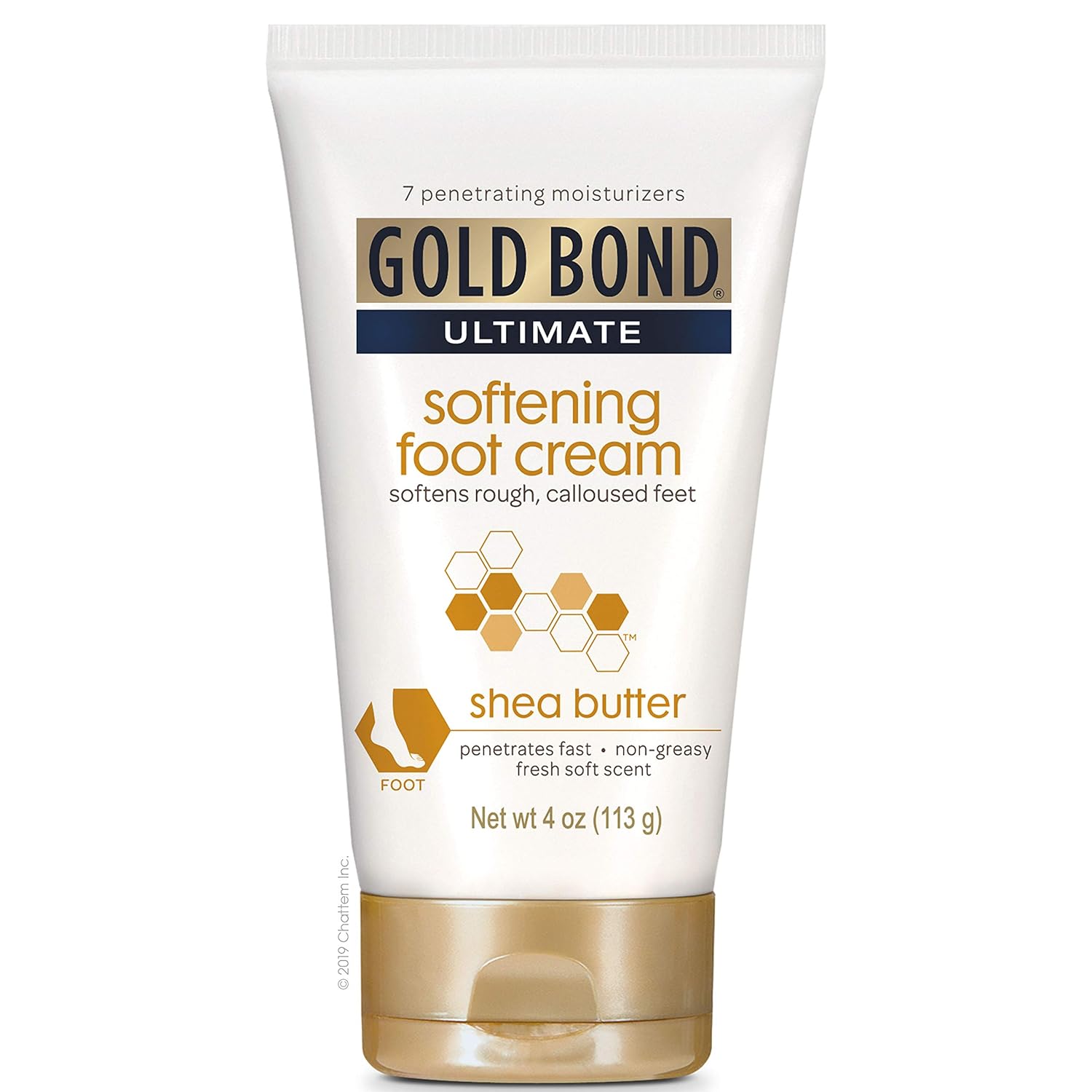
Miroco Light Therapy Lamp Full Spectrum Light: The light therapy lamp delivers bright light at up to 10,000 lux to provide you with your daily boost of sunshine I purchased the lamp for myself and my father-in-law and have used it every day for at least thirty minutes. The days are getting shorter and I wanted to make sure my mood was not affected by having less light during the day. Mrs. Meyers Liquid Dish, Hand Soap, and Spray Cleaner Mrs. Meyer’s Clean Day Kitchen Basics Set, Includes: Multi-Surface Cleaner, Hand Soap, Dish Soap, Lemon Verbena Scent, 3 Count Pack Using Mrs. Meyer’s products is the simplest self-care I do for myself all day long. Their products smell great, are good for the environment, and last a long time. Just a squirt of dish or hand soap is all you need. These are my kitchen staples. Compagnie de Provence Shea Butter Hand Cream Compagnie de Provence Shea Butter – Karite – Hand Cream 3.4 Fl Oz Tube ✓ Contains 100% pure and natural, fair trade Shea Butter and Coconut Oil; NATURAL ✓ Free of coloring agents and animal fats. For the ultimate in daily hand care, this lotion complements the hand soap I use in my bathroom. It absorbs nicely and doesn’t leave a greasy feeling. It has a very light scent. Gold Bond Ultimate Foot Cream Gold Bond Ultimate Softening Foot Cream with Shea Butter, 4 Ounce, Leaves Rough, Dry, Calloused Feet, Heels, and Soles Feeling Smoother and Softer. This cream makes your feet feel great and look even better. No more cracked heels. These are a few of my favorites and will share more with you in another post. There is so much you can do for your self-care that isn’t time-consuming and will brighten your day. What are some of your easy self-care tips? Do you take time out every day for self-care or only special occasions?  Thank you for all the wonderful comments about my post on Subscription Boxes last week, I’m so glad you enjoyed the post. Some of you have signed up and I can’t wait to hear about your fist box. In Health,  Melinda  
Fun · Health and Wellbeing · Men & Womens Health

Meet Jet

Many of you have asked to see a photo of my new pound puppy, so meet Jet. He’s around 10 pounds and will probably get a little taller, not much. He came in as a litter fo four and I picked the cutest runt there was. Jet’s a terrier mix and that’s all we know but he has the hunting thing down, you should see him go after the bees in my rosemary bush. I’ve also included a photo of him and sister Griffy. Our three-year-old Brussels Griffon mix. 

Did you get a new pet during the pandemic? So. many animals were being adopted in the surrounding cities it took us three months to find any dog. We were looking for an older dog but Jet came up for adoption and I couldn’t pass up his little personality. He’s me snuggle bunny. He’s also the reason I’ve lost 27 pounds! Keeping up with him non-stop is giving so much exercise. That and cutting out the cookies! 


Celebrate Life · Fun

#Weekend Music Share *Tribute Eddie Van Halen

It’s the weekend, YEAH! I’m so glad you’ve joined me. Be Safe. This week we lost one of the great guitarists of our days, Eddie Van Halen. You don’t have to like rock and roll to appreciate his ability to play the electric guitar. Of course, loving rock and roll makes you appreciate his ability even more. Here are a few of my favorite Van Halen songs. 

I need your help this weekend! I’ve upgraded my site and have a couple of concerns. Can you read this font? It looks very light for me. I’ve changed fonts since last week and hope this is better. What is your loading time like? If you would, please comment and let me know how your loading time was I would really appreciate it.  

The world has been tested to the limits by the COVID-19 virus and we all need to keep dreaming. There are better days ahead!

In Health,

Melinda


Welcome back to Weekend Music Share; the place where everyone can share their favorite music.

Feel free to use the ‘Weekend Music Share‘ banner in your post, and don’t forget to use the hashtag #WeekendMusicShare on social media so other participants can find your post.

Health and Wellbeing · Men & Womens Health · Mental Health

October 10th Is World Mental Health Day

See the source image


I have a mental illness called Treatment-Resistant Bipolar Disorder Type 1, which means I am depressed more often than I am manic or hypo-manic. There’s no cure for mental illness and I manage day to day by taking a combination of medications, regular visits to my therapist, and most importantly my Psycophamracologist.

Why is a Psychopharmacologist?

Psychopharmacologists are critical for your mental health if you have a severe mental illness that requires a combination of medications or a complex disorder. I have both. Psychopharmacologists know how each drug affects the brain which allows them to be very specific in the type of medication they prescribe and the amount.

I would not be alive without my doctor, no question about that. It’s quite frightening that he is about to retire after seeing him for over 25 years and he still has no recommendation on who will take his practice over. There are only a few Psychopharmacologist in my area. You may have difficulty finding one or insurance may cap what they pay since they are more expensive than Psychiatrists. In my case, he doesn’t take insurance. I have to pay upfront and file myself. It’s worth every extra penny and ounce of effort.

Why are they so hard to find? My understanding is the curriculum is more specialized than a medical doctor or Psychiatrist. It’s basically a Psychiatrist with a degree in Pharmacology. Dr. T says that most doctors today want to keep their studies wide open and not narrow down their field of practice. It’s a loss to all of us who have a mental illness.

A psychopharmacologist is someone who studies the effects of drugs on behavior. The field of psychopharmacology includes both psychiatric drugs used to manage mental disorders and psychotropic drugs utilized recreationally. Psychopharmacologists study psychology, psychiatry, and pharmacology, integrating knowledge about human behavior and mental disorders into their study of drug development. A related field, neuropharmacology, focuses on drugs which cause functional changes in the nervous system.

World Mental Health Day is an international day for global mental health education, awareness, and advocacy against social stigma. It was first celebrated in 1992 at the initiative of the World Federation for Mental Health, a global mental health organization with members and contacts in more than 150 countries.

This day, each October, thousands of supporters come to celebrate this annual awareness program to bring attention to mental illness and its major effects on peoples’ lives worldwide.

Resources

Depression and Bipolar Support Alliance

International Bipolar Foundation

Mental Health America

MentalHealth.gov

National Institute of Mental Health

National Institute on Aging

National SuicidePreventionLifeline.org
1-800-273-TALK (8255)
Press 1, Veterans Crisis Line USA
Press 2, Se Habla Español
LifeLine Chat

CrisisTextLine.org
Text 741-741
Facebook.com/CrisisTextLine

IMAlive.org Crisis Chat

TheTrevorProject.org (LGBTQ Youth)
1-866-488-7386 (24/7/365)
TrevorChat (7 days/week from 3PM–10PM ET / noon–3PM PT)
TrevorText — text START to 678-678 (Mon–Fri, 3PM–10PM ET / noon–3PM PT)

VeteransCrisisLine.net

Brain & Behavior Research Foundation (BBRFoundation.org): Awards grants for scientific research. Keep up to date on the latest research

International Bipolar Foundation (IBPF.org): Bipolar research. Care and support resources for individuals and caregivers. Erase stigma through education.

MentalHealth.gov: US government mental health resources and information.

MentalHealthAmerica.net (MHA): Address the needs of those living with mental illness. Promote mental health.

National Alliance on Mental Illness (NAMI.org): Build better lives for the millions of Americans affected by mental illness.

National Institute of Mental Health (NIMH.nih.gov): Federal agency for research on mental disorders.

NeedyMeds.org1-800-503-6897. Educates and empowers those seeking affordable healthcare.

Substance Abuse and Mental Health Services Administration (SAMHSA.gov): Reduce the impact of substance abuse and mental illness on America’s communities.

If you know of other resources please drop me a line in the comments section, I’ll add to my resources list under Organizations Who Can Help.

In Health,

Melinda

Fun

Friday Quote

Hi Everyone, It’s Friday! So glad you stopped by today. I hope you have a good weekend filled with family and COVID safe friends. You can always have a small gathering and social distance, just not many people at a time. 


Nine Favorite Things. - Half Baked Harvest
 
Unkown


In Health,

Melinda

Health and Wellbeing · Men & Womens Health

CBD & Fibromyalgia Facts

Want to know the facts? When it comes down to it, Fibromyalgia is a neurological condition where nerve signals produced in the brain cause widespread muscle pain and tenderness. Fibromyalgia can also often bring fatigue, disrupted sleep, memory issues, and changes in mood.

person in gray crew neck shirt
Photo by Karolina Grabowska on Pexels.com

As of now, pain management is the only way to find relief from this condition, as there is no known cure for Fibromyalgia. Some common ways to help control the symptoms of Fibromyalgia include medications, talk therapy, and stress reduction.

According to Healthline.com, CBD is commonly used to ease chronic pain symptoms and reduce inflammation, as an alternative to taking opioid prescriptions. CBD is not suggested to be addictive or have any serious side effects like opioids.

What is CBD?

Want to learn more about CBD? Cannabidiol (CBD) is a natural occurring, non-intoxicating, Cannabinoid found in the cannabis plant. There are hundreds of types of Cannabinoids, some found in both plants and mammals. As you read this article, your body is generating its own cannabinoids. CBD is not the same as THC. THC is the intoxicating and psychoactive Cannabinoid found in cannabis that gives a “high” effect. CBD does not get you high, and CBD products have little to no THC in them.

Our bodies are designed to self-heal when operating at their best (homeostasis). However, like a car, the more strain or stress your body goes through, and the older you get, things may stop working. When this happens, your body is not as good at healing itself as it once was. This can be brought on early by sicknesses, chronic pain, mental health disorders, and more.

Often, substituting cannabidiol (CBD) instead of pharmaceutical drugs provides a safe, more natural approach to finding relief from your ailments. Using natural cannabinoids can help revive your body’s natural ability to fix itself by initiating an increase in the production of organic compounds vital to maintaining health and balance.

These organic compounds interact with one of your body’s best-kept secrets—the Endocannabinoid System (ECS). Its purposes range from neuroprotection to regulation of your immune system, impacting appetite, sleep, mood, pain, and promoting overall balance.

CBD, Fibromyalgia and the FDA

The Food and Drug Administration (FDA) has not yet approved CBD as a treatment option for Fibromyalgia or most other conditions.

According to Medical News Today, “Only a few studies have looked at the effectiveness of CBD in treating Fibromyalgia. Researchers cannot decisively say why the compound appears to reduce some Fibromyalgia symptoms, but there are some strong theories that are still being tested in research. They also do not understand why it works in some people and not in others. A review from 2013 states that cannabidiol (CBD) can help to relieve pain caused by Fibromyalgia and other conditions, including Rheumatoid Arthritis and Multiple Sclerosis (MS).”

There are currently no published studies on Fibromyalgia that look at the effects of CBD on its own. However, some research does look at the effects of cannabis, which may contain multiple cannabinoids, on fibromyalgia.

Studies:

A 2019 study assessed any clinical improvement attributable to the addition of medical cannabis treatment (MCT) to the standard analgesic treatment of Fibromyalgia (FM) patients, the retention rate, and any changes in the concomitant analgesic treatment over a period of six months. This observational study shows that adjunctive MCT offers a possible clinical advantage in FM patients, especially in those with sleep dysfunctions. The clinical improvement inversely correlated with BMI.

A 2011 study looked at 56 people with Fibromyalgia who did not respond to current treatment. Significant relief of pain, stiffness, relaxation, somnolence, and perception of well-being was evaluated before and 2 hours after cannabis self-administration was observed.

 A 2009 review found that CBD can be used to relieve neuropathic pain and suggests it might be a useful adjunct to other pain medications.

What CBD Products are Best for Fibromyalgia?

With a limited number of studies, it’s impossible to say right now which CBD products will work best for Fibromyalgia. One thing studies have shown is that it can vary from person to person. In many cases, the best way to find the right CBD product for you is simply trial and error.

Generally speaking, individuals who may only need occasional relief from aches and pains in specific areas may be satisfied with a CBD pain cream. For others looking for relief from stress, anxiety, sleep disruptions, mood disorders, and overall balance, a CBD tincture spray incorporated into a regular wellness routine may do the trick. Combining the two could do wonders.

If you’re wondering about edibles, capsules, and other CBD products consumed through your stomach and digestive tract, the simple answer is that these prove to be less effective than Topicals and Tinctures.

One of the biggest factors to consider in the performance of CBD products is the thoroughness that the CBD is absorbed into your bloodstream.

This is why Redeem Therapeutics is focused on providing the very best Tinctures & Topicals (essentially this means oils and lotions). By avoiding gastrointestinal administration completely, you get maximum effectiveness.

Where Can I Find the Most Effective CBD Products?

When it comes to CBD, you want to find a brand that you can trust. That’s why I recommend Redeem Therapeutics.

Redeem Therapeutics is a manufacturer of CBD products based in South Carolina. From seed to sale, their all-natural CBD products are carefully crafted locally in the Carolinas. Redeem Therapeutics is my go-to CBD company and has been generous enough to allow me to offer all followers a 15% discount with the code LFTL15.

Redeem™ is focused on providing natural alternatives with pharmaceutical precision.  The Redeem™ Team has the scientific discipline of more than 60 years in the pharmaceutical industry. They adhere to cGMP (Good Manufacturing Practice), utilizing audits, process validation, and cleanliness controls to produce a clean and precise product every time. All of their product batches have been tested by a 3rd party and it’s easy to find the test results on any product that you purchase. Their CBD products are vegan, non-GMO, and gluten-free.

I highly recommend that you visit Redeem’s online store and use my 15% discount, LFTL15 to get 15% off your first purchase. Browse their website and you’ll find a large amount of CBD resources to help you on your journey.

I love their products so much and I’m positive you will too! I became an affiliate because I genuinely love this product and refer people to their products all the time. I do make a little money which helps cover the cost of buying products so I can continue to review them for you! Please let me know if you try them out and how it works for you!

This post is provided in part by Guest Blogger: Redeem Therapeutics. Check out their blog at https://redeemrx.com/blogs/news.

Health and Wellbeing · Men & Womens Health

Keeping Calm When Moving To A New House

Moving to a new home can often seem like an absolutely enormous task, as there are just so many different responsibilities you have to think about at any given time during your project. Luckily, keeping calm throughout your home move needn’t be as difficult as you might think, as there are a few simple tips and tricks that you can make the most of to ensure everything goes to plan. So, if you would like to find out more about how you can take the stress out of your move, then read on to uncover some of the best steps that you can follow now!

couple carrying cardboard boxes in living room
Photo by Karolina Grabowska on Pexels.com

Don’t Be Afraid To Ask For Help

Struggling through such a large task by yourself is bound to become a laborious and draining exercise, so you needn’t be afraid to ask for help. Whether you reach out to family and friends to ask a favor or seek some specialist professional support, don’t make the mistake of tackling every step on your own. You can find friendly estate agents to help you uncover the ideal property, visit a reputable vehicle relocation site like https://carsrelo.com/ that can transport your car to your new home, hire some handy tradesmen to tackle any decor or engineering tasks, and even enlist the services of a stylish interior designer!

Plan Every Detail 

Far too many people make the mistake of simply diving headfirst into a home move by facing different tasks whenever the dire need arises, but one of the best things you can do to reduce your stress is to plan each and every detail. It’s a great idea to take a notebook or utilize a digital alternative on your smartphone, writing down each task (such as payment deadlines, move-in dates, change of mailing addresses, etc). Search online to find inspiration for what to include on this list, as there are many helpful resources that can help to make sure that you don’t forget any of the essentials. You can tick off each task as you go to encourage you to stay motivated and identify which steps remain to reach your ultimate goal. 

Take Some Time Out 

Moving to a new home can be a totally consuming process, as it’s such a huge life change that will no doubt affect the way that you lead each day. Letting yourself get too involved with your move will raise your stress levels and inspire you to think of nothing else, so you should take some time out every now and then to relax and unwind. Whether you decide to have a long hot bath, a session of meditation, or a walk around your local park, just having the opportunity to take your mind off your project will do you good. 

Keeping calm when moving house has never been so simple when you are able to make the most of the top tips and tricks detailed above! Stay cool and collected whilst you start a new chapter. 

This is a collaborative post.

In health,

Melinda

Health and Wellbeing · Men & Womens Health · Mental Health

What is Seasonal Affective Disorder?


What is Seasonal Affective Disorder? 

Seasonal Affective Disorder (SAD) is an older term for Major Depressive Disorder (MDD) with a seasonal pattern. It’s a psychological condition that results in depression which is normally provoked by seasonal change. The condition most often occurs in women, adolescents, and young adults.

Many times people will start to see a pattern to their depression as the seasons change. This is common in the winter months and in areas where it is darker more than there is light outside. SAD is more common the countries like Alaska and Canada than in South America.

SAD is classified into two types, one in the Summertime and the other in the Wintertime. The symptoms are markedly different.

Summertime symptoms are:

agitation

difficulty sleeping

increased restlessness

lack of appetite

weight loss

Wintertime symptoms are:

daytime fatigue

difficulty concentrating

feelings of hopelessness

increased irritability

lack of interest in social activities

lethargy

reduced sexual interest

unhappiness

weight gain

How do you know if you have Seasonal Affective Disorder?

If you notice these symptoms you should talk with your doctor right away and it would help if you kept a journal as to when the depression started. This will help the doctor make a correct diagnosis especially if you notice the changes appear to be seasonal. The more information you can provide the doctor more accurately they can diagnosis your depression.

How do you treat Seasonal Affective Disorder? 

Your doctor can determine the best treatment and in severe cases, may prescribe medication or a combination of treatments. One treatment known to help is Light Box Therapy or a Lamp because they are specially designed to put out a minimum of 10,000 Lux full-spectrum light.

Here’s my post on the Top 5 SAD Lamps

I hope you will seek out more information and talk with your doctor if your symptoms are troubling you.

In Health,

Melinda

Reference

https://www.healthline.com/health

https://www.webmd.com/depression/sad-directory

https://www.webmd.com/depression/depression-or-dysthymia#1


Fun · Travel

#Wordless Wednesday Gothic Architecture

Hi, it’s Wednesday! I’m so glad you stopped by today. This is an apartment in St. Petersburg, Russia with great Gothic architecture. It’s a shame I can’t blow the photo up. The original is not on my new computer. The apartment building sits next to the beautiful Kazan Cathedral.

Kazan Cathedral-Russia

In Health,

Melinda

Health and Wellbeing

Protecting Your Pride And Joy

We have all been there… you grab a quick coffee in the morning on the way to work, and in your hurried state you end up spilling it all over your car. Nightmare! Or, what about those of you with dogs? We all know what the car can look like once they have shed their hair everywhere. This is why it is so important to choose car seat covers with care. 

photo of supra parked in front of building
Photo by Garvin St. Villier on Pexels.com

This is something you should do from the moment you purchase your new vehicle! If you’re in this process, and you have an old motor to sell, you can look at car scrap prices. Use this money to kit out your new vehicle, and make sure seat covers are near the top of the list.

The best car seat covers for dog owners

If you are someone that likes to take your pet with you everywhere you go, you should definitely invest in car covers that have been specially designed to protect against pets. These covers will not only preserve the condition of your seats, but they will also keep your dog comfortable too. 

The AmazonBasics Waterproof Dog Car Seat Cover is a good choice. It is a basic hammock seat cover for pets. It offers exceptional protection to the back seats of your car due to the waterproof material, meaning wet, muddy paws will be kept away from your upholstery. It is made from 100% polyester and secures in the back seat using two-seat anchors and four headrest loops. 

Another option to consider is the Anself Dog Car Seat. This seat cover is made from waterproof, high-quality Oxford fabric. It features adjustable locking seat clasps for dismounting and easy

installation. Your pet will also be comfortable, as the seat protects them from falling into the back seat floor. 

The best car mats to protect from dirty feet

Enovoe Kick Mats are great for protecting your car seats. These are waterproof, dual-layered mats, which is perfect for ensuring your car stays stylish forever. They attach to the back of front seats, making them ideal if you have children sitting in the back that like to kick into the back of the chairs! This means you can drive your car without worrying about dirt, mud, snow, or rain. These covers are long-lasting because they are made from the finest materials. 

The best car mat to protect from spills and stains

Last but not least, we have the Premium Waterproof Car Seat Protector. This is the best option if you want to get protection from odors, sweat, dirt, and stains. You can also ensure that the vitality and novelty of your vehicle seats are protected once you have been to the gym, done any type of heavy workout, or been to the beach. Manufactured by Eclipse and made using high-quality neoprene, quality is guaranteed, as is comfort. This is because the covers blend perfectly with the contours of any type of car seat. If you choose this type of car seat protector, you can go anywhere with your kids and family and you won’t need to worry!

This is a collaborative post.

In Health,

Melinda

Health and Wellbeing · Men & Womens Health · Mental Health

Why Rain & Clouds Are Stressful

Why Rain & Clouds Are Stressful

It is the season to be gloomy. Gray clouds in the sky and puddles on the path! For a lot of people, autumnal and wintry weather can affect your mood dramatically. Did you know that rain and clouds could be a potent source of stress in your life? 

woman with red umbrella standing at riverbank
Photo by Josh Hild on Pexels.com

This year, especially, creates new stressful events that affect all of us. Nobody can ignore how much the COVID-19 pandemic has been a challenge for our mental health. Yet, the pandemic fear isn’t the only thing that can lead to stress during the last quarter of the year. 

SAD symptoms get worse

You are probably familiar with Seasonal Affective Disorder, especially if you’ve been consciously self-isolated this year. SAD, for short, is a type of depressive disorder that is linked to seasonal light exposures. Typically, it occurs when days get shorter and nights longer, as you receive less direct sunlight. As the summer has come to an end, you may find your mood sinking again. SAD can develop into severe depression, so it’s not a disorder you should ignore. Thankfully, a lot of individuals with SAD can experience significant improvements with light therapy. Did you know that something as simple as buying a lamp for SAD may help to create the feel-good serotonin that affects your brain’s needs? 

Floodings everywhere 

After the sunny summer comes the autumn rain. Unfortunately, some areas are more likely to get flooded during the colder months because the soil can’t absorb the rainwater. Unfortunately, depending on where you live, seasonal floods may be a frequent occurrence. Even if your home is safe from significant damages, you could still get affected when you drive on the road. It’s not uncommon to come across deep puddles in winter that could damage your engines. Ideally, countryside dwellers need vehicles that can survive heavy floods, such as the reliable high-chassis Land Rover Discovery – You may want to head to your local Land Rover dealerships to find a vehicle that can drive through deep water. 

Only 2 months before Christmas

It is soon the season to be jolly! Except that Christmas can also drive your stress levels to the maximum. A lot of people are already experiencing pre-Christmas stress when they think of the cost of preparation, shopping for presents, and the pressure to deal with family expectations. With a little over 2 months to get ready, it’s likely that you may be feeling overwhelmed already. It’s been an odd sort of year, and time has seemed to fly away from us. 

The feeling that the year has gone by too quickly

How can it already be October? The last time you checked, it was March and the news of a pandemic was just hitting the media. What happened to 2020? While everyone has had to put their lives on hold for the past 6 months, it’s hard to get to grips with the reality of the situation. It feels like a wasted year where you haven’t been able to enjoy much of it. For the time being, we have to learn patience to stay safe. 

In conclusion, feeling stressed or depressed by the rainy season is the most natural thing in the world. Thankfully, there are more than one ways to handle the situation. Whether you need to consider light therapy or organize your Christmas events early, stress is a response to a problem. Yet, most problems can be solved once you’ve identified your triggers! 

This is a collaborative post.

In Health,

Melinda

Health and Wellbeing · Men & Womens Health · Mental Health · Survivor

Sunday Thoughts, I Was A Child

I was a child, six months old. You left me in the bathtub while you answered the door. Did you want me to drown?

I was a child, a baby, running a high fever in the middle of winter. You pushed my highchair in front of an open window to cool me down. Did your mother teach you that?

I was a child, a toddler, You dug your nails into my underarms so none would see the bruises. Granny didn’t understand why I cried so hard when you grabbed me by the arm.

I was a child, a teenager. You slapped me for the last time, I fought back. One swing and your husband punches me in the mouth with his fist. Were you glad he came to your rescue?

I was a child, a teenager. You told Child Protective Services I was mentally ill and you were trying to get me admitted to the state hospital. Crazy, who me?

I became an adult, no longer a child, and realized the manipulation and pain you caused and severed all ties. Why do you still send my Birthday and Christmas cards?

I was a child…..

Melinda

Health and Wellbeing

Things I’m Loving *Subscription Boxes

Things I’m Loving! Here are some of my favorite Health & Beauty subscription boxes. I don’t always do year-long subscriptions to some boxes but these are the must-haves. You can always count on them to deliver awesome quality that can be put to use right away or will make a great gift. Let’s not forget the holidays are right around the corner.

At Curateur there is a pop up for $25.00 off your first box and a free gift. There is a great offer from CauseBox and I’ll talk about them first. 

CauseBox

From clean beauty standouts to sustainable swaps, the Fall Box has a little of everything: 4 options to customize, 6 sustainable, ethical, full-size products worth over $250, one beautifully illustrated box. Yep, all that for just $49.95.*

*For a limited time, new members who join thru my link with get a free PMD    Microderm, a $159.00 value as a gift.*

I’ve been an annual member of CauseBox for three years and can say without a doubt have never received a disappointing box. They are women-owned, YEAH, they are committed to helping other women get out of poverty by working with artisans from around the world. Each month quarter CauseBox will send you a box packed full of items you need, some you even get to customize and the value is over $250 for the quarterly price $49.95. CauseBox is one of the things I’m loving! One of the items I received in the Fall box was a comfy cotton waffle robe. 

Laurel & Reed

Laurel & Reed was created out of our founder’s journey to live a more organic and healthy lifestyle after she found out her father was battling cancer. Through his battle and into his remission, she chose to shift to a pure, clean, and all-natural lifestyle – knowing the harmful effects toxic beauty has on a women’s skin and health.*

Laurel Reed is clean beauty at it’s finest in a monthly subscription box for just $49.95. I can trust Laural & Reed to offer three to four full-size products of the highest quality at a fraction of the retail value. I don’t buy every month because they offer such great products that fit my need that I don’t need them every month. I’ve been a regular customer for three years and they always exceed my expectations.   

Curateur

CURATEUR delivers coveted name-brand fashion, beauty, and home essentials right to your door every season. Plus, it unlocks year-round access to our members-only Shoppe, and other exclusive benefits. All items are Rachel Zoe approved and offered at exclusive prices.* I have seen a pop up for $25.00 off your first box along with a free gift. 

Curateur is the most luxurious quarterly subscription box I buy. It’s a fashion-oriented box with a splash of clean beauty and skincare. This is another great woman-owned business. I’m have received two boxes and WOW, you get so much luxury for only $99.99 per quarter. The Fall box is valued at over $700.00 retail. I am counting the days until my box ships. The Curator Fall box has a beautiful large Burgandy vegan tote bag, Eddie Burgo Supra Link Neck and matching Earings, two beauty, and skincare items, a marine collagen gel, and a highlighter. You had a choice of the matching earrings or a pair of Le Specs Neptune sunglasses, I chose the earrings. As you can tell, this is a subscription box at the top of my things I’m loving list.  

Kinder Beauty

Get up to $165 worth of clean, vegan & cruelty-free skincare, makeup, hair-care, and accessories, including at least two full-sized products. Vegan and cruelty-free makeup, skincare, hair-care, and accessories, curated with kindness and delivered to your door each month!*

Kinder Beauty is all things clean beauty for only $25 per month. I will likely renew at the end of the term. This past month received several items and fell in love with the silky face mask. They have great customer support and interesting weekly emails. 

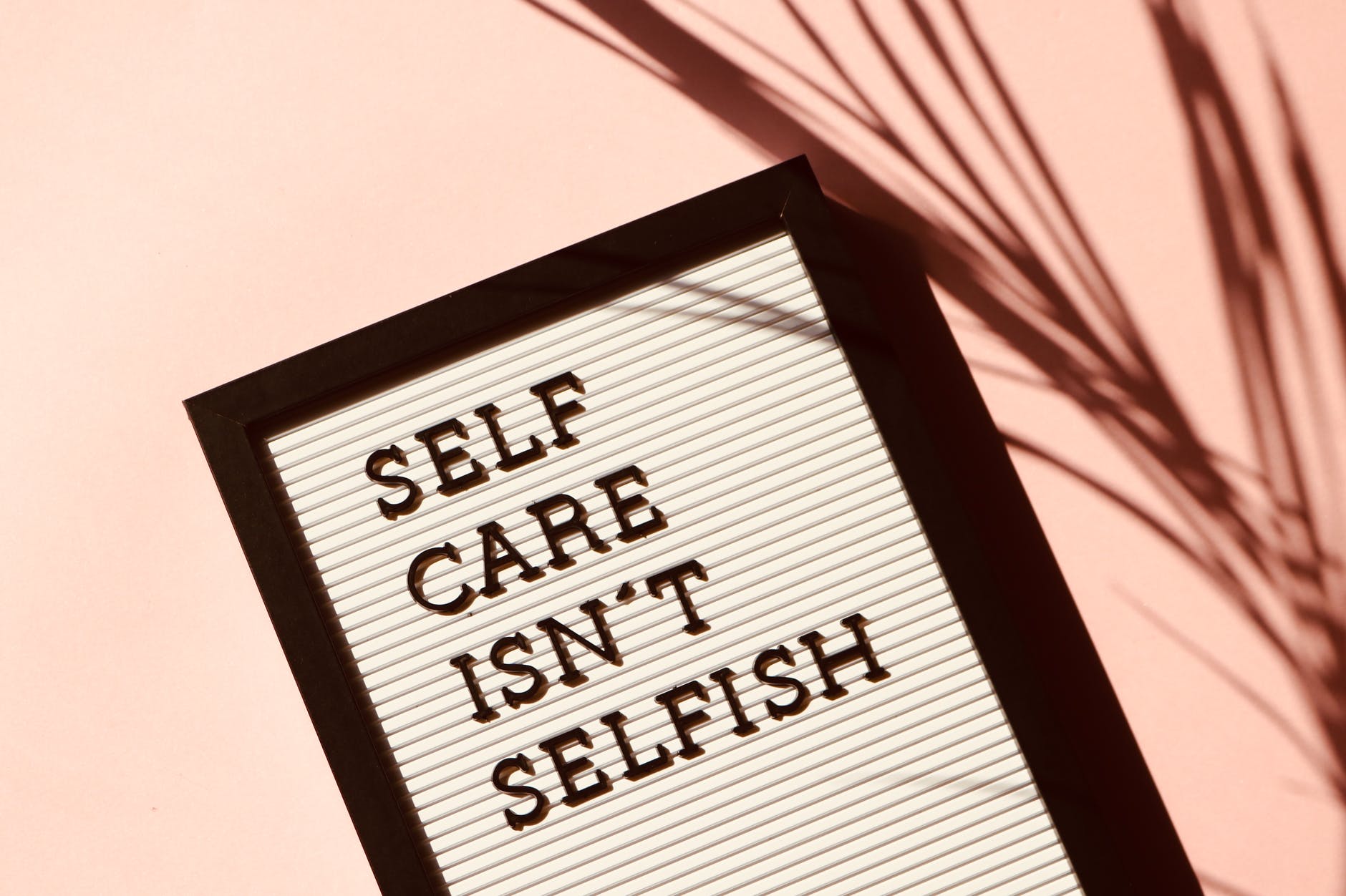
Remember to treat yourself once in a while, indulging in self-care products is good for your mental health. “Self-care is not selfish.” I work hard to remember that saying. You don’t have to buy a subscription box to indulge in self-care, just buying one item that takes you away from the daily stressors for a few minutes is good self-care. 

Thank you for all the comments on my post last week, Things I’m Loving *Chronic Illness LIst #2. I’ve enjoyed hearing from you and exchanging ideas with you. 

In Health, 

Melinda


Celebrate Life · Fun

#Weekend Music Share * I need Your Help!

It’s the weekend, YEAH! I’m so glad you’ve joined me. Be Safe.

I need your help this weekend! I’ve upgraded my site and have a couple of concerns. Can you read this font? It looks very light for me. I installed Goggle Fonts and my site feels like it has slowed down. If you would, please comment and let me know how your loading time was I would really appreciate it.  

The world has been tested to the limits by the COVID-19 virus and we all need to keep dreaming. There are better days ahead!

In Health,

Melinda


Welcome back to Weekend Music Share; the place where everyone can share their favorite music.

Feel free to use the ‘Weekend Music Share‘ banner in your post, and don’t forget to use the hashtag #WeekendMusicShare on social media so other participants can find your post.

Celebrate Life · Health and Wellbeing · Men & Womens Health · Mental Health

15 Soul Searching Questions

Bella Grace Field Guide to Everyday Magic by Stampington


Photo by Simon Matzinger on Pexels.com


What is currently sparkling in your life?


What things do you find beautiful that others may not?


What is a treat that instantly takes you back to childhood?


What is currently filling up your heart?


Who are the people you feel good to be around?


What are your favorite sounds in the world?


How much time do you lose worrying about things that are beyond your control?


When was the last time you truly laughed out loud?


What does living life to the fullest look like for you?


What are three good things you have today that you didn’t have a year ago?


What areas of your life can use a little watering?


What is one quirky trait you absolutely love about yourself?


Have you realized yet that there’s enough good to good around?


What if you started thinking about all the things that could go right instead of all that can go wrong?


In Health,

Melinda


Fun

Friday Quote

Hi Everyone, It’s Friday! So glad you stopped by today, I’m sending good karma your way for a great weekend.

The pursuit of truth and beauty is a sphere of activity in which we are permitted to remain children all our lives.

Albert Einstein

In Health,

Melinda

Health and Wellbeing · Men & Womens Health · Mental Health

How Ready Are We to Support Kids Through This Trauma?

—Robert Neubecker for Education Week
School counselors on what they need during this pandemic

By Mandy Savitz-Romer, Heather Rowan-Kenyon, Tara Nicola, & Laura Hecht September 16, 2020

Article Tools

As the global pandemic threatens students’ academic progress, recent reports have also raised alarms about students’ mental health. Fear, loss, and the anxiety brought on by uncertainty are raising already-high levels of trauma and stress among young people. 

It will be tempting for schools to direct resources and attention this fall to bolstering the instructional core, given well-founded fears of learning loss and the widening of academic inequities. But our research suggests that districts need to focus just as much on deploying staff and policies that promote students’ social and emotional development. School counselors have a critical but often overlooked role to play in meeting this urgent need. 

According to our survey of nearly 1,000 school counselors from across the country, these professionals faced significant challenges last spring as they sought to support students’ social-emotional, academic, and postsecondary development in a remote learning environment. Schools should now make it a priority to understand what went wrong in the spring, so they don’t repeat the same mistakes this fall.

First, we found that school counselors were not able to spend as much time as usual counseling students about social-emotional issues, career development, or postsecondary plans. This is especially troubling for a profession that was already stretched thin to begin with: Last year, all but three states significantly exceeded the recommended ratio of students-to-counselors. In our survey, 43 percent of counselors reported spending less time providing individual counseling than in their work pre-COVID-19, despite the stress and trauma caused by the pandemic.”While navigating personal stressors brought on by the pandemic, school counselors faced unique professional challenges as well.”

Instead, a large majority of the counselors—who regularly worked well beyond their usual hours—reported spending their time tracking down students with low attendance in remote learning and delivering social-service and technology information to families. These are worthwhile efforts, of course, but they limited counselors’ ability to check in with students, assess their well-being, and intervene when necessary.

Second, our results suggested that a lack of direction and leadership from school and district leaders complicated this shift in responsibilities. Approximately 55 percent of counselors surveyed reported not receiving clear directions about their expected role in a remote environment. One midsize, urban school district’s updated memorandum of understanding with the teachers’ union never even mentioned school counselors.

While school counselors appreciated ongoing communication from administration and district staff, counselors were rarely involved in planning for remote schooling. Despite their unique skills in supporting students, only 35 percent of counselors say they were asked to provide input about school contingency plans or how to maintain counseling programming. Counselors also reported that training for counselor-specific remote work was not available to them. This problem was especially acute in rural communities, where 1 in 3 counselors reported receiving no training.

Third, like all educators, school counselors struggled to adjust to remote schooling. While navigating personal stressors brought on by the pandemic, school counselors faced unique professional challenges as well. In addition to losing the valuable opportunity to connect with students in informal settings such as hallways and lunchrooms, many counselors received instructions from school leaders not to meet one-on-one with students, provide group or classroom instruction, or even use videoconferencing software because of concerns about meeting confidentiality requirements remotely.

MORE OPINION

Follow Opinion here.

These findings highlight long-standing challenges facing the school counseling profession. For decades, school counselors have called on principals to provide better leadership to counseling programs. Such leadership is now essential. If schools are committed to healing students and supporting their engagement in academics amid a wave of national trauma, they must heed this call now more than ever. To support their efforts, we offer the following recommendations for school and district leaders:

1. Establish a clear plan for school counseling programming and communicate it widely. School and district leaders are often not familiar with counseling models or standards, so they need to take their lead from counselors. Strong administrators understand the assets and expertise of counselors and are careful not to misdirect their time toward tasks that don’t leverage their mental-health training. With counselors’ input, school and district leaders can prioritize the availability of counseling programs and services at the systems level. At a minimum, counselors can identify counseling-related policies and practices that transfer to a virtual or hybrid context. For example, school counselors can join morning meetings to connect with students, partner with teachers to integrate strategies for well-being into classes, and collaborate with other support staff to utilize screening tools to identify depression, trauma, and other signs of distress.

2. Build time for counseling into student schedules. Face-to-face time with students—either virtually or in person when it is safe to do so—is a precious commodity. School leaders will therefore need to be intentional about scheduling time for students to meet with counselors and for counselors to provide mental-health support to whole classes, grades, or schools. Consistent advisory blocks and office hours might offer structured times for students to reach out for additional support. School counselors around the country have set up Google Classrooms and Bitmoji offices to be added to district platforms.

3. Evenly distribute the responsibility of tracking down students. School leaders must avoid the temptation of assigning attendance and noncounseling duties to counselors simply because they are not responsible for a classroom of students. Pulling school counselors away from checking in with students, delivering resources for managing anxiety, and supporting postsecondary planning will leave some students vulnerable to further disengagement.

4. Ask counselors if and how they need support and training to use virtual platforms to provide counseling. In our survey, many school counselors reported having to use their personal phones to call students. Often, parents and students didn’t answer those calls, which appear as if they come from unknown numbers. Access to a school phone, Google Voice number, or other platforms to communicate with students will enable counselors to conduct confidential or sensitive conversations with students. School counselors also need different kinds of training from what is offered to teachers. Training on virtual platforms, strategies that support telecounseling, and legal and ethical considerations are especially in demand. As the college-admission process continues to evolve during the pandemic, school counselors will also benefit from training on policies and practices that have been updated during the pandemic.

While today’s educational context is defined by uncertainty, one thing is for certain: As students return to Zoom rooms or school buildings, they are hurting. We have professionals who are trained and ready to help them heal and develop the social and emotional skills to cope with their current reality. Let’s be sure to take counselors into account in our planning this semester. Our students and teachers are going to need them.

Mandy Savitz-Romer is the Nancy Pforzheimer Aronson Senior Lecturer in Human Development and Education at the Harvard Graduate School of Education. Heather Rowan-Kenyon is an associate professor of education leadership and higher education at the Boston College Lynch School of Education and Human Development. Tara Nicola is a doctoral student at the Harvard Graduate School of Education. Laura Hecht is a research manager at the Harvard Graduate School of Education. They are the authors of the recently released report “Expanding Support Beyond the Virtual Classroom: Lessons and Recommendations From School Counselors During the COVID-19 Crisis.”

Follow the Education Week Opinion section on Twitter.

Sign up to get the latest Education Week Opinion in your email inbox.

Vol. 40, Issue 05, Page 24Published in Print: September 16, 2020, as How Ready Are We to Support Kids?RELATED STORIES

RELATED OPINION

Health and Wellbeing · Men & Womens Health

My Take On The Opioid Crisis

Photo by Andrea Piacquadio on Pexels.com

As we round out Pain Awareness Month I wanted to share my thoughts on the global opioid crisis. I have been fortunate to have seen the good and not so good but nowhere near the worst side of the opioid crisis.

First and foremost DOCTORS are responsible for educating themselves on each medication they prescribe and the side effects. Every doctor needs to share this information with the PATIENT who is also responsible for reading the directions, following the directions, report any side effects, and to be honest with the doctor when discussing your pain levels.

The type of doctors who have created this crisis is the ones who recklessly overprescribed patients and did not have a responsible follow-up and withdrawal plan. I heard a story on television about a man who was in a car wreck who has prescribed over 20 pain pills a day. No-one is in that much pain, you can’t function on that level of medication and no responsible doctor would prescribe that amount.

Doctors are responsible for monitoring their patients, if a patient can’t make it till the end of the month before needing a refill, it’s time to have a face to face and reaccess the pain. I did this with my doctor for months before reaching the right dosage.

The not so good experience I had was making the mistake of thinking my general doctor could manage my pain effectively. I went along this way for several years until I maxed out the dosage on my medication and he didn’t know where to do from there. I eventually sought out a Pain Management doctor and had real success and real failure.

The great success lasted two years, he required me to see him every time a refill was needed. We would talk about how my pain was, any issues with the medication, any other treatment options he might have in mind, have a urine sample, and discuss my concerns. After that, he would call in my refill. I think this is the responsible management of a patient.

The great failure came when COVID hit the shores. The first two months I had Telehealth visits and my refills were called in no problems. The third month I call to get my prescription refilled and I’m told I have to come into the office. I stressed to the admin that I had a new immune disorder and to talk with the doctor to see if he would make an exception. She said no, I have to come in it’s the law. I know better and cussed at her. It’s not a DEA law that a patient must come in every three months for a urine test, it’s the doctor’s call. I offered to go to the local lab for a urine test and was told no. End of story. I only received two weeks’ worth of medication and throw away like wet trash.

I did file several complaints with the Medical Review Board but I don’t think he will suffer any consequences.

Doctors should be bound by their license to not dismiss a patient who is addicted to pain medication and expect them to find another doctor within two weeks, let alone during a pandemic. He had no withdrawal plan, a responsible doctor would have said I no longer want your business, you cussed at my employee and over the next 30-45 days you need to find another doctor and I will start a withdraw plan with you now.

Every DOCTOR and PATIENT has a responsibility when taking any type of medication, it doesn’t matter if it’s addictive or not. All medications including over the counter medications, including children’s medications have side effects. It’s the doctor who needs to share the most common and the “when to call or go to ER” symptoms. We also have to reach out by asking questions and seeking information on the internet if necessary in order to manage our medications.

I still have not scheduled an appointment with a new Pain Management doctor. I am lucky enough to have had enough pills to go thru some type of withdrawal and will wait until the virus numbers stop spiking in the state. My hands still shake and I still need the medication but I need the virus less. I’m blessed my pain has not spiked.

In Health,

Melinda

Health and Wellbeing

October Domestic Violence Awareness Month

In a couple of days, we will come together once again to commemorate Domestic Violence Awareness Month. However, this year is different and, in some ways, more critical than ever. 

Domestic violence was an epidemic before COVID-19, with nearly one in four women and one in seven men reporting that they experience violence from their spouse or partner in their lifetimes. Unfortunately, the virus has dramatically exacerbated the problem. While home was supposed to be a safe place to go in the lockdown, it was even more dangerous for victims of domestic violence to be isolated and alone with their abusers. Reports of abuse have skyrocketed in the U.S. and around the world.

Even as COVID-19 restrictions are lifted, the abuse will not simply end. That’s why we need your support more than ever this October. We can only end the epidemic of domestic abuse when we talk openly about it; remove the shame, blame and stigma; support survivors; hold abusers accountable; and engage everyone—women AND men—to help end the violence once and for all. 

Today we’re asking you to consider using your voice and your platforms during Domestic Violence Awareness Month to do just that—be part of the solution. Please take the NO MORE pledge, print out your NO MORE signs, talk to your kids about healthy relationships, engage your workplaces, and help raise critical funds to support our efforts to change the culture and stop the violence before it starts. 

Now is the right time to plan a Domestic Violence Awareness Month Facebook fundraiser for NO MORE. Set your own goal and share it with friends and family to achieve it. Tag us in your fundraising posts so we can send our thanks and give you a shout out. Check out our Ways To Give page for more ideas on how you can champion NO MORE’s efforts this coming month and beyond. 

Thank you in advance! Your contribution will go a long way not only to support survivors but also to prevent violence from starting in the first place.
 Stay tuned! We’ll be sharing more of our efforts and ways you can get involved throughout Domestic Violence Awareness Month. 
LEARN MORE
Health and Wellbeing · Men & Womens Health · Mental Health

5 Simple Steps For Dealing With Mental Health Problems

Mental health issues affect one in four people. This could range from stress, anxiety, and depression, to severe mental health issues such as bipolar disorder, schizophrenia, or borderline personality disorder. 

Photo by cottonbro on Pexels.com

Often, it can be hard to understand the cause of these mental health problems. They may be triggered by something that has gone on in your life such as the loss of a loved one, or a big change such as moving to a new city, or a change in career. Whatever the cause, it is essential that you practice self-care. 

But what can you do to treat your mental health problems? 

Here are some of the steps you should take if you are experiencing any mental health difficulties in your life. 

Speak To Your Doctor 

If you are struggling with stress, anxiety, or depression in your life, then you should speak with your doctor at the earliest possible opportunity. Your doctor should talk you through what is happening in your life in order to understand whether you should be treated with self-care,

antidepressant medication, or whether you would be a suitable candidate for talking therapy such as cognitive behavior therapy

Speak To A Counselor 

If you are able to speak with a counselor, do so. You may be able to get referred to one by your doctor. If not, there are plenty of specialist counselors that will be able to take you on. 

Different counselors and therapists will have their own approaches to dealing with mental health issues such as depression and anxiety. Make sure that you are happy with the counselor’s approach before you commit to a course of sessions with them. 

Use CBD And Other Alternative Treatments

One of the areas that there is growing research into is the use of alternative treatments such as CBD. CBD comes from the same plant as cannabis except it doesn’t have any of the psychoactive ingredients as cannabis does. It just relaxes you and relieves symptoms of stress and anxiety. 

Another alternative treatment option may be psychedelics. You can read more about this at psychedelicspotlight.com

Eat Well

There is a lot that can be said about the way that you eat. By making sure that you are eating a balanced diet, you will be able to help to give yourself the energy that you need to keep going. 

To fight off stress and depression with your diet you should look at getting your starch fix with whole grains and beans. You should be sure to eat plenty of fresh fruit and vegetables. Instead of eating red meats, you should eat fatty fish like salmon or tuna. Finally, add in healthy fats, such as raw nuts and olive oil.

Exercise 

Exercising is a great way of clearing your head. It gives you endorphins which is a feel-good hormone that will balance out the stress hormones that your body will naturally be producing. 

Start small. Even going for a short walk will be very helpful. 

This is a collaborative post.

In Health,

Melinda

Health and Wellbeing · Men & Womens Health · Mental Health

Kanye West’s mental health battle is a wake-up call for empathy

Analysis by Lisa Respers France, CNN

Friday, September 18th 2020, 9:05 AM

I’m not asking you to feel sorry for Kanye West.

The rapper/designer/provocateur may have earned as many critics over the course of his career as he has fans. But West’s mental health, which he has been open about, should be observed with sensitivity.

His recent interview with Forbes, concerning tweets and a press conference in which he made inaccurate statements about Harriet Tubman have raised alarms about his current well-being.

His wife, Kim Kardashian West, appealed to the better nature of the public last week with a plea for compassion for her husband, who she acknowledged has bipolar disorder.

“Anyone who has this or has a loved one in their life who does, knows how incredibly complicated and painful it is to understand,” she wrote in a note posted on her Instagram stories. “I’ve never spoken publicly about how this has affected us at home because I am very protective of our children and Kanye’s right to privacy when it comes to his health. But today, I feel like I should comment on it because of the stigma and misconceptions about mental health.”

In terms of the spectacle of it all, we have been here before with Ye. But he’s not the only celebrity who has confronted such challenges in the fishbowl that is the entertainment industry:

Jenifer Lewis: In a 2018 interview with CNN, the “Black-ish” star spoke about West’s much-reported meeting with President Donald Trump in the Oval Office.

Lewis acknowledged knowing full well what living with bipolar disorder can feel like in the public glare.

She was first diagnosed with it in the 1990s and wrote about her struggles with mental illness in her memoir, “The Mother of Black Hollywood.”

Lewis wept with concern for West at the time.

“Part of the disorder is not wanting to tame the mania,” she told me. “The high is so high and it feels great, but it’s dangerous. It’s so dangerous.”

She and I discussed the need to remove stigma surrounding mental illness — especially in the Black community.

“I cannot say enough how dangerous this disease is,” Lewis said. “And it is a disease. People need to start treating it like a disease like they do cancer, not as something to point at and laugh.”

Britney Spears: West has indeed been treated as a joke by many. Much like another celebrity whose mental health has been back in the headlines.

Britney Spears’ younger sister, Jamie Lynn Spears, weighed in last week after singer Halsey posted a series of tweets about mental illness.

“No jokes right now. I have dedicated my career to offering education and insight about bipolar disorder and I’m so disturbed by what I’m seeing,” Halsey wrote. “Personal opinions about someone aside, a manic episode isnt a joke. If you can’t offer understanding or sympathy, offer your silence.”

Jamie Lynn Spears offered her perspective.

“If you deal with mental illness or care for someone dealing with mental illness, then you know how important it is to respect the situation with privacy for the person, and the family trying to protect their loved ones, no matter how it may appear to the public, and as the public we must learn to do the same,” Spears reportedly wrote on Instagram in a since-deleted post.

She went on to defend her older sister after a commenter implored her to “clarify assumptions” about Britney Spears’ mental state.

“I would never speak our just to clarify things to the public, when the person it pertains to does not want that to happen,” Spears wrote. “I’d rather take all the hate, [than] speak about someone else’s personal matter, that they want to be kept private.”

Britney Spears has been subjected to tabloid fodder about her health since 2007, when she was hospitalized for mental health treatment and her father was granted conservatorship over her affairs.

The #FreeBritney hashtag gained traction from those who want that conservatorship to end.

Spears posted on Instagram last year to let her followers know, “All is well.”

Still, the #FreeBritney campaign has continued — and this month intensified due to a pending legal matter regarding the conservatorship — as her health gets picked apart by the public.

Tamar Braxton: As was the case when Braxton, who stars on the reality series “Braxton Family Values,” was reportedly hospitalized last week.

“This is an extremely difficult time for Tamar and her family as she navigates professional and personal struggles including her battle with depression,” Braxton’s boyfriend, David Adefeso, said in a statement to People.

“Tamar is currently receiving the best available medical attention to address those struggles and strengthen her mental health, and her family and I will remain by her side throughout her treatment,” he went on to say in the statement. “Mental health is a common issue, affecting 1 in 5 Americans.”

During this time of the pandemic, those numbers could increase with so many of us stressed, anxious and worried for the future.

Those in the public eye who are challenged with mental health issues should evoke our empathy and serve as a reminder to reach out for help if needed.

CNN has contacted reps for all three celebs for comment but has not yet received responses.

Read here for some of the best ways to take care of your mental health during the Covid crisis.

Fun · Travel

#Wordless Wednesday Fall In Alabama

Hi, it’s Wednesday! I’m so glad you stopped by today, I appreciate you being here. This week I’m taking you to the state of Alabama. I love the photo and how it captures all the different shades of red.

In health,

Melinda

Health and Wellbeing · Men & Womens Health

Independence As You Age – How Do You Master It?

Staying independent as you age doesn’t have to be a stroke of luck, or hit or miss. You can ensure you remain independent as you age by taking some important steps as regularly as you can. Now, although the earlier you start the better, it’s never too late to start looking after yourself. Below, you’ll find some pointers that will allow you to master independence, whatever age you are:

Photo by Andrea Piacquadio on Pexels.com
  1. Start Exercising Regularly 

The first and one of the most important things is to make sure you’re exercising regularly. You don’t need to work out like an athlete or do crazy workouts that you don’t feel ready to do, but you should find a type of exercise that you enjoy and believe you can do in the long run and stick to it. In fact, mixing up the types of exercise you do is a great idea, as this will ensure you have all of your bases covered, whatever happens. For example:

  • Pilates, yoga and even simple stretches can help you to stay flexible and release tension in the body. 
  • Walking is a great way to ensure you’re balancing out the time you spend sitting down, and also helps you get fresh air and vitamin D if you do it outside. 
  • Swimming is a great low impact exercise for the joints and can strengthen the whole body.
  • Strength training keeps the muscles strong, which in turn can make living easier as you age. 
  • Classes can help to keep you motivated as you work out alongside others. They may not help you to reach ‘specific’ goals, but they can be a lot of fun and there’s no harm in doing them once in a while. 
  1. Stop Being Afraid To Ask For Help If You Need It 

When many think of being independent, they think of being hyper independent. This usually means not asking for help from anybody and doing things completely alone. However, humans are social creatures, and we do need some interaction from time to time. Not only that, we can’t always do things along. Fostering independence is great, but don’t become so independent that you can’t ask for help if you do need it. In fact, many elderly people opt for a senior care service so that they can continue to enjoy life in-home as they age. 

  1. Focus On Eating A Balanced Diet 

A balanced diet will work in harmony with your exercise routine to keep you healthy and happy. You don’t need to eat ‘clean’, but you certainly shouldn’t be eating a load of processed foods each day. Here are some pointers:

  • To make sure you’re eating enough without obsessing, opt for 3 meals and 2 snacks each day. Depending on the size of your meals, you may want to have more.
  • When plating your food, make sure you have carbs, healthy fats, and protein. Vegetables should be eaten with most meals and take up a large portion of the plate.
  • Ensure you’re getting enough fiber. 
  • Don’t ‘ban’ foods or get sucked into unhealthy marketing tactics. Many ‘low calorie’ meals are not healthy, they are just marketed to those who want to lose weight. You will still be hungry. You’d be better off cooking a meal from scratch and actually feeling satiated afterward. 

credit

  1. Stick To Regular Health Appointments 

Make sure you make a note of when your health appointments are due and keep up with them. Sticking to them will ensure you can catch anything early on and give you peace of mind. There may be nothing wrong with you at all, but visiting the doctor, dentist, and optician regularly is the only way to confirm this. 

  1. Practice Using Technology

Yes, technology can cause problems. However, it’s here to stay. Getting used to using it will only be a good thing for you. Don’t call yourself a ‘technophobe’ as you have no reason to learn to use it this way. With good technology, you can make living at home easier and staying in touch with your loved ones a breeze. 

  1. Keep Your Mind Alert

Keep your mind alert by doing puzzles, reading, and learning new things. Make sure you take care of your mental health, too!

  1. Look For New Hobbies and Challenges

Don’t stop learning just because you’re aging. Look for new hobbies and challenges and show yourself what you can do. It’s never too late to try something that you’ve always wanted to try. 

Independence, as you age, is achievable for all – start now and you’ll see. 

This is a collaborative post.

In Health,

Melinda


Health and Wellbeing · Men & Womens Health · Mental Health

Research Discovers Spending Time In The Garden Boosts Mental Health

Spending time in the garden makes a massive difference in your overall wellbeing and longevity according to research by the Royal Horticultural Society – a UK-based based charity. Investigators studied more than 8,000 people between 2009 and 2016 following their daily gardening habits. They found that those who spent more time in the garden had better overall psychological and physical wellbeing. 

The findings were dramatic. The research indicates that the difference in health outcomes between the people who spent the most time in their gardens compared to the least was the same size as the difference of living in a wealthy area compared to a poor one. 

Pexels – CC0 License

The findings suggest, therefore, that we should all be looking for ways to open up our gardens and spend more time in them. We should view our outdoor spaces as both beautiful places to spend time and tools for improving our mental health. Like exercise, the areas around our homes are places that can potentially alter our neurochemistry and change the way that we feel. 

People With Access To Private Gardens More Likely To Report Psychological Wellbeing

The study also found that even people with access to private gardens were much more likely to be in good psychological health. Those who could have a yard or private space to themselves reported feeling much happier to the researchers. 

What’s more, the evidence suggests that merely having a garden is often sufficient to confer the benefits, not the process of gardening itself. Thus, people with an outdoor space beside their home were much more likely to experience the health and wellbeing benefits compared to those who didn’t. 

The lead researcher on the project suggested that the findings were indicative of the fact that people need to feel close to nature to have a sense of contentment. Gardens might have a crucial role to play in issues of public health she said. 

How To Spend More Time In The Garden

So, while this research is interesting, it doesn’t answer the practical question of how to spend more time in the garden. We’d all like to be outside as much as possible, but often, it’s not possible. So what can we do? 

Let’s take a look. 

Purchase A Laptop

If you can work from home, purchasing a laptop can be one of the best things you do to increase the amount of time that you spend in the garden. You can connect to the internet, take it out to the garden, and then spend all day among the flowers and the birds, weather permitting. 

Install Decking

Getting deck builders to install decking is another way to make your garden spaces more practical. Having somewhere off the grass to place garden furniture can encourage you to use your garden as an entertainment space. 

Build A Garden Room

A garden room is simply a room in your home that connects the garden to your indoor space, encouraging you to use both. 

Most modern garden rooms have sliding doors that act as a kind of interface between your indoor and outdoor spaces. But you can do it in other ways, such as bi-folding doors. 

Install A Summer House

In certain parts of the world, it’s not warm enough to spend time outdoors year-round. Spending time on your patio isn’t fun when it’s freezing cold. 

The obvious solution to this problem is a summer house – a strange name for something you’ll use in the colder months of the year. And because it provides shelter, you can place indoor furniture inside, making sitting in it more comfortable. 

Get A Vegetable Patch

Vegetable patches offer two advantages. First, they let you grow tasty organic food. And secondly, they force you to get out into the garden and take care of them. 

Your onions and leeks can become a real source of focus that takes your mind off other things. When you’re digging up soil and planting bulbs, you’re not thinking about all the things that affect your wellbeing. It’s a healthy physical activity that takes your mind off things and allows you to thrive. 

Subscribe To A Gardening Magazine

Pexels – CC0 License

Finally, subscribing to a gardening magazine is something that can inspire you to get out into the garden and create something beautiful. Editors introduce you to essential concepts, such as when you should plant bulbs and how you should arrange your beds. You’ll also learn practical things, such as how to weed and the tools you’ll need to keep your yard looking good all year long. 

This is a collaborative post.

In Health,

Melinda

Health and Wellbeing

Is Alternative Medicine Suitable For Your Pet?

If your furry friend is struggling with digestive problems, bad breath, dry skin, and more, your first port of call is to reach out to your vet to get him checked out, right?

We all want what’s best for our animals to keep them happy and healthy, but some pet parents are concerned with resorting to ‘Western medicine’ when it comes to their care. One of the reasons pet owners express concern in this area is the overuse of medicines to deal with some issues. Are some of the most common side effects worth it in the long run.

Photo by Snapwire on Pexels.com


Some pet owners have since looked into the use of alternative medicine for the treatment of some common animal complaints. Before considering the use of alternative treatments for your pets, it is important to speak to a registered veterinarian who will advise you on the best treatments for your pet. 

Here are some of the alternative treatments you can use to treat your animals, and some of the things you need to know about them. 

Acupuncture

The treatment that involves inserting small needles in certain parts of the body to balance the energy flow, thus treating pain and chronic ailments, acupuncture is a popular choice for pet owners to use on their animals, too. It is pain relief without the excessive use of chemicals from western medicine.  

Food 

Every animal has to eat, and a good way of sneaking medication into a pet is through their food as their favorite wet food will disguise the taste of nasty medicines. However, some companies such as petness.com provide animals with tasty hemp-based products for dogs that not only have a huge range of health benefits such as easing pet anxiety and sleeping issues, but they’re tasty, too! 

Supplements

Where there are perhaps some nutritional shortfalls in the diet, nutritional supplements can benefit pets by supplying additional vitamins, minerals, amino acids, and vital fatty acids to encourage optimal health

Massage 

Another popular treatment for humans. Pets can also enjoy the benefits of massage from lowering the stress hormones in the body, pain relief, increased circulation, and a boosted immune system. Once pet owners have the correct training, this could also be done at home saving a lot of time and money! 

What Do Vets Think About the Use of Alternative Therapy? 

While alternative therapy is increasing in popularity among pet owners, many vets do not like to encourage the use of alternative therapies. This is mainly due to the fact that, unlike western veterinary treatment and medicine, many of these therapies have not been scientifically proven to work for the treatment of various illnesses or complaints. 

This doesn’t mean that these treatments are always ineffective, however- it just means that highly funded case studies have yet to be completed meaning that these alternative treatments haven’t been put to the test.

Some vets are incredibly open to the idea of the use of alternative medicine, with some schools even offering training in the area to go alongside western treatments. 


Pexels-CC0 Licence

This is a collaborative post.

In Health,

Melinda

Health and Wellbeing · Men & Womens Health · Mental Health

Lady Gaga’s new book inspired by her childhood mental health struggles

By Celebretainment

Sep 16, 2020

Lady Gaga's new book inspired by her childhood mental health struggles

Lady Gaga’s personal trauma influenced the book she is penning with her mother.

The ‘Rain On Me’ hitmaker and her mum, Cynthia Germanotta, have worked together on ‘Channel Kindness’ – which is a collection of 51 stories of kindness from young people across the world – and the pair revealed the idea for the book stemmed from the singer’s experience with mental health problems at school.

Gaga told PEOPLE magazine: “I didn’t know how to stand up for myself without feeling embarrassed.”

Cynthia admitted she feels “horrible” that she wasn’t able to support her daughter, and blames generational differences for her lack of communication at the time.

She explained: “There was a shame of sharing some of this with me. And I feel horrible about that.

“I was raised differently, where you just have to be tough and not talk about your emotions. I didn’t always understand the difference between normal biological teenage development and a real problem.”

Gaga hopes that the book can encourage “resilience” in younger people suffering mental health problems and help develop an understanding, just as she has with her mother.

The 34-year-old singer – whose real name is Stefani Germanotta – said: “There are things that create highways from heart to heart, where we can hold compassion and empathy, where we can celebrate everybody’s resilience.

“When I was younger and had mental issues, my mom didn’t know how to communicate with me about it. We’ve found a way to channel kindness into our lives in a way that’s also healed our relationship.”

Gaga added: “I’m just really grateful that my mom holds space for me to be able to talk about how I feel. And because of that, we have a very healthy relationship that is beautiful.”

Health and Wellbeing · Men & Womens Health · Mental Health

5 Easy, Practical Ways To Support Your Child’s Emotional Health This Year

HUFFPOST

Catherine Pearson

09/04/2020 11:31am EDT

Spend at least five minutes a day, every single day, hanging out with them and doing whatever they want.

Photo by Ketut Subiyanto on Pexels.com

Kids might find it more difficult to cope with the pandemic. Here’s how parents can help them.

When the COVID-19 pandemic hit this past spring, billions of children around the globe were abruptly sent home from school — an anchor in so many ways. Kids have been cut off from friends and loved ones, and yanked away from daily activities and passions. Many have watched their loved ones get sick or have come down with the virus themselves. It has been … a lot. 

Now, as another unprecedented academic year swings into high gear, children are facing more of the same “new normal” that no one asked for.

“We don’t know how long we’re going to be living in this very strange period. For some kids, that mean that they’ve adjusted and things are a little bit easier to manage,” said Kimberly Canter, a child psychologist at Nemours Children’s Health System. “For other kids, that just means this gets harder and harder every day.”

HuffPost Parents spoke to several experts about simple, concrete ways we can help support our children during this upcoming school year. Here’s what they had to say: 

1. Regularly check in with them about what they think is happening with COVID-19. 

Talking to your child about what they know (or believe they know) about the pandemic is a crucial first step to understanding where they’re at emotionally, said Canter, who developed an online intervention to help kids struggling with COVID-19 stress. (The intervention is currently available to Nemours patients only, but she shared some of the broader concepts below.)

You’re looking to understand their specific concerns, she said.

“Are there things they are hearing that are frightening them that are not true?” she asked. “Are there things they are hearing that are frightening them that are true? And how can we address that?”

If your child brings up something you don’t have an answer to, or there’s no answer to, be honest. Tell them you’ll seek out accurate information together, and reassure them that they’re not facing this alone.

Parents should also pay attention to any physical, emotional or social changes they notice in their children, said Ron Stolberg, a licensed child psychologist and professor at Alliant International University.

“Typical things to look for are significant weight gain or weight loss not related to normal development, rejecting long-standing friends, major social withdrawal, and with teens, we also add unaccounted-for spending,” Stolberg said.

Your check-ins can be brief, but they should be consistent. Parents may have done this more at the start of the pandemic, when everything was strange and new. Don’t let up now.

2. Help them identify their emotions. 

Emotional intelligence is a learned skill that is rooted in a person’s ability to identify what they are feeling. Parents can help their children do that, Canter said. It’s really about noticing their feelings and learning how to name them.

This can start even if kids are young. Simple mood meters — red for angry, blue for sad, green for calm and yellow for happy — can help young kiddos track where they are and give voice to those feelings.

If your child brings up something you don’t have an answer to, or there’s no answer to, be honest. Tell them you’ll seek out accurate information together, and reassure them that they’re not facing this alone.

Parents should also pay attention to any physical, emotional or social changes they notice in their children, said Ron Stolberg, a licensed child psychologist and professor at Alliant International University.

“Typical things to look for are significant weight gain or weight loss not related to normal development, rejecting long-standing friends, major social withdrawal, and with teens, we also add unaccounted-for spending,” Stolberg said.

Your check-ins can be brief, but they should be consistent. Parents may have done this more at the start of the pandemic, when everything was strange and new. Don’t let up now.

Your check-ins can be brief, but they should be consistent. Parents may have done this more at the start of the pandemic, when everything was strange and new. Don’t let up now.

3. Build trust with their teachers.

Even if you live in an area where your child is in the classroom five days a week, this is an academic year like no other. One simple way to emotionally support your child — and your child’s teacher — is to help them feel “safe and connected to their school communities,” said Jeanne Huybrechts, chief academic officer at Stratford School, a network of private schools in California. That is true whether classes are in person, hybrid or starting the year off remotely.

“Reach out to your child’s teacher and introduce yourself and your family,” Huybrechts said. “Share family stories, values, your family’s living situation this fall, your child’s feelings about the return to school.” 

More than ever this year, open communication with your child’s teachers is essential.

4. For at least five minutes a day, hang out with them however they want. 

Parents sometimes hate to hear this tip because at the end of a long, exhausting day, many parents just (understandably) want to collapse, said Jill Ehrenreich-May, a psychologist and director of the Child and Adolescent Mood and Anxiety Program at the University of Miami.

But she recommends taking at least five minutes a day, every day, to just hang out together with the kids.

“Do something — not on screens — that your child wants to do with you,” Ehrenreich-May said. Follow their lead, and really try to connect through joy. They need it.

5. Remind them of what they can control. 

Many children are struggling under the weight of so many unknowns. We don’t know when school will be “normal” again. We don’t know when they’ll be able to freely hug grandparents or friends. We don’t know if they’ll get sick, or if we will get sick — and how serious it might be. That’s difficult for anyone to deal with, particularly kids. 

Parents can help by focusing them on what they can control right now.

“You might not be able to control if there’s a vaccine, but you can control things like washing your hands and wearing a mask,” Canter said. Similarly, kids may not be able to control when, say, soccer starts up again, but they can schedule Zoom hangouts with their teammates. And so on.

And here is something parents can control, to a certain extent: They can model the type of resiliency and self-care they hope to see in their children. That means parents need to find ways to take care of themselves.

“If I expect them to be calm and handle this really not normal situation, well, I probably need to express my own emotions appropriately,” Ehrenreich-May said.

Stolberg agreed, suggesting that parents follow a healthy sleep routine, eat nutritious food, avoid caffeine and alcohol, exercise outside if it’s safe to do so and stay connected to people, even if it’s digitally. He also recommended mindfulness exercises, such as breathing, meditation and yoga.

“You cannot be your best parent if you are not healthy and mentally prepared for the job,” he said.

At the end of the day, it’s not about pretending everything is totally OK. It’s about modeling emotional intelligence yourself and trying to show your kiddo how to live with uncertainty, while also trying to make the best of this unprecedented time.