You’re out in public and see a couple fighting and yelling or you’re at home watching television when you hear the neighbors going at it, if you see or hear things escalating call the police. It may be a call that saves someone a trip to the emergency room or far worse.
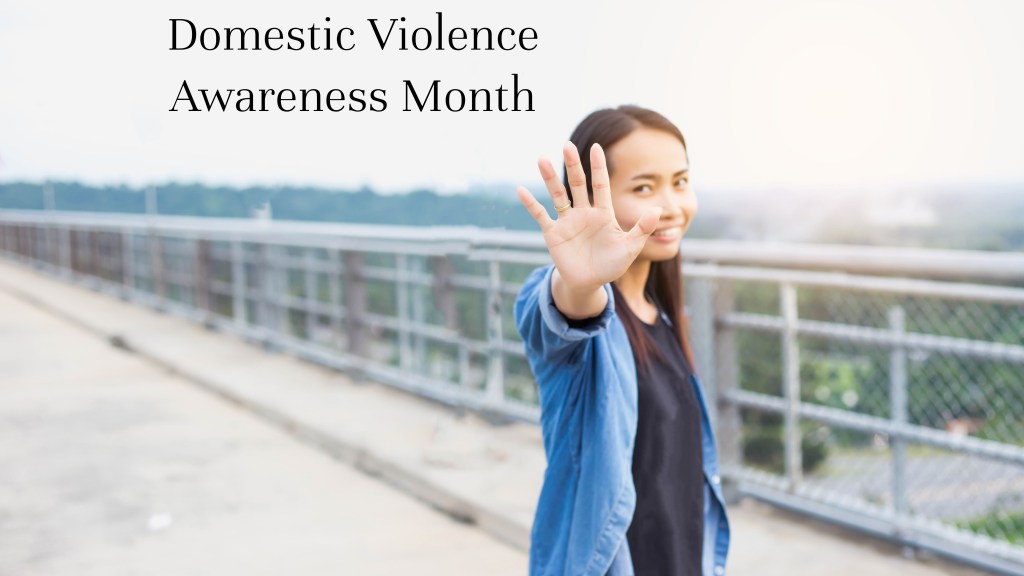
Everyone has a role to play in stopping Domestic Violence.
Here are some startling statistics:
Talking about these issues openly will help end the shame and stigma that domestic violence and sexual assault survivors are burdened with. The next time you’re in a room with 6 people, think about this:
1 in 4 women and 1 in 9 men experience violence from their partners in their lifetimes.
1 in 3 teens experience sexual or physical abuse or threats from a boyfriend or girlfriend in one year.
What is Domestic Violence
Domestic Violence is a pattern of behavior used to establish power and control over another person through fear and intimidation, often including the threat or use of violence. Some signs of an abusive relationship include:
Exerting strict control (financial, social and/or appearance).
Needing constant contact including excessive texts and calls.
Emotional abuse including insulting a partner in front of other people.
Extreme jealousy.
Showing fear around a partner.
Isolation from family and friends.
Frequent canceling of plans at the last minute.
Unexplained injuries or explanations that don’t quite add up.
Of course if you see, hear, or suspect that someone is in immediate danger, call 911 immediately.
Melinda
All information is taken from the No More website.
NO MÁS – a collaborative effort between Casa de Esperanza: National Latin@ Network, the nation’s leading Latin@ organization on domestic violence prevention,and NO MORE – provides tools and resources tailored to the needs and strengths of the Latin@ community. Visit https://www.decimosnomas.org/en/ to learn more.
The NO MÁS Study, conducted by Lake Research Partners, is a groundbreaking, in-depth study of domestic violence and sexual assault in the U.S. Latino community.
Among the key findings:
More than half of the Latin@s (56%) in the U.S. know a victim of domestic violence, and one in four (28%) know a victim of sexual assault.
41% of Latin@s believe that fear of deportation is the number one barrier preventing Latin@ victims from seeking help, followed by fear of more violence for themselves and their families (39%) and fear of children being taken away (39%).
Lack of respect for the opposite sex was seen as a stronger driver of domestic violence and sexual assault than traditional gender roles.
Nearly two-thirds of Latin@s who knew a victim of domestic violence (61%) and sexual assault (60%) say that they intervened and did something for the victim.
“Debo aprender de lo que voy a hablar, porque muchas veces yo no puedo hablar algo que yo no conozco”— RECENT IMMIGRANT LATINO, LOS ANGELES
When compared to the 2013 NO MORE Study, the NO MÁS data reveals that Latin@s are more likely than the population at large to take action to intervene and help prevent domestic violence and sexual assault. The NO MORE study, conducted by GfK Public Affairs and Corporate Communications, looked at attitudes of teens and adults on domestic violence and sexual assault in the population at large and was commissioned by the Avon Foundation for Women.
Key findings – 2015 NO MÁS Study and 2013 NO MORE Study comparison:
Latin@ parents are much more likely than parents in the U.S. population at large to talk to their children about domestic violence and sexual assault. More than half (54%) of Latin@ parents have talked to their children about these issues, compared to just 29% of parents in the population at large who say they have talked to their children about domestic violence and/or sexual assault.
Over half (57%) of U.S. Latin@s report talking about domestic violence and sexual assault with their friends. In comparison, only 34% of the U.S. population at large say they have had a conversation about domestic violence and/or sexual assault with their friends.
Latin@s are more likely than the population at large to say they intervened and did something for the victim.
Join me and No More in the ongoing fight against Domestic Violence. Domestic Violence is everyone’s business and you could save a life. Make the call to 911 if you hear or see anything, it could save a life.
I grew up in a Domestic Violence household and the traumatic experience was painful and harrowing at times. I watched my step-father put a knife to my mother’s throat when I was nine years old, the image never left me.
“TOGETHER, WE CAN HELP FREE THOSE HARMED BY DOMESTIC AND SEXUAL VIOLENCE.” No More
NO MORE is dedicated to ending domestic violence and sexual assault by increasing awareness, inspiring action and fueling culture change.
When our bodies are holding tension even the simplest tasks seem hard because of the heaviness. I believe we are not meant to live day to day with tension. I watched my parents numb themselves with alcohol most of my life and when I got older I saw myself leaning on numbing the pain. For […]
Your parents and older relatives spent their time supporting you through a range of roadblocks you encountered in life. Now that they are older, it’s your turn to repay the favor. But how can you, your partner, siblings, and children provide the vital support that seniors need as they grow older?
It’s easy for seniors to become isolated from the world around them. Their friends may not live close enough anymore. Or they aren’t as mobile as they once were. However, staying in touch with a community can help stave off degenerative diseases such as Alzheimer’s, which will ensure their quality of life is as good as it can be. There are plenty of elderly communities around that you can find and introduce your relatives to, allowing them to meet people their age who share their interests. This means they won’t solely rely on you for the company, and can even have new experiences.
Life can be exceptionally busy, there’s no doubt about this, and because of this, there’s a risk that you neglect to get in touch with your elderly relatives as often as you should. However, this shouldn’t mean they cannot get in touch with you when they feel like a chat. Smartphones, laptops, and tablets may intimidate them at first, but they are crucial for ensuring that they can contact you, allowing you to offer the support they need. They won’t need the latest smartphone, but something easy to use and with a strong wifi connection will do the trick.
When planning how to support your parents, you need to remember that they are not just there. They are still human, and they will always have their preferences for how they want to live. Because of this, you must include them in any plans you have for offering support. Don’t neglect to ask them what they want to do, whether it’s visiting them at their house or go somewhere else where they can get some fresh air. It’s easy to feel like you lose your autonomy the older you get, so providing a chance to retain their independence will do wonders for their well being.
Sometimes, you can’t provide exactly what your elderly relatives need, so you need to assess these needs and look for solutions. While they might live at home now, medical conditions could impact how easy this is for them. If this is the case, you can consider retirement homes or care workers who will visit your relatives to provide the treatment they need. Services that offer such assistance include https://catholiccarecenter.org/long-term-care/, which will provide expert service and give you and your relatives the peace of mind you need.
Supporting your elderly relatives will help them manage their senior years more comfortably and prevent any of the loneliness or isolation problems that can come from old age. Whether they require a helping hand now and again or need more professional support, you can be there for them no matter what and make the best of the last years you have with them.
This is one celebration I can get behind anytime of day! My first coffee experience was in my baby bottle. I’m sure it was a dab but gramps said I had to have what he was drinking. I believe it knowing how close we were.
International Coffee Day is an occasion that is used to promote and celebrate coffee as a beverage, with events now occurring in places across the world. The first official date was 1 October 2015, as agreed by then International Coffee Organization and was launched in Milan. This day is also used to promote fair trade coffee and to raise awareness for the plight of the coffee growers. On this day, many businesses offer free or discounted cups of coffee. Some businesses share coupons and special deals with their loyal followers via social networking. Some greeting card companies sell National Coffee Day greeting cards as well as free e-cards.
I was kindly gifted a copy of One Step At A Time, by Francesca Giacomozzi from Soraya Nair at Cherish Editions for an honest review. Thank you, Soraya.
About Author
“Francesca Giacomozzi has lived in the UK since April 2016.
After quitting a full-time job that wasn’t fulfilling her, she studied to become a yoga teacher and reflexologist and now owns her own yoga teaching and massage therapy business.
Her drive to help others overcome mental health issues has pushed her out of her comfort zone, leading her to raise awareness about eating disorders as a daily mission.
Francesca has two degrees and can speak five languages.”
Excerpt From: Francesca Giacomozzi. “One Step at a Time.” Apple Books.
Blurb
“My long-winded journey into a fuller and healthier self. Written with the hope that if you are lost, you will soon be found. This is the honest and unfiltered truth about me and my experiences as a warrior in eating disorder recovery. All the people mentioned in this book are real, and therefore have been made anonymous unless they provided consent to be spoken about by name.”
Francesca Giacomozzi found herself on the verge of a crisis, exhausted from waking up day after day without a sense of purpose. Determined to get her life back on track, she decided to take on a challenge to engage both her mind and body: a two-week walk along the South West Coastal Path.
She invested in kit and prepared – or so she thought – for the solo trek. Little did she know, her journey would leave her with a completely different outcome to the one she expected. Her diary pages are filled with two tales: what happened on the trail, and how it made her feel on the inside.
My Thoughts
When you’re faced with demons, you have two paths you can take. You can tackle them head-on or you can turn and run. Francesca found herself at a crossroads and decided to face her demons in the most interesting way. She set out to trek 360 miles across England to find herself and found so much more.
Armed with her diary, she sets out and discovers the generosity of others feeds her need for food. When you struggle with an eating disorder, you over focus on food and look for an emotional fulfillment which doesn’t come. Fran struggles with her thoughts and self loathing along the way but as she reaches her destination there is a new sense of self. A sense she can overcome and ask for help.
Ask for help she does, she sees a therapist for the first time and starts a new, more informed and self assured chapter. I beleive she is living her best life and inspires others with deep rooted struggles that there is light at the end of the tunnel.
Fran sprinkles in poetry throughout the chapters. She is a great writer and the book is a fast read, you can’t wait to see what adventure she will encounter next. You can also fully relate to the insecurities she feels about herself and in social situations.
I struggled with an eating disorder for years and can say this book hit home. It’s real and gives a look at the true mental and physical toll an eating disorder can take in the body.
This book is a great read for most types of mental health struggles, not just eating disorders. The guilt, anger, insecurities and shame are universal.
I highly recommend One Step At A time to everyone and give it 5 stars!
Cherish Editions
Cherish Editions is the self-publishing division of Trigger Publishing, the UK’s leading independent mental health and wellbeing publisher.
We are experienced in creating and selling positive, responsible, important and inspirational books, which work to de-stigmatise the issues around mental health, as well as helping people who read them to maintain and improve their mental health and wellbeing. By choosing to publish through Cherish Editions, you will get the expertise of the dedicated Trigger Team at every step of the process.
We are proud of what we do, and passionate about the books that we publish. We want to do the very best for you and your book, holding your hand every step of the way.
Happy Reading!
I know you will enjoy the book as much as I did and encourage you to pick up a copy today.
Switching to a vegetarian diet is not for everyone. If you are, however, one of those people that can live off of vegetables and getting your proteins from vegetable-based foods, then switching to being a vegetarian may be a great choice for you. Vegetarian food is more clean, light, and has several health benefits. You need not switch to a vegetarian diet permanently, but if you are feeling that you need to take some time away from meat to cleanse, then going veggie could be what you need to feel better faster. Here are a few ways you can go veggie and still feel like yourself.
There are now several plant-based types of meat on the market. These alternatives have been flavored to taste just like the real thing, and many people who have chosen to switch to these products say that they cannot taste the difference. Switching to meat-less meat is good for you in that you are not getting animal products of fat or certain greases or oils into your diet. The meal will also rest lighter in your stomach and your digestion time will be faster than when your body has to use all of its enzymes to break down the animal meat in your body. It is recommended that you take yourself off of meat gradually so that you don’t fully shock your body. Start with pork and beef and then eventually get yourself off of chicken.
Eat Vegetarian Pasta
Not only can you get pasta made from vegetables like zucchini pasta, but you can also take regular pasta and make veggie pasta dishes. This alternative to meat pasta or pasta with meat sauces makes for a lighter dish that won’t weigh you down or make you feel tired. The veggie pasta is much lighter and the nutritional value is higher because you can mix soybeans for protein and taste along with carrots, peas, corn, asparagus, and a variety of other vegetables into the dish. With a light oil-based sauce mixed in with the food, you won’t have to worry about anything too high in acid that can affect the balance of your stomach. This dish will leave you feeling very light and full.
Popeye Was Right
If you have ever watched the Popeye cartoon series you know that spinach is what gave him all of his power. He was right. Spinach is a great source of iron, so if you are going off of red meat, which is full of iron, spinach is a replacement that will keep your iron levels up and keep you energized. Iron helps build muscle and helps with growth and development. Iron helps the red blood cells carry oxygen to all parts of the body. If you are going vegetarian then you won’t have to worry about losing that very important mineral in your body. Spinach can be used as the base of a salad or it can be a great side dish at meals. If you are going off meat, then go to the store and get yourself a bag of spinach fast.
Now that you have seen some dietary changes you can make, what are the actual benefits of changing your diet?
Reduce Diabetes
When you eat a plant-based diet, you will have several health benefits and one of them is the reduced risk of diabetes. Because your diet will be virtually free from refined sugars, you won’t have to worry about the risk of developing blood sugar that is too high. You will find yourself getting sugars from other places like in fruit, but that can be easily managed.
Lower Blood Pressure
You will find a lower risk of having high blood pressure from having a vegetarian diet. Most fruits and vegetables are low in sodium, fat, and cholesterol so the risk of your blood pressure going up is highly reduced.
There are other benefits of vegetarian diets like lowering the risk of asthma by reducing the intake of foods that cause inflammation, good bone health by eliminating the loss of calcium from animal products, and good heart health by eliminating ingredients that can cause blockages in arteries. Overall, you will be making a good choice by going vegetarian. You don’t have to go vegetarian forever, but if you are prone to or have a family history of some of these ailments, going vegetarian for a short period of time can help you reduce these risks and help you get on track to a healthier lifestyle.
Anyone looking for a family home needs to consider essentials including school catchment, child-friendly amenities, and, as we’ll be discussing here, local crime rates. After all, no parent actively wants to take their children into a well-known danger zone, especially in light of risks including home break-ins, drugs, and other criminal activities that could have a knock-on effect.
The trouble is that with crime rates directly impacting house prices, buying in the most obviously ‘safe’ neighborhoods often means price tags that remain out of reach for many of us. On the surface, this can make it seem like there’s no other option than to either redirect our property searches altogether or compromise somewhere along the line. But, what if we were to tell you that there is an easier, and cheaper, way to buy in a safe space? Keep on reading to find out how!
One of the best ways to ensure low crime rates regardless of your zip code is to simply consider complex living. With 24/7 maintenance and typically secure access, options like these Willow Crossings apartments provide undeniably, and more importantly affordable, safety benefits. Regardless of where you’re moving, these benefits can ensure safe streets for your kids to play on, as well as almost eliminating the possibility of break-ins. The typically close communities in areas like these also mean that you’ll be able to develop trusting relationships, and ensure that no matter what they’re doing, your kids are surrounded by friends who you know to be safe and trustworthy.
Avoid already expensive areas
There’s no denying that the appeal of low crime rates can increase property value overall, but that doesn’t automatically have to outweigh your budget if you choose your areas wisely. Obviously, an already pricey suburban area may well be out of reach when you add low crime on top of that. However, buying in safe areas across affordable states like Mississippi (e.g. Madison and Brandon) could still see you enjoying the fourteenth-lowest violent crime rate in the US. As such, research, and price comparisons that help you to avoid already costly areas should mean that you can quickly offset the price of safety, to begin with.
As well as researching crime rates as they stand, it’s also well worth considering the future of any given area. This is true of any house search, where buying in locations in the pipeline for development can ensure bargain prices and steep increases. For safety purposes, especially, expansions and improvements that facilitate increases in police presence and a generally transformed population mean that, even if crime rates aren’t the best right now, they soon could be. And, getting ahead of that trend is almost guaranteed to see you paying less for the privilege.
Safety matters, but so does cost. Find a happy middle ground between the two by keeping these considerations in mind as you search for your next family home.
As a part of Suicide Awareness Month, I want to talk about those left behind. Those left to grieve.
Grieving after suicide is complex and gutwrenching. Everyone grieves differently and heals in their own time but the process can be a difficult one. This is my story.
As COVID-19 continues, it’s time to look at how to protect your business from the damaging effects the virus and the lockdown may have. While many people were recently relieved that things looked set to go back to normal or at least into the “new normal,” unfortunately, it was short-lived as the coronavirus case numbers have increased again, and drastic action has to be taken. You may have learned lessons from the first lockdown, whether it is things you should have done, done differently, or not done at all. The critical thing is that this time you will know what to expect and work as best you can to protect your business. So, what this time.
Most businesses experienced their employees remote working in some way during the first lockdown, so they will be used to the process and know what works best for them. Some of your employees are best getting up and showered and dressed in their work clothes to get in the work mindset, while others find they work better in their comfy clothes and sat on the sofa. That’s for your employees to work out, but at least this time, they can be prepared either way, or they can try working a different way this time if they felt they weren’t in a good enough routine last time. As an employer, make sure that you have sufficient support networks in place for your employees; this means regarding technology and work materials and equipment that they need, but also, you need to be more aware of their mental health this time around. Many people’s mental health is deteriorating the longer that the pandemic goes on, and the more issues they have to deal with. Make sure they know they can talk to you if they need to and that you check in on them while they’re working from home.
You can take this time now to plan your next return to work, and while this means deep cleaning, disinfecting the office, calling in the Renew Crew to do a power wash, and maybe putting in more social distancing measures and hand sanitizing stations, it also means preparing your business for something new and different because the world has changed. Now it’s worth looking at next year’s plan rather than trying to save this year’s. Despite how it may seem, you’re actually in a good position now as you can adapt to respond meaningfully and creatively to the current marketplace. For example, marketing campaigns and images will need to include people wearing face masks and respecting social distancing. Take the time to think carefully about which direction you want to take your business in and understand what’s needed to bring solutions to the problems and overwhelming challenges your customers are facing.
If your business struggled during the first lockdown, then you need to be more careful this time. Of course, this goes without saying, but it’s knowing how to be more frugal that’s important. Do you know how you can maximize your profit margins? While it might seem like a good time to get certain jobs done, it is important to control your spending during this time and to put away any extra cash you can. Find out what you’re entitled to in terms of deferrals on rent and loans, and if there’s any way you can save money on your suppliers, then do so. Find out what other funding is available to you or if there are any temporary loans you can apply for.
If COVID-19 has taught us anything, it’s that you never know what’s around the corner. If you want to protect your business, then you need to be prepared for anything and everything. This isn’t an easy thing to do while trying to run your business, but if you are on top of your finances and know what your business can take and what it can’t, then you can make plans. Try to think of every scenario that you can, and don’t forget to factor in what could happen to the third parties you rely on to keep your business running and providing a service to your customers. While your business may have a good chance of making it out the other side, some of the businesses that you work with and rely on might not be so lucky, so make sure you have a contingency plan just in case.
Every single day of our lives, we are making choices about our future. Whether we like it or not, there is no getting away from the choices we have to make and so the best thing that we can do is be smart about those decisions. You don’t have to be a decisive person to know what you want in life, but have you thought ahead? Not just for your career, but for your distant retirement? Have you considered where you’d like to travel and where you want to live? These are the biggest decisions that you’ll make in life, but you need to make those decisions with great thought. Every single time you choose something to do in life, it’s got to align with your life goals, but that’ll only work if you know what your life goals are.
There will be moments that you think that you are making the wrong choices, but the honest truth is that there is no such thing as a wrong choice. Everything you choose to do will eventually lead you in the right direction, whether it’s about your future senior care options or your job prospects. The key is in weaving away from the impulsive decisions and thinking better about each decision. Let’s take a look at six tips that will help you to choose better things in your life.
It’s so hard to make choices for yourself when you are busy thinking about everyone else around you. You should always be aware of the decisions that you want to make for yourself based on what YOU want. The best way to make any decisions is to keep your goals at the forefront of your mind at all times. If you know you want a comfortable retirement one day, base your choices on how you can have that comfort. If you know you want a house of your own one day, start saving some of your income now.
Get Advice, Choose Your Own Path
You can ask everyone you know what you should do about XYZ, but that doesn’t mean that you have to ever take anyone else’s advice. You should always go with your gut. No one but you knows what you feel day to day and no one else is living your life. If you’re going to ask for advice, be prepared to hear different opinions but when it comes down to it, the only opinion that counts? It’s yours.
Listen To Your Instinct
Every decision that you make needs to match your instincts. If you want to know that you have money set aside for in-home senior care one day, saving it up is a must. If you want to make sure that you don’t have to sell your home for your future, start being smart about your investments. Life is a big deal as it is, and you should always listen to what your instincts are telling you to do. Going with your gut isn’t a bad thing. In fact, it could lead you to some amazing experiences in life.
Mind Your Frame Of Mind
It’s so much easier to make destructive decisions when you are in a bad mood or a poor frame of mind. If you want to make good decisions, you need to know that you are in the right mood for it. Never make any decisions about changing your life if you are currently angry with your boss or dealing with rubbish from your landlord. There are so many ways that you can make a bad decision, so wait until you know you are thinking straight before you make a choice.
Believe In Yourself
You really have to make a choice and not question it. Trusting yourself can be the hardest part of making a decision and the person that you need to trust before anyone else is yourself. Trust that you know what you want and you can make the best decisions for yourself.
Practice Making Those Decisions
The only way to be better at making the right choices for you is to practice doing it. You should make this a part of your daily routine and be more confident in your actions as a result. Over time, you’ll feel way more in control of the choices that you make for your future. You deserve to know what you want and you deserve to grab it all with both hands. Don’t be afraid!
Home renovation is an exhilarating, frustrating, emotional, challenging, and often addictive process. The journey of seeing a house go from unloved wreck to home of your dreams is a feeling quite unlike anything else. Getting there can be quite the ride, but you may find that you love the end result so much you’re soon itching for your next big project. There are many reasons to renovate an older home. Generally speaking, you can get much more for your money and it may enable you to buy a bigger plot or in a nicer area that would normally have been just out of your budget.
If the property is liveable, you can then give yourself some extra time to save up the money needed for construction work. It can also prove a good investment – if you buy at the right price and are able to make the renovation budget work, and you don’t overdevelop the property when it comes time to sell hopefully you will have made a profit. It’s also a chance to design and develop a home exactly as you want it, specific to all your own needs and preferences. There are a lot of plus points to renovating your first home. On the other hand, being prepared is everything, or first-time renovation projects can be quite a shock. The expense, noise, mess, unexpected problems, and missed deadlines can be enough to put some people off for life. So how do you get ready for renovation if you’ve never done it before? And what do more experienced home renovators wish they had known before their first project?
It may not be very romantic to hear, but everything within your project is driven by one factor: budget. There’s no denying the extensively redeveloping property is hugely expensive, so understanding from the outset exactly what your renovation budget is, and estimating realistically are vital. After all, no one wants to run out of cash part way through a building project. It’s quite likely you may have to scale back some of your expectations, especially on a first project, when you’re unlikely to have huge cash reserves to fall back on. Plan out the projects you want to do in phases, in order of how urgent they are. You may have to wait a while between phases if you need to save up more money or secure a loan for the building works. Keep a close eye on the budget during the project and remember that the small things can be expensive and quickly add up.
Decide in advance what features of the renovation are an absolute deal-breaker for you, and what you will be prepared to compromise on if you have to. Always create a contingency fund. It’s likely that there may be unforeseen issues that pop up during the course of the project – especially with older properties – that you haven’t budgeted for, so this margin could save you. You may find yourself having to pay for additional structural work, new electrics, or even things like local pest control. And if by some miracle, you don’t spend it, it can be spare cash to spend on the final decorative touches. Remember that it is possible to save money on a home renovation. Learning to DIY some of the slightly easier bits yourself can be very cost-effective, so jobs such as painting, adding skirting, etc are all easy wins. Shop around for everything, from equipment hire to kitchens, to get the best price, and consider what preloved elements you could either reuse from the original property or source elsewhere.
The key to a successful renovation is to find a new layout that works. You will either be working within the original floorplan of the house, but with the option to remove and add walls and reconfigure the space – or you may be extending your home to add on additional space. You’ll be surprised what the right layout change can do to transform both the feel and the usability of a property – for example, opening up a maze of little rooms to form a free-flowing, open-plan space. If you do want to keep smaller rooms, there are lots of tricks to make them appear more spacious, from the clever placement of mirrors to dressing the windows so that they look taller and choosing paint techniques that make the room look bigger.
It’s a time in your life you will always remember, so be prepared, do your research and embrace the chaos – your ideal home is now within reach.
Moving to a new home can often seem like an absolutely enormous task, as there are just so many different responsibilities you have to think about at any given time during your project. Luckily, keeping calm throughout your home move needn’t be as difficult as you might think, as there are a few simple tips and tricks that you can make the most of to ensure everything goes to plan. So, if you would like to find out more about how you can take the stress out of your move, then read on to uncover some of the best steps that you can follow now!
Struggling through such a large task by yourself is bound to become a laborious and draining exercise, so you needn’t be afraid to ask for help. Whether you reach out to family and friends to ask a favor or seek some specialist professional support, don’t make the mistake of tackling every step on your own. You can find friendly estate agents to help you uncover the ideal property, visit a reputable vehicle relocation site like https://carsrelo.com/ that can transport your car to your new home, hire some handy tradesmen to tackle any decor or engineering tasks, and even enlist the services of a stylish interior designer!
Plan Every Detail
Far too many people make the mistake of simply diving headfirst into a home move by facing different tasks whenever the dire need arises, but one of the best things you can do to reduce your stress is to plan each and every detail. It’s a great idea to take a notebook or utilize a digital alternative on your smartphone, writing down each task (such as payment deadlines, move-in dates, change of mailing addresses, etc). Search online to find inspiration for what to include on this list, as there are many helpful resources that can help to make sure that you don’t forget any of the essentials. You can tick off each task as you go to encourage you to stay motivated and identify which steps remain to reach your ultimate goal.
Take Some Time Out
Moving to a new home can be a totally consuming process, as it’s such a huge life change that will no doubt affect the way that you lead each day. Letting yourself get too involved with your move will raise your stress levels and inspire you to think of nothing else, so you should take some time out every now and then to relax and unwind. Whether you decide to have a long hot bath, a session of meditation, or a walk around your local park, just having the opportunity to take your mind off your project will do you good.
Keeping calm when moving house has never been so simple when you are able to make the most of the top tips and tricks detailed above! Stay cool and collected whilst you start a new chapter.
Every family needs a safe and secure place to call home – this is why housing is a significant global issue, as many families seek decent and affordable accommodations. According to the World Property Journal, the US real estate market is worth about $33.6 trillion. There are several residence options suitable for families. Are you keen to learn about the different types of homes best suited to your family? Here are six home types you should consider.
Single-family homes are one of the most popular housing options among American families. These homes are designed for one family only. There are numerous benefits of single-family homes that make them worth considering. They offer more privacy than other housing options since you do not share any walls. Personalizing your landscape in a single-family home is even more effortless compared to other home types. Therefore, it would help if you consider single-family housing when looking for your family’s perfect accommodation.
A condo living space is a single unit in a larger building or housing community. Condos are usually located in the heart of cities, unlike many single-family homes and apartments. The benefits of condominium living are worth considering for your family. Condo residents typically enjoy easier access to major roads and public transport systems. Convenience is another key benefit of condos because facilities like malls are easily accessible due to the dense area population. There is an excellent provision of security in condo buildings due to the presence of round-the-clock security personnel. Many families that chose condos agree that it is a great place to raise kids because of child-friendly amenities and vibrant community life.
Apartments are living spaces within larger buildings and housing communities, differing from condos because you would have to pay rent. Apartments provide a cost-effective housing option for families, as the exorbitant home prices on the market are overwhelming for many. The perks of apartment living include access to amenities like pools and gyms, which single-family homes usually do not have. You can also have quality family time since you do not have to spend time on yard work, as apartment owners hire professionals to take care of the property. The apartment home is also financially flexible, as the rent is usually yearly. Not owning the place also allows you to relocate should the need arise.
Statista data projects that US multifamily buildings will be worth almost $80 billion by 2022. Multi-family homes are single buildings with more than one dwelling unit that serves as homes to one or more families. Duplexes and triplexes are typical examples of multi-family homes. These units differ from condos because the various units cannot be purchased, as one person owns the building. It would be best to choose multi-family housing as a long-term investment to give you rental income. This rental income will increase your cash flow and help you to defray your housing cost. Also, multi-family homes allow for comfortable living with other family members together but separately. Securing a multi-family home mortgage is also easy because of your potential to generate income as a landlord. If you want to make and save money, these homes would be the perfect choice for you and the family.
A 2016 study showed that the ranch-style home is the favorite of American homeowners, being the popular pick in thirty-four states. These houses are known for their simple single-story design, with low-pitched roofing, plenty of windows, and attached garages. Many homeowners mentioned the size, layout, and functionality as elements they like about this type of house. Ranch homes have open floor plans, meaning living spaces are not too compartmentalized. The typical ranch house design offers a seamless transition between the indoors and outdoors due to many windows and glass doors that lead into your backyard. Also, ranch homes are easy to maintain and energy-efficient. It would be best to consider ranch housing if these features and benefits appeal to you and your family.
Townhomes allow you to experience both condo living and single-family housing in one building. They are usually described as a single-family home sandwiched between or next to similar single-family homes. Unlike the condominium residents, townhouse residents own both the interior and exterior space. But, like condos, there are little maintenance responsibilities. Townhome communities are also safe, peaceful, and quiet. These homes cost less than houses, and many real estate experts agree that they are better investments than apartments. Finally, consider townhouse living because of your access to many amenities and recreation opportunities.
If you are a caregiver for an elderly family member, you’re at the forefront of your loved one’s care. You may be taking on some or all of the following duties, cooking, cleaning, running errands, and overseeing medication compliance.
With so much responsibility resting on your shoulders, it’s important to select a private duty caregiver that can adequately assist you with meeting the needs of you and your family members. In this article, we’ll discuss things to consider when selecting a private duty caregiver!
You may be wondering how to find a caregiver that has experience caring for people with memory loss. Start by asking the person you’re thinking of hiring if they’ve ever cared for people the particular illness that your loved one has.
Their resume might list their experience but it never hurts to ask about this before hiring them.
You can also find caregivers with experience caring for people who suffer from specific illnesses by contacting different local agencies and organizations.
Special Certifications or Licenses for Caregivers
Some caregivers are licensed professionals, while others are specialized in certain areas. This can be important if you have any specific needs that need to be met by your caregiver.
Making sure that the private duty caregiver you choose is licensed, is a good way of ensuring that they have had the prerequisite training to properly take care of your loved one.
Ask the Caregiver to Provide References
The most important thing to look for when selecting a caregiver is whether or not they have references. If the person you are considering hiring doesn’t have any, it’s best to move on and find someone who does.
References will give you insight into how the potential caregiver interacts with patients, their level of experience, and what kind of life skills they bring to the table.
If they don’t want anyone to know where they have worked that’s usually a bad sign too!
Working Hours
One of the things that you should do when you are interviewing a potential caregiver is to ask them what their hours are.
Home care agencies usually have set hours, so if you know what your agency’s hours are, it will be easier to find someone who fits in with your needs. If you decide not to hire from an agency you should discuss the hours they can work with the caregiver since this is extremely important.
Hire the Right Person
Hiring the right person for a caregiving position is essential. The person you hire needs to have a high level of skill and good references. If you are going to be letting someone in your home you want to know that they can be trusted.
This is especially important because you will be giving over a part of the care of your loved one to this individual. The only way to ensure that you have peace of mind about the situation is to take the time to do due diligence before hiring anyone.
While stress is most definitely the biggest buzzword in the route to health and wellness, we can overlook tension in a physical sense. Physical signs of tension can lead to more stress, which is why we’ve got to learn how to reduce these physical signs. So what are the best ways to reduce any physical tension?
If you are constantly experiencing pain in your lower back, this could be due to many knots in the lower spine area. Many chiropractic care providers can help you work through these problems, but massages can get to the root cause, especially if your tension is always based on a certain part of your body. There are so many ways you can use massages, such as a massage gun or you have sports massages. But it’s crucial to remember that if you are experiencing pain in a certain area, it could be due to improper use, especially if you exercise a lot.
Progressive Muscle Relaxation
This is something that works wonders to reduce physical tension. It takes its cue from isometrics and involves tensing a part of your body before relaxing it. Progressive muscle relaxation works through every muscle group gradually. Relaxing muscles that have been tense for a while can be difficult to calm down, but many people have noticed that it has made a significant impact on their sleep quality.
Visualization
Something else that works very well in the modern world because it is a component that is “mind over matter.” Visualizing involves imagining a scene or an image that can help you to stimulate the subconscious in positive ways. A lot of other problems can stem from the subconscious mind, so if we feel that we are constantly tense in a certain area, actively focusing on that area and visualizing it “calming down” can make a massive difference. It also works wonders for people trying to hit certain goals. When it comes to physical tension, you have to remember that visualization can be key because your brain is not necessarily able to differentiate between the signals that are real and the signals that are imagined. So if you make a strong enough signal that you are relaxed, you will gradually begin to embody that.
Hypnosis
Hypnosis is another aspect that can help you to retrain your brain, and therefore you won’t feel as much tension in your mind so it will not transfer to your body. There are fantastic apps out there that can help you towards this, but one of the best is Reveri, which allows you to go into a peaceful and tranquil state while also retraining your brain.
Learning to reduce your stress is not just about the mental components, but making sure that you reduce the physical signs of tension. Stress and physical tension can go hand-in-hand and one can cause the other, and vice versa. Getting to the root cause is crucial, and if you try a number of these methods, you should see a big difference.
In a culture that celebrates success, progress, and onward movement, feeling stuck can be an extremely annoying scenario for anyone. Usually, people are told to push their feelings deep inside, letting them develop into uncertainty, pondering ideas, and anxieties about what tomorrow holds.
But, instead of overlooking the feeling, it is a good idea to think of your way out. So the following are some of the things you can do to get yourself out of the rut.
Know why you feel stuck
Everyone feels stuck in life once in a while; this might be due to many reasons. Most people work towards objectives that do not align with who they really are or what they actually yearn for. Living in a life full of false goals can make you feel stuck and annoyed at the same time. You can build a very successful and happy life according to society; however, you will never get life satisfaction if you have based your life on false objectives and hope.
So, if you feel like your marriage is based on false objectives, it might be time to set yourself free and get the proper satisfaction of life by getting the help of a divorce lawyer. Other things that might make you feel stuck in life can be a lack of motivation and fear of change.
Beware of your mindset
Usually, people think they are stuck in life, but the problem is often their mindsets. Being mindful of your mindset is an excellent way to live a life of fulfillment and freedom. So to improve your attitude, work on how to restate your self-talk. For instance, instead of saying you can never start a business, say you don’t know how to start a business, but you can learn. You are not alone, sometimes; even the most motivated individuals have days when they feel unmotivated.
Take care of yourself
Taking care of your well-being is another excellent way of fighting the feeling of being stuck in life. Besides, it is also crucial to your mental health. Begin by quickly evaluating how well you have been taking care of yourself. Have you been exercising? Are you getting enough sleep, and lastly, are you spending time with the people that love and care about you?
Now will be the best time to address any place that you feel might be lacking. Get enough sleep, exercise, eat a balanced diet, and more importantly, spend time with your friends and family.
Boost your drive
Sometimes, the feeling of getting stuck happens occasionally, for instance, one day, you feel stuck, and the next, you are all good. In some cases, you might need to take a more proactive approach. And there is no other way to do so than to focus on your motivation. There are many ways to boost your motivation even when you don’t feel like doing anything. Start by taking small steps outside your comfort zone, and reward yourself.
Summing Up
Feeling stuck in life can be very frustrating, but you can add a sense of adventure, motivation, and excitement back into your life with some effort. Put more effort into living intentionally and constantly remind yourself about what you truly want and whether you are doing things according to your desires. If your workplace is the source of your feeling, consider creating a stress-free work environment. This will make the feeling of being stuck gradually fade away.
Most of us spend most of our time doing the same things that we always do whether that be watching TV, working, cleaning our homes, or practicing our favorite hobby. There is absolutely nothing wrong with this, and if the things you always do make you happy, by all means, keep doing them, but maybe think about trying a few new things too. Why? Because trying new things is really good for you as you will see below…
One of the best things about trying new things is that it helps you to face your fears and overcome your anxieties. So many of us are worried that we aren’t good enough;l afraid of failing; too scared to pursue our dreams. When we try something new, even if it is something quite simple like learning how to fold origami animals or taking an art class, it helps us to confront our fears and shows us that we are capable of doing things if we put our minds to it. It’s not always easy to take that first steps, but once you do, your anxieties will start to lessen and things will get better for you.
Find out who you really are
Trying new things also helps you to ding out a bit more about who you are, what you like and dislike, and what you’re truly capable of. Whether you buy a used car from Edmunds and learn to drive for the first time, do a charity skydive, or volunteer for an animal charity, one way or another, you will learn something about yourself and the kind of person you want to be and this will help you live a happier life with better mental health overall, and really what do you have to lose?
Follow your dreams
Many of us have big dreams of how we would like our lives to be, but most of us are too afraid to follow them whether because we think they are unrealistic or because we think we don’t have the time/skills/whatever. Sure, we may not all realize our dreams, but you know what? We’ll probably have more fulfilling lives trying to do so, and at the end of the day, that’s what really matters, isn’t it?
Boost creativity
When you try something new, you have to process different ideas, learn new skills and expose yourself to things you have not seen or done before. All of these things will boost your creativity because the more novelty your brain experiences the better it will work in this context.
Beat boredom
Constant boredom can lead to depression and apathy so it is a state that you will want to avoid as much as possible. If you are constantly trying new things, no matter what they may be, you will rarely have time to get bored, and who knows, you may find your passion – the one thing that will never make you bored – while you do.
New research suggests that PTSD is a normal response to common life events.
According to the National Institute of Mental Health, 7.7 million adults suffer from Post-Traumatic Stress Disorder (PTSD). Along with a surge of awareness regarding PTSD, there are also many misconceptions. For example, some believe it is only associated with war veterans, events such as 9/11, or natural disasters.
Although this diagnosis has historically been associated with military veterans who undergo multiple deployments, there are many other events that can trigger symptoms of PTSD. For example, prolonged exposure to emotional and psychological abuse (e.g., verbally abusive relationships, alcoholism, or stressful childhoods) are risk factors for developing symptoms. Some of these lingering misconceptions may be due to the fact that development and recognition of the disorder is relatively recent and has really only blossomed in the last three decades.
History
In 1980, the American Psychiatric Association (APA) formally recognized PTSD as an actual mental health diagnosis. Historically, it had been formally recognized as “shell shock” and was thought only to occur in military war veterans. Further, PTSD had historically been thought of as something that someone “gets over” over time. This may be true for some, but it isn’t for others.
Researchers continue to discover risk factors that can cause PTSD symptoms. This includes emerging research on the study of what happens in childhood and how it affects adults in their lifetime (van Der Kolk, 2014). For example, some of my clients may have grown up with “tough love” and were disciplined with physical violence by a family member or a teacher. As adults, they may suffer from trauma-related symptoms but not realize the origin of their suffering.
Many who suffer from PTSD symptoms may have behavioral consequences such as binge eating, or they may self-medicate with alcohol, drugs, gambling, or other compulsive behaviors. Equally as important as identifying PTSD symptoms is understanding that they are a natural response to overwhelming events.
PTSD symptoms are an injury. Source: Pexels
PTSD is a Mental Injury, Not a Mental Illness
Researchers argue that it is important to view PTSD symptoms as a mental injury, versus a mental illness or something pathological (Zimbardo et al., 2012). This is because PTSD symptoms are a natural reaction to a distressing event where one may have felt overwhelmed, afraid, or helpless. Historically, mental illness is pathologized as something that is “wrong” with the person, versus simply a manifestation of how most people would respond.
For example. if a person falls and cuts their leg, that would be an injury. Bleeding could occur, which would be a symptom of the injury; the amount of bleeding would be based on the severity of the wound, previous injuries, etc. Similarly, PTSD symptoms may manifest into problems with concentration, angry outbursts, sleep disturbance, sadness, anxiety, and even nightmares. These are natural responses to overwhelming circumstances, whether they are obviously traumatic to most (war, natural disasters) or less obvious to most people.
Obvious vs. Less Obvious Trauma
Researchers state that forms of trauma can be categorized into obvious and less obvious trauma. Obvious traumas include war, childhood abuse and neglect, sexual assault, rape, and natural disasters such as hurricanes. However, there are also less obvious forms of trauma that include:
Invasive medical procedures; higher risk if performed on children who may have been restrained or had chronic issues.
Falls and accidents, particularly in children or the elderly
Natural disasters like hurricanes, fires, or earthquakes
Being left alone as infants or children
Automobile accidents or whiplash
A mental health professional can formally diagnose and treat PTSD. However, some people have symptoms but do not meet the full criteria.
It may be irrelevant whether a person meets the full criteria—what matters is if symptoms are causing problems in their life. Symptoms include feelings of irritability, angry outbursts, issues with concentration and sleep, feelings of detachment from others, and nightmares of the event.
A mental health professional can formally diagnose and treat PTSD. However, some people have symptoms but do not meet the full criteria.
It may be irrelevant whether a person meets the full criteria—what matters is if symptoms are causing problems in their life. Symptoms include feelings of irritability, angry outbursts, issues with concentration and sleep, feelings of detachment from others, and nightmares of the event.
‘There is an increasing number of books on evolutionary psychology that are available on the market focused on outcomes rather than ticking off boxes. When it comes to PTSD there is no doubt that while all survivors don’t fit into the same boxes, what really matters is that they can be helped back to a place of health from where they can move forward.’
There are several treatment recommendations for PTSD, including Eye Movement Desensitization and Reprocessing (EMDR). This is a highly effective treatment used by the U.S. Department of Defense to help veterans with PTSD.
It doesn’t matter if you are employed or self-employed, working can be stressful. However, there are ways that you can make your workday a lot easier, it just depends on the job that you have. Here are some ideas that you can use no matter what your job is.
You might find yourself trying to plan things out as much as possible only for them to not turn out as you have planned. Sometimes even the best-laid plans can go haywire. If things don’t work out, make adjustments and plan things again. It might be worth your while using tools such as a Multi Stop Route Planner or a reminder app to keep you on track during the day. Whatever your preferred method of planning is, stick with and refine it as you go along so that you have a system that works to your advantage.
Accept responsibility
One of the most stressful things that we can encounter is our own mistakes and admit to them. If we constantly mess up, we will have to think about whether this job is the right fit for us. If we decide to own our mistakes and accept that they are showing us that this is not the job for us, we can move on with a clear mind. Let’s face it, the best way to have a stress-free day at work is to do something that you love and are good at. However, taking responsibility does not mean taking the blame for other people’s mistakes and you should stand up and take responsibility for your own reputation if people are trying to blame you.
Eat and sleep well
The stress in our jobs and the mistakes that we make might not have anything to do with on-the-job stress. It could be an overflow from our personal lives due to a lack of self-care. Making sure we eat the right food, getting enough sleep, and drinking enough water are great places to start on your self-care journey. If we start doing these things and our stress levels go down in the workplace, then we need to make time for self-care at home. If it doesn’t help, we will need to look at other sources.
Is your job stressful?
Although we mentioned not being good at a job as a reason for stress, this is not the same as having a stressful job. Many jobs are stressful such as working in the police or as a nurse. These jobs require dealing with life and death situations at any point. Some people thrive on this type of energy and will enjoy the thrill. However, this constant thrill can leave you feeling burnt out and stressed. If you know that your job is tough, there are a number of things that you can do. Take extra training to help you deal with different situations. Take time off if it feels like it is too much. And know when to take a step back.
For Suicide Prevention Month I wanted to talk about my own suicide plan. I think it’s important that we talk openly if possible about our thoughts and plans. Here’s my plan.
Many of you know I have early onset Dementia and it’s progressive. When I contracted Lyme Disease the virus went to my brain and continues to do damage. It’s like a machine gun went off in my memories. It’s very difficult when my husband brings up important events in our marriage and I can’t remember them. It doesn’t discriminate, it’s short and long-term memories.
I take two Alzheimers drugs to help slow the progression, and this year has been pretty good.
Dying from Dementia is a painful death and it takes a horrendous toll on the caregiver. My Granny had Dementia from a Stroke and it broke my heart to watch her slowly die. She starved to death because the brain forgets how to swallow. I was there at her bedside almost every day until her last breath.
When diagnosed with Dementia I knew I would not die that way, I would commit suicide. So I have a plan, several actually. My husband knows and is understanding. I asked him what he felt about it and he said that I was trying to spare him pain. He’s right. Pain, gut-wrenching heartache, and everyday back-breaking work. Of course, he would rather I not but he tries to understand. He saw my granny die too.
My Psychiatrist and Therapist also know and understand. They don’t try to talk me out of my plan nor do they ask for details. I wouldn’t share anyway. It’s always possible my suicide could look like an accident.
I know to many this may sound overly dramatic, you haven’t been at the bedside of my Granny.
If someone you know is ill and commits suicide, be understanding as possible. I know there’s the reaction of “how can they leave us behind” or “how could they do that” but you don’t know what’s going on in their mind or body.
When things get too much, and it feels like there’s little you can do to get yourself into a good frame of mind, that can create a lot of stress. If you suffer from anxiety and/or depression, then you know what it’s like to spiral out of control. It gets to the point where nothing can be said or done at that moment to pick you back up again.
You can get back to your old self, though. You know you can. You’ve done this kind of thing before, and you’ll do it again. If you’re in a dark place right now, then you already know that getting right out of it will not be an easy task that happens overnight. You can do small things, however, that will slowly build you up and get your mind back into the right place. You can build a foundation for yourself – almost like a safety net – that you can fall back onto when things go a little wrong again. Here are a few things you can do:
Exercise And Eat
These two things are much easier said than done, but once you start them, you will see improvement. Exercising not only releases endorphins, but it also helps you to improve at a certain skill. You’ll feel a lot better about yourself due to the confidence in your ability to do something challenging. Eating right also gives your mind and body more energy, meaning you process situations better.
Talk!
Opening up about anything regarding mental health will help out – this is another objective fact; it’s not up for debate. Letting people help out will mean your problem will be halved. Others will be able to help you conquer your issues. You’ll feel a weight lifted.
Research Medicinal Help
Sometimes, medical help is necessary. Perhaps even something like CBD oil from https://www.remedyreview.com/ would do the trick. If you feel like more treatment would help, then heading to a doctor or therapist is a good idea. They’ll be able to analyze the situation and prescribe you the correct medication if needed. Relaxing your mind and stopping yourself from thinking tragic things is a great first step in the journey towards recovery.
Do Something
This is, again, another part of life that’s easier said than done, but it’s something that everyone should be urged to do. Sitting around is a terrible thing – it’s great when you’re tired after a long, busy day, but it’s a terrible habit to get into. When you sit down and do nothing for a long time, your mind starts to wonder. When your mind wanders, it can go to strange places. Simply making your bed in the morning is a good task to start with. Once you’ve done that, just find something to do around the house – it doesn’t matter what it is. Keep busy. Keep that mind occupied!
My husband had been working from home since March 2020 and it was the easiest transition I could have imagined. Luckily he already had a home office so he isn’t having to work somewhere else in the house like the living room or kitchen.
We’ve known each other for 20 years and have been married for close to 19 years so I had a good understanding of what he did for a living or I thought I did. What I have learned about his people skills is quite amazing. I now understand the level of stress he used to bring home. He is exposed to the highest levels within a multi-billion dollar international company and has to deal with the changing nature of their industry on a daily basis.
By learning about his work environment, I can better understand his daily frustrations and communicate more effectively with him when he is trying to unwind at the end of the day. I am also more understanding when he has late-night calls with people in Tokyo or is answering texts late into the night.
The greatest changes to come out of him working at home is we get to eat lunch together every day, chat in between meetings, and occasionally get out for a coffee run with the dogs. He can also play with the dogs for a stress relief break. He now has a better understanding of my daily schedule and struggles.
We communicate more no than ever before on a daily basis. That has strengthened our marriage.
I’m not a Polly Anne type of person, quite the opposite but I see a silver lining and this is mine. I hope you can find yours.
Tune into this week’s episode of Rethinking Pain Podcast, where Shannon interviews Lin Health coach, Deb Malkin, about her journey out of pain.
Deb is a plus-size, body-positive massage therapist, movement enthusiast, life coach, and client zero of her pain recovery coaching work. She has studied with Dr. Howard Schubiner and Charlie Merrill, (MSPT) in pain reprocessing. Listen as Coach Deb shares personal insights about how a different way of thinking helped shift her experience of pain and lead to the work she does today.
September is Recovery Awareness Month and it’s a very important month. Millions of Americans and people around the world are in recovery from alcohol, drug, or other addictions. We all need help, I’ve been there myself. I had a drinking problem for over 20 years, it took a long hard look at myself and the help of my medical team for me to quit.
Here’s what the month is all about
President Biden has proclaimed September 2021 as National Recovery Month. Read the proclamation here.
National Recovery Month (Recovery Month) is a national observance held every September to educate Americans that substance use treatment and mental health services can enable those with a mental and/or substance use disorder to live a healthy and rewarding life.
Recovery Month celebrates the gains made by those in recovery, just as we celebrate health improvements made by those who are managing other health conditions such as hypertension, diabetes, asthma, and heart disease. This observance reinforces the positive message that behavioral health is essential to overall health, prevention works, treatment is effective, and people can and do recover.
I was kindly gifted an advanced copy of Navigating Loneliness by Cheryl Rickman from Maddie Kirby-Dunne at Wellbeck Publishing Group for an honest review. Thank you, Maddie.
About the Author
Cheryl Rickman is a qualified Positive Psychology Practitioner and Sunday Times bestselling author and ghostwriter of twenty self-help, wellbeing and business books.
After her parents’ lives were cut short, Cheryl decided to devote her life to helping others make the most of their own precious lives through the books she writes.
She specializes in writing practical books to help people fret less and flourish more, and is a Wellbeing Ambassador for the Network of Wellbeing.
Having qualified with a Certificate in Applied Positive Psychology in 2016, Cheryl also runs wellbeing retreats and delivers workshops on acceptance, balance and compassion, The ABC of FlourishingTM.
Cheryl lives with her husband, daughter and two dogs in a country cottage in Hampshire, UK. She is an unashamed tree- hugger and nature-lover, has an overflowing bookshelf and her favourite colour is rainbow. She loves pizza and the seaside, but is not a fan of mushrooms or spiders.
Be More Wonder Woman: Fearless Thinking from a Warrior Princess
(DK, 2020)
The Flourish Colouring Book: Art Therapy Mindfulness
(CreateSpace, 2015)
The Flourish Handbook: How to Achieve Happiness with Staying Power, Boost Your Well-Being, Enjoy Life More and Reach Your Potential (CreateSpace, 2013)
The Happiness Bible: An Ultimate Guide to Sustainable Wellbeing
(Godsfield Press, 2019)
The Little Book of Resilience (Gaia, 2019)
The Little Book of Serenity (Gaia, 2020)
May You Be Well: Everyday Good Vibes for the Spiritual (Pyramid, 2021)
You Are Enough: Embrace Your Flaws and Be Happy Being You
(Summersdale, 2021)
Blurb
Navigating Loneliness is part of a Trigger Publishing series of books about managing mental health issues. Throughout this book you’ll learn what actions you can take to tackle the main causes of loneliness and reduce it.
My Thoughts
The book is a very fast read at only 155 pages long and includes helpful resources at the back of the book. It’s a great read with a long list of resources.
Wellbeck Publishing Group
Wellbeck Publishing Group is an exciting, fast-growing independent publisher based in London, dedicated to publishing only the very best and most commercial books spanning a number of genres and categories, from leading authors and well-known brands to debut talent. We live for books that entertain, excite and enhance the lives of readers around the world.
Money can be one of the worst things for making you worry; indeed, a lot of people can feel like their mental wellbeing has been effectively ruined over their financial insecurity. It’s a very serious thing – almost half of the people currently in debt also report having mental health issues.
If that also sounds like you, being able to take more control over your finances is key for achieving greater peace and stability in your lifestyle. Of course, learning to live with and/or manage your money worries is only part of the solution, but it’s essential to do. But don’t worry, you don’t have to take this challenge on alone – here are some tips for stopping your money worries from overwhelming you.
Don’t ever let your finances go unchecked; face your fears and confront the problem head-on by keeping up with how your bank account, credit scores, and any other financial platforms you’re a part of our functioning.
Because when you’re aware, you’re in control. You’re able to face the problem, and prevent it from becoming a bigger problem before it ever gets the chance to. And you can make this easy for yourself. For example, if you’ve got car insurance to pay for, be sure to make it easy to check in with by using something like a direct auto insurance account to keep up to date straight from your phone.
The next step is to be realistic, which can be a hard thing when you’re finding it very hard to face the reality of your finances. However, when you’re realistic, you’ll be able to put together a workable budget, that allows you to take care of yourself and pay for any debt and other financial obligations you have.
Start with your income, and then take away your expenses, both fixed and variable. If this all fluctuates, use a monthly average. Whatever you’ve got leftover is what you can put towards those credit card bills, and use to bump up your credit score bit by bit. Even just a couple of regular debt payments can turn it green again.
Finally, if you’re someone who has serious money worries, don’t let yourself be alone in facing them. Talk to friends and family about them, or work with a professional such as an advisor, who could help you to see the light in your struggles.
Most of all, make sure you feel supported, and like you’ve got some strength behind you. Even if you need someone to be there with you when you check your bank account for the first time in months, ask someone to come round and sit with you. It could really change how you see your finances.
Money worries can be overwhelming, at their worst. Be sure to reach out for help, and always try to face your fears, as you have the power to take control of a problem like this.







































 lookingforthelight.blog