Did you know that for you and your spouse to be considered legally separated, you should have been living apart for six months? Additionally, while pursuing a separation, there should be no possibility of reconciliation. With 50% of marriages in the United States ending in separation and divorce, it helps to arm yourself with some knowledge on what this entails. Read further to find out the things to consider when seeking a legal separation.
Although it’s a legal separation, the law demands that both parents decide on custody agreements and child visitation rights. Regardless of the circumstances behind the marriage’s breakdown, your young children (under 18 years) should come first in this decision-making process, primarily for their mental and emotional well-being. No matter how low the marriage has sunk, your utmost concern should be creating a stable and balanced family for the kids in question. You should always try to make your children feel safe and secure in every situation.
Remember also that whatever you agree to concern child custody can continue to remain so when the divorce is finally granted, the only exception being when there’s irrefutable proof or evidence of one partner being abusive. In other cases, when a party has a criminal record that bars him or her from getting full custody of kids (biological or adopted), the court can grant supervised visitations.
Indeed, the procedures, processes, and countless paperwork necessary in legal separations are complex. It can be an arduous emotional and mental journey getting through with each stage. With the associated stress and emotional torture that comes with it, you’ll find it worthwhile to seek a qualified family law attorney. Most importantly, your lawyer can represent you in court, which can save you countless courthouse sessions.
If you’re already on the lookout for such help, you can Google “divorce solicitors Manchester” and reputable firms such as Bannister Preston will be among the results. They are a group of lawyers with decades of experience in family law with trusted solutions for your legal challenges. Getting useful legal advice and representation in a trying period such as this can help smoothen the process. As already indicated in earlier paragraphs, legal separation can be intense, and you need experienced hands to help you set the right plan in motion.
This is one of the essential parts of any legal separation and divorce. Dividing assets is a stage every couple seeking separation and divorce will arrive at, at some point. Make a rough list of properties (moveable and unmoveable) you own, ranging from houses, land, bank accounts to vehicles.
Everything both parties own should be listed and valued appropriately, as this is usually the stage notable for contention during the legal separation and divorce proceedings. It’s better to declare everything you both own as a couple to avoid any further strife.
Separation and divorce are not things people willingly look forward to. Unfortunately, circumstances leading to the total breakdown of the marriage may bring couples to this point.
So, assuming you have no choice but to go down this path, make sure it’s done within the confines of the law.
Thinking of moving into a new relationship after a split is a great feeling. But, first, consider the status of the family assets from the broken marriage. You will need to sign a prenup for the children before getting into another relationship.
To attain family peace, have this contract to ease financial pressure, know how to handle the kids in the new formation, and for alimony settlement. Getting into a new marriage without an agreement could paralyze the relationship before it even starts.
Here are few tips to consider when going for a prenuptial agreement:
Be Keen During the Negotiations
Before getting into marriage, you need to be honest in all open discussions relating to finances and liabilities. And, highlighting your financial expectation from the partner is essential. You should ask the partner if they’re willing to sign the agreement.
You never know; some people are easily offended by the idea, not to mention the document itself. Often such people perceive it as a lack of trust. For this reason, this is a delicate topic that requires a lot of caution. If the partner isn’t willing, know what to do and remember that the agreement doesn’t have security in removing separation court battles.
Have Compassion
Even though you desire to get into another relationship, understanding your partner is essential. Prenuptial agreements are strict, and once this discussion comes to the table, don’t get hurt by your lover’s suggestions.
Know the Power Imbalances
Most prenup agreements come into being when one partner has more property or assets than the fiancée. In most cases, it shows an imbalance during the negotiation process. And you can use divorce solicitors to help you in case you’ve kids with the property shares.
You can settle the imbalance with straight talks – openly discuss the leverage and power disparities for amicable understanding. If done the right way, the final agreement document won’t be coercive but rather good.
Understand that prenups vary
Ideally, these types of agreements are necessary when you’re getting into a marriage with assets and properties made before the partner’s existence. So, you have to agree on how to plan everything and so forth.
It’s not necessary if both of you own nothing. You can plan with your partner on sharing expenses.
Consider Mediation
When signing a prenup, a mediator is inevitable. You can consider bringing a divorce mediator on board to help with vital information. These people have vast experiences and knowledge on what contributes to a marriage failure and the successful ones.
In most cases, people sign the agreement to help if a divorce arises, making divorce mediators the best professionals for the task. They will help you determine solutions on how to share the assets or properties when a split strikes.
While these tips place you in a better position of signing a prenuptial agreement, you must also consider a professional mediator’s input in the process. You wouldn’t want to carry the burden of overlooking the expert input aspect.
Besides, you can search through and find the best advice fitting your situation with the partner. From there, please consult a professional to help you in signing this vital life document.
This post is part of TED’s “How to Be a Better Human” series, each of which contains a piece of helpful advice from people in the TED community; browse through all the posts here.
For leaders at any level, the single best way to grow is to lead and then get feedback. It is to act and interact with your team and learn what can be improved upon through feedback. Feedback is a better teacher than books, academic journal articles, trainings, speeches and even TED Talks.
And I say this as a writer who translates research from academic journal articles while giving trainings, speeches and TED Talks.
After you reach a more senior role, people tend to minimize any unpleasant or less-than-positive feedback or don’t want to offer you any constructive criticism at all.
But there’s a problem with receiving feedback once you reach a more senior role. The nature of feedback changes — people tend to minimize any unpleasant or less-than-positive feedback or don’t want to offer you any constructive criticism at all. And your response to feedback may also change; you may not internalize feedback because you don’t see the whole picture or you could get defensive.
Here, I’ll outline four steps you can take to get better at receiving feedback in order to grow as a leader and grow as a team.
Step #1: Start with thank you
The very first response to give when someone gives you feedback should be a response of gratitude. Don’t get defensive. Don’t offer to explain what they might not understand. And don’t even jump further into what you should change (we’ll get there). Instead, take time to offer your thanks for the gift you just received — the gift of feedback.
While feedback is a gift, it’s even more so a risk. When a team member speaks up to offer you feedback, they’re taking a risk with how you’ll respond.
Why should you do this? Because while feedback is a gift, it’s even more so a risk. When a team member speaks up to offer you their feedback, especially critical or constructive feedback, they’re taking a risk with how you’ll respond. They’re risking potential damage to the relationship or retaliation. Or they’re risking wasting their time by giving feedback to someone who won’t receive it. Starting with “thank you” lets the other person know that risk was worth it and you will listen.
Step #2: Restate what you heard
Whether it’s praise, criticism or some other type of feedback, take the time to restate to the person giving it what you heard them say. Just a quick “What I hear you saying is _____” can have a powerful effect on your conversation.
Restating their feedback lets them know that their opinion matters and makes it more likely you’ll get additional feedback in the future from this person.
Restating the feedback does two things. The first is that is checks your own understanding of the message, so you don’t risk taking in the wrong lessons. But more importantly, restating the feedback you heard allows the other person to feel heard.
It lets them know you were really listening and — just like the first step — that this conversation isn’t a waste. It lets them know that their opinion matters and makes it more likely you’ll get additional feedback in the future from this person (and anyone else they talk to about this conversation).
Step #3: Mention what you’re changing
Listening to feedback by alone doesn’t bring about growth; it’s only when feedback is used to figure how to act differently (or start or stop acting) that growth actually happens. And if you’re going to be making changes as a result of the feedback, why not share those changes with the person or people who helped you discover what changes to make?
Once you’ve figured out how to apply feedback, be sure to share it with those who gave it.
However, you don’t need to tell those who give you feedback what you’re changing right away. It’s OK to circle back later on, re-thank them for their feedback, and then mention what you’re changing. But once you’ve figured out how to apply feedback, be sure to share it with those who gave it.
Step #4: Seek out more feedback
Feedback isn’t a one-and-done intervention; it’s a process. You’re growing, changing and improving all the time — and to do that you’ll need more feedback.
So make sure you’re developing a habit of seeking out more feedback. When you finish stating what you’ll be changing, ask if you can set a date with that person or group to re-evaluate how the change is going.
Not only will you get better at receiving feedback over time, but people will also feel more comfortable giving it to you.
This does two things. First, it will guarantee more feedback at a later date. But more importantly, it will signal how open you truly are to receiving feedback and make it more likely you get unsolicited feedback at any time. And unsolicited feedback from those you trust is often the most potent.
Feedback is an ongoing process, and it may be difficult the first or second time you’re in a feedback conversation to meaningfully hit all four steps. But it will get easier over time. Not only will you get better at receiving feedback, but people will also feel more comfortable giving it to you.
This article originally appeared on DavidBurkus.com and has been adapted with the author’s permission.
David Burkus PhD is an organizational psychologist and bestselling author of five books, including Leading from Anywhere: Unlock the Power and Performance of Remote Teams.
According to a SkinStore.com survey, 85% of American women never leave the house without using at least 16 facial care and beauty products. The survey established that every day, women wearing on average $8 worths of skincare and beauty products. This may not seem like much, but during your lifetime, you are likely to spend up to $300,000 on beauty products.
Why is the beauty industry so expensive? Indeed, while we are willing to look after our skin and hair, most of us would think twice if they considered their beauty budget as a whole. Does it have to be so costly?
The beauty and personal care market is constantly growing and evolving. The trends of today may not be relevant anymore by tomorrow. Besides, diving into the Personal Care Industry market could highlight some interesting findings. Perhaps, other buyers have identified new wonder products that could be more effective than your routine buys. Alternatively, this is also a great way of understanding how to balance beauty services and products, and where you should spend your money for the best results.
Why are you willing to pay a lot of money for a product you haven’t yet tried? Businesses in this market know how to make their products sound appealing to their audience groups. For instance, a lot of customers are willing to pay more for products that promise to tackle their insecurities. Hair loss products, for example, can cost several hundreds of $, while you could get positive results without breaking the bank. The belief that expensive is better is engraved in our brains. We put a high price on our insecurities, whether it is bad skin or hair loss, based on how they make us feel. Therefore, we want to pay a lot of money for products whose price tag reflects our heightened emotional state.
Science can play a huge role in the beauty market. However, science doesn’t mean you need to buy products that have been specifically designed in labs to obtain positive results. Science is about understanding which ingredients work for you. Therefore, basic beauty knowledge could dramatically transform our routines and beauty budget. You’ve got a lot of natural ingredients in your kitchen that can replace some of your most expensive products without sacrificing results. Raspberries and coconut oil combined can help brighten up your lips and nourish the skin. Comparatively, it is a cheap but effective alternative to chemical treatments.
Everyone wants a personal care routine that makes us feel good. But that doesn’t mean you should confuse the luxury feel of me-time without your product price tag. Beauty is about self-care. Expensive products are not always more effective. Giving your mind the time it needs to unwind can help reduce stress levels and alleviate signs of stress, aka dull complexion, pimples, wrinkles, etc.
In conclusion, while some products are expensive to reflect on the difficulty to find or process some ingredients, there’s no need for the beauty industry to create a hole in your budget. More often than not, we are willing to pay more because we lack knowledge of the trends or the best natural ingredients. The more insecure we feel, the more we are ready to spend money to make our fears disappear. This has to stop! Feeling good in your skin shouldn’t break the bank.
We regularly think of our home as one big building. We tend not to even think of our gardens as being truly part of the property per se. This is because it’s easy to become more attached to the space that we live in day after day than the space that we hardly visit. This could be solved by sitting in our gardens for more times of the year but that’s not the issue that is being looked at. We are going to focus on what types of outdoor living structures could be best for your home and why? It’s quite simple. We want to look at the cost of building, space and leisure as well as style.
A garden home is separate from the home. It’s not attached (usually) and it can be styled in a totally different way to your main property. It’s usually for guests as it will provide one bedroom, a small kitchen that is probably linked to the living room. It makes sense to have an open plan for this just so there is a feeling of more space. It should be seen as about half or maybe two-thirds of the space that a normal ground floor would provide. But what can you do about it? Well, it’s best used as an extra space that can be converted into a different kind of space when needed. It can be a game or entertainment area. Maybe it could be a play area for your small children, or maybe, a guest room.
An annexe is linked to the main home. This means it will have a hall or corridor that allows the occupant to enter the home directly, from the annexe. Many people might not understand why this is so, but when you see this granny annexe explanation, you’ll understand why. It helps older people to essentially move into your home, without actually, living inside it. They will have their own bedroom, kitchen, bathroom or shower but they won’t have a lounge area or dining room. Usually, this kind of property may cost anywhere from about £5,000 to £30,000. However, the living conditions are excellent and there is a separation that you can create, physically, so you have privacy and space for yourself.
The next best option aside from these two is the log cabin. This is great for properties that are by waterfronts such as lakes, rivers, or streams. But it can also double as a cabin for a home that is in the forest or countryside. It’s cheap to build as the materials are essential, insulation in themselves. Logs don’t need insulation like a normal house with hollow walls does. To build a cabin, it might cost anywhere from £5,000 to £15,000. It provides space for one or two people. It can be a two-story building or just a bungalow.
What is your favorite type of outdoor property? We think that space and leisure are a delicate balance, but the cost always plays the deciding role.
We celebrate Hispanic Heritage Month to recognize the achievements and contributions of Hispanic American champions who have inspired others to achieve success. Discover documents, exhibits, films, blog posts and more from the National Archives and Presidential Libraries that highlight Hispanic culture.
When we struggle to calm down, it may not necessarily be about the stress in our lives, but the lack of energy. When we break down what energy is, it is, in a spiritual and scientific sense, vibration. In a spiritual sense, vibration is the atmosphere and the energetic quality of a person. You always get a certain energy from somebody when they walk into a room, and on a scientific level, energy is vibration. And so, if you are looking for more spiritual ways to improve your energy or your vibration, how can you do this?
The great thing about meditation and breathwork is that it constantly brings you into the present. But not everybody has the concentration to feel the benefits right away. This is why a practice like Tai Chi can be invaluable. It is one of those martial arts that requires focus but is a very cleansing practice. It has an abundance of health benefits, which you can find out more about on the taichiforhealthinstitute.org website. The importance of finding some kind of meditative practice in life will give you more energy. But people who have no interest in martial arts or breathwork can find meditation in the simplest of things. Some people find themselves absorbed in a video game or a sport. Once we get into this frame of mind, we will have greater feelings of peace. Conduct meditation in your own special way.
We don’t necessarily consider gratitude as an energy booster. But when you start to think about what you are grateful for, it can reduce sensations of anger, which will greatly help you with energy. When you are practicing gratitude, it is impossible to feel anger or fear. Fear and anger are low-energy emotions, so if you start to change your attention to making gratitude a habit, it will change your life. If you need more information on this, you can see the actual scientific benefits of gratitude on happierhuman.com.
Blame is something that comes easy to us humans. When we start to forgive others, we will start to feel better, and more energetic. When we learn how to forgive, it stops us from clinging to negative and unimportant emotions. By forgiving, you are starting to stray away from possession and self-absorption. On a very simple human-level, when you start to forgive people, it stops you from hanging on to the negativity in your life. It’s so easy to blame others, and this blame is so exhausting. Start to forgive, and you are freeing yourself, as well as the person you are forgiving.
Toxins like alcohol will contribute to depression and reduce energy levels. When you start to listen to your body and give it what it needs, you will start to feel the energy in more abundance.
To feel better, you can start by feeling happier thoughts. Each negative thought will have an impact on your energy levels. It takes 17 seconds for one positive thought to attract another one similar to it. Bear that in mind the next time you think negative thoughts.
Mental health and well-being is as important as physical health and well-being, if not more so. It is so important to take steps that are going to allow you to improve this process and make sure you come up with some of the best ways of looking after your mental health. There are a lot of factors that can influence this, and it is vital to make sure you come up with some of the best ways of achieving this.
You have to work on making the right decisions that will help to shape your future, and this is certainly something that plays a big role in this process. Try to take steps that will allow you to make the right improvements here, and this is a great place to start. Check out these key health hacks to boost mental wellness in 2021 and beyond.
De-stress
De-stressing and unwinding in your life is one of the most important things that you should be looking to get right as much as possible. There are so many ideas that will help you to make the most of this, and it is definitely something that you need to focus on. There are so many ideas that you can use that will help you to de-stress and relax your mind, and this is definitely something that you have to make the most of right now. Try to focus on the right ways of boosting your mental well-being here, and this is something that can help you achieve this.
Change Your Career
Your career is so often linked to your mental health and well-being, and this is why it is essential to make sure to come up with ideas that will help you to achieve this. Try to make sure you focus on making the right career decisions, and this means switching your career path if necessary. Stressful and high-pressure careers are typically not conducive to positive mental health, so it could be time to make a change.
Keep Fit
Improving your health and fitness is one of the best ways of being able to look after mental health in the process as well. There are so many ideas that play a part in allowing you to achieve this process, and it is important to make the most of this. Joining a gym or health club like Fitness 19 is one of the best ways of being able to work on keeping fit and healthy and making sure you stay in shape. A fit body and a fit mind are intrinsically linked, and this is certainly something you need to get right.
There are [plenty of things that you need to consider when it comes to improving your mental health, and these are some of the key hacks to keep in mind. Make sure you work on doing as much as possible to help you make the most of this moving forward, and there are a lot of ways of achieving this moving forward. You need to make sure you come up with some of the best ways of being able to focus on this in order to achieve success.
There’s a lot you can do, in the day-to-day alone, to try and make yourself feel better. For both your mental and physical health’s sake, knowing you can keep your house clean and tidy is a big thing. As a result, you can feel happier, and you can feel healthier (or even alleviate your pain symptoms), and that can really improve your quality of life. But why does a clean house make you feel so much better? Well, here are the main reasons.
Cleaning can help to keep you on your feet, and make sure you’re moving on a daily basis – even if you don’t consider it a form of exercise, it’s definitely a good way to keep your legs and arms moving, and your muscles supple, if you’re someone who can’t exercise in a traditional manner.
Being active in a manner like this is also very productive; you’ll be killing two birds with one stone! You could burn almost 200 calories per hour while cleaning, and also make your space look a lot more organized, which is good for your mental health too.
The air quality in your home needs to be of good quality, to make sure you’re not coughing on a daily basis, and you’re not feeling stuffy in your nose or your throat. Poor air quality can make any and all chronic conditions you’re already living with worse, especially if you have a respiratory issue.
When the house is clean and tidy, there are far fewer dust particles in the air. Even getting a proper airflow through your home, by opening windows and turning on the AC, is a great idea. Fresh air is very good for you!
Indeed, if your central air and heating systems don’t seem to be able to crank it up to high enough levels, it’s a good idea to look into HVAC Repair for your home. There’s a good chance you have a blockage or a breakage somewhere, and that’s going to be hard to fix on your own.
You’ll Sleep Much Better
For anyone who lives with insomnia, or has a lot of trouble falling asleep thanks to chronic pain, even just making your bed in the morning can mean you get some much better sleep during the night.
Regularly changing your bedding, and making sure you have a new mattress every 8 years at the least, can help to lower your pain levels and make you feel more comfortable when you climb into bed at night.
And sleeping better makes taking care of yourself a lot easier too. If you’re rested, and you’re not feeling tired on a permanent basis, you’ll feel a lot more secure and comfortable in yourself. Getting more, better sleep really is a life-changer, and a lot of it is due to a clean house.
A clean house really can make you feel better, in a variety of ways!
CBD continues to gain in popularity and interests an increasingly wide target. Whether it is to promote relaxation, or even to relieve pain (whether neurological or biological), CBD is today in the limelight. To meet these new expectations, and everyone’s desire to test its virtues, CBD comes in all forms! Among them, cbd is widely acclaimed. Oil as a food supplement or massage oil, each of them has undeniable virtues. Orally, it relieves the ailments of the body. Used in massage, it relieves the joints, muscles but also skin problems. But how do you know which one to use? Are there different types of oils? Let’s discover together the different existing compositions and their manufacturing processes.
The benefits of CBD continue to be recognized around the world. Its miraculous properties now make it possible to provide an alternative and natural solution to a wide audience. Used for well-being, comfort, or even aesthetic purposes, CBD oil is the most popular form because it can be used in multiple ways. This format also promotes rapid absorption in the body.
What are the different ways of extracting CBD oil?
To produce CBD oil, it is necessary to extract this cannabinoid from the hemp plant. There are different extraction methods for this. Among the best known we find in particular:
CO2 extraction – Although expensive, it is the extraction method most used by manufacturers because it allows absolute control. This natural gas which is CO2 indeed allows to precisely control the heating temperature and thus ensures to keep all the benefits of CBD once extracted.
Oil extraction – Oil extraction is another alternative, which is completely natural. During oil extraction, oils of different types (animal, vegetable, or mineral) are used, which are also heated. It is then filtered through the hemp plant in order to extract the CBD it contains in the process. This simple and natural process extraction must however be done without overheating so as not to risk altering the beneficial effects of CBD.
The benefits of CBD oil as a dietary supplement
In the form of capsules or in the form of drops, CBD oil is a dietary supplement that is growing in popularity. We can therefore consume it as a single intake, or by integrating it into our culinary preparations – you can add it into smoothies or other drinks. When it is digested, its benefits will take a little longer to be felt but will act gradually over the long term.
A massage oil also has interesting properties
CBD oil is also a great ally when applied to the skin. CBD is great for strengthening hair and nails too! It also makes it possible to treat skin problems whether they are acne problems, eczema or another dermatitis, or various skin lesions. It deeply nourishes and reduces stains and other scars. Used for therapeutic purposes, it can also be applied in a localized manner to the areas that one wishes to treat to relieve painful joints, for example, or after exercise to soothe overworked muscles and soothe the pain.
How do you know if your teen is suicidal? Most often they aren’t going to tell you or talk about it. If they do, will you understand and know how to help or know where to go for help?
I’m not a doctor and certainly don’t have all the answers but I was a teen on a one-way train down and made my first attempt at suicide as a pre-teen. Teens today have more pressure on them than I can imagine.
When I was that age there was no internet, People Magazine, Access Hollywood, cable, or presence on social media to make you feel extra pressure. Peer pressure was just that, peer pressure. Now pressure comes at teens from a 360-degree angle 24/7 if you don’t monitor their internet and phone activity.
As a proactive measure, I would talk with the school counselor to get an understanding of what types of issues teens are having. What have they’ve experienced and what do they suggest you do to help your teen proactively or if in trouble. Don’t think you have all the answers, you don’t.
If your teen is experiencing depression or is showing signs of anxiety, have them talk with a Therapist or at minimum your General Practitioner. If your doctor is of the opposite sex see if they have a Nurse Practitioner of the same sex to talk with. Often times teens will open up more if they think the person can relate to them. Teens may also share more if you give them the privacy, allow some time by themselves to talk more openly.
If your teen is suicidal or attempts suicide get help at once. Call a suicide hotline and have your teen talk with someone who might be able to help them, even if temporarily until you can get further help. Worst case scenario, go to the local hospital for help.
One conversation is not the answer nor is being hyper-vigilant. Work to find a balance by having an open conversation by sharing your concerns, and let them know when you’ll follow up. Keep to your commitment.
At 12 years old, I came minutes away from dying from a suicide attempt. It was not my first or the last, just the most successful.
Being organized can be an effective way to minimize stress and make your life easier. However, it can be tricky to know where to start, particularly if being organized isn’t a natural strong point. To help you to implement long-lasting changes, take a look at these five ways you can be more organized in life:
When you’re surrounded by too many things, it can be hard to relax and unwind but, equally, it can be difficult to focus and concentrate. To give yourself a productive environment and calm surroundings, start by decluttering your home. Donating, selling, or discarding the items you no longer need or want will allow you to free up space and make the most of your home.
Most people own a car and yet few people are really proactive about the maintenance involved. From knowing when your insurance renewal is due to getting your vehicle serviced, there is a myriad of tasks involved. Start by making sure you have important contact numbers stored on your phone. From a recovery or towing service to your mechanic’s number and the contact details of your insurance company, you should have everything you need on your phone or written down, in case you need it when you’re on the road. Similarly, diarize your vehicle’s service and insurance renewal, so that you can book in advance and get the cheapest cover.
When you make the best use of your time, you can get more done and increase your productivity levels. Employing a time management strategy can be an easy way to make positive changes in your life. With plenty of software and free apps available, you can take a digital approach to time management and make it work for you.
People tend to assume that multitasking enables them to operate more efficiently but this is rarely the case. Instead, tasks often get left unfinished because you get distracted by something else, or errors are made because you’re not giving a particular job your full attention. Inevitably, this means that things actually take longer to get done.
If you want to be more organized and more productive, stop multitasking and try focusing on one thing at a time instead. This allows you to give it your full attention and complete the task more quickly, before moving on to the next one.
When you’re living a fast-paced life, it can be difficult to keep track of everything. From managing your kid’s social calendar to further your career or running a home, there are endless things to do. However, identifying your priorities can help to streamline your workflows and will ensure that the most important things are always done ahead of time.
If you want to stay organized, be sure to use habits that are easy to replicate when you’re making your life more structured. Often, it’s the relatively small but sustainable changes that have the biggest impact, so be sure to use these to your advantage as you become more organized.
Many chronic pain patients have been told there is nothing wrong with them. I had that experience at my last Pain Doctor appointment.
About 12 months ago the pain in my hips was so bad I could only sleep for two hours at a time before I had to get out of bed. I was seeing a fairly new Pain Doctor at the time and he scheduled me for a steroid injection in the front of the hip. It made the pain worse. He then ran a CT Scan to see what was going on.
While I waited for the test results, I did some research and it sounded like Bursitis. So imagine my surprise when he tells me there is nothing wrong and I should talk with my Psychiatrist about why I can’t sleep. I about came off the table, what the hell was he saying?
After making it clear that my sleeping problems were due to pain and had nothing to do with my Psychiatrist, he suggested Physical Therapy. We wrapped up our appointment and he wrote another 30-day script for pain meds.
I was fuming! I was addicted to pain medication but there was no way I would see a doctor who insulted me that way. No doctor should ever tell a patient nothing is wrong with them.
After contacting my Orthopedic Doctor about the hip pain, he scheduled me for a steroid injection in the side of my hip. He said that all problems develop before they show up on an x-ray and that was probably my case. The shot worked for about six weeks, then I had to wait for three months to pass before he could give another injection. So now I’m scheduled for my third round of shots next month. They don’t last three months but it’s better than nothing.
Because my Fibromyalgia has not been flaring up, I decided to go off of pain meds and try to manage with Tylenol. Some days are diamonds, some days are rust. I also have painful leg muscle spasms, neuropathy, and TMJ. I will have to find another Pain Doctor and hope the third time is the charm.
I’m not being Polly Anne about my pain, it’s a BITCH! I just don’t think you want to read about it every week in a post.
We all have a dream home in mind. Even if you don’t exactly know what it looks like, that’s okay. Most of us just know that there’s a certain style of home or caliber of property that we’re aspiring to. Whether it’s something that you want to start thinking about now, or it’s a property that you want to work towards in the future. It’s nice to know exactly what you’ll need to do to be able to make it happen.
If you’ve ever bought a property before, you’ll find that you know what the process is like. It can take time. You may spend months or years trying to find the right place. Or maybe you’re just not sure how to find it. Let’s take a look at what you can do to find the luxury home of your dreams.
First of all, you might want to think about working with a specialist to help you here. You may find that working with the best real estate agents is going to be the key. They know the market the best and they may even know about houses for sale that aren’t listed yet. This could be the simplest option to start with.
From here, you might want to think about finding an area that you really love. It might be the case that there are certain luxury apartment communities that you know about and want to explore. Knowing the area is always a good start. So this is important to keep in mind.
It could even be that you decide that you want to find the house of your dreams by building it yourself. Sometimes, you just won’t find the house you want already out there. Or maybe you are inspired by a range of properties you’ve seen and you want to combine the things you love? When you build your dream home, you get to bring everything you want together for all the modern conveniences you desire. So this might be the option for you.
Sometimes, you don’t find your perfect home through the traditional route at all. It could be that you actually know which home you want to live in. Maybe it’s in your area or you’ve seen it before. It could be that it’s not actually for sale. But sometimes, you can actually reach out to the owners and make an offer. It’s obviously not the traditional thing to do, but it happens and there is no reason why you can’t ask. Sometimes it will mean that you get to live in the house you’ve always wanted to.
Searching for a luxury home isn’t always a quick process. When you have high standards and you know what you’re looking for, it can take time to find the right place. But with one of these options, you should be able to find your perfect luxury home.
The history of chocolate can be traced back to 450 B.C., originating from Mesoamerica, present-day Mexico. The word “chocolate” is derived from the Nahuatl word, “chocolatl,” meaning “hot water” and the Aztec word, “xocoatl,” meaning “bitter water.”
About 4,000 years ago, the Olmecs began refining cocoa beans into chocolate, which they used as medicine and as part of customary rituals. Centuries later, chocolate was assimilated into the Mayan culture as a beverage and for concluding important transactions.
Cocoa beans were once perceived as being so valuable that they were used as a currency by the Aztecs, who believed that the beans were a gift from the gods. Its potency was so revered that natives drank it in preparation for war.
According to legend, chocolate found its way to Spain in the 16th century through Hernan Cortes, a Spanish explorer who discovered cocoa during his journey to the Americas. From then on, chocolate soon spread to other parts of Europe.
You only have to listen to the headlines or read the newspaper to see that anxiety levels are rising and a growing number of people are experiencing stress. In this guide, we’ll discuss some common causes of stress and anxiety and offer tips to help you cope.
Unemployment is one of the most talked-about subjects at the moment, with many people losing their jobs or businesses and others struggling to hang on in theirs. Balancing the books is challenging at the best of times when you’re trying to manage a household or raise kids, but the pandemic has exacerbated difficulties and made staying in the black virtually impossible for some. If you’re experiencing financial strain, or you’ve lost your job, there is help out there. Don’t hesitate to seek advice about incentives or support measures that are available to you during the crisis and look for opportunities to increase your income if your workload is reduced or you’ve lost your job. From Forex Trading, to online courses, blogging to temporary jobs, it’s possible to find solutions, even if they are only a short-term option to tide you over. It’s also beneficial to try and reduce spending on non-essential items and to budget to make your money stretch further and to find out about programs that could prevent you from getting into debt in the weeks ahead. Some companies are offering freezes on loan and credit card payments, for example.
Relationships can make or break us. While some relationships lift our spirits and make us feel secure and content, others can have a negative impact. Break-ups are tough and it can take a long time to come to terms with the fact that you’re moving in a direction that is different from the one you expected to take. You might have envisioned spending your entire life with a partner, only to find that you’re now on your own. Take your time to process what has happened and to heal. Lean on the people closest to you and try to focus on the present, rather than the past. Often, relationships don’t work, and once you have a sense of perspective and time has passed, you realize that there was a good reason for parting. Let yourself feel and experience emotions and don’t put too much pressure on yourself to get on with life, start dating or stop feeling upset about the situation. Move at your own pace. Everyone copes in different ways and there is no right or wrong way to deal with relationship breakdowns.
Do you feel like you’re swimming against the tide, or do you dread the alarm going off every morning? It’s rare to find a job you enjoy every minute of every day, but work shouldn’t be a source of severe stress or anxiety. If you are feeling under pressure, or you’re struggling to switch off, talk to your boss about your workload, address issues that are getting to you and take some time out. It’s crucial to have a balance and to enjoy downtime. Learn to say no. If you’re already working too many hours without pay, or your to-do list is endless, don’t take on more work or sign yourself up for extra commitments after work. Rest, relax and look after yourself.
Stress and anxiety are rife at the moment. If you’re struggling, you’re not alone. There are myriad causes, but help is available. Don’t hesitate to reach out and try and take care of yourself as best you can.
The month of September has been declared Pain Awareness Month. Pain Awareness Month is a time when various organizations work to raise public awareness of issues in the area of pain and pain management. The first Pain Awareness Month was in 2001, when the ACPA led a coalition of groups to establish September as Pain Awareness Month.
Early on in my marriage I asked my husband to join me on many of my medical appointments. At the time it was to get a better understanding of my Bipolar Disorder but it continued and was critical when I became so sick with Lyme Disease. By having him in the appointments he could hear first hand what the diagnosis was and the treatment plan or lack of.
This information became critical, now I don’t have to explain what is wrong with me, he hear’s it first hand. I can now share what I’m going thru versus falling on ears who don’t fully understand.
I highly encourage you to include a partner or a loved one with you to critical illness appointments, it can make a world of difference. It has lifted a heavy burden of my back and I don’t wake up feeling guilty anymore.
Here are a few organizations who advocate and support chronic pain patients.
I was 28 years old when my father committed suicide. I received a call around 10:30 on a Sunday night from my gramps saying my dad had done away with himself. I was in disbelief and called right back, was he dead or on the way to the hospital? He was dead. Shotgun thru the mouth.
My dad had been telling me for almost six months he was going to kill himself, trust me when I say you can’t talk to someone out of suicide who has made up their mind, I tried every time while crying with tears. My dad was delusional on our phone calls, saying someone was recording his phone conversations and was out to get him.
He was so mentally unstable he had not been able to work and was running out of money, I found this out later. But he did say he was having money problems so I paid all his bills but things didn’t change.
He would call yelling, hysterical that he didn’t want to live and was going to take his life. There aren’t any Red Gun laws in our state so I could not call the police to go take any guns away from him. I didn’t know for sure he had any.
This delusional talk went on for months until the night he made good on his word. I wasn’t surprised but you still don’t want to believe.
I rushed to my grandparent’s house, they had already been notified by the police. My dad clearly stated in his note to go to the house personally to tell them. He knew my granny would be broken into pieces and she was inconsolable. Her only child was dead. Because of my overwhelming guilt, I told everyone daddy told me he was going to kill himself, I needed them to know. Nobody said anything.
I was given a copy of his note saying that I had to take care of everything including a couple of people to call. He said he couldn’t live on this earth any longer, he was in too much pain. the truth is my father had Bipolar Disorder and had a mental breakdown. It had the number of the Suicide Hotline number at the top of the page but they couldn’t tell me if he called.
Going to his house the next day was shocking! It was in total disarray, dishes in the sick, no food in the fridge, papers strung out all over the living room. He had his bible out turned to Job with tear stains and my parent’s divorce papers by his lockbox. In his lockbox was every card I had ever given him since I was a child.
His bedroom was more organized except beside his bed. There were seven boxes of cassette tapes on the floor. I knew these were recordings he had made of what he thought were people tracking his calls. I listened to every one of those tapes, tears rolling down my face, only hearing my dad talking and background noise. He heard nothing, it was in his head.
The bathroom door was shut, no doubt covered in blood from floor to ceiling. I wanted to go in to confirm he was dead but my granny said if I went she would too and I could not let her see that.
My gramps and one of his friends cleaned the bathroom the following day. We didn’t know there were companies you could call who would clean for you. I don’t know how my gramps did it, how he was able to clean the blood of his step-son after his death. He is the strongest man I know.
You can’t imagine how hard it is to have a closed casket service. You can’t process they are truly dead and it haunts you.
My granny was never the same, she was numb for years but even after her grieving, she was lost without her son.
You are never the same after a loved one commits suicide even if had a troubled relationship which we did. We basically stopped talking except for the holidays after I moved out of his house. There is much more to the story of living there that I have not talked about. I will say he was one of my abusers.
I forgave my father. It didn’t make things right, he was mentally ill. I haven’t forgotten but have forgiven him.
I’m not saying don’t try to talk someone out of suicide, please do! Many people don’t really want to and are crying out for help, you can give or get that for them. If they do carry out their plan to end their life, please try not to carry the guilt too long, talk to a therapist.
You might have noticed something different about someone close to you recently. Perhaps they seem a little more closed off than usual, or maybe you’re just noticing that things they used to enjoy, don’t seem to do it anymore. It could be any number of things, but if you know that life is getting them super stressed lately, this is probably the answer. In this article, we’re going to be looking at some of the things that you can do to help someone close to you deal with stress.
The first thing that we think you should do is offer to listen. Sometimes, people who are suffering with stress just need to talk about what they are feeling. Often, coming up with a solution to help someone who is stressed out won’t be possible, especially seeing as a lot of the causes are things that they don’t always have the power to change. Of course, if they can change them, then you should absolutely suggest that they do. However, it is far more important that you listen to what they have to say and make them feel heard, rather than offering advice. You will often find that they know what they should do, but they still need to speak to someone about the way they are feeling. Be that person for them. Offer them your shoulder.
While it may not always be possible to get rid of the thing that is stressing them out, you can still help them by finding the things that help them cope with stress better. For example, you could get them into sport of some kind and do it together. Or, you could look into some herbal remedies that may help reduce the stress and purchase some weed pipes to make the experience a bit better. It really depends on what the person close to you finds relaxing. You’ve just got to remember that not everything is going to work, so don’t get too frustrated when you’re going through the trial and error phase.
Finally, you should never make fun of the problems that somebody is experiencing. This is harsh, and it will make them go into a shell and never want to speak to anyone about their issues again. Don’t try to make light of the situation. Don’t tell them that they are overreacting. Don’t compare their life to yours and tell them why they shouldn’t be stressed. None of this is going to be helpful. Just be supportive, that is what they need the most.
Hopefully, now you understand some of the things that you can do to help those close to you deal with stress. It’s a hard thing to cope with at the best of times, and if it’s getting too much for them, you need to support them as much as you can. It’s going to be difficult for them to admit, so be patient, and above all, be kind.
The September Chronic Illness Writing Prompts is the brain child of A Chronic Voice and anyone can join in and we all try to learn from each other’s life experiences. We all have a story to tell and they are all worth telling.
This month’s writing prompts are Gazing, Shaming, Defeating, Concentrating, and Empowering. I chose three this month.
Concentrating is a great word for this month because I’m doing a lot of it. Several months ago my Pain Doctor insulted me by saying I should talk with my Psychiatrist about my pain since nothing was showing up on the CT Scan. I fired him and did a self withdrawal from pain pills. I’m working hard to manage the pain with just Tylenol. I’m trying to sense it coming on, what the triggers are and when I need to stop and rest. Some nights, it’s getting out of bed and waiting until I can fall asleep again. Some days it’s just pain.
My focus each day is on what I can do not what I can’t. The world around us can be so negative and full of noise, I work hard to shut it out. As many of you know I’m rarely on Social Media and that is by design. If I spend too much time surfing and chatting I can’t get my writing done without putting in extra hours to do it. The extra time can trigger my pain or cut into my resting time and I have to concentrate on my mental and physical health.
I think this approach leaves me centered and aware of my body and what it needs.
I bought an Amazon Halo device that can track many things but I use it for sleep and activity tracking. It’s been an eye-opener to see my sleep patterns and habits. I know how much time it takes to fall asleep, how much light, REM, and deep sleep I get each night. It shows me how many times I wake up and how long I’m awake. It even shows my body temperature.
The activity tracker is the most motivating, it gives you a number to reach for the week and each day shows you where you are. It tracks light, moderate, and intense activity and subtracts points for being sedentary. This is where I get dinged. I make a goal to do a little better than the day before on my activity level. Today I mopped the floor, boy that’s been a while. That’s moderate exercise and I scored points for the work.
I don’t need a tracker to make me feel good about what I accomplish each day but it’s a nice passive friend to nudge me to do more if I can. It doesn’t talk back and can’t unfollow me.
I’m looking outward, onward, down the line, after the pandemic and life returns to a normal I can function in. My car is three years old and doesn’t even have 400 miles on it, it has a lot of living to do. I was dealing with my Immune Disorder and a great deal of pain when we purchased it and then COVID hit.
There are plans to visit the park and take photos with my new camera, hell just learn how to operate my new camera. I can’t wait to taste my favorite Plum smoothie again, eat in a restaurant, even stop for ice cream or gelato. A stop to visit the nature center is also on my list. I’ve lived here for over 30 years and have not visited, it’s about time.
On the first Sunday after Labor Day, we celebrate National Grandparents Day. This year the date falls on September 12. Like Mother’s Day and Father’s day we also have a whole day dedicated to our grandparents. Grandparents and children have a special connection that is proven to both make grandparents live longer, and also make children more emotionally resilient. Grandparents Day is an opportunity to treasure that connection and spend some quality family time together.
If you followed me for very long you know my grandparents raised me from the time I was 14 years old. I was a rowdy teenager going to live in a very strict but loving environment. My grandparents laid out the rules of the house, set expectations, and held me accountable for my actions. They saved my life.
My gramps had some great words of wisdom:
If you can get out of bed, you can go to work.
If you’re going too late for work you might as well not go in.
If you borrow something, you give it back in better shape than when you got it.
He also taught me responsibility. When I turned 16 years old, I got a job. He let me borrow his car to go and from work, and certain school activities. I had to pay $8.00 a week in gas and $50.00 a year to cover the extra insurance on the car.
I had a strict curfew, and believe me, I held to it. That’s not to say I was the perfect teen, I just played by the rules and didn’t get caught.
My granny set the example of hard work by cleaning houses to pay for my school clothes. It was hard work but she wanted me to have what the other kids had to wear.
She cooked dinner (supper) every day and if I wasn’t working I was expected to be at the dinner table at 4:30 sharp.
We didn’t have a dishwasher, granny would wash and I would dry and put the dishes away.
I was expected to wash my own clothes if they needed special attention, like delicates. She taught me how to do laundry at 5 years old on my little stool.
My grandparents loved me unconditionally and I’m a much better person because of their love.
I was fortunate to be able to show my love for them when they were sick and dying by taking care of each of them and allowing them to die at home which was their wish.
My grandparent’s love allowed me to flourish and move beyond the pain of my childhood. They also taught me to forgive.
I hope you have loving grandparent’s in your life and can share this special day with them.
Anorexia nervosa is an eating disorder characterised by an abnormal relationship with food. People with the condition fear the possibility of gaining weight and take measures to avoid this, such as engaging in caloric restriction, excessively exercising, abusing laxatives and inducing emesis. Most people with anorexia develop the condition between the ages of 14 and 18 years, and women make up the overwhelming majority of patients who receive a diagnosis of this common and well-known eating disorder.
People with anorexia often suffer from depression, anxiety and other psychiatric disorders, which can lead to suicidal behaviours and low self-esteem. The condition is not only deadly because of its links to poor mental health, but also because it can lead to a wide range of negative effects on multiple organ systems.
Some of the complications of anorexia, such as hair loss, dehydration and xerosis (dry skin), may appear to be caused by other stimuli and may be superficially resolved through procedures such as hair transplantation, behavioural changes such as drinking beverages, or the frequent use of moisturising creams. The chronic malnutrition that affects most patients with untreated anorexia can, however, lead to hormone imbalances, osteoporosis, hypotension, gastric reflux, nutritional deficiencies and bradycardia.
In order to avoid the potentially life-threatening consequences of insufficiently managed anorexia, it is important that patients access treatment at the earliest opportunity. Pharmacotherapy for comorbid mental disorders such as depression or anxiety has generated mixed results for people with anorexia, but psychotherapeutic interventions have allowed patients to reframe their perception of food and their body.
Sociocultural influences have been known to encourage pathological thinking patterns and promote disordered eating and caloric restriction. Since a considerable percentage of patients who develop anorexia exhibit symptoms before adulthood, it is of paramount importance that vulnerable individuals cultivate healthy relationships with food at an early age. This may be achieved through educational programmes at academic establishments or mindfully vetting people who attempt to purchase laxatives from pharmacies.
While these measures could help safeguard vulnerable individuals from harmful relationships with food and exercise, it is increasingly important to also accurately diagnose and treat anorexia in males, who are less likely to seek assistance for psychiatric disorders in general.
When you have been involved in an accident, your physical well-being is understandably at the forefront of your mind. However, sometimes when you’ve been seriously hurt, you need a longer period of time to heal mentally as well as physically. Sometimes, even long after your body has healed and you’re back on your feet again, you may still be feeling the effects of your mental health. In these situations, you need to give yourself the time to recover, and here are some tips on how to cope mentally after a serious accident.
After a serious accident and injury, you may develop fears and anxieties around that particular situation. For example, if you nearly drowned from falling off a boat into choppy seawater, you may find that you’ve developed a fear of boats or deep water, and that’s completely understandable! Talk to your doctor or counselor about your fears, as they’ll be able to help you overcome these fears through therapy.
Gain some financial help
Being in an accident may cause you to be out of work for some time, and this can negatively affect your finances, causing you to fall into debt. Your mental health may be struggling to cope with these debts, and you may find yourself worrying about them often, causing you to lose concentration elsewhere. You can get financial help for many accidents such as an automobile accident by speaking to car crash lawyers to see if you’ve got a viable case. Alternatively, you could speak to a debt advisor about how you can reduce your debts with the budget you’re on.
Take time to discover the new you
If your accident has changed you physically, such as paralyzation of the legs or spine, you may be struggling to adapt to who you are now. Going through something like that is a major life change, and you need to take as much time as you need to discover the new you. This might mean taking some time away from work to work on yourself, or it might mean changing careers to something that you can enjoy.
Refrain from hiding away
It’s very common after an accident to hide away from the world due to anxiety about another accident lurking around the corner. The problem here is that the longer you leave returning to normal life, the harder it’s going to be to adapt. Be brave, take the step! There’s nothing wrong with taking extra precautions in your day-to-day life, just don’t avoid it altogether!
Use the support around you
Finally, after an accident, it’s very likely that your family and friends have rallied together to help you recover and then some, and there’s nothing wrong with asking for some extra help if you need it! You’ve just experienced a major event in your life, and you can’t be expected to bounce back straight away. Alternatively, you may be able to find support groups near you where you can talk about your experiences with people that have been through the same thing. Whatever you feel will help, reach out to it!
If you are feeling stressed, overwhelmed, or just plain down in the dumps, mindfulness may be a good option for you. It is an ancient practice that has been shown to reduce stress and promote well-being.
Mindfulness is defined as purposely focusing one’s awareness on the present moment while calmly acknowledging and accepting one’s feelings, thoughts, and bodily sensations.
This should not be confused with meditation; mindfulness is merely a way to become more aware of yourself and your surroundings. By practicing mindfulness regularly, you will eventually find yourself carrying these habits into everyday activities such as cooking,
Without judgment simply means that you aren’t judging whether or not something is good or bad; you are merely observing what is there.
Accepting thoughts without judging them trains the brain not to react emotionally to thoughts that previously would have caused upset or distraction. This allows you to break free from automatic reactions that are no longer useful, freeing up previously used energy for unnecessary thought processes.
In addition, mindfulness helps you to learn how to get out of “mental traps” by giving you the distance between stimulus and response instead of the immediacy that has been ingrained in people from years of conditioning.
The practice of mindfulness encourages you to observe your thoughts and emotions as they present themselves without judgment and with a desire to improve. This differs from people’s method of ruminating or worrying because those two behaviors can become cyclical and lead to habitual patterns that cause stress, anxiety, and depression.
When practicing mindfulness, you are taking up your rightful position as an observer that has control over your brain function rather than being your brain function.
When you allow stressful thoughts and feelings to exist without judging them as good or bad, helpful or unhelpful, productive or unproductive, they tend to dissipate more easily on their own, so you can resume thinking about what’s most important right now.
Accept your feelings and bodily sensations
Remember: These feelings might be uncomfortable, but they are there. Accept that you are feeling what you are feeling without trying to change it or push it away.
Even though mindfulness helps a person regulate their emotions better by creating more distance between stimulus and response, it is helpful not to ignore emotions that arise but rather to allow them to exist without necessarily reacting.
Being watchful of your surroundings can help you learn how best to respond in a given situation while taking into consideration any impulses that may accompany emotional responses. One way this might manifest itself is through a greater focus on rationality rather than emotionality when making decisions.
So as not to fall prey to gut instincts or instinctual urges from past conditioning, which have been proven over time by scientific research not always lead down the most optimal paths for positive outcomes.
It is important not to let thoughts turn into action without first evaluating their consequences carefully. The goal should be to empower oneself by changing behaviors that don’t align with core values while turning down the volume on less helpful impulsivity.
Practicing mindfulness can help to reduce poor decision-making (such as excessive “night owl” behavior that stops the body from getting enough sleep) and increase emotional regulation when tempted with harmful or unhealthy impulses such as drugs, alcohol, and excessive buying.
Mindfulness is a great way to maintain control over your life and make sure temporary feelings and emotions do not rule you in response to external stimuli.
Be in the present moment
Training the brain to be present in the present moment instead of thinking about the past or worrying about the future allows for a fuller life experience free from excessive stress, anxiety, and negative emotions.
Mindfulness not only helps you become more aware, but it also provides an opportunity for gratitude and appreciation when you take time to enjoy everyday experiences.
In this way, mindfulness may affect higher-order brain functions such as emotional regulation and empathy through changes in daily thought patterns that influence a person’s interactions with others.
Mindfulness allows you to make a shift from autopilot mode to manual control of your life. You can let go of unnecessary stress and anxiety while feeling calmer, more centered, and grounded in who you are as an individual rather than being swept away by uncontrolled thoughts and feelings that cloud your judgment or lead to reactionary behavior.
By practicing mindfulness, you can take back the reins of your mind so that you may direct them toward activities that feel fulfilling and purposeful instead of engaging in unproductive psychological loops that cause regret.
This brings you back into the moment where mindfulness becomes easier because your mind is calmer and quieter than before. Although it is normal for emotions like anger to arise occasionally (and sometimes often), reacting impulsively generally does not lead people toward healthy long-term outcomes.
How Long Should One Practice Mindfulness?
By practicing mindfulness regularly for fifteen minutes each day, people can train themselves through daily self-monitoring to become more conscious of what they’re feeling at any given moment.
This may be challenging at first because it requires you to turn off autopilot mode and be conscious of every choice you make instead of just letting life happen. However, it will become easier to be aware of your thoughts and feelings throughout the day with time.
You will notice that once you begin practicing mindfulness on a regular basis, you will feel calmer throughout the day by simply observing what’s going on around you without reacting emotionally.
You’ll find yourself more grounded at the moment instead of feeling stressed out about things left unresolved in the past or hazy uncertainties floating around in the future. You may even begin to see that some of your previously unproductive thought patterns are associated with certain people, places, or events that you had assumed were beyond your control.
How Do One Get Better At Being Mindful?
Being mindful isn’t something that you are born knowing how to do or not know how to do; it’s about practicing these three steps until they become second nature.
Mindfulness has various benefits for both physical and mental health.
The Benefits Of Mindfulness
Reduce Depression and Anxiety
Studies have shown that it can reduce blood pressure, improve immune function, reduce anxiety and depression symptoms, enhance emotional processing after a stressful event occurs, increase focus on tasks at hand rather than worrying about past experiences or future concerns.
Helps To Remain In The Moment
Mindfulness practices help individuals reduce their emotional reactivity to unpleasant life experiences and allows them to live in the present moment instead of stewing about things that have already happened or are likely to happen in the future.
Increases Focus
A study conducted with college students showed that practicing mindfulness led to better academic performance by increasing focus on coursework rather than worrying about grades or other external pressures that students may feel will determine how smart they are compared to others.
Helps To Remain In Control
Mindfulness is important for healthy individuals because they can use it as a coping mechanism in times of anxiety, stress, and sadness when they feel out of control.
Mindfulness Is For Everyone, But Might Not Be
Although mindfulness has these physical health benefits, it is important for people without any mental health problems to understand what types of situations would make them better candidates for mindfulness practices.
People In Stressful Environments
Those with mental health disorders or even normal individuals in high-stress situations may benefit the most from mindfulness exercises to help them cope with these intense life pressures.
Although there are many benefits of mindfulness meditation, it is not necessary to practice this technique if a person does not feel like they need strategies to alleviate stress in their lives. For example, if someone’s job was not stressful but chose to practice mindfulness techniques anyway, that person would likely experience no benefits.
One of the problems we all face in life is when our emotions get the better of us. Teenagers can easily try our patience and if you have one, it’s likely they do so regularly. They behave poorly at times and can cause our blood pressure and frustration levels to rise. As a result, we sometimes are not at our best and do things that are counter-productive to getting the results we want as parents. In fact, there are times we may revert back to loud arguing with our teen and as such, reduce our stature as parents. We may say things we don’t mean or wish we could take back. Clearly, upon reflection, we often wish we had handled things differently.
The problem is, we are not perfect either. Even when we know better; even when we have read all of the parenting books and done our best to handle things logically and maturely we still can be subject to our reactivity and hurt feelings. Let’s face it: there are times when we can “lose it,” just as our children can lose it. At those times, we may forget we’re the parents and emotionally be right back in our teenage years trying to get our way and acting like a teenager ourselves.
When this happens and we lose perspective on the fact that we are the parents and the teenager is the child, we can get into shouting matches, or other actions to try and control our children so they behave the way we want. This tends to escalate things and often leads to adolescents slamming doors or punching walls, and us with tight stomachs and massive frustrations.
Who’s the adult?
One of the keys to successful parenting is to keep our perspective. We are not teenagers. We are not on an even playing field with our kids. Even though our teens may want us to believe they are equal to us in terms of stature in the family, it’s not true. We get to set the rules and the boundaries. While children are growing up faster and faster these days, especially with ready access to the internet, it doesn’t mean they’re ready to make major choices in their lives.
If you as a parent feel that something is not right for your child, you get to set rules and boundaries to help keep them safe. If the child balks, that’s normal. If the child defies us and says they’re going to do what they want regardless of what we say, then we have to stay firm as parents. It’s not about who can shout the loudest, it’s about having consistent, clear boundaries in place that we expect the child to follow. And if they don’t follow our rules, we don’t have to get mad. We just have to have appropriate safeguards in place that create consequences for their actions.
When parents “lose it”
When parents lose their tempers and revert back to their emotions instead of being clear on what is appropriate and what is not, teens often feel they are unsafe. They may feel the parent is out of control, which makes them more likely to escalate the situation into unsafe territories themselves. When parents are able to maintain their boundaries and rules dispassionately, without judgment, or emotional escalation, then the child sees that the parent has a plan and clarity, which helps the child feel safe and often more willing to accept their parents’ decisions.
Of course, this is not foolproof and sometimes teens act out even when parents maintain their boundaries. However, if parents stay together on the rules of the house (even divorced parents can have consistent rules) the children grow up from a young age understanding that the parents have expectations and boundaries which generally causes them to fall in line with the house rules. Sure, they may grumble, but they will also likely respect these rules, especially if they’ve been consistent throughout their childhood.
Maintaining your authority while respecting your child
Teenagers want to establish their own identities. They want to push back against parents’ rules and regulations. However, they tend to feel safest when their pushing back doesn’t cause the parents to emotionally collapse. When parents can stay firm in their boundaries then children recognize their importance. When parents “lose it” and become another child in the situation, loudly arguing for what they want, they often lose their authority in their child’s eyes. This can then cause teenagers to go off the rails because they no longer feel their parents are emotionally solid. That’s why it is so important for parents to be on the same page about the rules and boundaries in the family and not feel the need to argue incessantly with their teen. They can explain “why” the rule is in place, but don’t have to spend hours going over every nuance of the decision. When parents have clear boundaries that are consistent and reasonable, teenagers may not always like them, but hopefully they’ll be willing to accept them.
Alcohol can be incredibly addictive and many people find themselves struggling with managing how much they drink. Alcohol abuse and alcoholism are generally the two terms that are used to describe someone who suffers from drinking too much.
Every time you drink, you damage your body a little bit more. One of the better-known symptoms of alcohol abuse is damage to the liver. However, there is a lot of other damage that can be caused too. High blood pressure, stroke, and a range of cancers can come as part of an alcohol-destroyed body. There is hope though. Once you stop drinking, your body can begin to heal itself and your risk of suffering from these illnesses begins to reduce.
Legal issues
As an addict, you may not think twice about getting into your car and going for a drive while you are drunk. This is dangerous and illegal. If you end up with some drivers license suspensions because of your drinking, it might be a good time to have a look at how alcohol is affecting your life. You might need to ask yourself if you have a problem with the amount that you are drinking if you think you are in some sort of legal trouble.
Violence
Alcohol is known for lowering inhibitions so it is not surprising that someone who abuses alcohol may suffer from increased levels of violence towards themselves and others. When it comes to domestic violence, drinking is one of the main causes of violent outbursts, with 55% of incidents involving alcohol. These outbursts can result in you spending some time in prison and the pain of a loved one. Some of these incidents can result in the death of a loved one.
Mental health
We know that drinking can affect your body physically but it can also affect you mentally. When you abuse alcohol, you run the risk of becoming addicted. Drinking alcohol affects the neural pathways and can make it difficult to remember things. It is this effect on your body that can cause other issues such as violence and poor decision-making.
Long term
Every time you drink, you run the risk of developing various issues. However, these issues all add up and can cause a lifetime of pain. There is the physical pain of the diseases, the mental pain of the mental health issues, and the pain that you can cause others. Over time, these issues can destroy your relationships, give you a lot of legal issues, and can result in a shorter lifespan.
All in all, you can see that drinking too much can have a negative impact on your life. So, before you go reaching for that bottle to help you cool off at the end of a hard day, ask yourself if it is worth it. If you feel that you are having issues, there are many organisations that help you manage your behavior and help get you back on the right track.
Living in constant pain can make you feel like you are alone and there is no one who can help or even understands what you are going through. Chronic pain conditions vary and each person living with chronic pain will have their own pain thresholds and triggers. At times, it may seem like there is nothing you can do, especially when traditional pain medication doesn’t have any effect. It is at times like this when people try other methods of medicating and having CBD preroll packaging on hand for alternative medication can be hugely beneficial.
For some, different types of pains and symptoms can be managed or even eradicated with a few changes to your diet. It may seem futile however if nothing else is working you have nothing to lose by trying. Adapt what you do during your day-to-day life to see if different things affect your pain level. For example, many chronic pain patients credit the sun and warmth for lowering their pain levels. For this reason, it could be worth looking into how you can increase your vitamin D intake and get more sun into your life.
Many people find adding exercise into their lives can help with certain types of pain. Working up slowly to adding beneficial exercise to your daily routine as and when you can help you to look after your body despite your pain levels. Yoga, pilates, and simple stretching exercise will help you to remain fit and supple and in some cases decrease your pain levels.
There is no scientific evidence that links drastic diet changes with the eradication of pain from chronic pain conditions. However, it is thought that certain types of foods can inflame the body in different ways making pain worse. From cutting out dairy to reduce additional IBS symptoms or abdominal pain to avoiding nightshade foods to reduce pain and inflammation for Fibromyalgia, arthritis, and more.
There have also been suggestions that eating clean and switching to a more plant-based diet can help control pain levels. While fatty and processed foods aren’t healthy for anyone when overconsumed, there is nothing to lose by changing up your diet and eating a more natural diet, and reducing your meat, specifically red meat intake.
Many chronic pain sufferers will all tell you that sleeping is a problem. It’s a vicious circle to be told you need to get more sleep yet sleep is elusive due to your pain. But by creating as relaxing a sleep environment as can help you to relax even if you can’t sleep. Your body repairs itself during sleep and getting good quality sleep remains important despite your health condition.
Find your optimal sleeping temperature and noise level, try using a white noise app if you needed, and also use comfortable bedding. Set your limits for screen time and electronics and try to create a relaxing bedtime routine that indicates you are ready for sleep. This won’t always be possible but it is worth persevering to help you improve your sleep quality.
It’s important to make sure that we’re able to stay safe and healthy in our workplace, no matter where that might be. Nowadays, whether you’re working as a delivery driver, as a trucker, as a taxi driver, or simply traveling around from one client to the next, more and more of us are driving for work. As such, we need to be aware of the health and safety needs that come with that working environment, as well.
If your career involved any long-distance driving or you spend more than an hour a day driving, you should make sure that you keep the tips below in mind to protect yourself from the risk of accident, injury, and illness.
Sedentary lifestyles that don’t involve a lot of movement aren’t great for your health in a variety of ways. Aside from an increased risk of weight gain, you could also be looking at the development of musculoskeletal injuries if you’re not careful. As such, make sure that you take into account proper driving posture and keep yourself upright as best as possible. It’s also encouraged that you stop at a car park or where it’s safe to stretch or even do a light exercise if you have been driving for more than a couple of hours. Otherwise, pain could be a distracting factor when you should be keeping your focus on the road.
Take road safety seriously
You might think that, of course, road safety is important. You might think that you’re perfectly careful and capable of managing risk on the road. However, if you drive for your work there’s a good chance you drive more than most people, so you also have to spend more time ensuring your safety than most people. As such, you should look at training courses such as defensive driving courses that can teach you advanced techniques for keeping yourself safe. Defensive driving is all about being more aware of the nature of risks on the road and how to drive so that you’re best positioned to extricate yourself from any situation that could manifest the risk of an accident.
Be aware of the risk of accidents
Prevention is, indeed, the best cure, when it comes to dealing with accidents. However, that doesn’t mean you don’t have a plan in case the worst does happen. Make sure that you have a contact number for legal help like motorcycle accident attorneys if you do ever get into an accident. What’s more, make sure that you invest a little more into your insurance coverage. You’re going to need the extra financial compensation because it’s not only your health and your vehicle you need to cover, it’s your livelihood, as well. Of course, you should keep an emergency kit in the car to make sure you’re physically equipped to deal with any accidents, too.
Keeping your eyes open
Drowsy driving is a serious safety hazard and one that’s especially dangerous for those who spend longer on the road than most people, such as those who drive for their work. If you start finding yourself yawning or blinking a lot, otherwise feeling tired, or even starting to nod off, you should address the problem as soon as possible. Getting enough sleep is the single best approach, but you should also make sure you avoid alcohol as best as possible. Caffeine can help, but your best bet is to find a place to stop and get some sleep safely before you get back on the road. Either way, as soon as you recognize the signs of drowsy driving, it’s your priority to act on it.
Know your limit
You might be happy enough to drive long distances for your work, but you need to make sure that you’re not pushing it too far. For one, in most places, there is a legal limit on how much you can drive, be it per day or per week. If you drive too much, then it will inevitably become harder to focus as time goes on, which is when you might be at your most vulnerable. Furthermore, driving can affect your mental health, with the impacts becoming more severe the longer you drive. As such, it’s essential to take breaks, not just from a legal standpoint, but to ensure you’re giving yourself the necessary emotional self-care, too.
A lot of people enjoy the freedom of driving for work, especially as a freelancer, and would prefer it to any office environment. However, that doesn’t mean you should be blind to the risks. Keep the tips above in mind and protect your health on the road.
Everyone is in favor of high self-esteem — but cultivating it can be surprisingly tough. Psychologist Guy Winch explains why — and describes smart ways we can help build ourselves up.
Many of us recognize the value of improving our feelings of self-worth. When our self-esteem is higher, we not only feel better about ourselves, we are more resilient as well. Brain scan studies demonstrate that when our self-esteem is higher, we are likely to experience common emotional wounds such as rejection and failure as less painful, and bounce back from them more quickly. When our self-esteem is higher, we are also less vulnerable to anxiety; we release less cortisol into our bloodstream when under stress, and it is less likely to lingerin our system.
But as wonderful as it is to have higher self-esteem, it turns out that improving it is no easy task. Despite the endless array of articles, programs and products promising to enhance our self-esteem, the reality is that many of them do not work and some are even likely to make us feel worse.
Part of the problem is that our self-esteem is rather unstable to begin with, as it can fluctuate daily, if not hourly. Further complicating matters, our self-esteem comprises both our global feelings about ourselves as well as how we feel about ourselves in the specific domains of our lives (e.g., as a father, a nurse, an athlete, etc.). The more meaningful a specific domain of self-esteem, the greater the impact it has on our global self-esteem. Having someone wince when they taste the not-so-delicious dinner you prepared will hurt a chef’s self-esteem much more than someone for whom cooking is not a significant aspect of their identity.
Lastly, having high self-esteem is indeed a good thing, but only in moderation. Very high self-esteem — like that of narcissists — is often quite brittle. Such people might feel great about themselves much of the time but they also tend to be extremely vulnerable to criticism and negative feedback and respond to it in ways that stunts their psychological self-growth.
That said, it is certainly possible to improve our self-esteem if we go about it the right way. Here are five ways to nourish your self-esteem when it is low:
1. Use positive affirmations correctly
Positive affirmations such as “I am going to be a great success!” are extremely popular, but they have one critical problem — they tend to make people with low self-worth feel worse about themselves. Why? Because when our self-esteem is low, such declarations are simply too contrary to our existing beliefs. Ironically, positive affirmations do work for one subset of people — those whose self-esteem is already high. For affirmations to work when your self-esteem is lagging, tweak them to make them more believable. For example, change “I’m going to be a great success!” to “I’m going to persevere until I succeed!”
2. Identify your competencies and develop them
Self-esteem is built by demonstrating real ability and achievement in areas of our lives that matter to us. If you pride yourself on being a good cook, throw more dinner parties. If you’re a good runner, sign up for races and train for them. In short, figure out your core competencies and find opportunities and careers that accentuate them.
3. Learn to accept compliments
One of the trickiest aspects of improving self-esteem is that when we feel bad about ourselves we tend to be more resistant to compliments — even though that is when we most need them. So, set yourself the goal to tolerate compliments when you receive them, even if they make you uncomfortable (and they will). The best way to avoid the reflexive reactions of batting away compliments is to prepare simple set responses and train yourself to use them automatically whenever you get good feedback (e.g., “Thank you” or “How kind of you to say”). In time, the impulse to deny or rebuff compliments will fade — which will also be a nice indication your self-esteem is getting stronger.
4. Eliminate self-criticism and introduce self-compassion
Unfortunately, when our self-esteem is low, we are likely to damage it even further by being self-critical. Since our goal is to enhance our self-esteem, we need to substitute self-criticism (which is almost always entirely useless, even if it feels compelling) with self-compassion. Specifically, whenever your self-critical inner monologue kicks in, ask yourself what you would say to a dear friend if they were in your situation (we tend to be much more compassionate to friends than we are to ourselves) and direct those comments to yourself. Doing so will avoid damaging your self-esteem further with critical thoughts, and help build it up instead.
5. Affirm your real worth
The following exercise has been demonstrated to help revive your self-esteem after it sustained a blow: Make a list of qualities you have that are meaningful in the specific context. For example, if you got rejected by your date, list qualities that make you a good relationship prospect (for example, being loyal or emotionally available); if you failed to get a work promotion, list qualities that make you a valuable employee (you have a strong work ethic or are responsible). Then choose one of the items on your list and write a brief essay (one to two paragraphs) about why the quality is valuable and likely to be appreciated by other people in the future. Do the exercise every day for a week or whenever you need a self-esteem boost.
The bottom line is improving self-esteem requires a bit of work, as it involves developing and maintaining healthier emotional habits but doing so, and especially doing so correctly, will provide a great emotional and psychological return on your investment.
Guy Winch is a licensed psychologist who is a leading advocate for integrating the science of emotional health into our daily lives. His three TED Talks have been viewed over 20 million times, and his science-based self-help books have been translated into 26 languages. He also writes the Squeaky Wheel blog for PsychologyToday.com and has a private practice in New York City.


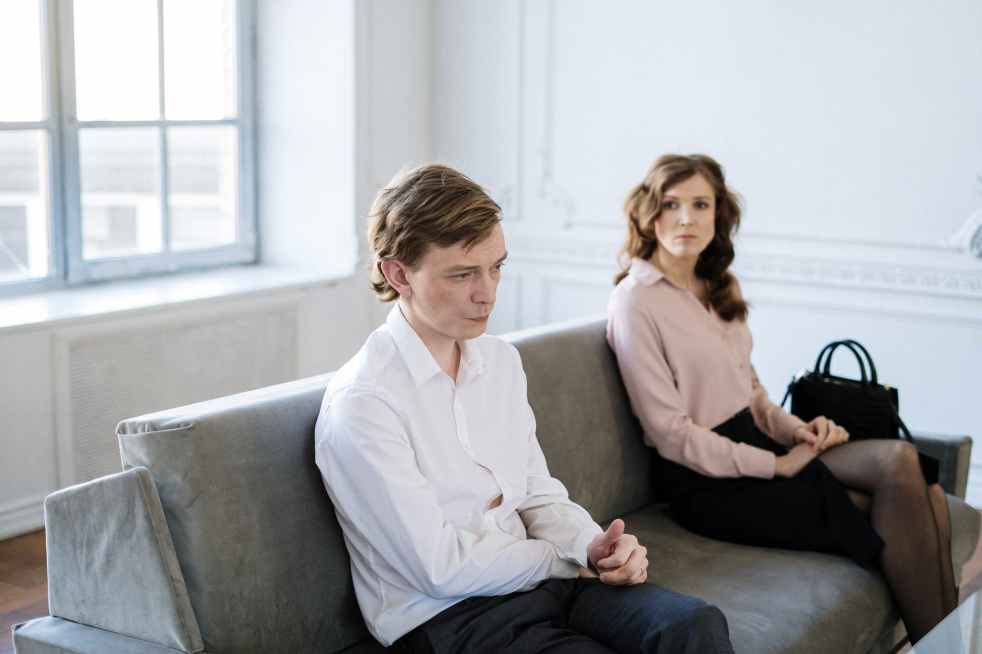
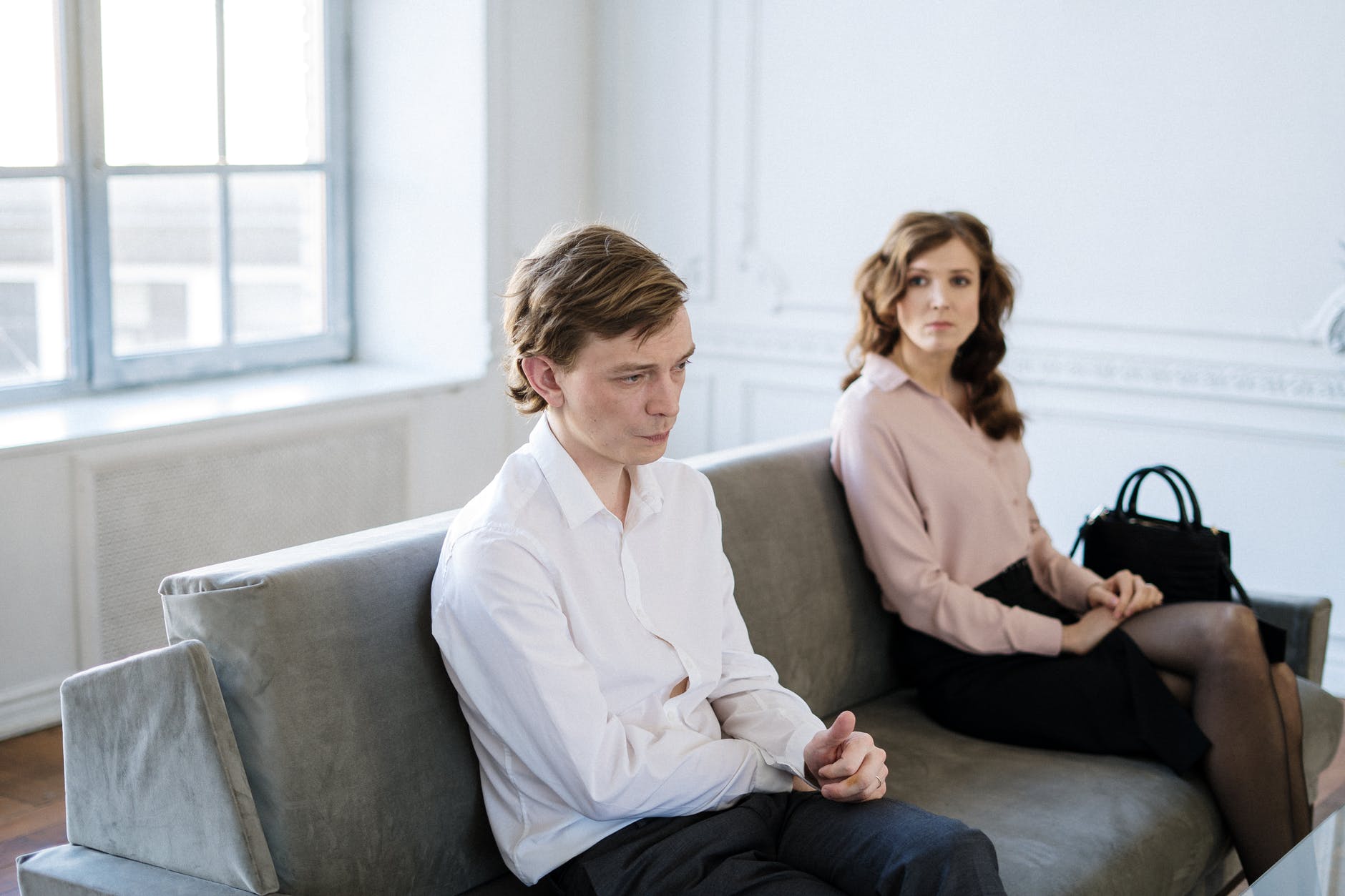





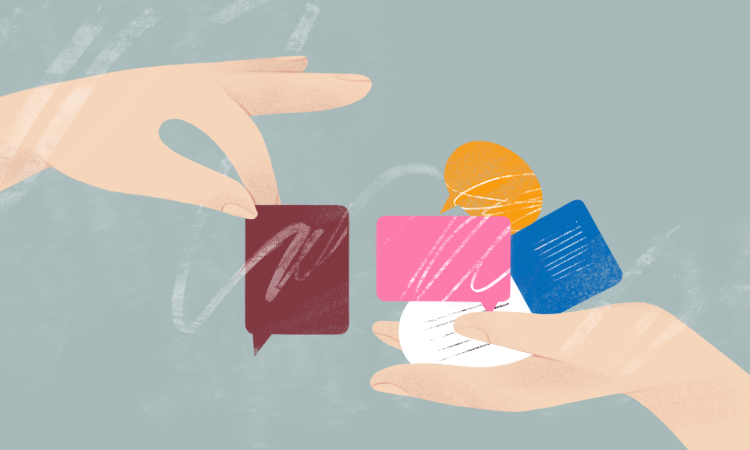
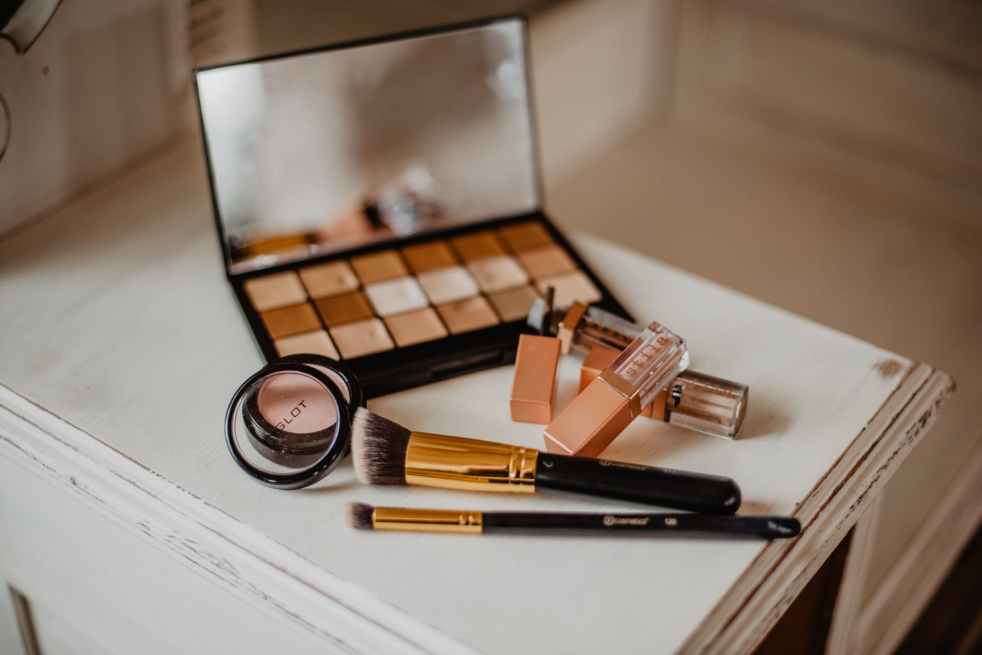
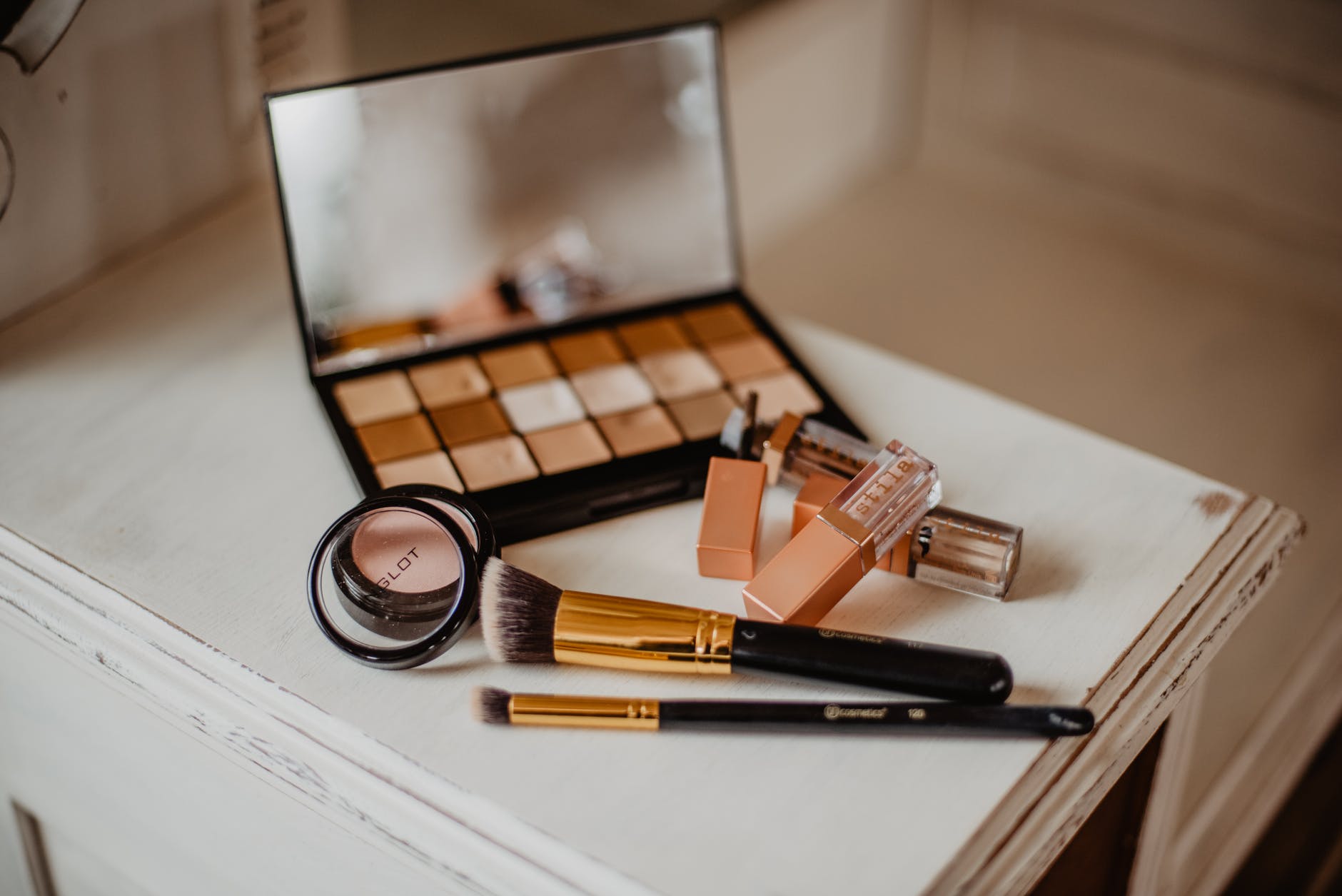











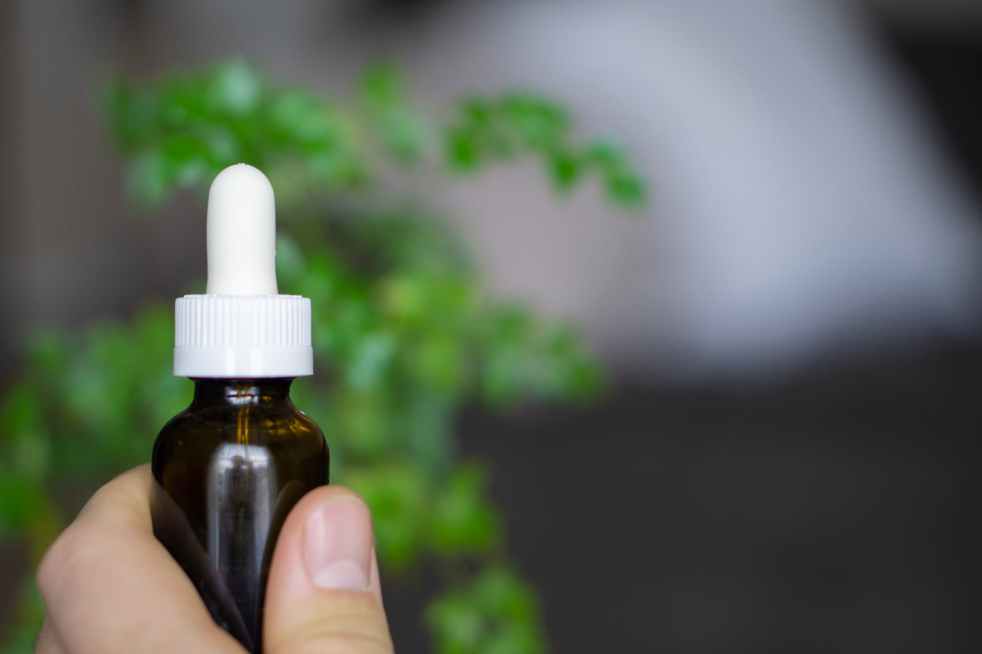








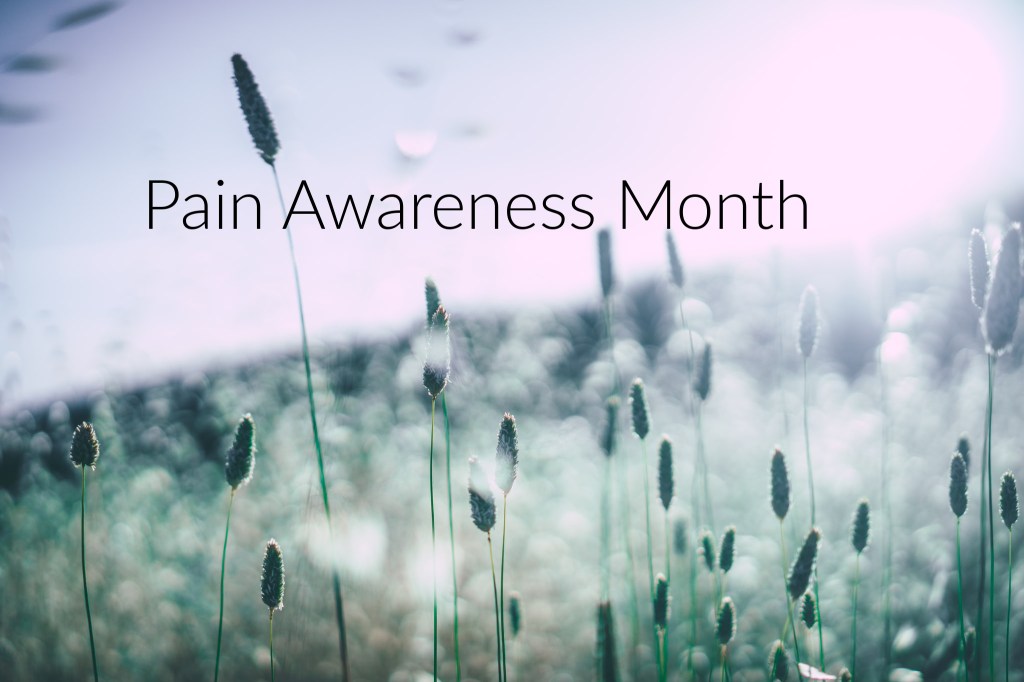






















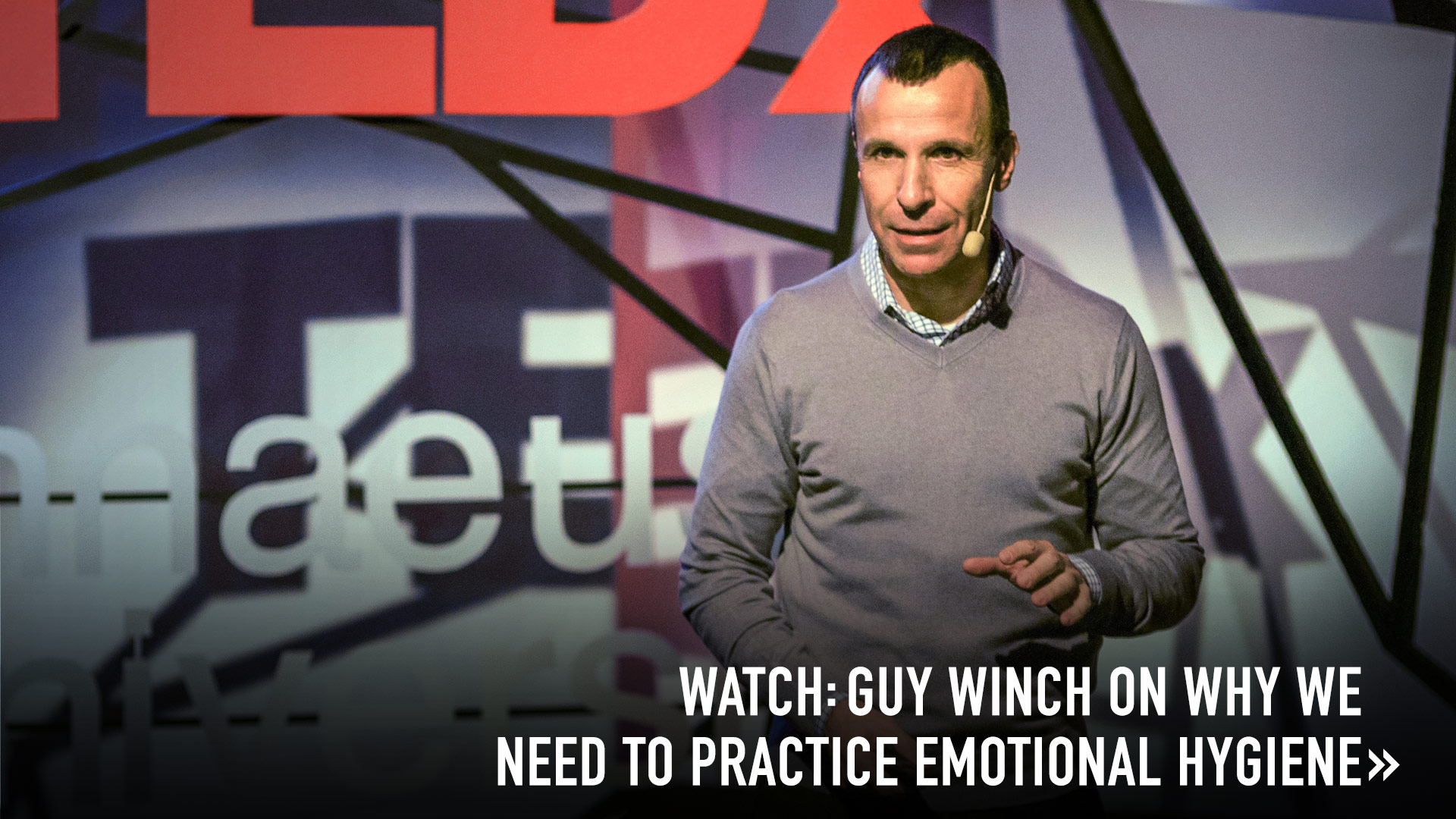
 lookingforthelight.blog