Musculoskeletal: joint pain or swelling or stiffness, muscle pain, shin splints, neck or back stiffness, migrating muscle pain or cramps, TMJ, neck creaks & cracks, tender soles.
Reproductive: testicular pain/pelvic pain, menstrual irregularity, unexplained milk production (lactation), sexual dysfunction or loss of libido.
Gastrointestinal: nausea or vomiting, loss of appetite, GERD, change in bowel function (constipation, diarrhea), gastritis, abdominal cramping, cystitis, irritable bladder or bladder dysfunction, newly diagnosed irritable bowel syndrome (IBS).
Other: fever, sweats, or chills, weight change (loss or gain), fatigue, tiredness, hair loss, swollen glands, sore throat, difficulty swallowing, swelling around the eyes, & swelling in feet.
Bear, service dog, shakes the hand of a U.S. Navy veteran prior to the start of their 4 Paws 2 Freedom program graduation March 22, 2019 at Beale Air Force Base, California. (U.S. Air Force/Staff Sgt. Alexandre Montes)
A decade-long effort to have the Department of Veterans Affairs provide service dogs to veterans with mental health issues passed a major hurdle with House passage Wednesday.
The Puppies Assisting Wounded Servicemembers, or PAWS for Veterans Therapy Act, would have the VA create a 5-year pilot to give grants to one or more organizations to train and provide service dogs to veterans with post-traumatic stress and other post-deployment mental health issues.
While the VA has been studying the use of service dogs for mental health treatment, it currently only covers service dogs for use in mobility issues.
The bipartisan bill was introduced by Rep. Steve Stivers, R-Ohio, who has served in Iraq in the Ohio ArmyNational Guard.
“A soldier under my command during Operation Iraqi Freedom recently told me what his service dog means to him: he was able to fly on a plane for the first time in 10 years and he took his fiancée to dinner,” Stivers said in a statementwhen H.R. 4305 was introduced. “That is the impact this bill can have on the lives of our veterans.”
Lawmakers have long been exploring different ways to combat veterans’ mental health issues . Statistics show about 20 veterans die by suicide every day.
“The process of obtaining a service dog is lengthy and costly, a cost that is out of reach for many veterans,” Dr. Robin Ganzert, American Humane president, said in a news release. “This is long overdue.”
Congress previously mandated that VA study the use of service dogs for PTSDand other mental health problems in 2010. But the pilot was suspended twice when two service dogs bit children and some dogs experienced health issues.
The VA has since restarted the study, and the first report on whether service dogs or emotional support dogs help veterans with PTSD will be released this summer. Six months later, the second part will show if the kind of dog factored into “health economics savings” such as reduced hospital stays or reliance on medication.
The bill now goes to the Senate, which has several of its own related bills.
Disclosure: Bear in mind that some of the links in this post are affiliate links and if you go through them to make a purchase I will earn a commission. Keep in mind that I link these companies and their products because of their quality and not because of the commission I receive from your […]
I started taking my self-care routine to the next level about a year ago by going to bed at 8:00 P.M. every night. I spend roughly an hour unwinding, clearing the noise in my head so when my husband comes to bed I’m ready to go to sleep.Photo by Pixabay on Pexels.com
I turn on the salt lamp, get the diffuser going with some soothing essential oils, and roll an essential oil blend on my shoulders, and chest. I also use a relaxing Lavender scent hand cream and a Lavender essential oil stick to use under my nose for extra relaxing benefits.
All lights out, no computers, no reading, no television, nothing but the soft glow of the salt lamp.
Part of the new routine also includes sleeping 10 hours a night or as close as I can. It has made a huge difference in my mental health. Physically I feel rested and much less fatigued. I also allow myself naps if Fibromyalgia is ruling my day.
If you can’t sleep the extra hours or take naps, you can still incorporate most of the self-care tips into your daily routine. Self-care is so important whether you have a chronic illness or not. Make sure to put your health first as often as possible to have your best life.
It’s impossible to talk about travel right now without addressing coronavirus. As the COVID-19 virus continues to spread, sharing accurate information is crucial to both help stem fear and arm ourselves and our loved ones with knowledge. For this reason, we have created a guide on coronavirus, informed by reliable sources like the CDC and World Health Organization. Stay safe and healthy.
WHAT IS CORONAVIRUS (COVID-19)? According to the World Health Organization (WHO), coronaviruses are a large family of viruses that cause illness ranging from the common cold to more severe diseases such as Middle East Respiratory Syndrome (MERS-CoV) and Severe Acute Respiratory Syndrome (SARS-CoV). COVID-19 is a new strain of coronavirus that first emerged in Wuhan, China in 2019 and has since spread from country to country. When people are speaking about coronavirus, it actually refers to a classification of multiple viruses. But, the specific strand that is making headlines today is COVID-19.
WHAT ARE THE SYMPTOMS OF COVID-19? The symptoms of COVID-19 include a cough, fever, and shortness of breath. In severe cases, it can lead to larger respiratory problems and kidney problems. Symptoms typically appear 2-14 days after exposure to someone carrying the virus. The speed of transmission is cause for concern and still being studied, but it appears the virus can be contracted via cough and contaminated surfaces.
WHERE HAS THE VIRUS SPREAD SO FAR? As of 19 hours ago, the virus has spread to the following countries illustrated below. As of today (3/11), it has been called a global pandemic. WHY IS THIS ANY WORSE THAN THE FLU? The two key differences between this virus and the flu come down to knowledge and death rate. According to Live Science, scientists have studied the seasonal flu for decades. So, despite its danger, we know a lot about flu viruses and what to expect from them each season. In contrast, we know little about this new coronavirus strain. While we have since developed a flu vaccine and have treatment available, COVID-19 does not yet have available treatment. Likewise, the death rate of the common flu is 0.1% while COVID-19 is proving to have a higher death rate.
HOW CAN I PROTECT MYSELF? You can practice personal hygiene such as washing your hands frequently (for a minimum of 20 seconds each time), not touching your face, disinfecting surfaces, and opt-ing to stay home if feeling unwell. According to WHO, illness due to the virus is generally mild—especially in children and young adults. However, this coronavirus strain can cause serious illness and shouldn’t be taken lightly. About one in five people who catch it need hospital care.
IS THERE A TREATMENT AVAILABLE YET? There is no vaccine and no specific antiviral medicine to prevent or treat this virus. However, those affected should receive care to relieve symptoms. People with serious illness should be hospitalized. Most patients recover thanks to supportive care.
HOW DO I KNOW IF I HAVE IT? The availability of coronavirus testing varies from country to country and, in the United States, has political implications. If you are based in the United States, refer to this CDC page for where you can get tested.
DOES CORONAVIRUS IMPACT PREGNANT WOMEN? It appears pregnant women are no more likely than anyone else to have severe symptoms. In an analysis of 147 women, only eight percent experienced a severe disease and one percent were in critical condition, according to a report published by the World Health Organization. In short, you are not at a higher risk if you are pregnant.
WHAT IS THE IMPACT CORONAVIRUS IS HAVING ON TRAVEL? The arrival of COVID-19 has had widespread impacts on the travel industry. “Global travel is effectively shutting down,” explains Mark Zandi, chief economist for Moody’s Analytics. “It’s going to take a while to get it back up and running again. This is going to be a very tough year for the travel and tourism industry.” According to USA Today, the global travel research firm, Tourism Economics, says the travel industry is feeling the most acute coronavirus pain for three reasons: official travel restrictions, event cancellations (like SXSW), and risk aversion. The ripple effects these three things are hurting airlines, hotels, car rental companies, cruise lines, tourist attractions and other travel businesses worldwide.
FLIGHTS ARE SO CHEAP! SHOULD I BOOK A TRIP? Due to the financial fall out of the travel industry, airfare has never been cheaper. As tempting as it may be to hop on a plane right now, you need to exercise caution both from the standpoint of preventing further community spread and the risk of being stuck elsewhere should quarantine be implemented. Rather than plan an immediate trip, you can take advantage of low cost airfare by booking a vacation for later in the year.
Headache and migraine diseases captured attention nationally throughout February thanks to features on ABC’s Good Morning America, CBS’s Sunday Morning Show, and PBS’s NewsHour. Members of the INvisible Project were highlighted on all three stations.
On Feb. 25, Dr. William B. Young, a headache specialist at Jefferson Headache Center and contributing writer for the INvisible Project, discussed the reality and severity of millions of Americans who have migraine disease on the Sunday Morning Show.
That same week, Good Morning America (GMA) ran three segments on migraine. Jaime Sanders (also known as the Migraine Diva) and Robert Pushis and his family were filmed at their homes to show life with chronic migraine. Producers on the medical team for the show found the INvisible Project: 3rd Edition Migraine Diseases online and reached out to the participants to be featured on the show.
On Feb. 26, PBS’s NewsHour aired an eight-minute segment on migraine disease, exploring the state of treatment and advocacy efforts. PBS sent their camera crew to Washington, D.C., the week prior to film parts of Headache on the Hill. The segment featured cameos from two past INvisible Project participants—Dr. Amaal Starling, a headache specialist at Mayo Clinic; Shirley Kessel, founder of Miles for Migraine, whose three generations of family were featured in the first edition—along with INvisible Project writer, Dr. JoAnna Kempner, a sociologist at Rutgers University was also featured as she discussed the stigma of migraine throughout history.
In fact, a total of 19 INvisible Project participants and contributors were spotted.
“This has been an amazing month for the migraine and headache disease community,” says Nicole Hemmenway, interim CEO and Director of the INvisible Project. “We are so proud of our past participants for using their voices to speak up, and thrilled we were able to play a small role in helping them get the platform they deserve.”
I’ve recently been diagnosed with the immune disorder Hypogammaglobulinemia which requires the expertise of an Endocrinologist. My doctor isn’t sure how I contracted it since I don’t fit any noted categories.
Infusion treatments may become necessary for Hypogammaglobinemia, some patients only require one treatment and others require ongoing infusion treatment for life.
Hypogammaglobulinemia is a problem with the immune system that prevents it from making enough antibodies called immunoglobulins. Antibodies are proteins that help your body recognize and fight off foreign invaders like bacteria, viruses, and fungi.
Without enough antibodies, you’re more likely to get infections. People with Hypogammaglobulinemia can more easily catch pneumonia, meningitis, and other infections that a healthy immune system would normally protect against. These infections can damage organs and lead to potentially serious complications.
Several gene changes (mutations) have been linked to Hypogammaglobulinemia.
One such mutation affects the BTK gene. This gene is needed to help B cells grow and mature. B cells are a type of immune cell that makes antibodies. Immature B cells don’t make enough antibodies to protect the body from infection.
THI is more common in premature infants. Babies normally get antibodies from others through the placenta during pregnancy. These antibodies protect them from infections once they’re born. Babies that are born too early don’t get enough antibodies from their mothers.
A few other conditions can cause Hypogammaglobulinemia. Some are passed down through families and start at birth (congenital). These are called primary immune deficiencies.
They include:
ataxia-telangiectasia (A-T)
autosomal recessive agammaglobulinemia (ARA)
common variable immunodeficiency (CVID)
hyper-IgM syndromes
IgG subclass deficiency
isolated non-IgG immunoglobulin deficiencies
severe combined immunodeficiency (SCID)
specific antibody deficiency (SAD)
Wiskott-Aldrich syndrome
x-linked agammaglobulinemia
More oftenTrusted Source, Hypogammaglobulinemia develops as a result of another condition, called secondary or acquired immune deficiencies. These include:
If your Hypogammaglobulinemia is severe, you may get Immune Globulin replacement therapy to replace what your body isn’t making. You get this treatment through an IV. The immune globulin comes from the blood plasma of healthy donors.
Many people with and without Lyme are fearful of Coronavirus also called Covid-19. In my Seattle Lyme practice, I am answering questions about what one should do to protect themselves and to boost their immune systems. Many wonder if immune dysregulation, caused by Lyme, increases their chances of acquiring the virus, having a severe case, or even death.
Here is what I am discussing and recommending.
Coronavirus Severity
First, most people who get Covid-19 have mild to moderate illness. Also, even in Seattle, the chances of getting the infection are quite low. Let’s look more at the numbers.
There are numerous estimates of the death rate for Covid-19. These estimates I have read in the last few days range from 1.4 percent to 3.4 percent. This compares to .1 to .2 percent for the seasonal flu. According to the US Centers for Disease Control and Prevention, reports from China suggest 16% of people infected with Covid-19 will have a severe illness. This means 84% of people have mild to moderate infections.
While these statistics look bad, they probably dramatically over-estimate the severity of the illness. First, many with the illness appear to go undetected. If all people infected are accurately counted, this would drive down the suggested death rate and rate of severe illness. A great part of the death rate and illness severity is estimated based on cases in China. Compared to the US, the Chinese have a much greater rate of smoking. Smoking injures the lungs making it much more difficult for someone to tolerate the lung infection caused by Coronavirus.
Some experts suggest Covid-19 is much less infectious than the seasonal Flu while others think it is more infectious. Yet, at this point, even here in Seattle, the chance of getting Covid-19 is very small because this infection is still quite rare.
What About The Person with Lyme
At this time, we have no idea if someone with Lyme will have a greater problem handling this infection than any other person. Just because Lyme may suppress the immune system to fight Lyme, it does not mean the immune system is suppressed to fight other germs like new or even common viruses such as the Flu. In general, people who are over 60 or who have underlying heart or lung issues are the ones who are dying or have complicated illness.
Prevent Covid-19 Infection
There are some simple steps that people can take to prevent getting this infection. These are common recommendations put forward by public health departments like the US Centers for Disease Control and Prevention and Public Health – Seattle & King County. You can download the Seattle & King County flier here.
Avoid Close Contact with People Who Are Sick
Try to stand at least three feet away from someone who is ill or coughing. This decreases your chances of contacting respiratory and mucous droplets that carry the virus. If someone is coughing or sneezing, move away from them.
Wash Your Hands Frequently
Washing your hands for 20 seconds with soap and water or a hand sanitizer removes germs you may pick up. Simple soap works great.
Avoid Touching Your Face, Mouth, Nose, and Eyes
Covid-19 is spread through respiratory droplets. If these get on your hands and then you touch your face or parts of your face, you could spread the virus to yourself.
Support Your Innate Immune System
There are two parts of the immune system that fight infections. One part is called the “innate immune system” and the other is called the “acquired immune system”. The innate immune system fights new germs, like Covid-19, the body has never seen before.
The acquired immune system includes cells and antibodies primed to fight infections which the immune system has learned to fight. For instance, in chronic Lyme it is white blood cells and antibodies in the acquired immune system that help fight the infection. The acquired immune system also is activated by vaccines. See How to Boost The Immune System in Lyme for information about how to support the acquired immune system.
To fight Covid-19, it is the innate immune system that will act first. The innate immune system is composed of barriers like our skin and mucous membranes like those in the nose. It includes various types of immune cells like Natural Killer Cells (NK), Dendritic Cells, Macrophages, Phagocytes, and Mast Cells. Some of the innate immune cells produce protein virus and bacteria germ killers.
A healthy lifestyle helps. Both parts of the immune system work best when one gets seven to nine hours of sleep a night. Emotional toxins like stress and worry suppress immune function – so find ways to destress like counseling, meditation, keep hobbies, visit friends, and exercise.
There are a number of supplements one can take to support and boost the innate immune system.
Vitamin A supports mucous membranes that act like a barrier to keep germs out. Vitamin A also regulates the immune system.
Vitamin D modulates the immune system, prevents excess inflammation, helps macrophages kill germs, and increases antimicrobial proteins that kill germs. In the case of the Flu, people who take Vitamin D regularly have marked decrease in Flu symptoms and the severity of the Flu compared to those who do not take Vitamin D and have the Flu.
Beta-Glucans found in mushrooms like Reishi turn on Macrophages, NK cells, and Phagocytes.
Transfer Factors are proteins made by immune cells that turn on various cells like NK cells. One product made by Researched Nutritionals called Transfer Factor Multi-Immune is shown in a very small study to improve NK function by 600%.
Probiotics appear to prime most innate immune system cells.
Glutathione appears to help Dendritic Cells. This can be increased either by taking liposomal glutathione or N-Acetyl-Cysteine (NAC) which is a building block for glutathione.
My Recommendation
Prevent contact with the Covid-19 infection. See “Prevent Covid-19 Infection” section above or the Public Health – Seattle & King County flier for more information.
Practice a healty immune system supporting lifestyle. Get seven to nine hours of sleep a night. Find ways to lower stress like those mentioned above.
Use supplements to support innate immune system function*
Transfer Factor Multi-Immune by Researched Nutritionals 1 pill 2 times a day
Reishi Mushrooms 400 mg 1 pill 3 times a day
Vitamin A 5000 IU 1 time a day
Vitamin D 5000 IU 1 time a day. Be careful by working with your physician to keep your level between 50-80. Levels above 150 can be toxic.
Probiotics like Corebiotic by Researched Nutritionals or HMF Forte by Seroyal/Genestra 2 pills 1 time a day
NAC 500mg 1 pill 3 times a day or liposomal glutathione 500 mg 1 time a day.
You can find the supplements I recommend at my Austin, Texas based online store, Marty Ross MD Supplements.
* Be aware there is no research showing these will actually help someone with Lyme who acquires Covid-19. But based on their function, these may help.
Disclaimer
The ideas and recommendations on this website and in this article are for informational purposes only. For more information about this, see the sitewide Terms & Conditions.
According to the U.S. Energy Information Administration’s newly-released Electric Power Monthly, the exciting milestone means that wind is now the top renewable source of electricity generation in the country—a position previously held by hydroelectricity for several decades.
Annual wind generation totaled 300 million megawatthours (MWh) in 2019, exceeding hydroelectric generation by 26 million MWh. Wind generation has increased steadily during the past decade, in part, because the Production Tax Credit (PTC)—which drove wind capacity additions—was extended. Annual hydroelectric generation has fluctuated between 250 million MWh and 320 million MWh in the past decade, reflecting a stable capacity base and variable annual precipitation.
Annual changes in hydroelectric generation are primarily the result of variations in annual precipitation patterns and water runoff. Although weather patterns also affect wind generation in different regions, capacity growth has been the predominant driver of annual changes in wind generation.
Both hydroelectric and wind generation follow seasonal patterns. Hydroelectric generation is typically greatest in the spring when precipitation and melting snowpack increase water runoff. Seasonal patterns in wind generation vary across the country, but wind generation is usually greatest in the spring and fall.
Wind capacity additions tend to come online during the fourth quarter of the year, most likely because of tax benefits. Wind capacity additions totaled 10 gigawatts in 2019 (3.8 GW installed in the fourth quarter), making 2019 the second-largest year for wind capacity additions, second only to 2012.
As of the end of 2019, the United States had 103 GW of wind capacity, nearly all of which (77%) were installed in the past decade. The United States has 80 GW of hydroelectric capacity, most of which has been operating for several decades. Only 2 GW of hydroelectric capacity has been added in the past decade, and some of those additions involved convertingpreviously non-powered dams.
Although total installed wind capacity surpassed total installed hydroelectric capacity in 2016, it wasn’t until 2019 that wind generation surpassed hydroelectric generation. The average annual capacity factors for the hydroelectric fleet between 2009 and 2019 ranged from 35% to 43%. The average annual capacity factors for the U.S. wind fleet were lower, ranging from 28% to 35%. Capacity factors are the ratio of the electrical energy produced by a generating unit for a specified period of time to the electrical energy that could have been produced at continuous full power operation during the same period.
“We are the World” Blogfest” aims to spread the message of light, hope and love in today’s world. We are challenging all participants to share the positive side of humanity. This month’s co-hosts, Sylvia McGrath, Lizbeth Hartz, Shilpa Garg, Mary Giese, and Belinda Witzenhausen welcome participants and encourage all to join in during future months. #WATWB comes on the last Friday of every month. Click HERE for more information. You are always welcome to join in!You can find more stories of hope, light, and love on the WATWB Facebook Page. Click HERE to be part of the Light.
Warm weather is right around the corner, I know some of us are experiencing freezing weather but Spring is around the corner. The south will start to feel great outdoor weather in a matter of weeks. Lyme has left made my life hell, I don’t want you or anyone you love to go thru the same painful illness.
Please remember!!!!! There is no cure for Lyme and the diseases you get from your immune system being compromised can be life threatening. As you go for the first hike, long walk with the dog, picnic with the kids, make sure you prepare for ticks. You don’t have to see cows or be anywhere near cows. A silly notion. The only sure way to prevent the ticks don’t stick to you is 20% DEET.
I didn’t want to use DEET in the past, and that was just to ward off flying bugs. DEET is the only recommenced prevention for tick born illnesses. Please educate yourself before blowing off the idea. The option is not worth the small risk of using DEET.
I will continue to send out reminder as we move into warmer weather. I also plan to post an update on my health progress from living with Lyme.
As the temperatures warm the chances of encountering ticks increase. I had a PA recently say we don’t have Lyme is Texas, what? Yes, Lyme or tick boring illnesses are in every state. Some states have a higher percentage of cases but dot fool yourself, tick-borne illnesses are in every state in the United States. There are now 30 strains of tick born illnesses and more are discovered each year. This year a more a deadly tick-born illness, Powassan Disease was discovered and it’s the most deadly. Please take notice and protect yourself and children.
This post is a combination of photos, snippets from previous post and new information. If you have questions visit ILADS website for the most accurate information on tick born illnesses. This association is for doctors who treat Lyme, educators of Lyme and the medical community who are there to increase knowledge.
I am walking after four years spent in bed, how could anything be worse than Lyme Disease? The illnesses Lyme leaves behind are debilitating and worst. I’ve lost four years of my life, screaming in pain, narcotics, nine months of twice a day IV Antibiotic Infusion Treatments. I can not stress enough how dangerous Tick-Borne illnesses are, they can kill you and your children. If you already have a compromised immune system, your starting behind the curve. I’ve talked to many at WordPress with Chronic Lyme, many of them spent 10-15 years before diagnosis. Think of the pain and isolation of our fellow Bloggers went thru.
People have said we don’t have ticks, for one Lyme and Powassan Disease is transmitted by many sources other than ticks, mosquitos, sand flies, are just a few culprits. In the wild animals of all types of animals die, many pests visit the buffet. The critter who is carrying Lyme disease bites you and there is a short window for medical attention.
The flying pest target is blood, they have to eat. They don’t discriminate on where they go for lunch. The ticks who carry Tick-Borne illnesses are smaller than a grain of rice, try to find that while doing a tick check, you will not see them.
Before you get dressed, spray sunscreen with insect repellant with 20% DEET. Reply every hour if sweating or in heavily wooded areas. Wear white soaks with your pant leg tucked in light-colored pants. Wear a white or light colored shirt, a hat that is longer in back to cover your neck. Be vigilant with your kids, if playing outside, spray. Better safe than sorry.
Most important, do tick checks on you and the kids throughout the day. Take some tape and if see a tick don’t touch it, pull it off with tape. While out hiking wear light colors, tuck pants in socks, wear a hat that covers the back of the neck. Lyme Dieses is not sexy.
Watch these extremely important videos and educate yourself. Know the early signs and a short antibiotic treatment may provide a cure. The bulls-eye rash talked about by doctors only happens 30% of the time.
The Lyme test doctors use only cover a few of the 30 strains of Lyme. I’ve had multiple tests over the past four years and not once did I show positive for Lyme.
Chronic Lyme disease causes other chronic illnesses in its wake and new illnesses can pop up at any time. I now suffer from Fibromyalgia, Dementia, Neuropathy, loss of balance and other cognitive issues. My life is not back to normal and never will.
Researchers have determined that seven herbal medicines are highly active in test tubes against B.burgdorferi, the bacteriathat causes Lyme disease, compared to the control antibiotics, doxycycline and cefuroxime.
Published in the journalFrontiers in Medicine, the laboratory study was funded by the Bay Area Lyme Foundation and supported in part by The Steven & Alexandra Cohen Foundation.
Researchers at Johns Hopkins Bloomberg School of Public Health and colleagues at the California Center for Functional Medicine and FOCUS Health Group, Naturopathic collaborated on the study.
“Since traditional antibiotic approaches fail to resolve symptoms in up to 25% of patients treated for Lyme disease and many suffer disabling effects of the disease, there is a need for novel treatment proven effective against B. burgdorferi,” said the paper’s co-author Sunjya K. Schweig, MD, CEO and co-director, California Center for Functional Medicine and Scientific Advisory Board Member, Bay Area Lyme Foundation.
Patients turning to herbal remedies
“Because patients are currently turning to herbal remedies to fill the treatment gaps left by antibiotics, this research is a critical step in helping clinicians, as well as patients, understand which ones may offer the most potential benefit.”
According to this study, carried out by Prof. Ying Zhang’s group at the Johns Hopkins Bloomberg School of Public Health, the seven herbal medicines that have the ability to kill B. burgdorferi in test tubes are:
Cryptolepis sanguinolenta
Juglans nigra (Black walnut)
Polygonum cuspidatum (Japanese knotweed)
Artemisia annua (Sweet wormwood)
Uncaria tomentosa (Cat’s claw)
Cistus incanus
Scutellaria baicalensis (Chinese skullcap)
It is important to note that each of these products have the potential to produce significant side effects in patients, and should be taken only under advisement of a clinician knowledgeable of their capabilities and toxicities.
Of these products, the Cryptolepis sanguinolenta extract caused complete eradication, while doxycycline and cefuroxime and other active herbs did not. This extract has been used for the treatment of malaria as well as the tick-borne infection Babesia, a malaria-like parasite.
This study is believed to be the first time this extract has been documented to have a potential impact on B. burgdorferi, and additional laboratory and clincial studies should be conducted to investigate the potential role Cryptolepis sanguinolenta could play in the treatment of Lyme disease.
Further, Cryptolepis sanguinolenta and Polygonum cuspidatum (Japanese knotweed) showed strong activity against both growing B. burgdorferi (MIC=0.03%-0.06% and 0.25%-0.5% respectively) and non-growing stationary phase B. burgdorferi.
In contrast, Stevia rebaudiana, Andrographis paniculata, Grapefruit seed extract, colloidal silver, monolaurin, and antimicrobial peptide LL37 had little or no activity against stationary phase B. burgdorferi.
New therapeutic options
“Our hope is that findings from this study could point to new therapeutic options for doctors and their patients, and pave the way for clinical research to help patients with persistent Lyme disease,” said Linda Giampa, executive director, Bay Area Lyme Foundation.
These data may provide a basis for the clinical improvement of patients who take herbal medicines, particularly those whose chronic symptoms may be due to persistent bacteria that are not killed by conventional Lyme antibiotic treatment.
However, it is critical to note that additional studies are needed to further evaluate the seven active botanical medicines identified in the study. Patients should not attempt to self-treat with these herbal medicines due to potential side effects and lack of clinical trials with these products.
About the study
For the study, the researchers tested 14 natural products in test tubes against B. burgdorferi. Plant extracts selected for the study included herbs or agents that: have been previously used to manage the symptoms of patients who do not respond to standard Lyme antibiotic treatment; have favorable safety profiles; and can be absorbed systemically.
Additional criteria for selecting compounds included anti-biofilm effects and ability to cross the blood-brain barrier. To conduct the study, the plant extracts in concentrations of 1%, 0.5% and 0.25% and antibiotic controls were each tested on growing as well as non-growing B. burgdorferi cultures.
The study found that seven of these natural product extracts at 0.25%-0.5% had better activity against the stationary phase B. burgdorferi culture than the control antibiotics doxycycline and cefuroxime, both of which are commonly used to treat Lyme disease.
The paper titled “Evaluation of Natural and Botanical Medicines for Activity against Growing and Non-growing Forms of B. burgdorferi,” was written by Jie Feng, PhD, Jacob Leone, ND, Sunjya Schweig, MD, and Ying Zhang, MD, PhD.
I found this app today and it sounds like a great resource, or the best resource we have to date. Please check it out. Melinda
By: Bieneke Bron, Maria del Pilar Fernandez, Pallavi Kache, University of Wisconsin – Madison & Columbia University 04 June 2019
According to the Centers for Disease Control and Prevention, the number of people getting diseases transmitted by ticks, mosquitoes and fleas has tripled in recent years. Milder winters and warmer springs and falls are making matters worse by expanding the ticks’ range to new areas.
Ticks are small but mighty adversaries. They represent a real threat to humans since they carry several infectious diseases, including the bacteria that causes typhus and Lyme disease (or Lyme borreliosis), which can be chronic and debilitating. These tick-borne diseases should be a serious concern if you live in a high-risk area, work with animals or spend a lot of time in nature, so you need to plan accordingly.
If you might encounter ticks for any reason, then you should download “The Tick App” as your expert on the go. Since ticks are often found in rural or less populated areas, you may have trouble looking up information on the internet due to limited connectivity.
With the app, you’ll have information readily available to understand tick prevention options, potential areas where you may encounter ticks, and most importantly, ways to remove ticks after exposure. Users in the Northeast and Midwest can use the app to submit a photo of the potential exposure or tick, and an expert will send you back more detailed information. The app can even help you set reminders to do a daily log of checking your body for ticks.
In addition to helping you personally, The Tick App has a higher purpose to support tick and tick-borne disease research. In 2018, a team of researchers from Columbia University, Michigan State University and the University of Wisconsin Madison joined efforts to develop The Tick App with funding from the Centers for Disease Control and Prevention. Daily logs created through The Tick App allow users to be involved and researchers can further use the information to work with high-risk community members, local governments, and other partners to come up with targeted ways to prevent tick-borne diseases.
So far, The Tick App has had over 2,000 downloads nationwide. Our tick research is gaining momentum, and we invite you to be part of it. With more people joining The Tick App study, we will be able to find patterns of activity that result in a higher chance of tick exposure. You can find more information at www.thetickapp.org.
Twenty-eight years ago my father killed himself, I was twenty-eight years old. It’s strange that my father has been dead as long as he was alive in my life.
I’ve written about his suicide many times over the years but this year feels different. It’s hard to put into words but I’ll share what words come to mind.
I knew you were going to kill yourself, you brought me to my knees with grief when you started yelling about dying. You said you needed money, I paid your bills for a year, that didn’t change anything. You were no longer the person I knew, you were delusional, you were hallowed.
I arrived at my grandparent’s house last, I walked in and said I knew daddy was going to kill himself. I don’t know if anyone felt anger towards me for knowing and not saying anything.
I felt guilty for a couple of years that I couldn’t stop his suicide but the fact is you can’t change anyone’s mind. Only the person in pain can decide to reach out and get help.
If you are trying to help someone who is saying they are going to kill themselves, don’t think you can help them by yourself. Be there for them but the only way for a positive outcome is to get professional help.
If the person is like my father and refuses to see how sick they are, do everything you can to make sense but know you can’t change a person’s mind.
There was a time in my life when I was genuinely lonely. I reverently refer to it as my “whitewashed life” because for the outsider looking in, my actions gave the appearance of being pleasantly put together, all nice and clean. But the reality was that beneath the business of working full time, managing the health care needs for my medically complex children and trying my best to be a “good” mom, if you looked closely, you would see that my foundation was dry, cracked and brittle. And, although there were people in my life- understanding co-workers, compassionate friends, and a supportive family- who cared about my well-being, I was missing a key component- authentic connection.
It is human nature to desire to be a part of something bigger than ourselves. To be a contributing member of a group. It’s why we join clubs, participate in activities and go to events. But when chronic illness is a part of your life, your ability to commit to these activities is greatly limited. And when you are the parent of a chronically ill child, or in my case, children, your commitment lies elsewhere. Friends disappear, life moves on without you and your “whitewashing” continues.
Don’t get me wrong. It wasn’t that the people in my life weren’t meaningful to me or that they didn’t enrich me somehow, they did, it was simply that because my life differed so greatly from theirs that we often had little in common. I simply wasn’t finding people who wanted to talk about the kinds of things I wanted, or better yet, needed, to talk about, and most of all they didn’t really understand.
On a particularly lonely day I reached out to a friend and shared my feelings of seclusion, sadness over missed opportunities, worry for the future and the overwhelming feeling of being “lost” and asked, “How do you do it?” Her reply was simple. “I found that finding a tribe of people who are rowing the same boat is so important. Reach out to groups and like-experienced people. You fit. Your kids fit. It’s just that you don’t likely fit with the norm. (Normal-whatever that is-is overrated anyway!). Find your tribe.” But who? And where could I find them?
I spent a lot of time searching for other moms who were talking about what I was craving to talk about. My memberships in various Facebook Groups grew and I found surface level support. But my insatiable need for in person connections remained. Something was still missing, I needed something deeper. Focused more than ever, I continued my quest to find what my friend had described as my “tribe”.
And then it happened.
In May 2019, I registered our family to attend the Pediatric Take Control of Your Pain Retreat sponsored by the U.S. Pain Foundation. It was an opportunity to escape our medical routines, have a quick family getaway and gain new insight to managing my children’s chronic pain. The retreat offered a parent education track and pediatric education track as well as a family fun day- something we all needed. I remember walking in and feeling an immediate connection- this was it! These were the people my friend had told me to find. Throughout the weekend we laughed, we cried, we comforted. We encouraged, we pondered and we problem solved. We embraced our vulnerabilities and immersed ourselves in genuine discussion. They fed my cravings and best yet, my quest for authentic, in-person connection was complete. The women I met filled my loneliness. They were rowing my boat. And just like that, when I least expected it, I found my tribe.
Since that time, my tribe has encouraged, equipped and empowered me. This group of like-minded individuals has helped me to accept myself for who I am, allowed me to acknowledge that doing “my best” is “good enough” and inspired me to become the best possible version of myself. We support, we celebrate, we offer grace and by doing so, we have found that our shared experiences are more compelling and make each one of us stronger. This is my tribe and it has changed my life.
Subscribe to our blog via email
Enter your email address to subscribe to this blog and receive notifications of new posts by email.
Every year after I left home my grandparents would get on the phone together and sing Happy Birthday to me. It became a much-loved family tradition.
Eight years ago today my gramps died, before he slipped into a coma he sang his last words, Happy Birthday to my brother. It was a great gift to leave him.
Eight years ago today a huge part of me died, my gramps was the rock, the man who loved me no matter what I did or said. We became closer than I thought imaginable while I cared for him as he lived out the end of his life. Those memories are as fresh today as they were then. Him being grumpy because he wanted biscuits, not oatmeal. Stop telling him to get up and move around, he’s a grown man. He didn’t need oxygen.
I lost the man who served as my father, I lost the man I loved more than anything else in the world except my granny.
I lost my gramps but have a lifetime of memories and each is precious to me.
On Jan. 15, the House Energy and Commerce Subcommittee on Health held a hearing on discrepancies between state and federal medical cannabis policy and federal roadblocks to clinical research. Many felt the conversation was long overdue.
“I honestly never dreamed I would see, in my lifetime, such progress and discussion on the need for more research on cannabis and CBD at the federal level,” says Ellen Lenox Smith, Co-Director of Medical Cannabis Advocacy for U.S. Pain Foundation. “But to my excitement, it happened, and it was a thorough discussion, lasting three and a half hours.”
An estimated 44 million Americans reported using cannabis last year. Presently, 33 states allow medicinal use and 11 states, plus the District of Columbia, also allow recreational use. However, federal and state policies are miles apart and there are strict federal restrictions on research.
The goal of the hearing was also to explore some of the current bills related to cannabis use and research. Right now, there are six federal bills on the topic:
H.R. 171, the “Legitimate Use of Medicinal Marijuana Act”
H.R. 601, the “Medical Cannabis Research Act of 2019”
H.R. 1151, the “Veterans Medical Marijuana Safe Harbor Act”
H.R. 2843, the “Marijuana Freedom and Opportunity Act”
H.R. 3797, the “Medical Marijuana Research Act of 2019”
H.R. 3884, the “Marijuana Opportunity Reinvestment and Expungement Act of 2019” or the “MORE Act of 2019”
A summary of these bills can be found here, in a memo circulated prior to the hearing.
The hearing brought together representatives from three federal agencies:
Matthew J. Strait, Senior Policy Advisor, Diversion Control Division Drug Enforcement Administration
Douglas Throckmorton, MD, Deputy Director for Regulatory Programs, Center for Drug Evaluation and Research Food and Drug Administration
Nora D. Volkow, MD, Director, National Institute on Drug Abuse National Institutes of Health
The three individuals were questioned by the committee on a number of topics, including medical use of cannabis, current challenges their agencies face in approving research, and so on.
The difficulty with research stems from cannabis being listed as a Schedule I drug, alongside drugs like LSD, heroin, and ecstasy. This category is for substances that have no medical value and are considered to have a high potential for abuse. Putting cannabis into this highly controlled category has meant that it takes approval by the National Institutes for Health (NIH), Food & Drug Administration (FDA), and Drug Enforcement Agency (DEA) for the right to research it. In addition, only cannabis from the University of Mississippi is allowed to be used. Along with being in limited supply, this source has proven to lack commercial quality and correct potency to keep up with the sources in various states.
“We are stuck in a catch-22,” says Lenox Smith. “We need to show support for medical use to educate the public, but we aren’t able to conduct the proper research. Thus, we are left with unanswered questions about both cannabis and CBD.”
CBD is uniquely problematic. In December 2018, the Farm Bill removed hemp from Schedule I, but no regulations were established about its safety. So the public now has access to CBD, but there is no standardization or evidence about quality, dosage, possible interactions, and safety. It is in creams, pills, shampoo, food, drinks, and much more.
“People are paying a high price for CBD items and are not always getting what is being sold on the product packaging,” says Lenox Smith. “This needs to be corrected.”
There was a positive agreement when it comes to understanding the use of cannabis for medical use. The three agency representatives and the majority of the legislators present agreed it shows potential for help with pain, neurological disorders like seizures, and nausea, to name a few. In fact, a drug called Epidolix was approved by the FDA in 2018, for those that are two and older with seizures. However, there are also many issues that are not clear and need to be researched further.View a list of topics mentioned that need to be further reviewed and clarified.
Given the many unresolved questions, a second hearing was suggested on several occasions.
“As we move forward, we hope that patients will be included in the next hearing, whose date and time have not been announced yet,” says Lenox Smith. “This hearing brought up concerns that have been on many minds for years now. We need to be sure patients and their doctors are educated with correct, evidence-based information so they can make a safe, intelligent decision about using cannabis and/or CBD.”
U.S. Pain Foundation is running an action campaign to encourage a second hearing, but this time, we ask that the hearing include patients and provider voices. Taking part requires just a few minutes of your time.
Since its founding 25 years ago, MaleSurvivor has played a leadership role in advocating for male survivors who have experienced sex abuse in any context, either as children or adults.
Here’s a quick update: We’re planning our next major conference for 2021. It will mirror our groundbreaking series of biennial conferences that were available in years past. These events featured programs designed for therapists and male survivors. Participants benefitted significantly from the conferences, as the events served platforms for mutual learning, and a rich exchange of ideas and insights.The MaleSurvivor Dare to Dream program will be transitioned to a subscriber-based Webinar series. More details are coming soon on topics, presenters and the series schedule.Our website continues to feature two high-impact features – a Discussion Forum and Chat Room, exclusively serving male survivors. Our ever-increasing cadre of users now exceeds more than 14,000 survivors. Check it out at Discussion ForumThe MaleSurvivor website continues to include a easy-to-access – and frequently updated —Therapist Directory. It’s a great tool for finding professional help and support. Review it at: Therapist DirectoryOur community of volunteers is expanding. You’re invited to join us as we enhance our current service and support efforts today, and create a path to future success and impact. Interested in volunteering in some capacity? Contact: murray.schane@malesurvivor.org.Our Hope Healing and Support Team is a free, confidential resource for male survivors, and is comprised of doctoral trainees in clinical psychology programs.Team members are available to provide referrals and other key resources. If you’re interested, go to:HHSteam@malesurvivor.org MaleSurvivor is the longest enduring organization of its kind.Please consider joining our vast community of supporters by making a donation now. and please consider making your donation a monthly contribution.Donate HereMaleSurvivor.org | murray.schane@malesurvivor.comhttp://www.malesurvivor.org
“Just out of high school,” Dad continues. “Can you believe it?”
No, I can’t believe it. Bryant’s magnificent height and build make him look older to me, but his face is boyish and sweet, bearing a puckish grin. The crowd is going crazy and suddenly, so is my heart: it dawns on me that Kobe is the most beautiful boy (for I cannot yet see him as a “man”) I’ve ever seen.
I actually don’t remember much of Bryant’s first game, performance-wise; but I do remember how his sweat laced around his temples, and glistened on his cheekbones and that, at one moment, he was so close to me, I felt the hot wind surge off his body. I also remember (though admittedly, this may have happened later that season) that another player soared over me after the ball and, with his enormous foot, conked me right on the head. As people in nearby seat huddled around me asking if I was OK, my sole concern was whether Kobe had seen the embarrassing incident.
I never met Kobe Bryant, but I felt like I knew him, in fact, felt like I loved him, and when I learned that he died (along with 8 others, including his 13-year-old daughter, Gianna), my stomach lurched with the bad kind of butterflies and my eyes welled. I spent much of the day in bed, reading story after horrific story on the helicopter crash that snatched those beautiful lives away but an hour from where I was lounging around like it was any old Sunday morning in Los Angeles.
I was surely not alone in my despair as people around the globe took to social media to share their shock and dismay. Gay L. Polk-Payton, an attorney and judge in Mississippi who named her 21-year old son Gaybriel Jekobe (French for “I Kobe”) Payton, after Kobe Bryant had hardly gotten out of bed since she heard the news.
“I lost it when I found out he died,” Polk-Payton tells me, choking up. “And then when I found out Gianna was with him, his baby girl he nurtured so much and who idolized him, I just lost it all over again. I had to take [Monday] off of work. I’ve been in the same clothes for two days. I’m just a mess.”This grief is valid and the worst thing you can do is deny it
Polk-Payton is giving herself the time she needs to mourn and accepting that this is a real loss. Her way is the healthy and healing way to go about it, according to therapists.
A loss must be grieved whether it is a personal relationship or whether it is a relationship from a distance.
“This loss is very real because Kobe Bryant was a real person whom we all feel like we knew at some level,” says Tami Frye, a licensed master social worker and faculty member for Walden University’s Master of Social Work program. “He met a need for most of us by providing entertainment and by giving us joy. We pulled for him when we watched him play and we were saddened when we saw him lose. We felt in some way we were part of his life and he was part of ours. Now that part is over. An ending like this must be grieved. A loss must be grieved whether it is a personal relationship or whether it is a relationship from a distance.”A mortality wake-up call that challenges our sense of normalcy
Much like fellow NBC News BETTER contributor Vivian Manning-Schaffel did upon the death of The Cars’ frontman Ric Ocasek, I found myself wondering if I was really mourning Bryant, or if I was mourning those bonding times with my dad watching a legacy unfold on the Lakers’ home court. Such nostalgic melancholy certainly may play a role, but what’s perhaps more devastating, are the tragic circumstances around this particular kind of death — and the beaming potential of those who perished.
“There’s a huge sense of loss when people who are young and really excelling in life are stripped away from us out of the blue,” says Lauren Cook, a doctoral candidate in clinical psychology at Pepperdine University. “It’s really triggering as it’s a stark reminder of life’s unpredictability. We tend to go through our days with a sense of normalcy that we can take it for granted. A loss like this is something that humans, who crave homeostasis, find tragically alarming.”
Additionally, while we may have intellectually known that Kobe, like all humans, was not immortal, we may have never really considered his mortality before given his towering celebrity.
“Celebrities’ lives are always on display, and they always seem ‘larger than life’,” says Natalie Mica, a licensed professional counselor. “Their presence almost seems immortal, and their death destroys that illusion and puts us face to face with our own mortality as well as the loss of the illusion that life is safe and predictable.”
Mica adds that when a beloved celebrity dies, this loss of illusion happens on a collective level, which adds to the complexity and intensity of grief. “It is no longer an individual’s personal grief over loss, but ‘our’ grief,” Mica says. “Adding to this is the fact that each new loss can bring up the memory of prior losses. So, as we collectively mourn the loss of a celebrity such as Kobe, the pain of other losses can seep in as well. As we feel these losses together, a thread emerges that recognizes how precious and fragile life is. For a time, this grief gives us full contact with our shared humanity despite our differences.”by TaboolaSponsored StoriesWELLS FARGOWells Fargo Propel® CardYAHOO SEARCHThe Honda CR-V Will Take Your Breath Away. Search 2018 Honda CR-V
[A celebrity death] puts us face to face with our own mortality as well as the loss of the illusion that life is safe and predictable.
It might be tempting to try and push yourself back into your routine and simply get on with the week, but if this loss is hurting you, it’s important for your mental health to take the time to experience your feelings.
“Grief responses to a celebrity death are very real responses,” says Rachel Del Dosso, a licensed marriage and family therapist. “If you feel sadness, shock, anger, disbelief, fear, etc., those are all normal responses. People might think they are not allowed to grieve someone they did not personally know, but just because you didn’t personally know Kobe doesn’t mean he didn’t occupy an important space in your life. For many people he was a hero, someone to look up to, an inspiration, a symbol of strength and perseverance. Many people all across the country are mourning the loss of a very special person, and seeing someone larger than life pass so young (especially with all of the other children and parents on the helicopter) can bring up fears around our own mortality (and the mortality of our loved ones). it can bring up feelings of not feeling safe as well. For some children, it may be their first encounter with death. For their parents: let your children share about how much Kobe meant to them, make room for them to share their feelings, allow them to tell stories of special memories of him.”
Mica adds that grief is not only a measure of loss, “but of love, respect and hope. Honoring grief honors these things as well. Pushing past it, minimizing it or explaining it away invalidates our grief and our tie to this inevitable part of the human experience.”
If this loss has shaken you, it may be a while before you feel OK again. Be patient with yourself.
“To cope with this loss, it is critical to be gentle with yourself over the next couple of weeks,” says Nekeshia Hammond, a psychologist and author. She stresses that it’s important to surround yourself with family and friends to help you through this loss.
If no one in your family or friend group is terribly fazed by the tragedy, consider seeking community online.
“Social media — and the internet broadly — is a great way to find other people who are experiencing similar feelings so you can talk through what it means,” says Natalie Pennington, assistant professor of Communication Studies at University of Nevada, Las Vegas, specializing in online relationships, grief and social support. “Close friends and family may come together at a wake or funeral to commemorate the deceased, but when it is a celebrity, this can be hard for a broader group of people who weren’t close to the deceased, but still care.”
The next best thing you can do to cope with this loss (once you have fully processed it), is to use it to make you a better person.
“Helping others is the best way to prevent getting stuck or to get unstuck,” says Frye. “It changes the focus from your own pain and moves that focus onto others and their pain. Finally, remember the fact that Kobe Bryant did so much to help others; he took his fame and did good out of it. The best way to cope with this loss is to find a way to take the good you have from being a fan and incorporate that into your life. Let it make you a better person. Let it help you reach out to others.”More on BETTER
Your Friday prompt for Stream of Consciousness Saturday is “(un)pack.” Use “pack” or its opposite in your post. Have fun!
It didn’t take long to decide what direction to go with this post, unpacking. I started blogging in 2005 when my granny was very ill and I was able to unpack my fears of being a good caregiver with generous followers.
Over time I opened up about my abusive background and mental health challenges, unpacking each delicate piece as my heart allowed. People embraced me, understood me and many were in the same place as me. By the time I started talking about my abusive background, it was to unpack the memories in hopes of helping others, I had already worked through the trauma with years of therapy.
Unpacking my struggle with mental health is ongoing in there is no cure for Treatment-Resistant Bipolar 1. I haven’t written much lately since I’ve been stable for the past year.
One topic I never expected to unpack was Lyme diseases, it took years of unknowns, misdiagnosis and quite frankly giving up at the time. But I have to say unpacking my experience with Lyme is the best move I’ve ever made. I made it my mission to educate everyone who would listen about Lyme and how common it was. I spent years, writing every week about my treatments or health updates.
One of the horrible things about Lyme diseases is you get co-infections and over time the bacteria spread to many places in your body causing other illnesses. The Lyme bacteria went to my brain and caused cognitive function problems like lack of balance and dementia. That’s a bitch. Then I developed Fibromyalgia and full-body arthritis.
Those years on IV Therapy were some dark years and I probably would have died had I not had an outlet to unpack all the pain and frustration I was going thru.
I want to say thank you for always reading, commenting and being there through the years and I look forward to many more blogging years with you.
Melinda
Join us for the fun and sharing good media stories.
For more on the Stream of Consciousness Saturday, visit Linda Hill’s blog. Here’s the link:https://lindaghill.com
Here are the rules for SoCS:
Your post must be stream of consciousness writing, meaning no editing, (typos can be fixed) and minimal planning on what you’re going to write.
Your post can be as long or as short as you want it to be. One sentence – one thousand words. Fact, fiction, poetry – it doesn’t matter. Just let the words carry you along until you’re ready to stop.
There will be a prompt every week. I will post the prompt here on my blog on Friday, along with a reminder for you to join in. The prompt will be one random thing, but it will not be a subject. For instance, I will not say “Write about dogs”; the prompt will be more like, “Make your first sentence a question,” “Begin with the word ‘The’,” or simply a single word to get your started.
Ping back! It’s important, so that I and other people can come and read your post! For example, in your post you can write “This post is part of SoCS:” and then copy and paste the URL found in your address bar at the top of this post into yours. Your link will show up in my comments for everyone to see. The most recent pingbacks will be found at the top. NOTE: Pingbacks only work from WordPress sites. If you’re self-hosted or are participating from another host, such as Blogger, please leave a link to your post in the comments below.
Read at least one other person’s blog who has linked back their post. Even better, read everyone’s! If you’re the first person to link back, you can check back later, or go to the previous week, by following my category, “Stream of Consciousness Saturday,” which you’ll find right below the “Like” button on my post.
Copy and paste the rules (if you’d like to) in your post. The more people who join in, the more new bloggers you’ll meet and the bigger your community will get!
As a suggestion, tag your post “SoCS” and/or “#SoCS” for more exposure and more views.
We are pleased to share that the Centers for Medicare & Medicaid Services (CMS) will cover acupuncture for chronic low back pain (CLBP).
The news comes following a series of open comment periods offered by CMS on the topic. We alerted our volunteers to the second comment period earlier this summer, and many of you took the time to respond. The second open comment period saw an impressive 644 submitted comments, most of them patients. (You can read U.S. Pain Foundation’s submitted comments here.)
Why this matters As an organization, we support public and private payer coverage of acupuncture for people living with all diseases, injuries, and conditions that cause chronic pain. This decision validates the advocacy work of many of us in the pain community, who have been urging CMS to cover more nonpharmacological therapies for chronic pain. While this one modality may not help everyone with chronic low back pain, it’s important that patients have the opportunity to try it. It’s also important because Medicare coverage standards help inform private insurance policy.
Who is eligible CMS defines chronic low back pain as lasting 12 weeks or longer, and as being nonspecific, in that it has no identifiable systemic cause, is not associated with surgery, and is not associated with pregnancy. Under this new decision, up to 12 visits in 90 days are covered for Medicare beneficiaries who meet the criteria. An additional eight sessions will be covered for those patients demonstrating an improvement; no more than 20 acupuncture treatments may be administered annually, with the treatment being discontinued if the patient is not improving or is regressing. For more details regarding CMS’s decision, click here.
Thanks to those of you who wrote in and helped move the needle on this issue. It’s a clear demonstration of how patient voices can have an impact.
Dear pain warriors, Increased stress, anxiety, and trouble sleeping are common for people living with chronic pain. Unfortunately, stress, anxiety, and poor sleep can make pain worse, and vice versa. It’s a vicious cycle. That’s why we are delighted to share a new tool for managing anxiety, stress, and sleep, and by association, managing pain: Flowly: Relaxation Training. Flowly is an iPhone app that combines biofeedback and virtual reality (VR) using either just your phone or a bluetooth sensor. From the comfort of your home, Flowly lets you see how your heart rate and breathing change as you engage in VR. By being able to see your heart rate and breathing, you can learn to make changes in your body to reduce anxiety, reduce pain, and in some cases, even increase sleep and focus. In case studies, Flowly helped reduce pain an average of 46 percent after each session. It is currently partnering with the National Institutes of Health (NIH) on an upcoming clinical trial. One-month, risk-free trialFlowly understands how important it is to be able to try a therapy option before investing money in it. Here’s how their one-month, risk-free trial works: download the Flowly app and sign up for the monthly or annual subscription. Flowly will automatically send you a kit, including one VR headset and heart rate sensor (the cost of the kit is included in your subscription). If you wish to discontinue Flowly, just send back the kit before the end of the first month, and they will refund your subscription and cover return shipping costs. If you want to continue with Flowly, you will keep the kit and continue with your subscription. You also can get a more general sense of the program without a subscription, just by downloading the app, which includes eight free videos with guided breathing, mindfulness exercises, and biofeedback. (Note that these eight free videos do not incorporate VR; the subscription and kit is required for a complete experience.)
A special discount for U.S. PainFor everyone who signs up by Feb. 16, Flowly is offering a 33 percent discount ($19.99/month or $119.99/year) using the code USPAIN2020. The code can be entered at the bottom of the subscription page. The subscription includes: A Flowly Kit, including one VR headset and one heart rate sensor (valued at $50) Entire library of relaxing VR worlds2D content you can experience when you’re on the go Physiological reports unique to you to track your progress The U.S. Pain discount lasts one year, after which you will continue at the standard rate. For questions about the trial and/or subscriptions, contact Flowly. Want to learn more?Join us on Thursday, Jan. 30, at 9:30 pm EST for a Facebook Live event with Flowly founder, Celine Tien. Celine will answer questions and a patient will demonstrate how the program works. If you have a question you’d like Celine to answer during the Facebook Live, email us! Sincerely,
Your Friday prompt for Stream of Consciousness Saturday is “choices.” Base your post on the subject of making small, uneventful choices. Enjoy!
We make so many choices in a day, it’s like we’re on auto pilot sometimes. Today I received a new pair of boots, I was wearing, admiring them, thinking what a great purchase I made.
The doorbell rings, it’s a delivery, I step out and the storm door catches the front of my boot and make a three inch long scratch. There was a time when I would have gotten very angry, but as I age little choices are easier to make.
A scratch on a boot is no big deal in the scheme of things and will probably get a few more as I wear them. I can just look at them as already worn in instead of shiny and new.
Melinda
Join us for the fun and sharing good media stories.
For more on the Stream of Consciousness Saturday, visit Linda Hill’s blog. Here’s the link:https://lindaghill.com
Here are the rules for SoCS:
Your post must be stream of consciousness writing, meaning no editing, (typos can be fixed) and minimal planning on what you’re going to write.
Your post can be as long or as short as you want it to be. One sentence – one thousand words. Fact, fiction, poetry – it doesn’t matter. Just let the words carry you along until you’re ready to stop.
There will be a prompt every week. I will post the prompt here on my blog on Friday, along with a reminder for you to join in. The prompt will be one random thing, but it will not be a subject. For instance, I will not say “Write about dogs”; the prompt will be more like, “Make your first sentence a question,” “Begin with the word ‘The’,” or simply a single word to get your started.
Ping back! It’s important, so that I and other people can come and read your post! For example, in your post you can write “This post is part of SoCS:” and then copy and paste the URL found in your address bar at the top of this post into yours. Your link will show up in my comments for everyone to see. The most recent pingbacks will be found at the top. NOTE: Pingbacks only work from WordPress sites. If you’re self-hosted or are participating from another host, such as Blogger, please leave a link to your post in the comments below.
Read at least one other person’s blog who has linked back their post. Even better, read everyone’s! If you’re the first person to link back, you can check back later, or go to the previous week, by following my category, “Stream of Consciousness Saturday,” which you’ll find right below the “Like” button on my post.
Copy and paste the rules (if you’d like to) in your post. The more people who join in, the more new bloggers you’ll meet and the bigger your community will get!
As a suggestion, tag your post “SoCS” and/or “#SoCS” for more exposure and more views.
A group of middle schoolers from Bellevue, Nebraska is being praised across social media after they rallied together to surprise their teacher with a new pair of shoes.
Earlier this month, Logan Fontenelle Middle School teacher Trey Payne was heartbroken to discover that his favorite pair of sneakers had been stolen out of his classroom.
Since the shoes were also rather expensive, Payne’s students were particularly upset over the theft.
The students then pooled their money in order to surprise their teacher with a brand new pair of replacement shoes—and Payne could hardly contain his emotions.
In a video which has since been shared thousands of times across social media, Payne can be seen opening the shoebox and then promptly bursting into tears.
“It’s more than a pair of shoes, it’s about doing things to build everyone up around you,” said Payne. “I try to show my kids this and I think the lesson has sunk in for many, in turn, reaffirming my purpose and my ideals.”
(WATCH the tear-jerking video below)
“We are the World” Blogfest” aims to spread the message of light, hope and love in today’s world. We are challenging all participants to share the positive side of humanity. This month’s co-hosts, Sylvia McGrath, Lizbeth Hartz, Shilpa Garg, Mary Giese, and Belinda Witzenhausen welcome participants and encourage all to join in during future months. #WATWB comes on the last Friday of every month. Click HERE for more information. You are always welcome to join in!You can find more stories of hope, light, and love on the WATWB Facebook Page. Click HERE to be part of the Light.
After working with a Pain Management doctor for six months he’s determined I’m a good candidate for a Spine Stimulator. It works by leads placed in your mid-back attached to the implanted stimulation device, the stimulation disrupts the pain signals to the brain thus relieving the pain. I had my psychological evaluation yesterday and now waiting for insurance approval. My hope is to have the trial surgery in early February.
Your prompt for #JusJoJan and Stream of Consciousness Saturday is: “last call.” Talk about the enterprise (sales or service) conducted by the last phone call you received from a business you’re not associated with (i.e. your workplace), or talk about that phone conversation itself. Have fun!
There was a time when “last call” was a total bummer and often meant an end to a fun night of drinking. After 15 years of sobriety and not being in a bar at that hour the prompt “last call” didn’t get any reaction. There is a famous sale at Neiman Marcus called Last Call and you know about even if you don’t shop there.
It’s a great time to pick through all the high end goods looking for that can’t pass up buy. I find myself looking for the diamond in the rough at below cost prices. Like most retail it’s not really a “last call’ it’s more of a siren to pull shoppers in.
Have a great weekend. Thanks for reading, I appreciate you.
Melinda
Join us for the fun and sharing good media stories.
For more on the Stream of Consciousness Saturday, visit Linda Hill’s blog. Here’s the link:https://lindaghill.com
Here are the rules for SoCS:
Your post must be stream of consciousness writing, meaning no editing, (typos can be fixed) and minimal planning on what you’re going to write.
Your post can be as long or as short as you want it to be. One sentence – one thousand words. Fact, fiction, poetry – it doesn’t matter. Just let the words carry you along until you’re ready to stop.
There will be a prompt every week. I will post the prompt here on my blog on Friday, along with a reminder for you to join in. The prompt will be one random thing, but it will not be a subject. For instance, I will not say “Write about dogs”; the prompt will be more like, “Make your first sentence a question,” “Begin with the word ‘The’,” or simply a single word to get your started.
Ping back! It’s important, so that I and other people can come and read your post! For example, in your post you can write “This post is part of SoCS:” and then copy and paste the URL found in your address bar at the top of this post into yours. Your link will show up in my comments for everyone to see. The most recent pingbacks will be found at the top. NOTE: Pingbacks only work from WordPress sites. If you’re self-hosted or are participating from another host, such as Blogger, please leave a link to your post in the comments below.
Read at least one other person’s blog who has linked back their post. Even better, read everyone’s! If you’re the first person to link back, you can check back later, or go to the previous week, by following my category, “Stream of Consciousness Saturday,” which you’ll find right below the “Like” button on my post.
Copy and paste the rules (if you’d like to) in your post. The more people who join in, the more new bloggers you’ll meet and the bigger your community will get!
As a suggestion, tag your post “SoCS” and/or “#SoCS” for more exposure and more views.
Is CBD a cure-all — or snake oil? Jeffrey Chen, executive director of the UCLA Cannabis Research Initiative, explains the science behind the cannabis product.
CBD gummies. CBD shots in your latte. CBD dog biscuits. From spas to drug stores, supermarkets to cafes, wherever you go in the US today, you’re likely to see products infused with CBD. There are cosmetics, vape pens, pills and, of course, the extract itself; there are even CBD-containing sexual lubricants for women which aim to reduce pelvic pain or enhance sensation. CBD has been hailed by some users as having cured their pain, anxiety, insomnia, depression or seizures, and it’s been touted by advertisers as a supplement that can treat all of the above and combat aging and chronic disease.
As Executive Director of the UCLA Cannabis Research Initiative, I’m dedicated to unearthing the scientific truth — the good and the bad — behind cannabis and CBD. My interest was sparked in 2014 when I was a medical student at UCLA, and I discovered a parent successfully treating her child’s severe epilepsy with CBD. I was surprised and intrigued. Despite California legalizing medical cannabis in 1996, we weren’t taught anything about cannabis or CBD in med school. I did research and found other families and children like Charlotte Figi reporting success with CBD, and I knew it was something that needed to be investigated. I established Cannabis Research Initiative in the fall of 2017, and today we have more than 40 faculty members across 18 departments and 8 schools at UCLA working on cannabis research, education and patient-care projects.
So what exactly is CBD and where does it come from? CBD is short for cannabidiol, one of the compounds in the cannabinoid family which, in nature, is found only in the cannabis plant (its official scientific name is Cannabis sativa l.). THC — short for tetrahydrocannabinoid — is the other highly abundant cannabinoid present in cannabis that’s used today. THC and CBD exert their effects in part by mimicking or boosting levels of endocannabinoids, chemical compounds that are naturally produced by humans and found throughout our bodies. Endocannabinoids play an important role in regulating mood, memory, appetite, stress, sleep, metabolism, immune function, pain sensation, and reproduction.
Despite the fact that they’re both cannabinoids found only in the cannabis plant, THC and CBD are polar opposites in many ways. THC is intoxicatingand responsible for the “high” of cannabis, but CBD has no such effect. THC is addictive; CBD is not addictive and even appears to have some anti-addictive effects against compounds like opioids. While THC stimulates the human appetite, CBD does not. There are areas where they overlap — in preliminary animal studies, THC and CBD exhibit some similar effects, including pain-relieving and anti-inflammatory properties and anti-oxidant and neuroprotective effects. In some early research, they’ve even shown the ability to inhibit the growth of cancer cells, but years of rigorous studies need to be conducted before we’ll know whether they have the same impact on humans.
Even though humans have been using cannabis for thousands of years, the products available today are not the cannabis that has traditionally been consumed. After cannabis was prohibited at the federal level in 1970 by the US Controlled Substances Act, illicit growers were incentivized to breed strains that had higher amounts of THC, so they could increase their profits without needing larger growing spaces. What they didn’t know was that by driving up THC content, they were dramatically reducing the CBD content. In 1995, after decades of surreptitious breeding, the ratio of THC to CBD was ~15:1, and by 2014 the ratio had jumped to ~80:1 as CBD content further plummeted.
Due to decades of research restrictions in the US and growers’ focus on THC, there are very few human studies that look at CBD and its effects. The strongest evidence we have is that CBD can reduce the frequency of seizures in certain rare pediatric disorders — so much that a CBD-based drug called Epidiolex was FDA-approved in 2018 for this purpose. There is also preliminary human data from small clinical trials with dozens of subjects that suggests CBD may have the potential to be used for conditions like anxiety, schizophrenia, opioid addiction, and Parkinson’s disease. But please note that the participants in these studies generally received several hundreds of milligrams of CBD a day, meaning the 5mg to 25mg of CBD per serving in popular CBD products may likely be inadequate. And even if you took dozens of servings to reach the dosage used in these clinical trials, there is still no guarantee of benefit because of how preliminary these findings are.
But while there is a lack of concrete and conclusive evidence about CBD’s effects, there is considerable hope. Recent legislative changes around hemp and CBD in the US and across the world have enabled numerous human clinical trials to begin, investigating the use of CBD for conditions such as autism, chronic pain, mood disorders, alcohol use disorder, Crohn’s disease, graft-versus-host-disease, arthritis and cancer- and cancer-treatment-related side effects such as nausea, vomiting and pain. The results of these studies should become available over the next five years.
Furthermore, in an effort to protect consumers, the FDA has announced that it will soon issue and enforce regulations on all CBD products. Buyers should beware because the products being sold today may contain contaminants or have inaccurately labelled CBD content — due to the deluge of CBD products on the market, government agencies haven’t been able to react quickly enough so there is currently no regulation in the US whatsoever on CBD products.
While CBD appears to be generally safe, it still has side effects. In children suffering from severe epilepsy, high doses of CBD have caused reactions such as sleepiness, vomiting and diarrhea. However, we don’t know if this necessarily applies to adults using CBD because these children were very sick and on many medications, and the equivalent dose for an average 154-pound adult would be a whopping 1400 mg/day. And while CBD use in the short term (from weeks to months) has been shown to be safe, we have no data on what side effects might be present with chronic use (from months to years).
Right now, the most significant side effect of CBD we’ve seen is its interaction with other drugs. CBD impacts how the human liver breaks down other drugs, which means it can elevate the blood levels of other prescription medications that people are taking — and thus increase the risk of experiencing their side effects. And women who are pregnant or who are expecting to be should be aware of this: We don’t know if CBD is safe for the fetus during pregnancy.
So where does this leave us? Unfortunately, outside of certain rare pediatric seizure disorders, we scientists do not have solid data on whether CBD can truly help the conditions that consumers are flocking to it for — conditions like insomnia, depression and pain. And even if it did, we still need to figure out the right dose and delivery form. Plus, CBD is not without side effects. Here’s the advice that I give to my friends and family: If you’re using CBD (or thinking about using it), please research products and talk to your doctor so they can monitor you for side effects and interactions with any other drugs you take.
So is CBD a panacea or a placebo? The answer is: Neither. CBD is an under-investigated compound that has the potential to benefit many conditions. While it does have side effects, it appears as if it could be a safer alternative to highly addictive drugs such as opioids or benzodiazepines. And thanks to a recent surge in research, we’ll be learning a lot more about its capabilities and limits in the next five years.
Watch his TEDxPershingSq talk now:
ABOUT THE AUTHOR
Jeffrey Chen, MD , is the founder and Executive Director of the UCLA Cannabis Research Initiative where he leads an interdisciplinary group of 40+ UCLA faculty conducting cannabis related research, education and patient care. You can follow him @drjeffchen or visit his website http://www.drjeffchen.com.



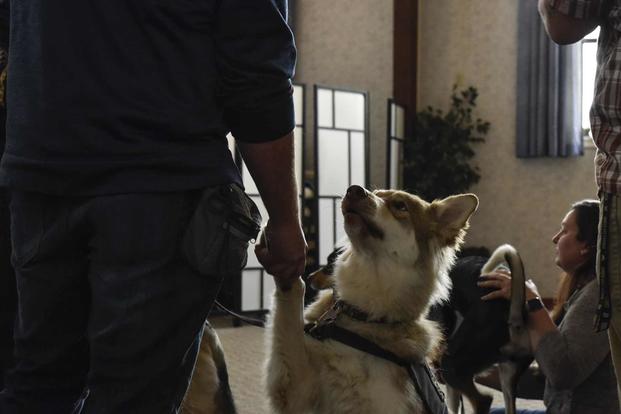



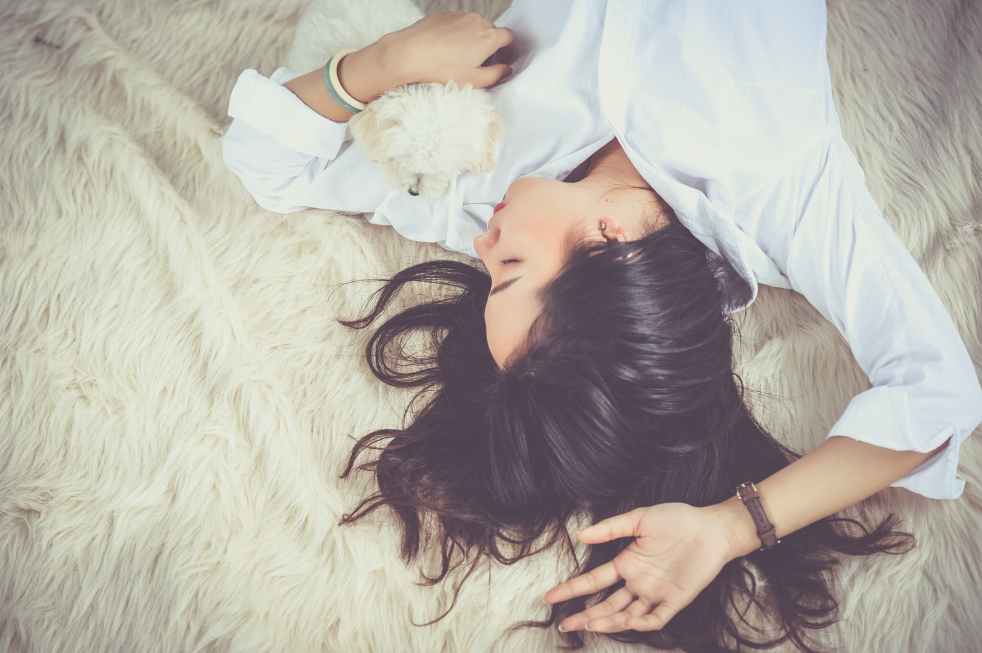




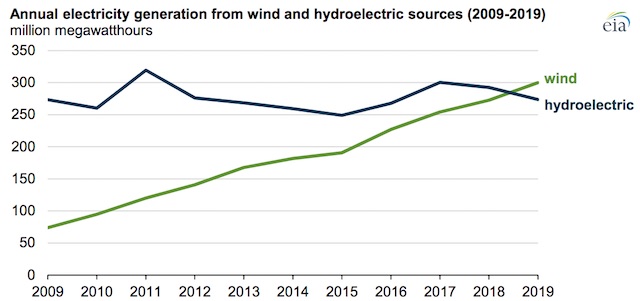
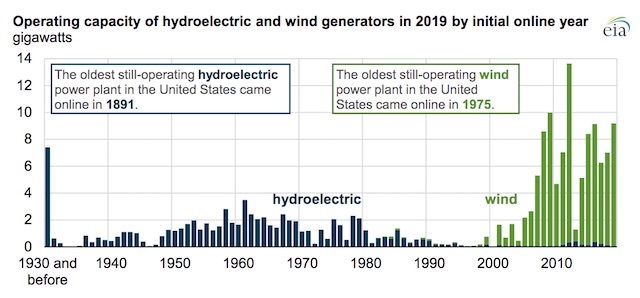
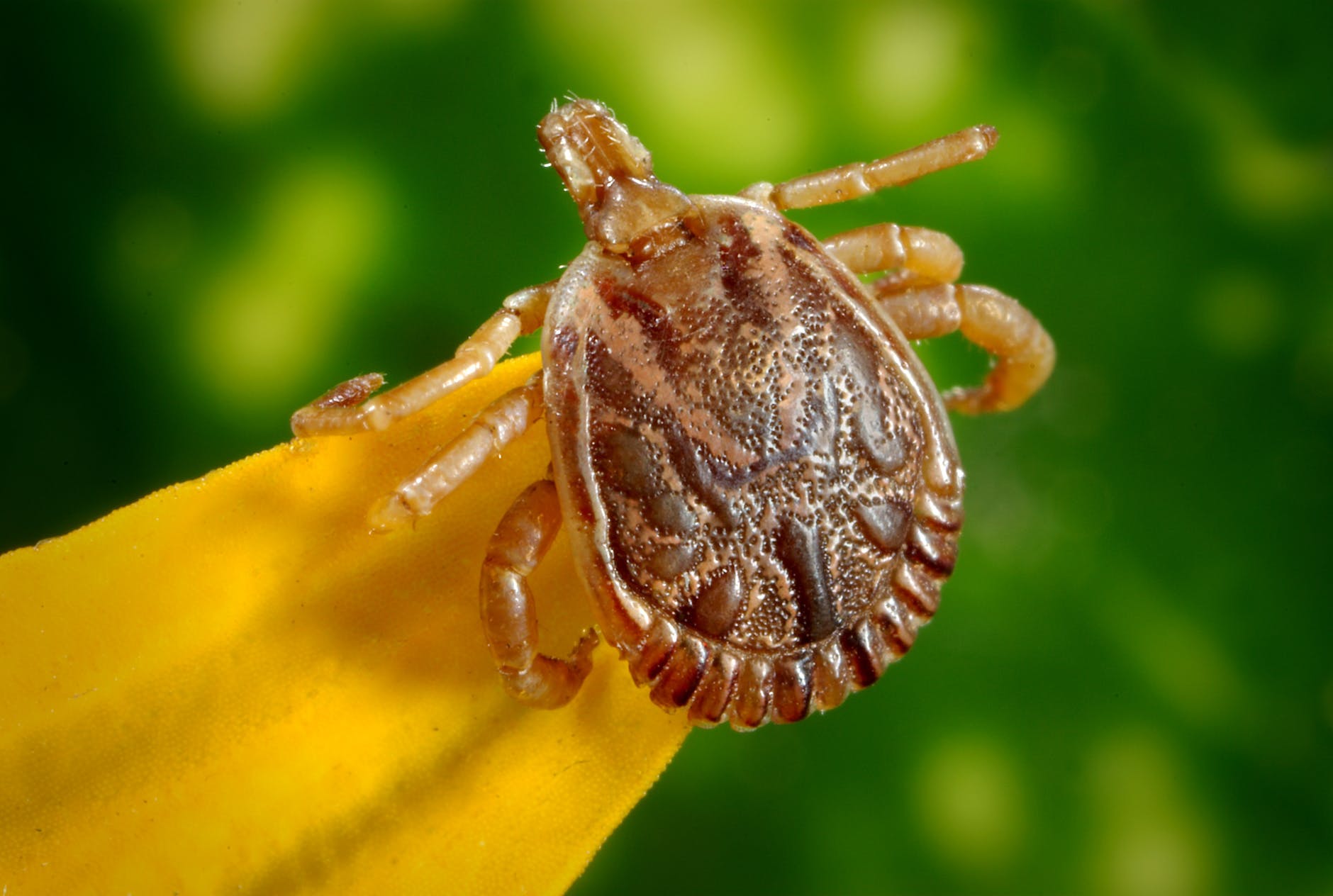

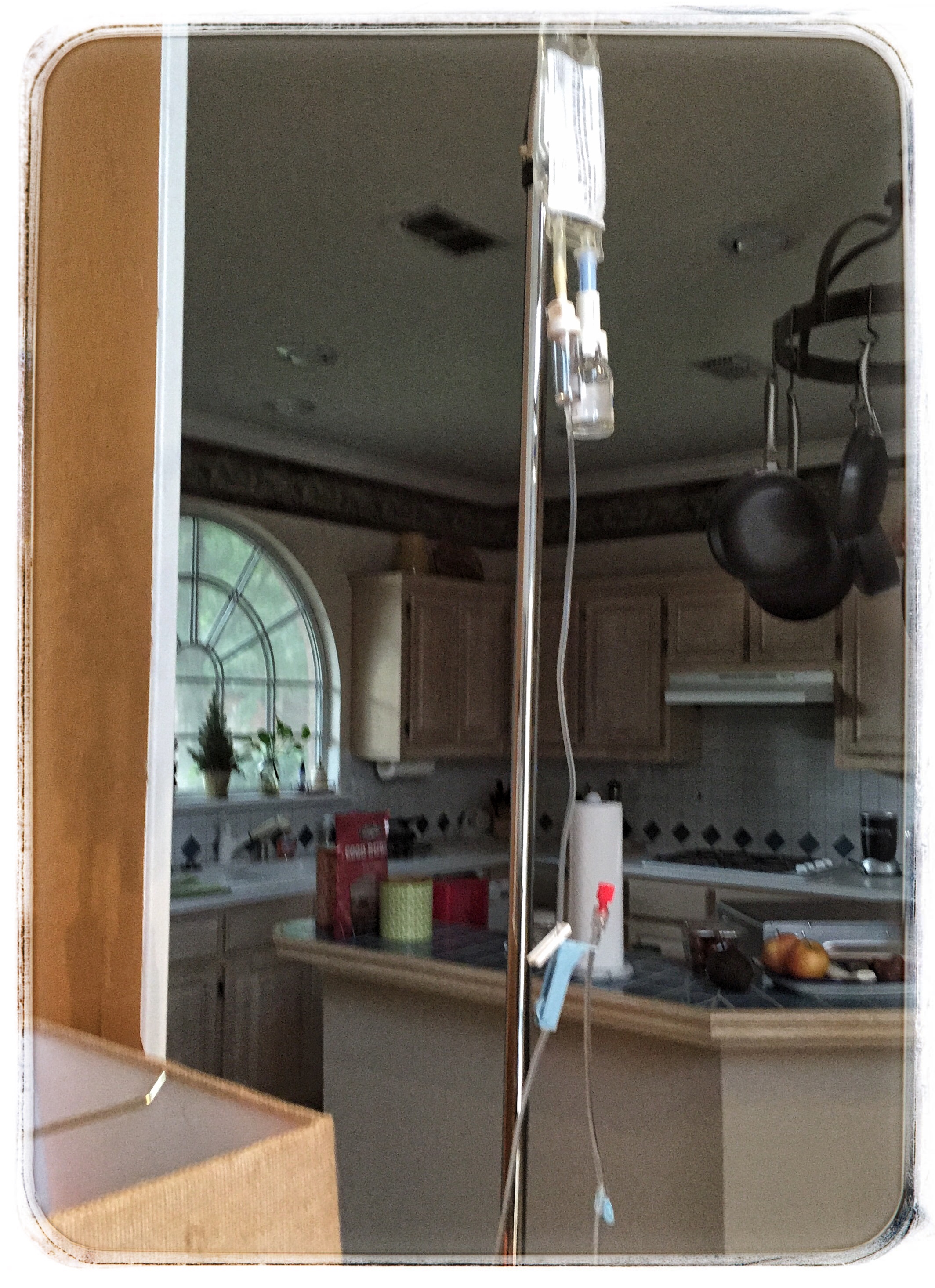





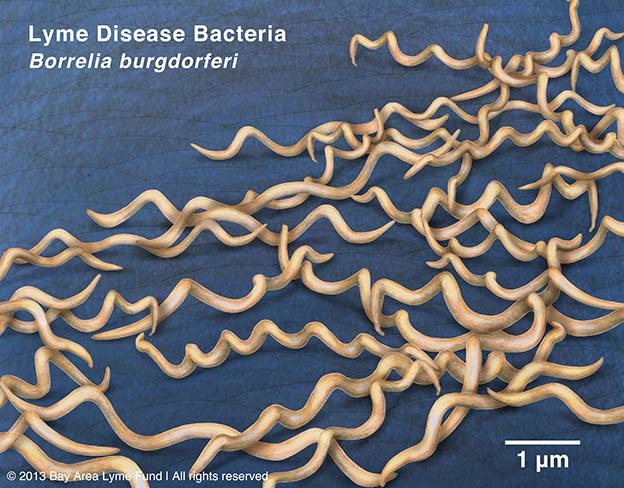








 MaleSurvivor is the longest enduring organization of its kind.Please consider joining our vast community of supporters by making a donation now. and please consider making your donation a monthly contribution.

 Nicole HemmenwayInterim CEOU.S. Pain Foundation



 lookingforthelight.blog