

Category: Men & Womens Health

Psychiatric Hospital Stay 2001 Part One
My Journal
What a day! Checked in at 1:00 and processed at 3:00. Next step is the questions, why so many questions. Telling your traumatic experiences to a stone-faced woman waiting for her shift to end. Now a strip search and off to search my bag.
No CD player or wire bound journal someone may hurt themselves. Losing it, I’m screaming fuck you over and over till my lungs hurt.
No room was available, I had to stay in the criminal ward. It was late when taken over to building, nothing looked different. The next morning was a surprise, one shower for the entire group with no shower curtain, and bathroom stalls with no locks. Talk about privacy.
Under suicide watch the first week, someone had to bring my meals. The same meal the entire week. I’m not allowed to close my door, it’s a prison, not a Mental Hospital to help people move forward or past an episode.
I checked in for ECT, not meetings, making friends, or being fucked with. The stories of ECT treatments going bad….everyone had something to add. One woman had 40 treatments, she was lying or very sick.
Planning to stay three weeks I brought 10 books to pass the time. I stayed in my room for three days waiting for an EKG. This is how extra money is made, it was a week before my first ECT treatment. A week wasted.
Melinda
to be continued……..
About Me
I am a Survivor
After years of therapy and my grandparents love, I was pulled from the abyss. I have a clear heart, no anger or self loathing. Not forgiving….forgetting, allowing me to move forward. Over the years, people brought sunshine into my life. I can’t thank them enough. You were like Angels dropping in when I needed a push or pat on back.
My mother and stepfather physically and emotionally abused me until 12 years old. My stepfather beat my mother almost daily starting with hitting her head side to side down the hallway, the hallway ended at my room. Everyone in the house lived in hell, I got an extra dose
As a small girl, I dreamed my father would save me. The dream was over when he started sexually abusing me as a child. It was innocent at first or so it seemed. At 12 years old I moved to my father’s. It’s impossible to wrap your head around sexual abuse at any age.
In 1992 my father committed suicide. Estranged since my teens, we talked several times before his death. He called delusional and paranoid. Saying someone was tapping his phone. He told me about suicide, I told no one. My Granny was devastated, her only child was dead. We had a closed casket service. It’s hard to reconcile death when you can’t see them.
I battle with Treatment Resistant Bipolar Disorder. Diagnosed at 19 years old, I struggled for years without medication or over medicated. Thru the years I ‘ve taken over 40 or prescriptions cocktails. Some medications worked for a while, then I had to try another mix. Bipolar Disorder is a Mental Illness without a cure. I manage my illness everyday and each day is different. Through advances in medicine, future generations may not struggle with Mental Illness. We can pay it forward by participating in questionnaires, clinical trials and talking about our illness. Educating others is the road to Breaking The Stigma.
I am alive with the help of God, Husband, Grandparents, Therapist and Psychiatrist. I’m blessed with a husband who won’t give up no matter how hard it gets.
My background and Mental Illness is NOT a complete picture of who I am. Photography, Art and Music are my passions. I love vintage cars, riding motorcycles and the great outdoors. As a teenager I set a goal to see the world. My Bucket List continues to grow.
I’m an animal lover. I’m sickened by animals being abused and killed testing dog food or facial cream. I’m concerned about extinction, global poverty and the planet. Above all Education, children are our future.
Thank you for pulling up a chair to read about me. I hope to see you again soon.
Xx Melinda
I enjoy hearing from you, comments are always welcome!
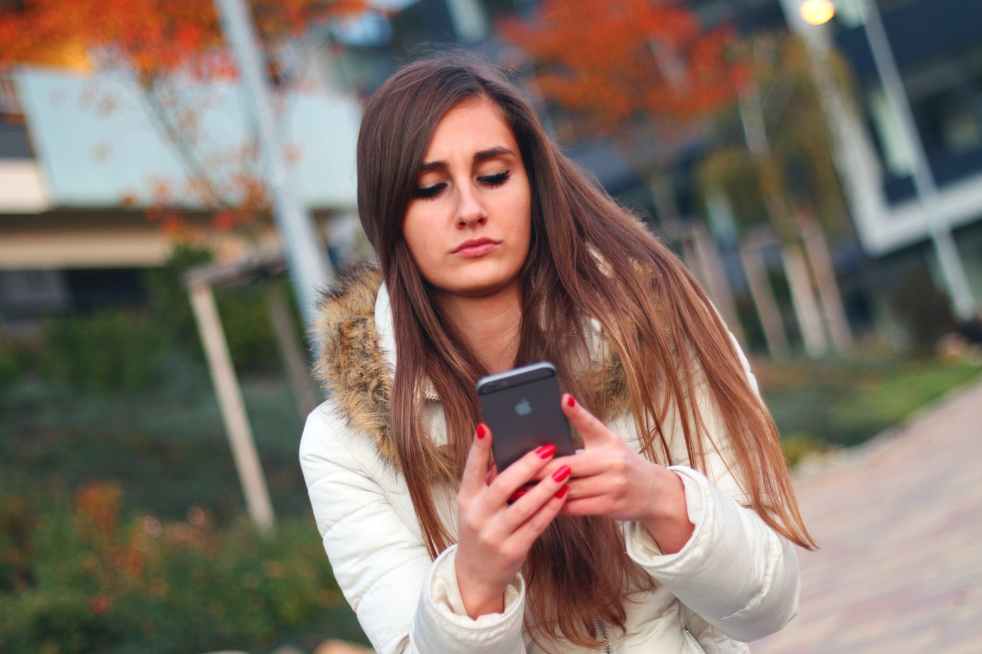
Why kids and teens may face more anxiety far more these days

“With (social media), it’s all about the self-image — who’s ‘liking’ them, who’s watching them, who clicked on their picture,” said Marco Grados, associate professor of psychiatry and clinical director of child and adolescent psychiatry at Johns Hopkins Hospital. “Everything can turn into something negative … [K]ids are exposed to that day after day, and it’s not good for them.”
Anxiety, not depression, is the leading mental health issue among American youths, and clinicians and research both suggest it is rising. The latest study was published in April in the Journal of Developmental and Behavioral Pediatrics. Based on data collected from the National Survey of Children’s Health for ages 6 to 17, researchers found a 20 percent increase in diagnoses of anxiety between 2007 and 2012. (The rate of depression over that same time period ticked up 0.2 percent.)
Philip Kendall, director of the Child and Adolescent Anxiety Disorders Clinic at Temple University and a practicing psychologist, was not surprised by the results and applauded the study for its “big picture” approach.
“There is definitely a rise in the identification of kids with serious anxiety,” he said. They are “growing up in an environment of volatility, where schools have lockdowns, where there are wars across borders. We used to have high confidence in our environment — now we have an environment that anticipates catastrophe.”
The data on anxiety among 18- and 19-year-olds is even starker. Since 1985, the Higher Education Research Institute at UCLA has been asking incoming college freshmen if they “felt overwhelmed” by all they had to do. The first year, 18 percent replied yes. By 2000, that climbed to 28 percent. By 2016, to nearly 41 percent.
The same pattern is clear when comparing modern-day teens to those of their grandparents’ or great-grandparents’ era. One of the oldest surveys in assessing personality traits and psychopathology is the Minnesota Multiphasic Personality Inventory, which dates to the Great Depression and remains in use today. When Jean Twenge, a professor of psychology at San Diego State University, looked at the MMPI responses from more than 77,500 high school and college students over the decades, she found that five times as many students in 2007 “surpassed thresholds” in more than one mental health category than they did in 1938. Anxiety and depression were six times more common.
Statistics on anxiety in children and younger adolescents aren’t easy to come by. The study published last month was based on the National Survey of Children’s Health, which the researchers noted “is the only national data source to evaluate the presence of anxiety and depression on a regular basis.” The findings were limited, though, and relied on the reports of parents and guardians as to whether a health-care professional had ever told them their child was suffering from one of those conditions.
Those responding yes were asked to describe the level of both anxiety and depression in their children: 10.7 percent said their child’s depression was severe, and 15.2 percent who listed their child’s anxiety at that level.
Among the study’s other findings: Anxiety and depression were more commonly found among white and non-Hispanic children, and children with anxiety or depression were more likely than their peers to be obese. The researchers acknowledge that the survey method — parents reporting what they were told by their child’s doctor — likely skewed the results.
Grados often identifies anxiety in the children and adolescents he sees as part of his clinical practice in Baltimore. “I have a wide range [of patients], take all insurances, do inpatients, day hospital, outpatients, and see anxiety across all strata,” he said.
The causes of that anxiety also include classroom pressures, according to Grados. “Now we’re measuring everything,” he said. “School is putting so much pressure on them with the competitiveness … I’ve seen eighth graders admitted as inpatients, saying they have to choose a career!”
Yet even one of the latest study’s authors acknowledges that it can be difficult to tease out the truth about the rise in anxiety.
“If you look at past studies,” said John T. Walkup, chairman of the Department of Psychiatry at Lurie Children’s Hospital in Chicago, “you don’t know if the conditions themselves are increasing or clinicians are making the diagnosis more frequently due to advocacy or public health efforts.”
Nearly a third of all adolescents ages 13 to 18 will experience an anxiety disorder during their lifetime, according to the National Institutes of Health, with the incidence among girls (38.0 percent) far outpacing that among boys (26.1 percent).
Identifying anxiety in kids and getting them help is paramount, according to clinicians. “Anxiety can be an early stage of other conditions,” Grados said. “Bipolar, schizophrenia later in life can initially manifest as anxiety.”
For all these reasons, Kendall said, increased awareness is welcome.
“If you look at the history of child mental health problems,” he said, “we knew about delinquency at the beginning of the 20th century, autism was diagnosed in the 1940s, teenage depression in the mid-’80s. Anxiety is really coming late to the game.”
Read more:
A warning for people with severe anxiety: Avoid the Internet‘


Cita de viernes

“La disposición a aparecer nos cambia. Nos hace un poco valientes cada vez”.
Brene Brown
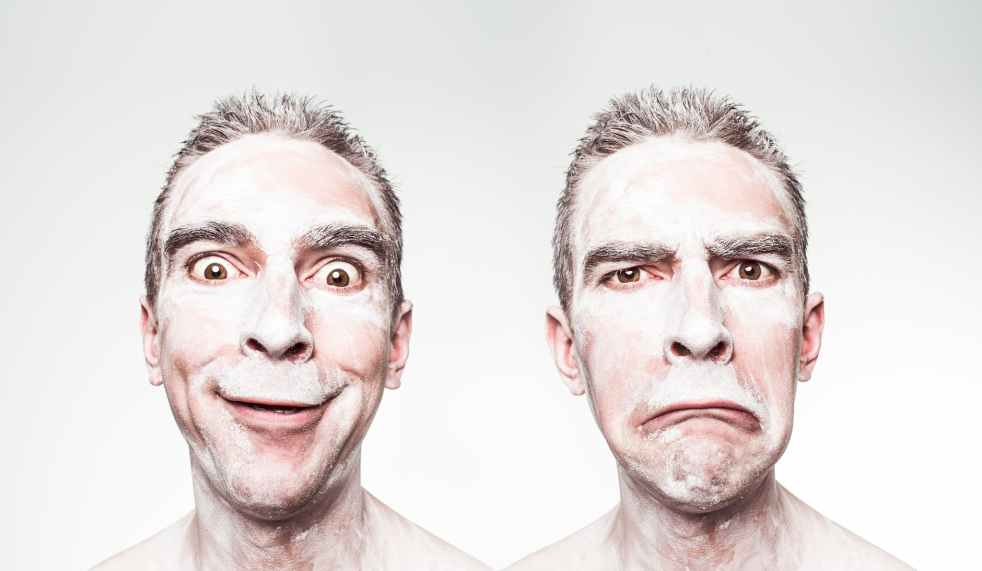
Feel like your workplace is depressing?
Published: May 17, 2018 5:58 p.m. ET
Feel like your workplace is especially depressing? Scientists found out why.
A stressful job can lead to serious mental health consequences.
Some 14% of common mental illnesses could be prevented by reducing job strain, a study published Tuesday in the journal Lancet Psychiatry found. The study, conducted by Australian mental health nonprofit the Black Dog Institute, analyzed the ways work conditions may affect mental health among 6,870 employees. It found that people experiencing job strain at age 45 were at an increased risk of developing mental illnesses such as depression and anxiety by age 50.
“These findings serve as a wake-up call for the role workplace initiatives should play in our efforts to curb the rising costs of mental disorders,” University of New South Wales associate professor and lead author on the report, Samuel Harvey, said.
To determine “job strain,” researchers looked at employees’ decision authority (the ability to make decisions about work), skill discretion (the opportunity to use skills during work), and asked questions about job pace, intensity and conflicting demands. More strain meant higher rates of mental illness regardless of gender, occupation, or class.
“It’s important to remember that for most people, being in work is a good thing for their mental health,” Harvey said. “But this research provides strong evidence that organizations can improve employee well-being by modifying their workplaces to make them more mentally healthy.”
Depression costs the U.S. economy more than $51 billion a year in absenteeism from work and $26 billion in direct treatment costs. The number of missed work days varies depending on mental illness: People with depression lose the equivalent of 27 work days per year, according to Harvard University researchers — nine of them because of sick days or other time taken out of work, and another 18 reflecting lost productivity.
Employers are increasingly allowing employees to treat mental health days like normal sick days, and it pays off: For every $1 spent on mental health training, companies see a return of investment of almost $10, according to a previous study from the Black Dog Institute, which researches mental health in the workplace and provides training for employers.
Some companies even offer free meditation and yoga classes. Consumer goods company Unilever UL, +0.18% for example, provides training for senior employees to recognize potential mental health problems and offers employee workshops on sleep, mindfulness and exercise.
Friday Quote

“The willingness to show up changes us, it makes us a little braver each time”
Brene Brown
My Menu Disappeared! Waldo Where Are You?
I noticed the other day my menu options disappeared. Has this happened to you? I’m working to correct the problem and nothing is working!
Help if you have a fix or I’ll be forced to contact WP. My favorite chats of the day.
M

Your child is sick or hurt, where do you go?
A few weeks ago I fell and gashed my head, needing six staples. We talked about going to a Doc-in-a-Box but decided to go the hospital. We didn’t choose a Doc-in-a-Box since some charge outrageous fees. My General Practitioner didn’t have anyone available so the choices were narrowed down.
We didn’t have time to find out if the Doc-in-Box charged reasonable fees or Urgent Care fees. What is the difference between the two is worth finding out. Here are a few options.
Tele-doctor Can handle colds, flu, baby needs and other non urgent care from your computer. Our Insurance company is pushing this option, it’s very affordable.
General Practitioner I prefer my GP, fees like a visit.
Doc-in-the-Box Doctors? Skilled Nurses? Handles a broken bones, sprained ankle, cold, flu and baby needs.
Urgent Care. Doctors? Skilled nurses? Fees? This is a gray area to me.
Choosing the hospital over other options put a dent in our pocket-book. I was there three hours, IV and all the fan fare which came to $12,000. Insurance will negotiate the amount to a number we can live with, thank goodness.
Know your options to be prepared.
How To Start A Conversation About Suicide
This is a must see video. Jeremy Forbes shares great information to help you have a real conversation with a friend or love one. I did not see the twist coming, he’s a Survivor. M
Ted Talk: There’s No Shame in Taking Care of Your Mental Health
Great speaker, educational and enlightening. M
Lyme Progress #4 *Photos*
Original post 5/23/2018 Reposted for The Fibromyalgia Directory.
It’s summertime, ticks and insects carrying tick born illnesses are worse than last year. Practice all precautions if out in tall grass, tall scrubs or trees.
I’m dealing with in Dementia, Fibromyalgia, Neuropathy, Lyme Arthritis, Cognitive issues, PAIN, falling, PAIN and pain medicines. There are days you want to cry, scream, on and on. Chronic Illnesses can consume your life. Make the best by finding the positive. M
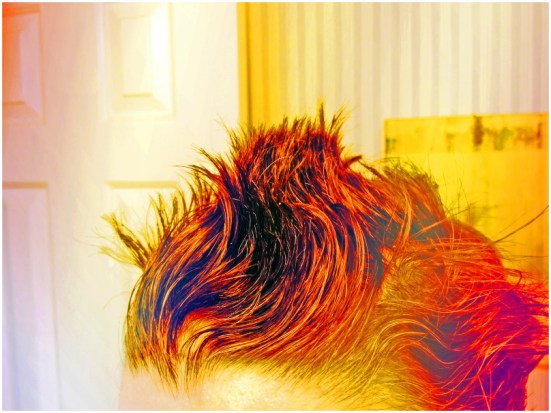
First shaved head, Second was a GI Jane cut. Lyme is frustrating!!!!!

Day the Port was removed
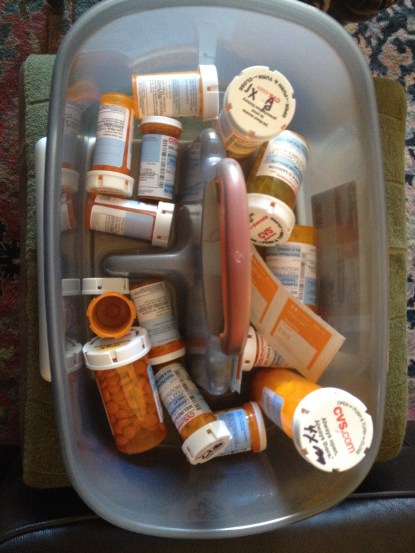
Just a few of the prescriptions
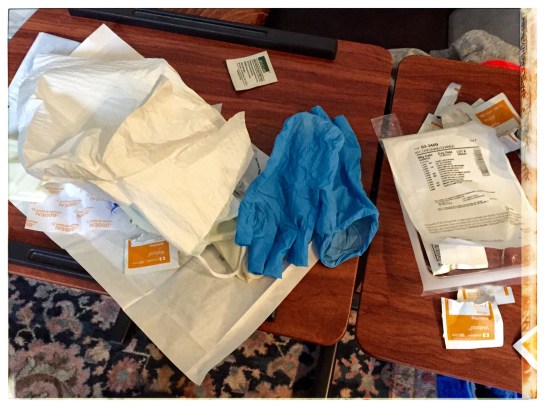
Everything and everybody must be sterile
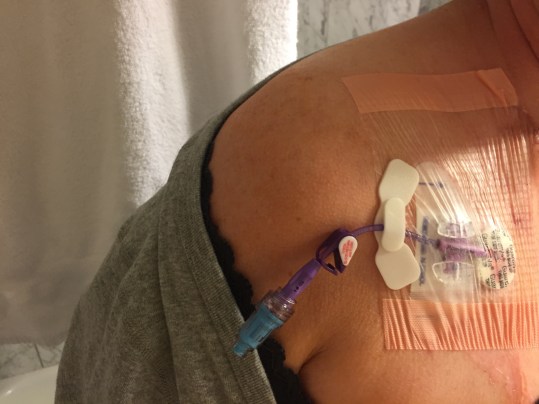
Port inserted
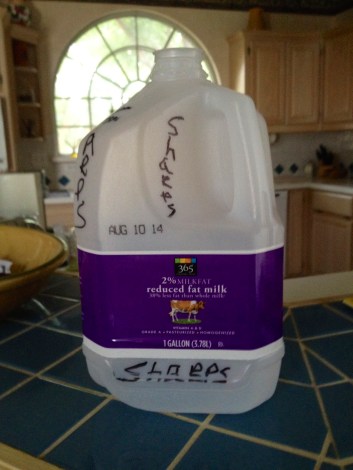
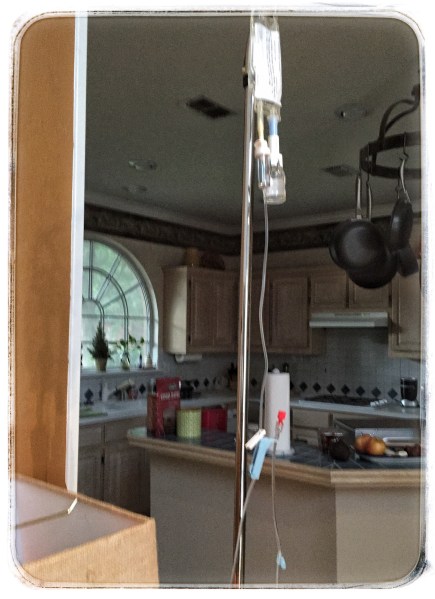
Surfing during IV Therapy

Do You Read My Tweets?
 It’s been almost a year since I started working on Twitter with charities and organizations that are close to my heart. I feel great to have almost 5,000 followers but this means nothing if you are not reading the great resources. Subjects like Mental Health, Child Abuse, Sexual Assault, Suicide and more. I only reblog tweets that have value to me and I hope for you.
The Twitter timeline is on the right side of page on http://www.survivorsbloghere and http://lookingforthelightblog.blog. Just scroll till you see.
As I look at a second year, I need know you’re reading. Please let me know you’ve read and do you see the value?
Find the Perfect Image with WordPress Free Photo Library
You’ve got thousands of options to choose from right in your WordPress app.
May 9, 2018

Unfortunately Thomas did not include a reblog button. The article is posted at, https://en.blog.wordpress.com/2018/05/09/free-photo-library/
Bring Change to Mind new PSA
I’m thrilled Bring Change to Mind is elevating their presence in the Mental Health field. The videos are short and easy conversations, teens will pick up on the message. Please pass on to anyone who struggles with depression and hope the lines of communication open up. M

Guilty Verdict in Cosby Trail is a Victory for Survivors
Guilty Verdict in Cosby Trial is a Victory for Survivors
APR 30, 2018
Following years of allegations of sexual assault, Bill Cosby has been found guilty on three counts of aggravated indecent sexual assault against Andrea Constand. The trial included testimony from five of Cosby’s victims, in addition to Constand. In an amicus brief filed in the case, RAINN urged the court to allow this testimony from other victims, as it would help demonstrate a pattern of predatory behavior by Cosby.
Following a hearing on RAINN’s brief and a subsequent submission by District Attorney Kevin R. Steele, Judge Steven T. O’Neill. l decided to allow the jury to hear from these additional victims. In Cosby’s first trial last year, which ended in a hung jury, only one victim was allowed to testify along with Constand. More than 60 women have joined Andrea Constand in accusing Cosby of sexual misconduct.
“This verdict is a victory for survivors. It takes a lot of courage to speak out against your perpetrator,” said Scott Berkowitz, president and founder of RAINN. “I hope this decision empowers survivors to speak up and seek the support and justice they deserve.”
“We appreciate the great work of the district attorney, and are grateful to all the victims who bravely came forward,” Berkowitz continued. “Judge O’Neill made a wise decision to allow testimony from some of Cosby’s other victims, which helped the jury understand that Cosby, like many rapists, is a serial predator.”
Hogan Lovells, LLP, provided pro bono counsel and worked with RAINN’s public policy team to prepare the amicus brief. RAINN was joined by End Violence Against Women International, the National Center for Victims of Crime, and the National Crime Victim Law Institute.

RAINN: Effects of Trauma on Mental Health
Effects of Trauma on Mental Health
“Every survivor’s healing journey is unique and it’s crucial that we’re aware of the effects trauma can have on mental health,” said Keeli Sorensen, vice president of victim services at RAINN. “It’s time to start speaking openly about mental health concerns, and dismantle the environment of shame, fear, and silence that too often prevents individuals from seeking treatment and support.”
Many survivors of sexual violence experience depression,
PTSD, self-harm, eating disorders, and flashbacks after experiencing trauma. Recovering from sexual assault or abuse is a process, and that process looks different for everyone. There is no timetable for healing.
A good way to support survivors living with these effects of trauma is to seek out information about what they may be going through and offer compassion, empathy, and understanding. Many survivors also speak to the importance of finding a therapist who is right for them and their unique experiences.
Check out RAINN’s resources for more information related to mental health:
May is Mental Health Awareness Month. It is a time to provide support for people living with trauma and its effects on mental health, to reduce stigma, and advocate for equal care. Millions of Americans and their families feel the effects of trauma on mental health each year, and a portion of those people are survivors of sexual violence.

Putting the Brakes on ‘Emotional Eating’
Feb. 22, 2018, at 9:00 a.m.

Putting the Brakes on ‘Emotional Eating’

By Julie Davis
HealthDay Reporter

(HEALTHDAY)
THURSDAY, Feb. 22, 2018 (HealthDay News) — Many of us make choices about whether to eat healthy or not-so-healthy foods based on whether we’re in a good or not-so-good mood.
When a bad mood strikes, we often tend to reach for junk food. And that can be a recipe for disaster when you’re trying to lose weight.
Here’s how to keep your emotions from ruining your diet resolve.
First, it helps to think about the future rather than just that moment. Refocus on the long-term health benefits of good nutrition, and remind yourself how much more important they are than any short-lived comfort from food.
Next, look for ways to brighten your mood that don’t involve eating at all. If you’re blue, call a diet buddy who knows how to motivate you. Or turn on a favorite movie. If you’re nervous or angry, release your emotions by working out to your favorite music mix or taking a short run.
Healthy lifestyle habits help insulate you from bad moods and the emotional eating that often follows. Boost your mood on a daily basis with regular exercise and with a few minutes of relaxation, like taking a warm bath, meditating, or reading a book.
Using a food journal can help you look for causes of a bad mood, like stress, and show patterns you can then take steps to change. For example, if giving a presentation at work always has you reaching for a candy bar, be prepared with a healthier snack, like a small container of nuts and dried fruits.
These positive steps will improve your outlook and, in turn, help you make good food choices and stick to your diet.
More information
Cornell University’s Food & Brand Lab has information to help you better understand how your mood can drive food choices, and how to overcome emotional eating.
Copyright © 2018 HealthDay. All rights reserved.
Lyme Progress #1 Pain Management
You may have noticed the name change from Lyme Update to Lyme Progress. The reason for the change, it’s time to start looking forward, short-term and long-term. I still struggle with illnesses which Lyme left and have days can’t get out of bed. WINNING is looking forward. The chronically ill understand this mindset.
After dismissing my Lyme Doctor in Washington, I came back to Texas determined to build a team of doctors who could manage the different aspects of my illness. The next post I will talk about the long list of doctors required, today I wanted to discuss my immediate complaint. PAIN, PAIN, PAIN!
I made my General Practitioner the main doctor, he was my GP prior to Lyme but many years had passed. We didn’t know each other any longer and trust had to be earned on both sides. We have scheduled 30-minute appointments instead of normal 15 minutes, we have more time to talk. Talking is a big part of getting to know each other.
I’ve had several appointments with him and last week we talked about PAIN. Being a bit detailed, I put the list below together to show the different types of pain. Pain is pain is pain is not the same pain. There are many types of pain and over time they can feel like one but are not.
The information provided helped him see there were many areas of my health not being addressed. What does that mean? He had no clue how to treat a chronically ill patient. Medication, I decide the number of pain meds required every day not him.
Chronic Lyme Illness? Bacteria how active?
Lyme Arthritis
Fibromyalgia
Neuropathy
Full Body Pain
Injuries: Current falls injuring knee and shoulder
Related: Difficulty Sleeping creating more inflammation
Falling down the stairs, breaking bones
I pray this post helps somebody, if so please pay it forward. Bless you.
M

I Have Bipolar And I Am Not Violent
Reblogged from our friend Amy Gamble at http://www.amygamble.wordpress.com
I had an opportunity to teach a group of school teachers about mental illness. After last weeks Florida school shooting I was prepared for questions about mental illness and violence. It’s beyond sad this is an ever occurring topic. But what happens to those of us who live with a mental illness when the public, […]
via I have bipolar and I am not violent — Shedding Light on Mental Illness

Donors.org First Million Projects
Donors.org is an awesome Charity that supports teachers projects. Bill & Melinda Gates often provide matching funds for projects. Please check out their website, the accomplishment of a MILLION teacher projects funded is mind-blowing. I personally give to underserved with Learning Disabilities. You pick a project that tugs on your heart. Today only all funds are matched, great chance to spread the funds.
M
|

The DonorsChoose.org community is celebrating the first million classroom projects funded. What an extraordinary milestone! You’re one of the bona fide classroom heroes who brought us here.
Since joining the community in 2013, you’ve made a tangible difference in the lives of teachers and students. Thank you, Melinda, for helping to bring the first million projects to life.
Here’s to the next million!
The DonorsChoose.orgTeam
PS: Today only, all donations are being matched — including those to this local teacher who just posted their first-ever project!

Survivors Blog Here Welcomes Heidi Sullivan from Braving Mental Illness
Survivors Blog Here is thrilled to announce Heidi Sullivan is our newest Contributor. Heidi is inspirational and committed to helping people with Mental Health challenges. Please stop by to meet Heidi and check out her personal site http://www.bravingmentalillness.com
I took the below information from Heidi’s ”About Me”page. She is so committed to share, help and answer questions. She is committed and I want you to see how she describes herself.
My life purpose is to inspire hope, courage, and strength within others one life at a time. The realization that my mind had taken over more than my body, but my spirit, was the day I took back my life. It’s one thing to experience pain and suffering on a surface level, it’s an entirely different experience when you look in the mirror and your spirit is lifeless. That’s when you’ve had enough. My life purpose is to inspire hope, courage, and strength within others one life at a time. I hope in sharing my story and listening to yours, we can encourage one another. One of my favorite quotes is, “I am only held back by the limits set within my mind.” Be well!
http://www.facebook.com/Heidi.Sullivan.526 www.twitter.com/HeidiInyama.com
Welcome, it’s only up from here.
M

RAINN: Stalking Awareness Month
Stalking
What is stalking?
“Stalking is a pattern of repeated and unwanted attention, harassment, contact, or any other course of conduct directed at a specific person that would cause a reasonable person to feel fear,” according to the Department of Justice. Similar to crimes of sexual violence, stalking is about power and control.
Stalking laws and definitions differ from state to state. You can read more about your state’s laws by visiting the Stalking Resource Center. Stalking behavior can take many forms including:
- Making threats against someone, or that person’s family or friends
- Non-consensual communication, such as repeated phone calls, emails, text messages, and unwanted gifts
- Repeated physical or visual closeness, like waiting for an someone to arrive at certain locations, following someone, or watching someone from a distance
- Any other behavior used to contact, harass, track, or threaten someone
What is “the use of technology to stalk”?
One of the ways perpetrators stalk victims is through the use of technology. You may have heard the term cyberstalking to refer to these types of interactions. “Use of technology to stalk” is a broad term that is used to cover all forms stalking that rely on technology.
Some uses of technology to stalk include:
- Persistently sending unwanted communication through the internet, such as spamming someone’s email inbox or social media platform
- Posting threatening or personal information about someone on public internet forums
- Video-voyeurism, or installing video cameras that give the stalker access to someone’s personal life
- Using GPS or other software tracking systems to monitor someone without their knowledge or consent
- Using someone’s computer and/or spyware to track their computer activity
As technology and digital platforms continue to grow, so do the chances that someone could interact with you in an unwanted, sexual manner. Not all of these behaviors are considered stalking, but they can be violating and make you feel uncomfortable. Learn more about the different ways people can use technology to hurt others.
What are some common reactions to being stalked?
The DOJ uses “fear” to define the experience of being stalked, but there are other reactions that are just as important to consider. You might feel anxious, nervous, isolated, become stressed, or develop signs of depression.
What should I do if I’m being stalked?
If you think you are being stalked, please know you are right to be concerned. Stalking may escalate in behavior. Consider the following tips to increase your safety and effectively report the crime.
- Try to avoid the person stalking you. This can be difficult at times, especially if the person stalking you is close to you or your family.
- If you are being stalked through communication technology, like email or text messaging, make it clear that you wish to stop contact. Once you’ve made it clear, do not respond to further communication.
- Keep any evidence received from the stalker such as text messages, voicemails, letters, packages, emails, etc., but do not respond. You can do this by taking screenshots of conversations or even printing out email exchanges.
- Inform family, friends, supervisors, and co-workers of the situation.
- If you have children, create a code word that lets them know they need to leave the house or call the police.
- Consider reporting the stalking to local law enforcement.
- Keeping an accurate journal or log of all incidents connected to the stalking.
- Become familiar with computer safety and ways to stay safe online.
To learn more about stalking and safety planning visit the Stalking Resource Center.
To speak with someone who is trained to help, call the National Sexual Assault Hotline at 800.656.HOPE (4673) or chat online at online.rainn.org.
Mental Health Resources
Mental Health Resources
Depression and Bipolar Support Alliance
International Bipolar Foundation
National Alliance on Mental Illness
Bring Change To Mind
|
|

|
|

|
|
|
What It All Means
This video floored me, it’s real for me, he spoke works to come from my mouth, Jim was able to show the guts, inside, raw communication and how struggles are battled. I ran across this last week, I don’t know who to give credit to. I’ve watched over and over and each time I see one of my dark times, suicidal journeys and crawling back from hell.
I hope you will watch and reblog on. Everyone can learn from the inside look of depression. M

Lyme Update #20: *Moving Forward*
I fired my Lyme Literate Doctor
The last straw!
My Lyme PA prescribed a medication which interacted with a psych medication. Making me Psychotic, pure bat crazy. Scared of myself. Walking in circles non-stop until exhausted. It took days for the medication to clear my system and bring me back to earth. It was life changing. I said horrible things to my husband I can’t back. All said in rage, I was a Monster.
The PA replied by saying the two drugs are in different categories and would not interact that way. I don’t believe my chart what checked against new prescription for interactions. Who knows. I didn’t do my standard process of checking the FDA site. My normal practice is to read the FDA history and related interactions before starting a medication.
Next Update will discuss how I’m building a local Lyme team, the illnesses, ailments, permanent changes I have and regression. Some topics listed below.
Building local Medical team
Early on set Dementia
Cognitive challenges
Neuropathy
Severe headaches
Uncontrollable shaking
Antibiotics, skin sensitivity
Immune System impacted indefinitely

Insights from the Hotline Room: Planning for Holiday Gatherings
As the year winds down, folks across the country are headed home for the holidays to spend time with family and friends. While this is a time of celebration for many, it also presents challenges for some survivors of sexual abuse.

More often than not, the perpetrator of sexual violence is someone the victim knows. This is especially true for those who experience sexual abuse as a child: 93 percent of children know the perpetrator, and 34 percent are abused by a family member. For these survivors, holiday gatherings can mean facing painful memories, feelings of anxiety, or a chance of repeated harm.
During the holiday season, RAINN support specialists for the National Sexual Assault Hotline anticipate helping survivors who are going through a tough time at home or during family gatherings. Here, they share some strategies to help survivors feel safe.
- Identify alternative housing plans. Survivors who have flexible schedules during the holidays can stay in different places to avoid being in the family home or location where the abuse occurred.
- Consider staying with a friend or non-offending family member.
- Plan a mini-vacation or side trip during the time you would be asked to stay with family.
- Offer to join for family gatherings, but stay in an offsite location, like a motel or hostel (if finances allow). If you are concerned about ongoing safety, keep this location private from the perpetrator.
- Try to avoid close quarters. For many survivors, family pressures or traditions do not permit them to stay outside the family home. In this situation, survivors can brainstorm ways to avoid the perpetrator during gatherings.
- Make plans that involve leaving the home for an extended period of time, such as volunteering, catching up with old friends, or offering to run errands for the household.
- Think of possible excuses, such as having conflicting plans or needing rest, for not attending events where the offender will be present.
- If it makes you feel safer, stick to common areas and public places within the home or building, such as a living room or kitchen, and try to avoid secluded areas.
- Avoid talking to, sitting near, or standing around the person who hurt you. It’s okay to draw boundaries, even if makes other family members uncomfortable.
- Reach out to a neutral party. Survivors may feel isolated because of patterns of not being believed, fear of disclosing, or concerns about creating family tensions or division. Sometimes, it can be easier to talk to a neutral third-party that can offer support.
- Reach out to the National Sexual Assault Hotline by phone (800.656.4673) to be connected with a local sexual assault service provider, or chat online with someone who is trained to help.
- Download safety planning or meditation apps for a smartphone or tablet to help with stressful times.
- Read through recovery tips from RAINN, like Self-Care After Trauma and Tips for Survivors on Consuming Media.
- If you are in imminent danger, call 911.
4. Make a plan. Mapping out a game plan for family gatherings—in advance—can help survivors feel safe, comfortable, and prepared.
- Think through logistics. Does this plan require a car or other transportation? Will you need to arrive or depart the family gathering at a certain time?
- Consider how to talk to family if tensions arise. Not everyone is ready or able to disclose what happened—and that’s OK. Make a plan for how to answer tough questions or diffuse a tense situation.
If your safety plan falls through, or if you experience harm, know that you have done nothing wrong. You deserve support. The National Sexual Assault Hotline is free, confidential, and available 24/7: 800.656.HOPE (4673) and online.rainn.org

RAINN: Danyol’s Story
RAPE, ABUSE, INCEST NATIONAL NETWORK
“I just want people to know that they don’t have to be afraid of their truth. Your truth is important, your truth is needed.”
Danyol Jaye was sexually abused and raped repeatedly by his older cousin between the ages of 7 and 10. The cousin enabled multiple perpetrator sexual assault when he locked Danyol in a dark closet and had his friends take turns entering the closet to sexually assault him.
Danyol first disclosed the abuse at age 15 to a close neighbor who was a friend of his mother’s. Not ready to share his story with his family, Danyol trusted the neighbor with the information. However, she immediately told his mother, who confronted him.
“It just felt like another violation. I felt in that moment that not only did my cousin violate me and take something from me, but now a person I trusted with this information also violated me and stole another choice from me. That feeling of violation was as hard as it was to endure the actual trauma.”

Danyol underwent a retraumatization from the violation of losing control of his story, and from his family’s reaction to it. Many of his family members questioned why he waited to speak about the abuse, and openly expressed their disbelief in his story. “There was so much conversation about me without me, but no one ever had a conversation with me.”
Because of the abuse, Danyol has suffered from body image issues, depression, and trust issues. Certain triggers related to the abuse—such as dark rooms—also cause him anxiety.
Danyol’s healing process began when his high school counselor encouraged him to attend student group therapy sessions, where he was able to open up about his story and receive support from his peers.
Other important aspects of Danyol’s healing process have been the support of his best friend of 15 years, connection to his faith, and artistic expression. Danyol created a one-man dramatic stage play about abuse and self-discovery. He wanted to tell his story in his own way and to reclaim the power of sharing what happened to him with his family and friends.
“It was very therapeutic. I remember days when I’d be working on the scripts and rehearsing lines—I would break out in tears. It was the first time I really came to terms with it. This happened to me. This is my truth, I am not a liar, I am not making it up.”
Danyol advocates for ways in which family and friends can be more supportive when a survivor discloses abuse. He recommends not pressuring survivors into giving detailed informations about their assault. This forces them into reliving the incident and can cause repeated trauma. This pressure to gain information makes the interaction focused on the individual who is asking, rather than on the survivor. Danyol instead suggests listening to the survivor, letting them share aspects of their story when they’re ready, and showing your support through believing their story. There are certain obstacles survivors who are men and boys face; learn more about them and find information and resources.
Danyol is currently pursuing a career in the entertainment industry and finishing his autobiography, which he hopes to complete next year. It has been important to Danyol to use his voice to empower other survivors to tell their stories when they’re ready.
“Talking about it really does take back power from the trauma.”

Triple Shot Thursday *Can’t Stop the Feeling*
This week has been the best in ages, I’ve made new friends thru lengthy conversations. Identified new blogs to follow and received comments from people I haven’t talk to in a long time. You have made me so happy this week, my heart is filled with joy. Let’s see if the music choices can match the joy in my heart. A special treat from James Arthur who blows me away with this song/message. M
 lookingforthelight.blog