National Men’s Health Week is June 13-20, the week leading up to Father’s Day, because what better way to celebrate dad than to encourage him to take care of his health? The week is all about healthy bodies, hard exercise, good diet, and regular visits to the doctor. It’s part of National Men’s Health Month, a month-long recognition of men’s health with activities and events to remind men to take care of their bodies. So whether you are a man or just love them, take some time this week to celebrate the male form and keeping it in tip-top shape!
Men’s Health Week was created by Congress in 1994 to heighten awareness of preventable health problems and encourage early detection and treatment of disease among men and boys. The bills creating Men’s Health Week were sponsored by former Senator Bob Dole and former Congressman Bill Richardson. The sponsors cited the cost-effectiveness of a shift from treatment to prevention in health care emphasis when presenting the bill. The supporters of Men’s Health Week also noted that prevention requires public awareness and designating a week would spread information on preventing illnesses affecting males, which includes nationwide events and screenings.
Show the men in your life you care about their health by encouraging them to go to those appointments they have been putting off or go for a walk in the park to help jumpstart their exercise routine. Most important is to let them know you care.
After trying and finding relief in Delta 8 CBD gummies as opposed to CDB oil, I’ve been on a mission to try several brands in an effort to find my go-to brand or brands. I’ve tried seven so far and have found two that I like and Kind Oasis is my go-to brand, for now, I’m no longer shopping around.
This post may contain affiliate links that earn me a small commission, they don’t cost you more and help fund my coffee habit.
Kind Oasis
Citrus Splash 30mg per gummy
I love them! Melts like light jello and has no aftertaste. A hint of citrus flavor.
The 30mg is the way to go if you are looking for the full Delta 8 effect. This one is very relaxing, it helped me go back to sleep and ease my mind from wondering. I didn’t take sleeping pills for two weeks. These help me get to a state of harmony. These are my favorite so far!
Try The CBD
Tri-flavor 25mg per gummy
I dislike them, they are too hard and have bad artificial flavor after taste.
I dislike these all the way around. I did not feel the same relaxing effect as the other 25mg gummy. They weren’t the least expensive either.
Pure Kana
Watermelon 25mg gummy
Taste horrible! The initial sugar-coated taste was promising but the strong after taste is not worth buying for. I didn’t take enough to say if they worked because I could not eat anymore.
10xTHC
Pomegranate 25mg gummy
These are by far the worst! They are hard to chew and taste bad. To make it worse, I felt no effect of the Delta 8. I would not spend my money on this one. I made the mistake of buying two of these since they were on sale, shame on me!
Green Garden Gold
Tangerine 30mg gummy
These have a soft jelly-like consistency and taste good with no after-taste. Green Garden Gold knows how to make a gummy! They’re vegan and work! I take one when I start my nightly routine and after 15-20 minutes I start to feel that relaxing feeling come over me. I don’t have a care in the world and my stress is lifted. These are a keeper and I will buy them again for sure.
Green Garden Gold Delta 9
Strawberry 10mg gummy
The Delta 8 Tangerine gummies were great but these Delta 9’s are terrible. The worst I’ve tasted in fact they made me gag. I threw $100 worth of product in the trash.
Medterra
Citrus 25mg gummy
I found these listed on a Top 10 list of Forbes and thought I would try them. They are a harder jello-like consistency but the taste is to be desired. They aren’t horrible but I don’t like the aftertaste. I don’t understand why it’s so hard to make a great-tasting gummy.
Have you tried Delta 8 gummies? I would love to hear your feedback!
As we approach the Fourth of July holiday in America, I’m reminded of a time when I was healthy and enjoyed a drink or two. Many people with chronic health conditions don’t drink but may still have cravings for a good cocktail.
Photo by Susanne Jutzeler, suju-foto on Pexels.com
Refreshing Cucumber Lemonade
Serves: 4
Ingredients
1 medium sized cucumber, peeled or unpeeled (See notes)
Juice of 4 lemons
⅓ cup granulated sugar (You can also use agave/honey)
3 cups cold water
Ice, to serve
Instructions
Cut cucumber into smaller chunks and blend this with 1 cup of water. You can also use a juicer to extract the juice.
If using a blender, place a fine-mesh strainer over a jug and pour the cucumber juice through it. Discard the pulp.
In the jug, add lemon juice, sugar and water.
Give it a good stir and let it sit in the fridge to chill. The sugar would gradually melt on its own.
Add more water or sugar if required.
Serve over ice.
Notes
If you are not using organic cucumber, I would suggest that you peel the skin of the cucumber. Some cucumbers have bitter skin, so it would be better to peel the skin.
Lemongrass Ginger Mockito
INGREDIENTS
3/4 lime – halved lengthwise then cut into 6
1/2 lemongrass – finely sliced
1 tbsp ginger syrup
1 tsp soft light brown sugar
2 mint sprigs
80-100ml apple juice
crushed ice
mint sprigs
lemongrass slices
2 straws
DIRECTIONS
Add the lime pieces, lemongrass slices, ginger syrup and sugar to a sturdy highball glass or a cocktail shaker. Muddle until the sugar has dissolved and the aromas are released. Add the mint leaves and muddle a bit more.
Add half of the apple juice. Stir.
Fill up with the crushed ice and the rest of the apple juice. Combine until well mixed.
Add the straws, mint and lemongrass slices.
Enjoy!
Jasmine Ginger Iced Green Tea Recipe
1 wedge lime 4 ounces *brewed jasmine green tea, chilled 4 ounces ginger beer, chilled (I used Gosling’s) Garnishes: Fresh sliced strawberries and additional lime wedges
Fill a glass with ice cubes. Squeeze the juice of a lime wedge over the ice and drop the lime wedge into the glass. Add the chilled green tea and ginger beer; stir gently. Garnish with strawberries and additional lime wedges.
Makes 1 drink
Virgin Pina Colada
Here are the ingredients in a virgin piña colada recipe:
Frozen pineapple
Coconut milk
Maple syrup
Throw these in a blender, and you’ve got a tasty signature drink in no time. Except you need one last required item…drink umbrellas!
Green Russian
Brilliant green matcha makes this healthy mocktail creamy and comforting. Plus, it’s packed with antioxidants and features a little kick of caffeine.
We recommend using a plant-based milk as the foundation for your Green Russian. This renders the drink accessible to those not consuming dairy, but it also allows the matcha to really shine; milk proteins can block the absorption of matcha’s beneficial compounds.
Ingredients – makes 2 mocktails
2 ½ cups plant-based milk
Tip: Use a richer, fuller plant milk, such as cashew, macadamia, or barista-grade oat milk.
1 ½ tablespoons matcha powder
2 oz cold coffee
Tip: Try to use cold brew coffee. Since we’re only using a little bit, you’ll want your flavor to be as full as possible. Alternatively, use mushroom coffee to achieve an earthy taste and added nutritional benefit.
2 tablespoons sugar or other sweetener
1 pinch cacao powder (optional)
1 cup ice
Directions
Warm 2 cups of your milk over low heat. Add the sugar and stir. Next, add the matcha powder and stir until fully dissolved. Remove from heat and set aside.
Next, add ice to your glasses. Once the matcha mixture has cooled, pour into the glasses. Add a quarter cup of the remaining milk to each glass. Pour a splash of cold coffee on top of the milk for a beautiful combination of colors and flavors. For added glamor (and superfood power) dust the top of the mocktail with cacao powder. Serve and enjoy!
Running a small business is hard work. There are so many things to do and so little time! It can be tough to keep up with everything, especially when trying to grow your business. That’s why it’s important to utilize technology to help automate some of the tasks taking up your time. In this blog post, we will discuss four ways to use technology to automate your small business. Let’s get started!
If you’re still using a paper-based booking system, it’s time to switch to an online system. Many great online booking systems can save you time and help you keep track of your appointments. With an online booking system, you can easily see which days are booked and available. You can also send automatic reminders to your clients, so they don’t forget their appointment. This can save you a lot of time chasing up clients who have forgotten their appointment.
Automate your invoicing
Another great way to save time is to automate your invoicing. With an automated invoicing system, you can easily send out invoices and track payments. This can save you a lot of time chasing up late payments. Many great invoicing systems are available, so do some research and find one that suits your needs. If you’re unsure where to start, we recommend FreshBooks or Xero. Both of these platforms offer a free trial to try them out before you commit to anything. Xero also provides a great mobile app to invoice on the go!
Invest in an online chatbot
If you offer customer support, investing in an online chatbot can be a great way to save time. Chatbots are a great way to handle simple customer queries without human intervention. This can free up your time to focus on more important tasks. Many different chatbots are available, so do some research and find one that suits your business. If you’re researching the best Live chat tool for website, you’re on the right track as you can use a chatbot to automate your marketing tasks. For example, you can use a chatbot to send out automated emails or social media messages and respond to customers while you’re exercising.
Use a project management tool
If you’re working on projects with a team, it’s important to use a project management tool. This will help you to keep track of tasks and deadlines. It can also be used to communicate with your team members. There are many different project management tools available, so do some research and find one that suits your needs. Trello or Asana is recommended. Also, if you’re working with a virtual team, many great tools can help you stay organized and communicate with your team members. We recommend using Slack or Google Hangouts.
Technology has come a long way in recent years, and there are now many great ways to utilize it to automate your small business. You can save yourself time and energy by using an online booking system, automating your invoicing, investing in a chatbot, and using a project management tool.
Work situations are difficult to navigate sometimes. Anxiety sets in and you may feel as if you are sinking. Thankfully there are ways to ease your stress. From breathing techniques to yoga, and more, there are ways to help reduce your stress.
Sometimes the problems with work are borne out of social activities in the workplace. In order to be comfortable with your co-workers, try to expand your comfort zone. Consciously try to create small talk with people you meet throughout the day: at lunch, in the elevator, or in the coffee corner. Try to initiate short conversations. Such behavior will teach others that you are an accessible person and can be talked to. Remember that it is not so important to say the right thing, it is more important to be present. People are usually more comfortable with who they know.
Conversation with authority figures
Those who suffer from social anxiety may have difficulty talking to their supervisor. Any communication with your manager may be difficult for you. You may have difficulty with the simplest questions, it is common for people with social anxiety to try to get away with asking and finding out with the manager the information they need. Unfortunately, avoiding a conversation with the manager can impair your functioning and the manner in which the task is fulfilled: you will find yourself working long hours in a way that will ultimately not be to the satisfaction of your superiors.
Meetings and work meetings
If you feel uncomfortable in meetings – try to get to the meeting a quarter of an hour earlier so you can meet others when they arrive. Most people who suffer from social anxiety and shyness come to meetings late so that they do not have to socialize with others. But this behavior only makes you feel more isolated and stressed. During meetings, try to remember that others must also feel uncomfortable and have difficulty speaking. Quite a lot of people actually have difficulty expressing their opinions. If you take the initiative and speak first, it will reassure the rest and they will appreciate and respect you for it. Try to replace the negative thought with a more accurate, or more helpful thought: “I’m usually good enough in meetings.” Even if this mental exercise feels strange and strange to you, over time it will reduce your insecurity in work meetings. You will soon start to make a shift and feel more confident.
Social events
Workplaces usually hold social events that you are expected to attend. Company trips, zoom parties, joint video photography, farewell party, and conferences. The human resources department works hard to connect the employees and for most of them, a fun day is really fun. For people with social anxiety, these events can be particularly difficult – they expose their social shame – their difficulty in feeling comfortable.
I don’t write many opinion posts, that’s not why you visit my site. In the wake of the Uvalde mass shooting, the whole trial seems like nonsense.
This whole media circus has bothered me from the start. No cameras should have been allowed in the courtroom, the judge knew this was a drama-filled case. One thing that burns me is this circus took six weeks, most murder trials don’t last that long.
If you know me at all, you know I am against abuse of any kind with all of my soul. I grew up in a domestic violence household and it took a major toll on me.
This trial was about whether Amber defamed Johnny by insinuating that she was abused in her op-ed. It was not about if Johnny abused Amber or Amber abused Johnny.
It was a defamation case! Nothing more.
I’m not vested in either one of them so this is not a yeah Johnny post.
The fact is she insinuated that Johnny abused her in the op-ed and it had a negative impact on his career.
Amber did not come out and say Johnny abused her, she didn’t own it.
These are a few of her comments after the trial along with my thoughts.
“It is a setback. It sets back the clock to a time when a woman who spoke up and spoke out could be publicly shamed and humiliated.
Amber didn’t speak up like so many women and men do every day. They speak up loudly and get the hell away from the abuser as soon as they can.
“It sets back the idea that violence against women is to be taken seriously.
This trial wasn’t about violence against women.
“I’m sad I lost this case. But I am sadder still that I seem to have lost a right I thought I had as an American – to speak freely and openly.”
She did not speak freely and openly, she insinuated abuse. There is a huge difference.
I think they are both guilty of many things but that wasn’t what was on the table. I have to look at the facts, this was a defamation case not a domestic violence case.
I don’t like her saying that the verdict sets women back. The #MeTOO movement is about women and men calling out their abusers and wanting justice. The brave women and men that finally break away from an abusive relationship want to get far away from them not write an op-ed to bring attention to something she never owned up to. If she had said he abused her it would be a different case.
I know many very strong women who have or are in the process of leaving their abuser. It’s a horrific experience and one that puts them in a very vulnerable position. I can say without hesitation that they said out loud they were abused and once they break away they run far away if they can.
Are you struggling with chronic pain? You’re not alone. Research suggests that millions of people struggle with issues relating to chronic pain every year. That’s why it’s important to ensure that you are taking the right steps here. For instance, you need to guarantee that you are coping effectively with chronic pain in your office environment. How can you do this?
First, you should check whether your company can provide you with the right supplies to help you cope with your chronic pain. It’s possible that they are falling short here. For instance, you could benefit from gel packs. These are great for reducing levels of inflammation which can cause chronic pain to get worse throughout the day. Your company should have these readily available and you can recommend that they purchase them from companies such as Accurate Gel Packs. Alternatively, you can buy some reusable gel ice packs for yourself to take with you to the office for your personal use.
Explore Ergonomic Furniture
Next, you should think about exploring ergonomic furniture options. Ergonomic furniture is great because it will allow you to work in a more comfortable position. You might think that your employers aren’t going to provide you with ergonomic furniture. Particularly, if it is expensive. However, do be aware that you have rights here and businesses could face issues if they don’t provide the right support that employees need. Examples of office furniture can include solutions such as office chairs and sit-stand desks. Some types of technology such as keyboards and mouses are also more ergonomic.
Consider Hybrid Working
If you are struggling with chronic pain, it’s probably not going to be in your best interest to work in the office five days a week. This could put a lot of pressure on the areas that are causing you pain. That’s why you should make sure that you do consider a hybrid work model. Most employers these days are willing to provide this possibility. If yours isn’t then you might even want to think about working for another company instead.
Reduce Stress
Finally, you should make sure that you are reducing levels of stress and anxiety as much as you can. There are various studies and research papers which provide compelling evidence that stress makes chronic pain far worse overall. As such, you should think about how you can tackle levels of stress head-on. One of the ways that you could do this is with options such as yoga. Desk yoga, as you might have guessed, is something that you can complete in the typical office environment or behind a desk. You can find some great guides for this type of exercise online if you are interested.
We hope this helps you understand some of the key steps that you should take to ensure that you can effectively cope with chronic pain in your office. In doing so, you should be able to continue to work effectively without your time in the office becoming an absolute nightmare overall.
Backed by four decades of scientific research Vital Field has expanded its product line to include a Pollen Frequencell. When I received the email announcing the product I had to try it. Living in Texas is not a matter of if you’ll get allergies but when. I started having problems two years ago and walk around most days with a Kleenex in my pocket, frustrating. I contacted Communications Director Nassia Bitha and asked her to send me one to try and review.
A little about Vital Field
Vital fields enable living systems – cells, organs, and micro-organisms – to transfer information and energy across the system (or body) instantly, helping the body’s cells to repair, regenerate, and protect against life’s cumulative stressors, such as toxins, stress, trauma, injury, and electrosmog.
Vital fields have been researched and developed over the past four decades by scientists and a community of over 2,800 clinics and health practitioners in Switzerland, Germany, and Austria, who use them in wide health related applications, from chronic disease to athletic performance.
A little about the Frequencell
A patented composite material developed by a team of scientists in Austria that can charge and retain therapeutic electromagnetic frequencies with minimal emission loss, successfully tested by cell labs, practitioners, and clinics since 2017.
The composite cell material allows advanced Vital Field therapies to be stored in wearable devices, thereby significantly undercutting the cost of traditional pain-relieving techniques.
Pollen Cell
The Pollen Cell balances the mucous membrane loads in the respiratory tract, caused by pollen, and lets you go through your day without giving allergy sensitivity another thought.
Recommended use: From May to August. Alleviate discomfort from wild flowers and grass.
Research and customer testimonials show that the Pollen Cell is more effective when applied early. Results and relief might take a few days of use. Permanent use during the season is recommended.
My Thoughts
As I’m writing this it’s Sunday and my nose has been running all morning. I’ve gone thru a handful of Kleenex and it’s only noon. I take two prescription medications for allergies but they only help so much. I’ve been working out in the backyard so my allergies are flaring. This year the allergies across the country are in full swing.
I placed the cell on my 7th cervical vertebra as instructed and waited to see what happens. I’m hopeful because I had great results with the Pain Relief cell. It’s 11:55 AM.
It’s now 2:50 PM and I realized my nose had stopped running and had not reached for a Kleenex in hours. I don’t understand the technology inside the Pollen Frequencell but I can say it works. I’m actually surprised it worked so fast.
About 6:00 PM I grabbed my first Kleenex and that’s the only one this afternoon.
If you have problems with allergies I highly recommend you check out Vital Field’s site for all the information and more about the technology. Put those allergies in their place.
Use discount code LIGHT20 for 20% off any Vital Field product.
You can see the entire Vital Field product line
I am very impressed with Vital Field and know you will be too.
Thank you for all the great feedback on the Blogger Highlight series, I’ve enjoyed meeting each blogger and sharing their site with you. This week I highlight a new blogger, Hope Whispers.
Welcome to Hope Whispers. My name is Sarah and this is the place where I wrestle with life, looking at what it means to live with mental illness and chronic physical illness. Endeavouring to hold onto hope in spite of life’s challenges. Here I write about faith and suffering, joy and loss, recovery and relapse. Join me as I look to build a meaningful life with Depression, Anxiety and ME/CFS whilst being in Eating Disorder recovery. Trying to seek out the golden moments to be found even on the darkest days.
This is a great article from Vital Field’s blog that I know you’ll find interesting. I’ve had success with the Vital Field Pain Frequencell. It eliminates most if not all of my pain after a short time wearing the device. Everyone is different and it may take others longer to get relief.
This post contains affiliate links for which I earn a small commission when used, they do not cost you more and fund my coffee habit.
Individuals suffering with fibromyalgia typically live with chronic pain on a daily basis. Is there a better way to manage this pain?
Individuals suffering with fibromyalgia live with chronic, debilitating pain daily – yet they don’t appear to be hurting. In other words, there is no outward sign of injury that properly illustrates the pain they feel within.
This disconnect between how an individual with fibromyalgia feels, and how they appear to be healthy, leads to an array of challenges. These challenges include obtaining a correct diagnosis, obtaining the right treatment, and getting support from friends and family.
If fibromyalgia sufferers don’t appear to be hurt, and they seem healthy, how will they find support? Will the people in their lives understand, empathize with, or accommodate their pain? Maybe not.
Many fibromyalgia sufferers withstand chronic body pain without understanding that what they have is fibromyalgia.
Upon confirming a diagnosis, however, fibromyalgia can be treated effectively. Although there is no cure for fibromyalgia, pain management is possible through either traditional or alternative therapies, or a mixture of both.
WHAT EXACTLY IS FIBROMYALGIA?
The literal translation of the word “fibromyalgia” is “pain in the muscles.” Fibromyalgia is a complex chronic pain disorder that may cause pain in a specific area of the body. The pain may also become widespread and migrate to other areas of the body. About 10 million Americans are affected by fibromyalgia. Most fibromyalgia patients are women, though men do get diagnosed with the disorder as well. Fibromyalgia can occur in people of all ages.
WHAT ARE THE SYMPTOMS OF FIBROMYALGIA?
The symptoms of fibromyalgia can vary from person to person. Some general symptoms include:
Pain throughout the body
Stiffness in limbs and joints
Tingling or numbness in the hands or feet
Pain in the jaw area or the face
Anxiety and depression
Cloudy thinking, memory problems, or difficulty focusing
Sleep issues
Abdominal pain, bloating, or irritable bowel syndrome (IBS).
WHAT ARE THE CAUSES AND RISK FACTORS FOR FIBROMYALGIA?
Fibromyalgia affects people of all ages. However, for most people, diagnosis usually occurs during middle age. Fibromyalgia also has been linked to autoimmune disorders such as lupus or rheumatoid arthritis. People with PTSD, anxiety, or depression also have a higher risk of being diagnosed with fibromyalgia.
HOW IS FIBROMYALGIA DIAGNOSED?
Doctors may find fibromyalgia a challenge to diagnose. Because there’s no definitive test or scan that can diagnose fibromyalgia immediately, other disorders have to be ruled out before a diagnosis of fibromyalgia can be made. Often, patients seek multiple medical opinions and have to rule out different disorders to confirm a diagnosis of fibromyalgia.
HOW IS FIBROMYALGIA TREATED?
You should know that pain management is possible, even though fibromyalgia doesn’t have a cure. Pain management of fibromyalgia can be achieved through a variety of chronic pain management interventions, with a mix of traditional and alternative treatments. There are many natural and holistic pain management methods that work to reduce the pain. Unfortunately, chronic pain is the main symptom of fibromyalgia. The chronic pain can manifest as muscle tenderness or sensitivity, joint pain or stiffness, or even as full-body aches and pains. Treatment needs to include some form of daily chronic pain management. The Institute for Chronic Pain endorses interdisciplinary chronic pain rehabilitation as the “gold standard for treatment” of fibromyalgia. Studies have shown that multidisciplinary chronic pain rehabilitation was effective at reducing chronic pain and increasing quality of life among fibromyalgia sufferers. Interdisciplinary chronic pain rehabilitation consists of mild aerobic exercise and other types of physical therapy as needed, and non-narcotic pain medication. This can also include non-traditional, alternative forms of treatment. Interdisciplinary chronic pain rehabilitation utilizes a variety of treatments from various disciplines, specially tailored to each individual patient. Interdisciplinary chronic pain rehabilitation addresses the individualized nature of fibromyalgia, and can lead to an improved quality of life.The National Fibromyalgia Association (NFA) promotes a combination of traditional and alternative treatments stating, “Alternative treatments, nutrition, relaxation techniques, and exercise play an important role in fibromyalgia treatment as well. Each patient should, with the input of a healthcare practitioner, establish a multifaceted and individualized approach that works for them.”
Originally posted on Don’t Lose Hope : Relapse is commonplace when someone’s fighting an addiction; it’s something many deal with on their journey to success. Yet, Psychology Today[1] records that more give up addictions than those who stay addicted, or who constantly relapse. This should give us hope, and help stave off discouragement. Also, relapsing…
I was contacted by Angelina Valente after seeing my Organization That Can Help page asking if I would add Beyond My Battle to the list. I spent some time this morning looking over their website and was amazed at the support offered for people with Chronic Health Conditions, The Disabled, and for Caregivers. I wanted to do more than add to the list, I wanted to make sure you knew about the organization.
Here’s a little about Beyond My Battle
Cultivating resilience and reducing the stress of illness and disability through contemplative practice.
It isn’t uncommon to have a physical illness or disability. In fact, more than 155 million Americans live with a chronic illness, 61 million have a disability, and 25 million live with a rare disease. Also common is the overwhelming stress that comes with adapting to and managing any life-altering medical condition.
For someone living with a disease or disability, stress can further jeopardize health and strain needed relationships. For caregivers, stress leads to burnout and compromises emotional availability.
Research reveals that the way one copes with stress determines how it impacts their physical and emotional health, where an engaged approach results in higher levels of well-being and acceptance. Our programs foster engaged coping through contemplative practice and community engagement, an approach well-documented in reducing stress and cultivating resilience.
Our vision is to provide patients and caregivers with a unique model of support for life with health-related uncertainty.
Each month they offer Virtual Retreats for a small fee and the vast majority of the resources are free.
Did you know that sleep or lack not only affects your physical health but your mental health as well? Our bodies need time to regenerate from those long days at the office and the stress of life. Just how much sleep we need is different for each person and it’s important to know how many hours of quality sleep you need.
How much sleep do we need?
In general, the average healthy adult needs 7 to 9 hours of sleep per night. Experiments have demonstrated that the average amount of sleep needed to avoid detrimental effects on daytime function is about 8 hours and 10 minutes. It is recommended that adults beyond age 65 may need less sleep, averaging 7 to 8 hours instead. If excess time is spent in bed, insomnia will result.
Effects on mental health
Irritable
Lack of concentration
Reasoning
Alertness
Problem-solving
Anxiety
Depression
We know that we feel better after getting a good night’s sleep. The trick is how do we set ourselves up for better sleep.
Tips for Better Sleep
Good sleep habits (sometimes referred to as “sleep hygiene”) can help you get a good night’s sleep.
Some habits that can improve your sleep health:
Be consistent. Go to bed at the same time each night and get up at the same time each morning, including on the weekends
Make sure your bedroom is quiet, dark, relaxing, and at a comfortable temperature
Remove electronic devices, such as TVs, computers, and smart phones, from the bedroom
Avoid large meals, caffeine, and alcohol before bedtime
Get some exercise. Being physically active during the day can help you fall asleep more easily at night.
What to do if you can’t back to sleep
Stop watching the clock
Try relaxing your body
Find an uninteresting activity
If you haven’t fallen back asleep in 15-20 minutes, get out of bed.
Chronic insomnia affects up to 15 % of adults, and many don’t seek treatment for it.
As we wrap up Mental Health Awareness month I wanted to touch on the subject of suicide. It’s not just people with mental illnesses that commit suicide but also those who suffer from chronic health conditions. Each person reaches a level of pain they can’t come back from. Here’s a little of my story.
September is Suicide Prevention Month and I’ve struggled with what to write. I do believe strongly that as a society we have to talk about suicide. As much as I advocate for everything I believe in suicide is something so personal to me that it’s different. It’s not the stigma, I don’t care what anyone thinks about my father’s death. It’s that in order to prevent suicide you have to start so far in advance of the person wanting to commit suicide.
My father abused me and we were estranged from the time I was a teenager. When I lived with my father I knew he was emotionally unstable but I was a kid and had my own problems. After 14 years my father calls me and starts talking about suicide. About how he can’t work, how he doesn’t have any money, and on and on.
The daughter and human in me responded, I was heartbroken, in shock, felt responsible and started paying his bills, sending him money and we talked all the time. He constantly talked about people bugging his phone, and people following him. I didn’t realize at the time my father was delusional.
I continued to beg him every time we talked to not kill himself, to think about my granny, his mother who would be devastated. I talked and pleaded for months. Begged him to go to the doctor. I did what I could.
I got a call late one Sunday saying “your father did away with himself” from my gramps. I was in such shock I called right back and asked was he dead or on the way to the hospital. No, he’s dead.
Here are a few things I learned after my father died.
He had been in a downward spiral for years by looking at his living conditions. He had boxes and boxes of cassette tapes by his bed, recordings he had made. I remember him talking about someone bugging his phone so I listened to every one of those tapes several times. There was nothing on most of them, some were recordings of my father talking on the phone. Some were just noise or his breathing. My father was delusional.
I could go on and on but there are a few takeaways.
One of the most difficult things you have to deal with in a suicide death is a closed casket funeral. You can’t see their face and say goodbye so there is an unmet emotional void that never goes away.
I did everything within my power, my dad was a grown man. A man of his own free will. I could not make him go to the doctor for help. There wasn’t a Gun Law in Texas where you could call the police and they would come out to take away a gun. There may not be one now.
I felt unbearable guilt, the pressure of the weight of thinking I could have prevented my granny’s pain was so much that I drank myself crazy.
What I did learn from his death as we had the same mental illness, Bipolar Disorder, I was 75% more likely to commit suicide because of it. I took that information and I found the best Psychiatrist I could find. He is still my doctor today and has saved my life many times.
You can’t stop someone from killing themselves if they are determined. They will find a way now or later.
What we can do is look for signs early in life and during a crisis to see if a person needs help and guide them in that direction. If you’re a parent you have much more control when your child is younger.
The key to preventing suicide is to bring all the emotional damage to the surface to be dealt with and treat mental illnesses in a responsible manner the best we can. I will also add that if you’re inclined you can push for laws that allow the police to be called and for them to take the gun away for some period of time. Each state is different. You can also push for stronger gun laws if that is your wish.
Thank you for all the great feedback on the Blogger Highlight series, I’ve enjoyed meeting each blogger and sharing their site with you. This week I highlight a new blogger, Peace of Life Today.
My name is Lisa and two of my major passions are in the area of health (fitness and nutrition) and money (budgeting and planning for the future). I am blessed to be able to do budget coaching as part of my job and find it unbelievably rewarding to be able to help people see money in a new way, and reprioritize was is most important.
Ironically, money and health are the two biggest concerns for many people. They are linked together very strongly and can effect every area of our lives, including work and relationships.
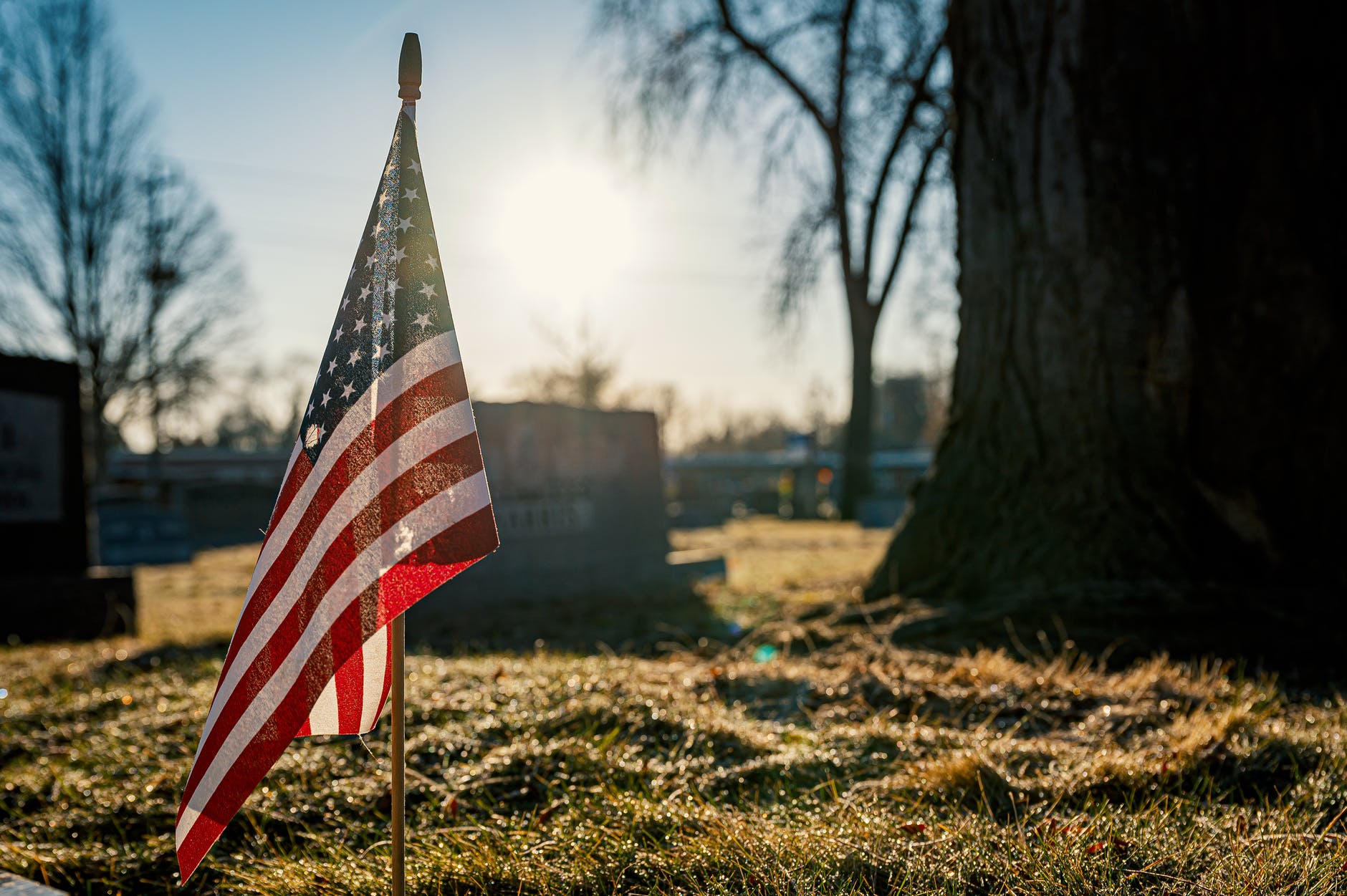
If it weren’t for the men and women who fought to gain our freedom to become America and all those that followed, we would live a very different life. We have to take a look around and see that everything we have and the freedoms we have are because someone sacrificed for us.
I can’t thank each and every service member enough for paving the way for the life I have and the freedoms I share.
I think about you often and don’t take for granted your sacrifices.
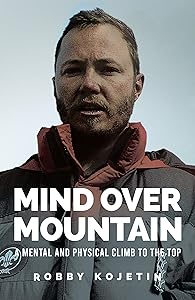
I want to send a special thanks to Laura Sebright at Tigger Publishing for sending me Mind Over Mountain-A Mental and Physical Climb to the Top by Robby Kojetin to review.
About the Author
Robby Kojetin lives in Johannesburg, South Africa, and is a high-altitude adventure. Since his accident in 2006 which resulted in him breaking both of his ankles, he has gone on to become one of only a handful of people to have stood on top of the world’s highest mountain, Mount Everest. He has also climbed Kilimanjaro nine times, completed the Ironman triathlon, and scaled five of the Seven Summits. Known as an inspirational and engaging speaker on stage, he presents on the topics of failure, self-doubt and persisting against all odds, in the hopes of inspiring people of all ages and backgrounds facing the daunting mountains and obstacles in their own lives.
Robby is a proud husband and father who also coaches people to reach their personal summit goals. He is a regular contributor to a number of radio programmes, magazine articles and TV features, including DiscoveryChannel’s Everest: Beyond the Limit.
Blurb
A simple mistake at an indoor climbing gym sentenced 28-year-old Robby to a year in a wheelchair, shattering his aspirations of becoming a mountaineer. In the months that followed, Robby faced depression, anxiety, suicidal thoughts and a complete loss of his sense of identity.
But from somewhere deep inside him, he summoned up the strength to keep going even when all seemed lost; he embarked on a monumental journey, a feat of mental and physical strength. His weakness became his power. This story is more than a biography or an account of a mountaineering expedition – it showcases the human spirit and shows us all how it is possible to rewrite the definition of what is possible. From those dark days, Robby has become the embodiment of perseverance and possibility, overcoming the odds to join the handful of people who have summited Mount Everest.
One reviewer said “I laughed, I cried, got angry at why something so terrible could happen to someone so good, but most of all I was in awe of what Robby overcame!! A must-read for anyone!!”
My Thoughts
At 22 years old Robby’s identity and self-confidence were tied to rock climbing and all the adventure it brought. He was paving away in a career that he enjoyed that gave him the time off needed to continue his climbing adventures.
Until one fateful day, while practicing on a climbing wall, he jumped off as he had done many times before, the floor gave way causing Robby to shatter both ankles, fracturing several bones and rupturing the tendons from the shin down.
This is a devastating blow to anyone but for an avid rock climber, this could be the end of the adventure. With the love and support of family and friends, Robby concentrates on recovery and walking again. The recovery period is slow, very painful, and takes a toll on his mental health. Some days are dark with no light at the end of the tunnel but he pushes forward.
What Robby does from here is miraculous, not only does Robby walk again but goes on to climb the highest mountain in the world Mount Everest. This book is a fast and very enthralling read. It’s a story of grit and what the mind can allow us to accomplish. I would recommend this book to anyone.
Trigger Publishing
TriggerHub.org is the first mental health organization of its kind. We are bringing mental health recovery and balance to millions of people worldwide through the power of our books.
We have built a first-class resource of curated books produced and published in-house to create a unique collection of mental health recovery titles unrivaled in quality and selection. We work with experts, psychologists, doctors, and coaches to produce our books, but we also work with real people looking to share their stories to reach out to others and provide hope, understanding, and compassion. These brave authors also aim to raise awareness of mental health’s “human” face and its impact on everyday lives.
It’s easy to be active when you’re a kid. After all, it seems that when you’re young, your only mission in life is to run around all day! As adults, however, it’s much more difficult, or at least it can feel that way. While it’s less easy to remain at our active best, that doesn’t mean that it’s impossible. In fact, there are plenty of recommended things you can do that’ll help to keep you active into adult age. In this blog, we’ll run through some of the most effective methods.
You can’t expect to be active if you’re sitting down all the time. Alas, that’s just what many people are doing, all day, every day. It’s possible that you won’t naturally be given space to exercise because of how busy you are. However, it’s a good idea to try to force it through a little. You’ll find that there are many ways to build little bursts of movement into your day. For instance, you could take the stairs rather than using the elevator. You could cycle to work instead of driving. Even an after-work stroll will keep you up and mobile.
Feed Your Body
Your body needs certain things if it’s going to have the energy levels to be mobile. You can’t just feed your body anything and expect it to work at its full capacity! So make sure that what you’re giving your body is healthy and all-around good for your energy levels. Eat a balanced diet full of all the vitamins you need, and you’ll notice the difference. It’s also a good idea to look beyond the food that you eat, too. Things like HGH therapy and various supplements, such as maca extract, can provide a significant boost to your energy levels. And the more energy you have, the more active you’ll be.
Limit Toxins
We just spoke about giving your body the things that it needs to have energy and be active. But it’s also important to think about not giving your body certain things, too. For example, things like alcohol and tobacco have been shown to impact energy levels over time. And even over a shorter time — no one jumps out of bed when they have a hangover, after all. Look at taking a break from these things or giving up entirely, and you’ll soon find that you have all the energy you need and that your physical performance is much better.
Regular Assessments
Finally, one of the main keys to ensuring that you stay active later in life is to avoid settling into complacency. We’re all creatures of habit, and that means that sometimes, we can slip into detrimental ways of being without fully realizing it. Every now and again, look at reviewing your lifestyle, and analyze whether it’s in line with your health and fitness goals. Taking the time to do this might just be all it takes to make a few changes that really help you in the future.
What does the Second Amendment say about gun rights and what it does not say?
The 2nd Amendment was ratified on December 17, 1791, along with the other nine amendments that make up the Bill of Rights. While it is a very short amendment, its exact meaning in terms of what types of weapons are protected and what constitutes a well-regulated militia is still in contention today.
A well regulated Militia, being necessary to the security of a free State, the right of the people to keep and bear Arms, shall not be infringed.
What it says is a WELL REGULATED militia has the right to keep and bear arms.
It doesn’t say what the age limit should be.
It doesn’t say all guns.
It DOES say WELL REGULATED, meaning, or opening the door to background checks and regulated by the government.
I’m a gun owner and don’t take the responsibility lightly. I’m also a Republican but I have common sense.
Here are my proposed gun reform laws:
The age limit to buy a gun is 21 years old
An extensive background check is to be conducted.
There is a 30-45 day waiting period while the background checks are taking place before you get your gun.
All assault-type weapons are banned.
Red Flad laws are in place in every state.
If we just did half of these things we could save countless lives. But our government, one side of the government is not acknowledging that the Amendment says well regulated, regulated means by the government who sets the laws.
Regulated means there are laws which mean there are standards that have to be met. So nothing in my plan steps on the Constitution. The only big argument some would have is the assault weapons but there again it says the government regulates who owns the guns. It can very well regulate that no one can own the guns, but it doesn’t mean all guns.
Many of you in other countries are highly regulated when it comes to guns and I have no doubt you don’t have mass shootings. Here in America, some have taken what was written by our forefathers’ to say that all guns are allowed to anyone with no standards in place. That’s not what I read.
When our forefathers wrote well regulated they made it clear how guns could be owned and overseen by the government. What part of that line is hard to read or understand, it’s very clear to me what well-regulated means. But our politicians take no responsibility and say we want to stomp the Second Amendment rights and do nothing. They block every type of gun control law passed by their desk.
How many more children will die because of this ignorance?





























 TriggerHub.org is the first mental health organization of its kind. We are bringing mental health recovery and balance to millions of people worldwide through the power of our books.


 Looking for the Light