Jane from D’Amore Mental Health contacted me and asked if I would include their organization on my resources page. With May being Mental Health Awareness Month, I can’t think of a better time to add a new Mental Health resource.
Mental Health Disorders affect every aspect of your wellbeing. That’s why D’Amore Mental Health’s approach to addiction and mental health treatment is holistic and personalized, providing care for the mind, body and spirit.
D’Amore challenges the idea of inevitable hospitalization for mental illnesses and specializes in preventive treatment by creating an environment that reduces the shame cycle. Our Build Me Up Program fosters behavioral and cognitive change through positive reinforcement.
If you or someone you know is having challenges with their Mental Health please share with this website information and the other resources listed on my Organizations Who Can Help page.
It was after Amy Kartheiser, an interior designer based in Chicago, lost her brother to suicide in 2014 that she realized others in her community were impacted by a similar loss. She cofounded Under the Same Sky, which works with American Foundation for Suicide Prevention, to both help those struggling and to push open the door to meaningful discussions about mental health. “One of the biggest goals of Under the Same Sky, outside of raising funds to support those who have lost a loved one to suicide, is getting people to talk about suicide and mental health in general,” she tells AD PRO. “We truly believe that we must open the conversation to make a significant change for those struggling with mental health and for those who have lost a loved one to suicide. It’s the driving force of our mission.”
Amy Kartheiser Vibe Tribe Creative
Alexis O’Brien, public relations director at American Foundation for Suicide Prevention, elaborates on the importance of such dialogue. “Amy found that people seemed to be afraid to talk to her and that they didn’t know how to approach the subject. This can be a common experience for suicide loss survivors, which leads to feelings of loneliness and isolation,” she says.
Kartheiser’s Under the Same Sky organization helps fund the American Foundation for Suicide Prevention’s Healing Conversations program. “All volunteers for the program have themselves lost someone to suicide,” O’Brien explains. “Healing Conversations welcomes survivors of suicide loss as they are, wherever they are in their grief. While our volunteers won’t have all the answers, they are able to point those who are grieving to places they might find ongoing comfort, such as a local support group.”
In honor of Mental Health Awareness Month, observed in May, Kartheiser shares some impactful ways that the design community can get help for that journey—and get involved in the conversation.
Amy Kartheiser: The idea of “talk” is going to be threaded throughout all programming that we push out on my Instagram page, @AmyKartheiserDesign, and in tandem with Under the Same Sky’s content. We’re kicking off our very first “walk and talk” social media challenge for designers and interested participants, not only to spark conversation around the topic, but also to raise vital funds in support of our partner, American Foundation for Suicide Prevention—specifically AFSP’s Healing Conversation program.
The #WalkandTalkChallenge idea was sparked because I use my daily walks to keep me sane, and to spiritually connect with my brother, Mark. I literally walk and talk to him out loud. (I try to check over my shoulder for passersby before starting to chat to him, but sometimes I am that woman.) It’s been so therapeutic in healing and processing, so I wanted to encourage people to get out there, get some fresh air, move their bodies—it does wonders for the mind!—and talk.
We hope this challenge will not only bring awareness to the mission of Under the Same Sky, but will also push the design community to bring mental health conversations to the forefront of all that we do. It is such a high-demand industry, and one that is focused on beautiful things and the smallest of details, but real life is messy. I’m hopeful that by sharing my own journey grappling with the aftermath of suicide following Mark’s death, I can encourage fellow designers and the A+D community at large to do their part in bringing to light these conversations.
Lastly, we have our next pop-up taking place virtually at utsscharity.org from May 13 through June 13, where all purchase proceeds will go to AFSP. I personally source products from makers around the globe for these shops, and we also have some amazing donated pieces from artists and designers that have found UTSS and were inspired to support our mission. It’s a fun way to shop—or source—for a good cause!
How do you choose which designers and artisans to spotlight in the shop? How can designers get involved?
I chose pieces that capture my heart. Every single item featured in the shop has been handcrafted by a true artisan; their stories and processes are what compel me to spotlight their products.
When I’m on my travels, for both personal and sourcing trips, if something or someone catches my eye, I stop to learn and experience—whether it’s Egyptian vases that have been crafted the same way for hundreds of years, intricate paper artworks with imperfections and unevenness, or caftans and pajamas hand-sewn by a husband and wife right there in the market in front of me. These are incredibly skilled craftspeople that have learned and honed their work from generation to generation.
Combined with the fact that I can easily envision any of the items I select in one of my client projects, I think the collection is a wonderfully unique place for other designers to source pieces for their own projects.
In a bigger way, donations—both donated goods for the shop or monetary gifts—are most certainly a welcome way for the design community to make the largest impact in support of our mission, and to do their part in working towards the much broader mission of ending the suicide epidemic.
What are some of the moments that have been particularly meaningful for you as you’ve grown the nonprofit?
One of the first things that stuck out to me following our launch was the response that I received from a Chicago Tribune article that featured UTSS. The outpouring of support and notes from readers from around the world took me by surprise, and that was the first time I really paused and thought, Wow, we are actually changing lives!
Also just as meaningful has been the amazing design connections we’ve made along the way. We had an incredible studio—Ark Papers out of Cape Town—reach out to us on Instagram about collaborating and supporting our mission. To think our charity has found its way to South Africa kind of blows my mind.
I’ve been so overwhelmed by the designers and showrooms that have asked to donate products and floor samples, or who have inquired about making products specifically for the shop. I’ll never really be able to express how cool that is for me—to turn something so devastating and disorienting into this beautiful thing that people want to be a part of, and all within the industry that I love.
The “Frozen” star struggled to manage her anxiety and depression as the ongoing COVID-19 pandemic began to unfold.
Like many Americans, Kristen Bell found herself glued to the TV as the ongoing COVID-19 pandemic began to unfold in 2020.
“I have trouble distinguishing between my emotions and someone else’s emotions, and that’s not a compliment to myself. That’s a very dangerous thing to toy with,” Bell told Self in a story published on Monday.
The news cycle took Bell, 40, to such a dark place, that her husband, Dax Shepard, had to intervene. Shepard, 46, was concerned about how Bell’s mental health was affecting their daughters, Lincoln, 8, and Delta, 6.
Kristen Bell recalls Dax Shepard confronting her about her mental health
The “Frozen” star struggled to manage her anxiety and depression as the ongoing COVID-19 pandemic began to unfold.May 3, 2021, 11:53 AM CDT / Source: TODAYBy Rachel Paula Abrahamson
Like many Americans, Kristen Bell found herself glued to the TV as the ongoing COVID-19 pandemic began to unfold in 2020.
“I have trouble distinguishing between my emotions and someone else’s emotions, and that’s not a compliment to myself. That’s a very dangerous thing to toy with,” Bell told Self in a story published on Monday.
The news cycle took Bell, 40, to such a dark place, that her husband, Dax Shepard, had to intervene. Shepard, 46, was concerned about how Bell’s mental health was affecting their daughters, Lincoln, 8, and Delta, 6.
“‘Hey, real quick, are you helping anyone right now by sitting and crying in your bed, or are you just being self-indulgent?’” Bell remembered Shepard saying. “Either get up and donate money or donate your time or do something to help, or take that story in, give it some love, and come out here and be a good mom and a good wife and a good friend and live your life in honor of the suffering that happens in the world.’”
Initially, the “Frozen” star was outraged. Then, she realized Shepard had a point.
Bell, a longtime mental health advocate, first started taking medication to deal with her anxiety and depression while studying at New York University’s Tisch School of the Arts.
“I wasn’t suicidal…. It was just a generalized dark cloud over me. I felt like my real personality was in a tiny cage inside my body,” she revealed.
Kristen Bell recalls Dax Shepard confronting her about her mental health
The “Frozen” star struggled to manage her anxiety and depression as the ongoing COVID-19 pandemic began to unfold.May 3, 2021, 11:53 AM CDT / Source: TODAYBy Rachel Paula Abrahamson
Like many Americans, Kristen Bell found herself glued to the TV as the ongoing COVID-19 pandemic began to unfold in 2020.
“I have trouble distinguishing between my emotions and someone else’s emotions, and that’s not a compliment to myself. That’s a very dangerous thing to toy with,” Bell told Self in a story published on Monday.
The news cycle took Bell, 40, to such a dark place, that her husband, Dax Shepard, had to intervene. Shepard, 46, was concerned about how Bell’s mental health was affecting their daughters, Lincoln, 8, and Delta, 6.
“‘Hey, real quick, are you helping anyone right now by sitting and crying in your bed, or are you just being self-indulgent?’” Bell remembered Shepard saying. “Either get up and donate money or donate your time or do something to help, or take that story in, give it some love, and come out here and be a good mom and a good wife and a good friend and live your life in honor of the suffering that happens in the world.’”
Initially, the “Frozen” star was outraged. Then, she realized Shepard had a point.
Bell, a longtime mental health advocate, first started taking medication to deal with her anxiety and depression while studying at New York University’s Tisch School of the Arts.
In addition to a daily selective serotonin inhibitor (SSRI), Bell uses exercise to boost her endorphins. Earlier this year, she shared a photo of herself after completing a cardio workout.
“I’ve been struggling the last 2 weeks, for who-knows-why-slash-ALL-the-reasons,” Bell wrote at the time. “Today I finally got back on the treadmill, figuratively and literally. And I’m proud. To anyone who’s been feeling the same, you can do it.”
Bell has also found that knitting and working on jigsaw puzzles help to clear her mind and keep her off her phone.
“I know that I present someone who is very bubbly and happy all the time, and a lot of the time I am, because I have really good tools,” she explained while speaking with Self. “But there are definitely days when the alarm goes off and I go, ‘No, I’m staying right here. Nothing’s worth it… I’m just going to stay in this cocoon because I need to be; because I feel very, very, very vulnerable.”
“It occurred to me that I was showing this very bubbly, bright persona, and that it was unauthentic. Because it wasn’t telling the whole story,” Bell told TODAY Parents in 2018. “I had a pit in my stomach for almost feeling ashamed that I had hidden it for so long, because it could’ve helped people before if I had talked about it.”
Jessica Owen from Cherish Editions kindly gifted me a copy of Rachel Townsend’s memoir Finding Frank for an honest review.
Rachel covers several difficult subjects, such as domestic violence, depression, child abuse, alcoholism, and drug addiction. She is raw and honest with the accounts of her life and I can relate on several fronts. I was rooting for her the whole way.
Finding Frank reels you in fast, so find a comfy spot because once you start reading, you will keep turning the pages to see how her life takes the next turn.
About the author
Rachel is a counselor and holistic therapist, now based in Cornwall in the UK, having a globetrotter for much of her life. As a counselor, motivated by her life experiences, she specializes in helping with trauma and recovery, and relationship problems. Outside of her profession, her personal experiences shape her prose.
About Finding Frank
How do you find love when all you’ve known as a child is violence and abuse?
How do you find your way back from the clutches of drug addiction and stop yourself from sinking deeper and deeper into a dark and debilitating depression? How do you carry on when you finally open your heart and then lose the one you love in the most tragic of circumstances?
Rachel’s story is a tale of triumph over adversity. Set in a tropical island paradise in the West Indies, Rachel’s journey takes her away to boarding school in England and on to the Middle East for the school holidays, where she first sets eyes on Frank.
Remarkably, Rachel not only finds a way to make peace with the terrible traumas of her past, but she manages to turn her life around completely and along the way, she finds love… a love she once believed was lost to her forever.
My Thought
“Finding Frank is a riveting memoir from Rachel Townsend who has overcome insurmountable odds to rise above trauma and blossom into a whole, loving person and respected author. She’s an inspiration for us all. Rachel comes from a background of violence and child abuse, she was abandoned by her mother as a child and uprooted from her island home to find herself in a boarding school in the Middle East. Rachel was guided by the love of her father and made new friends which helped her gain self-confidence. As a young woman, Rachel finds herself spiraling into a dark depression without the tools to cope, the darkness seems to have no end in sight. Rachel wanted love in her life but felt that true love would not come around a second time. Finding Frank is not your typical love story and that’s one of the reasons I love it. Life isn’t like the movies, it’s hard and painful at times. Rachel shows us no matter how hard and painful, you can overcome the past and build a solid future of your dreams. Finding Frank is a must-read, you may find yourself sharing with friends and family too.”
Cherish Editions
Cherish Editions is the self-publishing division of Trigger Publishing, the UK’s leading independent mental health and wellbeing publisher.
We are experienced in creating and selling positive, responsible, important and inspirational books, which work to de-stigmatise the issues around mental health, as well as helping people who read them to maintain and improve their mental health and wellbeing. By choosing to publish through Cherish Editions, you will get the expertise of the dedicated Trigger Team at every step of the process.
We are proud of what we do, and passionate about the books that we publish. We want to do the very best for you and your book, holding your hand every step of the way.
Carrying trauma from your childhood is so draining and it has far-reaching effects on your physical and mental health. Many people experience flashbacks and PTSD symptoms after surviving sexual abuse as a child, but often, the impact is less direct. Even those that do not think about the abuse itself that much and assume that they are not affected by the trauma that much may experience a range of mental and physical health issues. Survivors of childhood sexual abuse do not always connect the dots and they don’t realize that the issues they experience are related to their trauma.
Understanding what potential issues can be caused in adulthood can help survivors recognize when their trauma is affecting them. These are some of the most common physical and mental health issues caused by childhood sexual abuse.
Depression
Depression is one of the most common mental health issues we face right now and there are a lot of reasons why people develop it in the first place. However, studies show that there is a strong correlation between people that experienced abuse as a child and people that suffer from serious depressive disorders. As an adult, attending depression counseling can help manage the symptoms and you may even be able to start unpacking some of that trauma.
However, research suggests that early intervention to support children is the key to avoiding this issue in later life.
Substance Abuse And Eating Disorders
Dangerous behaviors like substance abuse and eating disorders are also more prevalent in survivors of childhood sexual abuse. The symptoms of trauma are often difficult to manage, especially if the survivor does not have the support that they need. Many sexual abuse survivors also suffer from other mental health issues and it’s common for them to self medicate with alcohol or drugs. Eating disorders are often a way of gaining control over one aspect of their life because a person feels so out of control in other areas.
Sexual Confusion
Sexual confusion is incredibly common in male survivors of childhood sexual assault. Boys that are abused by older men when they are too young to understand sexuality will be confused about whether they are homosexual or not. This confusion remains as they grow older and it can make it incredibly difficult for them to form meaningful relationships.
Obesity
We think of obesity as a fairly straightforward problem; if you eat too much, you gain weight. But it’s far more complicated than that and childhood sexual abuse often has a role to play. During a weight loss study, it was discovered that many of the participants that struggled to stop overeating had been abused as children. Further research in the area has shown that there is a direct correlation between obesity and childhood sexual abuse.
If we are ever to deal with the issue of childhood sexual abuse and help survivors regain power over their lives, it is important that we understand just how much impact it has in adulthood. These are some of the most common ways that sexual abuse manifests in adulthood, but there are countless other health issues that it can cause.
We like to believe that we live in a generally safe world where our quality of life isn’t continually on the line. If we didn’t, we’d struggle to leave the house in the morning.
But the truth is that we don’t live on a perfectly safe planet. In fact, there are dangers everywhere.
Every minute of the day, for instance, somebody is injured in a crash, and many of the victims have life-changing disabilities that stay with them for the rest of their lives.
You can’t really understand disability until you’ve experienced it. Suddenly, you find out that you can’t do all the things you used to be able to do, and it creates a whirlwind of emotions. Life just isn’t the same afterward, either mentally or physically.
For many people, the first response is anger. If their disability was their fault, they feel a kind of rage against themselves. Why did they put themselves in danger?
If their disability was somebody else’s fault, they feel a sense of violation against the person who did it to them, even if it was unintentional. There are often long court battles as people attempt to get compensation from another party.
The anger, however, eventually becomes a cost if it lingers. The longer it goes on, the more it taxes the individuals. Eventually, it can harm their health further, leading to forms of depression and chronic disease.
Losing your abilities is a little bit like losing somebody you love. If you can no longer walk, for instance, you go through a process of grieving over that loss. Instinctively, you know that the ability isn’t going to come back. And so you have to psychologically and emotionally deal with that fact before you can move on.
That kind of mentality is quite destructive, but also commonplace in people who’ve been injured or develop a chronic condition. The trick, of course, is to recognize that life does go on and that there are plenty of things you can do to enjoy your existence.
In some situations, disability can also breed loneliness. Some people find that they are more isolated from their friends and family because of the fact that they can no longer get around as well as they used to.
Loneliness can also occur at an emotional level. When you have a disability, you feel somewhat alienated from the people around you. Unlike you, they don’t know what it is like to be housebound or bedbound. And so they can’t really understand what life is like for a person in your situation.
The solution here is to join a group of people who do understand what you’re going through so that you can voice your feelings and make them known.
In an age where everyone is constantly connected, and false pretenses are the norm, it can be hard to stay positive about life and yourself. Many teens have attested how social media has made them feel more insecure about how they look. This may be because filters and editing tools can make a person look entirely different from actual reality, creating false and unrealistic standards today’s generation of girls feel they need to live up to.
Plastic surgeons have even come up with a new term called “Snapchat Dysmorphia,” which is a condition doctors have found mostly in adolescent women who try to get plastic surgery in order to look more like what they look like on Snapchat or Instagram with all the added filters. Looking after yourself has never been more vital, especially when living in a world that is constantly trying to convince you of what is acceptable and considered beautiful. That said, here are some tips on what you can do to look after your mental health in a digital age.
It may sound like a childish approach at first, but limiting the amount of time you spend on your phone, and especially online, can do wonders for your mental well-being. The more time to spend online, the less time you spend in the real world, being productive and practicing other healthy habits. Social media is helpful in a long list of ways. Whether it is to gain exposure for your business, staying in touch with friends and family, or learning more about what’s going on in the world around you, anything you do excessively will ultimately lead to an imbalance of some sort in your life. Moderation is key, which is why setting boundaries to the amount of time you spend on social media can open up loads of time for other important things like work, family time, getting in some exercise, or even just relaxing. You’ve probably found yourself hopping on Instagram for a quick catch-up, only to find yourself an hour later, still scrolling, each post just as interesting as the one before it. This is why it’s essential to set a limit because, whether you notice it or not, it happens more than you think.
Protect Yourself
One of the less glamorous things about social media is the fact that we can’t always control what pops up. Suggested posts are brought to your feed, and before you know it, you stumble upon something that may offend or really bother you. This isn’t necessarily social media’s fault; even though they try to keep a tight rein on what’s posted on their platform, there are billions of people posting each and every minute, making it almost impossible for them to regulate content thoroughly. They have, however, given you a small amount of authority and have taken your power of free will online by giving you an unfollow, block, and report button. These buttons aren’t just there to look pretty; they cause real action once implemented and can lead to the platform taking a closer look at the relevant content and disposing of the post (or the entire account if necessary) in order to make your experience better. Have a look at https://backlightblog.com/how-to-block-unblock-on-instagram to learn more about how to use some of these helpful tools.
Tech Cleanse
Many celebrities have taken some time off from their social media accounts with millions of followers for a bit of a break-away. These public figures have realized how stressful and pressurizing the online world can be and have learned that taking some personal time can only benefit one’s mental health. Allowing yourself a tech cleanse from time to time will lift your spirits and make you feel like an entirely new person – this means taking a period of time and detaching yourself from the online world. No, you don’t have to lock away your phone in a drawer and throw away the key, just take a breather from the hustle and bustle of social media and do some self-reflecting, pamper yourself a bit, maybe even take up a new hobby or learn a new skill. The online world isn’t going anywhere soon and will definitely still be there by the time you get back!
Your number one priority should always be you at the end of the day, whether it be physically, emotionally, mentally, or spiritually. Take some time, give yourself some space, and do whatever you need to do to ensure you stay happy and healthy, inside and out.
According to a 2019 survey from the Centers for Disease Control, approximately one in five youths reported they’d seriously considered attempting suicide within the last year, while one in six had actually made a suicide plan, and one in 11 had made an attempt. Since the pandemic began, things have only gotten worse. In 2020 Mental Health America reported an uptick in severe major depression and suicidal ideation among youth. It noted in September 2020 that more than half of 11- to 17-year-olds reported they had experienced frequent thoughts of suicide or self-harm in the last two weeks. Other statistics are equally alarming.
Simply put, this pandemic has pushed stress levels of many youth to the breaking point. There are many contributing factors, such as isolation from peers, concern about loved ones getting sick, family financial issues such as job losses, and stress from navigating distance learning.
Then there are the situations in which child abuse and exploitation occur. During the early months of the pandemic, for example, child abuse complaints dropped, sometimes by as much as 50 percent. That’s not because abuse and exploitation issues were down. Just the opposite–the abuse was unreported because it wasn’t being seen by those who would typically catch it.
Teachers and school staff are often a first line of defense to report abuse and identify and support students who are dealing with stress and anxiety, because they are with the student all week and often see the telltale signs of a problem. For instance, is the student suddenly withdrawn from friends? Have they stopped eating at lunch? Are they suddenly lacking proper hygiene? But during the pandemic, in many cases teachers aren’t seeing the students as often, if at all, in person. This makes it more difficult for them to detect potential problems, but it doesn’t make it impossible.
Increasingly withdrawn behavior. Has a student who typically participates a lot in class suddenly stopped? If so, this could be a sign that there is something more going on.
Increased attention-seeking behavior. A student who typically is very respectful of the rules of an online environment is increasingly engaging in behavior that requires the teacher’s attention. It might be as simple as clicking their mute button on and off during a lesson or dressing inappropriately when on camera.
Significant changes in attendance, or suddenly wanting to keep their video off when they previously had it on.
To support students, teachers can schedule one-on-one virtual check-ins to see how students are doing. They can also provide their contact information and make sure students know they can reach out if they need to talk. Some schools use technology that allows staff to monitor students’ online activity and teachers to report concerns. A free tool called back:drop lets teachers track and record wellbeing information and concerns. Teachers can take advantage of tools like this if they’re available to keep tabs on potential issues and intervene if needed. Mental Health America also has a toolkit with tips to support students’ mental health.
The long-term impact of the pandemic in terms of students’ mental health is yet to be seen. In the short term however, teachers and school staff can help students weather the storm by keeping an eye on how students are behaving online, and by taking advantage of the resources mentioned above. These tools and practices can help teachers continue to be that first line of defense.
Justin Reilly is a former teacher and education leader with 20 years of experience leading EdTech businesses to success. With an early career teaching mathematics and information and communications technologies in UK secondary schools, Reilly understands firsthand the challenges associated with digital learning. He currently serves as CEO of Impero Software, a leader in student safety software. He has also served as the CEO of Mwabu Group, one of Africa’s leading EdTech businesses, serving schools and ministries of education in some of the most remote and unstable regions and as vice president of technology delivery and strategic partnerships at Pearson Education and CEO of Fronter AS, a provider of learning management systems. He works at Impero’s UK office in Nottingham.
The study examined nearly 400,000 female veterans, of which nearly one-third suffered from PTSD. The results of that study reflected that female veterans suffering from PTSD were 44% more likely to have the debilitating heart disease than their fellow veterans who did not have PTSD.
A similar study done in 2017 found that male veterans suffering from PTSD were 18% more likely to suffer from heart disease than their fellow veterans who did not have PTSD.
PTSD can affect women and men in different ways. Women with PTSD are more likely to feel depressed and anxious, while men with PTSD are more likely to have problems with alcohol or drugs. However, while both women and men who experience PTSD may develop physical health problems, the severity and preponderance of those symptoms also differ between the sexes.
According to the American Heart Association, ischemic heart disease refers to problems caused by narrowing of the arteries. That results in less blood and oxygen reaching the heart muscle and ultimately can lead to a heart attack.
As with men, the most common symptom of a heart attack in women is chest pain or discomfort. But women are somewhat more likely than men to experience some of the other common symptoms, particularly shortness of breath, nausea/vomiting and back or jaw pain.
Ischemic heart disease is also known as coronary artery disease or coronary heart disease.
Often, ischemic heart disease has no symptoms and can lead to a heart attack with no prior warning.
Despite advances in prevention and treatment, cardiovascular disease remains the leading cause of death worldwide. In the U.S., one in four deaths is caused by heart disease.
The study further found that female veterans who suffered from PTSD at relatively young ages, especially those under 40 years old, were at greater risk for heart disease.
The authors of the study recommend that physicians closely monitor patients with PTSD for coronary and related diseases as a result of their findings.
An inability to stop what you are doing or are about to do can cause considerable distress. Until recently, uncontrolled eating or binge eating, an eating disorder, has been linked to reduced self-regulation under stress, or deficits in brain regions responsible for inhibitory control. But this popular theory of impulsivity-induced binge eating has no direct evidence.
A new study led by scientists at the University of Cambridge examined how experimentally induced stress affects self-regulation in normal individuals and women with anorexia and bulimia. Functional magnetic resonance imaging (FMRI) neuroimaging of participants under stressful and neutral conditions showed that stress-induced lack of self-control is too simplistic and inadequate in explaining the cause of binge eating.
Earlier neuroimaging studies in patients with bulimia nervosa (BN) reported reduced activity in frontostriatal regions that are important in self-control, resulting in the popular theory that posits binge eating results from a failure of self-regulation under stress. However, there has been no direct evidence that stress impairs self-regulation in binge-eating disorders.
The researchers determined the effect of acute stress on self-control in 85 women, including 33 women with BN, 22 women with anorexia nervosa and bingeing or purging (AN-BP), and 30 normal women.
The authors performed a validated method of measuring proactive (anticipation of stopping) and reactive (outright stopping) inhibition called the stop-signal anticipation task, on all participants coupled with repeated FMRI scans for two consecutive days. The stop-signal anticipation task entailed pushing a button to stop a moving bar when it reached a specific point on the screen. On some trials, the bar stopped early, and the participants had to stop themselves from pushing the button.
The results showed women with BN showed reduced proactive inhibition while prefrontal responses were increased in women with both AN-BP and BN, whereas reactive inhibition remained intact in both diagnostic groups. Both AN-BP and BN groups showed distinct, stress-induced changes in inferior and superior frontal activity during both proactive and reactive inhibition tasks, but task performance was unaffected by stress.
These findings provide novel evidence of reduced proactive inhibition in BN, yet these inhibitory control deficits did not generalize to women with AN-BP. The results show that stress alters brain activity associated with inhibitory control in both groups of women with eating disorders but had no effect on their ability to stop their actions. These results demonstrate that self-inhibition is intact in the face of stress and the underlying neural mechanism behind binge eating is more complex than previously thought.
“Our findings identify intriguing alterations of stress responses and inhibitory function associated with binge eating, but they counsel against stress-induced failures of inhibitory control as a comprehensive explanation for loss-of-control eating,” the authors noted.
Chronic depression is a mental illness that millions of people experience to some degree each year. All types of things can trigger depression in anyone, such as trauma, grief, getting laid off, and money worries. The chances are high that you know someone with depression.
Did you know some depression triggers aren’t as common as the examples listed above? In fact, some causes of depression are pretty surprising. The following are six triggers that you probably wouldn’t have realized cause depression in most people:
Seasonal Affective Disorder, or SAD for short, is a mood disorder that can cause some people to experience symptoms of depression but only at certain times of the year. Most people with SAD experience symptoms during the winter months.
However, SAD can also strike in the summer. In those cases, the reason is that the body finds it difficult to adjust to new seasons.
2. Quitting Smoking
If a person used to be a heavy smoker and decided to quit the habit, they will likely experience symptoms of depression. Smoking can obviously be addictive, and when a person gives up such a long-term habit, they start to get withdrawal symptoms.
Nicotine, one of the common elements in cigarettes, creates high levels of the neurotransmitters dopamine and serotonin. When a person gives up smoking, they have significantly lower levels, resulting in feelings of depression.
3. Chronic Pain
Have you ever noticed that people with chronic (i.e., continuous) physical pain often seem unhappy? They might take medication to ease the pain, yet they still appear sad. That’s because chronic pain can also cause depression symptoms.
It makes sense to couple medication with other forms of pain relief like therapy sessions with a chiropractor in such circumstances. Doing so can help some people have less severe symptoms of depression.
4. Poor Quality of Sleep
It’s no secret that people who regularly have a poor quality of sleep end up feeling irritable and generally not very pleasant to be around. However, some of those individuals could have a high risk of developing chronic depression.
If you experience a poor quality of sleep, you should take immediate steps to diagnose and resolve the reasons why that’s the case. For example, the issue might be down to an unsuitable bed or pillow, or your sleeping partner’s snoring could disturb your sleep.
5. Internet Addiction
Most people spend at least one or two hours each day surfing the Web and catching up on their social media feeds. If you spend significantly more time online each and every day, your Internet addiction could result in you developing depression.
6. Your Environment
It’s a well-known fact that people who live in abusive home environments are highly likely to develop depression. But, what you might not know is that something as simple as the area where you live can trigger depression symptoms.
That’s because people who live in densely populated areas typically have higher levels of stress, and that can trigger feelings of depression in those individuals.
What The April Writing Prompts are About & How to Participate
The linkups are a monthly get-together for anyone with a chronic illness, mental disorder, or disability. It’s an opportunity to share, to listen, and to learn from one another through shared writing prompts. I also think it’s a great way to provide insight into life with chronic illness from many different points of view.
All you have to do is write using at least three of the writing prompts listed below, and publish it on your blog, or to a free writing platform like Medium. Then click on the blue ‘Add Link’ button to add your blog post to this page. Voilà, you’re now part of the linkup party!
April Writing Prompts!
Springing
Luxuriating
Sustaining
Daunting
Grounding
We are springing into Spring and Summer around our house. The lilies have popped up and survived the winter storm. I’ve planted basil, cilantro, marigolds in orange and yellow, a red dahlia, two Gerber daisies, one orange, and one in pink. I also have one pick geranium and six tomato plants. Last year we had so many birds dive-bombing the tomatoes we put up shiny green flower spinners this year. They are so fun to watch. Keeps you from getting bored looking in the back of the yard. I planted fewer flowers this year knowing that there’s a chance it would be too much to keep up with during the hot summer days. I’ll write about it in the next paragraph but so glad I planted less because I’ve now scheduled knee replacement surgery for June. Looks like I’ll be having lots of help watering this summer.
I’m enjoying my time before the medical appointments start running back to back. My knee replacement surgery is scheduled for June, it’s been a long time coming. I have yet to start my Plasma Infusion treatments. I’m so frustrated with insurance for taking so long to approve the treatments. I was told last week that insurance turns most around in two days and I’ve been waiting over a week and still no answers. Today they were so busy I couldn’t even get an insurance person in the Infusion office on the phone. I’ve been preparing for my treatments. You spend three to four hours in a lounge chair much like you do while having Chemotherapy but I’ll be having Blood Plasma dripped into the veins. I have a warm blanket, a small travel pillow, downloaded several books to review on the iPad, a new book to start if I need to turn pages, a new mask that has a slot for filters, and of course lots of hand sanitizers. I’ve also bought a new sweater since I think it’s going to be very cold in the room. I had Antibiotic Infusion treatments when I was so sick with Lyme and imagine it will be like that only I had most of my treatments at home. The side effects last three to four days and are all over the place, I have more reading to do on that subject.
I don’t write about my husband very often but he does sustain me, for 20 years now he has sustained me. He never makes me feel pressured or guilty for what I do or don’t accomplish during the day. If I sleep in or need a nap it’s never a problem or the evil eye. We cook together so the burden doesn’t fall all on me and on weekends he usually does all the cooking. He does all his own laundry and has for years, I don’t even remember when that started. One thing that is important to us is to work hard to watch at least one television show together and have time to talk before I go to bed. As I’ve mentioned in several of my Fibromyalgia posts, I go to bed long before he does. It’s my unwind and rest time. I know that whatever comes my way, he’s going to be there, working hard to make everything ok and take the burden off of me.
Are you enjoying the monthly prompt post? Are you learning anything or able to pass anything on to someone who might need the information?
As our parents or other relatives start to get older, they might find it more difficult to look after themselves without help. When this happens, there are a few different options. Some families decide to move their elderly relatives into a retirement community or into their own homes, while others try to find ways for their parents to stay as independent as possible and keep living alone.
If your relatives are taking any medication, it’s important that they are able to manage this themselves if they live alone. Are they remembering to take the correct amount at the correct time? If you aren’t sure, there are some signs that you can look for. When you visit them, look in their cabinets for medicines that have gone out of date, or are being kept with no clear organization. Have they become ill after missed or too many doses?
Meal Preparation
Are your parents still able to cook safely and managing to make balanced meals? Are they able to use their kitchen appliances without help? Look out for them deciding to skip meals, or for kitchen accidents like forgetting to turn the oven off, or forgetting that food has been put in the microwave.
Safety And Mobility
Look out for signs that your parents are finding it hard getting around their home. Have they had falls? Do they have a way to get help if there is an emergency? You can fit their home with devices like emergency alarms, grab bars, and other things to make navigating and getting help much easier. Read this guide to make your home handicap accessible.
Personal Hygiene
It’s important for your elderly relatives to still able to bathe themselves, get dressed, and properly wash their clothes and linens. If you start to notice that they look more unkempt than they used to, or they wear diary clothing or have noticeable body odor then this suggests that they aren’t able to care for themselves anymore.
Transportation
If your older parents are still driving their car, make sure they are definitely safe enough to get behind the wheel. If they aren’t driving, what kind of access do they have to other forms of transport to get to doctors’ appointments or the grocery store? This could be using public transport, getting taxis, or arranging lifts with friends or family.
Socialization
For older people who live alone, isolation can be a big worry. Does your parent spend a lot of time by themselves? Do they have many friends nearby? Do they still go out to socialize, or do they get visitors to their homes? Watch out for signs of loneliness.Independent senior living can offer older relatives to stay near any friends they may have, as well as make new ones.
Home Management
Are they still able to manage their home? When you visit, take a look around to make sure things are being kept clean. Pay special attention to bathrooms and kitchens. Look out for disarray, stains, or spoiled food in the fridge. Check for post-stacking up or late bill notices coming through to make sure they’re coming on top of house admin.
Speaking on Dr. Elliot Berlin’s Informed Pregnancy, Hilary spoke about her experience of breastfeeding all three of her children, remarking that she sometimes has difficulty producing milk. “All of the babies latch really great; I’m just not a huge milk producer, so it’s emotional for me,” she said, before adding that so far she’s been “exclusively been breastfeeding” Mae.
The mother-of-three also discussed the tricky conundrum of how her anxiety can affect the amount of milk she produces too, which in turn leads to more anxiety. “Right now, I don’t know that I’m not producing as much as I need, but I think, since I haven’t in the past, I have tons of anxiety that I’m not, and that she’s not getting enough,” she explained. “And then I’m in my head, and then I don’t feel like enough, and then the spiral continues from there.”
She also shared that she’s making an effort to “sit back and chill and trust that [her] body is doing the right thing and [Mae is] gaining weight” in an effort to overcome those worries though.
It wasn’t just breastfeeding that Hilary discussed during the interview either; she also shared that she had both Luca and Banks present during the birth of Mae. “It was kind of important for me [for Luca to be there] because I’m really big on being open and honest with him about how strong women are and what childbirth looks like,” she explained, adding that Banks came into the room “right after the fact”.
We love that Hilary is so honest about her parenting journey! Anything that normalises breastfeeding or birth is totally a-okay with us.
Cosmopolitan UK’s current issue is out now and you can SUBSCRIBE HERE.
Like this article? Sign up to our newsletter to get more articles like this delivered straight to your inbox.
There are many ways that sleep problems can set you on a path toward a rocky relationship.
Making sound decisions, being in a good mood most of the time, reining in some of your bad moods or irritability, problem solving, communicating effectively, tolerating frustration, practicing empathy — these are all important skills for cultivating and maintaining a healthy relationship. And these are also all the things that go south when you’re low on sleep.
When these are in short supply, whom do you take it out on? Usually your partner. Chronic sleep loss or otherwise disturbed sleep can trigger a host of emotions that can send you on a spiral of relationship-damaging behaviors.
Sleep plays a powerful role in how we experience and regulate our emotions. When we miss out on sleep, we become more irritable, we have more negative moods, our frustration tolerance is lowered, and we become more emotionally labile, meaning that we are more prone to mood swings, because our capacity to regulate our emotions is impaired.
Studies have shown that when sleep was restricted to five hours per night for a week, participants showed a progressive increase in negative emotions (e.g., anger, sadness, frustration, irritability), with each successive night of sleep restriction. Research has further shown that sleep loss led not only to increases in negative emotion but also decreases in positive emotion.
To the partner of the person deprived of sleep, this activation of negative emotions in concert with the blunting of positive emotions can feel like a double whammy of contempt and criticism. The partner feels lonely, vulnerable, and attacked, which, of course, can then lead to defensiveness or counterattack. Not a great recipe for relationship bliss.
On nights when couples slept worse, they reported more conflict the next day.
Social psychologists Drs. Amie Gordon and Serena Chen have studied couples’ nightly sleep patterns and their daily relationship behaviors. They found that on nights when couples slept worse, they reported more conflict the next day. But it’s not just that sleep loss increases the likelihood of conflict. It’s that once a couple is in conflict, sleep loss triggers the very relationship behaviors and communication styles that we know are most toxic to relationships. As Dr. Gordon explains it, “When one or both partners are not well-rested, minor squabbles can turn into major rifts.”
Researchers at the Ohio State University brought 43 couples into the lab and asked them to engage in a typical relationship conflict. (It turns out that couples are very good at diving right into conflict when instructed to do so, even under the conspicuous conditions of a scientific laboratory, replete with a video camera to record the event.) Couples also reported on their nightly sleep patterns.
After each conflict, the researchers painstakingly coded the conversation using a well-developed relationship coding system that identifies positive versus negative communication styles, including the degree of hostility or constructive responses.
While all couples engaged in conflict, the researchers saw a clear distinction in how they engaged: Couples who reported sleeping less than seven hours per night were more likely to engage in hostile conflict. It’s the difference between saying to your partner “It really makes me mad that you didn’t unload the dishwasher” vs. “Shocker — yet again, you couldn’t do the one thing I asked you to do.”
Couples who reported sleeping less than seven hours per night were more likely to engage in hostile conflict.
A sure-fire way to ratchet up the intensity of a relationship tiff is when one or both partners feel their words and, more importantly, their feelings are not being heard. In many ways, empathy is the glue that binds a relationship together. Being able to gauge your partner’s emotional temperature during a hot-topic discussion is a critically important skill for relationship well-being. Unfortunately, empathic accuracy also takes a hit when relationship partners are sleep-deprived.
Drs. Gordon and Chen found not only that couples were more likely to engage in conflict after sleeping poorly but also that poorly slept people had lower empathic accuracy. Their research showed that the negative effects of one partner’s sleep loss on empathic accuracy spread to the other partner. On nights when one partner slept worse, the other partner also showed reductions in empathic accuracy. This likely reflects a relationship dynamic in which one partner feels dismissed or that their feelings aren’t being heard, leading to increased defensiveness and emotional walls being built up on both sides.
Other research shows that even the words we use to communicate and the sounds of our voices are colored by our sleep or lack thereof. Psychologist Eleanor McGlinchey used computerized text analysis, including analysis of acoustic properties of speech, as well as observer ratings of the emotional expression of speech, before and after sleep deprivation in the laboratory. She wanted to determine the extent to which sleep deprivation affected word choice, including positive and negative emotion words, like “happy” or “excited” or “sad” or “anxious,” as well as the tone, including positive and negative emotion expression.
She found that under sleep-deprived conditions, participants showed a decrease in the use of positive emotion words. Observers rated their speech as being lower in positive emotional expression (less happy or calm) and higher in negative emotional expression (more sad, anxious, or fatigued). Using sophisticated computerized text analysis of the acoustic properties of speech, she also found that sleep-deprived participants’ speech was, as McGlinchey put it, “softer, sharper, and lower energy … and the lower acoustic energy can make it sound like the person is disengaged.”
Sleep-induced loneliness is contagious. Within couples, this can lead to greater emotional distancing and a lack of connection with your partner.
Beyond the sleep-induced relationship blowups and communication shifts, lack of sleep can lead to broader social consequences, including the more existential state of loneliness. Science is showing us that lack of sleep hurts our social brains and can make us feel alone in the world.
In a series of elegant studies published in 2018, researchers at the University of California, Berkeley, found that poor sleep predicted greater feelings of loneliness, as well as greater social withdrawal and anxiety, the next day. At the brain level, the researchers demonstrated that sleep-deprived people showed deactivation in the parts of the brain that are responsible for helping understand other people’s actions and behaviors, and amplification in the parts of the brain that signal threat or fear responses in social contexts.
In other words, sleep-deprived subjects’ brains were less active in the parts of the brain that make you more social and more active in the parts of the brain that make you want to stand in the corner away from people. Researchers also looked at how other people reacted to the sleep-deprived subjects. They found that the observers perceived the sleep-deprived people to be lonelier and less attractive than well-slept people. But the real kicker is that after observing the people who were sleep-deprived, the observers themselves reported feeling lonelier and more socially withdrawn, despite being well-rested. Sleep-induced loneliness, therefore, is contagious. Within couples, this can lead to greater emotional distancing and a lack of connection with your partner.
As you read this, you may be entering a state of increasing anxiety, verging on panic for some, as I describe the relationship harms that could be caused by sleep loss. And frankly, the last thing any of us needs is yet another reason to keep us up at night.
But rather than sweating the consequences of sleep loss, it’s time to start prioritizing sleep as a mutual goal within your relationship.
Wendy M. Troxel PhD Wendy Troxel PhD is a senior behavioral and social scientist at the RAND Corporation and an adjunct faculty member in psychiatry and psychology at the University of Pittsburgh. She is a licensed clinical psychologist and certified behavioral sleep medicine specialist. Dr. Troxel is internationally recognized for her work on sleep in couples, how sleep affects health and the global economy, and how social environments and public policy impact sleep.
Watching an elderly relative suffer due to decreasing independence can be so hard to bear, but luckily you needn’t simply sit on the sidelines for much longer. There are several tips and tricks that you can utilize to help them gain back some of the independence they have lost, and it couldn’t be easier to get started today. So, if you would like to find out more, then read on!
One of the easiest ways to help an elderly relative gain back some of their independence is by adapting their home. Leaving their home means leaving behind most of their treasured possessions along with the memories attached to the property, so avoiding such a scenario can be extremely beneficial for their mental health. Start by tackling the issue of mobility, as getting around safely may be the biggest struggle for your elderly relative. Install grab bars in frequently-traveled areas such as the hallway, as well as around the toilet and shower to ensure they can stand up without the risk of falling. Investing in a fold-up seat to go inside their shower can help to reduce the risk of slips and falls dramatically. Seeking out more ergonomic furniture may also be of benefit for your elderly relative, as getting into and out of bed may be difficult for them. Luckily you can source both beds and chairs that slowly rise up to lift the user onto their feet without any struggle, so this may be an option you wish to explore.
Offer Easy Access To Support
Sometimes the sole reason for an elderly individual moving into sheltered accommodation is a lack of access to support, so making sure your relative can seek help should they need it is absolutely vital. Take some time to identify their weaknesses, and aim to assist them in working around these issues productively rather than simply passing the burden onto someone else. If you find that your elderly relative struggles to make their own meals, don’t let them go hungry or risk their safety using cooking equipment; sign them up for a ‘meals on wheels’ service that provides fresh dishes delivered straight to their door to ensure their nutritional needs are met. If they live alone and need some company, they may benefit from the services of a live-in-care provider. They can move into your elderly relative’s home or work out a visiting schedule that allows them to provide care and attention, performing tasks such as laundry, cleaning, and cooking, as well as assisting with medication and socialization.
It might even be worth looking into places like benchmark at rye for example. These are places that allow your elderly relatives to retain a large amount of their independence while also offering the support that is needed. It’s a meet-in-the-middle kind of solution while ensuring that your relatives are taken care of.
Helping your elderly relatives to stay independent has never been so simple when you can take the time to make the most of the brilliant ideas described above. Providing your family with the help they need to thrive in such a rewarding project, and they’ll no doubt appreciate your hard work and dedication. There’s no time like the present to adapt your elderly relative’s home and improve their access to essential support.
This post is part of TED’s “How to Be a Better Human” series, each of which contains a piece of helpful advice from people in the TED community; browse through all the posts here.
Overwhelm.
That word doesn’t feel very pleasant hanging there, does it? It brings up feelings of failure and isolation. I’m a professional organizer, and it’s the word that I hear the most from new clients.
I have a friend and client who runs a successful business, is very active in the community, and is the most positive person you will ever meet. Yet at our first consultation, she told me that not only did she feel overwhelmed, she felt paralyzed. When I asked her to elaborate, she brought up words like shame, failure, fear and isolation.
I assured her that she is not alone.
In fact, in our homes, businesses and relationships, “overwhelm” is our society’s dirty little secret. We fill everything. We fill our houses, our cars, our storage units, our offices, our phones, our minds and our hearts with more than we can manage.
We think that more will lead us to happiness, but all it does is perpetuate the overwhelm. Because of this, the word “clutter” is everywhere. But what people don’t realize is clutter is not just our stuff. Yes, it can be the physical things that clog up our homes, but it can also be digital, mental, emotional or even spiritual.
I define clutter as anything that keeps you from living the life that you were meant to lead, anything that keeps you from living the life that you want to lead and anything that stops you from accomplishing your work and enjoying your life.
Physical clutter is the typical stuff we think of — the closets that are overflowing, the garages that can’t hold cars, the storage units that have become a billion-dollar industry in the US alone.
Digital clutter are things like the 10 or 200 or 50,000 emails in inboxes — something I see on a very regular basis. It’s also all the files saved on your computer without naming conventions so you don’t know what they are and you spend a lot of time looking for the ones you want.
Mental clutter could be your fears, your to-do list, what’s going on in the news or anything else that’s filling your head at night.
Emotional clutter can be the negative patterns and beliefs you don’t even realize that you’re carrying around. It can be all those “I can statements that run through your head like “I can’t lose weight” or “I can’t quit my job and own my own business”.
Spiritual clutter can be a lack of forgiveness or a lack of peace.
Those last two — emotional and spiritual clutter — can be very subtle, and they can also be the most paralyzing.
While it may not seem possible, I believe that all the different types of clutter I’ve listed here have one main cause. My wonderful friend, mentor and business coach Barbara Hemphill has trademarked a phrase that sums it up: “Clutter is postponed decisions.”
Think about that for a minute. Take physical clutter, for example. When you look at your closet, perhaps there’s a whole section of clothes that we don’t wear and the postponed decision there is: “Am I really going to put in the effort or time to lose that last 10 pounds and fit into this whole stuff?” Or maybe the postponed decision is: “Am I going to clean out my storage area so I can take these things, put them into bins, and rotate them in and out every season?”
Paper is a huge source of the clutter I deal with. We pick up a piece of paper; we put it back down and one pile becomes 10 piles. Then when you have family coming over for dinner, you push them all in a bag and put them in the closet.
And we do the same thing with email that we do with paper. We open it but we’re not making any decisions about it. Sometimes our decisions are easy — we just delete, reply or put it in a folder, but quite often we postpone making a decision until we get to the point where we don’t even want to open up our computer.
I always had a very good handle on the first two: physical and digital clutter. And I understood how the other ones worked with my clients, but I didn’t truly understand how those could affect me in my own life until I got stuck.
In 2012, I had heart surgery. My whole life I’d had a valve defect, and I’d always been told: “You’ll live into your 80s with no medical intervention; you’re fine.”
Well, that year, my father was diagnosed with pancreatic cancer and given a very short time to live, and my oldest son was hospitalized for suicidal thoughts. My heart figuratively and then literally broke.
By April 2012, I was in heart failure so I had to have surgery.
I flew through it, and I was the model patient. I was only in the hospital for 48 hours. Afterwards, I was up walking and doing things in record time. I completed a half marathon 11 months after heart surgery.
My life looked great and I was getting a lot of compliments, but I felt stuck.Why? I had massive amounts of emotional clutter. It consisted of fears, questions like: “What if the surgery didn’t work?” “What if my heart breaks again?” “Why am I having these dizziness spells?” “Why do I still need a nap every single day a year later?”
And also guilt. I asked myself: “Why am I still here while other people aren’t?”
And — let me tell you — those two combine to make some pretty big spiritual clutter.
You probably won’t be surprised to learn that my house is very, very neat and clean almost all the time. At the time, I had a client who was the opposite. She was depressed by her townhouse and hadn’t had people over in years — except for me, to try to work on it. We became very close very quickly.
One day, I was commenting to her that besides this stuff that was dragging her down, she had a vibrant life, was doing fun things, continuing her education, going on trips. I tried to prompt her a bit by saying: “Imagine what you could do without all this stuff weighing you down!”
She zinged me and said, “Look who’s talking.You keep telling me about ideas that you have for your business and things you want to do, and you’re not doing any of them. You are also stuck.”
So we challenged each other, and we both started facing our issues. I stopped postponing my decision to look at my fear and postponing the need to deal with my guilt.
Now I don’t know what your postponed decisions are. Do you have a fear you’re not facing? Or is there someone you need to give forgiveness to?
To move forward, you need to make a decision. Some are easy — for instance, you could say, “Two weeks from today and I will clean out this garage!” Some are grand — “I’m going to drop out of school, move to California, and write a novel!” And some are minuscule — “Every week I’m going to unsubscribe from two store emails.” Having clutter does not make you a bad person; it is not a moral sentence. And feeling guilty about your clutter is not going to help you, whether it’s guilt from someone else or from yourself.
There’s a saying I like that goes: “Change is a result of action, and action is the result of a decision.” You have the power — even in the midst of feeling horrible overwhelm to the point of being paralyzed — to create change by making a decision. It all starts with an action.
With the physical clutter, you’ve got to box it up, bag it up, take it to the donation center or the curb or wherever it goes. For the other kinds of clutter, you also need to take an action — it might be talking to a good friend, getting out in nature, meditating or journaling. In other words, do something, move forward, make a decision and take an action, even if it’s tiny. The universe will reward you with momentum.
And yes, some clutter is going to come back; that’s just life. But if you keep making decisions and don’t postpone them, you’ll ultimately move from overwhelm towards something that all of us want — peace.
ABOUT THE AUTHOR
Kerry Thomas is a professional organizer and the owner and founder of Conquer the Chaos. She is passionate about helping business owners and leaders with ADHD organize their environments and clear all forms of clutter from their lives, so they can experience productivity and peace of mind. Thomas is also the author of the soon to be released book Less Clutter, More Peace: A Dog’s Teachings. She is based in Leesburg, Virginia.
Let’s get one simple fact out of the way: All couples argue.
Whether you see them or not, every couple has disagreements. You may think that happily and unhappily married couples argue about different things, but they don’t.
According to a 2019 study, here are the top three conflict triggers that upset, irritate, hurt, or anger partners. They are:
Condescension (i.e., you are treated as stupid or inferior; your partner acts like they think they’re better than you)
Possessiveness, jealousy and/or dependency (i.e., your partner demands too much attention or time or is overly jealous, possessive, or dependent)
Neglect, rejection and/or unreliability (i.e., your partner ignores your feelings, doesn’t call or text, doesn’t say they love you)
Other high-ranking contenders were inconsiderate partners, self-absorbed partners and moody partners.
But what about the topics that we routinely avoid? While we sidestep thorny areas such as past partners and our past and present sex life, there is one topic we avoid altogether: The relationship itself.
Couples who believed “arguing should not be tolerated” were less satisfied and more aggressive, and the female partners were more depressed.
Much like parents who avoid the “sex talk” with their kids, partners avoid discussing their relationship because it provokes anxiety. In a study, it was the number-one taboo topic for one out of every three people and among the top topics to avoid for seven out of ten people.
But never have we paid so little attention to something so important — when couples believed that conflict was a bad sign, they had worse relationships. Those who believed “arguing should not be tolerated” were less satisfied and more aggressive, and the female partners were more depressed.
When researchers from the University of Michigan and Penn State University followed more than 1,500 adults for more than a week, they found that while people felt better on the day they avoided an argument, the next day they had diminished psychological well-being and increased cortisol, which can lead to weight gain, mood swings, and trouble sleeping. Short-term gain, long-term pain.
When we avoid conflict, we miss the opportunity to help our relationship improve. Without arguments there is no progress.
Studies have found that avoiding conversations now means making the relationship worse later. A 2017 study found that when partners avoided important relationship topics, they had worse communication, were less happy, and were less dedicated to their relationship seven weeks later.
Not only that, but when we avoid conflict we miss the opportunity to help our relationship improve. Without arguments there is no progress.
So most couples need to argue more, not less. To be clear, we shouldn’t seek friction and intentionally find reasons to fight, but we should willingly embrace naturally arising conflict. With that in mind, we should embrace frequent low-stakes disagreements and occasional arguments and have few, if any, big confrontations.
When we assume the best of our partner, we’re less likely to see malice in their actions, which makes arguments less stressful and more likely to be resolved.
For the good of the relationship, every argument needs to start the same way: Partners need to give each other the benefit of the doubt. Rather than start off assuming your partner is wrong, is hopelessly flawed, has bad intentions or is trying to hurt you, you give them what psychologist Carl Rogers calls “unconditional positive regard,” or the belief that at their core, everyone is a good person.
Research from 2019 backs this up, finding that when we assume the best of our partner, we’re less likely to see malice in their actions, which makes arguments less stressful and more likely to be resolved.
For successful conflict resolution, next you need to know what type of problem you’re dealing with. For serious problems like infidelity or substance abuse, it’s better to be direct by demanding change, taking a nonnegotiable stance, and showing anger, especially if your partner is able to change.
If the problems are more mundane (for ex., divvying up chores), you’re better off taking a cooperative approach by using love, humor, affection, and optimism. This is also the better tack for unsolvable problems (e.g., a meddlesome mother-in-law) or a partner who is hopelessly stubborn.
We are too confident in our ability to understand our partners, and they overestimate how clear they are when speaking to us.
Regardless of the problem, there’s no substitute for listening to your partner. Sounds simple, but we rarely truly listen.
How do we become better listeners? Give a “CRAPO”. Here’s what I mean:
1. Clarify
When your partner talks, you need to be sure that you’re clear about what they’re saying. We are too confident in our ability to understand our partners, and they overestimate how clear they are when speaking to us.
To remove all doubt, ask questions like, “When you say ______, what exactly does that mean?”; “Am I correct that ______ is the key issue?”; and “Can you give an example of ______?” It’s possible you’ll get it wrong, but then your partner can set the record straight and they’ll appreciate that you cared enough to try.
2. Reflect the other person’s feelings
This one should probably be named “empathy,” but I needed the letter R. Of course, the R could also stand for “Really Important” because of the five keys, this one is the most critical to get right.
Mastering empathy starts with a simple realization: Behind everything our partner says, there’s an emotion they’re dying to have us notice.
When you give a CRAPO, your job is to reflect back the deeper feelings that your partner is expressing: hurt, embarrassment, confusion, disappointment, frustration, annoyance, nervousness, bewilderment, apathy, or feeling overwhelmed, undervalued, lost, and inauthentic.
When acknowledging your partner’s feelings, you can hedge a bit with phrases like “You seem.. .,” “It sounds like… ,” or “Are you feeling . . .?” If you’re wrong, your partner knows you’re trying to understand, and empathy research shows your effort is more important for relationship satisfaction than accuracy.
3. Attend
Trying to find the right thing to say is only half the battle. You also need to watch your nonverbal signals, or the ways you communicate that go beyond the words you’re using.
For example, you need to show you’re listening by maintaining eye contact and sitting squarely facing your partner in a relaxed and open position, with just the slightest lean toward them.
Appearing fully engaged and present, without nearby distractions like your phone or other screens, conveys to your partner that the conversation is important. Prioritizing nonverbal signals also helps you pay attention, which is important because you need every ounce of mental bandwidth to master the other four steps to giving a CRAPO.
We need to realize that problems won’t just disappear and that talking things out is our only hope for improvement.
4. Paraphrase
To demonstrate your understanding, you should be able to recap what your partner is saying, using your own words. The process of rephrasing and summarizing has two big benefits: First, it shows your partner that you’re deeply invested in the conversation; second, knowing you need to paraphrase forces you to pay close attention.
5. Open-ended questions
If we’re being honest, in most conversations we’re waiting to turn the focus back to ourselves. When giving a CRAPO, you keep the spotlight on your partner by giving them the space to talk through how they feel.
To do that, ask open-ended questions that help your partner process their feelings. Lead them toward deeper analysis by asking questions like “What would you suggest to someone else in this same situation?”; “How did you make this decision?”; “What would make things better?”; “Why do you think this happened?”; and “How do you see this turning out?”
Each question focuses the problem, helps our partner gain perspective, and allows greater insight into the issue at hand. Now all you have to do is really listen to your partner’s answers.
Every relationship has flaws. We need to realize that problems won’t just disappear and that talking things out is our only hope for improvement.
We must see those conversations for what they are: difficult but necessary steps that help a strong relationship get stronger.
Gary W. Lewandowski Jr PhD Gary W. Lewandowski Jr. PhD is the author of the book Stronger Than You Think, a TEDx speaker and a psychology professor at Monmouth University in New Jersey. His writing and research focus on using science to help improve relationships.
Suffering is not beautiful, nor is it a state of grace. But you can swim to the wreckage at the bottom and bring something back to the surface that can help others, says writer Lidia Yuknavitch.
The truth is, suffering sucks and it can take you to a place of wanting to kill yourself, and there’s nothing beautiful about that. Suffering is not a state of grace. Suffering, from my point of view, is about a real place in a real body where you face the other side of living. How you choose to understand that story probably determines how you’re going to live the rest of your life.
I feel kindred with fellow sufferers, not because they suffer, and not because of some absurd vortex of victimhood camaraderie, and not because sufferers are in a state of grace, but because they go on, they endure. And because sometimes, the sufferer reinvents themself — and this kind of reinvention is what misfits are so good at. Misfits not only know a great deal about alternate and varied definitions of suffering, but misfits are also capable of alchemizing suffering, changing the energy from one form to another.
Here is the thing I want to say loudest of all: I haven’t transcended anything. No great revelation has come my way. I haven’t “moved on.”
So let me tell you a different suffering story that cannot be corralled by a culture that asks you to process your suffering in ways that make you a good citizen in an ever-churning economy of productive people. My daughter died the day she was born. I am not the only person who has experienced the suffering that comes from such a loss. But I am one of those who is willing to stand up, tell the story out loud, admit that I have carried that profound loss, that birth-death crisis, for more than thirty years now.
Here is the thing I want to say loudest of all: I haven’t transcended anything. No great revelation has come my way. I haven’t ascended into some magical wisdom. I haven’t “moved on.” At least not without her — my daughter I mean. And my suffering is not a state of grace. It’s just a part of me. Like my heart. When her birth-death first happened, here is what I did: I lost my marbles. It did not happen instantly.
At the hospital I could feel myself disintegrating a molecule at a time, but I didn’t say anything. I drank the water they gave me, though I didn’t eat the food. I held my swaddled lifeless daughter several times. I kissed her, I cradled her, I sang to her. I let the nurses give me a hot towel “bath” in the bed the second night, which remains on my list of top five most phenomenal physical experiences of my life. I thought I might be dead, but the heated wet towels reminded my skin that I was in fact alive, even if I was deadened.
It was my sister who brought me back to life, slowly, feeding me bits of saltine crackers to lure me back, and then one day an egg, and eventually, a milkshake. The milkshake made me smile.
By the time they released me and sent me home, I wasn’t speaking at all, to anyone. And I wouldn’t let a single human touch me. I felt . . . mammalian. Back to some animal past of pure instinct and wariness of everything around me. The hair on my legs and arms grew long, like white fur, which sometimes happens when someone stops eating.
It was my sister who brought me back to life, slowly, feeding me bits of saltine crackers to lure me back, and then one day an egg, and eventually, a milkshake. The milkshake made me smile. It was my sister who stepped fully clothed into the shower with me when she would hear me sobbing. She held me tight like a mother would, and her clothes, I began to feel the texture of her clothes against my skin.
It took almost a year. Partway through that first year, I did something unethical. I lied. I lied more than you can imagine. I went back to college, and I had a part-time job at a daycare center, which in retrospect may have been a tragic error. I lied to everyone who asked me about my daughter. I told anyone and everyone that she was alive, she was beautiful, such long eyelashes. I lied about where we were living, I lied about the classes I was barely attending. I’d throw my head back and laugh and say, “Motherhood!”
What I’m telling you is that in the face of people who came toward me with their regular-person questions about my pregnancy and birth story, I broke into fictions because I could not make what happened come out of my mouth. My story didn’t fit the other mothers’ stories. Misfit. My lying started out as me telling people I was staying at a friend’s house, which was a story line that passed quite well. But I wasn’t living with a friend. In the tapestry inside my head and heart a new weaving emerged that made a kind of “sense” given how it felt to be me.
My daughter’s death was so alive in me it felt like we were two people walking around. I mean she felt that present to me — like a second body.
What it felt like to be me was that I was among the walking dead, and I lived at the bottom of a very dark ocean. A ghost person living in some sea wreckage. And so I gravitated toward other ghost people, at night, and I started sleeping under an overpass just at the edge of town, near a bus stop where buses would take me back to the normalcy of a college campus during the day. I read books. I wrote a paper or two. I passed a test here and there.
My daughter’s death was so alive in me it felt like we were two people walking around. I mean she felt that present to me — like a second body. As present as when she swam her days and nights away inside the world of my belly. I “passed” in every sphere of regular life I entered, but I entered those spheres less and less and spent more and more time under the overpass. I was never alone. My daughter was with me.
Some people will understand this kind of ghost life. I had a notebook in which I wrote pages and pages of crazy lady gibberish, or seeming gibberish. I read all kinds of books. Inside the books I again saw stories that I recognized, because, well, literature is filled with characters whose lives are so broken they can barely breathe.
Literature is the land of the misfitted. Inside that notebook filled with what may have looked to an outside observer like strange hieroglyphics, in between the lines, there were glimpses of actual stories. The stories were about strange girls filled with rage or love or art that came shooting out of them, almost violently. And as I stepped back toward the world, I saw that the lies I’d been telling weren’t lies at all. They were precise fictions about living inside a woman’s body and the journey I’d just made to the bottom of an ocean, the journey to death and back. What other people called lies were actually portals to finding my ability to invent stories.
The other side of destruction is always the possibility of self-expression. Creativity. The mistake we make with teens and young adults and broken adults is to forget that.
Ten years later, the quality of my suffering took on a different form. My suffering became hunger. Hunger for ideas, hunger for sex, hunger for danger, hunger for risk. I read every book I could get my hands on, then I’d research the books the author had read and I’d read all of those. I slept with teachers, with students, with drunks and junkies, men and women, with anyone who had a glint of fire or danger in the corner of their eye. There wasn’t a drug I wouldn’t try.
What I no doubt do not need to explain is how dangerous my hunger and subsequent behavior were. That’s a story line we are all trained to understand. What I do want to explain is what my hunger was generative of. What looks from the outside like self-destruction isn’t always so. The other side of destruction is always the possibility of self-expression. Creativity. The mistake we make with teens and young adults and broken adults is to forget that. All creativity has destruction as its other, just like the beyond beautiful dead infant I held in my arms.
What I saw in literary books was a possible path from suffering and self-destruction to self-expression. I went back to the nutso gibberish I wrote down in that notebook under the overpass, and I began to cull the stories. Once I started writing, I never stopped. For this reason I would say that the death of my daughter and entering a real place called psychosis and being homeless were not just tragic. They were generative. Those experiences put writing into my hands.
Twenty years later, the quality of the suffering took shape and form on pages. The girl I lost became the girl I found inside stories where girls nearly die but then don’t, where girls with their hair on fire invent ways to save themselves, where girls who are incarcerated by family or violence or love or social norms break out of culture and into journeys no one has ever imagined before. What I’m saying is, the more I wrote, the more I understood that my so-called traumas — the death of the daughter, the abuse in my childhood, the rage I carried and acted out as a teen and young adult — were places of storytelling. Realms of expression.
In this sense, to be a misfit means to be willing to dive into the waters of one’s life, swim to the wreckage at the bottom, and bring something back to the surface.
Thirty years later the quality of my sadness has changed so radically that I can only understand it as pure creativity. In every book I have ever written there is a girl. And there always will be. My grief and my daughter’s death and my suffering were not something to “get over” or medicate or counsel out of me. They were generative of the most important forms of self-expression I’ll ever create in my lifetime. And that doesn’t just matter for my career as a writer, or even for my mental and emotional health as a woman. It’s also the path I took to learn love, so that when my son came, sun of my life, I was able to give it with abandon and joy.
Death, grief, trauma are alive in our actual bodies. We carry them our whole lives, even if we act like it’s possible to “step out of them.” Writing, making stories, drawing and painting, and making art doesn’t release me from loss or grief or trauma, but it does let me re-story my self and my body. In this sense, to be a misfit means to be willing to dive into the waters of one’s life, swim to the wreckage at the bottom, and bring something back to the surface.
When I tell you that literature and writing have saved my life, perhaps you can believe me when I say they came into my body and lodged in the space that my daughter left open. If you are one of those people who has the ability to make it down to the bottom of the ocean, the ability to swim the dark waters without fear, the astonishing ability to move through life’s worst crucibles and not die, then you also have the ability to bring something back to the surface that helps others in a way that they cannot achieve themselves.
You are not nothing. You are vital to your culture. We misfits are the ones with the ability to enter grief. Death. Trauma. And emerge. But we have to keep telling our stories, giving them to each other, or they will eat us alive. Our suffering is not the Christ story. Our suffering is generative of secular meaning. We put ordinary forms of hope into the world so that others, scruffy or graceful, might go on.
Lidia Yuknavitch is the author of the bestselling novels “The Book of Joan,” “The Small Backs of Children” and “Dora: A Headcase,” as well as the memoir “The Chronology of Water.” She is the recipient of two Oregon Book Awards, a Willamette Writers Award, and she was a finalist for the 2017 Brooklyn Public Library Literary Prize and the 2012 Pen Center Creative Nonfiction Award. She writes, teaches and lives in Portland, Oregon.
Here are three common-sense tips to help you feed your hunger and not your emotions, from dietician Eve Lahijani.
This post is part of TED’s “How to Be a Better Human” series, each of which contains a piece of helpful advice from someone in the TED community. To see all the posts, go here.
Imagine if eating were as simple as, say, refueling a car. You’d fill up only when an indicator nudged towards E, you couldn’t possibly overdo it or else your tank would overflow, and you’d never, ever dream of using it as a treat.
Instead, for many of us, eating is anything but straightforward. What starts out as a biological necessity quickly gets entangled with different emotions, ideas, memories and rituals. Food takes on all kinds of meanings — as solace, punishment, appeasement, celebration, obligation – and depending on the day and our mood, we may end up overeating, undereating or eating unwisely.
It’s time for us to rethink our relationship with food, says Eve Lahijani, a Los Angeles-based dietician and a nutrition health educator at UCLA. She offers three common-sense steps to help get there.
1. Reconnect with your hunger.
So many things drive us to eat — it’s noon and that means lunchtime, it’s midnight and that means snack time, we’re happy, we’re anxious, we’d rather not bring home leftovers, we’re too polite to say no, we’re bored, and oh, wow, has someone brought in donuts?!?
Similarly, we suppress our appetite for a myriad of reasons — we’re too busy, we’re sad, we’re mad, nobody else is eating, it’s too early, it’s too late, we’re too excited.
Now try doing this: Eat only when you’re hungry; stop when you’re full. “It may seem obvious to you,” concedes Lahijani. Still, think over your past week: How many times did you eat when you weren’t hungry?
She suggests that we think about our hunger and our fullness on a 0-10 scale, with 0-1 being famished and 9-10 being painfully stuffed (as in holiday-dinner stuffed). She says, “You want to begin eating when you first get hungry, and that correlates with the three or a four on the scale and [to stop] … when you first get comfortably full, a six or seven on the scale.”
The reason you shouldn’t wait until you’re starving (or, 0-2 on the scale) is because that’s when people tend to make nutritionally unsound choices. If you’ve ever gone to the supermarket when you were ravenous, you probably didn’t fill up your cart with produce; you gravitated towards the high-calorie, super-filling items.
Lahijani says, “It’s also wise to eat when you first get hungry because you’re more likely to enjoy your food [and] you’re more likely to eat mindfully … When you let yourself get too hungry, chances are, you’re eating really fast and not really paying attention. In fact, one of the biggest predictors of overeating is letting yourself get too hungry in the first place.”
2. Feed your body what it is craving.
When Lahijani was a stressed-out college and graduate student, her eating took one of two forms: she was either dieting or bingeing. As she says: “Whenever I was on a diet, the diet told me what to eat,”; while on a binge, she’d eat whatever was convenient or go all out on foods forbidden by her then-diet. Developing a different relationship with food meant stepping out of those patterns. “Instead of listening to others’ opinions of what I should eat, I became silent and I tuned into my own body,” she says. “I fed my body what it was craving.”
It turns out Lahijani didn’t crave junk food. She says, “I was actually tasting things for the first time, because my mind wasn’t filled with judgment and guilt. I actually found that my body actually craved nurturing, nourishing foods like vegetables and fruits. I actually liked my sister’s kale and quinoa salad.”
3. Try not to use food as a reward or a punishment.
It’s not surprising that we do this. After all, as children, we quickly learn that rejoicing and parties come with cake, while transgressions result in … no cake. But one of the great things about being an adult is, we can establish our own associations. By all means, let’s continue to mark our birthdays with cake — or with fresh fruit and a stockpot of homemade veggie chili if that’s what you prefer. Or, celebrate in ways that have nothing to do with eating. You can set your own rules now.
When Lahijani’s fraught feelings about food eased, she was surprised to find these effects go beyond eating. “What’s really interesting is to see how making peace with food affected other areas of my life. As I learned how to listen to myself, I became better at listening to others, I became more empathetic,” she says. “As I made a point to trust myself, I became more trusting in my relationships and more vulnerable, and as I became more loving to myself … I learned what it meant to love someone else.”
Growing up in a household of Domestic Violence is traumatic, lonely, and heartbreaking and forever changes the person you are and who you become. I was also emotionally and physically abused by my mother and stepfather which added to my train wreck of a life.
It took years of Therapy and medications to clearly see I was not to blame and even longer to grieve for the little girl whose childhood was ripped away.
Watch the video, and look for the nuances of violence or controlling behavior. At the end of the video, the physical abuse becomes crystal clear. Thank God someone was there to help her getaway.
If you’re in a Domestic relationship that is violent, have a plan for when the day comes when you need to leave.
XX
Tears started my day, who knows what triggered the thought of this post and song.
Original post 4/26/2015
I feel the pain but know I have to smile.
I witnessed my mother beat emotionally and physically every day, it created chaos in my young mind. A tornado burned a hole in my heart. I couldn’t understand the feelings of pain when abused and watching abuse. Child abuse leaves a deep scar in my heart. During a conversation, a friend expressed fear over how the high-conflict divorce was impacting the kids. A volcano erupted in me, I survived Domestic Violence and had no idea. I thank the Army of Angels for being a friend. My eyes were opened during our conversation. The video is heartbreaking, beautiful, and hopeful.
Hailey Bieber revealed why she deleted her account Twitter during a conversation with a psychologist, speaking about the effect it had on her mental health.
Hailey Bieber is revealing why she deactivated her Twitter account last summer, and her explanation is actually pretty straightforward. Simply put, the model turned YouTuber can only handle so much negativity.
On her latest vlog, the 24-year-old wife of Justin Bieber told psychologist Jessica Clemons, “I think when you’re going through a situation where you just have so many people hounding you with the same thing over and over and over again, it starts to mess with your mind and then you start to question everything and you’re like, ‘Is there something that I’m not seeing that they see… Maybe they’re right?'”
She added that the criticism reached its peak after she married the pop star in 2018, describing how their union “really opened me up to this new kind of level of attention.”
“I think one of the biggest things I struggled with for sure was the comparison aspect of body comparison and looks comparison and behavior comparison,” Hailey reflected, seemingly alluding to the way she and Justin’s ex Selena Gomez were pitted against each other by fans.
In the end, Hailey realized the best thing for her mental health would be to limit her time on social media. She said that she only goes on Instagram during the weekends, and she’s changed her settings so only people she follows can comment on her posts. The model shared, “When I look at my comments now, when I put up a photo or a video or anything, I know it’s only going to be people that I know are only going to be positive and only going to be encouraging and uplifting.”
Regarding Twitter, that’s an entirely different conversation. For Hailey, she decided to just deactivate her account entirely, explaining, “There was never really a time I would go on there that it didn’t feel like it was a very toxic environment. The thought of even opening the app gives me such bad anxiety that I feel like I’m going to throw up.”
“People can say whatever they want on the internet, you know, and then this stuff goes viral because people believe anything that they see on social media,” she said.
Moreover, Hailey has found comfort and healing in her therapist, who frequently reminds her that the criticism “really only exists in your screen.” YouTube
Then, there’s Justin, who has also spoken out about the harsh treatment he endured in his early career. Hailey acknowledged this, sharing, “My husband has helped me so much with it like, I really have to give him credit because he’s been doing this so much longer at this really massive level.”
Hailey spoke out about the loss of privacy she experienced after marrying Justin in the April issue of Elle, revealing she “wanted to hide” during the first months of their marriage. She said, “I was like, ‘I don’t want people so in my business. I feel like everybody’s up my ass.’ I was like, ‘Can there be no anonymity? Can I have any of it back?'”
When we struggle to calm down, it may not necessarily be about the stress in our lives, but the lack of energy. When we break down what energy is, it is, in a spiritual and scientific sense, vibration. In a spiritual sense, vibration is the atmosphere and the energetic quality of a person. You always get a certain energy from somebody when they walk into a room, and on a scientific level, energy is vibration. And so, if you are looking for more spiritual ways to improve your energy or your vibration, how can you do this?
The great thing about meditation and breathwork is that it constantly brings you into the present. But not everybody has the concentration to feel the benefits right away. This is why a practice like Tai Chi can be invaluable. It is one of those martial arts that requires focus but is a very cleansing practice. It has an abundance of health benefits, which you can find out more about on the taichiforhealthinstitute.org website. The importance of finding some kind of meditative practice in life will give you more energy. But people who have no interest in martial arts or breathwork can find meditation in the simplest of things. Some people find themselves absorbed in a video game or a sport. Once we get into this frame of mind, we will have greater feelings of peace. Conduct meditation in your own special way.
Gratitude
We don’t necessarily consider gratitude as an energy booster. But when you start to think about what you are grateful for, it can reduce sensations of anger, which will greatly help you with energy. When you are practicing gratitude, it is impossible to feel anger or fear. Fear and anger are low-energy emotions, so if you start to change your attention to making gratitude a habit, it will change your life. If you need more information on this, you can see the actual scientific benefits of gratitude on happierhuman.com.
Forgiveness
Blame is something that comes easy to us humans. When we start to forgive others, we will start to feel better, and more energetic. When we learn how to forgive, it stops us from clinging to negative and unimportant emotions. By forgiving, you are starting to stray away from possession and self-absorption. On a very simple human-level, when you start to forgive people, it stops you from hanging on to the negativity in your life. It’s so easy to blame others, and this blame is so exhausting. Start to forgive, and you are freeing yourself, as well as the person you are forgiving.
The Reduction of Toxins
Toxins like alcohol will contribute to depression and reduce energy levels. When you start to listen to your body and give it what it needs, you will start to feel the energy in more abundance.
Positivity
To feel better, you can start by feeling happier thoughts. Each negative thought will have an impact on your energy levels. It takes 17 seconds for one positive thought to attract another one similar to it. Bear that in mind the next time you think negative thoughts.
In the hustle and bustle of our hectic daily lives, we often don’t find time for ourselves to just be, to de-stress and take some time off for much-needed self-care. But it’s very important we do that – both, for our mental well-being and our physical health – especially in times of lockdown and added anxieties.
Here are five easy ways you can de-stress, chill and rejuvenate.
People often associate meditation with religious practice or spirituality; but meditation is a great tool to centre oneself, calm one’s mind and regain focus. You don’t have to meditate for long – sometimes even 10-15 minutes can help you de-stress. Don’t worry about technique either – just find a quiet spot in your house, close your eyes and don’t think about your to-do list or chores. It’s ok if a stream of thoughts keep coming; just let them pass and soon you will get the hang of distilling out unwanted thoughts and focussing on just being. Beginners can also take the aid of guided meditation audios that help you to focus, or just put on some soothing meditation music to set the mood.
Paint
Painting is a great therapeutic tool. Again, you don’t need to be a trained artist or know a particular style of painting. Just put your brush to paper or canvas and let your creativity just flow. The calmness and therapeutic effect comes about through the brush strokes and the creation itself. All you need are a few art supplies, a room or corner to paint and you’re good to go!
Help Other People
Often, the act of altruism or helping other people without any ulterior motive or expecting a reward in return, instills in us a feeling of joy and contentment that aids the overall well-being of our mental, psychological and spiritual state. It’s similar to the ‘feel-good factor’ we all crave. Of course helping others in times of need and impromptu situations is also important, but if you’re looking at helping others as a methodological way to de-stress and regain balance in your life, then joining a charity of your liking and choice is a great way to go about this. Spending an evening a week teaching a child to read, or giving your time and company to a lonely, old person can do wonders for your own well-being too!
Doing Nothing
Yes, sometimes actually doing nothing accounts for a lot, especially when your diary is packed with places to go and things to do, and your mind is always on auto-pilot. The act of doing nothing – or at least nothing that requires concentration or effort – can be very soothing. Of course I don’t mean you just sit on a sofa and stare into space for an hour! Read a book. Watch a movie. Go for a stroll. Sit in your garden. Let your mind be free of work-related thoughts.
Have A Positive Mindset
One of the best ways to reduce stress and anxiety is to stop over-thinking and worrying about things not in our control, and to have a positive mindset.
Personally, I believe having a positive mindset is the most important of the five.
Procrastination isn’t shameful or a character flaw. Instead it’s rooted in a very human need: the need to feel competent and worthy, says educator Nic Voge.
This post is part of TED’s “How to Be a Better Human” series, each of which contains a piece of helpful advice from someone in the TED community; browse through all the posts here.
“It’s 11 o’clock. You’re in your dorm room, and you have a paper due in a day or so. You sit down at your desk, you open up your laptop to get started, and then you think, ‘I’m gonna check my email just for a minute; get that out of the way.’ Forty-five minutes later, you’ve checked a lot of email,” says Nic Voge, senior associate director of Princeton University’s McGraw Center for Teaching and Learning in New Jersey, in a TEDxPrinceton talk. “You’ve done a really good job of that, but now you realize, ‘You know what? I’m pretty tired. I’m kind of exhausted, and that’s not conducive to writing a good paper. What do I need? I need to go to sleep.” And you do — only to wake up and go through the whole cycle of delays-and-excuses the next day.
Is this you? Rather than a college paper, maybe it was a report for work, graduate program application, peer review, or some other important thing that you kept kicking down the road until the road ran out and you had to deliver.
You probably scolded yourself for your behavior. And wondered, “Why am I so lazy /weak-willed /disorganized /unmotivated /hopeless /[fill in other belittling adjective]?”
Well, Voge has good news for you. “Procrastination isn’t shameful. It’s not a sign of weakness. It’s not a flaw,” he says. “It’s actually pretty predictable; it’s something we can really expect if we understand the dynamics of motivation,” At Princeton, Voge develops, designs and directs academic support programs for undergraduates. He’s seen procrastination in all its forms, and he has also, he confesses, “mastered the craft and art of procrastination — the mind games, the rationalizations, the justifications.”
There are many theories about why we procrastinate. Some have said it’s about the inability to cope with difficult emotions; others, that it’s connected to faulty time management or perfectionism. Voge, however, believes it is rooted in our self-worth. He explains, “The paramount psychological need that all of us have is to be seen by ourselves and others as capable and competent and able … and we will actually sacrifice or trade off other needs to meet that need.”
To be clear, the need to be seen as worthy or worthwhile is not the problem. Where things go wrong is that some of us depend heavily on external feedback — in the form of good grades, praise from bosses, parents, in-laws or other authority figures, or the acceptance of prestigious organizations — for those feelings of worthiness. Voge says, “People who procrastinate a lot have a kind of simplistic equation in their mind: their performance is equal or equivalent to their ability, which is equal or equivalent to their self-worth as a person.” Or, as he puts it: performance = ability = self-worth. The reason we’re so terrified about performing poorly on that paper, application, analysis, etc. is because we feel our ability rests on it — and our value as a person.
In the performance = ability = self-worth equation, the only variable we can control is how much effort we put into our performance. When we procrastinate and put in less effort, we’re doing it as a form of self-protection, according to Voge. That way, if we earn a bad result, it doesn’t mean we’re not talented, able or worthy; we were just too busy or distracted to do our best.
Think about the murmurs you inevitably heard before exams in high school or college. Voge asks, “What are people saying? ‘I only studied three hours.’ ‘I only studied two hours; my computer froze.’ Everyone’s explaining how they’re not ready. Why? Because if they don’t achieve, then they have this built-in excuse not only for themselves but for others.”
Anyone who has ever procrastinated has experienced that feeling of stuckness. “Many people describe procrastination as being stuck at or against a wall or an obstacle they can’t get over,” says Voge. “We are often agitated, we can’t sleep — but we [also] can’t work.” At those times, we find ourselves pulled between two equally strong and compelling forces: the drive to achieve and the fear of failure. We come unstuck only when the fear of not getting things done overrides our fear of failure.
How do we break the cycle? Voge highlights three strategies:
1. Be aware of what you’re doing and why.
“We know from the research on procrastination and overcoming it that gaining knowledge and being aware of self-worth theory in these dynamics helps people over these things,” says Voge. “To understand the roots of procrastination helps us weaken it.” Your procrastination is probably not coming from a place of self-loathing or self-sabotage but from a need to protect yourself.
Know when you’re procrastinating. Sometimes it’s obvious; there is absolutely no reason for us to do the laundry before we write that grant application. At other times, it’s more subtle, so you may need to check in with yourself: “Yes, removing old files from my computer desktop will give me a less distracting workspace, but is it essential that I do it right now? Or am I just postponing writing the application?” Pro-tip: If you have to ask yourself whether you’re procrastinating or not, chances are you are.
Get familiar with your “greatest hits” of wasting time. Most of us have specific fall-back activities that we do when we’re playing the delaying game. What’s yours — house-cleaning, napping, shopping, reading email, catching up on Netflix? Learn to recognize it so you can nip it in the bud; it’s much easier to prevent falling down the cleaning /napping /shopping rabbit hole rather than pulling yourself out. Voge says, “The greater awareness we have of our tendencies and our motivations, we’re more likely to overcome them.”
2. Tip the balance.
Our progress towards completing any activity is affected by “approach” motives (reasons why we want to do this thing) and “avoid” motives (reasons we don’t want to do this thing). With activities that we have no hesitations doing — let’s say, eating something that’s delicious and healthy — it’s because we have many “approach” motives and very few “avoid” motives.
Many procrastinators have the mistaken belief that the reason they’re putting off a task is because there’s an underlying reason they don’t want to do it. “Often, that’s not the case. It’s simply that their fears dominate or overwhelm their ‘approach’ motives,” says Voge. When you’re playing solitaire instead of performing a competitive market analysis for your boss, it could be because your “avoid” motives — in particular, you’re avoiding the project because you’re terrified you’ll fail — outweigh your “approach” motives.
When this happens, think of all the reasons why you want to do this activity. It might help to remind yourself of how completing it fits into your larger goals, objectives or mission. Then, if it seems especially big or intimidating, break it down into manageable pieces. When Voge found himself procrastinating writing his TEDx talk because it seemed so daunting, he decided to create an outline so he could write his script section by section. Warning: Just resist turning that outline or to-do list into an invitation to procrastinate further.
3. Challenge your beliefs.
We need to undermine the ideas that brought us to procrastinate in the first place, says Voge. “The equation that we carry around in our head is flawed … your ability is not equivalent to your worth.” He adds, “Our worth derives from our human qualities of kindness and thoughtfulness and our vulnerabilities.”
Feeling pretty is a subjective topic, but that doesn’t make it immaterial. What good does it do to me to like what I see in the mirror?
The answer is Everything. It is tremendously important to enjoy your own image. Feeling pretty or attractive, whether you are a man or a woman, is a major stepping stone in your mental health journey. It’s about acknowledging yourself as an individual and recognizing your strengths and qualities. It is an act of self-love, and it often marks the beginning of a self-care journey. Therefore, we can’t afford to ignore those feelings. On the contrary, they are crucial to building your self-esteem up, protecting yourself, and embracing self-worth. It’s all about looking at the person in the mirror and believing that someone else could like them too. So, of course, you want to cultivate the art of being pretty/attractive/handsome, regardless of your gender.
We tend to get so used to our image that we stop seeing it. Feeling pretty could be as simple as trying out something new. If you wear your hair in a certain way, for instance, you could experiment
with new hairstyles. Women with mid-length to long hair have a lot of options to be playful with their style. A scarf updo can be a nice change and highlight your face in a different light. A high ponytail can also add realistic bangs to shape your face. In short, there are many ways to transform your appearance and receive unexpected compliments.
If you need eyewear, you can also change your face by switching to contact lenses. If you’re not sure where to start, the cheapest place to buy contacts is typically online. It’s an easy way to create a new style and show off your eyes. The bottom line: Going for something a little different can be enough to fall back in love with yourself.
Indulge in some self-care time
Feeling pretty is something that comes from within. Think of it as the first spark that can light up the fire of your self-esteem. It comes from a place of comfort and confidence, which is precisely why self-care plays a huge role in how you feel about yourself. A spa ritual at home during which you can make your own facial mask, for instance, can help you feel nourished both physically and emotionally. The time you invest in yourself is essential to make peace with the person in the mirror.
Up your selfie’s game
There is no such thing as not being photogenic. Unfortunately, social media platforms make it hard to feel good in your skin when so many influencers are posting flattering selfies. Taking a good selfie requires skills. You need to understand how to pose, how to make the most of the light, etc. While influencers have honed their selfie skills, the mere mortals we still have a lot to learn! Yet, it’s worth experimenting and trying out the best poses so you know what works for you. More importantly, you can use a good selfie as a morale boost. It’s a picture of yourself that you like and that others also compliment.
Feeling pretty is a skill that you need to develop and nourish in your day-to-day life. Of course, it doesn’t solve all self-esteem problems. But it gives you the new mental and emotional strength to tackle life’s challenges. As coping mechanisms go, feeling pretty is safe, pleasant, and enjoyable. So what are you waiting for?
When I first began working at home, I couldn’t believe I was getting away with such a racket.
No one told me what to do or where to be! I could work in my bed, go to the grocery store in the middle of the day, and my clients were none the wiser. Even though I was a freelancer, I was constantly looking over my shoulder and expecting to be reprimanded by someone.
But my elation wore away when I realized I wasn’t quite alone at home: My anxiety was there, too.
Now, I’m an anxious person, even in the best of times. But these days, it seems like we’re all anxious. And anxiety is another ingredient — like Zoom calls, overloaded wifi or howling children or pets — that needs to be factored into your days, your productivity and your time management.
Some days my anxiety drives me to perform at an Olympic level, with no task undone and no email unanswered even if I have to work until midnight. That is overwork — a common way that many of us anxious people deal with our feelings — and I’ll return to it later.
Other days, anxiety creates a background buzz in the form of intrusive thoughts and fears about the future. It can also make us distracted and unable to focus, so another common way of dealing with anxiety is avoidance (more later on this one too). For example, while I was writing this piece, I baked banana bread, made a half-hearted attempt at the exercise bike, fed the cats their pre-lunch snack and wandered around my house looking for things that needed my attention.
Working from home can be wonderful, but when you’re anxious, it can be difficult to concentrate and stay on task. How do you stay accountable to yourself and get work done without driving yourself to exhaustion?
Here are some tips based on what I have learned from 15 years of managing my anxiety while also working from home:
1. Call off the mental fire drill that occurs whenever you get a Slack or email notification
I know I’m not the only one whose heart rate accelerates when I see a new email in my inbox (or a Slack message). It could be a client, a staffer, my accountant or my mother. My anxiety drives me to want to quickly fix what they’re writing me about so I’ll feel better. But before I do, I often spend time worrying and trying to suss out the “true” meaning of their message (a fool’s errand, since emotional nuance is lost in almost any digital communication). Then I’ll force myself to respond no matter what — even if I’m finally eating lunch at 3PM or doing time-sensitive work.
Don’t blame yourself for leaping to reply to every message — much of modern knowledge work is built on this Pavlovian system of instant feedback and urgent response. With so many of us working from home and without the normal in-person interaction, this past year we’ve gotten trained to crave the feedback of a “ping” or a visual notification.
To start to de-program ourselves from the need to always be on, we need to practice being disconnected for small amounts of time. Begin with a time limit. Pick an after-hours moment when you don’t need to be online, and then turn off or hide your devices for an hour. Gradually work towards doing this during a workday. For that, select an hour when you can purposefully avoid checking updates (set up an “away” or “in a meeting” notification so people won’t wonder why you’re not getting back to them).
See how you feel when you can take a break from checking. When I avoid my phone for an hour, I notice that my neck is looser and so are my shoulders! Immediate benefit.
2. Stop waiting to get permission to log off
When work isn’t a place you leave at the end of the day, it can be incredibly difficult to stop. And let’s face it, when the option is to keep working and feel in control or spend more time on the sofa doom-scrolling or with whining kids, overworking might seem even more attractive. But learning to stop work is a discipline that creates good habits and a necessary step to keeping your energy tank filled.
I am an accomplished professional, but unconsciously I still want someone to tell me, “You did a good job today — you’re done.” Well, you need to learn to give yourself that permission.
Psychologist Alice Boyes changed my life when she suggested setting concrete limits around the amount of time I spend on the tasks that make me anxious and tend to overdo. Such shortcuts and hacks that help calm anxiety are called heuristics.
Here’s how you could come up with a heuristic to set boundaries on your work hours. At the beginning of your day (or the day before), create a reasonable to-do list. The key word is reasonable — no writing up a list based upon an imaginary 240-hour day — and based on experience, you’ll probably know how long most of your tasks will take. And if you have to guess time for any, guess upwards. Structure your day based around this list, and when you’re finished, close your computer. You did good.
3. When you get stuck in a worry spiral, ask: “What’s making me anxious right now?”
The flip side of overwork is avoidance — avoiding deadlines and tasks because you’re anxious. Everyone has their greatest hits of coping mechanisms, from trying to worry the fear away to working it away to diving into a bag of cheese doodles. Our brain does this because it’s trying to help us avoid our bad feelings. To understand the motivations and causes behind your anxiety, it helps to take a pause to feel your feelings and monitor how you react to those feelings.
Start by looking at what’s making you anxious right now and how the anxiety is making you react. Here’s an example from my life. Thinking about money makes me anxious. When the economic news is frightening, I might act out when I’m faced with a work task that has anything to do with money. So if I need to prepare a financial report for my small business, I assume it’s going to reveal negative results, which sends me into a spiral of fear. Cognitive behavioral therapists call this kind of reaction an anxious automatic thought. Consequently, instead of facing the spreadsheet and doing my work, I might avoid it entirely. I might eat that bag of cheese doodles or buy something online that makes me feel good. I’m reacting to my anxiety.
It’s better if I can learn to move from reacting on auto-pilot to knowing what sets me off and then managing how I will respond. I can say to myself: “Looking at my company’s finances is going to set me off right now. Maybe I should ask my business partner to do it. Or maybe I should build in a reward if I face the challenge head on? I could let myself have an extra hour of Netflix if I complete the spreadsheet.” I find that most of the time, doing the work doesn’t feel nearly as bad as what my anxiety anticipates.
4. Follow it up by finding a super-achievable work task and doing it
As you can see from my example above, when you feel anxious, it’s easy to turn a relatively straightforward task into an overwhelming thought exercise that sends your brain into catastrophe mode. When you are mired in anxiety and avoiding your work, the important thing is to do something. Jonathan Baxter, a family therapist, gave me this advice:
“The experience of stress has to do with your body wanting to take action. If there are actions you can take — whether getting some exercise or cleaning the bathroom or teaching your kids something — go ahead and take them. When you take action, give yourself a moment to let yourself feel good about taking a step. Use your mind to give your body the signal that you have agency and are doing what you can. (“There, I did it!”) The goal is to feel active and effective rather than scrambling from one thing to the next.”
I like to take a page from positive psychology and choose a small, meaningful action that will build my motivation for work and to tackle bigger tasks ahead. Have you ever organized a messy spreadsheet and just felt so good? Pick an activity that connects you to your larger purpose and allows you to see yourself as an effective and competent individual, which will ultimately help you move towards doing the thing you’re avoiding.
5. If that seems impossible, pick a non-work task
If tackling work just feels like too much when you’re toiling from home and staring at a messy house or out-of-control kids, pick a non-work action that’s physical and helpful. Since I hunch and clench in my desk chair when I’m stuck, I like to pick a task that gets my body moving and my shoulders open. I might pick a household chore (I like to scrub the bathtub because it’s quick but physically demanding), cook, do some yard work or even run up my stairs a few times. I find that it helps me to get off my screen and into motion.
Notice how you feel after you do your tiny non-work task and whether you’re able to begin the thing you have been avoiding. Then notice: How long can you continue until anxiety hits again? Is there a specific activity that almost always gets you in the mood to tackle a task?
6. Keep adding to your anxiety-taming bag of tricks
Anxiety feels different for everyone. We all have different triggers, and we all react differently. Money, as I mentioned before, is a big anxiety trap for me. When I get unwelcome financial news, my brain immediately goes to a gloomy place: My business will fail, we will go broke, we will lose everything.
As you continue in your career, it’s crucial that you understand specifically what sets you off and how it affects your workday. Once you understand that, you can try to avoid these triggers and — when you can’t avoid them — use specific strategies or tools that can help you move out of anxiety.
Many people I talk to for my podcast “The Anxious Achiever” tell me that they find making to-do lists and detailed schedules helpful, because they help them cut down on ruminating and overwork. Others know that they need to sweat, get outside or run around with their dog to dissolve that knot of anxiety. I like to cook. When I’m anxious and unfocused, I make giant stockpots of broth or chili. Hey … it works for me.
It’s possible for you to create a remote workday that minimizes your anxiety, creates real connection and engagement with your coworkers, allows you to get your work done, and lets you feel OK about unplugging at night. But like all skills, learning how to manage your workday anxiety takes practice, time, and above all compassion for yourself. We all succumb to the cheese doodles at times, and that’s OK too.
Morra Aarons-Mele is a (mostly) happy, successful person. She also identifies as an extremely anxious overachiever. To normalize anxiety and help others manage theirs, Aarons-Mele launched and hosts The Anxious Achiever podcast for HBR Presents, which was a 2020 Webby Awards Honoree and is a top 10 management podcast. She’s passionate about helping people rethink the relationship between their mental health and their leadership. Aarons-Mele is also the founder of the award-winning social impact agency Women Online, which created a database of female influencers, the Mission List. She was named 2020 Entrepreneur of the Year at the Iris Awards, recognizing excellence in digital parenting media. Aarons-Mele is also a prolific writer. Since 2004 she has covered the campaign trail, the White House, the lactation room and the office cubicle. Her book, Hiding in the Bathroom: How To Get Out There (When You’d Rather Stay Home), was published in 2017, and she has written for the New York Times, Entrepreneur, Fast Company, Slate, InStyle, O, the Wall Street Journal, Forbes and the Guardian.



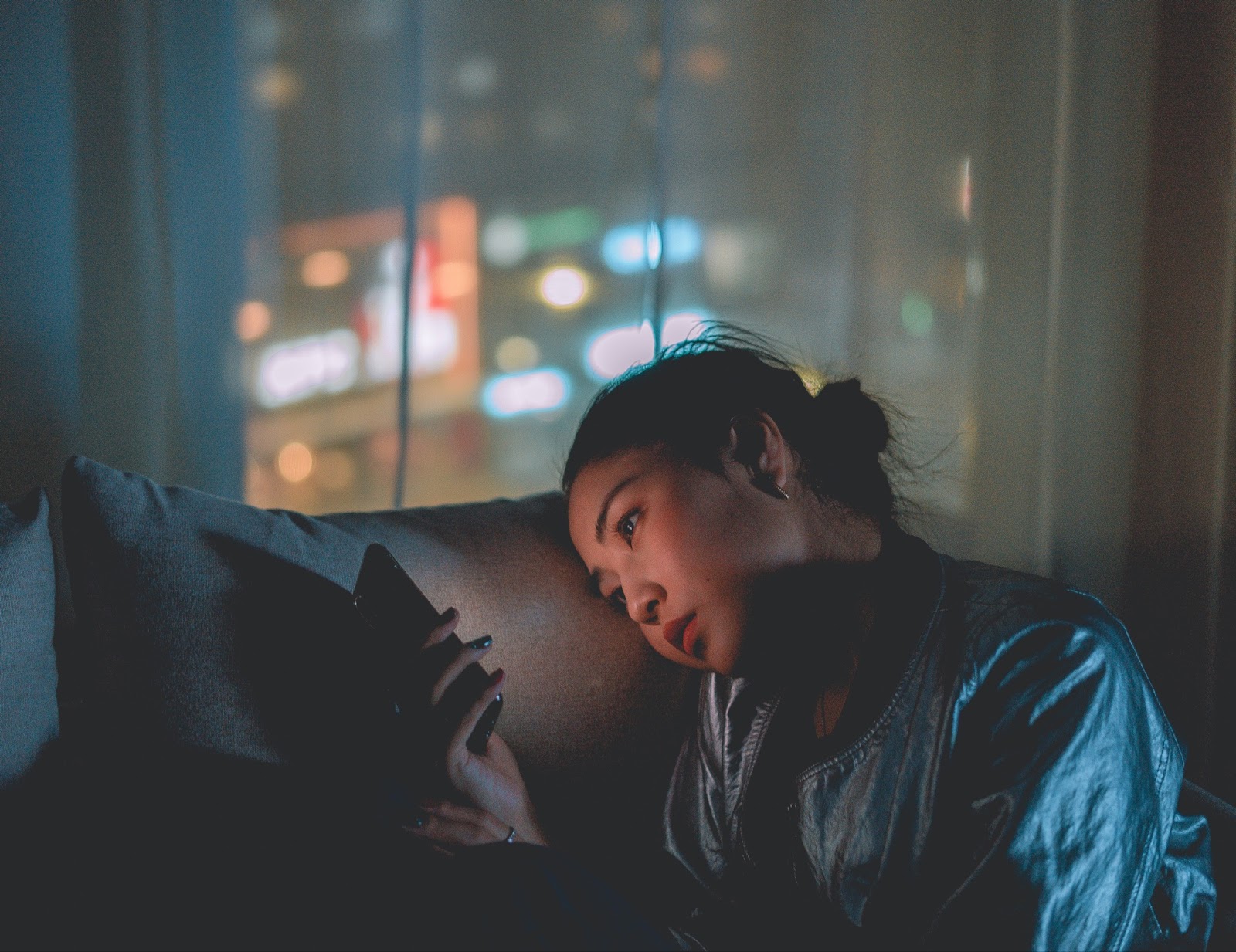



 E! ENTERTAINMENTGETTY IMAGES
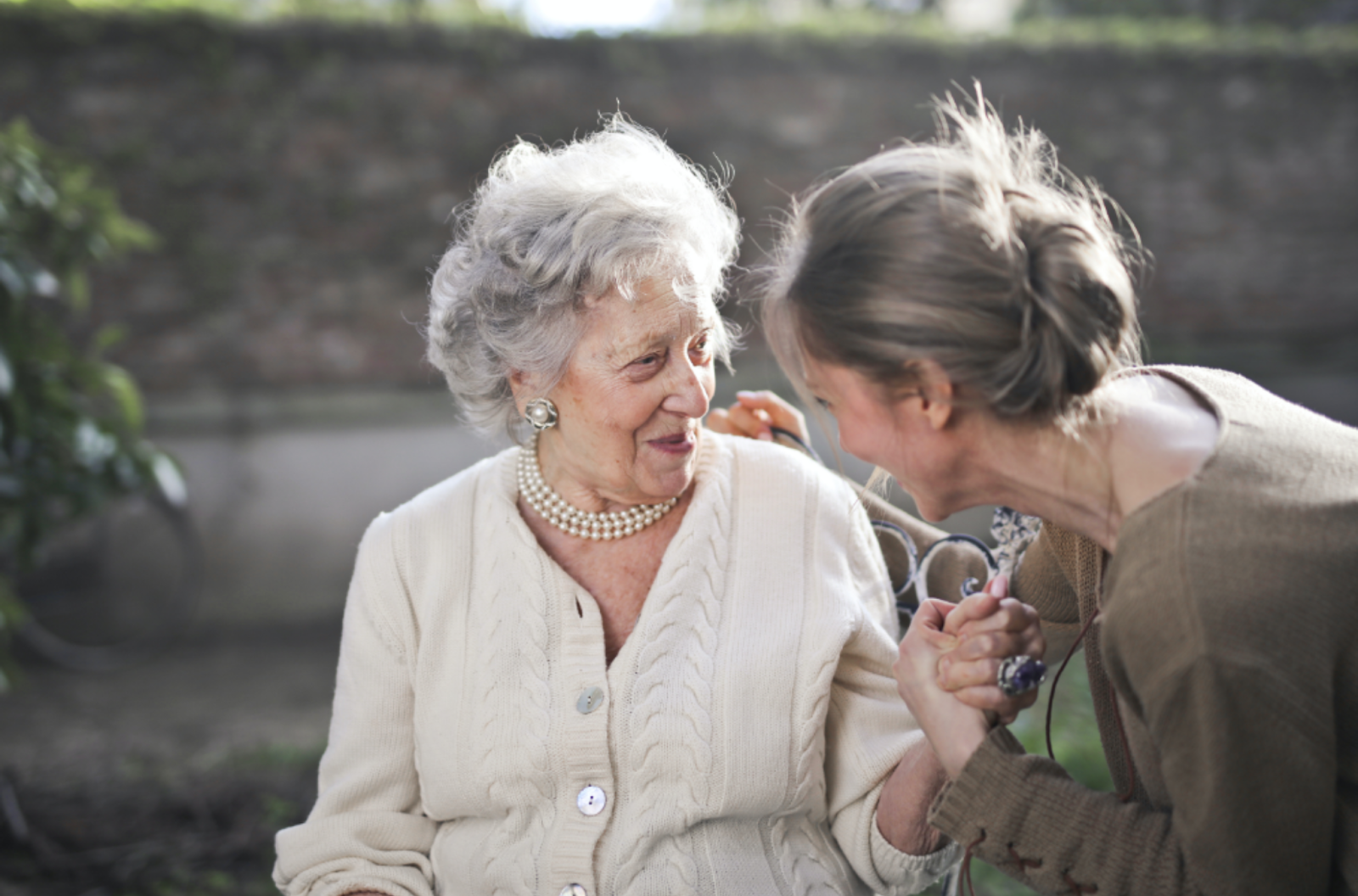
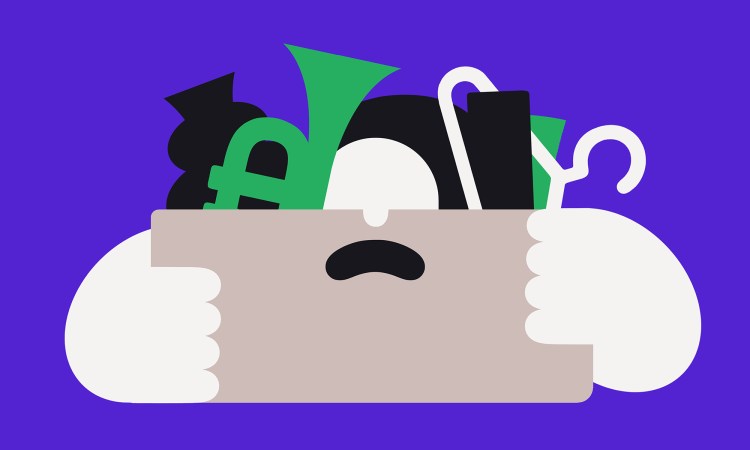
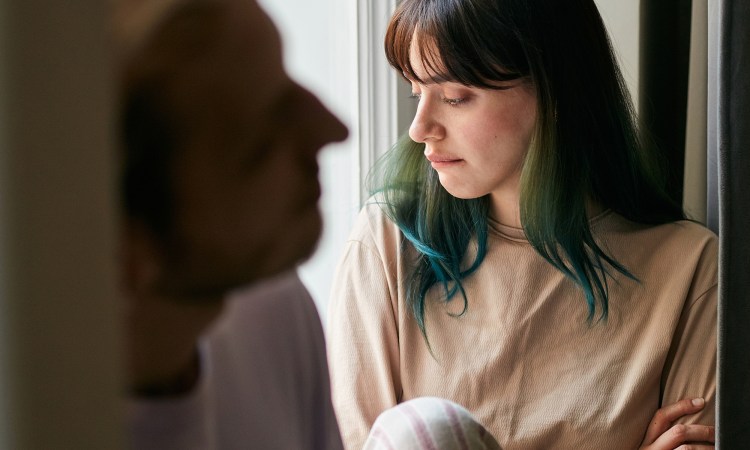
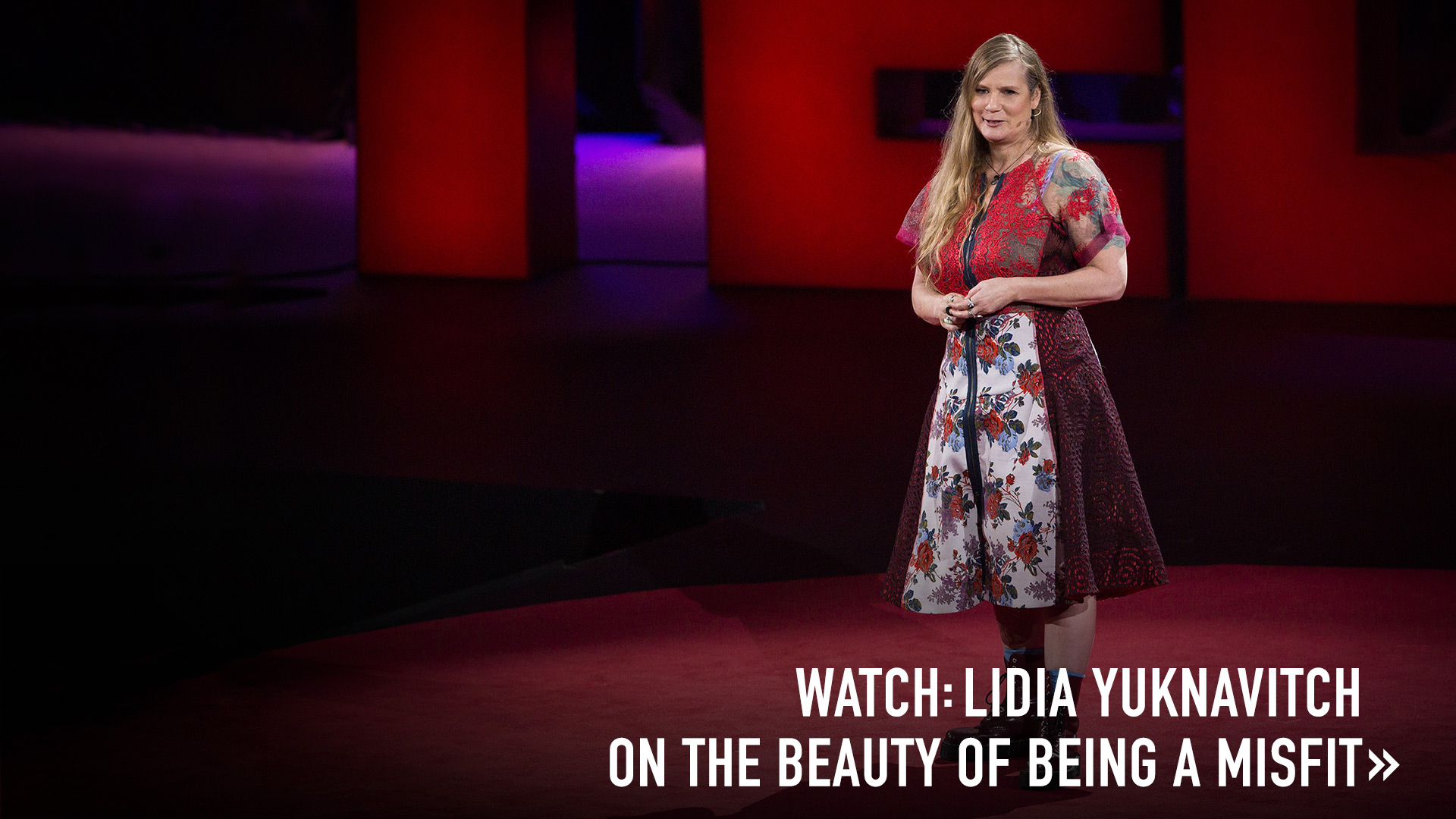

 YouTube
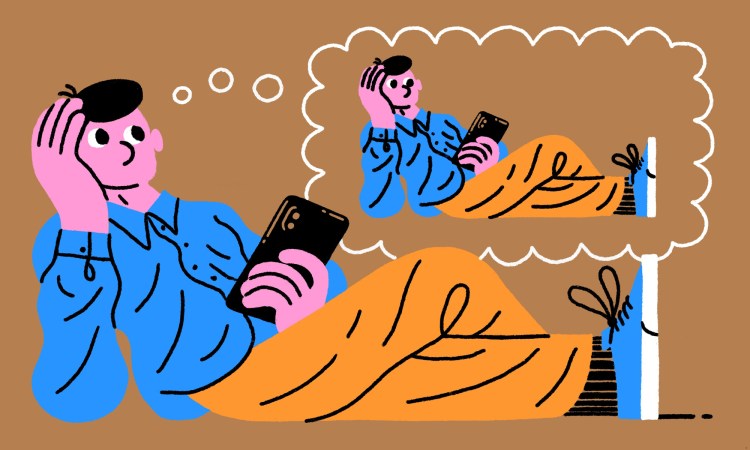

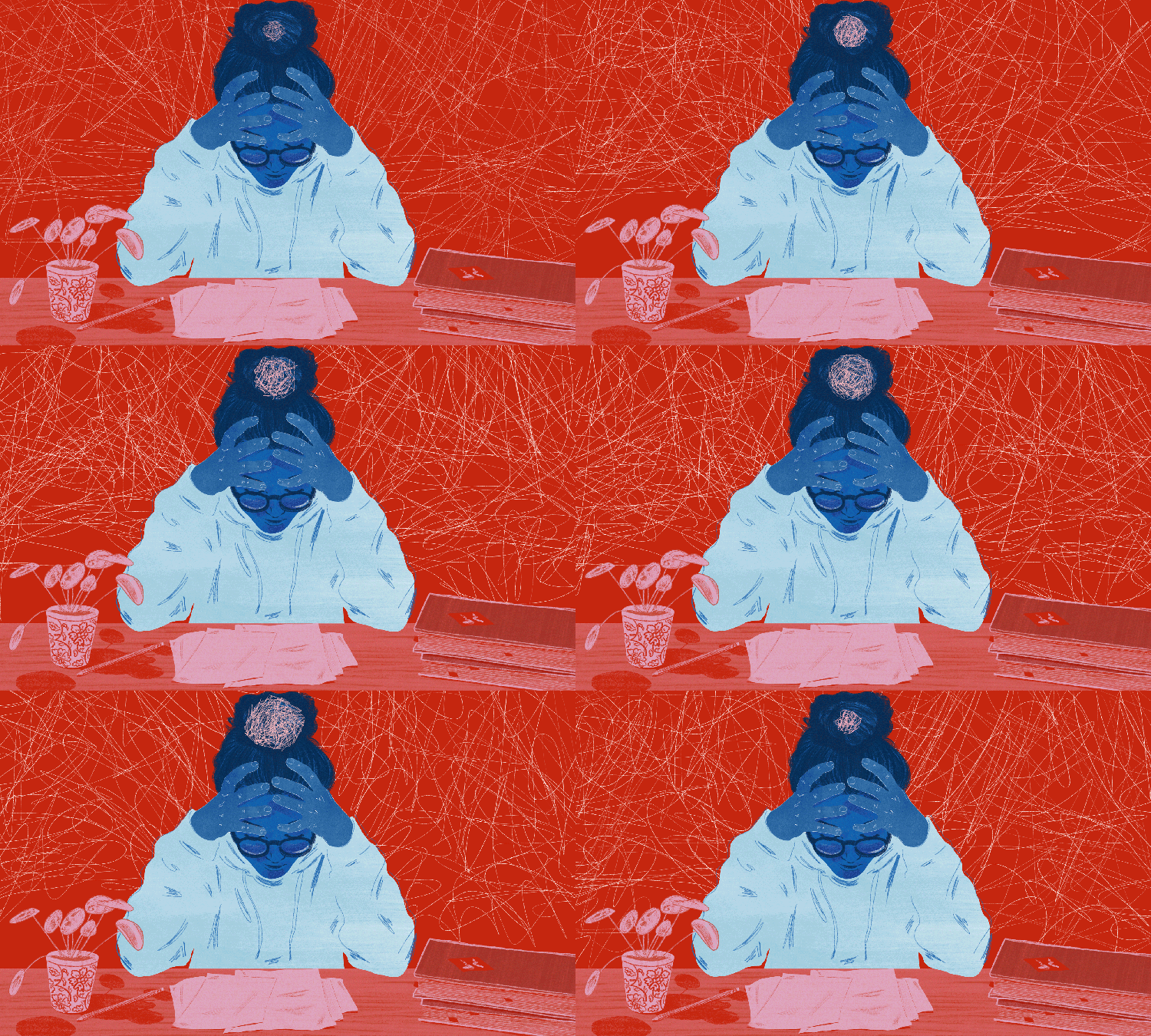
 Looking for the Light