People worldwide upload more than one billion images a day, preserving their memories to enjoy them in the future. But it turns out: all our photography may be obstructing our recall, says tech podcaster Manoush Zomorodi.
When it comes to obsessional tech habits, photo-taking probably isn’t the worst for relationships. If you’re not gazing into someone’s eyes, at least you’re pointing an iPhone at them. But how does that persistent need to capture the moment — which so many of us feel — change how we actually experience the moment, both in the present and when we try to recall it down the line? The answer is quite illuminating.
One of the major reasons we take photos in the first place is to remember a moment long after it has passed: the birth of a baby, a reunion, a pristine lake. In 2015, I conducted a Bored and Brilliant Project — in which I challenged people to detach from their devices in order to jump-start their creativity — with more than 20,000 listeners of Note to Self (the podcast about technology that I host).
When I surveyed participants, many said they used photos as a “memory aid.” They took pictures of things like parking spots or the label of the hot sauce at a restaurant to buy later. However, every time we snap a quick pic of something, we could in fact be harming our memory of it.
In one study, students were told to take photos of objects at a museum — and they remembered fewer of the overall objects they had photographed.
Linda Henkel, a professor of psychology at Fairfield University in Connecticut, studied how taking photos impacts experience and memory.She crafted an experiment using a group of undergraduates on a guided tour of the university’s Bellarmine Museum of Art. The students were asked to take photos of objects that they looked at on the tour and to simply observe others.
The next day, she brought the students into her research lab to test their memory of all the objects they had seen on the tour. Whenever they remembered a piece of work, she asked follow-up questions about specific visual details.
The results were clear: Overall, people remembered fewer of the objects they had photographed. They also couldn’t recall as many specific visual details of the photographed art, compared to the art they had merely observed.
“When you take a photo of something, you’re counting on the camera to remember for you,” Henkel said. “You’re basically saying, ‘Okay, I don’t need to think about this any further. The camera’s captured the experience.’ You don’t engage in any of the elaborative or emotional kinds of processing that really would help you remember those experiences, because you’ve outsourced it to your camera.”
In other words, if your camera captures the moment, then your brain doesn’t. Henkel came up with a frightening term for this phenomenon: the “photo-taking-impairment effect.” Okay, okay. Of course you’d remember things better if you were completely in the present, hyperaware of every detail, like some supreme Zen master. But isn’t that what photos are for? To refresh our fallible memories?
Who hasn’t dumped photos from a trip into Dropbox and promised to make an album — only to never look at them again?
Henkel doesn’t disagree that the purpose of outsourcing our memory to devices can free up our brains to do other cognitive processing. The problem is, she says, “We’re constantly going from one thing to the next to the next.” So instead of outsourcing so we can focus our attention on more important tasks, “we have this constant stream of what’s next, what’s next, what’s next and never fully embrace any of the experiences we’re having.”
Nonetheless, Henkel and her student Katelyn Parisi ran another study to see what happens to memory when people have photos to remind them of a moment or object. Although, in the real world, Henkel rightly observes, “We’re so busy capturing photos that afterwards we don’t actually look at them.” Who hasn’t dumped a bunch of photos of a graduation or trip into Dropbox and promised to make an album only to never look at them again?
This time when people took a tour of the museum, they were asked to take two kinds of photos: those of the objects in the exhibit alone and those with them standing next to the objects. Afterward, Henkel had the subjects look at all the photos and interviewed them on their memories of what they saw.
“It turns out that it actually changes your perspective on the experience, whether you’re in a photo of it or not,” Henkel said. If you are in the image, you become more removed from the original moment — it is as if you are an observer watching yourself doing something outside yourself. Intriguingly, if you are not in the image, you return to the first person, reliving the experience through your own eyes, and you remember more.
Professor Linda Henkel is sure: cameras, as amazing as they are, can’t compare to what the brain is capable of with input from the eyes and the ears.
How taking photos affects our understanding of ourselves and of the things we are photographing is still a big question mark. But as a result of her experiments, there is one thing Henkel is sure of. “Cameras, as amazing as they are, can’t compare to what the brain is capable of with input from the eyes and the ears,” she said. “Cameras are a lesser version of the human information-processing system.”
However, there was one way in which taking pictures did not erode people’s memories in Henkel’s experiments. In the art museum study, “when participants zoomed in to photograph a specific part of the object, their subsequent recognition and detail memory were not impaired, and, in fact, memory for features that were not zoomed in on was just as strong as memory for features that were zoomed in on,” the professor wrote. “This suggests that the additional attention and cognitive processes engaged by this focused activity can eliminate the photo-taking-impairment effect.”
Why not challenge yourself to a photo-free day? For 24 hours, see the world through your eyes, not your screen. Take absolutely no pictures — not of your lunch, your children, your cubicle mate, or that beautiful sunset. No photo messages. No cat pics. Instagrammers, it’s gonna get rocky. Snapchatsters? Hang in there. Everyone is going to be okay. I promise.
Those of you who take one picture a month — like my mother — will find this challenge a breeze. But before you get too smug, know that this might be harder than you think. Many people reported they took pictures way more, and way more mindlessly, than they had previously imagined. But you will experience rewards for your sacrifice. “Sure, the world does want to see my adorable grandchildren and gorgeous children,” Beth in Indiana wrote us. “However, it’s been a liberating twenty-four hours!”
If a participant in my Bored and Brilliant photo-free challenge were given a prize for the day, it might have to be Vanessa Jean Herald, whose green Subaru skidded off the highway and into a snowy ditch during her one-hour commute between the southern Wisconsin farm where she lives and her job in Madison. Although she had to wait more than two hours in frigid temperatures for a tow truck to arrive, Herald did not lose her resolve!
“I placed my necessary emergency calls, sent some texts to let folks know I was okay, and then just sat,” she wrote. “Sure, my gut reaction was to snap a picture of the car sitting in the ditch and covered with thrown snow for Instagram. Or, to snap a photo of the cool way the red and blue lights of the sheriff’s car blinked in my rearview mirror and lit up the roadway as the day turned to night through my two-hour mandatory break from life. But thanks to today’s challenge, instead I chilled out, took it all in, and then pulled out my writing notebook to jot down a story about how the best-laid plans sometimes end you up in a ditch on the side of the road.” [Place imaginary photo of green Subaru in a snowy ditch on the side of the road here.]
Don’t worry if your photo-free inspiration doesn’t spill out in a well-formed story like Herald’s. And it’s okay to be uncomfortable, hostile or bored without photos to fill your day. Just use your brain instead of your phone. No one is going to “heart” or “like” whatever goes on up there, except for you.
And if you want a deeper detox from digital images, avoid all photo proliferation for the day — meaning you can check out images on social media, but don’t “like” or retweet them. Just take a good look, and maybe a (mental) picture.
Manoush Zomorodi is the host of NPR’s TEDRadioHour and ZigZag, a TED Audio Collective business podcast about being human. She is also the author of the book Bored and Brilliant: How Spacing Out Can Unlock Your Most Productive and Creative Self.
What Is a Weighted Blanket? Occupational therapists have been prescribing weighted blankets to help manage sensory-related symptoms for decades – especially for children and adults on the Autism spectrum. A weighted blanket is a specially made therapeutic blanket with some additional weight, generally weighing between 5 to 30 pounds. They come in different weights to […]
A peculiarity of behavior; an idiosyncrasy: “Every man had his own quirks and twists”(Harriet BeecherStowe).
We all have little things that make us different from one another. Some may call them quirky, I think they are a part of our personality which makes us interesting.
To be human is to get defensive. When we’ve been questioned or criticized at work, it’s fair to say that almost all of us — save for, perhaps, the Dalai Lama and other equanimous souls — have gotten irritated, retreated into silence, or said something cutting in response. And because it is so normal to get defensive, we tend to write it off as no big deal. Jim Tamm, however, begs to differ.
Former judge Tamm spent 25 years working through other interpersonal conflicts, including mediating more than 1,000 employment disputes, and he currently trains consultants to teach collaboration skills. So what does defensiveness have to do with collaboration? Tamm has come to believe that defensiveness is the major obstacle that prevents people from working well together. “There is nothing that will help you become more effective at building collaboration than better managing your own defensiveness,” he says in an interview.
While it’s close to impossible to completely eliminate getting defensive during stressful moments, you can become aware of your own reactions and have an action plan in place when you notice them. “Any time you’re getting defensive, you’re getting less effective. When you get defensive, your thinking becomes rigid and you simply become stupid,” says Tamm, also the author of the book Radical Collaboration.
Why is defensiveness such an obstacle to collaboration? When we get defensive, “we put way more into self-preservation than we do into problem-solving,” Tamm says. “We’re trying to prove that we’re right rather than search for creative solutions.” When this happens in a workplace, it can be a recipe for chaos and failure. Such impulses are especially harmful for bosses, managers and those in power. That behavior hurts more than just the defensive person. When we get defensive, adds Tamm, “we invite everyone else in the room to get defensive, too.”
Of course, it can be difficult to recognize defensiveness in ourselves, and that’s because there are underlying emotions at play. When a person becomes defensive, they might appear to be putting on protective armor and gearing up for battle, but they’re usually masking their fear. “Defensiveness does not protect us from other people,” says Tamm. “It defends us from fears we don’t want to feel.” Those fears can include thoughts about your own significance, your competence and your likeability. Your defenses might come up due to imposter syndrome — like when you’re scared not looking smart enough or that you’re a subpar employee or a bad boss.
For example, let’s say you’re worried about a performance review. When your manager gives you some constructive criticism, you may offer excuses or become angry or brusque. But Tamm says these behaviors are masking your real problem, which could be your fear of not getting the raise or promotion that you feel you deserve or even your fear of being fired. “Our defensiveness helps us hide our fears from ourselves,” he says, and it erroneously serves to convince you that the fears you have aren’t true.
OK, now that we understand the dangers of defensiveness, here’s what we can do about it. You can start by learning to spot the warning signs of defensiveness in yourself. When you feel yourself experiencing them, pay attention and take action. According to Tamm, here are the 10 most common warning signs that you may be getting defensive: A spurt of energy in your body; sudden confusion; flooding your audience with information to prove a point; withdrawing into silence; magnifying or minimizing everything; developing “all or nothing” thinking; feeling like you’re a victim or you’re misunderstood; blaming or shaming others; obsessive thinking; and wanting the last word.
Tamm recommends looking back on any charged conversations, disagreements or conflicts — minor and major — from your life, and finding the patterns of behavior you engage in when you get defensive. Perhaps a minor tiff at work made you default to “all or nothing” thinking, and suddenly you felt ready to quit. Or, a single question from your partner about where the soup pot is located gets magnified into “You never know where anything is because you never liked this apartment.” If you have difficulty determining your own signs of defensiveness, ask for feedback from your family, friends or trusted colleagues. “Usually, other people spot our defensiveness before we do,” says Tamm.
Why is internal observation so important? “Most of us are not sufficiently in tune with our fear to do anything about it until it’s too late,” says Tamm. “If we know what our signs of defensiveness are, they can become our own personalized early warning system. For example, I noticed that when I get defensive, my breathing becomes faster, I tend to talk much louder, and I usually feel very misunderstood.”
Creating your own warning system for defensiveness involves a few simple steps: Noticing, taking action, and letting go. Whenever you recognize one of your own warning signs — for example, obsessive thinking or confusion — acknowledge to yourself that you’re getting defensive by saying something like “It feels like I’m becoming defensive.” This is extremely important. Tamm points, “If you don’t notice that you’’re getting defensive, you’re not going to take any other action.”
Next, slow down your physiology in some way. That could mean taking a few deep breaths, being aware of your feet on the ground, or — if you can — going for a walk. Focusing your attention outward is like hitting a reset button on your defensiveness. At the same time, try to observe what you’re saying to yourself. If you find that you’re criticizing yourself for your defensiveness or for your lack of keeping cool, ask yourself something like “Is this helping me right now? What behavior would be more helpful?”
Then, create an action step to counteract any damage that your defensiveness may cause. If you typically go quiet and sulk, for instance, you may decide instead to ask a question or share what you’re feeling. One way to create a psychologically safe environment for yourself — and others — is when you demonstrate your vulnerability. This can be accomplished by sharing something like “I feel like I’m getting defensive here, so let me take a step back.” Or, if your defensiveness sign is bombarding your teammates with information to prove your point, you could consciously pause for 15 seconds and let others finish speaking first.
In his TEDx talk, Tamm shares a memorable example of an action step. He says, “One woman’s warning sign was always wanting the last word. So she got this image of herself standing in the conference room doorway, throwing in the last word, and slamming the door. [Picturing it] was a way of not only reminding her what she was doing but also lightening up her mood a little bit.”
Once you’ve taken your action step, you’ll find that you have an easier time letting go of your defensiveness and examining the situation — and your coworkers — with fresher, calmer eyes. Your physical and emotional selves will most likely be in a different place than when you first started getting defensive. Practice your action step until it becomes automatic, suggests Tamm.
Be patient: Noticing and managing your defensiveness takes practice. Find times — maybe with your family or friends — when you can rehearse your action steps so you’ll be ready when you most need them. Remember, says Tamm: “If you can stay non-defensive, you can always be more effective.”
ABOUT THE AUTHOR
Kara Cutruzzula is a journalist and playwright and writes Brass Ring Daily, a daily motivational newsletter about work, life and creativity.
I chose this photo because when I think of the type of environment we wanted to create at Survivors Blog Here, it’s an embrace. Embracing who you are, where you are, embracing you as you take steps forward and the occasional step back. Photo by fauxels on Pexels.com Survivors Blog Here was created by three […]
At 28 years old I was diagnosed with Cervical Cancer. Several minimally invasive procedures were performed but they were unable to remove all the Cancer without a Hysterectomy. I was unmarried, at the height of my career and not the type of person who grew up thinking about having children all my life.
A big decision had to be made, my doctor recommended a full hysterectomy because both my mother and gradmother on the father’s side had Ovarian Cancer when they were young.
Within minutes I had to make the decision of thinking about my health and getting Ovarian Cancer or take the chance in order to have children. I wish It could say is was a hard decision but it wasn’t. Cancer at 28 will wake you and make you realize how short life is.
It was sad at times in the years since then but I’ve always believed God will put in your path what he wants you to have. Children where just not in mine.
I started scuba diving in 1987, it was difficult I’m claustrophobic taking extra classes to handle the thought of breathing underwater. I was fortunate to log over a hundred dives in ten years. A panic attack while shore diving almost drowning two people, this was the start of my Maui vacation. This is not my idea of fun […]
Do yourself a favor and plan two days for a comprehensive viewing of the museum. You walk it to the vast corridor and are bombarded with one awesome piece of art after another. The Louvre is the number one gallery in the world and requires time to see all its beauty. Melinda The Louvre (English: […]
Kio Stark loves to talk to strangers — but she knows every exchange started is one that must be ended. Here, she shares how to gracefully step away.
I’ve spent much of the last decade studying (and having) conversations and teaching people how to understand their own exchanges. And I’ve found that exits can be the most awkward of all the moments in an interaction with another person, particularly a stranger. How do you end a conversation? Who has the right to end it?
The goal is to end an interaction at will, but without offending the person you’re stepping away from. Whether we’re aware of it or not, we use physical and conversational cues. When our cues are not noticed or heeded, it gets weedy pretty fast.
Once it begins, an interaction in an open space has a diameter. In sociologist Erving Goffman’s study, the range in the United States was no closer than one and a half feet and no farther than three feet or so. Too close and it’s hard to speak directly to each other, hard to know where to look or gesture, and might feel so uncomfortable that it makes people back away. Too far and you’re not committed physically to being in the interaction. In a larger group, people may have to lean in to hear or may be at the edges of the interaction, and their attention can more easily wander or switch focus.
Losing eye contact is a signal that you want to end a conversation — but it’s a more obvious and intentional one.
If you want to make an exit, you can use your body as a signal. Beginning in small increments, you can step or lean outside that interaction zone. Losing eye contact is a signal — but a more obvious and intentional one. Unconsciously, you might get a little jittery, and that’s a signal too. Once you do signal, you hope your partner is getting the message and will either end the interaction or be prepared when you do. Sending and receiving the message may even happen quickly enough that there’s an illusion of mutuality.
Words work too. Often, all you need is a reason or a friendly parting line. “I have to run”; “I need to get another drink”; “do you know where the bathroom is?”; “I have to check on my friend”; “hey, it was nice talking to you”; or glancing at your phone and saying “my friend (or partner, or babysitter) is texting me,” things like that. These are reasonable needs that require you to end an interaction. Any of these things may be true, but they work as excuses too. So it’s nice to be genuine and warm about it, if you can.
Power matters — the person with more gravitas has the right to end the interaction and may choose to do so politely or not.
To make a clean exit, you also have to contend with which person has the strongest claim to “leave-taking rights” in the conversation. In general, the person who started the interaction has priority to end it. It’s a matter, to some degree, of politeness. The person who started the conversation had a reason. It may have been mere curiosity or friendliness, which only give limited priority in ending the interaction, but if the person who started the conversation had a specific need or agenda, it is in theory theirs to close. There is a tacit understanding that you have to make sure the person who started the conversation got what they needed.
However, this can be abused — and you end up forced to be rude in order to exit. Power matters, too. When there is a real or perceived differential in power or status, the person with more gravitas has the right to end the interaction and may choose to do so politely or not.
So much of this, almost all of it, happens beneath the level of logic and reason. It’s all gut, instinct, sensory information, and fantastically subtle cues. Of course, we can extract ourselves from a conversation without satisfying the person who started it. It’s rude, but it can be tempered with a wave and a smile as one walks away.
All these implicit rules, bodily expressions and the words that do and don’t come out of our mouths — all of these are things we’re only dimly aware of. Learning to see them carries the thrill of secret knowledge. It’s also practical knowledge. It helps you understand when you feel graceful and when you feel awkward as you share spaces and moments with people. It helps you pull yourself into a transformed social landscape, one that is open and rich with surprising, affirming connections. And using this precious and practical knowledge can inch us all toward a more intriguing, respectful, tolerant world.
Kio Stark writes, teaches and speaks about stranger interactions, independent learning and how people relate to technology. She is the author of the TED Book, “When Strangers Meet.”
Nobody wants to be involved in an accident. You have probably seen plenty of news reports and read plenty of stories that detail how bad it can be to be in a car accident. Of course, there are minor accidents as well, but ideally, you should be avoiding an accident altogether. Sometimes, it’s not down to you as you are not the one responsible and things happen. However, you can do everything in your power to avoid getting into an accident and that’s what we’re going to be talking about down below. Keep reading if you would like to find out more.
The first thing that you should make sure you do is not to talk on your phone while you are driving the car. We know that there are handsfree ways to make this possible these days, but it is still a distraction that you don’t need. What if someone gives you bad news while you are driving and you are no longer concentrating on the road? Or, what if someone starts an argument with you? The road requires 100% of your attention if you’re going to avoid getting into an accident, and that is what you should give it.
In fact, to ensure that you’re not tempted to even look at your phone put it on vibrate. If it has a ‘Do Not Disturb’ setting, put that on while you’re driving also. This way, you will only see emergencies.
Control The Car Temperature
When the vehicle gets too hot, it’s easy for a driver to become detached without even realizing that this is what has happened. Seeing as you don’t know that you’re not actually watching the road, an accident could be imminent and there would be nothing for you to do to stop it. In order to control the temperature, you are going to need to do a few things such as parking in the shade, using a reflective material, and putting it in the front of your car, as well as looking into Window Tinting by Bravo Protection Products or a similar company.
Don’t Eat And Drive
Finally, make sure that you are not eating and driving. If you are doing this it means that you don’t have both hands on the wheel which is extremely dangerous. All it takes is one split second while you are eating to lose control of the vehicle, and one hand will not be enough to regain the control that you need. This would be devastating if you ended up in an accident, and you would feel extremely guilty for a long time to come.
We hope that you have found this article helpful, and now see some of the things that you can do to avoid having an accident on the road. As a driver, you are responsible for yourself and anyone that is in the car with you. You are not responsible for the actions of other drivers, however, if you can anticipate when they are going to make a wrong move before they actually do, this could make all the difference in the world.
A short train ride outside of Paris you will find The Palace Versailles Chateau Rive Gauche. This is a must see, the experience is like no other. The museum compares to the top museums in Paris. The gardens are magnificent and perfectly manicured, beautiful waterfall statues are strategically placed. This is before you enter The Palace. […]
Most families rely on a family car to function as a household. Whether it a fun family day out, grocery shopping, the school run, or daily work commute, a car is essential for many. If you are thinking about buying a new car for your family, there are some things you should consider.
Image by Brad Dorsey from Pixabay
From making sure everyone is on the same page to ensure you have the space you need, make sure you include these in your decision:
How Much Space?
Before you start shopping around, it’s essential for you to know how much space you will need in your car. Think about what you need to fit in the trunk such as prams and groceries, whether you will have more kids in the future, and how many car seats you need. If you are planning on growing your family, you may want to consider buying a larger carn than you need right now instead of buying another one too soon.
Prioritize Safety Features
Naturally, safety in your new car, especially when it comes to a family car. Have a look at the best car safety features before you start shopping. Which ones are must-haves, and which can you go without? Some cars will have special systems that assess the driver for signs of tiredness, others may have emergency braking settings. You should also think about safety features you can add on, including Isofix fittings. There are many different car
brands to choose from, so it’s a good idea to make sure you research all the options. No one wants to think about having a car accident, however, it is still important for you to be as prepared as you can. The most important thing is the safety of your family, so, whatever car you choose make sure you understand all the safety features included.
An Eco-Friendly Option
Looking after the environment and learning new ways to be greener is a big focus right across the globe. So, it’s no surprise that it is now something you should consider when buying your next family car. Cars contribute to a massive amount of carbon emissions each year, so it’s definitely a consideration to add to the list. You will most likely be looking for a green car solution for your family, this means it might be worth considering an electric or hybrid car. Hybrids use an electric motor and a traditional engine, while electric vehicles rely on electricity alone. Both of them lead to a reduction in CO2 emissions and reduced expenses in terms of fuel. You may even find that your insurance is lower, so you are reducing your family expenses.
Bottom Line
There is no getting away from the fact that choices are abundant when it comes to choosing the right car for your family. Make sure you do as much research as possible, write down all your needs and wants, and stick to your budget when shopping. Are there any other considerations you think should be included? Please share them in the comments below.
A good friend is there to offer a shoulder to cry on when it’s needed. Indeed, simply being there for a friend when they come to you with a problem can, in and of itself, be helpful to them. However, there are correct and incorrect ways to respond to problems. It doesn’t mean that the solution is always the same, but that there are definite ways you can worsen the situation before you improve it. Before you jump to help that friend, consider looking at the way that you respond to problems.
One of the most frustrating things you can do to someone who is expressing their emotions about any given experience is rush past those emotions to try and promote a solution as quickly as possible If someone is struggling with their mental health, the very first thing you should do is listen to them, take in their emotional response, and validate it. You might want to get to the solutions that can help them in no time, flat, but it’s not helping them to neglect their feelings.
“Oh, that’s happened to me, too!”
Empathizing with your friend can be a good thing. It can help you develop some sense of shared perspective that can make it a little easier for them to open up about their problems. However, if you’re going to say something like this, you need to know the difference between empathy and compassion. Empathy is a quick reaction to a situation or emotional state that we see and can understand. Compassion is the deliberate attempt to understand their feelings and how they’re reacting to that situation or state. Don’t go off into stories about your own similar experiences or downplay their emotional response by stating that it affected you in a different and less harmful way. Even if you don’t mean to, you’re making it harder for them to be honest about their own feelings.
Know that advice isn’t always the solution
If you are a great problem solver and you do know a very concrete suggestion that will help them, you can share it. Make sure they’ve had the time to express their feelings and what they want to say, first. However, if you don’t have any great ideas for advice, then don’t feel like that you have to share them. Unsolicited advice can be a risky thing to give and that’s especially so if you don’t know what kind of advice to give.
Making judging comments
Get an idea of “brutal honesty” out of your head. A lot of people go in with that mindset, but often what they get is brutality, not honesty. Even if you believe that your friend’s own mistakes led them to the predicament that they are in, who does it help to say as much? If you judge them when they are at their most vulnerable, that is what they will remember and, as a result, they’re less likely to come to you in the future. Check to make sure you’re not judgemental when trying to be helpful.
Actively check up on them
If your friend hasn’t opened up to you in such a way before then they can feel a little awkward and vulnerable about the way they have expressed themselves. You can reassure them that you are there to support them and that you are open to that kind of relationship by checking up on them and asking them how they are doing with the problem the next day. It shows that you’re genuinely interested in their wellbeing and can alleviate any feelings of guilt they might have about “burdening” you with their problems.
Just ask what you can do for them
If you do think that you can play an active role in helping them with their problems, then that’s great. Rather than rushing to do it yourself, however, you should ask how you can support them. They might just want someone to listen to them, they might want someone to offer advice, or they might be open to more practical and hands-on assistance. The words “what can I do to help?” can be a very important step in making sure you’re not stepping on any toes.
Again, that you’re willing to listen to and help a friend is a great thing, by itself. But if you want to make sure that you are, indeed, being on the helpful side, you need to consider the above mistakes that you might be making.
Teresa Wilson from Headlands asked if would share a post from their blog and add Headlands to my resources on the Organizations Who Can Help page. If you would like more information, there are links below.
Is Your Center Equipped to Deliver patient-centered, culturally sensitive treatment services to the LGBTQ+ Community?
The Importance of Providing the LGBTQ+ Community with Affirming Care
This article shows why providing an LGBTQ-affirming treatment facility creates a more inclusive treatment environment and expands potential recruitment opportunities. Treatment programs that offer treatment to the LGBTQ+ community are vital to the growth of your treatment program.
The Importance of Reaching Out to the LGBTQ+ Community
It’s estimated that over 16 million Americans identify as LGBTQ+. Each generation of Americans sees a higher percentage of members identifying as LGBTQ+:12%Baby Boomers4%Generation X9%Millenials16%Generation Z
The significant increase from Generation X to Generation Z shows a trend that your treatment program needs to account for. Generation Z is approaching peak age for addiction issues, with its oldest members now in their mid-20s. In California, the numbers are more compelling. Approximately 28% of California’s LGBTQ+ population is Generation Z and 25% are Millenials.2
To remain competitive, your treatment program must create an inclusive environment for the LGBTQ+ community.
LGBTQ+ Members Experience Substance Use Disorders at a Higher Rate
Substance use disorder (SUD) can devastate lives if not treated, and LGBTQ+ people are 2.5 times more likely to develop SUD than non-LGBTQ+ members.3 However, healthcare and appropriate treatment for LGBTQ+ individuals are sparse. SUD treatment centers must bring more comprehensive LGBTQ+ affirming care to their models.Without LGBTQ+ affirming care, treatment centers cannot properly aid a significant portion of patients.https://www.youtube.com/embed/NFms3xO98Nk?
How Do You Start Providing an LGBTQ-Affirming Treatment Facility?
Pair with a partner experienced in treating the LGBTQ+ community and who knows the ins and outs of providing an affirming treatment program. Partnering with experts allows you to provide urgent services quicker and with fewer missteps, thereby improving your reputation and profits.
The Bottom Line
Between 9% to 16% of your treatment demographic identifies as LGBTQ+ and experiences substance use disorders at a higher rate than the general population. Can you afford not to provide an LGBTQ-affirming treatment environment?
Defining LGBTQ+ and Substance Use Disorders
Let’s define the key terms that we discuss in this article. Namely, LGBTQ+ and substance use disorders.
What Does LGBTQ+ Mean?
The LGBTQ+ community is a minority group consisting of non-heterosexual and non-cisgender individuals. Cisgender means that one identifies with the gender assigned at birth. Because the LGBTQ+ community is diverse and complex, there are many definitions for each sexual and gender identity.
Gay is a term for those attracted to the same gender as themselves. Lesbians are women attracted to other women. Bisexuals are attracted to multiple genders. The Q in LGBTQ+ sometimes refers to questioning but more commonly means queer. Queer is a reclaimed umbrella term for members of the LGBTQ+ community.4 Other sexual identities embody the “+” in LGBTQ+. Asexual members do not experience sexual attractions. Pansexual individuals are attracted to someone regardless of gender. Some use bisexual and pansexual interchangeably, while others prefer one over the other. 4
The LGBTQ+ community also embodies varying gender identities. Transgender is a term for those whose gender does not align with the gender assigned to them at birth. 4 Being non-binary means something different for everyone. Non-binary individuals are those who experience gender outside of the male/female binary. Some nonbinary members use they/them pronouns over he or she.These terms are constantly discussed, expanded upon, and debated amongst members of the community. Many members of the LGBTQ community will likely experience and define their identities differently than others. 5
Examples of Famous People in the LGBTQ+ Community
Lesbian – Ellen DeGeneres, Kate McKinnon
Gay Men – Pete Buttigieg, Neil Patrick Harris
Bisexual – Michelle Rodriguez, Drew Barrymore
Transgender – Laverne Cox, Caitlyn Jenner
Queer – Ezra Miller, Courtney Act
(+) Non-Binary – Elliot Page, Rose McGowan
(+) Gender Fluid – Ruby Rose, Miley Cyrus
Criteria for SUD
SUD harms one’s life and well-being. Substance use disorders can be mild, moderate, or severe. The symptoms fall into four overarching categories: impaired control, risky use, social impairment, and pharmacological criteria such as withdrawal and tolerance. 6 The DSM lists 11 different criteria for substance use disorder. Having 2-3 symptoms is a mild SUD, 4-5 symptoms signify a moderate SUD, and 6 or more indicates a severe SUD. Symptoms include:
The substance is taken for an extended period or in larger amounts than intended.
Unsuccessful efforts to cut back on the substance.
Excessive time dedicated to the substance, whether obtaining or using it.
Cravings for the substance.
Failure to meet major social and work obligations due to substance use.
Substance use occurs despite occupational problems related to it.
Quitting social, recreational, or occupational activities because of substance use.
Using the substance in dangerous situations.
Continued use of the substance despite the knowledge that it causes psychological or physical problems.
Tolerance of the substance increases.
Withdrawal symptoms when substance use stops.
For individuals with a substance use disorder, the misuse of drugs or alcohol is not voluntary. Brain imaging scans for those with SUD show physical changes in the areas responsible for behavior, decision-making, learning, memory, and judgment. In the LGBTQ+ community, substance use disorders consistently make life more difficult.6https://www.youtube.com/embed/Tf53Cg8QRVA?
Beyond SUD – The LGBTQ+ Community and Mental Health
Members of the LGBTQ+ community are more prone to mental health problems.
According to the APA, LGBTQ+ individuals are more than twice as likely to develop a mental disorder in their lifetime than straight and cisgender individuals. LGBTQ+ individuals also might experience higher levels of psychosis, bipolar disorder, and other mood disorders.
The rate of such disorders is because of the oppression and hardships LGBTQ+ members experience due to their sexual or gender identification. These difficulties lead to a higher risk of mental illnesses, and these mental illnesses can co-occur with substance use disorders. Both disorders must be considered during treatment. 7
Anxiety, Depression, and Suicidal Thoughts
LBGBTQ+ individuals are more likely to experience anxiety and depression than heterosexual and cisgender individuals. LGBTQ+ members are also more likely to experience severe depressive episodes, and suicidal thoughts are prevalent amongst members of this community.
While 2.2% of cisgender and heterosexual individuals have considered suicide, 4.4% of gay men and lesbians have considered suicide alongside 7.4 % of bisexual individuals. Approximately 30.8% of transgender individuals have also considered ending their own lives. When it comes to suicide attempts, lesbian, bisexual, and gay youth are over 4 times more likely to attempt suicide than cisgender, heterosexual youth. 8
PTSD
LGBTQ+ individuals are at an increased risk for PTSD. This is likely because many members face an increased risk of violence and trauma due to their identification. When treating LGBTQ+ patients, it’s important to understand the potential likelihood of trauma. 9
Eating Disorders
People in the LGBTQ+ community are at a higher risk for eating disorders than their heterosexual and cisgender counterparts. Increased discrimination and the stress associated with being LGBTQ+ can lead to binge eating in lesbian and bisexual women. Furthermore, body dissatisfaction is common amongst gay men and can increase the risk of an eating disorder.10
The Minority Stress Model and Challenges for the LGBTQ+ Community
A significant factor behind LGBTQ+ mental illness statistics is the minority stress model. The minority stress model indicates that LGBTQ+ individuals face unique challenges that cause additional stress and mental health problems.10 To complicate matters, many LGBTQ+ people have reported stigma when trying to access health services, leading some individuals to forego healthcare and treatment completely.
LGBTQ+ individuals face homophobia and/or transphobia on an internal, social, and sociopolitical scale. They are more likely to be homeless and unemployed. Transgender people face higher rates of poverty than cisgender individuals, and this factor is worsened by a lack of legal and federal protection.LGBTQ+ people are also more likely to face violence and harassment.
While all members of the LGBTQ community are at an increased risk for violence, transgender individuals are more likely to be victims of hate crimes and assaults.
LGBTQ+ people are also less likely to have social support in comparison to heterosexual individuals. This is particularly true for LGBTQ+ individuals who live in a region with a small LGBTQ+ population. Bisexual members might feel particularly isolated, facing discrimination from society as well as prejudice from within the community. All these factors and more contribute to the significant stress LGBTQ+ people face, which may lead to substance use. 11
How Common is Substance Use in the LGBTQ+ Community?
Like other mental illnesses, SUD is more common in the LGBTQ+ community than in straight and cisgender people. For instance, women who identify as lesbian/bisexual are more than twice as likely to engage in heavy alcohol use as heterosexual women.Trans individuals are more likely to struggle with substance use due to the increased amount of violence and discrimination they face.
Trans people are also more likely to be assaulted and could develop a substance use disorder stemming from the assault. 12
Further studies must be done to determine the true extent of LGBTQ+ substance use and the contributing factors. It’s clear, however, that substance use disorders are more common in the LGBTQ community largely due to minority-related stress. Factors such as discriminatory government policies, violence, self-hate, social isolation, and family disapproval often contribute to the development of SUD. Transgender and gender-nonconforming individuals have unique stressors, as do LGBTQ+ people of color. Many studies have found that substance use in the LGBTQ+ community is due to stress-related coping.
Sociocultural differences and the targeting of LGBTQ+ people by tobacco and alcohol companies also exacerbate the problem. The LGBTQ+ community tends to have more permissive substance use norms. 13
What Substances are Most Abused or Misused in the LGBTQ+ Community?
Alcohol
Alcohol use is very prevalent within the LGBTQ+ community. Historically, LGBTQ+ people had to seek refuge from prejudice in standard bars, meaning gay bars became the norm for LGBTQ+ social settings. Many people within the community agree that the number of gay bars compared to non-alcohol-oriented settings is likely a contributing factor to alcohol abuse. While most LGBTQ+ people appreciate the historical significance of gay bars, many members have expressed social pressure to fit in and drink at them. 14 Alcohol misuse, especially in the form of heavy drinking, leads to a variety of dangers and problems. These problems include blackouts, suicide, and sexual assaults. For trans people, suicidal ideation became more common while drinking. 15
Stimulants
LGBTQ+ people are more likely to use stimulants than those not in the community. Stimulants include, but are not limited to, cocaine and methamphetamine. Stimulant use is typically higher for LGBTQ+ individuals than cis and straight individuals, though lesbians tend to use stimulants almost equally to their heterosexual counterparts. For gay and bisexual men, stimulant use is much higher than that of their heterosexual peers. Approximately 9.2% of gay men use stimulants in comparison to 3.2% of heterosexuals. 16
Opioids
While there’s not much information available on transgender individuals for opioid use, studies show that lesbian, gay, and bisexual individuals are at a higher risk for opioid abuse. Bisexual women are particularly at risk. Many members of the LGBTQ+ community have reported more access to opioids than their heterosexual peers. 17
Addiction Treatment Options
Thankfully, there are various treatment options available for those with substance use disorders. LGBTQ+ people who struggle with substance use disorder can be put in detox therapy, inpatient treatment, outpatient treatment, or medication-assisted treatment. 18
Adding LGBTQ-Affirming Treatment to Your Facility
LGBTQ+ individuals need treatment centers that properly serve them. Create a welcoming environment in your treatment center by including LGBTQ+ media and pamphlets in the waiting room, enforcing non-discrimination policies, and acknowledging LGBTQ+ observances and holidays.
LGBTQ+ Staff
Including LGBTQ+ staff and providers can also make patients feel more comfortable. It is also important to provide ongoing training in culturally affirming treatment for the staff. Facilities should show LGBTQ+ affirmation as well. Gender-neutral restrooms, for instance, are essential for many in the LGBTQ+ community. Adopt LGBTQ+ friendly procedures and ensure all staff can carry out LGBTQ+ affirming interactions with patients.
Embracing Cultural Humility
During treatment, providers should embrace “cultural humility”. This is different from “cultural competency”. Cultural humility requires constant ongoing learning about the patient’s identities and experiences within them. Cultural humility recognizes that there will always be more to learn and that everyone within the culture is different.
Staying Up to Date
Stay up to date on current potential stressors for the LGBTQ+ community. Discriminatory laws and current events often play a vital role in an LGBTQ+ person’s mental health. It’s essential to stay up to date to understand the laws and potential discrimination LGBTQ+ patients will face. One’s language also matters. Avoid using outdated terms such as “homosexual” and remember that not all LGBTQ+ people have reclaimed the word “queer.” Avoid assumptions about a patients’ gender identity or sexuality. Ask a patient for their preferred pronoun and, if the wrong pronoun is used, apologize but don’t over-apologize. When it comes to training, there’s always more to learn. Sensitivity training programs for staff are a great place to start.
Trauma-Informed Care for LBGTQ+ Addiction treatment
Because LGBTQ+ people are marginalized and more likely to have PTSD, it is essential to recognize the impact of potential traumas on their substance abuse disorder recovery. A crucial part of trauma-informed care is creating an environment where the patient feels safe and secure. For LGBTQ+ people, that involves an affirming approach.
When you create a safe space for LGBTQ+ people, they’ll feel able to disclose and work through their traumas. Trauma may be the root of addiction and giving patients a safe space to work through it will make treatment more effective.19
Bostock and Title VII of the Civil Rights Act
In 2020, the Supreme Court ruled that gender identity and sexual orientation were protected from discrimination by the Civil Rights Act of 1964.
On January 20, 2021, President Biden signed an Executive Order applying these protections to all federal laws, regulations, and agencies. Because of the Supreme Court decision and the Executive Order, anyone doing business with the federal government is prohibited from discriminating based on gender identity or sexual orientation.
President Biden ordered all federal agencies to consult with the Attorney General as soon as possible to review all existing orders, regulations, guidance documents, policies, programs, or other agency actions.20 Meaningful change is arising quicker than expected.
Can your treatment facility avoid actions that might be construed as discriminatory to the LGBTQ+ community? You need to consider your interactions with patients and staff. The last thing a treatment facility can afford is an LGBTQ+ discrimination lawsuit that drives away potential patients.
Recapping Why Reaching the LGBTQ+ Community is Vital
Including LGBTQ+ affirming programs will prompt more members of the LGBTQ+ community to your treatment center.
The LGBTQ+ community is an often misunderstood minority group that needs better healthcare and services. Incorporating LGBTQ+ affirmation into your treatment center could do a world of good for your patients and your business. When it comes to LGBTQ+ patients, an affirming program can make all the difference.
Each patient’s path to recovery relies on access to effective addiction treatment services and compassionate support. Are you an addiction treatment program looking to improve the lives of your patients? If you want to improve your program’s success by offering more effective services, collaborating with reliable experts, and overcoming obstacles, call us today to learn how we can help you.
We identify the flag with almost everything we hold dear on earth; peace, security, liberty, our family, our friends, our home…but when we look at our flag and behold it with all our rights we must remember that it is equally a symbol of our duties. Every glory that we associate with it is the […]
Below are some facts on traumatized kids: 1. Traumatized kids don’t mean to push your buttons. Neither do they mean to be challenging. They are usually feeling tense, anxious, stressed and afraid. They also feel unsafe and out of control. In addition, they’re afraid to trust, they don’t know who to trust, and they wonder […]
Fact: May 20, 1873, is the “birthday” of blue jeans
According to the Levi Strauss website, this was the day that Levi Strauss and Jacob Davis, the innovators behind the sturdy blue jeans we all love, got a patent on the process of adding metal rivets to men’s denim work pants for the first time in history. The pants were called waist overalls until 1960 when baby boomers began calling them jeans.
Fact: 170-year-old bottles of champagne were found at the bottom of the Baltic Sea
The bottles of bubbly are estimated to have been traveling from Germany to Russia during the 1800s when they sank to the bottom of the sea, says New Scientist. Turns out that the bottom of the sea, where temps are between two and four degrees Celsius, is a great place for wine aging. Oenologists, people who study wine and winemaking, sampled the champagne and described it as, “sometimes cheesy,” with “animal notes,” and that it had elements of “wet hair.”
Fact: The MGM lion roar is trademarked
At the start of any movie made by the Metro-Goldwyn-Mayer studio, there’s the iconic lion that roars at the audience. While MGM has gone through several iterations of lion mascots, the sound of the roar is always the same. The company trademarked the “sound mark” with the United States Patent and Trademark Office in the ’80s.
Fact: Neil Armstrong’s hair was sold in 2004 for $3,000
The lucky buyer, John Reznikoff, holds the Guinness World Record for the largest collection of hair from historical celebrities, reports NBC. The not-so-lucky barber Marx Sizemore, who cut Armstrong’s hair, received threats of being sued by Armstrong’s lawyers who said he violated an Ohio law that protects the rights of famous people. Sizemore said he wouldn’t pay, and Reznikoff said he wouldn’t give back the hair but that he’d donate $3,000 to charity.
Fact: Irish bars used to be closed on St. Patrick’s Day
You might associate St. Patrick’s Day with wearing green and drinking so much you think you actually see leprechauns. However, until 1961, there were laws in Ireland that banned bars to be open on March 17. Since the holiday falls during the period of Lent in the heavily Catholic country, the idea of binge drinking seemed a bit immoral.
Fact: Nikola Tesla hated pearls
Tesla was a European electrical engineer who paved the way for current system generators and motors. The way electricity gets transmitted and converted to mechanical power is thanks to his inventions. However, despite experimenting with electricity, he despised being in the presence of pearls. One day when his secretary wore pearl jewelry, he made her go home.
Fact: Thomas Edison is the reason you love cat videos
Thanks to Edison’s invention of the Kinetograph in 1892, he was able to record and watch moving images for the first time. He filmed short clips in his studio named Black Maria. Some of his shorts feature famous people like Annie Oakley and Buffalo Bill, but the real stars are The Boxing Cats. Check out the video Edison captured of adorable cats in a boxing ring circa 1894.
Fact: Brad Pitt suffered an ironic injury on a film set
During Pitt’s prime acting career, he filmed Troy, based on Homer’s Illiad. He played the brave, and buff, Greek hero Achilles. Legend has it that Achilles could not be defeated unless hit in his Achilles heel. While filming an epic battle scene, Pitt ironically hurt his Achilles tendon that put him back two months.
Fact: Pregnancy tests date back to 1350 BCE
Based on an ancient papyrus document, Egyptian women urinated on wheat and barley seeds to determine if they were pregnant or not, according to the Office of History in the National Institutes of Health. If wheat grew, it predicted a female baby. If barley grew, it predicted a male baby. The woman was not pregnant if nothing grew. Experimenting with this seed theory in 1963 proved it was accurate 70 percent of the time.
Fact: Martin Luther King Jr. got a C in public speaking
Everyone remembers Dr. King as a leader of the Civil Rights Movement and often quotes his “I Have a Dream” speech that he delivered in 1963. However, over a decade before his legendary speech, while attending Crozer Theological Seminary in Pennsylvania, he earned a C in public speaking during his first and second term.
So glad you are enjoying these post, I love hearing your hilarious comments.
I came home from the hospital after just one night, in 2017 they kept me in for three nights when I had my right knee replaced. One day seems too fast but by yesterday I started to see some of the logic. Aside from insurance saving money, the key to a good rehab is moving your knee a lot!
Yesterday the Physical Therapist came and gave me a great report. The ultimate goal of PT is to get your knee to bend backward 100-110%, I did 90% in my first session. He said all the walking up and down the stairs has made all the difference. I learned so much with the last surgery and knew pushing yourself to start walking and getting up the stairs was critical.
Thank you for all the kind words and prayers sent this past week. I received every one of them and my good report from the Physical Therapist shows how much support I have from up above and all around me.
I wanted to share my painful two-year journey with you in hopes some of you will have the same problem and be a blessing to get treatment like I did.
Everyone’s migraine story is different. I had maybe a half dozen migraines when out of the blue they hit me like a hammer. First, it was one to two days a week and not completely debilitating. After a very short period of time, they escalated to four or five a week and did start to impact my life.
My doctor had me take Beta-Blockers at first to help, boy that was terrible. My blog pressure got so low, that I could hardly lift my arms and legs and was having trouble driving. He changed me to a different type of preventative medication and gave me a full supply of Sumatratophan injections.
I was at the height of my career and daily migraines were dramatically impacting my ability to keep my client appointments, I had to often reschedule meetings. It took a good hour after injection to get back on the road to pick up with my day.
This nightmare went on for two years, I don’t know how I stayed sane and kept my job. Let alone remain a top performer at my company.
During a follow-up appointment, my doctor said he’s just read an article on the plane about how your Sinuses can cause migraines. He referred me to an Ear, Nose, and Throat doctor and I found my answer. I had a Deviated Septum which was pressing on the nerves and causing the migraines. A simple day surgery corrected the problem and I’ve had very few since then.
This is just a note about nose surgery. I don’t know how they do it today since my migraines were during the ’90s. My doctor did not believe in packing the nose. Basically, I had to use these long Q-tips and put Vaseline way back in my nose several times a day. This is my preferred method.
Please forgive me if this doesn’t flow very well, I wrote this the day after returning home from the hospital and my mind wasn’t so clear. I hope you all make sense to you.
So glad you are here today and I enjoy all your comments.
I’m home a doing ok, well, in extreme pain but alive and healing up quickly. I have the greatest doctor who can do a knee replacement without cutting the muscles. I don’t know how he does it, I haven’t watched my video yet.
I hope you have a great weekend with friends and family making memories that will last a lifetime.
Mental health and your overall psychological stability are two things that absolutely MUST be looked after every single day of the week. Sure, if you’ve never really dealt with mental blows before, then you could probably handle plenty of things that come your way. The majority of people have had to deal with plenty of worries and troubles in the past, however, so mental health will also be a priority.
One of the great things about the human brain is that it can be helped out with the right kind of work and the right kind of training. Mental illnesses and traumatic experiences can act as huge barricades for people wanting a calmer and more peaceful life upstairs, but they can be overcome. Here are just a few ways every single person on the planet can keep themselves in the right place mentally:
Create A Plan For The Day And Stick To It
A lot of worry and anxiety comes from the fact that we don’t know where we’re heading. We begin to panic because we have lots of different thoughts, ideas, and errands going off in our heads with no plan of when to do them. This becomes incessant and constant if not dealt with. A plan can remedy it very nicely. If you’re not one for bullet journaling, perhaps you could take it up. It’s really quite satisfying to complete.
Talk About Problems When They Flare Up
Life is very difficult at the worst of times. It can be quite challenging at the best of times, too. If you’re finding things to be a little too much, then you should always go to someone and talk to them about it all. People close to you will want to support a friend and see you become the best version of yourself. Keeping things bottled up will not help anyone out at all. You feel a release of pressure whenever you talk about things going on in your life.
Do Things That Feel Cathartic
You need to have experiences in your life that take you away from issues going on in your life. If you can remove yourself from problems, then you’re only going to be helping yourself out. So, whether that means making stuffed chicken in the kitchen, baking different kinds of cakes, painting, writing, or anything remotely cathartic, it’s worth considering. Allow yourself this kind of tension reliever.
Exercise
Whenever you’re having quite a rough day, a good workout can make negativity disappear for a while. It won’t remove all problems, but it’ll put you in a good place to attack the problems you have. There are so many mental health benefits to exercising and putting your body through this kind of challenge. Getting into this routine would help you out immensely.
Practice Positive And Grateful Thinking
It’s so easy to focus on bad things – especially when you’ve not been in a great place for a while. Positive thinking will change your life for the better, though. A lot of people feel it’s delusional, but it doesn’t matter. When you think positive thoughts, you attract positive outcomes and positive people.
The United States was known for developing a concept called “The American Dream,” the idea that anyone can be successful if they put in the effort. While there are different speculations about the notion of the American Dream still being a thing, it is what contemporary America was built on.
But maybe — could it be ever so possible — the American Dream is harder, or even much harder, for some to reach? What about those who grew up in poverty that has lasted for generations? Sure, the cycle can be broken, but that is no trivial task. How about those, in correlation with poverty, suffer from a piece of knowledge or — in this day and age — a digital divide? Another population to consider is that of individuals who suffer from disabilities. More is to be said on that momentarily.
Like many things in life, the way an individual lives the entirety of their life is contingent upon their foundation. In this context, a foundation of poverty, financial illiteracy, and a lack of resources are much more likely to lead to failure in the context of the American Dream as opposed to someone who grew up in a middle-class home. Again, that is where interpretations of the American Dream remain subjective.
Now, think about individuals — adults and children — who suffer from disabilities; think especially about them in terms of the American Dream.
The scientific community and increasing society have come to terms that disabilities take a wide variety of forms. They are not only physical and visible but also mental and invisible. Naturally, this increased understanding has led to a more voluminous DSM and more contests behind its long-held authority. Thankfully, the increased understanding has come to greatly benefit those who suffer from physical and cognitive disabilities. At the same time, we’ve recognized we were wrong on some “disabilities”; for example, homosexuality was listed as a disability for a long time.
All of this is to say that the American Dream is more difficult to obtain for people with disabilities — physical and mental. Thankfully, in the United States and many other parts of the world, there are resources for those who suffer from disabilities but are still able to be or become productive members of society. One of those resources is occupational therapy.
First thing’s first: a definition that can be agreed upon is in order. According to Merriam-Webster, occupational therapy is defined as “therapy based on engagement in meaningful activities of daily life…especially to enable or encourage participation in such activities despite impairments or limitations in physical or mental functioning.”
Some examples Merriam-Webster lists about occupational therapy include self-care skills, education or work, and social interactions.
Understood.org recognizes that starting occupational therapy as soon as possible leads to more success with it; really, the same could be said for most if not all treatments. It also recognizes that occupational therapy is more beneficial for children than adults, though the latter can certainly benefit from it. The other challenge is that while occupational therapy is provided for minors at academic institutions, adults who wish to engage in occupational therapy usually have to see a private, for-profit expert. Additionally, insurance may or may not cover occupational therapy for adults.
Occupational therapy, evidently, is not possible without a dedicated, well-trained workforce. While like any career it comes with its challenges, there are many satisfactory rewards that come from this occupation. Schools offering this graduate-level specialty are known as MOT programs or Masters in Occupational Therapy.
This should not be confused with occupational therapy assistants. While both play a crucial role in uplifting those individuals with disabilities, there are different educational and payment requirements and structures. Occupational therapy assistants need to graduate from an associate degree program at a community college; occupational therapists, on the other hand, need to complete a specialized master’s degree program from a graduate school.
Both occupational therapists and occupational therapy assistants should expect satisfactory pay and strong job growth, though there will be even more job growth for the latter than the former. The U.S. resource known as the Bureau of Labor Statistics notes that from 2019 and for a decade afterward, the projected growth rate for new occupational therapy assistant jobs should increase by 32%. Occupational therapists will still see excellent growth but only by 16%.
The key to setting yourself up for success is to take the initiative early on but later is better than never.
Life sometimes throws us curve balls that we don’t see coming. That’s one of the most constant things in life: we should expect the unexpected! No matter how well we plan for our futures, things can go wrong – whether it is an illness, job changes, housing issues, or relationship shifts.
Lawyers exist for exactly the type of situation you don’t see coming. They are there to protect and represent you when you find yourself in a troubling situation of any nature.
Most people will avoid hiring a lawyer if they can help it in any way. Some reasons people don’t want a lawyer are:
Lawyers are expensive. Due to the high level of training and experience lawyers come with, there’s a hefty price tag on their services. Some lawyers work pro bono, or in many cases, you can be provided with a lawyer by the state – but if you want to pick the lawyer who represents you, prepare to pay.
Lawyers are seen as intimidating or even cruel. There’s a stereotype around lawyers that they are cruel or intimidating people who are there to criticize your choices or way of life. This isn’t true, but often, it is the reason a person will avoid hiring a lawyer.
Lawyers make the situation seem more serious. If something bad happens to you, it’s easy to stay in denial about how serious it really is. A lawyer’s presence will make the whole thing feel very real, meaning that some people avoid hiring one altogether, even if they need a lawyer’s help.
When You Should Hire A Lawyer
There are numerous situations where hiring a lawyer is a great idea. Even if you have concerns like the ones listed above, it’s always beneficial to have a legal professional walking you through difficult times in your life.
It is beneficial to hire a lawyer if:
You are getting a divorce. Divorces are rough times, even if they are being done in a friendly way. A divorce lawyer can help you get through the difficult times, alleviating some stress and taking the weight of the logistics off your hands.
You or someone who works for you is injured at work. Whichever side you are on – whether someone is making a claim against you, or you against them – hiring a personal injury lawyer is essential in this situation. Click here to learn more about how a personal injury lawyer can help you.
You are being accused of a crime. Nobody wants to be accused of committing a crime, but it does happen – and if it happens to you, no matter how trivial the claim seems, get a lawyer as soon as possible.
You are interested in starting a business. Corporate law is a tricky subject, so if you are looking to start a new company, consult with a lawyer first.
Overall…
Lawyers seem intimidating and serious, but they are only there to help you go through tricky proceedings with ease and care.
A car accident can happen to anyone. Even if you don’t drive, you could be involved in an incident due to traffic or wrongful crossing. Dealing with life after a car accident is more than physical recovery. It can affect your mental well-being and involve dealing with compensation and legal claims. If you have been involved in a car accident and wondering what the essential practices are, here’s more.
Use expert legal advice to assist you with your claim
For any accident, you should use legal assistance to help you with your claim. In the case of a car accident, especially if it wasn’t your fault, you must seek legal advice to help recover your car, look over your insurance policy, and attain the compensation you deserve.
When using attorneys, you must ensure to ask any essential questions. No question is a silly question. They are experts in their field and will offer you the best help possible. Whatever concern or worry you have, you can talk to them about it so that they can help you resolve it.
Remain at the scene and gather evidence
If you are involved in a severe accident, the first step will be to get your emergency medical assistance.
If the accident is minor and leaves no physical injury, then you could remain at the scene and gather as much evidence as possible to assist your claim. Photographic evidence will help in court as well as help with the insurance. Additionally, gathering witness statements will help offer a non-biased view of what happened.
Remaining at the scene will allow you to speak to the police and report the accident as clearly as possible.
Exchange information
Whether or not two cars have collided or you have been hit as a pedestrian, you must exchange details with the other person involved in the car accident. This will help with your insurance claim and allow you to stay in contact throughout the recovery period.
You should take note of their name, address, license plate, and insurance policy number. The police should gather this information from everyone involved. But, it is good to note down the details yourself.
Contact your insurance company
If you were involved in a car accident that involved your car, then you must contact your insurance company. They will need to be told about the accident to begin your claim.
Some advanced companies allow you to upload evidence to an app so that the claim can get rolling as soon as possible.
Repair the car
For those involved in an accident that involves a car, you will need to get it repaired. It can be dangerous, or illegal, to drive around in a damaged car. It can pose danger to you and others. Thus, ensure to get it repaired as soon as possible.
Before going back on the road, ensure you are physically and mentally ready.
A lot of everyday tasks benefit from a combination of relaxation and focus. Driving is possibly the most obvious example of this. At a minimum, getting this balance right can help to avoid negative consequences. For example, you won’t have to file a car accident claim. At best, it can really boost your performance. With that in mind, here are three tips to help.
What this means in practice will depend on the situation. Ideally, you’ll resolve any troubling issues before you begin your task. In the real world, sadly, that’s not always going to be possible. What you can do, however, is offload them and commit to dealing with them later.
What this means in practice will depend on you. For example, you might get the most release from just speaking your thoughts into a voice recorder (most cellphones have one). Alternatively, you may prefer offloading your thoughts onto paper. This doesn’t have to mean writing. It can also mean drawing or doodling.
This may be enough to clear the mental/emotional block from your system. If it doesn’t, however, remember to commit to addressing it later.
Make sure you’ve taken care of your body
If you want to achieve and maintain relaxed focus, then your body needs to support that. For example, you want to be comfortably full and properly hydrated. Be aware that even milder chemicals may disrupt either your relaxation or concentration. Alcohol and caffeine are obvious culprits here.
Be aware that medication (or withdrawal from medication) can also cause issues. If it does, try speaking to your doctor. They may be able to switch your medication or give advice on how to minimize the effects of withdrawal from it.
Another important point to note is that temperature can play a huge role in your ability to achieve and maintain relaxed focus. Ideally, you should control the ambient temperature to keep it pleasant. You may, however, find it useful to have a way to add extra heating/cooling where and when you need it.
Get the right stimulation
The right stimulation keeps you relaxed but helps you to maintain alertness. Most tasks require you to use your eyes and hands. That leaves your ears, nose, and mouth potentially free. Audio stimulation can be massively helpful. You do, however, need to be slightly careful with it.
Firstly, spoken-word audio, including songs, can overload your brain. When you need to focus, it’s often better to stick to music without lyrics or even just ambient sounds. Secondly, you need to think about your hearing. If you listen to the audio a lot, invest in a quality pair of headphones. Ideally, use ones that go over the ear.
Stimulating your sense of smell can have a very powerful effect on your mind. One useful point to note, however, is that the effect of a scent becomes less powerful over time. This isn’t just the scent fading, it’s the brain tuning it out. You can, however, use different scents to keep your brain engaged.
Last but not least, remember the power of taste. Some foods can also help to get your brain moving. Citrus fruits and mints are often particularly good for this.
Thank you so much for your heartfelt messages and prayers, I took each one to heart. I’m confident in my surgery so I wanted to send a tune that might set the mood for my Bucket List which I will think about as I’m going under. That is after my husband and my prayers.
Every one of us has mental health in the same way that every one of us has physical health. Yet despite the prevalence of mental health struggles, there is still so much stigma around them. Worldwide the leading cause of disability is depression, according to the World Health Organization, and in the US alone, nearly 1 in 5 of adults lives with a mental illness.
As a mental health therapist-in-training and the founder of Brown Girl Therapy, the largest mental health community for children of immigrants living in the West, I regularly get asked this question: “How can I support a loved one who is struggling with their mental health?” With the multiple crises we’re currently living through, it can feel like more and more people we know are currently hurting.
Maybe you’ve noticed that a friend’s behavior or demeanor has changed and you’re concerned, or a family member is opening up to you for the first time about their anxiety. I know it’s challenging to know what to say or do. Here are eight things that you can do and eight things you shouldnot do when you’re supporting someone who is struggling with their mental health.
First, the dos:
DO listen and validate
Be curious about what your friend is struggling with and how it’s impacting them. Instead of asking yes-or-no questions, ask open-ended questions to allow them to share their experience with you — questions like “What’s going on?” or “How long have you been experiencing this?” or “How are you coping?”
When they respond, use validating statements that will help them feel heard and accepted just as they are. Many people who struggle with their mental health may often blame or judge themselves about what they’re going through; some may feel that their struggles aren’t valid because they’re all “in their head.”
Even if you can’t completely understand or relate to their feelings or experiences, you want to communicate to your loved one that they’re perfectly OK — — this can be as simple as saying “That sounds really difficult”.
Support looks different for everyone, and what you may need when you’re struggling may not be what someone else needs.
DO ask what they need from you
Instead of making assumptions about what would be helpful to your loved one, ask them directly: “How can I support you?” or “What would be helpful to you right now?” Remember: Support looks different for everyone, and what you may need when you’re struggling may not be what someone else needs when they’re having a hard time.
DO offer to help with everyday tasks
A lot of people who struggle with their mental health may find it incredibly difficult to make basic decisions or perform even seemingly small chores. Instead of using the generic phrase “I’m here if you need me,” try to be specific about what you’re offering so your friend won’t have to bear the burden of reaching out or figuring out what they need in the first place.
If you visit them, take a look around and see what they could use assistance with — like doing the dishes, weeding, vacuuming or folding laundry. If you talk to them, offer to take them to a doctor’s appointment or do a grocery or drugstore run for them; you might also consider sending them a gift card for their meals.
DO celebrate their wins, including the small ones
When a person is struggling with their mental health, every day can be full of challenges. So cheer on their accomplishments and victories. This can help affirm their feelings of agency and efficacy. This could look like thanking them for being so honest and vulnerable with you or congratulating them for going to work or for taking their dog out for regular walks.
Many people who struggle with their mental health already feel a baseline level of guilt for being a drag on other people’s time, energy and mental space.
DO read up on what they’re struggling with
There’s another important burden you can remove from their plate: Having to teach you about mental illness. Instead, take the time to educate yourself on what they’re going through — for example, learning more about depression, panic attacks or anxiety — so you can understand their lived experience and be aware of severe or risky behaviors or symptoms to look out for.
Today, there are so many places online to find informative, helpful content, from peer-reviewed journals and articles by mental health professionals to posts in digital communities and personal essays by people who share in your loved one’s mental-health challenges.
DO check in with them regularly
Many people who struggle with their mental health already feel a baseline level of guilt for being a drag on other people’s time, energy and mental space. Consistently check in (a quick text is fine) with them, keep them company when you can, and remind your friend that you love them and you’re on their side.
DO recognize that not all mental health struggles look the same
Not all mental health challenges or mental illnesses look the same. Some people might struggle as the result of a specific event or circumstance, while other people may be living with a chronic mental illness. If the latter is true for your loved one, don’t expect them to “get over” it as they would with a flu or broken bone.
Meet them where they are, reminding them you understand it’s something they are living with. This can take different forms depending on what they need — this could mean understanding when they cancel plans on you because they’re having a particularly tough day or adapting your plans with them to reflect what they’re able to do.
It’s important we remove the stigma from taking care of our mental health and talk about it just like we’d talk about going to a physician for a physical illness.
DO normalize talking about mental health
Don’t wait for them to bring up their struggles, or shy away from being direct with them. It’s important we remove the stigma from taking care of our mental health and talk about it in the same way we’d talk about going to a physician or taking medication for a physical illness. You might even consider opening up and being vulnerable when talking about your own mental health so instead of feeling judged, your loved one feels safe being honest with you.
Now, the don’ts:
DON’T compare their experience to others
I really want to drive one point home: Everyone experiences their mental health struggles and mental health illnesses differently. In the guise of trying to make a loved one feel better, you may be tempted to tell them “everyone deals with anxiety [or depression etc] sometimes” or bring up an acquaintance who had the same illness but benefited from a specific strategy, treatment or therapy.
Resist this temptation. Even though saying those things can be helpful in terms of normalizing their experience and making them feel less alone, they can also have the unintended effect of pressuring them to get over it or minimize what they’re feeling.
Another thing to avoid — reminding them of what they have or should be grateful for. Toxic positivity and comparison to others can reinforce the narrative that your loved one’s problems aren’t important.
Avoid using stigmatizing words like “crazy” or “cuckoo”, or saying things like “that’s so OCD” or “take a Xanax”
DON’T use stigmatizing language
Be careful how you talk about mental health around your friend (and in general!). Avoid using stigmatizing words like “crazy” or “cuckoo”, or using clinical diagnoses or medications flippantly in conversation — like saying “that’s so OCD” when someone is very organized or telling someone to “take a Xanax” when you want them to calm down. Check your own assumptions surrounding mental health issues, professional mental health care and medication so you aren’t causing your loved one unnecessary pain.
DON’T take their behavior personally
People’s mental health struggles are often not linear or predictable. Maybe your friend is less talkative one day, and maybe your sister keeps rescheduling your phone dates. While you may feel hurt or offended by their actions, don’t automatically assume that they are reflections of how your loved one feels about you.
Instead, use their cues as moments to check in on them, ask what you can do to support them, and remind them that you’re here for them when and if they need.
You want to be with your loved one while they’re navigating their own struggles, not steering them or pushing them.
DON’T be confrontational or try to control the situation
When you’re faced with a loved one in pain or distress, it can be really difficult not to get in the metaphorical driver’s seat and forcefully do what you think will relieve their suffering. But in doing this, you’re diminishing their sense of agency. You want to be with your loved one while they’re navigating their own struggles, not steering them or pushing them. So don’t be aggressive about what they should or shouldn’t do, and don’t give them ultimatums.
DON’T get discouraged
You may feel helpless when you’re helping and supporting a loved one who is struggling, and you don’t see them making progress. Just because you feel helpless doesn’t mean you can’t be helpful. Your loved one does not expect you to find them the magic solution or to be perfect; instead, they just need you to be present.
DON’T burn yourself out trying to support your loved one
The better you take care of yourself, the better you can be of support to your loved one. Make sure to keep taking care of yourself, doing the things you love and recharging your own batteries while being there for your loved one. Be clear and direct about your boundaries, and find ways to honor what you need to do in order to be able to show up for them.
People who are struggling with their mental health are not broken, and they do not need to be fixed.
DON’T try to fix them
People who are struggling with their mental health are not broken, and they do not need to be fixed. By jumping in with solutions and advice when they don’t explicitly ask for it, you’re sending them the message that what they’re going through is wrong or bad when in fact you are projecting your own discomfort with what they’re going through. Realize that your impulse to dive into a fix-it mode can actually be a coping mechanism to ease and absolve your own discomfort or anxiety. Which brings me to my next point …
DON’T avoid the feelings that come up for you
When we see our loved ones grappling with something difficult, chronic or hard to comprehend, it can often bring up our own difficult feelings and our own discomfort or anxiety. When this happens, it’s important not to shove that stuff under the rug. Spend time reflecting on what’s coming up for you.
Here are some questions you can ask yourself: Are you anxious because you’re scared of what’s going to happen to your loved one? Are you avoiding them because you feel helpless? Are you carrying around your own biases or stigmas around mental illness? Are you on edge because you’re resentful, burned out or just plain confused?
It’s important to get clarity on what’s coming up for you and why, so you can take care of yourself and still be there for your friend. Don’t be ashamed if you find that you could use some support or professional care. One great US-based resource is the National Alliance on Mental Illness, which hosts free support groups for people who love someone that’s struggling with their mental health.
Watch Sahaj Kaur Kohli’s TED Conversation now:
ABOUT THE AUTHOR
Sahaj Kaur Kohli is the founder of Brown Girl Therapy, the first and largest mental health and wellness community of its kind for children of immigrants living in the West, where she works to promote bicultural identity and destigmatize therapy. She is also currently pursuing her master’s in clinical mental health counseling. Kohli’s passion lies at the intersection of narrative storytelling and mental health advocacy. A former journalist, she is currently working on a book to be published by Penguin Life.
The time is finally here, I’m having my left knee replaced tomorrow. FUN,FUN! I’ll only be in the hospital for 2-3 days and then back home with a Home Health Nurse checking on me for two weeks. Luckily I’ve been down this road, having already had my right knee replaced in 2017. I know the long road ahead.
I had to go to the hospital today for a Covid Test, that was so easy. I’m already vaccinated so if it comes back positive I will be among the small percent of people who get it. I’m confident everything is fine and the surgery will go as planned. My Orthopedic doctor is the greatest!
Once back home I’ll check in. I won’t do my normal weekly post this week and we’ll see about next week. I will be reading comments and post once I get home.





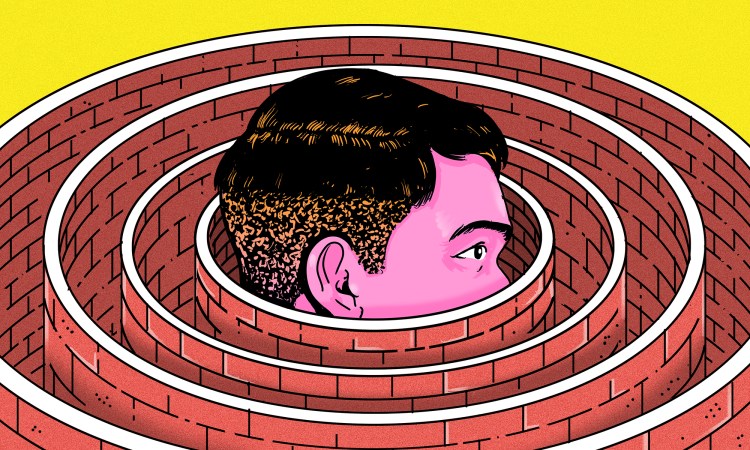



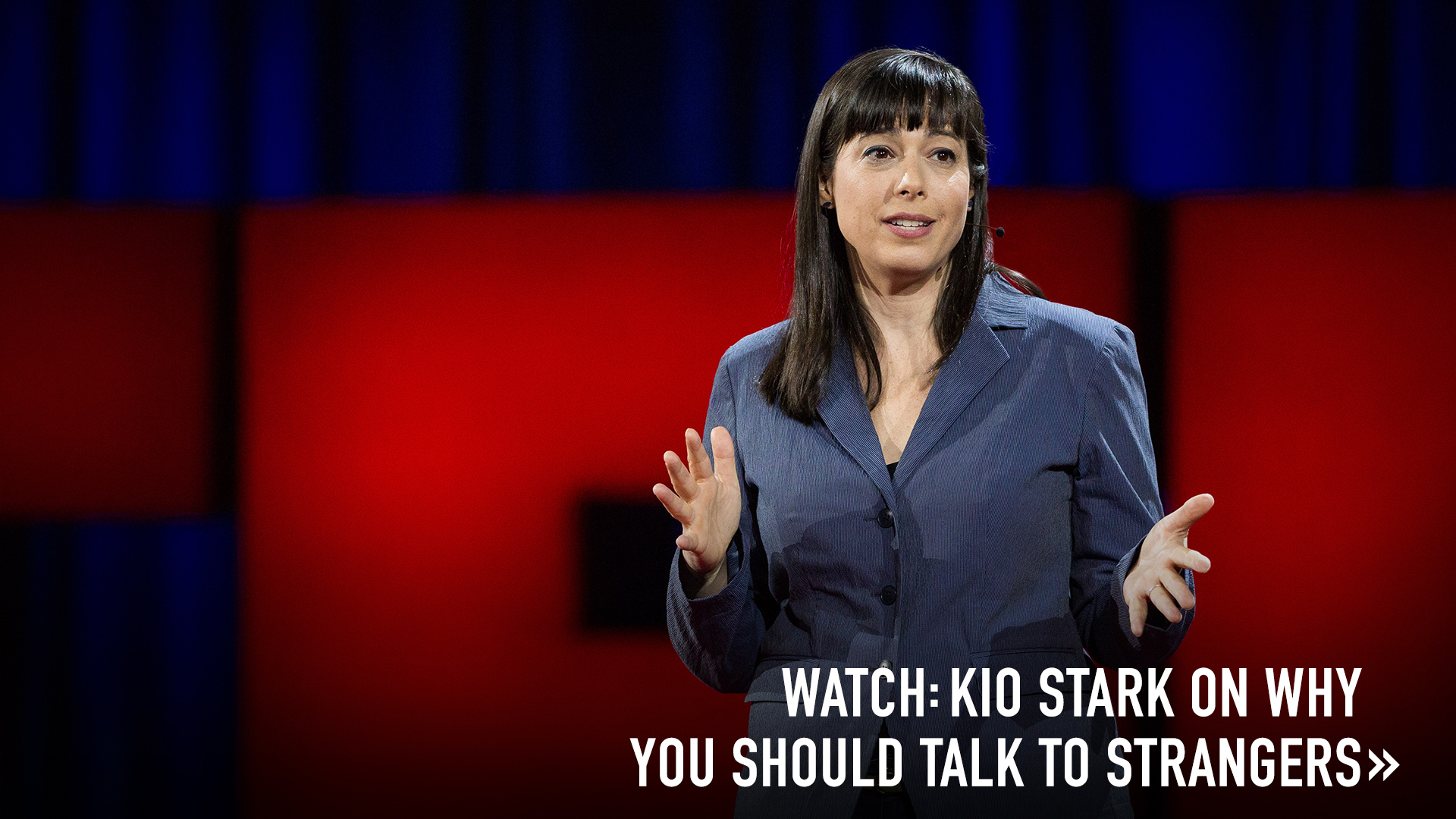















 Image by


 Looking for the Light