Activated charcoal is something you will see in most health stores. While most people now go straight towards something like CBD oil for all their ailments, there’s a lot to be said for activated charcoal. For those that don’t know, it is a black powder that stops toxins from being absorbed into the stomach by binding itself to them. It is something used in hospitals if somebody suffers from alcohol poisoning. As the body cannot absorb charcoal, the toxins in your body bind to the charcoal, which will then leave your body in the form of feces. But what else can we use this underestimated supplement for?
Benefits Teeth Whitening and Oral Health
Many people struggle to find affordable dentists these days that will give good advice on brushing teeth. Many people look to making their teeth whiter. And there are many teeth whitening products out there that contain activated charcoal. It’s believed that oral health products with activated charcoal may be detoxifying, antibacterial, and antiviral.
Reduces Intestinal Gas and Diarrhea
Studies have shown that people that had excessive gas in their intestines reduced this by taking activated charcoal and had improved symptoms. And because it is used as an adsorbent in cases of poisoning and overdoses, activated charcoal might prevent diarrhea by absorbing the toxins from bacteria and drugs that can cause diarrhea.
It Can Help Kidney Function
It may be able to help kidney function by filtering out and digested toxins. Activated charcoal needs more research but it appears to be very effective at removing toxins derived from urea. While more research is needed studies have shown that activated charcoal might help reduce gastrointestinal damage and improve kidney function for those who have chronic kidney disease.
It Can Be a Deodorant
It is an ingredient in deodorant. As charcoal might absorb smells and harmful gases it becomes an ideal underarm deodorant. As it can absorb excess moisture and supposedly control humidity in small ways, it may prove very beneficial to those who have issues with body odor.
It Can Help With Skin Infection
Various traditional medicine practitioners use activated charcoal to treat tissue conditions like skin infections. Activated charcoal can absorb the harmful microbes from wounds which has an antibacterial effect.
Can Help With Food Intolerances
For people who have food intolerances like gluten, taking activated charcoal after consuming foods they have a reaction to can minimize the absorption of toxins. While this is not beneficial to those who have extreme reactions such as celiac disease, for those that have a low-level intolerance to foods like gluten, they will feel the benefits upon taking activated charcoal soon after food.
While activated charcoal can yield many benefits, it’s important to not overdo it. For example, if you take medication, having activated charcoal within 2 hours of consuming it may render the medication ineffective. Activated charcoal can certainly help in small doses of toxicity, especially after eating foods, but it’s important to use sparingly and always follow the instructions on the packet. Use it right and it may help you in many areas of your life.
Getting into a fitness routine, pushing yourself, and reaching your goals takes a lot of time and energy, as well as a big commitment to yourself and your health. So when your health suffers, either through an injury or an illness, it can really set you back and put you right back at square one.
Feeling like you’ve got to start over with your fitness is a common feeling, and it can really affect your confidence. Whether you feel like you can’t do it or that things are harder than they used to be, it’s important to get back on that horse. Exercise will help improve your physical health and boost your mental health, and it can be a welcome part of your routine once you’ve found your feet again.
Here is some advice to help you regain the confidence to work out when you’ve suffered a setback.
While it’s understandable that you’ll want to be back where your fitness used to be, it isn’t going to happen overnight. If you try to move too quickly, you could end up injured or losing further confidence from not getting the same results as you once did.
Start by setting yourself some manageable fitness goals, aims you can work towards slowly, helping you to regain technique and basic fitness first. From increasing the times of your workouts to making it to the gym a certain number of times a week, start with goals that are realistic before building up to bigger ones.
Choose workout clothes that help your performance
The workout clothes you wear can help you feel more confident about working out. You should choose items that are comfortable, supportive, and can help keep you cool too. Treating yourself to some new outfits will help you feel in a better mindset for working out. Brands are more attune to the different needs of people now, so you can find great selections for curvier shapes, as well as amputee leggings and other items that can help give you a boost. Always make sure you have the right type of shoes for your workout to make sure you’re better protected against injury.
Ease yourself in, and consider working with someone else
Fitness is something that needs to be built up over time. So if you’re getting back into things after a long period away, ease yourself in gently. Walking and swimming can be gentle, effective exercises to start until you’re feeling fitter and stronger. Take a look at fitness plans from others in your position to see how they’ve eased themselves back into exercise.
It can also help if you work out with someone else, such as a friend or personal trainer who can help make sure you’ve got the right form to prevent injury, as well as help you train as needed.
If, for any reason, you feel pain – stop! Consult your doctor or take a rest to stop yourself from overdoing things.
Exercise is something that can help you begin to feel a semblance of normality, helping you form a routine and get back into activities that you once enjoyed. Take it slow, put your health first, and soon you’ll see your confidence creeping back up as you start to reach your goals once more.
From the outside looking in, Thomas Rhett and his wife, Lauren Akins, seem to have a nearly perfect relationship, however, it hasn’t always been easy.
The country star opened up about his relationship with his wife during an interview on The Bobby Bones Show, revealing that the couple turned to marriage counseling after a “hard” moment in their lives. Referring to Akins’ new memoir, Live In Love, Rhett said the book had “parts where I wish I wasn’t made out to look like such a jerk.”
The “Be A Light” singer continued on to explain some of the challenges the couple faced throughout the adoption process for their now 4-year-old daughter Willa Gray. At the time, Akins was traveling to Uganda while pregnant with their now 3-year-old daughter, Ada James.
“Lauren called me because it was 9 o’clock in the morning in Uganda and…she hears all of her friends in the background. Meanwhile, Lauren is seven months pregnant and throwing up in a bathroom in Uganda,” he said. “That was when Lauren was like, ‘We are living two completely separate lives right now.'”
“That was a really humbling experience for me, just knowing what she was dealing with in a sense of aloneness while I’m kind of living life as usual,” Rhett added. “That part was really hard for us, for sure. Kind of getting over that and going through some therapy, especially over that one night.”
“Coming on the other side of that, I feel like I learned so much from that experience. It made me know that, in a marriage, you do have to figure stuff out. You have to talk about it. You’ve gotta be real about it. You’ve gotta be honest about it.”
Rhett and Akins, who also share a 6-month-old daughter, Lennon Love, hope their story helps other couples.
Cindy Knoke has traveled the world, to the most unusual off the beaten path places you can imagine. Her photography is a window to the world. I ask Cindy a few questions to learn her photography background and how she plans for her extraordinary trips. At what age did you pick up your first camera? Did the world […]
I care for my 92-year-old gramps and have been here for five weeks. He had three surgeries in seven days. Without Caregiving 101 training, I learned the hard way.
*Ask the doctor what happens if the procedure does not work.
*If a second procedure does not work, is there a third option.
*What is the recovery time and type of home health services needed.
*Is the surgery necessary for a 92-year-old who is already dying!
Gramps went in for non-invasive surgery, nothing prepared me for the outcome. I’ve been through several surgeries with gramps. This procedure had not been performed before however, it sounded like the least complicated procedure to date. I forgot nothing is normal or non-invasive at 92 years old. We went from going home that afternoon, to having three surgeries over seven days. I made the mistake of thinking the procedure would go as in the past. Age makes all the difference, five years at this stage of Kidney Failure can change everything.
I’m blessed to spend this time with gramps, we still have a long road ahead. It is emotional and life-changing. I’ve become the parent and he doesn’t like me telling him when to take his medicine. He has raised his voice more in the past month than in my lifetime. It’s hard to take it in stride, just bite the tongue. Stress has triggered my depression, I struggle to keep myself in check and take care of my gramps.
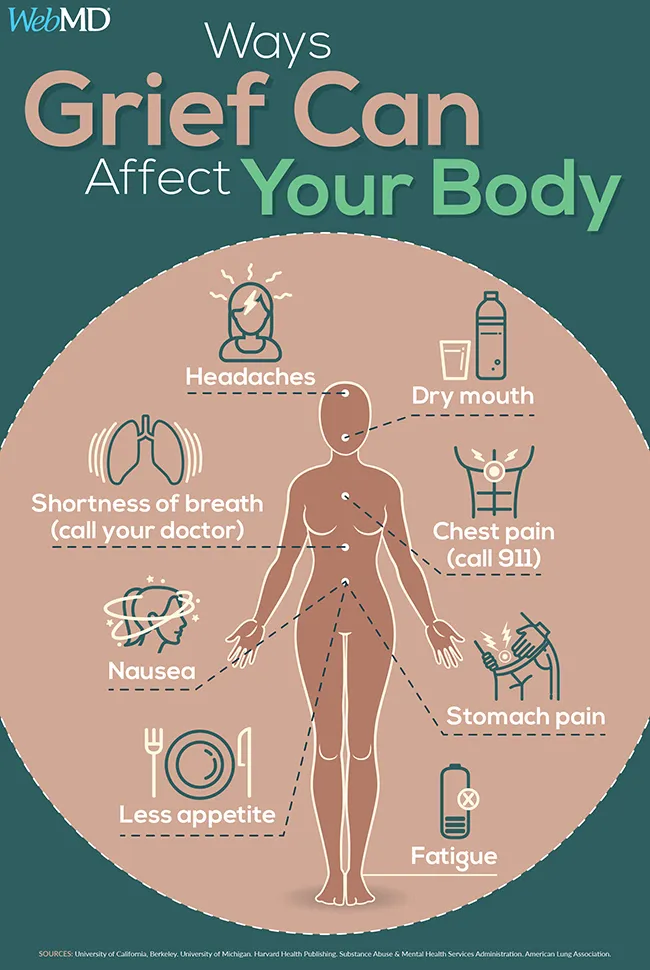
It’s surprising how physical grief can be. Your heart literally aches. A memory comes up that causes your stomach to clench or a chill to run down your spine. Some nights, your mind races, and your heart races along with it, your body so electrified with energy that you can barely sleep. Other nights, you’re so tired that you fall asleep right away. You wake up the next morning still feeling exhausted and spend most of the day in bed.
Amy Davis, a 32-year-old from Bristol, TN, became sick with grief after losing Molly, a close 38-year-old family member, to cancer. “Early grief was intensely physical for me,” Davis says. “After the shock and adrenaline of the first weeks wore off, I went through a couple of months of extreme fatigue, with nausea, headaches, food aversion, mixed-up sleep cycles, dizziness, and sun sensitivity. It was extremely difficult to do anything. … If there’s one thing I want people to know about grief, it’s how awful it can make your body feel.”
What causes these physical symptoms? A range of studies reveal the powerful effects grief can have on the body. Grief increases inflammation, which can worsen health problems you already have and cause new ones. It batters the immune system, leaving you depleted and vulnerable to infection. The heartbreak of grief can increase blood pressure and the risk of blood clots. Intense grief can alter the heart muscle so much that it causes “broken heart syndrome,” a form of heart disease with the same symptoms as a heart attack.
Stress links the emotional and physical aspects of grief. The systems in the body that process physical and emotional stress overlap, and emotional stress can activate the nervous system as easily as physical threats can. When stress becomes chronic, increased adrenaline and blood pressure can contribute to chronic medical conditions.
Research shows that emotional pain activates the same regions of the brain as physical pain. This may be why painkilling drugs ranging from opioids to Tylenolhave been shown to ease emotional pain.
Normal vs. Pathological Grief
Depression is not a normal part of grief, but a complication of it. Depression raises the risk of grief-related health complications and often requires treatment to resolve, so it’s important to know how to recognize its symptoms. Sidney Zisook, MD, a grief researcher and professor of psychiatry at the University of California, San Diego, says people can distinguish normal grief from depression by looking for specific emotional patterns.
“In normal grief, the sad thoughts and feelings typically occur in waves or bursts followed by periods of respite, as opposed to the more persistent low mood and agony of major depressive disorder,” Zisook says.
He says people usually retain “self-esteem, a sense of humor, and the capacity to be consoled or distracted from the pain” in normal grief, while people who are depressed struggle with feelings of guilt and worthlessness and a limited ability “to experience or anticipate any pleasure or joy.”
Complicated grief differs from both depression and normal grief. M. Katherine Shear, MD, a professor of psychiatry at Columbia University’s School of Social Work and director of its Center for Complicated Grief, defines complicated grief as “a form of persistent, pervasive grief” that does not get better naturally. It happens when “some of the natural thoughts, feelings, or behaviors that occur during acute grief gain a foothold and interfere with the ability to accept the reality of the loss.”
Symptoms of complicated grief include persistent efforts to ignore the grief and deny or “rewrite” what happened. Complicated grief increases the risk of physical and mental health problems like depression, anxiety, sleep issues, suicidal thoughts and behaviors, and physical illness.
How Does Avoidance Harm Your Health?
Margaret Stroebe, PhD, a bereavement researcher and professor of clinical psychology at Utrecht University, says that recent research has shed light on many of “the cognitive and emotional processes underlying complications in grieving, particularly rumination.”
Research shows that rumination, or repetitive, negative, self-focused thought, is actually a way to avoid problems. People who ruminate shift attention away from painful truths by focusing on negative material that is less threatening than the truths they want to avoid. This pattern of thinking is strongly associated with depression.
Rumination and other forms of avoidance demand energy and block the natural abilities of the body and mind to integrate new realities and heal. Research by Stroebe, and others shows that avoidance behavior makes depression, complicated grief, and the physical health problems that go with them more likely. Efforts to avoid the reality of loss can cause fatigue, weaken your immune system, increase inflammation, and prolong other ailments.
How Do Role Adjustments Affect Your Health?
When someone close to you dies, your social role changes, too. This can affect your sense of meaning and sense of self.
Before losing Molly, Davis says she found a personal sense of value in “being good at helping other people and taking care of them.” But after Molly died, she felt like she “couldn’t help anyone for a while.” Losing this role “dumped the bucket” of her identity “upside down.” Davis says, “I felt like I had nothing to offer. So I had to learn my value from other angles.”
Caregivers face especially complicated role adjustments. The physical and emotional demands of caregiving can leave them feeling depleted even before a loved one dies, and losing the person they took care of can leave them with a lost sense of purpose.
“Research shows that during intense caregiving periods, caregivers not only experience high levels of stress, they also cannot find the time and energy to look after their own health,” says Kathrin Boerner, PhD, a bereavement researcher and professor of gerontology at the University of Massachusetts in Boston.
“This can result in the emergence of new or the reemergence of existing ‘dormant’ health problems after the death of the care recipient. These health issues may or may not be directly related to the caregiver’s grief experience, but they are likely related to the life situation that was created through the demands of caregiving,” Boerner says.
It can be hard to make life work again after a close family member dies. Losing a partner can mean having to move out of a shared home or having to reach out to other loved ones for help, which can further increase emotional stress and worry. Strobe says the stress of adjusting to changes in life and health during and after a loss can “increase vulnerability and reduce adaptive reserves for coping with bereavement.”
What Can You Do to Cope With Grief?
Emotional and physical self-care are essential ways to ease complications of grief and boost recovery. Exercising, spending time in nature, getting enough sleep, and talking to loved ones can help with physical and mental health.
“Most often, normal grief does not require professional intervention,” says Zisook. “Grief is a natural, instinctive response to loss, adaptation occurs naturally, and healing is the natural outcome,” especially with “time and the support of loved ones and friends.”
For many people going through a hard time, reaching out is impossible. If your friend is in grief, reach out to them.Amy Davis
Grief researchers emphasize that social support, self-acceptance, and good self-care usually help people get through normal grief. (Shear encourages people to “plan small rewarding activities and try to enjoy them as much as possible.”) But the researchers say people need professional help to heal from complicated grief and depression.
Davis says therapy and physical activities like going for walks helped her cope. Social support helped most when friends tried to reach out instead of waiting or asking her to reach out to them.
“The thing about grief and depression and sorrow and being suicidal is that you can’t reach out. For many people going through a hard time, reaching out is impossible. If your friend is in grief, reach out to them. Do the legwork. They’re too exhausted!”
Davis’ advice to most people who are grieving is to “Lean into it. You only get to grieve your loved one once. Don’t spend the whole time trying to distract yourself or push it down. It does go away eventually, and you will miss feeling that connected to that person again. And if you feel like your whole life has fallen apart, that’s fine! It totally has. Now you get to decide how to put yourself back together. Be creative. There’s new life to be lived all around you.
Melinda
Reference:
WEB MD
By Stephanie Hairston
“WebMD News Special Report Reviewed by Neha Pathak, MD on July 11, 2019
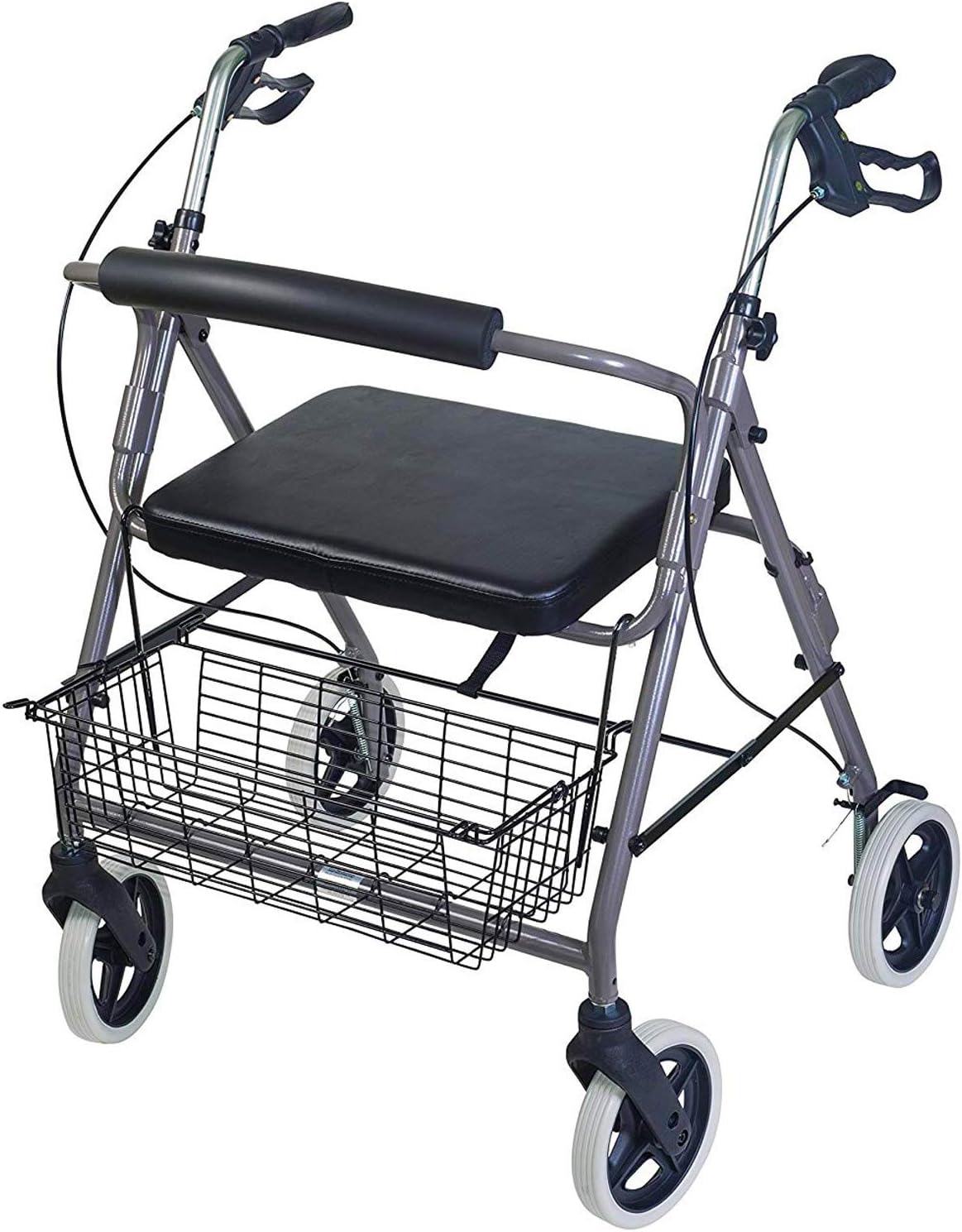
This walker is so sturdy and lightweight. I can get it out of the trunk without problems. The basket is large enough for a water bottle and a scarf, or light jacket not much more. It is comfortable to sit on and is adjustable to your height.
WaveLife’s No Pain Energy Cell is a non-invasive, non-chemical pain management method that is based on over thirty years of research. It’s been developed in cooperation with over 2800 clinics in Germany, Switzerland, and Austria. It’s reported to help a wide range of pain, such as arthritis, headaches, lower back pain, post-surgery pain, upper back pain, and osteoporosis. You can find out more about the device and whether it could help you here.
I can’t live without my WaveLife Energy Cell. It’s versatile and can be used in most places on the body and last for six months, making it a great investment in your health. I focus on my arthritis and left knee which is in need of replacement surgery. I have used the stick-on patches that came with and now use whatever tape I have in the medicine cabinet. As mentioned in my review, I start to see relief in about 20 minutes and can oftentimes reduce the number of pain pills I take a day while wearing. Here is my review of the WaveLife Energy Cell.
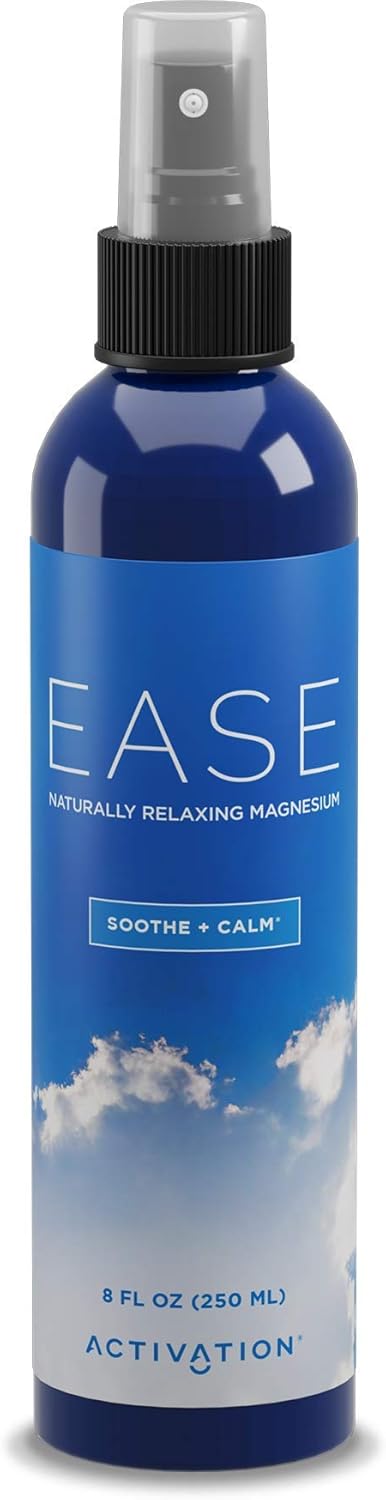
Ease Magnesium Spray contains 100% of the purest form of magnesium chloride hexahydrate – an essential mineral your body needs in good supply to keep more than over 330 enzymatic functions working optimally. The liquid magnesium mineral does not leave any sticky residue on your skin and goes on smoothly and easily to perfectly supply the exact amount of pure magnesium your body needs. Magnesium is a calming ancient mineral, sourced from the Dead Sea, that nourishes your nervous system.
I love this spray and use it on my hands all day long. I use on my hands, knees, and other arthritis spots at night. It drys fast without any residue and my Aromalief Hemp Pain Cream goes over and soaks right in.
The capacity is large enough to fit your daily hydration needs. You can also store coffee or any other liquids. The stainless steel repels any lingering flavors. Put your portable sports water bottle in your gym bag or the side pouch of your backpack or as your daily companion.
This Sierra bottle by MIRA is a whopping 40 ounces! I load up with ice three times a day, refill and drink all day long, it’s perfectly insulated with no sweating. It’s so insulated that whenever I leave water overnight it’s cold enough to drink the next morning. It’s easy to get enough to drink each day knowing it’s 40 ounces.
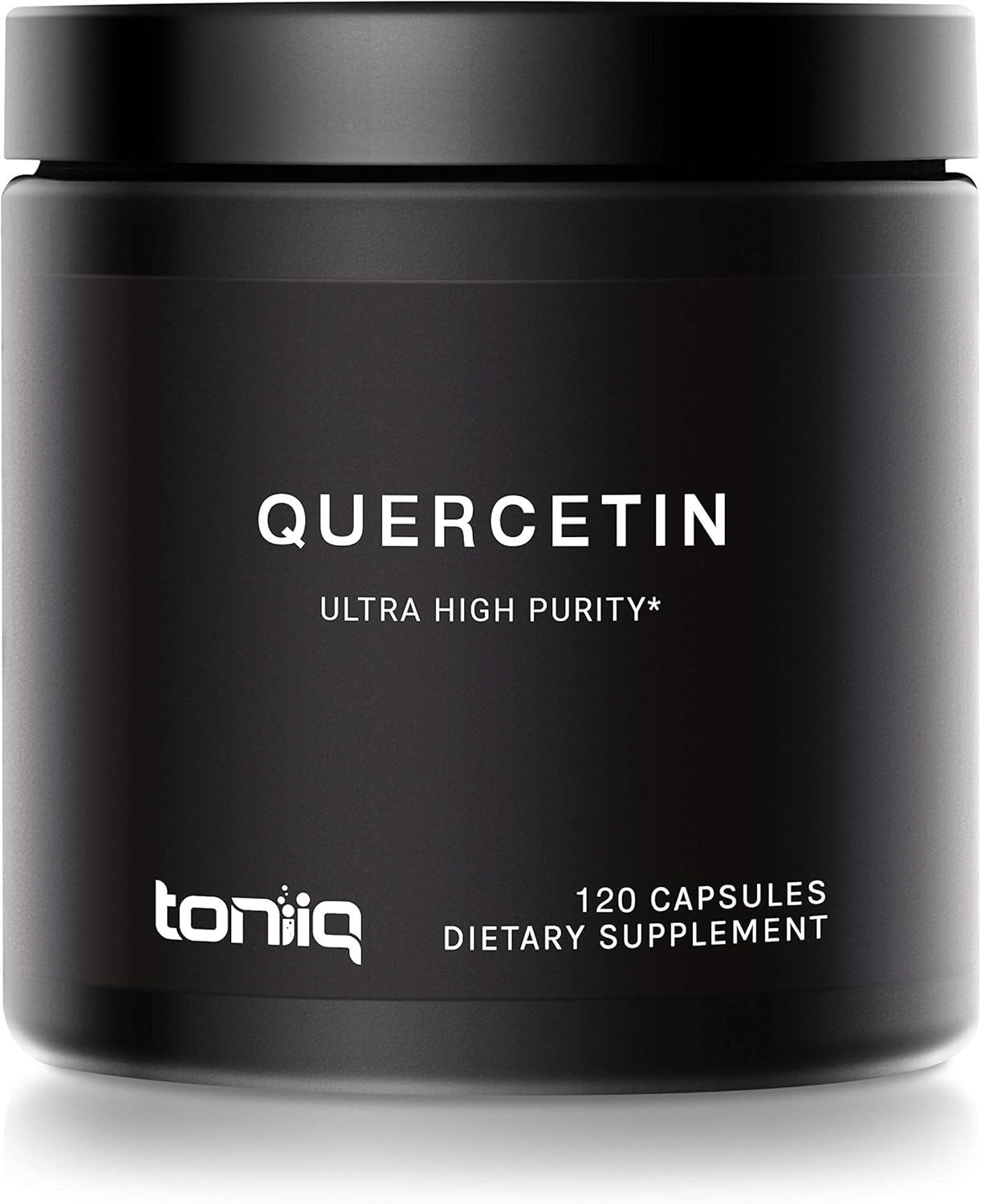
Quercetin is a pigment that belongs to a group of plant compounds called flavonoids.
They’ve been linked to several health benefits, including reduced risks of heart disease, cancer, and degenerative brain disorders (1Trusted Source, 2Trusted Source).
The beneficial effects of flavonoids like quercetin come from their ability to function as antioxidants inside your body (3Trusted Source).
Quercetin is a supplement recommended by my Lyme doctor to boost the immune system and help ward off COVID 19. I bought this brand due to the concentration levels of Quercetin compared to other brands.
This post may contain an affiliate links that don’t cost you extra to use and help supply my coffee habit.
What are some of the items or services you use every day to help with your health?
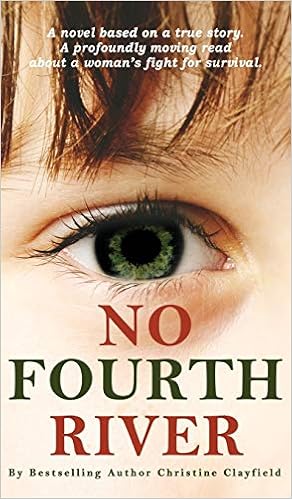
No Fourth River is a must-read for anyone who has experienced a dysfunctional household with domestic violence, child abuse, humiliation, electroshock therapy, boarding school, and most importantly survived to see much better days.
Reviewed in the United States on February 28, 2018
Verified Purchase
This is a candid memoir in which Christine confronts all her demons and inspires readers to do the same. Her family life was an open secret in the small town where she lived, yet she received little to no help from the outside world. Her father’s extremely strict and abusive ways made the whole family, including Christine’s mother and brothers, live in fear. The punishments he invented for them ranged from beatings to being forced to kneel for hours on end.
The boarding school Christine attended was not much better. It was a system of endless humiliation and abuse.
Growing up with these burdens, Christine reached a turning point where she knew things needed to change, and she took control of her life. Readers will cheer her on as they discover how she overcame many years of feeling powerless and not good enough to become a successful businesswoman.
Dysfunctional families are a complex web that continues to affect people even into adulthood. It was really interesting to see Christine’s relationship with her father impact every part of her life, even though she left home intending to be free of his influence. Whether we like it or not, our parents make us who we are to a great extent. Ironically, Christine became driven and successful in business, just like her father.
Throughout the book, she describes some truly disturbing scenes, but what keeps you reading is knowing she survived in the end. This book is a real inspiration for anyone who has suffered from abuse or anyone who simply wants to make a change in their life. It shows that once you resolve to change, things can only get better.
I’m thrilled to take part in the Blog Tour for Christine Clayfield’s first novel “No Fourth River”. Christine, it’s great to talk with you this morning. Let’s jump in.
Your novel “No Fourth River” is incredibly personal. Starting with the brutal abuse from your father to all the siblings. What convinced you now was the right time to write your story?
There are four influencing factors that made me decide to write my story.
1) My husband and daughters kept telling me, over the years, that I should write a book about my life.
2) I don’t usually share my story with others. However, sometimes when I unintentionally mention things from my past, people are intrigued. They want to know more about my life. I’ve often been told that I should write a book because my struggles would resonate with others and my life story could be an inspiration.
3) I had been jotting down ideas for a while but never started to write. When I collected enough courage to speak on stage, people often burst into tears during my speech. They came up to me after my speech to thank me for sharing my story and to tell me how inspired they were. That moment was when I decided to write my life story. I didn’t realize until then that my life story was an inspiration to others. Very shortly after that, I started writing No Fourth River.
I transformed my life and I wanted to spell out valuable messages in my book too. If I can change one person’s life who will read my book, I will have achieved my goal. I have shared my life experiences, deeply personal ones too, and hope to make a difference in someone else’s life. I want people to know that you can change your life, no matter what you have been through. I am a living example.
4) I am not getting any younger so I needed to do it sooner rather than too late when I perhaps won’t remember all the details of my life.
Your fans responded to “No Fourth River” by rating the book with five stars on Amazon.com. What was your first reaction?
I was anxiously awaiting the arrival of my first review as I was curious to read people’s thoughts about my story. When I saw my first review, I was pleased as punch and totally overwhelmed with happiness. The review confirmed what I wanted my book to be: an inspiration to others.
How long did the writing process take?
From the moment I started jotting down dates of events in my life until the manuscript was totally finished, 2 years went by. However, I wasn’t writing full-time at the beginning, just a few hours per week. Once I’d written a few chapters, I started thinking: “I can actually do this; write a novel”. I had written five business books prior but this was my first novel. From that moment, I started writing most days of the week and I finished the book one year later but had a long break in between as my mum moved in with me and I looked after her in her last stages of dementia.
“No Fourth River” is your first novel, what’s your next book?
I am planning to write a book about “How to market a novel” , based on my experiences. I believe there is a big gap in the market for an informative book on this subject.
I am also scribbling down ideas for my second novel: a fiction novel.
Writers are often avid readers. What type of book do you read for pleasure?
Aside from reading books about all aspects of doing business, I love true stories and inspirational stories.
What are some of your other personal leisure activities?
A leisure activity is doing what you like and as I like working, I consider that as one of my leisure activities. When you enjoy what you are doing, it doesn’t feel like working. I also enjoy watching my husband play drums in his touring theatre show. Apart from that, I love traveling, watching a good movie, and dining with friends and family.
Hi Everyone, It’s Friday! So glad you stopped by today, I appreciate you following me. Please be safe this weekend, avoid large crows if possible and wear a mask.
Recently I have become addicted to Tik Tok, I’m not proud of it but they say the first step of beating an addiction is admitting you have one. So here I am. Haha I’m totally kidding but I really do love watching Tik Tok videos. A few months ago I stumbled across a page where […]
A microfiber wand beside the bed hasn’t been touched in days. The amount of dust in the house is a full-time job I can’t work.
I’m so glad only to have four-legged kids to get on my nerves and wear out my patients.
My body doesn’t hurt as bad as the muscles tense and twitching. Hip pain is now on both sides, I wonder if Osteoporosis has moved to the left hip. My shoulder has decided to ache all the time making it difficult to sleep.
I noticed more wrinkles on the face today, feeling old again.
Self-care has gone by the wayside this week, too tired to care.
My mental health is good surprisingly for being in the middle of a pandemic in a state with rising numbers.
I have canceled all doctor’s appointments out of fear of the virus, have only had three face to face visits and two lab trips since March. So many health issues and follow-ups are slipping behind.
I’ve had hives for two months, General Doctor is trying medication before referring me to a Dermatologist. I’m taking two histamine blockers and steroids, still no change. Have scars from the scratching. I have cut out all supplements except probiotics, calcium, and a multivitamin. Had just started several herbal supplements for the immune system. Don’t think there’s a connection but can’t come up with anything to set the hives off.
Trying to decide if all the symptoms are Fibromyalgia or a Lyme relapse or both.
Over the past decade or so, the divorce rate has been increasing, and in some areas quite rapidly at that. This is an unfortunate stat and statistic but a very real one, so why is the divorce rate reaching such a high level?
The recession
At present, the economy is suffering because of the impact of the recession from COVID-19, and this can cause a lot of financial strain on individuals. If finances are running low, people become stressed and worried and this can cause a lot of arguments with the blame being shifted from one individual to another. This can lead to cracks in a relationship and result in the unfortunate occurrence of a divorce.
More lenient divorce laws
The rules and laws concerning separation and divorce are much more tolerant than they once were, which means that getting divorced is much easier. Years ago those who desired to get separated had to have a legitimate purpose for requiring this, for instance, cheating or abuse, however, nowadays all states in America have adopted a no-fault divorce law, meaning you do not need a reason to separate from your partner via law.
More independent women
In the past there was a distinct role between men and women; men were the breadwinners and women stayed at home and looked after the house and children. Nowadays that notion has been well and truly challenged and many women are the main breadwinners in the house. This can lead to added conflict and result in many arguments and possibly divorce.
Less traditional views
In the past, people tended to stay together because of concern they could be looked down on and even ignored. Nevertheless, now society is much more accepting of people who divorce and do not see it as a type of problem. With countless family members and friends being supportive of divorce, most couples know that if the worst happens, a comprehensive support system will surround them. Plus, empathic professional support is available from the likes of Brown & Dahan, LLP and others.
Media celebrating divorce
Another reason is that divorce is so present in our everyday lives because of the media. Every day you see a different celebrity having marriage problems or going through a divorce e.g. Jennifer Lopez and Jennifer Anniston. This has an impact on individuals as they read this information and so they see divorce thru a different lens. If their favorite star can go through a divorce and be an independent woman, why can’t they? Divorce can often be glamorized by the media rather than frowned upon, if celebrities don’t see divorce as such a big deal we should we?
Many people with Lyme disease are incorrectly diagnosed as having fibromyalgia or chronic fatigue syndrome. In my Seattle practice, before I became a Lyme disease physician, my main focus was treating fibromyalgia and chronic fatigue syndrome. In 2004 one of my patients asked for Lyme disease testing. Her pcr test for Lyme came back positive. This got me thinking that others in my practice could have Lyme disease too. So I tested everyone in my practice for Lyme that had a diagnosis of fibromyalgia and/or chronic fatigue syndrome. I discovered that 30 percent of my patients actually had Lyme disease causing their problems.
Chronic fatigue syndrome and fibromyalgia are diagnosed when no other cause of fatigue or muscle achiness can be found. They are both a diagnosis of exclusion. This means we exclude any other causes of these problems.
If someone actually has Lyme disease causing muscle pains or fatigue, then it is no longer correct to say they have fibromyalgia or chronic fatigue syndrome. They actually have Lyme disease causing muscle aches or severe fatigue and all the other symptoms associated with these two diagnoses.
Patient Beware
Be aware the current trend in medicine is to label fibromyalgia or chronic fatigue associated with an infection as post-infection chronic fatigue syndrome or post-infection fibromyalgia. Physicians use this term to imply that an initial infection triggered the health problem – but the infection is no longer active and causing the problem.
While this can be true with many infections, Lyme disease infection can persist and lead to ongoing health problems. Thus, it is wrong to call people with active Lyme infection as having post-infection chronic fatigue or fibromyalgia. They actually may have an active infection leading to health problems. These patients actually have chronic Lyme disease.
How to Tell You Have Chronic Lyme Disease
First, you should know 50 percent of people with chronic Lyme do not remember a tick bite. And at least 30 percent of people do not remember the classic bullseye rash. So it is very important to get proper testing.
But testing is extremely complicated. The standard way most physicians test for Lyme is to perform a two-step test method involving an elisa test. If the elisa is positive, then another test called a western blot is performed to determine if the elisa is correct. But here is the problem, studies show that nearly 50 percent of elisa testing will miss Lyme disease when someone has it.
In my practice, I use a test by IGenex called the Immunoblot. This test looks to see if a person has antibodies against eight kinds of Lyme bacteria. According to IGenex validation studies, this method can find Lyme when it is present 95 percent of the time. For more information about Lyme testing and this specific method read A Review of Lyme Infection Tests: Pass or Fail.
Making a diagnosis of Lyme disease is complicated. It is possible to diagnose Lyme disease, even when testing is negative. For more information about how to diagnose Lyme disease especially when testing is negative see How to Diagnose Chronic Lyme Disease, More Than A Test.
A Few Words About Lyme Disease Treatment
If you discover you have Lyme instead of fibromyalgia or chronic fatigue syndrome this means you have a great chance to improve your health. As you consider your treatment options, be aware recovering from Lyme requires more than antibiotics. To recover most people have to address additional imbalances and health assaults that contribute to the illness. For a list of possible things you should address see What is Lyme Disease? A Mess of Things. In The Ross Lyme Support Protocol, I lay out a full treatment approach that addresses the most important issues to improve your health.
Disclaimer
The ideas and recommendations on this website and in this article are for informational purposes only. For more information about this, see the sitewide Terms & Conditions.
Hi, it’s Wednesday! I’m so glad you stopped by today. This week I’m staying with the Yosemite National Park theme and taking you to the Hatch Hetchy trail. The Hetch Hetchy trail is across the damn from the Yosemite Valley. It’s a five-mile round trip with a moderate rating and is not a heavily hiked trail which makes it perfect for a picnic. You cross over a bridge built right over the bottom of the Wapama waterfall. This is where these photos were taken from.
It’s all too easy to let your garden go to waste when you don’t put enough time into using it properly. Many people specifically choose homes with outdoor spaces, only to let their garden become overgrown and unusable after just a few short months. Of course, though, a big part of this problem is simply knowing how to use your garden effectively. To help you out with this, this post will be exploring some easy ways to make your garden the ideal space for pilates, yoga, and just about any other static exercise. You don’t need any extra equipment once you’ve gotten started.
Clear A Space
The first part of this journey is going to involve clearing a space for your pilates area. You won’t need too much room for this, with just enough space for you and your friends to do your exercises while maintaining proper social distance. The more people you have, the more space you will need, and this can often mean having to break into parts of the garden that can long be taken over by nature. Tree removal, weed services, and even landscaping companies can help you with this process, making it possible to make a good start on this side of your garden.
Add Some Ambience
Once you’ve made space, it will be time to start making your garden feel extra relaxing. There are loads of ways to do this, but you want to make sure that your changes are ambient, rather than sticking out and demanding attention. Water fountains, wind chimes, and speakers can be used to generate sound that will make your garden feel natural and open, while different materials can be used to highlight different aspects of your garden. Many people go over the top when they are doing this, but it is worth keeping in mind that you’re trying to capture nature, rather than making your space feel like a disco.
Start Planning
Planning your pilates area will always be a good idea as you go through this process. You need to think about when you’re going to use it, building a routine that will make it easier to keep up with your exercise. Alongside this, though, it can also be good to think about who will be joining you for each workout. Having friends to enjoy a space like this with you will always improve the way that it feels and the use you’re able to get out of it. Of course, though, you will need to take the first step and invite people if you’re going to find success.
With all of this in mind, you should be feeling ready to get started on making your garden perfect for pilates. Having a space for activities like this can make it much easier to keep on top of them and continue your good work. Of course, though, at the same time, and a lot of people find themselves struggling when they get to points like this, and you may need some help from friends along the way.
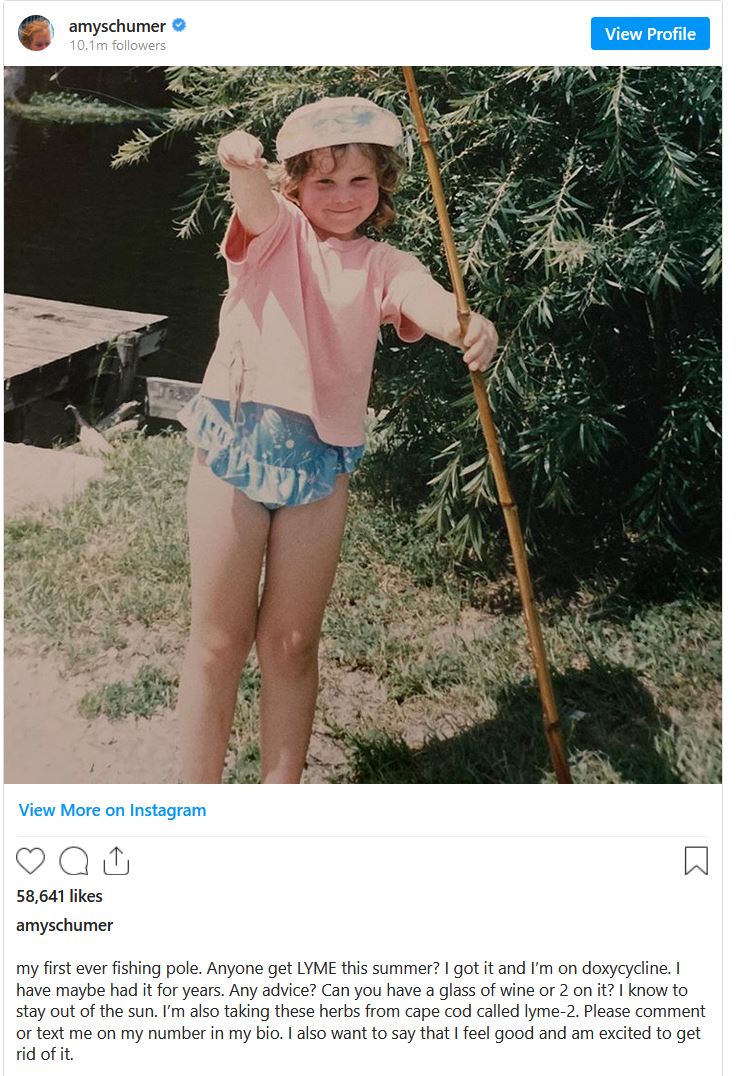
Actress and comedian Amy Schumer is being treated for Lyme disease
Actress and comedian Amy Schumer has announced on Instagram that she’s being treated for Lyme disease.
“Anyone get LYME this summer? I got it and I’m on doxycycline,” she wrote. “I have maybe had it for years. Any advice? Can you have a glass of wine or 2 on it?”
“I know to stay out of the sun. I’m also taking these herbs from cape cod called lyme-2,” Schumer continued, asking followers to comment with their own experience with Lyme disease. “I also want to say that I feel good and am excited to get rid of it.”
Amy Schumer is a cousin to Chuck Schumer, the Minority Leader of the US Senate. Senator Schumer has also had Lyme disease.
The secret to successful and permanent chronic pain management comes from understanding and dealing with the human condition both from a physiological and emotional perspective.
Therapists in Switzerland, Austria, and Germany who have used professional Vital Field techniques for chronic conditions for decades stress the importance of combining sound lifestyle adjustments with frequency methodology. The quick solutions – like drugs, surgery, and manual adjustments – designed to address the symptoms hardly ever deliver long-term results on their own.
The NO-PAIN Energy Cell allows customers for the first time to gain long-term effects due to a revolutionary innovation in addressing cell regeneration and healing directly with subtle frequencies. Still, if the same physical and emotional stressors persist, issues may arise later in a different body part. This could take place many months or years later. Our goal, however, is to help our customers achieve permanent relief.
Here are the Top 7 simple lifestyle adjustments you should consider with the NO-PAIN Energy Cell.
1) HYDRATION
The majority of people are chronically dehydrated. For the body to regenerate, detox, and heal, drinking enough pure water is an absolute condition. Eliminate sugary drinks and sodas, and make sure you drink at least 8 x 8-ounce glasses of water every day, starting in the morning. A fresh lemon combined with at least two glasses helps you hydrate even better.
2) INTERMITTENT FASTING
We’ve been misinformed about the need to eat three or more times per day. Cellular and mitochondrial regeneration (and the cascade effects of inflammation and pain) is vastly accelerated when the body is not constantly digesting nutrients. Try to eat within an eight-hour window, and when your body adjusts, shoot for a six-hour window.
3) SLEEP
Regular and plentiful sleep is a precondition to healing. Make sure you get at least eight hours of sleep on average. Some people can manage with six to seven hours, but avoid long stretches of sleep deprivation if you want to heal your body.
4) MINIMIZE SIMPLE CARBOHYDRATES
Dramatically reduce sugar, wheat, pasta, rice, and packaged foods, most of which hide industrially processed sweet, short-chain, soluble carbohydrates. Focus on whole foods, healthy fats (olive oil, coconut oil, nuts, seeds, avocado…) and avoid processed vegetable oils.
5) DO THINGS YOU LOVE
It’s easy to say that you need to reduce stress, but if you flip this message around and tell yourself that it’s important to engage in at least two things every day that you love, whether it’s spending time with the people that give you energy, or engaging in hobbies and activities that you genuinely enjoy, the problem often takes care of itself.
6) MOVE
Dragging yourself to the gym against your will can increase the stress level if you don’t enjoy the activity. Make sure you enjoy the movement you commit to – whether it’s walks, hikes, or other sport activity. A sedentary lifestyle is a huge factor in exacerbating chronic conditions. Make sure you break the pattern and stretch every hour, even if you have to sit for work. Schedule “enjoyable movement” into your calendar even in the busiest of times.
7) NATURE
Exposure to nature a few times a week helps to accelerate cellular healing significantly. Minimizing exposure to humanmade microwaves (cellphone, wifi routers, etc), especially when you sleep, does the same. Nature regenerates, humanmade microwaves degenerate. Find a balance to help your body heal. You don’t have to be a disciplinarian to get a benefit. Adopt aspects of the above tips that suit your lifestyle, and make sure you don’t unnecessarily dull your pain with chemicals that only address symptoms.
The NO-PAIN Energy Cell is designed to give you long-term relief without side-effects. Combined with proper lifestyle adjustments opens a window for your body to reach permanent health and painlessness.
Raven Hughes is Chicago born and LA living, this songwriter/poet/writer keeps her words grounded, yet romantic. She is full of reflection and wisdom and typically writes about… Read full bio
Since the #metoo movement started, I’ve begun remembering so many instances when I was played that I didn’t even register at the time.
My chest burns, like when you have acid reflux. One of you talked about being manipulated, gaslighted, cheated on, and lied to. My own past stories began echoing through all the veins in my body until the whole house shook. One of you checked in with me because you had seen him out; he reminded you of me; I can’t seem to escape him.
I have always been the type to call someone a friend. Even if we’d only met a couple of times, they were a friend if I liked them. I am different now.
Being a victim can really make you wonder what you did wrong sometimes. I know now that I love too much—for too long.
Isn’t that what we all do? We all love them too much. We fall for the handsome black hole dangling a carrot in front of our face. We go toward it with wonder and shock as we realize every step is atop eggshells. These emotionally manipulative people have a way of being so convincing.
They show their best face as much as possible so that when they are busted with their double life, you can’t even believe it. They always have a good explanation for everything. The dark side is so secretive most of their closest friends don’t even see it. But, if you leave them or call them out, they will act like they don’t know what happened (or worse, say crazy stuff about you).
Then I think about how bad some of these #metoo stories are, and I try to minimize my pain. Push it back down, I beg myself. These feelings aren’t allowed. I know, from childhood, I am only loved when I am happy. Push it down.
We believe because we trust and love. And maybe behind every narcissist is an optimistic person with a dream of curing their abandonment issues. But, without fail, when you look on their phone, this is the kind of person who has voicemails, texts, and emails from about 10 other people.
Or maybe they will randomly message (to check-in and see how we’re doing in quarantine). Or a mutual coworker will catch them on Tinder, and they’ll say it was deleted years before; it must be trapped in the system. And we will believe it.
My hurt is so deep and so vast and expansive—it is coming up. It’s coming up so fast, that bitter acid in my chest. The feeling of an elephant standing on my stomach and the pressure exploding behind my eyes in my head. So many women are coming forward about their abusers, and the men are being forced to see the pain they have caused. But the emotional abuser, the cheater, is probably just fine—they’re living their best life.
We have been hurt so badly, but we would still be the one forgiving them and saying, “Hi,” when we run into one another. How can we stay mad at someone who is so “nice” on the exterior? And then we are left wondering, “How can one man juggle so much?”
The truth is that they will most likely get away with this forever. They are unassuming and nonthreatening.
The tears won’t stop. They will continue to explode from our eyes—hard and fast with all the pressure of our pain beneath them.
Personally, my tears are for all of us; we all know this type of man, the one who never tells the truth—not even once. My tears are for the sad truth that our only thought on the abuse and betrayal is, “At least he didn’t rape me.”
Not everyone has a sunny windowsill to give house plants some love but did you know there are many indoor plants requiring little light. I’ve also included some low light houseplants for beginners. Be sure to check if the plant is poisonous for your pet, I think a couple on this list are.
I own a Money Tree plant and love it, it seems to be a slow grower. I’ve had for around two months and it is just now having two babies. Yes, I call them babies! LOL
Peace Lily
Snake Plant
African Milk Tree
Variegated Red Edge Peperomia
Watermelon Begonia
Money Tree
Heartleaf Philodendron
Swiss Cheese Plant
Weeping Fig
Here’s a great article from Better Home and Gardens
I’m so glad you joined me, I hope you have a great weekend. Be Safe. In honor of September 11, 2001, for all the lives lost and forever changed. No matter what is going on in our country, I’m proud to be an AMERICAN.
Melinda
Welcome back to Weekend Music Share; the place where everyone can share their favorite music.
Feel free to use the ‘Weekend Music Share‘ banner in your post, and don’t forget to use the hashtag #WeekendMusicShare on social media so other participants can find your post.
My phone rang right before my rideshare bus was scheduled to arrive, it was my gramps calling saying that a plane flew into the World Trade Center. I was in a hurry, about to leave for my dream vacation to St. Petersburg, Russia, so I didn’t think much about it and said I would call him later.
The photo was taken by me in Washington, D.C.
While on the ride to the airport I heard a second plane had hit the World Trade Center and alarm bells went off. What in the hell is going on? It still didn’t register that a terrorist attack had just happened. Someone in the back seat asked who would do such a thing, and Bin Ladin came to my lips immediately. Then the magnitude of what was happening hit me.
We arrived to find the airport closed and all flights canceled. In fact, all air space was closed over the United States. On the ride back home all I could think about was how did this happen? How could this happen?
I watched the horrifying news non-stop over the next couple of weeks and started a journal. One of the first lines I wrote was “this was the beginning of World War 3”. Little did I know at the time, that the wars that followed would last so long and take so many lives.
It doesn’t feel right to talk about how terrible I felt when I look at the people who were directly affected by the bombing. I can say there are images that haunt me still to this day and know so many feel the same way. I can’t imagine living in New York City at the time of the bombing. One thing I will say is New Yorkers can together, everyone, every nationality, every religion, and every color, and everyone came together to help each other. It was heartwarming to see the love shown by the people in New York City.
I was able to fly to Russia two weeks later and the world was a different place. It didn’t cross my mind that the plane could be bombed and there were no Air Marshals at the time. I was still naive about the possible dangers of flying.
I went to Russia alone and not many women travel alone in Russia so most knew I was American. It didn’t help that I didn’t know a word of Cyrillic, the national language. People would stop me in the street to say how sorry they were for what happened to America, it was surreal. One Asian couple looked at me with pain in their eyes and asked are you okay? What do you say to a question like that? Yes, personally I’m great but life will never be the same.
So many people heroically gave their lives to help others, as an American I can not thank them enough.
Happy Friday! I am so glad you stopped by today. Today I’ve chosen a quote in remembrance of September 11, 2001, the horrific day that changed our world. Have a great weekend and please wear a mask, the Covid19 virus is very serious and I want to see you healthy.
Your home should be a haven for you and your family. But we think you’ll agree this isn’t always the case. Indeed, it’s possible and in some cases even common to encounter numerous issues with your home. You need to be prepared for these possibilities with the right solutions and that’s where this article is going to help you a great deal.
An Infestation
One of the nightmares that you could experience is an infestation of some sort. These are actually extremely common, and you want to try and avoid letting it get any worse, as soon as you notice a problem you’ve got to call a professional like Mosquito Authority, of course depending on what the pest is. If you notice one bug, this isn’t really a cause for concern, but if you notice the same bug over and over again, you know there’s probably an issue. You can try to find the source yourself, but this could take you a long time and you still might never find it. At least if you hire a professional, you know that the problem will be dealt with quickly and efficiently.
But can you take precautions to prevent it? Sadly, the answer is not really. In some cases, if you keep your home clean as much as possible you’re less likely to experience this problem, but that isn’t the case with all pests. Some will come no matter what the state or your home, so it’s not a foolproof plan.
It’s absolutely vital that you fix a problem with the roof as soon as you notice an issue. Usually, an issue with the roof will be a small yet significant hole. This could be small enough that it only lets in water or large enough that insects and pests can breakthrough. Regardless, it could cause major headaches and health issues for you. Water leaking into your home can bring the issue of damp and potentially even flooding. As well as costing you thousands in repairs, it might also make it impossible to sell your property until the problem is resolved. Problems with the roof are why you should always check your roof after a storm or a period of bad weather. You can use a professional team to complete this task for you and ensure that there aren’t any problems that need to be addressed.
Of course, one of the easiest ways to check for issues is to head up into the attic and try to see if there is any natural light creeping through where it shouldn’t be.
Flooding
Since we already mentioned water dripping through the roof, it’s also worth exploring the problem of flooding. Usually, an issue with flooding will start in the basement and it could be because water is building up outside your home, pressing on the foundations. When this occurs, the water begins to seep into the property. If it is left alone it will lead to a problem with flooding. You can take preventive action here by speaking to a landscaper. They will be able
to alter the permeability of the ground around your home. Alternatively, they can change the level of the ground to ensure that water drains away from your home rather than towards it.
It’s perhaps worth noting that a sump pump is the best way to handle water once it is inside your home. You do need to make sure that you have a working sump pump in your property. Be aware that most insurance companies won’t even cover your home if there isn’t a sump pump that is functional.
Finally, mold is a problem that is often overlooked by homeowners who assume it’s not a massive issue. But it can be a nightmare because of the health issues that it could cause. This is particularly true if you have young children. Research has shown that mold can lead to breathing difficulties and similar problems. This is due to the spores that are released into the air. Luckily, it’s easier to deal with mold than other issues. You just need a dehumidifier to keep the moisture levels in your home at the right point.
We hope this helps you understand some of the nightmares that you can encounter around your home and the right way to deal with them. Remember, sometimes, the best option is going to be taking preventative action. With the right steps, you will be able to guarantee that these problems never plague your property.
One of the most exciting things that can happen in life is searching for and buying your new home. Finding that dream location or home takes time and you need to be meticulous about it. You want to make sure that you move into a home that you have chosen and in an area in which you are happy to live. There are a lot of ways to hunt down the perfect home for you so that you can make the moving day one of pure excitement.
Searching for your new home doesn’t have to take forever, whether you are looking for luxury homes for sale or you are looking at building companies to help you to build your first home, you can live exactly where you want to live. With this in mind, here are five great tips for finding your ideal home.
What does your ideal home look like in your head? Where is it located? Do you build it or buy it? When you make a list of what you want, you can ensure that you write down the things that are most important to you. Know what you would be willing to sacrifice and what you are looking for the most, and you can bet you’ll learn what’s important for you very quickly.
Know Your Budget
You can’t buy a new house – or build one – without knowing what you can afford. Speaking to a mortgage broker or a lender at the bank can give you a better understanding of what you can afford going forward. Knowing exactly what you can afford each month will help you to work out where you should live.
Location, Location, Location
The world is your oyster – literally. Wherever you want to go, you can go there, all it takes is some research and some savings to get it right. Have a look at the different areas in the world that appeal to you, and you can make some choices for your new home based on those areas.
Conduct Your Search
Bringing on a mortgage broker or a personal real estate agent to help you to find your new home is smart. You can search for the ideal home more efficiently when you have the right resources on your side. You can even ask family and friends to help you if you are looking in specific areas. Find success with your search when you have more help on your side!
Dig Deeper
Once you find your ideal home, think about what you need in the future. Can you afford the long term costs of living in a new house? The fixes you may need to make if the house settles incorrectly and cracks? These are costs that you have to consider on top of all of the other costs of a mortgage and owning/running a house. You should dig into the costs and know that you have the right salary and monthly paycheck to cover all of these costs.
I am offering FREE 20 minute sessions to coach your toughest challenges surrounding any type of change you would like to make in your life but have found it too hard to accomplish on your own.
Hi, it’s Wednesday! I’m so glad you stopped by today. Here is my artistic interpretation of Vernal Falls. Can you see a resemblance? Vernal Falls in Yosemite National Park is 317 feet tall. This is a 6.7-mile hike that ascends 2,437 feet. It’s one hell of a climb up!
Hi! Welcome to my blog! I assume that since you are here, you know somebody with a chronic illness and want to learn how to be there for them, or, maybe you have a chronic illness and you are looking for an article to send to somebody close to you, so they are able to […]
By BILL MADDEN NEW YORK DAILY NEWS |SEP 02, 2020 AT 8:09 PM
New York Mets pitcher Tom Seaver poses for a photo in March 1968. (AP Photo) (Anonymous/AP)
The long goodbye has ended. The Mets’ “Franchise” is gone.
Tom Seaver, the greatest of all Mets who dropped out of public life in March of 2019 after being diagnosed with dementia died early Monday. According to family sources, Seaver, 75, died peacefully at his home in Calistoga, Calif., from complications from Lyme disease, dementia and COVID-19.
He leaves behind 311 victories, 3,640 career strikeouts, three Cy Young Awards and countless millions New York baseball fans who forever cherish the memories of the Miracle Mets 1969 championship season and his starring role in it.
“We are heartbroken to share that our beloved husband and father has passed away,” said his wife Nancy Seaver and daughters Sarah and Anne in a statement to the Baseball Hall of Fame. “We send our love out to his fans, as we mourn his loss with you.”
In the annals of baseball there will never be a more improbable World Series champion than the ’69 Mets, who had never had a winning season since their inception in 1962. Seaver was the catalyst, the ace of a young and talented pitching staff that included Jerry Koosman, Nolan Ryan and Gary Gentry, who all blossomed together. Leading the league with 25 wins en route to his first Cy Young Award, Seaver hurled eight consecutive complete game victories from Aug. 31-Sept. 27 as the Mets rallied from as far back as 10 games behind on Aug. 13 to chase down Leo Durocher’s Cubs. The pivotal series which broke the slumping Cubs’ back was Sept. 8-9 at Shea Stadium in which Koosman out-pitched Chicago’s Bill Hands, 3-2 with a 13-strikeout effort in the first game, and Seaver, backed by homers from Donn Clendenon and Art Shamsky, triumphed over fellow future Hall of Famer, Ferguson Jenkins, in the second game to bring the Mets to one-half game of first place. They went into first place by sweeping a doubleheader from the Expos the next night and never relinquished it.
RELATED GALLERY
(ASSOCIATED PRESS) 1 / 41
Remembering the Hall of Fame career of Mets pitcher Tom Seaver
Earlier that season, on July 9 against the Cubs, Seaver pitched what he called the “greatest game of my career” in an emotionally-charged night at Shea when he took a perfect game into the ninth inning only to lose it on a one-out looping single to left-center field by unsung reserve outfielder, Jimmy Qualls. Seaver took two other no-hitters into the ninth inning in his career before finally succeeding, June 16, 1978, against the Cardinals while a member of the Reds.
After sweeping the Atlanta Braves, 3-0, in the ’69 National League Championship Series, the Mets completed their miracle season by upsetting the Orioles of Frank and Brooks Robinson, Jim Palmer and Boog Powell, who’d led the majors with 109 wins, in the World Series. After giving up a game-opening homer to the Orioles’ Don Buford, Seaver was out-pitched by Mike Cuellar in Game 1, but redeemed himself mightily by holding the Orioles to one run in a 10-inning complete game victory in Game 4. The next day, Koosman hurled another complete game to clinch the Series.
It was sometime during the ’69 season that Jack Lang, the Met beat writer for the Long Island Press, began referring to Seaver as “Tom Terrific” in his game stories — a moniker that stuck for the rest of his career and beyond.
But there was so much more to the Seaver lore beyond the ’69 championship season, beginning in 1966 when he became an accidental Met. After growing up in Fresno, Calif., and graduating from high school, he got no college scholarship offers because he was too small. Instead, he decided to enroll in the Marine Corps reserves whereupon, in six months, he grew from 5-9, 160-pounds to 6-1, 210. Suddenly, he was a prospect, and in 1965 earned a scholarship to USC under the legendary coach Rod Dedeaux, and was 10-2 with 100 strikeouts in 100 innings.
The following January he was drafted by the Braves, the favorite team of his youth because of Hank Aaron, who he idolized. But after agreeing to a contract for $40,000, plus an additional $11,500 to complete his college education, Seaver suddenly found himself in no-man’s land. It seemed USC had already begun their new season when Seaver signed the contract, a violation of major league rules. Thus, the contract had to be voided, but at the same time, Seaver was now also ineligible to return to school. After his father, Charles, a world class amateur golfer who was a member of the 1932 Walker Cup team, threatened to sue baseball, Commissioner William Eckert resolved the issue by setting up a lottery in which any teams willing to match the Braves’ offer could participate for Seaver’s services. Only three teams, the Indians, Phillies and Mets, stepped forward and Eckert picked the Mets out of a hat.
Seaver spent only one year of minor league apprenticeship, earning a spot in the Mets rotation in 1967 where he proceeded to win National League Rookie of the Year honors with a 16-13 record and 2.76 ERA. When Gil Hodges took over as Mets manager in 1968, Seaver called it a transformational event in his career. He immediately bonded with the former standout Dodger first baseman and ex-Marine, and later said Hodges was the most influential person in his life after his father.
If there was one thing Seaver made clear when he joined the Mets it was that he wanted nothing to do with the “lovable losers” image they’d acquired ever since setting the major league record of 120 losses in 1962. When he beat the Dodgers, 5-2, June 3, 1969, to lift the Mets over .500 for the first time in their history, he seethed at a reporter’s question about it being worthy of a champagne celebration. “Champagne?” he snapped. “Five-hundred is nothing to celebrate. It’s mediocrity. Maybe Marv Throneberry and Rod Kanehl (two of the legendary inept ’62 Mets) will celebrate. But I had nothing to do with that. The only time for champagne is when we win a World Series.”
Beginning in 1968, Seaver set a slew of strikeout records. On April 22, 1970, he tied the major league record by striking out 19 San Diego Padres in one game, including another record 10 strikeouts in a row to finish it. From 1968-76, he set the all-time record of nine consecutive 200-strikeout seasons. His career total of 3,640 ranks sixth on the all-time list; his 61 shutouts tied for seventh with Ryan.
In 1970 and ’71, Seaver led the NL in both ERA (2.81 and 1.76) and strikeouts (283 and 289) but did not win the Cy Young Award. It wasn’t until 1973, when he led the Mets to their second World Series, with a 19-10 record and league leading 2.08 ERA, 18 complete games, 251 strikeouts and 0.976 WHIP, that he became the first pitcher to win the Cy Young without winning 20 games. He won his third and final Cy Young in 1975, leading the NL in wins (22-9) and strikeouts (243). But the following year, with the dawning of free agency in baseball, trouble with Mets upper management developed.
Seaver threw out the final Shea first pitch to Mike Piazza, who caught it. (Sipkin, Corey/New York Daily News)
As the Mets’ union representative, Seaver had worked hard to bring about a new system in baseball eliminating the reserve clause that had essentially bound players to their teams for life, and in that role incurred the enmity of Mets board chairman M. Donald Grant, who at one point during labor negotiations confronted him in the clubhouse and said: “What are you, a Communist?” At the end of the ’76 season, the two became embroiled in an increasingly nasty contract dispute, with Grant enlisting the support of the Daily News’ powerful sports columnist, Dick Young, to write a series of columns highly critical of Seaver. “Tom Tewwific is a pouting, griping, morale-breaking clubhouse lawyer, poisoning the team,” Young wrote in launching his offensive.
Despite being highly critical of Grant’s refusal to engage in the bidding for any of the premium free agents, Seaver made it clear to Mets owner Lorinda de Roulet he did not want to leave the Mets, and agreed to a three-year contract, with a base salary of $325,000 through 1978. But right before the June 15, 1977 trading deadline. Seaver became enraged with a column by Young that brought his wife, Nancy, into the fray: “Nolan Ryan is getting more now than Seaver, and that galls Tom because he Nancy Seaver and Ruth Ryan are very friendly and Tom Seaver has long treated Nolan Ryan like a little brother.”
That was it. Seaver called Mets GM Joe McDonald, screaming “get me out of here” and the next day, in what was dubbed the “Midnight Massacre”, Grant traded Seaver to the Reds for four players, pitcher Pat Zachry, second baseman Doug Flynn, and outfielders Steve Henderson and Dan Norman. Later that night he traded the Mets top slugger, Dave Kingman, to the Padres for Bobby Valentine.Mets’ Midnight Massacre trade of Tom Seaver still painfully unforgettable 40 years later »
In the New York newspapers of June 16, Grant and Young were universally pilloried for driving Seaver out of town, none more so than Young’s own Daily News in which columnist Pete Hamill wrote: “There is, of course, no way to discuss the departure of Tom Seaver without discussing the role of Dick Young. Nothing is more squalid than a quarrel between writers and I have too much respect for Young’s talents to want to pick a fight with him. But for almost two years Young has been functioning as a hit man for Mets management and in that role he helped drive a great ballplayer out of town, helped demoralize younger men and worst of all has demeaned his own talents.”
Seaver in his beloved vineyard in 2013. (Sarah Rice/For The New York Daily News)
Seaver went on to win 75 more games for the Reds from 1977-81, but after a bout with shoulder tendinitis in 1980 landed him on the disabled list for a month for the first time in his career, he was no longer a pure power pitcher. He was, however, still acknowledged as the smartest pitcher in the game. In the 1981 “split season” that was interrupted by a 50-day players strike, he led the NL in wins (14-2) while striking out only 87 batters in 166 1/3 innings.
It was ironically the element that ultimately settled the ’81 strike (which he helped negotiate) — indirect compensation to teams that lost free agents in the form of a pool of unprotected players — that led to Seaver’s second departure from the Mets three years later. Following an injury-plagued 5-13 season in ’82, it was agreed by Seaver and the Reds that they should part ways and a trade was worked out that sent him back home to the Mets for a second-line starting pitcher, Charlie Puleo.
It was, however, a terrible (68-94) Mets team Seaver rejoined in ’83, and though he was able to log over 200 innings for the first time since ’79, he had his second straight (9-14) losing record. Disappointing as that had been, it was nothing compared to the shock he incurred the following January when he was selected by the White Sox out of the free agent compensation pool after the Mets had incomprehensibly left him off their protected list. In taking full blame for the blunder, Mets GM Frank Cashen said he didn’t think the White Sox would take a 40-year-old pitcher, especially one like Seaver who was acknowledged to be a New York icon and the Mets’ “franchise” player.
Seaver won 15 games in 1984 for the White Sox including two in one day, May 9, when he was called upon to pitch the final inning of an eight-hour game that had been suspended from the night before, and then pitched 8 1/3 innings in his own scheduled start. The following year, he won 16 games for the White Sox. None of them were more notable, however, than August 4 against the Yankees when he upstaged Phil Rizzuto on his “day” at Yankee Stadium with his 300th career victory — a six-hit, seven strikeout complete game with the appropriate score of 4-1, his career uniform number.
Newspaper coverage played a vital role in the Mets trading Seaver. (Mathewson)
By then, Seaver had grown homesick and longed to go back to New York so he could spend more time with his wife and two daughters. After first engaging with George Steinbenner to no avail on a trade with the Yankees, White Sox general manager “Hawk” Harrelson was able to satisfy Seaver by sending him to the Red Sox, June 29, 1986, for infielder Steve Lyons. It was an injury-plagued 7-13 ’86 season for Seaver, however, and a knee issue consigned him to being spectator in the World Series against his old team, the Mets, when the Red Sox left him off their postseason roster.Tom Terrific’s decorated major league journey began 53 years ago today »
In May of ’87, at Cashen’s request, Seaver attempted a comeback with the Mets, hoping to end his career where it started, but it was not to be. After spending a couple of weeks trying to work his way back with the Mets’ Triple-A Norfolk team, Seaver concluded that he was regressing rather than progressing, and on June 22, 1987, announced his retirement at Shea Stadium. “I would have loved to help this team win another world championship,” he said, “but there are no more pitches in this 42-year-old arm. I’ve used them all up.” A year later, the Mets retired his No. 41, and his list of Met records — wins (198), complete games (171), shutouts (44), starts (395), innings (3,045), strikeouts (2,541) and ERA (2.57) — will likely stand forever.
In his post-playing career Seaver worked as an analyst in the WPIX Yankee broadcast booth from 1989-93 and later did the same with the Mets from 1999-2005, In 1992, he was elected to the Hall of Fame with the highest percentage (98.8%) ever to that time. “There were very few times in my career when I was speechless, but the magnitude that goes with the Hall of Fame and the numbers…I’m at a total disbelief at that percentage,” he said.
But as he later told intimates, broadcasting just wasn’t satisfying enough for him. He needed a new challenge and, in 1998, he told Nancy he wanted to move from their longtime home in Greenwich, Conn., to California and make wine. He purchased 115 acres of dense brush on the top of Diamond Mountain in Calistoga and created a vineyard where he produced cabernet sauvignon. In 2008, his GTS (for George Thomas Seaver) cabernet was accorded a 97 rating by the Wine Spectator.
Sadly, he was unable to fully enjoy his successful second career and new life as a California winemaker. Sometime around 2010-2011 he began having memory issues, mood swings and occasional flu-like symptoms. Fearing he’d had a stroke or was suffering from Alzheimer’s disease, he did nothing about it. It wasn’t until one day in 2012 when he couldn’t remember the name of his head vineyard worker that Nancy insisted he see a doctor.
In March of 2013 Seaver revealed to the Daily News that he was suffering from a recurrence of the Lyme disease, which he first contracted in 1991 working in his garden in Greenwich. Because he had taken so long to get it diagnosed, doctors told him the damage to his brain was irreversible and his memory loss would likely gradually get worse. In October of 2018, he shut off communication with his friends. The following March the Hall of Fame put out a statement that Seaver was suffering from dementia. He is survived by his wife, Nancy, and two daughters, Sarah and Anne.






































/cloudfront-us-east-1.images.arcpublishing.com/tronc/N2KNN3BODZCSHNLTVKC4OMZMME.jpg)


 Looking for the Light