
So glad it’s Friday and you’re here with me. This week I had my Ketamine treatment for pain and will post thoughts this weekend. Be safe, love your neighbor and live on the edge. Hugs. M



So glad it’s Friday and you’re here with me. This week I had my Ketamine treatment for pain and will post thoughts this weekend. Be safe, love your neighbor and live on the edge. Hugs. M
 |
| Last week, our Co-Founder Glenn Close spent the day on Capitol Hill at the invitation of U.S. Senator Debbie Stabenow (D-MI) to advocate for Stabenow’s Excellence in Mental Health and Addiction Treatment Expansion Act. This legislation would renew and expand funding for clinics that provide a comprehensive set of mental health and addiction treatment services. Glenn started the day with a Washington Post Live event on mental health and the addiction crisis and participated in a number of meetings with House and Senate leaders throughout the rest of the day. Photo: BC2M Co-Founder Glenn Close, U.S. Senator Roy Blunt (R-MO), and U.S. Senator Debbie Stabenow (D-MI). |
| Learn More |
1934
A stolen Ford Deluxe is met with a hail of bullets as it passes an ambush of lawmen lying in wait on a rural highway in Louisiana’s Bienville Parish. Bonnie Parker and Clyde Barrow’s car is hit by 130 rounds, and the FBI’s most wanted criminals are brought down after a 2-year manhunt.
1969
The Who release the double-album rock opera ‘Tommy’—the story of a ‘deaf, dumb, and blind’ boy who finds redemption through pinball and becomes a spiritual leader. The album will go on to sell tens of millions of copies and be adapted as a film and a stage musical.
1979
BIRTHDAYS
Drew Carey 1958
Joan Collins 1933
Maxwell 1973
Douglas Fairbanks 1883
Yeast overgrowth is a common concern for Lyme patients who undergo long-term antibiotic therapy and certain herbal antimicrobial treatments. Or in my case any type of treatment with antibiotics, even if for a short time only. Several antibiotics pose a great risk of destroying intestinal health, allowing yeast to flourish. One such yeast is Candida. Candida overgrowth has been an ongoing battle for me for about 2 years now. The past year being extremely bothersome. The delicate dance between treating my Lyme disease and then pausing to treat my Candida overgrowth has been quite a tango. Some signs that my body is battling a rise of yeast include digestive issues, bloating, fatigue, inflammation, brain fog, yeast infections and itchy skin. I know there are other symptoms that can be caused by Candida overgrowth as well. These are the symptoms I personally dealt/deal with.
Most of the time, I can treat…
View original post 396 more words
The pain has moved to my lower body, it attacks every joint and muscle I have. For the past 10 days, my leg has caused a big problem, it’s hard to walk. Any pressure on my leg makes me scream out in pain.
I can’t stand up by myself unless there are objects strong enough to pull me up. My husband isn’t a little guy and it takes two or three tries because I start to cry out. I have no idea what is happening, this level of pain is new for me. It’s not so much the level but the time in constant pain.
I’ve been going to bed between 4:30-6:30 p.m. every night thinking resting is the only answer. So far that seems to be the case. I can now move my knee closer to a normal sitting position. Try getting on and off the toilet, it’s been a painful 10 days.
I’ve forced myself to bed in order to get better. I’m not looking for total pain relief, that’s not my goal. Right now I want to be able to get out of a chair by myself. The rest of my body feels the normal everyday dull pain, my shoulder still screams out at night. Pain meds, topical patches and ointments the doctor gave me on Friday have provided no relief.
I’m laying in bed with one leg balancing the computer, trying not to walk any more than I have to. It’s a beautiful day after the storms we had yesterday, I want to see what the damage to my flowers but it will wait.
I am feeling significantly better by resting but letting life pass me by is not my personality. I always try to bulldoze my way through any pain but I’ve never cried or had this level of pain. I remain optimistic this is not the new norm if there is a norm with Fibromyalgia.
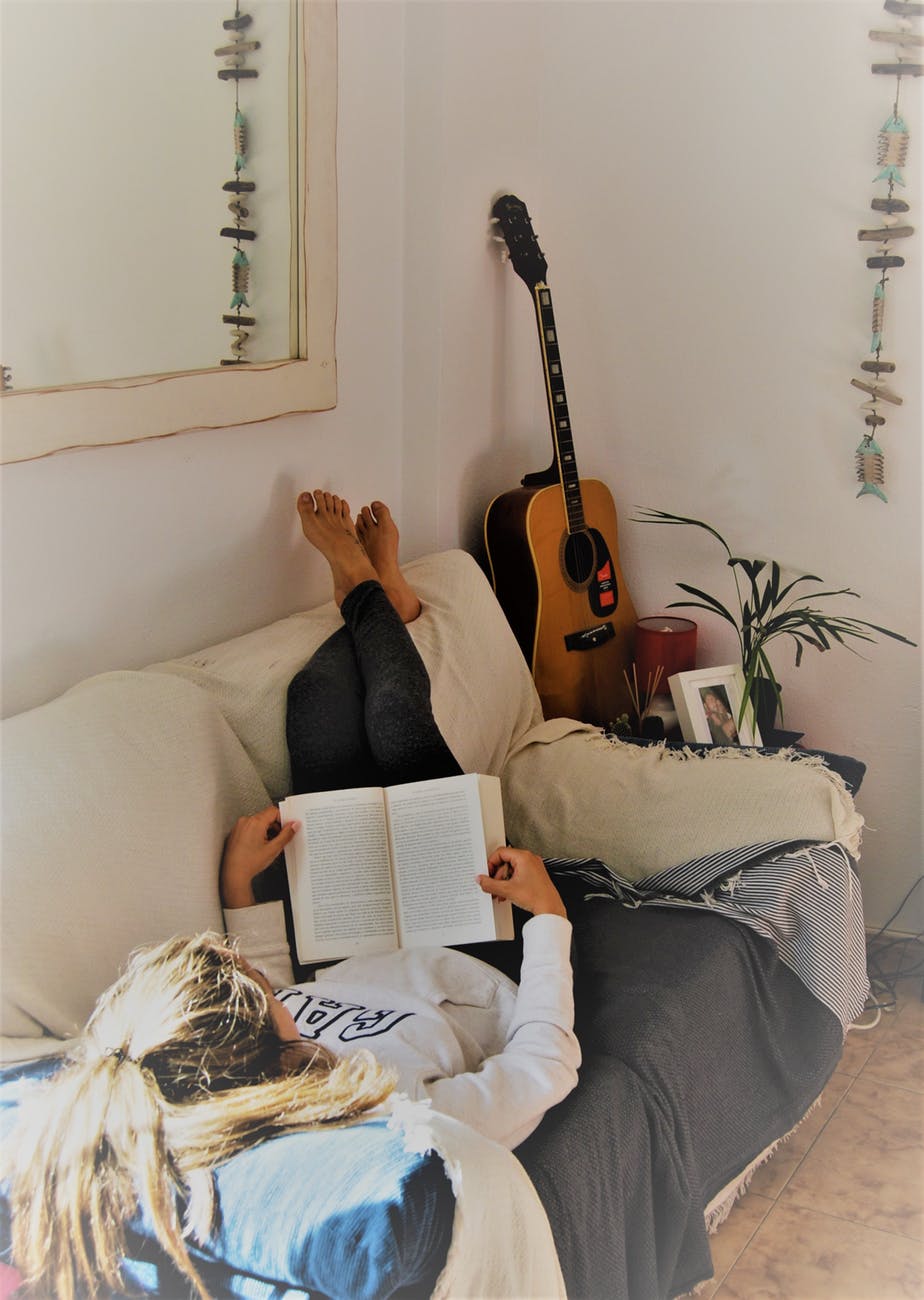
I started a new book which helps me go to bed earlier and stay connected to the world. Tomorrow is a new day, a day with possibly less pain.

Briskly I head to the garden to see what damage the storm did to our tomato plants. The rain is still pouring down, more storms are on the way, my flowers are getting their share of water.
Now a weather alert comes on television and I worry about my flower garden but the tomatoes are our prized plants this year.
Short but sweet this week. M
——————————————————————————————————-
Join us for the fun and sharing good media stories For more on the Stream of Consciousness Saturday, visit Linda Hill’s blog. Here’s the link:https://lindaghill.comHere are the rules for SoCS:
1. Your post must be stream of consciousness writing, meaning no editing, (typos can be fixed) and minimal planning on what you’re going to write.
2. Your post can be as long or as short as you want it to be. One sentence – one thousand words. Fact, fiction, poetry – it doesn’t matter. Just let the words carry you along until you’re ready to stop.
3. There will be a prompt every week. I will post the prompt here on my blog on Friday, along with a reminder for you to join in. The prompt will be one random thing, but it will not be a subject. For instance, I will not say “Write about dogs”; the prompt will be more like, “Make your first sentence a question,” “Begin with the word ‘The’,” or simply a single word to get your started.
4. Ping back! It’s important, so that I and other people can come and read your post! For example, in your post you can write “This post is part of SoCS:” and then copy and paste the URL found in your address bar at the top of this post into yours. Your link will show up in my comments for everyone to see. The most recent pingbacks will be found at the top. NOTE: Pingbacks only work from WordPress sites. If you’re self-hosted or are participating from another host, such as Blogger, please leave a link to your post in the comments below.
5. Read at least one other person’s blog who has linked back their post. Even better, read everyone’s! If you’re the first person to link back, you can check back later, or go to the previous week, by following my category, “Stream of Consciousness Saturday,” which you’ll find right below the “Like” button on my post.
6. Copy and paste the rules (if you’d like to) in your post. The more people who join in, the more new bloggers you’ll meet and the bigger your community will get!
7. As a suggestion, tag your post “SoCS” and/or “#SoCS” for more exposure and more views
.8. Have fun!

Feel free to use the ‘Weekend Music Share‘ banner in your post, and don’t forget to use the hashtag #WeekendMusicShare on social media so other participants can find your post.
Last week I shared a song that brought back sad memories from my teenage years. The song this weekend is one of my favorite songs, it gives me the boost that I can do anything, just do it. Though the song ends in death, overlook that part since that’s not my story. Thank you for reading/listening, have a great weekend.
I’m having problems with Brainy Quotes, it doesn’t allow me to copy the graphics. This is the second time, are you having a problem with their quotes? Find another…..there’s always another. Have a super weekend, I’ll be watching for the HummingBirds to start their migration to the south. Feeders out and we’re ready. M



1988
US Surgeon General C. Everett Koop reports on the addictive properties of nicotine, described as on par with cocaine and heroin. A dedicated campaigner against smoking, his public advocacy will be credited with helping spur declines in cigarette use during his tenure and beyond.
1929
On this day in 1929, the Academy of Motion Picture Arts and Sciences hands out its first awards, at a dinner party for around 250 people held in the Blossom Room of the Roosevelt Hotel in Hollywood, California.
1964
1980
1956
On this day in 1956, executives from the Detroit-based automotive giant General Motors (GM) dedicate the new GM Technical Center in Warren, Michigan. Costing around $100 million–or about half a billion in today’s dollars–to develop and staffed by around 4,000 scientists, …read more
No birthdays this week, my body is rejecting me. Hope you have a great afternoon. M
Real Simple
By Eleni N. Gage Updated: October 12, 2017
These preservatives are common, but health concerns have cropped up.
Parabens have been widely used in products to prevent bacteria growth since the 1950s. “About 85 percent of cosmetics have them,” says Arthur Rich, Ph.D., a cosmetic chemist in Chestnut Ridge, New York. “They’re inexpensive and effective.” New York City dermatologist Fran E. Cook-Bolden explains, “Parabens have a long history of safe use, and that’s why they’re commonplace. New preservatives have less of a proven track record.” In fact, typically, more than one form of the ingredient is used in a product. The most common are butylparaben, methylparaben, and propylparaben. Over the last few years, however, in response to customer concerns, many brands have started to manufacture (and label) paraben-free products, including lotions, lipsticks, shampoos, scrubs, and more.
In the 1990s, parabens were deemed xenoestrogens―agents that mimic estrogen in the body. “Estrogen disruption” has been linked to breast cancer and reproductive issues. And in 2004 British cancer researcher Philippa Darbre, Ph.D., found parabens present in malignant breast tumors. As a result, experts in many countries are recommending limits on paraben levels in cosmetic products. What’s more, watchdog organizations worry that if parabens can be stored in the body, over time they could have a cumulative effect and pose a health risk.
But here’s the flip side: Critics of the British study point out that noncancerous tissue from healthy breasts wasn’t examined to see if parabens were also present there, and that the presence of parabens in tumors doesn’t prove that they caused the cancer. Other studies have shown parabens to have a very weak estrogenic effect. All this leads to concern about the unknown. Cook-Bolden tells her patients that “so far there’s no scientific evidence to support any link with any form of cancer.” Currently, the amount of parabens in any product is typically quite small. The U.S. Food and Drug Administration and the World Health Organization consider the chemicals safe at low levels.
There’s reason to be mindful, but no reason to have an all-consuming concern about these chemicals. If it helps you rest easy, use a paraben-free body lotion (which coats a large area of skin). Today there are a number of formulas available from paraben-free brands (see below). Labels that list the preservatives as one of the last four ingredients also indicate that the chemicals are present in very small amounts, says Andrea Kane, editor of Theorganicbeautyexpert.com.
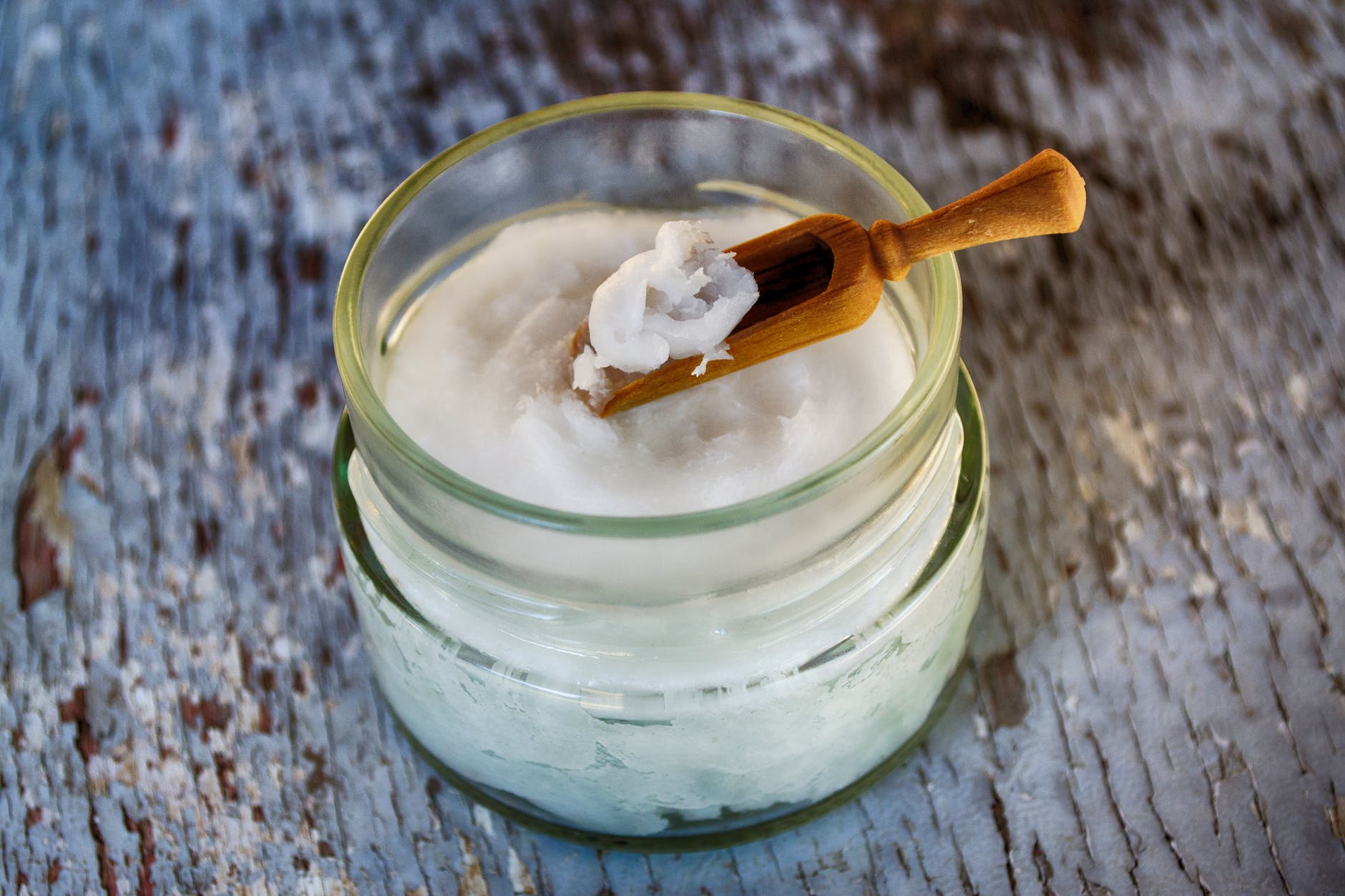
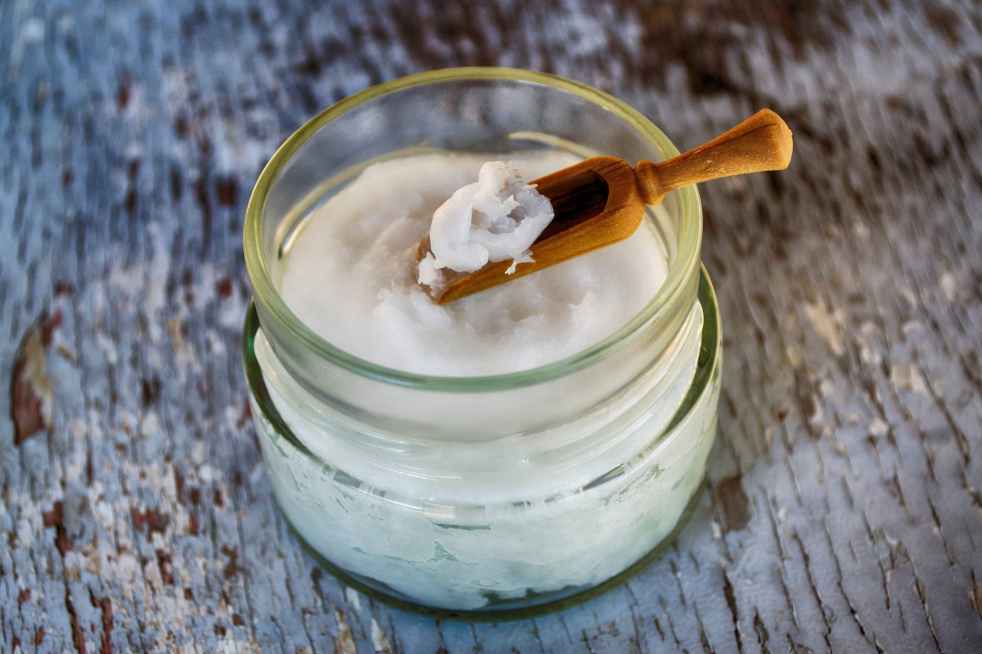
If you want to play it extremely safe, use a few oil-based organic products that don’t contain water (which calls for a preservative). They often come in dark containers with a pump so that light and air don’t degrade them quickly. “With truly natural products, just stay within their use-by date,” says Kane. “It’s like milk―the date is there for a reason.”
Vivaldi makes me happy, ready to celebrate, and dance all night. I don’t listen to Classical music except Vivaldi. The music never makes me feel sad.
I am alive, happy, productive and helping other Survivors. I’m very blessed.
My childhood and teenage years were so difficult I truly believed suicide was the only answer. My first attempt was at 9 years old, I took all the pills in my dad’s medicine cabinet. I got a buzz then my stomach pumped. Suicide was always on my mind since the abuse was every day. If it wasn’t physical abuse, it was constant mental abuse by my mother. At the same time, I saw my mother physically and emotionally abused by my alcoholic stepfather.
At 13 years old I left my abusive life behind. It sounds great but you are so wounded you don’t want to look anyone in the eye, they may hit you or call you names. My mind stripped down and filled with trash, my mother took every drop of confidence I had. Over time my confidence grew and I started building who I am today. I did get called names and had a couple good fights. Sounds like any teenager trying to spread their wings.
I have many unresolved emotions, responses, and fears. Who doesn’t? What I can say for sure, I’m a survivor and so much more. Survivors have to dig really deep after being kicked down. It took years for me to discover what I liked and longer to get over my fear of failure.
My mother told me I was stupid all the time. I know better when I look at the books I’ve read. I do research on the internet and find internal Medical presentations. Last week was a 155 page presentation by the FDA on ECT to the medical community. I didn’t just find it, I understood entirely and told my husband about it. I’m not stupid.
I love art, music, photography, interior design, ancient history, and archeology. At the height of my career, I earned over 300K a year, #1 on the sales force. I can grow beautiful roses, collect antique cameras. I love to travel and went to Russia by myself. I’m not stupid.
I’ve had over 20 ECT Treatments while battling the Black Dog, married three times and started drinking at 9 years old. I’ve made plenty of mistakes while building the person I am today at 50 years old. I’m a survivor and so much more.
Warrior
April 15, 20195:00 AM ETHeard on Morning Edition
ANGUS CHEN
The first time Jessica Calise can remember her 9-year-old son Joseph’s anxiety spiking was about a year ago, when he had to perform at a school concert. He said his stomach hurt and he might throw up. “We spent the whole performance in the bathroom,” she recalls.
After that, Joseph struggled whenever he had to do something alone, like showering or sleeping in his bedroom. He would beg his parents to sit outside the bathroom door or let him sleep in their bed. “It’s heartbreaking to see your child so upset and feel like he’s going to throw up because he’s nervous about something that, in my mind, is no big deal,” Jessica says.
Jessica decided to enroll in an experimental program, one that was very different from other therapy for childhood anxiety that she knew about. It wasn’t Joseph who would be seeing a therapist every week — it would be her.
The program was part of a Yale University study that treated children’s anxiety by teaching their parents new ways of responding to it.
“The parent’s own responses are a core and integral part of childhood anxiety,” says Eli Lebowitz, a psychologist at the Yale School of Medicine who developed the training.
For instance, when Joseph would get scared about sleeping alone, Jessica and her husband, Chris Calise, did what he asked and comforted him. “In my mind, I was doing the right thing,” she says. “I would say, ‘I’m right outside the door’ or ‘Come sleep in my bed.’ I’d do whatever I could to make him feel not anxious or worried.”
But this comforting — something psychologists call accommodation — can actually be counterproductive for children with anxiety disorders, Lebowitz says.
“These accommodations lead to worse anxiety in their child, rather than less anxiety,” he says. That’s because the child is always relying on the parents, he explains, so kids never learn to deal with stressful situations on their own and never learn they have the ability to cope with these moments.
“When you provide a lot of accommodation, the unspoken message is, ‘You can’t do this, so I’m going to help you,’ ” he says.
Lebowitz wondered if it would help to train parents to change that message and to encourage their children to face anxieties rather than flee from them.
Currently the established treatment for childhood anxiety is cognitive behavioral therapy delivered directly to the child.
When researchers have tried to involve parents in their child’s therapy in the past, the outcomes from studies suggested that training parents in cognitive behavioral therapy didn’t make much of a difference for the child’s recovery. Lebowitz says that this might be because cognitive behavioral therapy asks the child to change their behavior. “When you ask the parents to change their child’s behavior, you are setting them up for a very difficult interaction,” he says.
Instead, Lebowitz’s research explores whether training only the parents without including direct child therapy can help. He is running experiments to compare cognitive behavioral therapy for the child with parent-only training. A study of the approach appeared in the Journal of the American Academy of Child & Adolescent Psychiatry last month.
Jessica Calise received 12 weeks of Lebowitz’s parent training as part of a follow-up study, the results of which are not yet published.
Once a week, she drove from Norwalk, Conn., to Yale University for an hourlong session with a therapist. Like all the parents who went through Lebowitz’s training program, Jessica began forming a plan with the therapist on how she and her husband would stop swooping in when Joseph became anxious.
The key to doing that, Lebowitz says, is to make children feel heard and loved, while using supportive statements to build their confidence. Parents need to “show their child that they understand how terrible it is to feel anxious,” he says. They need to accept that their child is “genuinely anxious and not just being attention seeking,” he adds.
The next step is to tell children that “they can tolerate that anxiety and they don’t need to be rescued from it.” This helps give them the strength to face their fears, Lebowitz says.
This approach was hard at first, says Joseph’s father, Chris Calise. He’s a construction equipment operator, roughly 6 feet tall, with a frame as solid as brick. “The hardest hump for me was the way I was brought up,” he says, rapping his fingers against the kitchen table. “I always thought the way you do things [is to say], ‘Get over it. You’re fine. Suck it up.’ But it was obvious what we were doing wasn’t working.”
So, the parents committed themselves to a plan to get Joseph to feel comfortable sleeping and showering alone.
“It was baby steps first. I’d say, ‘I’m not going to stay [outside the bathroom], but I’ll come back and check on you in five minutes,’ ” Jessica says. “Then I would say, ‘I know it’s scary for you, but I know that you can do it. You’re going to do great.’ Just acknowledging the anxiety and providing the reinforcing statement.”
It was slow at first, Jessica says. But each time, as she’d been trained, Jessica would praise Joseph when he managed to pass the time on his own. “[We’d] say like, ‘Wow, you’re a rock star! You were nervous and scared, but you did it, and you can do it,’ ” she says.
And, slowly, Joseph started to spend longer amounts of time by himself, eventually sleeping on his own all night. “It was about halfway through when you really started noticing big differences,” Chris recalls. “He was becoming more confident. He just did things on his own without us having to ask or tell him.”
Many parents in Lebowitz’s recently published study had a similar experience. Nearly 70 percent of the 64 children who were assigned to the parent-training arm of the experiment had no anxiety by the end of the study.
“It is amazing. It is really exciting. These children had never met a therapist and were as likely to be cured of their anxiety disorder as the children who had 12 sessions of the best therapy available,” Lebowitz says of the results of his recently published study.
The parent training seems to work because it lets children confront their anxieties while parents provide love and support from afar, says Anne Marie Albano, a psychologist at Columbia University who did not work on the study.
“You coach the child a bit but don’t take over. It’s helping the child stumble into their own way of coping and ride whatever wave of anxiety they’re having,” she says. “That ultimately builds their confidence.”
That suggests this parent training has a lot of potential to advance childhood anxiety treatment, Albano says. “It is preliminary, but this paper is very exciting to me as someone who worked for 30 years in this field,” she says. “This treatment brings in the parents, finally, and focuses on the ways parents need [to stop] taking over, to break the cycle of anxiety in kids.”
Lebowitz’s parent training is theoretically similar to traditional therapy, says Muniya Khanna, a psychologist at Children’s Hospital of Philadelphia and director of the OCD & Anxiety Institute in Philadelphia, who was not involved with the work. “But, this gets at it from a different angle,” she says. “It targets lifestyle change and says, yes, if you change lifestyle and family life, it can have almost the same effect as changing the child’s theoretical understanding about [anxiety].”
Khanna thinks that combining this parent program with traditional therapy might yield even better results, particularly for children who haven’t responded to behavioral therapy alone. “It’s encouraging for families where kids may not be developmentally or emotionally ready to take on cognitive behavioral therapy,” she says.
The study leaves many unanswered questions, Albano adds. “This is only a short-term outcome. We need to follow up [with] the kids at six months, 12 months, even several years,” she says. Not only does it remain to be seen if the benefits from the parent training persist as the child gets older, but more research will also need to be done to see if the same techniques will continue to work as children age into teenagers.
Jessica and Chris Calise say that they even use the techniques they learned through the parent-training program with Joseph’s twin sister and older brother, Isabella and Nicholas. “It’s important to validate your kids’ feelings and show them that we care,” Jessica says. “I think this taught us to communicate better. I think it made us better parents, quite honestly.”
Joseph says he no longer feels anxiety about being alone. He doesn’t enjoy it, “but I’m OK with it,” he says. He has learned to banish the frightening thoughts that would come when he was by himself and that kept him up at night. “If I get a nightmare, I just change the subject to something happy,” he says. “Then I’m fine.”
New fears come up from time to time — like a recently discovered fear of heights. But with his parents’ support, Joseph says, he’s learning to face these too. “I think I’ll be OK,” he says. “I’ll just try to do it.”
Angus Chen is a reporter based in New York City. Follow him on Twitter: @angRchen.
April 16, 2019
The pair will be co-creators and executive producers of the series, according to an announcement on Wednesday from Kensington Palace via Harry and Meghan’s new Instagram account, SussexRoyal.
The multi-part series is due to be broadcast next year on the recently announced US streaming service, Apple TV+, which will launch this autumn. It’s not yet known, however, how viewers in the UK will be able to watch.
According to the statement, the show will “focus on both mental illness and mental wellness, inspiring viewers to have an honest conversation about the challenges each of us faces, and how to equip ourselves with the tools to not simply survive, but to thrive.”
The palace said the series would build on the Duke of Sussex’s extensive work on mental health.
Harry has previously spoken out about the “quite serious effect” the death of his mother, Princess Diana, had on his life, and said that he has “probably been very close to a complete breakdown on numerous occasions.”
“I truly believe that good mental health — mental fitness — is the key to powerful leadership, productive communities, and a purpose-driven self,” said Harry, in a statement about the documentary.
He also revealed that he feels the “huge responsibility to get this right as we bring you the facts, the science, and the awareness of a subject that is so relevant during these times.”
“Our hope is that this series will be positive, enlightening, and inclusive — sharing global stories of unparalleled human spirit fighting back from the darkest places, and the opportunity for us to understand ourselves and those around us better,” he said.
Harry has previously been very involved in raising awareness and advocating around the issue of mental health.
In 2016, the Royal Foundation — the main philanthropic and charitable vehicle for the Duke and Duchess of Cambridge and the Duke and Duchess of Sussex — launched the Heads Together initiative, to tackle stigma and change the conversation around mental health.
“His Royal Highness has spent many years working with communities throughout the UK and young people across the Commonwealth to break the stigma surrounding mental illness and broaden the conversation of mental wellness to accelerate change for a more compassionate, connected, and positive society,” the palace statement added.
According to the World Health Organisation (WHO), half of all mental illness begins by the age of 14 — but most cases go undetected and untreated.
“Fortunately, there is a growing recognition of the importance of helping young people build mental resilience, from the earliest ages, in order to cope with the challenges of today’s world,” it adds.
“Evidence is growing that promoting and protecting adolescent health brings benefits not just to adolescents’ health, both in the short- and the long-term, but also to economies and society, with healthy young adults able to make greater contributions to the workforce, their families, and communities and society as a whole,” it says.
The WHO also adds that specific focus and investment should be given to programmes that work to “raise awareness among adolescents and young adults of ways to look after their mental health and to help peers, parents, and teachers know how to support their friends, children, and students.”
This article originally appeared on Global Citizen. You can find the original story here.
I was always the odd kid out, didn’t make friends easy, would only have one friend at a time, lied to get attention and cut myself to see who cared.
When you’re abused as a child you keep your world silent, I told no one, that’s the key reason I didn’t want to have friends. My step-father was a drunk so I couldn’t invite friends over, I didn’t want to get close to someone and share my secret.
Junior High is a tumultuous time for all teens, trying to figure out who we are, soon going to eight grade and being the rookie again.
I hated myself, when your abused everyday and called names that are horrible, it’s easy to believe overtime the evil thrown at you is real.
In sixth grade, I tried drugs and spent every morning across from the school huffing paint. Any escape worked for me no matter how small.
I walked home and provided a great target for bullies. First is was pushing, calling me a slut and anything else a sixth grader could come up with. It escalated to a dangerous level when a rumor started that I made fun of my best friend that had a cleft palate. We were friends from birth, they lived next door.
Kids would come from behind, hit me over the head with a coke bottle, throw rocks at me and pushing me to the ground. It then escalated to a fight in her backyard with thirty of my classmates looking on. I didn’t fight back, it would do no good, just took what was dished out. She pushed me down and my head hit the side of the pool, I was bleeding.
This was going to be hard to hide from my mother, a scratch on my face and a bleeding head. I looked quietly for the supplies to fix myself only to get caught. I was so humiliated, my drunk step-father went over to their house and was going to kick her dad’s ass. This is one example of why my pain physical and mental was hidden from the world. I didn’t even tell my grandparents.
Bullying happens everyday via social media and pressures at school. It may look different but the pain of bullying still hurts and cuts very deep. Stay close to your children and who and what they are doing on social media.
Melinda
Associated Press April 18, 2019
By TERRY SPENCER, KELLI KENNEDY and COLLEEN SLEVIN
PARKLAND, Fla. (AP) — Alex Rozenblat can still hear the cries of a wounded boy calling for help as she hid from the gunfire that killed 17 people at Marjory Stoneman Douglas High School last year.
Talking to therapists at the school in Parkland, Florida, didn’t help. Each session had a different counselor, and she found herself rehashing traumas she had already expressed. She would rather turn to her friends, who understand what she went through.
“There is slight pressure to get better as quickly as you can, and since it’s been a year, everyone thinks that you are better,” the 16-year-old said.
The mental health resources after a school shooting range from therapy dogs and grief counselors at school to support groups, art therapy and in-home counseling. But there is no blueprint for dealing with the trauma because each tragedy, survivor and community is different. Many survivors don’t get counseling right away — sometimes waiting years — making it difficult to understand the full impact.
The struggle is getting them to seek help in the first place. In the two decades since the Columbine High School massacre, a network of survivors has emerged, reaching out to the newest victims to offer support that many say they prefer to traditional therapy.
As the anguish festers, the danger grows, illustrated by the recent suicides of two Marjory Stoneman Douglas survivors and a father whose young child died in the shooting at Sandy Hook Elementary in Newtown, Connecticut.
“It changes the community,” said psychologist Robin Gurwitch, a trauma specialist at Duke University Medical Center.
Grief, troubling memories and emotions can bubble up any time for survivors and even community members who didn’t see the bullets fly, she said. They can hit on anniversaries of the tragedy, birthdays of victims, graduations and new mass shootings, Gurwitch said. The trauma can even rush back with a song, favorite meal, video game or fire alarms.
“There’s never a time limit. We don’t get ‘over it.’ We hope we learn to get through it and cope,” Gurwitch said.
Survivors of the Columbine attack, which killed 12 Colorado students and a teacher on April 20, 1999, started The Rebels Project, which is part of a loose nationwide network of survivors of mass attacks.
The groups reach out after each shooting. They held a packed meeting for survivors and parents in Parkland this month, describing how they have learned to cope over the years through therapy, exercise and hobbies and assuring the Florida community that their pain is normal.
My parents divorced when I was six, we moved around a lot until my mother remarried. I went to live with my father at age 12 and found myself the new kid in town. When this song came out, it reminded me of those lonely teenage years.
Feel free to use the ‘Weekend Music Share‘ banner in your post, and don’t forget to use the hashtag #WeekendMusicShare on social media so other participants can find your post.
#weekendmusicshare
A medida que las temperaturas se calientan, las posibilidades de encontrar garrapatas aumentan. Hace poco una PA dijo que no tenemos a Lyme en Texas, ¿qué? Sí, las enfermedades aburridas de Lyme o garrapatas están en todos los estados. Algunos estados tienen un mayor porcentaje de casos, pero no se engañe, las enfermedades transmitidas por garrapatas se encuentran en todos los estados de los Estados Unidos. Ahora hay 30 cepas de enfermedades nacidas por garrapatas y se descubren más cada año. Este año, una enfermedad más nacida de garrapatas mortal, se descubrió la enfermedad de Powassan y es la más mortal. Por favor tome nota y protéjase y proteja a los niños
Esta publicación es una combinación de fotos, fragmentos de la publicación anterior y nueva información. Si tiene preguntas, visite el sitio web de ILADS para obtener la información más precisa sobre las enfermedades nacidas por garrapatas. Esta asociación es para los médicos que tratan a Lyme, los educadores de Lyme y la comunidad médica que están allí para aumentar el conocimiento.
Estoy caminando después de pasar cuatro años en la cama, ¿cómo podría haber algo peor que la enfermedad de Lyme? Las enfermedades que deja Lyme son debilitantes y peores. He perdido cuatro años de mi vida, gritando de dolor, narcóticos, nueve meses de tratamientos de infusión de antibióticos dos veces al día. No puedo enfatizar lo suficiente lo peligrosas que son las enfermedades transmitidas por garrapatas, pueden matarte a ti ya tus hijos. Si ya tienes un sistema inmunitario comprometido, estás comenzando detrás de la curva. He hablado con muchos en WordPress con Chronic Lyme, muchos de ellos pasaron de 10 a 15 años antes del diagnóstico. Piensa en el dolor y el aislamiento de nuestros compañeros bloggers.
La gente ha dicho que no tenemos garrapatas, porque una enfermedad de Lyme y Powassan se transmite por muchas fuentes distintas a las garrapatas, mosquitos, moscas de la arena, y son solo algunos de los culpables. En los animales salvajes de todo tipo de animales mueren, muchas plagas visitan el buffet. La criatura que tiene la enfermedad de Lyme te muerde y hay una pequeña ventana para recibir atención médica.
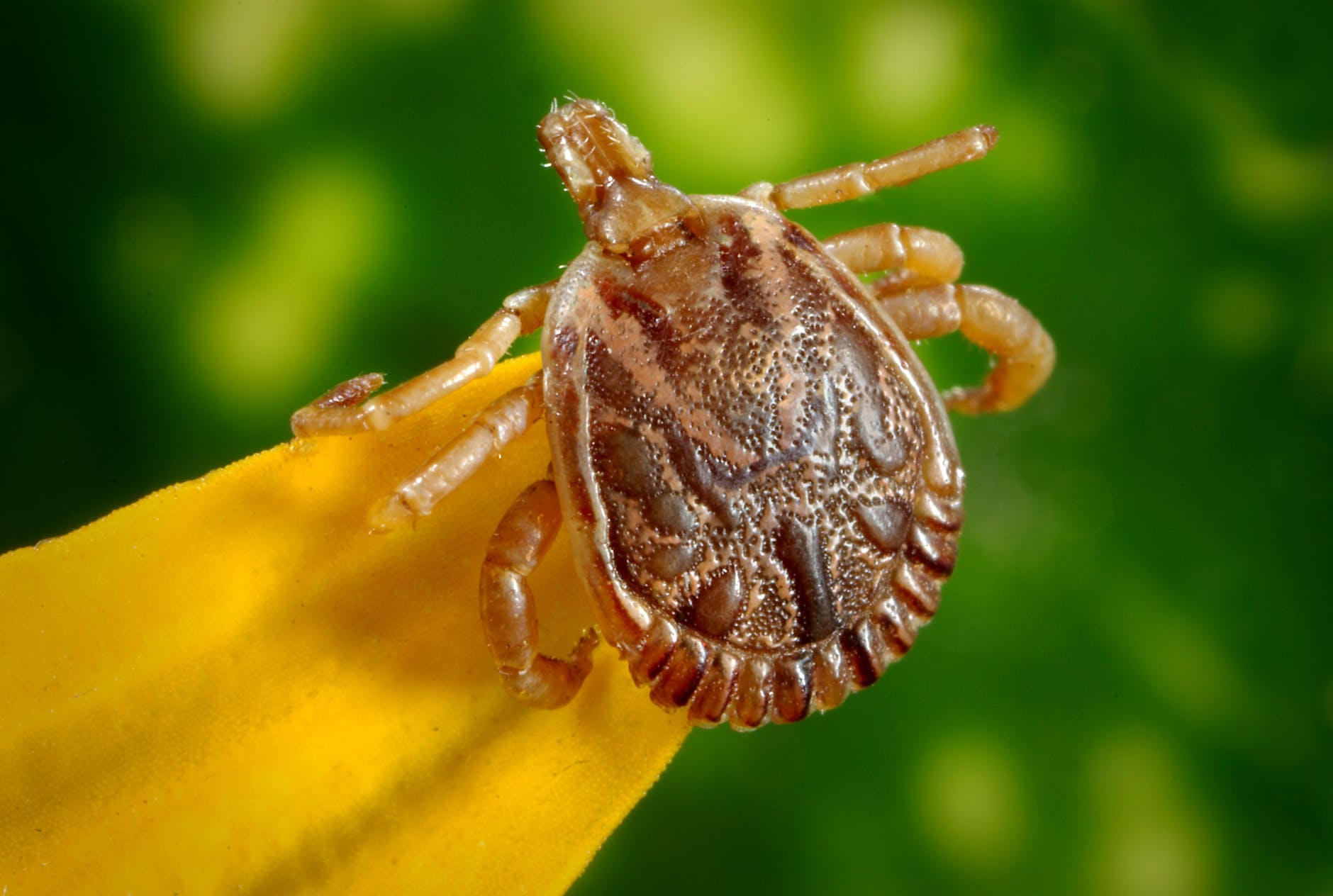
El objetivo de la plaga voladora es la sangre, tienen que comer. No discriminan a dónde van a almorzar. Las garrapatas que son portadoras de enfermedades transmitidas por garrapatas son más pequeñas que un grano de arroz, trate de encontrar que al hacer una verificación de garrapatas no las verá.
Antes de vestirse, rocíe protector solar con repelente de insectos con 20% de DEET. Responda cada hora si está sudando o en áreas muy boscosas. Use remojos blancos con la pierna del pantalón metida en pantalones de colores claros. Use una camisa blanca o de color claro, un sombrero que sea más largo en la espalda para cubrir su cuello. Esté atento con sus hijos, si juega afuera, rocíe. Más vale prevenir que curar.
Lo que es más importante, verifique usted y los niños a lo largo del día. Tome un poco de cinta y, si ve una garrapata, no la toque, sáquela con cinta. Cuando salga de excursión use ropa de colores claros, meta los pantalones en los calcetines, use un sombrero que cubra la parte posterior del cuello. Lyme Dieses no es sexy.
Mira estos videos extremadamente importantes y edúcate. Conocer los signos tempranos y un tratamiento antibiótico corto pueden proporcionar una cura. La erupción de ojo de buey de la que hablan los médicos solo ocurre el 30% del tiempo.
La prueba de Lyme que utilizan los médicos solo cubre algunas de las 30 cepas de Lyme. He tenido varias pruebas en los últimos cuatro años y en una sola vez no obtuve resultados positivos para Lyme.
La enfermedad de Lyme crónica causa otras enfermedades crónicas a su paso y pueden aparecer nuevas enfermedades en cualquier momento. Ahora sufro de fibromialgia, demencia, neuropatía, pérdida de equilibrio y otros problemas cognitivos. Mi vida no ha vuelto a la normalidad y nunca lo hará.


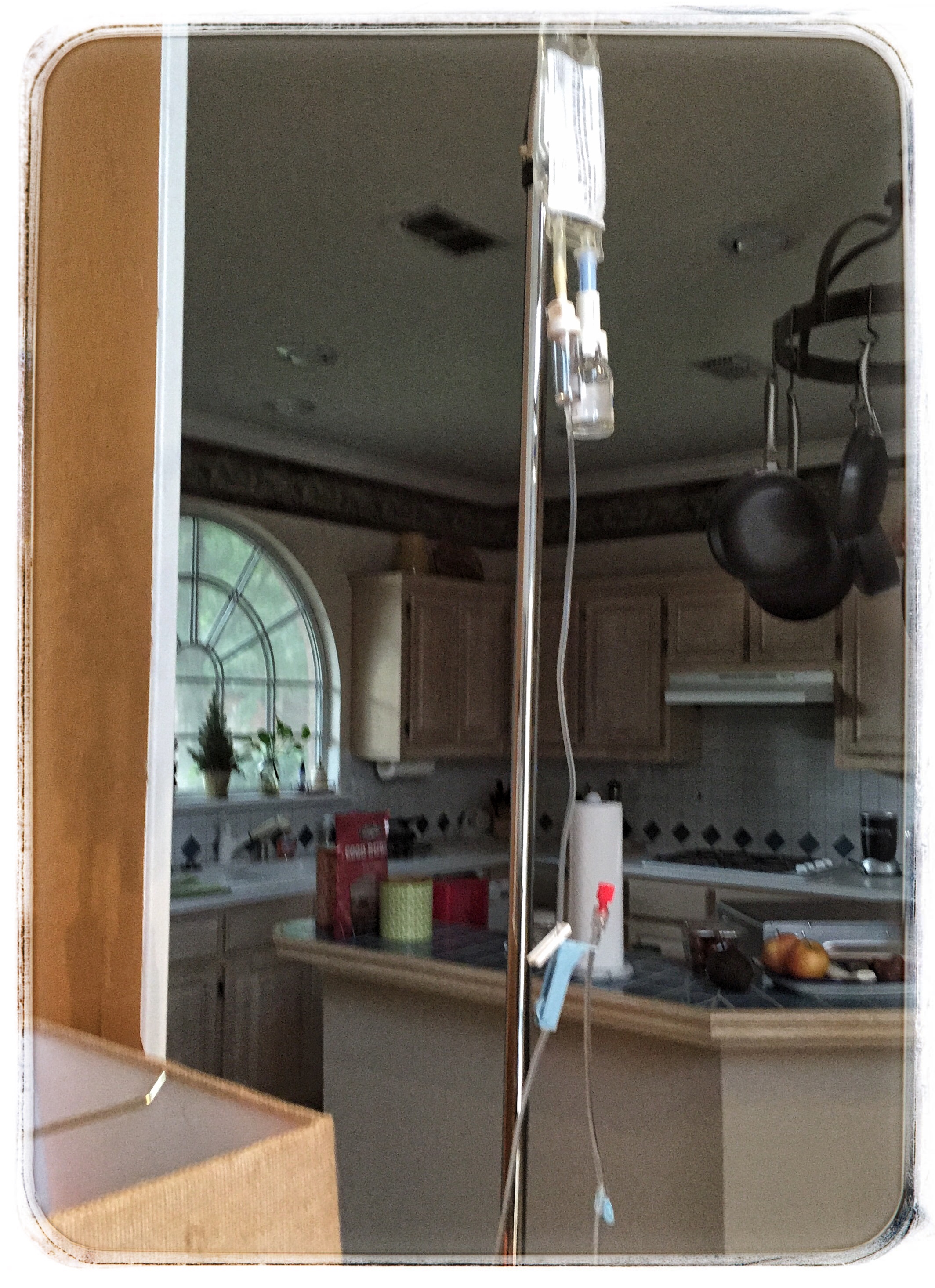
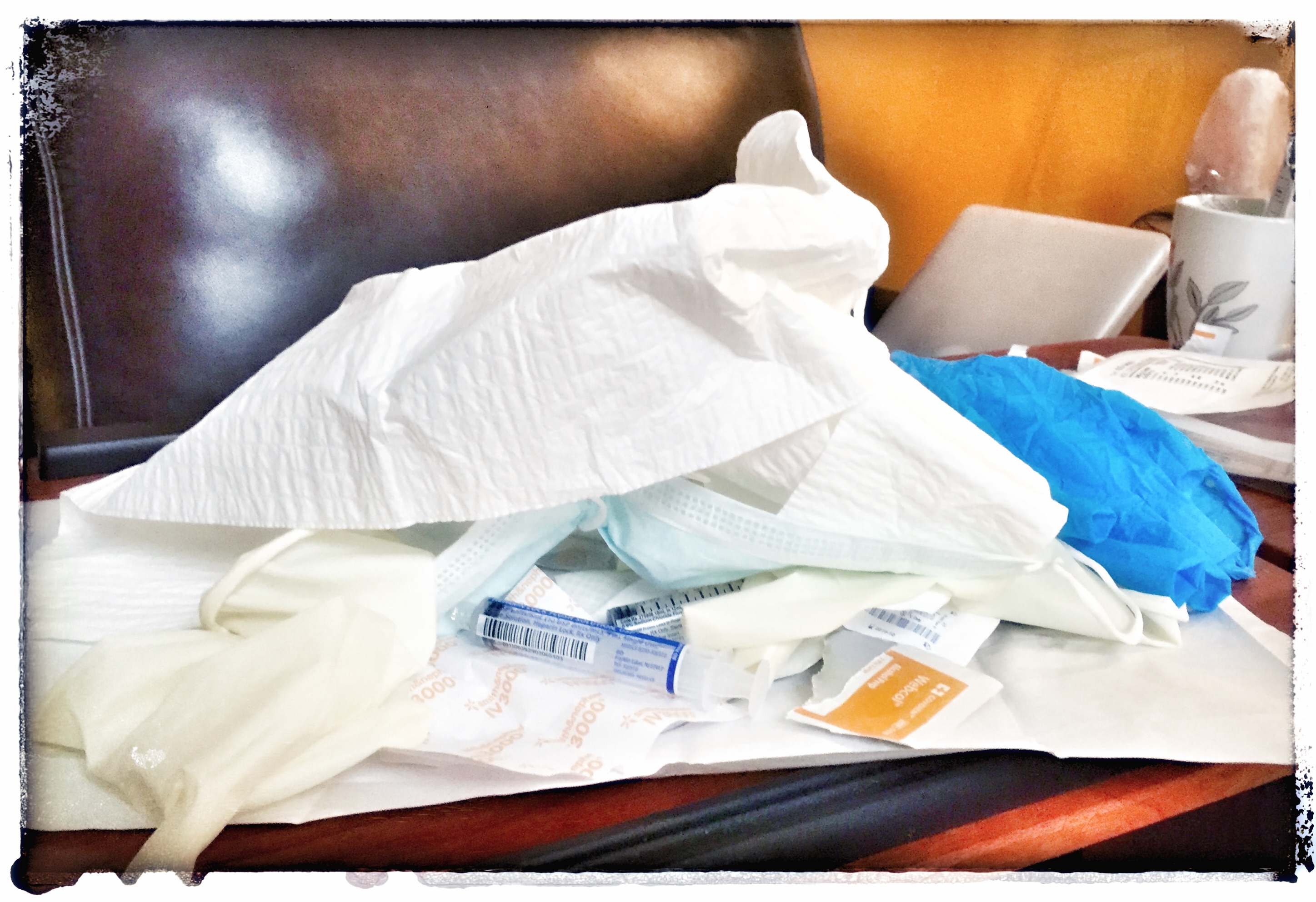
Seven days of IV’s




No man has a good enough memory to be a successful liar.
Abraham Lincoln
—————————————————————————————-
To succeed in life, you need three things: a wishbone, a backbone and a funny bone.
Reba McEntire
———————————————————————————————–
If you could kick the person in the pants responsible for most of your trouble, you wouldn’t sit for a month.
Theodore Roosevelt
———————————————————————————————————–
1914
Since 1905, Anna Jarvis has lobbied various officials to adopt a holiday honoring mothers, and she’s succeeded in convincing many US states to take part. Today, President Woodrow Wilson proclaims the second Sunday in May to be Mother’s Day and a US federal holiday.
1958
A tale of manic obsession and cruel deception, Alfred Hitchcock’s latest thriller has its world premiere. ‘Vertigo‘ will disappoint at the box office and receive lukewarm reviews, but will grow in stature to be considered one of history’s greatest films.
1671
Following an elaborate ruse played on the Tower of London’s custodian, Captain Thomas Blood and his henchmen attempt to steal the Crown Jewels. The Sceptre is sawn in two, the Crown flattened, and the Sovereign’s Orb hidden down a pair of trousers. Blood will be captured, but pardoned by King Charles II.
1960
The Food and Drug Administration (FDA) approves the world’s first commercially produced birth-control bill–Enovid-10, made by the G.D. Searle Company of Chicago, Illinois.
1950
On this day in 1950, Lafayette Ronald Hubbard (1911-1986) publishes Dianetics: The Modern Science of Mental Health. With this book, Hubbard introduced a branch of self-help psychology called Dianetics, which quickly caught fire and, over time, morphed into a belief system called …read more
BIRTHDAYS
Billy Joel 1949
Candice Bergen 1949
Prince Fielder 1984
Kathryn Kulman 1907
I hope you are having a great Wednesday, the tunes will get you dancing. M
U.S. Pain Foundation
Ellen Lenox Smith es codirectora de Cannabis medicinal para el dolor de los EE. UU. Y miembro de la Junta del dolor de los EE. UU. Ella vive con dos enfermedades raras: el síndrome de Ehlers-Danlos y la sarcoidosis. Después de años de luchar por encontrar alivio para el dolor sin efectos secundarios ni reacciones adversas, descubrió el cannabis medicinal. Ellen, una maestra escolar jubilada, ahora es una reconocida defensora de pacientes y trabaja incansablemente para fomentar el acceso seguro y justo a todas las opciones de tratamiento, especialmente el cannabis medicinal. Ha hablado en numerosas conferencias sobre el acceso al cannabis y ha aparecido ampliamente en los medios de comunicación sobre el tema. También es autora de dos libros: ¡Me duele como el infierno !: Vivo con dolor, tengo una buena vida de todos modos y mi vida como un perro de servicio. A continuación, aclara los mitos comunes que rodean el cannabis medicinal para el dolor. MITO # 1 : TODAS LAS PERSONAS QUE UTILIZAN CANNABIS DEBEN ESTAR “APILADAS” O “ALTAS”. Verdad: esto solo sucede si usa demasiada medicación. Las personas que viven con dolor obtienen alivio del dolor; Las personas que lo usan socialmente y sin dolor, se drogan! Además, el cannabis medicinal está compuesto por dos componentes: el THC, que causa los efectos mentales asociados con la sensación de estar alto, y el CBD, que produce efectos corporales. Varias variedades de cannabis tienen diferentes proporciones de THC y CBD, lo que significa que no todas las variedades crean tanto sentimiento de “alto”. MITO # 2: TODOS LOS QUE UTILIZAN LAS MISMAS EXPERIENCIAS DE RAYA, EL MISMO RESULTADO DE USARLO. Verdad: Cada cuerpo Puede tener una reacción diferente a cada cepa, incluso si tiene la misma afección médica. Se necesita paciencia. No se rinda en su primer intento, cada persona debe encontrar la tensión que mejor funcione para sus cuerpos. MITO Nº 3: TODOS LOS TIPOS DE CANNABIS TIENEN MUCHO THC EN ELLOS Y ME HACEN QUE SE SIENTA. Cepas de las plantas para elegir. Algunos tienen una proporción más alta de THC que otros y otros tienen un THC mucho más bajo y un CBD más alto. ¡Tómese tiempo para hacer su investigación antes de decidir qué tipo de cepa podría ser mejor para usted! Los profesionales de su dispensario médico local también son un buen recurso. MITO Nº 4: NO HAY RIESGOS AL USAR CANNABIS MÉDICO. Verdad: si bien el cannabis medicinal es considerado como mucho más seguro que muchos medicamentos, conlleva riesgos. Tenga especial cuidado cuando ingiera cannabis, ya que no se activará de inmediato y puede tardar hasta horas antes de que sienta el efecto. Entonces, si le das un bocado a esa galleta y crees que no sientes nada, no te comas el resto o te arriesgas a ingerir demasiado y ser muy alto, lo que puede causar una mala reacción, como la ansiedad. MITO Nº 5: CUANDO INGESTIGO CANNABIS , DEJARÁ MI SISTEMA RÁPIDAMENTE. Verdad: ingerir su medicamento significa que no solo demora más en activarse sino que también demora más antes de que salga de su sistema. Esta es una buena razón para tomarlo en pequeñas dosis para llegar a la dosis correcta para aliviar el dolor y no sentirse elevado. Si tomas demasiado, no te asustes. Se desgastará. pero puede tardar horas. MITO # 6: EL USO DE CANNABIS MÉDICO SOLO ME HACERÁ CANSAR. Verdad: Existen dos categorías principales de variedades de cannabis medicinal. Las cepas índicas tienen mayor CBD y menores recuentos de THC. Pueden ayudar con el aumento de la relajación mental y muscular; disminución de las náuseas y dolor agudo; y aumento del apetito y dopamina. Indica es típicamente preferido para uso nocturno. Mientras tanto, las cepas de sativa tienen un CDB más bajo y mayores recuentos de THC. Pueden ayudar con la ansiedad y la depresión; El dolor crónico, el aumento de concentración y la serotonina, usualmente se prefiere la Sativa para el uso durante el día. MITO Nº 7: TENGO QUE FUMAR CANNABIS MÉDICO SI LO HAGO PARA EL DOLOR. Verdad: Muchos no fuman cannabis para su medicamento. Puede, por ejemplo, elegir vaporizar, tomar pastillas, tinturas, tópicos, parches, aceites, comestibles e incluso usar bebidas. MITO # 8: MI MÉDICO ME ESCRIBIRÁ UNA RECETA PARA USAR CANNABIS MÉDICO. Verdad: en la mayoría de los estados, un médico necesitaría, en la mayoría de los estados, firmar un formulario de identificación y confirmación de que usted tiene una condición elegible, no una receta. Por lo general, usted usaría esta documentación para solicitar una tarjeta de cannabis medicinal de su estado. MITO Nº 9: NO IMPORTA A QUÉ ESTADO VIAJE, TODAS LAS LEYES SON IGUALES PARA EL USO MÉDICO DE CANNABIS. Verdad: cada estado tiene actualmente sus propias leyes. Algunos solo permiten el CBD de la planta de cáñamo, tres sin ninguna ley, y el resto con algún tipo de programa de cannabis medicinal establecido. Edúquese sobre las leyes específicas de su estado y sea cauteloso al viajar entre estados. MITO # 10: NECESITARÉ IR A LA FARMACIA Y ORDENAR MIS CANNABIS MÉDICA. Verdad: en algunos estados, se le permite crecer por su cuenta o tener un cuidador crece para ti Para otros, usted va al dispensario para comprar su medicamento. MITO Nº 11: TENGO MI CANNABIS MÉDICO CUBIERTO POR EL SEGURO. Verdad: solo el país de Alemania cubre actualmente el costo del cannabis. Para el resto de nosotros, no está cubierto, todavía. Solo una vez que el gobierno federal obtenga el cannabis fuera de la Lista I y todos los estados permitan un programa de cannabis medicinal, será posible la cobertura del seguro para cannabis medicinal. MITO # 12: YO SOY
Sauce y sabio por Stampington
Necesitará alrededor de 14 almohadillas de algodón2 TB. bruja hazel1 TB. aloe vera gel1 TSP. aceite de almendras dulces 1/4 TSP. Jabón de castilla Jarra de 4 oz con almohadillas faciales de algodón con tapa 14 Para hacer Agregue los ingredientes a una jarra de 4 onzas. Agitar suavemente el frasco para combinar los ingredientes. Agregue las almohadillas faciales de algodón al frasco, presionando las almohadillas hacia abajo en la liguid. Las almohadillas absorberán la mayor parte (o todo) del líquido. Asegure la tapa del frasco y guárdela en la teperuture de la habitación. Para usar Quite la almohadilla facial humedecida de la jarra y limpie su cara con ambos lados de la almohadilla para quitar el maquillaje. Lávese la cara con un limpiador facial después de usar las toallitas. Dado que la solución solo contiene 14 almohadillas faciales, necesitará hacer una nueva solución cada dos semanas.
RAINN
“I’ve been told my entire life that it was impossible for this kind of thing to happen to me.”
Johnathon Cassidy was sexually assaulted by a stranger he met while at a local bar. The perpetrator put a date-rape drug in Johnathon’s drink, sexually assaulted him in a car, stole his personal belongings, and left him unconscious at a bus stop.
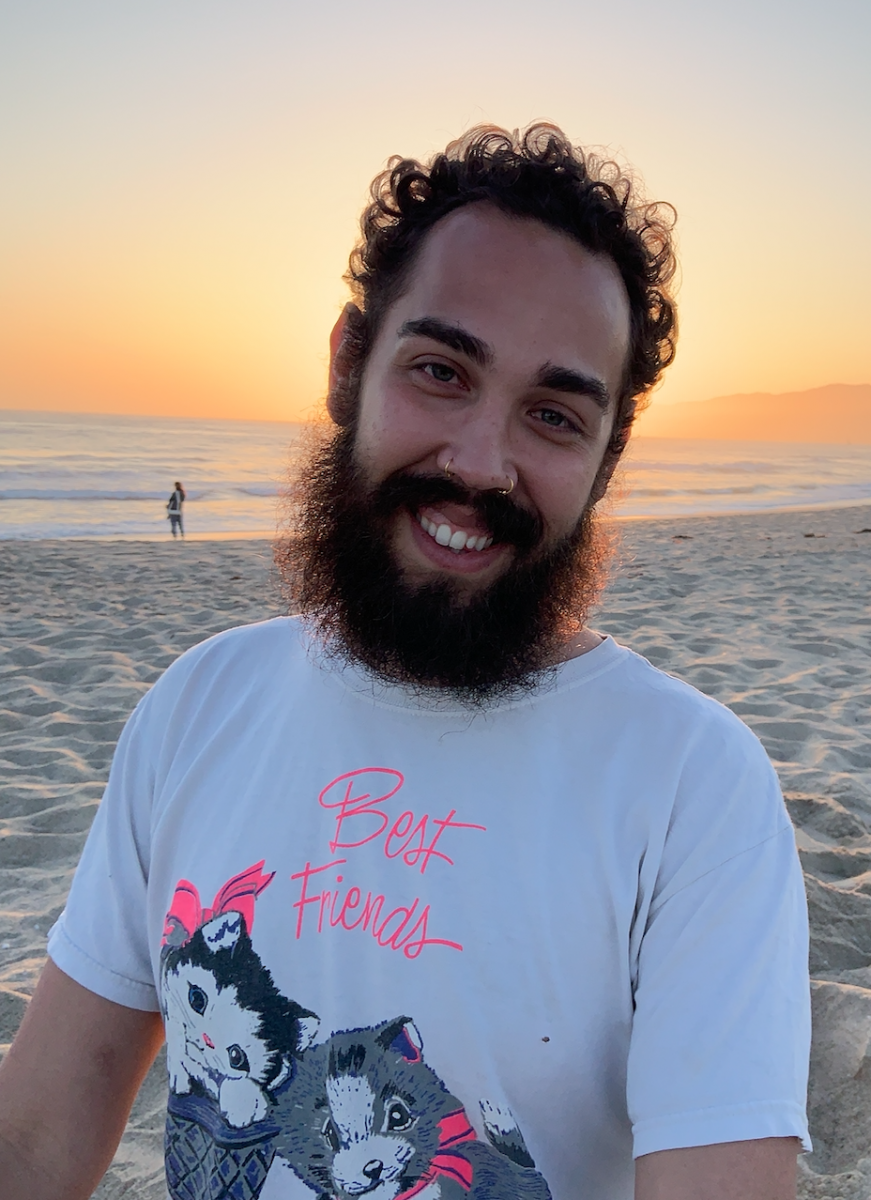
“When I was raped I was 6’4” and 220 lbs. I truly believed that I could go anywhere I wanted and no one would bother me—I’m part Samoan, I’m hefty, I wear cowboy boots that make me even taller—I was the defender. Everyone always said ‘Go with Johnny, you’ll be safe with him.’ I’ve been told my entire life that it was impossible for this kind of thing to happen to me.”
A week after the assault, Johnathon told his best friend at the time what had happened. He reacted in an unsupportive way, making it seem like the assault was an inconvenience because it happened at their favorite bar. He told Johnathon that he wanted to go back to the bar and pressured him into returning. “I was too ashamed to say I was afraid to go and I didn’t want to make my friend feel awkward. So I went back. It was a horrible experience, and to this day he doesn’t realize the impact his response had on me.”
5 words that describe me:
Sexual assault can happen to anyone:
“My parents would always tell my sisters that if Johnny is with you, you’ll be safe. It became part of my identity. I truly believed that I could go anywhere I wanted and no one would bother me.”
On STIs after sexual assault:
“I was so upset when I found out I had an STI. I felt like this guy was still inside me and I couldn’t get him out. My body still wasn’t my own.”
Because of this first negative experience telling someone about the assault, he didn’t feel that there was a point to sharing his story with others. The fact that his friends and family did not know about it made him feel even more isolated and distant. “All I wanted to do was scream, to tell them ‘Your son, your brother, your friend was raped’ so they would know what I was going through. But I couldn’t; I just gave up.”
He later shared his story with his roommate, who reacted in a supported and caring way and helped him get access to testing when he developed symptoms of a sexually transmitted infection (STI) from the assault. “She was the supportive person I needed. She was the angel who helped me begin my recovery.”
When he went in for testing he had to retell his story multiple times to the medical staff—making him relive the trauma each time. The staff did not react in a supportive way, and they continued to ask repeatedly if Johnathon wanted to report to law enforcement even after he said no multiple times. “The doctors made me feel so uncomfortable and insignificant. And what was there to report? I couldn’t imagine how they would help me besides just make me retell my story again. I was just so embarrassed.”
Johnathon said that what he felt was most lacking in his medical experience after the assault was compassion and continued resources. “I told them I was raped and they gave me no resources or advice on what I could do next. I had to go home and google ‘what to do if you are raped’ and RAINN came up.”
Johnathon had intense feelings of anger, sadness, shame, self-blame, isolation, and alienation after the assault. “I punched a giant hole in my wall then broke down crying. I was just so sad. I wanted it to be over.” He experienced anxiety attacks, PTSD, depression, trouble eating, and loss of relationships in his life. “I didn’t want to end my life, but I thought all the time about how nice it would be to just not be, to not feel. All I wanted to do was sleep because then I would have to live less of the day and not feel anymore.”
Before the assault, Johnathon found an immense amount of fulfillment and purpose in his job as a hair and makeup artist. “I loved my job so much; it was transformative. I had the ability with my hands to make someone feel great, to bring their inner beauty out.” But after the assault, he quit his job. “I could no longer help myself or make myself feel better, so how could I do that for others?”
Keeping a list of self-care activities that made him feel happy and grounded and has been important in Johnathon’s healing process. When he felt lost and alone, he would refer back to the list and make himself do one thing he loved. “I started really focusing on my own recovery and what was going to make me happy, and I had to cut some people out of my life who weren’t supportive of that.” Though it was difficult for Johnathon to lose these people, it helped him eventually form new friendships with others who were understanding and caring in the way he needed.
Jonathan has noticed that in the year since the assault happened he feels afraid to go anywhere alone or to receive attention from others, and as a result he has started dressing and presenting himself to the world very differently. “I would say that I am gender nonconforming. Before the assault I used to have long hair and wear makeup or a dress sometimes. I stopped doing that completely. Now I try to look as much like a cis, straight guy as possible because I feel like it will protect me. I don’t feel like myself anymore, but I don’t want anyone to notice me or bother me. I want to be invisible.” For Johnathon, it’s important to let other survivors know that every survivor’s healing is individual and there is no one way it should look. “It’s still so fresh for me, I’m still focused on my initial recovery and am not at the stage like some survivors are of being able to go out there and advocate for others. I know that it will get better, but I’m still very much in that process.” Currently, Johnathon is finding healing and joy in his hobby of knitting and crocheting, and he loves to donate the hats he makes to those in need. “Knitting is meditation for me. I’ll start knitting when I feel an anxiety attack starting, and it soothes and focuses me.” He is also happy to report that he is restarting his career as a hair and makeup artist.
“You don’t need to rush it. Healing is a marathon, not a sprint. Go slowly and be patient with yourself.”

Willow and Sage by Stampington
You Will Need
Yields about 14 cotton pads
2 TB. witch hazel
1 TB. aloe vera gel
1 TSP. sweet almond oil
1/4 TSP. Castile soap
4-oz jar with lid
14 cotton facial pads
To Make
Add the ingredients to a 4 oz jar. Gently shake the jar to combine ingrediants. Add the cotton facial pads to the jar, pressing the pads down into the liguid. The pads will absorb most (or all) of the liquid. Secure lidon the jar and store at room teperuture.
To Use
Remove the moistened facial pad from jar and wipe your face with both sides of the pad to remove makeup. Wash your face with facial cleanser after using the wipes. Since the solution only contains 14 facial pads you’ll need to make a new solution every two weeks.
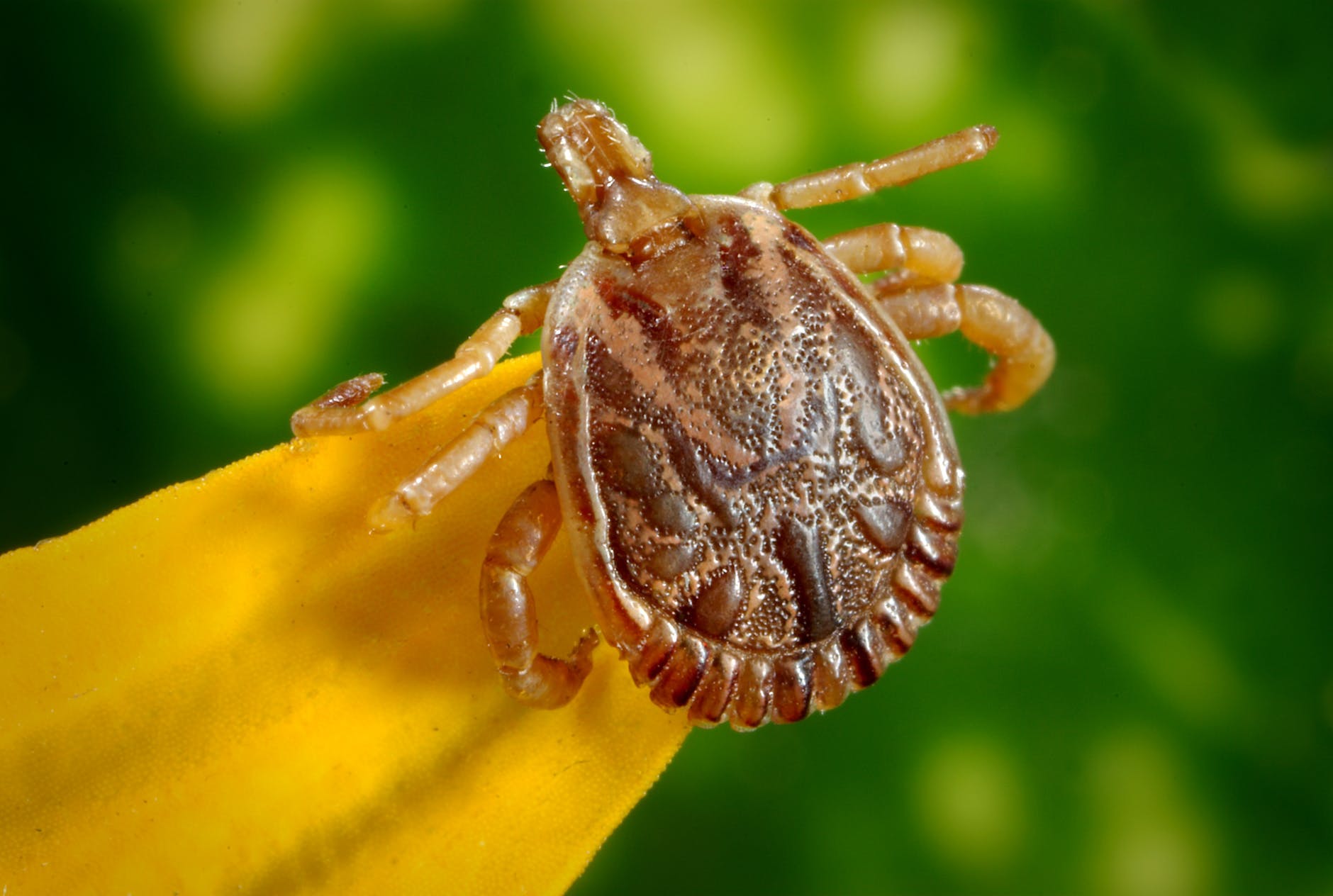
As the temperatures warm the chances of encountering ticks increase. I had a PA recently say we don’t have Lyme is Texas, what? Yes, Lyme or tick boring illnesses are in every state. Some states have a higher percentage of cases but dot fool yourself, tick-borne illnesses are in every state in the United States. There are now 30 strains of tick born illnesses and more are discovered each year. This year a more a deadly tick-born illness, Powassan Disease was discovered and it’s the most deadly. Please take notice and protect yourself and children.
This post is a combination of photos, snippets from previous post and new information. If you have questions visit ILADS website for the most accurate information on tick born illnesses. This association is for doctors who treat Lyme, educators of Lyme and the medical community who are there to increase knowledge.
I am walking after four years spent in bed, how could anything be worse than Lyme Disease? The illnesses Lyme leaves behind are debilitating and worst. I’ve lost four years of my life, screaming in pain, narcotics, nine months of twice a day IV Antibiotic Infusion Treatments. I can not stress enough how dangerous Tick-Borne illnesses are, they can kill you and your children. If you already have a compromised immune system, your starting behind the curve. I’ve talked to many at WordPress with Chronic Lyme, many of them spent 10-15 years before diagnosis. Think of the pain and isolation of our fellow Bloggers went thru.
People have said we don’t have ticks, for one Lyme and Powassan Disease is transmitted by many sources other than ticks, mosquitos, sand flies, are just a few culprits. In the wild animals of all types of animals die, many pests visit the buffet. The critter who is carrying Lyme disease bites you and there is a short window for medical attention.
The flying pest target is blood, they have to eat. They don’t discriminate on where they go for lunch. The ticks who carry Tick-Borne illnesses are smaller than a grain of rice, try to find that while doing a tick check, you will not see them.
Before you get dressed, spray sunscreen with insect repellant with 20% DEET. Reply every hour if sweating or in heavily wooded areas. Wear white soaks with your pant leg tucked in light-colored pants. Wear a white or light colored shirt, a hat that is longer in back to cover your neck. Be vigilant with your kids, if playing outside, spray. Better safe than sorry.
Most important, do tick checks on you and the kids throughout the day. Take some tape and if see a tick don’t touch it, pull it off with tape. While out hiking wear light colors, tuck pants in socks, wear a hat that covers the back of the neck. Lyme Dieses is not sexy.
Watch these extremely important videos and educate yourself. Know the early signs and a short antibiotic treatment may provide a cure. The bulls-eye rash talked about by doctors only happens 30% of the time.
The Lyme test doctors use only cover a few of the 30 strains of Lyme. I’ve had multiple tests over the past four years and not once did I show positive for Lyme.
Chronic Lyme disease causes other chronic illnesses in its wake and new illnesses can pop up at any time. I now suffer from Fibromyalgia, Dementia, Neuropathy, loss of balance and other cognitive issues. My life is not back to normal and never will.
 Chaos
Chaos
Seven days of IV’s
B12 Shots
May 1, 2019/ U.S. Pain Foundation
The 90-day public comment period for the Pain Management Best Practices Inter-Agency Task Force’s (PMTF) draft report came to a close April 1, with more than 6,000 individuals and organizations submitting feedback.
Among those to comment was the Consumer Pain Advocacy Task Force (CPATF), a coalition of pain patient-related nonprofits, including U.S. Pain Foundation, which submitted a 25-page joint letter. In addition to U.S. Pain Foundation, the CPATF letter was signed by the Center for Practical Bioethics; CHAMP (Coalition For Headache And Migraine Patients); Chronic Pain Research Alliance; For Grace: Women In Pain; Global Healthy Living Foundation; Headache and Migraine Policy Forum; International Pain Foundation; Interstitial Cystitis Association; RSDSA (Reflex Sympathetic Dystrophy Syndrome Association); and The Pain Community.
“We are very grateful that so many patient organizations joined together to respond to this report with one, unified voice,” says Cindy Steinberg, U.S. Pain Foundation’s National Director of Policy and Advocacy and the only patient advocacy representative on the PMTF. “While the draft report holds a lot of promise, from the patient perspective, we had a number of important suggestions for ways to improve or expand on its recommendations.”
Of note, the CPATF letter commends the draft report’s emphasis on individualized care and encouraged further emphasis of that point. CPATF also urges PMTF to go further and recommend that the Centers for Disease Control and Prevention (CDC) formally revise and reissue their 2016 guidelines on opioid prescribing based on the PMTF recommendations.
Beyond general feedback, the CPATF letter includes specific suggestions on nearly every section of the report. To read CPATF’s full letter, click here.
The PMTF is now working to review the comments received, finalize the report, and submit it to Congress at the end of May. The PMTF will hold its final meeting in Washington, D.C, on May 9 and 10, which will again include a public comment portion and will be live streamed. The pain community is encouraged to participate. More information about the meeting can be found here.
U.S. Pain Foundation will share further updates once the final report is released.READ THE JOINT LETTER
April 18, 2019/ U.S. Pain Foundation
Ellen Lenox Smith is Co-Director of Medical Cannabis for U.S. Pain and a U.S. Pain Board Member. She lives with two rare conditions: Ehlers-Danlos Syndrome and sarcoidosis. After years of struggling to find pain relief without side effects or adverse reactions, she discovered medical cannabis.
A retired school teacher, Ellen is now a renowned patient advocate and works tirelessly to encourage safe, fair access to all treatment options, particularly medical cannabis. She has spoken at numerous conferences on cannabis access and been featured widely in the media on the topic. She is also the author of two books: It Hurts Like Hell!: I Live With Pain—And Have A Good Life Anyway and My Life as a Service Dog.
Below, she clears up common myths surrounding medical cannabis for pain.
Truth: this only happens if you use too much medication. People living with pain get pain relief; people using it socially and not in pain, get high! In addition, medical cannabis is made of two components: THC, which causes the mental effects associated with feeling high, and CBD, which produces bodily effects. Various strains of cannabis have different ratios of THC and CBD, which means that not all strains create as much of a “high” feeling.
Truth: Each body can have a different reaction to each strain, even if you have the same medical condition. Patience is needed. Don’t give up on your first try–each person must find the strain that best works for their bodies.
Truth: There are many strains of the plants to choose from. Some have a higher ratio of THC than others and others have much lower THC and higher CBD. So take time to do your research before deciding which strain might be best for you! The professionals at your local medical dispensary are also a good resource.
Truth: While medical cannabis is widely considered to be much safer than many medications, it does come with risks. Be especially careful for when you ingest cannabis, as it will not activate immediately and can take up to even hours before you feel the effect. So if you take a bite of that cookie and think you feel nothing, don’t eat the rest or you risk ingesting too much and being very high, which can cause a bad reaction, like anxiety.
Truth: ingesting your medication means it not only takes longer to activate but also takes longer before it leaves your system. This is a good reason to take it in small doses to get to your right dose for pain relief and not cause yourself to feel high. If you take too much, don’t panic. It will wear off. but it can take hours.
Truth: There are two main categories of medical cannabis strains. The indica strains have higher CBD and lower THC counts. They can help with increased mental and muscle relaxation; decreased nausea and acute pain; and increased appetite and dopamine. Indica is typically preferred for night-time use. Meanwhile, the sativa strains have lower CBD and higher THC counts. They can help with anxiety and depression; chronic pain, and increased focus and serotonin, Sativa is usually preferred for daytime use.
Truth: Many do not smoke cannabis for their medicine. You can, for example choose to vaporize, take pills, tinctures, topicals, patches, oil, edibles and even use drinks.
Truth: In most states, a doctor would need, in most states, to sign a from identifying and confirming you have a qualifying condition, not a prescription. Typically, you would then use this documentation to apply for a medical cannabis card from your state.
Truth: Each state presently has their own laws, some only allowing CBD from the hemp plant, three with no laws at all, and the rest with some form of a medical cannabis program established. Educate yourself on your state’s specific laws and be cautious when traveling between states.
Truth: In some states, you are allowed to grow your own or have a caregiver grow for you. For others, you go to the dispensary to purchase your medication.
Truth: Only the country of Germany presently covers the cost of cannabis. For the rest of us, it is not covered–yet. Only once the federal government gets cannabis out of Schedule I and all states allow a medical cannabis program, will insurance coverage for medical cannabis be possible.
Truth: Many states have very specific lists of conditions that qualify for medical cannabis use. If your specific condition is not listed as a “qualifying condition” and your state does not include the wording of “chronic pain,” you may have difficulty being allowed into the program. However, some states are beginning to allow the doctor to decide what patient should be using cannabis, which helps many get into the program.
To learn more about medical cannabis for pain and start advocating for access in your state, visit https://uspainfoundation.org/medicalcannabis/. To learn more about Ellen and her work, visit http://ellenandstuartsmith.squarespace.com/.
May 1, 2019/ U.S. Pain Foundation
Finding community support is essential to living with chronic pain. With that in mind, Pain Connection, a program of U.S. Pain Foundation, continues to expand its in-person and conference call support group offerings nationwide.
Along with three existing monthly “Pain Connection Live” support group calls, there will now be a morning call on the third Thursday of each month from 10-11 am EST. The first call will be May 16. Existing calls are held on one evening, one afternoon, and one Saturday each month. To learn more or register for a Pain Connection Live call, click here.
In addition, four new in-person support groups have been added in CA, AL, and NJ. All support groups are led by a person with pain who has received intensive training from Gwenn Herman, LCSW, DCSW, Clinical Director of Pain Connection.
Costa Mesa, CA
Date: Second Tuesday of each month. The next meeting is May 14.
Time: 11 am – 1 pm
Location: Panera Bread at 3030 Harbor Boulevard, Costa Mesa, CA. (Meet against the back wall.)
Contact: Kristie McCurdy, MSN, RN, at CRPSsurvivorsOC@gmail.com
San Francisco, CA
Date: Second and fourth Friday of each month. The next meetings are May 10 and May 24.
Time: 12 – 1 pm
Location: 1701 Divisedero Street, 5th floor conference room, San Francisco, CA. (Elevator available.)
Contact: Cessa Marshal at cessamarshall@yahoo.com or 415-637-1812.
Pell City, AL
Date: The first meeting will be May 2.
Time: 6-7:30 pm.
Location: The Brook Besor Coffee Shop, 4204 Martin St. S., Cropwell, AL
Contact: Melissa Gilliam at mgpainwarrior@hotmail.com or 205-863-1361
Oakhurst, NJ
Date: The first meeting will be May 10.
Time: 11 am-12:30 pm
Location: Wyatt Rehabilitation, 1806 NJ-35, Suite 302- 3rd Floor, Oakhurst, NJ (Elevator available.)
Contact: Sue Ann Stelfox at 650-455-6713 or sueannstelfox@gmail.com
To learn more about Pain Connection’s other support group offerings, visit its website.






 Looking for the Light