Being in touch with your values is essential to living a rich and meaningful life. By knowing what you care about most, you become inspired to live by your highest ideals, bringing out the best in yourself. In short, values help you find direction, meaning, and inspiration in life.
Unfortunately, however, it’s more complicated than this. Because too often enough, we get sidetracked. Too often, the demands of the day pull our attention away from what really matters, to serve our immediate emotional needs. We then lose touch of our ideals, and revert back to old – often destructive – habits.
If you wish to stop this from happening, break the cycle of bad habits, and bring forth the best of yourself, you have to reconnect with your values whenever you lose touch. And the easiest way to accomplish this, are value triggers.
What Are Value Triggers?
A value trigger is a physical reminder of your core values. By merely looking at it, you refocus back on what matters most, making you act more in line with your highest ideals. The trigger can be almost anything, as long as it makes you remember your values. Here are a few ideas:
Card in Wallet. Write down a few core values on an index card, and put it in your wallet. Whenever you’re feeling stressed, take it out and read it.
Background Screen. Change the background of your phone to a picture that represents your values. For instance, if you value self-courage you might set it to the picture of a lion if that image speaks clearly to you.
Jewelry. Pick a piece of jewelry (e.g. a ring, a bracelet, or a necklace) and let it stand for a certain value. Whenever you look at your accessory, reflect on it’s meaning.
Post-it Notes. Write down your values on a post-it note, and stick it somewhere visible, like your fridge or a computer screen.
Pictures of People. Print out pictures of people that for you exemplify your values. Our heroes and guides are picked by us because they stand for something in our lives. You can pick pictures of friends, family, teachers, coaches, spiritual leaders, well-known public figures — anyone who empowers you to care.
Pick a value trigger that works best for you. It doesn’t matter which one you choose, as long as it serves as a reminder of your core values.
Don’t Make This Mistake!
Don’t be fooled. A value trigger doesn’t magically change your life, just by having it. Instead, you need to actively engage the trigger. Whenever you look at your personal value trigger, ask yourself the following questions:
“Which value does this trigger stand for?”
“Why is this value important to me?
“What can I do today bring this value more into my actions and my life?”
By reflecting on your value trigger in this way, you increase its effectiveness. This doesn’t mean you will never again lose sight of what matters most. But it does mean you have an effective way to catch yourself whenever you fall off track, and quickly get back to living a rich and meaningful life.
How many participants in the MyLymeData patient registry ever had a Lyme-related rash? (34%) How many initially presented with flu-like symptoms? (64%) How many were misdiagnosed with a psychiatric illness? (54%)
These are some of the details you can learn in the MyLymeData 2019 Chart Book. This report is a compilation of our research results based on more than 2.5 million data points we have collected and analyzed within the MyLymeData project during Phase One.
Much of the information highlighted in this report was previously unknown to the community, because so little real-world research on Lyme disease has been conducted. MyLymeData is a testament to what can be achieved when patients pool their data to help find a cure. More than 12,000 people have joined the registry so far.
You can download your own free PDF copy of the 36-page 2019 MyLymeData Chart Book by clicking the button below.
You are what you eat, is the old adage, but what does your diet actually say about you?
23andMe has a unique opportunity to explore that question, as we investigate how dietary habits, along with genetics, demographics, lifestyle and other data can influence overall health outcomes.
Looking at diet specifically, our scientists analyzed the data of more than 850,000 people who consented to participate in research and who shared details about their own eating habits.
Using machine learning techniques* we were able to see that dietary choices clustered into four distinct types of eaters, which were mainly characterized by two dietary behaviors. The first one represents the spectrum of foods’ nutrient content from high nutrient-dense foods (i.e. low caloric foods with high nutrient content like vegetables, leafy greens, fruit, beans or whole-grains) to low nutrient-dense foods (i.e. high caloric foods with low nutrient content like. processed foods, sweets, sodas, pastries, saturated fats or fast food). The second main behavior differentiating diet groups is the meat intake, in particular, red and processed meat (e.g., sausages, hot dogs, ham, or cured bacon).
Dietary Types
Using these two behaviors as axes, we can plot the four main diet groups:
On one end, we find people who eat high nutrient-dense (HND) foods like vegetables, leafy greens and fruits and tend to avoid high caloric foods with low nutrient content like refined carbs, processed foods, saturated fats and fast food. Depending on their meat intake, these people can either be classified as HND + Carnivores (high meat intake) or Herbivores (low meat intake). Importantly, not all Herbivores are vegetarian or vegan; they just eat less meat than the other diet groups.
On the other end, we find people with a diet low in vegetables, leafy greens and fruits who also tend to eat more high caloric foods with low nutrient content, low nutrient-dense foods (LND). People in this group also tend to eat more meat, particularly processed and red meat (LND + Carnivores). Curiously, in this study we couldn’t find a group of people with a diet rich in low nutrient-dense foods that have a low meat intake (group absent in the lower-right corner of Figure 1).
Finally, the people in the middle we called Omnivores because they ate a little of everything.
Figure 1.Left graph represents the four defined diets projected in the two main behaviors axis (nutrient content of foods and meat intake). Right panel describes the nutritional differences between these diets, the dots represent the average response to the survey question: “How frequently do you eat this food?” Possible responses were: “not at all” (all dots empty), “1-2 times per week” (one filled dot), “3-6 times per week” (two filled dots), “once per day” (three filled dots) or “more than once a day” (all dots filled).
Men versus Women
After defining these dietary clusters, we looked to see if there were any obvious demographic differences between these groups, and there were. We found that women tend to group in the Herbivore or HND +Carnivore groups. Far fewer women — only about 20 percent in our study — were in the LND + Carnivoregroup. In contrast, about 30 percent of men were in that group. Women also tended to eat more fruits and vegetables and avoid meat more than men. About one in four women, versus one in six men were classified in the Herbivore group. (Figure 2)
Figure 2. Percent of users belonging to each diet class depending on their gender.
Younger versus Older
As with gender, if we look at age we also are able to see differences within each of the dietary classifications. In this study, younger people appeared to eat fewer fruits and vegetables and more high caloric foods with low nutrient content. We found that about 40 percent of adults under 30 belong to LND + Carnivorecategory, and only about 10 percent of this age group were in the Herbivore category. The reverse is true for individuals over 60, with people in that age group more likely to eat fruits and vegetables and less likely to eat refined carbs or fast food. This is not surprising since our diets change over time — think about the difference between the typical diet of a college freshman versus the typical diet of a senior citizen. Interestingly, when we look at Omnivores, their numbers don’t seem to change as they age. Is a part of the population resilient to changing their nutritional habits as they get older? We can’t say for sure without further study (Figure 3).
Figure 3. Percent of users belonging to each diet class depending on their age. Users were divided into four different age bins: under 30 (<30), between 30 and 45 (30-45), between 45 and 60 (45-60) and older than 60 (>60).
BMI by Dietary Groups
We also wanted to look at how these different dietary categories might impact weight, specifically BMI. What we found was that those individuals who ate more fruits and vegetables — Herbivores — were more likely to have a BMI in the healthy range — between 18.5 and 24.9 as defined by the Centers for Disease Control and Prevention (Figure 4). However, without exercise, those individuals in the Herbivore group were still likely to be overweight. That said, looking at our data it may be even more difficult to maintain a healthy BMI if your diet is in one of the other three dietary categories HND +Carnivore, Omnivore and LND +Carnivore.
Figure 4. Description of the relationship between the average body mass index (BMI) of each diet class and the users’ age (left panel) and the number of times that they exercise per week during at least 30 min (right panel).
A really surprising finding was that the difference in average BMI between the LND +Carnivore group and the Herbivore group is higher in women than in men. This raises the question: is a woman’s weight more sensitive to eating high caloric foods?
BMI by Gender
The differences between women and men in this study could be explained by many reasons. It’s important to highlight that BMI is a measure of weight adjusted for height, but it doesn’t take body composition into account. The difference in BMI between men and women could be partially explained by the differences in fat storage observed in men and women [3]. On average, women have from 6 to 11 percent more body fat than men. Studies show that estrogen reduces a woman’s ability to burn energy after eating, resulting in more fat being stored around the body. Experts in this field speculate that the likely reason for the differences in fat storage is to prime women for childbearing [3]. One could speculate that since there are gender-specific differences in fat storage, we might expect a fat-rich diet to impact women’s and men’s BMI differently.
Figure 5.Difference in BMI between users (divided by their gender) belonging to the LND+Carnivore group compared to that belonging to the Herbivore group.
Eating Behavior
This study has shed some light on the eating behaviors of the 23andMe community and how they vary by age and gender. More importantly, we have shown that diet plays a really important role to maintain a healthy weight which is really important for your health: The higher your BMI, the higher your risk for heart disease, high blood pressure, type 2 diabetes, and certain cancers [1], [2]. However, what you eat is not enough to define your weight since our data showed that even people in the Herbivore group need to exercise at least five times a week in order to have a healthy weight. In a future blog post we will look further into the differences in activity in the 23andMe research community broken down by age, sex and diet behaviors.
Rafaela Bagur Quetglas is a Data Scientist in Health Research and Development at 23andMe.
____________________________________
*Two machine learning techniques were used in this study. The first method, called k-means clustering, was used to place people with similar diet behavior into k distinct groups; in this case, k is four. The second method, called principal component analysis, identifies exactly which dietary details set those four groups apart from each other.
[1] Donald M. Lyall et al., (2017) Association of Body Mass Index With Cardiometabolic Disease in the UK Biobank: A Mendelian Randomization Study. JAMA Cardiol. 10.1001/jamacardio.2016.5804
[2] Bhaskaran K. et al., (2014) Body-mass index and risk of 22 specific cancers: a population-based cohort study of 5·24 million UK adults. Lancet. 10.1016/S0140-6736(14)60892-8
[3] Betty N. Wu and Anthony J. O’Sullivan (2011) Sex Differences in Energy Metabolism Need to Be Considered with Lifestyle Modifications in Humans. J Nutr Metab. 10.1155/2011/391809Tags: BMI, diet, Featured
Bring Change to Mind is excited to announce that we have partnered with Mental Health for US, a nonpartisan educational initiative focused on elevating mental health and addiction in policy conversations by empowering grassroots advocates and improving candidate and policymaker health literacy. The initiative is powered by a coalition of stakeholder groups from around the country dedicated to uniting the American people to make systemic, long-term change with civic engagement tools and resources.
The movement launched at The American Foundation for Suicide Prevention’s 10th Annual Advocacy Forum by former U.S. Representative and co-chair of the Mental Health for US initiative Patrick J. Kennedy (D-R.I.). Former U.S. Senator Gordon H. Smith (R-OR), a long-time mental health advocate, will also serve as co-chair.
“The suicide rate has skyrocketed over the past 20 years because mental health and substance use disorders often go undetected and undertreated,” said Sen. Smith. “Suicide is the tenth leading cause of death in America. Now more than ever, we need our government leaders to stand up and champion systemic change. We have to make our voices heard.”
Reproductive health must be taken very seriously, which is why women should understand what endometriosis is. It is often a painful disorder inside of the uterus and involves the fallopian tubes, ovaries, and tissue lining the pelvis. and can go undiagnosed for years. Unfortunately, it can lead to infertility.
Defining Endometriosis
Endometriosis is when tissue that makes up the uterine lining is present on other organs inside your body. It usually appears to happen within the pelvis and lower abdomen, but it can happen anywhere in the body. Although men can be affected by the disorder, it is extremely rare and most common in women.
The Symptoms
Women can experience pain during intercourse, painful periods, lower abdomen pain, and infertility. Over time, unfortunately, pain can increase and become more intense. Some may also experience painful bowel movements and heavy menstruation. Other symptoms can range from bloating, nausea, constipation, fatigue…
It’s important to understand what glutens are and where to look forin order to establish a gluten-free lifestyle.As more people are diagnosed gluten intolerant more pre-made products will become available making choices much easier. I plan to write a number of post on the Gluten-Free lifestyle in the coming months. Below is a short list of items and ingredients you can eat. The Information is taken from Gluten Freedom by Alessio Fasano, MD. Founder and Director of the Center for Celiac Research at Massachusetts General Hospital Harvard Medical School. Melinda
Gluten is found in common foods such as breads, cereals, baked goods, and pasta. Because it’s used in processed foods as an additive or preservative, gluten is also found in a wide variety of foods and nonfood items from prescription medications to Play-Doh. If you are the food shopper in the family, you must learn to read labels very carefully to comply with gluten-free diet.
“Stillness or peace” may sound merely sentimental (“visualize whirled peas”). But deep down, it’s what most of us long for. Consider the proverb: The highest happiness is stillness.
Not a stillness or peace inside that ignores a pain in oneself or others or is acquired by shutting down. This is a durable stillness, a stillness you can come home to even if it’s been covered over by fear, frustration, or heartache.
When you’re at peace–when you are engaged with life while also feeling relatively relaxed, calm, and safe–you are protected from stress, your immune system grows stronger, and you become more resilient. Your outlook brightens, and you see more opportunities. In relationships, feeling at peace prevents overreactions, increases the odds of being treated well by others, and supports you in being clear and direct when you need to be.
How?
I think there are different kinds of stillness, and I’ll point out where each might be found. The first two kinds are pretty straightforward, while the third and fourth take a person into the deep end of the pool. It’s helped me to notice, appreciate, and (hopefully) practice each of these. It’s okay to focus on just one for a while; any peace is better than none!
In particular, enjoy your stillness, wherever you find it. In our culture of pressure, invasive demands for attention, and jostling busyness, inner peace must be protected. When you experience it, enjoy it, which will help it sink into you, weaving its way into your brain so it increasingly becomes the habit of your mind.
The Stillness of Ease This is the stillness of relaxation and relief, and it comes in many forms. You look out a window and feel calmer, talk through a problem with a friend, or finally make it to the bathroom. You exhale slowly, activating the soothing parasympathetic wing of your nervous system. You finish a batch of emails or dishes. You were worried about something but finally, get good news.
Whew. At rest. It’s easy to underestimate this sort of stillness or peace but it really counts. Take it in when you feel it.
The Stillness of Tranquility This is deep quiet in mind and body. Perhaps you’ve felt this on first waking before the mind kicks into gear. Or while sitting next to a mountain pond, something of its peace seeps into your heart. At the end of a workout, meditation, or yoga, you might have felt serene.
When mind and body are this settled, there is no sense of deficit or disturbance, and no struggling with anything, or grasping after it, or clinging to others. There’s inner freedom, a non-reactivity, that is wonderful.
The Stillness of Awareness This is a subtler kind of stillness. Perhaps you’ve had the experience of being upset and your mind is racing . . . and at the same time, there is a place inside that is simply witnessing, untroubled by what it sees. Or you may have the sense of awareness as an open space in which sights and sounds, thoughts and feelings, arise and disappear; space itself is never ruffled or harmed by what passes through it.
I’m not speaking of anything mystical here, only what you can see directly in your own mind. As either a bare witness or space through which the stream of consciousness flows, awareness itself is always still.
The Stillness of What’s Unchanging First, while most things continually change, some don’t; for example, the fact that things change doesn’t itself change. Two plus two will always equal four. The good thing you did this morning or last year will always have happened. Things that don’t change are reliable, which feels the stillness.
Second, while individual waves come and go, the ocean is always the ocean. While the contents of the universe are changing, the universe as the universe is not. You can get an intuition of this by recognizing that you are a local wave in a vast sea of human culture, nature, and the physical universe; yes, you are changing, but within an unchanging allness. The sense of this, even if fleeting, can really put you at peace.
Third, you could have a sense of something transcendental, something eternal, call it God, Spirit, the Unconditioned, or by no name at all. Beyond words, this offers “the peace that passeth understanding,” and I include it here because it is meaningful to many people (including myself).
* * *
May we all find stillness.
Like this article? Receive more like it each week when you sign up for Rick Hanson’s free Just One Thing Newsletter.
By raising questions and taking on a more active role in decision making, patients can do their part to avoid needless medications, tests, treatments or procedures, says neurosurgeon Christer Mjåset.
This post is part of TED’s “How to Be a Better Human” series, each of which contains a piece of helpful advice from someone in the TED community; browse through all the posts here.
“Doctor, is this really necessary?”
Oslo neurosurgeon Christer Mjåset, vice president of the Norwegian Medical Association, says that he experienced a jolt when a woman asked him this question, he recalls in a TEDxOslo talk. It was a first in his career — he’d never had a patient say this to him.
It occurred after Mjåset suggested spinal surgery to her; she was troubled by intense pain caused by a herniated cervical disc. While he’d performed this procedure many times before, it did come with risks — with paralysis from the neck down being one of the most serious. This led the patient to ask: “Doctor, is this really necessary?”
“You know what I realized right there and then?” Mjåset says. “It was not.”
When he looked more deeply at his motives, he saw that he’d been largely driven by enthusiasm for his work. He says, “I have to admit: I wanted to operate. I love to operate. Operating is, after all, the most fun part of my job.”
There’s a stark imbalance in the healthcare system in much of the world — while medical treatment is extremely difficult and expensive for some to access, it’s overly easy for others. Thanks to this patient, Mjåset has shifted his worldview about the latter category of care. Researchers, he says, suggest that “3 out of 10 times your doctor prescribes or suggests something that is completely unnecessary. You know what they claim the reason for this is? Patient pressure.”
For many of us, the whole process of receiving healthcare — making an appointment, waiting for it to arrive, rearranging our schedule so we can go, showing up for it — takes considerable time and energy. We may feel, consciously or not, that our efforts need to yield a concrete result. We want to leave our encounter with a doctor bearing a diagnosis, plan of action, prescription, or some other decisive, active response.
Mjåset believes that both physicians and patients need to be vigilant about excessive care. He says, “A good doctor sometimes says no, but the sensible patient also sometimes turns down an opportunity to get diagnosed or treated.” When he spoke to his colleagues about his patient and her question, they said they’d also never been asked: “Is it necessary?”
He suggests 4 questions that we should pose to our doctors the next time they recommend a medication, procedure, test, treatment or surgery.
Is this really necessary? What are the risks? Are there other options? What happens if I don’t do anything?
Mjåset knows raising these questions is easier said than done. It’s especially true given the limited time most people have with healthcare providers. In a 2017 study, doctors’ appointments in the 18 countries that accounted for half the world’s population lasted for five minutes or less; even countries like Sweden and the US had average appointment lengths of 22 minutes and 20 minutes, respectively. But he urges us to speak up. He says, “You need to get in the front seat with your doctor and start sharing decisions on where to go.”
Asking these 4 questions, he says, will help us and our doctors. They can reduce the burden and cost of unnecessary care on our overall system and prevent us from suffering complications and side effects that could have been avoided. As he puts it, “People like me need your help.”
Our planet is getting hotter and drier. Drinking water is in short supply, but there are two largely untapped sources: the ocean and sewage. To get a taste of what might be in store for our faucets and understand the pros and cons, journalist Amanda Little goes to California.
The summer of 2019 has seen heat records tumble like dominoes across the Northern Hemisphere. On May 26, the thermometer climbed to 102 in Savannah, Georgia, an all-time high for that month; the same day, it hit an unprecedented 103.1 in Hokkaido, Japan’s northernmost island. Then, in June, a three-week heat wave tore through Pakistan and India, where it reached 123.4 in the central city of Churu. In July, it was Western Europe’s turn when the temperature soared to 108.7 in Paris and 102.2 in Brussels.
Of course, intense heat doesn’t occur in a vacuum. It’s accompanied by water shortages and drought, which are expected to be the new norm on our planet. In the US, drought has become associated with California. In fact, from December 20, 2011, through March 5, 2019, some form of drought existed somewhere in the state. This prolonged parching has resulted in billions of dollars in agricultural losses and the death of over 100 million trees in state forests alone.
Below, journalist Amanda Little goes to Southern California to learn more about two sources of drinking water which the state — and our planet — will be tapping in coming years.
Almost all of the water consumed by the 22 million people of California’s water-stressed southern region is imported. Much of it is pumped long distances, over mountains, from Northern California. Southern California also draws heavily from the Colorado River, the beleaguered waterway that supplies six other states and Mexico. As these freshwater sources have dwindled, the cost of water imported to Southern Californian cities has been climbing nearly 10 percent a year. The changing economics of water have forced utilities to turn in a new direction for relief: westward to the Pacific Ocean.
California has 840 miles of coastline adjoining the world’s largest ocean, an oversupply of brine lapping up against an increasingly thirsty landscape. In order to tap this massive reservoir, the San Diego Water Authority partnered with the Israeli company IDE to build a $1 billion desalination plant in Carlsbad, a suburb of San Diego. It opened in 2017, the largest desalination facility in the Western Hemisphere.
“If we could ever competitively, at a cheap rate, get freshwater from salt water, that … would really dwarf any other scientific accomplishments,” President John F. Kennedy told the Washington press corps in the 1960s.
Mark Lambert, the head of IDE’s U.S. division, who oversaw the building of the Carlsbad plant, describes desalination as “the most significant kind of modern alchemy. About 97 percent of the earth’s water is in the ocean, yet only recently have we been able to tap that resource to grow crops or quench human thirst.”
“Desalination may seem like a panacea, but from a cost and energy standpoint it’s the worst deal out there,” says Sara Aminzadeh of the California Coastkeeper Alliance.
Desalination has been around for millennia if you count the evaporation techniques pioneered by the ancient Greek. Sailors in the 4th century BC boiled salt water and then captured the steam. When cooled, steam condenses into distilled water that’s free of virtually all contaminants. This same basic technology — thermal desalination — is still used in places like Saudi Arabia, where fuel for boiling the water comes cheap. Since the 1960s, most desalination operations use reverse osmosis (RO), a method that simulates the biological process that happens within our cells as fluids flow across semipermeable membranes.
There remain big challenges for desalination, and number one is the energy cost. A NASCAR vehicle does about 700 horsepower at full throttle. By contrast, the series of pumps at the Sorek plant near Tel Aviv — the world’s largest desalination facility, which processes some 200 million gallons daily — collectively exert roughly 7000 horsepower of energy (or 1100 pounds per square inch of pressure) night and day.
Improvements in the pumps, pipe design and membranes have cut the total amount of energy used in desalination by about half in the past two decades. The energy demands will come down further as efficiencies improve, but many see it as a sticking point.
Sara Aminzadeh, the executive director of the California Coastkeeper Alliance, one of many environmental groups that have opposed the development of desalination plants in California, tells me, “Desalination may seem like a panacea, but from a cost and energy standpoint it’s the worst deal out there.”
The Carlsbad deslination plant provides nearly 1/10th of San Diego County’s total water supply — enough for about 400,000 county residents.Up the coast, another large desalination plant is under construction in Huntington Beach, which will supply drinking water to LA suburbs. More than a dozen similar plants have been proposed along California’s southern and northern coastlines.
Daily, the Orange County plant pumps out 100 million gallons of drinking water. The sewage moves through eight stages of filtration before it is drinkable.
But there’s another source that’s becoming even more critical to the future water supply, one that officials call “recycled wastewater,” a pleasant term for human sewage. This is one of the harder realities I’ve come to accept about modern agriculture — that everything we’re now flushing down our toilets and pouring down our drains may have to play an important role in feeding us and growing our food.
“We call it the big tooth comb — step one of the filtration process!” Snehal Desai, Global Business Director of Dow Water & Process Solutions, shouts above the sound of sluicing water. There’s a visible torrent of raw sewage water flowing through a channel below us at the Orange County Sanitation District, a facility that treats waste from the toilets, showers, sinks and gutters of 1.5 million suburban Californians. An enormous rake descends into the depths of the sewage flow and brings up cardboard, wet wipes, tampons, egg shells, marbles, toys, tennis balls, sneakers — all the detritus that can’t fit through the screen covering the plant’s intake.
The flow that passes through the screen has begun a journey through an advanced purification process that culminates in a stage of RO filtration. Daily, the plant pumps out 100 million gallons of drinking water — enough to supply 850,000 county residents — which makes this the largest “toilet-to-tap” facility on the planet. The sewage moves through eight stages of filtration, including a gravel-sand filter and a bacterial “bioscrubbing” process used in Israeli plants. Orange County also has a “microfiltration” stage, in which the water is sucked through thousands of tiny porous straws. In the final and most critical stage, the water is forced through a massive hive of cylinders containing the RO membranes.
This Orange County facility is setting a precedent for the use of sewage to produce drinking water every bit as pure as the water that comes from desalination. This process is cheap compared to desalination — about half the cost. Sewage has much lower salinity than seawater, which makes it easier to process. “Recycled wastewater is the fastest-growing area in the water industry. Why? Because not every city has an ocean, not everyone has good lakes and rivers, but everybody’s got sewage,” says Desai. “That’s the megatrend.”
“Accepting recycled wastewater is kind of like being asked to wear Hitler’s sweater,” says social psychologist Paul Rozin.
San Diego recently announced plans to produce 35 percent of its water from recycled sewage by 2030 — not just for irrigation but for drinking. It has completed designs on a toilet-to-tap facility larger than Orange County’s. Still, there are barriers to overcome, and the gross factor is first among them. Even the desperation of drought can’t eliminate the fact that drinking your own waste is nobody’s first choice, unless you’re a resident of the international space station.
“Accepting recycled wastewater is kind of like being asked to wear Hitler’s sweater,” says Paul Rozin, a social psychologist at the University of Pennsylvania who has consulted water utilities on marketing toilet-to-tap programs to residents. “No matter how many times you clean the sweater, you just can’t take the Hitler out of it.”
But the purity you get from the RO process is quantifiably better than the water you get from conventional treatments — better even than some bottled water. “What flows from our membranes is the Rolls-Royce of municipal water,” says Desai. Whereas tap water is often treated with chemical coagulants and chlorine, RO filtration is a mechanical filtration of water contaminants that cuts the need for those chemicals. It’s analogous to the mechanical removal of weeds in a field practiced by organic farmers in lieu of chemical pesticides: “Think of it as ‘organic’ tap water,” says Desai.
For now, Dow is focused on making membrane products for big industrial and municipal water systems, but it envisions micro-scale systems down the line. Bill Gates made a pitch for a similar approach when he blogged a few years back about watching a pile of human feces on a conveyor belt enter a small-scale waste-treatment plant built to serve a community of a few thousand people in Senegal, and, in minutes, get converted into “water as good as any I’ve had out of a bottle. I would happily drink it every day.”
Desai predicts that water filtration technology will become decentralized everywhere. We’ll control and regenerate our own water supplies farm by farm, neighborhood by neighborhood, or household by household. Eventually the water production could become, like the food production, circular — a closed-loop system in which 100 percent of water that goes down commercial and residential drains is recycled; whatever is lost in evaporation or leakage can be made up for with desalinated salt water that moves through shared networks. Although the vision is at least decades from becoming a reality, it may be necessary to our future food security and critical to our survival.
At the end of my tour of the Orange County plants, we arrive at a shining stainless-steel sink where water that hours earlier had begun as raw sewage was now flowing crystal clear from the tap. Desai filled up two Dixie cups. “To the future!” he toasted. I shuddered as I knocked mine back. But somehow, the stuff tasted every bit as good as water that had bubbled up from a spring in the Alps. I poured myself a second cup.
Amanda Little is a professor of journalism and writer-in-residence at Vanderbilt University. Her reporting on energy, technology and the environment has taken her to ultra-deep oil rigs, down manholes, and inside monsoon clouds. Little’s work has appeared in publications ranging from The New York Times and The Washington Post to Wired, Rolling Stone and Bloomberg Businessweek. She is also the author of the book Power Trip: From Oil Wells to Solar Cells — Our Ride to the Renewable Future.
My Parathyroid surgery was July 8th and I’m healing nicely. The surgeon found quite a surprise, I had five Parathyroids instead of four. She said it was rare. I hope that translates to feeling all the better. She is getting my calcium levels adjusted and it was painful in the beginning with cramping legs and numb fingers.
It’s not what you take, it’s what you leave at home! Hospital don’t have to make all of your medicines available to you when you stay over. Either check with the hospital to see what on your list is not available or guess that the most expensive and newest ones won’t be available. That’s a crap shoot but it has worked.
I didn’t plan on staying in the hospital so I didn’t give any consideration to what meds I needed, boy was that a mistake. They didn’t have three of the meds I’m addicted to and it set off a mini withdrawal for two days.
Thank you for reading, your a good friend and I appreciate you. Have a great day. Drink plenty of water and get in the a/c or shade often to avoid overheating.
July 11, 2019 — It’s surprising how physical grief can be. Your heart literally aches. A memory comes up that causes your stomach to clench or a chill to run down your spine. Some nights, your mind races, and your heart races along with it, your body so electrified with energy that you can barely sleep. Other nights, you’re so tired that you fall asleep right away. You wake up the next morning still feeling exhausted and spend most of the day in bed.
Amy Davis
Amy Davis, a 32-year-old from Bristol, TN, became sick with grief after losing Molly, a close 38-year-old family member, to cancer. “Early grief was intensely physical for me,” Davis says. “After the shock and adrenaline of the first weeks wore off, I went through a couple of months of extreme fatigue, with nausea, headaches, food aversion, mixed-up sleep cycles, dizziness, and sun sensitivity. It was extremely difficult to do anything. … If there’s one thing I want people to know about grief, it’s how awful it can make your body feel.”
What causes these physical symptoms? A range of studies reveal the powerful effects grief can have on the body. Grief increases inflammation, which can worsen health problems you already have and cause new ones. It batters the immune system, leaving you depleted and vulnerable to infection. The heartbreak of grief can increase blood pressure and the risk of blood clots. Intense grief can alter the heart muscle so much that it causes “broken heart syndrome,” a form of heart disease with the same symptoms as a heart attack.
Stress links the emotional and physical aspects of grief. The systems in the body that process physical and emotional stress overlap, and emotional stress can activate the nervous system as easily as physical threats can. When stress becomes chronic, increased adrenaline and blood pressure can contribute to chronic medical conditions.
Research shows that emotional pain activates the same regions of the brain as physical pain. This may be why painkilling drugs ranging from opioids to Tylenolhave been shown to ease emotional pain.
Normal vs. Pathological Grief
Depression is not a normal part of grief, but a complication of it. Depression raises the risk of grief-related health complications and often requires treatment to resolve, so it’s important to know how to recognize its symptoms. Sidney Zisook, MD, a grief researcher and professor of psychiatry at the University of California, San Diego, says people can distinguish normal grief from depression by looking for specific emotional patterns.
“In normal grief, the sad thoughts and feelings typically occur in waves or bursts followed by periods of respite, as opposed to the more persistent low mood and agony of major depressive disorder,” Zisook says.
He says people usually retain “self-esteem, a sense of humor, and the capacity to be consoled or distracted from the pain” in normal grief, while people who are depressed struggle with feelings of guilt and worthlessness and a limited ability “to experience or anticipate any pleasure or joy.”
Complicated grief differs from both depression and normal grief. M. Katherine Shear, MD, a professor of psychiatry at Columbia University’s School of Social Work and director of its Center for Complicated Grief, defines complicated grief as “a form of persistent, pervasive grief” that does not get better naturally. It happens when “some of the natural thoughts, feelings, or behaviors that occur during acute grief gain a foothold and interfere with the ability to accept the reality of the loss.”
Symptoms of complicated grief include persistent efforts to ignore the grief and deny or “rewrite” what happened. Complicated grief increases the risk of physical and mental health problems like depression, anxiety, sleep issues, suicidal thoughts and behaviors, and physical illness.
How Does Avoidance Harm Your Health?
Margaret Stroebe, PhD, a bereavement researcher and professor of clinical psychology at Utrecht University, says that recent research has shed light on many of “the cognitive and emotional processes underlying complications in grieving, particularly rumination.”
Research shows that rumination, or repetitive, negative, self-focused thought, is actually a way to avoid problems. People who ruminate shift attention away from painful truths by focusing on negative material that is less threatening than the truths they want to avoid. This pattern of thinking is strongly associated with depression.
Rumination and other forms of avoidance demand energy and block the natural abilities of the body and mind to integrate new realities and heal. Research by Stroebe, and others shows that avoidance behavior makes depression, complicated grief, and the physical health problems that go with them more likely. Efforts to avoid the reality of loss can cause fatigue, weaken your immune system, increase inflammation, and prolong other ailments.
How Do Role Adjustments Affect Your Health?
When someone close to you dies, your social role changes, too. This can affect your sense of meaning and sense of self.
Before losing Molly, Davis says she found a personal sense of value in “being good at helping other people and taking care of them.” But after Molly died, she felt like she “couldn’t help anyone for a while.” Losing this role “dumped the bucket” of her identity “upside down.” Davis says, “I felt like I had nothing to offer. So I had to learn my value from other angles.”
Caregivers face especially complicated role adjustments. The physical and emotional demands of caregiving can leave them feeling depleted even before a loved one dies, and losing the person they took care of can leave them with a lost sense of purpose.
“Research shows that during intense caregiving periods, caregivers not only experience high levels of stress, they also cannot find the time and energy to look after their own health,” says Kathrin Boerner, PhD, a bereavement researcher and professor of gerontology at the University of Massachusetts in Boston.
“This can result in the emergence of new or the reemergence of existing ‘dormant’ health problems after the death of the care recipient. These health issues may or may not be directly related to the caregiver’s grief experience, but they are likely related to the life situation that was created through the demands of caregiving,” Boerner says.
It can be hard to make life work again after a close family member dies. Losing a partner can mean having to move out of a shared home or having to reach out to other loved ones for help, which can further increase emotional stress and worry. Strobe says the stress of adjusting to changes in life and health during and after a loss can “increase vulnerability and reduce adaptive reserves for coping with bereavement.”
“Most often, normal grief does not require professional intervention,” says Zisook. “Grief is a natural, instinctive response to loss, adaptation occurs naturally, and healing is the natural outcome,” especially with “time and the support of loved ones and friends.”
For many people going through a hard time, reaching out is impossible. If your friend is in grief, reach out to them.Amy Davis
Grief researchers emphasize that social support, self-acceptance, and good self-care usually help people get through normal grief. (Shear encourages people to “plan small rewarding activities and try to enjoy them as much as possible.”) But the researchers say people need professional help to heal from complicated grief and depression.
Davis says therapy and physical activities like going for walks helped her cope. Social support helped most when friends tried to reach out instead of waiting or asking her to reach out to them.
“Th thing about grief and depression and sorrow and being suicidal is that you can’t reach out. For many people going through a hard time, reaching out is impossible. If your friend is in grief, reach out to them. Do the legwork. They’re too exhausted!”
Davis’ advice to most people who are grieving is to “Lean into it. You only get to grieve your loved one once. Don’t spend the whole time trying to distract yourself or push it down. It does go away eventually, and you will miss feeling that connected to that person again. And if you feel like your whole life has fallen apart, that’s fine! It totally has. Now you get to decide how to put yourself back together. Be creative. There’s new life to be lived all around you.
“WebMD News Special Report Reviewed by Neha Pathak, MD on July 11, 2019
Whatever this obstacle is, it started 18 months ago, there wasn’t a moment I can pin this inability on. Inability is the right word, I’m not afraid to leave the house, I’ve driven a few times in the past year, I know how to drive and live in the same town.
Yet I have my husband take me to all my appointments even if there just a mile or two away. I never feel nervous when we’re getting ready to go, no uncomfortable feelings on the way there and no sigh of relief when we’re back home.
For the longest time, I denied I had Agoraphobia but now understand people drive while suffering from Agoraphobia. The famous Chef Paula Dean was Agoraphobic for years, she drove and took care of business as needed but she feared it, didn’t want to drive, couldn’t even walk around the block at one point. Her book helped me understand you can function but it still didn’t convince me I have Agoraphobia.
I feel tremendous pressure to drive to my doctor’s appointments so my husband won’t have to take off work. He has to take an average of five days a month to drive me, sometimes very short distances. Even thou he’s been with the company 20 years that is still a lot of days off. I hate to think of how many days off since 2012 when I first got sick.
There is only one factor I can come up with, my dementia. I have lost big chunks of knowledge, simple things like where I used to go shopping. I don’t remember how to get there. One other factor is our city has grown so big since I got sick nothing looks the same. We passed a restaurant we use to frequent and I barely noticed it because everything had grown around it.
I’m not sure I could drive the 30 miles to my grandparent’s house. I had to really think hard about what streets I would take, exits, what freeways and then doing in reverse. My husband said he wouldn’t feel comfortable with me driving to their house.
I am afraid of getting lost, not being able to take care of myself as before or forgetting my phone, which I did the first appointments I drove to. Not only did I get lost but forgot my phone. Another small part is I have a different car than before. My previous car was a sexy BMW hot rod and I knew how fast it could get to the on the freeway ramp. I now have a Suburu which is really cool but not the same get up and go. I’m still adjusting to how fast I have to turn in front of someone and all the good things you learn when you get a new vehicle. My Suburu is two years old and has 1300 miles on it. I have driven about 15 of those miles.
Does any of this make sense, is the real issue my dementia and I’m trying to avoid admitting?
Please give any feedback you have, I want to hear every thought and idea. Thanks a million.
Made from stinging nettle plants, organic nettle tea can help relieve seasonal allergy symptoms with it’s natural antihistamine. You reap all the benefits of antihistamine symptom relief without having to take conventional medicines. You can drink the daily as a preventative or as needed.
Spirulina & Other Superfoods
Spirulina is a superfood full of amazing plant nutrients, like iron, calcium, vitamin A and C, and protein. While great for overall health, spiraling may be beneficial during allergy season because it is high in antioxidants and has been shown too protect the body from anything that might compromise the immune system. It is high in chlorophyll and is detoxifying. Other superfoods like Kale, turmeric, mace powder, hemp, and flax are great for reducing inflammation and boosting your immune system.
Probiotic
A probiotic can help boost your gut and immune system health, which plays a big part in seasonal allergies. You can digest probiotics by eating fermented items like sauerkraut, and kombucha, or by taking a supplement. Make sure it is a high-quality probiotic from an organic source.
Apple Cider Vinegar
Apple Cider Vinegar is detoxifying and practically a remedy for everything. Taking as little as 1 tablespoon a day can help you feel and be healthier, which will, in turn, reduce your allergy symptoms. Make sure you purchase unfiltered organic Apple Cider Vinegar.
Essential Oils
Essential oils, such as melaleuca, peppermint, lavender, frankincense, lemon, and eucalyptus, help with seasonal allergy relief. I like to fill a roller bottle with a carrier oil and 5-10 drops of each chosen essential oil. I apply this to my nose, on my temples, and behind my ears when I begin to feel swollen or puffy, as well as to the bottom of my feet. You can use these as needed as well as preventative.
I have Thyroid & Parathyroid surgery tomorrow and will be out of pocket for a couple of weeks. Ok, it will be hard to stay completely away but considering moving my neck in any direction will hurt, I won’t spend much time on WordPress. Please don’t stop the comments, I’ll take all the encouragement I can get.
There are tumors on my Thyroid and four Parathyroids, the cut on my neck will be 4-6 inches and the surgery is performed with my head straight back. The surgery time is one to four hours with a recovery time at one to two weeks. The recovery time for the neck muscles is much longer. I wonder if Botox will help freeze the muscles to help with pain?
This is my first break from WordPress in 15 years, no telling what type of patient I’ll be. I’ll miss keeping up with the day to day in real time but I’ll catch up while on the mend.
All drugs, prescription, over the counter and holistic have side effects, short and long term side effects. One important fact to know is holistic, supplements and over the counter drugs are not put thru clinical trials or FDA supervised. Basically, these products can make any claim, true or false and it’s not backed by the FDA.
I’m not saying don’t take, I’m saying take with caution the way you should with prescription drugs. Short term side effects are ones that usually go away after taking, other short term side effects might not go away and you have to decide if you can continue to take. Long term side effects can happen anytime after taking the drug for a certain time period. There is no way to no how long that time period is.
Examples
Over the counter: diet drugs, cough and sinus medicine, Tylenol and baby aspirin.
Holistic/Supplements: Saint Johns Wart (which in many cases should not be taken with Psych medications.)
My experiences with long term side effects are from taking prescriptions Dexedrine and Lithium for over 20 years.
Dexedrineisbasically speed, it’s a stimulant not dished out often. I’m Treatment-Resistant Bipolar 1 which means I suffer from depression more than mania. My depression is so bad Dexedrine is needed to keep me performing normally.
The long term side effect of Dexedrine is Mitral Valve failure. It’s a dangerous side effect but I could not live today without it.
Lithium is the foundation of all my Psych medications. Some people who are Bipolar only have to take Lithium to balance their moods. It’s most often the first medication prescribed for Bipolar Disorder.
There are many long term side effects from Lithium, for me, its tumors on all four Parathyroids and two tumors on Thyroid. Though there is no way to know for sure Lithium caused my tumors although it is a long term side effect. I’m having surgery on 7/8/19 to remove the tumors from both Parathyroids and Thyroid.
Know what your taking, know the side effects, short and long term before making a decision to take or give to children.
There are toxins in many of the products we buy every day, baby lotion, shampoo, makeup, lipstick, deodorant, the list goes on. Here are a few toxins to avoid, Parabens, Sulfates, Phthalates, and Sodium Lauryl. You’ll have to look closely at the ingredients to find the toxins listed. M
Phthalates
Health Risks of Phthalates. Aside from increasing inflammation in premature babies, phthalates are endocrine-disrupting chemicals that have been linked to a wide range of developmental and reproductive effects, including Reduced sperm counts. Testicular atrophy or structural abnormality.
Sulfates
Sulfates derived from petroleum are often controversial due to their origin. The biggest concern is the long-term side effects of sulfate production. Petroleum products are associated with climate change, pollution, and greenhouse gases. Sulfates can also be found in some plant products.
So much time has passed since this first Lyme blog, I found it interesting and naive. I hope you enjoy reading. Maybe you’re at the beginning of your Lyme journey. I’m always here for you. M
Scheduling probiotics, medicine, and supplements is a challenge. With probiotics you have to wait before eating or taking meds, then juggle of what goes on an empty stomach, which with food. Can’t forget the shot to stomach three days a week. Adjusting the new meds has not been fun, I’m stoned out of my mind the bulk of the day, then massive headache moves in, then time to get stoned again before bed with the headache.
My gripe, it’s not a being stoned, its brain fog with the floor moving under your feet. David has to take me to appointments since I can’t drive. I’m a sight to see, women stoned out of her mind trying to maneuver a cane while walking.
I had my first appointment with new Cardiologist yesterday, he has Lyme Disease experience with a specialty in blood flow. He is one of three doctor’s who will manage my Lyme journey. The RN performed an EKG, then his Assistant reviewed my medical history, asking what seemed like 1000 questions.
The doctor is next, we talk about how Lyme can affect blood flow in the heart then out the entire body. Then general exam with discussion on the test he has ordered. I left wearing a Holter Monitor which comes off at 2:45 PM today. I push a button on a small device, put up to my chest anytime I feel dizzy, cardiac pain, trouble breathing, etc, etc.
I leave with the schedule of test for next week which take 3 1/2 hours when to pick up medicine for test and the great news to show up fasting. A couple of tests I’ve done multiple times due to my heart condition. The Tilt Test is what it sounds like, the table moves to a head down position for 30 minutes. The test is more frightening than giving me a shot. They may see a panic attack instead, that’s a lot of time without control and no way to escape.
Echo Cardiogram
Q Sweat Test-Study of Sudomotor response assisting in the diagnosis of small fiber neuropathy’s
Tilt Table with-Trans Cranial Doppler monitors mean blood flow velocity
Tilt Table with ANSAR-Determines how well Autonomic Nervous System is functioning
Tilt Table with BIOZ-Determines the heart’s ability to deliver blood to the body
Tilt Table with QST-Assesses sensory neuropathy’s
Metabolic Stress Test
Lipid Profile
I have blood work from last week to complete, 20 plus vials get me as excited as the stool sample that requires freezing! I’m now 1 hour 45 minutes before the monitor comes off. Then time for a shot and hand full of pills. Are we having fun yet?
My heart and soul goes out to those struggling with Lyme, it’s a long complicated journey. I know you’re strong enough to fight the virus in your body, though it may not feel like it today. I look to the survivors before me for support during my journey. Let’s all pray for each other, that’s what support is about.
Each day was a roller coaster by how he felt and how exhausted I was. I learned so much being a caregiver to my grandmother and grandfather. As the population ages many of you will take on the responsibility. One of the most difficult changes was going from granddaughter to caregiver. Even at 92 my grandfather had a strong mind and felt he didn’t need help. I prayer for strength everyday.
My grandfather died in 2010 at the young age of 92 years old. I spent more time with him 2010 year than I spent at home. I cherish the time we had together, no matter how painful. They are my memories and my life changed forever with his death. His health declined so fast that for two days I did not realize that he was dying now, not in a couple of weeks. He was at home under hospice care and would not get in the hospital bed until two days before he passed. He fell out of bed that morning, he was so weak it was difficult for me to get him back in bed. I don’t think we would have been able to talk him into moving to the hospital bed if he had not fallen. For him the bed meant death and he was still fighting. My grandfather had End Stage Kidney Disease. An emergency trip to the hospital for his AFIB is how we learned he had about two months to live. We knew his kidneys were losing function but I was not ready for a timeline. His doctor had not given me that impression on a recent visit so I asked her to review the hospital records. I was not surprised but very saddened that she agreed with the prognosis. It took a couple weeks for my grandfather to believe the doctors were right. Kidney failure is a silent killer and luckily not a painful one. You start sleeping more until you sleep yourself into a coma.
I arrived on Sunday afternoon after two days of relief and he didn’t look any different. Monday morning I knew he was out of it by the things he was saying but thought it was a bad day. Tuesday I knew he was weak when he fell out of bed and felt like dead weight. It took everything in me to get him back in bed. My grandfather died on Thursday. What the doctors did not tell me is people his age die faster, the end came weeks sooner than we thought. I’m so thankful that my grandfather and I had time together to say what we wanted to say, cry for the loss and enjoy the memories. I have no regrets.
Cleaning out the house was so hard, 46 years of memories everywhere. My grandmother left notes on everything, it was like mourning her death as I found each note. Notes on back of photos, on little pieces of paper and even masking tape. I knew all the notes were there, we had looked at them many times but it was different this time. Everything being packed up this time and the house cleared out. My grandparents raised me so I’ve lost parents, they were the best you could ever pray for. The house is empty but I see my life in every room, the great memories with my grandparents are everywhere you look. I am starting a new chapter in my life. It’s a long journey ahead.
I’m caring for my 92-year-old grandfather following three surgeries in seven days. I’m so tired it’s numbing, it’s impossible to think about doing it again tomorrow. My grandfather is a man of habits driven by the time of day, maybe from his military background. One morning he was upset when the hospital had not brought his coffee and could not see he was the problem. We’re in a hospital not the Hilton. At home it was far worse. It does not matter that I have changed the sheets again this morning, changed his soiled underpants more than once and got him dressed for the day. If the coffee is not ready when he expects or I don’t have the newspaper yet, I hear about it. My grandparents raised me and I love my grandfather dearly but it’s hard to bite my tongue. I want to ask doesn’t he realize or care that I’ve been moving since 5:00 a.m. to take care of him.
At 92 he lives at home alone, still drives (very limited), buys groceries and goes to the local Senior Center several times a week to play dominos. He amazes me with each year. He is the healthiest dying person I know and in his mind he is much younger and more capable. This makes it impossible for him to understand recovery will take several more weeks at least. I catch him doing things he shouldn’t and I get the standard “I can do it”. He also acts like a child when he doesn’t want to do something, most of the time it’s taking his medicine or getting up to move around.
I push him gently but firmly to get up and move around. Laying in bed or sleeping in the chair all day will not improve his strength. Like all of us, he does not like being told what to do. You learn what you’re made of in stressful times. Our mind and bodies can withstand so much to help someone we love. All I know is tomorrow is a new day.
I grew up in this house and it feels strange to stay in my old bedroom at 46. The house built in 1950, is in the hood, has no dishwasher, Internet or privacy. I am going crazy without my Internet escape. I’m in the twilight zone, washing dishes by hand three times a day and the room is the same since leaving home in 1981. Tomorrow is a new day.
It’s rare for professional athletes to admit weakness. It’s even rarer for them to do this.
As the Toronto Raptors and Golden State Warriors continue their slugfest to determine the NBA’s 2019 champion, one player is already preparing for next season:
Not that long ago it appeared that Antetokounmpo and the Bucks would be playing the Warriors for this year’s championship. The Bucks had cruised through the playoffs, and were up two games to zero against the Toronto Raptors.
But the Raptors went on to win the next four games in a row–a remarkable feat considering the Bucks hadn’t lost three games in a row the entire season.
The Raptors managed to defeat the Bucks by tooling their defense to focus on stopping the young team’s star (who’s affectionately known as “the Greek Freak” due to his Athens upbringing and monstrous athletic prowess).
In a recent interview with The Athletic, Antetokounmpo acknowledged that Raptors players Kawhi Leonard and Marc Gasol gave him particular trouble. Giannis admitted that now the series is over, “every day in his head,” he continues to see Gasol and Leonard coming at him.
Then, Antetokounmpo went on to say something remarkable to his opponents:
“Thank you. Thank you, because Gasol and Kawhi made me a better player. I’m not trying to be sarcastic. I’m being honest. They’re going to push me to be better.”
“Thank you.”
It’s rare for professional athletes to admit weakness or to credit opposing players for stopping them. It’s even rarer that they thank their opponents.
With these two words, Antetokounmpo revealed evidence of a remarkable and invaluable quality:
The ability to learn from mistakes.
What’s EQ got to do with it?
Emotional intelligence is the ability to identify emotions (in both yourself and others), to recognize the powerful effects of those emotions, and to use that information to inform and guide behavior. In essence, it’s the ability to make emotions work for you, instead of against you.
Failing to reach a goal gives rise to negative emotions like sadness, frustration, even anger.
But feelings like these can help you–if you let them.
For example, when you experience failure, consider there are a few ways to respond:
You can move on and pretend the failure never happened.
You can sit around and feel sorry for yourself.
You can stop and reflect, extracting lessons from the failure to help you grow.
Guess which option is going to make you better?
The key is to treat every mistake as a learning experience.
It helps to find a mentor or coach you can trust, that will help expose your blind spots and provide additional insights. Ask yourself–and your confidants:
What problems did my mistake reveal?
What can I do differently next time?
Then, use the answers to learn and grow.
It’s true–failure never feels good.
But instead of dwelling on negative feelings, you can use them–to help you achieve heightened focus, and to provide motivation to make needed changes.
Accomplish this and you’ll begin to see failure, not as the end of the road, but as a stepping stone to bigger and better–much like a certain NBA superstar.
Because remember: Often it’s our opponents, those who point out our weaknesses and flaws, who help us to grow. It’s the ones who challenge us who truly make us better.
PUBLISHED ON: JUN 4, 2019
Like this column? Sign up to subscribe to email alerts and you’ll never miss a post.The opinions expressed here by Inc.com columnists are their own, not those of Inc.com.
By Eloycsia Ratliff, MPH, 23andMe Medical Education Project Manager
We know that diet and exercise play an important role in a person’s likelihood of developing type 2 diabetes, but what role does genetics play?
That’s a question 23andMe researchers have been investigating, and at a meeting of the American Diabetes Associations (ADA) Annual Conference on June 10th in San Francisco, 23andMe’s Senior Product Scientist, Michael Multhaup, Ph.D., will be presenting some of what we’ve learned in a presentation titled “Polygenic Risk Score Predicts Type 2 Diabetes Susceptibility in a Diverse Consumer Genetic Database.”
Polygenic Score
Dr. Multhaup’s presentation comes on the heels of the release of 23andMe’s Type 2 Diabetes report (T2D)* that is currently available to eligible customers who have opted into receiving health reports. The T2D report calculates a polygenic score based on more than 1000 genetic variants. A polygenic score quantifies how an individual’s genetics may contribute to developing a complex disease, such as T2D. For the T2D genetic susceptibility study, 23andMe researchers generated a polygenic score based on more than 1200 variants discovered using data shared by more than 600,000 consented research participants who self-reported if they had been diagnosed with T2D.
Our researchers then tested the performance of the polygenic score in separate sets of participants to cover five different ancestries — African-American, East-Asian, European, Latino and South Asian. Based on the results, 23andMe researchers were able to make associations between an individual’s genetics and their likelihood of developing T2D. Researchers categorized results into “increased likelihood” and “typical likelihood,” where an “increased likelihood” result means the likelihood of developing T2D from genetics alone exceeds the likelihood of developing the condition due to being overweight.
Presentation of Findings
At the conference, Dr. Multhaup will present findings from this study and he will discuss the use of genetics as a screening tool to inform cost-effective interventions that could be used by both healthcare providers and their patients.
In addition to Dr. Multhaup’s scientific session presentation, 23andMe will host a booth in the exhibit hall (booth #1340) to engage directly with healthcare professionals over the three day conference from June 8th to June 10th. At the meeting, 23andMe plans to discuss with healthcare providers the impact of 23andMe’s health predisposition reports, such as theType 2 Diabetes report, on medicine and routine patient care. It is important for healthcare providers to understand the consumer experience and motivations, as well as available tools and resources, so they are prepared for patient encounters around direct-to-consumer genetic testing.
23andMe believes knowledge about genetic information has a role in improving health outcomes. Our goal in providing consumers with access to their genetic information is to provide insights into their likelihood of developing a condition, like T2D, before they develop that condition. Early access to this information has the potential to motivate individuals to be more proactive in changing health behaviors — a goal 23andMe wants for their consumers.
If you are attending the ADA conference in San Francisco and would like to learn more about the findings from 23andMe’s T2D research study, come to Dr. Multhaup’s presentation at Scientific Session 304-OR, Monday, June 10th 2:30 – 2:45pm. Also, look for us on the exhibition floor at booth #1340!
To stay up to date on health report releases and resources available to healthcare professionals, visit our 23andMe for healthcare professionals site at https://medical.23andme.com/.
*The 23andMe Type 2 Diabetes report is based on 23andMe research and incorporates more than 1,000 genetic variants to provide information on the likelihood of developing type 2 diabetes. The report does not account for lifestyle or family history and has not been reviewed by the US Food and Drug Administration. Visit 23andMe’s Type 2 Diabetes landing page for additional important information.
It’s not about “bridezillas” or the fight for bigger centerpieces.
The summer wedding season is upon us—the culmination of months or years of planning and executing the day that honors a couple’s legal union. For many couples and their families, these months mean navigating a complex web of logistical decisions tied to culture, religion, money, relationships, and identity. The fight over centerpieces, a stressed out “bridezilla,” or even mundane miscommunications may immediately come to mind as the culprit for inter-family discord during wedding planning, but the fights are typically much deeper. Here are some of the real reasons wedding planning can be so acrimonious and stressful:
The Couple’s Joint Identity and Split Loyalties
When a couple comes together, they merge their experiences, traditions, and values into a life that reflects shared goals and priorities. In the process, they may step away from their original families’ religious, political, financial, geographical, and dietary values. Typically, couples can gloss over or avoid these differences, attending their family’s religious events even if they no longer believe in the tradition or eating before attending a family dinner that doesn’t meet their dietary needs. But during wedding planning, these differences must be negotiated and decisions must be made about what the wedding will look like, leading to hurt feelings. Families may experience the couple’s diverging views with feelings of irrelevance, confusion, alienation, abandonment, or rejection.
Complicating matters, during arguments, each partner may feel loyal both to their future spouse and their family. When a future spouse and a parent disagree about the religious nature of the ceremony, for example, the partner may feel compelled to both defend their parents and defend their partner. In that process, somebody’s feelings can get hurt. Weddings force couples to draw lines in the sand and declare their loyalty to one another while managing delicate family ties.
Whose Wedding Is It, Anyway?
Perhaps it seems obvious that a wedding should reflect the choices and preferences of the couple getting married. But if the members of a couple come from different religious backgrounds, ethnic cultures, geographical regions, socio-economic classes, or culinary traditions, the question of “whom should this wedding reflect” will almost certainly emerge and create tension. Should the day reflect the couples’ wishes and beliefs, even if they diverge from those of their families? Should one family expect the wedding to reflect their own needs and values? When the wedding cannot reflect everybody, who takes priority, and does that change based on who is paying for the wedding—one or both sets of parents, or the couple themselves? Some weddings more closely resemble the desires and preferences of parents while others focus more on the couple’s vision for the day. Many couples and their families try to work together to incorporate important cultural elements to create a sense of inclusion and respect, but parsing out those details can lead to many arguments and hurt feelings.
The question of whom the wedding reflects may be tied not only to a family’s commitment to their culture and beliefs but also to the issue of perception. With family, friends, business colleagues, and community members from all sides of the family attending, many worry about how the wedding will reflect back on them. The couple and both families may worry about what their friends and family will say about the event and what others will assume about them based on what it looks like, how much money was spent, and what religious and cultural traditions did or did not take place. Fear of gossip, judgment, and community standing may be at stake, heightening the stakes of the wedding. Concerns about perception muddy the waters of decision-making because they turn the question of What do we want for the event? into What does this event need to look like to receive the approval of others?
Control and Inclusion
When families argue over venues, centerpieces, and colors, the point of the disagreement can quickly become less about the centerpieces and more about who has the power to make the decision about the centerpieces. Logistical conversations quickly turn to who said what to whom, what families think about one another, and who feels included and excluded. For some, the desire to have control may reflect the fear of being left out or feeling irrelevant on the couple’s big day. For others the need for control over decisions ties back to the idea of parental control over their now-adult children. Many adult children no longer live at home by the time they get married, leaving parents with less say over their decisions and choices. When a wedding comes around, that parent/child dynamic can re-emerge and parents and kids may seek or unconsciously recreate that power differential.
A more complicated truth
For many families, weddings are not merely a day to celebrate the couple, but a way to illustrate family identity, beliefs, wealth, and culture. And so the couple, with its new differentiated identity, as well as each family, must address their different priorities, needs, and beliefs. It is much easier to blame a stressed-out bride or disagreements about wedding decor for ongoing tension, but the underlying dynamics tell a different story. Indeed, some couples avoid these dynamics all together when they decide to make all decisions unilaterally, taking full responsibility for their wedding. But even then, families may carry expectations.
Ketamine is an anesthesia used since the 1960s and has since been proven to work for Chronic Pain and Mental Illness. My pain levels have been through the roof and walking the last 15 days has been difficult. I made the decision to try something radically different. I had my first Ketamine treatment was yesterday.
I read about the LSD effect of Ketamine, this helped me prepare. First, it’s been ages since I’ve done LSD (Acid) and one experience was not pleasant at all. If you’ve not taken LSD you may keep a couple of things in mind.
I wasn’t afraid but started to get nervous as we arrived, I started preparing for this out of body experience. I ask the doctor to include anxiety medicine, the last thing I wanted was a panic attack.
You lay on a table in the patient room, bring your own pillow if you like. That was the worst part of the treatment, those little pillows doubled over. You are in full control of your limbs but maybe be a slower response, the medicine starts to work immediately and you may feel nausea.
Many people go to sleep or half-sleep at this point. I wanted to feel the entire “trip”, the anesthesiologist said if you’re not tripping it’s not working. One of the most common experiences was feeling outside of my body. The people’s voice around me sounded amplified yet I couldn’t make out what they were saying.
I couldn’t get my earbuds to work, crap! I wanted to listen to 70’s Rock & Roll. Instead, I positioned my self sideways and looked outside at the streets. If I let myself there could have been a few anxious moments, I focused on breathing.
I was in a semi-numb state but could handle phone without dropping. Your mind is twisted and turning during the 1.5-hour treatment.
I’m ready to see how this treatment helps.
P.S. It’s hard to know how much the Ketamine treatment worked by itself since the doctor doubled my pain med and wrote a script for topical pain relief. I’ll keep you posted after my next treatment.
Ketamine has been found to be a rapid-acting antidepressant in depression.[13][49][50][51][52] It also may be effective in decreasing suicidal ideation, although based on lower quality evidence.[53][54][55] The antidepressant effects of ketamine were first shown in small studies in 2000 and 2006.[10] They have since been demonstrated and characterized in subsequent studies.[10] A single low, sub-anesthetic dose of ketamine given via intravenous infusion may produce antidepressant effects within four hours in people with depression.[10] These antidepressant effects may persist for up to several weeks following a single infusion.[10][56] This is in contrast to conventional antidepressants like selective serotonin reuptake inhibitors (SSRIs) and tricyclic antidepressants (TCAs), which generally require at least several weeks for their benefits to occur and become maximal.[10]Moreover, based on the available preliminary evidence, the magnitude of the antidepressant effects of ketamine appears to be more than double that of conventional antidepressants.[10]On the basis of these findings, a 2017 review described ketamine as the single most important advance in the treatment of depression in over 50 years.[56] It has sparked interest in NMDA receptor antagonists for depression, and has shifted the direction of antidepressant research and development.[57]
Ketamine has not been approved for use as an antidepressant, but its active enantiomer, esketamine, has been.[57] Esketamine was developed as a nasal spray for treatment-resistant depression and is approved for use in the United States.[10] While there is evidence to support the effectiveness of ketamine in treating depression, there is a lack of consensus on optimal dosing and the effects and safety of long-term therapy.[52][58] Ketamine can produce euphoria and dissociativehallucinogen effects at higher doses, and thus has an abuse potential.[10][59] Moreover, ketamine has been associated with cognitive deficits, urotoxicity, hepatotoxicity, and other complications in some individuals with long-term use.[10][59] These undesirable effects may serve to limit the use of ketamine for depression.[10][59] Dozens of “ketamine clinics” have opened across the United States, where intravenous ketamine is used off-label to treat people with depression.[60]
This legislation would renew and expand funding for clinics that provide a comprehensive set of mental health and addiction treatment services. Glenn started the day with a Washington Post Live event on mental health and the addiction crisis and participated in a number of meetings with House and Senate leaders throughout the rest of the day.
Photo: BC2M Co-Founder Glenn Close, U.S. Senator Roy Blunt (R-MO), and U.S. Senator Debbie Stabenow (D-MI).
These preservatives are common, but health concerns have cropped up.
Parabens have been widely used in products to prevent bacteria growth since the 1950s. “About 85 percent of cosmetics have them,” says Arthur Rich, Ph.D., a cosmetic chemist in Chestnut Ridge, New York. “They’re inexpensive and effective.” New York City dermatologist Fran E. Cook-Bolden explains, “Parabens have a long history of safe use, and that’s why they’re commonplace. New preservatives have less of a proven track record.” In fact, typically, more than one form of the ingredient is used in a product. The most common are butylparaben, methylparaben, and propylparaben. Over the last few years, however, in response to customer concerns, many brands have started to manufacture (and label) paraben-free products, including lotions, lipsticks, shampoos, scrubs, and more.
So What’s the Problem?
In the 1990s, parabens were deemed xenoestrogens―agents that mimic estrogen in the body. “Estrogen disruption” has been linked to breast cancer and reproductive issues. And in 2004 British cancer researcher Philippa Darbre, Ph.D., found parabens present in malignant breast tumors. As a result, experts in many countries are recommending limits on paraben levels in cosmetic products. What’s more, watchdog organizations worry that if parabens can be stored in the body, over time they could have a cumulative effect and pose a health risk.
But here’s the flip side: Critics of the British study point out that noncancerous tissue from healthy breasts wasn’t examined to see if parabens were also present there, and that the presence of parabens in tumors doesn’t prove that they caused the cancer. Other studies have shown parabens to have a very weak estrogenic effect. All this leads to concern about the unknown. Cook-Bolden tells her patients that “so far there’s no scientific evidence to support any link with any form of cancer.” Currently, the amount of parabens in any product is typically quite small. The U.S. Food and Drug Administration and the World Health Organization consider the chemicals safe at low levels.
The Bottom Line?
There’s reason to be mindful, but no reason to have an all-consuming concern about these chemicals. If it helps you rest easy, use a paraben-free body lotion (which coats a large area of skin). Today there are a number of formulas available from paraben-free brands (see below). Labels that list the preservatives as one of the last four ingredients also indicate that the chemicals are present in very small amounts, says Andrea Kane, editor of Theorganicbeautyexpert.com.
If you want to play it extremely safe, use a few oil-based organic products that don’t contain water (which calls for a preservative). They often come in dark containers with a pump so that light and air don’t degrade them quickly. “With truly natural products, just stay within their use-by date,” says Kane. “It’s like milk―the date is there for a reason.”
The pair will be co-creators and executive producers of the series, according to an announcement on Wednesday from Kensington Palace via Harry and Meghan’s new Instagram account, SussexRoyal.
The multi-part series is due to be broadcast next year on the recently announced US streaming service, Apple TV+, which will launch this autumn. It’s not yet known, however, how viewers in the UK will be able to watch.
According to the statement, the show will “focus on both mental illness and mental wellness, inspiring viewers to have an honest conversation about the challenges each of us faces, and how to equip ourselves with the tools to not simply survive, but to thrive.”
The palace said the series would build on the Duke of Sussex’s extensive work on mental health.
Instagram
Harry has previously spoken out about the “quite serious effect” the death of his mother, Princess Diana, had on his life, and said that he has “probably been very close to a complete breakdown on numerous occasions.”
“I truly believe that good mental health — mental fitness — is the key to powerful leadership, productive communities, and a purpose-driven self,” said Harry, in a statement about the documentary.
He also revealed that he feels the “huge responsibility to get this right as we bring you the facts, the science, and the awareness of a subject that is so relevant during these times.”
“Our hope is that this series will be positive, enlightening, and inclusive — sharing global stories of unparalleled human spirit fighting back from the darkest places, and the opportunity for us to understand ourselves and those around us better,” he said.
Harry has previously been very involved in raising awareness and advocating around the issue of mental health.
In 2016, the Royal Foundation — the main philanthropic and charitable vehicle for the Duke and Duchess of Cambridge and the Duke and Duchess of Sussex — launched the Heads Together initiative, to tackle stigma and change the conversation around mental health.
“His Royal Highness has spent many years working with communities throughout the UK and young people across the Commonwealth to break the stigma surrounding mental illness and broaden the conversation of mental wellness to accelerate change for a more compassionate, connected, and positive society,” the palace statement added.
According to the World Health Organisation (WHO), half of all mental illness begins by the age of 14 — but most cases go undetected and untreated.
“Fortunately, there is a growing recognition of the importance of helping young people build mental resilience, from the earliest ages, in order to cope with the challenges of today’s world,” it adds.
“Evidence is growing that promoting and protecting adolescent health brings benefits not just to adolescents’ health, both in the short- and the long-term, but also to economies and society, with healthy young adults able to make greater contributions to the workforce, their families, and communities and society as a whole,” it says.
The WHO also adds that specific focus and investment should be given to programmes that work to “raise awareness among adolescents and young adults of ways to look after their mental health and to help peers, parents, and teachers know how to support their friends, children, and students.”
This article originally appeared on Global Citizen. You can find the original story here.
A medida que las temperaturas se calientan, las posibilidades de encontrar garrapatas aumentan. Hace poco una PA dijo que no tenemos a Lyme en Texas, ¿qué? Sí, las enfermedades aburridas de Lyme o garrapatas están en todos los estados. Algunos estados tienen un mayor porcentaje de casos, pero no se engañe, las enfermedades transmitidas por garrapatas se encuentran en todos los estados de los Estados Unidos. Ahora hay 30 cepas de enfermedades nacidas por garrapatas y se descubren más cada año. Este año, una enfermedad más nacida de garrapatas mortal, se descubrió la enfermedad de Powassan y es la más mortal. Por favor tome nota y protéjase y proteja a los niños
Esta publicación es una combinación de fotos, fragmentos de la publicación anterior y nueva información. Si tiene preguntas, visite el sitio web de ILADS para obtener la información más precisa sobre las enfermedades nacidas por garrapatas. Esta asociación es para los médicos que tratan a Lyme, los educadores de Lyme y la comunidad médica que están allí para aumentar el conocimiento.
Estoy caminando después de pasar cuatro años en la cama, ¿cómo podría haber algo peor que la enfermedad de Lyme? Las enfermedades que deja Lyme son debilitantes y peores. He perdido cuatro años de mi vida, gritando de dolor, narcóticos, nueve meses de tratamientos de infusión de antibióticos dos veces al día. No puedo enfatizar lo suficiente lo peligrosas que son las enfermedades transmitidas por garrapatas, pueden matarte a ti ya tus hijos. Si ya tienes un sistema inmunitario comprometido, estás comenzando detrás de la curva. He hablado con muchos en WordPress con Chronic Lyme, muchos de ellos pasaron de 10 a 15 años antes del diagnóstico. Piensa en el dolor y el aislamiento de nuestros compañeros bloggers.
La gente ha dicho que no tenemos garrapatas, porque una enfermedad de Lyme y Powassan se transmite por muchas fuentes distintas a las garrapatas, mosquitos, moscas de la arena, y son solo algunos de los culpables. En los animales salvajes de todo tipo de animales mueren, muchas plagas visitan el buffet. La criatura que tiene la enfermedad de Lyme te muerde y hay una pequeña ventana para recibir atención médica.
El objetivo de la plaga voladora es la sangre, tienen que comer. No discriminan a dónde van a almorzar. Las garrapatas que son portadoras de enfermedades transmitidas por garrapatas son más pequeñas que un grano de arroz, trate de encontrar que al hacer una verificación de garrapatas no las verá.
Antes de vestirse, rocíe protector solar con repelente de insectos con 20% de DEET. Responda cada hora si está sudando o en áreas muy boscosas. Use remojos blancos con la pierna del pantalón metida en pantalones de colores claros. Use una camisa blanca o de color claro, un sombrero que sea más largo en la espalda para cubrir su cuello. Esté atento con sus hijos, si juega afuera, rocíe. Más vale prevenir que curar.
Lo que es más importante, verifique usted y los niños a lo largo del día. Tome un poco de cinta y, si ve una garrapata, no la toque, sáquela con cinta. Cuando salga de excursión use ropa de colores claros, meta los pantalones en los calcetines, use un sombrero que cubra la parte posterior del cuello. Lyme Dieses no es sexy.
Mira estos videos extremadamente importantes y edúcate. Conocer los signos tempranos y un tratamiento antibiótico corto pueden proporcionar una cura. La erupción de ojo de buey de la que hablan los médicos solo ocurre el 30% del tiempo.
La prueba de Lyme que utilizan los médicos solo cubre algunas de las 30 cepas de Lyme. He tenido varias pruebas en los últimos cuatro años y en una sola vez no obtuve resultados positivos para Lyme.
La enfermedad de Lyme crónica causa otras enfermedades crónicas a su paso y pueden aparecer nuevas enfermedades en cualquier momento. Ahora sufro de fibromialgia, demencia, neuropatía, pérdida de equilibrio y otros problemas cognitivos. Mi vida no ha vuelto a la normalidad y nunca lo hará.
Port Inserted
Port Removed
Meds first three months
State of Living Seven days of IV’s
I had nine months of IV Therapy
Sterile Living
Medical Waste
Container for used needles. I take three B12 shots a week.
Ellen Lenox Smith es codirectora de Cannabis medicinal para el dolor de los EE. UU. Y miembro de la Junta del dolor de los EE. UU. Ella vive con dos enfermedades raras: el síndrome de Ehlers-Danlos y la sarcoidosis. Después de años de luchar por encontrar alivio para el dolor sin efectos secundarios ni reacciones adversas, descubrió el cannabis medicinal. Ellen, una maestra escolar jubilada, ahora es una reconocida defensora de pacientes y trabaja incansablemente para fomentar el acceso seguro y justo a todas las opciones de tratamiento, especialmente el cannabis medicinal. Ha hablado en numerosas conferencias sobre el acceso al cannabis y ha aparecido ampliamente en los medios de comunicación sobre el tema. También es autora de dos libros: ¡Me duele como el infierno !: Vivo con dolor, tengo una buena vida de todos modos y mi vida como un perro de servicio. A continuación, aclara los mitos comunes que rodean el cannabis medicinal para el dolor. MITO # 1 : TODAS LAS PERSONAS QUE UTILIZAN CANNABIS DEBEN ESTAR “APILADAS” O “ALTAS”. Verdad: esto solo sucede si usa demasiada medicación. Las personas que viven con dolor obtienen alivio del dolor; Las personas que lo usan socialmente y sin dolor, se drogan! Además, el cannabis medicinal está compuesto por dos componentes: el THC, que causa los efectos mentales asociados con la sensación de estar alto, y el CBD, que produce efectos corporales. Varias variedades de cannabis tienen diferentes proporciones de THC y CBD, lo que significa que no todas las variedades crean tanto sentimiento de “alto”. MITO # 2: TODOS LOS QUE UTILIZAN LAS MISMAS EXPERIENCIAS DE RAYA, EL MISMO RESULTADO DE USARLO. Verdad: Cada cuerpo Puede tener una reacción diferente a cada cepa, incluso si tiene la misma afección médica. Se necesita paciencia. No se rinda en su primer intento, cada persona debe encontrar la tensión que mejor funcione para sus cuerpos. MITO Nº 3: TODOS LOS TIPOS DE CANNABIS TIENEN MUCHO THC EN ELLOS Y ME HACEN QUE SE SIENTA. Cepas de las plantas para elegir. Algunos tienen una proporción más alta de THC que otros y otros tienen un THC mucho más bajo y un CBD más alto. ¡Tómese tiempo para hacer su investigación antes de decidir qué tipo de cepa podría ser mejor para usted! Los profesionales de su dispensario médico local también son un buen recurso. MITO Nº 4: NO HAY RIESGOS AL USAR CANNABIS MÉDICO. Verdad: si bien el cannabis medicinal es considerado como mucho más seguro que muchos medicamentos, conlleva riesgos. Tenga especial cuidado cuando ingiera cannabis, ya que no se activará de inmediato y puede tardar hasta horas antes de que sienta el efecto. Entonces, si le das un bocado a esa galleta y crees que no sientes nada, no te comas el resto o te arriesgas a ingerir demasiado y ser muy alto, lo que puede causar una mala reacción, como la ansiedad. MITO Nº 5: CUANDO INGESTIGO CANNABIS , DEJARÁ MI SISTEMA RÁPIDAMENTE. Verdad: ingerir su medicamento significa que no solo demora más en activarse sino que también demora más antes de que salga de su sistema. Esta es una buena razón para tomarlo en pequeñas dosis para llegar a la dosis correcta para aliviar el dolor y no sentirse elevado. Si tomas demasiado, no te asustes. Se desgastará. pero puede tardar horas. MITO # 6: EL USO DE CANNABIS MÉDICO SOLO ME HACERÁ CANSAR. Verdad: Existen dos categorías principales de variedades de cannabis medicinal. Las cepas índicas tienen mayor CBD y menores recuentos de THC. Pueden ayudar con el aumento de la relajación mental y muscular; disminución de las náuseas y dolor agudo; y aumento del apetito y dopamina. Indica es típicamente preferido para uso nocturno. Mientras tanto, las cepas de sativa tienen un CDB más bajo y mayores recuentos de THC. Pueden ayudar con la ansiedad y la depresión; El dolor crónico, el aumento de concentración y la serotonina, usualmente se prefiere la Sativa para el uso durante el día. MITO Nº 7: TENGO QUE FUMAR CANNABIS MÉDICO SI LO HAGO PARA EL DOLOR. Verdad: Muchos no fuman cannabis para su medicamento. Puede, por ejemplo, elegir vaporizar, tomar pastillas, tinturas, tópicos, parches, aceites, comestibles e incluso usar bebidas. MITO # 8: MI MÉDICO ME ESCRIBIRÁ UNA RECETA PARA USAR CANNABIS MÉDICO. Verdad: en la mayoría de los estados, un médico necesitaría, en la mayoría de los estados, firmar un formulario de identificación y confirmación de que usted tiene una condición elegible, no una receta. Por lo general, usted usaría esta documentación para solicitar una tarjeta de cannabis medicinal de su estado. MITO Nº 9: NO IMPORTA A QUÉ ESTADO VIAJE, TODAS LAS LEYES SON IGUALES PARA EL USO MÉDICO DE CANNABIS. Verdad: cada estado tiene actualmente sus propias leyes. Algunos solo permiten el CBD de la planta de cáñamo, tres sin ninguna ley, y el resto con algún tipo de programa de cannabis medicinal establecido. Edúquese sobre las leyes específicas de su estado y sea cauteloso al viajar entre estados. MITO # 10: NECESITARÉ IR A LA FARMACIA Y ORDENAR MIS CANNABIS MÉDICA. Verdad: en algunos estados, se le permite crecer por su cuenta o tener un cuidador crece para ti Para otros, usted va al dispensario para comprar su medicamento. MITO Nº 11: TENGO MI CANNABIS MÉDICO CUBIERTO POR EL SEGURO. Verdad: solo el país de Alemania cubre actualmente el costo del cannabis. Para el resto de nosotros, no está cubierto, todavía. Solo una vez que el gobierno federal obtenga el cannabis fuera de la Lista I y todos los estados permitan un programa de cannabis medicinal, será posible la cobertura del seguro para cannabis medicinal. MITO # 12: YO SOY
Necesitará alrededor de 14 almohadillas de algodón2 TB. bruja hazel1 TB. aloe vera gel1 TSP. aceite de almendras dulces 1/4 TSP. Jabón de castilla Jarra de 4 oz con almohadillas faciales de algodón con tapa 14 Para hacer Agregue los ingredientes a una jarra de 4 onzas. Agitar suavemente el frasco para combinar los ingredientes. Agregue las almohadillas faciales de algodón al frasco, presionando las almohadillas hacia abajo en la liguid. Las almohadillas absorberán la mayor parte (o todo) del líquido. Asegure la tapa del frasco y guárdela en la teperuture de la habitación. Para usar Quite la almohadilla facial humedecida de la jarra y limpie su cara con ambos lados de la almohadilla para quitar el maquillaje. Lávese la cara con un limpiador facial después de usar las toallitas. Dado que la solución solo contiene 14 almohadillas faciales, necesitará hacer una nueva solución cada dos semanas.











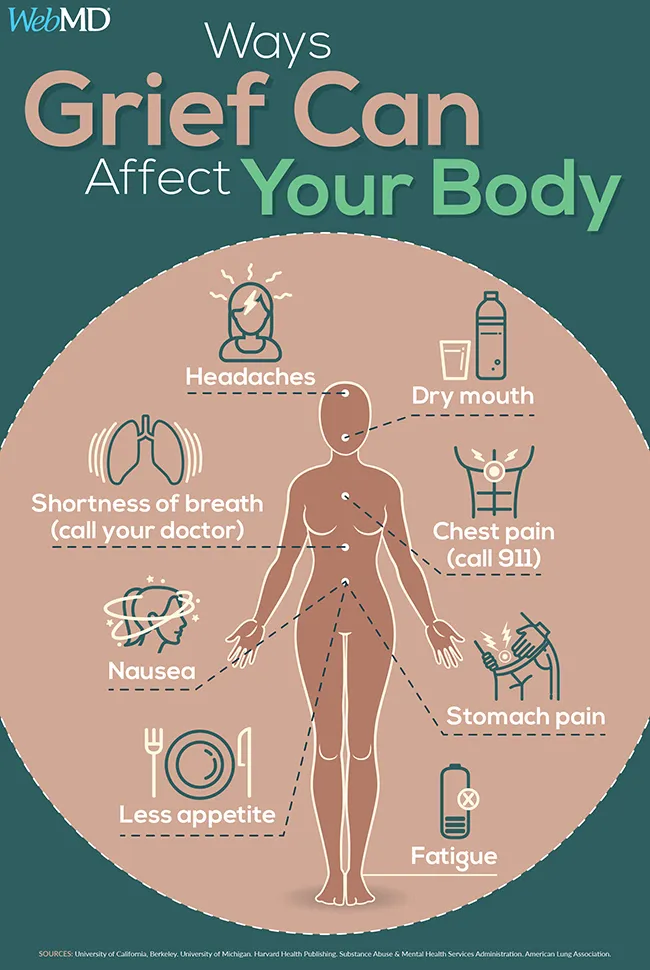






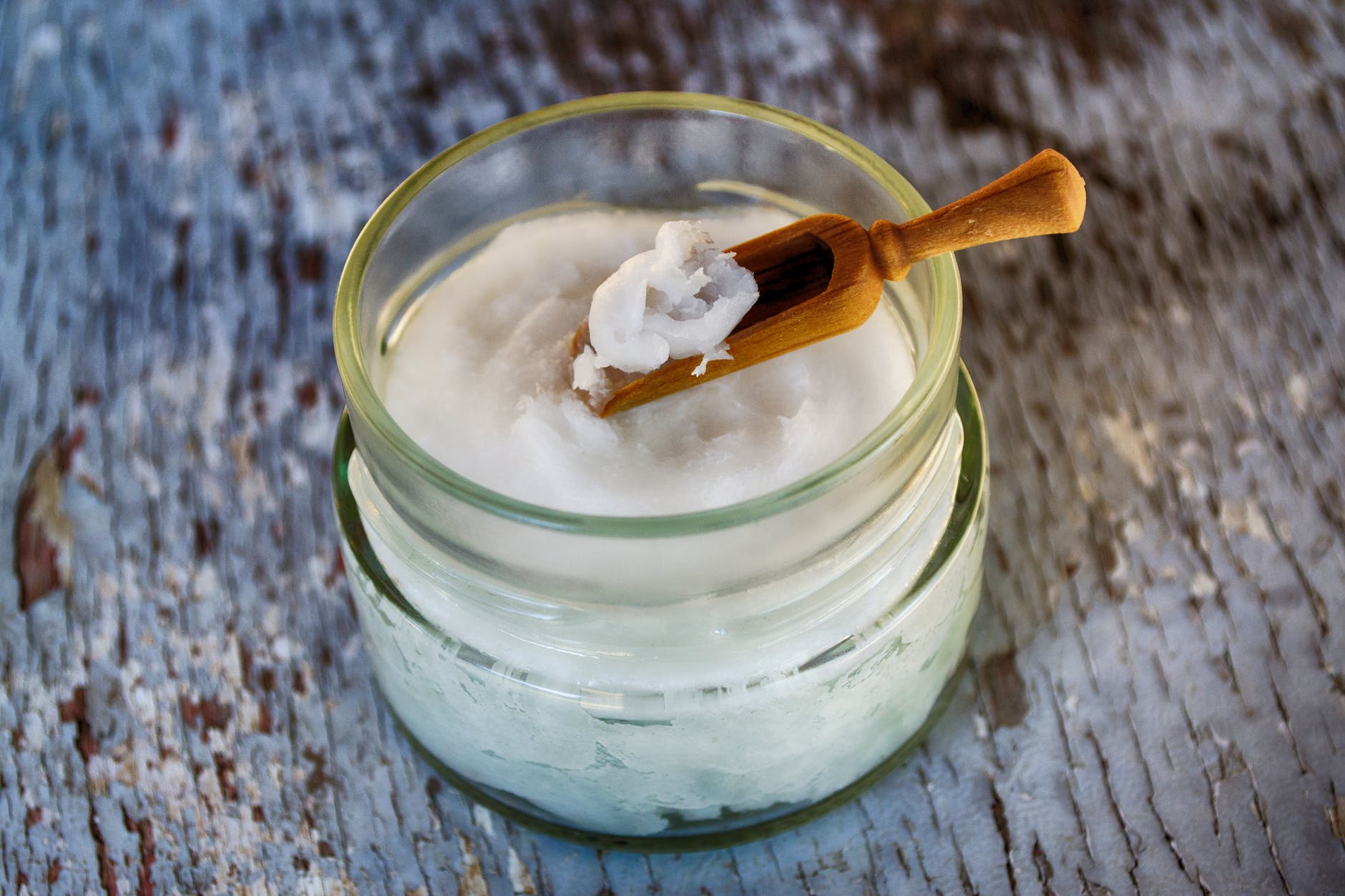

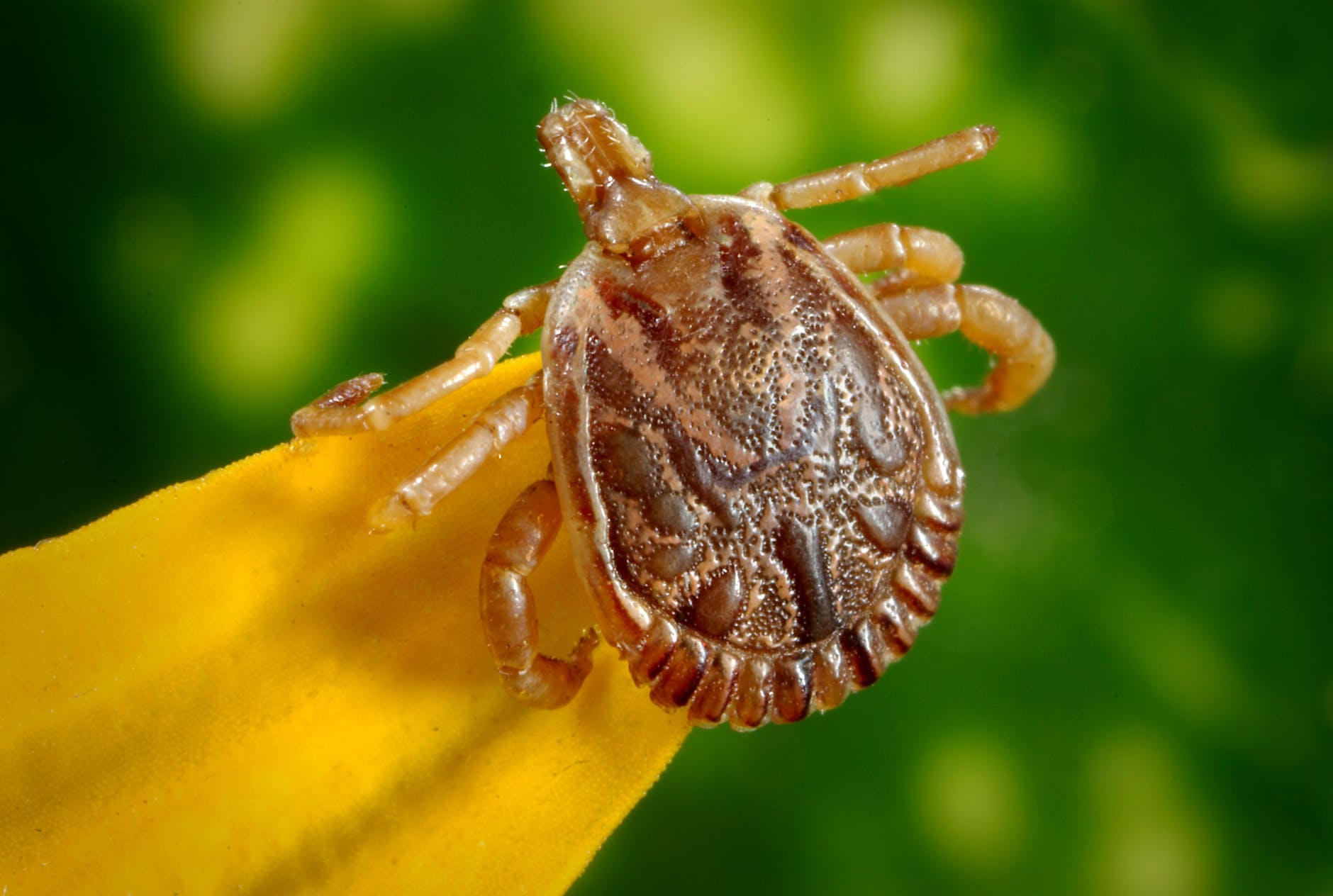


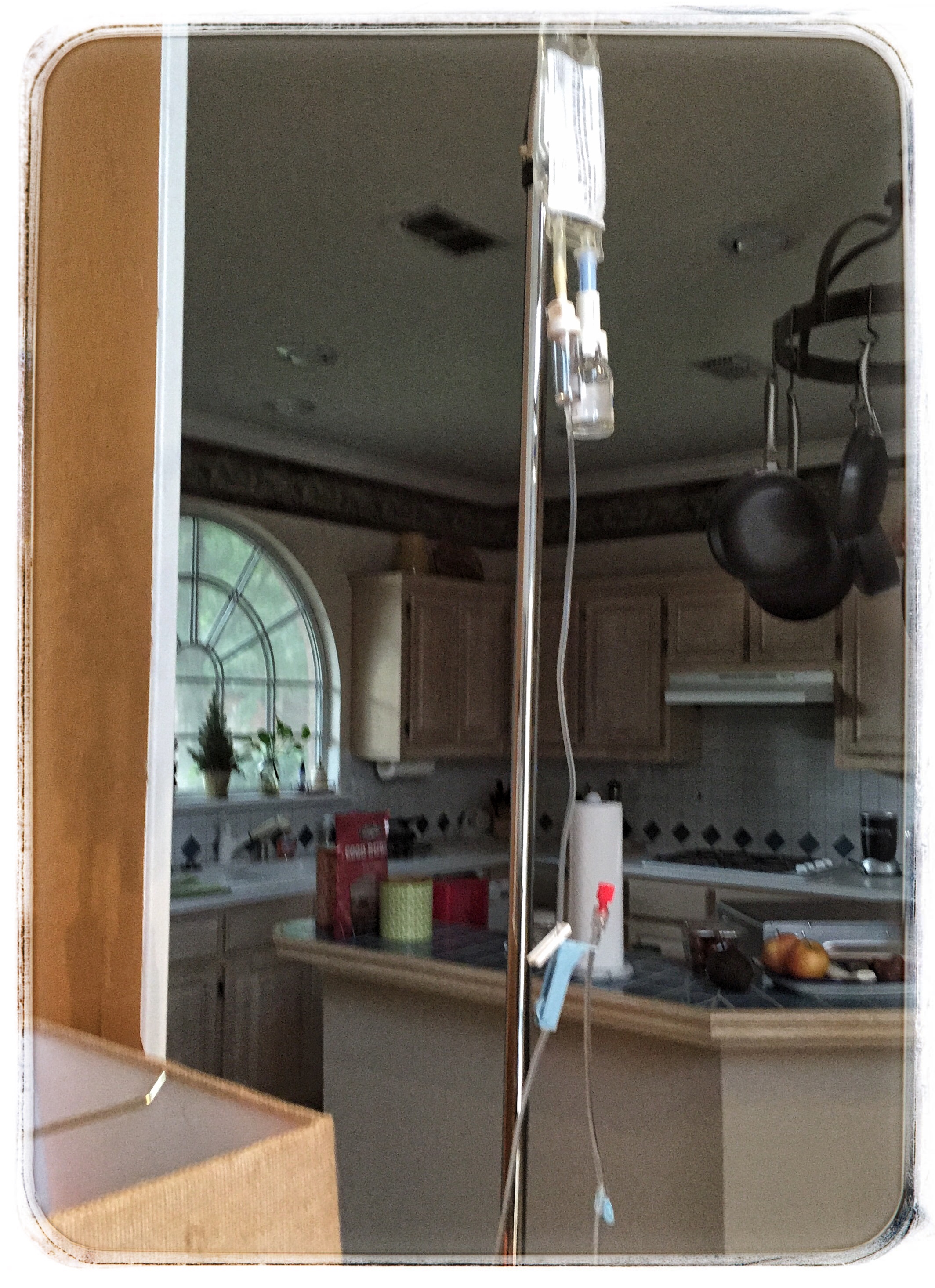

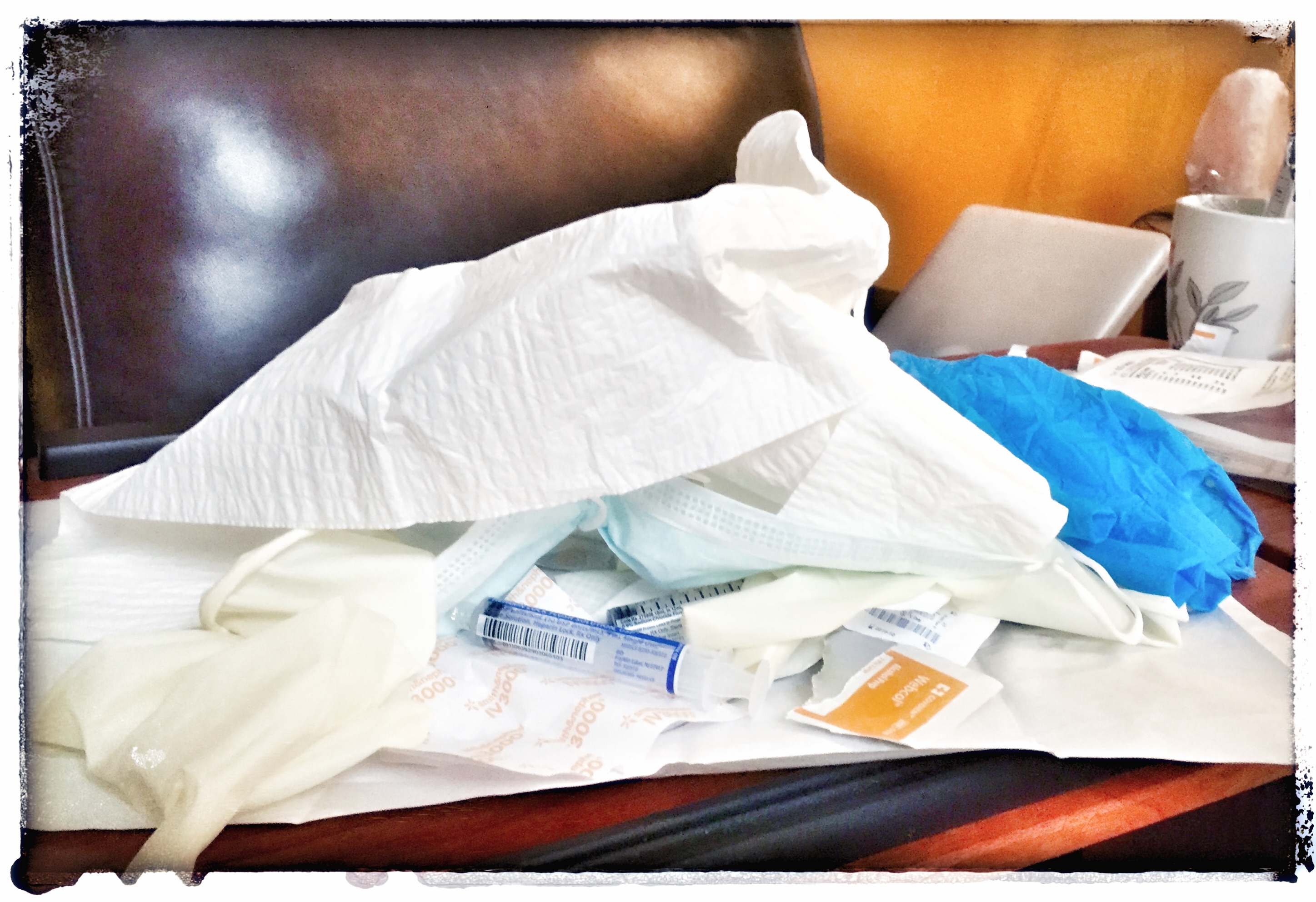



 lookingforthelight.blog