Life can be stressful and times like these are not making it any easier. That is why spending time outside is encouraged for your mental health. Research has shown that time outdoors gardening can lift your spirits. Playing in the dirt can reconnect you with nature, allowing you to see the bigger picture and giving you a different perspective. Here are some surprising ways gardening can do wonders for your mental health.
Sometimes things are just the way they are and there may not be much you can do about it. In times like these, practicing acceptance comes in handy to keep your mental health in check. Life is unpredictable. Gardening will help you realize that life will blossom in the way it wants. Of course, you can provide an ideal environment for your plants to be strong, healthy and nutritious, but after a while, you have to let it do its own thing.
Allows You To Let Go Of The Need For Perfection
Life is not perfect. Nothing is perfect. Desperately trying to make things perfect will run you ragged and leave you frustrated. Wanting perfection can cause you to miss opportunities, damage your relationships, and can even paralyze you from trying something new. Nothing will teach you that more than planting your favorite vegetable or fruit. No matter how carefully you try to map out how your garden will look, how it will grow, or how many Ryobi trimmer reviews you read, there are many factors that cause imperfections in your garden. These are things like insects, diseases of your plants, bad weather, and pests. Gardening will force you to relinquish the need for perfection.
Allows You Change Your Mindset
One of the ways to maintain your mental health is to change your mindset from a fixed mindset to a growth mindset. When you have a growth mindset you believe that you are constantly learning even when things do not go as planned. You look at those situations as an opportunity to learn and grow instead of failure. It can change your perception of making mistakes. Gardening can help you work on building up that mindset. You cannot fail at gardening, even if all your plants die. All that you did is learn how to better take care of your plants for the next time.
Allows You To Connect
Gardening allows you to connect with people and the world. For one, gardening is a hobby enjoyed by many people around the world. If you garden, you will likely find a friend who enjoys gardening too. It also allows you to connect with the earth. Think about it; you are playing in its dirt all day and you are adding to it. You are creating an impact. Gardening almost feels like being a parent because you develop a bond with the plot of land you are tending as well as the plants that sprout out of it.
Stress plays a very important role in our mental health, good stress, and bad stress. Good stress motivates us to move forward, reach new limits, and push us to the next level. Bad stress on the other hand is detrimental to our overall well being and can cause hair loss among other ailments.
Telogen effluvium. In telogen effluvium (TEL-o-jun uh-FLOO-vee-um), significant stress pushes large numbers of hair follicles into a resting phase. Within a few months, affected hairs might fall out suddenly when simply combing or washing your hair.
Trichotillomania. Trichotillomania (trik-o-til-o-MAY-nee-uh) is an irresistible urge to pull out hair from your scalp, eyebrows or other areas of your body. Hair pulling can be a way of dealing with negative or uncomfortable feelings, such as stress, tension, loneliness, boredom or frustration.
Alopecia areata. A variety of factors are thought to cause alopecia areata (al-o-PEE-she-uh ar-e-A-tuh), possibly including severe stress. With alopecia areata, the body’s immune system attacks the hair follicles — causing hair loss.
Stress and hair loss don’t have to be permanent. If you get your stress under control, your hair might grow back.
If you notice sudden or patchy hair loss or more than usual hair loss when combing or washing your hair, talk to your doctor. Sudden hair loss can signal an underlying medical condition that requires treatment. If needed, your doctor might also suggest treatment options for your hair loss.
This article is great news for those who are leary of using DEET to prevent tick bites. Hopefully, it will be on the market soon. I’m all for using natural products when I can.
An undated photo provided by the Centers for Disease Control and Prevention shows an Asian longhorned tick. The Environmental Protection Agency has approved nootkatone, which repels ticks, mosquitoes and other dangerous bugs for hours, but is safe enough to eat. (James Gathany/Centers for Disease Control and Prevention via The New York Times)
Adding a new weapon to the fight against insect-borne illnesses including Lyme disease and malaria, the Environmental Protection Agency on Monday approved a new chemical that both repels and kills ticks and mosquitoes.
The chemical, nootkatone, an oil found in cedar trees and grapefruits, is so safe that it is used by the food and perfume industries.
Nootkatone is considered nontoxic to humans and other mammals, birds, fish and bees, the EPA said in a statement.
Diseases caused by the bites of ticks, mosquitoes and fleas have tripled in the United States in the last 15 years, the Centers for Disease Control and Prevention said in a 2018 report. They include Lyme disease, anaplasmosis and Rocky Mountain spotted fever from ticks; West Nile, dengue, Zika and chikungunya from mosquitoes; and plague from fleas.
In tropical countries, malaria and yellow fever are major killers, and elephantiasis is also spread by mosquitoes. Lethal Crimean-Congo hemorrhagic fever is spread by ticks, and kala azar is spread by sandflies.
Manuel F. Lluberas, a public health entomologist who has worked on mosquito-control campaigns around the world, said that he hoped that nootkatone would be accepted by people who fear synthetic repellents and that it could be made cheaply enough to be bought by foreign aid programs like the President’s Malaria Initiative.
The EPA registration applies only to nootkatone as an active ingredient, the statement said. Any formulations using it in the future will have to be tested and registered separately.
The chemical repels mosquitoes, ticks, bedbugs and fleas — and, in high concentrations, kills them, according to the CDC. It may also be effective against lice, sandflies, midges and other pests, some of which can carry lethal diseases.
It is not oily, lasts for hours and has a pleasant, grapefruitlike scent, said Ben Beard, deputy director of the division of vector-borne diseases at the CDC, naming two grapefruit-flavored sodas.
“If you drink Fresca or Squirt, you’ve drunk nootkatone,” Beard said.
Nootkatone works differently from previous classes of insecticides and can kill bugs that are resistant to DDT, pyrethroids and other common insecticides.
Experts in insect-borne diseases greeted the news with cautious enthusiasm.
“Its use as an insecticidal soap has great potential,” said Duane J. Gubler, a former CDC chief of vector-borne diseases.
One proposed use is in soaps that people in tick-infested areas could shower with, repelling and possibly killing ticks that try to attach to them.
Joel R. Coats, a specialist in insect toxicology at Iowa State University, said his lab had tested nootkatone and found it to be “an impressive repellent but a weak insecticide.”
It repels ticks even better than synthetics like DEET, picaridin or IR3535 do, Coats said, and it is their equal at repelling mosquitoes.
Unlike citronella, peppermint oil, lemon grass oil and other repellents based on plant oils, he added, nootkatone does not lose its potency after about an hour but lasts as long as the synthetics.
Although it can also kill insects, he said, doing that takes so much of the chemical that it may not be practical.
“Most plant terpenes will kill bugs if you go to a high enough dose, but I haven’t seen any data that supports using it as an insecticide,” Coats said, using a term for aromatic oils exuded by many plants to repel invasive insects. “I’ve seen lots of data on it as a repellent.”
Mikkel Vestergaard-Frandsen, owner of the Vestergaard company, which makes insecticide-impregnated nets to fight malaria, said he was interested in the compound but wanted to know more about it.
Because babies sleep under the nets, any insecticide in them must be safe.
In many areas, mosquitoes have developed resistance to the pyrethin-based insecticides now used in nets, which are synthetic versions of a chemical found in chrysanthemum flowers.
A version of nootkatone that can linger in netting fabric for years would have to be developed, but good repellents usually dissolve too quickly for that, he said.
The CDC discovered nootkatone’s repellent properties almost 25 years ago as part of a search for new tick-control compounds to fight Lyme disease, Beard said.
They investigated cedar bark and chips “because there are all these folk tales that cedar repels insects — and people keep their clothes in cedar chests,” he said.
Cedar wood itself had very little effect on ticks, he said, but Oregon State University scientists working with the agency found the terpene oil of the Alaskan yellow cedar to be powerfully repellent. The Latin name of the tree is Cupressus nootkatensis, which comes from the Nuu-Chah-Nulth people of Canada.
It is “not known in great detail” how nootkatone works, Beard said, but it appears to activate octopamine receptors, which in insects send electrical impulses from one nerve cell to the next. Unable to turn off the signal, the bugs twitch to death.
In mammals, adrenaline — which is chemically related to octopamine — performs the same function. But the compound does not trigger adrenaline receptors.
Later the agency realized that the same chemical, originally derived from grapefruit rinds, was used as a flavoring and in perfumes.
The CDC licensed its patent to a Swiss company, Evolva, which isolates the chemical from fermenting yeast.
But doing the safety studies required for EPA registration was too expensive until the 2015-16 Zika epidemic came along, Beard said.
That epidemic prodded Congress to appropriate money for mosquito control, and the CDC transferred some of it to BARDA, the Biomedical Advanced Research and Development Authority, which contracted with Evolva to finish the research.
Zika funding “was the key to moving the boulder up the hill,” Beard said. But because nootkatone works well on both mosquitoes and ticks, he added, “it wasn’t a bait-and-switch.”
Yoga students may present with a variety of physical health concerns, such as chronic pain or injury. As a yoga instructor, it is important to become familiar with student histories so that the teacher can ensure the yoga studio remains a safe space for students. Overall, engagement in yoga practice has been consistently increasing in […]
The CDC decries abrupt, involuntary dose reductions and patient abandonment without acknowledging its responsibility for those unintended but foreseeable consequences.
Deborah Dowell (CDC)
In a New England Journal of Medicinecommentary published today, the authors of the opioid prescribing guidelines that the U.S. Centers for Disease Control and Prevention issued in 2016 reiterate the agency’s recent warning that it does not recommend abrupt or nonconsensual tapering for patients who are already taking high doses of narcotic analgesics for chronic pain. “Unfortunately, some policies and practices purportedly derived from the guideline have in fact been inconsistent with, and often go beyond, its recommendations,” write Deborah Dowell, Tamara Haegerich, and Roger Chou. Those policies and practices, they say, include “inflexible application of recommended dosage and duration thresholds and policies that encourage hard limits and abrupt tapering of drug dosages, resulting in sudden opioid discontinuation or dismissal of patients from a physician’s practice.”
Dowell, Haegerich, and Chou warn that patients forced to reduce their doses “could face risks related to withdrawal symptoms, increased pain, or unrecognized opioid use disorder” and “if their dosages are abruptly tapered may seek other sources of opioids or have adverse psychological and physical outcomes.” They also worry that doctors are responding to the CDC’s advice about the potential risks of opioids by “dismiss[ing] patients from care” or declining to prescribe opioids at all, “even in situations in which the benefits might outweigh the risks.” Dowell et al. say “such actions disregard messages emphasized in the guideline that clinicians should not dismiss patients from care, which can adversely affect patient safety, could represent patient abandonment, and can result in missed opportunities to provide potentially lifesaving information and treatment.” And they note that the guidelines have been improperly applied to “patients with pain associated with cancer, surgical procedures, or acute sickle cell crises.”
The CDC’s recognition that misinterpretation of its guidelines has resulted in needless suffering, patient abandonment, and “adverse psychological and physical outcomes” (including suicide) is welcome, if overdue. “This article should allay anxiety among physicians who prescribe responsibly for patients with chronic pain,” says Sally Satel, a Washington, D.C., psychiatrist who helped organize a March 6 letter to the CDC in which hundreds of health professionals and addiction specialists, including three former drug czars, expressed concern about the unintended consequences of the CDC’s advice. “No longer can any clinician, insurer, health care system, or pharmacist claim ‘the CDC Guideline says’ when it comes to tapering or discontinuation.”
Stefan Kertesz, a University of Alabama at Birmingham pain and addiction specialist who worked with Satel on the letter to the CDC, was also heartened by the NEJM article. “We needed CDC and its guideline’s authors to do precisely what they have done, which was to speak with vigor and clarity to the pressing ethical concern we laid out in our letter,” he says. “In affirming that the guideline did not call for hard dose cutoffs and forced tapers, the guideline’s authors have effectively called for recalibration of policies by insurers, by Medicaid authorities, and by agencies that have set ‘the number of patients above a given dose’ as the primary indicator of bad care.”
The letter to the CDC included testimony from hundreds of patients who have suffered the consequences of that ham-handed approach. “The trauma to patients who have been living in terror these past three years nearly broke my heart many times,” Kertesz says. “The only possible step has been for people familiar with the nexus of science and health policy to speak openly about the problems we have seen, and to trust that most people ultimately want to do what’s right.”
Yet Dowell et al. conspicuously fail to take any responsibility for the unintended but foreseeable harm caused by their advice. When a document is as widely misconstrued as the CDC’s guidelines have been—by insurers, regulators, legislators, pharmacists, and law enforcement agencies as well as clinicians—it is fair to ask how the authors left themselves open to misinterpretation.
According to the guidelines, “Clinicians should use caution when prescribing opioids at any dosage, should carefully reassess evidence of individual benefits and risks when considering increasing dosage to ≥50 morphine milligram equivalents (MME)/day, and should avoid increasing dosage to ≥90 MME/day or carefully justify a decision to titrate dosage to ≥90 MME/day.” The implication is that doses of 90 MME or more per day are rarely, if ever, medically justified.
It is hardly a stretch for physicians with patients who exceed this arbitrary threshold, including patients who have been functioning well on high doses for years, to worry that they will be perceived as practicing outside the bounds of proper medical care. Given the scrutiny that regulators and law enforcement agencies such as the Drug Enforcement Administration (DEA) have been applying to doctors in response to the “opioid epidemic,” prescribing practices portrayed as extreme and dubious by the CDC are apt to attract unwelcome attention that could jeopardize a physician’s livelihood and liberty.
“We still, unfortunately, have physicians who worry about capriciousness on the part of the DEA,” Satel notes. “That is the next step in efforts to ensure that doctors can continue to serve pain patients who have been benefiting from opioids.” While “the DEA does indeed have a job to do,” she says, “doctors are confused about what could make them a target.”
How doctors respond to anti-opioid pressure will depend on how they weigh their duty to patients against their personal risk. In this context, forced tapering and abandonment were predictable outcomes, even though the CDC guidelines say doctors should reduce doses only when the risks outweigh the benefits and describe the process as collaborative and consensual.
“Clinicians should empathically [sic] review benefits and risks of continued high-dosage opioid therapy and should offer to work with the patient to taper opioids to safer dosages,” the guidelines say. “For patients who agree to taper opioids to lower dosages, clinicians should collaborate with the patient on a tapering plan.”
Dowell et al. complain that “the guideline has been misimplemented,” saying “policies invoking the opioid-prescribing guideline that do not actually reflect its content and nuances can be used to justify actions contrary to the guideline’s intent.” But those nuances were bound to be lost amid the fear and anxiety caused by the government’s crackdown on prescription pain relievers.
Notwithstanding Dowell et al.’s disavowal of “hard limits and abrupt tapering,” that is what happenedacross the country after the CDC guidelines came out, as reflected in this sign at a doctor’s office in Washington state. “Beginning February 2017,” it says, “Morphine Equivalency Dosing WILL decrease until CDC guidelines are met by June 2017. Target is 90mg of Morphine equivalency per day, or less. All medication adjustments will be based on this new clinic policy.”
While decrying involuntary and precipitous tapering, Dowell et al. present the general decline in opioid prescribing as a sign of progress. “Although outpatient opioid prescribing had been declining since 2012,” they write, “accelerated decreases—including in high-risk prescribing—followed the guideline’s release.” Yet the continuing drive to reduce the volume of opioids prescribed in the United States has encouraged doctors, insurers, and policy makers to target patients on high doses, who consume a disproportionate share of the total. Kertesz emphasized that point at a recent conference in Charleston.
Dowell et al. do not acknowledge the downside to the decline in opioid prescribing, which has been accompanied by a surge in opioid-related deaths as both patients and nonmedical users turn to the black market, where the drugs are much more dangerous because potency is highly variable and unpredictable. Nor do they question their emphasis on the 90-MME threshold, which is scientifically problematic for several reasons. It assumes that analgesic effect corresponds to overdose risk and that different opioids can be reliably compared to each other based on fixed ratios. It ignores numerous factors that affect how a patient responds to a given dose of a particular opioid, including obvious considerations such as the patient’s weight, treatment history, and pain intensity as well as subtler ones such as interactions with other drugs (which can suppress or amplify an opioid’s effects) and genetically determined differences in enzyme production and opioid receptors.
“Policies should allow clinicians to account for each patient’s unique circumstances in making clinical decisions,” Dowell et al. write. The CDC’s 90-MME threshold, however it was intended, has in practice encouraged a much less discriminating approach, one that sacrifices patients’ welfare for the sake of conforming with the perceived demands of the federal government.
“The CDC bears full responsibility for how these arbitrary dose levels are being implemented throughout the country and the consequences for the people in pain,” Lynn Webster, a former president of the American Academy of Pain Medicine who signed the March 6 letter to the CDC, told me last year. “I said at the time when they were proposed that if something comes from the CDC as a guideline, it is more than a guideline. It will be interpreted basically as a level of dosing that if you exceed [it], then you are at legal jeopardy.”
Dorothée Lorang, a filmmaker who lives in Nantes, France, has two children. One of them, Axel, is the central character in a remarkable video called “Axel and the True Story of an Imaginary Illness.”
Can you guess what the “imaginary illness” is?
Though under an hour long, the story of Axel and his family packs quite an emotional wallop–along with a lot of critically important information. It is both poignant and illuminating.
We learn about the difficulties of getting properly diagnosed and treated for Lyme disease in France, the pain and frustration of a suffering family, and the indomitable spirit of a little boy who’d rather pretend he’s Batman than undergo pushing and prodding from medical doctors who ultimately don’t believe he’s really sick anyway. (Who can blame him?)
Other issues that play a part: a mother and father’s dogged search for answers when they keep running into brick walls; the question of gestational Lyme disease; the effectiveness of antibiotic vs. alternative therapies; and the importance of Lyme patient activism.
This extraordinary film shares its story in a disarmingly simple way. (When in fact, we all know that Lyme disease can devastate a family in the non-simple manner of a runaway train plunging into a ravine, yes?)
“Axel and the True Story of an Imaginary Illness” doesn’t dispute the complexities involved. Yet, it offers a calm clarity as the parents discover new treatment approaches and weigh the decisions they must make to help their son.
The film is in French, with English subtitles. It’s available on Vimeo, where you can watch a snippet of it for free. Watching the whole thing will cost you $2.83. I found it well worth the price of admission.
(If you decide to rent the film, make sure to click the “CC” button in the lower right-hand corner of the frame. That turns on the English subtitles. I confess, it took me a while to figure that out.)
Over the past seven years I’ve seen: five primary care doctors, two neurologists, five OB-GYNs, one gastroenterologist, two urologists, one allergist, five dermatologists, five ER doctors, three functional medicine doctors, one ophthalmologist, one naturopath, four physical therapists, seven acupuncturists, and two craniosacral therapists—on a quest to find answers about my health.
I’m not a layperson. I wasn’t lost in the healthcare system. I know healthcare from the inside out. I have been a nurse for 17 years. I researched every doctor before scheduling an appointment. I prepared a list of questions and concerns for each doctor’s visit. Yet my outcome was misdiagnosis and dozens of prescription medications being thrown at symptoms.
Missing the root cause
If I’d been correctly diagnosed from the start, I could have avoided the following: Botox injections to my scalp and occipital nerve blocks to alleviate debilitating migraine pain and occipital neuralgia; an endoscopy; CT scans; MRIs; numerous ultrasounds; and countless lab tests. Not one doctor was able to determine the cause of my health problems. For starters, most weren’t looking for Lyme disease. Medications served as band-aids, and I was faced with the stark reality that the medical establishment I’d served for so long had failed me.
I hiked regularly in the Bay Area and had a dog when odd symptoms began to appear in 2013. Over the years, I would address one symptom, only to have another emerge months later. Sometimes I’d feel relatively okay for months at a time. My health improved somewhat after being treated for gut dysbiosis, worsening migraines, and interstitial cystitis. However, no one could pinpoint the root cause of my growing list of ailments. And I never felt fully well, like my old self.
In 2016, I saw a naturopath who tested me for Lyme disease as part of my new patient workup, using the standard serological ELISA and Western Blot lab tests. I read my results over and over. Negative. Negative. Negative. At the time, I didn’t know about the unreliability of the CDC’s two-tier testing protocol for Lyme disease. I was just told that Lyme had been ruled out. I’d tested negative, had never seen a tick, felt a bite, or had a bull’s-eye rash.
A Diagnosis
My health was in a downward spiral by the start of 2020. I still didn’t know what was causing my decline, I just knew I needed answers. A friend referred me to an integrative doctor who specializes in treating complex cases. It turns out, he’s a member of ILADS and has a lot of experience in recognizing and treating tick-borne illness.
As he looked over my lab results and read my list of chief complaints, he raised the possibility that Lyme disease could be at the root of my health problems. I couldn’t believe it! Had it been Lyme all along? My body was fighting something and perceived everything as a threat. Overactive mast cells translated into a myriad of symptoms ranging from histamine intolerance to anxiety and insomnia. He diagnosed me with mast cell activation syndrome, prescribed medications to stabilize my mast cells, and we agreed to test for Lyme disease via a specialized lab. My physical symptoms were beginning to make sense. I finally felt like I was headed in the right direction.
Health Inequity, Racial Disparities, & Implicit Bias
Once I was officially diagnosed with tick-borne disease, I joined a number of Lyme support groups. I was determined to find answers and connect with others battling the disease. As I explored each group, I noticed most members were white. I yearned to see representation in these groups. Why were so few people of color diagnosed with Lyme and other tick-borne infections?
As I’ve come to learn, there are many layers to that answer. A textbook bull’s-eye rash indicative of Lyme will present differently in people with dark skin. If the assessing doctor isn’t Lyme-knowledgeable, this cardinal sign may be missed. Latinxs are at high risk for contracting tick-borne infections due to occupational exposure. They comprise 44% of ground maintenance workers and 43% of farm workers. Because of health inequity, Black and Brown communities often lack access to healthcare.
Furthermore, access to Lyme-literate medical doctors (LLMDs) is problematic, as most are not in-network with health insurance plans. Thus, the cost of treatment falls squarely on the patient’s shoulders. Language barriers, fear of deportation, work schedules, and seasonal labor are roadblocks to seeking care early on as well. Lastly, a doctor’s bias, implicit or not, will directly impact if and when a diagnosis is made and how a patient’s complaints are treated. One study showed that doctors who harbor pro-white implicit biases aree more likely to prescribe pain medications to white patients than to Black patients.
CDC
Another barrier to diagnosis is the CDC’s rigid definition of Lyme disease. California, where I live, is considered “low-incidence” by the CDC. This means a patient in my state must meet a higher standard to be considered positive for Lyme, as compared to people in “high incidence” states.
The CDC also adheres to the Lyme treatment guidelines of the Infectious Diseases Society of America. According the IDSA, clearing Lyme disease only takes a few weeks of antibiotics. If symptoms persist beyond that, they call it “Post Treatment Lyme Disease Syndrome,” and advise against any further treatment. This also makes it easier for insurance companies to refuse to pay for Lyme medical care beyond the short course recommended by the IDSA.
Now four months into treatment with intravenous and oral antibiotics, I am beginning to see more and more glimpses of “the old me.” I hope to finish up sometime this year. I feel fortunate to have found a treating doctor to help me solve my health puzzle, along with caring and skillful nurses that never miss with IV placement.
I’m also grateful to have found an acupuncturist who has successfully treated Lyme patients for decades. She has helped my body detoxify and feel calmer, month after month. Everyone deserves to have holistic care, with integrative doctors and acupuncturists working collaboratively with a patient-centered approach. Sadly, this is not the case in our broken healthcare system.
Gabriela Wijegunawardena lives in the San Francisco Bay Area. This guest post is adapted from her blog Raising the Revolution.
Thank you for all the wonderful comments about this post each week. I appreciate you taking the time to write me the notes. When I hear about a product someone is using and I can use it, I’m glad they mentioned the product. I hope you find some products you can use in these posts.
I buy almost everything off of Amazon because they are often less expensive and as a Prime Member we get two-day free delivery. Also, if you use the Amazon Store Card you receive 5% back on all of your purchases. I’m all about saving money and free money!
Our fan-favorite collection of skin soothers is powered by a Centella Asiatica (Tiger Grass) complex to calm sensitive skin, reduce redness, and soothe irritation.
One small jar will last long after the expiration date. I realized mine was about two years old and had to purchase a new jar, the smallest size they had this time. Use this the minute you feel a pimple coming on and by day two it may be completely gone. It’s also great for covering up dark spots on your face. A tiny bit goes a long way!
Micellar technology, Gently cleanses and soothes, Removes makeup from face and eyes, Provides an instant feeling of freshness
Sensible H2O Facial Cleansing Wipes
I read Victoria Beckham used them, she has great skin so I had to try them. Surprisingly they are less expensive than many facial wipes on the market. I found them on Amazon and buy the two-pack. They are perfect for my sensitive skin. I don’t wear make-up these days so I only use these to clean my face with and a little toner. Available in the UK and many countries.
They smell is out of this world, no nasty smell, two pumps is all it takes and it dries fast. Your hands even smell good after since it’s made with essential oils. I also love the Lavender scent. I have purchased at Whole Foods in the past but now buy by the case off Amazon, it’s less expensive. Whole Foods charged over $4.00 a bottle the last time I checked.
We feed our dogs Natural Balance dog food and they love their snacks. We’ve tried every flavor and they haven’t snubbed their nose once. There are no fillers, no artificial flavors or colors, and no corn, wheat, or soy. We put them in Kong toys and they love it. Natural Balance is much better for them than the Kong brand treats and less expensive.
Imagine, for a moment, living in a world where strep throat wasn’t treatable. Where getting a cut or a blister could be life-threatening, even for people in countries with well-developed health systems.
While this may seem far-fetched, that’s exactly what could happen if our antibiotics lose their ability to treat bacterial infections. For years, scientists have been warning usaboutthis scenario and telling us about the alarming rise in drug-resistant bacteria — but it doesn’t have to be our future.
Read on to learn 9 facts about antibiotics and how they were discovered, how bacteria learn to outmaneuver them, and how a bold idea (supported by The Audacious Project at TED) could help us address this problem.
So how did we get here?
1. We only have penicillin because of a scientist’s vacation and a policeman who grew roses
Penicillin, the first widely-used antibiotic, was discovered in 1928 and went on to revolutionize medicine. But we only have this drug — which treats strep throat, meningitis and more — thanks to a string of random events.
After his annual summer vacation, bacteriologist Alexander Fleming returned to his lab in London. When he was there, he realized that he had forgotten to place a petri dish in an incubator. As a result, an unusual mold was growing there. What’s more, the staph cells that he’d been studying and were clustered around it had actually died. Fleming called the mold “penicillin”, but then he struggled for more than a decade to isolate its active ingredient.
A group of biochemists at Oxford University — Howard Florey, Ernst Chain and Norman Heatley — picked up the charge. In 1940, they succeeded in purifying penicillin and tested it, first on mice and then on its first human subject: a policeman who’d contracted a life-threatening infection after being scratched by a rosebush in his garden.
At the same time, England was deep in the midst of World War II. According to the book The Mold in Dr. Florey’s Lab Coat, the group made a plan for what to do if Germany invaded — they rubbed penicillin spores into their lab coats so they could carry on their work should they have to flee.
That didn’t come to pass, but Florey and Heatley did have to solicit outside help to get penicillin mass-produced. They worked with both pharmaceutical companies and the US government to develop methods for growing penicillin at scale. By 1943, the US was supplying all the Allied forces with this miracle drug, which gave them a huge advantage in treating injuries.
2. Most of our existing antibiotics were found in the dirt — with the help of pilots and missionaries
Penicillin set off a golden age of antibiotic discovery, with scientists racing to identify substances with similar properties. At Rutgers University, agriculture student-turned-microbiologist Selman Waksman systematically tested an astonishing 10,000 soil samples over the course of his career. In 1943, he identified streptomycin, a broad-spectrum antibiotic effective against tuberculosis.
This work quickly got the attention of drug companies, who also set their eyes on searching soil. As public health journalist Maryn McKenna notes, Pfizer commissioned pilots, explorers and foreign correspondents to send back soil samples as they traveled; Eli Lilly, meanwhile, made a deal with the Christian and Missionary Alliance to have its members do the same. Bristol-Myers tapped its shareholders, asking them to mail in soil from wherever they went.
This tactic worked for decades, netting dozens of new antibiotics. But by the mid-1970s, researchers scouring soil samples found themselves discovering the same molecules over and over. Nothing new.
3. Discovery of new antibiotics has slowed, while bacteria are growing resistant to existing drugs
For the past 40 years, scientists have focused on methods like genomic sequencing to help identify new antibiotics. This process is slow and expensive — it costs roughly $1 billion per drug, says McKenna — and has yielded relatively little in the way of results.
At the same time, bacteria are learning to withstand our available drugs. They’re developing antibiotic resistance — sneaky strategies that prevent an antibiotic from damaging their cells. What’s more, bacteria appear to be getting more and more efficient at this. As McKenna explains in a TED Talk, vancomycin was first prescribed in 1972, and then vancomycin-resistant bacteria emerged in 1988. Imipenem came out in 1985, and resistance was noted in 1998. More recently, daptomycin came out in 2003, with resistance noticeable by 2004.
4. The very use of antibiotics increases the mutation rate of bacteria
Antibiotics are mutagens, which work by attacking a bacteria cell. If they don’t kill it outright, they trigger the cell to fight for survival. So the use of an antibiotic increases the probability of a bacteria cell mutating in a way that gains resistance.
Resistant cells are able to pass on new coding to their offspring with startling speed — bacteria birth a new generation every 20 minutes. Plus, cells are even able to hand off their resistance to other bacteria. As McKenna puts it in her TED Talk, “Bacteria can pass their DNA to each other like a traveler handing off a suitcase at an airport. Once we have encouraged that resistance into existence, there is no knowing where it will spread.”
Resistance can also accumulate. Some communities of cells now have resistance to multiple antibiotics, and these hard-to-kill bacteria are the “superbugs” that you’ve probably heard about.
5. Antibiotic resistance is a natural phenomenon, but overusing antibiotics makes the problem much worse
Given how swift bacteria are at building resistance, the best strategy for ensuring that antibiotics stay effective would be to use them sparingly and only when needed. But that isn’t what we’ve done.
In some countries, antibiotics are available without a prescription, and in Europe and North America, antibiotics are vastly overprescribed by physicians. Too many patients pressure practitioners for antibiotics, even for colds or viruses that can’t be cured by them. According to the US Center for Disease Control, 30 percent of antibiotic prescriptions written in the US — in doctors’ offices and hospitals — are unnecessary.
6. Antibiotic use in livestock and antibacterial soaps are also driving resistance
In the US, 70 percent of all antibiotics sold are used on farms to fight off infections in livestock and enhance their growth. Antibiotics are also used in the farming of fish and shrimp, as well as in the growing of fruits like apples, pears and citrus even though they’re not always necessary.
Meanwhile, consumers’ use of antibacterial soaps are on the rise. Then, with the COVID-19 pandemic, many people are using hand sanitizer gels and disinfecting wipes much more frequently. It’s the right thing to do while the virus is a threat — but in the long run, it could further stoke resistance.
7. The number of people dying from antibiotic-resistant diseases keep rising
According to a 2019 report from the World Health Organization, at least 700,000 people are already dying of drug-resistant diseases each year. That number could rise to 10 million annually by 2050, making antibiotic resistant infections more deadly than cancer. We could soon be living in a very different world, one where the medical advances of the last century are wiped away.
8. But there is good news: Artificial intelligence has helped identify the first new broad-spectrum antibiotic in decades
This story promised hope, and that’s where the work of the Collins Lab at MITcomes in. Led by synthetic biologist Jim Collins, the lab has the goal to speed up the process of discovering new antibiotics and replenish our antibiotic arsenal. They’re doing this by harnessing the power of machine learning to screen unprecedented numbers of molecules for antibiotic properties.
In a 2020 study, Collins’ team announced that they have identified a new, highly-potent antibiotic: halicin.Named for HAL 9000, the sentient computer in 2001: A Space Odyssey, it seems to have real superpowers. Halicin rapidly kills E. coli, M. tuberculosis and more, and it’s also effective against the antibiotic-resistant bacteria that cause sepsis and pneumonia.
Equally important, halicin doesn’t appear to trigger mutations like other antibiotics do — while E. coli can develop resistance to other antibiotics in a single day, it wasn’t able to develop resistance to halicin even after 30 days of exposure. While scientists have known about halicin for a while — it was tested as a treatment for diabetes years ago — no one suspected it had antibiotic properties. “It doesn’t look like the antibiotics we know, so it would have been all but impossible for humans to recognize it as an antibiotic,” says Collins.
Thanks to the support of The Audacious Project, the funding initiative housed at TED to catalyze ambitious ideas into action, the Collins Lab is looking to add to our antibiotic toolbox. Their mission is to identify seven new classes of antibiotics to tackle seven of the world’s deadliest bacterial pathogens over the next seven years.
The lab’s work begins by analyzing the antibacterial activity of 100,000 known molecules. From there, they’ll train a machine-learning model to predict — based on their chemical structure — whether the new molecules could kill bacteria. Somewhere in this process, they should find antibiotics perfectly suited to fight ultra-deadly bugs. Researchers can also use what the model learns about antibacterial properties to design entirely new molecules that could be synthesized and tested.
9. Even better: This method might also have an impact on COVID-19
As Collins shared in his TED talk, he and his team are training an AI platform to search for new antivirals that could treat COVID-19. At the same time, they’re looking to modify the BCG vaccine — currently used to prevent tuberculosis — to include COVID-19 antigens. Finally, they’re working to create a face mask that could continually test its wearer for COVID-19 as they breathe (wow!). They’ll do this by freeze-drying RNA sensors onto cloth.
One last thing: Combating antibiotic resistance isn’t just the work of people like the Collins Lab team. We can each do our part
Next time you’re sick, double-check with your doctor to make sure an antibiotic is really necessary. If it is, be sure to follow the prescription instructions so that you kill the bacteria rather than drive mutation. In your everyday life, you can look for antibiotic-free meat and buy plain soaps rather than antibacterial ones — they’re just as effective on virus particles.
Yes, it’s hard to think about facing another large-scale global health crisis in our lifetimes — but we have a chance to heed the warning this time.
ABOUT THE AUTHOR
Kate Torgovnick May is a journalist and writer based in Los Angeles. A former storyteller at TED, she has worked with the ambitious thinkers of the TED Prize and Audacious Project, helping them share their stories in video and text. She’s also the author of the narrative nonfiction book, CHEER!: Inside the Secret World of College Cheerleaders, and has written for the television series NCIS and Hellcats. Read more about her work at KateTorgovnickMay.com.
I’m still perplexed by what has changed with my health that has brought on the major hair loss in the past two months. I haven’t had lab work done in two months so it’s hard to say how my Hypogammaglobulinemia and severe Anemia are doing but I feel pretty good and have been taking an iron supplement for over a month. Anemia is a condition which can cause hair loss, it may be part of my problem.
I collected a week’s worth of hair and discussed it with my doctor yesterday to get her feedback. She said it was a lot of hair for one week and is ordering lab work to check my Thyroid which is a medical condition. She is also referring me to a dermatologist. In the meantime, she said to wash my hair with a shampoo for Eczema. We’ll see what the dermatologist has to say.
Looking at the medical conditions that can cause hair loss, I have one, Anemia, and possibly two with a Thyroid problem.
Here are some medical conditions that can cause hair loss:
A diet lacking in protein, iron, and other nutrients can also lead to thinning hair.
Iron deficiency anemia is a condition that occurs when a person does not have enough iron in their body, or their body cannot use iron properly. While severe iron deficiency anemia can cause symptoms such as shortness of breath, fatigue, and chest pain, some people also experience hair loss.
The thyroid is a small, butterfly-shaped gland located at the base of your neck just below the Adam’s apple. It’s part of an intricate network of glands called the endocrine system. The endocrine system is responsible for coordinating many of your body’s activities. The thyroid gland manufactures hormones that regulate your body’s metabolism.
Alopecia areata is a condition that causes hair to fall out in small patches, which can be unnoticeable. These patches may connect, however, and then become noticeable. The condition develops when the immune system attacks the hair follicles, resulting in hair loss.
Sudden hair loss may occur on the scalp, and in some cases the eyebrows, eyelashes, and face, as well as other parts of the body. It can also develop slowly and recur after years between instances.
Ringworm, also known as dermatophytosis, dermatophyte infection, or tinea, is a fungal infection of the skin.
“Ringworm” is a misnomer, since a fungus, not a worm, causes the infection. The lesion caused by this infection resembles a worm in the shape of a ring — hence the name.
Ringworm infection can affect both humans and animals. The infection initially appears as red patches on affected areas of the skin and later may spread to other parts of the body. It may affect the scalp, feet, nails, groin, beard, or other areas.
Next week I look at how stress and anxiety play a factor in hair loss.
New research suggests that PTSD is a normal response to common life events.
According to the National Institute of Mental Health, 7.7 million adults suffer from Post-Traumatic Stress Disorder (PTSD). Along with a surge of awareness regarding PTSD, there are also many misconceptions. For example, some believe it is only associated with war veterans, events such as 9/11, or natural disasters.
Although this diagnosis has historically been associated with military veterans who undergo multiple deployments, there are many other events that can trigger symptoms of PTSD. For example, prolonged exposure to emotional and psychological abuse (e.g., verbally abusive relationships, alcoholism, or stressful childhoods) are risk factors for developing symptoms. Some of these lingering misconceptions may be due to the fact that development and recognition of the disorder is relatively recent and has really only blossomed in the last three decades.
History
In 1980, the American Psychiatric Association (APA) formally recognized PTSD as an actual mental health diagnosis. Historically, it had been formally recognized as “shell shock” and was thought only to occur in military war veterans. Further, PTSD had historically been thought of as something that someone “gets over” over time. This may be true for some, but it isn’t for others.
Researchers continue to discover risk factors that can cause PTSD symptoms. This includes emerging research on the study of what happens in childhood and how it affects adults in their lifetime (van Der Kolk, 2014). For example, some of my clients may have grown up with “tough love” and were disciplined with physical violence by a family member or a teacher. As adults, they may suffer from trauma-related symptoms but not realize the origin of their suffering.
Many who suffer from PTSD symptoms may have behavioral consequences such as binge eating, or they may self-medicate with alcohol, drugs, gambling, or other compulsive behaviors. Equally as important as identifying PTSD symptoms is understanding that they are a natural response to overwhelming events.
PTSD symptoms are an injury. Source: Pexels
PTSD is a Mental Injury, Not a Mental Illness
Researchers argue that it is important to view PTSD symptoms as a mental injury, versus a mental illness or something pathological (Zimbardo et al., 2012). This is because PTSD symptoms are a natural reaction to a distressing event where one may have felt overwhelmed, afraid, or helpless. Historically, mental illness is pathologized as something that is “wrong” with the person, versus simply a manifestation of how most people would respond.
For example. if a person falls and cuts their leg, that would be an injury. Bleeding could occur, which would be a symptom of the injury; the amount of bleeding would be based on the severity of the wound, previous injuries, etc. Similarly, PTSD symptoms may manifest into problems with concentration, angry outbursts, sleep disturbance, sadness, anxiety, and even nightmares. These are natural responses to overwhelming circumstances, whether they are obviously traumatic to most (war, natural disasters) or less obvious to most people.
Obvious vs. Less Obvious Trauma
Researchers state that forms of trauma can be categorized into obvious and less obvious trauma. Obvious traumas include war, childhood abuse and neglect, sexual assault, rape, and natural disasters such as hurricanes. However, there are also less obvious forms of trauma that include:
Invasive medical procedures; higher risk if performed on children who may have been restrained or had chronic issues.
Falls and accidents, particularly in children or the elderly
Natural disasters like hurricanes, fires, or earthquakes
Being left alone as infants or children
Automobile accidents or whiplash
A mental health professional can formally diagnose and treat PTSD. However, some people have symptoms but do not meet the full criteria.
It may be irrelevant whether a person meets the full criteria—what matters is if symptoms are causing problems in their life. Symptoms include feelings of irritability, angry outbursts, issues with concentration and sleep, feelings of detachment from others, and nightmares of the event.
A mental health professional can formally diagnose and treat PTSD. However, some people have symptoms but do not meet the full criteria.
It may be irrelevant whether a person meets the full criteria—what matters is if symptoms are causing problems in their life. Symptoms include feelings of irritability, angry outbursts, issues with concentration and sleep, feelings of detachment from others, and nightmares of the event.
‘There is an increasing number of books on evolutionary psychology that are available on the market focused on outcomes rather than ticking off boxes. When it comes to PTSD there is no doubt that while all survivors don’t fit into the same boxes, what really matters is that they can be helped back to a place of health from where they can move forward.’
There are several treatment recommendations for PTSD, including Eye Movement Desensitization and Reprocessing (EMDR). This is a highly effective treatment used by the U.S. Department of Defense to help veterans with PTSD.
The sudden onset of the pandemic has literally shaken the entire world and what we consider “normal”, and living through these strange times has taken its toll financially, physically, and mentally. It’s only human to turn to something to help cope through difficult times. Some may have turned to comfort food, smoking, drugs, or even alcohol. If you feel like you’ve used alcohol as a crutch and want to kick the habit, then you’ve taken the first step into kicking the habit, well done! Take a look at how you can quit alcohol after a challenging lockdown.
Your first call with any health issues should always be your GP as they’ll be able to help refer you to the right place to help begin your road to recovery. They will also be able to give you advice on your mental well-being and how you can get yourself in the right mindset to achieve your goal of quitting alcohol. It might be a wise idea to ask for some tests to make sure you haven’t done any long-term damage to your body too.
Know the facts!
Alcoholism is an extremely complex subject, and many people have misconceptions about “alcoholics”. Educate yourself on what to expect while kicking the habit so that you can spot when you may be veering off track. Here’s a really helpful article on alcohol addiction myths that explains the most common misconceptions people have regarding what makes an alcoholic and the stereotypes surrounding it.
Surround yourself with support
Kicking a habit is very difficult to do alone, especially if you live in a house full of people you care about. Speak to your loved ones about your worries, what you’re going through, and how they can help support you through this difficult time. Many people find it helpful to have a loved one attend rehabilitation meetings with them for moral support, so perhaps this is something your loved ones could help you with. Sometimes, simply knowing your family and friends are on your team can help you through your addiction.
Change up your lifestyle
The way you’re living your life could also be part of the reason you’ve been reaching for alcohol, so why not change your lifestyle to help kickstart the new and improved you? Here are some tips to consider:
Get yourself outside as much as possible! Whether you want to exercise, or simply take a walk in the park to meet some friends, you’ll find your mood improving and the need for a drink declining.
Cut out stress from your life wherever possible. If you turn to drink after a long day at work, find a de-stress mechanism to use after arriving home.
Eating healthier food can help promote a healthier mindset, therefore reducing the need to have a drink.
Kicking a habit is a challenge, but with the right help, support, and willpower, you can quit alcohol for good – you’ve got this!
Ratuken is a browser plug-in that picks up on where you’re shopping and will tell you if the company is offering cashback. You can also use their site as a great way to shop for products to ensure you get the most cash back for your money. I look forward to the triple cashback days which they have several times a year, always at the perfect shopping season, it seems. I have earned $1102.32 to date and use the link and get $25 in bonus cash. Ratuken pays out once a quarter for the previous quarter. It’s the easiest way to earn money I’ve found yet!
Honey is a browser plug-in that shows coupon codes and collects points while you shop to earn cashback for a wide selection of gift cards. It tracks your sales at each participating company and when you have enough Honey Gold it lets you know you have enough points for a gift card. Honey will tell you if there are coupon codes when you go to checkout. Let it run thru the coupon codes to see which one is the best deal and it tells you how much you just saved. It’s amazing how many times I saved money when least expecting it. They have saved me hundreds of dollars over the years.
The capacity is large enough to fit your daily hydration needs. You can also store coffee or any other liquids. The stainless steel repels any lingering flavors. Put your portable sports water bottle in your gym bag or the side pouch of your backpack or as your daily companion.
This Sierra bottle by MIRA is a whopping 40 ounces! I load up with ice three times a day, refill and drink all day long without any sweating, it’s perfectly insulated. It’s so insulated that whenever I leave water overnight it’s cold enough to drink the next morning.
Drop a bag in cold water and watch the Hibiscus start to flood the water with a beautiful red color. Wait until desired strength, I usually leave mine for several hours, even overnight. I add a touch of artificial sweetener. I love so many of their teas, it’s hard to pick a favorite. You can also find many flavors in bottles, Brambleberry is a great one if they still sell it. I haven’t been to the market in ages.
The Keurig K-Elite coffee maker brews all Keurig branded K-Cup pods.
This isn’t the exact coffee maker we have, this is a new and improved model with all the bells and whistles. We bought our machine several years ago and have not had one problem. I will give you a couple of tips. After you brew your coffee and take the pod out, leave the handle open to let it air dry. When the machine asks if you want to run hot water, get a separate cup, and let it run hot water. This helps keep the machine clean and requires less manual cleaning from grounds building up inside. These are two tricks we’ve discovered, no science to them. Keurig makes the perfect temperature cup of coffee or tea every time.
Our powerful, planet-friendly cleaning products handle big messes beautifully. so leave the cleanup to us.
I love how well their products work, smell/or not, are environmentally friendly and cost-effective. Just a dab of hand or dish wash liquid is all that is needed making each product last a long time. They also have refills for many products which cuts down on the cost and impact on the environment. I use their products all over the house but especially love the kitchen products. The Rosemary, Basil, Lavender, and Orange CLove scents are wonderful.
The next-generation Bona® Premium Spray Mop for Hardwood Floors is an all-in-one solution to clean and reveal the natural shine of your floors. Includes a 34oz refillable cartridge filled with Bona’s Hardwood Floor Cleaner and a washable microfiber pad. Clean hardwood floors effectively by removing dust, dirt, and grime to reveal beautiful floors. The extra-large mop head delivers quick and effective cleaning, and the flexible rubber corners protect baseboards and furniture from dings and scratches. A secondary grip allows for added cleaning power, and a retractable hook makes storage easy.
I can’t say enough about this mop! The upfront investment is more than a Swiffer but the results and long term payoff far outweigh the cost. BONA is a heavyweight mop, no bending in half when you apply pressure to clean stubborn stains. The mop head is at least twice as large giving you more coverage which means less mopping time. The cleaning solution is housed right on the mop and goes a long way, just a few squirts and a whole area is clean. The pads are microfiber and can be thrown in the laundry, another big bonus, no buying replacement sheets.
TOUCHED BY LYME: House approves increased funding for Lyme disease
The House of Representatives today approved a package of spending bills that includes $20 million in Lyme disease funding for the Centers for Disease Control and Prevention.
The Fiscal Year 2021 amount represents a 43% increase over CDC Lyme funding from the previous year. The Lyme funding is part of $42 million designated for CDC efforts regarding vector-borne diseases.
Bonnie Crater, of the Center for Lyme Action, sent me the following timeline of what happened to Lyme funding in the past couple of weeks. (Note: a “minibus” bill is when several measures are bundled together to be considered as one item.)
Recap
July 7 The Labor-Health & Human Services appropriations bill included a +$2M increase on the Lyme item to grow that from $14M to $16M in FY21. See page 67 for a chart that shows this.
July 13 The House Appropriations Committee passes Labor HHS appropriations bill and is combined with five other appropriations bills in a “minibus” to be reviewed by the Rules Committee.
July 24 Representatives Chris Smith and Collin Peterson, Co-chairs of the Lyme Caucus, proposed Amendment 13 to increase the Lyme item by $4M.
July 28 Amendment 13 was “made in order” (passed) out of the House Rules Committee for House Floor consideration.
July 29 Amendment 13 was bundled in En bloc #4 and renamed Amendment #289.
July 30 En Bloc #4 was approved by voice vote on the House Floor
July 31 All the approved Amendments and the main Minibus bill were approved by a vote of 217-197.
Now the action on this moves to the Senate. Though Bonnie tells me Senators are unlikely to start work on it until after the election.
Nominations for the 2020 WEGO Health Awards come to a close tonight, so be sure to get your nominations in before it’s too late. Think about the people who have influenced your life in the past year and nominate them in categories like Life Time Achievement, FaceBook, Instagram, Advocating for Another, and Rookie of the Year, just to name a few of the 16 categories. Every vote counts.
I truly appreciate all of you who have voted for me, I’m humbled. If you would like to vote and haven’t here is my WEGO Health link. Thank you!
Once nominations and endorsements close at midnight ET, we’ll calculate the top three endorsed nominees within each award category to automatically move on as a finalist. The subsequent three finalists are selected by our judging panelists. The judging panel is comprised of past award winners, foundations, & organizations. Finalists will be selected based on their relevance to that award & the information you provide in your WEGO Health profile – so make sure it’s complete!
When are finalists announced?
Our first few rounds of judging to determine our finalists will be held throughout the month of August, after all, there are over 8k nominations to review! Once completed, finalists will be announced on our blog and notified via email on September 2nd. From there, we will move into our final round of judging early September, where industry professionals review the finalists and select one winner! Winners will be announced during our virtual online celebration on October 14, 2020.
I’m sending my best wishes to every nominee for the 2020 WEGO Health Awards! Good luck, you deserve the recognition.
My journey continues as I look for reasons for the ongoing hair loss and what can be done to slow the process down. Here are the steps taken since my last post.
I started taking a Bioton supplement on July 26th after reading the number of positive reviews on Amazon. People mentioned stronger nails and less hair loss, even brighter skin after a month’s time. Stay tuned for my results.
I’ve bought a new flexible hairbrush at Amazon to help massage the scalp, you’ll read later how massage can help with hair growth. Now when I brush my hair, I can feel the hair coming out and have a better idea of the hair loss area, the upper back part of my scalp seems to be the area of most loss which is a common area for hair loss.
I have been using Flower Crown Hair Oil to massage into the scalp before washing. It contains Safflower, California Poppy, Violet Flower, Elder Flower, and Calendula infused Apricot Oil. The tonic can also be used on the ends of hair for nourishment. Rosemary also worked well to stimulate the scalp as well.
This pile did not sit well either, one week of picking up all that I could to show you how many hairs. It looks like more than 100 per day to me but I’m too impatient and frustrated to count.
Biotin is a vitamin. Foods such as eggs, milk, or bananas contain small amounts of biotin.
Biotin is used for biotin deficiency. It is also commonly used for hair loss, brittle nails, and other conditions, but there is no good scientific evidence to support these uses.
I’ve also found some interesting although unproven natural ways to keep hair healthy and to prevent hair loss Healthline.
Your hair is said to be your crowning glory, and it’s normal to want to improve your hair if it’s not to your satisfaction. If you’re trying to regrow hair that you’ve lost or would simply like to improve the hair that you have, try some of these natural remedies. Their proven benefits can help to stimulate growth and enhance the hair that you have.
Massaging the scalp can help to restore hair growth and can be used in conjunction with hair oils and masks. This stimulates the scalp and can improve hair thickness. Taking the time to massage your scalp each day can also help you relieve stress and tension. It’s thought that stretching forces during the massage encourage hair growth and thickness in the dermal papilla cells.
Aloe vera has long been used for treating hair loss. It also soothes the scalp and conditions hair. It can reduce dandruff and unblock hair follicles that may be blocked by excess oil. You can apply pure aloe vera gel to your scalp and hair a few times per week. You can also use shampoo and conditioner that contain aloe vera.
Coconut oil contains fatty acids that penetrate inside the hair shaft and reduce protein loss from hair. Coconut oil can be used either before or after you wash your hair depending on your hair type. If your hair tends to be oily, you can do a leave-in treatment overnight or for a few hours before you wash it. Massage coconut oil into your scalp and all of your hair. If your hair is dry, you can also use it as a leave-in treatment. There needs to be more research on coconut oil as a promoter of hair growth, but it’s been shown to improve the health and luster of hair and has been used for centuries.
Viviscal is a natural hair-growth supplement that promotes hair growth in people with thinning hair. It contains a marine complex known as AminoMar C. This is made of minerals, vitamins, and shark and mollusk powder. These ingredients help to regenerate new cells and strengthen existing cells. You have to take the pills twice a day for at least six months in order to see results. Viviscal also makes a shampoo and conditioner.
Consuming omega fatty acids can help to improve your hair from the inside since they are filled with nutrients and proteins. Taking an omega supplement along with antioxidants helps to improve hair density and diameter. It also reduces hair loss. Omega fatty acids help your cells to work correctly and can boost immunity, leading to better overall health. Follow the manufacturer’s recommended dosage.
Taking ginseng supplements can promote hair growth by stimulating hair follicles. Ginsenosides are the active components of ginseng and are thought to be responsible for its positive effect on hair. Always take as directed and be sure to check for any possible side effects.
If you can handle the smell of onion juice, you may find that the benefits are worth it. Onion juice has been shown to successfully treat patchy alopecia areata by promoting hair growth. Onion juice is also thought to improve circulation. Animal studies show improved keratin growth factor and blood flow to the cuticles. You can blend a few onions and squeeze out the juice. Apply the juice to your scalp and hair and leave in for at least 15 minutes. Then shampoo normally.
Rosemary is one of the first essential oils people choose to promote hair growth and reduce hair loss. Rosemary oil stimulates new hair growth and can be used to treat androgenetic alopecia. Mix a few drops of rosemary oil into a carrier oil and massage it into your hair and scalp before rinsing. Do this a few times per week. Add a few drops of rosemary oil into your shampoo and conditioner on a daily basis. Do not use essential oils directly on the skin. Always mix them in a carrier oil or shampoo.
You can use geraniumTrusted Source oil to promote hair growth and boost circulation. Mix a few drops into a carrier oil and use it to make a hair mask. You can also add a few drops to your shampoo and conditioner. Geranium oil can help to strengthen, hydrate, and restore your hair.
You can use fresh lemon juice or lemon oil since they are said to enhance hair quality and growth. Lemon oilTrusted Source can help you to maintain a healthy scalp and encourage hair growth. Apply fresh lemon juice to your scalp and hair 15 minutes before you shampoo. You can use lemon essential oil diluted in a carrier oil as a hair mask.
If you want to improve your hair, come up with a plan, and stay consistent. Remember that the treatments may take a few months to yield noticeable results. Be creative with the remedies and mix them up as much as you like.
It’s important that you take time each day to focus on nourishing your hair to get the luscious locks you want. Taking this step and practicing self-care will be extra beneficial if your hair loss is related to any emotional or stress-related issue. Stay positive and do your best to maintain a healthy lifestyle that will complement your hair treatment plan.
I’ve used Tea Tree Oil Shampoo and Conditioner in the past for the scalp but not sure how Tea Tree fits in with hair growth or loss. I know it keeps the scalp clean which can open hair follicles and help hair grow. Apple Cider Vinegar can also help clean the hair of build-up and clean the scalp, that’s an old trick I learned from my granny.
I would love to hear what you’ve tried and what has worked. Next week I look at specific conditions for cause hair loss like alopecia.
Vacuumed part of the living room, still need to clean the floor.
Potted two house plants.
Enjoyed a candle for a few minutes.
Emptied dishwasher.
Woke up 4:00 A.M. with the puppy.
Haven’t taken a nap.
I cleaned up but no shower, those hospital towelettes sure come in handy, hair still in a ponytail.
Took my morning meds.
Washed face twice.
Emptied bathroom trash.
Brushed teeth twice.
Played with dogs, felt like forever!
Went to Starbucks for a cold coffee with my husband.
I’m exhausted at 2:30 P.M.
This is an exceptional day! I set my goals at a realistic level this week and am working at breaking them down. Today is Tuesday and I’m ahead of schedule. The new puppy is exhausting but he brings so much joy and laughs.
I don’t always give myself credit for all the little tasks and tend to focus on the bigger things which make me feel like I haven’t accomplished much. All task add up even on the worst days, everything adds up to an accomplishment.
Survivors Blog Here is celebrating our six anniversary with a big celebration! Come by, say hello, browse and read a few posts while enjoying the refreshments. We could not have made this journey without the thousands of guests on our site. I want to thank each of you and let you know you’ve made an […]
Stacey Chapman has this great page she put together of her favorite chronic illness Bloggers and I’m so humbled to be on the list. I want to call attention to her blog and to the other great writers you may not have discovered yet. Please check out the bloggers she has listed and most of all follow her. You will not be disappointed, Stacey is a shining light in life.
Stacey is positive about life, no matter how many things are stacked on her plate outside of her own health concerns. Right now she is helping her son who had a terrible accident and had to move home for assistance. I know her well enough to know, she will not take time for self-care because she is so dedicated to her family.
Please send her a note of good wishes and encourage her to take five-ten minutes for herself, just to smell a candle, take a hot bath that smells out of this world, or just go outside by herself to think of her life. To think of life after this chaos, to her normal level of living.
Long before I began blogging, I was following Blogs about Chronic Illness, Fibro and CFS/ME. Over the years, I have come across some really great Blogs and met some really great Bloggers. So I wanted to introduce you to them. I am so grateful to have found a plethora of information and encouragement, over the years, from great people like them.
**UPDATE**: The great thing about the blogging world is the support that comes with finding people who live with similar challenges. We know and understand what it is to live like this, when often, others cannot. We may have experienced the same symptoms and can offer advice or suggestions. Sometimes, it simply comes down to the ability to make connections again, after many of us have had to abandon our careers. After nearly a year of being part of this blogging world, I am happy to have met even more awesome bloggers and friends than when I originally wrote this post. As such, I felt it was a great time to add a few names to my already awesome list:
Jayne, at See Jayne Run, holds a special place in my heart. She is full of life and personality and happens to swear as much as I do! Despite all she has lived with and endured, she still keeps a positive and hopeful outlook on life. Which, as we all know, can sometimes be super challenging. Jayne writes a super eloquent Blog at: https://seejaynerun.com/
Terri writes at: https://reclaiminghopecoaching.com/ Terri has been living with Fibro since 2012 and has been writing for nearly three years. I really love hearing from Terri through blogging. She writes positive, helpful posts and takes ownership of having once lost hope in her battle; something we can pretty much all, sadly, relate to.
Pamela Jessen writes about Fibromyalgia, Chronic Pain, Chronic Fatigue and Invisible Illnesses on her Blog; which covers alot of territory! She is a prolific volunteer and is incredibly involved in the chronic illness community, offering a voice for those of us so often underrepresented. Find Pamela’s blog here: https://pamelajessen.com/
Meet Caz at InvisiblyMe-you will absolutely love her!! Caz is 30, has been sick for 11 years and blogs about a myriad of conditions and living life positively with them. You can feel that same positivity and warmth in every exchange you have with Caz. You can check out her Blog here: https://invisiblyme.com/
Kim at I Tripped Over a Stone was one of the very first Bloggers that welcomed me to the Blogging world with open arms and really encouraged me. Kim is a veteran spoonie and aside from writing her blog, maintains a Facebook page and has written a book about Fibro. Please find Kim here, I’m sure she’ll be just as warm to you: https://itrippedoverastone.com/
Melinda is another Blogger who has been super welcoming and supportive. The thing about Melinda is this: she’s fiesty!! Watch out!! Despite Melinda suffering from multiple health issues, she still finds the time to be positive and occasionally silly. Melinda blogs in a couple places. You can find her here: https://lookingforthelight.blog/ and here: https://survivorsbloghere.wordpress.com
Lee Good was my very first Pinterest follower and every exchange I’ve had with her has been really great! She has a tremendous wealth of knowledge and expertise when it comes to Blogging. Lee has her own Blog: http://www.fibrofiles.net/p/about.html but Lee also manages The Fibro Blogger Directory here: http://www.fibrobloggerdirectory.com/p/directory.html The great thing about Lee’s directory is that you can find great Fibro Bloggers from around the world conveniently listed in Lee’s directory.
Claire Saul writes at PainPals Blog. Claire has an award winning Blog and does a great roundup of inspiring weekly blog posts on Mondays. This Monday Magic gives one an opportunity to check out other great blogs, besides Claire’s. But make sure not to skip over her great content! Find Claire here: https://painpalsblog.com/
Michelle writes at The Zebra Pit. What I really love about Michelle’s Blog is that it is super diverse and covers not only Chronic Illness, but also touches upon Mental Health, recipes and health and wellness. Michelle is also super personable and sweet!! Check out Michelle’s Blog here: https://zebrapit.com/
While I haven’t had any specific interactions with the Bloggers who write these Blogs, I have found their Blogs to be very informative! I imagine these Bloggers are just as awesome as their content. Check them out!
If I have forgotten you, please forgive me, this is a dynamic page and will be updated and added to accordingly! I find and meet great Bloggers every day! ❤ Stace
CBD has revolutionized modern medicine by transforming the way human illnesses have additional treatment options. However, a common question persists on everyone’s mind, whether the same applies to animals or not. To the question posed above, the answer is yes. Let us explore how CBD has been able to enunciate its potential benefit on animals.
Similarities between pets and humans
Apart from both being mammals, many physical similarities are prevalent between a human being and an animal.
Seizures
Anxiety
Stress
Nausea
Cancer
Inflammation
Several studies have supported the strong impact of CBD on several pets, including cars, dogs, birds, and horses. The effects have resulted in benefiting animals in a similar manner in which it has helped us, humans. Moreover, it is entirely safe for pets as most of the animals have an Endocannabinoid system which facilitates a safer CBD consumption. In addition to being safe, it also benefits the regulatory system in the body.
Do cats feel apprehensive?
Contrary to what our normal perceptions might seem like, reports say that cats do experience anxiety. One of the common reasons for anxiety accounted for them being separated from their owner when they go through separation anxiety. CBD is a potential healthy alternative to several conventional methods that aid in controlling this stress. It helps to be far more effective as compared to other drugs that can further lead to causing side effects.
Do dogs experience anxiety?
Dogs, one of the most common pets across households, have also been reported to experience anxiety. The last century has witnessed countless studies completed to evaluate the impact of stress on dogs. Results confirm that dogs, too, feel stressed, similar to that of human beings because of the presence of cortisol, the same component causing stress in humans.
Cortisol further imposed an increasingly harmful effect with ‘Cushing’s Disease,’ a disease that became prevalent among K-9s at a high level. The growing passage of time has been able to introduce CBD towards regulating bodily functions that have reduced cortisol levels among dogs. CBD assists by relaxing the brain out while incorporating a balanced diet.
Nauseous horses
Similar to cats and dogs, horses too can experience nausea, which can weaken their daily functioning ability. Nausea is primarily caused due to several gastrointestinal problems that lead to several physical concerns, such as the following:
Heartburn
Bloating
Lack of appetite
Indigestion
One of the best ways to treat the concern is through initiating CBD that aims to relax the gut microbiome while regulating the gastrointestinal tract.
Treating inflammation
Each animal tends to experience a certain degree of inflammation. Massive animals, such as horses and cows, can experience painful joints. With inflammation being the primary cause of arthritis, it links to several single diseases. CBD has the potential to combat the inflammation caused and has also managed to reduce it with repeated dosage further. Arthritis can be treated efficiently with the help of CBD, as compared to severe pain medications that had caused dampening long term side effects.
Cancer: The Key Murderer
Cancer is another common disease among individuals that have also worked its way to affecting animals. It works by multiplying the cells of the body, which gathers in a specific location that spreads eventually throughout the body.
As a result, the functioning of the motor skills tends to slow down with the insides beginning to deteriorate with time and exacerbating the issue, especially if not diagnosed and treated early. There have been a million researches conducted on cancer with the help of science, and CBD has proved to be one of the essential components showing a direct impact on removing cancer cells efficiently. It gets attached to the cells receptors while altering the mitochondria that results in the cell breakdown.
Pets affected with cancer treatment
While the strategy might not be a 100% proven one, however CBD mixed with other treatments has the potential to eradicate the cancer cells. Moreover, pets have also shown fewer side effects because of the component’s potential ability to regulate the functions in the body.
Does it sound way too dreamy?
Everything that is trending might not be accurate. However, occasionally a fundamental discovery might come in the way that has the potential to redefine the present. The statement made is what CBD stands for, which brings along the potential to treat humans, animals, and pets with a varied array of ailments with little or no side effects. Bid farewell to see your pets suffering from illnesses such as anxiety, stomach pain, stress, and others.
Dawn of a new beginning
CBD, with its tremendous physical benefits, have been able to alter the landscape of medicine within a shorter time. Although the previous studies limited due to backward regulations, there is still an abundance of knowledge waiting for us to explore. With the help of legalization incorporation across the US, scientists have been able to test CBD along with individuals treating themselves and their furry members suffering from several health diseases.
A Celebration for animal kind
Animals cases reported showing extreme signs of depression that has further made them lazy and de-motivated to be the cheerful self they are. Extreme examples of elephants hurling themselves on the floor while feeling low, pigs, seen crying due to the death of their siblings or friends.
CBD, in addition to revolutionizing physical health, also has been able to combat depression, not just limited to humans but also animals. With medicines proliferating the depression, even more, CBD has managed to offer a sigh of relief to animals without posing dampening side effects.
I was thrilled to find the product is cruelty-free, vegan, PETA approved, and in a relaxing Lavender scent. I have not tried Hemp cream products before because of the smell and was eager to see how well the cream worked.
This post may contain affiliate links in which I earn a small commission. They don’t cost you extra to use and help fund my coffee habit.
Here’s some information about Aromalief
What about the safety of the product?
Aromalief is made in an FDA registered facility and each ingredient has a Safety Data Sheet and Certificate of Analysis. We buy only high-quality ingredients from reputable suppliers and do our own internal testing for everyone’s peace of mind.
How do you make sure Aromalief is Vegan and Cruelty-free?
Every ingredient that we source comes with a written letter from the ingredient manufacturer that the product does not contain any animal ingredients and that they do not test it on animals. The manufacturing line also has a strict vegan-only policy. Aromalief is proud to have PETA’s Vegan & Cruelty-free designation.
What type of pain is Aromalief good for?
Pains of the body and the soul. This includes muscle, joint, nerve, and chronic pains PLUS stress, anxiety, and sadness. Our ingredients are the best in the market to help relieve pain due to arthritis, back pain, herniated discs, carpal tunnel, tennis elbow, and more. If your type of pain isn’t listed here, we still encourage you to try it. If it doesn’t help you, then simply return it. Have a little faith and try Aromalief.
The cream has a subtle lavender and menthol scent, not overpowering. I have slightly sensitive skin and the cream didn’t cause any sensitivity. There are other scents available that I have not tried. I love this one and keep buying this scent, I need to give another scent a try.
It rubs in quickly, no greasy fingers on the keypad. It has a warming sensation that eases inflammation. I focused on three areas, neuropathy in my feet, sore shoulder muscles, and arthritis in my hands.
Right away I noticed a difference in my feet, they could touch each other without pain. It lasted long enough for me to go to sleep. My shoulders are always tense and I have a problem relaxing at night. I used the cream on my worst shoulder and it did warm up the muscles helping me to relax and sleep.
The thing I love the most about the cream is how well it worked on arthritis in my fingers, I also noticed neuropathy relief in hands. The fact that the cream dries enough to get right back on the computer is a huge bonus.
I have already bought six tubes to make part of my daily self-care routine. Aromalief is a great everyday hand cream too. There are several scents to try, it’s made in The USA and is women-owned. Let’s support our women-owned business when possible.
This study drives home all the horror stories I’ve been hearing from my fellow chronic pain sufferers.
Texas Ambassador Melinda Sandor
INDIVIDUALS WITH CHRONIC PAIN ARE PARTICULARLY VULNERABLE DURING THE COVID-19 PANDEMIC.
This population is at higher risk of developing serious COVID-19 and must limit contact, but they also live with painful conditions that require regular medical care.
In order to better understand the challenges the pain community is facing and find ways to help, U.S. Pain Foundation recently conducted a survey of 664 individuals with pain about the impact of COVID-19.
The data, published in an April 15 report, highlights several concerning trends.
KEY DATA POINTS
77.4% said they were experiencing barriers to medical care
63.8% said they were experiencing increased pain
56.1% said they didn’t understand their insurer’s telehealth coverage policies
25.3% said they had not been informed by anyone of their telehealth options
25.1% said that despite the special circumstances, their insurer would not cover more than a 30-day supply of medication
13.6% said their appointment can be done over telehealth, but their clinician doesn’t offer it
10.2% of respondents said their clinician refused to refill medications over telehealth
IN THEIR OWN WORDS
I PRETTY MUCH FEEL L HAVE TO PUT MY LIFE AT RISK BY FORGOING MY MEDICAL CARE IN ORDER TO NOT PUT MY LIFE MORE AT RISK BY CATCHING THIS VIRUS IN A HOSPITAL OR DOCTOR’S OFFICE.
I’M ALREADY FIGHTING WITH THEM [INSURANCE] ON SO MANY OTHER MEDICATIONS AND DEVICES, I DON’T REALLY WANT TO ADD FIGURING OUT TELEHEALTH TO THE LIST.
I HAVE TO PHYSICALLY GO TO PAIN MANAGEMENT JUST TO PICK UP MY PRESCRIPTION. I FEEL THIS IS UNNECESSARY AND DANGEROUS CONSIDERING MY HEALTH ISSUES.
I have determined my hair loss is due to a number of factors, age, post-menopausal, genetics, and several medications that are taken. There isn’t anything I can do to change the amount of hair falling out but keep my scalp clean in order to keep the follicles open instead of clogged, preventing hair growth.
One change for my scalp is since the weather heated up is I’ve been wearing my hair in a ponytail with bobby pins. I’ll have to start counting to see if more than 100 hairs a day.
Here’s some interesting information from WebMD http://www.webmd.com that might help you better understand your hair loss factors and what you can do to help prevent future loss.
What Is Hair Loss?
Hair grows everywhere on the human skin except on places like the palms of our hands and the soles of our feet, our eyelids and belly buttons, but many hairs are so fine they’re virtually invisible. Hair is made up of a protein called keratin that is produced in hair follicles in the outer layer of skin. As follicles produce new hair cells, old cells are being pushed out through the surface of the skin at the rate of about six inches a year. The hair you can see is actually a string of dead keratin cells. The average adult head has about 100,000 to 150,000 hairs and loses up to 100 of them a day; finding a few stray hairs on your hairbrush is not necessarily cause for alarm.
At any one time, about 90% of the hair on a person’s scalp is growing. Each follicle has its own life cycle that can be influenced by age, disease, and a wide variety of other factors. This life cycle is divided into three phases:
Anagen — active hair growth that generally lasts between two to eight years
Catagen — transitional hair growth that lasts two to three weeks
Telogen — resting phase that lasts about two to three months; at the end of the resting phase the hair is shed and a new hair replaces it and the growing cycle starts again.
Anxiety affects more people than you might realize. Now that mental health is becoming less stigmatized, it’s becoming more normal for people to talk about their anxiety and put it out there in the open. But just because more people are talking about it, doesn’t mean that coping with anxiety itself is getting any easier.
Unpredictable and at times, crippling, anxiety affects people in different ways. Everyone has their own way of dealing with things, but there are some things you can do every day to help you help your anxiety and help you regain your calm.
Never underestimate the power of focused breathing. Focusing on even, steady breaths when you’re feeling anxious could help you bring your heart rate down and help you clear your mind to give your attention to the task at hand. Many people find the 4-7-8 breathing technique useful for this. Taking some slow deep breaths can have an instant effect, so try practicing measured breathing to help you in the future.
Write it down
If something is making you anxious, it can help you get some clarity to write it down – especially if something is overwhelming or you can’t make sense of it. People use writing as a way to cope with difficult experiences, and it can be used to tackle everyday thoughts and feelings too. Even if you just write something down on your phone, you could feel better once you’ve got it all out.
Look at alternative remedies
There are different remedies that can help you deal with anxiety. Many people use aromatherapy as a way to promote calm, while otc anxiety treatments can also be effective for some sufferers. Always seek medical advice before taking supplements, especially if you’re taking medication, but some natural supplements could be effective for helping you to manage your anxiety.
Do some short exercise
Exercise has many benefits for your health, and it can be great for your mental health. When you’re feeling a wave of anxiety coming on, or you’re dealing with a stressful situation, try exercising. There are some excellent short yoga routines for dealing with anxiety that could help you regain your center and help you relax too. Regular exercise is important, but it’s good to know where to find some short routines you can do as and when you need them.
Going for a run or a short walk can also be good alternatives to yoga, helping you get out in the fresh air and enjoy a change of scenery.
Anxiety brings many different challenges, but finding ways to cope can help you when you feel an attack coming on. While not every method will work for you, there are some simple but effective tips you can try to help you find what works best for you. Don’t let your anxiety beat you; make sure you get the help you need to overcome it.
We often forget how polluted our indoor air is, it’s not the same reminder we get while looking at the air over the city. I have several air purifiers in the house since the air in the closet large city can get quite bad.
After finding the information on how house plants clean the indoor air on Pinterest, it made me think about the air quality where I lived, real-time. I was pleasantly surprised considering it’s close to 100 degrees F.
This is a graph is fromaqicn.org/statistics/, this is a few examples for Texas where I live in America. The closest airport to me is Denton Airport South, Texas.
I have two pets and won’t be able to incorporate one of these into my air cleaning methods, good thing I have air purifies.
Please keep in mind several of these plants are poisonous to pets. Plants are a natural air cleaner that doesn’t cost anything except the initial investment and your time.
In Chinese medicine, Lion’s Mane has traditionally been considered a tonic for the stomach and digestive processes. Because so much of our neurobiology lives in our gut, when we strengthen our mucosal immunity our mood and emotional balance respond. Lion’s mane’s blessings travel the pathway of the vagus nerve, lighting up our gut-brain connection.*
Mash an avocado thoroughly with 1/2 teaspoon of honey and 1/2 teaspoon lemon juice.
The avocado moisturizes the skin, while the honey and lemon work in tandem, suctioning as a skin brighter. At the end of a 20-minute session,, the skin appears more nourished with a radiant glow.
Benefits
Great for treating sensitive, dry or acne prone skin.




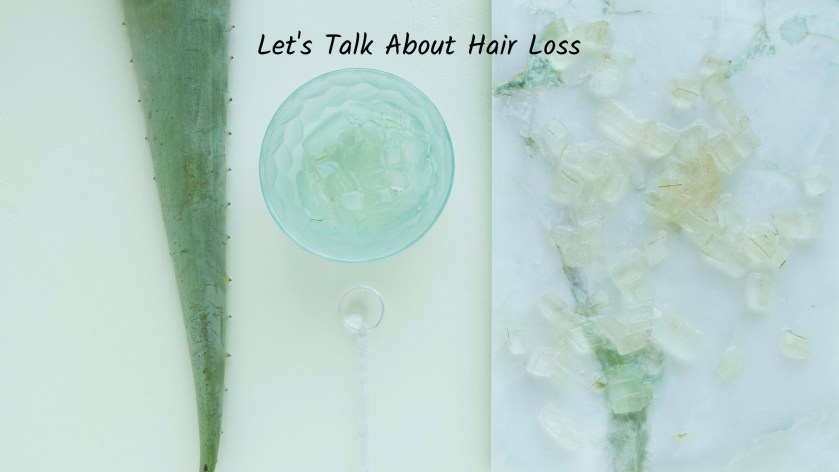







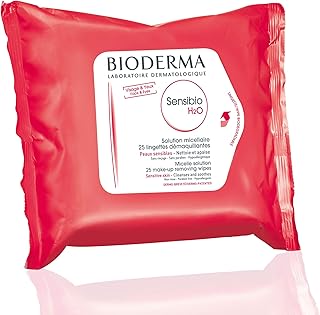

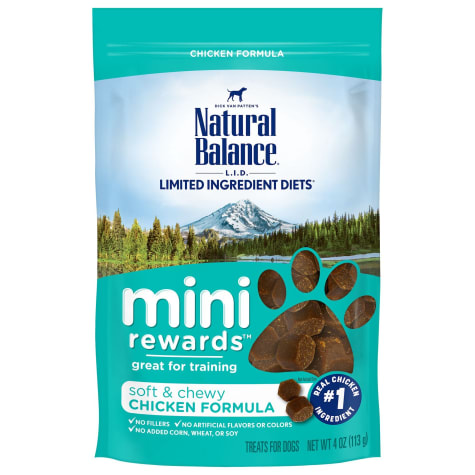
















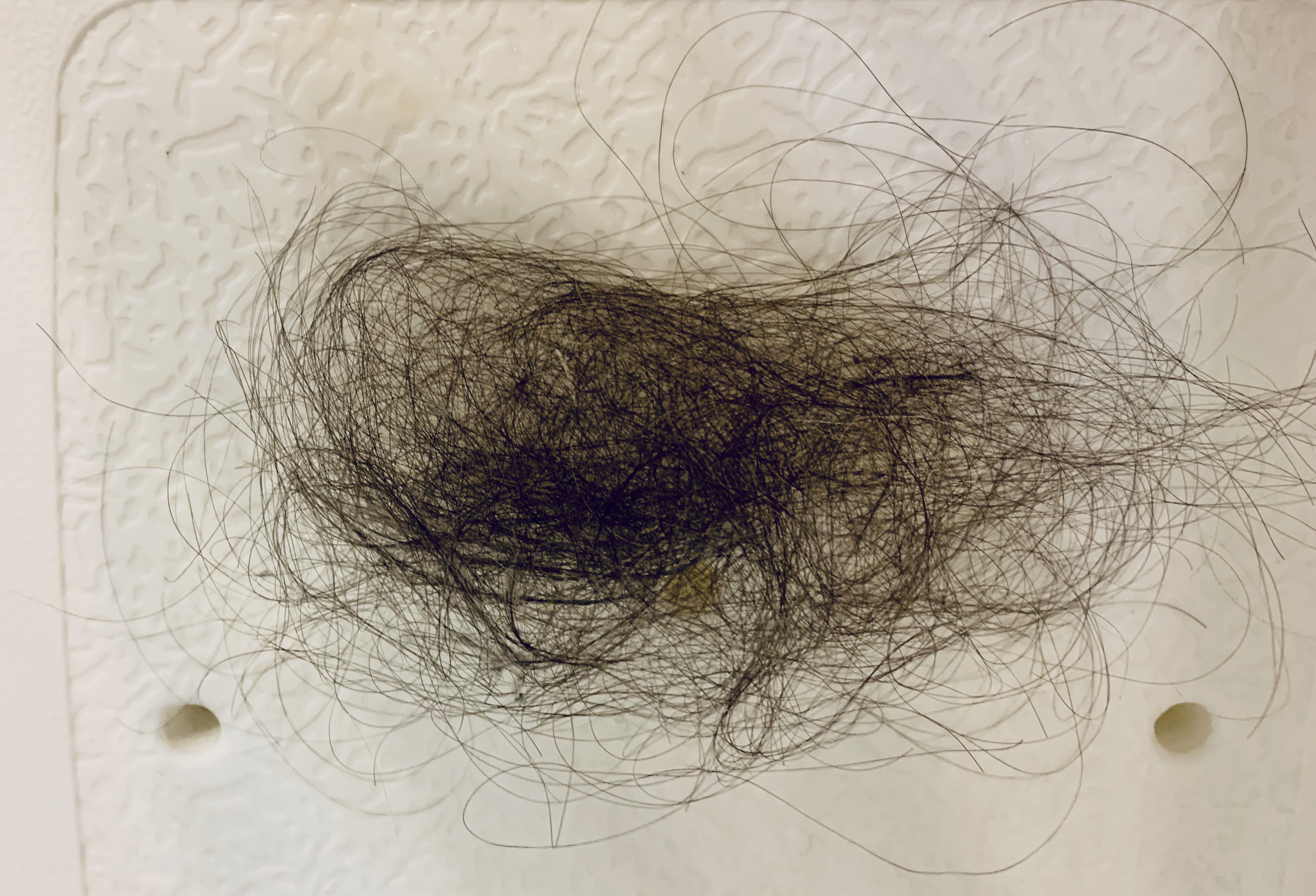
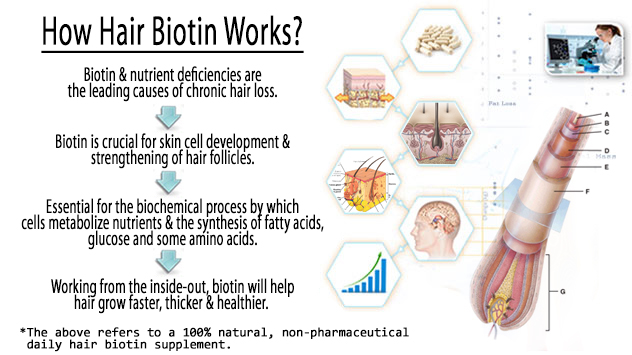








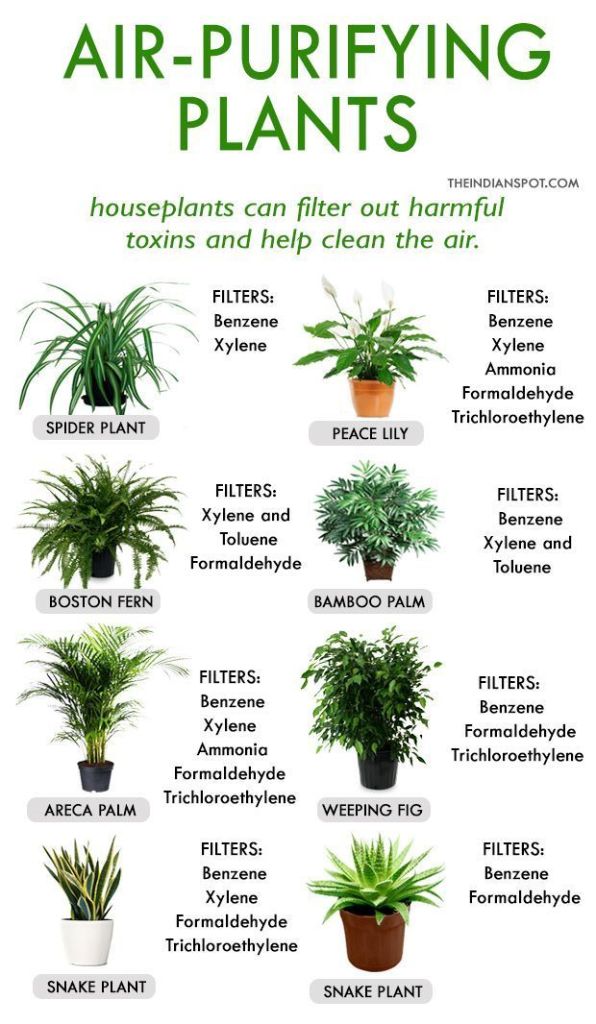





 lookingforthelight.blog