Celebrate Life · Cooking · Health and Wellbeing · Men & Womens Health

Veggie-Lovers Rejoice: Create Delicious Meatless Meals with These Easy Steps

If you’re a vegetarian or vegan, or just trying to reduce your meat intake, you know how hard it can be to come up with tasty and creative meatless meals. But don’t despair! With a few easy steps, you can make delicious and nutritious meals without worrying about hurting any animals in the process. Whether you prefer something simple and savory, or something more exotic, these tips will help make your next meat-free meal absolutely scrumptious!

Start with the basics

When it comes to cooking meatless meals, starting with the basics is key. To get off on the right foot, begin by stocking your pantry and refrigerator with ingredients that will form the foundation of your meals. This includes items like beans, lentils, tofu, tempeh, vegetables, grains (such as quinoa), nuts, seeds and plant-based oils. If you’re short on time, you can even purchase prepared vegan or vegetarian meal starters like falafel mix or pre-made veggie burgers. Once you have these staples in place, use them as a base for your favorite recipes or experiment with new creations!

In addition to the basic ingredients listed above, don’t forget to add flavor enhancers such as herbs and spices. Not only do they add great flavor to any dish but they also provide a host of health benefits—think anti-inflammatory turmeric or disease-fighting garlic! Plus they are an ideal way to make a meatless dish more substantial. You can also add some zest by using flavorful condiments like hot sauce or salsa; toss in some citrus juices for a bright element; and don’t forget about savory ingredients such as miso paste or tamari sauce.

Finally, make sure you understand how to properly prepare each ingredient for optimal results. For example, when cooking grains like quinoa or brown rice be sure to rinse them first and follow instructions for proper water ratios so that you end up with well-cooked grains instead of mushy ones!  With these few simple steps in place, you can enjoy delicious meatless dishes without compromising on taste.

Get creative

Now that you have the basics covered, it’s time to get creative! Start by looking up vegetarian and vegan recipes online or in cookbooks for inspiration. From there, you can customize any recipe with your favorite ingredients, herbs, and spices to make it truly unique. You can even modify traditional dishes like lasagna or chili to make them meatless without losing their flavor.

For a quick and easy meal consider making a veggie-loaded wrap; all you need is a whole wheat tortilla plus whatever vegetables and condiments you have on hand. If you’re having guests over, try making an appetizing roasted vegetable platter accompanied by hummus or tzatziki dip. And don’t limit yourself to recipes – you can also have fun creating your own dishes by experimenting with new flavor combinations.

Try New Recipes

Trying new recipes is a great way to expand your culinary knowledge and creativity when it comes to cooking meatless meals. With vegan and vegetarian cuisine becoming increasingly popular, there’s no shortage of exciting recipes out there waiting to be discovered. To liven up your meal routine, try looking for recipes from around the world — like vegan tacos with sautéed veggies and black beans, Thai stir-fries, or Mediterranean salads — as these dishes are often packed with flavor and nutrition.

When trying something new, it’s important to read the recipe carefully so that you have all the necessary ingredients on hand. In addition, pay attention to details such as how long certain ingredients need to cook or how much seasoning should be used. If possible, watch a video of someone else making the recipe first as this can help you better understand the steps involved in making the dish. It may also be helpful to make notes of any changes you may want to make next time such as increasing spices or adding more vegetables for extra flavor.

Finally, don’t be too hard on yourself if the recipe doesn’t turn out exactly as planned! Cooking is an art form and even experienced chefs have mishaps from time to time. Making mistakes is part of the learning process and can lead to some amazing discoveries along the way! So don’t be afraid to get creative with your cooking and enjoy exploring new flavors!

In conclusion, meatless meals can be both delicious and nutritious. By following the steps outlined above you will be well on your way to creating flavorful, satisfying dishes that even meat-eaters would enjoy. So get cooking and start exploring a whole world of exciting meatless options!

This is a collaborative post.

Melinda

Health and Wellbeing · Men & Womens Health · Mental Health

How To Restore Your Health And Finances After A Car Accident

Being involved in a car accident doesn’t just come with trauma at the time, it can cause all kinds of stress after. You will need to deal with the other person, your car, finances, and more. Hence, it is good to understand what to do after a car accident to restore your health and attain the best outcome. 

Whether your car incident was a life-changing accident or resulted in a minor injury, it is still important to seek the right help and take the necessary steps to help you regain your mental and physical health. 

Seek legal help

One thing you must do if you want to attain a fair result after a car accident is to contact a legal expert. 

Finding a car accident attorney near you will ensure you can communicate with them on your case and reach a final decision sooner. You won’t need to wait around too long and stress about the answer. Instead, you can collaborate efficiently and get a faster decision.

They will support you through every step of the aftermath and ensure you have what you need to attain the fairest legal decision.

Get the other drivers’ details

Another thing you must do after a car accident is get the other drivers’ details. If you do not have them, it will be more difficult to make a claim.

Having their details means you can keep in touch with them and get the information you need to support your claim. They might have experienced a worse injury than you, so you can also use their details to keep in touch and ensure they are recovering well.

Get medical help

If you have experienced a major injury, you must seek medical help immediately. This should be the first thing you do when the car has come to a stop. If you cannot call the emergency services, someone around can do it for you.

Furthermore, if you have attained minimal or no injuries, you should still consider being seen by a healthcare professional. They can assess your health and ensure there is no underlying damage. 

You might experience mental health problems due to the trauma and shock. If so, you should seek mental health medical support to help restore your mental health. 

Get plenty of rest

Whether you have attained injuries or not, it is still good to rest after a car accident. It can cause tremendous shock to the system, which might take time to recover from. 

Therefore, get plenty of rest and take some time off work so you can recover and reset before returning back to normal life, especially if you are going to drive again. 

Using these tips, you can ensure to restore yourself physically, mentally, and financially after an accident. You should always seek legal and medical support to get the best outcome and ensure you recover fully. Even if you do not have major injuries, you still need an assessment and some care to ensure you can successfully overcome the shock. 

This is a collaborative post.

Melinda

Celebrate Life · Health and Wellbeing · Men & Womens Health

The Ultimate Guide to Supporting Loved Ones During Car Troubles

Imagine this: While driving down the road with your family and enjoying an exciting day trip, disaster strikes! Your car sputters and groans abruptly before grinding to an unexpected halt – only for it all to end with you facing car troubles that require immediate solutions. But fear not; in this comprehensive guide, we’ll go through how you can support and aid your loved ones during such trying moments.

Photo by Ahmad Ramadan on Pexels.com

1. Common Causes of Car Breakdowns

Breakdowns are unwelcome guests at road trip parties! Car breakdowns are caused by any number of factors; from battery issues and engine troubleshooting problems, to tire blowouts and fuel shortages–to name only a few! Routine car maintenance plays an essential part in protecting against breakdowns; just like eating healthy keeps us at our best physically; getting regular check-ups keeps our loved vehicles happy and in top form, too!

2. Immediate Steps to Take

Your car stalls unexpectedly and panic sets in. The first order of business should always be to ensure everyone’s safety: move to an isolated spot away from traffic if possible and breathe deeply before calling for assistance if necessary. Also, it is wise to carry around a safety kit full of reflective vests, warning triangles, and flashlights. It pays to think ahead!

3. Provide Emotional Support

Car breakdowns can be emotionally trying for all involved. Frustration, anxiety, and despair may put a damper on everyone’s spirits; therefore it is crucial that someone remains available as an emotional support figure during these trying times – Keeping calm and carrying on is often advised upon by experts; engaging in open communication between loved ones can reassure everyone everything will be alright in time; additionally engaging your children in problem-solving can reduce worries while turning an otherwise trying situation into an opportunity for bonding experience!

4. Call a Professional

At times when DIY doesn’t cut it, it’s time to seek professional assistance! Breakdown specialists, professional towing services, and skilled mechanics are like superheroes: when in trouble, they come quickly to our aid with expertise that gets us moving again faster than we could otherwise manage alone. All it takes is one call!

5. Finding Reliable Repair Services

When you find yourself in a situation like this, finding trustworthy mechanics of garages is like finding treasure. You can find recommendations from friends or online reviews. Keep an eye out for certifications or affiliations from well-recognized organizations or manufacturers – your car deserves top care!

6. Turn Car Troubles Into Family Adventures

Who said car breakdowns are only bad things? We can embrace our sense of adventure and see the silver lining in even something like a car breakdown! While car problems may interrupt plans, they also create lasting memories! Consider turning your breakdown into an opportunity for bonding as you explore nearby spots or embark on an unscheduled picnic while waiting for assistance; sometimes the unexpected moments become some of our fondest, cherished ones!

7. Learn Life Lessons

Life often throws us curveballs, and car breakdowns serve as a valuable lesson in resilience. In times of hardship, we learn how to adapt, problem solve, and persevere – use this experience with your family members as an opportunity for them to discuss staying calm under pressure, teamwork values, and collective solutions; such experiences not only test patience but strengthen bonds within families as a result.

8. Plan Alternative Transportation Options

Are your wheels broken, but you still need to travel? Have no fear; alternative forms of transport exist! From public transit (bus or train), carpool rides with colleagues or friends, or renting temporary wheels; whatever works is the key! Just ensure any insurance policies or rental agreements cover you before embarking on this new adventure!

9. Set a Budget for Repairs

Repair costs can be an unexpected surprise that makes life financially arduous, yet managing these unexpected expenses doesn’t need to be scary or unpredictable. Set aside emergency funds so as to address vehicle-related surprises head-on while taking advantage of any payment plans or financing offers from repair shops available, and always obtain repair estimates and compare prices like an expert bargain hunter on an expedition!

10. Take Preventative Measures to Avoid Future Breakdowns

It has long been said that an ounce of prevention is worth more than a pound of cure when it comes to car breakdowns, and this certainly applies in this instance. Preventative maintenance and TLC are vital in decreasing future breakdowns – keep tires properly inflated, fluid levels full, and scheduled inspections on schedule regularly to minimize future breakdowns; additionally keep emergency supplies such as spare tires, jumper cables, and tool kits handy as a backup plan should something come up unexpectedly!

11. Once Your Vehicle is Back on Track

Once car maintenance has become an accomplished endeavor, turn it into an enjoyable family activity by engaging everyone with simple tasks such as checking tire pressure or washing the vehicle together, as well as learning to change a flat tire! Not only will this develop responsibility and teamwork within your household unit, but it will also provide ample opportunity for shared experiences and quality time together – who knew car maintenance could become such a fun bonding activity?

12. Connect With Others

Sharing your car breakdown story in our modern world can often bring comfort. Do it online forums, social media platforms, or casual conversation; you might be amazed by what stories others share as well as empathy extended from others or advice offered; this may provide

invaluable insights, tips, or even laughter while connecting with fellow travelers who’ve encountered similar troubles – after all, we are on this journey together!

13. An Opportunity to Teach Your Kids

As your children become young drivers themselves, it’s crucial that they receive proper education regarding car trouble and how best to tackle it. You can take this opportunity to teach essential maintenance like checking oil levels or changing tires; also discuss having an emergency kit ready in case of breakdown; this way you empower them with the knowledge that equips them to become responsible and ready drivers prepared to face whatever comes their way.

14. A Guide to Car Troubles Abroad

Breakdowns during vacation abroad can be particularly distressful; here are some tips to navigate this unfamiliar territory of breakdown in another land successfully: research local breakdown services and emergency helplines beforehand, familiarize yourself with local driving regulations and insurance requirements, and consider purchasing travel insurance coverage that includes breakdown assistance coverage to minimize stress during an otherwise smooth experience! Planning these items ahead will ease tension and ensure a more relaxing journey!

Conclusion

Family support during car breakdowns cannot be underemphasized. Remain calm, communicate effectively, and offer comfort to members of your family as necessary! Should any challenges arise that need professional intervention, immediately, contact an auto specialist, so we can tackle these together!

This is a collaborative post.

Melinda

Men & Womens Health · Mental Health · Moving Forward

Thursday Thoughts

By Field Guide by Stampington

“I do not have the slightest clue what I’m doing…that’s the adventure…I stopped worrying about it…That’s the beauty.

Melinda

Health and Wellbeing · Men & Womens Health · Mental Health

Who do you know has been a victim of Sex Trafficking- Guest Blogger My Story Is Far From Over

Sex trafficking is a devastating form of exploitation that affects millions of people around the world. It involves the use of force, fraud, or coercion to lure individuals (mainly younger aged kids) to engage in sex acts, often against their will. The impact of sex trafficking on mental health can be mentally traumatic and long-lasting. […]

Who do you know has been a victim of Sex Trafficking? — My Story Is Far From Over
Celebrate Life · Health and Wellbeing · Men & Womens Health

What’s Inside

This year I turn 60 and have been thinking about who I am today. My life is not fulfilling, fun, independent and the only thing to get me to laugh is funny animal videos.

My life at 38 years old was vibrant, daring, and at the top of my career, and traveling the world. Life gets smaller for most as they age, for me, it’s life changes and my chronic illnesses.

I’m in the house all day, some days feeling angry.

The last time I saw my Therapist, I shared a story about trying to help my ex-husband after his death. My husband didn’t understand why I would get involved but I wanted to make sure his wishes were kept. I ask her why did I do that when I hadn’t talked to him in over 20 years?

Her answer was simple, that’s the type of person you are, you want what is right for others. She also reminded me of the other great qualities I have. To name a few.

Empathy

Strength

Want to help people

Smart

Leader

Compassionate

I get caught up in life and our issues we forget what’s on the inside of us, who we really are. It’s extremely important we reflect on the type of person we are to better understand why we make the decisions we do and once thought is given to the traits your confidence may grow.

What are your traits?

Melinda

References:

https://www.berkeleywellbeing.com/positive-qualities-activity.html

Health and Wellbeing · Men & Womens Health

Arthritis Awareness Month

May is recognized each year as National Arthritis Awareness Month. Arthritis is a disease that impacts more than 50 million Americans, making it the number one cause of disability in the country. That means 1 in every 5 adults, 300,000 children, and countless families are affected by arthritis. These numbers are only going to keep growing—unless we take a stand.

Arthritis by the Numbers:

  • Nearly 53 million adults have doctor-diagnosed arthritis; that number is expected to grow to 67 million by 2030.
  • Almost 300,000 babies, kids and teens have arthritis or a rheumatic condition.
  • Arthritis is the nation’s No. 1 cause of disability.
  • Working-age men and women (ages 18 to 64) with arthritis are less likely to be employed than those of the same age without arthritis.
  • 1/3 of working-age people with arthritis have limitations in their ability to work, the type of work they can do or whether they can work part time or full time.
  • People with osteoarthritis and rheumatoid arthritis –two major kinds of arthritis – miss a combined 172 million workdays every year.
  • Arthritis and related conditions account for more than $156 billion annually in lost wages and medical expenses.
  • There are nearly 1 million hospitalizations each year due to arthritis.
  • 57% of adults with heart disease have arthritis.
  • 52% of adults with diabetes have arthritis.
  • 44% of adults with high blood pressure have arthritis.
  • 36% of adults who are obese have arthritis.
  • 1/3 of adults with arthritis age 45 and older have either anxiety or depression.

You can visit our website for even more arthritis facts and statistics >>

Information leads to knowledge and a life with less pain.

Melinda

References:

http://blog.arthritis.org/news/arthritis-awareness-month/

Celebrate Life · Health and Wellbeing · Men & Womens Health · Mental Health

Blogger Highlight-Holistic Health Talks

Thank you for all the great feedback on the Blogger Highlight series, I’ve enjoyed meeting each blogger and sharing their site with you. This week we highlight a new blogger, Holistic Health Talks.

Holistic Health Talks


Hello! I’m Jenna Lee, an Oily Gal that is all about natural skincare, holistic health, essential oils, and fun DIY recipes! I created HolisticHealthTalks.com to share alternative health topics and upcoming health talks!

Please check out her site, there is si much to offer. 

Melinda

Looking for the Light


Health and Wellbeing · Men & Womens Health

Drug and Alcohol Addiction-Guest Blogger Doc Talk, Explorations in Psychotherpy

Title: Substance and Alcohol Abuse Disorders “No matter how good your intentions are, they amount to nothing if you fail to take the necessary steps to make them happen. Wishing for recovery isn’t enough. Take the first step by accepting help from an addiction treatment program.” unknown.  Two of the most troublesome problems that support people […]

Drug and Alcohol Addiction — DocTalk, Explorations in Psychotherapy
Health and Wellbeing · Men & Womens Health · Mental Health

15 Painful Facts About Living With Chronic Illness by Guest Blogger Invisibly Me

15 painful facts about living with chronic illness that can help overcome stigma & ignorance around health conditions.

15 Painful Facts About Living With Chronic Illness — Invisibly Me
Celebrate Life · Men & Womens Health

Lupus Awareness Month

Lupus is a chronic immune disorder that can affect several areas of the body and can be painful. There are four types of Lupus and I’ve included a breakdown of the types and a description.

What is Lupus?

Lupus is a chronic (long-term) disease that can cause inflammation and pain in any part of your body. It’s an autoimmune disease, which means that your immune system — the body system that usually fights infections — attacks healthy tissue instead.

Lupus most commonly affects your:

Because lupus affects many parts of the body, it can cause a lot of different symptoms.

Learn more about lupus signs and symptoms

Types of Lupus

What are the types of lupus?

When people talk about lupus, they’re usually talking about systemic lupus. But there are four kinds of lupus:

You can use the URL https://www.lupus.org/resources/lupus-information-packet to download a Lupus information packet. Lupus Foundation of America is a great site for everything Lupus.

Melinda

References:

https://www.lupus.org/resources/what-is-lupus

Celebrate Life · Health and Wellbeing · Men & Womens Health

Lyme Disease Awareness Month

Many people think ticks that carry Lyme disease aren’t where they live. Think again. Ticks are in every state in America and six countries. People who are diagnosed with Lyme need to report to the CDC for the numbers to be accurate for their state. The think the last time the CDC updated its numbers is 2010, so the numbers are considerably off.

One extremely important point is regarding testing for Lyme. There are several tests to see if you have Lyme or other tick-borne infections, the problem is doctors usually only test for one. If you’re negative they don’t test further. I was diagnosed in 2014 with Lyme after several years of being told I didn’t have it. It took my Lyme doctor to run all the tests to see that I had Lyme and two other tick-borne illnesses.

Another important point is only about 30% of people get the bullseye rash after being bitten by a tick, that’s why it’s so important to take precautions. Here is a post that talks about how to avoid being bitten by ticks.

Photo by Pixabay on Pexels.com

What is Lyme Disease?

Lyme disease is a bacterial infection primarily transmitted by Ixodes ticks, also known as deer ticks or black-legged ticks. These tiny arachnids are typically found in wooded and grassy areas. Although people may think of Lyme as an East Coast disease, it is found throughout the United States, as well as in more than sixty other countries.

Patients with Lyme disease are frequently misdiagnosed with chronic fatigue syndrome, fibromyalgia, multiple sclerosis, and various psychiatric illnesses, including depression. Misdiagnosis with these other diseases may delay the correct diagnosis and treatment as the underlying infection progresses unchecked.

LymeDisease.org has developed a Lyme disease symptom checklist to help you document your exposure to Lyme disease and common symptoms for your healthcare provider. You will receive a report that you can print out and take with you to your next doctor’s appointment.

Food for Thought

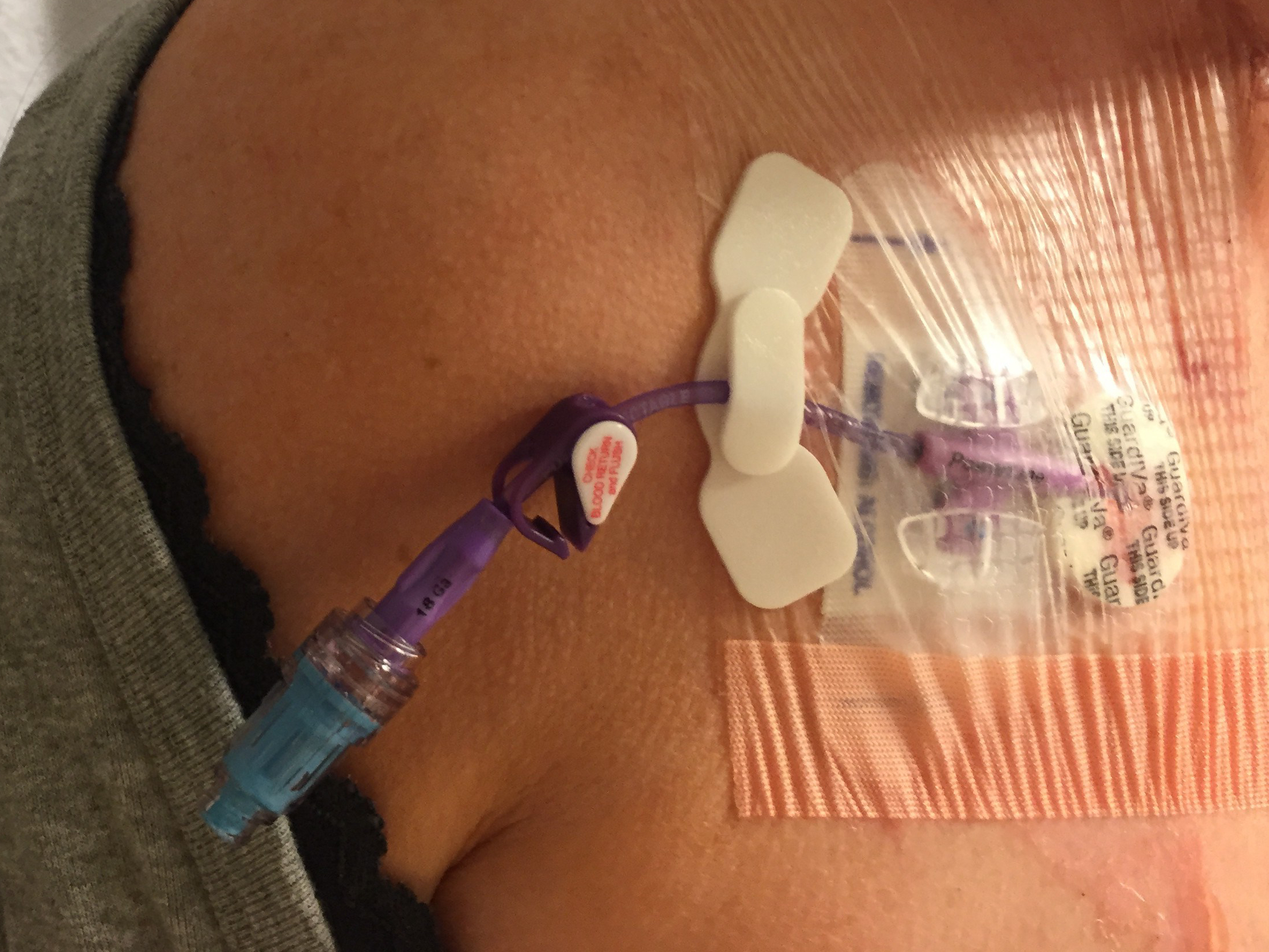
The port was implanted to start my IV Antibiotic Therapy.

I had 18 months of IV Antibiotic Therapy

Lyme can cause other illnesses to arise depending on where the virus sets up house. Mine went to the brain so I now have Dementia and fall easily. It’s like Lyme took a machine gun to my brain and left holes where memories were.

I have been writing about my Lyme journey for years, if you would like to read more posts, look in the Category Cloud on the sidebar and pick by topic.

Melinda

References:

Lyme Disease.org

Celebrate Life · Men & Womens Health · Mental Health · Moving Forward

Jewish American Heritage Awareness Month #StopJewishHate

Jewish immigrants built their lives in America the same as European immigrants did, and they were welcome with open arms. They help build communities and expanded their families here. The Jewish immigrants are now residents and their children are born American.

Maybe I’m naive, but I seriously don’t understand why people have a problem with Jewish people or the Jewish Religion.

Unless the Religion is a terrorist group, a cult, or involved in illegal activity, we can not condemn a Religion because we don’t understand or agree with it. Who are we to judge?

About Jewish American Heritage Awareness Month

This month is a chance for Americans of every faith to appreciate the contributions of the Jewish people throughout our history –- often in the face of unspeakable discrimination and adversity. For hundreds of years, Jewish Americans have fought heroically in battle and inspired us to pursue peace. They’ve built our cities, cured our sick. They’ve paved the way in the sciences and the law, in our politics and in the arts. They remain our leaders, our teachers, our neighbors and our friends. Not bad for a band of believers who have been tested from the moment that they came together and professed their faith. The Jewish people have always persevered. And that’s why today is about celebrating the people in this room, the thousands who came before, the generations who will shape the future of our country and the future of the world.[13]

Let’s not forget the horrific trauma the Jewish families endured during the Holocaust, there is no way I know their pain but no doubt I pray to never see such carnage.

If someone can tell me what all the Jewish hate is about I would appreciate it.

Melinda

Reference:

https://en.wikipedia.org/wiki/Jewish_American_Heritage_Month

Men & Womens Health · Mental Health

If YOU Think Someone Reblogging YOUR Post Is PLAGIARISM, Turn Off Reblog Button!

WordPress is at it again, making changes to something that’s not broken and not telling anyone about the changes, not to mention more changes are coming. So when the hell are they going to tell us?????

After close to 20 years with WP maybe it’s time to find another host. WP has the worst communication when it comes to keeping the Happiness Engineers and community up-to-date.

Photo by Skitterphoto on Pexels.com

Here’s a glimpse of an email and current chat I’m on.

Me:

Since 5/11 my headlines and photos don’t show up when I reblog from Looking for the Light to Survivors Blog Here. I’ve been reblogging for 14 years to that site and have never had this problem. I emailed two days ago and haven’t heard back.

WordPress:

I’d be happy to help you with that. We have received feedback from numerous customers who feel that reblogging appears somewhat plagiaristic. To better follow the original intent of reblogging, which is to reshare content that users appreciate, we’ve implemented some recent changes. There are some changes that have been released and some others that are being implemented. If there is something you want to reshare tomorrow. You can add a featured image and title for this particular post.

In the meantime, I’ve reached out to the development team to get a better understanding of the upcoming changes to share with you. Please let us know if you have any questions about this.

Me:

If people don’t want their work reblogged they can turn off the button, that’s how it works. WP is now changing that?

It’s not a matter of working like it should, it’s that WP is saying people are complaining about plagiarism and have changed the process. But the process has not been released to the users. And more changes are coming.

WordPress:

I can confirm, the reblogging feature is being reworked and the hope is to have this resolved soon. The end result will be more of what you are used to which shows the title and image. In the meantime, things will be in this awkward stage. The developers are working to finish the updates as quickly as possible.

Yes and no. The underlying system and process is being updated but the end result will be more of what you are used to when it is finished. I have shared your feedback with the team. I realize this situation is not ideal!

Me:

Now I’m writing a post and can’t find the category section, are they messing with that too? What are bloggers to do, just stop until engineers finish their changes?

To make it worse, My Allow Comments and trackbacks were disabled. This is crazy! They are making your job much harder.

WordPress:

There should still be a Categories area in the sidebar settings of your Editor. But if you’re unable to find it, feel free to share the link to the post you’re working on, and I’ll take a closer look(edited)

Thanks for waiting, I see what you mean this far regarding the missing Categories area in both editors, that is strange! Mostly because Categories are still required for all posts, so that hasn’t changed.

I don’t know if this is actually being caused by changes from our developers or from a conflict from another area of your site, so I’ll do a bit of troubleshooting to confirm this first. This may take me a few minutes, but I’ll reply in the chat with any progress.

The Happiness Engineer solved the problem with the Category Section, no clue on when Reblogging will return to the new normal.

Melinda


Celebrate Life · Health and Wellbeing · Men & Womens Health · Mental Health · Moving Forward · Survivor

I’m Talking with Amy Gamble-Olympian, Speaker & Mental Health Advocate

I have the pleasure of talking with Amy Gamble today about her struggle with the highs and lows of mental illness. I’m proud to call her a friend and she is a true inspiration. I’ve had my own difficult journey with Bipolar Disorder and when I tell you it’s a miracle Amy came out alive, it’s 100% true. Not only did Amy survive, but she also took charge of her life and went on to write her first book Bipolar Disorder, My Biggest Competitor: An Olympian’s Journey with Mental Illness.

Background on Amy*

Gamble tells how the illness also affects her mother, pitched her head first into a nightmare of highs and lows. While it robbed her of her dreams of playing Division 1 ball, it also helped vault her to the U.S. Olympic handball team, leading her to travel the world and compete at the 1988 Seoul Olympics. She was a top performer in sales for Merck, the pharmaceutical giant, but ironically her untreated illness plunged her to the bottom rungs of society. She became stuck in a revolving door of mental hospitals, doctors’ offices and even jails across the U.S., discovering deep-rooted deficiencies in the systems that are supposed to help the country’s most vulnerable citizens.

At the scariest point, she found herself wandering aimlessly at night in a snow-covered mountain forest on the Montana/Idaho border with only moccasins on her feet and a sweatshirt to keep her warm. She was hopelessly lost, freezing and not in her right mind. *


Thank you, Amy, for talking with me today. I learned more about Amy from the AP overview, so I’ll start there. 

What positives came out of being in a Psychiatric Hospital?

My last psychiatric hospitalization was 12 years ago. It was a hospital far away from my hometown, but the care I received was excellent. I was put on a regiment of medications that got me started on the right track and helped immensely in my recovery journey. The staff members at the hospital were encouraging and really believed in recovery. Overall, it was a really positive experience for me.

Did your mental illness impact your Olympic dream?

I made the 1988 Olympic Team in Team Handball. While I struggled at times with depression, I was able to overcome my challenges and become an Olympian. 

You have a successful career as  Mental Health Advocate and Speaker, how did your Speaking career start.

I began speaking to groups through a local NAMI chapter. My third talk was an interview at a large church with an audience of 300 people. Once I started speaking I began to attend a Toastmasters group and was coached and encouraged by members of the toastmaster group. From 2015 – 2023, I’ve given over 250 talks and mental health trainings reaching over 15,000 people.

You have a passion for advocating for Mental Illness, what organizations do you belong to?

I’m a local NAMI member and I support DBSA (Depression Bipolar Support Alliance)

How did you keep motivated while working your first jobs after the crash?

I felt like working would give me a sense of purpose, a reason to get out of bed in the morning. I looked forward to going to my jobs, even if sometimes I had a little struggle in getting there. Maybe I’d have a rough day or just felt tired. But it didn’t matter because I was driven to get better and work helped me to do that.

Do you have any words of wisdom on life with a mental illness?

Be a student of your mental illness. Learn everything you can learn on how the illness affects you, what are the common symptoms and how can I alleviate most of my symptoms. Make sure you’re getting better or improving under the care of mental health care professionals, whether that’s a psychiatrist or therapist, or both. 

Why did you stop blogging for 2 years?

I took a break from social media. I took time out to reflect and work on some other things.

What are your hobbies and what type of books/magazines do you read for fun?

My number one hobby is reading. I love to read! I’m currently reading “Atlas of the Heart,” by Brene Brown. I’ve also recently finished reading “Wild,” by Cheryl Strayed. Usually, I have two or three books I’m reading at the same time. 

I also enjoy exercising, though I’m not always on schedule. I’ve really tried to get into a good habit since April of this year. So far, so good.

I know you are writing a new book about your PTSD, without giving too much information, what can you share with us. 

I’m so excited about my new book. The book is really about resilience, as illustrated by how the impact of past traumas (primarily sexual assault) interrupted my life and caused symptoms of PTSD, even though the traumatic events had occurred decades prior. I talk about the collision course between bipolar disorder and PTSD and how my past traumas were overlooked by many mental health care professionals until they couldn’t be overlooked anymore. My number one goal is to give a voice to a woman who may not have had one.

Listen to a great interview with Amy by NAMI


Please follow Amy at Shedding A Light On Mental Illness and be sure to tell her I said Hello!

Amy’s second book covers her PTSD and more of her journey not shared in the first book. Here are a few questions Amy answers with her second book. 

How she got down from the mountain? 

What happened next?

How did She end up in jail? More than once?

I hope this post inspires, encourages you to keep going, or gives you information to help others with Mental Health challenges. 

Thank you, Amy, for your insight.

Melinda

References:

AP News

Celebrate Life · Health and Wellbeing · Men & Womens Health · Mental Health

Blogger Highlight-Unravelling My Own Bulls#*t!

Thank you for all the great feedback on the Blogger Highlight series, I’ve enjoyed meeting each blogger and sharing their site with you. This week we highlight a new blogger, Unravelling My Own Bulls#*t.

Unravelling My Own Bulls#*t!

There’s never an easy way to start something new. There’s often an anxious part of you which battles the negative thoughts that ask questions like “What if its rubbish?”, “What if no one is interested in what you have to say?” or ” What if they laugh at you?”. Often that internal narrative is enough to stop you in your tracks and for that idea to be parked for now or maybe even forever.

Not today though, not this time. Today I have tentatively taken the first steps too putting my thoughts on paper. To unravelling my own bullshit on this journey. A journey after a divorce of almost 25 years of marriage and for the first time ever really understanding why I am the way I am, what parts of my life shaped me and working through healing them to be authentic and true to myself.

Be sure to check out her thought’s on Growing, Healing, and Living Life.

Melinda

Looking for the Light


Celebrate Life · Health and Wellbeing · Men & Womens Health · Mental Health

Happy Mother’s Day Granny

Happy Mother’s Day Granny. Without your love and support, I would not be alive today. I went to live with my grandparents at 14 years old, a troubled teen with a traumatic background I kept secret from them.

Being raised by people from the “Great Generation” was a blessing to me. Hard work, accountability, honesty, and doing your part were some of the core beliefs. I believe the example they set for me has helped me greatly in life. 

My Granny’s life was especially difficult, she lost her eyesight at age 3, and her father died at age 9, and after my father was born, her husband left her with no support.

When my dad was young, She had two dresses, she would come home from her shift and wash the dress she wore. The next day she had a clean one while the other dried. She walked miles to the trolly every day, I can only imagine how dreadful the cold months were for her.

She raised my father alone for 10 years until she married my Gramps. She was in love with my Gramps until the day she died.

My Granny looked after me from the day I was born and is the only mother I acknowledge.

I miss you from the bottom of my heart and will see you soon. 

She loved her purple rose bush and the photo reminded me of her.

Melinda

Photo by Jess Bailey Designs on Pexels.com
Health and Wellbeing · Men & Womens Health · Mental Health

Mental Health Awareness Month

While I’m glad there is Mental Health Awareness Month, I would love to see more discussion on the topic throughout the year. The National Alliance on Mental Illness (NAMI) is an outstanding resource for all topics on Mental Illness.

Warning Signs and Symptoms

Each illness has its own symptoms, but common signs of mental illness in adults and adolescents can include the following:

  • Excessive worrying or fear
  • Feeling excessively sad or low
  • Confused thinking or problems concentrating and learning
  • Extreme mood changes, including uncontrollable “highs” or feelings of euphoria
  • Prolonged or strong feelings of irritability or anger
  • Avoiding friends and social activities
  • Difficulties understanding or relating to other people
  • Changes in sleeping habits or feeling tired and low energy
  • Changes in eating habits such as increased hunger or lack of appetite
  • Changes in sex drive
  • Difficulty perceiving reality (delusions or hallucinations, in which a person experiences and senses things that don’t exist in objective reality)
  • Inability to perceive changes in one’s own feelings, behavior or personality (”lack of insight” or anosognosia)
  • Overuse of substances like alcohol or drugs
  • Multiple physical ailments without obvious causes (such as headaches, stomach aches, vague and ongoing “aches and pains”)
  • Thinking about suicide
  • Inability to carry out daily activities or handle daily problems and stress
  • An intense fear of weight gain or concern with appearance

Mental health conditions can also begin to develop in young children. Because they’re still learning how to identify and talk about thoughts and emotions, their most obvious symptoms are behavioral. Symptoms in children may include the following:

  • Changes in school performance
  • Excessive worry or anxiety, for instance fighting to avoid bed or school
  • Hyperactive behavior
  • Frequent nightmares
  • Frequent disobedience or aggression
  • Frequent temper tantrums

Millions of people in the U.S. are affected by mental illness each year. It’s important to measure how common mental illness is, so we can understand its physical, social and financial impact — and so we can show that no one is alone. These numbers are also powerful tools for raising public awareness, stigma-busting and advocating for better health care.

Looking for signs and symptoms in children can head off larger problems as they age. One great resource for feedback on your child’s behavior is to talk with their teachers. Any new information will add to the puzzle of your child’s behavior.

I was diagnosed with Bipolar Disorder at 19 years old but didn’t start taking my Mental Illness seriously until my father committed suicide. I read there is was a hereditary link to Mental Illness and did some research. The research and my father’s death convinced me to take my Bipolar Disorder seriously. At 60 years old, I’ve had my ups and downs but have also had a life worth living.

You can find posts about Mental Illness on my site, just click on the topic you’re looking for in the Cloud Category on my front page.

Melinda

References:

NAMI

Celebrate Life · Health and Wellbeing · Men & Womens Health

ALS (Amyotrophic Lateral Sclerosis) Awareness Month

You might not know what ALS stands for but I bet you know some high-profile people who have or had ALS. 

Notable individuals who have been diagnosed with ALS include:

  • Baseball great Lou Gehrig
  • Theoretical physicist, cosmologist and author Stephen Hawking
  • Hall of Fame pitcher Jim “Catfish” Hunter
  • U.S. Senator Jacob Javits
  • Actor David Niven
  • “SpongeBob SquarePants” creator Stephen Hillenburg
  • “Sesame Street” creator Jon Stone
  • Jazz musician Charles Mingus
  • Singer/songwriter Kim Shattuck (The Muffs)
  • Bassist Mike Porcaro (Toto)
  • Musician Huddie Ledbetter (Lead Belly)
  • Theatre producer Jenifer Estess
  • Boxing champion Ezzard Charles
  • NBA Hall of Fame basketball player George Yardley
  • Golf caddie Bruce Edwards
  • Photographer Eddie Adams
  • Entertainer Dennis Day
  • Former U.S. Vice President Henry A. Wallace
  • U.S. Army General Maxwell Taylor
  • NFL football player Steve Gleason
  • NFL football player O.J. Brigance
  • NFL football player Tim Shaw

Understanding ALS

ALS, or amyotrophic lateral sclerosis, is a progressive neurodegenerative disease that affects nerve cells in the brain and spinal cord. There is no cure for ALS yet.

ALS causes these motor neurons to degenerate over time until they eventually die. When the motor neurons die, the brain can no longer initiate and control muscle movement. When voluntary muscle action is progressively affected, people may lose the ability to speak, eat, move and breathe.

Who Gets ALS?

Every 90 minutes, someone is diagnosed with the disease, and someone passes away from it.

Most people who develop ALS are between the ages of 40 and 70, with an average age of 55 at the time of diagnosis. However, cases of the disease do occur in people in their twenties and thirties.

ALS is 20% more common in men than women. However, with increasing age, the incidence of ALS is more equal between men and women.

About 90% of ALS cases occur without any known family history or genetic cause. The remaining 10% of ALS cases are inherited through a mutated gene with a known connection to the disease.

For unknown reasons, military veterans are more likely to be diagnosed with the disease than the general public.

You can gather genetic information by having your DNA tested with a company like, 23&Me. Along with the history of your ancestors, you get information on any risk factors in your DNA for diseases. And they show all of your DNA relatives who’ve joined 23&Me and what percentage of DNA you share.  

ALS is a brutal disease without a cure, make sure you know the warning signs and get help right away if having symptoms. The disease doesn’t discriminate between men and women or age groups.  

Melinda

References:

ALS.org

Health and Wellbeing · Men & Womens Health

Tips For Overcoming Bad Habits

Overcoming a bad habit is not something that’s easily done. It takes a lot of control and motivation to kick a habit, and for some habits, they might not be something that you can easily rid yourself of, and instead, you may want to try and cut down. Here are some tips for overcoming a bad habit.

Photo by Tanya Gorelova on Pexels.com

Find The Trigger Points

Trigger points are something that is worth recognizing when you have a bad habit. These are the moments or scenarios where you need to do whatever bad habit it is whether it’s taking drugs to bite your nails. We can all have different triggers that depending on the habit, can vary. It might be to do with stress, or it could be to do with who you hang around and the situation you’re put in which will make you do it more. By finding these trigger points, you can focus more on how you can get rid of them or at least start by addressing where they tend to occur mostly and how you could avoid those scenarios as best you can. Stress at work, for example, might be why you tend to smoke more cigarettes in the day than you do at home. It could be that you speak to your boss about managing this stress better and finding alternative ways to cope with it.

Seek Professional Help

When some bad habits are all-consuming or bad for your health, you shouldn’t dismiss getting professional help where it might be needed. An Outpatient Drug Rehabilitation Center for example, can be good, or it might be worth speaking to a psychologist to find out why this bad habit, in particular, is hard for you to control. It’s often that bad habits like excessive drinking, smoking, and taking drugs can get addictive, so you almost lose control because of it. Seeking professional help can definitely help in your battle to kick the habit.

Choose A Substitute

A substitute is something that can mimic the bad habit or elements of it in order to do something healthier or prevent you from doing that bad habit. For example, if you’re someone who often bites their nails, you could always consider getting chewing gum to chew on, or if it’s something you prefer you could always choose to get acrylic nails as that will make it impossible for you to get to your natural nail. There are ways around bad habits in order to avoid them, so consider these as something that might work for you.

Surround Yourself With The Right People

Surrounding yourself with the right people is important, and it’s something you want to do more of where you can. If you’re putting yourself with people that are going to encourage or not stop you from doing the bad habit, then you’re only going to disappoint yourself. Look at who brings out the best in you and stick with them.

Overcoming a bad habit can take time so trust that you can do it and don’t feel guilty for falling short of your goal.

This is a collaborative post.

Melinda

Celebrate Life · Health and Wellbeing · Men & Womens Health

May is Fibromyalgia Awareness Month #ThisIsFibro

Fibromyalgia is an invisible chronic illness with no cure and can take years to receive a proper diagnosis. One of the reasons it’s hard to get a diagnosis is many of the symptoms are the same as other chronic illnesses. A Rheumatologist is most often the type of doctor to provide treatment to limit symptoms. The key is to keep fighting for your health and changing doctors when needed. Your health now and in the future depends on you.

If you are diagnosed by your General Practitioner, ask for a referral to a Rheumatologist right away. Fibromyalgia treatment requires a specialist, maybe several. If you’re afraid to ask for a referral, get over it. Your health depends on it.

Having Fibromyalgia can be a roller coaster, a plan changer, and a total frustration. Get angry, cry, scream, whatever you need to do after your diagnosis, and then get on with living. It’s important to learn about your illness but not to overfocus, month after month, year after year. Learn the symptoms so you know when you are having symptoms or a flair and write them down to share with your doctor.

Keeping a log of when symptoms occurred and did notice any triggers. Looking for triggers can help you learn what you can do to avoid them. Remember every flair is different and every person with Fibromyalgia is different. If you read about how X medication or supplements worked on someone, don’t assume it will work for you. Discuss what you’ve learned with your doctor to see if it’s a good fit for you. *Just a note, there are many supplements that harm your liver and are to be avoided. DO NOT take any supplements before talking with your doctor. You don’t want to add to your health problems. Fibromyalgia will not kill you but many supplements on the market can.

I recommend joining the Fibro Connect FaceBook Group, here you will hear from others with Fibromyalgia. You will hear others’ stories, learn more about the illness and hear what types of treatment have worked for others. This adds knowledge to your toolbox, questions to ask your doctor, and most importantly, how to stay positive about your future. There are many people with fibromyalgia but it doesn’t mean you need to follow them. There are people who are a negative influence by always complaining, you don’t need the negativity in your life.

Give yourself grace when you have to cancel plans, spend the day in bed, or can’t clean the house. When you have a chronic illness you have to remember your health is more important than what you can’t do.

It’s important your partner or trusted friend go with you to all appointments. The reason is to have another set of ears, someone to take notes to compare later, and being included in appointments will educate your loved one straight from the doctor’s mouth.

If you would like to read more about Fibromyalgia from my past posts you can just click on Fibromyalgia in my Category Cloud on my front page.

I’ve included links to a few previous posts of mine on Fibromyalgia.

Celebrate The Tiny Victories

https://lookingforthelight.blog/2022/08/01/fibromyalgia-thoughts-9-flair-or-something-else/

Fibromyalgia Thoughts #8 Giving Myself Grace

Do You Take Supplements? Are They Safe?


Melinda

Reference:

Mayo Clinic

Celebrate Life · Health and Wellbeing · Men & Womens Health · Mental Health

Blogger Highlight-Cultivating Calm Within

Thank you for all the great feedback on the Blogger Highlight series, I’ve enjoyed meeting each blogger and sharing their site with you. This week we highlight a new blogger, Cultivating Calm Within.

Cultivating Calm Within

Reboot the Brain. Find Inner Peace. Drive Ambition. Live Successfully.

 Here at Cultivating Calm Within, Linda is a storyteller and despite everything she has experienced, she’s down to earth and relatable. Probably because she’s experienced life the hard way in her own life. Discovering tools and research that transformed her own personal life.

 Be sure to check out Linda’s podcast.

Melinda

Looking for the Light


Health and Wellbeing · Men & Womens Health · Mental Health · Moving Forward

The Organizations That Can Help Page Has Been Updated

I’ve updated several categories on the Organizations That Can Help page with the most changes to Elder Care and Sexual Assault support. I’m including the Elder Care and Sexual Assault categories in the post and encourage you to check out the page if you haven’t been in a while.

Elder Care

Women & Men’s Domestic Violence/Sexual Assault

If Assaulted call 911, go to the closest Police Station or Emergency Room

image

Joyful Heart Foundation    

RAINN.org  has provided support to the National Assault Hotline since 1994 Many other services are provided and available in English & Spanish

National Domestic Hotline Resources/Support  24/7  1-800-799-7233   Live Chat Daily from 7am-2am Central Standard Time  1-800-787-3224

1 in 6   Supports Male Survivors of Sexual Assault as a Child or an Adult  

No More

Helping Survivors

If you know of other resources for these or any page please let me know. More support available could change someone’s life.

Melinda

Celebrate Life · Health and Wellbeing · Men & Womens Health

Excessive Weight Gain in Eating Disorder Recovery — Guest Blogger Hope Whispers

I weighed myself this week. It’s something I’ve been putting off for the best part of a year, to the extent that I was becoming phobic about stepping on the scales. I wasn’t supposed to let it get to this stage, my old dietitian recommended weighing myself regularly to avoid precisely this scenario. Realistically, I […]

Excessive Weight Gain in Eating Disorder Recovery — Hope Whispers
Celebrate Life · Health and Wellbeing · Men & Womens Health · Mental Health

Pay attention to Mental Health warning signs and make the turn! — Friend & Guest Blogger Shedding Light on Mental Health

You’re driving down a road and suddenly see a sign indicating a sharp turn. Do you slow down? If you don’t you risk going over a steep cliff. It doesn’t mean you “will” go over the cliff…it’s importantly a warning sign to prevent an accident or death. I’ve been a person in the past who […]

Pay attention to Mental Health warning signs and make the turn! — Shedding Light on Mental Health