

It’s been a weird time for me lately. I keep trying to “feel better” without much luck. One day I will give up a bad habit, and the next I am right back to it (like smoking cigarettes). My motivation levels are low, I avoid what brings joy to my life, and I cannot seem […]
Surface Pressure — Undiagnosed
Category: Mental Health
Share Your Beautiful Colours This Rare Disease Day — Guest Blogger Invisibly Me

Rare Disease Day 2022 – A look at what rare conditions are, types of rare disease, the importance of awareness & how we can show our colours.
Share Your Beautiful Colours This Rare Disease Day — Invisibly Me
What Is Delta 8 CBD? And Is It For You?
I’ve reviewed several Delta 8 products and found them to be helpful for stress relief and overall quieting of the mind in order to go back to sleep. I have not felt any type of buzz or high from them and feel very comfortable adding them to my nightly routine.
Let’s explore what Delta 8 is and if it’s right for you.
Like CBD, delta-8 (delta-8 tetrahydrocannabinol) is just one of more than 100 chemical compounds found in the cannabis sativa plant. Most people are familiar with THC (delta-9 tetrahydrocannabinol), the main psychoactive compound in cannabis that gives you a euphoric high.
The 2018 Farm Bill legalized the production and sale of CBD products (which don’t get you high) on the federal level in the U.S. as long as they contain less than .3% of THC. In theory, this would allow federal legalization of CBD products with delta-8 under those same guidelines, but doctors, like internal medicine specialist Paul Terpeluk, DO, are expressing concerns about delta-8 products because delta-8 is psychoactive and produces same or similar highs as THC.
Is Delta-8 Legal?
Another reason for Delta-8’s growing popularity is that, unlike heavily regulated THC, Delta-8 is legal to use in most states. That’s because it’s extracted mostly from hemp-derived CBD, which is legal to farm across the U.S.
But Delta-8 sits in a legal gray area. Hemp’s legality stems from the so-called federal farm bill (the Agriculture and Nutrition Improvement Act of 2018), which removed hemp and its byproducts from the list of controlled substances. The reason: Hemp’s low THC levels (less than 0.3%). The bill doesn’t mention Delta-8 anywhere. Hemp advocates and others who sell it have used this loophole to legally market Delta-8 products, usually with no age restrictions. As a result, it’s now the fastest-growing product from the hemp industry.
Because there’s little oversight or lab testing on what goes into Delta-8 products, chemists and other scientists have safety concerns. Products labeled as Delta-8 may contain impurities, including high levels of THC. As a result, around a dozen states, including New York and Colorado, are beginning to restrict or ban the use of Delta-8.
Is Delta 8 right for you?
The key is to find a product that is rated and reviewed. I did several searches for the top 2022 Delta 8 Products and worked from those list. When I go to a new site, I check out the company “About Us” information. Then I see where the product is made and if it’s lab tested. From there it’s truly a guessing game but I look for products that are rated by users and read the reviews. I don’t go by price alone but do know that they aren’t cheap and will be cautious if a price is too low.
To Your Health!
Melinda
References:
https://www.webmd.com/mental-health/addiction/what-is-delta-8

I Support Ukraine

Melinda

Of Music and Life — Guest Blogger Explorations in Psychotherapy

Music is ambrosia
Of Music and Life — Explorations in Psychotherapy

Photographs


Melinda

Newly Painted Office
I have to thank my husband for painting my office! We painted it dark green when I moved in over 20 years ago and I was so ready for a change.
This is where I relax with a good-smelling candle to think and write.
I can’t wait for later this week when the temps drop low enough to use the fireplace!


I hope you have a comfy spot to call your own. I’m very blessed to have an extra bedroom to call mine.
Here’s to relaxing!
Melinda

Just Pondering
Happiness looks like………
Happiness feels like………
Happiness sounds like…….
Happiness smells like…….
Melinda

What is Love — Guest Blogger Explorations in Psychotherapy

What Is Love? “Love is friendship that has caught fire. It is quiet understanding, mutual confidence, sharing, and forgiving. Through good and bad times, it is loyalty. It settles for less than perfection and makes allowances for human weaknesses.” Ann Landers. “Whatever our souls are made of, his and mine are the same.” Emily Bronte. […]
What is Love — Explorations in Psychotherapy

Age is just a number — Guest Blogger Happy Healthy Me – a Journey

‘Laughter is timeless. Imagination has no age. And dreams are forever’ – Walt Disney Do you ever wish you were younger? Or older? It seems that wherever we are in life we’d quite like to be somewhere else! In our teenage years we often wish we were older, maybe so we can get into that […]
Age is just a number — Happy Healthy Me – a Journey
The Many Meanings of a Smile —Guest Blogger Explorations in Psychotherapy

“smile though your heart is breaking…”
The Many Meanings of a Smile — Explorations in Psychotherapy
Happy Valentine’s Day
I remember when as a child my mother would buy a box of Valentine’s cards and we would give them to the kids in our class. In high school, you could buy a card or send a rose to a friend and that was so much fun!

Happy Valentine’s day to all my friends out there and I hope you have a special day. Do something special for yourself!
Melinda
What to Do When You’re Feeling Anxious
Anxiety is a feeling of unease, worry, or fear that can be mild or severe. For some people, anxiety is so frequent and intense that it disrupts their daily lives. If you’re one of those people, don’t worry – you’re not alone. In this blog post, we will discuss some ways to cope with anxiety when it strikes.

Identify the cause of your anxiety
This may be difficult, but it’s important to try to identify what is causing you to feel anxious. For example, is it a specific event or situation? A person? Or is your anxiety more general, such as feeling constantly worried and uneasy? Once you have identified the cause, you can begin to address it.
If your anxiety is caused by a specific situation or person, try to avoid that thing or spend less time around that person. However, if your anxiety is more general, there are still things you can do to help manage it. For example, some people find journaling helpful for identifying the source of their anxiety. Other people find relaxation techniques like yoga or meditation helpful in managing their anxiety symptoms.
Talk to a friend or family member about your anxiety
Sometimes, just talking about what’s bothering you can make it easier to deal with those feelings. If you don’t feel comfortable speaking to someone close to you, there are many resources available for people with mental health issues like anxiety and depression.
Your GP is usually the best place to start if you’re looking for professional help; they will be able to refer you if necessary. In some cases, talking therapies such as counseling may be helpful in managing symptoms of anxiety and other mental health conditions like depression or stress-related disorders (like post-traumatic stress disorder).
Take some time for yourself
This may seem like an impossible task when you’re feeling anxious, but it’s essential to find some time each day to relax and focus on yourself. This could be something as simple as taking a hot bath, reading your favorite book, or spending time in nature.
If you’re finding it difficult to take time for yourself, consider setting aside a specific block of time each day that is just for you. During this time, try not to stress about work or other commitments; simply relax and enjoy whatever activity you have chosen. You could also consider a recovery center if you feel like you need to get away for a while and just focus on yourself and your mental wellbeing.
Avoid caffeine, alcohol, and other stimulants
Caffeine, alcohol, and other stimulants can make symptoms of anxiety worse. So if you’re feeling anxious, try to avoid these things. If you find it challenging to cut out caffeine or alcohol completely, try to reduce your intake at least. This will help to minimize the effects that these substances have on your anxiety levels. Managing anxiety can be difficult, but it is possible. By using some of the techniques we’ve discussed in this blog post, you can begin to take control of your anxiety and start living a happier, more productive life.
In conclusion, there are many ways to cope with anxiety when it strikes. Some people choose not to deal with their anxiety at all, while others prefer specific techniques like breathing exercises or mindfulness meditation. Whatever approach you take, remember that the most important thing is finding what works best for you and your unique situation.
This is a collaborative post.
Melinda

How to Nurture your Gifted Child —Guest Blogger bryandunst

Bryan Dunst discusses how you can nurture your gifted child.
How to Nurture your Gifted Child — bryandunst

My Fav Alternative Medicine Hacks
It takes more than eating right and taking medication to stay healthy and be our best selves physically and mentally. Alternative Medicine has been used for thousands of years and if truth be told, since the beginning of time. 
What is Alternative Medicine?
It’s complementary to Traditional Medicine which we are most familiar with. The two can work hand in hand to provide a total health solution. Some forms are Homeopathy, Acupressure, Acupuncture, Natural Medicine, Naturopathy, Ayurveda, Biofield therapy, Bioelectromagnetic therapy, Chiropractic and Reiki.
I don’t buy into all the methods of Alternative Medicine but believe in those I’ve seen results for or studies results. These are my favorite Alternative Medicine hacks to help augment Traditional Medicine which I rely heavily on.
Supplements:
Collagen, Ginseng and Probiotic and Multi-Vitamin
Chiropractor
2-3 times per week
You can also book weight loss or quit-smoking hypnosis
Acupuncture
Acupressure
Massage
Full body and head
Reflexology
Essential oils
Nightly as a part of my bedtime routine
Hemp Pain Relief Cream
Part of my bedtime routine
Magnesium Pain Cream
Part of my bedtime routine
What types of alternative medicine hacks do you use to stay your best self?
Melinda
How Mindfulness Can Help Trauma Survivors — Guest Blogger tiny musings
Being a trauma survivor myself, mindfulness has always been integrated into my treatment. Recently I was enrolled into a mindfulness based CBT group where I’ve met like minded people who are struggling with trauma and struggling staying present. So, what is trauma and why is mindfulness so important in regards to it? According to the […]
How Mindfulness Can Help Trauma Survivors — tiny musings

18 reasons why walking is good for you! — Guest Blogger Happy Healthy Me – a Journey

‘Walking is a man’s best medicine’ – Hippocrates You’ve no doubt heard that we should all be aiming to walk 10,000 steps every day. But did you know that this figure actually came about from a Japanese advertising slogan, rather than being based on medical science? Honestly – google it!! The important thing is that […]
18 reasons why walking is good for you! — Happy Healthy Me – a Journey

4 Mental Health Benefits Of Gardens
It’s hard to believe that two centuries ago, most people didn’t have access to a garden. The best they could hope for was a park. Today, though, things are different. The majority of people have a garden at the back of their home where they can feel a little closer to nature.

And that’s good news: gardens can work wonders for your mental health. Here’s how:
They Improve How You View Yourself
For some people, just watching seeds they’ve planted grow into full-grown plants can be an extremely edifying experience. You’re doing something that is allowing life to flourish – and that can make you feel great. Spending time in nature to better your mental health is ideal and recommended, which is evident from the Second Nature Utah Reviews. Going to an outdoor therapy retreat can be incredible for your well-being and mental health, which is something you might wish to try if you want to work on yourself.

They Let You Relax
Do you remember lounging around in summerhouses while you were young, reading a book without a care in the world? If so, you’ll know all about the incredible calming powers of gardens.
Just spending a couple of hours in the garden can be enough to allow the stress to drain from your body. The person who steps back into the house after lounging in the sun is not the one who stepped out of it two hours before.
They Encourage Exercise
Because you have more space, you’re much freer to move your body in the garden than you are in the house. In turn, this helps to elevate your mood. Your brain releases a host of feel-good hormones that circulate around your body, changing how you feel.

They Make You Feel More Connected To Nature
As modern humans, we’ve largely lost our connection to nature. We’ve forgotten that we’re not just strange aliens who arrived on Earth out of the blue but instead products of this planet. As such, we’re at our best when we’re in nature, enjoying its surroundings.
Sometimes, though, we forget this, particularly if we live in giant modern cities. Our built environment does not resemble nature and can leave us feeling alienated and lost, without really knowing why.
Having a garden helps to reverse this by putting you back in touch with your roots, if only in a small way. Many people report feeling sensations of biophilia when out in nature — the profound sense that “this is where I should be.” This alone can be enough to transform your mental health, reminding you that nature is bigger than it appears on the television screen.
Wrapping Up
Of course, even gardening comes with risks. Make sure that you don’t spend too long out in the sun to avoid skin damage. Drink plenty of water when outside.
Gardening can lead to a host of bacterial and insect-borne illnesses. These include:
- Tick bites can lead to serious conditions, such as Lyme disease
- Legionnaires disease from bacteria in the soil or compost
- Tetanus and sepsis infections that result from dirt entering open wounds
- Itching, blistering, or rashes from poisonous plants
So long as you protect yourself, you should be safe in the garden. Simply spending more time outdoors can work wonders for your mental health, particularly if your job requires you to be in the office all week.
This is a collaborative post.
Melinda
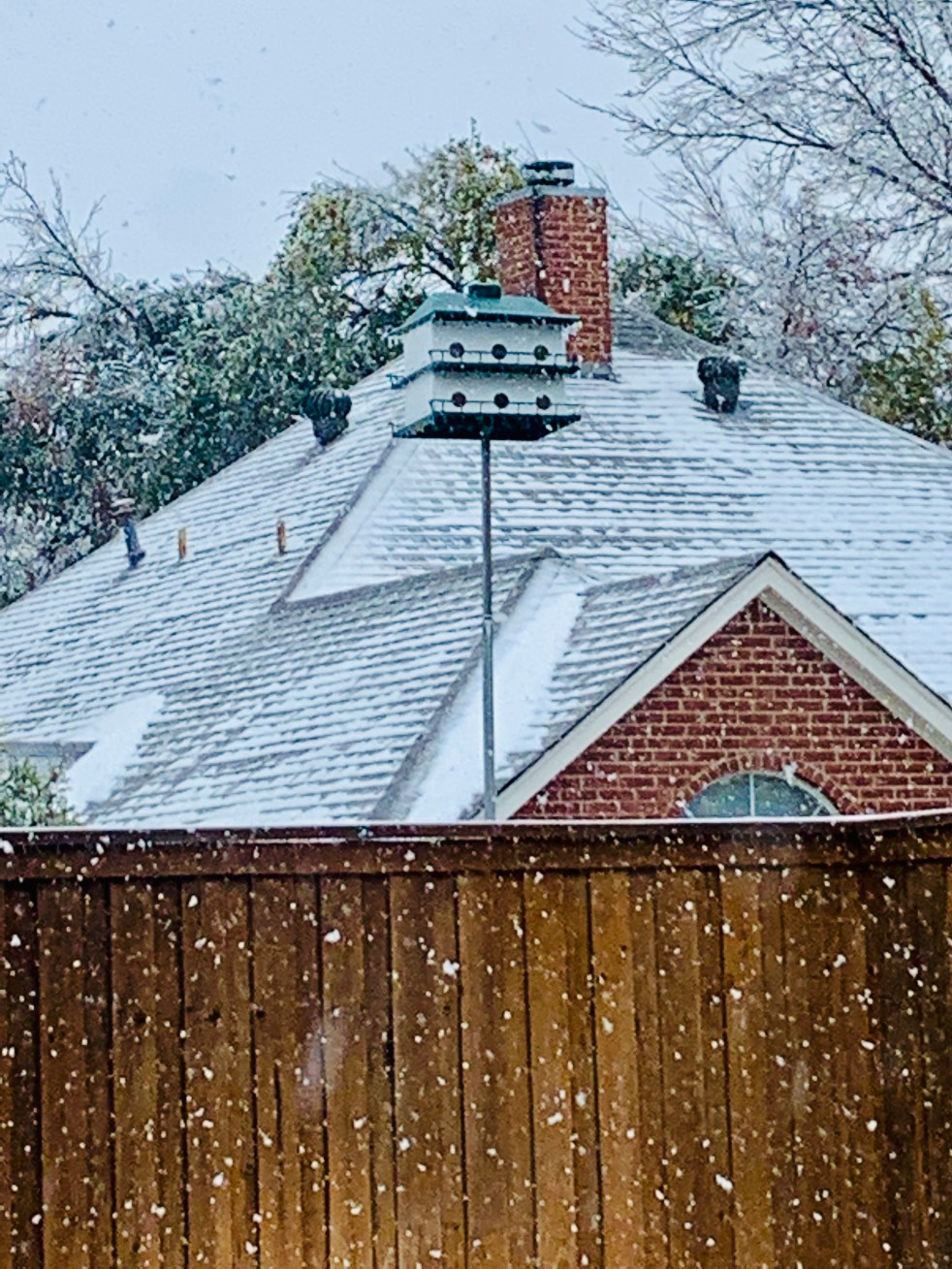
February 2022 Winter Storm
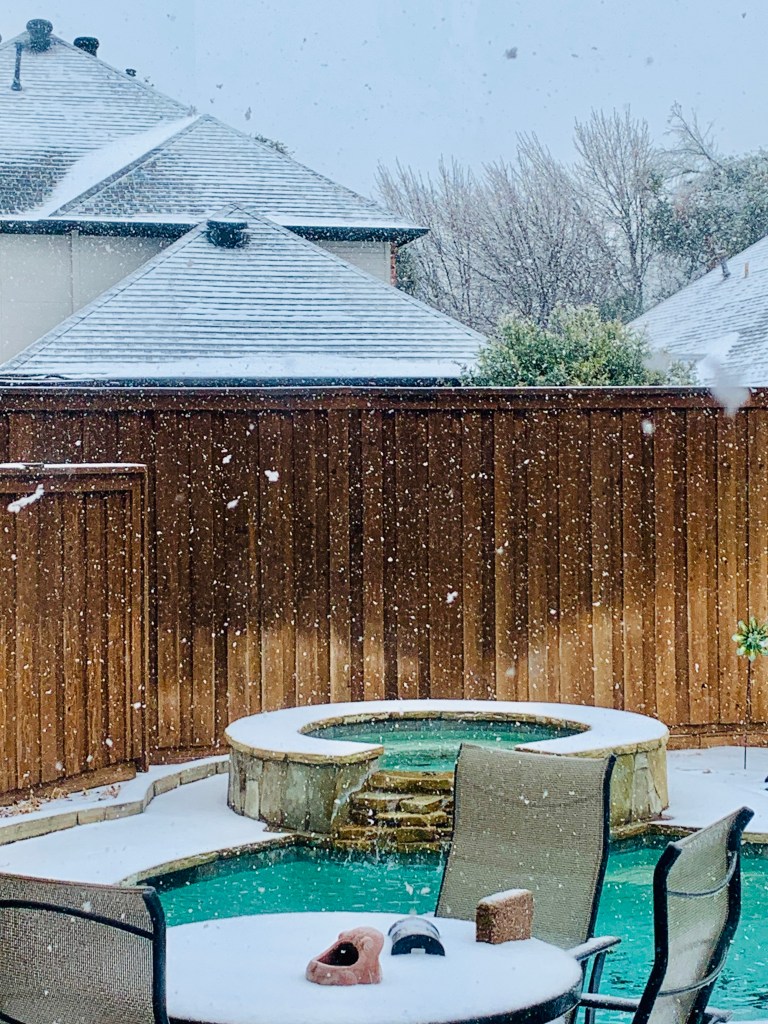
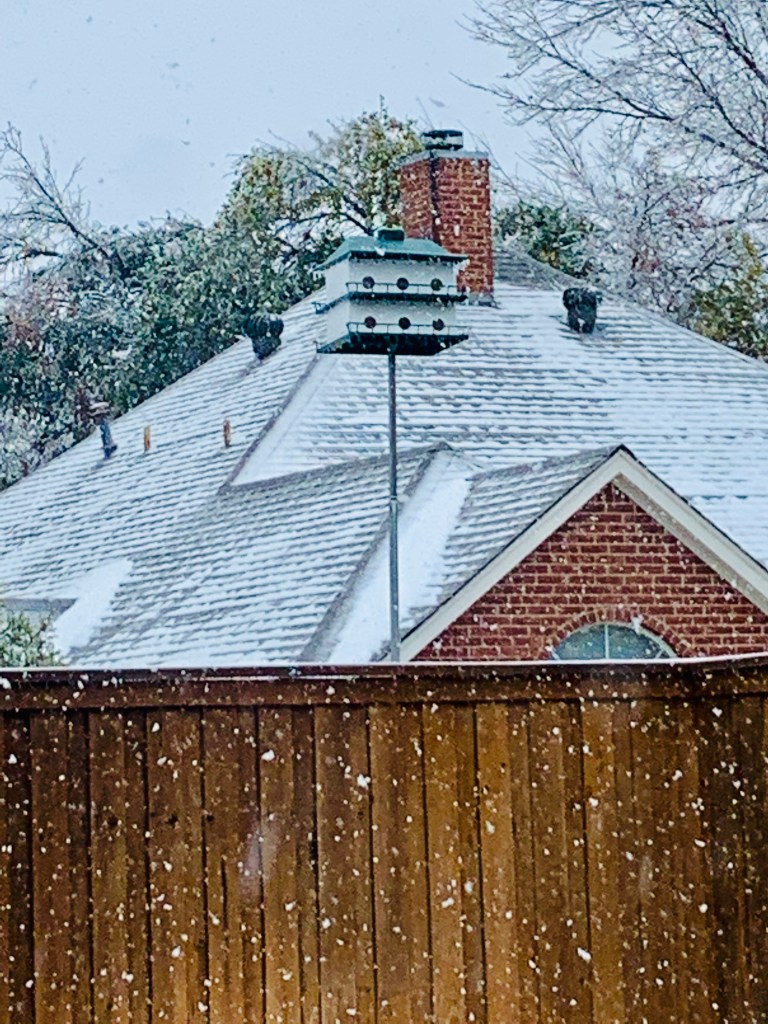
We have one tree out front that lost several limbs due to ice. My husband had to go on the house and pull one larger limb off the roof. It’s beautiful outside of course that’s from the inside in the warmth. Tonight the roads are re-freezing and will be another morning with hundreds of accidents since people won’t stay off the roads.
Be Safe!
Melinda
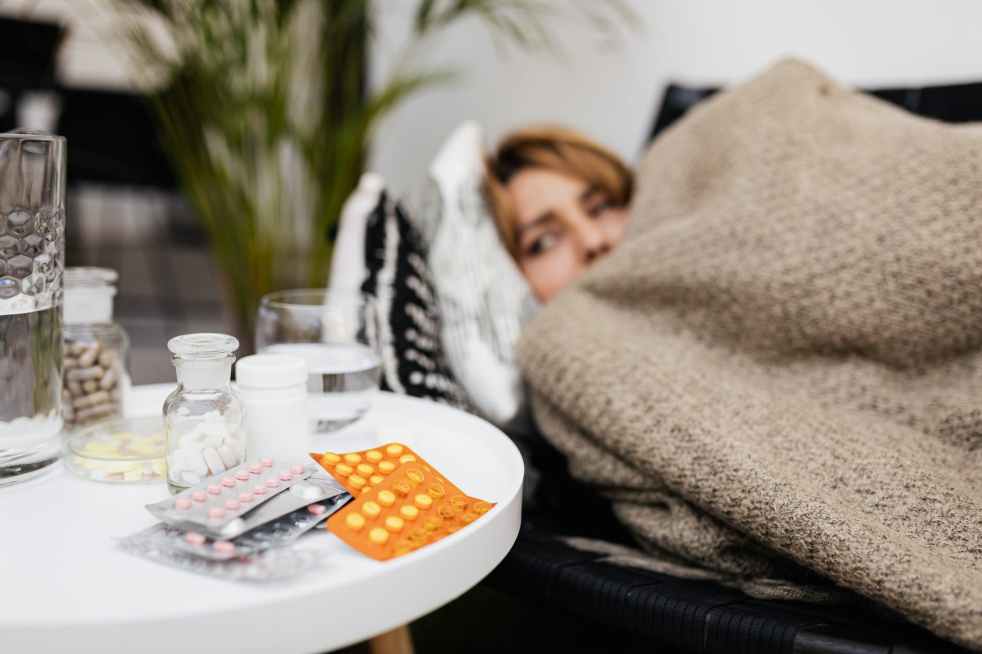
Chronic Illness & Depression : 8 Trigger Points — Guest Blogger Invisibly Me

Chronic illness & depression are intimately linked. Here are 8 triggers from life with illness, pain & disability that affect mental health.
Chronic Illness & Depression : 8 Trigger Points — Invisibly Me
Just Pondering
As much as we try to STAY POSITIVE, it’s completely NATURAL to have negative thoughts. It’s important that we don’t HOLD ON to them, though.
What thoughts do you need to LET GO OF?
Melinda

Chronic Illness and Marriage
When you get married you commit to for better or worse and in sickness and in health. You don’t think those two things will happen early in your marriage if you think about them at all. Marriage is full of ups and downs, good and bad, and is very hard at times. When you add a chronic illness to the mix it can get complicated. Not every person is ready for the better or worse, or in sickness and in health.

Sacrifices are essential to living with someone with a Chronic Illness. There were years where my husband had to fill my medicine case each week, cook every meal, do all the laundry, help me shower, get me dressed, help me in and out of the car, walk me up and down the stairs, the list goes on and on. I haven’t seen the inside of a grocery store in years.
He gave up several hobbies he loved to make sure there was always time to take care of my medical and mental health needs. It comes at a cost to the partner’s mental health. I encouraged him to seek counseling which he did and it helped a great deal.

My husband has been caring for me and my health since we first married. Long before Lyme Disease, an Immune Deficiency Disorder, and Fibromyalgia, there was my Mental Illness to care for. I have Bipolar Disorder, which is a serious Mental Illness that requires constant monitoring and several medications to stay well.
From the very beginning, he had to keep an eye out for signs and symptoms. Ask gently if I had taken my medication and help me deal with my depression when the Black Dog moved in.
One of the things I asked from the very beginning was for him to sit in on my appointments with my Psychiatrist. I wanted him to understand how sick I was and hear it from the doctor, to hear me talk to the doctor. This would prove immensely helpful in the years to come.
I had to trust him with the darkest part of myself, my Bipolar Disorder and it was difficult at first but I knew it was needed if our marriage was going to work. I had to trust that he would listen and learn but not take over my healthcare unless I was a harm to myself.

One critical step my husband took is put my health before his career, it was a huge guilt trip for me. He passed up promotions and great opportunities to travel so that I would not be home alone. Just last week his boss asked all of the VP’s to lunch and he had to decline due to the rising cases of Omacrom. Ouch, that burns sometimes!
The truth is I don’t know what I would have done over the past 20 years without his sacrifices. If you have a chronic illness make sure you are transparent in the struggle and what may be required of them. If a dating relationship can’t withstand that challenge then a marriage certainly won’t.
Melinda

Everyday Magic
Bella and Grace by Stampington
There are some people who appear to radiate light. Their kindness and spirit shine for all to see. Who are the people in your life that radiate light?
Why do they glow so brightly?
Enjoy your day!
Melinda

Another Anxiety Story — Guest Blogger Webbblogs/Ocd and Me

I have written about anxiety before. I have even written about some of the things below. I am writing about it again because I know someone out there has been through it or knows someone that has. Someone out there needs to know they are not alone. The Strange Feeling In My Head Many years […]
Another Anxiety Story — Webbblogs/Ocd and Me

No one has the Right to Judge you — Don’t Lose Hope — Guest Blogger Coaching Skills International

“No one has the right to judge you, because no one really knows what you’ve been through. They didn’t feel what you felt in your heart.” Keep these words in mind the next time you feel that someone has some view, or opinion about you. – No one has the right to judge you. Absolutely […] […]
No one has the Right to Judge you — Don’t Lose Hope — Coaching Skills International
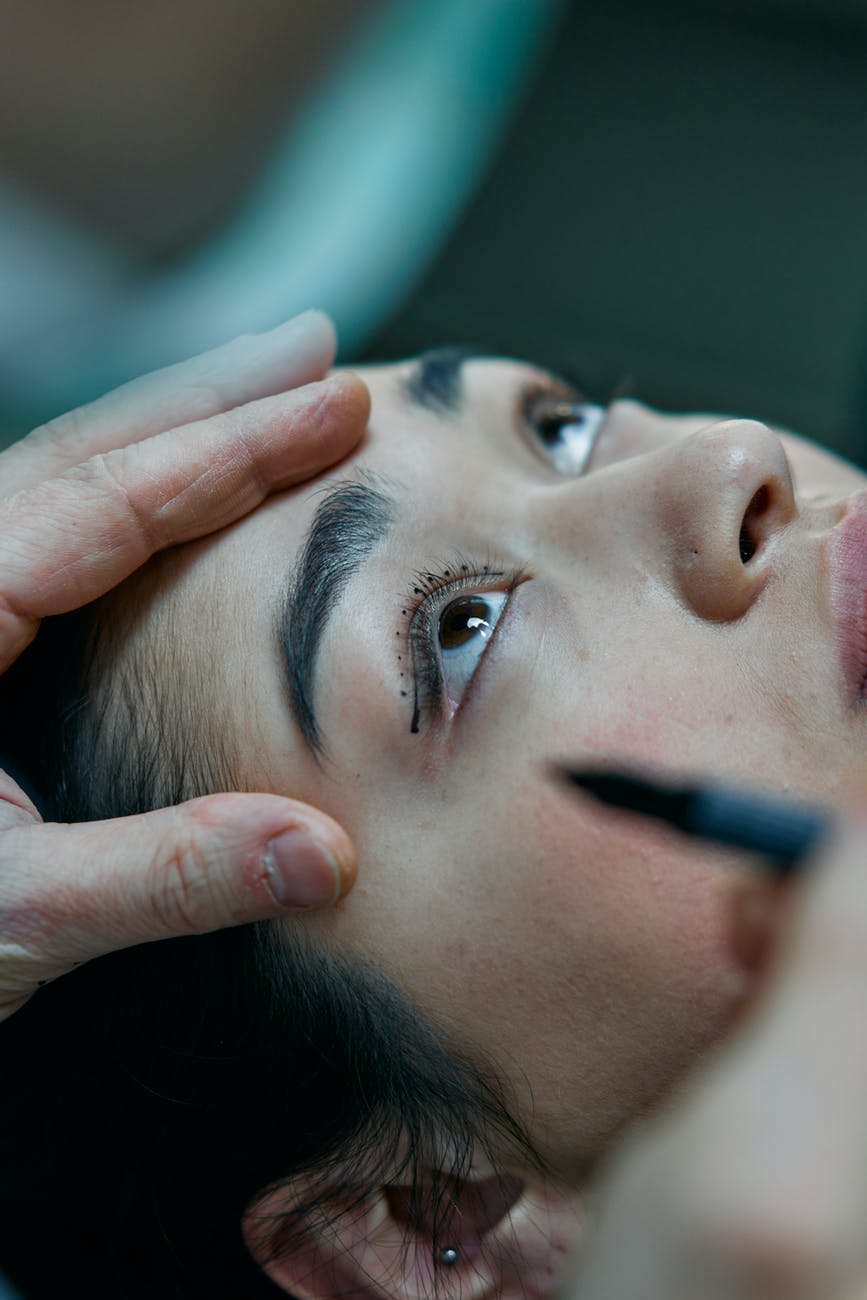
Self Improvement: Invasive vs Non-Invasive Cosmetic Surgery Options
The world of cosmetic surgery has recently seen an increase in the number of procedures becoming available to patients interested in improving their appearance. With the boom in popularity, a certain amount of controversy has come surrounding these surgeries. The rise in some non-surgical options leads to questions about which type is best for people considering enhancement.
Invasive vs non-invasive cosmetic surgery options have been a hot topic in the media. In some cases, the controversy about which is better for patients has led to botched surgeries and malpractice claims.
The most common question people ask is whether or not an invasive surgery is automatically better than a non-invasive procedure. While it might seem like there is a simple answer and that invasive surgery would be the preferred option, sometimes it can vary based on the person and their specific needs.
Two Common Types Of Cosmetic Surgeries Can Be Classified As Either Invasive Or Non-Invasive
- Invasive (or “open”) surgeries typically include more risks than non-invasive brethren.
These surgeries are performed through cuts made in the skin rather than around or through it. The benefit of this cut is that the surgeon will have direct access to what they need to correct.
Because invasive surgeries require cuts, patients typically need to spend more time recovering from them and may not return to work as quickly.
- Non-invasive surgeries are often known as minimally invasive or surface techniques.
These surgeries do not require any cuts in the skin, but instead, they create small incisions around the area they are working on.
The main difference between invasive and non-invasive cosmetic surgeries is where doctors make their incisions. While one requires cuts into the skin, the other allows surgeons to make small incisions around the area they need to work.
Typical Examples:
- Liposuction is done through an invasive surgery that requires cuts into the skin to pull the fat out of the body. The benefit of these types of Weight Loss Surgery is that they allow for more accurate removal of fat cells. This means less pain and better-looking results than surface techniques that rely on suction alone.
- Laser hair removal options like laser tweezing and pulsed dye lasers can be done through invasive and non-invasive procedures. Typically, the more invasive option involves making an incision over the skin area where the procedure is being performed. New techniques allow for less invasive surface surgeries that include breaking up the hair follicle with an electric current.
- Cosmetic procedures like chin implants and facelifts are less common surgeries typically performed through invasive methods to get more accurate results. This requires making incisions in the affected area of the face or neck, but they offer greater accuracy than techniques like surface fillers.
In Conclusion
Invasive and non-invasive surgeries offer patients benefits and drawbacks, which is why it’s essential to talk about their differences with a surgeon. While some invasive surgeries may require more recovery time or have higher risks of complications, they often lead to better results that last longer. Non-invasive procedures are generally considered less risky, but they can often offer less accurate results that don’t last as long.
As with all medical procedures, patients need to understand which type of surgery is right for them before making a final decision about their cosmetic enhancements. Before choosing either invasive or non-invasive cosmetic surgeries, it’s helpful to speak with a surgeon about the risks and benefits of both to get the best results possible.
This is a collaborative post.
Melinda

Understanding Childhood Trauma
Did you know that over 60% of Americans have experienced childhood trauma of some sort? Yes, trauma faced while growing up is more common than you might think.
So common that you may have experienced trauma of some sort too. Perhaps you’ve repressed the memory, forgotten it, or even processed it – but it is essential to know where you’re at so you can move on in adulthood.
You may be wondering, how exactly can you measure trauma? Well, that’s where the childhood trauma test comes in. Below, we share the essential guide to the ACE childhood trauma test and everything you can learn from it.
What Is The Childhood Trauma Test?
The ACE childhood trauma test for adults is a score summing up the extent of difficult childhood experiences. The ACE test questions for childhood trauma include a series of 10 questions about various incidents that occur during the earlier stages of life.
According to the test, the rougher your childhood, the higher you’ll score on the quiz. This, in turn, has implications for experiences well into adulthood. For example, this may manifest in symptoms that range from headaches and heart disease to depression and substance abuse.
If you are interested in taking the test please use the link.
Please pass along if you know someone who may need some answers.
Melinda
January Writing Prompts
The Chronic Illness Writing Prompts are hosted each month by Sheryl at A Chronic Voice, please check out her awesome website and helpful archives.

This month prompts are:
RECUPERATING
REVERSING
DAWNING
MAPPING
DEFINING
I’ve chosen Recuperating, Mapping, and Defining as my three this month.

I’m recuperating and dealing with lingering issues with swollen salivary glands. I don’t have symptoms of a blockage or stone so I skipped the scan. There are other illnesses that can cause swelling of the glands and I hope to know more when I see a new Rheumatologist in march. I don’t want to be a hypochondriac or self diagnose but do know that Lupus can cause this problem. I’ve been tested for Lupus twice before and came back negative. This time I have many more symptoms and we’ll see how her test turns out. There are other illnesses besides Lupus so the test may surprise me.
This new doctor is promising! She takes 1-4 hours on your initial appointment, who does that? It could take a year or more to get that much face time with a doctor. I’m hopeful this is a sign of how thorough and knowledgeable they are.
I’ll let you know in March. In the meantime, I’m dealing with tender glands and lots of fatigue.

2022 is all about coming to terms with the fact that this is the new normal and how to navigate life with a chronic illness thru an ongoing Pandemic. I went two years without going to the dentist for teeth cleaning, I can’t do that moving forward. I have to keep my appointments in order to stay as healthy as possible. I won’t be going out to eat or socializing with a group of people but do plan to get out more.
I’m getting braces this year, Invsilines and I’m so excited. I had braces as a teen and thank goodness they are very different today. My teeth have changed over the past ten years and though I don’t have to get them I’m doing it for self-love.
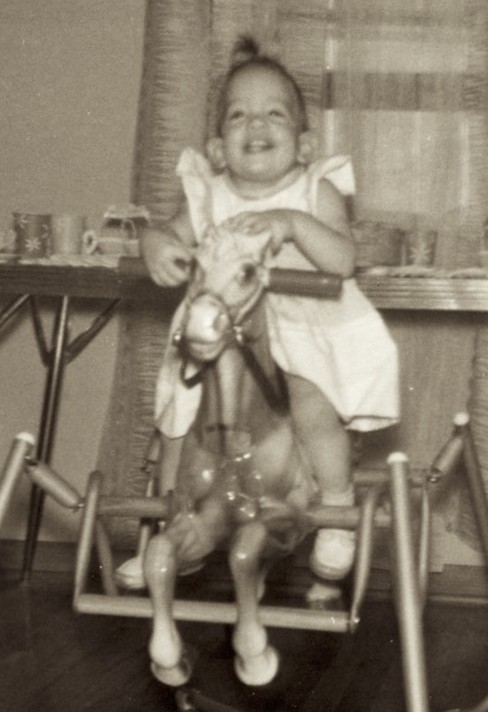
A moment of true joy as a child on my birthday.

Ways to Get More Self Care into Your Life
Ensuring that you are getting the right level of self-care is essential to your overall sense of happiness and well-being. By doing this, not only will you enhance your quality of life, but you will enhance the quality of life for the apple who are closest to you. No one needs you to be on top form more than your partner and family. The truth is you should not feel guilty about devoting some time to your care. This is because your health, both mental and physical, should be your top priority.
Minimalism
Minimalism is about adopting a new approach to life that will enable you to cut out all the things that are no longer of any value. A lot of people keep things around, objects, people, activities, etc., when they are well past their sell-by date. You may feel that this is positive, but actually, it is extremely negative. Not only does it fill up your time with things that no longer serve you, but it can actually bring you down too. If you are ready to embrace a minimalist lifestyle, start with decluttering. Decluttering is such a great way to physically remove objects from your life that are no longer relevant, cause you stress, and keep you tied to a point in the past. After you have got rid of all the useless objects in your life, then you can begin to remove the mental, emotional, and other ties. Freeing yourself from these stresses is essential for your well-being and helps you focus on your self-care.
Exercise
If you don’t already have an exercise regime, then it really is time you started one. Most people know that exercising is good for our bodies. It can help prevent illness and disease and keep the pounds off. It is also essential for your mental health too. Exercise can actually make your brain happier. It does this by naturally increasing the levels of dopamine and serotonin in the brain. Main antidepressants actually work but help the brain hold on to serotonin. But natural is a far better approach as it has other benefits too which are much more reaching. Exercise can also reduce the amount of stress you feel by targeting the cortisol in the body and getting rid of it. Cortisol is known as the stress hormone. Not only that but exercise makes you look physically more attractive by reducing fat and making your skin shine.
Don’t Deny Yourself
A lot of people may feel that they have to neglect themselves and go last in everything, especially if they have a family. Although this is clearly true n some cases, it is not always true. You need to show yourself that you care. One way to do this is to treat yourself. A new handbag or pretty top every once in a while isn’t going to hurt anyone. Or maybe you need something more intensive like dental implants. Whatever it is that will enhance your well-being as long as it is within reason, go for it.,
This is a collaborative post.
Melinda
5 Ways To Support A Loved One Recovering From Surgery
Surgery has never been easy. It’s not always easy to watch a close one get through the surgery and recovery. It’s hard to watch them fight to recover their mobility and health, but there’s a lot you can do to support them.
To help your loved one recover from surgery, here are six ways of showing your love and support.
Complete Some Of Their Task
Following surgery, your friends or family may have more trouble with daily tasks that were once simple. Doing for them something they can’t do for themselves is the most practical method to show support. Small gestures can go a long way in assisting. Offering to take their kids to school, care for their pet, or cooking for them allows them to rest and avoid overexertion and re-injury. Their bodies will be able to rest, but their minds will be able to focus on their rehabilitation.
Support Their Recovery
Depending on the procedure, a patient may have to stay in the hospital for a few weeks after surgery. Simply being present shows how much you care. You can show them you care by bringing them flowers, a favorite book, or simply sitting next to their bedside and watching TV with them. Nobody likes to be alone when healing. Even those who are naturally loners and need extra space want to know someone is there for them. Knowing someone is there for them in times of need helps alleviate stress and anxiety while promoting a happy mood.
Be Strong
Whether it’s a procedure such as Cataract Surgery, a hip replacement, or even cancer treatment. Your loved one will look to you for support. It helps to remind them that you will stand firm for them. This is their time to recover, and yours to assist.
Equip yourself psychologically to be the one people turn to for advice and guidance. Withdrawal and depression may occur depending on the length of recovery. Anticipating this can help them feel more optimistic about their recovery. Also, be an example in how you talk about their rehabilitation, concentrating on the positive rather than the negative.
Be Positive
Before the procedure, tell them what to expect from you throughout their recuperation. Let them know you’ll be there to support their choices. Finally, allow them to be vulnerable during their recuperation. Assuring loved ones that they are not a burden will relieve tension and help them heal faster.
Be Available Throughout
It’s easy to have good intentions when your family member or friend is recovering after surgery, but it’s crucial to remember to stay there for the entire recuperation. Depending on the procedure, the patient’s mobility may improve as they begin to heal. An excellent indicator of healing, but not a sign that the patient can return to normal activities.
Be available to help take out the garbage or carry groceries until they have fully recovered. If it’s a friend you don’t see much, remember to call and see if they require any assistance. You may think like you’re questioning them endlessly, but asking questions will ensure that they don’t ruin their recovery by doing too much too soon.
There are so many varied personalities and types of people that no two procedures are alike. So, during recuperation, the level of treatment will vary based on the individual. Some will require round-the-clock care and appreciate the companionship of loved ones. They’ll need additional room. There is no incorrect method to offer your support for a recovering loved one. Sometimes just being present is enough.
This is a collaborative post.
Melinda
 Looking for the Light