As a part of Suicide Awareness Month, I want to talk about those left behind. Those left to grieve.
Grieving after suicide is complex and gutwrenching. Everyone grieves differently and heals in their own time but the process can be a difficult one. This is my story.
Welcome to the weekend edition of Today in History. I’m so glad you’re enjoying the post. Have an awesome weekend.
1960
Kennedy and Nixon square off in first televised presidential debate
For the first time in U.S. history, a debate between major party presidential candidates is shown on television. The presidential hopefuls, John F. Kennedy, a Democratic senator of Massachusetts, and Richard M. Nixon, the vice president of the United States, met in a Chicago studio to discuss U.S. domestic matters.
1580
Francis Drake circumnavigates the globe
English seaman Francis Drake returns to Plymouth, England, in the Golden Hind, becoming the first British navigator to sail the earth. On December 13, 1577, Drake set out from England with five ships on a mission to raid Spanish holdings on the Pacific coast of the New World. …read more
1820
The famous frontiersman Daniel Boone dies in Missouri
On September 26, 1820 the pioneering frontiersman Daniel Boone dies quietly in his sleep at his son’s home near present-day Defiance, Missouri. The indefatigable voyager was 86. Boone was born in 1734 to Quaker parents living in Berks County, Pennsylvania. Following a squabble …read more
1928
Work begins at company that designs first mass-produced car radios
On September 26, 1928, work begins at Chicago’s new Galvin Manufacturing Corporation. (The company had officially incorporated the day before.) In 1930, Galvin would introduce the Motorola radio, the first mass-produced commercial car radio. (The name had two parts: “motor” …read more
1888
T.S. Eliot is born
Poet T.S. Eliot is born in St. Louis, Missouri, on September 26, 1888. Eliot’s distinguished family tree included an ancestor who arrived in Boston in 1670 and another who founded Washington University in St. Louis. Eliot’s father was a businessman, and his mother was involved …read more
Actress Drew Barrymore recently visited a mental health institution where she was placed by her parents when she was a teenager, and she got emotional during the visit.
“Charlie’s Angels” star Drew Barrymore took a tour of Los Angeles in celebration of the premiere of Season 2 of “The Drew Barrymore Show” and stopped by the institution where she spent time as a minor.
Drew, now 46, recalled her childhood experience in recent video footage and discussed how it shaped her into the woman she is today.
Drew Barrymore speaks onstage during the Building a Brand in a Mobile-First World panel on the Times Center Stage on September 27, 2016 in New York City | Photo: Getty Images
The California native tearfully shared how she ended up at the institution, detailing her vivid memories of the unfortunate events:
“I was a real wild child, and I just got so out of control that no one knew what to do with me. They drove me here in the middle of the night.”
Actress Drew Barrymore attends Netflix’s “Santa Clarita Diet” season 3 premiere at Hollywood Post 43 on March 28, 2019 in Los Angeles, California | Photo: Getty Images
Drew explained they escorted her through the two doors of the building entry, and she said when an individual goes through them, they do not come out. The now director revealed she was there for a year and a half.
Drew previously opened up about being admitted to Van Nuys Psychiatric Hospital when she was 13 years old for 18 months. She disclosed that those in the facility were thrown in the padded room or put in stretcher restraints and tied up.
The star said it dawned on her when she realized that her mom locked her up in an institution but that it did give her much-needed discipline.
The movie star explained she shared her story with her talk show audience because they have helped her recognize that we all experience challenges in life.
The Golden Globe winner was treated for alcohol and drug addiction at the institution, and in an exclusive interview with The Guardian, she described that time in her life as her lowest point. When asked what happened, she said:
“Just knowing that I really was alone. And it felt… terrible. It was a really rebellious time. I would run off. I was very, very angry.”
She said the root of her anger was because her parents were not there for her. Her father, actor John Drew Barrymore was a violent alcoholic, and her mother and manager, Jaid Barrymore, was herself a wild child with little knowledge of parental responsibility.
After her parents divorced, the “50 First Dates” star was only nine years old when her mom took her to Studio 54, where she was introduced to drugs and encouraged to dance with famous young men.
At age 14, the child star was legally emancipated from her mother and revealed Jaid, 75, lost all credibility as a mom for introducing her young child to the partying scene. However, she admitted that having been committed to a facility was what she needed.View this post on Instagram
When asked if Jaid told her about it prior, she said she did not and admitted she would have probably run away. Drew added her mom did go and visit her while at the institution.Read also
The star said it dawned on her when she realized that her mom locked her up in an institution but that it did give her much-needed discipline.
Furthermore, the producer explained she understood why her mother had her committed because her upbringing was not normal. Therefore, something had to give for her to get her life back on track.View this post on Instagram
Shortly after being released from the facility, she opted to emancipate herself at the institution’s advice. According to the clinicians there, they believed she would be better off on her own, which Jaid supported.
When her memoir “Wildflower” was published, Drew shared that she and her mom were barely on speaking terms but ensured she was well off financially.
If you are a caregiver for an elderly family member, you’re at the forefront of your loved one’s care. You may be taking on some or all of the following duties, cooking, cleaning, running errands, and overseeing medication compliance.
With so much responsibility resting on your shoulders, it’s important to select a private duty caregiver that can adequately assist you with meeting the needs of you and your family members. In this article, we’ll discuss things to consider when selecting a private duty caregiver!
You may be wondering how to find a caregiver that has experience caring for people with memory loss. Start by asking the person you’re thinking of hiring if they’ve ever cared for people the particular illness that your loved one has.
Their resume might list their experience but it never hurts to ask about this before hiring them.
You can also find caregivers with experience caring for people who suffer from specific illnesses by contacting different local agencies and organizations.
Special Certifications or Licenses for Caregivers
Some caregivers are licensed professionals, while others are specialized in certain areas. This can be important if you have any specific needs that need to be met by your caregiver.
Making sure that the private duty caregiver you choose is licensed, is a good way of ensuring that they have had the prerequisite training to properly take care of your loved one.
Ask the Caregiver to Provide References
The most important thing to look for when selecting a caregiver is whether or not they have references. If the person you are considering hiring doesn’t have any, it’s best to move on and find someone who does.
References will give you insight into how the potential caregiver interacts with patients, their level of experience, and what kind of life skills they bring to the table.
If they don’t want anyone to know where they have worked that’s usually a bad sign too!
Working Hours
One of the things that you should do when you are interviewing a potential caregiver is to ask them what their hours are.
Home care agencies usually have set hours, so if you know what your agency’s hours are, it will be easier to find someone who fits in with your needs. If you decide not to hire from an agency you should discuss the hours they can work with the caregiver since this is extremely important.
Hire the Right Person
Hiring the right person for a caregiving position is essential. The person you hire needs to have a high level of skill and good references. If you are going to be letting someone in your home you want to know that they can be trusted.
This is especially important because you will be giving over a part of the care of your loved one to this individual. The only way to ensure that you have peace of mind about the situation is to take the time to do due diligence before hiring anyone.
While stress is most definitely the biggest buzzword in the route to health and wellness, we can overlook tension in a physical sense. Physical signs of tension can lead to more stress, which is why we’ve got to learn how to reduce these physical signs. So what are the best ways to reduce any physical tension?
If you are constantly experiencing pain in your lower back, this could be due to many knots in the lower spine area. Many chiropractic care providers can help you work through these problems, but massages can get to the root cause, especially if your tension is always based on a certain part of your body. There are so many ways you can use massages, such as a massage gun or you have sports massages. But it’s crucial to remember that if you are experiencing pain in a certain area, it could be due to improper use, especially if you exercise a lot.
Progressive Muscle Relaxation
This is something that works wonders to reduce physical tension. It takes its cue from isometrics and involves tensing a part of your body before relaxing it. Progressive muscle relaxation works through every muscle group gradually. Relaxing muscles that have been tense for a while can be difficult to calm down, but many people have noticed that it has made a significant impact on their sleep quality.
Visualization
Something else that works very well in the modern world because it is a component that is “mind over matter.” Visualizing involves imagining a scene or an image that can help you to stimulate the subconscious in positive ways. A lot of other problems can stem from the subconscious mind, so if we feel that we are constantly tense in a certain area, actively focusing on that area and visualizing it “calming down” can make a massive difference. It also works wonders for people trying to hit certain goals. When it comes to physical tension, you have to remember that visualization can be key because your brain is not necessarily able to differentiate between the signals that are real and the signals that are imagined. So if you make a strong enough signal that you are relaxed, you will gradually begin to embody that.
Hypnosis
Hypnosis is another aspect that can help you to retrain your brain, and therefore you won’t feel as much tension in your mind so it will not transfer to your body. There are fantastic apps out there that can help you towards this, but one of the best is Reveri, which allows you to go into a peaceful and tranquil state while also retraining your brain.
Learning to reduce your stress is not just about the mental components, but making sure that you reduce the physical signs of tension. Stress and physical tension can go hand-in-hand and one can cause the other, and vice versa. Getting to the root cause is crucial, and if you try a number of these methods, you should see a big difference.
Hair loss can affect anyone, whether male or female. When you start to experience your hair falling out, it can be shocking, especially if you’re still young. Typically, people expect hair loss to start happening closer to middle age, but there are many reasons people experience it in their twenties. This can severely impact your self-esteem and can have a damaging psychological impact. To overcome this, it’s beneficial to understand the reasons why you might experience hair loss.
Hereditary
The most common reason for hair loss is genetics. If you have a history of hair loss in your family, it is more likely that you will lose your hair as well.
This is known as pattern baldness, both male and female. It will often start slowly and in patterns, such as thinning hair and bald spots at the crown or a receding hairline. Most of the time, people who have a family history of baldness will expect hair loss, but this doesn’t make the initial occurrences much easier to deal with and accept.
Stress
Just like stress can cause your hair to turn gray, it can also contribute to hair loss. Too much stress leads to your hair thinning out, and you will usually find it most frequently when washing your hair in the bath or shower.
Such stress can come from a traumatic event, and the hair loss symptoms will usually last for at least a few months after. However, the good news is that this is usually temporary.
Treatments, Shampoos, Products
Some hair treatments, such as certain hairstyles or products you use in your hair can also contribute to hair loss. The more strain your hair is put under, the less healthy it becomes, and this can cause the hair follicles to fail, causing your hair to fall out.
Chemicals can also impact the thickness of your hair, but like stress, this can be temporary if you catch it early enough. If you experience hair loss after changing shampoos or testing new products, go back to your previous products to see if there is a difference or consider searching for PRP (Platelet Rich Plasma) treatment to help slow and stop hair loss.
Medical Conditions
Hair loss can also happen as a reaction to certain illnesses and medications, such as cancer, arthritis, and depression. Often, this is a side effect of medication you take for the illness, although the stress of the sickness can also be a factor.
There are also medical conditions like alopecia related to your immune system and leads to hair falling out in patches, ringworm, a scalp infection, or even chronic hair pulling, a disorder also known as trichotillomania.
Is Your Hair Tied To Your Identity
For anyone who considers their hair part of their identity, suddenly losing hair can make you feel entirely unlike yourself. It can cause stress, lack of confidence, and affect your mental wellbeing. However, if you can understand why you are losing your hair, you can come to terms with it more easily and take action to prevent or halt losing more hair.
In a culture that celebrates success, progress, and onward movement, feeling stuck can be an extremely annoying scenario for anyone. Usually, people are told to push their feelings deep inside, letting them develop into uncertainty, pondering ideas, and anxieties about what tomorrow holds.
But, instead of overlooking the feeling, it is a good idea to think of your way out. So the following are some of the things you can do to get yourself out of the rut.
Know why you feel stuck
Everyone feels stuck in life once in a while; this might be due to many reasons. Most people work towards objectives that do not align with who they really are or what they actually yearn for. Living in a life full of false goals can make you feel stuck and annoyed at the same time. You can build a very successful and happy life according to society; however, you will never get life satisfaction if you have based your life on false objectives and hope.
So, if you feel like your marriage is based on false objectives, it might be time to set yourself free and get the proper satisfaction of life by getting the help of a divorce lawyer. Other things that might make you feel stuck in life can be a lack of motivation and fear of change.
Beware of your mindset
Usually, people think they are stuck in life, but the problem is often their mindsets. Being mindful of your mindset is an excellent way to live a life of fulfillment and freedom. So to improve your attitude, work on how to restate your self-talk. For instance, instead of saying you can never start a business, say you don’t know how to start a business, but you can learn. You are not alone, sometimes; even the most motivated individuals have days when they feel unmotivated.
Take care of yourself
Taking care of your well-being is another excellent way of fighting the feeling of being stuck in life. Besides, it is also crucial to your mental health. Begin by quickly evaluating how well you have been taking care of yourself. Have you been exercising? Are you getting enough sleep, and lastly, are you spending time with the people that love and care about you?
Now will be the best time to address any place that you feel might be lacking. Get enough sleep, exercise, eat a balanced diet, and more importantly, spend time with your friends and family.
Boost your drive
Sometimes, the feeling of getting stuck happens occasionally, for instance, one day, you feel stuck, and the next, you are all good. In some cases, you might need to take a more proactive approach. And there is no other way to do so than to focus on your motivation. There are many ways to boost your motivation even when you don’t feel like doing anything. Start by taking small steps outside your comfort zone, and reward yourself.
Summing Up
Feeling stuck in life can be very frustrating, but you can add a sense of adventure, motivation, and excitement back into your life with some effort. Put more effort into living intentionally and constantly remind yourself about what you truly want and whether you are doing things according to your desires. If your workplace is the source of your feeling, consider creating a stress-free work environment. This will make the feeling of being stuck gradually fade away.
Most of us spend most of our time doing the same things that we always do whether that be watching TV, working, cleaning our homes, or practicing our favorite hobby. There is absolutely nothing wrong with this, and if the things you always do make you happy, by all means, keep doing them, but maybe think about trying a few new things too. Why? Because trying new things is really good for you as you will see below…
One of the best things about trying new things is that it helps you to face your fears and overcome your anxieties. So many of us are worried that we aren’t good enough;l afraid of failing; too scared to pursue our dreams. When we try something new, even if it is something quite simple like learning how to fold origami animals or taking an art class, it helps us to confront our fears and shows us that we are capable of doing things if we put our minds to it. It’s not always easy to take that first steps, but once you do, your anxieties will start to lessen and things will get better for you.
Find out who you really are
Trying new things also helps you to ding out a bit more about who you are, what you like and dislike, and what you’re truly capable of. Whether you buy a used car from Edmunds and learn to drive for the first time, do a charity skydive, or volunteer for an animal charity, one way or another, you will learn something about yourself and the kind of person you want to be and this will help you live a happier life with better mental health overall, and really what do you have to lose?
Follow your dreams
Many of us have big dreams of how we would like our lives to be, but most of us are too afraid to follow them whether because we think they are unrealistic or because we think we don’t have the time/skills/whatever. Sure, we may not all realize our dreams, but you know what? We’ll probably have more fulfilling lives trying to do so, and at the end of the day, that’s what really matters, isn’t it?
Boost creativity
When you try something new, you have to process different ideas, learn new skills and expose yourself to things you have not seen or done before. All of these things will boost your creativity because the more novelty your brain experiences the better it will work in this context.
Beat boredom
Constant boredom can lead to depression and apathy so it is a state that you will want to avoid as much as possible. If you are constantly trying new things, no matter what they may be, you will rarely have time to get bored, and who knows, you may find your passion – the one thing that will never make you bored – while you do.
It doesn’t matter if you are employed or self-employed, working can be stressful. However, there are ways that you can make your workday a lot easier, it just depends on the job that you have. Here are some ideas that you can use no matter what your job is.
You might find yourself trying to plan things out as much as possible only for them to not turn out as you have planned. Sometimes even the best-laid plans can go haywire. If things don’t work out, make adjustments and plan things again. It might be worth your while using tools such as a Multi Stop Route Planner or a reminder app to keep you on track during the day. Whatever your preferred method of planning is, stick with and refine it as you go along so that you have a system that works to your advantage.
Accept responsibility
One of the most stressful things that we can encounter is our own mistakes and admit to them. If we constantly mess up, we will have to think about whether this job is the right fit for us. If we decide to own our mistakes and accept that they are showing us that this is not the job for us, we can move on with a clear mind. Let’s face it, the best way to have a stress-free day at work is to do something that you love and are good at. However, taking responsibility does not mean taking the blame for other people’s mistakes and you should stand up and take responsibility for your own reputation if people are trying to blame you.
Eat and sleep well
The stress in our jobs and the mistakes that we make might not have anything to do with on-the-job stress. It could be an overflow from our personal lives due to a lack of self-care. Making sure we eat the right food, getting enough sleep, and drinking enough water are great places to start on your self-care journey. If we start doing these things and our stress levels go down in the workplace, then we need to make time for self-care at home. If it doesn’t help, we will need to look at other sources.
Is your job stressful?
Although we mentioned not being good at a job as a reason for stress, this is not the same as having a stressful job. Many jobs are stressful such as working in the police or as a nurse. These jobs require dealing with life and death situations at any point. Some people thrive on this type of energy and will enjoy the thrill. However, this constant thrill can leave you feeling burnt out and stressed. If you know that your job is tough, there are a number of things that you can do. Take extra training to help you deal with different situations. Take time off if it feels like it is too much. And know when to take a step back.
For Suicide Prevention Month I wanted to talk about my own suicide plan. I think it’s important that we talk openly if possible about our thoughts and plans. Here’s my plan.
Many of you know I have early onset Dementia and it’s progressive. When I contracted Lyme Disease the virus went to my brain and continues to do damage. It’s like a machine gun went off in my memories. It’s very difficult when my husband brings up important events in our marriage and I can’t remember them. It doesn’t discriminate, it’s short and long-term memories.
I take two Alzheimers drugs to help slow the progression, and this year has been pretty good.
Dying from Dementia is a painful death and it takes a horrendous toll on the caregiver. My Granny had Dementia from a Stroke and it broke my heart to watch her slowly die. She starved to death because the brain forgets how to swallow. I was there at her bedside almost every day until her last breath.
When diagnosed with Dementia I knew I would not die that way, I would commit suicide. So I have a plan, several actually. My husband knows and is understanding. I asked him what he felt about it and he said that I was trying to spare him pain. He’s right. Pain, gut-wrenching heartache, and everyday back-breaking work. Of course, he would rather I not but he tries to understand. He saw my granny die too.
My Psychiatrist and Therapist also know and understand. They don’t try to talk me out of my plan nor do they ask for details. I wouldn’t share anyway. It’s always possible my suicide could look like an accident.
I know to many this may sound overly dramatic, you haven’t been at the bedside of my Granny.
If someone you know is ill and commits suicide, be understanding as possible. I know there’s the reaction of “how can they leave us behind” or “how could they do that” but you don’t know what’s going on in their mind or body.
When things get too much, and it feels like there’s little you can do to get yourself into a good frame of mind, that can create a lot of stress. If you suffer from anxiety and/or depression, then you know what it’s like to spiral out of control. It gets to the point where nothing can be said or done at that moment to pick you back up again.
You can get back to your old self, though. You know you can. You’ve done this kind of thing before, and you’ll do it again. If you’re in a dark place right now, then you already know that getting right out of it will not be an easy task that happens overnight. You can do small things, however, that will slowly build you up and get your mind back into the right place. You can build a foundation for yourself – almost like a safety net – that you can fall back onto when things go a little wrong again. Here are a few things you can do:
Exercise And Eat
These two things are much easier said than done, but once you start them, you will see improvement. Exercising not only releases endorphins, but it also helps you to improve at a certain skill. You’ll feel a lot better about yourself due to the confidence in your ability to do something challenging. Eating right also gives your mind and body more energy, meaning you process situations better.
Talk!
Opening up about anything regarding mental health will help out – this is another objective fact; it’s not up for debate. Letting people help out will mean your problem will be halved. Others will be able to help you conquer your issues. You’ll feel a weight lifted.
Research Medicinal Help
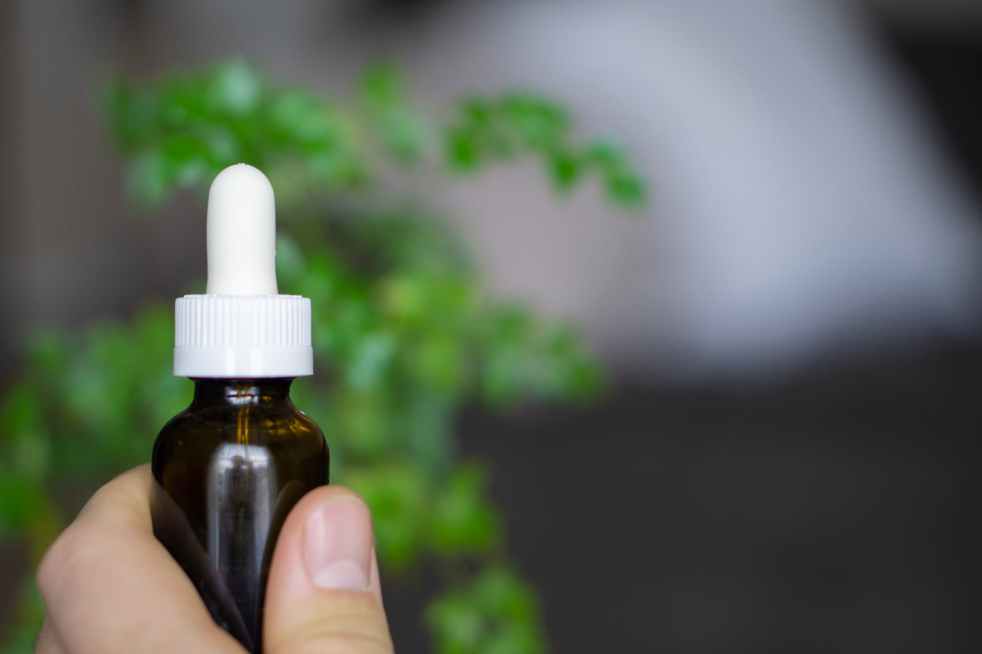
Sometimes, medical help is necessary. Perhaps even something like CBD oil from https://www.remedyreview.com/ would do the trick. If you feel like more treatment would help, then heading to a doctor or therapist is a good idea. They’ll be able to analyze the situation and prescribe you the correct medication if needed. Relaxing your mind and stopping yourself from thinking tragic things is a great first step in the journey towards recovery.
Do Something
This is, again, another part of life that’s easier said than done, but it’s something that everyone should be urged to do. Sitting around is a terrible thing – it’s great when you’re tired after a long, busy day, but it’s a terrible habit to get into. When you sit down and do nothing for a long time, your mind starts to wonder. When your mind wanders, it can go to strange places. Simply making your bed in the morning is a good task to start with. Once you’ve done that, just find something to do around the house – it doesn’t matter what it is. Keep busy. Keep that mind occupied!
My husband had been working from home since March 2020 and it was the easiest transition I could have imagined. Luckily he already had a home office so he isn’t having to work somewhere else in the house like the living room or kitchen.
We’ve known each other for 20 years and have been married for close to 19 years so I had a good understanding of what he did for a living or I thought I did. What I have learned about his people skills is quite amazing. I now understand the level of stress he used to bring home. He is exposed to the highest levels within a multi-billion dollar international company and has to deal with the changing nature of their industry on a daily basis.
By learning about his work environment, I can better understand his daily frustrations and communicate more effectively with him when he is trying to unwind at the end of the day. I am also more understanding when he has late-night calls with people in Tokyo or is answering texts late into the night.
The greatest changes to come out of him working at home is we get to eat lunch together every day, chat in between meetings, and occasionally get out for a coffee run with the dogs. He can also play with the dogs for a stress relief break. He now has a better understanding of my daily schedule and struggles.
We communicate more no than ever before on a daily basis. That has strengthened our marriage.
I’m not a Polly Anne type of person, quite the opposite but I see a silver lining and this is mine. I hope you can find yours.
Tune into this week’s episode of Rethinking Pain Podcast, where Shannon interviews Lin Health coach, Deb Malkin, about her journey out of pain.
Deb is a plus-size, body-positive massage therapist, movement enthusiast, life coach, and client zero of her pain recovery coaching work. She has studied with Dr. Howard Schubiner and Charlie Merrill, (MSPT) in pain reprocessing. Listen as Coach Deb shares personal insights about how a different way of thinking helped shift her experience of pain and lead to the work she does today.
September is Recovery Awareness Month and it’s a very important month. Millions of Americans and people around the world are in recovery from alcohol, drug, or other addictions. We all need help, I’ve been there myself. I had a drinking problem for over 20 years, it took a long hard look at myself and the help of my medical team for me to quit.
Here’s what the month is all about
President Biden has proclaimed September 2021 as National Recovery Month. Read the proclamation here.
National Recovery Month (Recovery Month) is a national observance held every September to educate Americans that substance use treatment and mental health services can enable those with a mental and/or substance use disorder to live a healthy and rewarding life.
Recovery Month celebrates the gains made by those in recovery, just as we celebrate health improvements made by those who are managing other health conditions such as hypertension, diabetes, asthma, and heart disease. This observance reinforces the positive message that behavioral health is essential to overall health, prevention works, treatment is effective, and people can and do recover.
I was kindly gifted an advanced copy of Navigating Loneliness by Cheryl Rickman from Maddie Kirby-Dunne at Wellbeck Publishing Group for an honest review. Thank you, Maddie.
About the Author
Cheryl Rickman is a qualified Positive Psychology Practitioner and Sunday Times bestselling author and ghostwriter of twenty self-help, wellbeing and business books.
After her parents’ lives were cut short, Cheryl decided to devote her life to helping others make the most of their own precious lives through the books she writes.
She specializes in writing practical books to help people fret less and flourish more, and is a Wellbeing Ambassador for the Network of Wellbeing.
Having qualified with a Certificate in Applied Positive Psychology in 2016, Cheryl also runs wellbeing retreats and delivers workshops on acceptance, balance and compassion, The ABC of FlourishingTM.
Cheryl lives with her husband, daughter and two dogs in a country cottage in Hampshire, UK. She is an unashamed tree- hugger and nature-lover, has an overflowing bookshelf and her favourite colour is rainbow. She loves pizza and the seaside, but is not a fan of mushrooms or spiders.
Be More Wonder Woman: Fearless Thinking from a Warrior Princess
(DK, 2020)
The Flourish Colouring Book: Art Therapy Mindfulness
(CreateSpace, 2015)
The Flourish Handbook: How to Achieve Happiness with Staying Power, Boost Your Well-Being, Enjoy Life More and Reach Your Potential (CreateSpace, 2013)
The Happiness Bible: An Ultimate Guide to Sustainable Wellbeing
(Godsfield Press, 2019)
The Little Book of Resilience (Gaia, 2019)
The Little Book of Serenity (Gaia, 2020)
May You Be Well: Everyday Good Vibes for the Spiritual (Pyramid, 2021)
You Are Enough: Embrace Your Flaws and Be Happy Being You
(Summersdale, 2021)
Blurb
Navigating Loneliness is part of a Trigger Publishing series of books about managing mental health issues. Throughout this book you’ll learn what actions you can take to tackle the main causes of loneliness and reduce it.
My Thoughts
The book is a very fast read at only 155 pages long and includes helpful resources at the back of the book. It’s a great read with a long list of resources.
Wellbeck Publishing Group
Wellbeck Publishing Group is an exciting, fast-growing independent publisher based in London, dedicated to publishing only the very best and most commercial books spanning a number of genres and categories, from leading authors and well-known brands to debut talent. We live for books that entertain, excite and enhance the lives of readers around the world.
President Nixon announces the cancellation of the draft calls for November and December. He reduced the draft call by 50,000 (32,000 in November and 18,000 in December). This move accompanied his twin program of turning the war over to the South Vietnamese concurrent with U.S. …read more
On September 19, 1973, 26-year-old musician Gram Parsons dies of “multiple drug use” (morphine and tequila) in a California motel room. His death inspired one of the more bizarre automobile-related crimes on record: Two of his friends stashed his body in a borrowed hearse and …read more
On September 19, 1985, a powerful earthquake strikes Mexico City and leaves 10,000 people dead, 30,000 injured and thousands more homeless. At 7:18 in the morning, the residents of Mexico City were jolted awake by an 8.1-magnitude earthquake, one of the strongest to ever hit the …read more
In the early morning hours of September 19, 1777, British General John Burgoyne launches a three-column attack against General Horatio Gates and his American forces in the First Battle of Saratoga, also known as the Battle of Freeman’s Farm. Coming under heavy cannon fire from …read more
After a duel turns into an all-out brawl on September 19, 1827, Jim Bowie disembowels a banker in Alexandria, Louisiana, with an early version of his famous Bowie knife. The actual inventor of the Bowie knife, however, was probably not Jim Bowie, but rather his equally …read more
This post is part of TED’s “How to Be a Better Human” series, each of which contains a piece of helpful advice from people in the TED community; browse through all the posts here.
For leaders at any level, the single best way to grow is to lead and then get feedback. It is to act and interact with your team and learn what can be improved upon through feedback. Feedback is a better teacher than books, academic journal articles, trainings, speeches and even TED Talks.
And I say this as a writer who translates research from academic journal articles while giving trainings, speeches and TED Talks.
After you reach a more senior role, people tend to minimize any unpleasant or less-than-positive feedback or don’t want to offer you any constructive criticism at all.
But there’s a problem with receiving feedback once you reach a more senior role. The nature of feedback changes — people tend to minimize any unpleasant or less-than-positive feedback or don’t want to offer you any constructive criticism at all. And your response to feedback may also change; you may not internalize feedback because you don’t see the whole picture or you could get defensive.
Here, I’ll outline four steps you can take to get better at receiving feedback in order to grow as a leader and grow as a team.
Step #1: Start with thank you
The very first response to give when someone gives you feedback should be a response of gratitude. Don’t get defensive. Don’t offer to explain what they might not understand. And don’t even jump further into what you should change (we’ll get there). Instead, take time to offer your thanks for the gift you just received — the gift of feedback.
While feedback is a gift, it’s even more so a risk. When a team member speaks up to offer you feedback, they’re taking a risk with how you’ll respond.
Why should you do this? Because while feedback is a gift, it’s even more so a risk. When a team member speaks up to offer you their feedback, especially critical or constructive feedback, they’re taking a risk with how you’ll respond. They’re risking potential damage to the relationship or retaliation. Or they’re risking wasting their time by giving feedback to someone who won’t receive it. Starting with “thank you” lets the other person know that risk was worth it and you will listen.
Step #2: Restate what you heard
Whether it’s praise, criticism or some other type of feedback, take the time to restate to the person giving it what you heard them say. Just a quick “What I hear you saying is _____” can have a powerful effect on your conversation.
Restating their feedback lets them know that their opinion matters and makes it more likely you’ll get additional feedback in the future from this person.
Restating the feedback does two things. The first is that is checks your own understanding of the message, so you don’t risk taking in the wrong lessons. But more importantly, restating the feedback you heard allows the other person to feel heard.
It lets them know you were really listening and — just like the first step — that this conversation isn’t a waste. It lets them know that their opinion matters and makes it more likely you’ll get additional feedback in the future from this person (and anyone else they talk to about this conversation).
Step #3: Mention what you’re changing
Listening to feedback by alone doesn’t bring about growth; it’s only when feedback is used to figure how to act differently (or start or stop acting) that growth actually happens. And if you’re going to be making changes as a result of the feedback, why not share those changes with the person or people who helped you discover what changes to make?
Once you’ve figured out how to apply feedback, be sure to share it with those who gave it.
However, you don’t need to tell those who give you feedback what you’re changing right away. It’s OK to circle back later on, re-thank them for their feedback, and then mention what you’re changing. But once you’ve figured out how to apply feedback, be sure to share it with those who gave it.
Step #4: Seek out more feedback
Feedback isn’t a one-and-done intervention; it’s a process. You’re growing, changing and improving all the time — and to do that you’ll need more feedback.
So make sure you’re developing a habit of seeking out more feedback. When you finish stating what you’ll be changing, ask if you can set a date with that person or group to re-evaluate how the change is going.
Not only will you get better at receiving feedback over time, but people will also feel more comfortable giving it to you.
This does two things. First, it will guarantee more feedback at a later date. But more importantly, it will signal how open you truly are to receiving feedback and make it more likely you get unsolicited feedback at any time. And unsolicited feedback from those you trust is often the most potent.
Feedback is an ongoing process, and it may be difficult the first or second time you’re in a feedback conversation to meaningfully hit all four steps. But it will get easier over time. Not only will you get better at receiving feedback, but people will also feel more comfortable giving it to you.
This article originally appeared on DavidBurkus.com and has been adapted with the author’s permission.
David Burkus PhD is an organizational psychologist and bestselling author of five books, including Leading from Anywhere: Unlock the Power and Performance of Remote Teams.
Feeling pretty is a subjective topic, but that doesn’t make it immaterial. What good does it do to me to like what I see in the mirror?
The answer is Everything. It is tremendously important to enjoy your own image. Feeling pretty or attractive, whether you are a man or a woman, is a major stepping stone in your mental health journey. It’s about acknowledging yourself as an individual and recognizing your strengths and qualities. It is an act of self-love, and it often marks the beginning of a self-care journey. Therefore, we can’t afford to ignore those feelings. On the contrary, they are crucial to building your self-esteem up, protecting yourself, and embracing self-worth. It’s all about looking at the person in the mirror and believing that someone else could like them too. So, of course, you want to cultivate the art of being pretty/attractive/handsome, regardless of your gender.
We tend to get so used to our image that we stop seeing it. Feeling pretty could be as simple as trying out something new. If you wear your hair in a certain way, for instance, you could experiment
with new hairstyles. Women with mid-length to long hair have a lot of options to be playful with their style. A scarf updo can be a nice change and highlight your face in a different light. A high ponytail can also add realistic bangs to shape your face. In short, there are many ways to transform your appearance and receive unexpected compliments.
If you need eyewear, you can also change your face by switching to contact lenses. If you’re not sure where to start, the cheapest place to buy contacts is typically online. It’s an easy way to create a new style and show off your eyes. The bottom line: Going for something a little different can be enough to fall back in love with yourself.
Feeling pretty is something that comes from within. Think of it as the first spark that can light up the fire of your self-esteem. It comes from a place of comfort and confidence, which is precisely why self-care plays a huge role in how you feel about yourself. A spa ritual at home during which you can make your own facial mask, for instance, can help you feel nourished both physically and emotionally. The time you invest in yourself is essential to make peace with the person in the mirror.
There is no such thing as not being photogenic. Unfortunately, social media platforms make it hard to feel good in your skin when so many influencers are posting flattering selfies. Taking a good selfie requires skills. You need to understand how to pose, how to make the most of the light, etc. While influencers have honed their selfie skills, the mere mortals we still have a lot to learn! Yet, it’s worth experimenting and trying out the best poses so you know what works for you. More importantly, you can use a good selfie as a morale boost. It’s a picture of yourself that you like and that others also compliment.
Feeling pretty is a skill that you need to develop and nourish in your day-to-day life. Of course, it doesn’t solve all self-esteem problems. But it gives you the new mental and emotional strength to tackle life’s challenges. As coping mechanisms go, feeling pretty is safe, pleasant, and enjoyable. So what are you waiting for?
When we struggle to calm down, it may not necessarily be about the stress in our lives, but the lack of energy. When we break down what energy is, it is, in a spiritual and scientific sense, vibration. In a spiritual sense, vibration is the atmosphere and the energetic quality of a person. You always get a certain energy from somebody when they walk into a room, and on a scientific level, energy is vibration. And so, if you are looking for more spiritual ways to improve your energy or your vibration, how can you do this?
The great thing about meditation and breathwork is that it constantly brings you into the present. But not everybody has the concentration to feel the benefits right away. This is why a practice like Tai Chi can be invaluable. It is one of those martial arts that requires focus but is a very cleansing practice. It has an abundance of health benefits, which you can find out more about on the taichiforhealthinstitute.org website. The importance of finding some kind of meditative practice in life will give you more energy. But people who have no interest in martial arts or breathwork can find meditation in the simplest of things. Some people find themselves absorbed in a video game or a sport. Once we get into this frame of mind, we will have greater feelings of peace. Conduct meditation in your own special way.
We don’t necessarily consider gratitude as an energy booster. But when you start to think about what you are grateful for, it can reduce sensations of anger, which will greatly help you with energy. When you are practicing gratitude, it is impossible to feel anger or fear. Fear and anger are low-energy emotions, so if you start to change your attention to making gratitude a habit, it will change your life. If you need more information on this, you can see the actual scientific benefits of gratitude on happierhuman.com.
Blame is something that comes easy to us humans. When we start to forgive others, we will start to feel better, and more energetic. When we learn how to forgive, it stops us from clinging to negative and unimportant emotions. By forgiving, you are starting to stray away from possession and self-absorption. On a very simple human-level, when you start to forgive people, it stops you from hanging on to the negativity in your life. It’s so easy to blame others, and this blame is so exhausting. Start to forgive, and you are freeing yourself, as well as the person you are forgiving.
Toxins like alcohol will contribute to depression and reduce energy levels. When you start to listen to your body and give it what it needs, you will start to feel the energy in more abundance.
To feel better, you can start by feeling happier thoughts. Each negative thought will have an impact on your energy levels. It takes 17 seconds for one positive thought to attract another one similar to it. Bear that in mind the next time you think negative thoughts.
Mental health and well-being is as important as physical health and well-being, if not more so. It is so important to take steps that are going to allow you to improve this process and make sure you come up with some of the best ways of looking after your mental health. There are a lot of factors that can influence this, and it is vital to make sure you come up with some of the best ways of achieving this.
You have to work on making the right decisions that will help to shape your future, and this is certainly something that plays a big role in this process. Try to take steps that will allow you to make the right improvements here, and this is a great place to start. Check out these key health hacks to boost mental wellness in 2021 and beyond.
De-stress
De-stressing and unwinding in your life is one of the most important things that you should be looking to get right as much as possible. There are so many ideas that will help you to make the most of this, and it is definitely something that you need to focus on. There are so many ideas that you can use that will help you to de-stress and relax your mind, and this is definitely something that you have to make the most of right now. Try to focus on the right ways of boosting your mental well-being here, and this is something that can help you achieve this.
Change Your Career
Your career is so often linked to your mental health and well-being, and this is why it is essential to make sure to come up with ideas that will help you to achieve this. Try to make sure you focus on making the right career decisions, and this means switching your career path if necessary. Stressful and high-pressure careers are typically not conducive to positive mental health, so it could be time to make a change.
Keep Fit
Improving your health and fitness is one of the best ways of being able to look after mental health in the process as well. There are so many ideas that play a part in allowing you to achieve this process, and it is important to make the most of this. Joining a gym or health club like Fitness 19 is one of the best ways of being able to work on keeping fit and healthy and making sure you stay in shape. A fit body and a fit mind are intrinsically linked, and this is certainly something you need to get right.
There are [plenty of things that you need to consider when it comes to improving your mental health, and these are some of the key hacks to keep in mind. Make sure you work on doing as much as possible to help you make the most of this moving forward, and there are a lot of ways of achieving this moving forward. You need to make sure you come up with some of the best ways of being able to focus on this in order to achieve success.
There’s a lot you can do, in the day-to-day alone, to try and make yourself feel better. For both your mental and physical health’s sake, knowing you can keep your house clean and tidy is a big thing. As a result, you can feel happier, and you can feel healthier (or even alleviate your pain symptoms), and that can really improve your quality of life. But why does a clean house make you feel so much better? Well, here are the main reasons.
Cleaning can help to keep you on your feet, and make sure you’re moving on a daily basis – even if you don’t consider it a form of exercise, it’s definitely a good way to keep your legs and arms moving, and your muscles supple, if you’re someone who can’t exercise in a traditional manner.
Being active in a manner like this is also very productive; you’ll be killing two birds with one stone! You could burn almost 200 calories per hour while cleaning, and also make your space look a lot more organized, which is good for your mental health too.
The air quality in your home needs to be of good quality, to make sure you’re not coughing on a daily basis, and you’re not feeling stuffy in your nose or your throat. Poor air quality can make any and all chronic conditions you’re already living with worse, especially if you have a respiratory issue.
When the house is clean and tidy, there are far fewer dust particles in the air. Even getting a proper airflow through your home, by opening windows and turning on the AC, is a great idea. Fresh air is very good for you!
Indeed, if your central air and heating systems don’t seem to be able to crank it up to high enough levels, it’s a good idea to look into HVAC Repair for your home. There’s a good chance you have a blockage or a breakage somewhere, and that’s going to be hard to fix on your own.
You’ll Sleep Much Better
For anyone who lives with insomnia, or has a lot of trouble falling asleep thanks to chronic pain, even just making your bed in the morning can mean you get some much better sleep during the night.
Regularly changing your bedding, and making sure you have a new mattress every 8 years at the least, can help to lower your pain levels and make you feel more comfortable when you climb into bed at night.
And sleeping better makes taking care of yourself a lot easier too. If you’re rested, and you’re not feeling tired on a permanent basis, you’ll feel a lot more secure and comfortable in yourself. Getting more, better sleep really is a life-changer, and a lot of it is due to a clean house.
A clean house really can make you feel better, in a variety of ways!
CBD continues to gain in popularity and interests an increasingly wide target. Whether it is to promote relaxation, or even to relieve pain (whether neurological or biological), CBD is today in the limelight. To meet these new expectations, and everyone’s desire to test its virtues, CBD comes in all forms! Among them, cbd is widely acclaimed. Oil as a food supplement or massage oil, each of them has undeniable virtues. Orally, it relieves the ailments of the body. Used in massage, it relieves the joints, muscles but also skin problems. But how do you know which one to use? Are there different types of oils? Let’s discover together the different existing compositions and their manufacturing processes.
The benefits of CBD continue to be recognized around the world. Its miraculous properties now make it possible to provide an alternative and natural solution to a wide audience. Used for well-being, comfort, or even aesthetic purposes, CBD oil is the most popular form because it can be used in multiple ways. This format also promotes rapid absorption in the body.
What are the different ways of extracting CBD oil?
To produce CBD oil, it is necessary to extract this cannabinoid from the hemp plant. There are different extraction methods for this. Among the best known we find in particular:
CO2 extraction – Although expensive, it is the extraction method most used by manufacturers because it allows absolute control. This natural gas which is CO2 indeed allows to precisely control the heating temperature and thus ensures to keep all the benefits of CBD once extracted.
Oil extraction – Oil extraction is another alternative, which is completely natural. During oil extraction, oils of different types (animal, vegetable, or mineral) are used, which are also heated. It is then filtered through the hemp plant in order to extract the CBD it contains in the process. This simple and natural process extraction must however be done without overheating so as not to risk altering the beneficial effects of CBD.
The benefits of CBD oil as a dietary supplement
In the form of capsules or in the form of drops, CBD oil is a dietary supplement that is growing in popularity. We can therefore consume it as a single intake, or by integrating it into our culinary preparations – you can add it into smoothies or other drinks. When it is digested, its benefits will take a little longer to be felt but will act gradually over the long term.
A massage oil also has interesting properties
CBD oil is also a great ally when applied to the skin. CBD is great for strengthening hair and nails too! It also makes it possible to treat skin problems whether they are acne problems, eczema or another dermatitis, or various skin lesions. It deeply nourishes and reduces stains and other scars. Used for therapeutic purposes, it can also be applied in a localized manner to the areas that one wishes to treat to relieve painful joints, for example, or after exercise to soothe overworked muscles and soothe the pain.
How do you know if your teen is suicidal? Most often they aren’t going to tell you or talk about it. If they do, will you understand and know how to help or know where to go for help?
I’m not a doctor and certainly don’t have all the answers but I was a teen on a one-way train down and made my first attempt at suicide as a pre-teen. Teens today have more pressure on them than I can imagine.
When I was that age there was no internet, People Magazine, Access Hollywood, cable, or presence on social media to make you feel extra pressure. Peer pressure was just that, peer pressure. Now pressure comes at teens from a 360-degree angle 24/7 if you don’t monitor their internet and phone activity.
As a proactive measure, I would talk with the school counselor to get an understanding of what types of issues teens are having. What have they’ve experienced and what do they suggest you do to help your teen proactively or if in trouble. Don’t think you have all the answers, you don’t.
If your teen is experiencing depression or is showing signs of anxiety, have them talk with a Therapist or at minimum your General Practitioner. If your doctor is of the opposite sex see if they have a Nurse Practitioner of the same sex to talk with. Often times teens will open up more if they think the person can relate to them. Teens may also share more if you give them the privacy, allow some time by themselves to talk more openly.
If your teen is suicidal or attempts suicide get help at once. Call a suicide hotline and have your teen talk with someone who might be able to help them, even if temporarily until you can get further help. Worst case scenario, go to the local hospital for help.
One conversation is not the answer nor is being hyper-vigilant. Work to find a balance by having an open conversation by sharing your concerns, and let them know when you’ll follow up. Keep to your commitment.
At 12 years old, I came minutes away from dying from a suicide attempt. It was not my first or the last, just the most successful.
Being organized can be an effective way to minimize stress and make your life easier. However, it can be tricky to know where to start, particularly if being organized isn’t a natural strong point. To help you to implement long-lasting changes, take a look at these five ways you can be more organized in life:
When you’re surrounded by too many things, it can be hard to relax and unwind but, equally, it can be difficult to focus and concentrate. To give yourself a productive environment and calm surroundings, start by decluttering your home. Donating, selling, or discarding the items you no longer need or want will allow you to free up space and make the most of your home.
Most people own a car and yet few people are really proactive about the maintenance involved. From knowing when your insurance renewal is due to getting your vehicle serviced, there is a myriad of tasks involved. Start by making sure you have important contact numbers stored on your phone. From a recovery or towing service to your mechanic’s number and the contact details of your insurance company, you should have everything you need on your phone or written down, in case you need it when you’re on the road. Similarly, diarize your vehicle’s service and insurance renewal, so that you can book in advance and get the cheapest cover.
When you make the best use of your time, you can get more done and increase your productivity levels. Employing a time management strategy can be an easy way to make positive changes in your life. With plenty of software and free apps available, you can take a digital approach to time management and make it work for you.
People tend to assume that multitasking enables them to operate more efficiently but this is rarely the case. Instead, tasks often get left unfinished because you get distracted by something else, or errors are made because you’re not giving a particular job your full attention. Inevitably, this means that things actually take longer to get done.
If you want to be more organized and more productive, stop multitasking and try focusing on one thing at a time instead. This allows you to give it your full attention and complete the task more quickly, before moving on to the next one.
When you’re living a fast-paced life, it can be difficult to keep track of everything. From managing your kid’s social calendar to further your career or running a home, there are endless things to do. However, identifying your priorities can help to streamline your workflows and will ensure that the most important things are always done ahead of time.
If you want to stay organized, be sure to use habits that are easy to replicate when you’re making your life more structured. Often, it’s the relatively small but sustainable changes that have the biggest impact, so be sure to use these to your advantage as you become more organized.
Many chronic pain patients have been told there is nothing wrong with them. I had that experience at my last Pain Doctor appointment.
About 12 months ago the pain in my hips was so bad I could only sleep for two hours at a time before I had to get out of bed. I was seeing a fairly new Pain Doctor at the time and he scheduled me for a steroid injection in the front of the hip. It made the pain worse. He then ran a CT Scan to see what was going on.
While I waited for the test results, I did some research and it sounded like Bursitis. So imagine my surprise when he tells me there is nothing wrong and I should talk with my Psychiatrist about why I can’t sleep. I about came off the table, what the hell was he saying?
After making it clear that my sleeping problems were due to pain and had nothing to do with my Psychiatrist, he suggested Physical Therapy. We wrapped up our appointment and he wrote another 30-day script for pain meds.
I was fuming! I was addicted to pain medication but there was no way I would see a doctor who insulted me that way. No doctor should ever tell a patient nothing is wrong with them.
After contacting my Orthopedic Doctor about the hip pain, he scheduled me for a steroid injection in the side of my hip. He said that all problems develop before they show up on an x-ray and that was probably my case. The shot worked for about six weeks, then I had to wait for three months to pass before he could give another injection. So now I’m scheduled for my third round of shots next month. They don’t last three months but it’s better than nothing.
Because my Fibromyalgia has not been flaring up, I decided to go off of pain meds and try to manage with Tylenol. Some days are diamonds, some days are rust. I also have painful leg muscle spasms, neuropathy, and TMJ. I will have to find another Pain Doctor and hope the third time is the charm.
I’m not being Polly Anne about my pain, it’s a BITCH! I just don’t think you want to read about it every week in a post.
Work situations are difficult to navigate sometimes. Anxiety sets in and you may feel as if you are sinking. Thankfully there are ways to ease your stress. From breathing techniques, to yoga, and more, there are ways to help reduce your stress. You may have already looked at CBD and other types of cannabis and in this case you may want to look at Budder Bongs, but you should always be responsible.
Sometimes the problems with work are borne out of social activities in the workplace. In order to be comfortable with your co-workers, try to expand your comfort zone. Consciously try to create small talk with people you meet throughout the day: at lunch, in the elevator or in the coffee corner. Try to initiate short conversations or flatter when the place is in place. Such behavior will teach others that you are an accessible person and can be talked to. Remember that it is not so important to say the right thing, it is more important to be present. People are usually more comfortable with who they know.
Conversation with authority figures
Those who suffer from social anxiety may have difficulty talking to their supervisor. Any communication with your manager may be difficult for you. You may have difficulty with the simplest questions, it is common for people with social anxiety to try to get away with asking and finding out with the manager the information they need. Unfortunately, avoiding a conversation with the manager can impair your functioning and the manner in which the task is fulfilled: you will find yourself working long hours in a way that will ultimately not be to the satisfaction of your superiors.
Meetings and work meetings
If you feel uncomfortable in meetings – try to get to the meeting a quarter of an hour earlier so you can meet others when they arrive. Most people who suffer from social anxiety and shyness come to meetings late so that they do not have to socialize with others. But this behavior only makes you feel more isolated and stressed. During meetings, try to remember that others must also feel uncomfortable and have difficulty speaking. Quite a lot of people actually have difficulty expressing their opinions. If you take the initiative and speak first, it will reassure the rest and they will appreciate and respect you for it. Try to replace the negative thought with a more accurate, or more helpful thought: “I’m usually good enough in meetings.” Even if this mental exercise feels strange and strange to you, over time it will reduce your insecurity in work meetings. You will soon start to make a shift and feel more confident.
Social events
Workplaces usually hold social events that you are expected to attend. Company trips, zoom parties, joint video photography, farewell party, conferences. The human resources department works hard to connect the employees and for most of them a fun day is really fun. For people with social anxiety these events can be particularly difficult – they expose their social shame – their difficulty in feeling comfortable.
You only have to listen to the headlines or read the newspaper to see that anxiety levels are rising and a growing number of people are experiencing stress. In this guide, we’ll discuss some common causes of stress and anxiety and offer tips to help you cope.
Unemployment is one of the most talked-about subjects at the moment, with many people losing their jobs or businesses and others struggling to hang on in theirs. Balancing the books is challenging at the best of times when you’re trying to manage a household or raise kids, but the pandemic has exacerbated difficulties and made staying in the black virtually impossible for some. If you’re experiencing financial strain, or you’ve lost your job, there is help out there. Don’t hesitate to seek advice about incentives or support measures that are available to you during the crisis and look for opportunities to increase your income if your workload is reduced or you’ve lost your job. From Forex Trading, to online courses, blogging to temporary jobs, it’s possible to find solutions, even if they are only a short-term option to tide you over. It’s also beneficial to try and reduce spending on non-essential items and to budget to make your money stretch further and to find out about programs that could prevent you from getting into debt in the weeks ahead. Some companies are offering freezes on loan and credit card payments, for example.
Relationships can make or break us. While some relationships lift our spirits and make us feel secure and content, others can have a negative impact. Break-ups are tough and it can take a long time to come to terms with the fact that you’re moving in a direction that is different from the one you expected to take. You might have envisioned spending your entire life with a partner, only to find that you’re now on your own. Take your time to process what has happened and to heal. Lean on the people closest to you and try to focus on the present, rather than the past. Often, relationships don’t work, and once you have a sense of perspective and time has passed, you realize that there was a good reason for parting. Let yourself feel and experience emotions and don’t put too much pressure on yourself to get on with life, start dating or stop feeling upset about the situation. Move at your own pace. Everyone copes in different ways and there is no right or wrong way to deal with relationship breakdowns.
Do you feel like you’re swimming against the tide, or do you dread the alarm going off every morning? It’s rare to find a job you enjoy every minute of every day, but work shouldn’t be a source of severe stress or anxiety. If you are feeling under pressure, or you’re struggling to switch off, talk to your boss about your workload, address issues that are getting to you and take some time out. It’s crucial to have a balance and to enjoy downtime. Learn to say no. If you’re already working too many hours without pay, or your to-do list is endless, don’t take on more work or sign yourself up for extra commitments after work. Rest, relax and look after yourself.
Stress and anxiety are rife at the moment. If you’re struggling, you’re not alone. There are myriad causes, but help is available. Don’t hesitate to reach out and try and take care of yourself as best you can.
On September 12, 1951, former middleweight champion Sugar Ray Robinson defeats Randy Turpin to win back the belt in front of 61,370 spectators at the Polo Grounds in New York City. Robinson, a New York City native, had lost the belt to Turpin two months prior in Turpin’s native …read more
On September 12, 1993, the rebuilt Lacey V. Murrow Bridge over Lake Washington opens in Seattle. The new bridge, which was actually the eastbound lanes of Interstate 90 (the westbound lanes cross the lake on a separate bridge), connects the city and its eastern suburbs. It …read more
On September 12, 1995, in Vienna, Austria, the Harlem Globetrotters tip off the third game of an 11-game exhibition series in Europe against a team of retired basketball stars led by Kareem Abdul-Jabbar, aptly named “Kareem’s All-Stars.” Unlike the previous 8,829 games, the …read more
A German U-boat sinks a British troop ship, the Laconia, killing more than 1,400 men on September 12, 1942. The commander of the German sub, Capt. Werner Hartenstein, realizing that Italians POWs were among the passengers, strove to aid in …read more
Massachusetts Senator John F. Kennedy, the future 35th president of the United States, marries Jacqueline Bouvier in Newport, Rhode Island on September 12, 1953. Seven years later, the couple would become the youngest president and first lady in American history. Jacqueline …read more
You might have noticed something different about someone close to you recently. Perhaps they seem a little more closed off than usual, or maybe you’re just noticing that things they used to enjoy, don’t seem to do it anymore. It could be any number of things, but if you know that life is getting them super stressed lately, this is probably the answer. In this article, we’re going to be looking at some of the things that you can do to help someone close to you deal with stress.
The first thing that we think you should do is offer to listen. Sometimes, people who are suffering with stress just need to talk about what they are feeling. Often, coming up with a solution to help someone who is stressed out won’t be possible, especially seeing as a lot of the causes are things that they don’t always have the power to change. Of course, if they can change them, then you should absolutely suggest that they do. However, it is far more important that you listen to what they have to say and make them feel heard, rather than offering advice. You will often find that they know what they should do, but they still need to speak to someone about the way they are feeling. Be that person for them. Offer them your shoulder.
While it may not always be possible to get rid of the thing that is stressing them out, you can still help them by finding the things that help them cope with stress better. For example, you could get them into sport of some kind and do it together. Or, you could look into some herbal remedies that may help reduce the stress and purchase some weed pipes to make the experience a bit better. It really depends on what the person close to you finds relaxing. You’ve just got to remember that not everything is going to work, so don’t get too frustrated when you’re going through the trial and error phase.
Finally, you should never make fun of the problems that somebody is experiencing. This is harsh, and it will make them go into a shell and never want to speak to anyone about their issues again. Don’t try to make light of the situation. Don’t tell them that they are overreacting. Don’t compare their life to yours and tell them why they shouldn’t be stressed. None of this is going to be helpful. Just be supportive, that is what they need the most.
Hopefully, now you understand some of the things that you can do to help those close to you deal with stress. It’s a hard thing to cope with at the best of times, and if it’s getting too much for them, you need to support them as much as you can. It’s going to be difficult for them to admit, so be patient, and above all, be kind.














































 Looking for the Light