Welcome to the weekend edition of Today in History. Thanks for all the great feedback. I’m so glad your enjoying the post. Have an awesome weekend.
1943
Operation Tidal Wave: U.S. forces attempt risky air raid on Axis oil refineries
On August 1, 1943, 177 B-24 bombers take off from an Allied base in Libya, bound for the oil-producing city Ploiești, Romania, nicknamed “Hitler’s gas station.” The daring raid, known as Operation Tidal Wave, resulted in five men being awarded the Medal of Honor—three of them posthumously—but failed to strike the fatal blow its planners had intended.
1944
Anne Frank writes her last diary entry
Anne Frank, the young Jewish girl hiding out in Nazi-occupied Holland whose diary came to serve as a symbol of the Holocaust, writes her final entry three days before she and her family are arrested and placed in concentration camps. Frank, 15 at the time, received the diary on …read more
1996
George R.R. Martin’s Game of Thrones debuts
On August 1, 1996, “A Game of Thrones,” an epic fantasy novel by George R.R. Martin, is released. The book was the first in Martin’s “A Song of Ice and Fire” series, about feuding medieval noble families on an imaginary continent called Westeros. Although not initially a …read more
1498
Columbus lands in South America
Explorer Christopher Columbus sets foot on the American mainland for the first time, at the Paria Peninsula in present-day Venezuela. Thinking it an island, he christened it Isla Santa and claimed it for Spain. Columbus was born in Genoa, Italy, in 1451. Little is known of his …read more
1981
MTV launches
On August 1, 1981, MTV: Music Television goes on the air for the first time ever, with the words (spoken by one of MTV’s creators, John Lack): “Ladies and gentlemen, rock and roll.” The Buggles’ “Video Killed the Radio Star” was the first music video to air on the new cable …read more
Imagine a place for the elderly that’s also filled with the sounds of kids playing. Marc Freedman goes to Singapore to investigate a new model for intergenerational living.
Sister Geraldine Tan, an energetic woman in her 60s, speaks rapidly and is given to sweeping gestures. She wears the flowing white robes of the Canossian Daughters of Charity, and they threaten to engulf her small frame. But Sister Geraldine — trained in the hospice movement in the UK and now the executive director of the St. Joseph’s Home for the Aged and Hospice in Singapore — is not easily overwhelmed.
St. Joseph’s is not your typical nursing home. It’s striking, with tropical flora, open pavilions and airy rooms, and large, accommodating some 400 older people. Natural light and trade winds flow through its floors.
But the people it serves aren’t all elderly.The facility includes a childcare center for about 50 children, ages two months to six years. At the center of St. Joseph’s courtyard is an intergenerational playground, home to spontaneous interactions between the older people at the nursing home and the little ones at the childcare center.
Singapore’s leaders see the generations growing apart. They’re eager to bring them back together, to find new ways to do old things.
The neighborhood isn’t typical, either. St. Joseph’s is in Jurong West, an industrial area gone high tech. Google Singapore is next door; on the other side is the Boys’ Home, which houses young people who have been in trouble with the authorities. Across the street is a primary school. The massive Supply Chain City building — a facility “that serves as Asia’s supply-chain nerve center” — is less than 100 yards away. St. Joseph’s sits in the middle, a bastion of humanity.
While many residents share a strong cultural respect for their elders, Singapore’s leaders see the generations growing apart. They’re eager to bring them back together, to find new ways to do old things. This fits Sister Geraldine’s vision. She is determined to create an environment that encompasses the full “circle of life,” as she puts it, with children at its center. “They remind us of the purpose of life and of the importance of play and simplicity,” she says.
“There is birth and there is death,” says Sister Geraldine. “At both ends, we all need someone to tend to us.”
Today, one in eight people in Singapore is aged 65 and older. By 2030, it will be one in four.
Just as the childcare center aims to foster bonds that benefit young and old, students at the primary school visit regularly, and some of them are being mentored by the seniors. Boys’ Home residents operate a coffee cart in the courtyard, delivering drinks to the older people at St. Joseph’s — another way Sister Geraldine is instigating meaningful, cross-generational relationships.
Sister Geraldine and St. Joseph’s are all part of Singapore’s scheme to deal with their aging population. The wealthy city-state has put forth a national plan to invest $3 billion Singapore ($2.1 billion in USD) and become the envy of other aging societies. It’s a staggering investment given Singapore’s population size: just under four million permanent residents, about the size of Chicago.
Like many countries in Asia and the rest of the world, Singapore is aging fast. In 1970, one in 31 Singaporeans was 65 or older; today, it’s one in eight. By 2030, it will be one in four, or from about 440,000 people over 65 to more than 900,000 by 2030. “Aging is really the single most important demographic shift that will affect the future of Singapore,” says Amy Khor, the government’s senior minister of state for health.
Singapore officials are promoting “3Gen flats” to help older people, younger people, and those in the middle live in close proximity.
As in much of the world, the change is caused by increasing longevity and decreasing birth rates. In February 2016, Khor announced the Action Plan for Successful Ageing, an ambitious collection of some 70 initiatives covering a wide array of issues, including health care, volunteerism, employment, housing, transportation and protection for vulnerable elders. A leitmotif is engaging older people to support the next generation behind them.
To bring the generations together, Singapore is launching programs to help older people retool for second acts, to recruit young people to teach technology and social media skills to older folks, and to help community organizations better use senior volunteers. Officials are promoting “3Gen flats” to help older people, younger people, and those in the middle live in close proximity. One of the Plan’s most striking features is the creation of a “Kampong for All Ages.” Kampong is the Malay word for village, and it envisions a future Singapore built around a cherished element of the past: the multigenerational village.
The Plan also funds a $200 million Singapore ($140 million in USD) National Innovation Challenge, toward research on promising models and incentives to encourage more ideas for a multigenerational society.
The idea is to use community design to re-create natural opportunities for cross-generational support — to move from program to proximity, from concept to reality.
I sat down with two young architects at the CDB, the ministry that oversees land use in Singapore, where space is at an absolute premium. They showed me plans for the Admiralty Kampong, a development created to encourage connection between the generations. It will contain a ground-floor plaza with a grocery store and eateries, a daycare center, assisted-living services, a day center for elders with more extensive needs, and lots of opportunities for socializing.
The idea is to use community design to re-create natural opportunities for cross-generational support — to move from program to proximity, from concept to reality. The conscious effort is all the more striking in an Asian society where interaction and care between young and old, especially in families, occurred naturally for much of its history. But in our fast-paced, highly mobile, globally-oriented 21st-century world, there’s a need to find new ways to cultivate these time-honored values.
I admit being taken with Singapore’s plan, but my burning question on arrival and throughout my visit was: Is it real or a mirage? Some experiences were underwhelming. At one point, I visited the nation’s oldest center that brings together children, adolescents and older adults. The program’s diversity was impressive, mixing many different ethnic backgrounds, as well as ages. Yet the contact between generations was mostly superficial — there was a patina of closeness without much in the way of genuine interaction.
Scarcity of space could have led to conflict; instead, it’s prompting creative thinking about how to wring the most social value from limited square footage.
Still, those experiences were the exception for me. In Singapore, for the most part, I witnessed a sense of common purpose among people to realize the plan’s goals, a shared vision that was more significant in some ways than the sums being spent (although I can’t get over my envy of the money).
Two lessons stood out for me from my trip. First, not having much land can be a powerful impetus for change. Scarcity of space could have led to conflict; instead, it’s prompting creative thinking about how to combine institutional purposes to wring the most social value from limited square footage. Second, I found the instinct to combine old and new — a new-way-to-do-old-things approach — everywhere.
On my final day, I visited a church initiative that was a faith-based bookend to the St. Joseph’s experience that started my trip. St. John’s–St. Margaret’s is a well-established Anglican congregation near the National University of Singapore. The church is in the midst of creating a large senior living facility and early childhood center, having broken ground on it in mid-2017.
When complete, the project may be even more impressive than St. Joseph’s. This redesign was prompted by the expiration of the church’s lease on government-owned land. In order to stay on its prized plot, St. John’s–St. Margaret’s was required to “intensify” its use of the land — to do more social good. The congregation decided not only to build a nursing home and senior programs but also to find ways to simultaneously support young children. I love the notion of intensifying the land; it’s another way of saying every dollar should be spent (at least) twice.
When complete, St. John’s-St. Margaret’s will contain a nursing home, a senior center, and an early childhood center. Its name? Project Spring-Winter.
For insights, the St. John’s–St. Margaret’s team headed to the US and visited facilities that bring the generations together for mutual benefit, including the Providence Mount St. Vincent Intergenerational Learning Center in Seattle (the subject of the 2017 documentary The Growing Season). Another source of inspiration was a passage from Zechariah 8:4–5 that describes the renewed city of Jerusalem as a cross-generational paradise: “Old men and old women shall again sit in the streets of Jerusalem, each with staff in hand because of great age. And … the city shall be full of boys and girls playing in its streets.”
When open in 2021, St. John’s–St. Margaret’s will consist of a 273-person nursing-home facility, a senior center for 100 older people, and an early childhood center for 200 children. The name for the initiative? Project Spring-Winter.
When I visited the congregation members leading this effort, they told me of an unanticipated side benefit. While working on the plans, they realized the church itself had become age-segregated — for example, there were children’s services and adult services, often held at the same time in separate rooms. Prompted by the research that’s gone into Project Spring-Winter, they’re thinking how best to age-integrate the congregation.
Congregant Sherlyn Lee, one of the Project Spring-Winter leaders, told me that she hopes this new effort will restore a sense of the “circle of life” — both at the church and in Singapore. I was struck by the symmetry: Sister Geraldine and Sherlyn opened and closed my trip with the same beautiful phrase.
Marc Freedman is CEO and president of Encore.org, a nonprofit that aims to harness the abilities and experiences of people aged 50 and over. Originator of the encore career idea linking second acts to the greater good, Freedman cofounded Experience Corps to mobilize people over fifty to improve the school performance and prospects of low-income elementary school students in more than 20 US cities. He also spearheaded the creation of the Encore Fellowships program, which helps individuals translate their midlife skills into second acts focused on social impact, and the Purpose Prize, an annual prize for social entrepreneurs in the second half of life. (AARP now runs Experience Corps and the Purpose Prize.)
There is nothing scarier as an adult than making friends. It’s not that you’re unable to do it, it’s that it’s far easier to be five years old, pick a buddy and go and play. As an adult, making friends feels like dating. You want to find people with the same ideals as you, and that’s not always easy! You want to set boundaries and make sure that you are around people you consider to be similar to you.
Speaking to new people isn’t easy for most people – especially the introverts out there who often need a little more support when it comes to talking to new people. The good news is that whether you join a class or start to write an inmate or two, there are ways to make friends out there that make sense for you. You don’t have to talk to people you don’t want to talk to, but there are ways that you can find your circle. Below, here are some tips to make new friends.
Stat Small. You can start socializing easily with people by starting small with people that you know. Hanging out with your existing friends and their friends can help you to expand your circle. You can also reach out to acquaintances past and get to know them a little more. If there are people out there in parenting groups or workgroups that you can resonate with, you’ll be able to ensure that you get to know new people.
In life, we have lots thrown at us. Some of it can be handled, and some of it can take a real toll on us. When things get us down, it can be difficult to pick ourselves up again. Sure, if we have the motivation of looking after a healthy family, then getting out of bed in the morning can come quite naturally. When we lack motivation and willpower, life can really stop us from being productive and positive.
Fortunately enough, there are plenty of things we can all do in order to put ourselves in a more positive and productive headspace. There is an endless list of tasks that can get us out of a funk and put us on the road to recovery. It may take a little while, but consistency will ensure that things get better over time. Here are a few ideas:
Write Down Your Goals In Life
When we have goals in life, we become more proactive. When we have a reason to get up in the morning, we suddenly find the energy. If you feel as though you have literally no light at the end of your tunnel, then you’re going to struggle to find the purpose in your life. If you create goals and write them down, you bring them to reality – they’re no longer ideas in your head.
Make It Your Mission To Always Improve Your Life
This is easy to talk about and difficult to actually pull off without the right attitude. Your life should be a continuing journey of moving up ladders. Try to be a better human being and a more accomplished person than you were the year before. Look at quick move-in homes, find jobs that make you happy, look to bring in more money than you did the year before – all of these are great examples of moving up in the world. Just give it a go and you’ll naturally be happier as you’ll subconsciously become more advanced.
Talk To Someone About Your Next Moves
Staying silent and keeping things bottled up never helps. If you let someone know about your problems, the chances are that they’ll be able to help. If they can’t, then the practice of opening up will, at least, make you feel better. Talking about your next moves in life will also be a good step and you can learn something new and find out about the kinds of opportunities available.
Don’t Sit Around For Too Long
When you sit around for too long, your brain can begin to play tricks on you. While the brain is amazing and creative, it can be counterproductive as you can begin to think about pretty negative instances. The best thing to do in life is to keep productive whenever you can. When you need to rest, do it. When you have things to do, get up and do them.
As a parent, there will be very little in life that is more important to you than your family. And because of this, you will want to be sure that they are happy and live good lives. However, that can sometimes be hard to work out. Maybe you’re not sure what you need to do to make that happen? It can seem more complex than it needs to be. Because one sure-fire way to make sure that they live a good life is to keep them healthy. Let’s take a look at ten different ways that you can make sure that your whole family stays as healthy as possible.
For starters, you will want to make sure that this is a priority for you. It’s easy to just let things slip by the wayside or for you to think that this is going to need way more time and attention than it does. In fact, being healthy can just become a natural part of your lifestyle and routine. But for that to happen, you have to proactively make it a conscious priority.
Educate Yourself
It’s also a great idea to make sure that you’re educated on health issues. There will always be concerns that you might want to be aware of. Sometimes, you won’t always know when something is wrong and being aware of what could be is a great idea. You might not recognize adult cradle cap or food allergies, but if you’re staying in the loop you’ll know more and what to look out for. Even just reading up on nutrition and health, in general, can put you in a great position.
Then, you might want to be sure that you’re seeing your doctor and dentist as much as possible. Staying on top of your visits is just a quick and simple way to make sure that you’re all healthy. It’s a great way to avoid any issues and catch anything before it’s bad too.
Focus On Nutrition
One of the greatest ways to stay healthy is to make sure that you’re all ticking off the proper nutrition that you all need. This doesn’t mean you have to eat super crazy healthily, but looking to get as much fruit and vegetables into your diets as much as possible can make such a difference to your health.
Limit Toxins
Whether you know it or not, there are so many toxins in life that we can all be exposed to on a regular basis. And so, it’s important for us to make sure that we’re doing what we can to limit that. Minimizing toxins can be such a small way to make sure that you have a huge impact on your family’s health for years to come.
Find A Balance
It’s never too good of an idea to live a life of extremes. Of course, you don’t want your children to be unhealthy. But at the same time, you’re definitely not going to want them to go to extremes and be on the other end of the scale. Because being uber strict with healthy eating can also lead to issues. So, as with anything, you will want to find a good balance. Do this with food, exercise, and your attitude to health and life in general.
Then, when it comes to the exercise you want your family to do, it’s a great idea to try and make it fun. If you’re a drill sergeant with workouts, it can be quite tough. So try to mix things up and have fun with it. Think about different sports you can try out or games you can play. Even rollerblading or hiking or different things out in the wild can be a great way to work out and stay fit as a family.
Create A Relaxed Environment
If your home is a stressful place to be, it’s going to make your family feel stressed out. That’s never going to be an ideal situation for anyone. So, instead, it’s a good idea to make sure that you’re creating a relaxing space instead. You can manipulate the environment in so many ways and it can be a great idea for you to allow everyone to feel relaxed and able to rest in your family home.
Make Communication Important
It’s also a great idea to make sure that you can all communicate well as a family. This isn’t something that all families make a priority, but it definitely should be. If you can have better communication as a family, it can bring you closer together. It can also mean that you feel happier together and that you’re able to talk and air issues – whether with each other or in general. A close happy family can be so much healthier. It can make a much bigger impact than you’d think.
Care About Health Holistically
Finally, you should make sure that you’re looking at health holistically and not just on the surface. Sure, seeing your doctor is important – and so is what you eat and how much you move. But the mind is also vital too. Mental health should be made a priority. Making sure that you’re all happy and looking after your minds is key. Encourage rest and self-care. Make sure everyone knows it’s okay not to be okay. Because you can make life great together and get through it all together.
It’s always going to be important for you to make sure that your family is happy and healthy. But approaching that may not look the way that you think it should. Instead, you can approach this in so many different ways that can go on and make such a huge collective difference. So take action today, enjoy the process, and know that you’re doing your best to keep your entire family happy and healthy.
Have you ever noticed that some of the happiest people you know are massively into gardening? The reasons for this are simple: gardening is one of the best things you can do to boost your mental health.
But why is this? Why do people who spend time in their gardens seem to have healthier inner lives than everyone else? It is a little mysterious.
The reason, it seems, comes down to the ways that our bodies react when we’re working outdoors. Naturally, we’re inclined to spend time in the sunlight, observing the world around us, and trying to get to grips with it. It’s not just about the physical activity of gardening and so-called feel-good hormones. There’s also a sense that you’re really profoundly connecting with nature. It feels very different from spending an evening in front of Netflix.
So what benefits do people who garden regularly report? Check them out below.
Having a sense of accomplishment and control over your environment is an addictive feeling. The more you experience it, the more you want it.
Gardens are chaotic systems. Over time, they devolve into an all-against-all survival of the fittest. And it can be a challenge to bring them under control. That, however, is part of the joy of the process. It’s nice to feel like you can tame nature – at least on a small patch of land – and get some genuine satisfaction from the process.
We don’t tend to think of being creative as a health benefit, but it is a vital sign that we are in a good place. Creativity is a mental state that recruits practically every area of the brain. But it can only happen if we are in a positive frame of mind. If you’re using mental resources worrying about something, it’s hard to develop new ideas. Gardening helps to direct your focus on the outside world instead of your internal thoughts, allowing you room for creativity where you would have struggled before.
Improved Mood
Would you like to improve your mood? Well, according to data collected by Plant Life Balance, gardening can help. According to their research, around 58 percent of people experience improvements in how they feel when they spend time in the garden.
Feeling More Connected To Others
We typically see gardening as an individual pursuit. Interestingly, a large segment of people who do it feels more connected to the broader community. Part of this has to do with the fact that some gardening tasks are communal. For example, Lineage Tree Care points out that gardening involves tree trimming and storm clean-up that affect the whole community. If you visit their website, you can see examples of what they mean. Things like overhanging trees can affect both the property owner and their neighbors.
Feeling More Connected To Nature
Finally, a large number of people say that gardening makes them feel more connected to nature – something that tends to enhance overall well-being considerably.
This was one of the most popular posts last year and now is a good time to update, almost eight months into the year and some of my routines have changed, yours probably have too. New Year’s Resolutions or goals as I call them, can start to lose their luster and get thrown out the window by summer so now is a good time to examine where you are.
The key to lack of motivation is understanding what’s missing, what is the root cause of the lack of interest in pushing forward with your goal. We have to constantly reassess as life and our health change, as life, and health changes so do our goals. Maybe your goals are outdated and no longer fit where you are today.
I have Chronic Lyme Disease, Fibromyalgia, and Hypogammaglobulinemia., which is an Immune Deficiency Disorder however, I’ve been fairly healthy. Insurance has rejected my claim for Plasma Infusion Treatments so I haven’t been able to start treatment. As I mentioned before, my immune disorder means my body doesn’t make enough antibodies. It’s like needing 23 players on the field and I only have 11. It’s a losing game but I’m not sick enough for insurance. The same ole, wait till it cost three times as much to take care of you.
I do chalk my good health to some lifestyle changes including learning to forgive and giving myself some grace. If I get off track, I can’t beat myself up or feel quilt. I don’t own an alarm clock and have not found a need for one. I’m fortunate to not work or I would be in big trouble.
For me, self-care is the things we do every day to stay healthy, not just the special treatments we spend taking care of ourselves. I’m learning more about the importance of how my mental health plays an important role in my physical health, they are very intertwined.
Here are some simple but steps I work hard to accomplish every day, there are days when I don’t get outside or go to Starbucks but as a general rule this is my daily schedule.
Daily
One big change you will notice if you read my original post is I’m taking far fewer supplements. I go thru phases and now I don’t want to take that many pills.
Taking all of my medications is critical to my physical and mental health. Just one day of skipped medication can throw off my system and wreck havoc on my Bipolar Disorder.
Women’s over 50 Multi-Vitamin with Calcium.
Mixinolin 2%, for Hair Loss, twice a day. (It works)
Biotin for healthy hair which also boosts my self-image.
Manuka Honey, Certified UMF 20+ (MGO 850+) One tablespoon per day.
Use Vegan CBD products.
Eat fresh fruit, most weeks four pounds of fruit, strawberries, blueberries, and sometimes mangos and yogurt for lunch and/or dinner every week.
We have meal kits, Home Chef, delivered three days a week. I pick the healthiest options with a medium level of preparation. That way dinner prep is easy and not stressful. We cook together which takes the load off of me.
Eat dinner by 6:00 PM every night.
We go to the Starbucks drive-thru for a coffee. We take the dogs with us and it’s like a family outing. When time allows we take them for a short walk at the park. This is where I get my exercise each day, or however many days I can. Now that it’s triple digits in Texas we are not walking in the afternoon. Most days it’s walking the stairs for exercise and for recovery after my knee replacement surgery. Now that it’s triple digits in Texas we are not walking in the afternoon.
I reduce stress by meditating several times a day for at least 5 minutes. Nothing fancy, no special location in the house, just in my chair or wherever I am. I don’t know a particular method, I just work to clear my mind and let everything go.
Only watch one hour of news, 30 minutes local, and 30 minutes national per day! Any more than an hour is regurgitated and adds to the stress level.
Limit my Social Media time and involvement. You won’t find me chatting with people all hours of the day and most days not chatting at all. Just posting and helping others by retweeted.
During the day I light an aromatherapy candle, placed somewhere I won’t forget it’s burning.
In spite of COVID, I still schedule critical doctor’s appointments and lab work.
Getting outside for fresh air even for 10 minutes. Just hearing a bird call can change the outlook on my day.
Nature! There are several bird feeders and a birdbath at the kitchen window. I get to see the birds, woodpeckers, and squirrels, it’s great entertainment.
Bedtime Routine:
Go to bed 1to 1.5 hours before my husband. During that time, there is no sound, no computer, no phone, nothing! I lather up with my CBD and hand creams. I bought a new UltraSonic Aroroma diffuser, what a difference it makes! It’s not noisy like my old one. It has three timers settings and an auto shut-off if the water runs out. I found a great Essential Oil mix called Dream and I let it run for an hour, it’s so relaxing. I’m usually nodding off by the time my husband comes to bed.
That extra time gives my mind a chance to wind down, get all the ramblings out, and let my mind completely calm down. At bedtime, I take my sleeping meds and another round of CBD cream. I’m now ready. Rarely do I have trouble going to sleep.
I don’t accomplish these every day, it’s impossible to always have the motivation to do what’s best for our health. Looking at the big picture each week I can see if I’m focused on the right things, if not I have to ask why. Sometimes it’s just that life gets in the way.
There’s no one size fits all to have the best healthy life but we all can take steps every day to push ourselves forward.
The first part of this journey is going to involve clearing a space for your pilates area. You won’t need too much room for this, with just enough space for you and your friends to do your exercises while maintaining proper social distance. The more people you have, the more space you will need, and this can often mean having to break into parts of the garden that can long be taken over by nature. Tree removal, weed services, and even landscaping companies can help you with this process, making it possible to make a good start on this side of your garden.
Add Some Ambience
Once you’ve made space, it will be time to start making your garden feel extra relaxing. There are loads of ways to do this, but you want to make sure that your changes are ambient, rather than sticking out and demanding attention. Water fountains, wind chimes, and speakers can be used to generate sound that will make your garden feel natural and open, while different materials can be used to highlight different aspects of your garden. Many people go over the top when they are doing this, but it is worth keeping in mind that you’re trying to capture nature, rather than making your space feel like a disco.
Start Planning
Planning your pilates area will always be a good idea as you go through this process. You need to think about when you’re going to use it, building a routine that will make it easier to keep up with your exercise. Alongside this, though, it can also be good to think about who will be joining you for each workout. Having friends to enjoy a space like this with you will always improve the way that it feels and the use you’re able to get out of it. Of course, though, you will need to take the first step and invite people if you’re going to find success.
With all of this in mind, you should be feeling ready to get started on making your garden perfect for pilates. Having a space for activities like this can make it much easier to keep on top of them and continue your good work. Of course, though, at the same time, and a lot of people find themselves struggling when they get to points like this, and you may need some help from friends along the way.
Getting into a fitness routine, pushing yourself, and reaching your goals takes a lot of time and energy, as well as a big commitment to yourself and your health. So when your health suffers, either through an injury or an illness, it can really set you back and put you right back at square one.
Feeling like you’ve got to start over with your fitness is a common feeling, and it can really affect your confidence. Whether you feel like you can’t do it or that things are harder than they used to be, it’s important to get back on that horse. Exercise will help improve your physical health and boost your mental health, and it can be a welcome part of your routine once you’ve found your feet again.
Here is some advice to help you regain the confidence to work out when you’ve suffered a setback.
While it’s understandable that you’ll want to be back where your fitness used to be, it isn’t going to happen overnight. If you try to move too quickly, you could end up injured or losing further confidence from not getting the same results as you once did.
Start by setting yourself some manageable fitness goals, aims you can work towards slowly, helping you to regain technique and basic fitness first. From increasing the times of your workouts to making it to the gym a certain number of times a week, start with goals that are realistic before building up to bigger ones.
Choose workout clothes that help your performance
The workout clothes you wear can help you feel more confident about working out. You should choose items that are comfortable, supportive, and can help keep you cool too. Treating yourself to some new outfits will help you feel in a better mindset for working out. Brands are more attune to the different needs of people now, so you can find great selections for curvier shapes, as well as amputee leggings and other items that can help give you a boost. Always make sure you have the right type of shoes for your workout to make sure you’re better protected against injury.
Ease yourself in, and consider working with someone else
Fitness is something that needs to be built up over time. So if you’re getting back into things after a long period away, ease yourself in gently. Walking and swimming can be gentle, effective exercises to start until you’re feeling fitter and stronger. Take a look at fitness plans from others in your position to see how they’ve eased themselves back into exercise.
It can also help if you work out with someone else, such as a friend or personal trainer who can help make sure you’ve got the right form to prevent injury, as well as help you train as needed.
If, for any reason, you feel pain – stop! Consult your doctor or take a rest to stop yourself from overdoing things.
Exercise is something that can help you begin to feel a semblance of normality, helping you form a routine and get back into activities that you once enjoyed. Take it slow, put your health first, and soon you’ll see your confidence creeping back up as you start to reach your goals once more.
Welcome to the weekend edition of Today in History. Thanks for all the great feedback. Have an awesome weekend.
1911
On July 24, 1911, American archeologist Hiram Bingham gets his first look at the ruins of Machu Picchu, an ancient Inca settlement in Peru that is now one of the world’s top tourist destinations.
Tucked away in the rocky countryside northwest of Cuzco, Machu Picchu is believed to have been a summer retreat for Inca leaders, whose civilization was virtually wiped out by Spanish invaders in the 16th century. For hundreds of years afterwards, its existence was a secret known only to the peasants living in the region. That all changed in the summer of 1911, when Bingham arrived with a small team of explorers to search for the famous “lost” cities of the Incas.
After 17 months and many miles of travel, Brigham Young leads 148 pioneers into Utah’s Valley of the Great Salt Lake. Gazing over the parched earth of the remote location, Young declared, “This is the place,” and the pioneers began preparations for the thousands of followers of …read more
Whether it’s Oliver Stone setting a scene from Platoon to Adagio for Strings by Samuel Barber,or Quentin Tarantino setting a scene from Reservoir Dogs to “Stuck In The Middle” by Stealer’s Wheel, filmmakers often depend upon certain passages of music to produce specific emotional …read more
During her imprisonment at Lochleven Castle in Scotland, Mary Queen of Scots is forced to abdicate in favor of her one-year-old son, later crowned King James VI of Scotland. In 1542, while just six days old, Mary ascended to the Scottish throne upon the death of her father, King …read more
At 12:51 EDT on July 24, 1969, Apollo 11, the U.S. spacecraft that had taken the first astronauts to the surface of the moon, safely returns to Earth. The American effort to send astronauts to the moon had its origins in a famous appeal President John F. Kennedy made to a special …read more
Are you currently feeling lost, not knowing what to do or where to go? While you may be confused and unsure of yourself in certain moments, you have much more clarity than you may be willing to admit. The feeling of confusion arises when you have too many conflicting thoughts running through your mind, and you do not have a way to hold them back and keep them at bay.
But life is full of ups and downs. So, it is not a surprise that anyone can fall victim to confusion. Even though you may feel all alone, you are not. Try focusing on persevering and getting through the problem.
But how do you go about it? What should you do when you are feeling lost and confused with life?
Be Honest with Yourself and Accept the Situation
Running from problems never solves anything. Rather than pretending that everything is okay, admit that you have a problem and take responsibility for it. You will only make the situation worse by ignoring it. The first step towards solving any confusing situation is by admitting that you have a problem. Only then can you get clarity of the confusing situation that you are facing and find a solution.
Relax and Avoid Panicking
Every time you run from a problem, there is a high probability of panicking and developing anxiety—panic and fear sets in when you start becoming afraid. If you allow it to drive you, you may create negative thoughts that may lead you to make the wrong decisions.
Instead, it would help if you strengthened yourself to face the problem through relaxation. Relaxing helps to quiet your mind making you feel calm and peaceful. Relaxation is not only good for overcoming confusion but also for stress relief. Some relaxing methods you can use include practicing mindful meditation, listening to soothing music, soaking in a warm bath, and breathing exercises.
Focus on What you Know
When confusion sets in, your mind may be thrown through a web of repetitive and consistent thoughts without a beginning or end. To get yourself out of such a situation, you should focus more on first solving what you can understand. Only then can you slowly lift off the cloud of confusion that hovers over your life.
Be Patient
Confusion is a sign that you need to take some more time before making a decision. You should accept and be at peace with the fact that you may not have all the answers. Instead of rushing to make a decision when your mind is clouded with confusion, you should take a step back and consider listening to your gut feeling.
You do not have to make your decision quickly. Take your time until you are comfortable and confident enough to trust your gut.
Take Away
Apart from stress, panic disorder, and anxiety, several other reasons may lead to confusion. For this reason, you should seek medical attention if you or anyone you know shows signs of confusion and anxiety. It may not be very comforting at first, but you can quickly deal with it by taking immediate action to boost your mental health.
Being stuck in confusion is not necessarily bad. It highlights that no matter the path you decide to take, you will overcome the feeling of being lost.
Your Garden needs gentle care and attention throughout the year. Of course, in the spring and summer, we clean away the winter debris, ready for outdoor parties and barbecues. Or simply just to relax in your little private space.
However, when the winter is coming upon us, leaves from a Fall, as well as the severe weather, can cause damage to your garden. It is very important that you take a couple of steps to get your garden looking gorgeous.
Throughout the autumnal months, there will be many leaves falling, and a lot of rain too. It is very easy for your garden to go from clean and tidy to look a little bit messy, and it eventually will become hard to keep tidy.
Head out and pick up all of the debris; then set it aside because you can use this for a protective layer of mulch for your seedlings.
Take a pair of shears or some secateurs and strip away any loose or dead branches.
Furniture
If you have furniture in your garden, it is a great idea now to buy some furniture covers; this can protect your furniture when the weather gets more severe. Bring your furniture over the winter months also makes it much easier to clean when springtime comes around.
Now is also the perfect time to cover your barbecue or put it in the shed, ready for use next year.
Pond
Depending on what type of pond, you will change how you need to prepare it for the winter months. If you have wildlife in your pond, it is essential that you prepare it correctly for the winter months. Getting a pond maintenance services company out to check over your pond it’s a great idea and can avoid any costly repairs or severe damage over the winter months.
Bottom to top
You must start at the bottom and work your way up. Sweep up as much as possible, and also, it is a great time to scrub your patio or your decking. This will mean there is limited damage or weathering over the fall and winter months.
To clean your decking, you simply need to have a firm, stiff brush and apply pressure or use a pressure washer. The pressure washer, of course, being in the fastest way to clean those stains.
If you have plans that are dead or dying, you might have many planters that can be good and used for springtime planting. Remove all of the dead or dying plants and their roots and put them into your compost if you have one.
Driving is highly convenient and it is the easiest way of getting from A to B. Public transport can be useful, but you rely on the stations being positioned perfectly, and there will always be delays. Another alternative is to get a taxi or an Uber, but you also have to deal with possible waiting times, alongside annoying drivers and extortionate prices.
No, nothing is easier than hopping in your car and driving to wherever you need to go. Nevertheless, you have to recognize that there are times where you should not get behind the wheel of your car. It is simply unsafe for you to do so in certain circumstances, and here are some clear warning signs that you should either walk, book a cab, or find the nearest train/bus home:
You can’t keep your eyes open
A lot of the instances on this list may relate to times where you have been out having fun with friends. However, there could be instances where you finish a day of work and it is unsafe for you to drive. Have you had a really tough day that started early and finished late? Were you on your feet the whole time using up a lot of energy? If so, you might be so physically exhausted that you can barely keep your eyes open. Were you borderline falling asleep at work before it was time to leave? This is not a good sign at all!
You can relate this to other aspects of your life as well – even if you’re home and you feel tired, it’s not a good idea to head out and pick someone up, no matter how much they pester you. Tiredness kills, just ask any elite car accident lawyers and they will back this up. Too many accidents and deaths are caused by someone falling asleep at the wheel. You may feel like this won’t happen to you, but it is not worth it. Don’t drive your car – find another way home safely, or spend the night in your vehicle and drive in the morning.
Your reactions are slow
This is more of an issue for people of a certain age, though there are situations where it can apply to younger people too. If you have reached an age where your reactions are exceedingly slow, do you think it is wise to get behind the wheel of a car? In some countries, tests are done every year to ensure that elderly people still have the reactions to drive. When they no longer do, their licenses are revoked. It sounds harsh, but it’s further proof that you can’t drive if your reactions are too slow.
For younger people, there can be all sorts of scenarios where your reactions are slower than usual. For instance, perhaps you have just been to the dentist and the effects of anesthesia are still lingering. Your mind isn’t as fast as it usually is, and your reactions have slowed down. Of course, there are other reasons your reactions can be slow, but we will discuss them in the next point coming up.
You’ve been drinking alcohol
Have you had any alcohol to drink? There is technically a limit that determines how much alcohol you can drink before it is unsafe to drive. Nevertheless, a good rule of thumb is to just avoid driving if you’ve been drinking. The problem with the limit is that it has to apply to the entire population. You may feel the effects of alcohol after just one drink, even though you’re under the limit and technically safe to drive.
As mentioned above, a key sign that you are feeling the effects is if your reactions slow down. Of course, slurred words and just a general feeling of tipsiness will also be key warning signs. Don’t get in your car and drive if you have been drinking, it is much safer to find alternative ways of going home.
You’re too stressed
Got a lot on your mind? If that’s the case, maybe it’s a good idea to avoid driving until you feel more relaxed. Stressed driving means you’re driving while distracted, which could lead to accidents. Before you drive, focus on breathing deeply and finding a more zen state. Avoid thinking about other things and you should be good to go.
The next time you spot any of these warning signs, take a step back from your vehicle. It is not safe for you to drive, and you need to find a different way of getting home safely.
We celebrate International Self–CareDay. This day was established in 2011, and the focus is on the awareness of the importance of self-care and empowering people with the knowledge and ability on how to be active participants in their own wellness.
Whether you spend it on a hike, with your pet, or curled up with a good book, taking time to care for yourself will go a long way towards improving your mental health.
It builds confidence, relieves stress, and lays a foundation for wellness. On July 24th, Self-Care Day, and everyday, Crisis Text Line wants you make time for what matters.
Have a great Self Care Day and please be sure to take extra time for yourself, no-one is more important than you and your health.
Driving gives you a lot of freedom. When you own a car, and you’ve got a driver’s license, you can get on the road and drive to any destination you want, whenever you want. You don’t need to rely on public transport or family and friends to take you places.
That all sounds great, however driving a car isn’t without its disadvantages. Some people don’t realize that driving can negatively impact their mental health in several different ways. Take a look at the following examples; some of them might apply to you:
1. Other People’s Bad Driving
It should come as no surprise that the top reason for many people experiencing a negative impact on their mental health from driving is other people’s bad driving. A momentary lapse in concentration, for example, is enough to cause a multi-vehicle collision.
Both new and seasoned drivers will find it stressful to drive at times because they have to keep perceiving the actions of other road users. As a result, that can also make those anxious drivers feel exhausted by the end of their journeys.
2. Car Accidents
Let’s face it: getting involved in a car accident is never a pleasant experience for everyone involved. While many collisions are minor and don’t cause lasting effects, some car accidents can be pretty severe and potentially life-changing.
For some people, getting involved in a car accident means using a car accident lawyer to claim compensation for vehicle damage and medical bills, taking time off work, and even mentally preparing themselves for driving again. Car accidents can be very stress-inducing.
3. Range Anxiety
It’s no secret the future of driving will involve having a car or truck that doesn’t contain a gas or diesel engine and instead contains batteries and electric motors. There are many EVs (electric vehicles) on the market these days already.
The problem is, most vehicles don’t offer long ranges like what you might expect from gas and diesel engines. At present, only car brands like Tesla offer long ranges from their EVs – but at a price.
Range anxiety can severely impact people’s mental health because they fear “breaking down” far away from home or a familiar destination. Still, as technology develops, the fear of range anxiety should decrease soon.
4. Unfamiliar Vehicles
If you buy a new car or you have a job that involves driving different vehicles each, it can take some time to familiarize yourself with “new” cars. For example, you’ll have to spend time learning the controls and dealing with different ways to change gears.
Driving unfamiliar vehicles can add varying levels of stress and anxiety to a person, depending on their past driving experiences. It can be easy to advise people with such stresses to avoid driving unfamiliar cars and trucks. However, it’s often unavoidable for them.
5. Unfamiliar Locations
When you drive your car or truck in your local area, you will understand and quickly memorize the roads and potential hazard zones. You’ll also familiarize yourself with various shortcuts to avoid traffic, for instance.
Unfortunately, many road users can find traveling to unfamiliar destinations very stressful and anxiety-inducing. They will also feel pressured to avoid taking wrong turns by always studying their GPS, and they’ll find it hard to “tune out” passengers talking in their vehicles.
As you can appreciate, people that experience such stress and anxiety should avoid jobs where their work often takes them to unfamiliar locations. Otherwise, they could do their mental health more harm than good.
6. Unfamiliar Passengers
Getting a job as a cab or Uber driver might seem like an excellent way to make extra money on the side of a day job. It may even seem like a suitable career option for people looking for a flexible way to earn a living, especially if those individuals enjoy driving.
The sad truth is some people new to driving cabs might end up feeling anxious about ferrying around strangers in their vehicles. As you can appreciate, there can sometimes be a significant health and safety risk of picking up passengers you’ve never met before.
Attacks on cab and Uber drivers are rare, but they do happen. If you’re someone that feels anxious about putting yourself in a potentially unsafe situation like that, it can make sense to look for an alternative option, such as fast food delivery.
Final Thoughts
Driving can be an enjoyable pastime. However, it’s worth keeping in mind that some people can get negatively impacted by their experiences.
Ever silently berate yourself at work for not standing up for a colleague, letting people say things that are inaccurate or misleading, or just allowing others to talk over you?
“At work, you don’t always say what you think needs to be said, and it’s not just you,” says Molly Tschang, a consultant, executive coach and business consultant, in a TEDxBeaconStreet Talk. “Your co-workers are holding back, too.”
All this tongue-biting is not only self-sabotaging, but it’s detrimental to your team and your workplace. That’s because when you hold back, “neither you nor your organization are fulfilling your true potential,” explains Tshang, who helps CEOs and senior management leaders communicate more effectively.
Of course, it’s not always so easy to speak up. Tschang offers four tips to help you do it skillfully.
1. Drop anything that’s getting in your way
Before your meeting, presentation or call, get ready. “You can make the work harder or easier before you utter a single word,” says Tschang. “Let go of emotions that won’t help you objectively see the situation or come across the way you want to be heard.”
2. Set the right tone
You may be feeling annoyed, impatient, apprehensive or anxious, but try to focus on your positive feelings — like curiosity, excitement, confidence and gratitude — instead. Ask yourself this, suggests Tschang: “Would you rather help a complaining colleague or one who first acknowledges and appreciates you? Would your boss be more receptive if you’re defeatist and timid, or hopeful and self-assured? Choose the energy that supports how you want to be perceived and the work to be done.”
3. Make space for other voices — and not just the loud ones
According to Tschang, many meetings — and organizations — can be divided into two camps: the noisies and the quiets. She explains that “quiets are the voices or viewpoints we don’t hear enough of,” while “noisies are the dominant voices hogging airtime. Their opinions can sway the group’s thinking.” But she emphasizes that “it’s not good or bad to be either. The opportunity is to benefit from all voices.”
Ideally, the meeting leader will step in to ensure that the noisies and quiets are more or less equally represented. But that doesn’t always happen. However, “any member, including you, can and needs to raise awareness” — so you can bring attention to the fact that either some extroverts are preventing others from being heard or some introverts aren’t getting a chance to enter the discussion.
For example, if noisy Sam is going on and on, you could jump in as soon as he takes a breath and say, “Sam, I appreciate your passion and expertise. We’re fortunate for it. I’m actually a bit lost. Would you kindly sum up your main points in a sentence or two?”
4. Listen
In addition to clearing the way for quiets to talk, you can do the same for people who are expressing less conventional ideas. “You must hear all relevant voices, especially the dissenting or unpopular ones,” says Tschang. Especially if your meeting requires your group to reach a consensus, this will allow you to address potential misunderstandings or disagreements before they escalate or develop into a bigger problem.
And after you — politely — overthrow the noisies, resist the urge to take over the meeting with your own opinions. “As MIT Media Labs research tells us, members of high-performing teams talk and listen roughly equally,” says Tschang. “They keep contributions short and sweet.”
If you still feel nervous about speaking up after reading this advice, realize that your input might actually be helpful to others. After all, many of us are so caught up in our own worlds and with our own issues that we may not realize the impact we’re having on others. As Tshang puts it, “If someone felt disrespected by you or thought you were missing key information, wouldn’t you want to know?”
And if you’ve thought, “What’s the use of saying something? It’s not going to make any difference,” think again. While it’s true you can’t single handedly stop a chatty coworker from dominating meetings, your speaking up can help relieve some of your feeling of powerlessness. “We’re all part of the problem and solution,” says Tschang. “No one needs to accept dysfunction and sit frustrated on the sidelines.” You can also use your voice to ease other people’s frustration and invisibility by spotlighting them.
Speaking skillfully takes time and practice — so be patient with yourself and with your colleagues — but the effort is worth it. “Finding your voice, one that’s effective and authentic to you, is how you can be who you are and say what needs to be said,” Tschang says.
ABOUT THE AUTHOR
Pamela Stock is a writer based in Brooklyn, New York.
It’s incredible when you think about it. As soon as you were born, your parents and other senior members of your family began to take care of you. Often they would put you well before themselves. So, as they get older, protecting them from harm, in the same way, they protected you as you were growing up is the least you can do. And it’s usually something that children and grandchildren will want to do for their senior family members.
Wanting to protect our loved ones and knowing how to do this, however, are two different things. It can be hard to know just what to do to ensure that those we love are as safe and secure as possible. Read on for some help in this regard so you know what to do and when to start helping. It can make a massive difference to their quality of life and will give you peace of mind.
Sometimes, no matter what else we do and no matter what effort we put in, the best option for our senior loved ones is a care home. Sometimes, this truly is the best option for ensuring that they’ll get the better and more relaxed life that they truly need, and it’s something that Donna Hurley of Fresno advocates for too. When it comes to our senior loved ones, they truly need and deserve nothing but the best, the best safety, the best medical care, and the best day-to-day activities too
When in a care home or nursing home, they will get the attention they need, and they will therefore stay safe from harm at all times. If they have any kind of condition or chronic illness, there will be dedicated professionals able to help them 24/7. Try as you might, this is not going to be something you can necessarily do yourself, and although the move to a nursing home can be hard, it can also be for the best for everyone, and it is certainly a form of protection.
To truly help and to ensure that you are doing the right thing, it’s wise to research the nursing home as much as possible. If any former patients have had to use trusted nursing home abuse attorneys, or if there have been many complaints, for example, then it’s probably not the right place to go. Choose well, and everyone will be happy and safe.
Protect Them From Scams
Scams are everywhere, and the more technology we rely on, the more scammers and hackers try to get us to give them our sensitive, important information. The more you know about technology, and the more you’re aware of these scams, the easier they are to ignore, and you won’t find yourself paying out for something that you shouldn’t do.
When it comes to older relatives, they might not be quite so technologically savvy. They might use a tablet, smartphone, or laptop to access the internet, send emails, and connect with their family, but that doesn’t mean they are experts. In fact, older people are often subject to these scams, perhaps because they don’t know so much about them or because they are simply more trusting, having not grown up with scams all around them like many people do these days. It could even be that out of loneliness, older people engage with scammers much more.
To protect your loved ones as much as possible, help to educate them about scams. If they have trouble remembering, write the information down and keep it next to their phone or computer so they know what tell-tale scam signs they should be looking out for.
Assist With Mobility Issues
For some older adults, losing mobility is a big issue that can cause many problems, both physically and mentally. Falling poses a considerable risk, particularly for individuals suffering from osteoporosis (brittle bones).
Helping to prevent accidents by modifying your loved one’s house or assisting them in moving to a more accessible place can keep them safe. You might help by putting grab bars in the bathroom or adding a walk-in bath, or you could ensure that your loved one has the proper mobility aids to use both inside and outside to help them go around securely.
Secure Their Home
Another crucial aspect in remaining safe is home security. If you want to keep your loved one protected, you can do a lot in terms of ensuring their home is safe and secure. You should make sure their windows and doors have good locks on them, for example, even changing the locks entirely if you’re not sure who else has a key.
It is also a good idea to install an alarm system or service an existing one to make sure it’s working as it should be. Installing modern technology like security cameras or a camera doorbell is another option. You may be able to keep an eye on your loved one due to this (with their permission, of course). Keeping your elderly loved ones safe from anything that might hurt them will undoubtedly ease your mind.
Welcome to the new weekend edition of Today in History. I hope you enjoy as much as you did the Fun Facts posts. Have an awesome weekend.
1955
Disneyland, Walt Disney’s metropolis of nostalgia, fantasy and futurism, opens on July 17, 1955. The $17 million theme park was built on 160 acres of former orange groves in Anaheim, California, and soon brought in staggering profits. Today, Disneyland hosts more than 18 million visitors a year, who spend close to $3 billion.
As part of a mission aimed at developing space rescue capability, the U.S. spacecraft Apollo 18 and the Soviet spacecraft Soyuz 19 rendezvous and dock in space. As the hatch was opened between the two vessels, commanders Thomas P. Stafford and Aleksei Leonov shook hands and …read more
On July 17, 1967, one of the oddest musical pairings in history comes to an end when Jimi Hendrix dropped out as the opening act for teenybopper sensations The Monkees. The booking of psychedelic rock god Jimi Hendrix with the made-for-television Monkees was the brainchild of …read more
The final “Big Three” meeting between the United States, the Soviet Union and Great Britain takes place towards the end of World War II. The decisions reached at the conference ostensibly settled many of the pressing issues between the three wartime allies, but the meeting was …read more
Destined to make a fortune from the furs of the American West, John Jacob Astor is born in modest circumstances in the small German village of Waldorf. Although the number of foreign immigrants to the U.S. who succeeded in striking it rich is often exaggerated in the popular …read more
An automobile accident is one of the worst sounds you will ever hear, whether you are the driver, passenger, or even a witness. But what happens after the ambulance arrives and whisk the injured to the hospital? How do you move forward?
A car crash doesn’t usually have to be with another car. It can be with a pole, wall, truck, or even a tree. You not only have to come to terms with loss or the pain of your injuries but there are also legal and insurance matters that you need to deal with. No matter the cause of the accident, you need to let your insurance house know right away. They will let you know what information they need from you to process your claim. Some information they will need is when and how it happened, the other driver’s details and insurance details, and any police statements. If a truck is involved or you are the truck owner, it is best to get an expert trucking witness involved. Because of the impending legal matter, these experts can help you with a report and litigation matters.
PTSD
Posttraumatic stress disorder (PTSD) is not only for war heroes. Anyone who was threatened with violence, death, rape, or severe injury can have PTSD. That includes if you were in a car crash or witnessed a horrible car crash. The traumatic experience causes the psychiatric disorder. There are 4 types of PTSD:
avoidance,
intrusive memories,
changes in physical and emotional reactions,
and negative changes in thinking and mood.
You might not know if you have PTSD. Still, good indicators are if you keep re-experiencing the car crash, having nightmares or flashbacks of the car crash, and even avoidance of the place where the car crash happened. One of the most effective ways to treat PTSD is Cognitive behavioral therapy (CBT).
The survivor of a car crash can be anyone who was involved. Any parent’s nightmare come true is finding out their child was in the car crash and they didn’t survive. The absolute devastation and grief are unthinkable. But life does go on, even if you wish that it doesn’t. It’s hard to celebrate the lives they have lived, even if it was only for a few years. But, you need to realize that you are not alone and that there are people on the sidelines waiting to help you. They are just waiting for you to push on their button. Of course, friends and family are your first line of defense. Still, sometimes you need an outsider to dump your anger, resentment of the world’s unfairness and reveal the scary thoughts running through your head. Psychiatrists are professionally trained to know how to handle and walk you through the healing process. Or maybe you want to talk to people who also went through the same things as you? Reaching out to support groups doesn’t make you look weak. Instead, it will make you come to terms with your new normal without your child in your life.
Your pain doesn’t stop when the car stops dead; there are many steps you need to take after the crash. Whether you are grieving, need legal advice, or treatment after a car crash, you need help. Any kind of help is available with a few clicks of the button.
I made that up while trying to explain to an employee that it doesn’t matter what we think, it’s what our client thinks. If they think it’s real, it’s real to them. We can’t tell them they are wrong, we have to change their perception.
Aging is part of life and inevitable, but that doesn’t mean the transition will come easy. You’re not alone if you’re worried about your future and getting older.
Many challenges come with aging and no longer being tied to a job, depending upon when you choose to retire. One essential aspect of your overall well-being and health is your mental health and your mind. Stay sharp, with it, and excited about life by applying the following tips. This way you can prepare for your future with a positive outlook and enthusiasm instead of worry.
Stay on A Sleep Schedule
You can stay mentally well as you age by sleeping well and getting enough rest. It may help to stay on a sleep schedule and get up and go to bed around the same time each day. While you want to get enough sleep you also don’t want to sit around all day and stay in bed all the time if you want to keep mentally well. The right amount of sleep will help repair your mind and body and ensure you feel your best and can function well each day.
Choose the Right Living Conditions
You’ll feel mentally better when you’re taking good care of yourself and not stressing about surviving and getting by each day. Stay mentally well as you age by choosing the right living conditions for your health and situation. For instance, independent living may be an ideal option for you versus assisted living if you can handle daily self-care activities but want to live with others your age and maintain a social life. You can learn more online about the benefits of this type of community and what’s best for you so you can make the right choice and enjoy your later years.
See Your Doctor
Another way to stay mentally well as you age is to visit your doctor regularly. It’s important that you have frequent checkups as you get older and that you’re both on the same page. Not only is visiting a physician important for your physical health but you may consider seeing a therapist if you feel your mental health is slipping or you’re feeling depressed and down. Take good care of yourself by being responsible in this area and not waiting until you’re sick, ill, or uncomfortable to make a phone call and schedule an appointment. Be open and honest with your doctors so they can help you and come up with the best treatment plan for your condition or situation.
Exercise & Eat Well
It’s not just about what you think when it comes to your mental health. Your body also plays a role in how you feel mentally and physically. Therefore, commit to exercising regularly and eating a healthy diet to stay in the best condition possible overall. Exercise will help you manage and reduce any stress you’re feeling and cope with any anxiety you have about getting older. Between diet and exercise, you’ll be on the right path to ensuring you can maintain and even boost your mental health in the long run. You’ll also have more energy and will be in a better mood when you eat well and exercise.
Challenge Your Mind
It’s also essential that you challenge your mind daily if you want to stay mentally well as you age. It may be that you wake up and complete crossword puzzles or that you read books and take in new information. You’ll be getting smarter and wiser for it and helping to keep your mental health intact. You may also find these types of activities and various brain exercises to be not only challenging and interesting but fun and exciting. There are also many apps and activities you can download on your phone so you can challenge your mind when you’re on the go and no matter where you are throughout your day.
Socialize & Stay Engaged
Another way to stay mentally well as you age is to socialize and stay engaged with life and your surroundings. Build and nurture relationships with others and get out there and find activities you enjoy doing and that helps you stay connected. Keep a social calendar of events and make sure you’re making plenty of time for friends, family, and fun hobbies and gatherings. It’ll put a smile on your face and make you feel more relaxed and help you enjoy life more. It can be easy to isolate and distance yourself when you get older and aren’t working but this may soon make you feel lonely and disconnected. Make an effort to socialize and interact with others and you’ll likely find you feel a lot better mentally.
Ask for Help
You should never be ashamed or afraid to ask for help when you need it. You may harm your mental health unintentionally if you try to complete your entire to-do list of tasks and take care of your health needs all by yourself. Everyone needs help once in a while and you shouldn’t be shy about asking for it from the people who love you. Reach out and let people know what you need and what will make your life easier. Not only may you need physical help but it might be that you want emotional help or support if someone you love passes away or you’re dealing with managing all the changes that are occurring in your life.
Volunteer or Care for Others
Sometimes caring for others and lending a helping hand is all you need to turn around your attitude and outlook for the better. Improve your mental health and well-being by volunteering your time or donating your money to a cause that’s special and meaningful to you. Giving back is an excellent way to put a smile on your face and make you feel like part of a larger community and world. You’ll not only feel good about yourself for doing so but you may also meet new and unique people in the process who will give you a fresh perspective on life.
Avoid Too Much Alcohol
Drinking too much alcohol can be detrimental to your health over time. It can especially harm your mental health and mood. Therefore, stay mentally well by avoiding drinking too much alcohol and finding other ways to relax and spend your time. For you it may be taking walks in nature, reading a book, or taking a warm bath. Commit to drinking more water and hydrating so you feel full of energy each day. You may be prone to skipping your workouts or choosing unhealthy and fatty foods if you drink a lot of alcohol as well.
Talk About Your Problems
You might be feeling overwhelmed or anxious because you have problems you’re dealing with in your life. You may be more inclined to keep issues to yourself and not open up if you live alone in your older years as well. However, if you want to stay mentally well then it’s wise to be more vulnerable and talk about your problems and what’s going on in your life. You’ll feel much better after getting this information off your chest and out into the open. Reach out to people who you trust and who are willing to offer advice and support when you need it.
Independence is something that most people strive for in some way. Being independent doesn’t have to mean being alone all the time or never asking anyone for help. But it does allow you to cope on your own and to be able to pursue the things that you want without having to rely on other people all the time. If you want to be more independent, some of the things that can help you to do it are practical things that are useful to have. Other essentials to help you gain more independence are skills that you can learn. Take a look at some of these things that could help you.
Being able to go where you want definitely helps you to be more independent. It helps you to get a job where you want, without having to rely on other people or public transport. It means you can go out when you feel like it, whether it’s to see friends or go grocery shopping. Getting your driver’s license is a must if you want to increase your independence. Looking at used cars for sale will also help you to get your own vehicle at an affordable price. With your own car, you can drive whenever and wherever you need to.
Your Own Money
Financial independence is a huge part of being a more independent person. Even if you share your finances with a spouse or partner, it’s still a good idea for you both to bring in income and to have your own spending money or savings. You might use a joint account for your shared expenses, but have a separate bank account for extra spending money. Taking control of your finances can help you to maintain independence, from setting up a savings account to ensuring you have an emergency fund.
Your Own Goals and Dreams
Independence is also about independent thought and creating your own path for yourself. Do you want to decide what to do with your life, or do you just want to follow other people’s suggestions? By ensuring you have your own dreams and goals, you can go after what you want and build an independent life for yourself. That might include what you want to do for your career or goals that you want to set in your personal life, such as having a family or going traveling.
The Ability to Spend Time Alone
Some people love to be alone, but others struggle not to be around other people. However, being unable to spend time with yourself can be unhealthy. Sometimes it leads to people hopping from relationship to relationship so that they never have to be single or not being able to spend even a few minutes without someone else’s company. But learning how to be on your own, love yourself, and even take yourself out on dates can be very healthy for your independence and self-esteem.
To become more independent, work on the skills, mindset, and practical things that will help you to be less reliant on others.
In a search and rescue scramble that gripped the world’s attention for more than two weeks, the last of 12 Thai youth soccer players and their coach are safely rescued and transported to a local hospital on July 10, 2018. On June 23, 2018, Ekkapol Chantawong, 25, and his players, …read more
In Auckland harbor in New Zealand, Greenpeace’s Rainbow Warrior sinks after French agents in diving gear plant a bomb on the hull of the vessel. One person, Dutch photographer Fernando Pereira, was killed. The Rainbow Warrior, the flagship of international conservation group …read more
On July 10, 1943, the Allies begin their invasion of Axis-controlled Europe with landings on the island of Sicily, off mainland Italy. Encountering little resistance from the demoralized Sicilian troops, the British 8th Army under Field Marshal Bernard Law Montgomery came ashore …read more
The United States Patent Office issues the Swedish engineer Nils Bohlin a patent for his three-point automobile safety belt “for use in vehicles, especially road vehicles” on July 10, 1962. Four years earlier, Sweden’s Volvo Car Corporation had hired Bohlin, who had previously …read more
On July 10, 1850, Vice President Millard Fillmore is sworn in as the 13th president of the United States. President Zachary Taylor had died the day before, five days after falling ill with a severe intestinal ailment on the Fourth of July. Fillmore was only the second man to …read more
I’ve read books most of my life and some have made an impact on me personally and others professionally. Several of the books below are religious but are great reads that could change your life. Here’s a small list of books you may want to check out.
The Worst Hard Time by Timothy Egan
If you live in Texas or want to know about life in Texas during the 1930s, this is the book to read. When I bought the book I had not heard about the Dust Bowl so the book was a huge surprise. I can’t imagine living in drought, depression, and hopelessness. One story that sticks with me is an entire family was coming back from church and a dust storm blew through and killed the entire family, just suffocated them in the vehicle. Another story that hangs with me is how everyday people would take wet towels and put them in windows to prevent the dust from coming into the house. You have to remember this was also in the heat of summer when you could not open your windows.
Seven Choices by Elizabeth Harper Neeld, Ph.D.In
I bought Seven Choices when my gramps died. His death knocked the air out of me and I did know how to move forward. I had my therapist but knew I needed something extra to help me walk thru the phases of grief. It’s an interesting personal story and the learning you get is thru the learning she finds in her own life. The book helped me so much I know if I need it again it will be there.
Mad Mary by Liz Curtis Higgs
Mad Mary is a religious book that takes you by surprise. The book portrays Mary Magdalene as a homeless woman who people think has a mental issue. They shun her and treat her poorly. It’s an easy read and the bottom line is you never know who someone is and who you are treating badly. I have the highest regard for Mary Magdalene so it makes the book more special.
The Passion of Christ
I read this book after seeing the movie and I was surprised I could cry even more. What can you say? The story of Jesus’ death is profound, leaves me speechless, and sobbing. If you want to read about the last of day of Jesus life, his journey of carrying the cross to his final resting place this is the book for you
Man Search for Meaning by Viktor Frankl
I was blessed with a great teacher in boarding school who gave me books that changed my life. The most important book was Man’s Search For Meaning. I read this book at 13 years old and have read it many times since. How can you not appreciate the life you have after reading what Viktor Frankl went thru to stay alive. Viktor is a Holocaust survivor and an extraordinary man. He managed to engage his mind every day to keep learning in order to stay sane. This is a must-read book for everyone of all ages.
Shock by Kitty Dukakis and Larry Tye
Kitty Dukakis suffered terrible depression during her husband’s time in politics and she reached a point where she couldn’t go on any longer. Just like you or I, she checked herself into a Psychiatric Hospital and received Electroconvulsive Treatments in order to come out of her darkness. She raw, not pretenses, no special treatment just a patient who is suffering from severe depression. I read this the first time shortly after I spent time having ECT treatments myself. It was comforting to read about someone who is in the same place, same struggle, and see them come out on the other side.
90 Minutes in Heaven by Don Piper and Cecil Murphey
This is a short read book that will have you pulled in from the first minute. It’s a true story about a horrific car accident and the extraordinary measure the medical staff went thru to save Don’s life. During that tie, Don dies and he shares his account of his journey to the other side. It will open your eyes, make you remember life is short, and say what you have to say today not tomorrow.
Hope you find something you may not have heard of and want to take a look at it.





























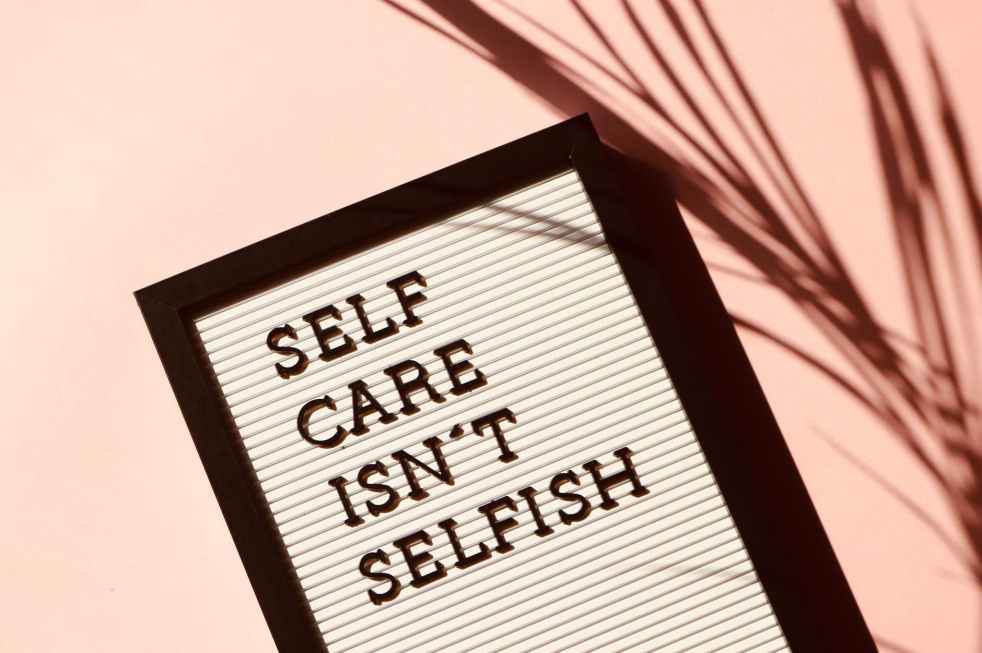





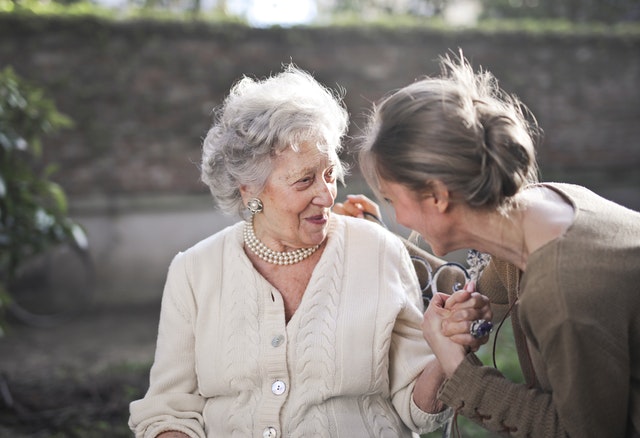















 Looking for the Light