I was a child, six months old. You left me in the bathtub while you answered the door. Did you want me to drown?
I was a child, a baby, running a high fever in the middle of winter. You pushed my highchair in front of an open window to cool me down. Did your mother teach you that?
I was a child, a toddler, You dug your nails into my underarms so none would see the bruises. Granny didn’t understand why I cried so hard when you grabbed me by the arm.
I was a child, a teenager. You slapped me for the last time, I fought back. One swing and your husband punches me in the mouth with his fist. Were you glad he came to your rescue?
I was a child, a teenager. You told Child Protective Services I was mentally ill and you were trying to get me admitted to the state hospital. Crazy, who me?
I became an adult, no longer a child, and realized the manipulation and pain you caused and severed all ties. Why do you still send my Birthday and Christmas cards?
School counselors on what they need during this pandemic
By Mandy Savitz-Romer, Heather Rowan-Kenyon, Tara Nicola, & Laura Hecht September 16, 2020
As the global pandemic threatens students’ academic progress, recent reports have also raised alarms about students’ mental health. Fear, loss, and the anxiety brought on by uncertainty are raising already-high levels of trauma and stress among young people.
It will be tempting for schools to direct resources and attention this fall to bolstering the instructional core, given well-founded fears of learning loss and the widening of academic inequities. But our research suggests that districts need to focus just as much on deploying staff and policies that promote students’ social and emotional development. School counselors have a critical but often overlooked role to play in meeting this urgent need.
According to our survey of nearly 1,000 school counselors from across the country, these professionals faced significant challenges last spring as they sought to support students’ social-emotional, academic, and postsecondary development in a remote learning environment. Schools should now make it a priority to understand what went wrong in the spring, so they don’t repeat the same mistakes this fall.
First, we found that school counselors were not able to spend as much time as usual counseling students about social-emotional issues, career development, or postsecondary plans. This is especially troubling for a profession that was already stretched thin to begin with: Last year, all but three states significantly exceeded the recommended ratio of students-to-counselors. In our survey, 43 percent of counselors reported spending less time providing individual counseling than in their work pre-COVID-19, despite the stress and trauma caused by the pandemic.”While navigating personal stressors brought on by the pandemic, school counselors faced unique professional challenges as well.”
Instead, a large majority of the counselors—who regularly worked well beyond their usual hours—reported spending their time tracking down students with low attendance in remote learning and delivering social-service and technology information to families. These are worthwhile efforts, of course, but they limited counselors’ ability to check in with students, assess their well-being, and intervene when necessary.
Second, our results suggested that a lack of direction and leadership from school and district leaders complicated this shift in responsibilities. Approximately 55 percent of counselors surveyed reported not receiving clear directions about their expected role in a remote environment. One midsize, urban school district’s updated memorandum of understanding with the teachers’ union never even mentioned school counselors.
While school counselors appreciated ongoing communication from administration and district staff, counselors were rarely involved in planning for remote schooling. Despite their unique skills in supporting students, only 35 percent of counselors say they were asked to provide input about school contingency plans or how to maintain counseling programming. Counselors also reported that training for counselor-specific remote work was not available to them. This problem was especially acute in rural communities, where 1 in 3 counselors reported receiving no training.
Third, like all educators, school counselors struggled to adjust to remote schooling. While navigating personal stressors brought on by the pandemic, school counselors faced unique professional challenges as well. In addition to losing the valuable opportunity to connect with students in informal settings such as hallways and lunchrooms, many counselors received instructions from school leaders not to meet one-on-one with students, provide group or classroom instruction, or even use videoconferencing software because of concerns about meeting confidentiality requirements remotely.
These findings highlight long-standing challenges facing the school counseling profession. For decades, school counselors have called on principals to provide better leadership to counseling programs. Such leadership is now essential. If schools are committed to healing students and supporting their engagement in academics amid a wave of national trauma, they must heed this call now more than ever. To support their efforts, we offer the following recommendations for school and district leaders:
1. Establish a clear plan for school counseling programming and communicate it widely. School and district leaders are often not familiar with counseling models or standards, so they need to take their lead from counselors. Strong administrators understand the assets and expertise of counselors and are careful not to misdirect their time toward tasks that don’t leverage their mental-health training. With counselors’ input, school and district leaders can prioritize the availability of counseling programs and services at the systems level. At a minimum, counselors can identify counseling-related policies and practices that transfer to a virtual or hybrid context. For example, school counselors can join morning meetings to connect with students, partner with teachers to integrate strategies for well-being into classes, and collaborate with other support staff to utilize screening tools to identify depression, trauma, and other signs of distress.
2. Build time for counseling into student schedules. Face-to-face time with students—either virtually or in person when it is safe to do so—is a precious commodity. School leaders will therefore need to be intentional about scheduling time for students to meet with counselors and for counselors to provide mental-health support to whole classes, grades, or schools. Consistent advisory blocks and office hours might offer structured times for students to reach out for additional support. School counselors around the country have set up Google Classrooms and Bitmoji offices to be added to district platforms.
3. Evenly distribute the responsibility of tracking down students. School leaders must avoid the temptation of assigning attendance and noncounseling duties to counselors simply because they are not responsible for a classroom of students. Pulling school counselors away from checking in with students, delivering resources for managing anxiety, and supporting postsecondary planning will leave some students vulnerable to further disengagement.
4. Ask counselors if and how they need support and training to use virtual platforms to provide counseling. In our survey, many school counselors reported having to use their personal phones to call students. Often, parents and students didn’t answer those calls, which appear as if they come from unknown numbers. Access to a school phone, Google Voice number, or other platforms to communicate with students will enable counselors to conduct confidential or sensitive conversations with students. School counselors also need different kinds of training from what is offered to teachers. Training on virtual platforms, strategies that support telecounseling, and legal and ethical considerations are especially in demand. As the college-admission process continues to evolve during the pandemic, school counselors will also benefit from training on policies and practices that have been updated during the pandemic.
While today’s educational context is defined by uncertainty, one thing is for certain: As students return to Zoom rooms or school buildings, they are hurting. We have professionals who are trained and ready to help them heal and develop the social and emotional skills to cope with their current reality. Let’s be sure to take counselors into account in our planning this semester. Our students and teachers are going to need them.
Mandy Savitz-Romer is the Nancy Pforzheimer Aronson Senior Lecturer in Human Development and Education at the Harvard Graduate School of Education. Heather Rowan-Kenyon is an associate professor of education leadership and higher education at the Boston College Lynch School of Education and Human Development. Tara Nicola is a doctoral student at the Harvard Graduate School of Education. Laura Hecht is a research manager at the Harvard Graduate School of Education. They are the authors of the recently released report “Expanding Support Beyond the Virtual Classroom: Lessons and Recommendations From School Counselors During the COVID-19 Crisis.”
Follow the Education Week Opinion section on Twitter.
Sign up to get the latest Education Week Opinion in your email inbox.
Vol. 40, Issue 05, Page 24Published in Print: September 16, 2020, as How Ready Are We to Support Kids?RELATED STORIES
Often, it can be hard to understand the cause of these mental health problems. They may be triggered by something that has gone on in your life such as the loss of a loved one, or a big change such as moving to a new city, or a change in career. Whatever the cause, it is essential that you practice self-care.
But what can you do to treat your mental health problems?
Here are some of the steps you should take if you are experiencing any mental health difficulties in your life.
Speak To Your Doctor
If you are struggling with stress, anxiety, or depression in your life, then you should speak with your doctor at the earliest possible opportunity. Your doctor should talk you through what is happening in your life in order to understand whether you should be treated with self-care,
antidepressant medication, or whether you would be a suitable candidate for talking therapy such as cognitive behavior therapy.
Speak To A Counselor
If you are able to speak with a counselor, do so. You may be able to get referred to one by your doctor. If not, there are plenty of specialist counselors that will be able to take you on.
Different counselors and therapists will have their own approaches to dealing with mental health issues such as depression and anxiety. Make sure that you are happy with the counselor’s approach before you commit to a course of sessions with them.
Use CBD And Other Alternative Treatments
One of the areas that there is growing research into is the use of alternative treatments such as CBD. CBD comes from the same plant as cannabis except it doesn’t have any of the psychoactive ingredients as cannabis does. It just relaxes you and relieves symptoms of stress and anxiety.
Another alternative treatment option may be psychedelics. You can read more about this at psychedelicspotlight.com.
Eat Well
There is a lot that can be said about the way that you eat. By making sure that you are eating a balanced diet, you will be able to help to give yourself the energy that you need to keep going.
To fight off stress and depression with your diet you should look at getting your starch fix with whole grains and beans. You should be sure to eat plenty of fresh fruit and vegetables. Instead of eating red meats, you should eat fatty fish like salmon or tuna. Finally, add in healthy fats, such as raw nuts and olive oil.
Exercise
Exercising is a great way of clearing your head. It gives you endorphins which is a feel-good hormone that will balance out the stress hormones that your body will naturally be producing.
Start small. Even going for a short walk will be very helpful.
The rapper/designer/provocateur may have earned as many critics over the course of his career as he has fans. But West’s mental health, which he has been open about, should be observed with sensitivity.
His wife, Kim Kardashian West, appealed to the better nature of the public last week with a plea for compassion for her husband, who she acknowledged has bipolar disorder.
“Anyone who has this or has a loved one in their life who does, knows how incredibly complicated and painful it is to understand,” she wrote in a note posted on her Instagram stories. “I’ve never spoken publicly about how this has affected us at home because I am very protective of our children and Kanye’s right to privacy when it comes to his health. But today, I feel like I should comment on it because of the stigma and misconceptions about mental health.”
In terms of the spectacle of it all, we have been here before with Ye. But he’s not the only celebrity who has confronted such challenges in the fishbowl that is the entertainment industry:
Lewis acknowledged knowing full well what living with bipolar disorder can feel like in the public glare.
She was first diagnosed with it in the 1990s and wrote about her struggles with mental illness in her memoir, “The Mother of Black Hollywood.”
Lewis wept with concern for West at the time.
“Part of the disorder is not wanting to tame the mania,” she told me. “The high is so high and it feels great, but it’s dangerous. It’s so dangerous.”
She and I discussed the need to remove stigma surrounding mental illness — especially in the Black community.
“I cannot say enough how dangerous this disease is,” Lewis said. “And it is a disease. People need to start treating it like a disease like they do cancer, not as something to point at and laugh.”
Britney Spears: West has indeed been treated as a joke by many. Much like another celebrity whose mental health has been back in the headlines.
Britney Spears’ younger sister, Jamie Lynn Spears, weighed in last week after singer Halsey posted a series of tweets about mental illness.
“No jokes right now. I have dedicated my career to offering education and insight about bipolar disorder and I’m so disturbed by what I’m seeing,” Halsey wrote. “Personal opinions about someone aside, a manic episode isnt a joke. If you can’t offer understanding or sympathy, offer your silence.”
Jamie Lynn Spears offered her perspective.
“If you deal with mental illness or care for someone dealing with mental illness, then you know how important it is to respect the situation with privacy for the person, and the family trying to protect their loved ones, no matter how it may appear to the public, and as the public we must learn to do the same,” Spears reportedly wrote on Instagram in a since-deleted post.
She went on to defend her older sister after a commenter implored her to “clarify assumptions” about Britney Spears’ mental state.
“I would never speak our just to clarify things to the public, when the person it pertains to does not want that to happen,” Spears wrote. “I’d rather take all the hate, [than] speak about someone else’s personal matter, that they want to be kept private.”
Britney Spears has been subjected to tabloid fodder about her health since 2007, when she was hospitalized for mental health treatment and her father was granted conservatorship over her affairs.
The #FreeBritney hashtag gained traction from those who want that conservatorship to end.
Still, the #FreeBritney campaign has continued — and this month intensified due to a pending legal matter regarding the conservatorship — as her health gets picked apart by the public.
Tamar Braxton: As was the case when Braxton, who stars on the reality series “Braxton Family Values,” was reportedly hospitalized last week.
“This is an extremely difficult time for Tamar and her family as she navigates professional and personal struggles including her battle with depression,” Braxton’s boyfriend, David Adefeso, said in a statement to People.
“Tamar is currently receiving the best available medical attention to address those struggles and strengthen her mental health, and her family and I will remain by her side throughout her treatment,” he went on to say in the statement. “Mental health is a common issue, affecting 1 in 5 Americans.”
During this time of the pandemic, those numbers could increase with so many of us stressed, anxious and worried for the future.
Those in the public eye who are challenged with mental health issues should evoke our empathy and serve as a reminder to reach out for help if needed.
CNN has contacted reps for all three celebs for comment but has not yet received responses.
Read here for some of the best ways to take care of your mental health during the Covid crisis.
Spending time in the garden makes a massive difference in your overall wellbeing and longevity according to research by the Royal Horticultural Society – a UK-based based charity. Investigators studied more than 8,000 people between 2009 and 2016 following their daily gardening habits. They found that those who spent more time in the garden had better overall psychological and physical wellbeing.
The findings were dramatic. The research indicates that the difference in health outcomes between the people who spent the most time in their gardens compared to the least was the same size as the difference of living in a wealthy area compared to a poor one.
The findings suggest, therefore, that we should all be looking for ways to open up our gardens and spend more time in them. We should view our outdoor spaces as both beautiful places to spend time and tools for improving our mental health. Like exercise, the areas around our homes are places that can potentially alter our neurochemistry and change the way that we feel.
People With Access To Private Gardens More Likely To Report Psychological Wellbeing
The study also found that even people with access to private gardens were much more likely to be in good psychological health. Those who could have a yard or private space to themselves reported feeling much happier to the researchers.
What’s more, the evidence suggests that merely having a garden is often sufficient to confer the benefits, not the process of gardening itself. Thus, people with an outdoor space beside their home were much more likely to experience the health and wellbeing benefits compared to those who didn’t.
The lead researcher on the project suggested that the findings were indicative of the fact that people need to feel close to nature to have a sense of contentment. Gardens might have a crucial role to play in issues of public health she said.
How To Spend More Time In The Garden
So, while this research is interesting, it doesn’t answer the practical question of how to spend more time in the garden. We’d all like to be outside as much as possible, but often, it’s not possible. So what can we do?
Let’s take a look.
Purchase A Laptop
If you can work from home, purchasing a laptop can be one of the best things you do to increase the amount of time that you spend in the garden. You can connect to the internet, take it out to the garden, and then spend all day among the flowers and the birds, weather permitting.
Install Decking
Getting deck builders to install decking is another way to make your garden spaces more practical. Having somewhere off the grass to place garden furniture can encourage you to use your garden as an entertainment space.
Build A Garden Room
A garden room is simply a room in your home that connects the garden to your indoor space, encouraging you to use both.
Most modern garden rooms have sliding doors that act as a kind of interface between your indoor and outdoor spaces. But you can do it in other ways, such as bi-folding doors.
Install A Summer House
In certain parts of the world, it’s not warm enough to spend time outdoors year-round. Spending time on your patio isn’t fun when it’s freezing cold.
The obvious solution to this problem is a summer house – a strange name for something you’ll use in the colder months of the year. And because it provides shelter, you can place indoor furniture inside, making sitting in it more comfortable.
Get A Vegetable Patch
Vegetable patches offer two advantages. First, they let you grow tasty organic food. And secondly, they force you to get out into the garden and take care of them.
Your onions and leeks can become a real source of focus that takes your mind off other things. When you’re digging up soil and planting bulbs, you’re not thinking about all the things that affect your wellbeing. It’s a healthy physical activity that takes your mind off things and allows you to thrive.
Finally, subscribing to a gardening magazine is something that can inspire you to get out into the garden and create something beautiful. Editors introduce you to essential concepts, such as when you should plant bulbs and how you should arrange your beds. You’ll also learn practical things, such as how to weed and the tools you’ll need to keep your yard looking good all year long.
Lady Gaga’s personal trauma influenced the book she is penning with her mother.
The ‘Rain On Me’ hitmaker and her mum, Cynthia Germanotta, have worked together on ‘Channel Kindness’ – which is a collection of 51 stories of kindness from young people across the world – and the pair revealed the idea for the book stemmed from the singer’s experience with mental health problems at school.
Gaga told PEOPLE magazine: “I didn’t know how to stand up for myself without feeling embarrassed.”
Cynthia admitted she feels “horrible” that she wasn’t able to support her daughter, and blames generational differences for her lack of communication at the time.
She explained: “There was a shame of sharing some of this with me. And I feel horrible about that.
“I was raised differently, where you just have to be tough and not talk about your emotions. I didn’t always understand the difference between normal biological teenage development and a real problem.”
Gaga hopes that the book can encourage “resilience” in younger people suffering mental health problems and help develop an understanding, just as she has with her mother.
The 34-year-old singer – whose real name is Stefani Germanotta – said: “There are things that create highways from heart to heart, where we can hold compassion and empathy, where we can celebrate everybody’s resilience.
“When I was younger and had mental issues, my mom didn’t know how to communicate with me about it. We’ve found a way to channel kindness into our lives in a way that’s also healed our relationship.”
Gaga added: “I’m just really grateful that my mom holds space for me to be able to talk about how I feel. And because of that, we have a very healthy relationship that is beautiful.”
Kids might find it more difficult to cope with the pandemic. Here’s how parents can help them.
When the COVID-19 pandemic hit this past spring, billions of children around the globe were abruptly sent home from school — an anchor in so many ways. Kids have been cut off from friends and loved ones, and yanked away from daily activities and passions. Many have watched their loved ones get sick or have come down with the virus themselves. It has been … a lot.
Now, as another unprecedented academic year swings into high gear, children are facing more of the same “new normal” that no one asked for.
“We don’t know how long we’re going to be living in this very strange period. For some kids, that mean that they’ve adjusted and things are a little bit easier to manage,” said Kimberly Canter, a child psychologist at Nemours Children’s Health System. “For other kids, that just means this gets harder and harder every day.”
HuffPost Parents spoke to several experts about simple, concrete ways we can help support our children during this upcoming school year. Here’s what they had to say:
1. Regularly check in with them about what they think is happening with COVID-19.
Talking to your child about what they know (or believe they know) about the pandemic is a crucial first step to understanding where they’re at emotionally, said Canter, who developed an online intervention to help kids struggling with COVID-19 stress. (The intervention is currently available to Nemours patients only, but she shared some of the broader concepts below.)
You’re looking to understand their specific concerns, she said.
“Are there things they are hearing that are frightening them that are not true?” she asked. “Are there things they are hearing that are frightening them that are true? And how can we address that?”
If your child brings up something you don’t have an answer to, or there’s no answer to, be honest. Tell them you’ll seek out accurate information together, and reassure them that they’re not facing this alone.
Parents should also pay attention to any physical, emotional or social changes they notice in their children, said Ron Stolberg, a licensed child psychologist and professor at Alliant International University.
“Typical things to look for are significant weight gain or weight loss not related to normal development, rejecting long-standing friends, major social withdrawal, and with teens, we also add unaccounted-for spending,” Stolberg said.
Your check-ins can be brief, but they should be consistent. Parents may have done this more at the start of the pandemic, when everything was strange and new. Don’t let up now.
2. Help them identify their emotions.
Emotional intelligence is a learned skill that is rooted in a person’s ability to identify what they are feeling. Parents can help their children do that, Canter said. It’s really about noticing their feelings and learning how to name them.
This can start even if kids are young. Simple mood meters — red for angry, blue for sad, green for calm and yellow for happy — can help young kiddos track where they are and give voice to those feelings.
If your child brings up something you don’t have an answer to, or there’s no answer to, be honest. Tell them you’ll seek out accurate information together, and reassure them that they’re not facing this alone.
Parents should also pay attention to any physical, emotional or social changes they notice in their children, said Ron Stolberg, a licensed child psychologist and professor at Alliant International University.
“Typical things to look for are significant weight gain or weight loss not related to normal development, rejecting long-standing friends, major social withdrawal, and with teens, we also add unaccounted-for spending,” Stolberg said.
Your check-ins can be brief, but they should be consistent. Parents may have done this more at the start of the pandemic, when everything was strange and new. Don’t let up now.
Your check-ins can be brief, but they should be consistent. Parents may have done this more at the start of the pandemic, when everything was strange and new. Don’t let up now.
3. Build trust with their teachers.
Even if you live in an area where your child is in the classroom five days a week, this is an academic year like no other. One simple way to emotionally support your child — and your child’s teacher — is to help them feel “safe and connected to their school communities,” said Jeanne Huybrechts, chief academic officer at Stratford School, a network of private schools in California. That is true whether classes are in person, hybrid or starting the year off remotely.
“Reach out to your child’s teacher and introduce yourself and your family,” Huybrechts said. “Share family stories, values, your family’s living situation this fall, your child’s feelings about the return to school.”
More than ever this year, open communication with your child’s teachers is essential.
4. For at least five minutes a day, hang out with them however they want.
Parents sometimes hate to hear this tip because at the end of a long, exhausting day, many parents just (understandably) want to collapse, said Jill Ehrenreich-May, a psychologist and director of the Child and Adolescent Mood and Anxiety Program at the University of Miami.
But she recommends taking at least five minutes a day, every day, to just hang out together with the kids.
“Do something — not on screens — that your child wants to do with you,” Ehrenreich-May said. Follow their lead, and really try to connect through joy. They need it.
5. Remind them of what they can control.
Many children are struggling under the weight of so many unknowns. We don’t know when school will be “normal” again. We don’t know when they’ll be able to freely hug grandparents or friends. We don’t know if they’ll get sick, or if we will get sick — and how serious it might be. That’s difficult for anyone to deal with, particularly kids.
Parents can help by focusing them on what they can control right now.
“You might not be able to control if there’s a vaccine, but you can control things like washing your hands and wearing a mask,” Canter said. Similarly, kids may not be able to control when, say, soccer starts up again, but they can schedule Zoom hangouts with their teammates. And so on.
And here is something parents can control, to a certain extent: They can model the type of resiliency and self-care they hope to see in their children. That means parents need to find ways to take care of themselves.
“If I expect them to be calm and handle this really not normal situation, well, I probably need to express my own emotions appropriately,” Ehrenreich-May said.
Stolberg agreed, suggesting that parents follow a healthy sleep routine, eat nutritious food, avoid caffeine and alcohol, exercise outside if it’s safe to do so and stay connected to people, even if it’s digitally. He also recommended mindfulness exercises, such as breathing, meditation and yoga.
“You cannot be your best parent if you are not healthy and mentally prepared for the job,” he said.
At the end of the day, it’s not about pretending everything is totally OK. It’s about modeling emotional intelligence yourself and trying to show your kiddo how to live with uncertainty, while also trying to make the best of this unprecedented time.
Buying gifts is always a challenge, but one way to find the ideal gift for a special person in your life is to focus on a niche that you know is of interest to them. So if you know someone who loves gardening, you’ll be glad to learn there are lots of gifts that are ideally suited to people who love to garden. We’re going to look at the best of the bunch today, so keep reading to find out all about them.
The great thing about birdbaths is that they’re not just about adding something functional to the garden. They also act as great ornamental pieces, so if you’re looking for something to give that brings a visual impact, an attractively designed birdbath could be exactly what you’re looking for. There’s no shortage of designs and options out there to choose from these days either.
Gardening Gloves
If you want to make the process of gardening a little more comfortable for a special person in your life, a pair of high-quality garden gloves can make the perfect gift. Again, there are lots of styles and designs out there, just make sure you choose a pair that fits well. It’s a good and affordable gift option so it should definitely be considered.
A Seed Subscription
Right now, subscription services are all the rage. There’s a subscription service for just about everything, so you might not be surprised to learn that there’s also a subscription available for seeds. That means you can get different seeds sent to your door each month, so this could be a great gift idea. You could pay for their seed subscription for a year, for example.
The Latest Top Books
There’s a range of great gardening books released each and every year. They might be guide books, general advice, or even photo books. There’s something for just about every garden lover on the shelves of your local book store, so it’s an avenue you should definitely explore. This article is A Review Of The Best Gardening Books in 2020, so it might give you some interesting ideas for which you might want to buy.
Solar-Powered Outdoor Lanterns
You don’t have to choose something that’s focused on the task of gardening; it might be a good idea to choose a gift that adds something new and fun to the garden and has a social dimension. Some solar-powered outdoor lanterns allow you to light up the garden at night and carry on the party into the evening. It’s a good gift idea and they’re also eco-friendly as the battery can charge up during the night and be put to use during the day.
If you’re looking for gifts for the gardener in your life, the ideas above should provide you with the inspiration you need. Find a gift they’re guaranteed to love and help them get even more out of their love of gardening with the kinds of gift options we’ve discussed here.
There are certain characteristics inherent to resiliency.
I have always believed, and I still believe, that whatever good or bad fortune may come our way we can always give it meaning and transform it into something of value.” ~ Hermann Hesse
The way in which you deal with the stresses and our ‘new norm’ bestowed on us by the pandemic, could be an indication of how resilient you really are. Resilienceis defined as the ability to withstand or recover from difficult situations. It’s the ability to ‘spring back,’ in spite of all odds. It’s how you’re able to restore equilibrium in your life during or following upheaval. In recent months many of us have encountered many new challenges, personal, economic, psychological and/or emotional, and it’s certainly a good test of resilience.
Even under normal conditions, we all have a certain amount of adversities in our lives. Much of how we deal with an adversary basically has to do with our attitude. We don’t have to look too far away from our circle of friends and family to see the different reactions to the challenges presented by the pandemic. Positive self-talk can do wonders in dealing with scary or unknown situations, and negative thoughts can easily activate the brains’ fear center. Chances are that those who have coped well are flexible, and generally have the ability to cultivate happiness in their lives through balance and wisdom.
Those who are resilient have a certain sense of empowerment or are able to easily shift their perspective. This means that during stressful or challenging times, they are able to reframe their situation. In addition to maintaining a sense of optimism, they are most likely able to regulate their emotions. Some studies have shows that resilience might be inherited, but it’s not all nature—early childhood experiences and environments play a role in how resilient we become. Many of those who have had severe childhood traumaor those who moved a lot, such as military families, tend to be more resilient.
The Resilience Theory states that it’s not the nature of the adversity or challenging situation that is most important, it’s how you deal with it that is important. This is the same philosophy used when teaching memoir. It’s not about telling your story, but it’s about how you reacted to your story and how it transformed you. Positive psychology is connected to resilience theory because they’re both about formulation a beneficial way to foster our health and well-being. In fact, it’s been suggested that those who’ve had exposure to various degrees of lifelong adversity had better mental health and well-being outcomes than those who have had little or no adversity.
Further, there are those who are more open to new experiences and there are those who get strength from adversity as this is their way of coping with a potential threat. According to Tennen and Affleck (1999), in their study, “Finding Benefits in Adversity,” “The individual who is more open to experience—imaginative, emotionally responsive, and intellectually curious—might be particularly likely to meet the challenge of adversity through a philosophical reorientation and a new direction in life plans.” (p. 286).
In general, most people have a large capacity for adaptation and to overcome threatening events and experiences. While some individuals might be innately more resilient, there’s no doubt that resilience can be practiced and developed, and like the old adage saying, ‘from all bad comes good,’ and that when one door closes, another door opens.
References
Fletcher, D. and M. Sartar. (2013) Psychological Resilience: A review and critique of definitions, concepts and theory.” European Psychologist. Vol 18. pp. 12-23.
Moore, C. (2020). “Resilience Theory: What Research articles in psychology teach us.” Positive Psychology.com.
Seery, M.D., Holman, A.E. & Silver, R.S. (2010). “Whatever does not kills us: Cumulative lifetime adversity, vulnerability and resilience.” Journal of Personality and Social Psychology, 99, pp. 1025-1041.More
Tuning into our feelings, thoughts, and physical sensations is the foundation of caring well for ourselves. We have to know what’s going on in order to take healthy, nourishing action and just better understand ourselves.
But the way we do these check-ins really depends on our personality and preferences. There’s no one-size-fits-all approach. The key is to incorporate a check-in into your day, regardless of what shape or form it takes. Make it as habitual as brushing your teeth. In fact, one way to check in with yourself is to ask how you’re feeling while you are brushing your teeth in the morning and at night.
Here are additional ideas for checking in:
Set an alarm on your phone to ding every hour and ask yourself: How am I doing right now?
Do Julia Cameron’s morning pages, jotting down whatever comes to mind first thing in the morning. Simply keep a notebook on your bedside table, and before getting up, fill up three pages of your journal.
In the evening, for 5 to 10 minutes, reflect on how your day went. What went well? What didn’t? How are you feeling about it? What might you change tomorrow?
Listen to a guided meditation that specifically helps you tune into your mind and body, such as paying attention to any present tension.
Ask yourself the same questions every day (and record your responses): What am I grateful for? What am I anxious about? What did I learn about myself today? What do I need?
Take a few deep breaths, put your hands in prayer position, and ask yourself: What’s on my heart?
Move your body in a favorite way. For you, this might be taking a yoga class, taking a walk, riding your bike, or doing a stretching video. Personally, I’ve found that any time I move my body, my emotions, which might’ve been previously suppressed as I go about my day, bubble up to the surface and I have a better grasp on how I’m doing.
Name what emotion you’re feeling, trying to get as specific as possible, and then rate the intensity of that emotion from 1 to 10.
Draw three concentric circles. In the innermost circle, jot down the emotions you’re feeling. In the second circle, jot down the physical sensations you’re experiencing. In the biggest circle, jot down the thoughts running through your mind or the stories you’re telling yourself right now or have been all day.
When you’re checking in with yourself, remember to allow whatever arises. It’s so hard, but our jobs are not to censor, judge, or criticize. Our jobs are to witness what’s going on internally, taking on the perspective of an unbiased observer.
I liken it to writing: It’s not helpful to edit while we write our first draft, because then we might miss something important. We want to write first, to spill our hearts and message onto the page. After everything has poured out, we can start to make sense of that message and refine as needed.
Pick a check-in practice that resonates with you and, again, incorporate it into your day (or, of course, come up with a practice that feels like a better fit). To make it easier, add it to something you do all the time: check in while you sip your water. Check in during your morning coffee. Check in right before you ask your kids how they’re doing.
Either way, prioritize your daily check-in—and you’ll likely find that even if you don’t respond to your needs, simply listening helps you feel well taken care of. Because as I’ve written before, listening is a beautiful, powerful gift we can give to ourselves and others.
Margarita Tartakovsky, MS
Margarita is an associate editor at PsychCentral.com. She writes about everything from taking compassionate care of yourself at any weight, shape, and size, to coping healthfully with difficult emotions. Her goal is to give readers practical, empowering tips to better their lives, and to remind you that whatever you’re struggling with, you’re never, ever alone.
Home gardening is on the rise since COVID-19, says Rose Hayden-Smith, Emeritus advisor at the University of California. But activists from food justice organizations argue that home gardening has the potential to promote emotional wellness, especially for Black women and other marginalized communities.
Home vegetable gardening can not only increase produce consumption and physical activity—it is also associated with improved emotional wellbeing, according to a recent study from Princeton University. The report finds that out of 15 daily leisure activities, such as walking and biking, vegetable gardening is one of the most beneficial activities for mental and emotional health.
“Gardening combines so many things that are positive for mental health—being outdoors around plants and nature, physical exercise,” Diana Martin, Director of Communications and Marketing at the Rodale Institute, tells Food Tank. “Something about growing food, connecting with the earth, and sharing the bounty with your neighbors and community can help you feel rooted, connected, and grateful.”
In response to the influx of home gardeners during COVID-19, the Rodale Institute offers a free Victory Gardens Starter Kit complete with an Organic Gardening 101 webinar, composting tips, and lesson plans to involve children.
Home gardening may also address some effects of long-standing social inequalities. Women, especially women of color, have disproportionately shouldered social care work during the pandemic, according to a recent study in the Journal of Sustainability: Science, Practice, and Policy. And this work may contribute to poor mental health in those responsible for it, according to a report from the Swiss School of Public Health.
“From an equity perspective, supporting household gardening would provide more benefits for women and low-income gardeners,” Dr. Ramaswami, co-author of the Princeton University study, tells Food Tank. She explains that home gardening was the only activity studied that had a greater impact on emotional wellbeing for women and people with low income, compared to men and people with medium-and high incomes.
Jasmine Jefferson, founder of Black Girls With Gardens, also believes that gardening can be a tool for self-care. An online platform, Black Girls With Gardens provides education, support, inspiration, and community for women of color interested in gardening.
Jefferson noticed that her website has gained popularity since COVID-19, as more Black women began home gardening.
“Gardening is an act of self-preservation for Black women,” Jefferson tells Food Tank. “We are able to release our rage in the soil and still not be judged by nature.
Despite the benefits of home gardening, Black, Indigenous, and People of Color (BIPOC) communities have been systematically disenfranchised from growing their own food, Jefferson says. She argues that food deserts, lack of access to quality soil and compost, and white-dominated gardening groups with expensive membership dues all work to keep women of color out of gardening.
“We are resisting systematic racist policies and procedures…when we make the space to grow our own food,” Jefferson tells Food Tank. “Black women deal with very stressful environments, high anxiety, and trauma on [a] daily basis. Gardening can be the escape black women need from that harsh reality of the world.”
Katell Ané (she/her) studies International Relations at the University of Edinburgh, focusing on the global politics of food. Her interests in food insecurity in her hometown led her to volunteer with FairShare CSA Coalition, a nonprofit working to create a more sustainable food system in Wisconsin by promoting the Community Supported Agriculture model. Since working with FairShare, Katell has been passionate about changing food systems to address broader questions of racial and migrant justice, health disparities, and Native sovereignty. She spends her free time hiking, dancing, and marveling at heirloom vegetable varieties.PREVIOUS ARTICLE
Getting into a fitness routine, pushing yourself, and reaching your goals takes a lot of time and energy, as well as a big commitment to yourself and your health. So when your health suffers, either through an injury or an illness, it can really set you back and put you right back at square one.
Feeling like you’ve got to start over with your fitness is a common feeling, and it can really affect your confidence. Whether you feel like you can’t do it or that things are harder than they used to be, it’s important to get back on that horse. Exercise will help improve your physical health and boost your mental health, and it can be a welcome part of your routine once you’ve found your feet again.
Here is some advice to help you regain the confidence to work out when you’ve suffered a setback.
While it’s understandable that you’ll want to be back where your fitness used to be, it isn’t going to happen overnight. If you try to move too quickly, you could end up injured or losing further confidence from not getting the same results as you once did.
Start by setting yourself some manageable fitness goals, aims you can work towards slowly, helping you to regain technique and basic fitness first. From increasing the times of your workouts to making it to the gym a certain number of times a week, start with goals that are realistic before building up to bigger ones.
Choose workout clothes that help your performance
The workout clothes you wear can help you feel more confident about working out. You should choose items that are comfortable, supportive, and can help keep you cool too. Treating yourself to some new outfits will help you feel in a better mindset for working out. Brands are more attune to the different needs of people now, so you can find great selections for curvier shapes, as well as amputee leggings and other items that can help give you a boost. Always make sure you have the right type of shoes for your workout to make sure you’re better protected against injury.
Ease yourself in, and consider working with someone else
Fitness is something that needs to be built up over time. So if you’re getting back into things after a long period away, ease yourself in gently. Walking and swimming can be gentle, effective exercises to start until you’re feeling fitter and stronger. Take a look at fitness plans from others in your position to see how they’ve eased themselves back into exercise.
It can also help if you work out with someone else, such as a friend or personal trainer who can help make sure you’ve got the right form to prevent injury, as well as help you train as needed.
If, for any reason, you feel pain – stop! Consult your doctor or take a rest to stop yourself from overdoing things.
Exercise is something that can help you begin to feel a semblance of normality, helping you form a routine and get back into activities that you once enjoyed. Take it slow, put your health first, and soon you’ll see your confidence creeping back up as you start to reach your goals once more.
From the outside looking in, Thomas Rhett and his wife, Lauren Akins, seem to have a nearly perfect relationship, however, it hasn’t always been easy.
The country star opened up about his relationship with his wife during an interview on The Bobby Bones Show, revealing that the couple turned to marriage counseling after a “hard” moment in their lives. Referring to Akins’ new memoir, Live In Love, Rhett said the book had “parts where I wish I wasn’t made out to look like such a jerk.”
The “Be A Light” singer continued on to explain some of the challenges the couple faced throughout the adoption process for their now 4-year-old daughter Willa Gray. At the time, Akins was traveling to Uganda while pregnant with their now 3-year-old daughter, Ada James.
“Lauren called me because it was 9 o’clock in the morning in Uganda and…she hears all of her friends in the background. Meanwhile, Lauren is seven months pregnant and throwing up in a bathroom in Uganda,” he said. “That was when Lauren was like, ‘We are living two completely separate lives right now.'”
“That was a really humbling experience for me, just knowing what she was dealing with in a sense of aloneness while I’m kind of living life as usual,” Rhett added. “That part was really hard for us, for sure. Kind of getting over that and going through some therapy, especially over that one night.”
“Coming on the other side of that, I feel like I learned so much from that experience. It made me know that, in a marriage, you do have to figure stuff out. You have to talk about it. You’ve gotta be real about it. You’ve gotta be honest about it.”
Rhett and Akins, who also share a 6-month-old daughter, Lennon Love, hope their story helps other couples.
A microfiber wand beside the bed hasn’t been touched in days. The amount of dust in the house is a full-time job I can’t work.
I’m so glad only to have four-legged kids to get on my nerves and wear out my patients.
My body doesn’t hurt as bad as the muscles tense and twitching. Hip pain is now on both sides, I wonder if Osteoporosis has moved to the left hip. My shoulder has decided to ache all the time making it difficult to sleep.
I noticed more wrinkles on the face today, feeling old again.
Self-care has gone by the wayside this week, too tired to care.
My mental health is good surprisingly for being in the middle of a pandemic in a state with rising numbers.
I have canceled all doctor’s appointments out of fear of the virus, have only had three face to face visits and two lab trips since March. So many health issues and follow-ups are slipping behind.
I’ve had hives for two months, General Doctor is trying medication before referring me to a Dermatologist. I’m taking two histamine blockers and steroids, still no change. Have scars from the scratching. I have cut out all supplements except probiotics, calcium, and a multivitamin. Had just started several herbal supplements for the immune system. Don’t think there’s a connection but can’t come up with anything to set the hives off.
Trying to decide if all the symptoms are Fibromyalgia or a Lyme relapse or both.
It’s all too easy to let your garden go to waste when you don’t put enough time into using it properly. Many people specifically choose homes with outdoor spaces, only to let their garden become overgrown and unusable after just a few short months. Of course, though, a big part of this problem is simply knowing how to use your garden effectively. To help you out with this, this post will be exploring some easy ways to make your garden the ideal space for pilates, yoga, and just about any other static exercise. You don’t need any extra equipment once you’ve gotten started.
Clear A Space
The first part of this journey is going to involve clearing a space for your pilates area. You won’t need too much room for this, with just enough space for you and your friends to do your exercises while maintaining proper social distance. The more people you have, the more space you will need, and this can often mean having to break into parts of the garden that can long be taken over by nature. Tree removal, weed services, and even landscaping companies can help you with this process, making it possible to make a good start on this side of your garden.
Add Some Ambience
Once you’ve made space, it will be time to start making your garden feel extra relaxing. There are loads of ways to do this, but you want to make sure that your changes are ambient, rather than sticking out and demanding attention. Water fountains, wind chimes, and speakers can be used to generate sound that will make your garden feel natural and open, while different materials can be used to highlight different aspects of your garden. Many people go over the top when they are doing this, but it is worth keeping in mind that you’re trying to capture nature, rather than making your space feel like a disco.
Start Planning
Planning your pilates area will always be a good idea as you go through this process. You need to think about when you’re going to use it, building a routine that will make it easier to keep up with your exercise. Alongside this, though, it can also be good to think about who will be joining you for each workout. Having friends to enjoy a space like this with you will always improve the way that it feels and the use you’re able to get out of it. Of course, though, you will need to take the first step and invite people if you’re going to find success.
With all of this in mind, you should be feeling ready to get started on making your garden perfect for pilates. Having a space for activities like this can make it much easier to keep on top of them and continue your good work. Of course, though, at the same time, and a lot of people find themselves struggling when they get to points like this, and you may need some help from friends along the way.
YOU’RE INVITED!Join us for our 8th annual Revels and Revelations, a night of celebration and inspiration.Mental health conditions during the pandemic are disproportionately affecting young adults. Research shows that the prevalence of anxiety disorders has tripled since 2019 due to the COVID-19 pandemic. Our students need support now more than ever.
We hope you can join us!
For more information on ticket or sponsorship opportunities, please contact Nicole Bruno at nicole.b@bringchange2mind.org.
Kaci Smith, 36, recalls the gradual emergence of her PTSD symptoms about three years ago when she’d been caring for her mother at home following her mom’s 2012 stroke.
“It would be things like almost feeling like a panic attack,” says Smith, a Rochester, N.Y. teacher. “If she would complain of leg pain, I would think, ‘Oh, no. It’s a blood clot. We’re going to have to go through all this medical stuff again.’”
Smith, who stopped working when Covid-19 forced the U.S. into lockdown, has been a 24/7 caregiver for her mother during the pandemic and is on anti-anxiety medicine.
As the Caregiving in the U.S. 2020report from AARP and the National Alliance for Caregiving documented, being a family caregiver can be high stress. It can also, in some cases, bring on PTSD (Post Traumatic Stress Disorder), an anxiety disorder caused by trauma. PTSD symptoms typically range from flashbacks and recurring dreams to insomnia and poor concentration.
Researching the Caregiving PTSD Link
Exactly how often caregiving can lead to PTSD is unknown.
“There remains very little research or attention on PTSD among caregivers,” says Dr. Ranak Trivedi, an assistant professor of psychiatry and behavioral sciences at Stanford University.Recommended For You
But, Trivedi adds, “As clinical psychologists, we are also recognizing that chronic stress that is unrelenting — such as through caregiving — can lead to PTSD.”
Jennifer McAdam, an associate professor in the School of Nursing at Samuel Merritt University who co-authored a study about family caregivers of ICU patients, says more research needs to be conducted to establish the true impact of caregiver PTSD.
It’s natural that sometimes life gets away from you a bit. Stress from work or family commitments can take over and it can be hard to find balance. It’s important to step back and try and regain control. Fortunately, there are few basic steps you can take to get your life back on track. Make a list to check off and plan how to find balance again. Here are six simple ways to get organized and get your life back.
Keep on top of maintenance
Sorting out simple maintenance in the house or car is very satisfying and will relieve a lot of stress. There are plenty of online resources to help you. TDot Performancehas all the car parts and accessories you need, and you can easily find professional mechanics or technicians for anything you need. Spend a day making a maintenance checklist and work through it.
Work on your relationships
Once you’ve got the practical things out of the way it’s time to focus on your personal relationships. Make more time to dedicate to your friends and family. Follow the necessary steps to improve your personal relationships, and you’ll be able to regain balance in your social life.
Make a budget
In order to keep things manageable, you’ll need a realistic budget to organize your finances. If you’re feeling stressed about money, then a budget can help you take back control. Make sure you stick to it and if you are struggling you might need to make some changes.
Spend some time alone
Studies have shown that it’s actually very beneficial to spend time alone. The benefits of alone time include increased happiness, life satisfaction, and stress management. Being alone also gives you the opportunity to plan your life without distractions. Making time for yourself, or even going off the grid for a bit, means you’ll be more adapt to going back to your social life with more tolerance and openness.
Get in touch with nature
The therapeutic benefits of getting in touch with nature are numerous. One of the advantages is the perspective it gives you. Spending a little time outdoors will give you the time you need to reflect and rethink your plans. Try activities such as forest bathing which allow you to clear your mind and focus on the nature around you. Go for a walk into the woods alone and take in all the sights, sounds, and smells. You’ll immediately feel the benefits and more prepared to tackle life’s problems.
Learn something new
A new hobby or skill is another great way to gain a bit of perspective. It also helps to improve your mood and give you a new lust for life. The more positive you feel, the more you’ll be able to take control and get your life back on track. Whether you study something new for work, or take up a new sport or a creative hobby, learning something new can be very beneficial. Get your life back on track today.
Many teenagers ask their parents for a dog, and it can be tough to decide as a family whether the time is right to add a canine companion. A dog can be a great way to teach your teenager to be more responsible, but a pet can also help with mental health. By getting a dog, your teen gets to experience the joy of owning and bonding with a true friend.
Pets can be especially beneficial for teens who are struggling with emotional or psychological issues. Many teenagers struggle with their mental health, so the idea of them being helped by owning a dog is worth investigating. For serious problems, professional therapy should be sought, but a dog can help with your teen’s self-care.
Growing Up With A Pet
Your teenage years are a turbulent time. Teenagers often start to pull away from their families at this time, as they search for their own identities, separate from their parents. Caught between childhood and adulthood, many teens struggle to find their place in the world, leading to a sense of confusion.
Many young people lack the skills in coping that they need to deal with troublesome emotions. Sometimes teenagers are left to face these worries alone, but that doesn’t have to be the case. Young people with a pet tend to function better emotionally than those without. Pets give teens a sense of purpose and force them to interact, even at times when they might not feel much like socializing.
Teens who care for an animal build stronger social relationships. Caring for a dog can help teenagers to connect more to their community too. High levels of attachments to a pet can also help teenagers to feel more connected to others, feel more empathy, and have more self-confidence.
If you’re thinking about getting your teen a dog from somewhere like Lucky Labs, then you might want to consider these benefits.
Dogs are easier to hug than a person
A lot of teens aren’t naturally very affectionate, but a pet can help to turn that around. Animals will always demand (and get) attention. It’s much harder for a teenager to ignore an animal seeking attention and expressing their love. This can be very important for teens who aren’t feeling much affection from their peers or are feeling more distant from their parents.
Dogs are all ears during tough times
Many young people don’t feel that adults understand them or what they’re going through. This means they’re likely to bottle up or push down their feelings instead of talking about them, which isn’t helping. A dog can be used as a listening ear, which is a great way to process and put into words any confusing thoughts and emotions that they might be having. After all, dogs are the best listeners.
Dogs melt away stress and anxiety
There are few things as effective as petting an animal for soothing and calming a stressed-out mind. Playing with a dog increases levels of oxytocin, which is a hormone that reduces stress, and decreases cortisol, the stress hormone. Having a pet is good for your physical health too. Owning a pet is associated with a decrease in blood pressure, cholesterol, and triglyceride levels, which all reduce the risk of a heart attack.
Dogs help with socialization and communication
Owning a dog can help young people to enhance their social skills, which is especially useful for teenagers with autism. Animals help young people to feel more assertive and increase their confidence when they interact with other people. Having a dog gives your teen something to talk about if they get stuck for conversation, and also act as a way of getting people to engage with them in social situations.
Having a dog can also help you to meet new people and start conversations, something which teenagers can struggle to do. Many teens are caught up in social interactions online, whereas a dog is a great ice breaker for real-life social situations. People always want to stop and talk to a dog.
Dogs are always by your side
A dog is always there for you, even when things are at their hardest. People can come and go in life, but a dog is loyal and with you through every step. A dog can help to fight feelings of depression and anxiety as they provide companionship. Owning a dog can have a positive impact on a person’s self-esteem, as well as other psychological benefits such as lessening feelings of loneliness and helping someone to become less introverted.
Dogs provide structure
Dogs are a great way to teach a teen to be more responsible and are also a good way of adding structure. Structure is helpful for teenagers who may be feeling adrift from their normal life. No matter how disconnected you feel, a dog will still need you to be up and ready to take it for a walk at least once a day. A dog can help to fight the urge to stay in all day when you feel down, which is an urge that teenagers can often fall victim too.
Dogs make your brain release the love chemical
Spending time with a dog releases the hormone oxytocin, sometimes known as the love chemical. This hormone plays a part in bonding and trust, as well as reducing stress. This feeling of being bonded to your dog can be very beneficial to a young person who is suffering from PTSD, anxiety, or depression.
Dogs also help you to release endorphins. Just seeing a dog can trigger your brain into releasing these endorphins, which are natural anti-depressants. Even when you’re doing the jobs that are a less pleasant part of dog-owning, like cleaning up after them, you’ll feel more positive just by having the dog around.
Dogs can help against allergies and asthma
Children who grow up in homes with dogs or other furry pets are less likely to develop common allergies. Children who are exposed to dogs and cats are a lot less likely to develop allergies such as dust, grass, ragweed, and pet allergies, and are at a lower risk of asthma. Allergies can make people become lethargic, apathetic, and struggle with insomnia. These problems make young people more vulnerable to mental health struggles, like depression.
Dogs make you laugh
Dogs can be very funny companions and are bound to make you laugh every day. Whether they’re being clumsy, adorable, or silly, your dog will cheer your teen up by making them laugh. Laughter is one of the best forms of stress relief.
Owning a dog can be very positive for people of all ages. If your teenager is begging you for a dog, it’s worth thinking about all the ways that the might benefit from dog ownership. Dogs are good for mental and physical health, as well as teaching your teenager to be more responsible and social. If you think your teenager is ready for the responsibility of owning an animal, the benefits could make the decision for you. Just remember that a dog is a big commitment, and you should be certain that your child is capable of providing the care that a dog will need. Agree in advance how much responsibility you as the parent will have, such as feeding and bathing. Choose a breed that suits your home and lifestyle, and prepare to see a real change in your teenager and the way they feel.
It’s been years since I gave Survivor’s Blog Here a facelift and today started looking around at options. Does this theme work for how you like the post to pop out on the front page. What is missing? The COVID 19 virus has affected several of our contributors, I’m sure you’ve noticed less blogging […]
Wishing I could say I missed you but that would not be true. I do have some great snippets, little memories from my early childhood. Other memories, more unstable memories from my teens when I lived with you.
Driving down the freeway, the speed limit was 70, you drove 90 while punching the radio dials looking for something worth listening to while smoking Swisher Sweet cigars with the window closed as we choked in the backseat.
You would pick me up from daycare and take me to the convenience store around the corner, buy two RC Cola’s, sodas required a 10 cent deposit back then, we would sit in the car singing to Charly Pride and Hank Williams Sr. to the to of our lungs until we finished our soda’s and go in for our deposit.
I ran away, you drove around with a 357 magnum pointing it at my friends, threatening them to tell you where I was. Cary won an Academy Award for his ” I have no idea where she is speech” as I lay crouched on the floorboard.
You bought me a bag of weed so I would stay home and smoke with you and your friends instead of going out with mine. What is wrong with this picture, I was 13 years old. You thought everything was fine. Like any parent would do the same.
I tried to kill myself, instead of taking me to the hospital five minutes away, you called Granny saying you are going to drive me to see her thirty minutes away. When she said no, you took me to “the club” and had them give me a glass of milk before taking me to the hospital. I almost died just from your lack of action. You had no grasp on reality.
If you’re looking for ways to support your mental health but you don’t know where to begin then don’t worry, not alone. Although it can be overwhelming, you need to be sure you’re doing all that you can to look after yourself, including your mental health. Luckily, there are lots of ways in which you can do exactly that. From practising self-care to getting fresh air, there are lots of small changes you can make to your day-to-day life. With that in mind, here are 5 small ways to look after your mental health every day:
Make Sure You’re Drinking Plenty Of Water And Eating What Your Body Wants
Although you may not feel as though they’re intertwined, your mental health can often be improved by focusing on what your body needs. Whether that means ensuring you’re drinking enough water or listening to what your body wants to eat, you need to be sure you’re focussing on your physical health too. While it may not be your top priority each and every day, remembering to drink water and eat nutritious meals is important. For more information when it comes to the link between mental and physical health, you can visit this site here.
Practise Self-Care As Often As You Can
Another great way to help improve your mental health is to focus on practising self-care as often as you can. Whether you’re taking a long hot bath or you’re spending the evening watching your favourite TV, you may be surprised at how much comfort it can provide. As self-care is different for everyone, you may want to look at some self-care ideas here.
Consider Writing In A Journal
Although this doesn’t work for everyone, writing in a journal is a great way to get all of your thoughts down in one place. Whether you’re planning out your day or you’re writing down the events that have happened that day, writing things down is known to help many people when it comes to mental health. If you’re looking for inspiration when it comes to finding a mindfulness journal, you can visit this site here.
Do Things That Make You Happy
Another great way to focus on your mental health each and every day are to do things that make you happy. Whether that means seeing the people you love or cooking your favourite meal, the things that you love are guaranteed to make you smile. For a guide to finding things that make you happy, you can visit this site here.
Ensure You’re Getting Fresh Air
Finally, you may want to think about getting some fresh air. Although it doesn’t work for everyone, getting outside and going for a walk can help give you a moment of happiness.
With lots of helpful ways to look after your mental health, you can be sure you’re doing all that you can to put yourself first. What else could you do? Did we miss anything? Let us know your thoughts and ideas in the comments section below.
Written by Dr. Eric Perry Image Credit: Pixabay “A friend is a gift you give yourself.” ~Robert Louis Stevenson What kind of friend are you? Are you attentive, kind and compassionate or, are you neglectful, uncaring and critical? Scrolling through quotes on the internet, I was reminded of the immense value we place on friendship. […]
Self-care may seem like a luxury but in fact, it’s important for everyone to take time out for self-care. Self-care or taking a few minutes for ourselves is critical to our mental health. Our mind and body need a break, a chance to unwind, to refocus and there are many ways to unwind.
I do many things for self-care depending on how much time I have. If I have 30 minutes I may take a hot aromatherapy bath, give myself a manicure, if I’m crunched for time a hot foot soak is very relaxing. Simple ways are enjoying a candle for a few minutes, meditating, watching the birds, or just taking a walk around my backyard to clear my head.
Men need self-care just as much as women, the manner in which you find a moment of joy may look different. A good foot soak is always a great way to relax, meditation, taking a 15-minute power nap, hot shave, scalp massage, hot bath, or even stretching exercises and aromatherapy is can be relaxing.
Does it seem like you can’t complete even the simplest task without being distracted? Texts, emails, social media alerts, noisy colleagues, ringing phones… Friends, you are not alone.
Distracted thinking — aka daydreaming or mind-wandering — affects everyone. In fact, researchers have found that people think about something other than what they’re actually doing — or supposed to be doing — almost half of the time. Turns out that a wandering, easily distracted mind is actually the default mode for the human brain.
Succumbing to distraction over and over, though, can build stress, foster unhappiness, and even lead to depression. So if you’re one of the many looking to figure out how to handle distractions and improve your ability to focus, take comfort in the fact that research has shown a way forward.
One word: mindfulness.
Mindfulness means maintaining moment-to-moment awareness of where you are and what you’re doing. At work, for instance, it means you’re focused on the project in front of you; walking with a friend, it gives you the ability to really focus on your surroundings and your conversation. Scientists have shown that you can actually train your brain to become more mindful. Like anything else, it just takes practice.
Ready to get started? These three practices have all proven useful in building mindfulness.
1. Mindfulness-based stress reduction (MBSR)
MBSR training has become a recognized way to help people learn to avoid distractions and increase their attention to the task in front of them. It can also help improve memory, motivation, and autonomy — all things likely to make you (and your boss) happier. MBSR programs typically include breathing, stretching, and awareness exercises.
2. Meditation
Meditation aims to increase your awareness of the present moment and help you develop a gentle, accepting attitude toward yourself. Regular meditation practice has been shown to actually alter the brain — in a good way. One study showed that the area of the brain dedicated to regulating your emotions was significantly larger in meditators. In other words, in a world determined to trip you up with distractions and unpleasant surprises, meditation can help you stay more positive and more focused.
3. Mindful movement
The hallmarks of mindful movement, or yoga — structured breathing, controlled movement, mental focus — make it sound like the perfect antidote to stress and distracted thinking, but does science back that up? Yes, over and over again. Many studies have found that, after beginning a yoga program, people feel less stressed, more focused, even more optimistic. In fact, yoga’s been found to be even more beneficial to people who’re highly stressed.
In today’s so-called attention economy, the world is actually being designed to distract you. Everybody wants your attention, and they want it right now. But you can take back control of your focus, shed that stress, and wake up happier to meet your day.
Ready to commit to becoming more mindful? Great, go for it!
Life can be stressful and times like these are not making it any easier. That is why spending time outside is encouraged for your mental health. Research has shown that time outdoors gardening can lift your spirits. Playing in the dirt can reconnect you with nature, allowing you to see the bigger picture and giving you a different perspective. Here are some surprising ways gardening can do wonders for your mental health.
Sometimes things are just the way they are and there may not be much you can do about it. In times like these, practicing acceptance comes in handy to keep your mental health in check. Life is unpredictable. Gardening will help you realize that life will blossom in the way it wants. Of course, you can provide an ideal environment for your plants to be strong, healthy and nutritious, but after a while, you have to let it do its own thing.
Allows You To Let Go Of The Need For Perfection
Life is not perfect. Nothing is perfect. Desperately trying to make things perfect will run you ragged and leave you frustrated. Wanting perfection can cause you to miss opportunities, damage your relationships, and can even paralyze you from trying something new. Nothing will teach you that more than planting your favorite vegetable or fruit. No matter how carefully you try to map out how your garden will look, how it will grow, or how many Ryobi trimmer reviews you read, there are many factors that cause imperfections in your garden. These are things like insects, diseases of your plants, bad weather, and pests. Gardening will force you to relinquish the need for perfection.
Allows You Change Your Mindset
One of the ways to maintain your mental health is to change your mindset from a fixed mindset to a growth mindset. When you have a growth mindset you believe that you are constantly learning even when things do not go as planned. You look at those situations as an opportunity to learn and grow instead of failure. It can change your perception of making mistakes. Gardening can help you work on building up that mindset. You cannot fail at gardening, even if all your plants die. All that you did is learn how to better take care of your plants for the next time.
Allows You To Connect
Gardening allows you to connect with people and the world. For one, gardening is a hobby enjoyed by many people around the world. If you garden, you will likely find a friend who enjoys gardening too. It also allows you to connect with the earth. Think about it; you are playing in its dirt all day and you are adding to it. You are creating an impact. Gardening almost feels like being a parent because you develop a bond with the plot of land you are tending as well as the plants that sprout out of it.
Yoga students may present with a variety of physical health concerns, such as chronic pain or injury. As a yoga instructor, it is important to become familiar with student histories so that the teacher can ensure the yoga studio remains a safe space for students. Overall, engagement in yoga practice has been consistently increasing in […]
Vacuumed part of the living room, still need to clean the floor.
Potted two house plants.
Enjoyed a candle for a few minutes.
Emptied dishwasher.
Woke up 4:00 A.M. with the puppy.
Haven’t taken a nap.
I cleaned up but no shower, those hospital towelettes sure come in handy, hair still in a ponytail.
Took my morning meds.
Washed face twice.
Emptied bathroom trash.
Brushed teeth twice.
Played with dogs, felt like forever!
Went to Starbucks for a cold coffee with my husband.
I’m exhausted at 2:30 P.M.
This is an exceptional day! I set my goals at a realistic level this week and am working at breaking them down. Today is Tuesday and I’m ahead of schedule. The new puppy is exhausting but he brings so much joy and laughs.
I don’t always give myself credit for all the little tasks and tend to focus on the bigger things which make me feel like I haven’t accomplished much. All task add up even on the worst days, everything adds up to an accomplishment.




 —Robert Neubecker for Education Week

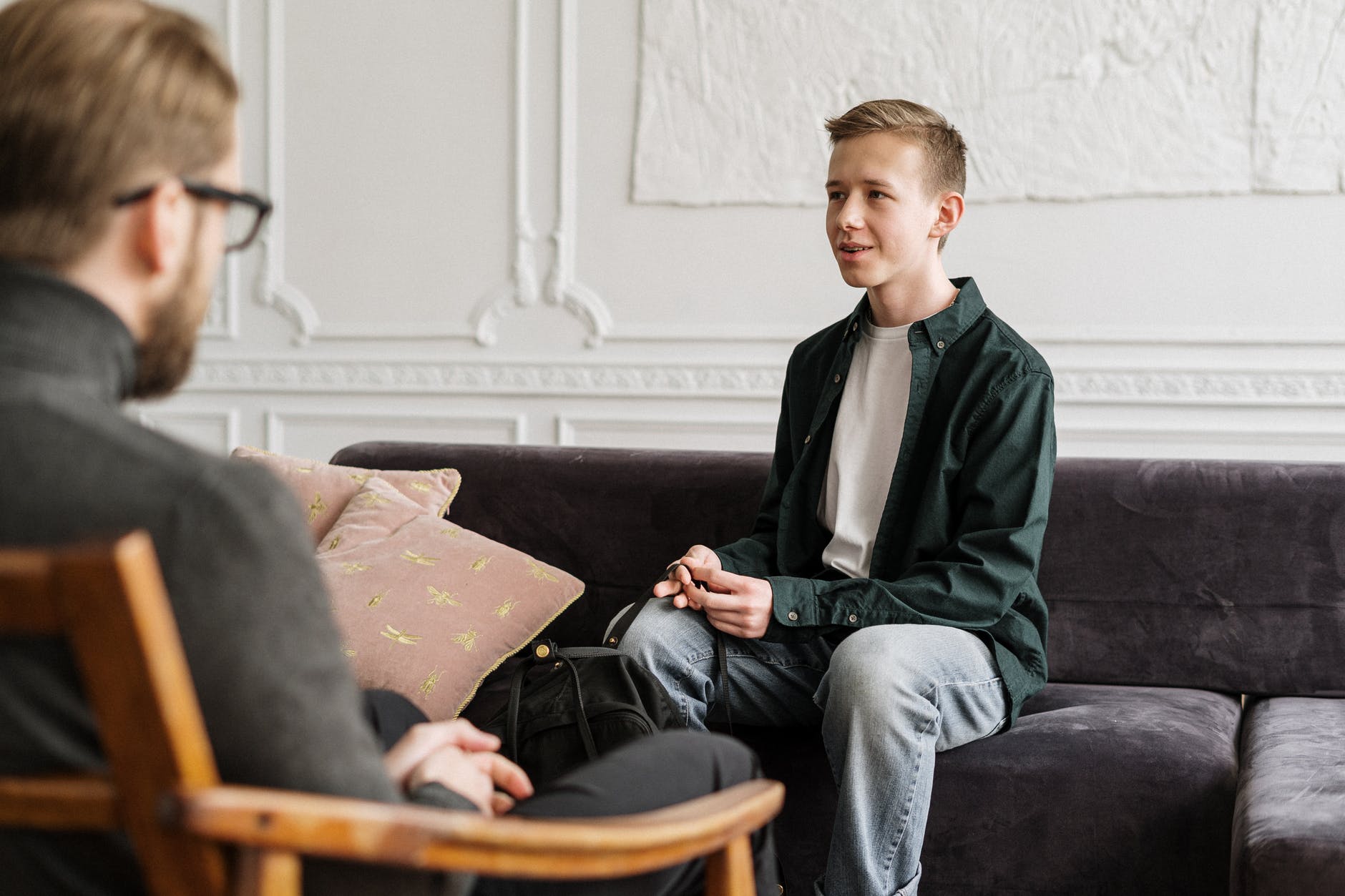

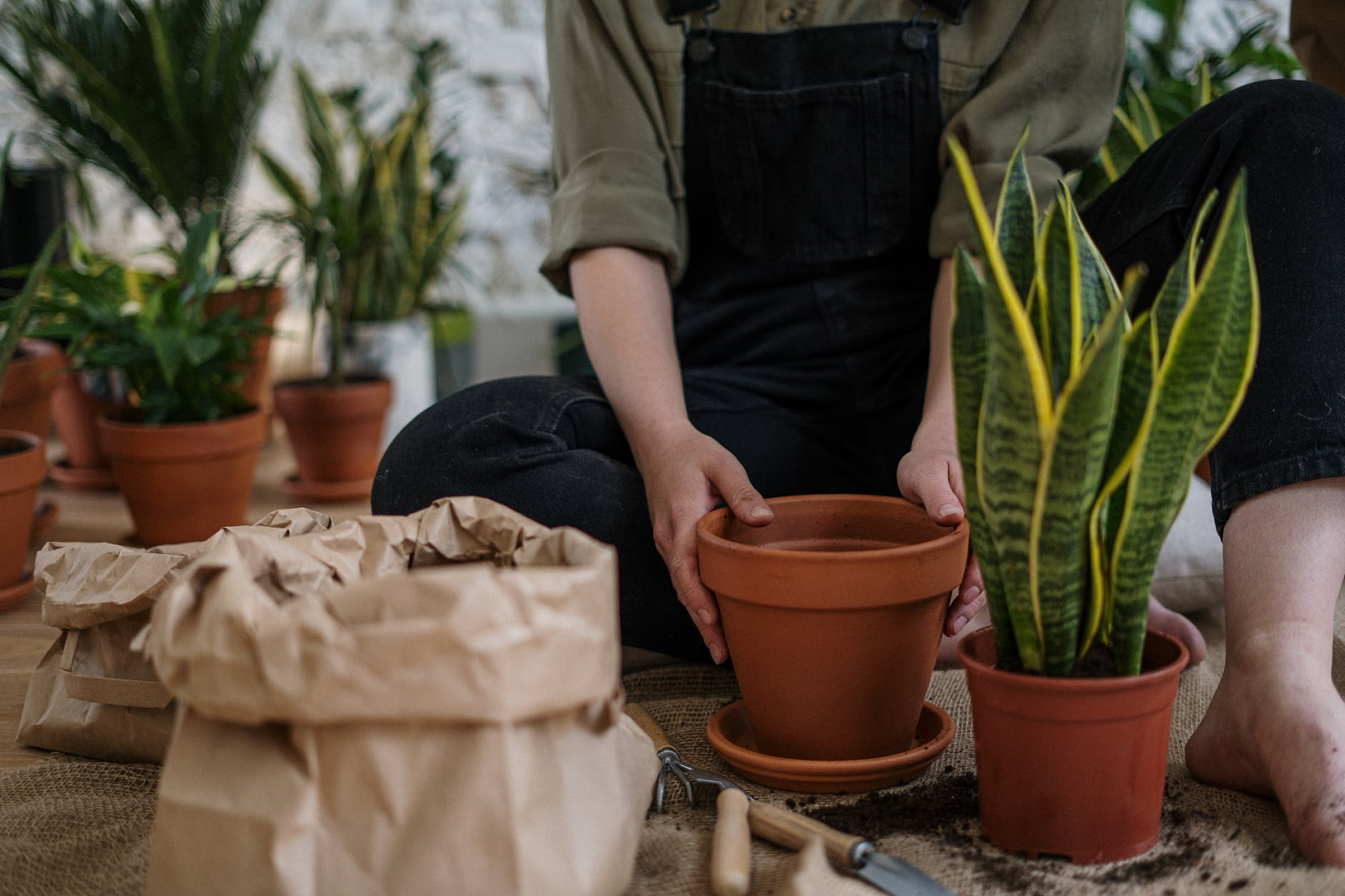



 Mental health conditions during the pandemic are disproportionately affecting young adults. Research shows that the prevalence of anxiety disorders has tripled since 2019 due to the COVID-19 pandemic. Our students need support now more than ever.



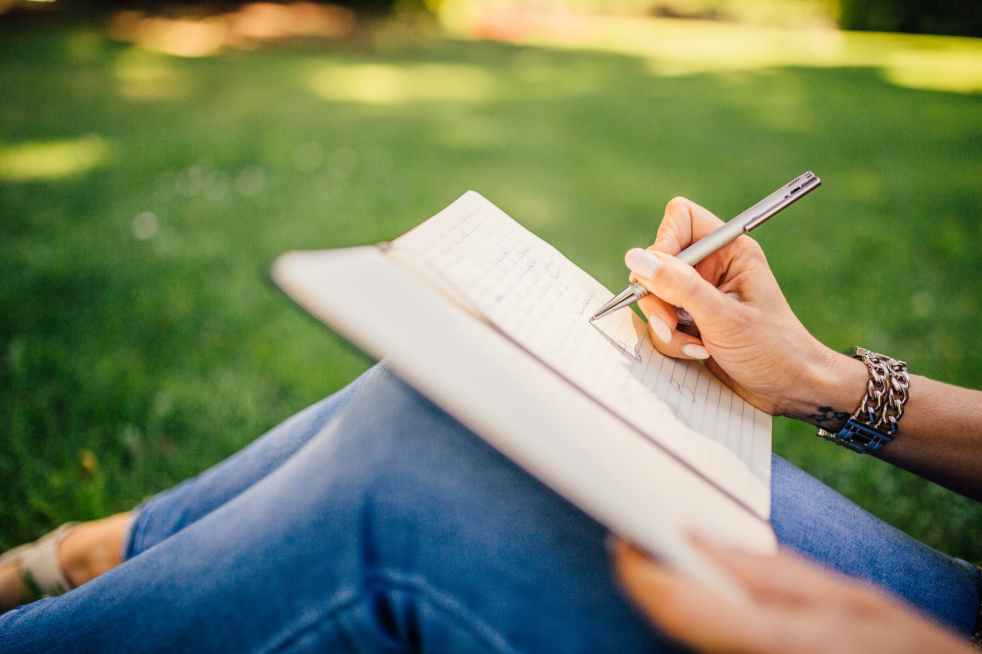






 lookingforthelight.blog