Health and Wellbeing · Men & Womens Health

Prince Harry and Oprah Winfrey are joining forces on a new documentary series about mental health and well-being.

by Imogen Calderwood 

April 16, 2019

The pair will be co-creators and executive producers of the series, according to an announcement on Wednesday from Kensington Palace via Harry and Meghan’s new Instagram account, SussexRoyal

The multi-part series is due to be broadcast next year on the recently announced US streaming service, Apple TV+, which will launch this autumn. It’s not yet known, however, how viewers in the UK will be able to watch. 

According to the statement, the show will “focus on both mental illness and mental wellness, inspiring viewers to have an honest conversation about the challenges each of us faces, and how to equip ourselves with the tools to not simply survive, but to thrive.” 

The palace said the series would build on the Duke of Sussex’s extensive work on mental health. 

 Instagram

Harry has previously spoken out about the “quite serious effect” the death of his mother, Princess Diana, had on his life, and said that he has “probably been very close to a complete breakdown on numerous occasions.” 

“I truly believe that good mental health — mental fitness — is the key to powerful leadership, productive communities, and a purpose-driven self,” said Harry, in a statement about the documentary. 

He also revealed that he feels the “huge responsibility to get this right as we bring you the facts, the science, and the awareness of a subject that is so relevant during these times.”

“Our hope is that this series will be positive, enlightening, and inclusive — sharing global stories of unparalleled human spirit fighting back from the darkest places, and the opportunity for us to understand ourselves and those around us better,” he said.

Harry has previously been very involved in raising awareness and advocating around the issue of mental health. 

In 2016, the Royal Foundation — the main philanthropic and charitable vehicle for the Duke and Duchess of Cambridge and the Duke and Duchess of Sussex — launched the Heads Together initiative, to tackle stigma and change the conversation around mental health. 

“His Royal Highness has spent many years working with communities throughout the UK and young people across the Commonwealth to break the stigma surrounding mental illness and broaden the conversation of mental wellness to accelerate change for a more compassionate, connected, and positive society,” the palace statement added. 

According to the World Health Organisation (WHO), half of all mental illness begins by the age of 14 — but most cases go undetected and untreated. 

“Fortunately, there is a growing recognition of the importance of helping young people build mental resilience, from the earliest ages, in order to cope with the challenges of today’s world,” it adds. 

“Evidence is growing that promoting and protecting adolescent health brings benefits not just to adolescents’ health, both in the short- and the long-term, but also to economies and society, with healthy young adults able to make greater contributions to the workforce, their families, and communities and society as a whole,” it says. 

The WHO also adds that specific focus and investment should be given to programmes that work to “raise awareness among adolescents and young adults of ways to look after their mental health and to help peers, parents, and teachers know how to support their friends, children, and students.”

This article originally appeared on Global Citizen. You can find the original story here.

Men & Womens Health

Being Bullied Thru Junior High

I was always the odd kid out, didn’t make friends easy, would only have one friend at a time, lied to get attention and cut myself to see who cared.

When you’re abused as a child you keep your world silent, I told no one, that’s the key reason I didn’t want to have friends. My step-father was a drunk so I couldn’t invite friends over, I didn’t want to get close to someone and share my secret.

Junior High is a tumultuous time for all teens, trying to figure out who we are, soon going to eight grade and being the rookie again.

I hated myself, when your abused everyday and called names that are horrible, it’s easy to believe overtime the evil thrown at you is real.

In sixth grade, I tried drugs and spent every morning across from the school huffing paint. Any escape worked for me no matter how small.

I walked home and provided a great target for bullies. First is was pushing, calling me a slut and anything else a sixth grader could come up with. It escalated to a dangerous level when a rumor started that I made fun of my best friend that had a cleft palate. We were friends from birth, they lived next door.

Kids would come from behind, hit me over the head with a coke bottle, throw rocks at me and pushing me to the ground. It then escalated to a fight in her backyard with thirty of my classmates looking on. I didn’t fight back, it would do no good, just took what was dished out. She pushed me down and my head hit the side of the pool, I was bleeding.

This was going to be hard to hide from my mother, a scratch on my face and a bleeding head. I looked quietly for the supplies to fix myself only to get caught. I was so humiliated, my drunk step-father went over to their house and was going to kick her dad’s ass. This is one example of why my pain physical and mental was hidden from the world. I didn’t even tell my grandparents.

Bullying happens everyday via social media and pressures at school. It may look different but the pain of bullying still hurts and cuts very deep. Stay close to your children and who and what they are doing on social media.

Melinda


Survivor

For school shooting survivors, trauma has no time limit

Associated Press April 18, 2019

By TERRY SPENCER, KELLI KENNEDY and COLLEEN SLEVIN

PARKLAND, Fla. (AP) — Alex Rozenblat can still hear the cries of a wounded boy calling for help as she hid from the gunfire that killed 17 people at Marjory Stoneman Douglas High School last year.

Talking to therapists at the school in Parkland, Florida, didn’t help. Each session had a different counselor, and she found herself rehashing traumas she had already expressed. She would rather turn to her friends, who understand what she went through.

“There is slight pressure to get better as quickly as you can, and since it’s been a year, everyone thinks that you are better,” the 16-year-old said.

The mental health resources after a school shooting range from therapy dogs and grief counselors at school to support groups, art therapy and in-home counseling. But there is no blueprint for dealing with the trauma because each tragedy, survivor and community is different. Many survivors don’t get counseling right away — sometimes waiting years — making it difficult to understand the full impact.

The struggle is getting them to seek help in the first place. In the two decades since the Columbine High School massacre, a network of survivors has emerged, reaching out to the newest victims to offer support that many say they prefer to traditional therapy.

As the anguish festers, the danger grows, illustrated by the recent suicides of two Marjory Stoneman Douglas survivors and a father whose young child died in the shooting at Sandy Hook Elementary in Newtown, Connecticut.

“It changes the community,” said psychologist Robin Gurwitch, a trauma specialist at Duke University Medical Center.

Grief, troubling memories and emotions can bubble up any time for survivors and even community members who didn’t see the bullets fly, she said. They can hit on anniversaries of the tragedy, birthdays of victims, graduations and new mass shootings, Gurwitch said. The trauma can even rush back with a song, favorite meal, video game or fire alarms.

“There’s never a time limit. We don’t get ‘over it.’ We hope we learn to get through it and cope,” Gurwitch said.

Survivors of the Columbine attack, which killed 12 Colorado students and a teacher on April 20, 1999, started The Rebels Project, which is part of a loose nationwide network of survivors of mass attacks.

The groups reach out after each shooting. They held a packed meeting for survivors and parents in Parkland this month, describing how they have learned to cope over the years through therapy, exercise and hobbies and assuring the Florida community that their pain is normal.

Fun

Weekend Music Share *New Kid in Town*

Welcome back to Weekend Music Share; the place where everyone can share their favourite music.

My parents divorced when I was six, we moved around a lot until my mother remarried. I went to live with my father at age 12 and found myself the new kid in town. When this song came out, it reminded me of those lonely teenage years.

Feel free to use the ‘Weekend Music Share‘ banner in your post, and don’t forget to use the hashtag #WeekendMusicShare on social media so other participants can find your post.


#weekendmusicshare

Health and Wellbeing

El progreso # 9 de Lyme no inspecciona: qué esperar

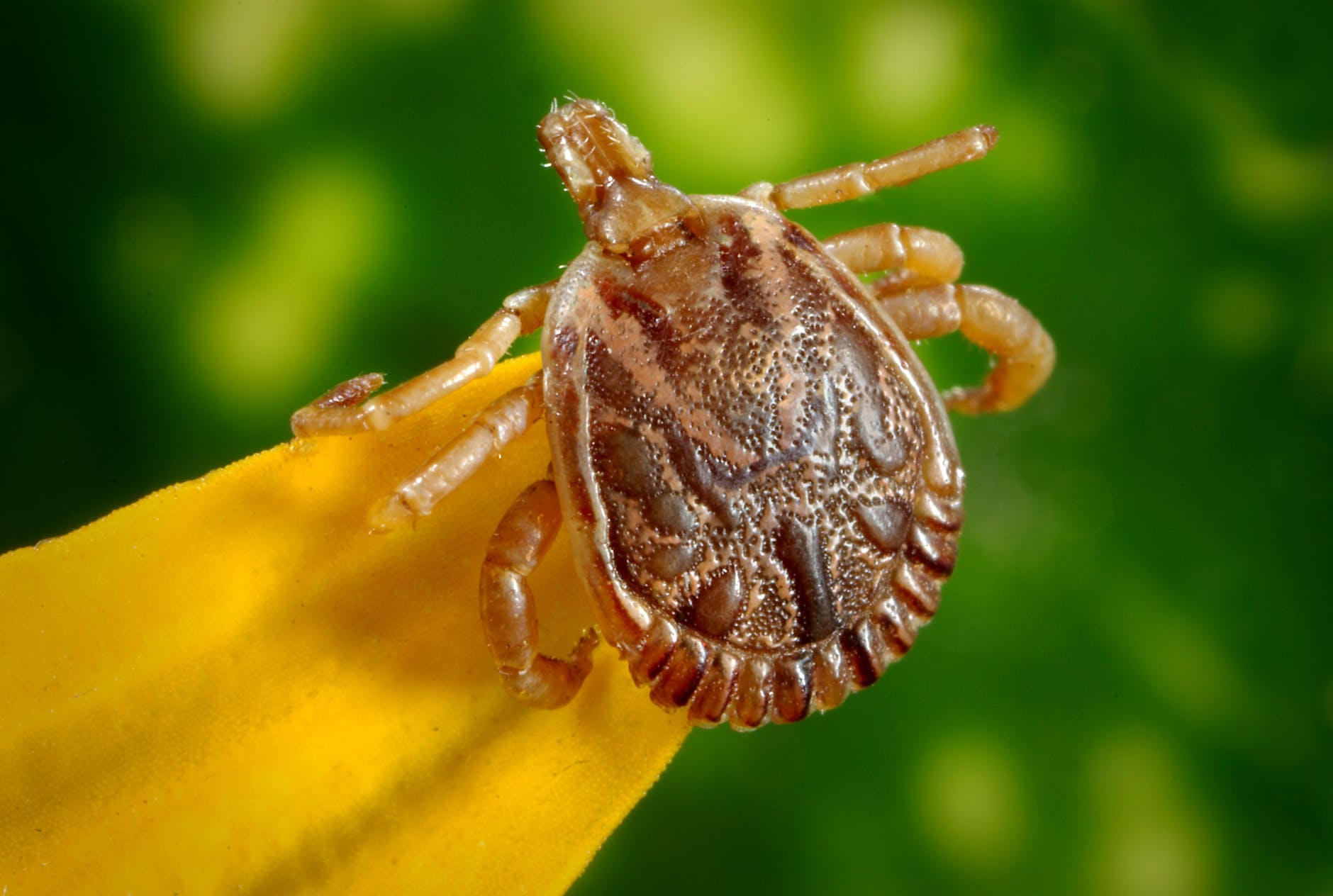
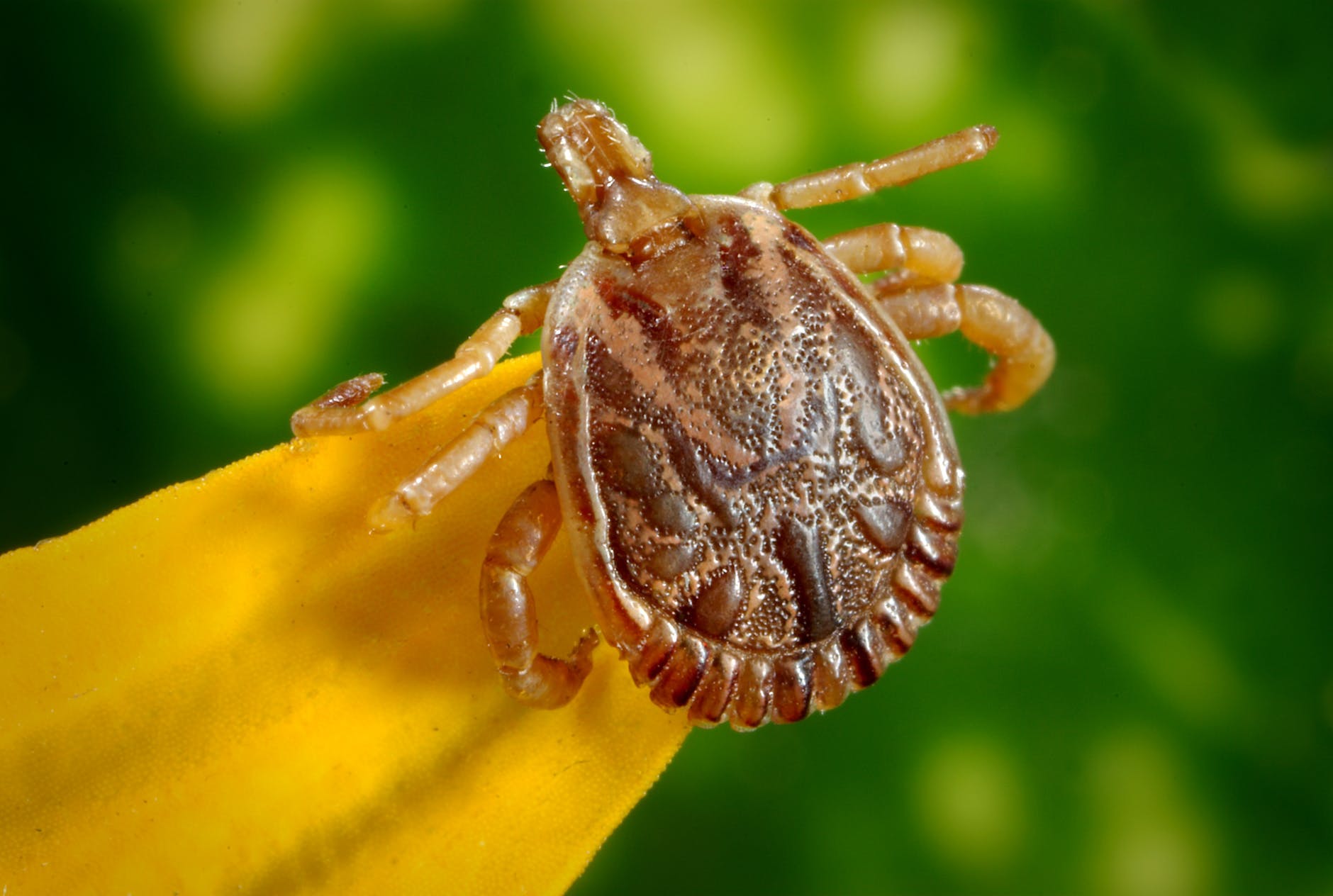
Photo by Pixabay on Pexels.com

A medida que las temperaturas se calientan, las posibilidades de encontrar garrapatas aumentan. Hace poco una PA dijo que no tenemos a Lyme en Texas, ¿qué? Sí, las enfermedades aburridas de Lyme o garrapatas están en todos los estados. Algunos estados tienen un mayor porcentaje de casos, pero no se engañe, las enfermedades transmitidas por garrapatas se encuentran en todos los estados de los Estados Unidos. Ahora hay 30 cepas de enfermedades nacidas por garrapatas y se descubren más cada año. Este año, una enfermedad más nacida de garrapatas mortal, se descubrió la enfermedad de Powassan y es la más mortal. Por favor tome nota y protéjase y proteja a los niños

Esta publicación es una combinación de fotos, fragmentos de la publicación anterior y nueva información. Si tiene preguntas, visite el sitio web de ILADS para obtener la información más precisa sobre las enfermedades nacidas por garrapatas. Esta asociación es para los médicos que tratan a Lyme, los educadores de Lyme y la comunidad médica que están allí para aumentar el conocimiento.


Estoy caminando después de pasar cuatro años en la cama, ¿cómo podría haber algo peor que la enfermedad de Lyme? Las enfermedades que deja Lyme son debilitantes y peores. He perdido cuatro años de mi vida, gritando de dolor, narcóticos, nueve meses de tratamientos de infusión de antibióticos dos veces al día. No puedo enfatizar lo suficiente lo peligrosas que son las enfermedades transmitidas por garrapatas, pueden matarte a ti ya tus hijos. Si ya tienes un sistema inmunitario comprometido, estás comenzando detrás de la curva. He hablado con muchos en WordPress con Chronic Lyme, muchos de ellos pasaron de 10 a 15 años antes del diagnóstico. Piensa en el dolor y el aislamiento de nuestros compañeros bloggers.

La gente ha dicho que no tenemos garrapatas, porque una enfermedad de Lyme y Powassan se transmite por muchas fuentes distintas a las garrapatas, mosquitos, moscas de la arena, y son solo algunos de los culpables. En los animales salvajes de todo tipo de animales mueren, muchas plagas visitan el buffet. La criatura que tiene la enfermedad de Lyme te muerde y hay una pequeña ventana para recibir atención médica.

El objetivo de la plaga voladora es la sangre, tienen que comer. No discriminan a dónde van a almorzar. Las garrapatas que son portadoras de enfermedades transmitidas por garrapatas son más pequeñas que un grano de arroz, trate de encontrar que al hacer una verificación de garrapatas no las verá.

Antes de vestirse, rocíe protector solar con repelente de insectos con 20% de DEET. Responda cada hora si está sudando o en áreas muy boscosas. Use remojos blancos con la pierna del pantalón metida en pantalones de colores claros. Use una camisa blanca o de color claro, un sombrero que sea más largo en la espalda para cubrir su cuello. Esté atento con sus hijos, si juega afuera, rocíe. Más vale prevenir que curar.

Lo que es más importante, verifique usted y los niños a lo largo del día. Tome un poco de cinta y, si ve una garrapata, no la toque, sáquela con cinta. Cuando salga de excursión use ropa de colores claros, meta los pantalones en los calcetines, use un sombrero que cubra la parte posterior del cuello. Lyme Dieses no es sexy.

Mira estos videos extremadamente importantes y edúcate. Conocer los signos tempranos y un tratamiento antibiótico corto pueden proporcionar una cura. La erupción de ojo de buey de la que hablan los médicos solo ocurre el 30% del tiempo.

La prueba de Lyme que utilizan los médicos solo cubre algunas de las 30 cepas de Lyme. He tenido varias pruebas en los últimos cuatro años y en una sola vez no obtuve resultados positivos para Lyme.

https://www.aol.com/article/news/2017/05/03/tick-borne-illness-worse-than-lyme-disease-powassan-virus/22067432/

La enfermedad de Lyme crónica causa otras enfermedades crónicas a su paso y pueden aparecer nuevas enfermedades en cualquier momento. Ahora sufro de fibromialgia, demencia, neuropatía, pérdida de equilibrio y otros problemas cognitivos. Mi vida no ha vuelto a la normalidad y nunca lo hará.

Port Inserted

Port Removed

Meds first three months

State of Living
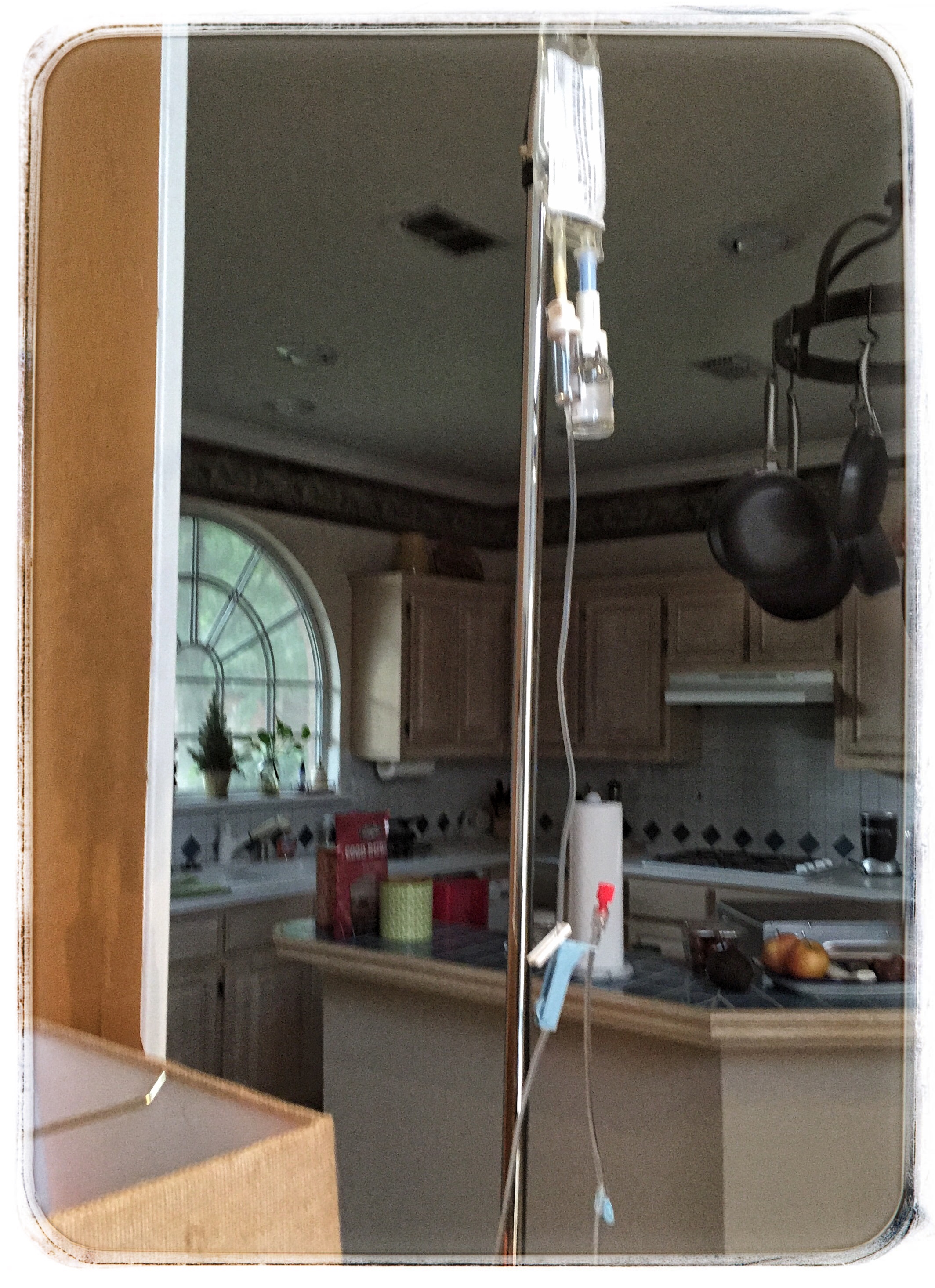
Seven days of IV’s

I had nine months of IV Therapy

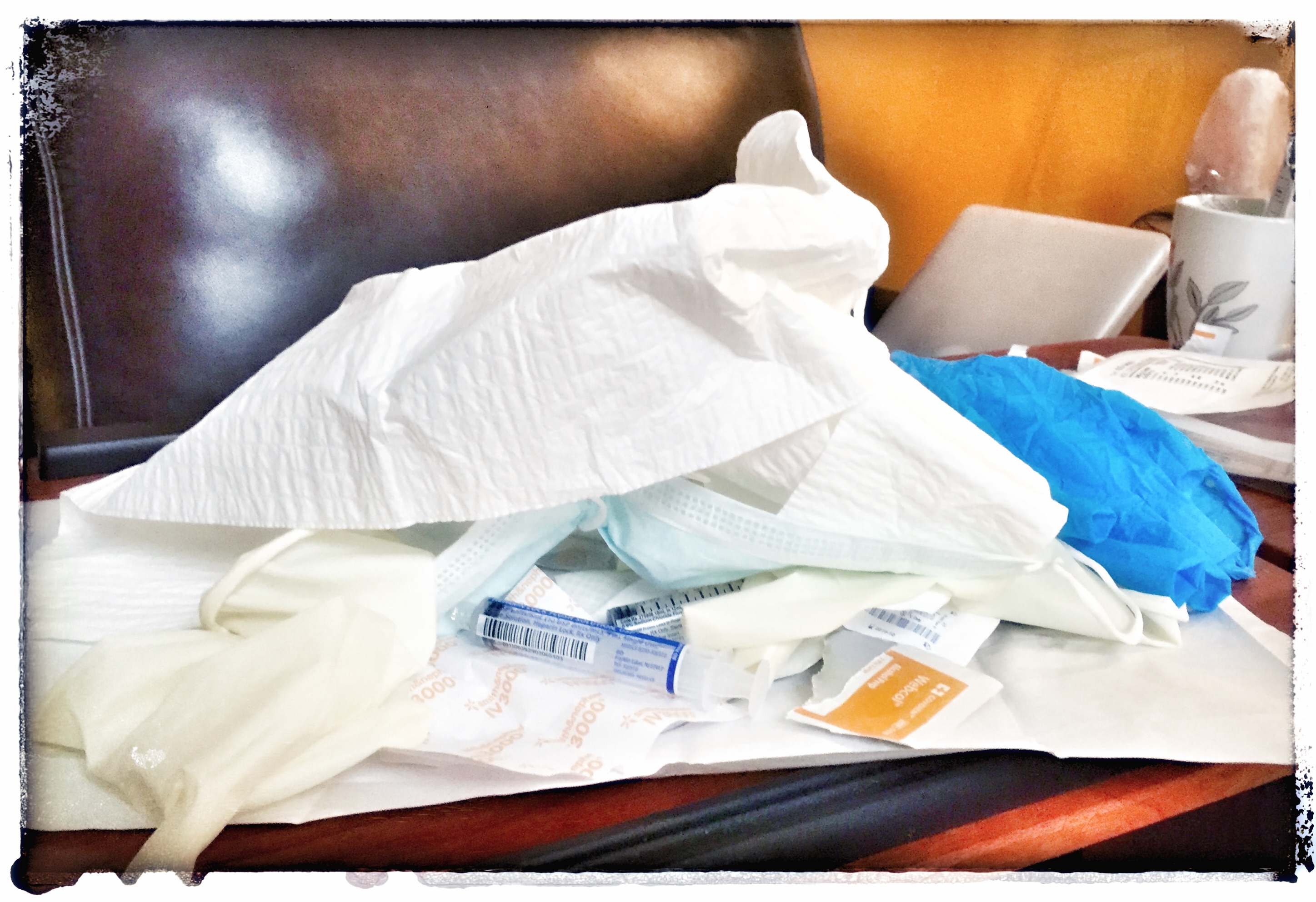
Sterile Living

Medical Waste

Container for used needles. I take three B12 shots a week.

Fun

Friday Quote

No man has a good enough memory to be a successful liar.

Abraham Lincoln

                                                    —————————————————————————————-

To succeed in life, you need three things: a wishbone, a backbone and a funny bone.

Reba McEntire

———————————————————————————————–

If you could kick the person in the pants responsible for most of your trouble, you wouldn’t sit for a month.

Theodore Roosevelt

                                    ———————————————————————————————————–

Fun

Today in History

Photo by Andrey Grushnikov on Pexels.com

1914

Since 1905, Anna Jarvis has lobbied various officials to adopt a holiday honoring mothers, and she’s succeeded in convincing many US states to take part. Today, President Woodrow Wilson proclaims the second Sunday in May to be Mother’s Day and a US federal holiday.

1958

A tale of manic obsession and cruel deception, Alfred Hitchcock’s latest thriller has its world premiere. ‘Vertigo‘ will disappoint at the box office and receive lukewarm reviews, but will grow in stature to be considered one of history’s greatest films.

1671

Following an elaborate ruse played on the Tower of London’s custodian, Captain Thomas Blood and his henchmen attempt to steal the Crown Jewels. The Sceptre is sawn in two, the Crown flattened, and the Sovereign’s Orb hidden down a pair of trousers. Blood will be captured, but pardoned by King Charles II.

1960

The Food and Drug Administration (FDA) approves the world’s first commercially produced birth-control bill–Enovid-10, made by the G.D. Searle Company of ChicagoIllinois.

1950

On this day in 1950, Lafayette Ronald Hubbard (1911-1986) publishes Dianetics: The Modern Science of Mental Health. With this book, Hubbard introduced a branch of self-help psychology called Dianetics, which quickly caught fire and, over time, morphed into a belief system called …read more

BIRTHDAYS

Billy Joel 1949

Candice Bergen 1949

Prince Fielder 1984

Kathryn Kulman 1907

Health and Wellbeing · Men & Womens Health

LIMPIANDO 12 MITOS COMUNES SOBRE EL CANABE MÉDICO PARA EL DOLOR

U.S. Pain Foundation

Ellen Lenox Smith es codirectora de Cannabis medicinal para el dolor de los EE. UU. Y miembro de la Junta del dolor de los EE. UU. Ella vive con dos enfermedades raras: el síndrome de Ehlers-Danlos y la sarcoidosis. Después de años de luchar por encontrar alivio para el dolor sin efectos secundarios ni reacciones adversas, descubrió el cannabis medicinal. Ellen, una maestra escolar jubilada, ahora es una reconocida defensora de pacientes y trabaja incansablemente para fomentar el acceso seguro y justo a todas las opciones de tratamiento, especialmente el cannabis medicinal. Ha hablado en numerosas conferencias sobre el acceso al cannabis y ha aparecido ampliamente en los medios de comunicación sobre el tema. También es autora de dos libros: ¡Me duele como el infierno !: Vivo con dolor, tengo una buena vida de todos modos y mi vida como un perro de servicio. A continuación, aclara los mitos comunes que rodean el cannabis medicinal para el dolor. MITO # 1 : TODAS LAS PERSONAS QUE UTILIZAN CANNABIS DEBEN ESTAR “APILADAS” O “ALTAS”. Verdad: esto solo sucede si usa demasiada medicación. Las personas que viven con dolor obtienen alivio del dolor; Las personas que lo usan socialmente y sin dolor, se drogan! Además, el cannabis medicinal está compuesto por dos componentes: el THC, que causa los efectos mentales asociados con la sensación de estar alto, y el CBD, que produce efectos corporales. Varias variedades de cannabis tienen diferentes proporciones de THC y CBD, lo que significa que no todas las variedades crean tanto sentimiento de “alto”. MITO # 2: TODOS LOS QUE UTILIZAN LAS MISMAS EXPERIENCIAS DE RAYA, EL MISMO RESULTADO DE USARLO. Verdad: Cada cuerpo Puede tener una reacción diferente a cada cepa, incluso si tiene la misma afección médica. Se necesita paciencia. No se rinda en su primer intento, cada persona debe encontrar la tensión que mejor funcione para sus cuerpos. MITO Nº 3: TODOS LOS TIPOS DE CANNABIS TIENEN MUCHO THC EN ELLOS Y ME HACEN QUE SE SIENTA. Cepas de las plantas para elegir. Algunos tienen una proporción más alta de THC que otros y otros tienen un THC mucho más bajo y un CBD más alto. ¡Tómese tiempo para hacer su investigación antes de decidir qué tipo de cepa podría ser mejor para usted! Los profesionales de su dispensario médico local también son un buen recurso. MITO Nº 4: NO HAY RIESGOS AL USAR CANNABIS MÉDICO. Verdad: si bien el cannabis medicinal es considerado como mucho más seguro que muchos medicamentos, conlleva riesgos. Tenga especial cuidado cuando ingiera cannabis, ya que no se activará de inmediato y puede tardar hasta horas antes de que sienta el efecto. Entonces, si le das un bocado a esa galleta y crees que no sientes nada, no te comas el resto o te arriesgas a ingerir demasiado y ser muy alto, lo que puede causar una mala reacción, como la ansiedad. MITO Nº 5: CUANDO INGESTIGO CANNABIS , DEJARÁ MI SISTEMA RÁPIDAMENTE. Verdad: ingerir su medicamento significa que no solo demora más en activarse sino que también demora más antes de que salga de su sistema. Esta es una buena razón para tomarlo en pequeñas dosis para llegar a la dosis correcta para aliviar el dolor y no sentirse elevado. Si tomas demasiado, no te asustes. Se desgastará. pero puede tardar horas. MITO # 6: EL USO DE CANNABIS MÉDICO SOLO ME HACERÁ CANSAR. Verdad: Existen dos categorías principales de variedades de cannabis medicinal. Las cepas índicas tienen mayor CBD y menores recuentos de THC. Pueden ayudar con el aumento de la relajación mental y muscular; disminución de las náuseas y dolor agudo; y aumento del apetito y dopamina. Indica es típicamente preferido para uso nocturno. Mientras tanto, las cepas de sativa tienen un CDB más bajo y mayores recuentos de THC. Pueden ayudar con la ansiedad y la depresión; El dolor crónico, el aumento de concentración y la serotonina, usualmente se prefiere la Sativa para el uso durante el día. MITO Nº 7: TENGO QUE FUMAR CANNABIS MÉDICO SI LO HAGO PARA EL DOLOR. Verdad: Muchos no fuman cannabis para su medicamento. Puede, por ejemplo, elegir vaporizar, tomar pastillas, tinturas, tópicos, parches, aceites, comestibles e incluso usar bebidas. MITO # 8: MI MÉDICO ME ESCRIBIRÁ UNA RECETA PARA USAR CANNABIS MÉDICO. Verdad: en la mayoría de los estados, un médico necesitaría, en la mayoría de los estados, firmar un formulario de identificación y confirmación de que usted tiene una condición elegible, no una receta. Por lo general, usted usaría esta documentación para solicitar una tarjeta de cannabis medicinal de su estado. MITO Nº 9: NO IMPORTA A QUÉ ESTADO VIAJE, TODAS LAS LEYES SON IGUALES PARA EL USO MÉDICO DE CANNABIS. Verdad: cada estado tiene actualmente sus propias leyes. Algunos solo permiten el CBD de la planta de cáñamo, tres sin ninguna ley, y el resto con algún tipo de programa de cannabis medicinal establecido. Edúquese sobre las leyes específicas de su estado y sea cauteloso al viajar entre estados. MITO # 10: NECESITARÉ IR A LA FARMACIA Y ORDENAR MIS CANNABIS MÉDICA. Verdad: en algunos estados, se le permite crecer por su cuenta o tener un cuidador crece para ti Para otros, usted va al dispensario para comprar su medicamento. MITO Nº 11: TENGO MI CANNABIS MÉDICO CUBIERTO POR EL SEGURO. Verdad: solo el país de Alemania cubre actualmente el costo del cannabis. Para el resto de nosotros, no está cubierto, todavía. Solo una vez que el gobierno federal obtenga el cannabis fuera de la Lista I y todos los estados permitan un programa de cannabis medicinal, será posible la cobertura del seguro para cannabis medicinal. MITO # 12: YO SOY

Health and Wellbeing

Almohadillas desmaquillantes caseras

Sauce y sabio por Stampington

Necesitará alrededor de 14 almohadillas de algodón2 TB. bruja hazel1 TB. aloe vera gel1 TSP. aceite de almendras dulces 1/4 TSP. Jabón de castilla Jarra de 4 oz con almohadillas faciales de algodón con tapa 14 Para hacer Agregue los ingredientes a una jarra de 4 onzas. Agitar suavemente el frasco para combinar los ingredientes. Agregue las almohadillas faciales de algodón al frasco, presionando las almohadillas hacia abajo en la liguid. Las almohadillas absorberán la mayor parte (o todo) del líquido. Asegure la tapa del frasco y guárdela en la teperuture de la habitación. Para usar Quite la almohadilla facial humedecida de la jarra y limpie su cara con ambos lados de la almohadilla para quitar el maquillaje. Lávese la cara con un limpiador facial después de usar las toallitas. Dado que la solución solo contiene 14 almohadillas faciales, necesitará hacer una nueva solución cada dos semanas.

Survivor

Johnathon’s Story

RAINN

“I’ve been told my entire life that it was impossible for this kind of thing to happen to me.” 

Johnathon Cassidy was sexually assaulted by a stranger he met while at a local bar. The perpetrator put a date-rape drug in Johnathon’s drink, sexually assaulted him in a car, stole his personal belongings, and left him unconscious at a bus stop.

“When I was raped I was 6’4” and 220 lbs. I truly believed that I could go anywhere I wanted and no one would bother me—I’m part Samoan, I’m hefty, I wear cowboy boots that make me even taller—I was the defender. Everyone always said ‘Go with Johnny, you’ll be safe with him.’ I’ve been told my entire life that it was impossible for this kind of thing to happen to me.”

A week after the assault, Johnathon told his best friend at the time what had happened. He reacted in an unsupportive way, making it seem like the assault was an inconvenience because it happened at their favorite bar. He told Johnathon that he wanted to go back to the bar and pressured him into returning. “I was too ashamed to say I was afraid to go and I didn’t want to make my friend feel awkward. So I went back. It was a horrible experience, and to this day he doesn’t realize the impact his response had on me.”

Meet Johnathon

5 words that describe me:

  • Creative
  • Adventurous
  • Determined
  • Sarcastic
  • Optimistic

Sexual assault can happen to anyone:

“My parents would always tell my sisters that if Johnny is with you, you’ll be safe. It became part of my identity. I truly believed that I could go anywhere I wanted and no one would bother me.” 

On STIs after sexual assault:

“I was so upset when I found out I had an STI. I felt like this guy was still inside me and I couldn’t get him out. My body still wasn’t my own.” 

Because of this first negative experience telling someone about the assault, he didn’t feel that there was a point to sharing his story with others. The fact that his friends and family did not know about it made him feel even more isolated and distant. “All I wanted to do was scream, to tell them ‘Your son, your brother, your friend was raped’ so they would know what I was going through. But I couldn’t; I just gave up.” 

He later shared his story with his roommate, who reacted in a supported and caring way and helped him get access to testing when he developed symptoms of a sexually transmitted infection (STI) from the assault. “She was the supportive person I needed. She was the angel who helped me begin my recovery.” 

When he went in for testing he had to retell his story multiple times to the medical staff—making him relive the trauma each time. The staff did not react in a supportive way, and they continued to ask repeatedly if Johnathon wanted to report to law enforcement even after he said no multiple times. “The doctors made me feel so uncomfortable and insignificant. And what was there to report? I couldn’t imagine how they would help me besides just make me retell my story again. I was just so embarrassed.” 

Johnathon said that what he felt was most lacking in his medical experience after the assault was compassion and continued resources. “I told them I was raped and they gave me no resources or advice on what I could do next. I had to go home and google ‘what to do if you are raped’ and RAINN came up.” 

Johnathon had intense feelings of anger, sadness, shame, self-blame, isolation, and alienation after the assault. “I punched a giant hole in my wall then broke down crying. I was just so sad. I wanted it to be over.” He experienced anxiety attacksPTSDdepressiontrouble eating, and loss of relationships in his life. “I didn’t want to end my life, but I thought all the time about how nice it would be to just not be, to not feel. All I wanted to do was sleep because then I would have to live less of the day and not feel anymore.” 

Before the assault, Johnathon found an immense amount of fulfillment and purpose in his job as a hair and makeup artist. “I loved my job so much; it was transformative. I had the ability with my hands to make someone feel great, to bring their inner beauty out.” But after the assault, he quit his job. “I could no longer help myself or make myself feel better, so how could I do that for others?” 

Keeping a list of self-care activities that made him feel happy and grounded and has been important in Johnathon’s healing process. When he felt lost and alone, he would refer back to the list and make himself do one thing he loved. “I started really focusing on my own recovery and what was going to make me happy, and I had to cut some people out of my life who weren’t supportive of that.” Though it was difficult for Johnathon to lose these people, it helped him eventually form new friendships with others who were understanding and caring in the way he needed. 

Jonathan has noticed that in the year since the assault happened he feels afraid to go anywhere alone or to receive attention from others, and as a result he has started dressing and presenting himself to the world very differently. “I would say that I am gender nonconforming. Before the assault I used to have long hair and wear makeup or a dress sometimes. I stopped doing that completely. Now I try to look as much like a cis, straight guy as possible because I feel like it will protect me. I don’t feel like myself anymore, but I don’t want anyone to notice me or bother me. I want to be invisible.” For Johnathon, it’s important to let other survivors know that every survivor’s healing is individual and there is no one way it should look. “It’s still so fresh for me, I’m still focused on my initial recovery and am not at the stage like some survivors are of being able to go out there and advocate for others. I know that it will get better, but I’m still very much in that process.” Currently, Johnathon is finding healing and joy in his hobby of knitting and crocheting, and he loves to donate the hats he makes to those in need. “Knitting is meditation for me. I’ll start knitting when I feel an anxiety attack starting, and it soothes and focuses me.” He is also happy to report that he is restarting his career as a hair and makeup artist. 

“You don’t need to rush it. Healing is a marathon, not a sprint. Go slowly and be patient with yourself.”

Health and Wellbeing

Homemade Makeup Remover Pads

Photo by Ingrid Gomes on Pexels.com

Willow and Sage by Stampington


You Will Need

Yields about 14 cotton pads

2 TB. witch hazel

1 TB. aloe vera gel

1 TSP. sweet almond oil

1/4 TSP. Castile soap

4-oz jar with lid

14 cotton facial pads

To Make

Add the ingredients to a 4 oz jar. Gently shake the jar to combine ingrediants. Add the cotton facial pads to the jar, pressing the pads down into the liguid. The pads will absorb most (or all) of the liquid. Secure lidon the jar and store at room teperuture.

To Use

Remove the moistened facial pad from jar and wipe your face with both sides of the pad to remove makeup. Wash your face with facial cleanser after using the wipes. Since the solution only contains 14 facial pads you’ll need to make a new solution every two weeks.

Men & Womens Health

Lyme Progress #9 Don’t Inspect–What To Expect

Photo by Pixabay on Pexels.com

As the temperatures warm the chances of encountering ticks increase. I had a PA recently say we don’t have Lyme is Texas, what? Yes, Lyme or tick boring illnesses are in every state. Some states have a higher percentage of cases but dot fool yourself, tick-borne illnesses are in every state in the United States. There are now 30 strains of tick born illnesses and more are discovered each year. This year a more a deadly tick-born illness, Powassan Disease was discovered and it’s the most deadly. Please take notice and protect yourself and children.

This post is a combination of photos, snippets from previous post and new information. If you have questions visit ILADS website for the most accurate information on tick born illnesses. This association is for doctors who treat Lyme, educators of Lyme and the medical community who are there to increase knowledge.


I am walking after four years spent in bed, how could anything be worse than Lyme Disease? The illnesses Lyme leaves behind are debilitating and worst. I’ve lost four years of my life, screaming in pain, narcotics, nine months of twice a day IV Antibiotic Infusion Treatments. I can not stress enough how dangerous Tick-Borne illnesses are, they can kill you and your children. If you already have a compromised immune system, your starting behind the curve. I’ve talked to many at WordPress with Chronic Lyme, many of them spent 10-15 years before diagnosis. Think of the pain and isolation of our fellow Bloggers went thru.

People have said we don’t have ticks, for one Lyme and Powassan Disease is transmitted by many sources other than ticks, mosquitos, sand flies, are just a few culprits. In the wild animals of all types of animals die, many pests visit the buffet. The critter who is carrying Lyme disease bites you and there is a short window for medical attention.

The flying pest target is blood, they have to eat. They don’t discriminate on where they go for lunch. The ticks who carry Tick-Borne illnesses are smaller than a grain of rice, try to find that while doing a tick check, you will not see them.

Before you get dressed, spray sunscreen with insect repellant with 20% DEET. Reply every hour if sweating or in heavily wooded areas. Wear white soaks with your pant leg tucked in light-colored pants. Wear a white or light colored shirt, a hat that is longer in back to cover your neck. Be vigilant with your kids, if playing outside, spray. Better safe than sorry.

Most important, do tick checks on you and the kids throughout the day. Take some tape and if see a tick don’t touch it, pull it off with tape. While out hiking wear light colors, tuck pants in socks, wear a hat that covers the back of the neck. Lyme Dieses is not sexy.

Watch these extremely important videos and educate yourself. Know the early signs and a short antibiotic treatment may provide a cure. The bulls-eye rash talked about by doctors only happens 30% of the time.

The Lyme test doctors use only cover a few of the 30 strains of Lyme. I’ve had multiple tests over the past four years and not once did I show positive for Lyme.

https://www.aol.com/article/news/2017/05/03/tick-borne-illness-worse-than-lyme-disease-powassan-virus/22067432/


Chronic Lyme disease causes other chronic illnesses in its wake and new illnesses can pop up at any time. I now suffer from Fibromyalgia, Dementia, Neuropathy, loss of balance and other cognitive issues. My life is not back to normal and never will.

Chaos

State of Living
Seven days of IV’s


 IV Antibiotic Infusion Therapy


Sterile Living

Medical Waste

Port Inserted


Container for sharps

B12 Shots

Meds first three months

Port Removed


Health and Wellbeing · Men & Womens Health

PAIN COMMUNITY UNITES TO RESPOND TO FEDERAL DRAFT REPORT

May 1, 2019U.S. Pain Foundation

The 90-day public comment period for the Pain Management Best Practices Inter-Agency Task Force’s (PMTF) draft report came to a close April 1, with more than 6,000 individuals and organizations submitting feedback.

Among those to comment was the Consumer Pain Advocacy Task Force (CPATF), a coalition of pain patient-related nonprofits, including U.S. Pain Foundation, which submitted a 25-page joint letter. In addition to U.S. Pain Foundation, the CPATF letter was signed by the Center for Practical Bioethics; CHAMP (Coalition For Headache And Migraine Patients); Chronic Pain Research Alliance; For Grace: Women In Pain; Global Healthy Living Foundation; Headache and Migraine Policy Forum; International Pain Foundation; Interstitial Cystitis Association; RSDSA (Reflex Sympathetic Dystrophy Syndrome Association); and The Pain Community.

“We are very grateful that so many patient organizations joined together to respond to this report with one, unified voice,” says Cindy Steinberg, U.S. Pain Foundation’s National Director of Policy and Advocacy and the only patient advocacy representative on the PMTF. “While the draft report holds a lot of promise, from the patient perspective, we had a number of important suggestions for ways to improve or expand on its recommendations.”

Of note, the CPATF letter commends the draft report’s emphasis on individualized care and encouraged further emphasis of that point. CPATF also urges PMTF to go further and recommend that the Centers for Disease Control and Prevention (CDC) formally revise and reissue their 2016 guidelines on opioid prescribing based on the PMTF recommendations.

Beyond general feedback, the CPATF letter includes specific suggestions on nearly every section of the report. To read CPATF’s full letter, click here.

The PMTF is now working to review the comments received, finalize the report, and submit it to Congress at the end of May. The PMTF will hold its final meeting in Washington, D.C, on May 9 and 10, which will again include a public comment portion and will be live streamed.  The pain community is encouraged to participate. More information about the meeting can be found here.

U.S. Pain Foundation will share further updates once the final report is released.READ THE JOINT LETTER

Health and Wellbeing · Men & Womens Health

CLEARING UP 12 COMMON MYTHS ABOUT MEDICAL CANNABIS FOR PAIN

April 18, 2019U.S. Pain Foundation


Ellen Lenox Smith is Co-Director of Medical Cannabis for U.S. Pain and a U.S. Pain Board Member. She lives with two rare conditions: Ehlers-Danlos Syndrome and sarcoidosis. After years of struggling to find pain relief without side effects or adverse reactions, she discovered medical cannabis.

A retired school teacher, Ellen is now a renowned patient advocate and works tirelessly to encourage safe, fair access to all treatment options, particularly medical cannabis. She has spoken at numerous conferences on cannabis access and been featured widely in the media on the topic. She is also the author of two books: It Hurts Like Hell!: I Live With Pain—And Have A Good Life Anyway and My Life as a Service Dog.

Below, she clears up common myths surrounding medical cannabis for pain.

MYTH #1: ALL  PEOPLE WHO USE CANNABIS MUST BE “STONED” OR “HIGH.”

Truth: this only happens if you use too much medication. People living with pain get pain relief; people using it socially and not in pain, get high! In addition, medical cannabis is made of two components: THC, which causes the mental effects associated with feeling high, and CBD, which produces bodily effects. Various strains of cannabis have different ratios of THC and CBD, which means that not all strains create as much of a “high” feeling.

MYTH #2: EVERYONE WHO USES THE SAME STRAIN EXPERIENCES THE SAME RESULT TO USING IT.

Truth: Each body can have a different reaction to each strain, even if you have the same medical condition. Patience is needed. Don’t give up on your first try–each person must find the strain that best works for their bodies.

MYTH #3: ALL TYPES OF CANNABIS HAVE A LOT OF THC IN THEM AND WILL MAKE ME FEEL STONED.

Truth: There are many strains of the plants to choose from. Some have a higher ratio of THC than others and others have much lower THC and higher CBD. So take time to do your research before deciding which strain might be best for you! The professionals at your local medical dispensary are also a good resource.

MYTH #4: THERE ARE NO RISKS WITH USING MEDICAL CANNABIS.

Truth: While medical cannabis is widely considered to be much safer than many medications, it does come with risks. Be especially careful for when you ingest cannabis, as it will not activate immediately and can take up to even hours before you feel the effect. So if you take a bite of that cookie and think you feel nothing, don’t eat the rest or you risk ingesting too much and being very high, which can cause a bad reaction, like anxiety.

MYTH #5: WHEN I INGEST CANNABIS, IT WILL LEAVE MY SYSTEM QUICKLY.

Truth: ingesting your medication means it not only takes longer to activate but also takes longer before it leaves your system. This is a good reason to take it in small doses to get to your right dose for pain relief and not cause yourself to feel high. If you take too much, don’t panic. It will wear off. but it can take hours.

MYTH #6: USING MEDICAL CANNABIS WILL JUST MAKE ME FEEL TIRED.

Truth: There are two main categories of medical cannabis strains. The indica strains have higher CBD and lower THC counts. They can help with increased mental and muscle relaxation; decreased nausea and acute pain; and increased appetite and dopamine. Indica is typically preferred for night-time use. Meanwhile, the sativa strains have lower CBD and higher THC counts. They can help with anxiety and depression; chronic pain, and increased focus and serotonin, Sativa is usually preferred for daytime use.

MYTH #7: I WOULD HAVE TO SMOKE MEDICAL CANNABIS IF I USED IT FOR PAIN.

Truth: Many do not smoke cannabis for their medicine. You can, for example choose to vaporize, take pills, tinctures, topicals, patches, oil, edibles and even use drinks.

MYTH #8: MY DOCTOR WILL WRITE ME A PRESCRIPTION TO USE MEDICAL CANNABIS.

Truth: In most states, a doctor would need, in most states,  to sign a from identifying and confirming you have a qualifying condition, not a prescription. Typically, you would then use this documentation to apply for a medical cannabis card from your state.

MYTH #9: NO MATTER WHAT STATE I TRAVEL TO, ALL LAWS ARE EQUAL FOR MEDICAL CANNABIS USE.

Truth: Each state presently has their own laws, some only allowing CBD from the hemp plant, three with no laws at all, and the rest with some form of a medical cannabis program established. Educate yourself on your state’s specific laws and be cautious when traveling between states.

MYTH #10: I WILL NEED TO GO TO THE PHARMACY AND ORDER MY MEDICAL CANNABIS.

Truth: In some states, you are allowed to grow your own or have a caregiver grow for you. For others, you go to the dispensary to purchase your medication.

MYTH #11: I WILL HAVE MY MEDICAL CANNABIS COVERED BY INSURANCE.

Truth: Only the country of Germany presently covers the cost of cannabis. For the rest of us, it is not covered–yet. Only once the federal government gets cannabis out of Schedule I and all states allow a medical cannabis program,  will insurance coverage for medical cannabis be possible.

MYTH #12: I AM SURE I WILL BE ABLE TO QUALIFY SINCE I LIVE WITH PAIN.

Truth: Many states have very specific lists of conditions that qualify for medical cannabis use. If your specific condition is not listed as a “qualifying condition” and your state does not include the wording of “chronic pain,” you may have difficulty being allowed into the program. However, some states are beginning to allow the doctor to decide what patient should be using cannabis, which helps many get into the program.

To learn more about medical cannabis for pain and start advocating for access in your state, visit https://uspainfoundation.org/medicalcannabis/. To learn more about Ellen and her work, visit http://ellenandstuartsmith.squarespace.com/.  


Health and Wellbeing · Men & Womens Health

PAIN CONNECTION ADDS FOUR SUPPORT GROUPS AND NEW MONTHLY CALL

May 1, 2019U.S. Pain Foundation


Finding community support is essential to living with chronic pain. With that in mind, Pain Connection, a program of U.S. Pain Foundation, continues to expand its in-person and conference call support group offerings nationwide.

Along with three existing monthly “Pain Connection Live” support group calls, there will now be a morning call on the third Thursday of each month from 10-11 am EST. The first call will be May 16. Existing calls are held on one evening, one afternoon, and one Saturday each month. To learn more or register for a Pain Connection Live call, click here.

In addition, four new in-person support groups have been added in CA, AL, and NJ. All support groups are led by a person with pain who has received intensive training from Gwenn Herman, LCSW, DCSW, Clinical Director of Pain Connection.

Costa Mesa, CA 

Date: Second Tuesday of each month. The next meeting is May 14.

Time: 11 am – 1 pm

Location: Panera Bread at 3030 Harbor Boulevard, Costa Mesa, CA. (Meet against the back wall.)

Contact: Kristie McCurdy, MSN, RN, at CRPSsurvivorsOC@gmail.com

San Francisco, CA

Date: Second and fourth Friday of each month. The next meetings are May 10 and May 24.

Time: 12 – 1 pm

Location: 1701 Divisedero Street, 5th floor conference room, San Francisco, CA. (Elevator available.)

Contact: Cessa Marshal at cessamarshall@yahoo.com or 415-637-1812.

Pell City, AL

Date: The first meeting will be May 2.

Time: 6-7:30 pm.

Location: The Brook Besor Coffee Shop, 4204 Martin St. S., Cropwell, AL

Contact: Melissa Gilliam at mgpainwarrior@hotmail.com or 205-863-1361

Oakhurst, NJ

Date: The first meeting will be May 10.

Time: 11 am-12:30 pm

Location: Wyatt Rehabilitation, 1806 NJ-35, Suite 302- 3rd Floor, Oakhurst, NJ (Elevator available.)

Contact:  Sue Ann Stelfox at 650-455-6713 or sueannstelfox@gmail.com

To learn more about Pain Connection’s other support group offerings, visit its website.

Health and Wellbeing · Men & Womens Health

FDA, CDC REACT TO HARM TO PAIN PATIENTS

May 1, 2019U.S. Pain Foundation

Last month, the Food and Drug Administration (FDA) and Centers for Disease Control and Prevention (CDC) reacted to the unintended harm to people living with chronic pain as a result of policy measures intended to ameliorate the opioid crisis.

On April 9, the FDA issued a Safety Announcement citing “serious harm,” including “withdrawal symptoms, uncontrolled pain, psychological distress and suicide” as a result of sudden discontinuation or rapid dose decreases in opioid pain medication. The FDA will now require changes to the prescribing information for health care professionals that will provide guidance on how to safely reduce or taper patients off opioid medications. The agency states that there is no standard opioid tapering schedule; rather, a schedule must be tailored to each patient’s unique situation considering a variety of factors, including the type of pain the patient has.

The FDA is also warning patients not to suddenly stop taking their opioid medication, as this can result in serious problems. Even when patients gradually reduce these medications, they may still experience withdrawal symptoms such as chills and muscle aches. If these are excessive, patients are encouraged to contact their health care provider.

Feeling the pressure from the FDA action, a letter from more than 300 health care practitioners, and increasing news coverage of harms to people with pain, three CDC Guideline authors, writing in the New England Journal of Medicine, said the Guidelines have been misapplied and applied inflexibly in some instances. However, they also vigorously defended the Guideline, stating that the “medical and health policy communities have largely embraced its recommendations” it has sparked “accelerated decreases in prescribing” and it was rated “high quality by the ECRI Guidelines Trust Scorecard.”

“In contrast to the FDA’s direct warning about widespread and serious harms to chronic pain patients that have already occurred, the CDC authors seem to avoid direct discussion of what has sadly already transpired,” says U.S. Pain National Director of Policy and Advocacy Cindy Steinberg. “ The authors say ‘patients may find tapering challenging’, ‘could face risks related to withdrawal’, and ‘if dosages are abruptly tapered, may seek other sources of opioids or have adverse psychological and physical outcomes’. They go on to say that ‘some clinicians may find it easier to refer or dismiss patients from care’ and ‘Clinicians might universally stop prescribing opioids, even in situations in which the benefits outweigh the risks.’” [Emphasis added in italics]

“Opioid pain medication does not help everyone with chronic pain and for those who are helped, opioids do not completely take the pain away,” Steinberg continues. “However, the fact remains that for millions of pain sufferers, particularly those with severe pain, who take them responsibly and legitimately, they are a lifeline that allows them to have some quality of life and lessens their relentless pain. In the three years since the Guideline was released, thousands of stories have surfaced about forced tapering and patient abandonment. Yet, CDC has largely ignored the suffering of Americans living with pain.”

Authors of the New England Journal of Medicine article did not announce any changes to the Guideline in response to these harms, but said the CDC is evaluating the intended and unintended impact of the Guideline and is committed to updating recommendations when new evidence is available.

While this is a step in the right direction, Steinberg says, the CDC should have enough evidence of harm to revise the Guideline, particularly Guideline 5.

To learn more about U.S. Pain Foundation’s position on opioid prescribing, click here.READ U.S. PAIN’S POSITION STATEMENT

https://www.fda.gov/Drugs/DrugSafety/ucm635038.htm

https://www.fda.gov/NewsEvents/Newsroom/PressAnnouncements/ucm635640.htm

Melinda Sandor

Ambassador-Texas

U.S. Pain Foundation

Health and Wellbeing · Men & Womens Health

What doctors don’t learn about death and dying

IDEAS TED.COM

Oct 31, 2014 / Atul Gawande

Dying and death confront every new doctor and nurse. In this book excerpt, Atul Gawande asks: Why are we not trained to cope with mortality?


I learned about a lot of things in medical school, but mortality wasn’t one of them. I was given a dry, leathery corpse to dissect in my first term — but that was solely a way to learn about human anatomy. Our textbooks had almost nothing on aging or frailty or dying. How the process unfolds, how people experience the end of their lives and how it affects those around them? That all seemed beside the point. The way we saw it — and the way our professors saw it — the purpose of medical schooling was to teach us how to save lives, not how to tend to their demise.

The one time I remember discussing mortality was during an hour we spent on The Death of Ivan Ilyich, Tolstoy’s classic novella. It was in a weekly seminar called Patient-Doctor — part of the school’s effort to make us more rounded and humane physicians. Some weeks we would practice our physical examination etiquette; other weeks we’d learn about the effects of socioeconomics and race on health. And one afternoon we contemplated the suffering of Ivan Ilyich as he lay ill and worsening from some unnamed, untreatable disease.

The first times, some cry. Some shut down. Some hardly notice.

In the story, Ivan Ilyich is forty-five years old, a midlevel Saint Petersburg magistrate whose life revolves mostly around petty concerns of social status. One day, he falls off a stepladder and develops a pain in his side. Instead of abating, the pain gets worse, and he becomes unable to work. Formerly an “intelligent, polished, lively and agreeable man,” he grows depressed and enfeebled. Friends and colleagues avoid him. His wife calls in a series of ever more expensive doctors. None of them can agree on a diagnosis, and the remedies they give him accomplish nothing. For Ilyich, it is all torture, and he simmers and rages at his situation.

“What tormented Ivan Ilyich most,” Tolstoy writes, “was the deception, the lie, which for some reason they all accepted, that he was not dying but was simply ill, and he only need keep quiet and undergo a treatment and then something very good would result.” Ivan Ilyich has flashes of hope that maybe things will turn around, but as he grows weaker and more emaciated he knows what is happening. He lives in mounting anguish and fear of death. But death is not a subject that his doctors, friends or family can countenance. That is what causes him his most profound pain.

“No one pitied him as he wished to be pitied,” writes Tolstoy. “At certain moments after prolonged suffering he wished most of all (though he would have been ashamed to confess it) for someone to pity him as a sick child is pitied. He longed to be petted and comforted. He knew he was an important functionary, that he had a beard turning grey, and that therefore what he longed for was impossible, but still he longed for it.”

When I saw my first deaths, I was too guarded to cry. But I dreamt about them. I had recurring nightmares in which I’d find my patients’ corpses in my house — in my own bed.

As we medical students saw it, the failure of those around Ivan Ilyich to offer comfort or to acknowledge what is happening to him was a failure of character and culture. The late nineteenth-century Russia of Tolstoy’s story seemed harsh and almost primitive to us. Just as we believed that modern medicine could probably have cured Ivan Ilyich of whatever disease he had, so too we took for granted that honesty and kindness were basic responsibilities of a modern doctor. We were confident that in such a situation we would act compassionately.

What worried us was knowledge. While we knew how to sympathize, we weren’t at all certain we would know how to properly diagnose and treat. We paid our medical tuition to learn about the inner process of the body, the intricate mechanisms of its pathologies, and the vast trove of discoveries and technologies that have accumulated to stop them. We didn’t imagine we needed to think about much else. So we put Ivan Ilyich out of our heads.

Yet within a few years, when I came to experience surgical training and practice, I encountered patients forced to confront the realities of decline and mortality, and it did not take long to realize how unready I was to help them.

I began writing when I was a junior surgical resident, and in one of my very first essays, I told the story of a man whom I called Joseph Lazaroff. He was a city administrator who’d lost his wife to lung cancer a few years earlier. Now, he was in his sixties and suffering from an incurable cancer himself — a widely metastatic prostate cancer. He had lost more than fifty pounds. His abdomen, scrotum and legs had filled with fluid. One day, he woke up unable to move his right leg or control his bowels. He was admitted to the hospital, where I met him as an intern on the neurosurgical team. We found that the cancer had spread to his thoracic spine, where it was compressing his spinal cord. The cancer couldn’t be cured, but we hoped it could be treated. Emergency radiation, however, failed to shrink the cancer, and so the neurosurgeon offered him two options: comfort care or surgery to remove the growing tumor mass from his spine. Lazaroff chose surgery. My job, as the intern on the neurosurgery service, was to get his written confirmation that he understood the risks of the operation and wished to proceed.

Death, of course, is not a failure. Death is normal. Death may be the enemy, but it is also the natural order of things.

I’d stood outside his room, his chart in my damp hand, trying to figure out how to even broach the subject with him. The hope was that the operation would halt the progression of his spinal cord damage. It wouldn’t cure him, or reverse his paralysis, or get him back to the life he had led. No matter what we did, he had at most a few months to live, and the procedure was inherently dangerous. It required opening his chest, removing a rib, and collapsing a lung to get at his spine. Blood loss would be high. Recovery would be difficult. In his weakened state, he faced considerable risks of debilitating complications afterward. The operation posed a threat of both worsening and shortening his life. But the neurosurgeon had gone over these dangers, and Lazaroff had been clear that he wanted the operation. All I had to do was go in and take care of the paperwork.

Lying in his bed, Lazaroff looked gray and emaciated. I said that I was an intern and that I’d come to get his consent for surgery, which required confirming that he was aware of the risks. I said that the operation could remove the tumor but leave him with serious complications, such as paralysis or a stroke, and that it could even prove fatal. I tried to sound clear without being harsh, but my discussion put his back up. Likewise when his son, who was in the room, questioned whether heroic measures were a good idea. Lazaroff didn’t like that at all.

“Don’t you give up on me,” he said. “You give me every chance I’ve got.” Outside the room, after he signed the form, the son took me aside. His mother had died on a ventilator in intensive care, and at the time his father had said he did not want anything like that to happen to him. But now he was adamant about doing “everything.”

I believed then that Mr. Lazaroff had chosen badly, and I still believe this. He chose badly not because of all the dangers but because the operation didn’t stand a chance of giving him what he really wanted: his continence, his strength, the life he had previously known. He was pursuing little more than a fantasy at the risk of a prolonged and terrible death — which was precisely what he got.

The operation was a technical success. Over eight and a half hours, the surgical team removed the mass invading his spine and rebuilt the vertebral body with acrylic cement. The pressure on his spinal cord was gone. But he never recovered from the procedure. In intensive care, he developed respiratory failure, a systemic infection, blood clots from his immobility, then bleeding from the blood thinners to treat them. Each day we fell further behind. We finally had to admit he was dying. On the fourteenth day, his son told the team that we should stop.

It fell to me to take Lazaroff off the artificial ventilator that was keeping him alive. I checked to make sure that his morphine drip was turned up high, so he wouldn’t suffer from air hunger. I leaned close and, in case he could hear me, said I was going to take the breathing tube out of his mouth. He coughed a couple of times when I pulled it out, opened his eyes briefly, and closed them. His breathing grew labored, then stopped. I put my stethoscope on his chest and heard his heart fade away.

There’s no escaping the tragedy of life, which is that we are all aging from the day we are born.

Now, more than a decade after I first told Mr. Lazaroff’s story, what strikes me most is not how bad his decision was but how much we all avoided talking honestly about the choice before him. We had no difficulty explaining the specific dangers of various treatment options, but we never really touched on the reality of his disease. His oncologists, radiation therapists, surgeons and other doctors had all seen him through months of treatments for a problem that they knew could not be cured. We could never bring ourselves to discuss the larger truth about his condition or the ultimate limits of our capabilities, let alone what might matter most to him as he neared the end of his life. If he was pursuing a delusion, so were we. Here he was in the hospital, partially paralyzed from a cancer that had spread throughout his body. The chances that he could return to anything like the life he had even a few weeks earlier were zero. But admitting this and helping him cope with it seemed beyond us. We offered no acknowledgment or comfort or guidance. We just had another treatment he could undergo. Maybe something very good would result.

We did little better than Ivan Ilyich’s primitive nineteenth-century doctors — worse, actually, given the new forms of physical torture we’d inflicted on our patient. It is enough to make you wonder, who are the primitive ones?

Modern scientific capability has profoundly altered the course of human life. People live longer and better than at any other time in history. But scientific advances have turned the processes of aging and dying into medical experiences, matters to be managed by health care professionals. And we in the medical world have proved alarmingly unprepared for it.

As recently as 1945, most deaths occurred in the home. By the 1980s, just 17 percent did.

This reality has been largely hidden, as the final phases of life become less familiar to people. As recently as 1945, most deaths occurred in the home. By the 1980s, just 17 percent did. Those who somehow did die at home likely died too suddenly to make it to the hospital — say, from a massive heart attack, stroke or violent injury — or were too isolated to get somewhere that could provide help. Across not just the United States but also the entire industrialized world, the experience of advanced aging and death has shifted to hospitals and nursing homes.

When I became a doctor, I crossed over to the other side of the hospital doors and, although I had grown up with two doctors for parents, everything I saw was new to me. I had certainly never seen anyone die before, and when I did, it came as a shock. That wasn’t because it made me think of my own mortality. Somehow the concept didn’t occur to me, even when I saw people my own age die. I had a white coat on; they had a hospital gown. I couldn’t quite picture it the other way round. I could, however, picture my family in their places. I’d seen multiple family members — my wife, my parents and my children — go through serious, life-threatening illnesses. Even under dire circumstances, medicine had always pulled them through. The shock to me therefore was seeing medicine not pull people through. I knew theoretically that my patients could die, of course, but every actual instance seemed like a violation, as if the rules I thought we were playing by were broken. I don’t know what game I thought this was, but in it we always won.

Dying and death confront every new doctor and nurse. The first times, some cry. Some shut down. Some hardly notice. When I saw my first deaths, I was too guarded to cry. But I dreamt about them. I had recurring nightmares in which I’d find my patients’ corpses in my house — in my own bed.

“How did he get here?” I’d wonder in panic.

I knew I would be in huge trouble, maybe criminal trouble, if I didn’t get the body back to the hospital without getting caught. I’d try to lift it into the back of my car, but it would be too heavy. Or I’d get it in, only to find blood seeping out like black oil until it overflowed the trunk. Or I’d actually get the corpse to the hospital and onto a gurney, and I’d push it down hall after hall, trying and failing to find the room where the person used to be. “Hey!” someone would shout and start chasing me. I’d wake up next to my wife in the dark, clammy and tachycardic. I felt that I’d killed these people. I’d failed.

Death, of course, is not a failure. Death is normal. Death may be the enemy, but it is also the natural order of things. I knew these truths abstractly, but I didn’t know them concretely— that they could be truths not just for everyone but also for this person right in front of me, for this person I was responsible for.

The late surgeon Sherwin Nuland, in his classic book How We Die, lamented, “The necessity of nature’s final victory was expected and accepted in generations before our own. Doctors were far more willing to recognize the signs of defeat and far less arrogant about denying them.” But as I ride down the runway of the twenty-first century, trained in the deployment of our awesome arsenal of technology, I wonder exactly what being less arrogant really means.

You become a doctor for what you imagine to be the satisfaction of the work, and that turns out to be the satisfaction of competence. It is a deep satisfaction very much like the one that a carpenter experiences in restoring a fragile antique chest or that a science teacher experiences in bringing a fifth grader to that sudden, mind-shifting recognition of what atoms are. It comes partly from being helpful to others. But it also comes from being technically skilled and able to solve difficult, intricate problems. Your competence gives you a secure sense of identity. For a clinician, therefore, nothing is more threatening to who you think you are than a patient with a problem you cannot solve.

You become a doctor for what you imagine to be the satisfaction of the work, and that turns out to be the satisfaction of competence.

There’s no escaping the tragedy of life, which is that we are all aging from the day we are born. One may even come to understand and accept this fact. My dead and dying patients don’t haunt my dreams anymore. But that’s not the same as saying one knows how to cope with what cannot be mended. I am in a profession that has succeeded because of its ability to fix. If your problem is fixable, we know just what to do. But if it’s not? The fact that we have had no adequate answers to this question is troubling and has caused callousness, inhumanity and extraordinary suffering.

This experiment of making mortality a medical experience is just decades old. It is young. And the evidence is, it is failing.

As I pass a decade in surgical practice and become middle aged myself, I find that neither I nor my patients find our current state tolerable. But I have also found it unclear what the answers should be, or even whether any adequate ones are possible. I have the writer’s and scientist’s faith, however, that by pulling back the veil and peering in close, a person can make sense of what is most confusing or strange or disturbing.

You don’t have to spend much time with the elderly or those with terminal illness to see how often medicine fails the people it is supposed to help. The waning days of our lives are given over to treatments that addle our brains and sap our bodies for a sliver’s chance of benefit. They are spent in institutions—nursing homes and intensive care units—where regimented, anonymous routines cut us off from all the things that matter to us in life. Our reluctance to honestly examine the experience of aging and dying has increased the harm we inflict on people and denied them the basic comforts they most need. Lacking a coherent view of how people might live successfully all the way to their very end, we have allowed our fates to be controlled by the imperatives of medicine, technology and strangers.

What if there are better approaches, right in front of our eyes, waiting to be recognized?

Featured illustration by Hannah K. Lee for TED.

This excerpt is adapted with permission from Being Mortal: Medicine and What Matters in the End by Atul Gawande (Metropolitan Books).

ABOUT THE AUTHOR

Atul Gawande is a surgeon, public health researcher, and staff writer for The New Yorker magazine.

 

Celebrate Life · Health and Wellbeing · Men & Womens Health · Mental Health · Moving Forward · Survivor

The messy, complicated truth about grief

IDEAS TED TALKS

May 1, 2019 / Nora McInerny

Mourning the loss of a loved one isn’t efficient, compact or logical, and it changes us forever, says writer Nora McInerny. She explains why.

I quit my job shortly after my husband Aaron died in 2014 following three years with brain cancer. It made sense in the moment, but I needed money to keep my son and myself alive so I went to a networking event to hopefully make connections. I was introduced to a successful woman in her early 70s who everyone referred to as a “legend.” She wanted to meet me for coffee and I thought, “What could she possibly see in me?”

What she saw in me was herself. She had been 16 when her boyfriend died. He was her first love and they were teenagers in a different era, when it was perfectly plausible that you would be married after high school. Instead, he went to the hospital one day and never came back. She learned later that he’d died of cancer, which his parents had kept secret from him and from his friends. They didn’t know how to talk about it, and they didn’t want him or his friends to worry.

This boy had died decades ago. She was married, a mother and a grandmother. And she told me about his death as if it had happened weeks ago, as if she were still 16, still shocked and confused that her beloved was gone and she’d not had a chance to say goodbye. Her grief felt fresher than mine did, because I didn’t feel anything yet.
The only guarantee about grief is that however you feel right now, you will not always feel this way.

Time is irrelevant to grief. I cannot tell you that it will feel better or worse as time goes by; I can just tell you that it feels better and worse as time goes by. The only guarantee is that however you feel right now, you will not always feel this way.

There are days when Aaron’s death feels so fresh that I cannot believe it. How can he be gone? How can it be that he will forever be 35 years old? Likewise, there are days when his death feels like such a fact of my life I can hardly believe that he was ever not dead. I thought I would be able to control the faucets of my emotions — that certain days (his birthday, his deathiversary) would be drenched in meaning, and most days would not.

I wish that were the case; I wish we could relegate all our heaviest grieving to specific days of the year. It would certainly be more efficient. Instead, I know that I have some friends who will understand perfectly when I call them to say that the entire world feels heavy, that I’ve been crying for reasons I can’t quite explain other than that I am alive and Aaron is not, and the reality of that happened to hit me in the deodorant aisle, when I spotted Aaron’s favorite antiperspirant. I bought a stick for myself, so that my armpits and his armpits would be forever connected.

In 2017, Lady Gaga released her Joanne album, named for an aunt who died before she was even born. The titular song is 100 percent guaranteed to make you cry, and it’s written about someone Lady Gaga never even met. In her Netflix documentary, Gaga: Five Foot Two, she plays the song for her grandmother and bawls uncontrollably. Her grandmother listens to the song, watches Gaga weep, and thanks her for the song. She does not shed a tear. Their grief — even for the same person — is different. The roots of grief are boundless. They can reach back through generations. They are undeterred by time, space or any other law you try to apply to them.

The woman I met had lived far more of her life without that boyfriend than with him. Time had not healed that wound, and it never will.

A common adage is “time heals all wounds.” It is true physically, which I am grateful for because I am typing this while hoping the tip of my thumb fuses back together after an unfortunate kitchen accident involving me attempting to cook a potato. But it is not true mentally or emotionally. Time is cruel. Time reminds me of how long Aaron has been gone, which isn’t a comfort to me.

The woman I met for coffee had lived far more of her life without that boyfriend than she had with him. Her grandchildren were now the same age she’d been when she lost him. Time had not healed that wound, and it never will. If you’re still sad, that’s because it’s still real. They are still real. Time can change you, and it will. But it can’t change them, and it won’t.

And here’s some advice for the grief adjacent. For you, time marches on, steadily and reliably. A year is just a year. A day is just a day. You are not aware of the number of days it’s been since they took their last breath or said their last word. You’re not mentally calculating when the scales of time tip, and more of your life has been lived without them than was lived with them.

We do not move on from the dead people we love or the difficult situations we’ve lived through. We move forward, but we carry it all with us.

You may be tempted to tell the grieving to move on. After all, it’s been weeks. Years. Decades. Surely this cannot still be the topic of conversation. Surely, at this point, they must have moved on? Nope.

But, you may be thinking, “This person has gotten married again or had another baby! They have so many good things in their life, this one awful thing can’t possibly still be relevant … can it?”

We do not move on from the dead people we love or the difficult situations we’ve lived through. We move forward, but we carry it all with us. Some of it gets easier to bear, some of it will always feel Sisyphean. We live on, but we are not the same as we once were. This is not macabre or depressing or abnormal. We are shaped by the people we love, and we are shaped by their loss.

“Why are they still sad?” you may think. Because this is a sad thing, and always will be.

Excerpted from the new book The Hot Young Widows Club: Lessons on Survival from the Front Lines of Grief by Nora McInerny. Reprinted with permission from TED Books/Simon & Schuster. © 2019 Nora McInerny.

ABOUT THE AUTHOR

Nora McInerny has a lot of jobs. She is the reluctant cofounder of the Hot Young Widows Club (a program of her nonprofit, Still Kickin), the bestselling author of the memoirs “It’s Okay To Laugh”, “Crying Is Cool Too”, and “No Happy Endings” and the host of the award-winning podcast “Terrible, Thanks for Asking.” McInerny is a master storyteller known for her dedication to bringing heart and levity to the difficult and uncomfortable conversations most of us try to avoid, and also for being very tall. 


Celebrate Life · Fun

#SoSC Prompt for week *fall from the sky*

Your Friday prompt for Stream of Consciousness Saturday is “fall from the sky.” Write about anything that falls from the sky–real, imagined, or idiomatic. Have fun!
I have seen rain, hail, and tornado’s fall from the sky over the past few days. The weather trend will continue until the cold front passes. I get jacked up watching lightening, it’s so mesmerizing but it’s no longer fun when the thunder starts, especially when overhead leaving my ears ringing. I live in the DFW area of Texas, just three weeks ago hail as large as baseballs hit several large suburbs, every car window broken, house windows beaten down. People are trying all types of measures to prevent more damage to their cars. Not sure I buy into any I’ve seen. 
Many years ago the same type of weather event happened at Mayfest, a large annual festival of arts, music and beverages.  There a huge crowd, having a great time and then pouring rain. People were running to get out of the rain when the baseball-size hail started, people ran for their cars to find them pulverized. Several people were seriously injured, it was terrible.
I was home alone when it happened and had no idea clue what the noise was. I thought someone had a gun shooting at the house. The hail knocked out two skylights, two side windows and damaged roof and everything outside. I saved several pieces of hail to show the insurance adjuster just how bad the hail was. 
That’s Springtime in Texas and Tornado Alley. 
Melinda  

Join us for the fun and sharing good media stories  For more on the Stream of Consciousness Saturday, visit Linda Hill’s blog. Here’s the link:https://lindaghill.comHere are the rules for SoCS:1. Your post must be stream of consciousness writing, meaning no editing, (typos can be fixed) and minimal planning on what you’re going to write.2. Your post can be as long or as short as you want it to be. One sentence – one thousand words. Fact, fiction, poetry – it doesn’t matter. Just let the words carry you along until you’re ready to stop.3. There will be a prompt every week. I will post the prompt here on my blog on Friday, along with a reminder for you to join in. The prompt will be one random thing, but it will not be a subject. For instance, I will not say “Write about dogs”; the prompt will be more like, “Make your first sentence a question,” “Begin with the word ‘The’,” or simply a single word to get your started.4. Ping back! It’s important, so that I and other people can come and read your post! For example, in your post you can write “This post is part of SoCS:” and then copy and paste the URL found in your address bar at the top of this post into yours. Your link will show up in my comments for everyone to see. The most recent pingbacks will be found at the top. NOTE: Pingbacks only work from WordPress sites. If you’re self-hosted or are participating from another host, such as Blogger, please leave a link to your post in the comments below.5. Read at least one other person’s blog who has linked back their post. Even better, read everyone’s! If you’re the first person to link back, you can check back later, or go to the previous week, by following my category, “Stream of Consciousness Saturday,” which you’ll find right below the “Like” button on my post.6. Copy and paste the rules (if you’d like to) in your post. The more people who join in, the more new bloggers you’ll meet and the bigger your community will get!7. As a suggestion, tag your post “SoCS” and/or “#SoCS” for more exposure and more views.8. Have fun!
Fun

Friday Quote

Thank you for all the loving messages this week, you know how to make me feel alive. Which is better than being dead! Have a great weekend and be safe.  Melinda


Be stupid, be dumb, be funny, if that’s who you are. Don’t try to be someone that society wants you to be; that’s stupid. So be yourself.

Christina Grimmie


Always remember that you are absolutely unique. Just like everyone else. - Margaret Mead
The pessimist complains about the wind; the optimist expects it to change; the realist adjusts the sails. - William Arthur Ward
Get your facts first, then you can distort them as you please. - Mark Twain
Celebrate Life · Fun · Health and Wellbeing

First Try At Self-Care Day

I’m waiting on the rain, Griffy and Shaggy are demanding my full attention. So far my first “self-care” day isn’t going so well. I do have cup of tea and will try again later.

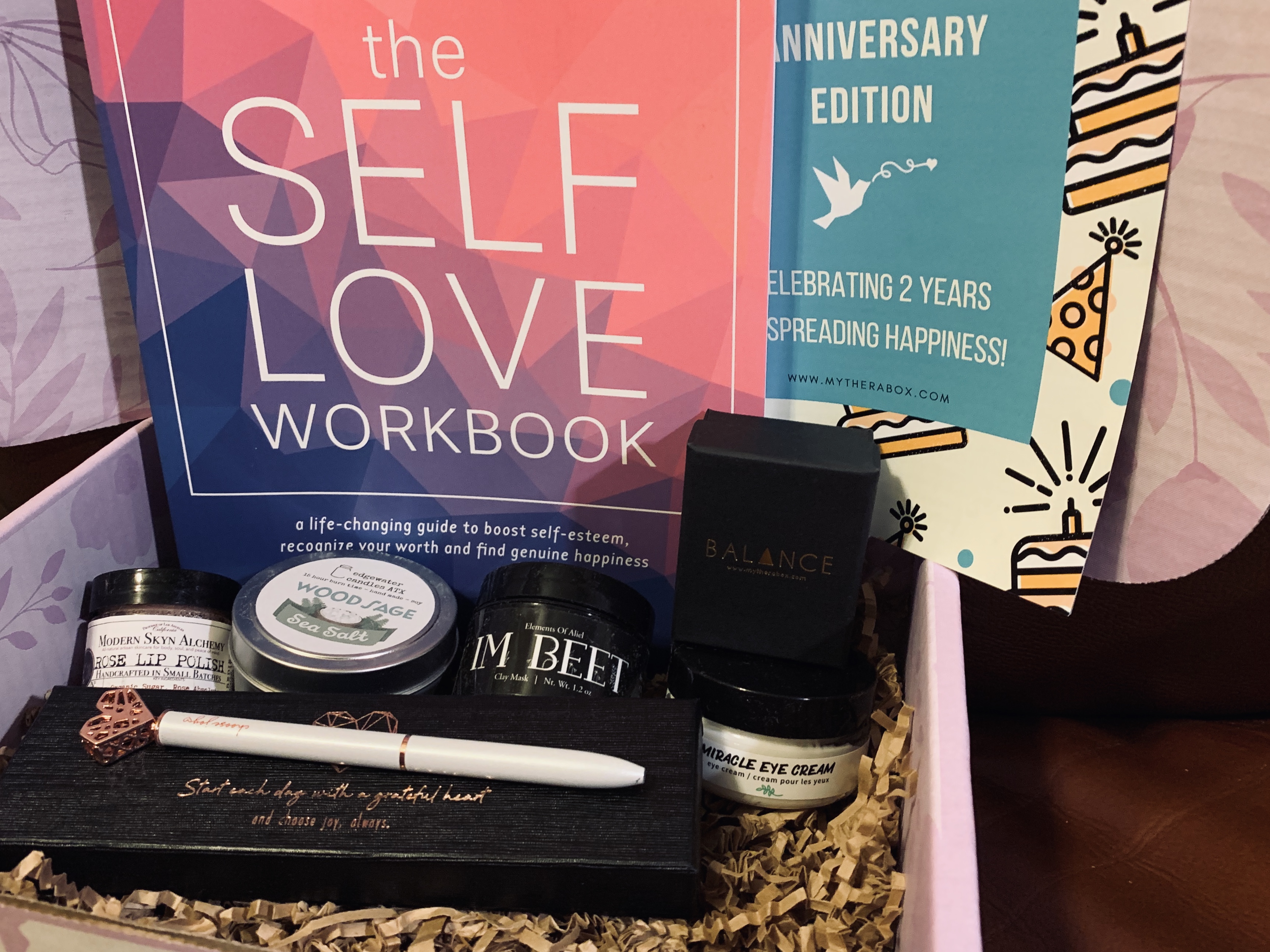
I have The Self Love Workbook beside me for when they take a nap. The book is written by Shannia Ali, PhD. The brief over view is “a life-changing guide to boost self esteem, recognize your worth, and find genuine happiness”.

The Cardiologist office called and the doctor wants me to do a Stress Test before he clears me for surgery. The test is tomorrow morning, and takes four hours. Two hours of testing, 30 minutes to eat and test for remaining two hours. This means fasting starting now, no chocolate, cafeenie or decaf, and only water after midnight. The second worst part is not taking my medicine in the morning. Do I sit in the lobby taking meds why trying to eat or skip for day? Another destration.

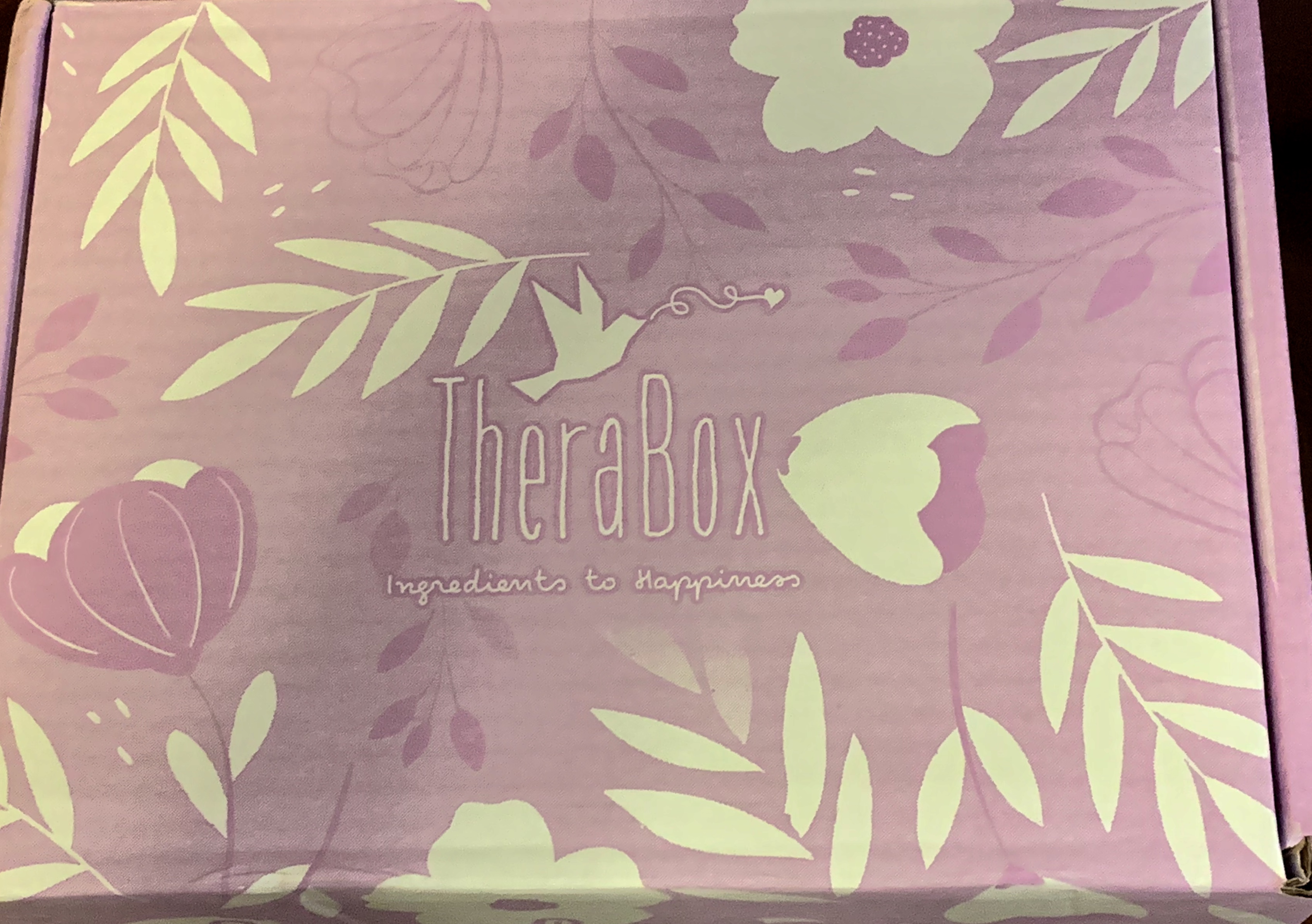
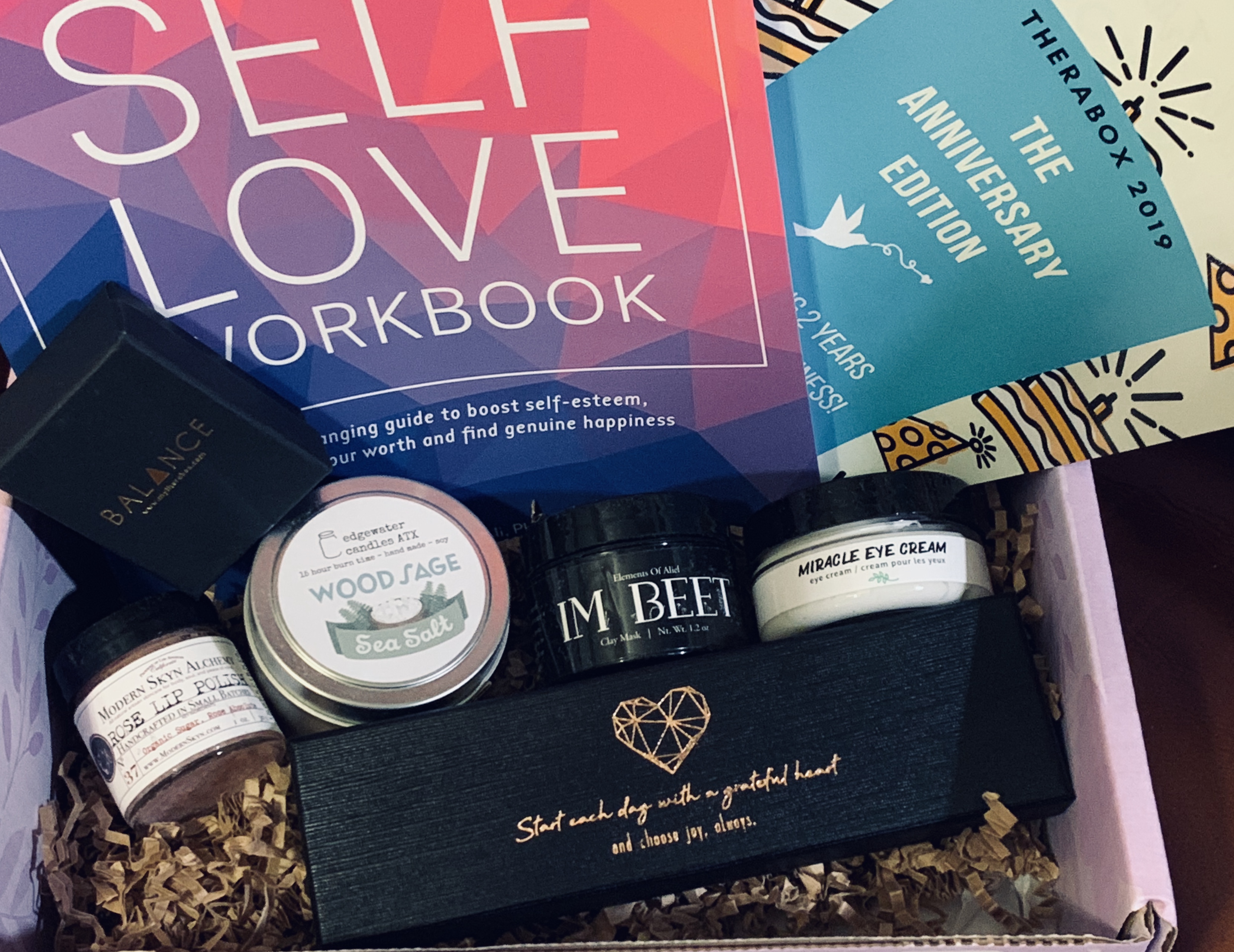
I’m keeping a journal to keep track of how well I manage “self-care” time over the next month. I subscribed to a monthy self-care box for body and mind called TheraBox. The creators are both Therapist, the box included the book, a nice pen, eye cream, hand cream, candle, lip scrub and a nice gold plated necklace.


It’s now 2:00 p.m. CST and my body isn’t thinking about self-care right now. Pain in pain no matter what you have on your agenda. I will try again tomorrow when I get home. I’m not high on workbooks so the book is going to have to grab me at the very beginning.

To be continued…….

Melinda

Moving Forward

Gentle Reminder: You’re Not Who You Think You Are

Guest Blogger Julie de Rohan

Julie de Rohan, eatonomy®'s avatarJulie de Rohan

Do you ever feel like a walking contradiction?

Does it feel as though you hold conflicting beliefs about yourself simultaneously?

It’s not unusual to have paradoxes within us.  The tension they create is often what brings us to counselling.

Clients frequently share with me what they think about themselves – “I’m greedy”, “I’m lazy”, “no one likes me”, “I’m not good enough”, “I’m a failure”.

Sometimes when they’re in the middle of describing themselves negatively, they do something quite astonishing.

They stop, look at me and say:

“But I know I’m a good person”.

It’s happened so often I can’t count.

They never say I think I’m a good person.  They always say I know I’m a good person.  It’s usually said with such beautiful clarity.  It’s as though they’ve checked in with themselves at a deeper level and found the truth.  They may be baffled by it, they may…

View original post 124 more words

Health and Wellbeing · Men & Womens Health

I’ve Been Nominated For The Disability Award

I’m blown away Stacey Chapman at https://fightingwithfibro.com awarded me The Disability Award. You have to check out her site, here’s the original award post,  https://fightingwithfibro.com/2019/04/27/the-disability-award/ Her sunny personality welcomes you with every post, she’s informative, topics are fresh, up to date and she reviews products we might be interested in. She is very knowledgeable. Following her is a must.

As part of my nomination, I choose other Disability Bloggers to give this award to. They are as follows:

Wendy at  simplychronicallyill.wordpress.com

Patricia at  https://patriciajgrace.wordpress.com

Colly at https://dopaminequeen.com

Alyssia at https://fightingmsdaily.com

Mackenzie at lifewithanillness.com

Robert at https://robertmgoldstien.com

Gavin at https://sedge.com

Nominees: Please answer the questions, choose your own nominees and develop your own set of questions. Stacey’s questions are so good I’m going with her’s. Display the award badge.

What was the first sign of your illness?

My chest and right clavicle starting hurting and would not go away for months.

What is your worst symptom and how do you cope with it?

Whatever it takes, pain meds, a nap, meditation, looking at the flower garden, put feet in the pool, letting them float.

What one thing about you has changed as a result of your struggles?

I understand people with all types of disabilities better.

What words of advice or encouragement would you give to someone else suffering?

Accept it, embrace your illness as part of your daily life and work on what relieves your pain.

Name one good thing that has come out of having a chronic illness.

None

What one thing do you disagree with that is widely accepted as true about your condition?

If you can’t see it, it’s not real. This holds true for mental illness. Invisible illnesses are many times stigmatized by those who do not understand and don’t care to learn.

If you could change only one aspect of your illness, what would it be?

There was a cure.

Name the one thing that works best for you for symptom relief.

Pain meds, opioids do work. Addiction is a fact of life for some and it has to be managed.

Based on your experience, what is one thing that you would tell someone newly diagnosed with chronic illness?

Take a deep breath, gather information about your illness without going overboard, write your questions down, look for answers but at the same time work on you. You have to take charge of your illness and your pain relief. If your doctor doesn’t understand your pain, find another doctor.

Why did you start blogging?

To grieve my granny in 2005.


Celebrate Life · Fun

#SoSC Weekly Prompt *XP*

http://lookingforthelight.blog

I want to explain what Parathyroids are, there are four small glands behind the Thyroid. The purpose of the gland is to monitor Calcium in the body. When your Parathyroid is not working properly, which shows up on lab test, the test will show your Parathyroid gland is working overtime trying to level your calcium levels. It’s weird but when the test shows high it’s not a good thing. What happens if you don’t have enough calcium, your body goes to your bones to get calcium which can cause Osteoporosis. If the Parathyroid isn’t working chances are there is a tumor on the gland that needs removing. High calcium is never a good thing.

I have tumors on all four Parathyroid and scheduled for surgery in a couple of weeks. My calcium has been low for some time because I already have the beginning of Osteoporosis in my right hip. The surgery is not a walk in the park but it’s not major surgery. The surgeon cuts an inch to inch/half to get behind the Thyroid gland to remove the Parathyroid tumors. If a tumor is not removed and it’s still causing high calcium you will need another surgery.

I’ve watched the surgery on the Internet and the total surgery takes around 20-30 minutes. Recovery time is three weeks. I’ve included some information.

Stream of Consciousness ADD LINK https://lookingforthelight.blog/2019/04/27/sosc-weekly-prompt-xp/

Parathyroid glands control the amount of calcium in our blood. Everyone has four parathyroid glands, usually located right around the thyroid gland at the base of the neck. About 1 in 100 people (1 in 50 women over 50) will develop a parathyroid gland tumor during their lifetime, causing a disease called “hyperparathyroidism”. Hyperparathyroidism is a destructive disease that causes high blood calcium, which can lead to serious health problems. It can be cured by surgically removing the parathyroid tumor. Hyperparathyroidism is not just an abnormal high blood calcium that can be monitored by your doctors. It is a serious disease that must be treated.

Parathyroid gland function and how parathyroid glands control blood calcium.Illustration of the 4 parathyroid glands located on the back side of the thyroid. We all have 4 parathyroid glands.Parathyroid glands control the amount of calcium in our blood. Everyone has four parathyroid glands, usually located right around the thyroid gland at the base of the neck. About 1 in 100 people (1 in 50 women over 50) will develop a parathyroid gland tumor during their lifetime, causing a disease called “hyperparathyroidism”. Hyperparathyroidism is a destructive disease that causes high blood calcium, which can lead to serious health problems. It can be cured by surgically removing the parathyroid tumor.


Join us for the fun and sharing good media stories  For more on the Stream of Consciousness Saturday, visit Linda Hill’s blog. Here’s the link:https://lindaghill.comHere are the rules for SoCS:1. Your post must be stream of consciousness writing, meaning no editing, (typos can be fixed) and minimal planning on what you’re going to write.2. Your post can be as long or as short as you want it to be. One sentence – one thousand words. Fact, fiction, poetry – it doesn’t matter. Just let the words carry you along until you’re ready to stop.3. There will be a prompt every week. I will post the prompt here on my blog on Friday, along with a reminder for you to join in. The prompt will be one random thing, but it will not be a subject. For instance, I will not say “Write about dogs”; the prompt will be more like, “Make your first sentence a question,” “Begin with the word ‘The’,” or simply a single word to get your started.4. Ping back! It’s important, so that I and other people can come and read your post! For example, in your post you can write “This post is part of SoCS:” and then copy and paste the URL found in your address bar at the top of this post into yours. Your link will show up in my comments for everyone to see. The most recent pingbacks will be found at the top. NOTE: Pingbacks only work from WordPress sites. If you’re self-hosted or are participating from another host, such as Blogger, please leave a link to your post in the comments below.5. Read at least one other person’s blog who has linked back their post. Even better, read everyone’s! If you’re the first person to link back, you can check back later, or go to the previous week, by following my category, “Stream of Consciousness Saturday,” which you’ll find right below the “Like” button on my post.6. Copy and paste the rules (if you’d like to) in your post. The more people who join in, the more new bloggers you’ll meet and the bigger your community will get!7. As a suggestion, tag your post “SoCS” and/or “#SoCS” for more exposure and more views.8. Have fun!

Moving Forward

We Are The World Blogfest #WATWB #23

We Are the World Blogfest

We Are The World  Blogfest: Spreading Stories of Positivity and Compassion in Social Media

Please forgive the crazy layout, WordPress is still crazy!!!!! Have a great weekend. M

We Are The World Blogfest #WATWB #23

https://www.sunnyskyz.com/good-news/3290/Nepalese-Army-Removes-Two-Tons-Of-Waste-From-Mount-Everest

Nepalese Army Removes Two Tons Of Waste From Mount Everest
April 20, 2019

The Nepalese Army has removed two tons of waste from Mount Everest under its Mount Everest cleanup campaign.

Credit: Nepal Army
According to the Nepalese Army, the cleanup campaign was launched on April 14, 2019 as part of the 24th annual “Wildlife Week”, a program organized by the Sagarmatha National Park Office.
After the cleanup campaign was concluded, the army transported half of the non-biodegradable waste by helicopter to the Blue Waste To Value Company. The remaining ton of waste was taken to the army barraks in Okhaldhunga for treatment, according to a press release issued by the army.
The Nepalese army has also pledged to provide the manpower and machines necessary for the Clean Mountains Campaign which will run until May 19, 2019.

Welcome to #WATWB # 23! We are sharing stories about people doing good work and bringing hope to the world.  To learn more about this monthly blogfest, visithttps://www.damyantiwrites.com/we-are-the-world-blogfest/and the WATWB Facebook page for more positive posts.

Please post on that Friday or over the weekend, or, If you have other schedule conflicts, you could post later within the week or add a positive news link and the WATWB badge with another of your regular posts.

This Blogfest is all about spreading the love, so we are happy to exempt you for a month or two if you let us know in advance on this email.

We’ll have to remove you from the list if you don’t post for 2 months after signing up. (Sadly, some people exploit this list for page hits, with no intention of participation.) 

For participants, we take you off the list after 3 months of non-participation, and we hope you understand that. We make every attempt to contact you before taking your link off the list. If you want to join back at another time, just sign up again.

Your cohosts for this month are:  Shilpa GargInderpreet UppalPeter NenaLizbeth HartzEric Lahti.Please link to them in your WATWB posts and go say hi!

Once again, here are the guidelines for #WATWB

1. Keep your post to Below 500 words, as much as possible.

2. Link to a human news story on your blogone that shows love, humanity, and brotherhood. Paste in an excerpt and tell us why it touched you. The Link is important, because it actually makes us look through news to find the positive ones to post.

3. No story is too big or small, as long as it Goes Beyond religion and politics, into the core of humanity.

4. Place the WE ARE THE WORLD badge or banner on your Post and your Sidebar. Some of you have already done so, this is just a gentle reminder for the others.

5.Help us spread the word on social media. Feel free to tweet, share using the #WATWB hastag to help us trend!

Tweets, Facebook shares, Pins, Instagram, G+ shares using the #WATWB hashtag through the month most welcome. We’ll try and follow and share all those who post on the #WATWB hashtag, and we encourage you to do the same.

Have your followers click here to enter their link and join us! Bigger the #WATWB group each month, more the joy!

We will send you another reminder a few days prior– we look forward to reading all your positive, heartwarming WATWB posts!

Many thanks and best wishes,

#WATWB team