Have you ever noticed that some of the happiest people you know are massively into gardening? The reasons for this are simple: gardening is one of the best things you can do to boost your mental health.
But why is this? Why do people who spend time in their gardens seem to have healthier inner lives than everyone else? It is a little mysterious.
The reason, it seems, comes down to the ways that our bodies react when we’re working outdoors. Naturally, we’re inclined to spend time in the sunlight, observing the world around us, and trying to get to grips with it. It’s not just about the physical activity of gardening and so-called feel-good hormones. There’s also a sense that you’re really profoundly connecting with nature. It feels very different from spending an evening in front of Netflix.
So what benefits do people who garden regularly report? Check them out below.
Having a sense of accomplishment and control over your environment is an addictive feeling. The more you experience it, the more you want it.
Gardens are chaotic systems. Over time, they devolve into an all-against-all survival of the fittest. And it can be a challenge to bring them under control. That, however, is part of the joy of the process. It’s nice to feel like you can tame nature – at least on a small patch of land – and get some genuine satisfaction from the process.
We don’t tend to think of being creative as a health benefit, but it is a vital sign that we are in a good place. Creativity is a mental state that recruits practically every area of the brain. But it can only happen if we are in a positive frame of mind. If you’re using mental resources worrying about something, it’s hard to develop new ideas. Gardening helps to direct your focus on the outside world instead of your internal thoughts, allowing you room for creativity where you would have struggled before.
Improved Mood
Would you like to improve your mood? Well, according to data collected by Plant Life Balance, gardening can help. According to their research, around 58 percent of people experience improvements in how they feel when they spend time in the garden.
Feeling More Connected To Others
We typically see gardening as an individual pursuit. Interestingly, a large segment of people who do it feels more connected to the broader community. Part of this has to do with the fact that some gardening tasks are communal. For example, Lineage Tree Care points out that gardening involves tree trimming and storm clean-up that affect the whole community. If you visit their website, you can see examples of what they mean. Things like overhanging trees can affect both the property owner and their neighbors.
Feeling More Connected To Nature
Finally, a large number of people say that gardening makes them feel more connected to nature – something that tends to enhance overall well-being considerably.
Gardening is such a therapeutic hobby to take up. In fact, it’s been shown to help a great deal with your mental health during the pandemic. You can spend so many hours in your garden tending to your plants and making everything look perfect. Things don’t always go your way, as there are lots of common garden issues to face. If you’re a garden novice, the advice below can help you deal with some of the most frequent problems in your back garden:
Plants need sunlight to grow big and strong. They take the energy from the sun and use it to grow and carry out other plant functions. You may have a lack of sunlight in your garden that’s not caused by the climate. It could be sunny as hell, but your plants are stuck in the shade due to big obstacles.
Combatting this can be both easy and hard – depending on what the obstacles are. If it’s something you can move with ease, then the problem is solved in minutes. However, trees tend to be the biggest culprits. So, you may have to have yours chopped down or trimmed. Don’t attempt this yourself; companies like the Sydney Tree Company can do it for you. It’s never a good idea to attempt to cut something big down as you have no idea where it can fall!
A lack of water
This is a problem for lots of gardeners during the summer months. The sun comes out, the rain dries up, so your garden is left with no water at all. In some areas, this can go on for a good few months. While your plants need sunlight, too much of it and too little water will cause them to burn up and die.
As such, you need to be strict with your watering schedule. You’ll have to be out there at least once or twice a day giving your whole garden a little shower. Personally, I think sprinkler systems work the best as you can turn them on and do something else while they water your garden. Plus, there’s no danger of overwatering the plants as the sprinkles distribute the water evenly.
Too much water
Yes, you can have too much water! As you can probably tell, gardening requires a fine balance of sunlight and water. When the rain clouds come out to say hello, you may be inclined to rejoice. However, if it pours with rain and waterlogs in your garden, your plants will not be happy. Too much water will basically drown the plants and turn them a strange yellow color.
To rectify this problem, you need a good drainage system for your plants. Some people like to hang theirs in plant pots, while others install a proper irrigation system on their lawn. The choice is yours, just be sure there’s a place for the water to run down when it rains.
On that note, you’ve come to the end of today’s tips. I hope they will help aspiring gardeners deal with some of the most common and annoying issues. Now, you can start gardening with more confidence and fewer problems.
Most of us received little guidance or instruction on how to handle money when we were growing up, but that’s OK — we can start learning now, a little bit at a time. Financial expert Natalie Torres-Haddad begins with the basics.
This post is part of TED’s “How to Be a Better Human” series, each of which contains a piece of helpful advice from someone in the TED community; browse through all the posts here.
How do most of us learn how to use our money wisely and well? When we’re growing up, we’re given special instruction in important subjects — swimming, driving, sex — to arm us with info and keep us from harm.
Yet when it comes to managing our money — an activity that every one of us needs to do, every day — we receive surprisingly little preparation. We’re not taught much about it in school, because education systems leave it to us to learn from our families and friends. However, those people often don’t fill in the gaps because money can be such a loaded or taboo topic.
Natalie Torres-Haddad, who grew up in southern California, saw many people around her struggling with debt and financial instability. She was determined to be the exception, and she purchased her first rental property in her early 20s and earned an MPA in Finance & International Business. In the process, however, she became buried in debt. Only by teaching herself the basics of money — basics that she’d never learned — was she able to steady herself and her finances.
Today she leads workshops and sessions to prevent others from falling into the money pit. (She’s also the author of the self-published Financially Savvy in 20 Minutes). She’s found that even among the college-educated people she meets, “the majority feel confused and overwhelmed about balancing their income and expenses,” she says. The stats show they’re not alone. A 2015 Ohio State University study reported nearly 70 percent of college graduates in the US say they don’t feel equipped to manage money and deal with their debt.
Not only must we get up to speed on the basics, we also need to start having honest conversations with each other about money,says Torres-Haddad. In the same way we’d tell family and friends that we’re cutting out refined sugar from our diets or practicing yoga to increase our flexibility, we should be open with them about the steps we’re taking to boost our financial health. That way, we can get advice and support. This transparency, she adds, can also make us less susceptible to peer pressure-related spending. How many of us have agreed to a pricey meal or weekend trip because we didn’t want to come clean about our money concerns?
Becoming financially literate does not require a huge time investment. Torres-Haddad believes we can startby dedicating 15 – 20 minutes a day to developing our skills and knowledge by learning new terms and resources. Just like attaining literacy in a foreign language, she says, “it’s an ongoing education.” Here are three things you need to know about your money.
1. Know how much money you’re bringing in every month vs. how much you’re spending
Most of us can rattle off our salaries in our sleep, but could you do the same for your monthly after-tax income and where you’re spending your money every month? If you can’t, that’s normal. But now is the time to learn your actual take-home pay and your actual expenses (and not just ballpark figures or estimates).
For your income, look at your physical or online pay stubs, and start keeping a record of the after-tax amounts. If you’re a salaried employee, that number should be fairly steady; if you’re not, those numbers will vary.
For your monthly expenses, Torres-Haddad suggests writing down — whether it’s in a physical or online notebook — every single daily purchase (coffee, take-out, Uber, online shopping, etc) you make and every single ongoing payment you make through autopay or credit cards (Netflix, gym membership, car insurance, utilities, etc.).
If you’ve never done this before, you may find this uncomfortable — even painful — but it will force you to face up to your spending habits. It will also make these purchases visible. Often, our regular outlays (such as Netflix, Hulu, etc.) can go unnoticed or unquestioned, and our daily spends — especially if we pay by debit card so the funds are instantly drawn from our bank accounts — can go forgotten. Torres-Haddad calls the latter “runaway spending” — “when the little things that you thought cost only a few dollars actually cost much more” in the long run. Take a daily $5 green smoothie. By making them at home, you could save yourself a few hundred dollars in a month.
After you have a fundamental understanding of income and expenses, you can download an app to help you track these categories; see your bank account, credit-card and loan balances; and organize your purchases into buckets so you can identify areas where you might cut back. Two free apps to try are Mint or Charlie, says Torres-Haddad. But, she cautions, apps can be a little “out of sight, out of mind,” meaning if you need extra help to be aware of your spending, stick with the pen-and-pad (or fingers-and-keyboard) method a while longer.
2. Know your FICO score and your other credit scores
While you don’t need to have a good credit score to be financially literate, you must know what it is. (Note: Most of the information in this section applies to people living in the US.) In the US, FICO was the first company to offer a three-digit credit-risk score for lenders to use when deciding whether or not to approve a loan or line of credit, a credit limit, and an interest rate. There are three other national credit reporting bureaus — Experian, Equifax and Transunion — which also keep track of all your loans (student, auto, personal, etc.) and your balances and histories for all your credit cards (whether issued by banks, stores or businesses).
However, the FICO score is the one most frequently used when you apply for credit cards, mortgages and most types of loans; rent an apartment; or sign up for utilities. FICO scores range from 300 to 850; 670 and up is seen as a good score and 800 and up is excellent. While the FICO score is calculated with a proprietary algorithm, the primary factors that go into it are your repayment history (do you pay your credit-card bills on time? how late are you?), how much debt you’re carrying on cards and loans, how long you’ve successfully held a credit card or loan for; and whether you’ve managed to hold a mix of different kinds of credit.
Most banks and credit cards offer free access to your FICO score on their mobile apps and websites (here’s a list of the ones that do). If you don’t use one of these companies, you can also find out how to access your score on FICO’s helpful FAQ, including a chart showing where your score falls between “Poor” and “Exceptional.”
Besides checking your FICO score every year, do an annual check of the reports issued by Experian, Equifax and Transunion. This is so you can verify that they’re correct, make sure no one has opened up a line of credit in your name, and see where you might improve. You are entitled to a free copy of a credit report from each bureau once a year. Beware: Many sites will charge you a fee, so use the federally approved and secure Annual Credit Report site.
If it’s your first time checking or you’re about to make a big purchase (such as a car or a home), Torres-Haddad suggests getting all three reports at once. After that, she recommends spacing them out throughout the year. That way, you can quickly catch any errors, fraud, identity theft or any other actions that could hurt your credit history. Mark your calendar so you know when you can request your next free credit report.
3. Know how much credit card debt you’re carrying
Knowing how much credit-card debt you’re carrying — and how quickly it’s increasing due to interest — is critical to your financial literacy. Make a list (on paper or on a computer) of each of your credit cards, their current balances, and their current interest rate. Then, put them in order from highest interest rate to lowest.
In general, says Torres-Haddad, this should be how you should prioritize paying them off, paying as much as you can towards the card with the highest interest rate while paying the minimum on the other cards. Called the “debt-snowball method,” this was popularized by money expert Dave Ramsey.
If you have any cards that offered a 0% APR as a promotion when you signed up, mark down the date on which the promotional rate expires because that’s when you can expect your debt to accumulate at a high interest rate (20% or more). Try to budget your monthly payments so that this card will have little to no balance when that expiration date arrives.
Believe it or not, having a credit card can be a great thing for a person’s FICO and credit scores — if you use it responsibly. Of course, carrying no debt on your cards is best. Otherwise, Torres-Haddad recommends using no more than 30 percent of your available credit limit. So if you have two credit cards with limits of $6K apiece, totalling $12K in available credit, make sure the total balances you’re carrying do not exceed $4K.
If you’ve managed to pay off a credit card, congratulations. But while you may be tempted to close it, Torres-Haddad advises against it. Why? Closing the account will shrink your total amount of available credit and cause your credit score to dip. Instead, delete the card number from any online shopping accounts, cancel any auto-pays billed to it, and freeze the card in ice. It may sound silly but it means that if you want to use it, you’ll be forced to wait for it to defrost — and forced to take a little time to think about your purchase.
When choosing a new credit card, look for ones that offer incentives — such as travel points or cash back — which could help you and your finances. Torres-Haddad recommends going to nerdwallet.com and bankrate.com to compare credit card offers.
Obviously, these three points represent just a small part of financial literacy. That’s why Torres-Haddad urges people to be patient and to learn gradually. Two books she recommends are Napoleon Hill’s Think and Grow Rich! and Robert T. Kiyosaki’sRich Dad, Poor Dad. For those who like to get information through listening, she suggests the “Popcorn Finance” and “Her Dinero Matters” podcasts.
When you can, supplement your research with an in-person workshop, adds Torres-Haddad. “Even going to one financial literacy workshop can have a life-changing effect,” she says. A good time to find free workshops is April, which is Financial Literacy Month in the US. One of the best investments you can make in your life is to educate yourself about money, says Torres-Haddad. “It can really give you a lot of peace of mind.”
We are cleaning out our paper files and trying to get everything down to scans. I picked up the two-inch-thick notebook I kept my Lyme paperwork and found the contract that had the cost of my Antibiotic Infusion treatments.
It will blow your mind, it costs $40,000 to $60,000 a month for just the Antibiotic Infusion Treatments and necessary medical supplies. That did not include prescriptions for which I took well over 20-25 at a time or supplements which I took at least 15 a day. Insurance only covered part of the prescriptions, not one penny towards my treatments or supplements.
$40,000 a month! We had to take out a second mortgage on our home since my treatments went on for 18 months! Now tell me it’s not a serious illness. I almost died, I had Adrenal fatigue which was getting close to adrenal failure. That’s after all the money spent.
I’ve written many times about the time importance of what you need to do to prevent Lyme Disease but have not focused on the real cost, it’s not just your health, it hits your pocketbook damn hard.
This is a photo of the day my Infusion post was inserted at George Washington Hospital in D.C.
Port Inserted
This bandage had to be changed every Sunday, it was a very sterile complicated, painful process. It’s extremely tender and due to the risk of infection, the adhesive is very strong making it difficult and painful to take off.
Here’s a great photo of what was involved in taking it off each week and the medical waste. It was about an hour-long process due to how slowly you have to take the bandage off due to the pain. You have to put the bandage back in the same place every week to keep the port infection-free.
I have permanent Brain damage in the form of early-onset Dementia from Lyme. What happens is the Spirokets look for a major organ to set up a house and do damage. Some have the virus go to their kidneys or liver, mine went to the brain. It’s like 58 years of memories with a machine gun bullet put in them. It’s devastating and will someday rob me of my complete memory.
Dementia is not an easy topic, I watched my granny die from Dementia and it’s an ugly one. If you’ve read my Lyme journey you know that I chose to commit suicide before I lost my memory. That’s how harrowing it was to watch my granny die and I won’t do that to my husband. This is my reality. I don’t know when it will come and I hope it’s a long time from now. I do have a plan, no one knows and that’s best.
I hope this post gives you a different perspective than my other post and will make you think very hard the next time you are out and about. I wish Lyme on no one!
This was one of the most popular posts last year and now is a good time to update, almost eight months into the year and some of my routines have changed, yours probably have too. New Year’s Resolutions or goals as I call them, can start to lose their luster and get thrown out the window by summer so now is a good time to examine where you are.
The key to lack of motivation is understanding what’s missing, what is the root cause of the lack of interest in pushing forward with your goal. We have to constantly reassess as life and our health change, as life, and health changes so do our goals. Maybe your goals are outdated and no longer fit where you are today.
I have Chronic Lyme Disease, Fibromyalgia, and Hypogammaglobulinemia., which is an Immune Deficiency Disorder however, I’ve been fairly healthy. Insurance has rejected my claim for Plasma Infusion Treatments so I haven’t been able to start treatment. As I mentioned before, my immune disorder means my body doesn’t make enough antibodies. It’s like needing 23 players on the field and I only have 11. It’s a losing game but I’m not sick enough for insurance. The same ole, wait till it cost three times as much to take care of you.
I do chalk my good health to some lifestyle changes including learning to forgive and giving myself some grace. If I get off track, I can’t beat myself up or feel quilt. I don’t own an alarm clock and have not found a need for one. I’m fortunate to not work or I would be in big trouble.
For me, self-care is the things we do every day to stay healthy, not just the special treatments we spend taking care of ourselves. I’m learning more about the importance of how my mental health plays an important role in my physical health, they are very intertwined.
Here are some simple but steps I work hard to accomplish every day, there are days when I don’t get outside or go to Starbucks but as a general rule this is my daily schedule.
Daily
One big change you will notice if you read my original post is I’m taking far fewer supplements. I go thru phases and now I don’t want to take that many pills.
Taking all of my medications is critical to my physical and mental health. Just one day of skipped medication can throw off my system and wreck havoc on my Bipolar Disorder.
Women’s over 50 Multi-Vitamin with Calcium.
Mixinolin 2%, for Hair Loss, twice a day. (It works)
Biotin for healthy hair which also boosts my self-image.
Manuka Honey, Certified UMF 20+ (MGO 850+) One tablespoon per day.
Use Vegan CBD products.
Eat fresh fruit, most weeks four pounds of fruit, strawberries, blueberries, and sometimes mangos and yogurt for lunch and/or dinner every week.
We have meal kits, Home Chef, delivered three days a week. I pick the healthiest options with a medium level of preparation. That way dinner prep is easy and not stressful. We cook together which takes the load off of me.
Eat dinner by 6:00 PM every night.
We go to the Starbucks drive-thru for a coffee. We take the dogs with us and it’s like a family outing. When time allows we take them for a short walk at the park. This is where I get my exercise each day, or however many days I can. Now that it’s triple digits in Texas we are not walking in the afternoon. Most days it’s walking the stairs for exercise and for recovery after my knee replacement surgery. Now that it’s triple digits in Texas we are not walking in the afternoon.
I reduce stress by meditating several times a day for at least 5 minutes. Nothing fancy, no special location in the house, just in my chair or wherever I am. I don’t know a particular method, I just work to clear my mind and let everything go.
Only watch one hour of news, 30 minutes local, and 30 minutes national per day! Any more than an hour is regurgitated and adds to the stress level.
Limit my Social Media time and involvement. You won’t find me chatting with people all hours of the day and most days not chatting at all. Just posting and helping others by retweeted.
During the day I light an aromatherapy candle, placed somewhere I won’t forget it’s burning.
In spite of COVID, I still schedule critical doctor’s appointments and lab work.
Getting outside for fresh air even for 10 minutes. Just hearing a bird call can change the outlook on my day.
Nature! There are several bird feeders and a birdbath at the kitchen window. I get to see the birds, woodpeckers, and squirrels, it’s great entertainment.
Bedtime Routine:
Go to bed 1to 1.5 hours before my husband. During that time, there is no sound, no computer, no phone, nothing! I lather up with my CBD and hand creams. I bought a new UltraSonic Aroroma diffuser, what a difference it makes! It’s not noisy like my old one. It has three timers settings and an auto shut-off if the water runs out. I found a great Essential Oil mix called Dream and I let it run for an hour, it’s so relaxing. I’m usually nodding off by the time my husband comes to bed.
That extra time gives my mind a chance to wind down, get all the ramblings out, and let my mind completely calm down. At bedtime, I take my sleeping meds and another round of CBD cream. I’m now ready. Rarely do I have trouble going to sleep.
I don’t accomplish these every day, it’s impossible to always have the motivation to do what’s best for our health. Looking at the big picture each week I can see if I’m focused on the right things, if not I have to ask why. Sometimes it’s just that life gets in the way.
There’s no one size fits all to have the best healthy life but we all can take steps every day to push ourselves forward.
When I started writing the original posts Let’s Talk About Hair Loss, I had no idea the changes my hair would take.
Eight months ago I started using Minoxidil 2% on the areas I felt had the most hair loss twice a day to encourage growth. I think six months is the magic number before you start to see real results. It works by shedding old hair and making room for new hair to grow. It took about three months to start to see a difference in the amount of hair loss but now I’m losing much less than when I wrote this last post. I’m beyond surprised by this last photo when I compare them side by side below.
July 27, 2020June 2021
My scalp was very dry and had developed flakes on one side of my head. I read that extra sebum build-up on the scalp can cause hair loss. After changing brands several times, I’m very happy with Nioxin Scalp Recovery. I sometimes use the Nioxin Soothing Serum and the difference in irritation is noticeable. The shampoo and conditioner leave my scalp clean and my hair nice and shiny. Previous conditioners weighed my hair down and made it feel oily from day one.
I started taking Biotin around the same time so it’s hard to say how much hair growth can be contributing to Biotin. I read multiple articles while researching the previous posts and reviews on the Internet and Amazon are very positive.
One of the most exciting discoveries is Castor Oil will make your brows and lashes grow. I purchased a bottle in December of 2020 for $11.99 and the results are so shocking. I put on mascara the other day just to see how long they had grown. I looked like I had false eyelashes, it felt like WOW. I even bought a new brow brush with lash gel, which feels weird, I’m still getting used to seeing my thin and faded out brows transformed. The bottle of Castor Oil came with one mascara wand and a liner container.
I use the mascara wand with the oil on my eyebrows and lowers lids. The liner is used for the upper eyelid and lower lid if you like. I found using the liner puts too much oil on the bottom lids. I have a routine of putting it on two or three times a day, I put heavy amounts on my brows and a small amount on lower lids and use the liner to put on lashes at night. The oil does get on your pillowcase.
I’m am so shocked! I looked at products claiming hair growth that ranged in price from $30 to over $200. A bottle of Organic Castor Oil will last a year for $12.00. My lower lids are much longer than I could have expected and my brows have grown slightly darker and filled in a few areas that were missing hair. I’m addicted. It’s one of the best beauty finds to date.
Castor Oil has many uses including a hair massage or for dry scalp, great on dry skin, and cuticles, and you can ingest it as a laxative, according to my granny.
Your home should be a haven for you and your family. But we think you’ll agree this isn’t always the case. Indeed, it’s possible and in some cases even common to encounter numerous issues with your home. You need to be prepared for these possibilities with the right solutions and that’s where this article is going to help you a great deal.
One of the nightmares that you could experience is an infestation of some sort. These are actually extremely common, and you want to try and avoid letting it get any worse, as soon as you notice a problem you’ve got to call a professional like Mosquito Authority, of course depending on what the pest is. If you notice one bug, this isn’t really a cause for concern, but if you notice the same bug over and over again, you know there’s probably an issue. You can try to find the source yourself, but this could take you a long time and you still might never find it. At least if you hire a professional, you know that the problem will be dealt with quickly and efficiently.
But can you take precautions to prevent it? Sadly, the answer is not really. In some cases, if you keep your home clean as much as possible you’re less likely to experience this problem, but that isn’t the case with all pests. Some will come no matter what the state or your home, so it’s not a foolproof plan.
Problems With The Roof
It’s absolutely vital that you fix a problem with the roof as soon as you notice an issue. Usually, an issue with the roof will be a small yet significant hole. This could be small enough that it only lets in water or large enough that insects and pests can break through. Regardless, it could cause major headaches and health issues for you. Water leaking into your home can bring the issue of damp and potentially even flooding. As well as costing you thousands in repairs, it might also make it impossible to sell your property until the problem is resolved. Problems with the roof are why you should always check your roof after a storm or a period of bad weather. You can use a professional team to complete this task for you and ensure that there aren’t any problems that need to be addressed.
Of course, one of the easiest ways to check for issues is to head up into the attic and try to see if there is any natural light creeping through where it shouldn’t be.
Flooding
Since we already mentioned water dripping through the roof, it’s also worth exploring the problem of flooding. Usually, an issue with flooding will start in the basement and it could be because water is building up outside your home, pressing on the foundations. When this occurs, the water begins to seep into the property. If it is left alone it will lead to a problem with flooding. You can take preventive action here by speaking to a landscaper. They will be able
to alter the permeability of the ground around your home. Alternatively, they can change the level of the ground to ensure that water drains away from your home rather than towards it.
It’s perhaps worth noting that a sump pump is the best way to handle water once it is inside your home. You do need to make sure that you have a working sump pump in your property. Be aware that most insurance companies won’t even cover your home if there isn’t a sump pump that is functional.
Finally, mold is a problem that is often overlooked by homeowners who assume it’s not a massive issue. But it can be a nightmare because of the health issues that it could cause. This is particularly true if you have young children. Research has shown that mold can lead to breathing difficulties and similar problems. This is due to the spores that are released into the air. Luckily, it’s easier to deal with mold than other issues. You just need a dehumidifier to keep the moisture levels in your home at the right point.
We hope this helps you understand some of the nightmares that you can encounter around your home and the right way to deal with them. Remember, sometimes, the best option is going to be taking preventative action. With the right steps, you will be able to guarantee that these problems never plague your property.
One of the most exciting things that can happen in life is searching for and buying your new home. Finding that dream location or home takes time and you need to be meticulous about it. You want to make sure that you move into a home that you have chosen and in an area in which you are happy to live. There are a lot of ways to hunt down the perfect home for you so that you can make the moving day one of pure excitement.
Searching for your new home doesn’t have to take forever, whether you are looking for luxury homes for sale or you are looking at building companies to help you to build your first home, you can live exactly where you want to live. With this in mind, here are five great tips for finding your ideal home.
What does your ideal home look like in your head? Where is it located? Do you build it or buy it? When you make a list of what you want, you can ensure that you write down the things that are most important to you. Know what you would be willing to sacrifice and what you are looking for the most, and you can bet you’ll learn what’s important for you very quickly.
Know Your Budget
You can’t buy a new house – or build one – without knowing what you can afford. Speaking to a mortgage broker or a lender at the bank can give you a better understanding of what you can afford going forward. Knowing exactly what you can afford each month will help you to work out where you should live.
Location, Location, Location
The world is your oyster – literally. Wherever you want to go, you can go there, all it takes is some research and some savings to get it right. Have a look at the different areas in the world that appeal to you, and you can make some choices for your new home based on those areas.
Conduct Your Search
Bringing on a mortgage broker or a personal real estate agent to help you to find your new home is smart. You can search for the ideal home more efficiently when you have the right resources on your side. You can even ask family and friends to help you if you are looking in specific areas. Find success with your search when you have more help on your side!
Dig Deeper
Once you find your ideal home, think about what you need in the future. Can you afford the long-term costs of living in a new house? The fixes you may need to make if the house settles incorrectly and cracks? These are costs that you have to consider on top of all of the other costs of a mortgage and owning/running a house. You should dig into the costs and know that you have the right salary and monthly paycheck to cover all of these costs.
The first part of this journey is going to involve clearing a space for your pilates area. You won’t need too much room for this, with just enough space for you and your friends to do your exercises while maintaining proper social distance. The more people you have, the more space you will need, and this can often mean having to break into parts of the garden that can long be taken over by nature. Tree removal, weed services, and even landscaping companies can help you with this process, making it possible to make a good start on this side of your garden.
Add Some Ambience
Once you’ve made space, it will be time to start making your garden feel extra relaxing. There are loads of ways to do this, but you want to make sure that your changes are ambient, rather than sticking out and demanding attention. Water fountains, wind chimes, and speakers can be used to generate sound that will make your garden feel natural and open, while different materials can be used to highlight different aspects of your garden. Many people go over the top when they are doing this, but it is worth keeping in mind that you’re trying to capture nature, rather than making your space feel like a disco.
Start Planning
Planning your pilates area will always be a good idea as you go through this process. You need to think about when you’re going to use it, building a routine that will make it easier to keep up with your exercise. Alongside this, though, it can also be good to think about who will be joining you for each workout. Having friends to enjoy a space like this with you will always improve the way that it feels and the use you’re able to get out of it. Of course, though, you will need to take the first step and invite people if you’re going to find success.
With all of this in mind, you should be feeling ready to get started on making your garden perfect for pilates. Having a space for activities like this can make it much easier to keep on top of them and continue your good work. Of course, though, at the same time, and a lot of people find themselves struggling when they get to points like this, and you may need some help from friends along the way.
Getting into a fitness routine, pushing yourself, and reaching your goals takes a lot of time and energy, as well as a big commitment to yourself and your health. So when your health suffers, either through an injury or an illness, it can really set you back and put you right back at square one.
Feeling like you’ve got to start over with your fitness is a common feeling, and it can really affect your confidence. Whether you feel like you can’t do it or that things are harder than they used to be, it’s important to get back on that horse. Exercise will help improve your physical health and boost your mental health, and it can be a welcome part of your routine once you’ve found your feet again.
Here is some advice to help you regain the confidence to work out when you’ve suffered a setback.
While it’s understandable that you’ll want to be back where your fitness used to be, it isn’t going to happen overnight. If you try to move too quickly, you could end up injured or losing further confidence from not getting the same results as you once did.
Start by setting yourself some manageable fitness goals, aims you can work towards slowly, helping you to regain technique and basic fitness first. From increasing the times of your workouts to making it to the gym a certain number of times a week, start with goals that are realistic before building up to bigger ones.
Choose workout clothes that help your performance
The workout clothes you wear can help you feel more confident about working out. You should choose items that are comfortable, supportive, and can help keep you cool too. Treating yourself to some new outfits will help you feel in a better mindset for working out. Brands are more attune to the different needs of people now, so you can find great selections for curvier shapes, as well as amputee leggings and other items that can help give you a boost. Always make sure you have the right type of shoes for your workout to make sure you’re better protected against injury.
Ease yourself in, and consider working with someone else
Fitness is something that needs to be built up over time. So if you’re getting back into things after a long period away, ease yourself in gently. Walking and swimming can be gentle, effective exercises to start until you’re feeling fitter and stronger. Take a look at fitness plans from others in your position to see how they’ve eased themselves back into exercise.
It can also help if you work out with someone else, such as a friend or personal trainer who can help make sure you’ve got the right form to prevent injury, as well as help you train as needed.
If, for any reason, you feel pain – stop! Consult your doctor or take a rest to stop yourself from overdoing things.
Exercise is something that can help you begin to feel a semblance of normality, helping you form a routine and get back into activities that you once enjoyed. Take it slow, put your health first, and soon you’ll see your confidence creeping back up as you start to reach your goals once more.
Welcome to the weekend edition of Today in History. Thanks for all the great feedback. Have an awesome weekend.
1911
On July 24, 1911, American archeologist Hiram Bingham gets his first look at the ruins of Machu Picchu, an ancient Inca settlement in Peru that is now one of the world’s top tourist destinations.
Tucked away in the rocky countryside northwest of Cuzco, Machu Picchu is believed to have been a summer retreat for Inca leaders, whose civilization was virtually wiped out by Spanish invaders in the 16th century. For hundreds of years afterwards, its existence was a secret known only to the peasants living in the region. That all changed in the summer of 1911, when Bingham arrived with a small team of explorers to search for the famous “lost” cities of the Incas.
After 17 months and many miles of travel, Brigham Young leads 148 pioneers into Utah’s Valley of the Great Salt Lake. Gazing over the parched earth of the remote location, Young declared, “This is the place,” and the pioneers began preparations for the thousands of followers of …read more
Whether it’s Oliver Stone setting a scene from Platoon to Adagio for Strings by Samuel Barber,or Quentin Tarantino setting a scene from Reservoir Dogs to “Stuck In The Middle” by Stealer’s Wheel, filmmakers often depend upon certain passages of music to produce specific emotional …read more
During her imprisonment at Lochleven Castle in Scotland, Mary Queen of Scots is forced to abdicate in favor of her one-year-old son, later crowned King James VI of Scotland. In 1542, while just six days old, Mary ascended to the Scottish throne upon the death of her father, King …read more
At 12:51 EDT on July 24, 1969, Apollo 11, the U.S. spacecraft that had taken the first astronauts to the surface of the moon, safely returns to Earth. The American effort to send astronauts to the moon had its origins in a famous appeal President John F. Kennedy made to a special …read more
Are you currently feeling lost, not knowing what to do or where to go? While you may be confused and unsure of yourself in certain moments, you have much more clarity than you may be willing to admit. The feeling of confusion arises when you have too many conflicting thoughts running through your mind, and you do not have a way to hold them back and keep them at bay.
But life is full of ups and downs. So, it is not a surprise that anyone can fall victim to confusion. Even though you may feel all alone, you are not. Try focusing on persevering and getting through the problem.
But how do you go about it? What should you do when you are feeling lost and confused with life?
Be Honest with Yourself and Accept the Situation
Running from problems never solves anything. Rather than pretending that everything is okay, admit that you have a problem and take responsibility for it. You will only make the situation worse by ignoring it. The first step towards solving any confusing situation is by admitting that you have a problem. Only then can you get clarity of the confusing situation that you are facing and find a solution.
Relax and Avoid Panicking
Every time you run from a problem, there is a high probability of panicking and developing anxiety—panic and fear sets in when you start becoming afraid. If you allow it to drive you, you may create negative thoughts that may lead you to make the wrong decisions.
Instead, it would help if you strengthened yourself to face the problem through relaxation. Relaxing helps to quiet your mind making you feel calm and peaceful. Relaxation is not only good for overcoming confusion but also for stress relief. Some relaxing methods you can use include practicing mindful meditation, listening to soothing music, soaking in a warm bath, and breathing exercises.
Focus on What you Know
When confusion sets in, your mind may be thrown through a web of repetitive and consistent thoughts without a beginning or end. To get yourself out of such a situation, you should focus more on first solving what you can understand. Only then can you slowly lift off the cloud of confusion that hovers over your life.
Be Patient
Confusion is a sign that you need to take some more time before making a decision. You should accept and be at peace with the fact that you may not have all the answers. Instead of rushing to make a decision when your mind is clouded with confusion, you should take a step back and consider listening to your gut feeling.
You do not have to make your decision quickly. Take your time until you are comfortable and confident enough to trust your gut.
Take Away
Apart from stress, panic disorder, and anxiety, several other reasons may lead to confusion. For this reason, you should seek medical attention if you or anyone you know shows signs of confusion and anxiety. It may not be very comforting at first, but you can quickly deal with it by taking immediate action to boost your mental health.
Being stuck in confusion is not necessarily bad. It highlights that no matter the path you decide to take, you will overcome the feeling of being lost.
I’m so glad you’ve joined me this week for another edition of Weekend Music Share.
This is a new tune by John Mayer off his new album which is reminiscent of his early work. Enjoy.
Welcome back to Weekend Music Share; the place where everyone can share their favorite music.
Feel free to use the ‘Weekend Music Share‘ banner in your post, and don’t forget to use the hashtag #WeekendMusicShare on social media so other participants can find your post.
Your Garden needs gentle care and attention throughout the year. Of course, in the spring and summer, we clean away the winter debris, ready for outdoor parties and barbecues. Or simply just to relax in your little private space.
However, when the winter is coming upon us, leaves from a Fall, as well as the severe weather, can cause damage to your garden. It is very important that you take a couple of steps to get your garden looking gorgeous.
Throughout the autumnal months, there will be many leaves falling, and a lot of rain too. It is very easy for your garden to go from clean and tidy to look a little bit messy, and it eventually will become hard to keep tidy.
Head out and pick up all of the debris; then set it aside because you can use this for a protective layer of mulch for your seedlings.
Take a pair of shears or some secateurs and strip away any loose or dead branches.
Furniture
If you have furniture in your garden, it is a great idea now to buy some furniture covers; this can protect your furniture when the weather gets more severe. Bring your furniture over the winter months also makes it much easier to clean when springtime comes around.
Now is also the perfect time to cover your barbecue or put it in the shed, ready for use next year.
Pond
Depending on what type of pond, you will change how you need to prepare it for the winter months. If you have wildlife in your pond, it is essential that you prepare it correctly for the winter months. Getting a pond maintenance services company out to check over your pond it’s a great idea and can avoid any costly repairs or severe damage over the winter months.
Bottom to top
You must start at the bottom and work your way up. Sweep up as much as possible, and also, it is a great time to scrub your patio or your decking. This will mean there is limited damage or weathering over the fall and winter months.
To clean your decking, you simply need to have a firm, stiff brush and apply pressure or use a pressure washer. The pressure washer, of course, being in the fastest way to clean those stains.
If you have plans that are dead or dying, you might have many planters that can be good and used for springtime planting. Remove all of the dead or dying plants and their roots and put them into your compost if you have one.
Utilizing what you already own to earn extra income is smart. Instead of putting your money towards alternative investment options, you can use your car to earn extra money and not have to spend a penny.
Today, you will find out how to maximize the use of your own car in order to attain an extra passive income.
You can promote your brand on your car using Vehicle Wraps, which can print your logo and contact information. You can drive around and promote your brand to other drivers on the roads or walking pedestrians.
When you print your logo and contact information on your car, ensure that it is displayed clearly. You will want everyone to be able to read it and large print is much easier to read from a moving vehicle.
Be a delivery driver
If you have spare time and don’t mind driving around, then you could use your car to become a delivery driver. This could be for food or businesses that need help with their deliveries.
You can sign up for the jobs online or share your name around your town so that people can get in touch with you when they need help.
Advertise other brands
Using wraps, you can also promote other brands. If you don’t mind driving around with writing and logos on your car, then you can easily earn some extra income.
Companies are willing to pay for this type of promotion so put your name forward and start earning extra income by using your car as an advertisement board.
Rent out your car
If you don’t often use your car or don’t use it for work, then you could rent it out. Allowing others to rent your car for a cost will help your car maintain good health and improve your bank balance.
You can create your own schedule so that the car is free when you need it.
Rent out the garage space
For those that do use their car often, you will likely have free space on your drive or in the garage during the daytime. If so, use it and promote it as a parking space.
You might live in a town where parking costs are high. Thus, you can offer residents competitive prices and secure extra income when you don’t need to use it.
Offer a lift service
Some people need help with getting to and from places. Or, getting their children to and from places. If so, you could offer your car, assistance, and free time to earn extra money.
Helping people get from A to B using your car is almost like a taxi service. Thus, you should ensure to have competitive prices so that your idea is a success. If you offer a high price, people will likely choose a taxi service instead.
There are so many useful ways to use your car and earn extra income. It could be as simple as offering lifts or becoming a delivery driver in your free time.
Driving is highly convenient and it is the easiest way of getting from A to B. Public transport can be useful, but you rely on the stations being positioned perfectly, and there will always be delays. Another alternative is to get a taxi or an Uber, but you also have to deal with possible waiting times, alongside annoying drivers and extortionate prices.
No, nothing is easier than hopping in your car and driving to wherever you need to go. Nevertheless, you have to recognize that there are times where you should not get behind the wheel of your car. It is simply unsafe for you to do so in certain circumstances, and here are some clear warning signs that you should either walk, book a cab, or find the nearest train/bus home:
You can’t keep your eyes open
A lot of the instances on this list may relate to times where you have been out having fun with friends. However, there could be instances where you finish a day of work and it is unsafe for you to drive. Have you had a really tough day that started early and finished late? Were you on your feet the whole time using up a lot of energy? If so, you might be so physically exhausted that you can barely keep your eyes open. Were you borderline falling asleep at work before it was time to leave? This is not a good sign at all!
You can relate this to other aspects of your life as well – even if you’re home and you feel tired, it’s not a good idea to head out and pick someone up, no matter how much they pester you. Tiredness kills, just ask any elite car accident lawyers and they will back this up. Too many accidents and deaths are caused by someone falling asleep at the wheel. You may feel like this won’t happen to you, but it is not worth it. Don’t drive your car – find another way home safely, or spend the night in your vehicle and drive in the morning.
Your reactions are slow
This is more of an issue for people of a certain age, though there are situations where it can apply to younger people too. If you have reached an age where your reactions are exceedingly slow, do you think it is wise to get behind the wheel of a car? In some countries, tests are done every year to ensure that elderly people still have the reactions to drive. When they no longer do, their licenses are revoked. It sounds harsh, but it’s further proof that you can’t drive if your reactions are too slow.
For younger people, there can be all sorts of scenarios where your reactions are slower than usual. For instance, perhaps you have just been to the dentist and the effects of anesthesia are still lingering. Your mind isn’t as fast as it usually is, and your reactions have slowed down. Of course, there are other reasons your reactions can be slow, but we will discuss them in the next point coming up.
You’ve been drinking alcohol
Have you had any alcohol to drink? There is technically a limit that determines how much alcohol you can drink before it is unsafe to drive. Nevertheless, a good rule of thumb is to just avoid driving if you’ve been drinking. The problem with the limit is that it has to apply to the entire population. You may feel the effects of alcohol after just one drink, even though you’re under the limit and technically safe to drive.
As mentioned above, a key sign that you are feeling the effects is if your reactions slow down. Of course, slurred words and just a general feeling of tipsiness will also be key warning signs. Don’t get in your car and drive if you have been drinking, it is much safer to find alternative ways of going home.
You’re too stressed
Got a lot on your mind? If that’s the case, maybe it’s a good idea to avoid driving until you feel more relaxed. Stressed driving means you’re driving while distracted, which could lead to accidents. Before you drive, focus on breathing deeply and finding a more zen state. Avoid thinking about other things and you should be good to go.
The next time you spot any of these warning signs, take a step back from your vehicle. It is not safe for you to drive, and you need to find a different way of getting home safely.
We celebrate International Self–CareDay. This day was established in 2011, and the focus is on the awareness of the importance of self-care and empowering people with the knowledge and ability on how to be active participants in their own wellness.
Whether you spend it on a hike, with your pet, or curled up with a good book, taking time to care for yourself will go a long way towards improving your mental health.
It builds confidence, relieves stress, and lays a foundation for wellness. On July 24th, Self-Care Day, and everyday, Crisis Text Line wants you make time for what matters.
Have a great Self Care Day and please be sure to take extra time for yourself, no-one is more important than you and your health.
Since I started writing the “Dear Guy” column, I’ve received many letters from readers asking why some people in their lives just seem unable to apologize — even when they’re clearly in the wrong.
Are they just stubborn? Or is there something in their psychology that stops them from being able to take responsibility for their actions and simply say they’re sorry?
To be clear, even the most conscientious among us occasionally fails to apologize. When this happens, it’s usually for one of two reasons: (1) We don’t care enough about the other person or the relationship to take on the emotional discomfort of owning our mistake and apologizing for it; or (2) We believe our apology won’t matter.
For example, let’s say you snapped at a colleague who interrupted you while you were racing to meet a tight deadline. If you think the coworker already holds a grudge against you for an earlier incident, you may skip apologizing since you feel it really won’t help your relationship with them.
People who can’t apologize appear to be tough individuals who refuse to back down. But they don’t do this because they’re strong — it’s because they’re weak.
But what about the people who can never admit they’ve misstepped, no matter the circumstance? What makes them incapable of apologizing even when they’re obviously in the wrong? For these people, admitting wrongdoing and offering an apology is too psychologically threatening. Offering an apology implies that they’ve harmed another person in some way, which can elicit feelings of shame.
People who cannot apologize often have such deep feelings of low self-worth that their fragile egos cannot absorb the blow of admitting they were wrong. So their defense mechanisms kick in — at times, unconsciously — and they may externalize any blame and even dispute basic facts to ward off the threat of having to lower themselves by offering an apology. When they double down on their wrongness by blaming circumstances, denying the facts, or attacking the other person or people involved, non-apologizers can make themselves feel empowered rather than diminished.
Unfortunately, many of us mistakenly interpret these people’s fragility-driven defensiveness as a sign of psychological strength. That’s because outwardly they appear to be tough individuals who refuse to back down. But they don’t do this because they’re strong — it’s because they’re weak.
Psychologically speaking, admitting that we’re wrong is emotionally uncomfortable and painful to our sense of self. In order to take responsibility and apologize, our self-esteem needs to be strong enough for us to absorb that discomfort. Indeed, if our self-esteem is higher and stable, we can tolerate the temporary ding that such an admission involves — without the walls around our ego crumbling.
But if our self-esteem is seemingly high but actually fragile, that ding can pierce through our defensive walls and score a direct hit to our ego. Indeed, as a rule of psychological thumb, the more rigid one’s defense mechanisms are, the more fragile the ego they’re protecting.
The mistake we often make when faced with someone incapable of apologizing is to become irate and try to win our argument with them. But the sad reality is: We’ll never win.
The mistake we often make when faced with someone who’s habitually incapable of apologizing is to become irate (for good reason, of course) and try to win our argument with them (because we’re right!). But the sad and frustrating reality is we can never win. Even if we demonstrated that they were wrong in stark, inarguable facts, they will either deny those inarguable facts or pivot to a personal attack by saying something like “Why do you always make things difficult and unpleasant?!?”.
In these situations, the best we can do is to make our points as calmly and as convincingly as we can and then disengage from the argument when it becomes unproductive — like when they dispute the facts, come up with ridiculous excuses or pivot to petty remarks. Once they calm down and once they no longer feel attacked, we can then look for signs of contrition. Are they extra kind or solicitous to us? This is their way of unconsciously trying to mend the relationship with us in ways that aren’t threatening to their sense of self. By going that extra mile in the aftermath of their misdoing, they can feel good about themselves rather than bad.
If the non-apologizer is a close connection, tap into your empathy and compassion. Remind yourself that beneath their stubborn exterior, they are incredibly vulnerable.
OK, so what can you do about the non-apologizers in your own life? Especially if they’re your family members, coworkers or friends? Well, if they are not people you interact with regularly, you can consider minimizing contact with them. But if they are close connections, you can try to make your peace with them.
The best way to do this is to accept their behavior — annoying as it is — and realize they’re simply psychologically incapable of apologizing. What’s more, they’re not going to change. Practicing acceptance can help you disengage from arguments with them and help you limit your feelings of frustration, anger and hurt.
Then, if the non-apologizer is a close connection of yours, you can also tap into your empathy and compassion. Remind yourself that beneath their stubborn-as-a-bull exterior, they are incredibly vulnerable.
The bottom line is this: We all have moments when we refuse to admit we’re wrong. But when someone never takes responsibility and is habitually incapable of apologizing, it’s a sign that they’re a person with a fragile ego and a weak sense of self.
Got an interpersonal problem that you can’t figure out on your own? Psychologist Guy Winch answers readers’ questions about life, love, work and what matters most. Please send them to dearguy@ted.com; for his previous columns, go here.
Watch his talk on emotional first aid now:
ABOUT THE AUTHOR
Guy Winch is a licensed psychologist who is a leading advocate for integrating the science of emotional health into our daily lives. His three TED Talks have been viewed over 20 million times, and his science-based self-help books have been translated into 26 languages. He also writes the Squeaky Wheel blog for PsychologyToday.com and has a private practice in New York City.
Driving gives you a lot of freedom. When you own a car, and you’ve got a driver’s license, you can get on the road and drive to any destination you want, whenever you want. You don’t need to rely on public transport or family and friends to take you places.
That all sounds great, however driving a car isn’t without its disadvantages. Some people don’t realize that driving can negatively impact their mental health in several different ways. Take a look at the following examples; some of them might apply to you:
1. Other People’s Bad Driving
It should come as no surprise that the top reason for many people experiencing a negative impact on their mental health from driving is other people’s bad driving. A momentary lapse in concentration, for example, is enough to cause a multi-vehicle collision.
Both new and seasoned drivers will find it stressful to drive at times because they have to keep perceiving the actions of other road users. As a result, that can also make those anxious drivers feel exhausted by the end of their journeys.
2. Car Accidents
Let’s face it: getting involved in a car accident is never a pleasant experience for everyone involved. While many collisions are minor and don’t cause lasting effects, some car accidents can be pretty severe and potentially life-changing.
For some people, getting involved in a car accident means using a car accident lawyer to claim compensation for vehicle damage and medical bills, taking time off work, and even mentally preparing themselves for driving again. Car accidents can be very stress-inducing.
3. Range Anxiety
It’s no secret the future of driving will involve having a car or truck that doesn’t contain a gas or diesel engine and instead contains batteries and electric motors. There are many EVs (electric vehicles) on the market these days already.
The problem is, most vehicles don’t offer long ranges like what you might expect from gas and diesel engines. At present, only car brands like Tesla offer long ranges from their EVs – but at a price.
Range anxiety can severely impact people’s mental health because they fear “breaking down” far away from home or a familiar destination. Still, as technology develops, the fear of range anxiety should decrease soon.
4. Unfamiliar Vehicles
If you buy a new car or you have a job that involves driving different vehicles each, it can take some time to familiarize yourself with “new” cars. For example, you’ll have to spend time learning the controls and dealing with different ways to change gears.
Driving unfamiliar vehicles can add varying levels of stress and anxiety to a person, depending on their past driving experiences. It can be easy to advise people with such stresses to avoid driving unfamiliar cars and trucks. However, it’s often unavoidable for them.
5. Unfamiliar Locations
When you drive your car or truck in your local area, you will understand and quickly memorize the roads and potential hazard zones. You’ll also familiarize yourself with various shortcuts to avoid traffic, for instance.
Unfortunately, many road users can find traveling to unfamiliar destinations very stressful and anxiety-inducing. They will also feel pressured to avoid taking wrong turns by always studying their GPS, and they’ll find it hard to “tune out” passengers talking in their vehicles.
As you can appreciate, people that experience such stress and anxiety should avoid jobs where their work often takes them to unfamiliar locations. Otherwise, they could do their mental health more harm than good.
6. Unfamiliar Passengers
Getting a job as a cab or Uber driver might seem like an excellent way to make extra money on the side of a day job. It may even seem like a suitable career option for people looking for a flexible way to earn a living, especially if those individuals enjoy driving.
The sad truth is some people new to driving cabs might end up feeling anxious about ferrying around strangers in their vehicles. As you can appreciate, there can sometimes be a significant health and safety risk of picking up passengers you’ve never met before.
Attacks on cab and Uber drivers are rare, but they do happen. If you’re someone that feels anxious about putting yourself in a potentially unsafe situation like that, it can make sense to look for an alternative option, such as fast food delivery.
Final Thoughts
Driving can be an enjoyable pastime. However, it’s worth keeping in mind that some people can get negatively impacted by their experiences.
The decision to place a beloved relative into full-time nursing care can be a tough one. After all, many people want to do all they can to help aging relatives continue to live in their own homes, and some even make the momentous step of bringing them into their own residence for care.
However, the truth of the matter is that there are many conditions, including dementia, that mean elderly relatives are far safer in specially set up care homes than anywhere else. Of course, as part of the selection process, you will visit and assess different facilities, what they have on offer, and how well they fit the needs of the relative in question. Indeed, to be able to do this you will need to be on the lookout for the factors and issues mentioned below.
First of all, the location of the nursing facility you choose matters. This is because if it’s too far away from your own home it will make regular visits much more difficult, something that can cause stress for you and increase the issues with the loneliness that your relatives may experience.
Additionally, if you uproot your reactive and move them too far away from the place and community they have known for a long time, you can make the transition a lot more painful than it needs to be.
Finally, with regards to location, be sure to look at the grounds and surroundings of the facility. You will need to be aware of two things in particular here. The first is how safe they are, both concerning people getting in, and whether there is any risk of your relative accidentally wandering into the surrounding community which could put them at risk.
Also, the setting of the facility can make a massive difference to the experience that your relative has there. For example, if they are used to living in urban areas they may not feel at home in a rural setting and vice versa.
Size
Another important consideration is the size of the nursing facility you are considering. This is because there are specific advantages and disadvantages associated with the different types.
For example, a larger home may have better access to more technologically advanced equipment such as chair lifts, which can help keep your relative mobile. However, a more introverted person may not feel at home in a larger nursing facility and may prefer something smaller and more intimate instead.
Level of care
You will also need to pay attention to the levels of care that are offered in the facilities you are looking at. The reason for this is that some only provide a very basic level of care, something that is often known as assisted living. This is when there is a warden there to help if people need it, but most of the time they are self-sufficient.
On the other hand, other facilities will offer full nursing care and have staff on-site that can treat illness and issue meds. Of course, the current needs of your relative will matter most here, but also remember that their care needs can change as they get older, and if you opt for the lower level of provision to start this can mean they will have to move all over again which can be upsetting for them.
Red Flags
In addition to all the positive things that you should be looking out for in each care home, it’s also sensible to take some time to see if there are any warning signs or red flags as well. After all, you will want your relative to be as well cared for and protected as possible. Checking the security measures they have in place, as well as their vetting procedure for staff is a very good idea at this stage.
Feel free to ask whether they have ever had a team of expert nursing home abuse attorneys investigate any incidents at their institutions too. Oh, and don’t forget to Google each facility too, as you can get plenty of information online these days.
Facilities
Last, of all, be sure that you remember to consider the facilities that each center has on offer. For some this may mean individual apartments for each resident, while for others they will have rooms.
Some places may offer different activities in-house such as crafts, singing groups, and even spiritual worship. Be on the lookout for places that offer plenty of trips as well, as having positive experiences like these can make all the difference to the mental and emotional health of relatives as they reach later in life.
Ever silently berate yourself at work for not standing up for a colleague, letting people say things that are inaccurate or misleading, or just allowing others to talk over you?
“At work, you don’t always say what you think needs to be said, and it’s not just you,” says Molly Tschang, a consultant, executive coach and business consultant, in a TEDxBeaconStreet Talk. “Your co-workers are holding back, too.”
All this tongue-biting is not only self-sabotaging, but it’s detrimental to your team and your workplace. That’s because when you hold back, “neither you nor your organization are fulfilling your true potential,” explains Tshang, who helps CEOs and senior management leaders communicate more effectively.
Of course, it’s not always so easy to speak up. Tschang offers four tips to help you do it skillfully.
1. Drop anything that’s getting in your way
Before your meeting, presentation or call, get ready. “You can make the work harder or easier before you utter a single word,” says Tschang. “Let go of emotions that won’t help you objectively see the situation or come across the way you want to be heard.”
2. Set the right tone
You may be feeling annoyed, impatient, apprehensive or anxious, but try to focus on your positive feelings — like curiosity, excitement, confidence and gratitude — instead. Ask yourself this, suggests Tschang: “Would you rather help a complaining colleague or one who first acknowledges and appreciates you? Would your boss be more receptive if you’re defeatist and timid, or hopeful and self-assured? Choose the energy that supports how you want to be perceived and the work to be done.”
3. Make space for other voices — and not just the loud ones
According to Tschang, many meetings — and organizations — can be divided into two camps: the noisies and the quiets. She explains that “quiets are the voices or viewpoints we don’t hear enough of,” while “noisies are the dominant voices hogging airtime. Their opinions can sway the group’s thinking.” But she emphasizes that “it’s not good or bad to be either. The opportunity is to benefit from all voices.”
Ideally, the meeting leader will step in to ensure that the noisies and quiets are more or less equally represented. But that doesn’t always happen. However, “any member, including you, can and needs to raise awareness” — so you can bring attention to the fact that either some extroverts are preventing others from being heard or some introverts aren’t getting a chance to enter the discussion.
For example, if noisy Sam is going on and on, you could jump in as soon as he takes a breath and say, “Sam, I appreciate your passion and expertise. We’re fortunate for it. I’m actually a bit lost. Would you kindly sum up your main points in a sentence or two?”
4. Listen
In addition to clearing the way for quiets to talk, you can do the same for people who are expressing less conventional ideas. “You must hear all relevant voices, especially the dissenting or unpopular ones,” says Tschang. Especially if your meeting requires your group to reach a consensus, this will allow you to address potential misunderstandings or disagreements before they escalate or develop into a bigger problem.
And after you — politely — overthrow the noisies, resist the urge to take over the meeting with your own opinions. “As MIT Media Labs research tells us, members of high-performing teams talk and listen roughly equally,” says Tschang. “They keep contributions short and sweet.”
If you still feel nervous about speaking up after reading this advice, realize that your input might actually be helpful to others. After all, many of us are so caught up in our own worlds and with our own issues that we may not realize the impact we’re having on others. As Tshang puts it, “If someone felt disrespected by you or thought you were missing key information, wouldn’t you want to know?”
And if you’ve thought, “What’s the use of saying something? It’s not going to make any difference,” think again. While it’s true you can’t single handedly stop a chatty coworker from dominating meetings, your speaking up can help relieve some of your feeling of powerlessness. “We’re all part of the problem and solution,” says Tschang. “No one needs to accept dysfunction and sit frustrated on the sidelines.” You can also use your voice to ease other people’s frustration and invisibility by spotlighting them.
Speaking skillfully takes time and practice — so be patient with yourself and with your colleagues — but the effort is worth it. “Finding your voice, one that’s effective and authentic to you, is how you can be who you are and say what needs to be said,” Tschang says.
ABOUT THE AUTHOR
Pamela Stock is a writer based in Brooklyn, New York.
It’s incredible when you think about it. As soon as you were born, your parents and other senior members of your family began to take care of you. Often they would put you well before themselves. So, as they get older, protecting them from harm, in the same way, they protected you as you were growing up is the least you can do. And it’s usually something that children and grandchildren will want to do for their senior family members.
Wanting to protect our loved ones and knowing how to do this, however, are two different things. It can be hard to know just what to do to ensure that those we love are as safe and secure as possible. Read on for some help in this regard so you know what to do and when to start helping. It can make a massive difference to their quality of life and will give you peace of mind.
Sometimes, no matter what else we do and no matter what effort we put in, the best option for our senior loved ones is a care home. Sometimes, this truly is the best option for ensuring that they’ll get the better and more relaxed life that they truly need, and it’s something that Donna Hurley of Fresno advocates for too. When it comes to our senior loved ones, they truly need and deserve nothing but the best, the best safety, the best medical care, and the best day-to-day activities too
When in a care home or nursing home, they will get the attention they need, and they will therefore stay safe from harm at all times. If they have any kind of condition or chronic illness, there will be dedicated professionals able to help them 24/7. Try as you might, this is not going to be something you can necessarily do yourself, and although the move to a nursing home can be hard, it can also be for the best for everyone, and it is certainly a form of protection.
To truly help and to ensure that you are doing the right thing, it’s wise to research the nursing home as much as possible. If any former patients have had to use trusted nursing home abuse attorneys, or if there have been many complaints, for example, then it’s probably not the right place to go. Choose well, and everyone will be happy and safe.
Protect Them From Scams
Scams are everywhere, and the more technology we rely on, the more scammers and hackers try to get us to give them our sensitive, important information. The more you know about technology, and the more you’re aware of these scams, the easier they are to ignore, and you won’t find yourself paying out for something that you shouldn’t do.
When it comes to older relatives, they might not be quite so technologically savvy. They might use a tablet, smartphone, or laptop to access the internet, send emails, and connect with their family, but that doesn’t mean they are experts. In fact, older people are often subject to these scams, perhaps because they don’t know so much about them or because they are simply more trusting, having not grown up with scams all around them like many people do these days. It could even be that out of loneliness, older people engage with scammers much more.
To protect your loved ones as much as possible, help to educate them about scams. If they have trouble remembering, write the information down and keep it next to their phone or computer so they know what tell-tale scam signs they should be looking out for.
Assist With Mobility Issues
For some older adults, losing mobility is a big issue that can cause many problems, both physically and mentally. Falling poses a considerable risk, particularly for individuals suffering from osteoporosis (brittle bones).
Helping to prevent accidents by modifying your loved one’s house or assisting them in moving to a more accessible place can keep them safe. You might help by putting grab bars in the bathroom or adding a walk-in bath, or you could ensure that your loved one has the proper mobility aids to use both inside and outside to help them go around securely.
Secure Their Home
Another crucial aspect in remaining safe is home security. If you want to keep your loved one protected, you can do a lot in terms of ensuring their home is safe and secure. You should make sure their windows and doors have good locks on them, for example, even changing the locks entirely if you’re not sure who else has a key.
It is also a good idea to install an alarm system or service an existing one to make sure it’s working as it should be. Installing modern technology like security cameras or a camera doorbell is another option. You may be able to keep an eye on your loved one due to this (with their permission, of course). Keeping your elderly loved ones safe from anything that might hurt them will undoubtedly ease your mind.
Social media platforms, such as Instagram and TikTok, are filled with inspiring images of happy relationships. A quick search reveals some of the most popular hashtags to elevate your relationship to an inspirational love story. All the #CoupleGoals images and videos have a central element in common: Couples have embraced the inclusion of the typical “you” and “me” identities into a new entity: “us”. When you think of a happy and successful relationship, you naturally depict a symbiotic communication where both individuals understand each other perfectly. The symbiosis is often the result of a strong “us”. Couples that can talk about their relationship as a “we” rather than a “me+you” approach have already unlocked one of the biggest secrets behind the Insta-worthy #CoupleGoals photos: Common projects.
What does a common project say about your couple? Sharing activities, ideas, and values with your other half allow you to build a new entity – the “us” – that can stand strong. Common projects are essential to the strength and survival of your relationship. The more you share, the more you define your couple goals, and the more you allow for an “us” to exist.
For each couple, a home is a special place where both need to feel happy and safe. Nobody wants to be in a relationship where they feel they only live in their partner’s home. Unfortunately, the situation can present itself naturally. Perhaps, when you met with your current partner, one of you already had a home. Yet, even though one moves in with the other, it doesn’t mean the interior decor should stay the same. On the contrary, seize the opportunity to make a home for both of you. Decorating together can be tricky – there’s no point denying it – especially if you have different tastes. But putting a place together that suits both of you will help create a healthy balance in your couple. You both have a say in the design and conception of a shared home. Think of it as the foundation of your couple.
Planning your next holiday
Another typical project that should be shared but is often one-sided is your holiday. Planning a vacation with your other half is not just the opportunity to get away together and leave everyday routine behind. It’s also the chance to share the excitement and joy of the vacation. Couples who plan their travel together stay together. What does planning together mean? It’s a matter of creating a common purpose, such as deciding about the destination together. As you discuss each location, you can also identify areas that interest you both and areas that one of you would rather avoid. Additionally, you can also create daily itineraries together. Would you prefer a morning on the beach while your partner wants to visit the local zoo? Make sure the day has a little bit of everything. Working together to plan exciting holidays encourages you to compromise to ensure it works for both of you. What’s the point of creating new memories if only one of you has fun?
Not fearing the future
The future brings a world of uncertainties and questions. But you can face it together as a couple, discussing eventualities and considering how to best face some situations. Admittedly, nobody wants to think about the death of their loved one or their own, but planning the future together already includes that conversation. You can feel reassured about facing the worst-case situation if you’ve already considered your preferred course of action. Knowing that you have planned a pair of standing cemetery headstones, for instance, can remove a lot of the anxiety linked to the unknown. Unfortunately, some things are not preventable, and while you may delay them for as long as possible, there will be a time when one of you will be left behind. Yet planning together can give you more control and protect your sense of togetherness, even in death.
Improving your mental health day after day
Couples who embark on a self-improvement journey together are more likely to boost each other’s motivation and overall health. Starting a fitness challenge together can help to stick to your workout and encourage each other. More often than not, deciding on health changes together creates a shared dedication to get better. But that doesn’t only mean working out. Simple healthy additions to the home, such as an air purifier or anti-pollution houseplants, can have a bigger impact when both of you are involved in the decision. When both of us stand behind the decision to improve our health, you build a positive environment that supports our motivation. Motivation makes it easy to stay fit!
Sharing and making your happiness
At the core of a strong and happy “us”, there’s a need for clear, honest, and transparent communication. Secrets shatter a couple’s loyalty. Being open about what you both want and expect from the relationship from the start will ensure you are both walking in the same direction. As silly as it might sound, there’s only so much you can compromise for love. If one of you wants kids, for instance, and the other doesn’t, there will be a point when the relationship can’t grow any further before it doesn’t fulfill your needs. The bottom line? You are in charge of how to build and make your togetherness, and to do that, you need to have all the pieces.
Making memories together
Marriages – or unmarried long-term relationships – don’t create togetherness through their official or unofficial union. They build togetherness by giving the “us” space to grow. Creating traditions and rituals that work for your couple is the key to making meaningful memories. There is no right or wrong when it comes to your couple’s culture. Most couples build a language that is theirs, referring to shared experiences, or inventing sweet pet names for each other. Ultimately, you write a story that gives life to your relationship.
In conclusion, joint projects turn the “me + you” into an “us”. While it doesn’t mean that all projects should be together, it is your responsibility in a relationship to give enough space and opportunities for the “us” to grow into its own entity. You don’t have to share absolutely everything, me-time is something you can and should preserve. But sharing enough of the good times lets you go through the stormy days safely.
Welcome to the new weekend edition of Today in History. I hope you enjoy as much as you did the Fun Facts posts. Have an awesome weekend.
1955
Disneyland, Walt Disney’s metropolis of nostalgia, fantasy and futurism, opens on July 17, 1955. The $17 million theme park was built on 160 acres of former orange groves in Anaheim, California, and soon brought in staggering profits. Today, Disneyland hosts more than 18 million visitors a year, who spend close to $3 billion.
As part of a mission aimed at developing space rescue capability, the U.S. spacecraft Apollo 18 and the Soviet spacecraft Soyuz 19 rendezvous and dock in space. As the hatch was opened between the two vessels, commanders Thomas P. Stafford and Aleksei Leonov shook hands and …read more
On July 17, 1967, one of the oddest musical pairings in history comes to an end when Jimi Hendrix dropped out as the opening act for teenybopper sensations The Monkees. The booking of psychedelic rock god Jimi Hendrix with the made-for-television Monkees was the brainchild of …read more
The final “Big Three” meeting between the United States, the Soviet Union and Great Britain takes place towards the end of World War II. The decisions reached at the conference ostensibly settled many of the pressing issues between the three wartime allies, but the meeting was …read more
Destined to make a fortune from the furs of the American West, John Jacob Astor is born in modest circumstances in the small German village of Waldorf. Although the number of foreign immigrants to the U.S. who succeeded in striking it rich is often exaggerated in the popular …read more
Photo by Anna Tukhfatullina Food Photographer/Stylist on Pexels.com I don’t need to remind anyone who lives with a chronic illness that our lives have restrictions, and for many of us, this includes not just physical ones but also what we are able to consume. So, my question for you this month is, what food or […]
From a young age, you have been taught by society, your family, and at school that you must go to college and get a qualification to make a good living or become a success. Unfortunately, only 63% of all high school students enroll in a 2 or 4-year college. Other factors do not allow them to attend college for the remainder of the 37% of students. It’s either that they don’t have the funds available, couldn’t get a scholarship, didn’t qualify for a student loan or didn’t have the grades to qualify. However, many careers don’t require a college degree.
Protecting The Public
Even when you were little, and you had to prepare your “When I grow up, I want to be” oral; the list includes the obvious fireman and policeman. You can fulfill your childhood dream and pursue this without a college degree. If a uniform career was always your dream, but you feel that you can offer more going abroad, then join the army or navy. These prestigious careers provide you training, although you do need a high school diploma.
If you always dream about traveling, visiting different cities, or even countries, consider becoming a pilot or air hostess. A private pilot license only takes 2 months, but if you want to be an airline pilot, it will take you around 2 years because you will first need to complete your 1 500 flight hours. After completing your course to become an air hostess, you are ready to board domestic flights. If local was never your end game, build up your experience and become an international air hostess.
Keep It Local
International endeavors were never your thing. You are more of a local person and want to have a job that keeps you in your town or city or country for that matter. Multiple career options are available for you. If the wide-open road is calling your name, expert trucking will be a perfect fit for you. Just make sure that you have the suitable license (CDL). Or have you always been quick on your feet and a smooth talker? Then try a sales agent on for size. Many sales agent positions work on a commission structure, so you control how big your paycheck must be at the end of the month.
You might have seen on some career options that they do not require any degree, but they do require a minimum amount of experience. So how do you rake-up experience first? By doing internships or volunteering in the specific career, you want to follow. There might be a high possibility that your time there will not be paid for, but it will be all worth it when you land the job.
With any of these career choices, you will have to start at the bottom. But with hard work and dedication, you can move up in the ranks and earn more. Experience means more than qualifications for these career paths.




















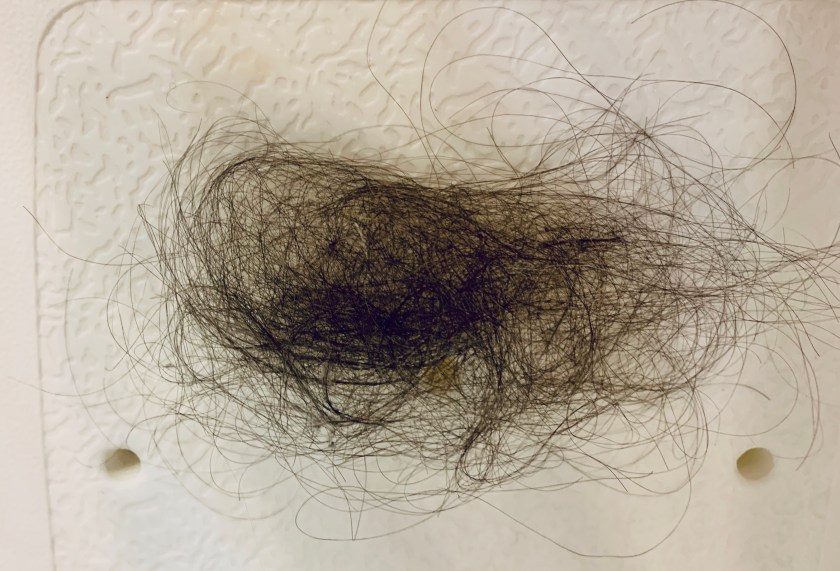
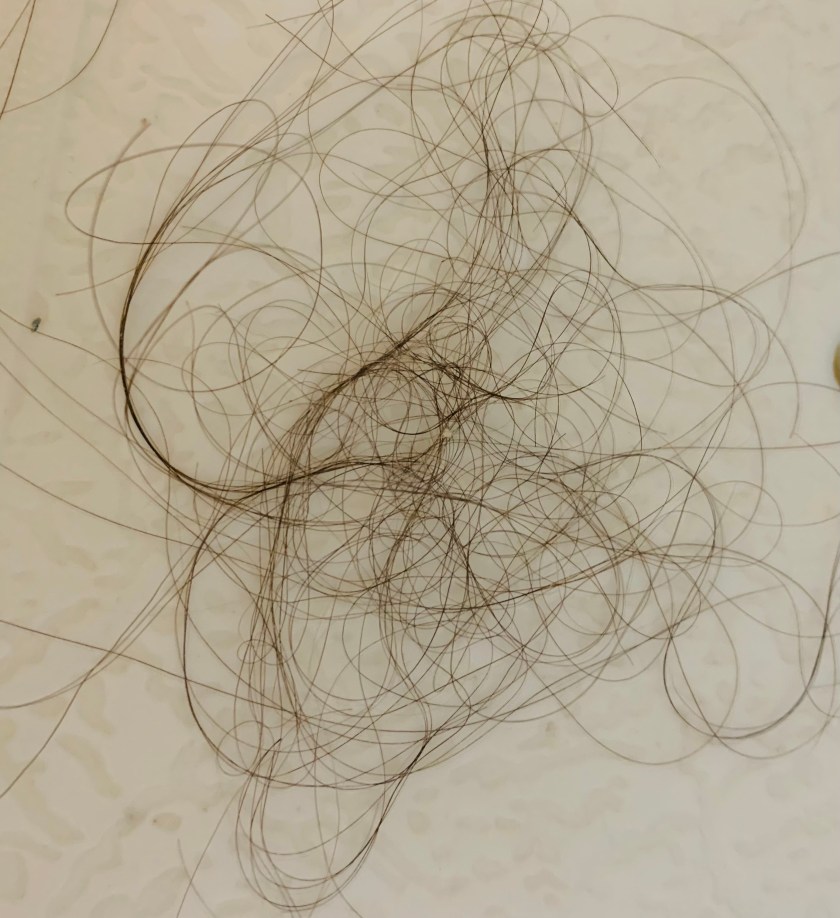







































 Looking for the Light