Driving is highly convenient and it is the easiest way of getting from A to B. Public transport can be useful, but you rely on the stations being positioned perfectly, and there will always be delays. Another alternative is to get a taxi or an Uber, but you also have to deal with possible waiting times, alongside annoying drivers and extortionate prices.
No, nothing is easier than hopping in your car and driving to wherever you need to go. Nevertheless, you have to recognize that there are times where you should not get behind the wheel of your car. It is simply unsafe for you to do so in certain circumstances, and here are some clear warning signs that you should either walk, book a cab, or find the nearest train/bus home:
You can’t keep your eyes open
A lot of the instances on this list may relate to times where you have been out having fun with friends. However, there could be instances where you finish a day of work and it is unsafe for you to drive. Have you had a really tough day that started early and finished late? Were you on your feet the whole time using up a lot of energy? If so, you might be so physically exhausted that you can barely keep your eyes open. Were you borderline falling asleep at work before it was time to leave? This is not a good sign at all!
You can relate this to other aspects of your life as well – even if you’re home and you feel tired, it’s not a good idea to head out and pick someone up, no matter how much they pester you. Tiredness kills, just ask any elite car accident lawyers and they will back this up. Too many accidents and deaths are caused by someone falling asleep at the wheel. You may feel like this won’t happen to you, but it is not worth it. Don’t drive your car – find another way home safely, or spend the night in your vehicle and drive in the morning.
Your reactions are slow
This is more of an issue for people of a certain age, though there are situations where it can apply to younger people too. If you have reached an age where your reactions are exceedingly slow, do you think it is wise to get behind the wheel of a car? In some countries, tests are done every year to ensure that elderly people still have the reactions to drive. When they no longer do, their licenses are revoked. It sounds harsh, but it’s further proof that you can’t drive if your reactions are too slow.
For younger people, there can be all sorts of scenarios where your reactions are slower than usual. For instance, perhaps you have just been to the dentist and the effects of anesthesia are still lingering. Your mind isn’t as fast as it usually is, and your reactions have slowed down. Of course, there are other reasons your reactions can be slow, but we will discuss them in the next point coming up.
You’ve been drinking alcohol
Have you had any alcohol to drink? There is technically a limit that determines how much alcohol you can drink before it is unsafe to drive. Nevertheless, a good rule of thumb is to just avoid driving if you’ve been drinking. The problem with the limit is that it has to apply to the entire population. You may feel the effects of alcohol after just one drink, even though you’re under the limit and technically safe to drive.
As mentioned above, a key sign that you are feeling the effects is if your reactions slow down. Of course, slurred words and just a general feeling of tipsiness will also be key warning signs. Don’t get in your car and drive if you have been drinking, it is much safer to find alternative ways of going home.
You’re too stressed
Got a lot on your mind? If that’s the case, maybe it’s a good idea to avoid driving until you feel more relaxed. Stressed driving means you’re driving while distracted, which could lead to accidents. Before you drive, focus on breathing deeply and finding a more zen state. Avoid thinking about other things and you should be good to go.
The next time you spot any of these warning signs, take a step back from your vehicle. It is not safe for you to drive, and you need to find a different way of getting home safely.
We celebrate International Self–CareDay. This day was established in 2011, and the focus is on the awareness of the importance of self-care and empowering people with the knowledge and ability on how to be active participants in their own wellness.
Whether you spend it on a hike, with your pet, or curled up with a good book, taking time to care for yourself will go a long way towards improving your mental health.
It builds confidence, relieves stress, and lays a foundation for wellness. On July 24th, Self-Care Day, and everyday, Crisis Text Line wants you make time for what matters.
Have a great Self Care Day and please be sure to take extra time for yourself, no-one is more important than you and your health.
Since I started writing the “Dear Guy” column, I’ve received many letters from readers asking why some people in their lives just seem unable to apologize — even when they’re clearly in the wrong.
Are they just stubborn? Or is there something in their psychology that stops them from being able to take responsibility for their actions and simply say they’re sorry?
To be clear, even the most conscientious among us occasionally fails to apologize. When this happens, it’s usually for one of two reasons: (1) We don’t care enough about the other person or the relationship to take on the emotional discomfort of owning our mistake and apologizing for it; or (2) We believe our apology won’t matter.
For example, let’s say you snapped at a colleague who interrupted you while you were racing to meet a tight deadline. If you think the coworker already holds a grudge against you for an earlier incident, you may skip apologizing since you feel it really won’t help your relationship with them.
People who can’t apologize appear to be tough individuals who refuse to back down. But they don’t do this because they’re strong — it’s because they’re weak.
But what about the people who can never admit they’ve misstepped, no matter the circumstance? What makes them incapable of apologizing even when they’re obviously in the wrong? For these people, admitting wrongdoing and offering an apology is too psychologically threatening. Offering an apology implies that they’ve harmed another person in some way, which can elicit feelings of shame.
People who cannot apologize often have such deep feelings of low self-worth that their fragile egos cannot absorb the blow of admitting they were wrong. So their defense mechanisms kick in — at times, unconsciously — and they may externalize any blame and even dispute basic facts to ward off the threat of having to lower themselves by offering an apology. When they double down on their wrongness by blaming circumstances, denying the facts, or attacking the other person or people involved, non-apologizers can make themselves feel empowered rather than diminished.
Unfortunately, many of us mistakenly interpret these people’s fragility-driven defensiveness as a sign of psychological strength. That’s because outwardly they appear to be tough individuals who refuse to back down. But they don’t do this because they’re strong — it’s because they’re weak.
Psychologically speaking, admitting that we’re wrong is emotionally uncomfortable and painful to our sense of self. In order to take responsibility and apologize, our self-esteem needs to be strong enough for us to absorb that discomfort. Indeed, if our self-esteem is higher and stable, we can tolerate the temporary ding that such an admission involves — without the walls around our ego crumbling.
But if our self-esteem is seemingly high but actually fragile, that ding can pierce through our defensive walls and score a direct hit to our ego. Indeed, as a rule of psychological thumb, the more rigid one’s defense mechanisms are, the more fragile the ego they’re protecting.
The mistake we often make when faced with someone incapable of apologizing is to become irate and try to win our argument with them. But the sad reality is: We’ll never win.
The mistake we often make when faced with someone who’s habitually incapable of apologizing is to become irate (for good reason, of course) and try to win our argument with them (because we’re right!). But the sad and frustrating reality is we can never win. Even if we demonstrated that they were wrong in stark, inarguable facts, they will either deny those inarguable facts or pivot to a personal attack by saying something like “Why do you always make things difficult and unpleasant?!?”.
In these situations, the best we can do is to make our points as calmly and as convincingly as we can and then disengage from the argument when it becomes unproductive — like when they dispute the facts, come up with ridiculous excuses or pivot to petty remarks. Once they calm down and once they no longer feel attacked, we can then look for signs of contrition. Are they extra kind or solicitous to us? This is their way of unconsciously trying to mend the relationship with us in ways that aren’t threatening to their sense of self. By going that extra mile in the aftermath of their misdoing, they can feel good about themselves rather than bad.
If the non-apologizer is a close connection, tap into your empathy and compassion. Remind yourself that beneath their stubborn exterior, they are incredibly vulnerable.
OK, so what can you do about the non-apologizers in your own life? Especially if they’re your family members, coworkers or friends? Well, if they are not people you interact with regularly, you can consider minimizing contact with them. But if they are close connections, you can try to make your peace with them.
The best way to do this is to accept their behavior — annoying as it is — and realize they’re simply psychologically incapable of apologizing. What’s more, they’re not going to change. Practicing acceptance can help you disengage from arguments with them and help you limit your feelings of frustration, anger and hurt.
Then, if the non-apologizer is a close connection of yours, you can also tap into your empathy and compassion. Remind yourself that beneath their stubborn-as-a-bull exterior, they are incredibly vulnerable.
The bottom line is this: We all have moments when we refuse to admit we’re wrong. But when someone never takes responsibility and is habitually incapable of apologizing, it’s a sign that they’re a person with a fragile ego and a weak sense of self.
Got an interpersonal problem that you can’t figure out on your own? Psychologist Guy Winch answers readers’ questions about life, love, work and what matters most. Please send them to dearguy@ted.com; for his previous columns, go here.
Watch his talk on emotional first aid now:
ABOUT THE AUTHOR
Guy Winch is a licensed psychologist who is a leading advocate for integrating the science of emotional health into our daily lives. His three TED Talks have been viewed over 20 million times, and his science-based self-help books have been translated into 26 languages. He also writes the Squeaky Wheel blog for PsychologyToday.com and has a private practice in New York City.
Driving gives you a lot of freedom. When you own a car, and you’ve got a driver’s license, you can get on the road and drive to any destination you want, whenever you want. You don’t need to rely on public transport or family and friends to take you places.
That all sounds great, however driving a car isn’t without its disadvantages. Some people don’t realize that driving can negatively impact their mental health in several different ways. Take a look at the following examples; some of them might apply to you:
1. Other People’s Bad Driving
It should come as no surprise that the top reason for many people experiencing a negative impact on their mental health from driving is other people’s bad driving. A momentary lapse in concentration, for example, is enough to cause a multi-vehicle collision.
Both new and seasoned drivers will find it stressful to drive at times because they have to keep perceiving the actions of other road users. As a result, that can also make those anxious drivers feel exhausted by the end of their journeys.
2. Car Accidents
Let’s face it: getting involved in a car accident is never a pleasant experience for everyone involved. While many collisions are minor and don’t cause lasting effects, some car accidents can be pretty severe and potentially life-changing.
For some people, getting involved in a car accident means using a car accident lawyer to claim compensation for vehicle damage and medical bills, taking time off work, and even mentally preparing themselves for driving again. Car accidents can be very stress-inducing.
3. Range Anxiety
It’s no secret the future of driving will involve having a car or truck that doesn’t contain a gas or diesel engine and instead contains batteries and electric motors. There are many EVs (electric vehicles) on the market these days already.
The problem is, most vehicles don’t offer long ranges like what you might expect from gas and diesel engines. At present, only car brands like Tesla offer long ranges from their EVs – but at a price.
Range anxiety can severely impact people’s mental health because they fear “breaking down” far away from home or a familiar destination. Still, as technology develops, the fear of range anxiety should decrease soon.
4. Unfamiliar Vehicles
If you buy a new car or you have a job that involves driving different vehicles each, it can take some time to familiarize yourself with “new” cars. For example, you’ll have to spend time learning the controls and dealing with different ways to change gears.
Driving unfamiliar vehicles can add varying levels of stress and anxiety to a person, depending on their past driving experiences. It can be easy to advise people with such stresses to avoid driving unfamiliar cars and trucks. However, it’s often unavoidable for them.
5. Unfamiliar Locations
When you drive your car or truck in your local area, you will understand and quickly memorize the roads and potential hazard zones. You’ll also familiarize yourself with various shortcuts to avoid traffic, for instance.
Unfortunately, many road users can find traveling to unfamiliar destinations very stressful and anxiety-inducing. They will also feel pressured to avoid taking wrong turns by always studying their GPS, and they’ll find it hard to “tune out” passengers talking in their vehicles.
As you can appreciate, people that experience such stress and anxiety should avoid jobs where their work often takes them to unfamiliar locations. Otherwise, they could do their mental health more harm than good.
6. Unfamiliar Passengers
Getting a job as a cab or Uber driver might seem like an excellent way to make extra money on the side of a day job. It may even seem like a suitable career option for people looking for a flexible way to earn a living, especially if those individuals enjoy driving.
The sad truth is some people new to driving cabs might end up feeling anxious about ferrying around strangers in their vehicles. As you can appreciate, there can sometimes be a significant health and safety risk of picking up passengers you’ve never met before.
Attacks on cab and Uber drivers are rare, but they do happen. If you’re someone that feels anxious about putting yourself in a potentially unsafe situation like that, it can make sense to look for an alternative option, such as fast food delivery.
Final Thoughts
Driving can be an enjoyable pastime. However, it’s worth keeping in mind that some people can get negatively impacted by their experiences.
The decision to place a beloved relative into full-time nursing care can be a tough one. After all, many people want to do all they can to help aging relatives continue to live in their own homes, and some even make the momentous step of bringing them into their own residence for care.
However, the truth of the matter is that there are many conditions, including dementia, that mean elderly relatives are far safer in specially set up care homes than anywhere else. Of course, as part of the selection process, you will visit and assess different facilities, what they have on offer, and how well they fit the needs of the relative in question. Indeed, to be able to do this you will need to be on the lookout for the factors and issues mentioned below.
First of all, the location of the nursing facility you choose matters. This is because if it’s too far away from your own home it will make regular visits much more difficult, something that can cause stress for you and increase the issues with the loneliness that your relatives may experience.
Additionally, if you uproot your reactive and move them too far away from the place and community they have known for a long time, you can make the transition a lot more painful than it needs to be.
Finally, with regards to location, be sure to look at the grounds and surroundings of the facility. You will need to be aware of two things in particular here. The first is how safe they are, both concerning people getting in, and whether there is any risk of your relative accidentally wandering into the surrounding community which could put them at risk.
Also, the setting of the facility can make a massive difference to the experience that your relative has there. For example, if they are used to living in urban areas they may not feel at home in a rural setting and vice versa.
Size
Another important consideration is the size of the nursing facility you are considering. This is because there are specific advantages and disadvantages associated with the different types.
For example, a larger home may have better access to more technologically advanced equipment such as chair lifts, which can help keep your relative mobile. However, a more introverted person may not feel at home in a larger nursing facility and may prefer something smaller and more intimate instead.
Level of care
You will also need to pay attention to the levels of care that are offered in the facilities you are looking at. The reason for this is that some only provide a very basic level of care, something that is often known as assisted living. This is when there is a warden there to help if people need it, but most of the time they are self-sufficient.
On the other hand, other facilities will offer full nursing care and have staff on-site that can treat illness and issue meds. Of course, the current needs of your relative will matter most here, but also remember that their care needs can change as they get older, and if you opt for the lower level of provision to start this can mean they will have to move all over again which can be upsetting for them.
Red Flags
In addition to all the positive things that you should be looking out for in each care home, it’s also sensible to take some time to see if there are any warning signs or red flags as well. After all, you will want your relative to be as well cared for and protected as possible. Checking the security measures they have in place, as well as their vetting procedure for staff is a very good idea at this stage.
Feel free to ask whether they have ever had a team of expert nursing home abuse attorneys investigate any incidents at their institutions too. Oh, and don’t forget to Google each facility too, as you can get plenty of information online these days.
Facilities
Last, of all, be sure that you remember to consider the facilities that each center has on offer. For some this may mean individual apartments for each resident, while for others they will have rooms.
Some places may offer different activities in-house such as crafts, singing groups, and even spiritual worship. Be on the lookout for places that offer plenty of trips as well, as having positive experiences like these can make all the difference to the mental and emotional health of relatives as they reach later in life.
Ever silently berate yourself at work for not standing up for a colleague, letting people say things that are inaccurate or misleading, or just allowing others to talk over you?
“At work, you don’t always say what you think needs to be said, and it’s not just you,” says Molly Tschang, a consultant, executive coach and business consultant, in a TEDxBeaconStreet Talk. “Your co-workers are holding back, too.”
All this tongue-biting is not only self-sabotaging, but it’s detrimental to your team and your workplace. That’s because when you hold back, “neither you nor your organization are fulfilling your true potential,” explains Tshang, who helps CEOs and senior management leaders communicate more effectively.
Of course, it’s not always so easy to speak up. Tschang offers four tips to help you do it skillfully.
1. Drop anything that’s getting in your way
Before your meeting, presentation or call, get ready. “You can make the work harder or easier before you utter a single word,” says Tschang. “Let go of emotions that won’t help you objectively see the situation or come across the way you want to be heard.”
2. Set the right tone
You may be feeling annoyed, impatient, apprehensive or anxious, but try to focus on your positive feelings — like curiosity, excitement, confidence and gratitude — instead. Ask yourself this, suggests Tschang: “Would you rather help a complaining colleague or one who first acknowledges and appreciates you? Would your boss be more receptive if you’re defeatist and timid, or hopeful and self-assured? Choose the energy that supports how you want to be perceived and the work to be done.”
3. Make space for other voices — and not just the loud ones
According to Tschang, many meetings — and organizations — can be divided into two camps: the noisies and the quiets. She explains that “quiets are the voices or viewpoints we don’t hear enough of,” while “noisies are the dominant voices hogging airtime. Their opinions can sway the group’s thinking.” But she emphasizes that “it’s not good or bad to be either. The opportunity is to benefit from all voices.”
Ideally, the meeting leader will step in to ensure that the noisies and quiets are more or less equally represented. But that doesn’t always happen. However, “any member, including you, can and needs to raise awareness” — so you can bring attention to the fact that either some extroverts are preventing others from being heard or some introverts aren’t getting a chance to enter the discussion.
For example, if noisy Sam is going on and on, you could jump in as soon as he takes a breath and say, “Sam, I appreciate your passion and expertise. We’re fortunate for it. I’m actually a bit lost. Would you kindly sum up your main points in a sentence or two?”
4. Listen
In addition to clearing the way for quiets to talk, you can do the same for people who are expressing less conventional ideas. “You must hear all relevant voices, especially the dissenting or unpopular ones,” says Tschang. Especially if your meeting requires your group to reach a consensus, this will allow you to address potential misunderstandings or disagreements before they escalate or develop into a bigger problem.
And after you — politely — overthrow the noisies, resist the urge to take over the meeting with your own opinions. “As MIT Media Labs research tells us, members of high-performing teams talk and listen roughly equally,” says Tschang. “They keep contributions short and sweet.”
If you still feel nervous about speaking up after reading this advice, realize that your input might actually be helpful to others. After all, many of us are so caught up in our own worlds and with our own issues that we may not realize the impact we’re having on others. As Tshang puts it, “If someone felt disrespected by you or thought you were missing key information, wouldn’t you want to know?”
And if you’ve thought, “What’s the use of saying something? It’s not going to make any difference,” think again. While it’s true you can’t single handedly stop a chatty coworker from dominating meetings, your speaking up can help relieve some of your feeling of powerlessness. “We’re all part of the problem and solution,” says Tschang. “No one needs to accept dysfunction and sit frustrated on the sidelines.” You can also use your voice to ease other people’s frustration and invisibility by spotlighting them.
Speaking skillfully takes time and practice — so be patient with yourself and with your colleagues — but the effort is worth it. “Finding your voice, one that’s effective and authentic to you, is how you can be who you are and say what needs to be said,” Tschang says.
ABOUT THE AUTHOR
Pamela Stock is a writer based in Brooklyn, New York.
It’s incredible when you think about it. As soon as you were born, your parents and other senior members of your family began to take care of you. Often they would put you well before themselves. So, as they get older, protecting them from harm, in the same way, they protected you as you were growing up is the least you can do. And it’s usually something that children and grandchildren will want to do for their senior family members.
Wanting to protect our loved ones and knowing how to do this, however, are two different things. It can be hard to know just what to do to ensure that those we love are as safe and secure as possible. Read on for some help in this regard so you know what to do and when to start helping. It can make a massive difference to their quality of life and will give you peace of mind.
Sometimes, no matter what else we do and no matter what effort we put in, the best option for our senior loved ones is a care home. Sometimes, this truly is the best option for ensuring that they’ll get the better and more relaxed life that they truly need, and it’s something that Donna Hurley of Fresno advocates for too. When it comes to our senior loved ones, they truly need and deserve nothing but the best, the best safety, the best medical care, and the best day-to-day activities too
When in a care home or nursing home, they will get the attention they need, and they will therefore stay safe from harm at all times. If they have any kind of condition or chronic illness, there will be dedicated professionals able to help them 24/7. Try as you might, this is not going to be something you can necessarily do yourself, and although the move to a nursing home can be hard, it can also be for the best for everyone, and it is certainly a form of protection.
To truly help and to ensure that you are doing the right thing, it’s wise to research the nursing home as much as possible. If any former patients have had to use trusted nursing home abuse attorneys, or if there have been many complaints, for example, then it’s probably not the right place to go. Choose well, and everyone will be happy and safe.
Protect Them From Scams
Scams are everywhere, and the more technology we rely on, the more scammers and hackers try to get us to give them our sensitive, important information. The more you know about technology, and the more you’re aware of these scams, the easier they are to ignore, and you won’t find yourself paying out for something that you shouldn’t do.
When it comes to older relatives, they might not be quite so technologically savvy. They might use a tablet, smartphone, or laptop to access the internet, send emails, and connect with their family, but that doesn’t mean they are experts. In fact, older people are often subject to these scams, perhaps because they don’t know so much about them or because they are simply more trusting, having not grown up with scams all around them like many people do these days. It could even be that out of loneliness, older people engage with scammers much more.
To protect your loved ones as much as possible, help to educate them about scams. If they have trouble remembering, write the information down and keep it next to their phone or computer so they know what tell-tale scam signs they should be looking out for.
Assist With Mobility Issues
For some older adults, losing mobility is a big issue that can cause many problems, both physically and mentally. Falling poses a considerable risk, particularly for individuals suffering from osteoporosis (brittle bones).
Helping to prevent accidents by modifying your loved one’s house or assisting them in moving to a more accessible place can keep them safe. You might help by putting grab bars in the bathroom or adding a walk-in bath, or you could ensure that your loved one has the proper mobility aids to use both inside and outside to help them go around securely.
Secure Their Home
Another crucial aspect in remaining safe is home security. If you want to keep your loved one protected, you can do a lot in terms of ensuring their home is safe and secure. You should make sure their windows and doors have good locks on them, for example, even changing the locks entirely if you’re not sure who else has a key.
It is also a good idea to install an alarm system or service an existing one to make sure it’s working as it should be. Installing modern technology like security cameras or a camera doorbell is another option. You may be able to keep an eye on your loved one due to this (with their permission, of course). Keeping your elderly loved ones safe from anything that might hurt them will undoubtedly ease your mind.
Social media platforms, such as Instagram and TikTok, are filled with inspiring images of happy relationships. A quick search reveals some of the most popular hashtags to elevate your relationship to an inspirational love story. All the #CoupleGoals images and videos have a central element in common: Couples have embraced the inclusion of the typical “you” and “me” identities into a new entity: “us”. When you think of a happy and successful relationship, you naturally depict a symbiotic communication where both individuals understand each other perfectly. The symbiosis is often the result of a strong “us”. Couples that can talk about their relationship as a “we” rather than a “me+you” approach have already unlocked one of the biggest secrets behind the Insta-worthy #CoupleGoals photos: Common projects.
What does a common project say about your couple? Sharing activities, ideas, and values with your other half allow you to build a new entity – the “us” – that can stand strong. Common projects are essential to the strength and survival of your relationship. The more you share, the more you define your couple goals, and the more you allow for an “us” to exist.
For each couple, a home is a special place where both need to feel happy and safe. Nobody wants to be in a relationship where they feel they only live in their partner’s home. Unfortunately, the situation can present itself naturally. Perhaps, when you met with your current partner, one of you already had a home. Yet, even though one moves in with the other, it doesn’t mean the interior decor should stay the same. On the contrary, seize the opportunity to make a home for both of you. Decorating together can be tricky – there’s no point denying it – especially if you have different tastes. But putting a place together that suits both of you will help create a healthy balance in your couple. You both have a say in the design and conception of a shared home. Think of it as the foundation of your couple.
Planning your next holiday
Another typical project that should be shared but is often one-sided is your holiday. Planning a vacation with your other half is not just the opportunity to get away together and leave everyday routine behind. It’s also the chance to share the excitement and joy of the vacation. Couples who plan their travel together stay together. What does planning together mean? It’s a matter of creating a common purpose, such as deciding about the destination together. As you discuss each location, you can also identify areas that interest you both and areas that one of you would rather avoid. Additionally, you can also create daily itineraries together. Would you prefer a morning on the beach while your partner wants to visit the local zoo? Make sure the day has a little bit of everything. Working together to plan exciting holidays encourages you to compromise to ensure it works for both of you. What’s the point of creating new memories if only one of you has fun?
Not fearing the future
The future brings a world of uncertainties and questions. But you can face it together as a couple, discussing eventualities and considering how to best face some situations. Admittedly, nobody wants to think about the death of their loved one or their own, but planning the future together already includes that conversation. You can feel reassured about facing the worst-case situation if you’ve already considered your preferred course of action. Knowing that you have planned a pair of standing cemetery headstones, for instance, can remove a lot of the anxiety linked to the unknown. Unfortunately, some things are not preventable, and while you may delay them for as long as possible, there will be a time when one of you will be left behind. Yet planning together can give you more control and protect your sense of togetherness, even in death.
Improving your mental health day after day
Couples who embark on a self-improvement journey together are more likely to boost each other’s motivation and overall health. Starting a fitness challenge together can help to stick to your workout and encourage each other. More often than not, deciding on health changes together creates a shared dedication to get better. But that doesn’t only mean working out. Simple healthy additions to the home, such as an air purifier or anti-pollution houseplants, can have a bigger impact when both of you are involved in the decision. When both of us stand behind the decision to improve our health, you build a positive environment that supports our motivation. Motivation makes it easy to stay fit!
Sharing and making your happiness
At the core of a strong and happy “us”, there’s a need for clear, honest, and transparent communication. Secrets shatter a couple’s loyalty. Being open about what you both want and expect from the relationship from the start will ensure you are both walking in the same direction. As silly as it might sound, there’s only so much you can compromise for love. If one of you wants kids, for instance, and the other doesn’t, there will be a point when the relationship can’t grow any further before it doesn’t fulfill your needs. The bottom line? You are in charge of how to build and make your togetherness, and to do that, you need to have all the pieces.
Making memories together
Marriages – or unmarried long-term relationships – don’t create togetherness through their official or unofficial union. They build togetherness by giving the “us” space to grow. Creating traditions and rituals that work for your couple is the key to making meaningful memories. There is no right or wrong when it comes to your couple’s culture. Most couples build a language that is theirs, referring to shared experiences, or inventing sweet pet names for each other. Ultimately, you write a story that gives life to your relationship.
In conclusion, joint projects turn the “me + you” into an “us”. While it doesn’t mean that all projects should be together, it is your responsibility in a relationship to give enough space and opportunities for the “us” to grow into its own entity. You don’t have to share absolutely everything, me-time is something you can and should preserve. But sharing enough of the good times lets you go through the stormy days safely.
From a young age, you have been taught by society, your family, and at school that you must go to college and get a qualification to make a good living or become a success. Unfortunately, only 63% of all high school students enroll in a 2 or 4-year college. Other factors do not allow them to attend college for the remainder of the 37% of students. It’s either that they don’t have the funds available, couldn’t get a scholarship, didn’t qualify for a student loan or didn’t have the grades to qualify. However, many careers don’t require a college degree.
Protecting The Public
Even when you were little, and you had to prepare your “When I grow up, I want to be” oral; the list includes the obvious fireman and policeman. You can fulfill your childhood dream and pursue this without a college degree. If a uniform career was always your dream, but you feel that you can offer more going abroad, then join the army or navy. These prestigious careers provide you training, although you do need a high school diploma.
If you always dream about traveling, visiting different cities, or even countries, consider becoming a pilot or air hostess. A private pilot license only takes 2 months, but if you want to be an airline pilot, it will take you around 2 years because you will first need to complete your 1 500 flight hours. After completing your course to become an air hostess, you are ready to board domestic flights. If local was never your end game, build up your experience and become an international air hostess.
Keep It Local
International endeavors were never your thing. You are more of a local person and want to have a job that keeps you in your town or city or country for that matter. Multiple career options are available for you. If the wide-open road is calling your name, expert trucking will be a perfect fit for you. Just make sure that you have the suitable license (CDL). Or have you always been quick on your feet and a smooth talker? Then try a sales agent on for size. Many sales agent positions work on a commission structure, so you control how big your paycheck must be at the end of the month.
You might have seen on some career options that they do not require any degree, but they do require a minimum amount of experience. So how do you rake-up experience first? By doing internships or volunteering in the specific career, you want to follow. There might be a high possibility that your time there will not be paid for, but it will be all worth it when you land the job.
With any of these career choices, you will have to start at the bottom. But with hard work and dedication, you can move up in the ranks and earn more. Experience means more than qualifications for these career paths.
An automobile accident is one of the worst sounds you will ever hear, whether you are the driver, passenger, or even a witness. But what happens after the ambulance arrives and whisk the injured to the hospital? How do you move forward?
A car crash doesn’t usually have to be with another car. It can be with a pole, wall, truck, or even a tree. You not only have to come to terms with loss or the pain of your injuries but there are also legal and insurance matters that you need to deal with. No matter the cause of the accident, you need to let your insurance house know right away. They will let you know what information they need from you to process your claim. Some information they will need is when and how it happened, the other driver’s details and insurance details, and any police statements. If a truck is involved or you are the truck owner, it is best to get an expert trucking witness involved. Because of the impending legal matter, these experts can help you with a report and litigation matters.
PTSD
Posttraumatic stress disorder (PTSD) is not only for war heroes. Anyone who was threatened with violence, death, rape, or severe injury can have PTSD. That includes if you were in a car crash or witnessed a horrible car crash. The traumatic experience causes the psychiatric disorder. There are 4 types of PTSD:
avoidance,
intrusive memories,
changes in physical and emotional reactions,
and negative changes in thinking and mood.
You might not know if you have PTSD. Still, good indicators are if you keep re-experiencing the car crash, having nightmares or flashbacks of the car crash, and even avoidance of the place where the car crash happened. One of the most effective ways to treat PTSD is Cognitive behavioral therapy (CBT).
The survivor of a car crash can be anyone who was involved. Any parent’s nightmare come true is finding out their child was in the car crash and they didn’t survive. The absolute devastation and grief are unthinkable. But life does go on, even if you wish that it doesn’t. It’s hard to celebrate the lives they have lived, even if it was only for a few years. But, you need to realize that you are not alone and that there are people on the sidelines waiting to help you. They are just waiting for you to push on their button. Of course, friends and family are your first line of defense. Still, sometimes you need an outsider to dump your anger, resentment of the world’s unfairness and reveal the scary thoughts running through your head. Psychiatrists are professionally trained to know how to handle and walk you through the healing process. Or maybe you want to talk to people who also went through the same things as you? Reaching out to support groups doesn’t make you look weak. Instead, it will make you come to terms with your new normal without your child in your life.
Your pain doesn’t stop when the car stops dead; there are many steps you need to take after the crash. Whether you are grieving, need legal advice, or treatment after a car crash, you need help. Any kind of help is available with a few clicks of the button.
Business cars are typically seen as executive vehicles, usually German-made and quite flashy. You drive them to give themselves a good reputation, almost showing off when you meet clients. By all means, there are benefits that come from owning a business car. However, have you ever thought about owning a business van instead? Vans are very different from cars, and they can provide you with some substantial benefits as well. So, let’s take a look at what you can gain from driving around in a van:
A van gives you the opportunity to operate a portable business. In essence, you can carry supplies and equipment in your van, basically running your business from it. A lot of the new Vauxhall vans for sale include more than enough space for you to convert the back of your van into a portable base of operations. You can sell products from your van, use it to complete jobs – the opportunities are endless. It gives you an excuse to step out of the office and conduct work on the go.
Access more customers
Following on from the previous point, having a mobile business means you can access more customers. Now, you can actually travel to people’s homes and provide your service via your van. With a car, you perhaps lack the space to carry all of the resources needed to conduct your work. A van gives you all of this space, so you can start offering call-outs and come to people’s homes at a short notice. Instead of operating a static business where people might come to you, you can start going to them.
Improved marketing opportunity
With a car, you don’t really want to go over the top with the branding. As mentioned in the introduction, the main purpose of an executive car is to look fancy and impressive. So, slapping your logo on the side will pretty much defeat the purpose of it. Instead, you can get a van and use this to promote your business when you’re on the move. No doubt you have seen so many small vans around your local area, all of which are heavily branded.
You see, there’s more than enough space on the sides of the van to place your logo, along with other contact details. This can include your telephone number, email address, website URL – and even a QR code for people to scan. A van delivers excellent marketing opportunities for you to consider, so you can promote your business while you drive around. Again, this can link to the previous point in that promoting your business via your van means you could get more customers.
Overall, a van for your business presents some significant advantages over a simple business car. Specifically, it is more practical in the sense that you can do more with a van and can operate your business from it. You tend to see more practical benefits from a van than you would a car, which is normally just for show.
Now more than ever, thanks to the pandemic that’s swept across the world and derailed many businesses, it’s important to maintain or improve your business’s performance. As the owner of a small business, you may think that you’re already doing all you can, or you think things are going well. While that may be the case, complacency is a fast road to disappointment. SMEs need to be constantly changing, adapting, and growing to survive against the giants out there. So, whatever your business, there are a few things you can do to make sure you’re always working towards the next goal.
Coasting isn’t an option as an SME owner. So, ensure to have a clear business plan for the next month/quarter/financial year. You can create your own business plan, or work with online tools to help you set it out and get the most out of it. By specifically planning what exactly needs to get done, you can then free yourself up to see what you could dream of getting done.
Get dreaming
Once your official business plan is in place, allow yourself the space to dream big. If you have colleagues you work well with, carve out time for some blue-sky thinking away from the stresses of day-to-day business. Once you have these dreams and ambitions, get them up on the wall in front of you on a whiteboard. You can inspire yourself and your employees to work hard to achieve these ambitions.
Get marketing
Businesses need marketing. Fact. No matter how well you feel yours is going, there’s probably more you can do. Consider checking out your competitors – do they run really effective social campaigns? Are they attracting interest with competitions or promotions? Have they bought up any advertising space? There are so many avenues out there to consider, so ensure your marketing plan is up to scratch and working as hard as it can.
Funding
Consider whether your business is eligible to receive any funding or investment to assist your business’s growth. You can either do this yourself, by researching and reaching out to investment firms, angel investors, or government bodies, or you can employ the help of investment advisors such as Clark Street Associates Skywater. Advisory firms such as these can assist businesses to discover funding opportunities – be it publicly or privately – that they may be eligible for.
Motivate your employees
To improve efficiency and boost morale, you have to invest in your employees. Without them, your business couldn’t run, and a happy workforce makes a world of difference. Another bonus is that word often gets out, and people respect businesses that take care of their employees. So, consider what you can do for your workforce – whether it’s offering flexibility, helping them develop their skillsets through courses, or incentivizing your staff through competitions. What works on some employees won’t work on others, as each is different, so get to know your team and create solutions to suit them.
Rustic decor and home furnishings can be tricky to create. It’s a unique style that not everyone can pull off well. But when done right, rustic decor can give your home a warm, inviting feel. This blog post will discuss three ways you can make your house look rustic without breaking the bank!
Wood designs are a great way to give your house that rustic feel. You can either use natural wood or treat it with different stains and finishes to achieve the desired look you’re going for. For example, if you want an old, weathered look, paint it black and let nature do its thing!
Wooden benches are for the porch or deck. Of course, designing an outdoor patio can be more challenging due to external influences, but the help of Austex Fence & Deck can give you beautiful options that will bring life, brightness, and nature to your home. For example, you can place a wooden bench seat in front of a large window to let natural light into your house and give it an inviting feel!
Reclaim Earthy Color Paints
Earthy colors are calming to the eye, which is excellent for a rustic style! The best part about these paints, like other interior paint, is that they’re all one color you can mix with others to create your custom hue!
Earth tone shades will give any room in your house an antique feel. Pair this type of wall color against wooden accents or even reclaimed wood furniture pieces and see how much better off it makes your space look.
Build an Indoor or Outdoor Fireplace
Most people don’t have the luxury of having an outdoor fireplace but still want that rustic feel in their home. You can achieve this by building a fireside indoors! It’s easier than you might think, and here are some tips to help make sure your indoor fireplace is successful:
Outdoor fireplaces typically need more maintenance than those within the house because of their exposure to nature. They also tend to be larger, which means it will take longer to heat up enough for use during colder months. If these things aren’t an issue, then building one outside may work best for you!
It would help if you built indoor fireplaces on a level floor or base not to risk any potential accidents. Remember to keep it clean and free of any debris so that the fire will burn safely. Keep in mind; some houses require a permit to build or modify these firesides! Check with your local building codes before starting this project.
DIY Projects
Rustic decor can be expensive to create, but it doesn’t mean you have to break the bank! In contrast, you can do some of these DIY projects around your house for a fraction of the cost.
Owning a vehicle makes life so much easier. Being able to go wherever you please and whenever you want brings a strong feeling of freedom. Having a car also makes it so much simpler to carry out everyday tasks such as running errands and getting to appointments. But, to get maximum enjoyment out of time spent in your car, it needs to be looking great and running at its best. For many people, a car is so much more than a means of transport; it reflects their identity and provides a status symbol. If you want to make a positive impression on everyone you meet, keeping your car looking good is a big part of this. Keeping your vehicle in perfect condition is also beneficial from a re-sell point of view. You are far more likely to get a reasonable price for your car if it is well looked after and maintained. If you are keen to get your vehicle looking at its best and performing well, why not give these tips a try?
Having your car serviced regularly is an excellent way to keep it finely tuned and running at its absolute best. Scheduling a regular service will help ensure that potential issues are detected early and are then repaired before they become a more severe problem. Having maintenance services carried out on your car also allows it to run more efficiently, as everything will be working as it should.
Give the Interior a Makeover
Worn tatty seats, damaged carpet, and a dusty dashboard are familiar sights in many people’s vehicles. Taking care of these signs of wear and tear can help make driving your car a far more comfortable experience. Giving the interior a makeover is also an excellent way to preserve your car’s value. If you are concerned that the inside of your car is beyond repair, don’t worry! There are many ways to get your interior looking new again. If the ceiling of your vehicle is looking damaged, stained, and is coming apart, this can be resolved with a headliner replacement. Your seats can also be repaired; if the fabric is the problem, you could get them re-upholstered, or car seat covers could resolve the issue at a lower cost.
Take Care of the Exterior
Faded paintwork, dents, and scratches are all issues that many car owners are faced with. But, these are all issues that can be resolved. You may be able to repair some scratches yourself at home using a paint repair kit or specialist polish, but take care if you try this so that you don’t make it look worse. If you plan to keep hold of your car for a long time and really want to give it a makeover, you could consider having it resprayed or getting a vehicle wrap. Both these options could help you to achieve the perfect finish you are looking for and ensure you have a car that you are proud to drive.
Are you looking at investing but not too sure if traditional investment routes are for you? There has never been a better time to invest than 2021 in pretty much anything except stocks and shares.
In a nutshell, investing is risky. You may not get back what you put in, or indeed anything at all, and not investments are legal or even advised. However, if you want to invest, you need to make sure you have done your research first before putting down any money, so you are happy with the risks associated with investing in your chosen method.
So what are great options for investing that don’t involve gambling on the stock market?
Vintage Cars
Most specifically, JDM (Japanese Domestic Motors). If you are a fan of the Fast and Furious movie franchise and dream of pulling off some of Paul Walker’s signatures, moving or driving the exact Nissan Skyline model from Gran Tourismo, then finding a good quality, low mileage JDM import can be a great investment opportunity. JDM cars are legal in the US once they become over 25 years old, and they make a great investment for any drag racing fan.
Watches
Classic Cartier, Rolex, and Omega watches are some of the high-quality brands that hold their value and, in some cases, increase depending n the condition and the model. Highly sought-after designs and designers are great investment pieces and can enhance a collection or an investment portfolio.
The best watches to invest in for 2021 include;
Rolex Daytona Platinum Ice Blue Arabic Dial
Rolex Day-Date 40 60th Anniversary 18ct White Gold Olive Green Dial
Longines Vintage Chronograph, Circa 1940-the 1950s
Custom Diamond Set Patek Philippe Nautilus Rose Gold Watch
Omega Speedmaster “First Omega in Space”
Commodities
Agricultural products, oil, natural gas, precious and industrial metals, and other natural resources are examples of commodities. Commodities are considered an inflation hedge since they are not affected by public equity markets. Furthermore, the value of commodities grows and falls under supply and demand—greater demand for commodities leads to higher prices and, as a result, higher profits for investors.
Real Estate Crowdfunding
Another way to diversify your real estate investment portfolio is to use a crowdfunding platform. These choices have grown in popularity over the years and allow you to invest in real estate without the inconvenience of owning or maintaining the property. To gain access to some platforms, you must be an accredited investor, while others do not. However, there are other solutions to consider.
Investments value can differ from platform to platform, with some offering investments from as little as $10. it is a great way to build up your portfolio without funding the cost of purchasing real estate yourself.
Gold
Investing in gold has always been a great option. Gold usually holds its value and is often seen as a good asset to invest in. If you’re a modest investor or a first-timer, it’s best to stick to direct gold investment strategies. This usually entails purchasing gold bullion in the shape of coins, bars, or other real gold forms. A gold allocation of 5% to 10% is considered good for an individual’s portfolio. When it comes to investing in gold, it’s also critical to understand the elements that influence gold prices.
I made that up while trying to explain to an employee that it doesn’t matter what we think, it’s what our client thinks. If they think it’s real, it’s real to them. We can’t tell them they are wrong, we have to change their perception.
Aging is part of life and inevitable, but that doesn’t mean the transition will come easy. You’re not alone if you’re worried about your future and getting older.
Many challenges come with aging and no longer being tied to a job, depending upon when you choose to retire. One essential aspect of your overall well-being and health is your mental health and your mind. Stay sharp, with it, and excited about life by applying the following tips. This way you can prepare for your future with a positive outlook and enthusiasm instead of worry.
Stay on A Sleep Schedule
You can stay mentally well as you age by sleeping well and getting enough rest. It may help to stay on a sleep schedule and get up and go to bed around the same time each day. While you want to get enough sleep you also don’t want to sit around all day and stay in bed all the time if you want to keep mentally well. The right amount of sleep will help repair your mind and body and ensure you feel your best and can function well each day.
Choose the Right Living Conditions
You’ll feel mentally better when you’re taking good care of yourself and not stressing about surviving and getting by each day. Stay mentally well as you age by choosing the right living conditions for your health and situation. For instance, independent living may be an ideal option for you versus assisted living if you can handle daily self-care activities but want to live with others your age and maintain a social life. You can learn more online about the benefits of this type of community and what’s best for you so you can make the right choice and enjoy your later years.
See Your Doctor
Another way to stay mentally well as you age is to visit your doctor regularly. It’s important that you have frequent checkups as you get older and that you’re both on the same page. Not only is visiting a physician important for your physical health but you may consider seeing a therapist if you feel your mental health is slipping or you’re feeling depressed and down. Take good care of yourself by being responsible in this area and not waiting until you’re sick, ill, or uncomfortable to make a phone call and schedule an appointment. Be open and honest with your doctors so they can help you and come up with the best treatment plan for your condition or situation.
Exercise & Eat Well
It’s not just about what you think when it comes to your mental health. Your body also plays a role in how you feel mentally and physically. Therefore, commit to exercising regularly and eating a healthy diet to stay in the best condition possible overall. Exercise will help you manage and reduce any stress you’re feeling and cope with any anxiety you have about getting older. Between diet and exercise, you’ll be on the right path to ensuring you can maintain and even boost your mental health in the long run. You’ll also have more energy and will be in a better mood when you eat well and exercise.
Challenge Your Mind
It’s also essential that you challenge your mind daily if you want to stay mentally well as you age. It may be that you wake up and complete crossword puzzles or that you read books and take in new information. You’ll be getting smarter and wiser for it and helping to keep your mental health intact. You may also find these types of activities and various brain exercises to be not only challenging and interesting but fun and exciting. There are also many apps and activities you can download on your phone so you can challenge your mind when you’re on the go and no matter where you are throughout your day.
Socialize & Stay Engaged
Another way to stay mentally well as you age is to socialize and stay engaged with life and your surroundings. Build and nurture relationships with others and get out there and find activities you enjoy doing and that helps you stay connected. Keep a social calendar of events and make sure you’re making plenty of time for friends, family, and fun hobbies and gatherings. It’ll put a smile on your face and make you feel more relaxed and help you enjoy life more. It can be easy to isolate and distance yourself when you get older and aren’t working but this may soon make you feel lonely and disconnected. Make an effort to socialize and interact with others and you’ll likely find you feel a lot better mentally.
Ask for Help
You should never be ashamed or afraid to ask for help when you need it. You may harm your mental health unintentionally if you try to complete your entire to-do list of tasks and take care of your health needs all by yourself. Everyone needs help once in a while and you shouldn’t be shy about asking for it from the people who love you. Reach out and let people know what you need and what will make your life easier. Not only may you need physical help but it might be that you want emotional help or support if someone you love passes away or you’re dealing with managing all the changes that are occurring in your life.
Volunteer or Care for Others
Sometimes caring for others and lending a helping hand is all you need to turn around your attitude and outlook for the better. Improve your mental health and well-being by volunteering your time or donating your money to a cause that’s special and meaningful to you. Giving back is an excellent way to put a smile on your face and make you feel like part of a larger community and world. You’ll not only feel good about yourself for doing so but you may also meet new and unique people in the process who will give you a fresh perspective on life.
Avoid Too Much Alcohol
Drinking too much alcohol can be detrimental to your health over time. It can especially harm your mental health and mood. Therefore, stay mentally well by avoiding drinking too much alcohol and finding other ways to relax and spend your time. For you it may be taking walks in nature, reading a book, or taking a warm bath. Commit to drinking more water and hydrating so you feel full of energy each day. You may be prone to skipping your workouts or choosing unhealthy and fatty foods if you drink a lot of alcohol as well.
Talk About Your Problems
You might be feeling overwhelmed or anxious because you have problems you’re dealing with in your life. You may be more inclined to keep issues to yourself and not open up if you live alone in your older years as well. However, if you want to stay mentally well then it’s wise to be more vulnerable and talk about your problems and what’s going on in your life. You’ll feel much better after getting this information off your chest and out into the open. Reach out to people who you trust and who are willing to offer advice and support when you need it.
Independence is something that most people strive for in some way. Being independent doesn’t have to mean being alone all the time or never asking anyone for help. But it does allow you to cope on your own and to be able to pursue the things that you want without having to rely on other people all the time. If you want to be more independent, some of the things that can help you to do it are practical things that are useful to have. Other essentials to help you gain more independence are skills that you can learn. Take a look at some of these things that could help you.
Being able to go where you want definitely helps you to be more independent. It helps you to get a job where you want, without having to rely on other people or public transport. It means you can go out when you feel like it, whether it’s to see friends or go grocery shopping. Getting your driver’s license is a must if you want to increase your independence. Looking at used cars for sale will also help you to get your own vehicle at an affordable price. With your own car, you can drive whenever and wherever you need to.
Your Own Money
Financial independence is a huge part of being a more independent person. Even if you share your finances with a spouse or partner, it’s still a good idea for you both to bring in income and to have your own spending money or savings. You might use a joint account for your shared expenses, but have a separate bank account for extra spending money. Taking control of your finances can help you to maintain independence, from setting up a savings account to ensuring you have an emergency fund.
Your Own Goals and Dreams
Independence is also about independent thought and creating your own path for yourself. Do you want to decide what to do with your life, or do you just want to follow other people’s suggestions? By ensuring you have your own dreams and goals, you can go after what you want and build an independent life for yourself. That might include what you want to do for your career or goals that you want to set in your personal life, such as having a family or going traveling.
The Ability to Spend Time Alone
Some people love to be alone, but others struggle not to be around other people. However, being unable to spend time with yourself can be unhealthy. Sometimes it leads to people hopping from relationship to relationship so that they never have to be single or not being able to spend even a few minutes without someone else’s company. But learning how to be on your own, love yourself, and even take yourself out on dates can be very healthy for your independence and self-esteem.
To become more independent, work on the skills, mindset, and practical things that will help you to be less reliant on others.
In a search and rescue scramble that gripped the world’s attention for more than two weeks, the last of 12 Thai youth soccer players and their coach are safely rescued and transported to a local hospital on July 10, 2018. On June 23, 2018, Ekkapol Chantawong, 25, and his players, …read more
In Auckland harbor in New Zealand, Greenpeace’s Rainbow Warrior sinks after French agents in diving gear plant a bomb on the hull of the vessel. One person, Dutch photographer Fernando Pereira, was killed. The Rainbow Warrior, the flagship of international conservation group …read more
On July 10, 1943, the Allies begin their invasion of Axis-controlled Europe with landings on the island of Sicily, off mainland Italy. Encountering little resistance from the demoralized Sicilian troops, the British 8th Army under Field Marshal Bernard Law Montgomery came ashore …read more
The United States Patent Office issues the Swedish engineer Nils Bohlin a patent for his three-point automobile safety belt “for use in vehicles, especially road vehicles” on July 10, 1962. Four years earlier, Sweden’s Volvo Car Corporation had hired Bohlin, who had previously …read more
On July 10, 1850, Vice President Millard Fillmore is sworn in as the 13th president of the United States. President Zachary Taylor had died the day before, five days after falling ill with a severe intestinal ailment on the Fourth of July. Fillmore was only the second man to …read more
If you are like most people, you try as much as you can to avoid the thought of selling your car because you are holding on to an emotional viewpoint. However, cars come in the category of our most significant assets, but the ones that decrease in value. You might sometimes drive your vehicle thinking that it is in perfect shape, while the people around you clearly see that it is not. This means that you need to be smart enough to know when the ideal time to sell your car is.
The following are some signs that will let you know when it is time to sell your car:
You hear some strange noises
It is very wise to pay attention when your car starts making some strange sounds. A vehicle that screeches when braking means that the braking system, or rather the brake pad, is rubbing upon the rotor. On the other hand, a squealing sound coming from under the bonnet can indicate a loose or worn-out serpentine belt.
There are many other sounds that a car can make to indicate there is trouble, and none of them is pleasant. Strange sounds mean that your car is trying to tell you something, so listen carefully and act fast. Take your car for an inspection to identify the problem.
It no longer meets your needs
Life changes when you get married and start having kids. You cannot just go driving around in a deathtrap. So if you own a smaller car, you will need more space for your growing family. You might want to consider selling your car and buying a new one, preferably an SUV or a minivan.
Repairs cost more than the actual value
An aging car means more and more problems. The value continues to decrease, and every visit to the mechanic gets more expensive and finally starts taking over the actual buying price of the car. Car issues like engine and transmission problems can make a big hole in your pocket and significantly lower your car’s value.
At first, the repairs might seem like the best thing to do; besides, it’s just the engine and transmission. However, soon enough, other problems start to arise and crawl on your budget. This is a clear sign that you will need to sell that car as quickly as possible. It’s better to have a new car than an old one that requires many repairs.
It doesn’t feel safe anymore
The safety and well-being of your family are of the highest significance than the value of any car. It is time to sell a car that starts to show significant safety problems. Your vehicle doesn’t necessarily have to be old to tumble on major safety standards; it can be one of those cars that are due for a recall due to jeopardized factory standards or behind safety improvements. So, using this type of car will mean that you are putting yourself and your loved ones at risk and the other road users too.
Tire treads are deteriorating unequally
Uneven or premature tread wear can sometimes be caused by something as simple as overinflated or underinflated tires. However, sometimes, it could indicate an even bigger problem, like in the suspension. Keep in mind that suspension problems can be more complex and even expensive to fix. It might now be time to sell your car.
The Rust is Visible
Oxidation is a ruthless and troubling thing as it can spread like a rash on your car. You can solve this problem, but once it starts to spread, it gets harder to restrain. Rusting can spread to almost every part of your car, including the doors, suspension, exhaust, and unprotected undercarriage.
Remember that rust is one of the things that savvy car buyers check for when buying a car. So, whenever you notice rust, consider selling your vehicle before it spreads to other places.
It is still in good condition, and you want a new car
If you want to sell your car with less stress, it is better to do it when everything is still in good condition. This is because it can be way harder to sell a car that has many mechanical issues. Besides, when buyers realize the car needs repairs, they tend to ask for a deduction of the repair costs from the asking price.
Final Thoughts
Is your car spending a lot of time in the mechanic store rather than on the road? If yes, it is time to sell it. However, before you buy another car, it is essential to determine the value of your car to decide whether it is worth repairing or just selling it.
Are you planning to purchase your first motorcycle? While this can be an exciting moment, you need to consider several things to make an informed decision. You don’t want to make some mistakes that could cost you the investment. If you don’t know where to begin, you shouldn’t worry because this guide got you covered. It outlines vital tips anyone may need to know before purchasing a motorcycle.
It is essential to complete a motorcycle safety course to improve your safety on the roads. Much like driver’s training, this will ensure your safety and that of other motorists. Remember, you’ll be one of the most exposed bikers out there – so play it safe!
Are you an experienced motorcyclist? You may want to consider a refresher course and enhance your skills. If you already have a bike and are looking to accessorize it, you may want to check this website for great offers.
Motorcycle Insurance
Like when purchasing a family car, before you buy your new bike, you’ll need to make sure you have insurance as well. In many states, motorcycle insurance is mandatory, so this will be an additional cost on top of the purchase price. So why do you need insurance cover? It can protect you in many instances, including if you cause property damage or injure someone unintentionally.
One of the most critical motorcycle insurance covers includes liability coverage for protection against property damage and personal injury lawsuits. Other policies you may need after purchasing your motorcycle include:
Comprehensive insurance
Medical coverage
Collision coverage
Underinsured and Uninsured motorist policy
Should You Buy from a Dealer or Private Owner?
Whether you want a used or new motorcycle, you can buy from a private seller or a dealer. Evaluate your needs and choose what you think suits you. For example, a dealer can offer more comfort because their motorcycles may come with a warranty and assurance. On the flip side, a bike from a private seller could be less costly.
The Size of the Motorcycle
The size of the bike you want to buy is an essential consideration that you shouldn’t ignore. How do you know your proper size? First, know why you want to buy the bike. This way, you can understand the best motorcycle size you may need. For example, do you need a motorcycle for commuting and avoiding daily traffic? You may consider a small bike. On the other hand, for sports, a heavier bike can serve you better.
Consider Your Physique
If you’re like most bikers, chances are you want a motorcycle that you can use with utmost comfort. This is where your physical body comes into play. For example, you don’t want a bike that’s too tall or too small for you. The best way to ensure the bike you purchase won’t be uncomfortable is riding to test it before committing to the purchase.
Availability of Parts and Accessories
With a motorcycle, you can customize it according to your personality and needs. The good news is you can check the available accessories in the market and accessorize your bike. So whether you want highway bars, saddlebags, custom exhaust, backrest, or windscreen, the market has everything you may need.
Conclusion
If you evaluate your needs and establish what you want, purchasing your first bike shouldn’t be challenging. Consider these factors for your next purchase and avoid common pitfalls.
I’ve read books most of my life and some have made an impact on me personally and others professionally. Several of the books below are religious but are great reads that could change your life. Here’s a small list of books you may want to check out.
The Worst Hard Time by Timothy Egan
If you live in Texas or want to know about life in Texas during the 1930s, this is the book to read. When I bought the book I had not heard about the Dust Bowl so the book was a huge surprise. I can’t imagine living in drought, depression, and hopelessness. One story that sticks with me is an entire family was coming back from church and a dust storm blew through and killed the entire family, just suffocated them in the vehicle. Another story that hangs with me is how everyday people would take wet towels and put them in windows to prevent the dust from coming into the house. You have to remember this was also in the heat of summer when you could not open your windows.
Seven Choices by Elizabeth Harper Neeld, Ph.D.In
I bought Seven Choices when my gramps died. His death knocked the air out of me and I did know how to move forward. I had my therapist but knew I needed something extra to help me walk thru the phases of grief. It’s an interesting personal story and the learning you get is thru the learning she finds in her own life. The book helped me so much I know if I need it again it will be there.
Mad Mary by Liz Curtis Higgs
Mad Mary is a religious book that takes you by surprise. The book portrays Mary Magdalene as a homeless woman who people think has a mental issue. They shun her and treat her poorly. It’s an easy read and the bottom line is you never know who someone is and who you are treating badly. I have the highest regard for Mary Magdalene so it makes the book more special.
The Passion of Christ
I read this book after seeing the movie and I was surprised I could cry even more. What can you say? The story of Jesus’ death is profound, leaves me speechless, and sobbing. If you want to read about the last of day of Jesus life, his journey of carrying the cross to his final resting place this is the book for you
Man Search for Meaning by Viktor Frankl
I was blessed with a great teacher in boarding school who gave me books that changed my life. The most important book was Man’s Search For Meaning. I read this book at 13 years old and have read it many times since. How can you not appreciate the life you have after reading what Viktor Frankl went thru to stay alive. Viktor is a Holocaust survivor and an extraordinary man. He managed to engage his mind every day to keep learning in order to stay sane. This is a must-read book for everyone of all ages.
Shock by Kitty Dukakis and Larry Tye
Kitty Dukakis suffered terrible depression during her husband’s time in politics and she reached a point where she couldn’t go on any longer. Just like you or I, she checked herself into a Psychiatric Hospital and received Electroconvulsive Treatments in order to come out of her darkness. She raw, not pretenses, no special treatment just a patient who is suffering from severe depression. I read this the first time shortly after I spent time having ECT treatments myself. It was comforting to read about someone who is in the same place, same struggle, and see them come out on the other side.
90 Minutes in Heaven by Don Piper and Cecil Murphey
This is a short read book that will have you pulled in from the first minute. It’s a true story about a horrific car accident and the extraordinary measure the medical staff went thru to save Don’s life. During that tie, Don dies and he shares his account of his journey to the other side. It will open your eyes, make you remember life is short, and say what you have to say today not tomorrow.
Hope you find something you may not have heard of and want to take a look at it.
By changing your focus, you can find people with a track record for tackling and overcoming challenges, says HR consultant Suzanne Lucas.
This post is part of TED’s “How to Be a Better Human” series, each of which contains a piece of helpful advice from someone in the TED community; browse through all the posts here.
“Talent” is a prized commodity in the business world. Instead of employee assessments, now there are talent assessments. Companies used to have directors of recruiting; now they have directors of talent acquisition. What do senior leaders worry about most? Talent shortages.
Well, it’s time for organizations to stop fixating on talent and to focus on skills instead, says Suzanne Lucas. AsLucas, an HR consultant and writer of the Evil HR Lady blog, explains, “When we use the word ‘talent’ to refer to employees, what we’re implying is you need to have the knowledge, skills and abilities to do the job perfectly from day one.”
Lucas arrived at this conclusion thanks to a close friend with a unique profession — she’s a professional organist. One day after a fantastic performance, Lucas gave her “what I thought was a compliment,” she recalls. “‘Liz,’ I said, ‘You are so talented.’ ‘Thanks,’ she said. ‘But I’m actually not more talented than most people; I’ve worked very, very hard to get to where I am today.’”
Her reply opened Lucas’s eyes to the role of learning, effort and practice in our professional development. Yes, there are prodigies among us: “Mozart wrote his first minuet at five,” she says. Still, many great achievements — just like her friend’s performance — are the result of hard work. “It took Lin-Manuel Miranda a full year to write a single song for his musical Hamilton,” Lucas says.
So the next time you’re filling a job, shift how you evaluate applicants.Lucas explains, “We need to not only look at ‘Does this person already know how to do something?’ but ‘Can she learn it’?”
How can you tell if someone can learn something? “Well, have they learned hard things in the past?” asks Lucas. “Do they know similar things? Do they have a history of recovering from failure? Somebody that has failed and then succeeded has demonstrated they have the grit and guts necessary” to tackle and overcome new challenges. As we face a future of great uncertainty in terms of the kinds of jobs available, the people who can learn new skills — especially those with resilience and a growth mindset — will be among the most valuable.
Screening candidates for skill rather than talent might take you more time. You’ll need to look more closely at people’s resumes and cover letters and possibly even read between the lines. But the extra effort will be worth it, says Lucas. “When we remove talent from the equation, it’s easy to see that just about anybody can learn just about anything with hard work and dedication,” she says. “When businesses are willing to invest in training and development, they’ll find that the talent shortage disappears because it never existed in the first place.”
ABOUT THE AUTHOR
Daniella Balarezo is a Media Fellow at TEDx. She is also a writer and comedian based in NYC.
When people are trying out a new therapist, they often tend to put the therapist in the driver’s seat during their initial sessions. But this isn’t quite right — the client should be an equal partner too. What else should people keep in mind during that process? And how can they figure out if a therapist is right for them?
To answer these questions, Brianne Patrice, executive director of Sad Girls Club, a nonprofit dedicated to destigmatizing mental health and wellness in the Black and brown community, spoke with Taylor Blossom, clinical mental health therapist and practitioner at Well WildFlower. The following advice was adapted from that conversation.
1. If you’re a person of color or a member of the LGBTQIA+ community or another specific community, think about how important it is for you to find a therapist who identifies with your lived experience
In most cases, you’re going to foster a relationship easier and quicker with someone who is similar to you. I don’t think it’s impossible to find an excellent therapist who is different from you, but I do think it’s easier to do therapy with someone who’s more like you, especially if it’s your first time easing into that space.
You should also consider your particular issues. For instance, if you’re going to therapy because the world is feeling heavy and you’re trying to process and navigate what it means to be a Black person, then a Black therapist will likely be of most benefit.
Personally, as a woman of color, I will only see a therapist of color because I think all my experiences are shaped by that context in my life. But not everybody thinks like that, so consider your issues and how they affect you.
2. In your first session, ask the therapist about their style
I love it when first-time clients ask about my therapeutic framework, which is basically a therapist’s perspective and how they think problems are best solved. There are several different therapeutic frameworks — some common ones are psychoanalysis, cognitive behavioral therapy and person-centered therapy.
But I know when I first started therapy, I had no idea what a therapeutic framework was. So another way you can find out their approach is by asking them: “How do you do therapy?”
Their answers — whether it’s to the therapeutic framework question or to the “how do you do therapy” question — will tell you how they intend to work with you. For example, I’m a person-centered therapist so in our time together, I’m going to want to talk about all of the aspects of your life. It’s my treatment plan to address all of you, the whole person.
Meanwhile, a cognitive behavioral therapist will ask you about your thoughts and the behaviors that go along with them, while a psychoanalytic therapist would want to explore how you grew up and how you feel like that’s impacting you now.
If you’re going into therapy with a clear intention of what you want to work on in yourself, you’re going to want a style that goes along with that. In this case, it can be worth your doing some research on frameworks beforehand. But if you’re unsure about what you want to explore, you may find that different frameworks or styles could work for you.
Also, ask your therapist about what sort of homework they typically prescribe to clients and what activities they like to do in their sessions. Many therapists do more than just talk — they may incorporate art therapy, movement therapy, sound, healing or meditations.
3. And expect to be asked about your previous experiences with therapy
One of the first questions a therapist will ask when meeting a new client is: “Have you been in therapy before?” If your answer is yes, their next question will usually be: “What worked for you and what didn’t?” And if your answer is no, the next question should be, “What do you think your goal is for this space?”
So before you go into your first session, think about how you’ll respond because how you answer these questions will be incredibly helpful — both for you and for your therapist.
4. If you’ve never been to a therapist before, here’s how to figure out the right type of person for you
One way to evaluate whether they’re a good fit for you is to think about who you normally ask for help in your life — whether it’s a sibling, parent or close friend. What about that relationship and how they relate to you are most helpful to you?
Some people just need to vent, other people want feedback, other people want tools and to know what they can do next, and others want a mixture of both. If you already know what helps you, then you can know what kind of therapist you’re looking for.
Keep in mind that therapy is 100 percent your time. Your therapist should not have their own agenda. They should not have anything but themselves and their internal resourcing to show up and respond to what you’re bringing up.
5. Give yourself six sessions to see whether they’re a good fit for you
In the US, six sessions is typically the minimum amount of time that therapists are given to come up with a diagnosis (something they need to do for these sessions to be covered by health insurance). But even if your therapist is not covered by health insurance, six weeks is still a good amount of time to spend with them.
Why? It’s because we’re ever-evolving as people. At your first session, even though you’re being vulnerable, you’ll likely show up as the best version of you. In other words, the therapist will be in the teacher seat and you’ll be in the student seat, trying to be the best student possible. Even though you may not consciously be playing that role, it’s what most of us have internalized.
Over six sessions, the therapist can observe how you fluctuate. They’ll get more information about how you handle problems outside of therapy and in the real world, which can give them insight into an appropriate treatment plan. And by treatment plan, I don’t mean something as formal as “We’re going to talk about X for X weeks and then do Y.” I just mean how we’re going to deal with whatever is showing up for you.
For a therapist, with some clients it’s easier to see where you’re headed sooner. Some people show up to therapy more ready to do the work than others; they already have their questions and areas to explore. Other people are like, “I’m just here because I feel like I should be, but I don’t know what I’m looking for.” There is no one right way, so I think trying each other out for six weeks should be a standard. That said, if you feel they are absolutely wrong for you, it’s OK to stop seeing them sooner.
6. Your six sessions are over, and the therapist isn’t right for you — be direct
Make your exit similar to how you’d end any other relationship in your life — with respect and with transparency. In your last session, the top three things you should communicate are 1) what didn’t work for you; 2) why you feel now is the time for you to terminate therapy with them; 3) and what you think the therapist could improve on. Since they are someone who’ll be seeing other clients, you want to help them help the next person who will come to them.
Try not to ghost on your therapist. If I were seeing you every week for six weeks, I’m going to worry about your mental health if you’re just gone.
Yes, it will be awkward to give them criticism, but if you can’t model that awkwardness in therapy — which is a safe space for you to do just that — how will you do it in the other parts of your life?
7. When you find the right therapist …
My number-one takeaway is to allow therapy to act as a model space for the rest of your life. It’s your space, so make it yours. It’s the one time and place you get to be as vulnerable and as open as you want, without consequences. So use it to try out some of those things that are uncomfortable for you in the real world.
This post is part of TED’s “How to Be a Better Human” series, each of which contains a piece of helpful advice from people in the TED community; browse through all the posts here.
ABOUT THE AUTHORS
Brianne Patrice is a mental health advocate and sensuality doula. She is the executive director of Sad Girls Club, a nonprofit dedicated to destigmatizing the conversation around mental health and wellness within the black and brown community and is founder of Twenty Nine Thirty, a restorative community connecting the dots between sensuality, sexuality, healing and wellness.
Taylor Blossom is a clinical mental health therapist and practitioner whose work specializes in therapeutic consulting, workshop facilitation, and guided meditations for individuals, groups, and companies. Through her impassioned belief that there is space for us all to blossom in the direction of the highest good, Taylor works as the Founder and CEO of Well Wildflower – a community wellness garden for Black women and women of color, host of the hit well-being podcast The Blossom Pod, and a Soul Sessions facilitator for Sad Girls Club.




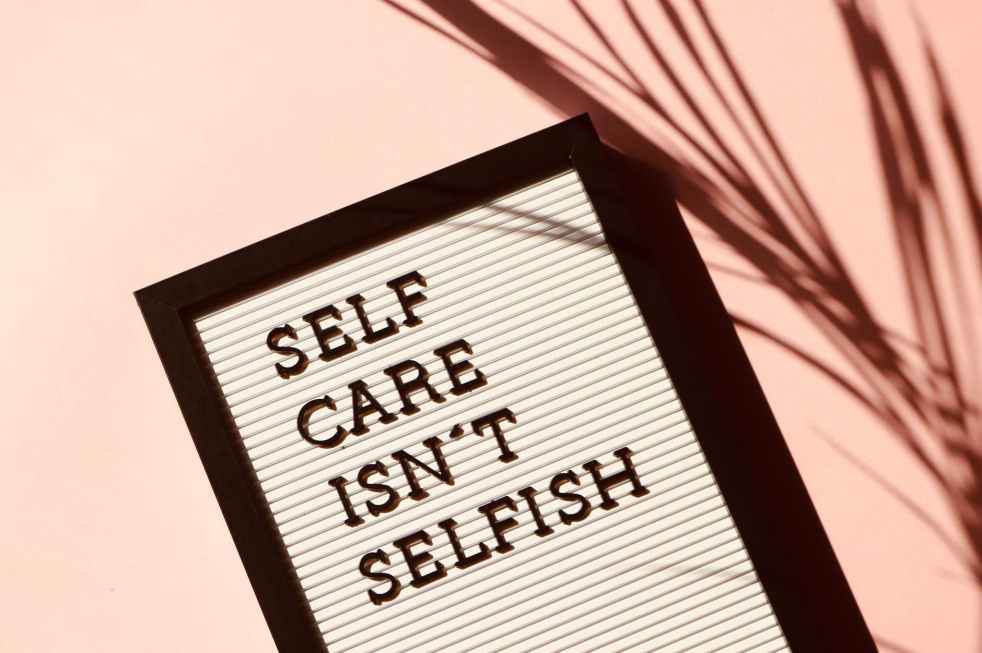

































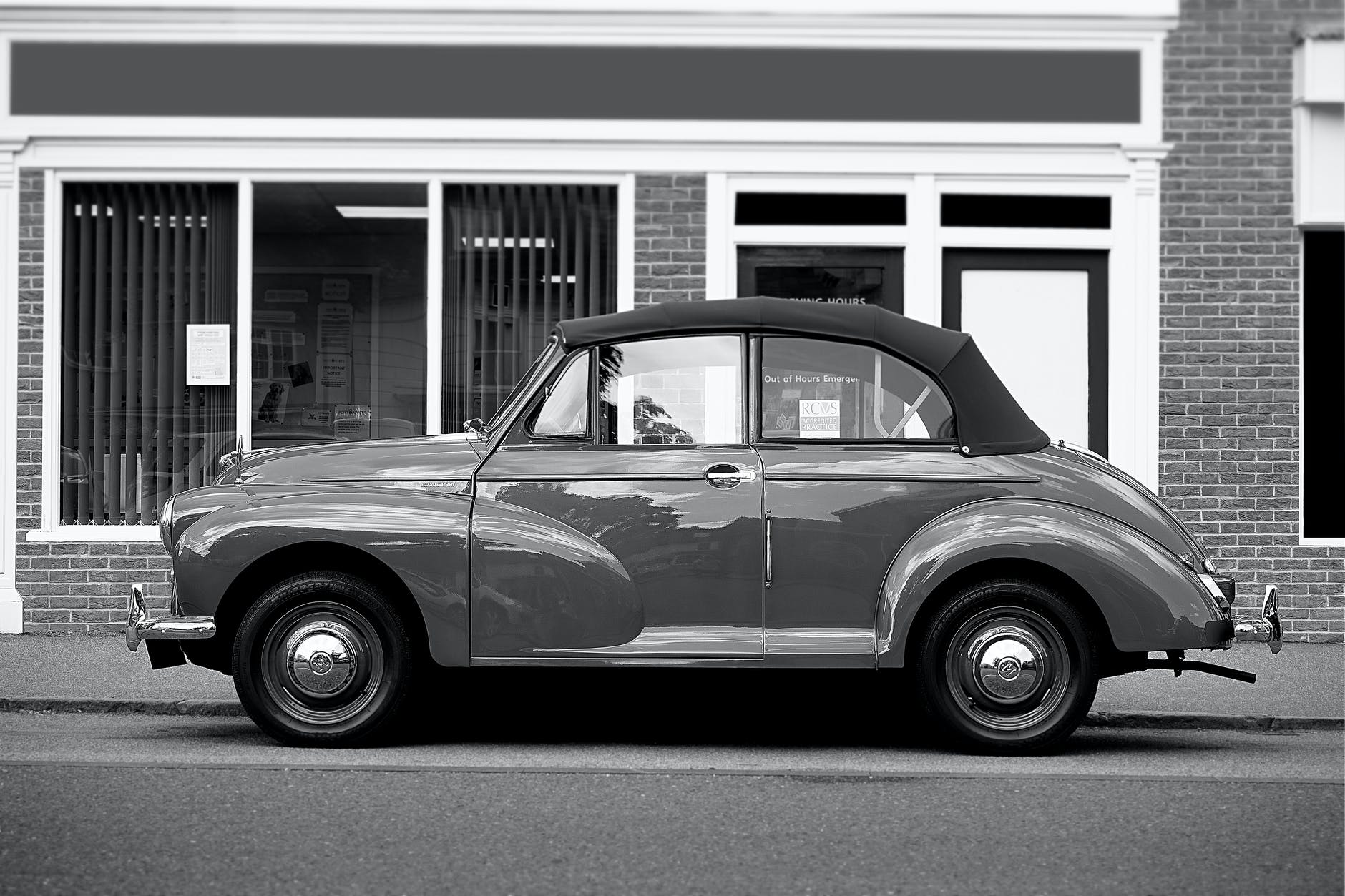


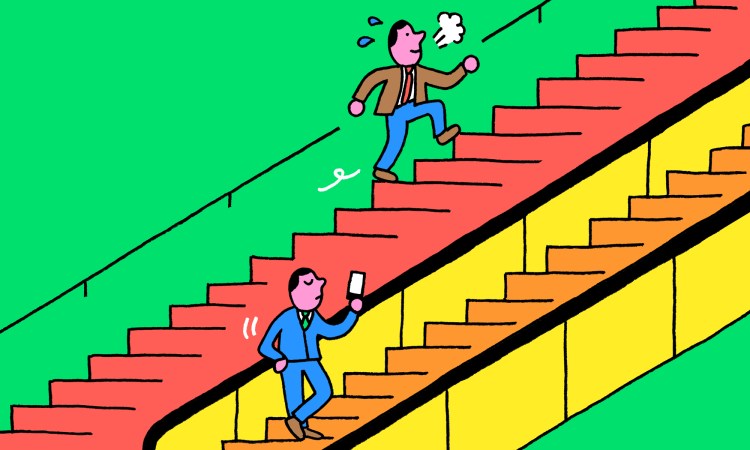


 lookingforthelight.blog