
Celebrate Life · Fun · Health and Wellbeing · Men & Womens Health · Mental Health

TED’s reading list: 78 feel-good books to help you rejoice, reflect or recharge

IDEAS.TED.COM

Enthusiastic recommendations for uplifting reads, as suggested by TED speakers and TED-Ed educators.

If you’re searching for some calm 

The Peace of Wild Things: And Other Poems by Wendell Berry
This little book of poetry is my current morning dose of calm, and I use it like a meditation if I’m feeling stressed about the day ahead. The most famous verse in it is the title poem, which never fails to bring me back from our tech-driven, fast-paced world into memories of beautiful forest walks. Through this volume, I’m enjoying discovering other work by this wonderful poet, who writes: “For a time, I rest in the grace of the world, and am free.”
— Suzie Sheehy (TED talk: The case for curiosity-driven research)

The Rain in Portugal by Billy Collins (TED talk: Two poems about what dogs think — probably)
Collins is by far my favorite poet. His words fill me with such ease and warmth, and they never fail to put me in a better, heightened mood. I always feel like his poems help me to see the world, rather than just pass through it blindly. I could have picked any volume of his work, but this — his latest — is a great place for people to start.
— Luke Sital-Singh (TED performance: “Afterneath” / “Killing Me”)

Bells in Winter by Czeslaw Milosz
This slim book of poetry brings moments of intense wonder about the unknowableness of the human condition. Some of these poems calm me like a drink of cold, clear water. That there is someone like Milosz, who can understand and distill the human experience in this way, helps make our modern social chaos recede.
— Linda Elkins-Tanton (TED-Ed lesson: Why is NASA sending a spacecraft to a metal world?)

Zen Shorts by Jon J. Muth
My husband and I read this illustrated children’s book to my daughter many times, but I think he and I learned more from it than she did! It imparts important life lessons like: “good” and “bad” life events don’t exist — what seems like a good life circumstance can have bad consequences, and what seems like a bad situation can lead to something positive. I practice what I learned from these inspiring stories daily.
— Mara Mintzer (TED talk: How kids can help design cities)

If you’d like to be closer to the people in your life 

Your Body Is Your Brain: Leverage Your Somatic Intelligence To Find Purpose, Build Resilience, Deepen Relationships and Lead More Powerfully by Amanda Blake
I love a read that leaves me believing I can change by practicing simple steps, and this book is all that. Blake teaches us how to tap into our most powerful intelligence — namely, posture, gestures and sensations — and truly live from our authentic power.
— Tammy Lally (TED talk: Let’s get honest about our money problems)

Peaceful Parent, Happy Siblings: How to Stop the Fighting and Raise Friends for Life by Dr. Laura Markham
Markham has been such a companion to me and my wife in our parenting journey. While raising children is perhaps the biggest gift, it is not without its challenges. This book provides actionable tools and advice, all steeped in robust research, that I find myself excited to put into practice. That’s rare with self-help books!
— Vinay Shandal (TED talk: How conscious investors can turn up the heat and make companies change)

Mistakes Were Made (But Not By Me): Why We Justify Foolish Beliefs, Bad Decisions, and Hurtful Acts by Carol Tavris and Elliot Aronson
This book forces me to be self-reflective and recognize when cognitive dissonance enters my decision-making process. Citing numerous historical examples in which this psychological phenomenon has negatively impacted outcomes, Tavris and Aronson brilliantly show the reader how we can identify dissonance in our choices, ultimately helping you make better decisions and foster better relationships.
— Kelly Richmond-Pope (TED talk: How whistle-blowers shape history)

Taking the Work Out of Networking: An Introvert’s Guide to Making Connections That Count by Karen Wickre
Who knew connecting with others for one’s career could be so authentic, observational and reciprocal? In this practical, delightful read, Wickre reveals a whole new kind of networking for our increasingly transactional digital world. Full of insights and helpful tips, especially regarding social media, this is the perfect book for anyone in the midst of a career transition or considering one. (Read an excerpt from the book here.)
— Chip Conley (TED talk: What baby boomers can learn from millennials at work — and vice versa)

If you want a book that makes you feel all your feelings 

Americanah by Chimamanda Ngozi Adichie (TED talk: The danger of a single story)
This was the first book I read as an adult that made me feel understood. Navigating the multiple cultures that you’re a part of — as an immigrant or first-generation person in the West — is quite an endeavor. Doing this while carrying your Blackness and Africanness, in addition to maintaining your humanity, is a journey. Adichie does this with sagacious humor in her novel.
— Michael Rain (TED talk: What it’s like to be the child of immigrants)

The Boys in the Boat: Nine Americans and Their Epic Quest for Gold at the 1936 Berlin Olympics by Daniel James Brown
I loved The Boys in the Boat. It’s the inspiring true story of the University of Washington crew team which ended up, against all odds, competing in the 1936 Olympic Games. In this book, the facts are as fun as fiction.
— Finn Lützow-Holm Myrstad (TED talk: How tech companies deceive you into giving up your data and privacy)

The Apocalypse of Elena Mendoza by Shaun David Hutchinson
In this novel, Elena is born from a mother who is a virgin, but Elena’s life is anything but religious. When a Starbucks logo commands her to heal a gunshot victim — who also happens to be her crush — she does it and then sets off a chain reaction. I love how this book highlights the way we must choose to do good again and again. It isn’t necessarily inherent within us, but we can choose goodness anyway.
— Dawn Wacek (TED talk: A librarian’s case against overdue fines)

We, The Drowned by Carsten Jensen
This novel is so immersive you don’t want it ever to end. A vivid historical epic spanning four generations, it’s told from the point of view of a whole town — a small Danish sailing community tackling the challenges of emergent globalization and war. It’s as exciting as any thriller, as involving as any psychological drama, and as moving as the deepest romance.
— Özlem Sara Cekic (TED talk: Why I have coffee with people who send me hate mail)

Air Traffic: A Memoir of Ambition and Manhood in America by Gregory Pardlo
Air Traffic was written by one of my mentors, the Pulitzer Prize-winning poet Pardlo. It helped me deal with the complicated range of emotions that I struggled with after I lost my father last year. This memoir is about a difficult relationship between a father and son, and it shows us love in a form that we rarely see displayed openly. It’s work to try to understand and accept a complex person while still seeing them in all their humanity — including their anguish and their ugliness.
— Michael Rain (TED talk: What it’s like to be the child of immigrants)

The Storied Life of A. J. Fikry by Gabrielle Zevin
This is a beautiful novel about grief and love, and finding meaning after loss. A.J. owns a bookstore — another thing to love — and he has recently lost his pregnant wife to a terrible accident. He withdraws into his work, but even that doesn’t bring him joy anymore. When a mysterious package is left on his doorstep, A.J. is pushed to begin seeing the world, and his place in it, in a new light.
— Dawn Wacek (TED talk: A librarian’s case against overdue fines)

If you just want a reason to smile

Dirk Gently’s Holistic Detective Agency by Douglas Adams
This book makes me giggle out loud every time. Overshadowed by Adams’ more famous work, the Dirk Gently novels are a delightful read. They’re chock full of his trademark humorous writing and lovable character creations, like the Electric Monk (a labor-saving device that believes things for you so that you don’t have to) and a bored horse. The horse is my favorite.
— Kate Darling (TED talk: Why we have an emotional connection to robots)

Kitchen Confidential: Adventures in the Culinary Underbelly by Anthony Bourdain
The patron saint of chefs and travel tragically died by suicide in 2018. Listen to the audio version of the memoir that made him famous; it’s read aloud by the man himself. It will make you miss him all over again, but you’ll also laugh and smile for what he once gave us.
— Prosanta Chakrabarty (TED talk: Four billion years of evolution in six minutes)

A Walk in the Woods: Rediscovering America on the Appalachian Trail by Bill Bryson
This comical true tale of Bryson’s misadventures as he hikes the Appalachian Trail left me with a stomach ache from laughing out loud. It inspired me to take on new adventures — no matter how ill prepared I might be!
— Lucy Marcil (TED talk: Why doctors are offering free tax prep in their waiting rooms)

The Essential Haiku: Versions of Bashō, Buson & Issa edited by Robert Hass
Whenever I want a good laugh, I browse this compilation of haikus by several of the Japanese masters. Descriptive phrases like “Morning breeze riffling the caterpillar’s hair” and “Year after year, a monkey’s face, on the monkey’s face” capture nature like I’ve never seen elsewhere. Their appreciation for the mundane and the way in which they find hilarity in the natural world makes for a book to be read out loud — whether you’re around the campfire or when you’re enjoying time with friends and family.
— Rebecca Tarvin (TED-Ed lesson: Why don’t poisonous animals poison themselves?)

How To Be Idle: A Loafer’s Manifesto by Tom Hodgkinson
This is a funny, eye-opening guide to why and how we are living is making us so miserable, but we can’t even say that, let alone object. This book explains how we were not always so work obsessed; instead, work was integrated into our lives, which were more than what we did to earn money. Plus, there’s a great chapter on why we do hangovers all wrong.
— Simone George (TED talk with Mark Pollock: A love letter to realism in a time of grief)

How to Be a Woman by Caitlin Moran
This nonfiction book made me laugh hard, as it hand-held me through some of the thinking around feminism and gendered roles. It’s a classic, really, and a great gateway drug for anyone who thinks that diving into the incredible canon of feminist writing might not be for them. It is. Let Moran walk you in.
— Simone George (TED talk with Mark Pollock: A love letter to realism in a time of grief)

The Misadventures of Awkward Black Girl by Issa Rae
Not really a memoir but more a collection of essays, this book made me laugh out loud on one page and then question some of my assumptions and beliefs on another. I particularly connected with it, because Rae is around my age and some of the coming-of-age stories that she tells revolve around the new technologies (AOL chat rooms!) that we were all exploring — resulting in both our edification and corruption — in the mid-to-late ‘90s.
— Elizabeth Cawein (TED talk: How to build a thriving music scene in your city)

The Code of the Woosters by P.G. Wodehouse
Joseph Connolly, in summarizing his 2004 biography of Wodehouse, wrote the following: “Wodehouse was not deep. He had no message. He was merely one of the greatest writers in the history of literature. Behind the happy face there lived a happy man.” While you’re reading this novel about Bertie Wooster’s attempt to track down a Dutch cow-creamer you, too, will be happy.
— Stephen Webb (TED talk: Where are all the aliens?)

If you want to learn more about humans and our collective ingenuity 

Sapiens: A Brief History of Humankind by Yuval Noah Harari (TED talk: Why fascism is so tempting — and how your data could power it)
This book is full of useful information about the past and present of humanity. I loved how open-minded it was, and I was very excited to learn the little details that drive the way we behave.
— Lina Marieth Hoyos (TED-Ed lesson: What is the coldest thing in the world?)

The Innovators: How a Group of Hackers, Geniuses, and Geeks Created the Digital Revolution by Walter Isaacson
If you want to learn about the history of the digital revolution, this book is for you. It takes readers on a tour through the stories of several innovators and creators of devices and developments that are very useful in our present-day lives. Traveling from the ideas of Ada Lovelace to Steve Jobs, this book shows us how they took a step beyond conventional thinking with their revolutionary ideas.
— Lina Marieth Hoyos (TED-Ed lesson: What is the coldest thing in the world?)

One Good Turn by Witold Rybczynski
This nonfiction book is aimed at the technologically minded but also at anyone who has an interest in the historical development of civilization. Around the turn of the millennium, the author was asked to find and write about the most useful tool of the previous 1,000 years. I won’t spoil what it was — you need to read it to find out, but it’s certainly something that none of us can do without.
— Ian Firth (TED talk: Bridges should be beautiful)

If you’re fascinated about the inner lives of well-known people

Minority Leader: How to Lead from the Outside and Make Change by Stacey Abrams (TED talk: 3 questions to ask yourself about everything you do)
I work in government affairs, and the last thing I enjoy reading for pleasure are books by politicians. However, this book is different on so many levels and is a must-read — whether you’re a political junkie or just someone seeking inspiration to chart your own course. I instantly related to and was inspired by Abrams’s candid struggles to overcome self-doubt and embrace the full range of her abilities as a talented woman of color. Her writing is candid, eloquent, familiar, funny and highly digestible. I found myself nodding, smiling, dog-earing pages, and taking deep inhalations to digest her inspiring wisdom.
— Nikki Clifton (TED talk: 3 ways business can fight sex trafficking)

Grant by Ron Chernow
Chernow — who also gave us the famed biography of Alexander Hamilton — was the featured speaker at the White House Correspondents Dinner in April 2019, in a break from the tradition of having a comedian. But after reading Grant, I can understand why. This biography tells us how an alcoholic, gullible sad-sack became one of the the most famous soldiers in US history as well as the civil-rights championing 18th President — it has all the elements of the next great Lin-Manuel Miranda musical.
— Prosanta Chakrabarty (TED talk: Four billion years of evolution in six minutes)

Alibaba: The House That Jack Ma Built by Duncan Clark
I enjoyed this very inspiring book about the personal and professional life of Alibaba founder Jack Ma. Ma’s likable and easy-going personality makes the book very inspiring and fun to read, while also providing interesting insights as to how he managed to establish one of the highest-valued companies in China and the world.
— Pierre Barreau (TED talk: How AI could compose a personalized soundtrack to your life)

Becoming by Michelle Obama
In this memoir, First Lady Michelle Obama is elegant and unapologetic about living your truth, being of great public service, dreaming big, and never giving up. She is eloquent, raw and real in describing her personal experiences and how she found her voice. Her account of public service — both in the White House and in her private life — is truly remarkable, and I’m excited to see this book encourage others to “become” the next, greater version of themselves.
— Darieth Chisholm (TED talk: How revenge porn turns lives upside down)

Entertaining with Vegetables: A Recipe Collection for Modern Home Cooks to Make Lovely and Delicious Food with Produce by Chadwick Boyd
Every kitchen needs this inspiring cookbook. I am “almost” a vegetarian because of it. Each recipe is so creative, packed full of Imagination and flavor, flavor and more flavor. You can feel Chadwick’s love for food and connection on every page.
— Tammy Lally (TED talk: Let’s get honest about our money problems)

Strudel, Noodles & Dumplings: The New Taste of German Cooking by Anja Dunk
I love an avocado as much as the next guy, but nothing makes me happier than a proper, hearty, home-cooked meal — that’s what Dunk’s cooking is all about. She’s written my favorite kind of cookbook with the perfect blend of originality and familiarity. Every recipe looks as achievable as it looks delicious, and it’s all written up with a warmth and honesty that can come only from a real person doing real life.
— Luke Sital-Singh (TED performance: “Afterneath” / “Killing Me”)

The Life-Changing Magic of Tidying Up: The Japanese Art of Decluttering and Organizing by Marie Kondo
At first glance, one would think this book is only about organizing your closet (and closet organization is discussed), but what I learned is that the same principles applied to organizing your home can apply to your calendar, your finances and your business relationships. After applying the Kondo principles to my entire life, I regained valuable time which led to greater mental clarity. This book taught me a mindset that’s led to extreme happiness and productivity.
— Kelly Richmond-Pope (TED talk: How whistle-blowers shape history)

This book helps you practice living with freedom from material possessions. It’s a very practical, actionable guide to decluttering your life and helping you trade chaos for clarity.
— Alex Edmans (TED talk: What to trust in a “post-truth” world)

Joyful: The Surprising Power of Ordinary Things to Create Extraordinary Happiness by Ingrid Fetell Lee (TED talk: Where joy hides and how to find it)
I really enjoyed this really well-written and easy-to-read book. It talks about how we can make the world a much better place if we’d only build environments which make us smile and bring joy to our lives, instead of the usual, mundane gray spaces that so many of us are forced to live and work in. Every designer, architect, politician, civil servant and, in fact, everyone should read this book and start to make a difference in the patch where they live. (Read an excerpt here.)
— Ian Firth (TED talk: Bridges should be beautiful)

If you want to enjoy a book with your favorite little person

Rosie Revere, Engineer by Andrea Beaty

This is a favorite read of mine — and of my two-year-old and and my four-year-old. It offers uplifting lessons in creative problem solving, perseverance with trial and error, and innovation, and I love how it ties into history — young Rosie’s namesake Aunt helped build airplanes during WWII and serves as inspiration and cheerleader for the next generation. It also has great whimsical illustrations.
— Daniel Kraft (TED talk: The pharmacy of the future? Personalized pills, 3D printed at home)

Does It Fart? The Definitive Field Guide to Animal Flatulence by Nick Caruso and Dani Rabiotti
When I showed this book’s cover page to my seven-year-old daughter, she covered her mouth and giggled — and then she called her sister over to flip through the book. The text is fun and full of facts for anyone of all ages. It covers animal farters (actual and alleged) from herrings to humans, even unicorns. (The authors say that these creatures would fart if they were real, basing their contention on an Arabian oryx or the extinct Elasmotherium, the so-called “Siberian unicorn”). If you’re looking for a new way to get natural history knowledge that you didn’t know you needed, this book is for you.
— Prosanta Chakrabarty (TED talk: Four billion years of evolution in six minutes)

The Monster Book of Switzerland by Jeanne Darling
This is a fantastic and beautifully illustrated children’s book with lots of enjoyable monsters and trivia about Switzerland, where I spent most of my life. And the author just happens to be my mother, who started writing popular Swiss children’s books as a 70-year-old retired teacher! It makes me feel both at home and truly inspired to follow my dreams.
— Kate Darling (TED talk: Why we have an emotional connection to robots)

It’s Okay to Be Different by Todd Parr
Parr delivers an impactful message in an impactful way. This children’s book empowers kids to be who they are, accept who others are, and do so without judgment. I read this with my toddler son at least once a week.
— Vinay Shandal (TED talk: How conscious investors can turn up the heat and make companies change)

If you thrill to people’s survival stories, both real and fictional 

Eva Luna by Isabel Allende (TED talk: Tales of passion)
When I was 17, I read this novel, which was the first book I ever read by Allende. Eva Luna is orphaned at an early age in a unidentified country in Latin America, and her story highlights some of the political issues post-World War II. It opened my eyes to magical realism and to the region as a whole.
— Finn Lützow-Holm Myrstad (TED talk: How tech companies deceive you into giving up your data and privacy)

The Examined Life: How We Lose and Find Ourselves by Stephen Grosz
This book s a collection of deeply moving stories of self-discovery by psychoanalyst Grosz. His writing about therapy has been described as “like a combination of Chekhov and Oliver Sacks.” Whether it’s finding and keeping love, facing trauma in a family history, or confronting the most sensitive personal or professional vulnerabilities, this book brings hope by showing that humans have the capacity to heal — even bloom — when living with life’s most painful emotional scars.
— Alexandra Sacks (TED talk: A new way to think about the transition to motherhood)

Unbroken: A World War II Story of Survival, Resilience and Redemption by Laura Hillenbrand
I hesitated reading this nonfiction book after it was given to me by a friend, because it seemed like more of a feel-good story than what usually attracts me. Wow, was I mistaken! I found this book about the life of Louis Zamperini to be incredibly uplifting and almost impossible to put down. Hillenbrand does an elegant job of capturing details that make his story come alive without weighing down the amazing narrative of this real-life hero, who was an Olympic distance runner, an Air Force pilot in WWII, and a Japanese POW, among many other things. This beautifully told story of the life of Zamperini inspired me to be more than who I am.
— Ben Cort (TED talk: What commercialization is doing to cannabis)

News of the World by Paulette Jiles
I’m a sucker for books today that help us rethink — and rewrite — our founding myths of the American West. Jiles’ novel takes a harrowing tale of a German girl captured by the Kiowa Indians and spins it into a feel-good yarn about humanity’s capacity for empathy.
— Chip Colwell (TED talk: Why museums are returning cultural treasures)

Heavy: An American Memoir by Kiese Laymon
Laymon’s memoir hit home for me as he lives in Oxford, Mississippi, which is within 100 miles of my own creative work base. The author grapples with childhood traumas and coming-of-age revelations and emotions, all of which served to define the man he has become. This book, which is in the second person, is written as an engaging confession to his brilliantly damaged mother. It’s transformative, empowering and soulful.
— tobacco brown (TED talk: What gardening taught me about life)

If you want to regain a sense of wonder about the world 

Black Hole: How an Idea Abandoned by Newtonians, Hated by Einstein, and Gambled On by Hawking Became Loved by Marcia Bartusiak
Not many people know that the story which led to the discovery of black holes is as odd as the astronomical objects. From the late 17th-century publication of the gravitational theory by Isaac Newton, it took almost three centuries to accept that, when it comes to black holes, the apparently impossible is real. Black holes are collapsed objects that possess infinite density. In this exciting scientific adventure, Bartusiak describes the emergence of the crazy ideas behind these objects. This book will teach you that sometimes the impossible can become true.
— Fabio Pacucci (TED-Ed lesson: Could the earth by swallowed by a black hole?)

The Feynman Lectures on Physics by Richard Feynman, Robert B. Leighton and Matthew Sands
It may seem strange to pick a three-volume collection of physics lectures and try and sell it as feel-good reading, but as I can confirm, you can return to these famous “red books” time and again and, each time, find insight, ingenuity and inspiration.
— Stephen Webb (TED talk: Where are all the aliens?)

Seeing Science: An Illustrated Guide to the Wonders of the Universe by Iris Gottlieb
While I use music and sound, Gottlieb uses the universal language of visual art to understand and share the elegant beauty of the world around us. Equal parts fascinating and whimsical, this book tells the stories of scientific wonders big and small, with many frame-worthy pages along the way. It shows the potential rewards of fearlessly following your curiosity and imagination, wherever it leads.
— Matt Russo (TED talk: What does the universe sound like? A musical tour)

The Feather Thief: Beauty, Obsession, and the Natural History Heist of the Century by Kirk Wallace Johnson
This nonfiction book is part mystery, part natural history, and part jaw-dropping mirror of our modern society. Johnson does an amazing job of seeking to understand the role of natural history collections and explaining how misinterpreting their role can lead people astray. He follows one man’s obsession with the obscure and ancient art of fly-tying and how that led him to break into a museum to steal priceless specimens. If you love nature or museums, this crime will chill you to the bone.
— Prosanta Chakrabarty (TED talk: Four billion years of evolution in six minutes)

The Best American Science and Nature Writing 2018, edited by Sam Kean
The science of the soul. Tiny jumping spiders who can see the moon. Firestorms. Fantastic beasts. You can’t go wrong with the latest installment of this annual series — it will leave you filled with questions, knowledge, motivation and wonder!
— Chip Colwell (TED talk: Why museums are returning cultural treasures)

H is for Hawk by Helen MacDonald
I really enjoyed this beautifully written memoir, a mixture of philosophy with the author coming to terms with the death of her father and her insightful story about training a pet goshawk. It’s a great holiday present for someone, particularly if they love birds of prey.
— Ian Firth (TED talk: Bridges should be beautiful)

The Skeptic’s Guide to the Universe: How to Tell What’s Really Real In a World Increasingly Full of Fake by Steven Novella
Novella is right up there with Carl Sagan as people who taught me the joy and humility that comes with understanding how our brains actually work (or don’t!) in our quest to understand the cosmos and ourselves. This is the ultimate guide to critical thinking, with all the charm and irreverence that Steve and the other “Rogues” bring to their weekly podcast of the same name. As the subtitle suggests, this book comes at a time when we need it most.
— Matt Russo (TED talk: What does the universe sound like? A musical tour)

Pale Blue Dot: A Vision of the Human Future in Space by Carl Sagan
This book highlights our place in the universe in a very uplifting way. The earth, this place we call our home, is just a tiny spot in the vastness of space, and the book shows us that the small “pale blue dot” where we live is a small dot full of life and love.
— Lina Marieth Hoyos (TED-Ed lesson: What is the coldest thing in the world?)

The Invention of Nature: Alexander von Humboldt’s New World by Andrea Wulf
This is a deeply human story of our drive to explore, as told through the biography of polymath, naturalist and geographer Alexander von Humboldt. This nonfiction book inspired me to build a cyanometer to measure the blueness of the sky, to channel the courage that he used to climb unclimbable mountains, and to imagine how scientists and humanists can invent a better world.
— Linda Elkins-Tanton (TED-Ed lesson: Why is NASA sending a spacecraft to a metal world?)

If creativity and art are what get you out of bed in the morning 

Jonathan Livingston Seagull by Richard Bach
This is a short read, but this classic novel touches on creativity, learning, freedom from conformity, and flying, one of my favorite elements. I first read it when I was in my early 20s and then re-read it years later. It’s served as a touchtone to finding and flying through one’s own passions and paths.
— Daniel Kraft (TED talk: The pharmacy of the future? Personalized pills, 3D printed at home)

Engineering and the Mind’s Eye by Eugene S. Ferguson
Although this isn’t a new book — it was published in 1994 — it reminds us that the innate creativity in the mind of an engineer is what matters, not his or her ability to do math. Creativity lies at the heart of all good engineering, and this excellent book shows why so much of the content in our university education programs is wrongly focused, particularly so in this day and age.
— Ian Firth (TED talk: Bridges should be beautiful)

The Ensemble by Aja Gabel
I liked this novel about a string quartet because it offers such a great portrait of ambition and friendship that’s created by the love of music. It illustrates how a common love for art can shape a beautiful bond that goes through failures and successes, yet never breaks.
— Pierre Barreau (TED talk: How AI could compose a personalized soundtrack to your life)

Dreaming the Beatles: The Love Story of One Band and the Whole World by Rob Sheffield
I am a self-described Rob Sheffield superfan, and while I would love most anything he wrote, this is particularly special. Even the Beatles aficionado will find new insight in this nonfiction book, which explores not just the Beatles but also the world that revolves around them, unpacking the way each generation has discovered and claimed the band as its own. Dreaming is as much about the Beatles as it is about pop culture, pop music, fandom, obsession and the power of our emotional connection to art.
— Elizabeth Cawein (TED talk: How to build a thriving music scene in your city)

Feel Free: Essays by Zadie Smith
Feel Free is a collection of intriguing essays that speak about modern-day, socio-political, newsworthy topics, including the movie Get Out and pop icon Justin Bieber. Smith is an inventive free thinker — she’s viscerally, audibly and visually refreshing. Through her writing, she offers readers the opportunity to learn to trust their own voices.
— tobacco brown (TED talk: What gardening taught me about life)

If you want to feel fired up to change the world

Rage Becomes Her: The Power of Women’s Anger by Soraya Chemaly
NPR has named this book as one of the best in 2018. It challenges the conventional wisdom that anger, especially coming from women, is not a valid expression of emotion. Rage explores the importance of anger for women in these troubling political times as we take to the streets and occupy more political offices, and it reveals how stiffing our anger is part of a systematic pattern of power and oppression to silence women and prevent gender equality. (Read an excerpt from the book here.)
— Laura L. Dunn (TED talk: It’s time for the law to protect victims of gender violence)

Poems, Protest and a Dream by Sor Juana Inés de la Cruz
This anthology of writings by the 17th-century Mexican nun — among the best poets in the Spanish language — shows the degree to which the #MeToo movement has deep historical roots. Sor Juana, whose fight with the male ecclesiastical establishment ultimately forced her to take a vow of silence, writes in such pungent explosions of clarity, it’s as if her thoughts were ready-made for the age of Twitter. Almost 350 years after her death, she is at once a calming force and an inspiration to fight against censorship and for true gender equality.
— Ilan Stavans (TED-Ed lesson: Why you should read Don Quixote?)

Women Who Run With the Wolves by Clarissa Pinkola Estes
This book weaves together lessons about our psyche and feminine energy from the author’s psychoanalytic background, as told through stories like the girl with the matchbox. It’s packed with beautifully told lessons about how we can grow our awareness of ourselves — both our light and shadow, both our conscious and subconscious — so that we can contact our inner feminine power and unleash it.
— Rola Hallam (TED talk: The doctors, nurses and aid workers rebuilding Syria)

A Grace Paley Reader: Stories, Essays, Poetry by Grace Paley
Paley’s soothing voice — at times, it feels as if her rhythmic English is an effortless translation of the Yiddish once used by many Jewish immigrants — has the capacity to make the reader enter an alternative universe, one in which empathy is the law of the land. Yet she was also a tireless activist who saw writing as a way to denounce those who abuse power. Her legacy makes one grateful that literature, even though it may appear insignificant to some, is what actually remains.
— Ilan Stavans (TED-Ed lesson: Why you should read Don Quixote?)

If you yearn to visit other worlds 

Lilith by George MacDonald
Anyone who inspired such household names as J.R.R. Tolkien and C.S. Lewis to write — as MacDonald indeed did — should be carefully considered. MacDonald wrote several remarkable novels and stories, but at the top of my list is this masterpiece. His ability to convey deep truth through allegory has been often mimicked but seldom duplicated. This book changed my entire worldview and brought me great hope. My guess is that Lilith will make a MacDonald fan out of many of the people who pick it up.
— Ben Cort (TED talk: What commercialization is doing to cannabis)

From the Earth to the Moon by Jules Verne
In this classic 1865 novel, there’s everything you’d ever need to be inspired: curiosity towards the unknown, challenge, impossible travels, faith in scientific knowledge, and unshakable courage. It also anticipated the lunar landing by more than a century. I read this book when I was 12 years old, and it has greatly inspired my efforts to reach for the stars.
— Fabio Pacucci (TED-Ed lesson: Could the earth by swallowed by a black hole?)

To Say Nothing of the Dog by Connie Willis
Science fiction isn’t a genre usually associated with comfort reads, but Willis is an expert at exploring speculative concepts through lovable, quirky characters. Here, her time-travelling Oxford University professors become embroiled in a Victorian-era farce of mistaken identity, temporal paradox and love.
— Stephen Webb (TED talk: Where are all the aliens?)

If you’d like to engage in some spiritual exploration

The Spiral Staircase: My Climb Out of Darkness by Karen Armstrong (TED talk: Let’s revive the Golden Rule)
This memoir is about Armstrong’s journey to find God after she joins a convent at 17 and the unexpected path that she finds herself on. I found this book an inspiring and intriguing look at one woman’s path, the human condition and spirituality.
— Lucy Marcil (TED talk: Why doctors are offering free tax prep in their waiting rooms)

The Art of Happiness: A Handbook for Living by the Dalai Lama
We all want to be happy, but so few of us know how or even what the word really means. In this profound book, the Tibetan leader shares practical suggestions on how to do the inner self-work necessary for cultivating it and also the exceptional wisdom that we can only find true happiness when that work is dedicated to the benefit of other beings. In other words, our happiness is intrinsically linked to the happiness of others — true happiness is when we work hard, internally and externally, to make it a reality for all of us.
— Rola Hallam (TED talk: The doctors, nurses and aid workers rebuilding Syria)

Calm My Anxious Heart: A Woman’s Guide to Finding Contentment by Linda Dillow
I am a mother and, therefore, I’m prone to limitless worry. As a divorced, single mom, I went through periods where my worry turned to unproductive anxiousness. A good friend recommended this book as a way to reconnect to my spiritual upbringing, and it set me on a path to thrive — rather than simply survive — through life challenges. This guide has inspired me to seek contentment, instead of certainty, and to have a deeper connection to my faith.
— Nikki Clifton (TED talk: 3 ways business can fight sex trafficking)

The Rhythm of Life: Living Every Day with Passion and Purpose by Matthew Kelly
Kelly, founder of the Dynamic Catholic Institute, inspires you to lead a life filled with passion and purpose. He offers strategies for discovering your desires, identifying your unique talents and becoming the best version of yourself.
— Christine Porath (TED talk: Why being respectful to your coworkers is good for business)

Why Buddhism is True: The Science and Philosophy of Meditation and Enlightenment by Robert Wright (TED talk: The evolution of compassion)
Wright writes with a combination of humility and wisdom, summarizing the best research on the science behind Buddhist practices in an approachable manner. This book makes me feel hopeful that there is a life beyond our human neuroses, no matter what form they take, and it’s a great read for both skeptics of meditation and experienced meditators.
— Mara Mintzer (TED talk: How kids can help design cities)

If you’re a visual reader 

Art Forms in Nature by Ernst Haeckel
Haeckel is one of my favorite biologists from the 19th century. He is famous in part for the incorrect idea that animals go through several stages of evolution during development (“ontogeny recapitulates phylogeny”) and for coining several words we still use today, such as “ecology.” However, I personally enjoy him most for his extraordinary artistic skills. This book is a compilation of his illustrated prints of many different animals and enshrines his attention to detail and his odd sense of aesthetic perfection in nature.
— Rebecca Tarvin (TED-Ed lesson: Why don’t poisonous animals poison themselves?)

That’s What She Said: Wise Words from Influential Women by Kimothy Joy
There’s a new generation of female illustrators whose work combines art and insight in the same tradition as Kalman’s. My favorite is Kimothy Joy; her illustrated book That’s What She Said is a collection of colorful drawings and
razor-sharp quotes from some of history’s most inspiring female leaders, including Maya Angelou and Malala Yousafzai. I reach for this whenever I’m looking to feel re-energized in the fight for women’s issues.
— Alexandra Sacks (TED talk: A new way to think about the transition to motherhood)

My Favorite ThingsBeloved Dog; and The Principles of Uncertainty — all by Maira Kalman (TED talk: The illustrated woman)
Illustrator Kalman tells stories through drawings and prose that are like the dreamscapes of the most delicious and magical children’s books — except they’re meant for adults. Keep My Favorite ThingsBeloved Dog and Principles of Uncertainty on your nightstand or office shelf for whenever you’re craving a joyful escape to ponder everything from how memory works to how cake tastes.
— Alexandra Sacks (TED talk: A new way to think about the transition to motherhood)

If you’re craving a jolt of pure inspiration

Daring Greatly: How the Courage to Be Vulnerable Transforms the Way We Live, Love, Parent, and Lead by Brené Brown (TED talk: The power of vulnerability)
This book is all about having courage. Based on 12 years of research, it explains how vulnerability is both the core of difficult emotions like fear, grief and disappointment and the birthplace of love, belonging, joy, empathy, innovation and creativity. If we want to lead full lives, Brown encourages us to step into the arena in all aspects of our lives and dare greatly. She writes, “When we shut ourselves off from vulnerability, we distance ourselves from the experiences that bring purpose and meaning to our lives.”
— Christine Porath (TED talk: Why being respectful to your coworkers is good for business)

The Alchemist by Paulo Coelho
This is my favorite book. I reread it every year as a reminder that working through uncertainty, doubts and fears is perhaps the most important process on the path of following one’s dreams. Coelho’s beautiful fable is timeless, and the older I get, the more richly I relate to the various characters that influence Santiago, the curious main character who is pursuing his life’s purpose. I have recommended and gifted this book more times that I can recall. In fact, many years ago I was in a book club and my recommendation was met with spirited objection because as a fable, it was seen as not quite serious enough for our scholarly ladies. However, everyone quickly came to understand why I selected this gem.
— Nikki Clifton (TED talk: 3 ways business can fight sex trafficking)

This fictional story about the journey of a shepherd from Andalusia to Egypt has sold more than 30 million copies since it first appeared in 1988. It’s about taking risks to follow your dream — even when you’re tempted by safer or seemingly saner alternatives. It argues that fortune favours the brave – if you live boldly, things fall into place to ease your path.
— Alex Edmans (TED talk: What to trust in a “post-truth” world)

The Little Prince by Antoine de Saint-Exupéry
While ostensibly a children’s book, this gem has important lessons for adults. It’s about the importance of savoring the breadth, length, height and depth of life, rather than focusing on narrow goals. It encourages us to look at the world with childlike wonder rather than through the “rational” lens of a battle-weary grownup.
— Alex Edmans (TED talk: What to trust in a “post-truth” world)

Wishes Fulfilled: Mastering the Art of Manifesting by Wayne Dyer
This book changed my life. Dyer encourages readers to live at a higher level of awareness and consciousness, and he is unwavering in his instructions on how to master the art of manifesting. I have used positive affirmations, meditation and mindfulness to better understand myself and the law of attraction, and Wishes Fulfilled — along with his other popular books — have been instrumental in helping me grow and expand even further.
— Darieth Chisholm (TED talk: How revenge porn turns lives upside down

If you’d like reasons to feel hopeful about the future

How to Live Forever: The Enduring Power of Connecting the Generations by Marc Freedman
I think that Freedman is one of the wisest thought leaders in the aging and longevity world. With this book, he’s crafted a masterpiece — it’s written with such deep humanity and insight — in which he delivers a soulful rallying cry for intergenerational collaboration like we’ve never seen before. I finished it brimming with optimism about our future.
— Chip Conley (TED talk: What baby boomers can learn from millennials at work — and vice versa)

Adventures in the Anthropocene: A Journey to the Heart of the Planet We Madeby Gaia Vince
It might seem strange to include a nonfiction book about climate change in a list of feel-good books, but in it, Vince tells how she quit her job as a journalist to travel the world and find people who are having to adapt to our changing world. What she uncovers is an uplifting story of the ingenuity of humans. It’s beautifully written, and you will come away inspired.
— Suzie Sheehy (TED talk: The case for curiosity-driven research)

The Rapture by Liz Jensen
Everyone is now aware of the warming planet, but when I read Jensen´s compelling thriller after it was published in 2009, it was the first time I had seen the warming planet portrayed almost as a character in itself. The heroine, Gabrielle, is a wheelchair-user — which adds to the odds stacked against her — in this story brimming with action and emotional conflict. In spite of the dark subject matter, I came away from it with renewed hope for humankind.
— Özlem Sara Cekic (TED talk: Why I have coffee with people who send me hate mail)

Enjoy!

Melinda


Health and Wellbeing · Men & Womens Health

MADD’s Tie One On For Safety (through December 31st)

TIE ONE ON FOR SAFETY®

Tie One On For Safety® is MADD’s longest running Designated Driver Campaign.

Now in its 35th year, Tie One On for Safety® originates from the phrase “tie one on,” which is slang for drinking alcohol.

At MADD, we use the phrase to remind everyone that drinking and driving don’t mix. And to always designate a non-drinking driver.

Every holiday season, from November 1 through December 31, MADD asks you to display a MADD ribbon in a visible location to remind everyone to always designate a non-drinking driver. That message is especially important when holiday travel, parties and family gatherings put more people on the roads.

This year, MADD and National Presenting Sponsor Waymo are celebrating the 35th Anniversary of the Designated Driver.  You can help us create a nation of No More Victims by always taking personal responsibility for getting yourself and your loved ones home safely.

HOW CAN YOU PARTICIPATE IN TIE ONE ON FOR SAFETY®?

You can help by tying one on for safety this holiday season – display a MADD red ribbon, magnet, or decal on your vehicle.

And remember:

  • Put safety before the party, plan ahead and always designate a non-drinking driver
  • Never ride with someone who is impaired
  • Choose to be the non-drinking designated driver
  • Host parties that include mocktails and other non-alcoholic beverages and provide alternate transportation or accommodations for guests who choose to drink

Together, we can put an end to this 100 percent preventable crime and make this holiday season safer for our loved ones on the roadways.

Please be on the safe side, don’t get behind the wheel if you’ve been drinking, and don’t let a friend or family member drive.

Be a good host! Watch how much people drink and call a cab.

Melinda

Celebrate Life · Fun · Health and Wellbeing · Men & Womens Health · Mental Health

Everyday Magic


Bella and Grace by Stampington

Sunshine is delicious, rain is refreshing, wind braces us up, snow is exhilarating; there is really no such thing as bad weather, only different kinds of good weather. 

-John Ruskin


Enjoy your day! 

 Melinda

Health and Wellbeing · Men & Womens Health

Gluten-Free Diet Awareness Month

GLUTEN-FREE DIET AWARENESS MONTH

The holidays bring an extra-burden to those who have celiac disease. That’s why November is Gluten-Free Diet Awareness Month. We celebrate with food. When we do, let’s remember to prepare some gluten-free items as part of Gluten-Free Diet Awareness Month. That way our friends and family with celiac can join in the celebrations with us.

It’s not just a diet. The inflammation caused by gluten in wheat, grains, barley and rye damages the villi in the intestines. Over time, the loss leads to more severe health problems. Eating gluten-free prevents the inflammation and further damage.

However, even the most diligent lifestyle changes aren’t perfect. Consumers are at the mercy of the industry. If cross-contamination occurs, even the slightest amount of gluten will make a celiac sufferer ill. So, education in the food industry has been increasing. Improved approaches to training and product development create safer products for consumers.

Those with celiac disease learn to advocate for themselves. Through trial and error, recipes become gluten-free and delicious, too!

I’ve included some of my most popular Gluten-Free recipes for you to enjoy.

https://lookingforthelight.blog/2021/09/24/gluten-free-pean…ate-chip-cookies/

https://lookingforthelight.blog/2021/10/30/yummy-gluten-free-banana-bread/

https://lookingforthelight.blog/2020/11/16/great-gluten-fre…or-of-all-ages-2/

https://lookingforthelight.blog/2019/11/15/easy-to-make-glu…t-butter-cookies/

https://lookingforthelight.blog/2020/11/18/gluten-free-salm…for-the-season-2/

https://lookingforthelight.blog/2020/11/19/gluten-free-spic…-one-fork-easy-2/

Enjoy! To your health!

Melinda

Celebrate Life · Fun · Health and Wellbeing · Men & Womens Health

Fun Facts That Will Amaze You

I’m so glad you enjoy Fun Facts. I learn something new each week, even if it’s weird. I love hearing your comments! 

In ancient Greece, the word for “cook” and “priest,” was the same: “mageiros,” which shares its etymological root with the word “magic.
New Yorkers bite 10 times more people than sharks do worldwide each year.
According to legend, cats were created when a lion on Noah’s ark sneezed and two kittens came out
Knitting acts as a natural antidepressant and can help ease anxiety, depression, and chronic pain. It can also protect the brain from aging.
Candy Land was created 70 years ago to give kids stuck in polio wards a way to vicariously move freely in the pursuit of delights. The original board featured a boy in a leg brace about to walk through starting gate of the game
Just 30 minutes of daily complaining can physically damage your brain. Listening to someone constantly complain also negatively affects brain function.
A German word for nightmare is “alptraum,” which literally means “elf dream.” In German folklore, elves were dangerous figures who could control dreams and create nightmares.
Rocky Road ice cream was originally marketed during the Great Depression as a metaphor for coping with the economic crash
The Titanic‘s chief baker nonchalantly stepped off the stern of the sinking liner and calmly paddled around until he was rescued at dawn. Experts note that he survived the disaster by getting completely drunk.
“Moonglade” is the bright reflection of the moon‘s light on an expanse of water.
Snakes do not have eyelids. Although they cannot close their eyes while they are sleeping, they can close their retinas

Enjoy the humor and try not to laugh too hard like I do each week.

Melinda


Celebrate Life · Health and Wellbeing · Men & Womens Health

A Virtual Hug to All Veterans

Thank you to all members of the Military and their families for the service and sacrifice you give, today and every day. To members yesterday, today and in the future, your lives matter and I’m forever grateful and indebted.

Photo by Brett Sayles on Pexels.com
Photo by Andrea Piacquadio on Pexels.com

Thank you today and every day!

Melinda

Health and Wellbeing · Men & Womens Health · Mental Health

Childhood Sexual Abuse Can Cause Mental Health Problems In Adults

Carrying trauma from your childhood is so draining and it has far-reaching effects on your physical and mental health. Many people experience flashbacks and PTSD symptoms after surviving sexual abuse as a child, but often, the impact is less direct. Even those that do not think about the abuse itself that much and assume that they are not affected by the trauma that much may experience a range of mental and physical health issues. Survivors of childhood sexual abuse do not always connect the dots and they don’t realize that the issues they experience are related to their trauma.

Photo by Leigh Patrick on Pexels.com

Understanding what potential issues can be caused in adulthood can help survivors recognize when their trauma is affecting them. These are some of the most common physical and mental health issues caused by childhood sexual abuse. 

Depression

Depression is one of the most common mental health issues we face right now and there are a lot of reasons why people develop it in the first place. However, studies show that there is a strong correlation between people that experienced abuse as a child and people that suffer from serious depressive disorders. As an adult, attending depression counseling can help manage the symptoms and you may even be able to start unpacking some of that trauma.

However, research suggests that early intervention to support children is the key to avoiding this issue in later life. 

Substance Abuse And Eating Disorders 

Dangerous behaviors like substance abuse and eating disorders are also more prevalent in survivors of childhood sexual abuse. The symptoms of trauma are often difficult to manage, especially if the survivor does not have the support that they need. Many sexual abuse survivors also suffer from other mental health issues and it’s common for them to self medicate with alcohol or drugs. Eating disorders are often a way of gaining control over one aspect of their life because a person feels so out of control in other areas. 

Sexual Confusion

Sexual confusion is incredibly common in male survivors of childhood sexual assault. Boys that are abused by older men when they are too young to understand sexuality will be confused about whether they are homosexual or not. This confusion remains as they grow older and it can make it incredibly difficult for them to form meaningful relationships. 

Obesity 

We think of obesity as a fairly straightforward problem; if you eat too much, you gain weight. But it’s far more complicated than that and childhood sexual abuse often has a role to play. During a weight loss study, it was discovered that many of the participants that struggled to stop overeating had been abused as children. Further research in the area has shown that there is a direct correlation between obesity and childhood sexual abuse. 

If we are ever to deal with the issue of childhood sexual abuse and help survivors regain power over their lives, it is important that we understand just how much impact it has in adulthood. These are some of the most common ways that sexual abuse manifests in adulthood, but there are countless other health issues that it can cause.  

This is a collaborative post.

Melinda

Celebrate Life · Health and Wellbeing · Men & Womens Health

Let’s Celebrate Veterans Day!

On November 11th we celebrate all Military Veterans but we should not forget the bravery and sacrifice they made and make every day of the year. Be sure to thank a veteran today and give them a hug, but please wear a mask.

Vietnam Veterans Memorial 

WWII Veterans Memorial

                                      Korean War Memorial Washington D.C.
See the source image

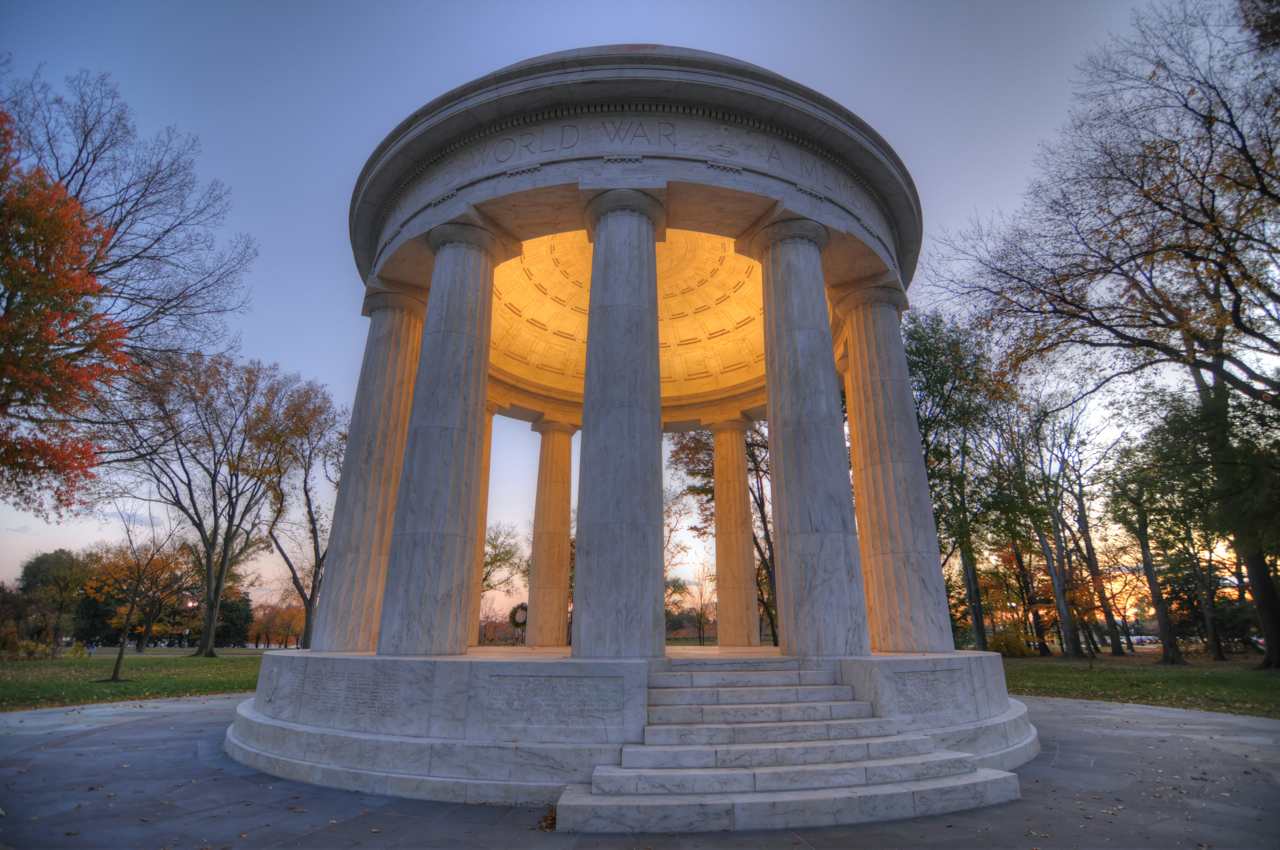
                                            World War I Memorial Washington DC

*We are long overdue for a memorial for the soldiers who fought in Afghanistan. Let’s make this happen! 20 years and thousands of lives lost. Let’s have a permanent memorial to celebrate their bravery.

I come from a long line of military heroes and I thank them every day for laying the foundation for our great country and the freedom we so enjoy today. 

Thank you, Gramps! He fought on the front line in Germany during WWII as an engineering specialist. 

Melinda

Celebrate Life · Fun · Health and Wellbeing · Men & Womens Health · Mental Health

Everyday Magic


Bella and Grace by Stampington

As we get older, we often forget to play and have fun, which is why we should be making more of an effort at it.

What brought you immense joy as a child? How can you bring that into your adult life?

 Melinda

Celebrate Life · Health and Wellbeing · Men & Womens Health

National Native American Heritage Month

In 1990 President George H. W. Bush approved a joint resolution designating November 1990 “National American Indian Heritage Month.” Similar proclamations, under variants on the name (including “Native American Heritage Month” and “National American Indian and Alaska Native Heritage Month”) have been issued each year since 1994.

About Native American Heritage Month

What started at the turn of the century as an effort to gain a day of recognition for the significant contributions the first Americans made to the establishment and growth of the U.S., has resulted in a whole month being designated for that purpose.

One of the very proponents was Dr. Arthur C. Parker, a Seneca Indian, who was the director of the Museum of Arts and Science in Rochester, N.Y. He persuaded the Boy Scouts of America to set aside a day for the “First Americans” and for three years they adopted such a day. In 1915, the annual Congress of the American Indian Association meeting in Lawrence, Kans., formally approved a plan concerning American Indian Day. It directed its president, Rev. Sherman Coolidge, an Arapahoe, to call upon the country to observe such a day. Coolidge issued a proclamation on Sept. 28, 1915, which declared the second Saturday of each May as an American Indian Day and contained the first formal appeal for recognition of Indians as citizens.

The year before this proclamation was issued, Red Fox James, a Blackfoot Indian, rode horseback from state to state seeking approval for a day to honor Indians. On December 14, 1915, he presented the endorsements of 24 state governments at the White House. There is no record, however, of such a national day being proclaimed.

The first American Indian Day in a state was declared on the second Saturday in May 1916 by the governor of New York. Several states celebrate the fourth Friday in September. In Illinois, for example, legislators enacted such a day in 1919. Presently, several states have designated Columbus Day as Native American Day, but it continues to be a day we observe without any recognition as a national legal holiday.

I’m proud to say I’m 1/16 Cherokee Indian on my father’s side. It’s a very sad history that we have to live with as Americans for what we have done to the Native American’s, and some will say we continue to do today.

Let’s all celebrate the original settlers of America today and every day.

Melinda

Celebrate Life · Health and Wellbeing · Men & Womens Health · Mental Health

National Gratitude Month

I think it is nice to have a month dedicated to Gratitude Awareness. With our lives being so hectic it can be easy to forget the things we are grateful for. I can recall many years when I was so sick I didn’t feel grateful at all but in reality, had so much to grateful for. Being alive is one key one!

What is National Gratitude Month all about?

National Gratitude Month was an initiative started by Stacey Grewal, who believes gratitude to be an essential ingredient of a happy and fulfilling life. When one embraces gratitude, they immediately shift their focus from the negative to the positive things in their lives.

Being always grateful does not mean that one would deny the fact that negative things happen in life (that will be delusional); it means finding and focusing more on the good. It means finding something to be grateful for amid the preponderance of bitterness and hardship.

I have so many things to be grateful for and believe with all my heart that being grateful also improves our mental health.

What are you grateful for today?

Melinda

Health and Wellbeing · Men & Womens Health · Mental Health

Lin Health Is Your Pain Management Solution

As the weather changes not only do the fluctuations in the temperature affect your chronic health conditions but the bad weather can limit your access when you need it the most.

Lin Health is your pain management solution including access to a Pain Diognositc Specialist which you can schedule right from the app, bringing flexibility to your fingers tips.

What is Lin?

A remote chronic pain care program that delivers integrative, personalized, science-based solutions by pain experts who really care.

I signed up with Lin Health and went thru the initial questionnaire, and was assigned to Coach Terri for an initial session. Below I go into more detail about the process.

One of the most important messages I can relay to you is Lin Health works to treat the whole person, not just your pain but the mental health aspects of living with pain. Pain can affect sleep and lack of sleep affects our life, we need support in that area too.

Lin Health has a process that guides you through the sign-up all the way to a care plan.

Here’s the process in a nut-shell

  1. Sign up
  2. Four-day onboarding with dedicated topics/day
  3. Care plan proposal
  4. Subscribe to Lin to get access to the plan
  5. Work on care plan depending on the condition

A comprehensive and whole-person treatment approach

Treatment begins with an in-depth assessment conducted by a pain diagnostic specialist who is trained to identify the factors that contribute to your pain. Our unique partnership with SteadyMD represents the first telehealth providers who have been trained to diagnose Primary Chronic Pain using the ​​newest WHO standards, ICD-11, a standard of care that will not exist in most pain care clinics until at least 2023.

Accurate diagnosis is essential to understanding where and how the brain may be contributing to persisting pain. Likewise, this allows the Lin team to adjust treatment approaches where structural or inflammatory concerns are also present.

Today I started by:

Completing my comprehensive medical history and medication information.

After completing my comprehensive questionnaire about my medical history, the medications I take, allergies, and family history, I scheduled an appointment with Pain Specialist Dr. Abigail Hirsch for a 30-minute consultation on November 4th, 2021. A form was provided to let the doctor know what issues I wanted to address.

How many doctors give you 30 minutes of face time? When was the last time you even got the full 15 minutes?

After you schedule your consultation there are four days of dedicated topics to explore.

Example:

Day One “Does mood, worrying, or sleep bother you too? There is a one-minute video discussing the topic.

Then you take a short two-minute quiz on how the above affects your sleep.

I have been having sleeping problems due to pain for months so I was curious about the quiz. It gave me good insight into how lack of sleep has been affected my mood and some suggestion to help combat the effects.

On day four my coach asked me to dream about a life without pain. This exercise is to help you visualize what life can be like with less pain.

Completing Day Four means that you’re on the cusp of opening up the full power of Lin. After you complete today’s activities, we’ll be ready to talk about what kind of Lin package looks right for you.

Once a month, Lin Health adds questions to your check-in with your coach to help deepen your understanding of the progress you’ve made. As always, these check-ins give insight into your current experience of pain and serve as a baseline as you continue to move through your health journey with Lin.

My Consultation

During the Telehealth consultation, we discussed the issues I put forward when scheduling the meeting.

Dr. Hisrsch and I had an in-depth talk about what types of pain I’m having, what long-term health issues are, and my main issues to address in the meeting. I had her full attention for the 30-minute video call, she asked great in-depth questions and had me think about some of my thoughts surrounding my pain.

From this meeting, Dr. Hirsch will meet with my coach, Terri and they will put together a wellness plan. At this point, if you haven’t sign-up up with Lin Health you will need to in order to get access to your plan and work with the team to accomplish your goals.

Lin Health is a high-touch pain management company with a team of people behind the scenes to help you reach your goals.

My experience has been great and the flow is flawless. I would recommend anyone who is dealing with chronic pain to sign up with Lin Health and go thru the process to see how they can help put our pain in its place.


Our coaches: they’ve been there and they get it

Personal coaching is core to our pain treatment model. Our coaches are all people who have their own pain history and have reclaimed their lives using the tools we provide at Lin. Our coaches know pain treatment options inside and out and are available for you every day.

The Lin care model works. 90% of Lin members lower their pain intensity, reduce pain interference in their lives, and/or start to sleep comfortably, feel happy and calm, and cope better if pain flares.

It’s all about you

Lin Health gives you the tools and support needed to get on the road to a better you, you with less pain.

To your health,

Melinda

Celebrate Life · Health and Wellbeing · Men & Womens Health · Mental Health

National Family Caregivers Month

I’ve been a caregiver for both of my grandparents and know firsthand how difficult it can be no matter how much you love them or how many hours you give to the task at hand.

Most caregivers don’t get the support they need from family members at the time and some are resistant to bringing in help. I will encourage you to don’t think twice about the negative emotions of the lack of family support and hire home health to support you. Even if it’s one day a week to come to check their general health, it can take a load off.

They also have Senior Day Care Centers if you have to run an errand or need a few hours to yourself. I know this is a hard one and honestly one I could not do but it’s an option and there are good centers out there.

I tip my hat to all the caregivers who put all the energy and love they have into caring for a friend or loved one. Not everyone is cut out for the task and thank God some are.

I’ve included a few posts I’ve written about my caregiver experiences in case you missed them.

Caregiver Tips 101 I missed 

Caregiver to Grieving in Four Days

Lost in Caregiver Twilight Zone

A day in the Life of A Caregiver 

Stay strong, take time for yourself, even if’s it’s 10 minutes a day, take advantage of the time when they are sleeping to rest and recharge.

I would not miss one day I spent with my grandparents, no matter how long, frustrating, and painful, I treasure them now. I was there when they took their last breath and made good on my promise to take care of them until the end.

Be gentle on yourself, you’re one person with only so much energy, bandwidth, and hours in the day. the emotional drain is high. you have to find ways to take care of your mental health.

Melinda

Health and Wellbeing · Men & Womens Health

How To Cut The Stress Out Of Home Hunting

Home hunting can be a stressful thing, right? It can take ages, and you might never find the house you really want, and you might have family on the way that makes it even harder to go from property to property, or maybe the house hunting is just getting in the way of the honeymoon period. No matter what the reason is, you’re dreading the thought of trying to find a new place to live. 

And that’s where we can help. We’ve got some ideas for stress-busting the process below, so be sure to keep them in mind if you’re about to hit the market and secure a property that could become your forever home. 

Photo by Pixabay on Pexels.com

Whoever you’re buying with, and whatever reasons you’re buying for, you all need to be on the same page. Most new home buyers are couples, either newlywed or with a young, growing family, and while both groups have a lot in common, you and your partner need to be in the agreement above all else. 

We don’t want any arguments here, or to delay the house-hunting process by any number of weeks, which will really help with keeping the stress off of your shoulders. So, you need to both be looking for the same thing – sit down together, and don’t stop workshopping until you have the same list on your minds. Only then should you get in touch with an estate agent. 

You’re also going to want to work with an agent, to allow them to do all of the hard work for you, such as scouting out properties and negotiating the price with the seller. Because when you’ve got someone knowledgeable and professional on your side, such as PropertiesMiami, you have a much better chance of scoring a smooth and budget buying process.

Plus, an estate agent will help you to decide what it is you’re looking for or need if you’re struggling to come up with these features yourself. They can help you to come to an agreement, or even reach a compromise together. 

Finally, there’s a good chance you’re not going to score the home of your dreams here (but it’s not impossible!), and you’ll need to have some compromises ready in advance. What are you willing to negotiate with your partner on? What features aren’t quite a must-have, and you’re willing to live without and/or renovate in at a later date? 

For example, maybe you want a breakfast nook, but none of the houses you like have one? Decide if this really matters or not, and then buy the house that could become a proper family home, and still has room for that breakfast nook when you’ve got the cash later on… 

Stress is at an all-time high when house hunting and moving, so try to eliminate it from the start. You’ve got some great tools on your side to do so!

This is a collaborative post.

Melinda

Health and Wellbeing · Men & Womens Health

National Alzheimer’s Disease Awareness Month

What Is Alzheimer’s Disease?

Alzheimer’s disease is a progressive neurodegenerative condition. It is one of the most common forms of dementia, a group of symptoms that lead to a decline in mental function severe enough to disrupt daily life. Alzheimer’s disease causes problems with a person’s memory and ability to learn, reason, make judgments, communicate and carry out daily activities.

First identified in 1907 by the German physician Alois Alzheimer, the illness afflicts about 5 million Americans. An estimated one in nine adults aged 65 and older lives with the disease.

There are many resources available for caregivers of Alzheimer’s patients.

Some simple tricks I remember from earlier research is to tape the name of the rooms on the doors in the house so they won’t get confused.

Take up all rugs.

Play music they might have listened to when they were younger. This can sometimes get someone to sing that hasn’t talked in quite some time.

Have alarms installed on all doors so that if someone goes outside you are alerted?

Have your loved one wear a medical bracelet with their contact information on it.

Don’t let them drive if they’ve reached a point of forgetting the basics. This is hard but a necessary one. Take their keys away.

If they are having trouble eating at the table, they make these trays that fit in a recliner that has edges that make it easier to eat.

As a caregiver, it’s important that you take care of yourself too. If you are exhausted and stressed past your limit you can’t help your loved one. There are times when you will need help from family, friends, and eventually a home health and hospice company.

Home health care can be your best friend once you get over the initial pushback from your loved one.

Be gentle with yourself.

Melinda

Health and Wellbeing · Men & Womens Health · Mental Health

3 Ways To Achieve And Maintain Focus

A lot of everyday tasks benefit from a combination of relaxation and focus. Driving is possibly the most obvious example of this. At a minimum, getting this balance right can help to avoid negative consequences. At best, it can really boost your performance. With that in mind, here are three tips to help.

Photo by Marcus Aurelius on Pexels.com

Clear your mind before you begin

What this means in practice will depend on the situation. Ideally, you’ll resolve any troubling issues before you begin your task. In the real world, sadly, that’s not always going to be possible. What you can do, however, is offload them and commit to dealing with them later.

What this means in practice will depend on you. For example, you might get the most release from just speaking your thoughts into a voice recorder (most cellphones have one). Alternatively, you may prefer offloading your thoughts onto paper. This doesn’t have to mean writing. It can also mean drawing or doodling.

This may be enough to clear the mental/emotional block from your system. If it doesn’t, however, remember to commit to addressing it later.

Make sure you’ve taken care of your body

If you want to achieve and maintain a relaxed focus, your body must support that. For example, you want to be comfortably full and properly hydrated. Be aware that even milder chemicals may disrupt either your relaxation or concentration. Alcohol and caffeine are obvious culprits here. Both of these can be difficult to give up, but especially alcohol. If you find it challenging to give up alcohol, then receiving treatment from a rehabilitation center can help. 

Be aware that medication (or withdrawal from medication) can also cause issues. If it does, try speaking to your doctor. They may be able to switch your medication or give advice on how to minimize the effects of withdrawal from it.

Another important point to note is that temperature can play a huge role in your ability to achieve and maintain a relaxed focus. Ideally, you should control the ambient temperature to keep it pleasant. You may, however, find it useful to have a way to add extra heating/cooling where and when you need it.

Get the right stimulation

The right stimulation keeps you relaxed but helps you to maintain alertness. Most tasks require you to use your eyes and hands. That leaves your ears, nose, and mouth potentially free. Audio stimulation can be massively helpful. You do, however, need to be slightly careful with it.

Firstly, spoken-word audio, including songs, can overload your brain. When you need to focus, it’s often better to stick to music without lyrics or ambient sounds. Secondly, you need to think about your hearing. If you listen to the audio a lot, invest in a quality pair of headphones. Ideally, use ones that go over the ear.

Stimulating your sense of smell can have a very powerful effect on your mind. One useful point to note, however, is that the effect of a scent becomes less powerful over time. This isn’t just the scent fading, it’s the brain tuning it out. You can, however, use different scents to keep your brain engaged.

Last but not least, remember the power of taste. Some foods can also help to get your brain moving. Citrus fruits and mints are often particularly good for this.

This is a collaborative post.

Melinda

Men & Womens Health

Tips For Improving Your Website Design and Usability

A business website is an essential marketing tool that offers an alternative platform to get the word out about your goods and services. With the growing use of the internet, many individuals now go online searching for businesses that can provide what they’re looking for before getting into contact or visiting the store. However, to achieve the maximum results from a website, it needs to be user-friendly and appealing. Unfortunately, not many people know how to build the right web design, but the following tips can help you make a great first impression.

Pixabay – CC0 License

Enhance responsiveness

Over the past decade, the number of mobile users has increased due to internet connectivity and smartphones’ affordability. In addition, studies reveal that most internet users often use their mobile devices to surf the internet. For this reason, it is vital to make your website mobile-friendly through its design to enhance responsiveness.

An example of a feature you should consider in your design is the screen size to allow tablet and smartphone users to navigate the website with ease. Failure to add responsive features significantly increases traffic loss, thereby affecting your rankings on search engines like Google.

Reduce loading time

When your website loads slowly, it puts off customers, and instead of waiting, they move on to your competitor’s pages. The average internet user expects your page to load within a short period, say like two seconds. When a page takes longer than that, it becomes frustrating, and you’re likely to lose a potential customer. Reduce your page loading time in the following ways:

Scale and reduce file sizes before uploading them.

  • Browser caching
  • Optimize images
  • Optimize CSS files
Photo by Prateek Katyal on Pexels.com

Perform tests often

Performing regular tests is among the essential tips to enhance user interaction and website usability. Perform tests during your website’s design phase and after its completion to keep making improvements as your business grows. Ensuring your website’s design is appealing and easy to navigate can increase your conversion rates, ultimately boosting your return on investments.

Use the best click testing tool to determine where website users are focusing for you to make informed decisions when developing new products or pages. When you include your visitors’ perspective during the design, you can make it more functional and stylish.

Enhance readability

Difficulty with readability is one of the signs that your website’s usability is problematic. If customers face readability challenges, they’re likely to become irritated and abandon the site altogether. Enhance your readability by doing the following:

  • Increase the amount of white space
  • Format paragraphs properly
  • Use clear headings and subheadings
  • Use bullet points for lists
  • Place design elements like banners, text boxes, and sidebars without distracting the user
Photo by Rachel Claire on Pexels.com

Use images

While using informative content about your business products/services and their benefits, avoid overloading the website user with too much text. Instead, use images to break up texts to retain the customers’ interest. Remember, the prospective customer forms an opinion about your business within a short period; make sure they get impressed. Instead of using many words to describe points within paragraphs, use appealing images. Optimized images boost your site’s usability and attract more consumers. However, avoid overstuffing pictures as it can take away from the point of having them.

Use a recognizable and straightforward web layout

Your website layout plays a great role in determining how well your users can navigate it and for how long. The longer a user sticks to your website, the higher the chances of converting into a customer. Many websites use a recognizable layout design that is familiar to users, making it simple to navigate. While being different can make your website unique, it can also create confusion among users who may, in turn, choose to abandon it. Stick to a familiar web layout with concise terms, a simple top navigation bar, and page links.

Maintain consistency

After going through your home page, users should predict the locations of other web elements. If a user clicks on an internal link and wonders if they’ve left your site, they’re likely to get confused due to the different website design. Ensure you maintain consistency throughout your website to enhance usability. Use the same colors, fonts, and locations for easy navigation.

Bottom line

For you to make a good first impression, you need a great website for your business. Keep the users in mind to make their navigation easy with a consistent design for enhanced usability. Your website’s functionality is just as essential as its design. Reduce the loading period, enhance readability, use images and maintain a recognizable layout to combine style with function and continue attracting customers.

This is a collaborative post.

Melinda

Celebrate Life · Fun · Health and Wellbeing · Men & Womens Health · Mental Health

Everyday Magic


Bella and Grace by Stampington

Soon the weather will shift and we’ll be indoors. 

What’s your favorite way to spend a stormy day? 

 Melinda

Health and Wellbeing · Men & Womens Health

What To Do If Your Elderly Parent Is Injured

Have your parents recently been injured? If your parents are in their later years, this can be one of the first signs that they are starting to lose their independence. With that in mind, here are some of the key steps that you should take. 

Photo by Jimmy Chan on Pexels.com

The first step is always to think about the cause of the injury and why it happened. Usually, an injury is going to be an accident but this is not always the case. You have to consider the reality that someone could be responsible for the injury and it might not have been your parent’s fault. If that’s the case then you should consider pursuing action to ensure that they can get the right compensation. Particularly if the injury is going to cause changes to their life.

Usually, this will be the case. Most of the time elderly individuals are going to sustain an injury in their own home. The reason for this is that this is where they are usually alone and have the most independence. If they are injured at home, then you need to consider whether you can make changes to the property to make it safer. For instance, a key problem area could be the stairs. You might want to think about setting up a stairlift to avoid the risk of any trips or falls. You can also think about adding grab rails to the bathroom. 

Next, you should consider whether your elderly parent can live comfortably in their own home. This might not be possible anymore, particularly if this isn’t the first time that they have been injured. It could even be better for them to move into a care home. An elderly parent can be reluctant to do this but it can be the right decision, particularly if they are living by themselves. Alternatively, you might want to think about exploring 24/7 care. 

Finally, even if they are not moving into long-term care, you still need to make some changes to ensure that an injury is less likely. Do be aware that an injury can occur due to cognitive decline which becomes far more likely as your parents get older. One of the ways that you can reduce issues here is by ensuring that you do see your parents as often as possible and that you are encouraging them to socialize with you as well as with other people. 

We hope this helps you understand some of the key steps that you should take if your elderly parent is injured. It’s always difficult to take this role in your parent’s life, but it is going to be the right decision. You need to make sure that you are protecting their quality of life. Once your parents start to sustain random injuries, things can decline quite quickly so it’s important that you do take the right action. 

Thia ís a collaborative post.

Melinda

Celebrate Life · Fun · Men & Womens Health

On What Occasions Do You Need A Photographer?

When it comes to capturing events, a photographer is your best shot. They can capture all the moments that you are too busy to notice, and ensure that you get to see everything that happened on the special occasion. But, what events are you going to want a photographer for? That’s what we’re going to be looking at in this article, so if you would like to find out more about this, keep reading down below. 

Photo by Matt Hardy on Pexels.com

The first occasion that you should think about is your wedding day. Of course, you are going to want to remember your wedding day for the rest of your life, but there is going to be so much that you miss out on. You’re not going to get to see all of your friends socializing as you will be taking photos. You’re not going to be able to see some of the wonderful looks of love that your partner is giving you because you will be too lost in all the commotion of the day. Hiring a photographer helps ensure that you don’t only remember the things that you do see, but also those that you don’t.

If you are pregnant or have recently had a baby, first we would like to say congratulations. This is another momentous occasion that we are sure you would like documented. You can hire Michael Kormos photography or someone similar to help get the perfect shot of your pregnancy journey or your newborn baby. It’s a joyous occasion, but one that is always filled with a lot of panic or fright, but when you look at these photos, all you are going to feel is the love that is shared. 

This is also a pleasant way to remember the years when your children are young. When you are old and grey, you can look back on these photos of your now grown-up children and remember the lovely life that you have had together. 

The final occasion that we are going to recommend is graduation. As a parent, seeing your kid graduate from high school or college is a momentous occasion. While you might want to take your own photos of the ceremony seeing as there is limited space, you can host an afterparty with a photographer. You can hire someone specifically for the ceremony, but they are going to have to make sure that they aren’t in the way. You can hang this proudly on your wall in your home, or you can give your child a copy for them to take with them wherever they go next. Don’t forget to get plenty of your child and their friends so that they have happy memories in print forever. 

Pexels CCO License

We hope that you have found this article helpful, and now see some of the occasions that you would need a photographer for. It’s important to capture all of these special days, and even though you can’t be there to witness everything that’s happening at any given time, you don’t have to miss a single second.

This is a collaborative post.

Melinda

Health and Wellbeing · Men & Womens Health

Caring For Your New Veneers

Veneers have become much more common in recent years as they have become more affordable. Good veneers can repair your smile, and make you look younger and more confident. But they also need proper care if they’re going to last you and keep looking good. 

Photo by Italo Melo on Pexels.com

Be prepared for some temporary sensitivity

When you first have veneers fitted, some patients will experience some tooth sensitivity directly after the dental veneers procedure. This temporary sensitivity is completely normal and nothing to worry about, even if you order veneers online, although it can be uncomfortable. 

During the veneer procedure, some tooth enamel is reduced to create enough space for the veneers. Thinner teeth are more susceptible to sensitivity, so this causes this temporary discomfort. This sensitivity is completely normal and should go away on its own after a few days. 

Treat dental veneers like natural teeth

You don’t need to go overboard with dental care to keep your veneers white and in good condition.

Treat your dental veneers in the same way as your treat your own teeth, by maintaining routine dental hygiene and oral care. The best way to take proper care of your veneers is to brush twice a day, floss on a regular basis, and use a mouthwash to keep your teeth and veneers healthy. 

Buy a better toothbrush

Using the right toothbrush makes a lot of difference in taking proper care of dental veneers. Bristles that are too hard will dull the shine and the polish of the veneers. If you brush too hard with firm bristles, you can scratch the veneers.

Dental veneers are strong, but any damage to them can’t be put right without replacing the entire veneer. The best way to avoid scratching the veneers is to use a soft-bristled toothbrush and brush in the proper way.

Stop grinding your teeth

It’s common to grind your teeth while sleeping. This grinding is damaging to the teeth and is especially dangerous for dental veneers.

Grinding can wear down the veneers and damage their structure and placement. Wear a mouthguard at night to stop this from happening, if you’re a tooth grinder. Custom mouthguards can be made by your dentist to get the most comfortable fit.

Revisit the dentist

Always talk to an expert. Book any follow-up appointments and checkups your dentist recommends to make sure your veneers will be taken care of by someone who is familiar with exactly how they should look. 

Your dentist will be able to give you advice on how to avoid any damage and suggest treatments or lifestyle changes to make sure that your veneers last as long as possible.

Avoid damaging substances

Remember that if something can damage your own teeth, it can also damage your veneers. Veneers are subject to normal decay, and there are a few things that you should avoid to maintain the appearance of dental veneers. This includes hard or sticky foods or foods that stain teeth such as coffee, wine, and dark juices.

This is a collaborative post.

Melinda

Fun · Health and Wellbeing · Men & Womens Health

Homemade Dry Shampoo For Dark Hair

Materials

  • 1/4 cup raw cacao powder (add more or less to match the exact coloring for your hair)
  • 1/2 cup arrowroot powder or cornstarch
  • 2 tbsp bentonite or kaolin clay
  • 1 tbsp baking soda
  • 30 drops lavender or lemongrass essential oil
  • measuring cup
  • small metal funnel
  • shaker container, glass or metal lid, or repurposed salt or spice shaker

Instructions

  1. Combine all ingredients together in a measuring cup and mix using a whisk or fork.
  2. Use a funnel to transfer the mixture into your repurposed shaker or spoon it into a shaker container. Tighten your lid.
  3. Sprinkle generously onto your roots as needed.
  4. You can rub the mixture in with your fingers or a brush.

Making your own will save you money in the short and long run and get the one for your specific hair color.

Melinda

Fun · Health and Wellbeing · Men & Womens Health

Homemade Dry Shampoo for Lighter Hair

Materials

  • 1/2 cup arrowroot powder or cornstarch
  • 2 tbsp bentonite or kaolin clay
  • 1 tbsp baking soda
  • 30 drops lavender or lemongrass essential oil
  • measuring cup
  • small metal funnel
  • shaker container, glass or metal lid, or repurposed salt or spice shaker

Instructions

  1. Combine all ingredients together in a measuring cup and mix using a whisk or fork.
  2. Use a funnel to transfer the mixture into your repurposed shaker or spoon it into a shaker container. Tighten your lid.
  3. Sprinkle generously onto your roots as needed.
  4. You can rub the mixture in with your fingers or a brush.

Enjoy saving yourself and saving money.

Melinda

Celebrate Life · Fun · Health and Wellbeing · Men & Womens Health · Mental Health

Change of Scenery: How to Plan the Perfect Weekend Getaway

There’s no denying that having a change of scenery can help you to de-stress, relax, and give you some respite from any issues you’re currently tackling in your life. Everyone should always have a change of scenery every so often to ensure their mental health wellbeing.

Photo by Aleksey Sokolenko on Pexels.com

If you can’t afford to get away for a few weeks, or perhaps you can’t get lots of time off work, even a weekend getaway can be just what you need. With that in mind, here’s how you can plan the perfect weekend away:

Find Somewhere Idyllic

The first thing you must do is look for a destination that will fill you with a sense of calm and happiness. Avoid the usual tourist traps in your area or region, and instead, look for places that are off the beaten track.

You won’t find it hard to come across some possible destinations. For example, you may find a quaint seaside village that tourists seldom frequent. Somewhere remote enough that tourists will avoid, yet is reasonably close to a major town or city for amenities.

Book Your Accommodation

Next, it makes sense to search for and book your accommodation in advance. It doesn’t matter if you’re looking for campsites or luxury apartments for you and anyone else going with you. What matters is that you guarantee your stay somewhere.

The last thing you want to do is have a stressful time away from home because you haven’t got somewhere to stay for the duration of your vacation or weekend getaway. Websites like Expedia and TripAdvisor can help you locate suitable places to stay.

Remember to Bring Everything You Need

One of the hallmarks of a fun and successful trip away from home is ensuring you take everything you need for your time. Clothes are undoubtedly essential items that you’ll need, but there will undeniably be many other things you will need.

For example, if you have to take medication prescribed by your doctor, you must remember to bring it with you. Plus, you should check you’ve got enough medication to last for the duration of your trip away from home.

Consider Planning an Itinerary

If you plan on doing absolutely nothing during your trip away from home, you can probably ignore this part of the article. However, if you want to fill your time with some fun activities such as visiting nearby landmarks and points of interest, it’s worth planning an itinerary.

An itinerary will help you plan enough time for all your activities, so you won’t feel like you have to rush and potentially stress yourself out during your time away. Keep in mind that if there are many things you want to do, you may need longer than a couple of days.

Final Thoughts

Whether you are planning a weekend getaway or would prefer to escape somewhere for a few weeks, the above tips will help ensure you have a smooth and successful time away from home.

This is a collaborative post.

Melinda

Health and Wellbeing · Men & Womens Health

#NERVEmber Awareness

#NERVEmber is International Nerve Pain Awareness Month. Over 150 conditions have nerve pain as a symptom.

Did you know the color orange is the international color for chronic pain awareness?

International Pain Foundation

#NERVEmber kicks off on November 1st with our an annual event by International Pain Foundation to spread awareness and education about chronic pain conditions such as Reflex Sympathetic Dystrophy, Lupus, Multiple Sclerosis, Diabetic Neuropathy, Post Cancer Neuropathy among many, many others. Daily educational messages about nerve pain conditions will go out, the #iPainSummit takes place Nov 11-13 and we will have a chance for your participation in awareness to win prizes and surprises. As a board member for iPain and Director of the NERVEmber Project, I will be participating daily in our NERVEmber posts and activities. YOUR TASK…should you choose to accept it… is share all month long on social media. If you want a chance to win prizes and surprises then participate in our month-long game by following @jadannybb on twitter and participating in the NERVEmber game!


NERVEmber.com


Be sure to check out the participants in the iPain Summit at International Pain Foundation.  

Melinda